
The hybrid vehicle market has exploded in recent years, offering consumers an enticing blend of fuel efficiency and reduced emissions without the range anxiety that often accompanies fully electric vehicles.
As gas prices fluctuate and environmental consciousness grows, more drivers are making the switch to hybrid technology.
However, not all hybrids are created equal, and one of the most significant differentiators among budget-friendly options is their performance capabilities specifically, their ability to accelerate confidently and merge safely onto highways.
For many potential hybrid buyers, the stereotype of sluggish, underpowered eco-cars still lingers in the back of their minds. While early hybrids often sacrificed performance for efficiency, modern hybrid technology has evolved dramatically.
Today’s market offers a surprising range of options, from genuinely peppy models that can hold their own in spirited driving to others that seem to struggle with basic highway maneuvers.
Understanding these differences is crucial for making an informed purchasing decision that you won’t regret during your daily commute.
Highway merging might seem like a simple maneuver, but it requires adequate power and responsive acceleration. When you’re entering a 70-mph flow of traffic from a short on-ramp, you need a vehicle that can get up to speed quickly and confidently.
A hybrid that hesitates or feels strained during acceleration doesn’t just create an uncomfortable driving experience it can pose a genuine safety concern.
The ability to execute passing maneuvers, climb steep grades, and accelerate out of potentially dangerous situations are all tied to a vehicle’s power delivery and performance capability.
The good news is that several budget-friendly hybrids manage to deliver surprisingly spirited performance without breaking the bank. These vehicles prove that you don’t have to choose between efficiency and drivability.
They incorporate well-tuned powertrains, intelligent transmission programming, and sometimes even sport-oriented driving modes that make them genuinely enjoyable to drive.
On the flip side, some hybrids remain frustratingly sluggish, with powertrain calibrations that prioritize every last mile per gallon at the expense of driver confidence and real-world usability.
In this comprehensive comparison, we’ll examine ten budget-friendly hybrid vehicles, split evenly between the performers and the strugglers. We’ll explore what makes certain hybrids feel quick and responsive while others leave drivers white-knuckling the steering wheel during merging attempts.
Whether you’re a first-time hybrid buyer or looking to upgrade from an older model, understanding these performance differences will help you choose a vehicle that meets both your efficiency goals and your practical driving needs.
5 Budget Hybrids That Still Feel Quick
Their thoughtful engineering includes electric motors producing robust torque from zero RPM providing immediate throttle response, battery packs with adequate power delivery capability supporting full motor output during acceleration demands, and transmission programming that seamlessly blends gas and electric power sources without the lag or hesitation that plagues poorly calibrated hybrid systems.
From highway on-ramp acceleration requiring quick speed building to passing slower traffic on two-lane roads, these remarkable budget hybrids deliver surprisingly brisk performance without feeling dangerously underpowered or creating anxiety during traffic merging situations.
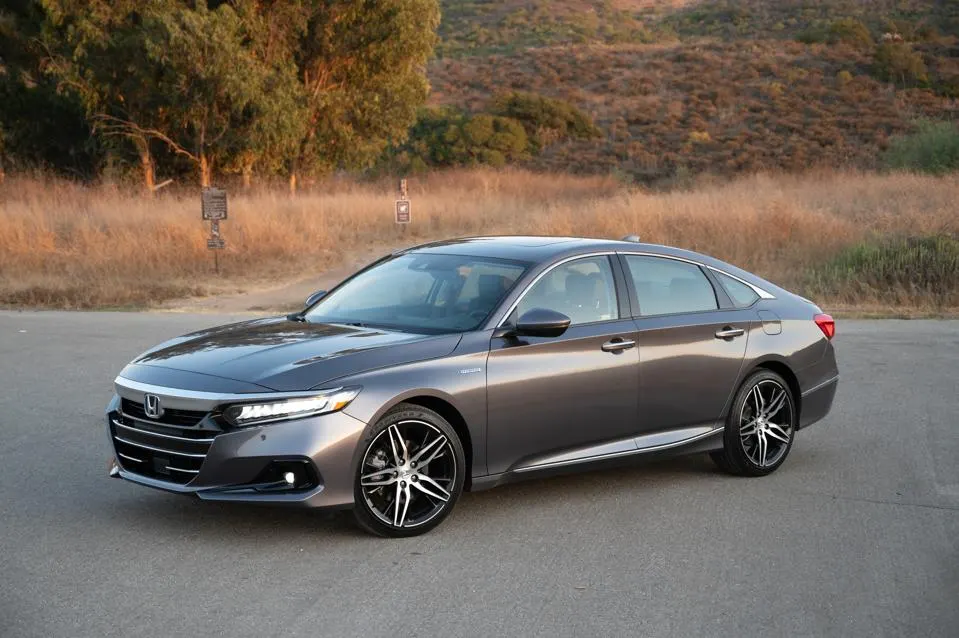
1. Honda Accord Hybrid
The Honda Accord Hybrid stands as a shining example of how hybrid technology can enhance rather than compromise the driving experience.
With a combined output of 204 horsepower from its 2.0-liter four-cylinder engine and dual electric motors, this midsize sedan delivers acceleration that genuinely surprises first-time drivers.
The Accord Hybrid can sprint from 0-60 mph in approximately 6.7 seconds a figure that embarrasses many traditional gas-powered competitors in its class.
What makes the Accord Hybrid particularly impressive is Honda’s sophisticated two-motor hybrid system, which operates differently from most competitors.
At lower speeds, the electric motor directly drives the wheels while the gasoline engine acts primarily as a generator. During moderate acceleration, both power sources work in harmony.
When you need maximum thrust say, for a highway merge or passing maneuver the gasoline engine can directly connect to the wheels through a single-speed transmission.
This intelligent power routing means the Accord Hybrid always feels responsive, with minimal lag between throttle input and forward motion.
The driving experience is further enhanced by the sedan’s well-tuned suspension and precise steering. Unlike some hybrids that feel disconnected from the road, the Accord maintains Honda’s reputation for engaging dynamics.
The regenerative braking system is calibrated beautifully, with a natural pedal feel that doesn’t require significant adjustment from traditional vehicles. When you press the accelerator to merge onto a busy highway, there’s no hesitation just smooth, linear power delivery that builds confidence.
Interior refinement complements the performance capabilities. The cabin remains remarkably quiet even under hard acceleration, with excellent sound insulation blocking out wind and road noise.
The continuously variable transmission (CVT) avoids the “rubber band” effect that plagues many competitors, instead providing a direct connection between engine speed and vehicle speed that feels more natural. Sport mode sharpens throttle response even further for those times when you want maximum performance.
Fuel economy remains outstanding despite the strong performance, with EPA ratings of 48 mpg combined in most trims. This proves that efficiency and performance aren’t mutually exclusive.
The Accord Hybrid’s spacious interior, trunk capacity that rivals non-hybrid versions, and Honda’s legendary reliability make it a complete package.
For budget-conscious buyers who refuse to compromise on driving enjoyment, the Accord Hybrid represents one of the best values in the entire automotive market today.
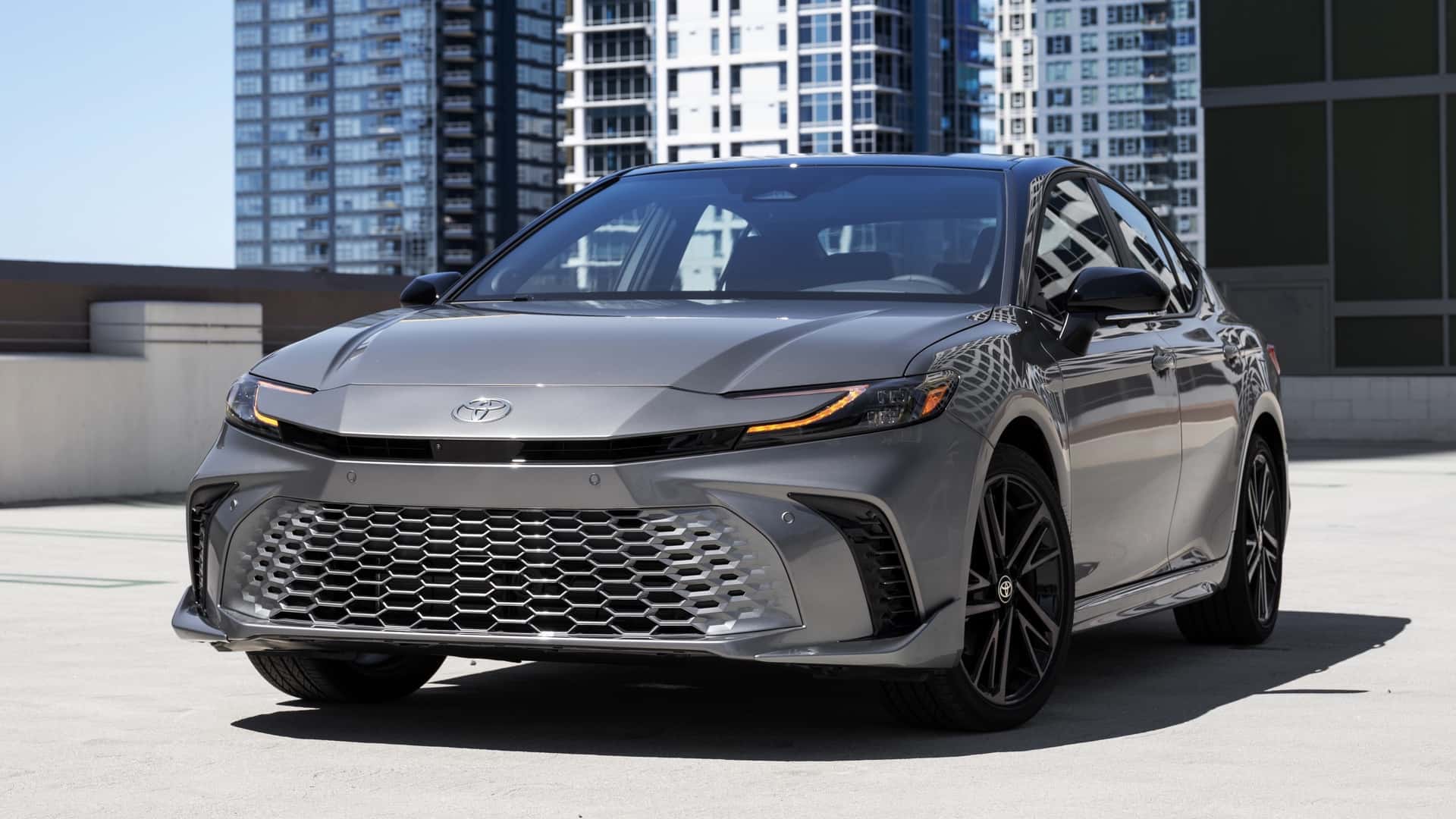
2. Toyota Camry Hybrid
The Toyota Camry Hybrid has evolved significantly from its earlier iterations, transforming from a merely adequate performer into a genuinely quick and responsive sedan.
The latest generation pairs a 2.5-liter four-cylinder engine with an electric motor for a total system output of 208 horsepower in the standard model, or an impressive 232 horsepower in the XSE and XLE trims.
This represents a substantial improvement over previous generations and puts the Camry Hybrid firmly in the “quick” category. Toyota’s hybrid system, while different from Honda’s approach, delivers smooth and confident acceleration.
The 0-60 mph sprint takes approximately 7.2 seconds in the base model and just under 7 seconds in the higher-output versions numbers that feel even quicker in real-world driving thanks to the instant torque delivery from the electric motor.
When merging onto highways or executing passing maneuvers, the Camry Hybrid responds with urgency and without the wheezing sound effects that characterize underpowered hybrids.
The electronic continuously variable transmission (eCVT) in the Camry Hybrid is well-calibrated to minimize the unpleasant droning sensation common in many CVT applications. Under normal driving conditions, it operates nearly invisibly, keeping engine speeds low and the cabin quiet.
When you demand acceleration, it responds by allowing engine revs to rise quickly while simultaneously maximizing electric motor assistance. The result is strong, confident acceleration that never feels strained or inadequate.
Handling characteristics have also improved dramatically in recent Camry generations. The Toyota New Global Architecture (TNGA) platform provides a lower center of gravity and more rigid structure, resulting in composed handling and minimal body roll.
While it’s not a sports sedan, the Camry Hybrid feels stable and predictable through corners, with steering that provides adequate feedback for confident driving. The hybrid battery’s low placement actually benefits weight distribution, contributing to balanced dynamics.
Driver selectable modes including Eco, Normal, and Sport allow customization of the powertrain’s responsiveness. Sport mode notably sharpens throttle response and adjusts the transmission programming for more aggressive performance, making highway merging and passing maneuvers even more confident.
The Camry Hybrid achieves all this performance while maintaining impressive efficiency ratings of up to 52 mpg combined, proving that Toyota’s decades of hybrid development have resulted in systems that no longer require performance sacrifices.
With Toyota’s reputation for reliability and strong resale values, the Camry Hybrid offers both immediate performance satisfaction and long-term value retention.
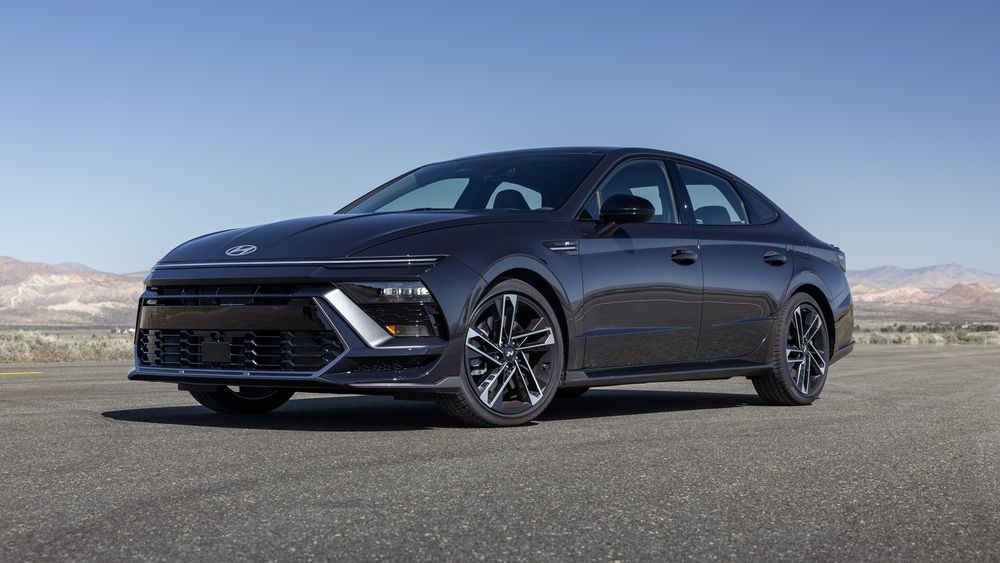
3. Hyundai Sonata Hybrid
The Hyundai Sonata Hybrid represents Korean engineering’s compelling answer to Japanese hybrid dominance, delivering a powertrain that feels notably more energetic than its specifications might suggest.
With 192 combined horsepower from its 2.0-liter four-cylinder engine and electric motor, the Sonata Hybrid achieves 0-60 mph in approximately 7.4 seconds competitive numbers that translate to confident real-world performance. What sets this hybrid apart is Hyundai’s focus on driver engagement and the feeling of responsiveness rather than just raw output figures.
Hyundai’s six-speed automatic transmission paired with an electric motor represents a different approach than the CVTs used by most competitors. This conventional automatic provides discrete gear changes that many drivers find more satisfying and natural-feeling than the continuous ratio adjustment of CVTs.
The transmission shifts smoothly and intelligently, downshifting proactively when it detects the need for more power. During highway merging, the powertrain delivers strong mid-range acceleration without the droning engine note that characterizes CVT-equipped competitors. The electric motor fills in any gaps in power delivery, creating a seamless and muscular feel.
The Sonata Hybrid’s Sport driving mode transforms the sedan’s character significantly. Throttle response becomes noticeably sharper, the transmission holds gears longer, and the entire powertrain feels more alive and willing.
Even in normal driving modes, the Sonata never feels sluggish or hesitant. The regenerative braking system is well-integrated, with paddle shifters allowing manual control over regeneration levels a feature that adds both engagement and efficiency optimization based on driving conditions.
Chassis dynamics complement the strong powertrain. The Sonata rides on a platform that prioritizes refinement without becoming wallowy or disconnected. Body control remains composed during spirited driving, and the steering provides adequate weight and precision for confident maneuvering.
The suspension effectively isolates road imperfections while maintaining enough firmness to prevent excessive body motion during aggressive maneuvers or quick lane changes.
Hyundai’s industry-leading warranty coverage adds significant value to the Sonata Hybrid proposition. The 10-year/100,000-mile powertrain warranty and lifetime hybrid battery warranty for original owners provide peace of mind that’s unmatched in the segment.
The interior offers generous space, upscale materials, and advanced technology features that rival luxury brands. With EPA ratings of 45-50 mpg depending on trim level, the Sonata Hybrid delivers excellent efficiency without the performance compromises that plague some competitors.
For buyers seeking a hybrid that feels quick, refined, and backed by exceptional warranty coverage, the Sonata Hybrid deserves serious consideration.
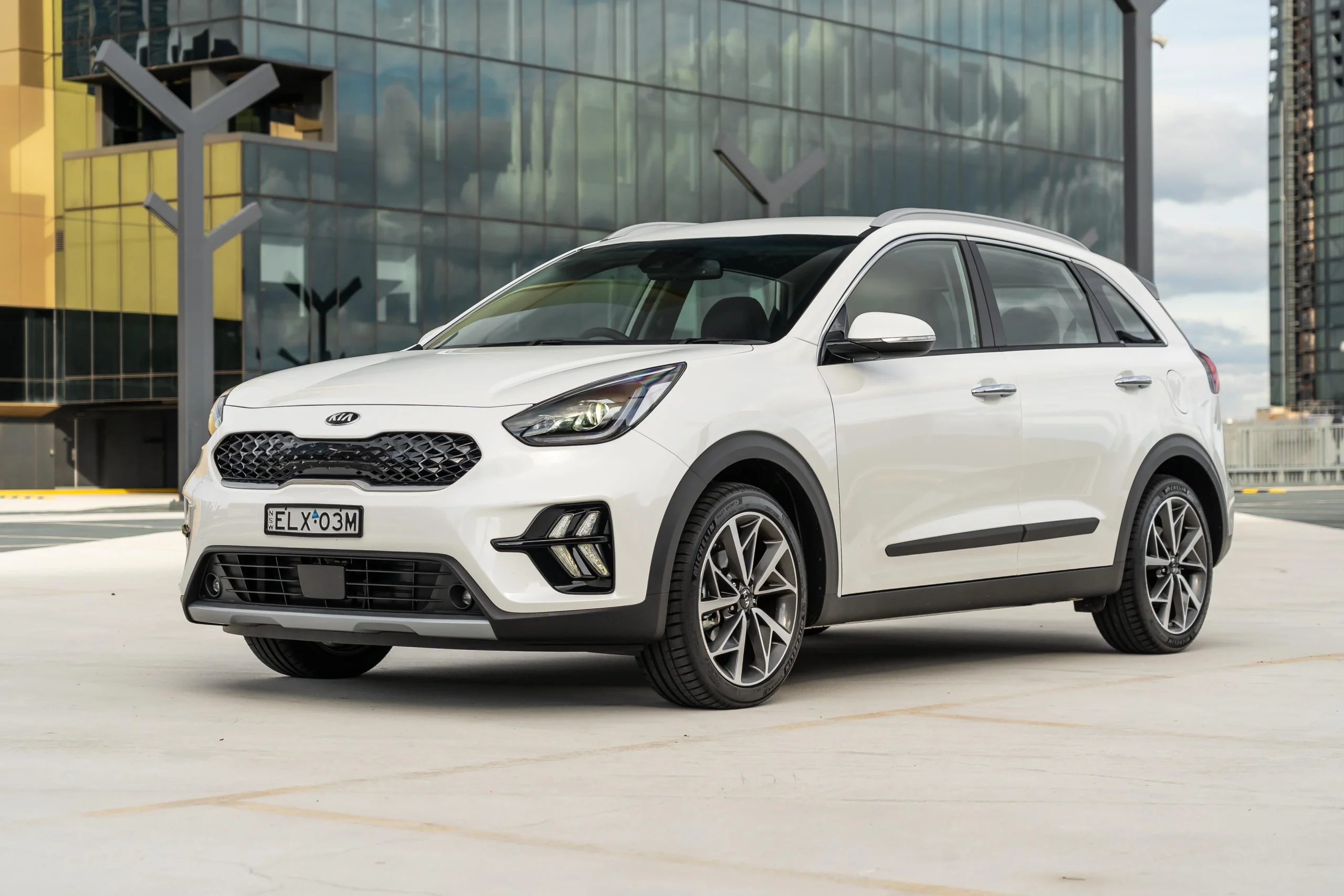
4. Kia Niro Hybrid
Don’t let the Kia Niro’s compact crossover styling fool you this hybrid delivers surprisingly peppy performance that belies its efficiency-focused mission.
The Niro Hybrid’s powertrain consists of a 1.6-liter four-cylinder engine paired with an electric motor, generating a combined 139 horsepower.
While that figure sounds modest on paper, the Niro’s relatively light curb weight and the instant torque delivery from its electric motor result in acceleration that feels quicker than the numbers suggest, with 0-60 mph achieved in approximately 8.5 seconds.
The six-speed dual-clutch automatic transmission represents a significant advantage over CVT-equipped competitors. This transmission provides quick, crisp shifts that enhance the sense of responsiveness and driver engagement.
Unlike many hybrids that feel sluggish when accelerating from a standstill, the Niro leaps off the line with enthusiasm thanks to the electric motor’s immediate torque.
Highway merging proves stress-free, as the powertrain delivers adequate passing power and maintains composure even when climbing grades or carrying passengers and cargo.
Kia’s powertrain calibration prioritizes drivability and real-world usability over ultimate efficiency numbers. The transition between electric-only operation and combined power happens seamlessly, without the lurching or hesitation that characterizes poorly-tuned hybrids.
The driver can select between Eco, Normal, and Sport modes, with Sport mode providing noticeably sharper throttle response and more aggressive transmission programming. Even in Eco mode, the Niro never feels dangerously underpowered or hesitant a crucial consideration for safety and driver confidence.
The crossover’s raised seating position and excellent visibility contribute to driver confidence, making it easier to judge gaps in traffic and execute merging maneuvers safely.
The chassis feels planted and stable, with controlled body motions and steering that provides adequate feedback. While the Niro isn’t a performance vehicle, it handles competently and predictably, never exhibiting the wallowy or disconnected characteristics that plague some efficiency-focused vehicles.
Practicality stands as another Niro strength. The crossover body style provides generous cargo capacity, comfortable seating for five adults, and an upright seating position that many drivers prefer over traditional sedans.
Build quality impresses with solid construction and materials that exceed expectations for the price point. Kia’s 10-year/100,000-mile powertrain warranty matches Hyundai’s exceptional coverage.
With EPA ratings around 49-53 mpg combined depending on trim level, the Niro Hybrid proves that compact crossovers can deliver both efficiency and adequate performance.
For buyers who need the versatility of a crossover but refuse to tolerate sluggish acceleration, the Niro Hybrid hits a sweet spot that few competitors can match.
Also Read: 6 SUVs Whose Liftgates Work Every Winter Vs 6 That Blow Struts and Motors
5. Toyota Prius (Latest Generation)
The latest generation Toyota Prius has undergone a dramatic transformation that addresses virtually every criticism leveled at previous generations. Gone is the appliance-like driving experience, replaced by a hybrid that actually feels engaging and responsive.
The standard Prius now produces 196 horsepower from its 2.0-liter four-cylinder engine and electric motor combination, while the Prius XSE and Limited trims deliver an impressive 198 horsepower.
Perhaps most remarkably, the 0-60 mph acceleration time has dropped to approximately 7.0 seconds, making the new Prius genuinely quick by any reasonable standard.
Toyota’s fifth-generation hybrid system represents the culmination of nearly three decades of development and refinement. The powertrain delivers power smoothly and linearly, with the electric motor filling in any gaps to create a seamless acceleration curve.
The new 2.0-liter engine replaces the previous 1.8-liter unit, providing both more power and better efficiency. When you press the accelerator for a highway merge, the Prius responds with genuine urgency, accelerating confidently up to highway speeds without strain or excessive noise.
The driving dynamics have improved so dramatically that they deserve separate recognition. Built on the TNGA platform, the new Prius sits lower and wider than its predecessor, with a significantly lower center of gravity.
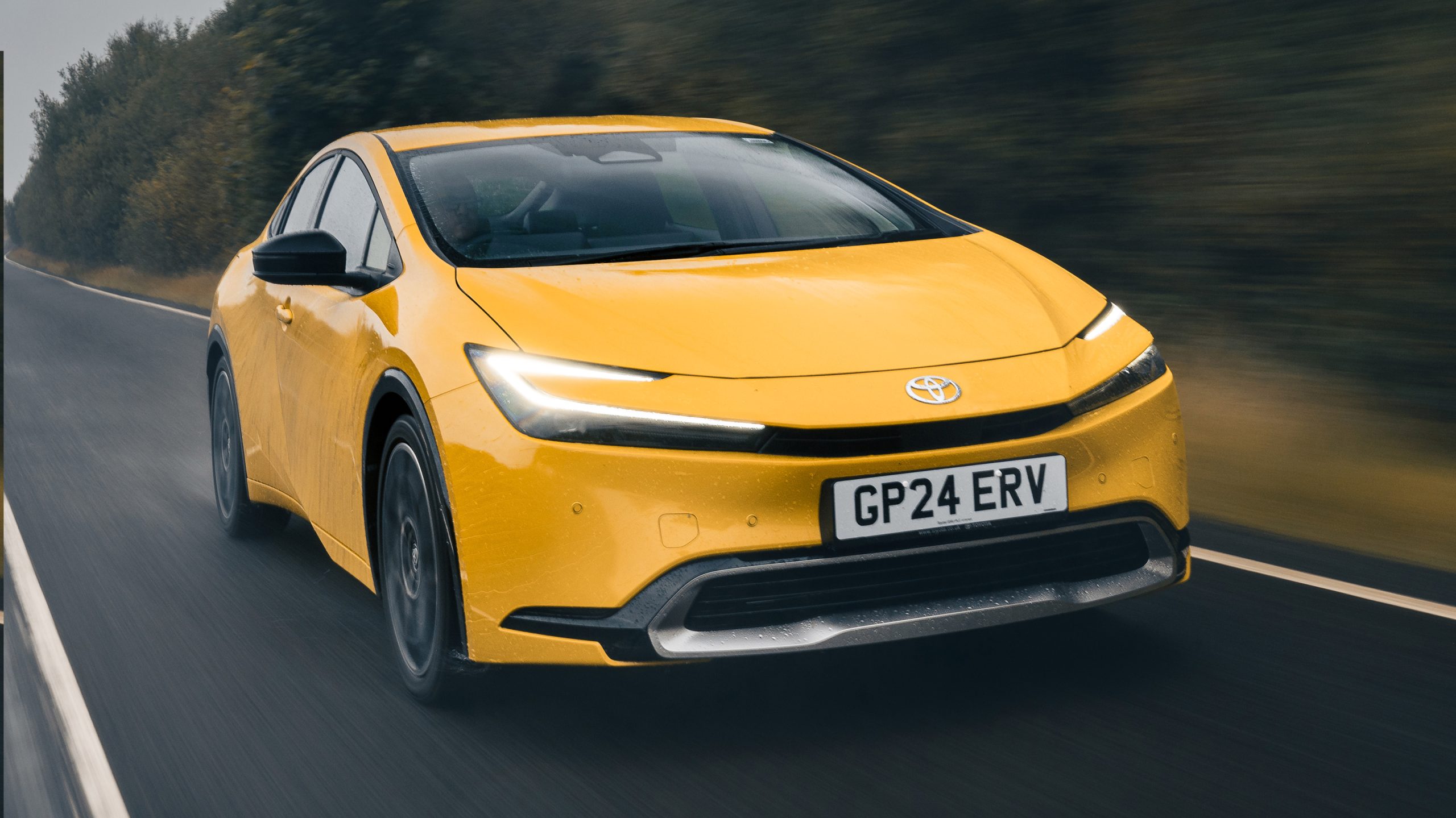
The result is handling that feels balanced and composed, with minimal body roll and steering that provides actual feedback. While it’s not a sports car, the Prius no longer feels disconnected from the road.
The suspension strikes an excellent balance between comfort and control, absorbing imperfections while maintaining body control during aggressive maneuvers.
Perhaps most impressive is how Toyota achieved this performance improvement while simultaneously improving efficiency. The new Prius delivers up to 57 mpg combined in front-wheel-drive form making it one of the most efficient non-plug-in vehicles available.
The electronic CVT operates more naturally than in previous generations, minimizing the “rubber band” effect and keeping engine noise well-controlled even under hard acceleration. Normal driving happens in near silence, with the electric motor handling most low-speed operation.
The interior has been completely redesigned with modern materials, better ergonomics, and a driver-focused layout that finally makes the Prius feel like a contemporary vehicle rather than a rolling science experiment.
Visibility remains excellent despite the more aggressive styling, and the cabin provides comfortable accommodations for five adults. For buyers who want maximum efficiency without sacrificing performance or style, the latest Prius represents a revelation.
It proves that Toyota listened to decades of criticism and created a hybrid that no longer requires apologies or excuses just a genuinely good car that happens to be incredibly efficient.
5 Budget Hybrids That Struggle Merging
These problematic vehicles suffer from hybrid powertrains with inadequate combined power output, conservative power management programming that prioritizes efficiency over performance, and excessive vehicle weight that overwhelms modest powertrain capabilities creating dangerously slow acceleration during highway merging and passing situations where adequate power becomes essential for traffic safety.
Their flawed engineering includes electric motors with minimal torque contribution providing little acceleration benefit, battery packs with insufficient power delivery limiting electric motor output during high-demand situations, and continuously variable transmissions that exacerbate power delivery issues by allowing engine speed to rise without corresponding acceleration creating disconcerting noise and sluggish performance.
From terrifyingly slow highway on-ramp acceleration requiring full throttle and extended distances to reach traffic speed to inability passing slower vehicles without extensive clear distance, these troublesome budget hybrids feel dangerously underpowered.
1. Toyota Prius C (Prior Generation)
The Toyota Prius C (discontinued but still available used) represents everything frustrating about earlier hybrid technology an almost singular focus on efficiency with little regard for drivability or driver confidence.
With a mere 99 combined horsepower from its 1.5-liter four-cylinder engine and small electric motor, the Prius C struggles in virtually every performance metric. The 0-60 mph acceleration time stretches to approximately 11.5 seconds, a figure that feels even slower in real-world driving situations.
Attempting to merge onto a busy highway in a Prius C requires careful planning and often a healthy dose of hope.
The powertrain wheezes audibly as it struggles to accelerate the vehicle to highway speeds, with the small engine revving frantically. At the same time, the CVT searches futilely for mechanical advantage that simply doesn’t exist.
The electric motor provides some assistance, but its modest output cannot compensate for the fundamentally underpowered gasoline engine.
Drivers frequently find themselves flooring the accelerator and still barely achieving adequate merging speeds, which can create potentially dangerous situations in heavy traffic.
The lack of power affects more than just highway merging. Climbing hills with passengers or cargo transforms into an exercise in patience and embarrassment as the Prius C slows dramatically on grades that barely trouble more powerful vehicles.
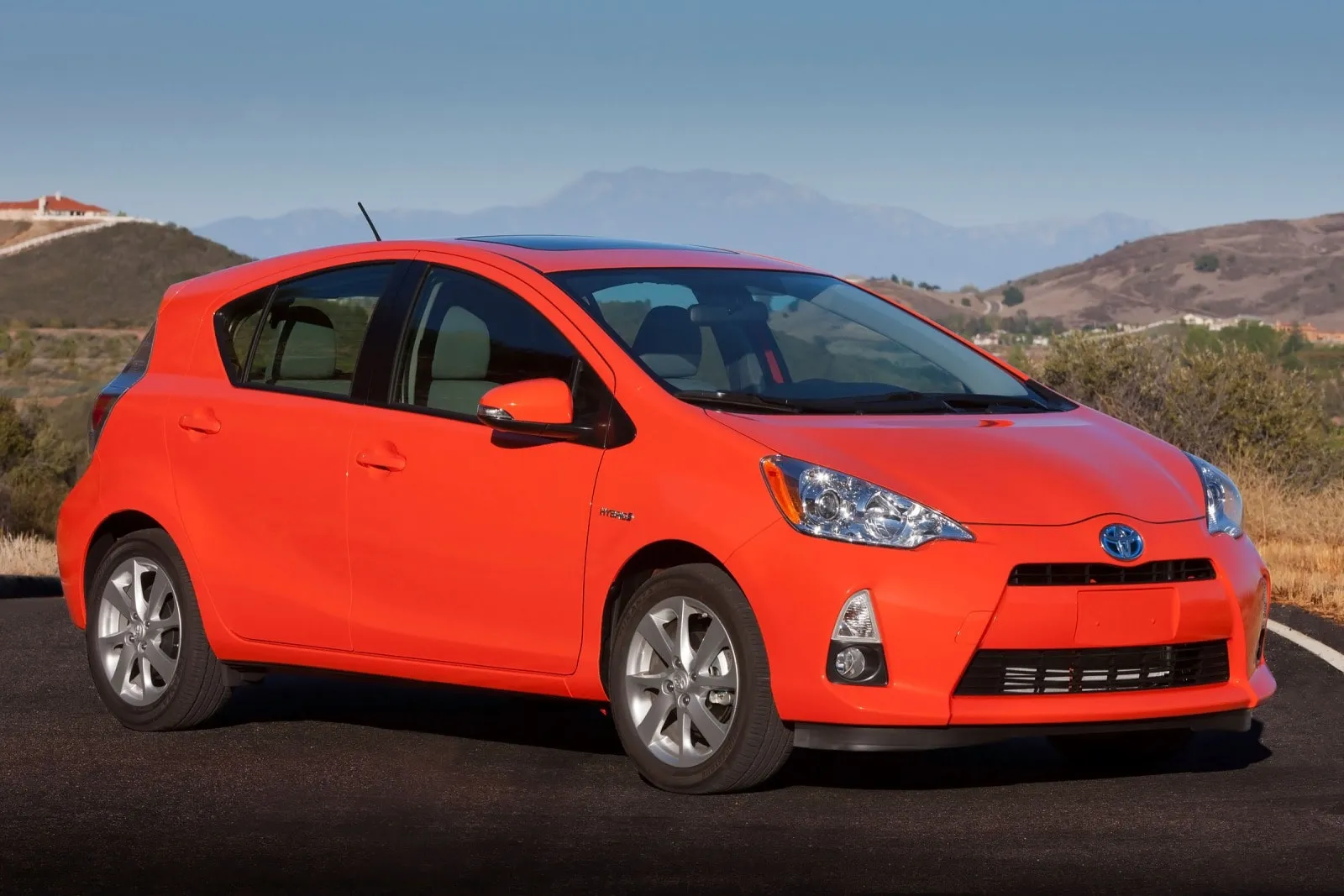
Passing slower traffic becomes an adventure requiring extensive forward planning, as the vehicle needs significant time and distance to build speed. Many Prius C owners report feeling nervous in situations requiring quick acceleration, such as pulling out across traffic or entering roundabouts.
The CVT transmission exacerbates the power deficit by allowing the engine to drone at high RPMs without producing proportional acceleration.
Under hard throttle, the engine noise becomes intrusive and unpleasant, filling the cabin with a buzzing sound that only emphasizes how hard the powertrain is working to achieve modest results.
The small size and light weight that should theoretically help performance are overwhelmed by the insufficient power output. Interior space suffers from the compact dimensions, with rear-seat passengers feeling cramped and cargo capacity limiting practical utility.
While the Prius C achieves impressive fuel economy figures around 46 mpg combined, that efficiency comes at a significant cost in usability and driver confidence.
The harsh reality is that saving fuel means little when you feel unsafe merging onto highways or passing on two-lane roads.
For budget-conscious buyers, the temptation of low purchase prices on used Prius C models should be weighed carefully against the frustration and potential safety concerns of living with such inadequate performance daily.
2. Honda Insight (2019-2022)
The Honda Insight presents a puzzling case of a hybrid that looks sporty but fails to deliver performance to match its appearance. While sharing components with the excellent Accord Hybrid, the Insight produces only 151 combined horsepower from its 1.5-liter four-cylinder engine and electric motor a significant deficit compared to its larger sibling.
This power shortage becomes apparent during highway merging and passing situations, where the Insight feels strained and underpowered despite Honda’s generally excellent hybrid system.
The 0-60 mph acceleration time of approximately 8.8 seconds seems reasonable on paper, but the subjective experience feels slower due to the powertrain’s calibration and the small engine’s need to work hard to move the vehicle at highway speeds.
When attempting to merge onto a busy interstate, drivers must plan and accept longer acceleration times. The electric motor provides some low-end boost, but it cannot compensate for the small gasoline engine’s fundamental limitations when sustained power is required.
Honda’s dual-clutch transmission variant used in some markets would have improved the experience, but the CVT employed in most Insights allows the engine to drone unpleasantly at high RPMs during hard acceleration.
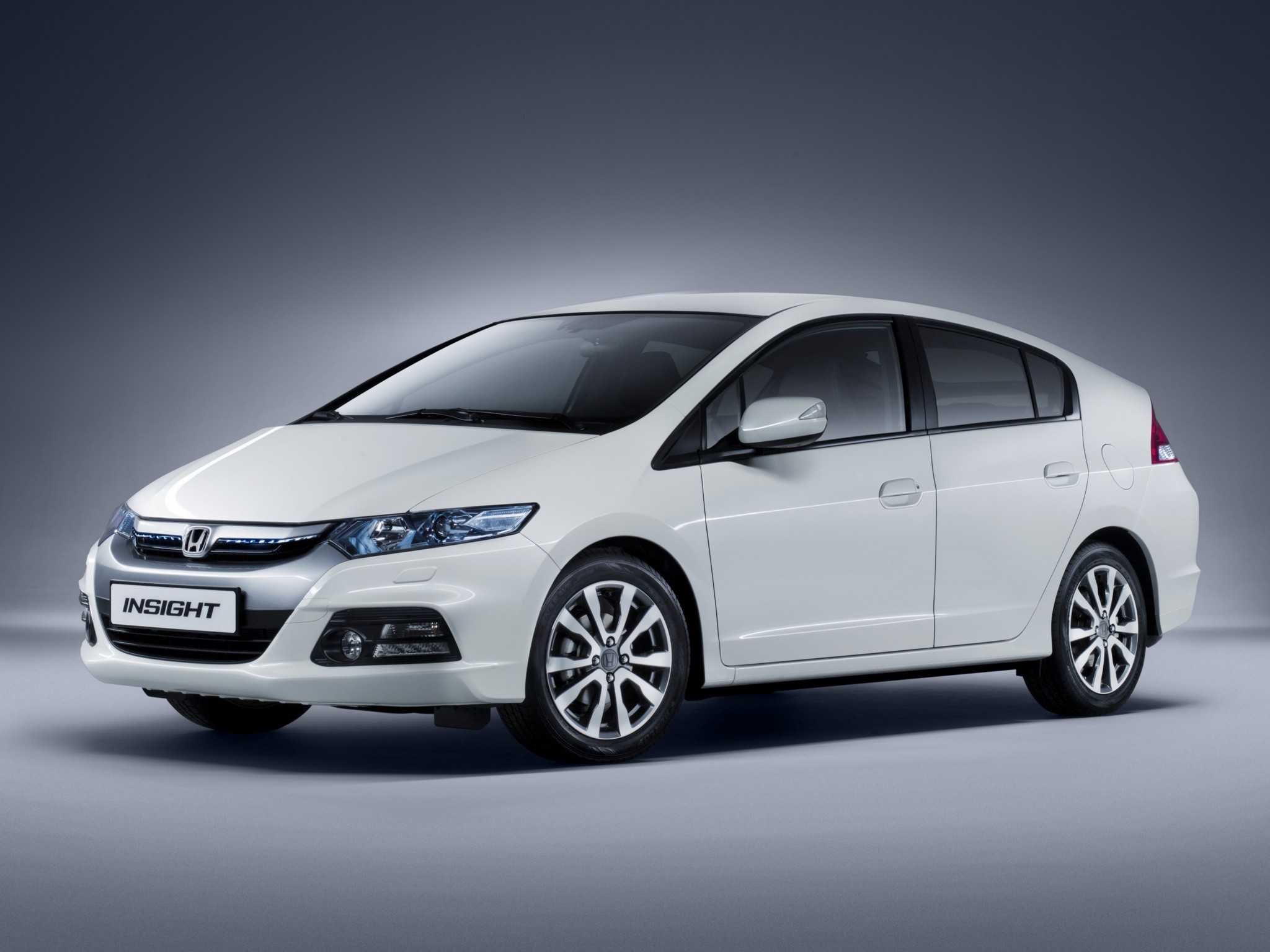
The engine note becomes coarse and loud, filling the cabin with mechanical noise that emphasizes the struggle to achieve adequate speed.
Unlike the Accord Hybrid’s refined powertrain, the Insight’s smaller engine must work significantly harder to achieve similar results, creating a less pleasant auditory experience.
The Insight’s sporty styling and coupe-like roofline suggest performance that the powertrain cannot deliver. This creates a disconnect between expectations and reality that leaves many drivers disappointed.
The handling is competent, with typical Honda precision in the steering and suspension tuning, but the lack of adequate power means that corner exits feel sluggish and unsatisfying. Sport mode sharpens throttle response somewhat, but it cannot create power that doesn’t exist.
Fuel economy around 52 mpg combined represents the Insight’s primary virtue, and for drivers who prioritize efficiency above all else, it delivers. However, the daily reality of living with marginal performance creates frustration during every highway entrance and passing attempt.
The interior is nicely finished with good materials and Honda’s excellent build quality, but these positives cannot overcome the fundamental issue of insufficient power.
For buyers considering an Insight, the modest savings compared to an Accord Hybrid are quickly eroded by the significant compromises in drivability and driver confidence.
The Insight proves that badge engineering sometimes results in vehicles that miss the mark, even when the parent company produces excellent alternatives.
3. Hyundai Ioniq Hybrid (Blue/Base Trim)
The base Hyundai Ioniq Hybrid, particularly in its efficiency-focused Blue trim, demonstrates how aggressive pursuit of maximum fuel economy can create a vehicle that struggles with real-world driving situations.
With 139 combined horsepower from its 1.6-liter four-cylinder engine and electric motor, the Ioniq Blue manages 0-60 mph in approximately 10.5 seconds, a figure that translates to genuinely concerning performance in certain driving scenarios.
The Ioniq’s dual-clutch transmission, while theoretically superior to a CVT, is calibrated so conservatively in the Blue trim that it robs the vehicle of any sporting pretense.
Shifts happen slowly, prioritizing efficiency over response, and the transmission hesitates noticeably during situations requiring sudden acceleration.
When entering a highway on a short on-ramp, drivers must commit early and floor the accelerator, hoping that traffic conditions remain favorable during the extended time needed to reach merging speed.
Hyundai’s engineers clearly prioritized extracting every last mile per gallon from the Ioniq Blue, and while they succeeded in achieving outstanding efficiency numbers, the cost in drivability is substantial.
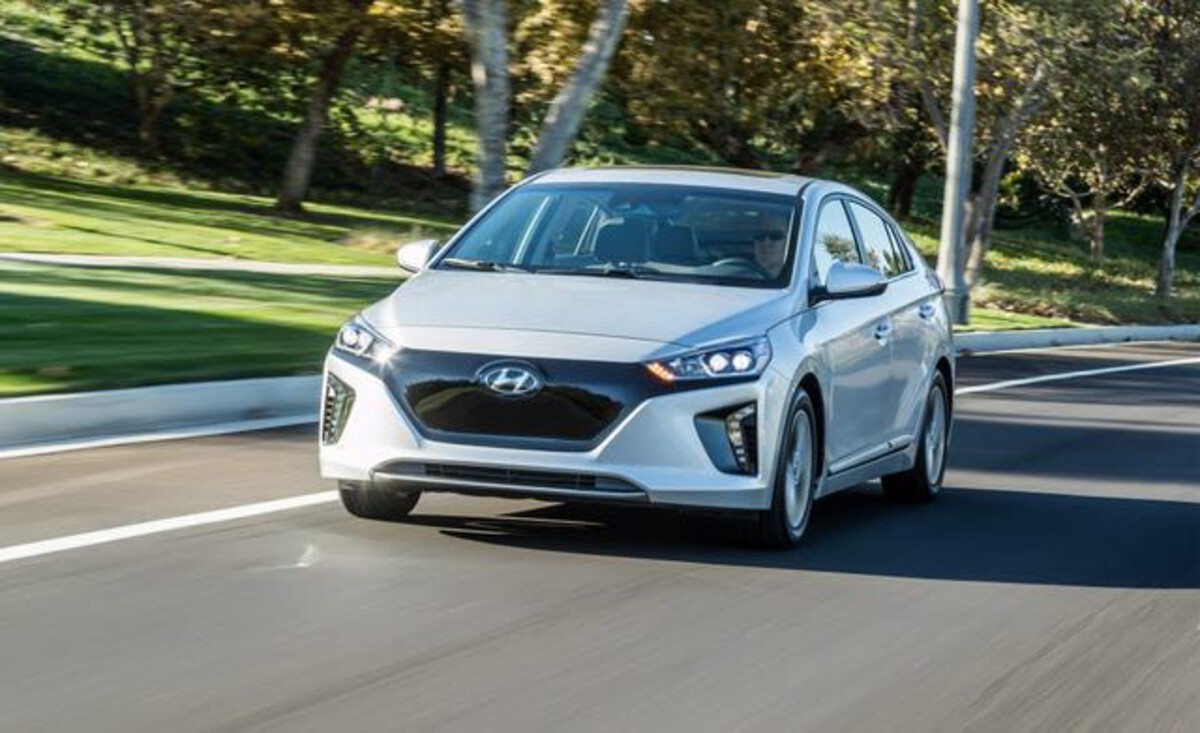
The small gasoline engine must work extremely hard to move the vehicle at highway speeds, and adding passengers or cargo exacerbates the power deficit significantly.
Hill climbing becomes an exercise in maintaining momentum, as the Ioniq loses speed noticeably on grades while other traffic pulls away.
The aerodynamic body shape, designed for maximum efficiency, creates a slippery profile that helps somewhat with highway cruising, but it cannot compensate for the fundamental lack of power.
Passing slower vehicles on two-lane roads requires extensive planning and long stretches of clear sight lines, as the Ioniq needs significant time and distance to build speed for overtaking maneuvers.
Many owners report simply avoiding passing situations entirely, choosing instead to wait patiently behind slower traffic rather than risk extended exposure in the oncoming lane.
The low-rolling-resistance tires fitted to the Blue trim further compromise the driving experience by providing limited grip and a somewhat disconnected feel.
Combined with the underpowered drivetrain, this creates a vehicle that feels compromised in multiple ways. The interior is well-appointed with decent materials and good build quality, and the available technology features are competitive.
The Ioniq Blue achieves its mission of delivering up to 58 mpg combined, making it one of the most efficient non-plug-in hybrids available.
However, buyers must honestly assess whether the efficiency gains are worth the daily frustration of living with inadequate performance.
For many drivers, the answer will be no, making the higher-trim Ioniq models or competitors with more power the wiser choice despite slightly lower efficiency numbers.
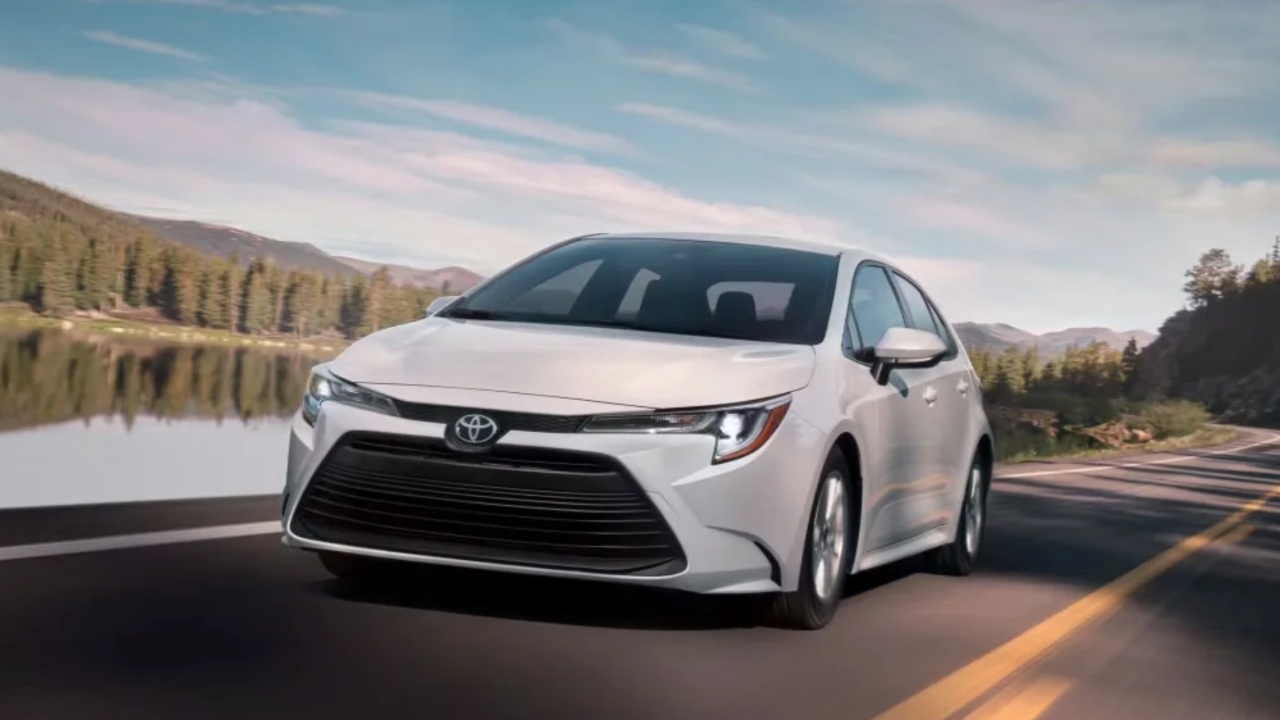
4. Toyota Corolla Hybrid
The Toyota Corolla Hybrid presents an interesting case where a well-regarded brand and platform cannot overcome the limitations of an undersized powertrain.
With 121 combined horsepower from its 1.8-liter four-cylinder engine and electric motor, the Corolla Hybrid produces the same output as the much older third-generation Prius despite being a newer vehicle.
The 0-60 mph acceleration time of approximately 10.6 seconds reveals the performance deficit, and the subjective experience confirms that the numbers tell an accurate story.
Merging onto highways in the Corolla Hybrid requires defensive driving and careful timing. The powertrain lacks the punch necessary for confident acceleration from on-ramps, particularly short ones common in urban areas.
Drivers must frequently floor the accelerator pedal and wait as the engine revs loudly while the vehicle gradually builds speed.
The electronic CVT allows the engine to drone at high RPMs, creating substantial noise without proportional acceleration a combination that emphasizes the struggle and creates driver fatigue during longer trips.
The electric motor provides some low-speed assistance, making the Corolla Hybrid feel adequate around town where speeds remain modest.
However, once highway speeds are required or passing maneuvers attempted, the limitations become glaringly apparent.
The small gasoline engine simply lacks the displacement and power output to move the vehicle with any sense of urgency at higher speeds. Adding passengers to fill the rear seat or cargo in the trunk makes the performance deficit even more pronounced.
Toyota’s focus on reliability and efficiency means the Corolla Hybrid will likely run forever with minimal maintenance, and fuel economy around 50 mpg combined is genuinely impressive for a compact sedan. However, these virtues cannot completely offset the frustration of daily driving with marginal power.
Climbing highway grades, the Corolla Hybrid loses momentum noticeably while other vehicles maintain speed effortlessly. In stop-and-go traffic, the hybrid system works well, but when steady power is required, the limitations surface immediately.
The handling is typical Toyota, competent and predictable but not particularly engaging. The suspension provides a comfortable ride, and the interior offers the expected Toyota build quality and reliability.
However, no amount of dependability can make the powertrain feel adequate during highway merging or passing situations.
For buyers considering a Corolla Hybrid, the key question is whether their driving patterns involve frequent highway use. For primarily urban driving with occasional highway cruising, the Corolla Hybrid’s efficiency makes sense.
However, for drivers who regularly face challenging merging situations or need confident passing power, alternatives with more robust powertrains will provide greater peace of mind and driving satisfaction, even if they sacrifice a few mpg.
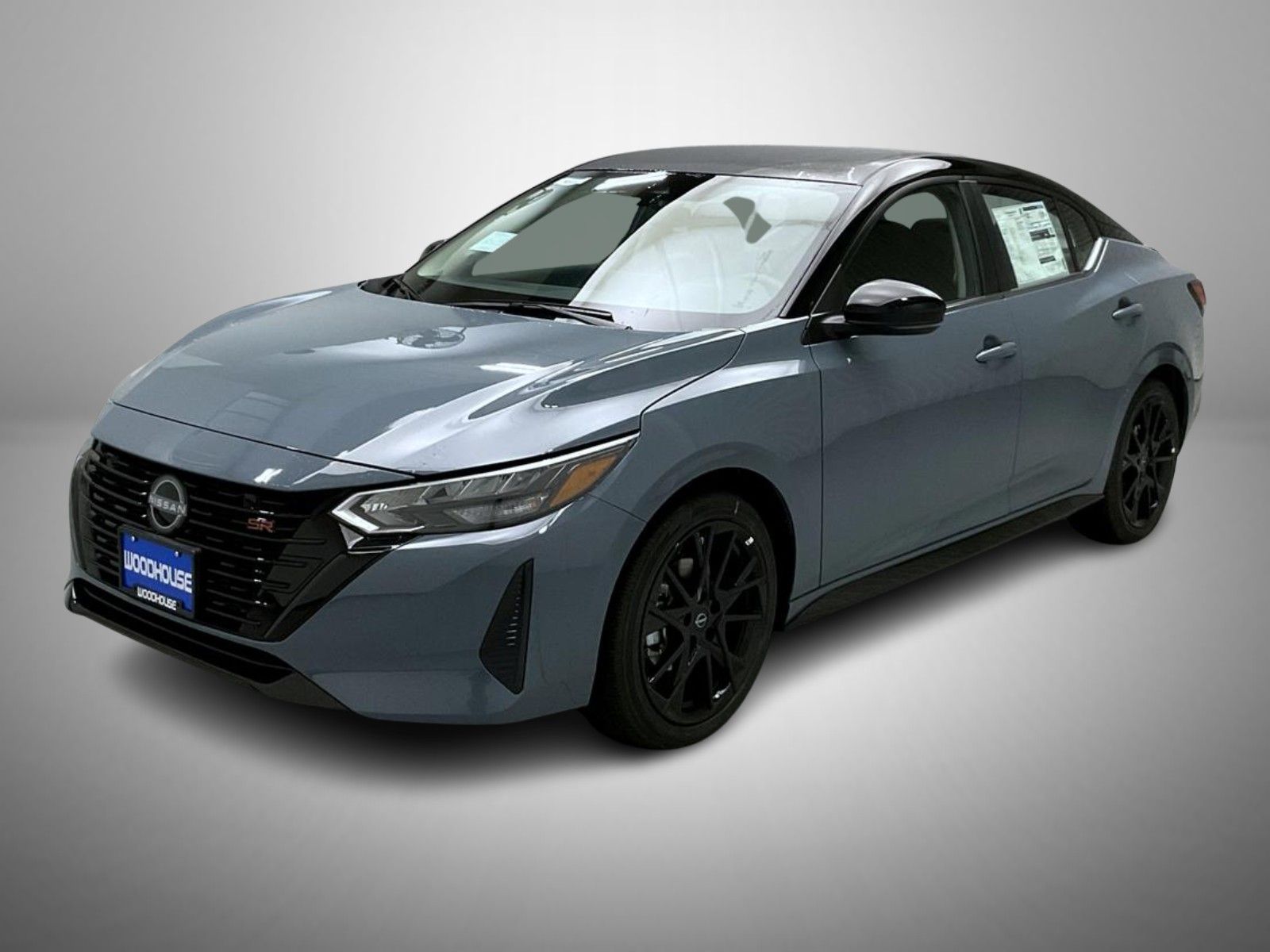
5. Nissan Sentra SR (with CVT, non-hybrid comparison)
While not technically a hybrid, the Nissan Sentra with its continuously variable transmission deserves mention as a cautionary tale about prioritizing efficiency over adequate performance a lesson that applies directly to underpowered hybrids.
The Sentra’s 2.0-liter four-cylinder produces 149 horsepower, which sounds reasonable until you experience the CVT’s calibration that prioritizes fuel economy at every opportunity, resulting in a driving experience that rivals the sluggishness of the worst budget hybrids.
The Sentra’s CVT is programmed so aggressively for efficiency that throttle inputs feel disconnected from actual acceleration. When attempting to merge onto highways, drivers experience significant lag between pedal depression and meaningful acceleration.
The engine revs up quickly, creating noise without proportional forward motion the classic CVT “rubber band” effect taken to an extreme. The 0-60 mph time of approximately 9.2 seconds feels slower due to the unpleasant delivery and constant sensation that the vehicle is struggling.
Highway passing maneuvers require extensive planning and patience. The CVT eventually allows the engine to deliver its modest power, but the delayed response and droning engine note make the experience unpleasant and confidence-eroding.
Drivers frequently report feeling anxious about merging situations, particularly on short on-ramps or when entering fast-moving traffic.
The Sport mode supposedly sharpens response, but in reality, it simply allows the engine to rev higher and louder without dramatically improving acceleration.
The Sentra’s light curb weight should theoretically help performance, but the CVT’s calibration overwhelms any advantage. Nissan’s focus on achieving competitive fuel economy numbers has resulted in a powertrain that feels fundamentally compromised in real-world driving.
The suspension and chassis are competent enough, but they cannot compensate for the frustrating powertrain. Steering feels vague and overcorrect, further reducing driver confidence during spirited driving or emergency maneuvers.
This example illustrates how aggressive efficiency tuning, whether in a hybrid or conventional vehicle, can create unpleasant and potentially unsafe driving experiences.
The Sentra achieves respectable fuel economy figures, but the daily frustration of living with its sluggish response and annoying CVT calibration makes it a cautionary example.
For hybrid shoppers, the lesson is clear: efficiency numbers mean little if the vehicle feels dangerous or creates anxiety during routine driving situations. Always test-drive hybrids on highways and in realistic merging scenarios before purchasing.
Paper specifications and EPA ratings cannot capture the subjective experience of living with marginal performance, and no amount of fuel savings can compensate for compromised safety and constant driver stress.
Also Read: 7 Platforms With HVAC Blend Doors That Endure vs 7 With Recurring Actuator Failure
