
The transfer case represents the mechanical heart of any four-wheel-drive system, serving as the critical component that distributes power between the front and rear axles.
When this essential piece of hardware functions flawlessly, it transforms an ordinary truck into an unstoppable off-road warrior capable of conquering the most challenging terrain imaginable.
However, when a transfer case fails, it can leave drivers stranded in remote locations and facing repair bills that rival the cost of a small car.
Throughout automotive history, certain trucks have earned legendary status for their virtually indestructible transfer cases, becoming the gold standard for reliability and durability.
These vehicles have proven themselves across millions of miles, from the scorching deserts of the Middle East to the frozen tundras of Alaska, consistently delivering power to all four wheels without complaint.
Their transfer cases have become so renowned that used units command premium prices, and owners frequently report odometer readings well into six figures with original components still functioning perfectly.
The engineering excellence behind these legendary transfer cases often stems from conservative design philosophies, overbuilt components, and extensive real-world testing.
Manufacturers who prioritized long-term durability over cost savings created transfer cases with robust gear sets, substantial bearings, and housings capable of withstanding tremendous stress.
These designs typically featured simpler mechanical linkages, fewer failure points, and generous lubrication systems that kept components running smoothly for decades.
Understanding which trucks possess bulletproof transfer cases and which models suffer from chronic 4×4 system failures has become essential knowledge for anyone considering a truck purchase, particularly those planning to venture off-road or rely on their vehicle in demanding conditions.
This comprehensive analysis examines ten trucks that represent the extreme ends of the transfer case reliability spectrum, providing crucial insights for buyers and enthusiasts alike.
5 Legendary Trucks With Indestructible Transfer Cases
From extreme off-road articulation creating severe driveline angles to heavy towing duty transmitting maximum torque through transfer case components, these remarkable four-wheel-drive systems continue operating flawlessly without developing the rattling chains, seized shift mechanisms, or catastrophic bearing failures that plague lesser designs.
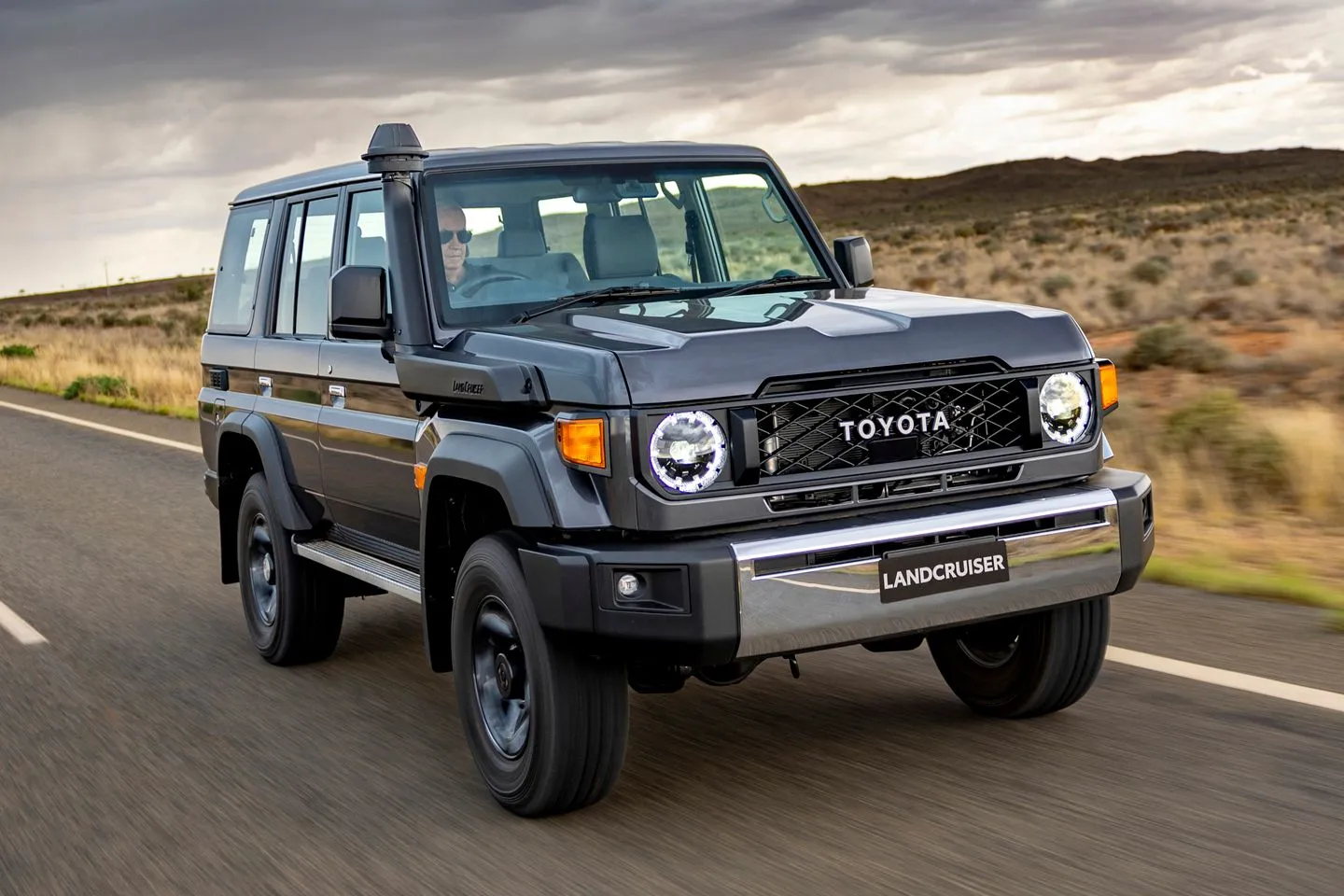
1. Toyota Land Cruiser 70 Series
The Toyota Land Cruiser 70 Series stands as perhaps the most legendary four-wheel-drive vehicle ever produced, with a transfer case reputation that borders on mythical.
Since its introduction in 1984, this workhorse has served in some of the world’s harshest environments, from Australian outback mining operations to United Nations humanitarian missions in war-torn regions.
The secret behind its incredible durability lies in Toyota’s deliberate decision to prioritize reliability over technological sophistication. The 70 Series utilizes a part-time four-wheel-drive system with a transfer case that features a two-speed gearbox offering high and low range options.
This transfer case employs a simple yet robust chain-drive design that has proven virtually indestructible under normal operating conditions and remarkably resilient even under abuse.
The unit features heavy-duty steel construction throughout, with gear sets manufactured to tolerances that ensure longevity even when maintenance schedules slip.
What truly distinguishes the Land Cruiser’s transfer case is its conservative engineering approach. Toyota engineers deliberately overbuilt every component, recognizing that these vehicles would often operate far from service facilities where repairs would be difficult or impossible.
The transfer case features oversized bearings capable of handling loads far exceeding normal operating stresses, a robust chain that rarely experiences stretch or failure, and a housing design that provides excellent protection against external damage from rocks and debris.
The lubrication system within the Land Cruiser’s transfer case deserves particular recognition. The unit holds a generous amount of oil, and the internal design ensures adequate splash lubrication reaches all critical components even during extreme angles encountered in serious off-road situations.
The magnetic drain plug effectively captures metallic debris, and the straightforward service procedures mean that regular maintenance can be performed anywhere with basic tools and readily available fluids.
Real-world evidence of this transfer case’s durability comes from countless examples of Land Cruiser 70 Series vehicles accumulating extraordinary mileage without transfer case issues.
In Australia, where these trucks serve as workhorses on cattle stations spanning thousands of square miles, seeing 70 Series vehicles with 300,000 to 500,000 kilometers on original transfer cases remains common.
Military and NGO operators in Africa and the Middle East report similar experiences, with vehicles enduring decades of service in punishing conditions.
The 70 Series transfer case maintains its legendary status because it rarely requires anything beyond routine oil changes. When problems do occur, they typically stem from extreme abuse or complete neglect of basic maintenance rather than inherent design weaknesses.
The simplicity of the design means that repairs, when necessary, remain straightforward and affordable compared to more complex modern systems.
Enthusiasts and professionals who understand the value of dependability continue to seek out Land Cruiser 70 Series vehicles specifically because of their transfer case reliability.
In markets where these trucks remain available new, they command strong resale values, with buyers willing to pay premium prices for vehicles with documented maintenance histories.
The transfer case’s reputation has become so strong that it influences purchasing decisions even among buyers who may never engage four-wheel drive.
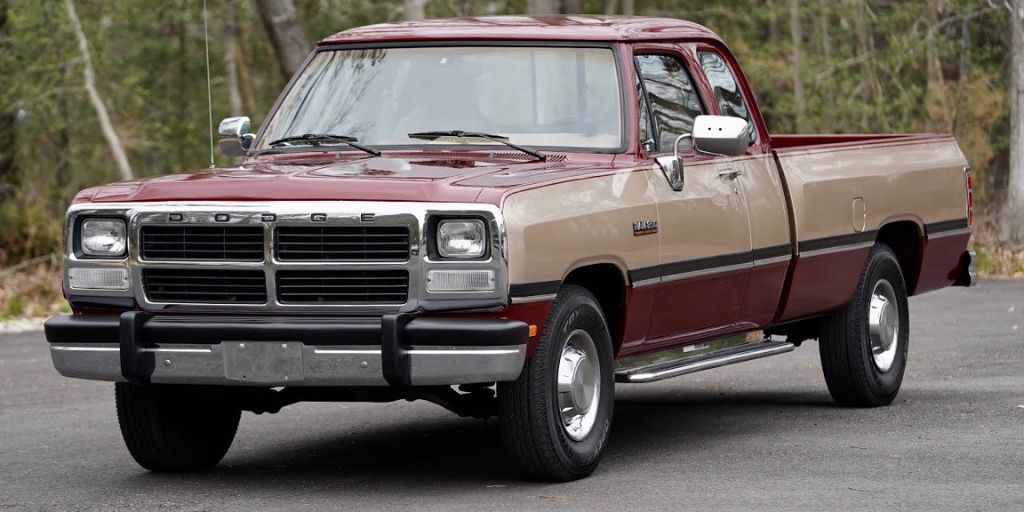
2. Dodge W250/W350 with NP205
The New Process 205 transfer case, commonly found in Dodge W250 and W350 trucks from the 1970s and 1980s, has achieved legendary status among serious off-road enthusiasts and working truck owners.
This transfer case represents the pinnacle of gear-driven transfer case design, featuring all-iron construction that makes modern aluminum units seem fragile by comparison.
The NP205’s reputation for indestructibility has made it one of the most sought-after transfer cases in the used market, with pristine examples commanding prices that would seem absurd for decades-old components.
The NP205 utilized a direct gear-driven design rather than the chain-driven systems that would later become common. This fundamental engineering choice provided several critical advantages in terms of durability and strength.
The gear-driven configuration eliminated the chain as a potential failure point while providing a direct, efficient power transfer path between the transmission and the front and rear driveshafts.
The massive gears inside the NP205 were cut from high-quality steel and heat-treated to create surfaces that could withstand tremendous torque loads.
Dodge installed the NP205 in their heavy-duty W250 and W350 trucks, pairing it with robust powertrains including the legendary Cummins diesel and various V8 gasoline engines.
The transfer case featured a cast-iron housing that provided exceptional strength and superior resistance to impact damage compared to aluminum alternatives. This housing design also offered excellent heat dissipation properties, helping maintain consistent operating temperatures even during extended use.
The simplicity of the NP205’s internal design contributed significantly to its legendary reliability. The unit contained far fewer components than modern transfer cases, with a straightforward arrangement of gears, shafts, and bearings that left little to go wrong.
The shift mechanism employed a simple floor-mounted lever connected through direct mechanical linkages, eliminating the electronic actuators and vacuum systems that plague many newer designs. This mechanical simplicity meant that engagement issues were rare, and when they occurred, diagnosis and repair remained straightforward.
The bearing selection within the NP205 demonstrated the robust engineering philosophy behind its design. Large roller bearings supported the input shaft, intermediate shaft, and output shafts, providing ample load capacity with significant safety margins.
These bearings rarely failed even after hundreds of thousands of miles, and when they did eventually wear, replacement remained a manageable undertaking for competent mechanics.
Real-world testing of the NP205’s strength came from the off-road racing community, where vehicles equipped with this transfer case regularly competed in punishing desert races like the Baja 1000.
Modified trucks generating substantially more power than stock applications consistently relied on NP205 transfer cases, often with minimal internal modifications. The racing community’s embrace of this decades-old design speaks volumes about its inherent strength and reliability.
The NP205’s weight, often cited as exceeding 140 pounds, actually contributes to its durability rather than detracting from it. This substantial mass results from the heavy-duty materials and robust construction that make the unit so durable.
While modern trucks prioritize weight reduction for fuel economy, the NP205 came from an era when strength and longevity took precedence over every other consideration.
3. Jeep Wrangler TJ with NV231
The Jeep Wrangler TJ, produced from 1997 to 2006, came equipped with the New Venture Gear 231 transfer case, a unit that has earned widespread respect for its reliability and durability.
While perhaps not as overbuilt as the legendary NP205, the NV231 has proven itself remarkably dependable across hundreds of thousands of installations.
This transfer case represents an ideal balance between modern convenience, adequate strength for serious off-road use, and long-term reliability that keeps Jeep owners happy for years.
The NV231 employs a chain-driven design that some might initially view with suspicion given the legendary status of gear-driven units.
However, New Venture engineered this chain-drive system with durability as a primary consideration. The chain itself features robust construction with substantial pins and side plates that resist stretching and wear.
The sprockets driving this chain are manufactured from quality materials and properly heat-treated to ensure long service life even under demanding conditions.
Jeep’s implementation of the NV231 in the TJ Wrangler proved particularly successful because the transfer case’s capabilities aligned well with the vehicle’s mission.
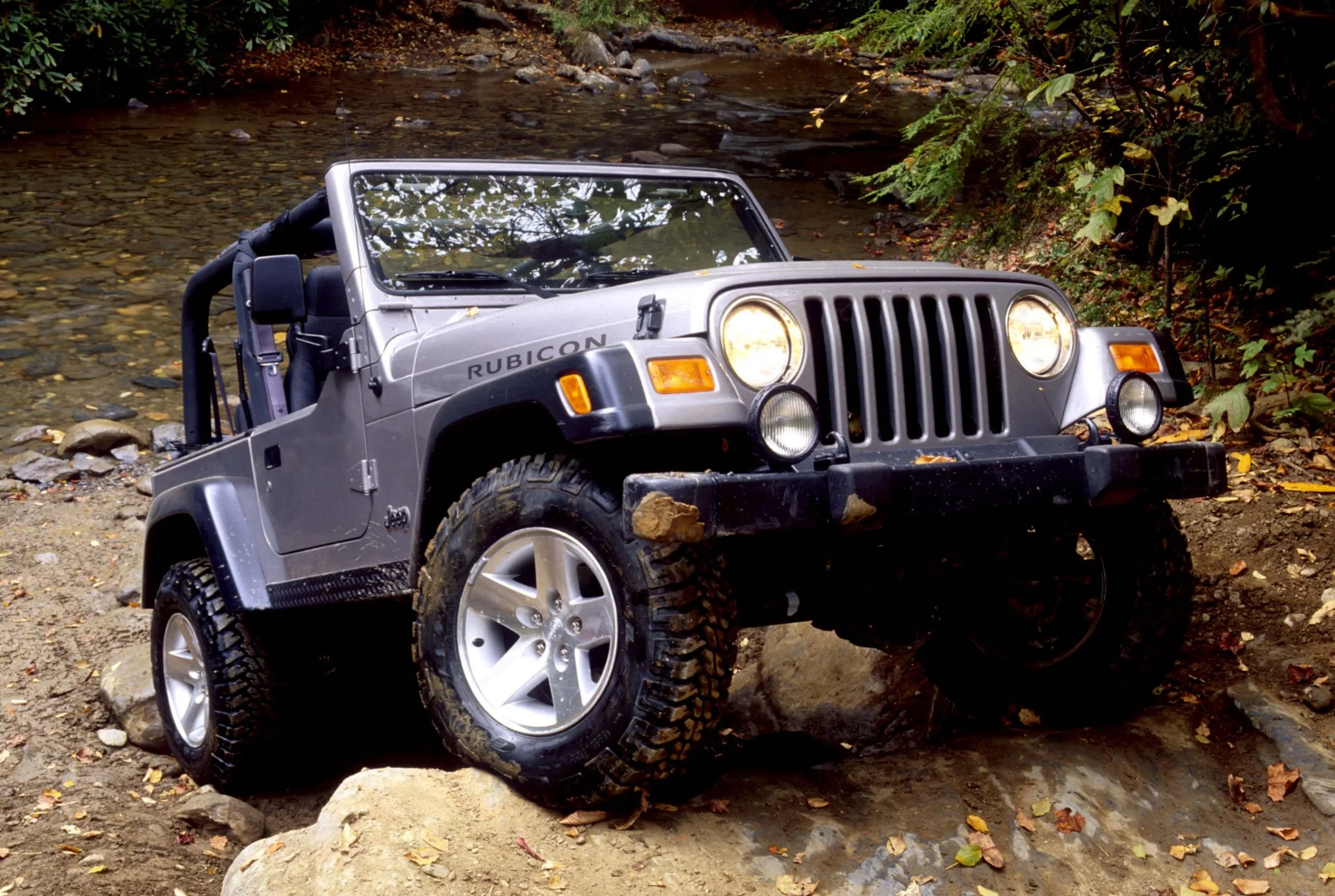
The TJ represented a serious off-road platform that owners frequently modified and pushed hard on challenging trails. The NV231 consistently met these demands, providing reliable four-wheel-drive engagement and power distribution without the chronic failures that plagued some competing designs.
The transfer case features a two-speed design offering a 2.72:1 low-range ratio, which provides adequate torque multiplication for serious off-road situations when combined with appropriate axle gearing.
While not as aggressive as some optional transfer case ratios available in heavy-duty trucks, this range proved well-suited to the TJ’s character and typical use cases.
The unit operates in either two-wheel drive or four-wheel drive high, or can be shifted into four-wheel drive low for maximum traction and torque multiplication.
The NV231’s reliability stems partly from its straightforward design and quality construction, but also from excellent lubrication characteristics.
The unit’s internal layout ensures that all critical components receive adequate splash lubrication during operation. The chain runs in an oil bath that keeps it properly lubricated and helps dissipate heat generated during power transfer.
Regular transfer case fluid changes, typically recommended every 30,000 to 50,000 miles, help ensure long-term reliability by removing accumulated wear particles and replenishing important additive packages.
The shift mechanism in the NV231 represents another strength of the design. The TJ Wrangler typically featured a mechanical floor-mounted shifter that provided positive, direct engagement of different ranges.
This mechanical linkage eliminates the reliability concerns associated with electronic shift motors and vacuum actuators found in many modern transfer cases.
Drivers receive immediate tactile feedback about engagement status, and the simple mechanical nature means that problems are rare and repairs straightforward when issues do occur.
The TJ Wrangler community has generated decades of real-world reliability data on the NV231 transfer case. Forum discussions and mechanic experiences consistently indicate that properly maintained NV231 units regularly exceed 200,000 miles without significant issues.
When problems do occur, they typically involve the chain stretching after extreme use or abuse, or the mode fork wearing from frequent shifting. Both issues remain relatively inexpensive to address compared to catastrophic failures common in less reliable designs.
The aftermarket support for the NV231 further demonstrates its respected status within the off-road community. Numerous companies offer upgraded components including heavy-duty chains, billet shift forks, and upgraded bearings for enthusiasts who want to increase durability margins beyond the already-adequate stock configuration.
The availability of these parts and the active community knowledge base means that TJ owners can keep their transfer cases operating indefinitely.
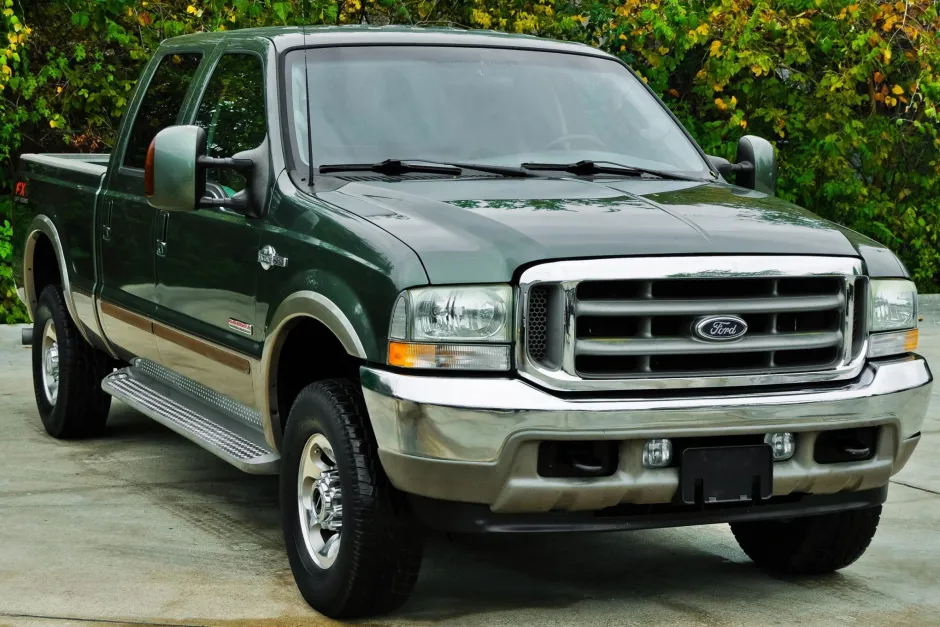
4. Ford F-250/F-350 with BorgWarner 1356 – Heavy-Duty Reliability
The BorgWarner 1356 transfer case found in Ford Super Duty trucks from 1999 to 2010 represents a pinnacle of electronic shift transfer case design executed correctly.
While electronic transfer cases developed justifiably poor reputations in many applications, Ford’s implementation of the BorgWarner 1356 proved remarkably reliable, providing hundreds of thousands of trouble-free miles for countless truck owners.
This transfer case demonstrates that electronic actuation can work successfully when properly engineered and adequately tested. The 1356 features an aluminum case construction that provides a favorable strength-to-weight ratio while incorporating substantial internal ribbing for rigidity.
Inside this housing, a chain-drive system transfers power between the input shaft and the front and rear output shafts. BorgWarner engineered this chain for durability, using quality materials and appropriate sizing to handle the substantial torque loads generated by Super Duty powertrains including the legendary 7.3L Power Stroke diesel.
The electronic shift system in the 1356 allows drivers to select transfer case modes using a dashboard-mounted control panel rather than a floor-mounted mechanical lever.
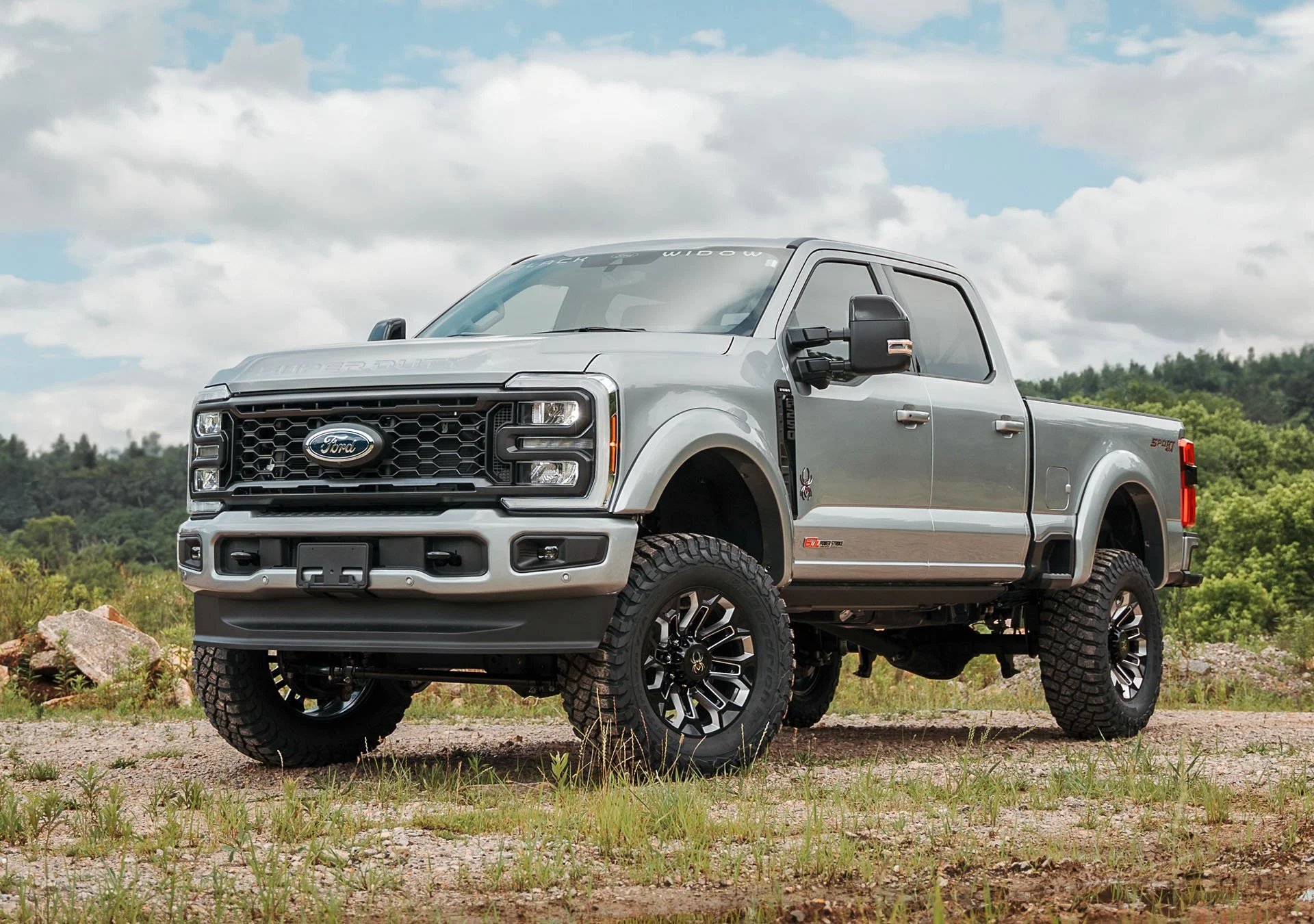
This convenience feature caused significant problems in many competing designs, but BorgWarner developed a robust shift motor and engagement mechanism that proved consistently reliable.
The shift motor features a powerful design that provides adequate force for engagement under various conditions, and the internal mechanism includes proper detents that help ensure positive engagement.
Ford paired the BorgWarner 1356 with its Super Duty trucks during a period when these vehicles earned exceptional reputations for durability and capability.
The F-250 and F-350 served as workhorses for contractors, farmers, and commercial operators who demanded reliable performance under punishing conditions.
The transfer case consistently met these demands, providing dependable four-wheel-drive engagement whether trucks hauled heavy loads, towed substantial trailers, or navigated challenging off-road situations.
The 1356’s durability partly stems from conservative engineering decisions that prioritized reliability over maximum efficiency. The transfer case features robust bearings at all critical load points, with sizes selected to provide substantial safety margins beyond typical operating conditions.
The chain tensioner system maintains proper chain tension throughout the component’s service life, reducing wear and preventing the chain slap that can damage internal components in poorly designed units.
The lubrication system within the BorgWarner 1356 ensures all critical components receive adequate oil flow during operation. The unit holds a reasonable quantity of transfer case fluid, and the internal design creates splash patterns that effectively lubricate bearings, gears, and the chain during both normal highway driving and low-speed off-road use.
The magnetic drain plug captures ferrous debris, and regular fluid changes help ensure long service life. The enthusiast community’s experience with the BorgWarner 1356 further confirms its reliability credentials.
Forums dedicated to Ford Super Duty trucks show relatively few transfer case failure threads compared to transmission or other drivetrain discussions.
When owners do report issues, they typically involve the shift motor after extremely high mileage or environmental exposure rather than catastrophic internal failures.
Replacement shift motors remain reasonably affordable and straightforward to install, making even this relatively common wear item manageable.
Also Read: 5 Hondas That Stay Reliable at 200K and 5 That Fail Early
5. Chevrolet/GMC 2500HD with NP263XHD
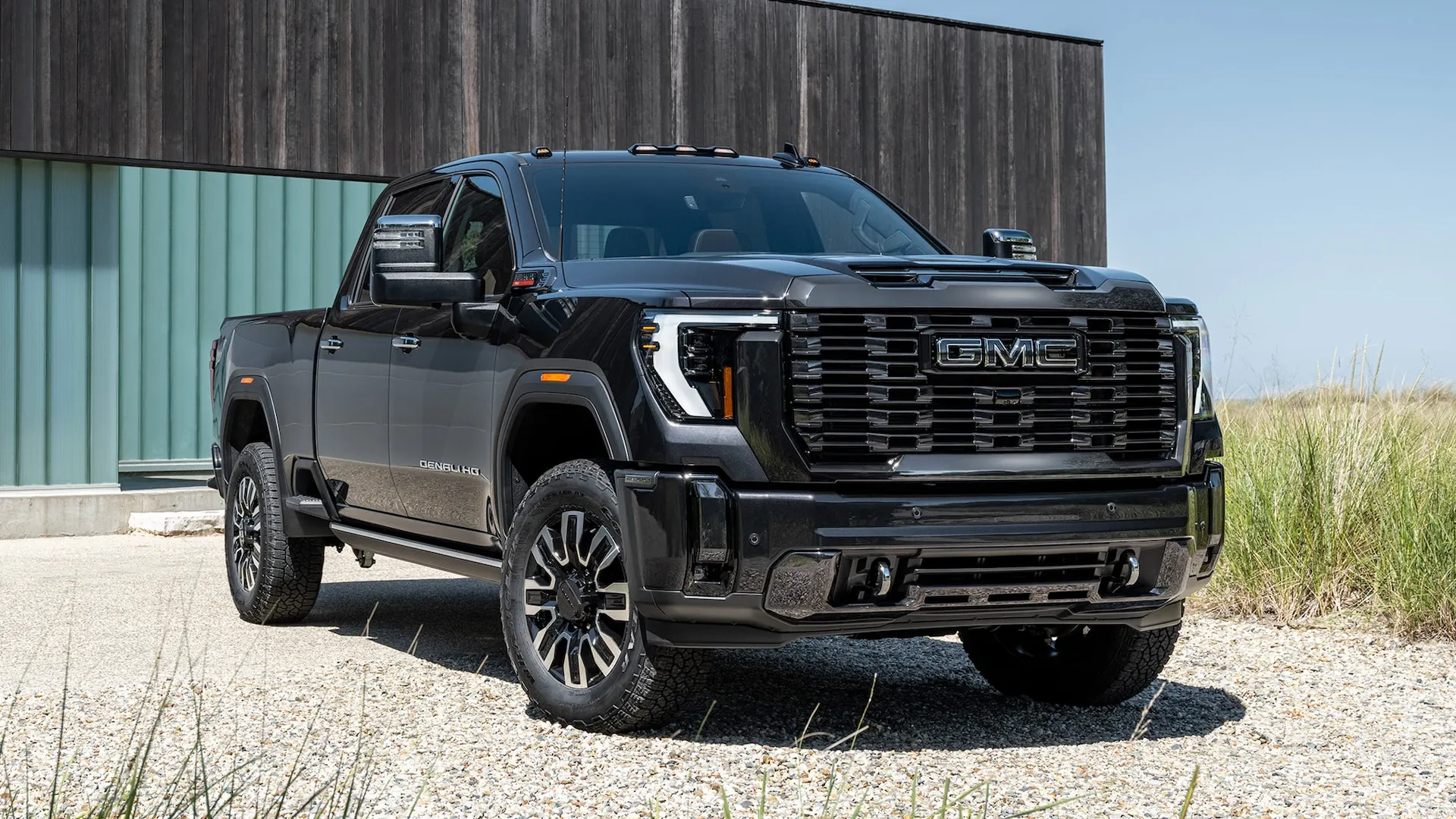
The New Process 263XHD transfer case found in heavy-duty Chevrolet Silverado and GMC Sierra 2500HD and 3500HD trucks represents General Motors’ commitment to providing genuine heavy-duty components for serious truck buyers.
Introduced in the early 2000s, this transfer case was specifically engineered to handle the substantial torque outputs of modern diesel engines while maintaining long-term reliability under demanding conditions. The 263XHD has proven itself across millions of miles in some of the most challenging applications imaginable.
The “XHD” designation stands for “extra heavy duty,” and this naming proves accurate rather than marketing hyperbole. New Process engineered the 263XHD with significantly upgraded components compared to standard-duty transfer cases, recognizing that heavy-duty truck owners frequently operate near or at their vehicles’ maximum towing and payload capacities.
The transfer case features an aluminum housing with substantial internal ribbing that provides excellent strength while minimizing weight compared to iron alternatives.
Inside the 263XHD, a heavy-duty chain transfers power between input and output shafts. This chain features robust construction with hardened components designed to resist stretching and wear even under continuous high-torque operation.
The sprockets driving this chain receive proper heat treatment and feature tooth profiles engineered to distribute loads evenly, preventing premature wear and extending service life. The chain runs continuously in an oil bath that provides lubrication and helps dissipate heat generated during power transfer.
The 263XHD employs an electronic shift system that allows drivers to select two-wheel drive, four-wheel drive high, four-wheel drive low, and neutral positions using a dashboard-mounted control.
General Motors engineered this electronic actuation system with durability as a priority, incorporating a robust shift motor with adequate power reserves and a reliable internal mechanism. The system includes proper feedback sensors that confirm engagement status and alert drivers to any issues.
One particularly noteworthy feature of the 263XHD is its three-range design offering a 2.72:1 low-range ratio. This aggressive ratio provides excellent torque multiplication for serious off-road work or extreme towing situations where maximum available traction proves essential.
When combined with appropriate rear axle gearing, this low range allows heavy-duty GM trucks to crawl through extremely challenging terrain or pull heavy loads up steep grades with confidence.
The bearing package within the 263XHD demonstrates the heavy-duty engineering philosophy behind the design. Large, high-quality bearings support all rotating shafts, with sizes selected to provide substantial load capacity beyond typical operating requirements.
These bearings feature appropriate sealing to retain lubrication and exclude contaminants, helping ensure long service life even in dusty or muddy environments where lighter-duty components might fail prematurely.
The maintenance requirements for the 263XHD remain reasonable and straightforward, contributing to its reputation for reliability. Regular transfer case fluid changes using the manufacturer’s specified fluid help ensure long service life by removing accumulated wear particles and maintaining proper lubrication characteristics.
The magnetic drain plug effectively captures metallic debris, and inspection during fluid changes can identify potential issues before they become serious problems. Many owners report running their 263XHD-equipped trucks well past 200,000 miles with only routine fluid changes as transfer case maintenance.
5 With Costly 4×4 Failures
These problematic vehicles suffer from four-wheel-drive systems featuring aluminum transfer case housings that crack from stress, undersized chains that stretch prematurely causing rattling and eventual breakage, and overcomplicated electronic shift mechanisms with failure-prone actuator motors that malfunction leaving trucks stuck in single drive modes requiring expensive repairs to restore four-wheel-drive functionality.
Their flawed engineering includes transfer cases with inadequate lubrication capacity allowing oil temperatures to climb excessively degrading fluid and accelerating wear, chain-driven systems using narrow chains that stretch under load creating slack that causes rattling and eventual failure, and electronic shift motors with plastic gears that strip preventing mode engagement when four-wheel drive becomes necessary.
From bearing failures allowing shaft misalignment that destroys internal components to seized actuators preventing mode changes, these troublesome transfer cases create catastrophic failures frequently.
1. Jeep Grand Cherokee WK2 with Selec-Terrain
The Jeep Grand Cherokee WK2, produced from 2011 onward, incorporated sophisticated four-wheel-drive systems including the Quadra-Trac and Quadra-Drive II systems with Selec-Terrain drive mode selection.
While these systems provided impressive capability and on-road refinement, they also introduced complexity that resulted in reliability issues plaguing many owners.
The transfer case and associated electronic controls in these systems have developed a problematic reputation that stands in stark contrast to simpler, more reliable designs.
The WK2’s transfer case issues stem partly from the extensive use of electronic controls and sensors throughout the four-wheel-drive system.
Multiple electronic components must communicate properly for the system to function correctly, including wheel speed sensors, transfer case position sensors, shift motors, and the central electronic control module.
When any component in this chain experiences problems, the entire four-wheel-drive system may fail to operate, potentially leaving drivers stranded or stuck in inappropriate drive modes.
One particularly common failure point involves the transfer case shift motor and associated actuator mechanism. Many WK2 owners report experiencing intermittent or complete failure of the transfer case to shift between ranges or modes.
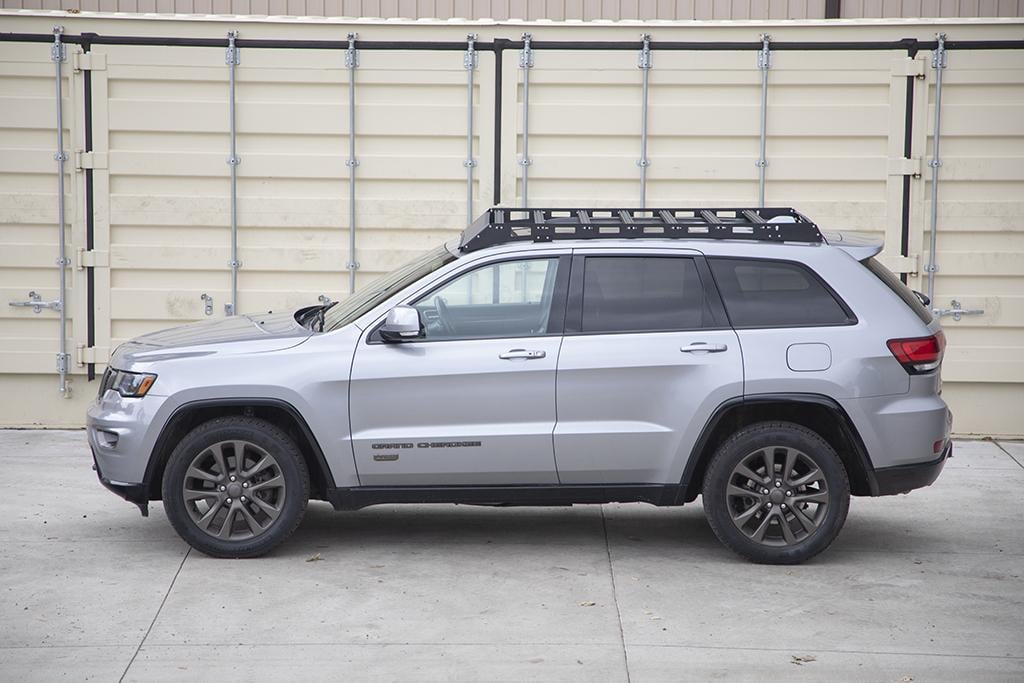
Symptoms include dashboard warning lights, grinding noises during attempted shifts, or the vehicle becoming stuck in a particular drive mode. These failures often occur relatively early in a vehicle’s life, with many reports from owners with less than 100,000 miles on their vehicles.
The Selec-Terrain system, while offering impressive capability when functioning properly, adds additional complexity that creates more potential failure points.
This system allows drivers to select different terrain modes that adjust various vehicle parameters including throttle response, transmission shift points, and four-wheel-drive engagement.
The electronic coordination required for this functionality increases system complexity significantly compared to traditional mechanical transfer cases with simple manual shifters.
Another significant issue affecting WK2 Grand Cherokees involves the transfer case’s tendency to develop internal wear that results in noise, vibration, and eventually complete failure.
Many owners report hearing whining, grinding, or rattling noises from the transfer case area, particularly when cold or during shifts between ranges. These noises often indicate internal component wear, chain stretch, or bearing problems that will eventually require expensive repairs if left unaddressed.
Jeep issued several technical service bulletins addressing transfer case problems in the WK2 Grand Cherokee, tacitly acknowledging reliability issues.
These bulletins cover problems ranging from software updates for the transfer case control module to procedures for addressing specific noise complaints or engagement issues.
The existence of multiple service bulletins related to transfer case operation indicates systemic problems rather than isolated incidents affecting a few vehicles.
The online community of WK2 Grand Cherokee owners includes extensive discussions about transfer case reliability issues, with many owners sharing stories of repeated failures and expensive repairs.
This collective owner experience paints a clear picture of a four-wheel-drive system that fails to meet reasonable reliability expectations.
2. Ford Explorer with BorgWarner 1354
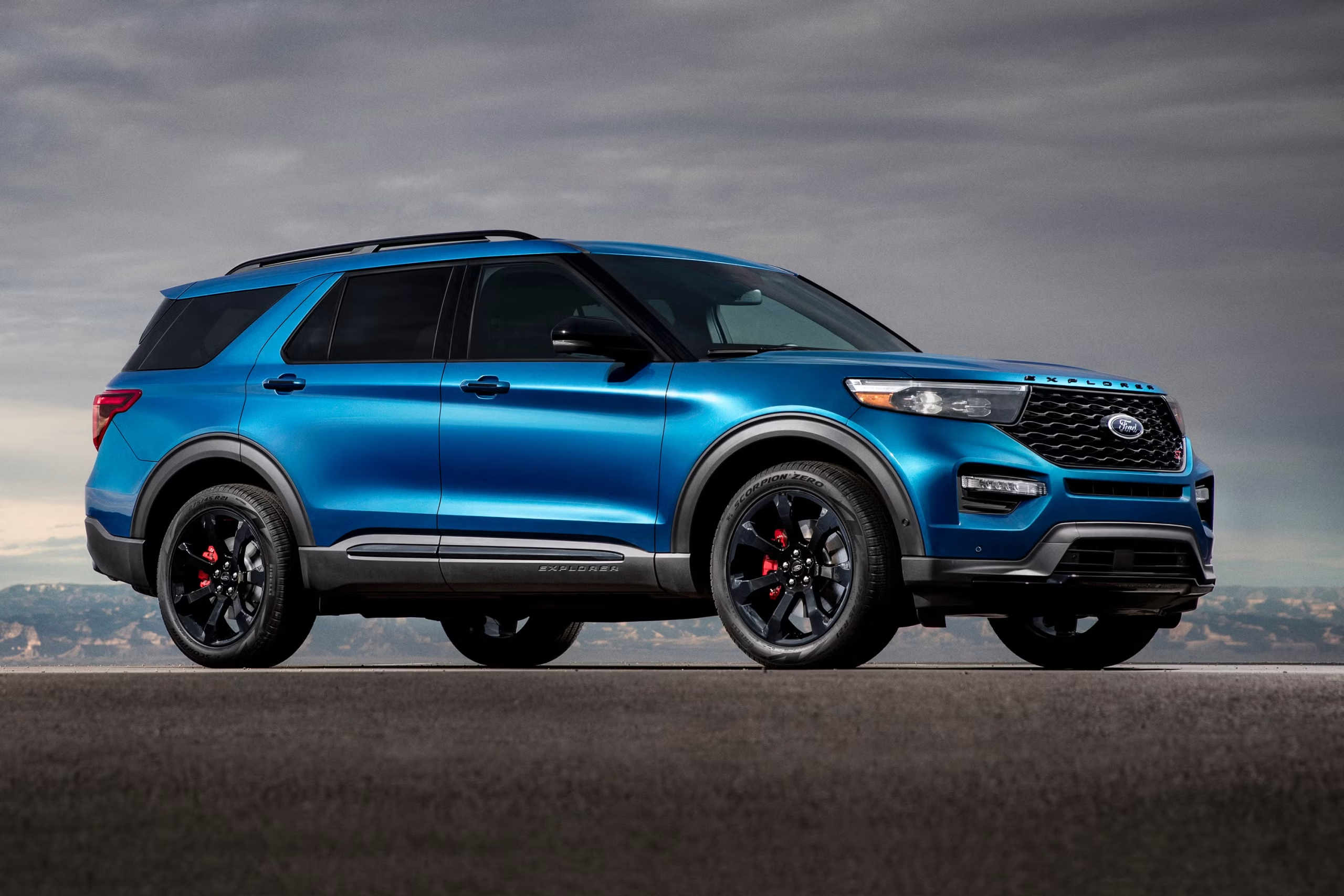
The Ford Explorer, particularly models from the early 2000s equipped with the BorgWarner 1354 transfer case, developed such a notorious reputation for catastrophic transfer case failures that the problem became widely known throughout the automotive community.
These failures often occurred suddenly and without warning, leaving owners facing massive repair bills and potentially dangerous situations if failures happened while driving. The 1354’s reliability issues represent a significant black mark on Ford’s generally strong reputation for durable four-wheel-drive systems.
The BorgWarner 1354 transfer case was designed as a lightweight, electronically controlled unit suitable for car-based SUVs like the Explorer.
This design philosophy prioritized fuel economy and reduced weight over the robust durability found in truck-based transfer cases. The aluminum housing featured relatively thin walls, and internal components emphasized compact packaging rather than maximum strength.
These design decisions proved problematic when components failed, often resulting in complete transfer case destruction. One of the most common and catastrophic failures involved the transfer case’s internal chain breaking during operation.
When the chain failed, the broken pieces would typically damage other internal components including gears, bearings, and the aluminum housing.
The resulting carnage often destroyed the transfer case completely, requiring full replacement rather than repair. Some owners reported hearing warning noises including whining or grinding before catastrophic failure, while others experienced sudden, complete failures without advance warning.
The chain failures in the BorgWarner 1354 often stemmed from inadequate maintenance combined with design weaknesses. The transfer case’s chain tensioner system proved insufficient for maintaining proper tension throughout the component’s service life.
As the chain stretched from normal wear, the tensioner couldn’t adequately compensate, resulting in chain slap against the housing and eventually chain breakage. Some analysts suggest that the chain itself was inadequately sized for the torque loads encountered in typical operation.
The automotive press and consumer advocacy organizations documented the Explorer’s transfer case problems extensively, warning potential buyers about reliability issues.
Consumer Reports and similar publications specifically noted transfer case concerns in their reviews and used car buying guides. Online forums dedicated to the Explorer filled with discussions about transfer case failures, warning signs, and repair experiences, creating a documented record of the widespread problems affecting these vehicles.
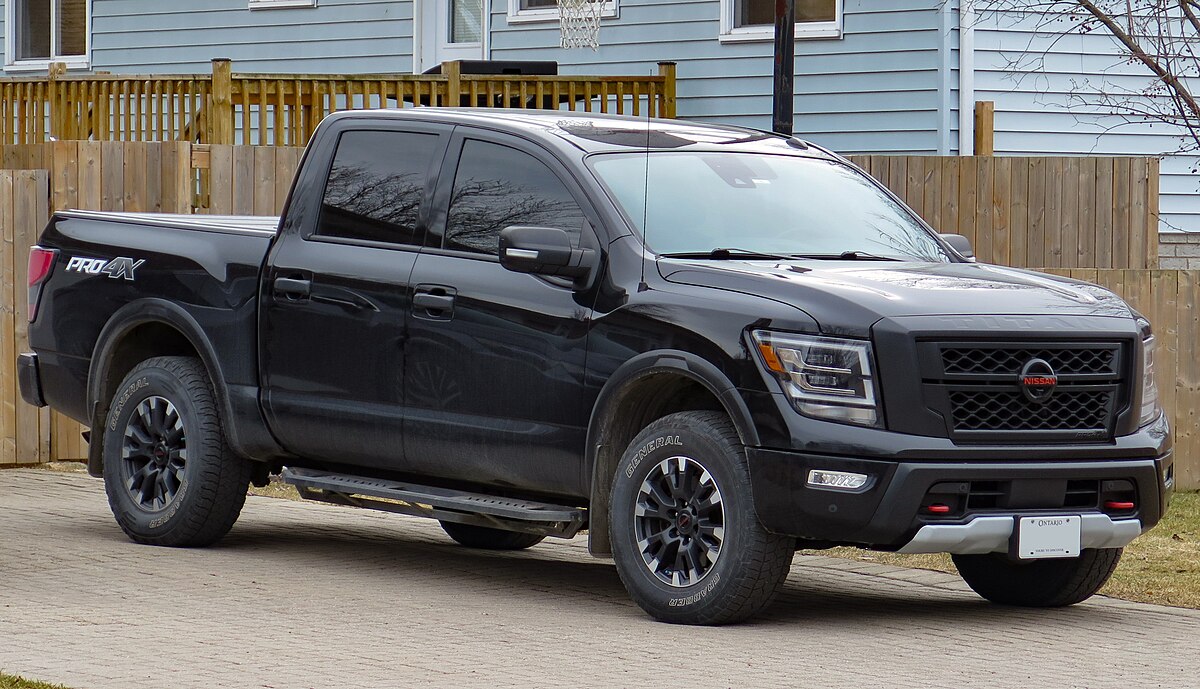
3. Nissan Titan with Transfer Case Oil Pump Failure
The Nissan Titan, particularly first-generation models produced between 2004 and 2015, suffered from a particularly insidious transfer case design flaw that resulted in catastrophic failures destroying not only the transfer case but often damaging the transmission as well.
The problem centered on an inadequate oil pump design within the transfer case that failed to maintain proper lubrication under certain conditions. When this pump failed, the transfer case would essentially destroy itself through lack of lubrication, often taking other expensive components with it.
The transfer case oil pump in the Titan’s system served the critical function of circulating fluid throughout the transfer case to lubricate internal components.
Unlike simpler transfer cases that rely primarily on splash lubrication, the Titan’s more complex system required active pumping to ensure adequate oil delivery to all critical areas.
Nissan’s engineering team apparently undersized this oil pump or failed to adequately test its long-term reliability under various operating conditions.
The failure mechanism typically began with the oil pump losing efficiency due to wear or internal component failures. As pump output decreased, certain areas within the transfer case received inadequate lubrication during operation.
This insufficient lubrication caused accelerated wear of chains, bearings, and gears within the transfer case. The increased wear generated excessive heat and metal particles that further degraded the remaining oil, creating a rapidly cascading failure scenario.
One particularly problematic aspect of this design flaw was that symptoms often didn’t appear until catastrophic damage had already occurred.
Some owners reported noticing minor noises or vibrations shortly before complete failure, but many experienced sudden, complete transfer case destruction without meaningful advance warning.
The rapid progression from apparently normal operation to catastrophic failure gave owners no opportunity to address problems before expensive damage occurred.
When transfer case failures occurred due to oil pump problems, the resulting damage often proved extensive. Metal debris from internal component destruction would circulate through the transfer case housing, damaging every internal component.
The chain would typically fail completely, and gears would show severe wear or broken teeth. Bearings would be completely destroyed, and the aluminum housing would often show damage from broken components striking internal surfaces.
The financial devastation resulting from these failures hit Titan owners especially hard because the damage often extended beyond the transfer case itself.
Because the transfer case connects directly to the transmission in the Titan’s drivetrain layout, catastrophic transfer case failures frequently allowed metal debris to enter the transmission.
This contamination often necessitated transmission replacement or extensive internal repairs in addition to transfer case replacement, pushing total repair costs to astronomical levels.
The Titan owner community developed extensive knowledge about the transfer case oil pump problem through shared experiences on forums and social media.
Owners compiled lists of warning signs including transfer case whining, vibrations during four-wheel-drive operation, and fluid that appeared excessively metallic during changes.
Some mechanically inclined owners attempted preventive repairs by replacing the oil pump before failure occurred, but this approach required significant disassembly and expense with no guarantee of preventing failure if other components had already sustained damage.
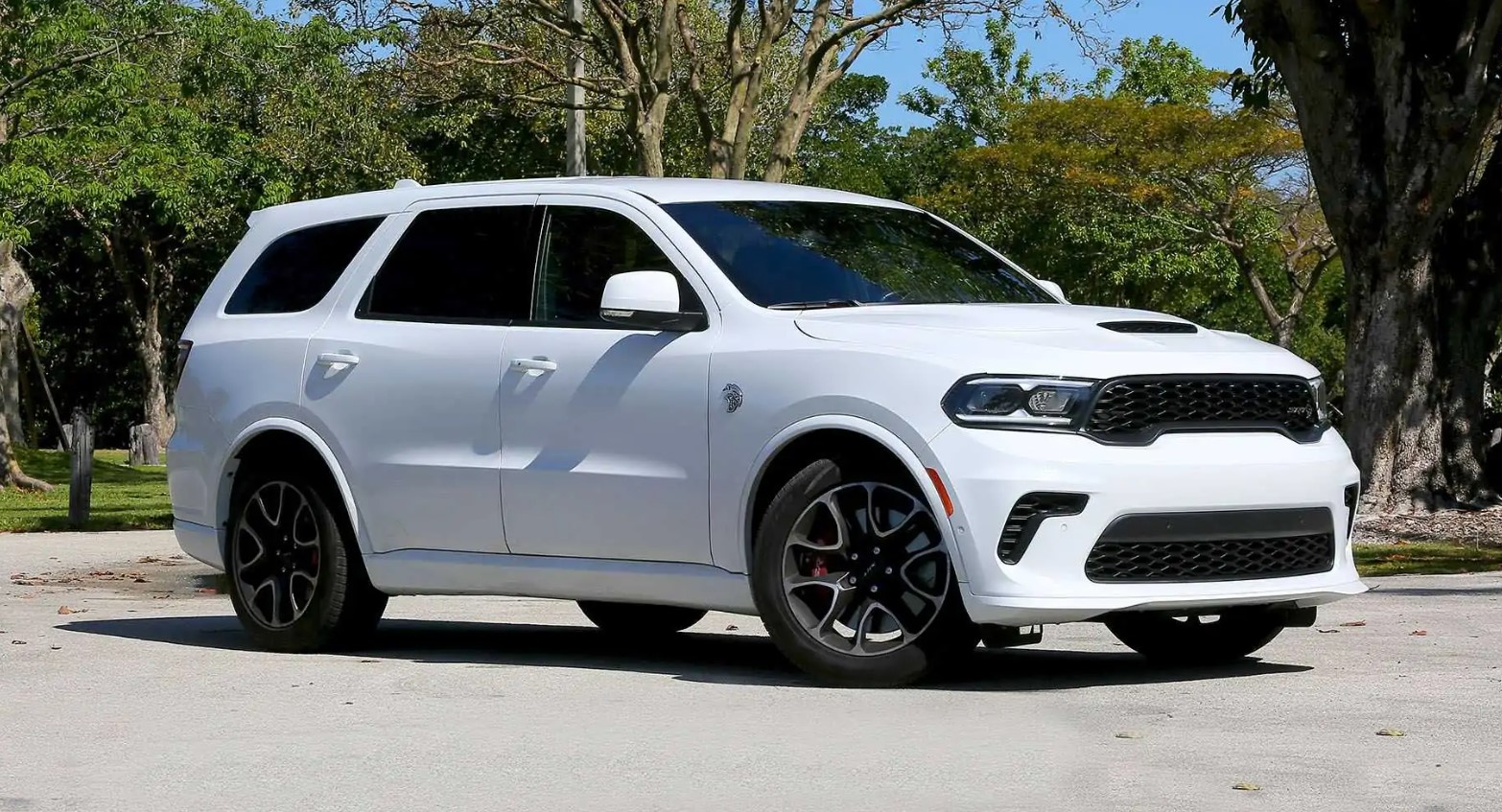
4. Dodge Durango/Jeep Grand Cherokee WK with Transfer Case Chain Failures
The Dodge Durango and Jeep Grand Cherokee WK (2005-2010) shared platforms and four-wheel-drive systems, including problematic transfer cases that developed notorious reputations for premature chain failures.
These vehicles utilized either the New Process 243 or Mercedes-sourced transfer cases depending on the specific model and trim level, and both versions suffered from reliability issues that plagued owners with expensive repairs and dangerous failures.
The widespread nature of these problems highlighted serious engineering deficiencies in Chrysler’s four-wheel-drive systems during this era.
The transfer case chain failures in these vehicles typically manifested as gradually worsening symptoms that many owners initially dismissed as minor nuisances. Early warning signs included faint whining or rattling noises from the transfer case area, particularly when cold or during acceleration.
As chain wear progressed, symptoms intensified to include more pronounced noises, vibrations felt through the chassis, and occasional engagement problems with four-wheel drive. Unfortunately, many owners didn’t recognize these symptoms as indicators of impending catastrophic failure.
The root causes of chain failures in these transfer cases stemmed from multiple design and manufacturing issues. The chain tensioner systems proved inadequate for maintaining proper tension as chains stretched from normal wear.
Some analysts suggested that the chains themselves were undersized for the torque loads encountered during typical operation, particularly in vehicles with more powerful engine options.
The combination of inadequate chain specification and ineffective tensioning created conditions where premature failure became virtually inevitable for many vehicles.
When chain failures occurred, the results often proved catastrophic. A broken chain would flail inside the transfer case housing, striking and damaging internal components including gears, bearings, and the aluminum housing itself.
The violence of a chain breaking at highway speeds often destroyed the transfer case completely, sometimes puncturing the housing and allowing all fluid to escape.
Several owners reported transfer cases literally breaking apart after chain failures, with pieces falling onto highways and creating dangerous situations for following traffic.
The financial impact of these transfer case failures devastated many Durango and Grand Cherokee WK owners. Transfer case replacement typically cost between $2,500 and $4,000 at dealerships, with some owners reporting even higher quotes exceeding $5,000.
The high repair costs stemmed from expensive replacement transfer cases, substantial labor charges for removal and installation, and related repairs for components damaged during failure. These costs often appeared on relatively low-mileage vehicles that owners reasonably expected to be trouble-free.
The widespread nature of transfer case problems in these vehicles generated extensive documentation across owner forums, automotive websites, and consumer complaint databases.
The National Highway Traffic Safety Administration received numerous complaints about transfer case failures in Durango and Grand Cherokee WK models.
These complaints detailed sudden failures, expensive repairs, and dangerous situations created when transfer cases failed while driving. Some owners reported near-accidents when transfer cases seized suddenly at highway speeds.
The aftermarket responded to these widespread failures by developing improved replacement components including heavy-duty chains and upgraded tensioner systems.
Several companies began offering rebuilt transfer cases with upgraded internal components designed to prevent repeat failures. While these improved units typically cost more than standard replacements, many owners considered the additional expense worthwhile insurance against experiencing another catastrophic failure.
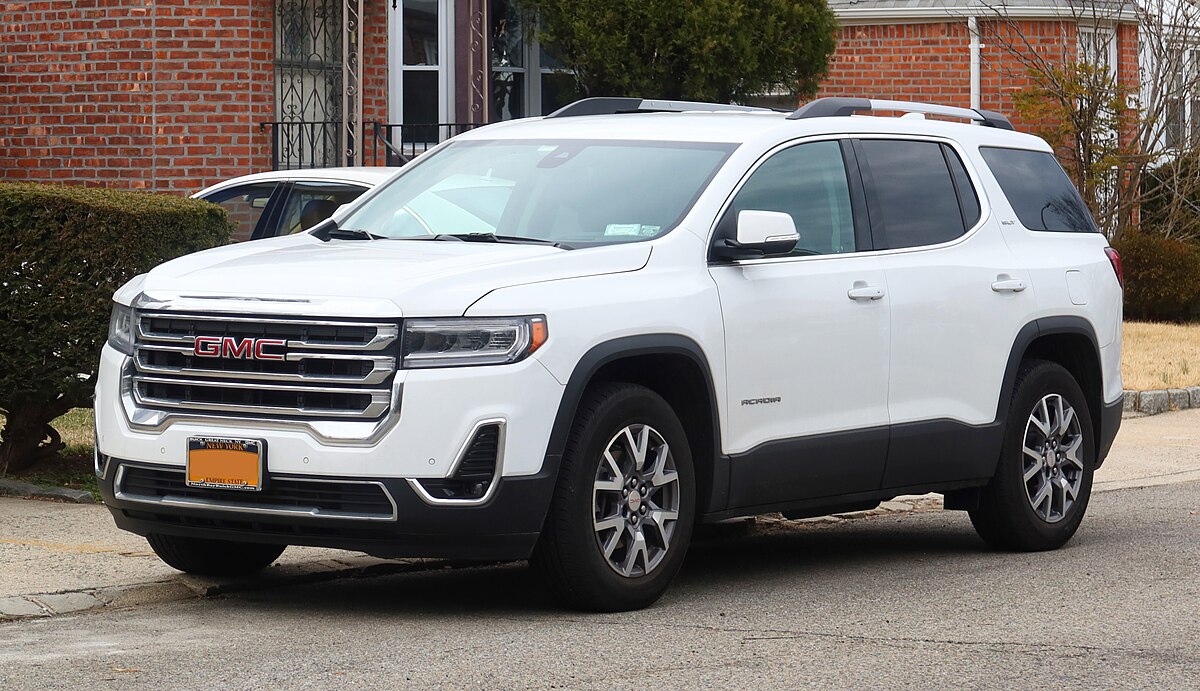
5. GMC Acadia/Chevrolet Traverse with Transfer Case Grinding and Shuddering
The GMC Acadia and Chevrolet Traverse represent General Motors’ Lambda platform crossovers that incorporated all-wheel-drive systems as popular options.
Unfortunately, these vehicles developed significant reputations for transfer case problems that manifested as grinding noises, shuddering during operation, and premature failures requiring expensive repairs.
The transfer case issues in these crossovers proved particularly frustrating for owners who purchased family vehicles expecting reliable, trouble-free operation but instead faced ongoing problems and substantial repair costs.
The transfer case problems in Lambda platform vehicles typically appeared as a characteristic shuddering sensation felt throughout the vehicle during low-speed maneuvers, particularly when turning.
This shuddering often accompanied by grinding or clunking noises from the transfer case area. Many owners initially reported these symptoms to deal erships during warranty periods, only to be told that such behavior was “normal” or “characteristic” of the all-wheel-drive system.
This dismissive response frustrated owners and allowed underlying problems to worsen until catastrophic failures occurred. The root cause of transfer case shuddering in these vehicles stemmed from inadequate clutch pack design within the transfer case’s torque transfer mechanism.
The Lambda platform utilized an electronically controlled transfer case that employed clutch packs to vary torque distribution between front and rear axles.
These clutch packs relied on precise friction characteristics to modulate power transfer smoothly, but the materials and design proved inadequate for long-term reliability. As clutch surfaces wore, they would grab inconsistently, creating the characteristic shuddering that plagued so many vehicles.
The grinding noises frequently reported by Acadia and Traverse owners indicated more serious internal problems within the transfer case.
These noises often resulted from bearing failures, gear wear, or chain problems that developed as vehicles accumulated mileage. The transfer case design apparently incorporated components with insufficient durability margins for the loads encountered during typical operation.
As internal wear progressed, metal particles contaminated the transfer case fluid, accelerating further degradation in a rapidly cascading failure process.
General Motors’ initial response to transfer case complaints often involved fluid changes using updated friction modifier additives designed to reduce shuddering symptoms.
While this approach sometimes provided temporary relief, it failed to address underlying design deficiencies that caused the problems.
Many owners reported that shuddering would return within a few thousand miles after fluid changes, forcing them to either live with the annoying symptoms or pursue more expensive repairs involving transfer case replacement.
The used vehicle market reflected awareness of transfer case problems in Lambda platform crossovers. Savvy buyers began specifically inquiring about transfer case condition and documented repairs when considering used Acadia and Traverse models.
Some buyers avoided all-wheel-drive equipped vehicles entirely, preferring front-wheel-drive versions that eliminated transfer case concerns. This market response demonstrated how reliability problems with a single component could significantly impact resale values and buyer confidence across entire model lines.
Also Read: 8 Compact Cars That Hold Alignment For Years vs 8 That Constantly Need Tweaks
