
When you slide into the driver’s seat of a hatchback, the interior isn’t just a place to sit it’s your daily environment, your mobile office, your sanctuary during rush hour traffic.
While most car buyers focus on engine specs, fuel economy, and exterior styling, the interior quality often determines whether a vehicle remains a cherished companion or becomes a disappointing reminder of poor investment. The truth is, not all hatchbacks are created equal when it comes to cabin longevity.
The automotive industry has witnessed remarkable advancements in interior materials and construction techniques over the past few decades.
Some manufacturers have invested heavily in premium materials, UV-resistant fabrics, and robust plastics that maintain their appearance and functionality for years, even decades.
These vehicles become rolling testaments to quality engineering, where even high-mileage examples retain that “almost new” feeling. Their dashboards remain crack-free, their seats show minimal wear, and the ambiance suggests a car that’s been pampered, regardless of its actual history.
This comprehensive guide examines ten popular hatchbacks, split into two distinct categories. First, we’ll celebrate five models whose interiors have stood the test of time, maintaining their integrity and appeal through years of service.
Then, we’ll candidly discuss five hatchbacks that have disappointed owners with premature interior aging, exploring the specific issues that plague these otherwise capable vehicles.
Whether you’re shopping for a new hatchback or trying to predict your current vehicle’s longevity, this information will prove invaluable in making informed decisions.
5 Hatchbacks Built to Last
These exceptionally engineered vehicles feature cabin materials manufactured from UV-resistant plastics with quality colorfast additives, durable fabric or leather upholstery using fade-resistant dyes, and interior component designs that resist the thermal cycling and sun exposure that degrades lesser materials throughout years of daily use and environmental exposure.
Their thoughtful engineering includes dashboard plastics with proper stabilizer compounds preventing brittleness and cracking, seat fabrics utilizing solution-dyed fibers that resist fading from sunlight exposure, and interior trim pieces manufactured from materials that maintain their appearance and structural integrity despite temperature extremes ranging from freezing winters to scorching summer heat.
From vehicles parked outdoors year-round enduring maximum UV exposure to high-mileage examples accumulating decades of service, these remarkable hatchback interiors maintain their original appearance without developing the sticky soft-touch coatings, peeling synthetic leather surfaces, or severely faded plastics that plague poorly specified materials.
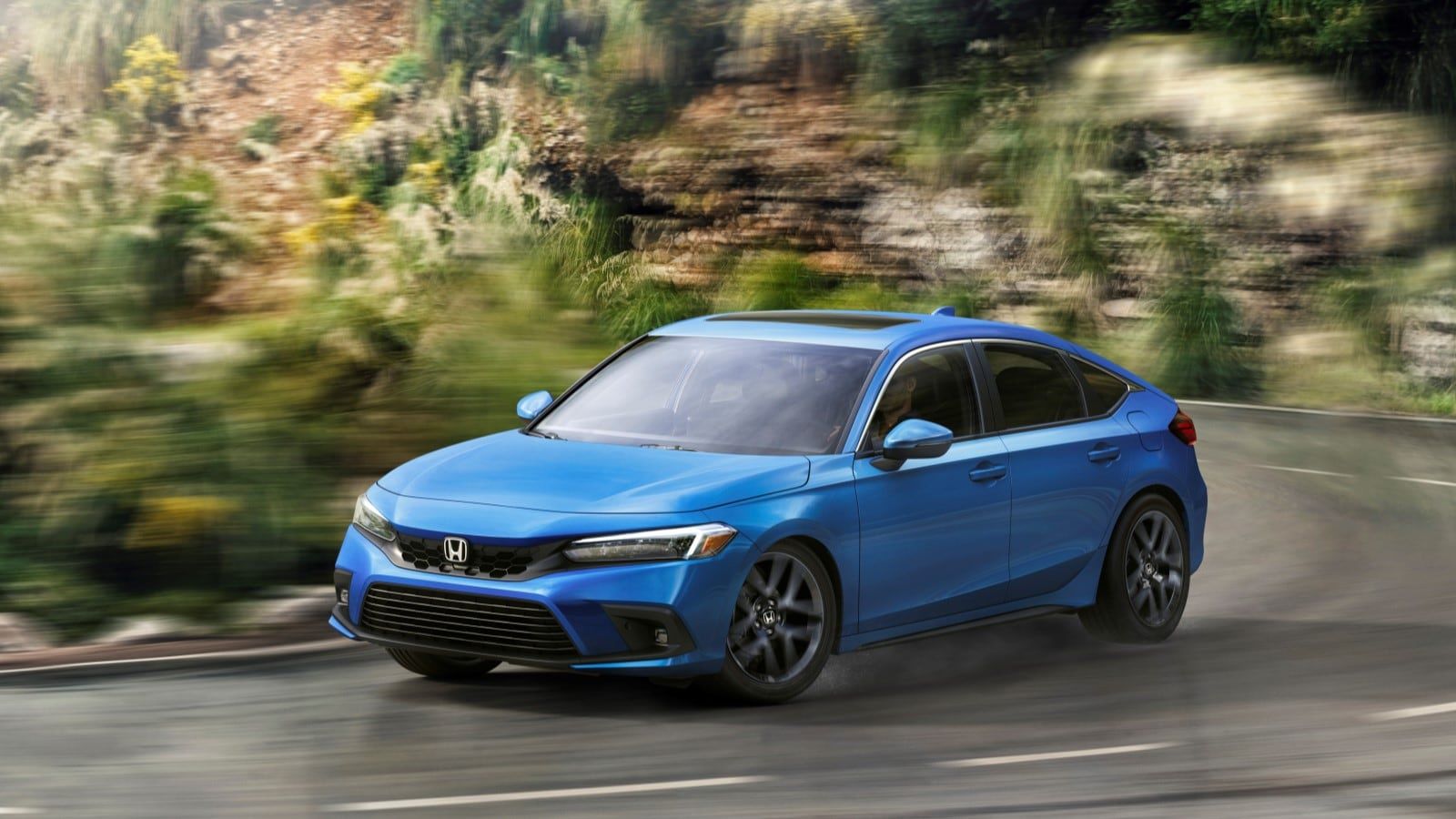
1. Honda Civic Hatchback (2016-Present)
The Honda Civic Hatchback stands as a masterclass in interior durability, combining thoughtful material selection with meticulous construction quality.
From the moment you enter the cabin, there’s an undeniable sense of solidity that extends far beyond initial impressions. Honda’s engineers clearly prioritized longevity when designing this interior, and the results speak volumes through countless high-mileage examples that look remarkably fresh.
The dashboard construction deserves particular praise. Honda utilizes a multi-layer composite structure with UV-stabilized plastics that resist the sun’s damaging rays remarkably well.
Even in harsh climates where temperatures regularly exceed 100 degrees Fahrenheit, Civic Hatchback dashboards maintain their structural integrity without the cracking that plagues lesser vehicles.
The texture remains consistent, and the matte finish resists the glossy deterioration that often signals material breakdown.
Honda’s attention to expansion coefficients ensuring materials expand and contract at similar rates during temperature changes prevents the stress fractures that develop when dissimilar materials are poorly matched.
The seat upholstery, whether cloth or leather, demonstrates exceptional wear resistance. The standard cloth seats feature a tightly woven fabric with a subtle pattern that disguises minor wear while resisting pilling and fraying.
The weave density is noticeably higher than competitors, providing durability without sacrificing comfort.
For leather-equipped models, Honda uses a protective coating that maintains suppleness while resisting the cracking and discoloration common in aging leather. Even after five or six years of daily use, these seats often look barely broken in.
Soft-touch surfaces throughout the cabin maintain their tactile quality impressively. The door panel armrests, which endure constant contact and pressure, resist the compression and deterioration that often makes older cars feel cheap.
Honda achieves this through dense foam substrates and durable synthetic coverings that don’t develop the sticky or tacky feeling plaguing some competitors. The center console lid, another high-touch area, similarly maintains its texture and structural integrity.
The infotainment screen, a potential weak point in modern vehicles, proves refreshingly durable in the Civic Hatchback. The touchscreen maintains its responsiveness without developing the “ghost touching” issues or dead zones that afflict some systems.
The anti-glare coating remains effective, and the screen resists scratching better than many smartphones. This reliability extends to the physical buttons and controls, which maintain positive tactile feedback and don’t develop the mushiness or sticking common in aging vehicles.
Honda’s attention to detail extends to often-overlooked components. The sun visors maintain their tension and don’t droop over time. Door handles and interior grab handles retain their structural integrity without cracking.
Weather stripping remains pliable and effective, preventing water intrusion and maintaining cabin quietness. Even the cupholders those mundane but essential features resist cracking and maintain their grip, a small detail that contributes significantly to the quality perception.
The headliner deserves special mention, as sagging headliners plague many vehicles as they age. Honda’s adhesive selection and backing material resist heat-induced failure exceptionally well.
The headliner maintains its taut appearance and doesn’t exhibit the sagging that can cost over a thousand dollars to repair. This reliability proves particularly impressive in humid climates where other manufacturers’ adhesives frequently fail.
Climate control vents represent another Honda success story. The louvers maintain smooth operation and don’t become brittle or break off a surprisingly common problem in some competitors.
The finish on these vents doesn’t fade or discolor, maintaining visual consistency with the rest of the interior. This attention to component durability reflects Honda’s comprehensive approach to interior longevity.
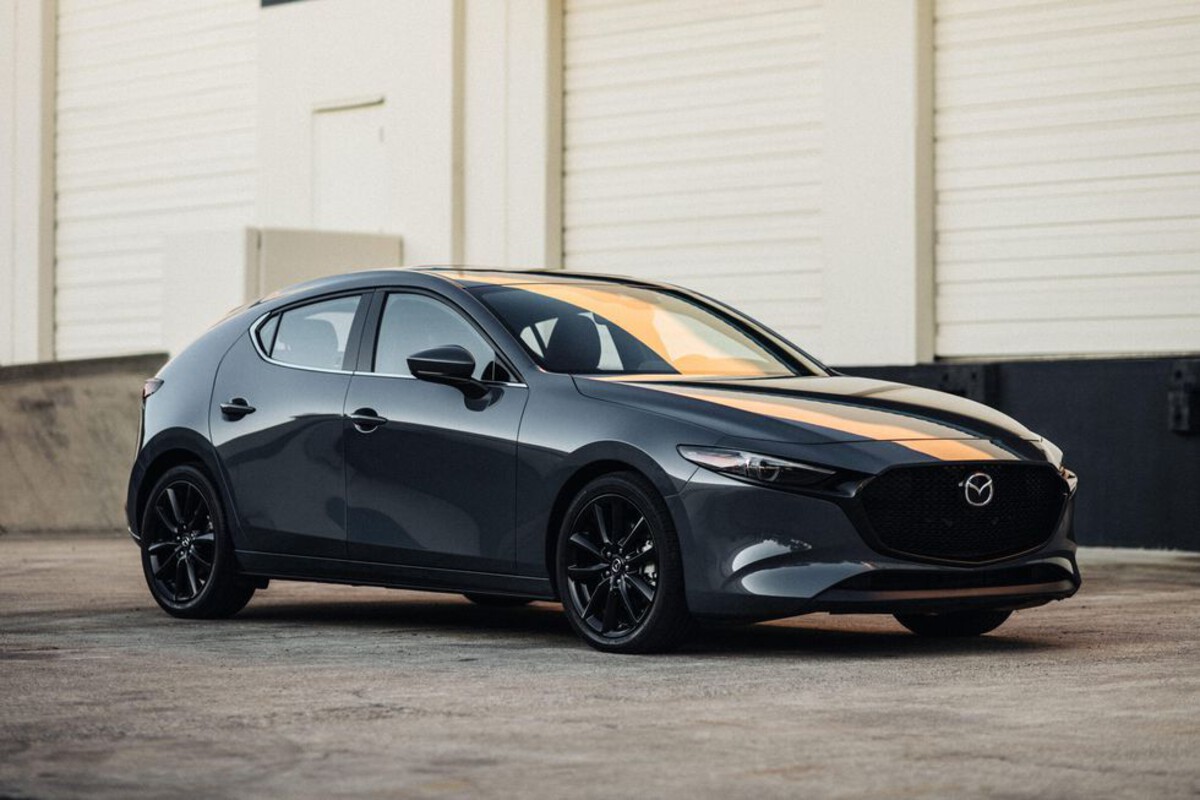
2. Mazda3 Hatchback (2014-Present)
Mazda’s philosophy of “premium feel, mainstream price” manifests brilliantly in the Mazda3 Hatchback’s interior durability. The company’s commitment to craftsmanship extends beyond initial impressions, creating cabins that age gracefully and maintain their sophisticated ambiance for years.
Walking into a five-year-old Mazda3 often feels remarkably similar to experiencing a new one, a testament to material quality and construction excellence.
The dashboard architecture showcases Mazda’s engineering prowess. Rather than relying solely on soft-touch materials for premium appeal, Mazda strategically uses high-quality hard plastics with attractive grain patterns in areas less frequently touched.
This pragmatic approach results in surfaces that maintain their appearance indefinitely, as quality hard plastics simply don’t degrade the way inferior soft-touch materials can.
Where Mazda does employ soft-touch surfaces the upper dashboard, door panel tops, and armrests, they use dense, durable materials that resist the compression and deterioration common in competitors.
The signature Mazda interior design element, the minimalist driver-focused layout, contributes significantly to longevity. By reducing unnecessary seams, joints, and separate components, Mazda minimizes potential failure points.
Fewer pieces mean fewer opportunities for rattles, squeaks, or component separation as the vehicle ages. This design philosophy creates an interior that feels tight and well-assembled even after accumulating substantial mileage.
Mazda’s leather upholstery, available on higher trims, represents exceptional value in the segment. The leather undergoes extensive treatment processes that enhance durability without sacrificing suppleness.
Even after years of use, Mazda leather typically shows minimal creasing or cracking, maintaining an appearance that rivals luxury brands. The stitching quality further enhances longevity tight, consistent stitching patterns that don’t unravel or loosen over time.
For cloth seat models, Mazda employs fabrics with excellent abrasion resistance that maintain their appearance through countless entries and exits.
The infotainment system integration demonstrates Mazda’s thoughtful approach to durability. The rotary controller design, while initially controversial, proves more durable than touchscreen-only interfaces. Physical controls experience less wear than touchscreens subjected to constant jabbing and swiping.
The controller maintains its smooth, precise operation through years of use, with the click-wheel resistance remaining consistent. The display screen itself, positioned away from direct touch, stays cleaner and avoids the fingerprint accumulation and eventual scratch patterns that mar frequently-touched screens.
Mazda’s attention to trim piece attachment sets them apart from competitors. Rather than relying solely on clips that can become brittle and break, Mazda engineers often incorporate multiple attachment methods, including strategic screw placements hidden behind decorative caps.
This redundancy ensures trim pieces remain secure even if one attachment method weakens over time. The result is an interior that maintains its integrity without developing the squeaks and rattles that often plague aging vehicles.
The instrument cluster design reflects both aesthetic appeal and practical durability. The combination of analog gauges and digital displays proves timeless, avoiding the potentially dated appearance of fully digital clusters.
More importantly, the gauge faces resist fading and the needle mechanisms maintain smooth, accurate movement. The backlighting remains consistent and bright, without the dimming or color shifting that can affect LED or OLED displays over time.
Mazda’s sound insulation materials maintain their effectiveness remarkably well. The acoustic dampening doesn’t compress or deteriorate, ensuring the cabin remains quiet even as the vehicle ages.
This sustained refinement contributes significantly to the “still feels new” perception that characterizes well-maintained Mazda3 Hatchbacks. The door seals remain pliable and effective, preventing wind noise and water intrusion that can damage interior components and create unpleasant odors.
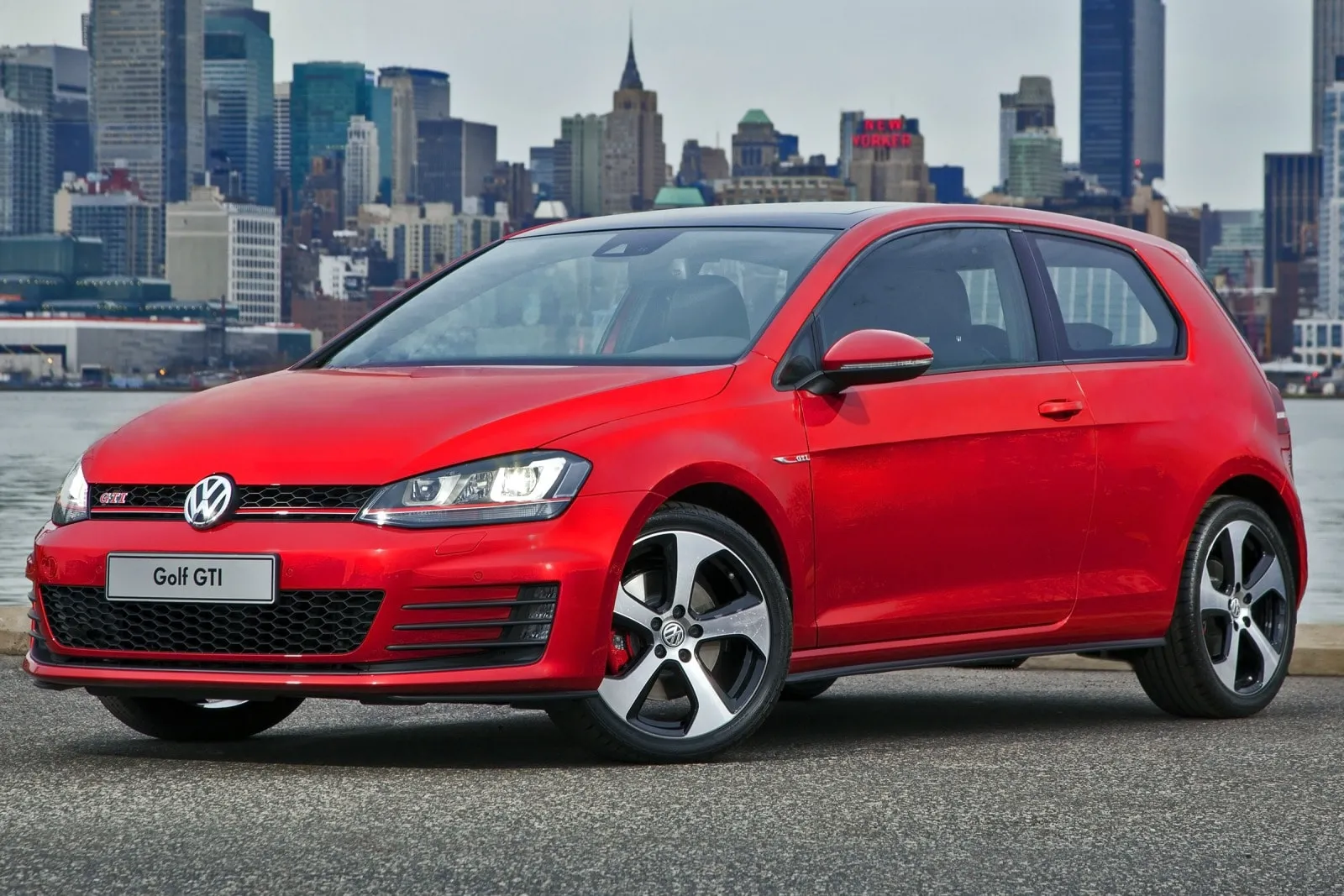
3. Volkswagen Golf GTI (2015-Present)
The Volkswagen Golf GTI represents German engineering at its most accessible, delivering an interior that punches well above its price class in terms of durability and refinement.
Volkswagen’s experience building vehicles for diverse global markets, from scorching Middle Eastern deserts to frigid Scandinavian winters, translates into interior materials and construction techniques that withstand virtually any environmental challenge.
The GTI cabin ages with dignity, maintaining its sporty sophistication through years of enthusiastic driving. Volkswagen’s approach to dashboard construction emphasizes material honesty and engineering integrity.
The upper dashboard uses a textured plastic with a matte finish that resists both UV damage and the glossy deterioration common in inferior materials.
The grain pattern, carefully designed to mimic more expensive materials, maintains its appearance indefinitely because it’s molded into the plastic rather than applied as a coating that can wear away.
Lower dashboard sections use harder plastics, but Volkswagen ensures visual consistency through color matching and complementary textures that create a cohesive appearance.
The iconic plaid cloth seats in the base GTI have achieved legendary status partly because of their exceptional durability. The tightly woven pattern resists wear remarkably well, with high-mileage examples often showing minimal visible deterioration.
The material composition balances durability with comfort, avoiding the scratchy feeling of some wear-resistant fabrics. The bolsters, which typically show wear first in sport seats, maintain their shape and appearance thanks to firm foam substrates and robust stitching.
For leather-equipped models, Volkswagen’s Vienna leather proves surprisingly durable, with proper maintenance keeping it supple and attractive for well over a hundred thousand miles.
The signature GTI elements the golf ball-textured shift knob, the red contrast stitching, the brushed aluminum trim all demonstrate exceptional longevity.
The shift knob maintains its texture and doesn’t develop the shiny, worn appearance that afflicts lesser materials. The red stitching throughout the cabin resists fading remarkably well, maintaining its visual impact even after years of sun exposure.
The aluminum trim, whether brushed or polished, resists corrosion and maintains its luster with minimal maintenance. Volkswagen’s electrical switch gear deserves special recognition for its durability and tactile quality.
The window switches, mirror controls, and various buttons maintain positive, precise operation through countless actuations. The switch housings resist cracking and the contacts remain reliable, avoiding the intermittent operation that plagues some competitors.
The steering wheel controls, subjected to frequent use, similarly maintain their tactile response and reliability. This mechanical excellence extends to the climate control system, where knobs and buttons operate smoothly without developing play or mushiness.
The infotainment system integration showcases Volkswagen’s evolving approach to technology. While earlier systems had reliability concerns, recent iterations demonstrate improved durability and software stability. The touchscreen maintains responsiveness and the anti-glare coating proves effective and durable.
The physical controls surrounding the screen provide redundancy, ensuring key functions remain accessible even if touchscreen issues develop. This balanced approach to technology integration helps the interior feel current longer than competitors relying solely on technology that may age less gracefully.
Volkswagen’s sound system integration, whether standard or upgraded, maintains performance excellently over time. Speaker cones don’t deteriorate or develop distortion, and the amplifiers continue performing reliably.
This sustained audio quality contributes significantly to the premium feel that GTI interiors maintain through their lifespan. The acoustic treatment throughout the cabin similarly resists degradation, maintaining the refined, vault-like feel that characterizes the Golf experience.
The trunk area and cargo space demonstrate the same attention to durability as the passenger cabin. The carpet resists staining and maintains its appearance well, while the various tie-downs and hooks remain secure.
The hatch mechanism operates smoothly without developing play or squeaks, and the associated trim pieces stay firmly attached. This comprehensive approach to interior quality ensures the entire vehicle maintains its integrity, not just the areas immediately visible to passengers.
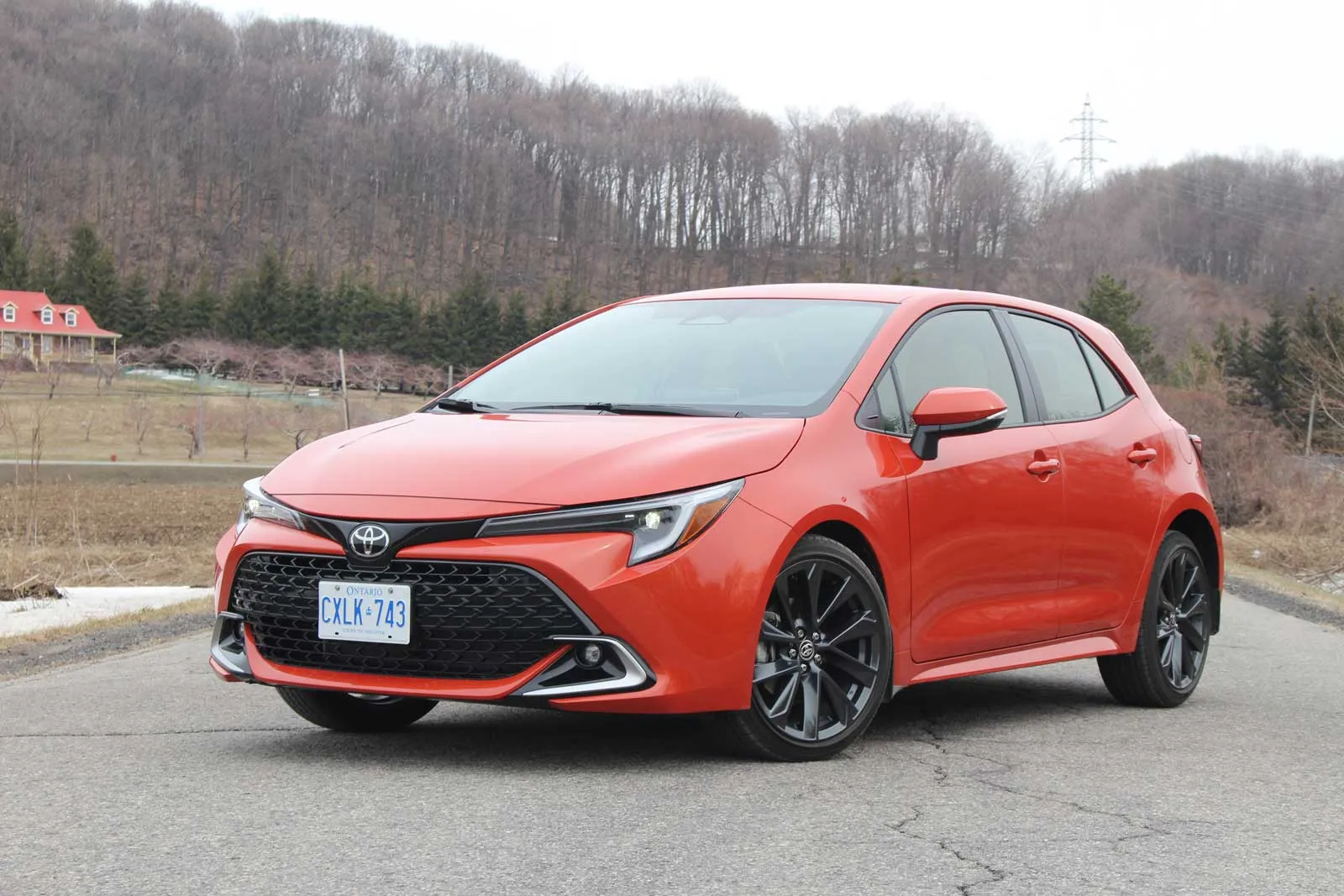
4. Toyota Corolla Hatchback (2019-Present)
Toyota’s reputation for reliability extends comprehensively into interior durability with the Corolla Hatchback. While the exterior styling took bold risks compared to previous Corolla generations, the interior demonstrates Toyota’s tried-and-true approach to material selection and construction quality.
The result is a cabin that may not feel as upscale initially as some competitors but maintains its integrity and functionality exceptionally well through years of service and high mileage accumulation.
The dashboard construction epitomizes Toyota’s engineering philosophy: conservative design executed with precision. The plastics used throughout the cabin prioritize longevity over initial tactile luxury.
While some competitors use softer materials that feel more premium initially, these often degrade into sticky or flaky surfaces within a few years.
Toyota’s harder plastics may lack that initial “soft touch” appeal, but they maintain their appearance and structural integrity indefinitely.
The grain patterns molded into these plastics resist wear and don’t fade, ensuring the dashboard looks essentially identical at 100,000 miles as it did when new.
Toyota’s approach to UV protection deserves particular attention. The company has extensive experience building vehicles for markets with intense sun exposure, and this expertise manifests in plastic formulations with superior UV stabilizers.
Dashboard cracking, a plague on many vehicles in sunny climates, rarely affects Corolla Hatchbacks even after years of unprotected outdoor parking.
This resistance to environmental damage extends to all interior plastics, from door panels to center console components, creating an interior that genuinely withstands the test of time.
The seat upholstery demonstrates Toyota’s commitment to practical durability. Standard cloth seats feature a tight weave that resists pilling, fraying, and staining exceptionally well.
The fabric composition balances wear resistance with comfort, avoiding the rough texture of some ultra-durable materials. The seat foam maintains its support characteristics through years of use, avoiding the sagging and compression that make older seats uncomfortable.
For vehicles equipped with the available leather-trimmed seats (technically SofTex synthetic leather), Toyota’s material proves remarkably durable and easy to maintain, resisting the cracking and discoloration that eventually affects genuine leather.
The infotainment touchscreen represents one of the few areas where modern complexity could potentially create durability concerns.
However, Toyota’s conservative approach to technology proves beneficial here as well. The touchscreen uses proven technology with demonstrated reliability rather than cutting-edge systems that might have undiscovered failure modes.
The screen maintains its responsiveness and the software remains stable through years of operation. Physical buttons for key functions provide redundancy and maintain their tactile quality indefinitely, ensuring access to critical features regardless of touchscreen condition.
Toyota’s attention to mechanical durability extends throughout the interior. Climate control vents operate smoothly and maintain their position settings without drooping or sticking.
The center console lid and armrest maintain their structural integrity without cracking or separating. Cup holders resist breaking and continue gripping containers effectively.
Door handles and interior grab handles maintain their strength and appearance. These seemingly minor details collectively contribute to an interior that feels solid and well-assembled throughout its lifespan.
Toyota’s comprehensive approach to interior durability includes often-overlooked elements like floor mats and carpeting. The carpet throughout the cabin resists matting and maintains its appearance well, while proper floor mats protect high-wear areas effectively.
The headliner maintains its taut appearance without sagging, thanks to adhesive selection that resists heat-induced failure. Even the sun visors maintain their structural integrity and don’t droop over time a small detail that many manufacturers struggle to execute consistently.
Also Read: 5 Sedans That Stay Whisper-Quiet Inside vs 5 That Whistle and Howl
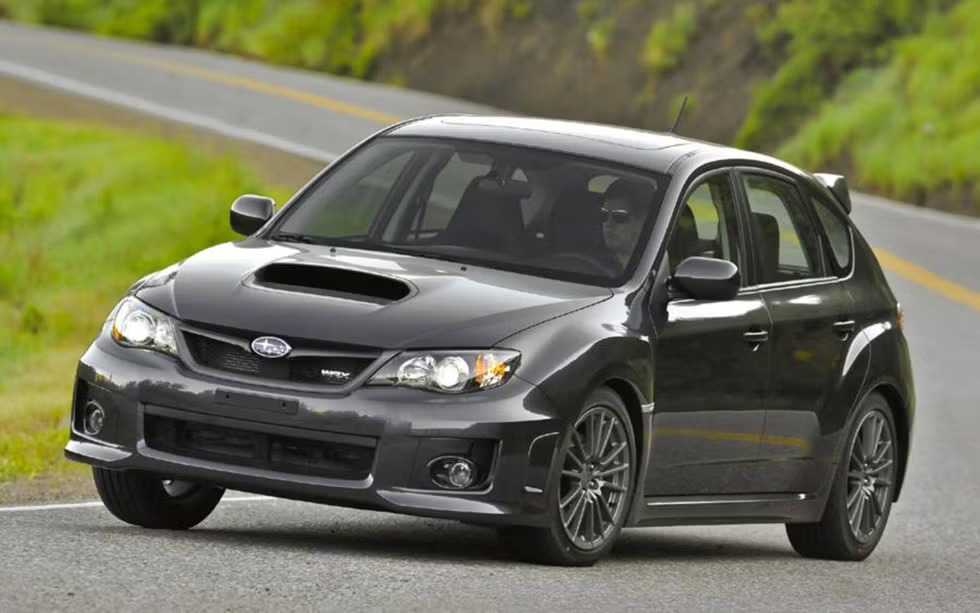
5. Subaru Impreza Hatchback (2017-Present)
The Subaru Impreza Hatchback demonstrates that all-weather capability extends beyond mechanical components into interior durability.
Subaru’s engineering focus on vehicles that withstand harsh conditions manifests in an interior designed to resist moisture, temperature extremes, and the general wear that accompanies active lifestyles.
The result is a cabin that maintains its integrity through challenging conditions that might compromise lesser vehicles, making it particularly appealing for owners in variable climates or those with outdoor-oriented lifestyles.
Subaru’s material selection reflects practical priorities over superficial luxury. The plastics throughout the cabin prioritize durability and moisture resistance, characteristics essential for vehicles frequently exposed to wet gear, muddy boots, and the general detritus of active living.
These materials may not feel as soft or premium as some competitors initially, but they maintain their appearance and functionality through conditions that would degrade more delicate materials.
The textured finishes resist showing scratches and scuffs, while the matte surfaces don’t develop the glossy wear patterns that make some interiors look prematurely aged.
The seating demonstrates Subaru’s understanding of their customer base. Standard cloth seats use water-resistant fabrics that release stains more easily than conventional cloth.
The weave pattern disguises minor wear while providing durability against the abrasion that accompanies frequent entry and exit, particularly with outdoor clothing and equipment.
The seat foam maintains its support characteristics through years of use, and the bolsters resist the compression that often plagues sport seats.
Higher trims offer leather or synthetic leather options, but even these materials prioritize durability and easy maintenance over luxury feel, resulting in upholstery that ages gracefully with minimal care.
Subaru’s approach to all-weather durability extends to moisture management throughout the cabin. The materials used resist water damage exceptionally well, important for vehicles that might experience wet occupants and cargo regularly.
The carpet backing and floor pan construction prevent moisture accumulation that can lead to mold or mildew issues in other vehicles. The door panel materials similarly resist water damage, maintaining their appearance even after repeated exposure to wet conditions.
This comprehensive moisture resistance ensures the interior doesn’t develop the musty odors or visual deterioration that moisture causes in less thoughtfully designed vehicles.
The dashboard construction emphasizes functionality and longevity over flash. The straightforward design minimizes seams and separate components, reducing potential failure points and rattle sources.
The instrument cluster design combines analog gauges with a central digital display, providing timeless functionality that won’t appear dated as technology evolves.
The backlighting remains consistent and bright through years of use, and the gauge mechanisms maintain their precision. This conservative approach ensures the interior remains functional and attractive through long ownership periods.
Subaru’s cargo area design continues the theme of practical durability. The cargo floor covering resists staining and cleans easily, important for a vehicle likely to carry outdoor equipment or pets.
The tie-down points and hooks maintain their strength and position. The hatch mechanism operates smoothly through years of use without developing play or squeaks.
This comprehensive approach to durability ensures the entire interior, not just the passenger cabin, maintains its integrity and functionality through demanding use.
5 When Interiors Don’t Age Gracefully
These problematic vehicles suffer from cabin materials featuring trendy soft-touch coatings that become sticky and peel away within years, synthetic leather surfaces that crack and flake prematurely, and interior plastics formulated without adequate UV stabilizers that fade severely and become brittle from sun exposure creating disappointing interior degradation that devastates resale values and ownership satisfaction.
Their flawed engineering includes dashboard coatings using polyurethane that breaks down from heat and UV exposure becoming tacky and peeling off in sheets, door panel inserts with vinyl materials that crack along stress lines revealing underlying substrate, and steering wheel coverings that wear through to bare plastic within moderate mileage despite being high-contact surfaces requiring durable finishes.
From sticky dashboard surfaces that transfer residue to everything they contact to severely faded plastics that appear decades older than actual vehicle age, these troublesome interiors deteriorate rapidly.
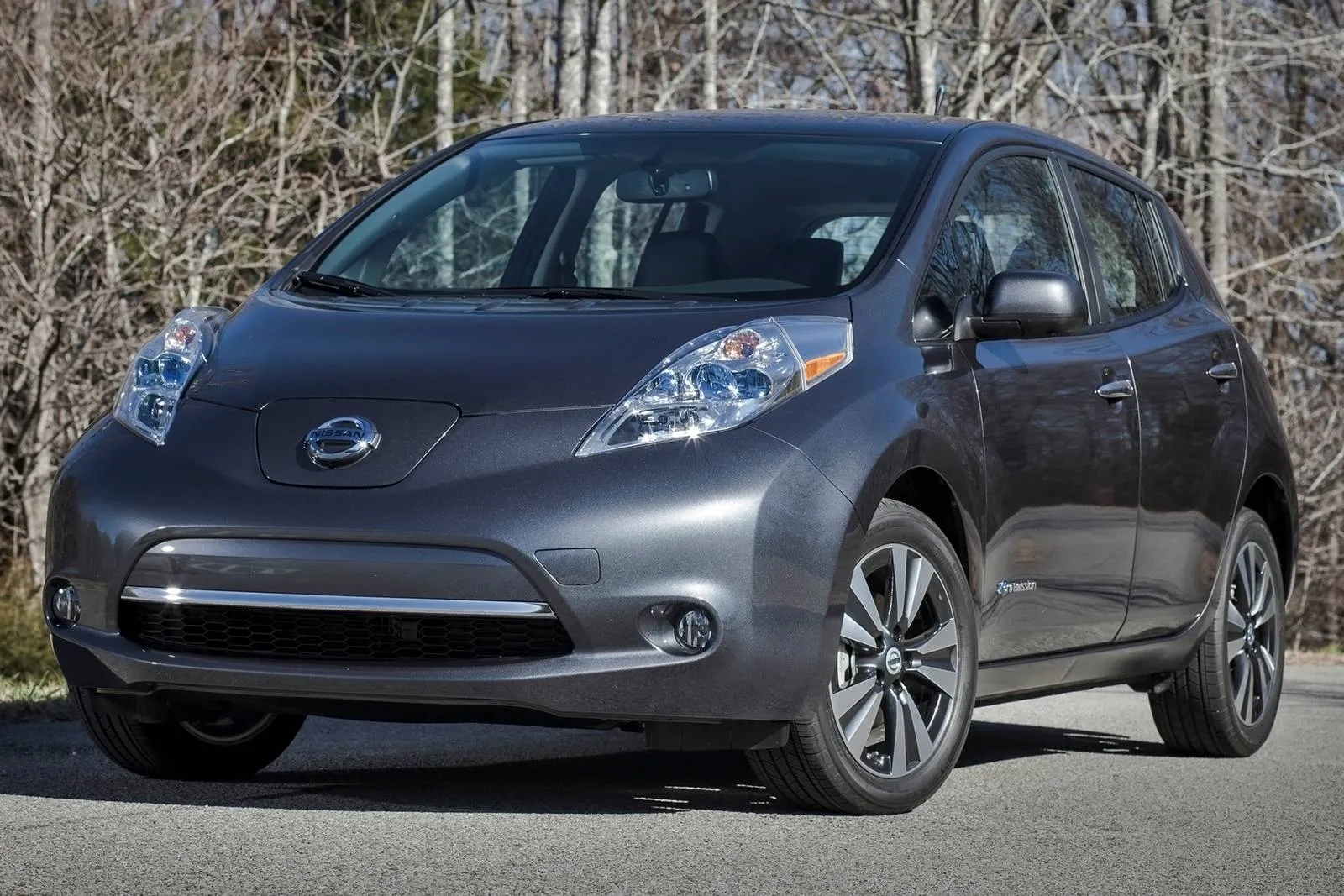
1. Nissan Leaf (2011-2017)
The first-generation Nissan Leaf represents a cautionary tale in interior material selection and quality control. While the vehicle pioneered affordable electric vehicle adoption and delivered impressive environmental credentials, the interior proved disappointingly fragile.
Owners have consistently reported extensive deterioration issues that emerge surprisingly early in the vehicle’s life, transforming what should be a forward-thinking transportation solution into a source of ongoing frustration and diminished resale value.
The dashboard cracking issue stands as the most widespread and visually disturbing problem afflicting first-generation Leafs. The upper dashboard section, constructed from a plastic formulation apparently lacking adequate UV stabilizers, develops extensive cracking patterns typically within three to five years.
These aren’t minor surface imperfections they’re deep, structural cracks that spread across the dashboard surface in spiderweb patterns.
The problem appears particularly severe in sunny climates, but even vehicles in moderate environments often develop this issue. The cracking typically begins near the windshield and progressively spreads, creating an appearance suggesting decades of neglect in a vehicle that may be less than a decade old.
The root cause appears to be multiple factors combining destructively. Nissan apparently chose a plastic formulation that lacks adequate UV protection, causing the material to become brittle when exposed to sunlight.
Additionally, the dark color of most Leaf dashboards exacerbates the problem by absorbing more heat, accelerating material degradation.
The dashboard design itself may contribute, as thermal expansion and contraction cycles create stress concentrations where cracks eventually develop.
What makes this particularly frustrating for owners is that the problem is essentially unfixable replacement dashboards often develop the same cracking, suggesting a fundamental material or design flaw rather than manufacturing variation.
The center console area presents additional durability concerns. The glossy black plastic surrounding the gear selector and infotainment controls scratches remarkably easily, quickly developing a worn appearance that suggests much longer ownership than actual.
This plastic also tends to attract fingerprints and shows every smudge, requiring constant cleaning to maintain any semblance of the original appearance. More concerning, some examples have experienced actual structural failures where the center console plastic cracks around mounting points, creating loose components and gaps in the trim.
The seat materials in base models demonstrate disappointing longevity. The cloth fabric shows wear patterns prematurely, with high-contact areas developing shiny spots and thinning within surprisingly few miles.
The seat bolsters, critical for support and comfort, compress and lose shape relatively quickly, leaving seats feeling saggy and providing inadequate support. The stitching in some examples has proven inadequate, with seams separating and requiring repair.
For vehicles equipped with leather-trimmed seats, the material quality varies considerably but generally proves less durable than expected, with cracking and discoloration appearing earlier than comparable vehicles from other manufacturers.
The door panel materials also disappoint in longevity. The armrests, subject to constant contact, compress and develop permanent depressions relatively quickly.
The door panel trim pieces, particularly around the speakers and window controls, tend to develop rattles and squeaks as clips and fasteners weaken.
Some owners report soft-touch materials on door panels becoming sticky or tacky over time, a particularly unpleasant degradation that proves difficult to remediate. The window switches themselves maintain functionality generally, but the surrounding trim can become loose or develop gaps.
The headliner represents another problem area in first-generation Leafs, particularly in humid climates. The adhesive securing the headliner fabric to the backing board proves inadequate in many examples, leading to sagging that typically begins near the rear seat area and progressively worsens.
Repairing a sagging headliner is expensive and labor-intensive, often costing over a thousand dollars at professional shops. This failure mode particularly frustrates owners because it’s purely a quality issue the headliner serves no wear function that would explain deterioration.
Nissan did eventually acknowledge some interior quality issues and extended warranties on certain components for some model years, but this came too late for many owners and didn’t cover all problematic areas.
The experience damaged Nissan’s reputation among early electric vehicle adopters and serves as a reminder that environmental innovation doesn’t excuse interior quality compromises.
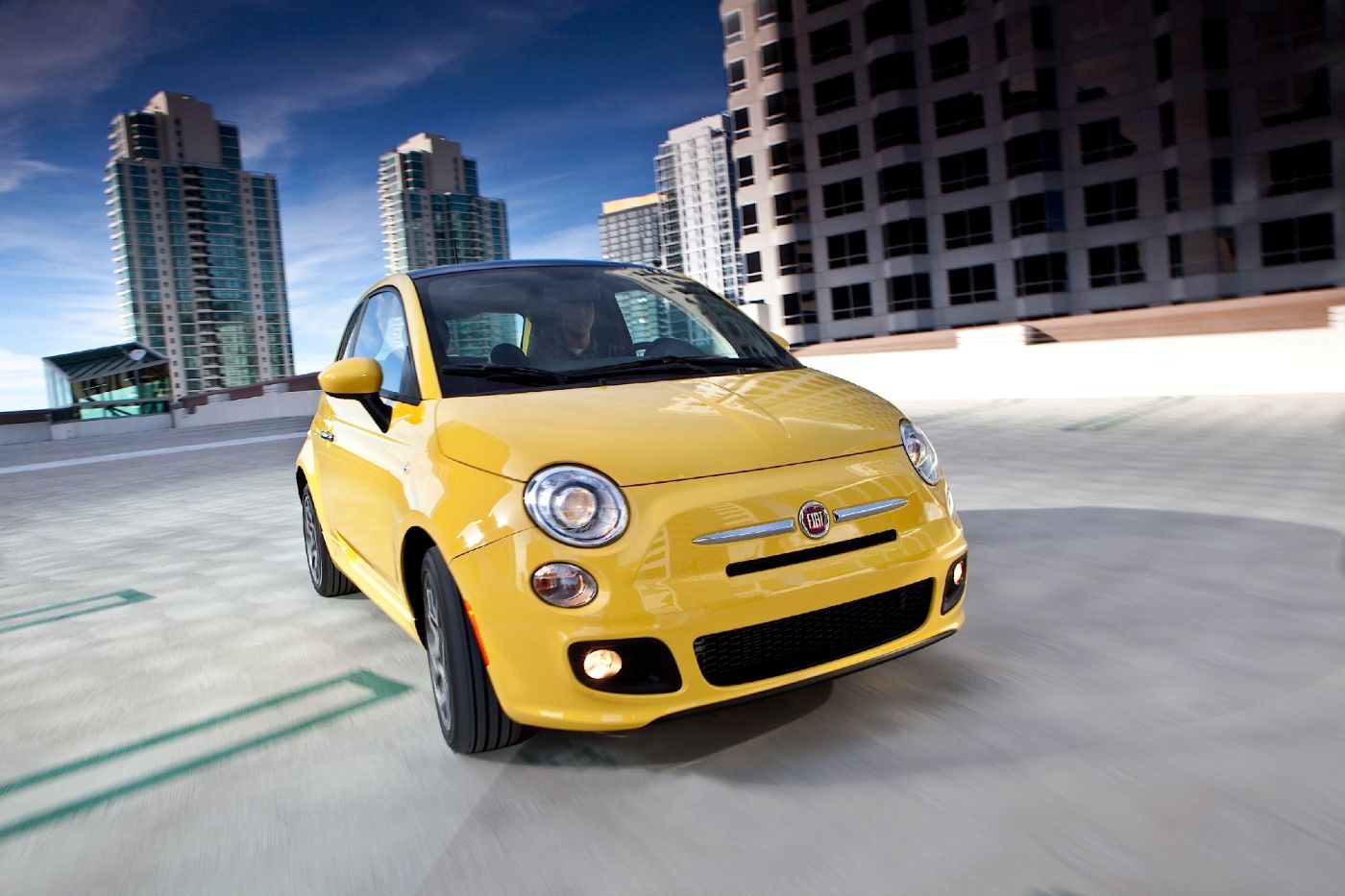
2. Fiat 500 (2012-2019)
The Fiat 500, while charming in appearance and enjoyable to drive in urban environments, suffers from interior quality issues that have consistently disappointed owners.
The vehicle’s Italian design flair unfortunately didn’t translate into durable interior construction, with multiple material and assembly problems emerging across numerous examples.
What begins as a stylish, fun city car gradually reveals itself as a maintenance headache as interior components deteriorate prematurely. The dashboard soft-touch material represents the most widespread and troubling interior issue affecting the Fiat 500.
This material, applied to the upper dashboard and door panel tops, develops a sticky, gummy texture over time a phenomenon affecting vehicles across various climates and usage patterns.
The degradation typically begins three to five years into ownership, starting as a slightly tacky feeling that progressively worsens until the surface becomes unpleasantly sticky to touch.
This isn’t simply an aesthetic issue the stickiness attracts dust and debris that become embedded in the degraded surface, creating a grimy appearance that proves nearly impossible to fully clean.
The cause appears to be the soft-touch coating breaking down at a molecular level, possibly due to plasticizer migration where chemicals added to make the plastic flexible gradually separate and rise to the surface.
Heat and UV exposure accelerate this process, but even garaged vehicles often develop the problem eventually. Various cleaning solutions and treatments have been attempted by frustrated owners, with limited success.
Some resort to replacing the affected parts, only to watch the new components eventually develop the same issue. Others apply aftermarket dashboard covers, accepting visual compromise to avoid the unpleasant stickiness.
The door panel materials compound durability concerns. Beyond the sticky soft-touch problem affecting upper surfaces, the lower door panels prove surprisingly fragile.
The plastic panels crack relatively easily, particularly around mounting points and speaker grilles. The door panel pockets, seemingly designed with minimal consideration for durability, crack or break with surprising ease, leaving owners unable to safely store items in the doors.
The armrests compress excessively and lose their supportive feel quickly, developing permanent depressions that highlight the inadequate foam density underneath the covering.
The steering wheel, particularly on leather-wrapped examples, wears disappointingly fast. The leather develops shiny, worn spots quickly, and the stitching can come loose.
Some examples experience actual structural issues where the leather covering separates from the underlying wheel structure, creating bumps and loose sections.
The various switches and controls on the steering wheel maintain functionality reasonably well, but their plastic surrounds can crack or break. The feeling is of components inadequate for their usage intensity, suggesting cost-cutting that sacrificed longevity for initial price point.
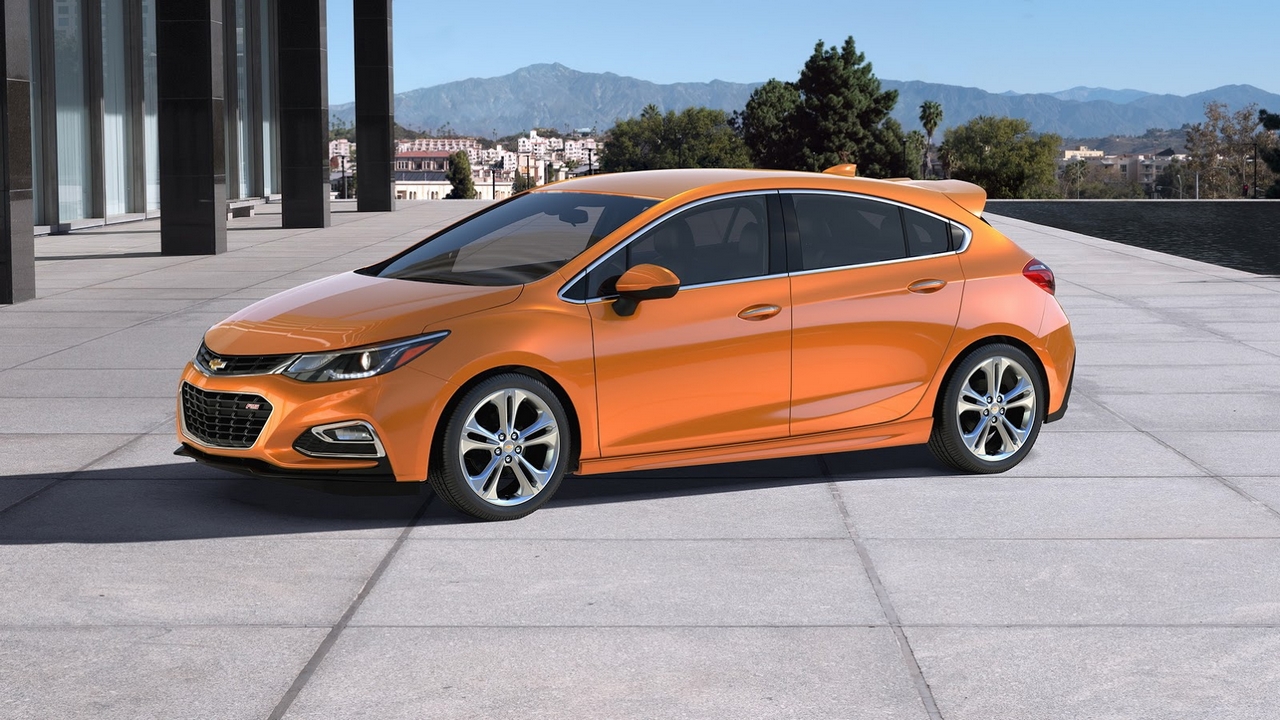
3. Chevrolet Cruze Hatchback (2017-2019)
The Chevrolet Cruze Hatchback, despite being a relatively recent design, has revealed disappointing interior durability issues that emerged surprisingly quickly for many owners.
General Motors’ quality control during this period apparently fell short of expectations, resulting in interior components that degrade prematurely.
The problems range from merely annoying cosmetic issues to more serious functional failures, collectively creating an ownership experience that doesn’t live up to the vehicle’s initial promise or the standards expected from a major American manufacturer.
The center console represents ground zero for Cruze interior complaints. The center console lid and armrest assembly proves structurally inadequate in many examples.
The lid develops excessive play in its hinges relatively quickly, eventually refusing to stay closed properly or creating annoying rattles during driving.
More seriously, the plastic construction of the console itself can crack around stress points, particularly near mounting locations. Some owners report complete breakage of console components, leaving them with a sloppy, ill-fitting assembly that detracts significantly from the interior’s appearance and functionality.
The cupholders within the console often crack or break, and the rubberized insert at the bottom of the console storage area frequently comes loose or deteriorates.
The dashboard soft-touch material, while initially pleasant, proves less durable than expected. Although it doesn’t develop the aggressive stickiness plaguing some competitors, the material does show wear prematurely.
High-touch areas like the grab handles and armrests develop shiny spots where the texture wears away, creating visible use patterns that suggest much longer ownership than actual.
Some owners report the material beginning to peel or separate from the underlying plastic, particularly along edges and seams. The lower dashboard sections, constructed from harder plastics, maintain their appearance better but are prone to rattles and squeaks as clip attachments loosen over time.
The door panel materials and construction reveal significant quality control issues. Door panel trim pieces often develop poor fitment, creating gaps and uneven surfaces that weren’t present when new.
The armrests, critical for comfort during longer drives, compress excessively and lose their supportive feel surprisingly quickly. The door panel pockets can crack, particularly where the pocket attachment meets the main panel.
More frustrating, many owners report persistent rattles and buzzing sounds emanating from door panels, caused by loose trim pieces, inadequate sound dampening, or clips that fail to maintain secure attachment. Addressing these rattles often proves difficult even for dealership service departments.
The impression from Cruze Hatchback owners is disappointment that a vehicle from a major manufacturer, built relatively recently, exhibits interior quality falling short of reasonable expectations.
While not every example experiences all these issues, the frequency of complaints across multiple areas suggests systemic quality control problems rather than isolated incidents.
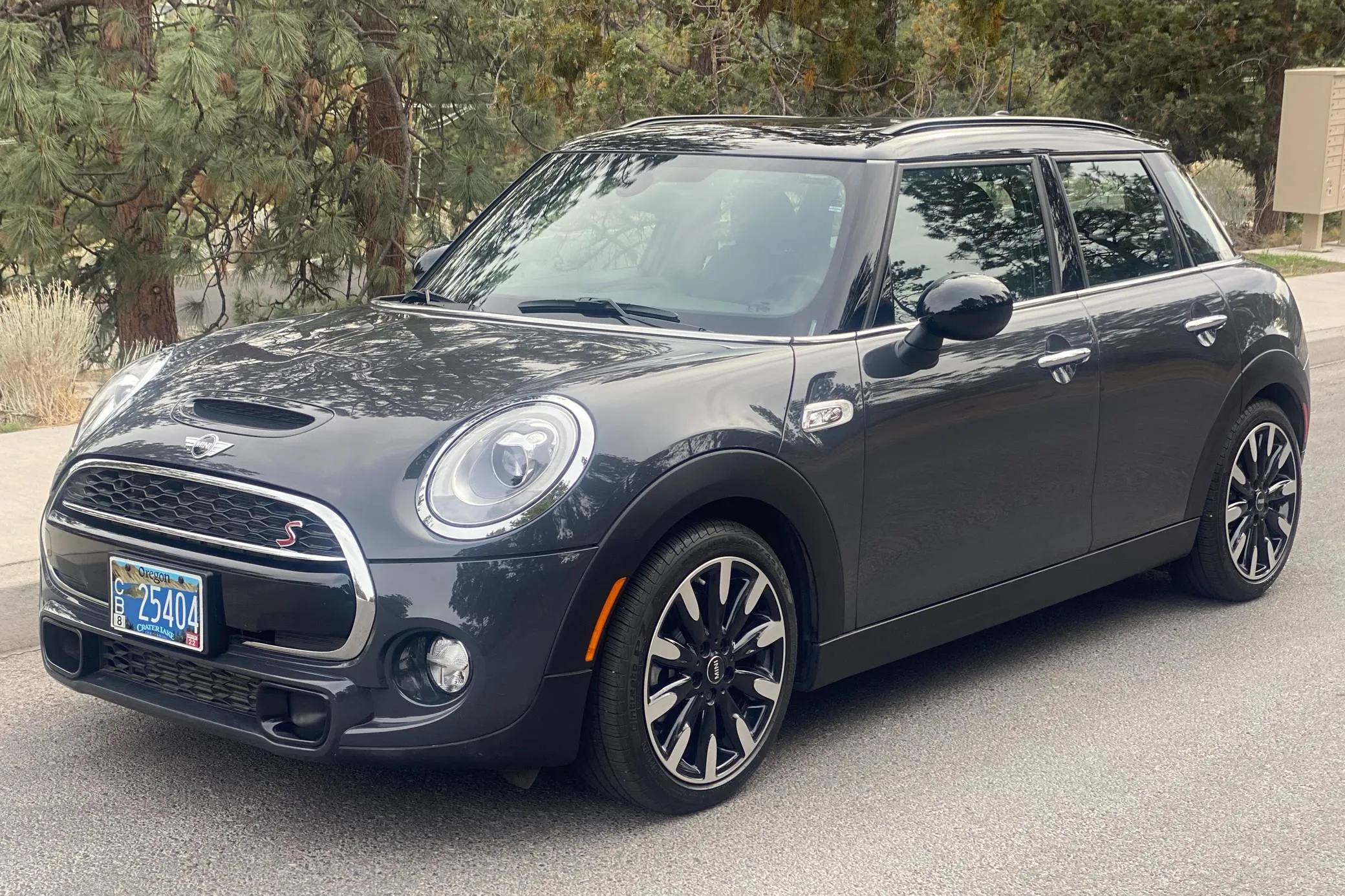
4. Mini Cooper Hardtop (2014-2021)
The Mini Cooper Hardtop, despite its premium positioning and British heritage (now under BMW ownership), suffers from surprisingly problematic interior durability issues.
The vehicle’s stylish, distinctive interior design unfortunately prioritizes aesthetic flair over longevity in several critical areas.
Owners expecting BMW-level quality often find themselves disappointed as various interior components deteriorate or fail prematurely, creating frustration that’s amplified by the vehicle’s premium pricing and maintenance costs.
The center console and dashboard trim pieces prove particularly problematic across Mini Cooper generations. The glossy black plastic surfaces, featured prominently throughout the cabin, scratch incredibly easily often showing damage from simple activities like resting keys or phones on the surface.
Within months of ownership, these surfaces develop a network of fine scratches that create a hazy, worn appearance. More seriously, the structural integrity of some trim pieces proves inadequate, with cracking occurring around mounting points and stress areas.
The large central speedometer housing, a Mini design signature, can develop rattles as it loosens slightly over time. The chrome-effect trim rings surrounding various controls can delaminate or peel, revealing cheaper-looking material underneath and destroying the premium aesthetic that initially attracted buyers.
The toggle switches scattered throughout the cabin, while visually distinctive and initially satisfying to operate, prove less durable than conventional switch designs.
These switches, controlling everything from window operation to stability control, can develop intermittent operation as internal contacts wear.
Some owners report switches becoming stuck in position or requiring excessive force to actuate. The chrome finish on switch housings can wear away, and the illumination behind switches can fail, leaving dead or dim switches that detract from the ambiance.
While these switches contribute significantly to Mini’s unique interior character, their compromised durability represents form prioritized over function in ways that frustrate long-term owners.
The cargo area and rear seat demonstrate the space compromises inherent in Mini’s design, but also reveal quality issues. The rear seat materials show wear quickly if the seats are used regularly, and the folding mechanisms can become stiff or develop play.
The cargo area trim panels can crack or come loose, and the cargo cover mechanism proves fragile in some examples. The tailgate trim pieces can rattle or develop gaps, and the latch mechanism can become difficult to operate.
These issues, combined with the limited space availability, make the rear portion of the vehicle particularly problematic for practical use.
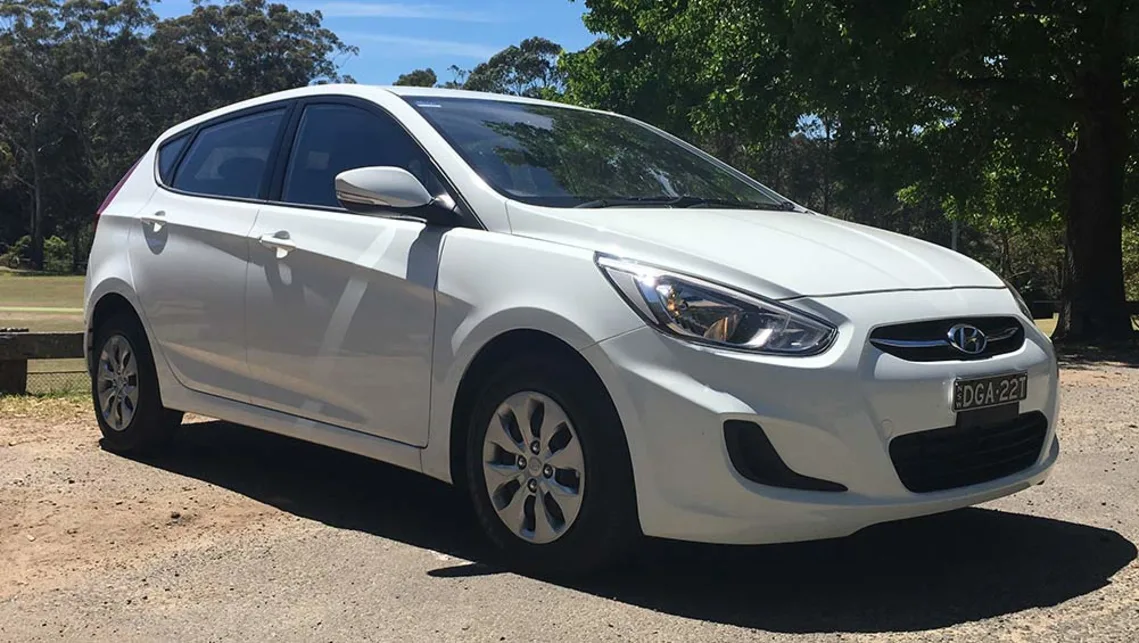
5. Hyundai Accent Hatchback (2012-2017)
The Hyundai Accent Hatchback from this generation represents a period when Hyundai’s exterior design and mechanical reliability had improved significantly, but interior material quality hadn’t kept pace with the company’s broader advancements.
While Hyundai has dramatically improved interior quality in recent years, this generation of Accent particularly struggles with premature interior deterioration.
The vehicle, positioned as budget-friendly transportation, perhaps inevitably reflects its price point through component quality that doesn’t age gracefully.
The dashboard construction demonstrates the cost-cutting measures that plague this generation. The plastics throughout the cabin feel hard and hollow, lacking the density and quality feel of better-executed competitors. More problematically, these plastics prove surprisingly brittle, cracking with minimal provocation.
The dashboard top, exposed to sunlight and temperature cycles, develops cracks in many examples—particularly in warm climates but occurring even in moderate environments.
These cracks typically begin as hairline fractures near the windshield but progressively worsen, eventually creating unsightly gaps and structural weaknesses.
The grain pattern molded into the plastic, intended to provide visual interest, actually seems to concentrate stress, potentially contributing to crack formation. The impression is of materials selected primarily for initial cost rather than longevity.
The center console area reveals multiple quality shortcomings. The cupholders, constructed from thin plastic, crack or break remarkably easily sometimes from normal beverage placement, suggesting inadequate structural design or material selection.
The center console lid, when equipped, develops excessive play in its hinges and eventually fails to close properly.
The plastic surrounding the gear selector scratches easily and develops a worn, hazy appearance quickly. The various storage compartments throughout the console lack proper lining or cushioning, causing stored items to rattle annoyingly.
More seriously, the entire center console assembly can develop looseness, creating squeaks and rattles that become increasingly intrusive as the vehicle ages. These issues collectively suggest inadequate engineering and quality control during the design and manufacturing process.
The seat materials demonstrate the challenges of providing comfort and durability at entry-level price points. The standard cloth seats use a fabric that feels rough and cheap from new, but deteriorates further with use.
The fabric pills extensively, particularly on seat cushions and backrests, creating a fuzzy, worn appearance. High-contact areas like the driver’s seat bolster wear through surprisingly quickly in some examples, exposing the foam underneath.
The seat foam itself compresses excessively, losing support characteristics and leaving seats feeling flat and uncomfortable. The seat adjustment mechanisms, while functional, operate roughly and develop sloppiness over time.
For the limited number of vehicles equipped with leather or leather-like materials, the situation improves marginally but still falls short of expectations, with the material cracking or peeling prematurely.
The Accent Hatchback owners of this generation is that while the vehicle provides reliable basic transportation Hyundai’s mechanical improvements translate into dependable operation the interior quality severely compromises long-term satisfaction.
The premature deterioration of interior components creates frustration disproportionate to the vehicle’s modest price, as owners watch their cars develop increasingly worn, cheap-feeling interiors even with relatively low mileage.
This generation serves as a reminder that even manufacturers making dramatic quality improvements company-wide may have some models that lag behind, and that interior quality deserves serious consideration when evaluating any vehicle purchase.
Also Read: 5 Engines That Tolerate Long Oil Changes vs 5 That Sludge If You Blink
