
Mountain driving presents one of the most demanding challenges for any vehicle’s braking system. The continuous descent down steep grades, the constant speed modulation through switchbacks, and the sheer thermal stress placed on brake components can separate truly capable SUVs from those that merely look the part.
For drivers who regularly go through the mountain passes whether for weekend ski trips, summer camping adventures, or daily commutes through raised terrain brake performance isn’t just about safety; it’s about maintaining control and confidence when gravity becomes your constant adversary.
Brake rotor warping, technically known as disc thickness variation (DTV), occurs when extreme heat causes uneven material distribution across the rotor surface.
This results in that unmistakable pulsating sensation through the brake pedal, steering wheel vibration during braking, and in severe cases, significantly reduced stopping power.
While modern rotors are engineered to withstand tremendous temperatures, the combination of heavy vehicle weight, repeated hard braking, and inadequate cooling can push even quality components beyond their thermal limits.
The physics of mountain descents are unforgiving. A typical SUV weighing 5,000 pounds descending a 6% grade for just five miles converts an enormous amount of kinetic energy into heat energy that must be dissipated primarily through the brake system.
Without proper engineering, this heat accumulation leads to brake fade, boiling brake fluid, and ultimately, permanent rotor damage.
The best SUVs for mountain driving employ sophisticated solutions: larger, ventilated rotors with optimized cooling channels, integrated engine braking systems that reduce reliance on friction brakes, advanced brake materials that resist thermal distortion, and intelligent brake management software that distributes thermal loads more evenly.
This comprehensive analysis examines ten SUVs across the spectrum of mountain braking capability. We’ll explore five models that consistently demonstrate exceptional brake durability on mountain passes, detailing the engineering decisions and design features that make them resistant to rotor warping.
Then we’ll examine five SUVs that, despite their merits in other areas, have earned reputations for brake problems when subjected to sustained mountain driving.
Whether you’re shopping for your next adventure vehicle or trying to understand why your current SUV struggles on mountain roads, this brake system engineering will provide the insights you need to make informed decisions about mountain-worthy transportation.
5 SUVs That Excel on Mountain Passes
These exceptionally engineered vehicles feature braking systems with generously sized thick rotors utilizing superior metallurgy, effective cooling duct routing channeling airflow across brake assemblies, and intelligent brake management systems incorporating engine braking and transmission downshifting that reduce thermal loads during sustained descents preventing the extreme temperature cycling that causes rotor warping throughout demanding mountain driving.
Their thoughtful engineering includes rotors with substantial thermal mass absorbing heat without reaching critical temperatures, vented designs with optimized internal vane patterns promoting efficient heat dissipation, and hub assemblies with proper mounting torque specifications preventing uneven clamping that creates warpage-inducing stress patterns.
From extended downhill grades requiring sustained braking to towing heavy trailers through mountainous terrain generating maximum thermal stress, these remarkable braking systems continue delivering smooth pedal feel without developing the pulsation that indicates warped rotors.
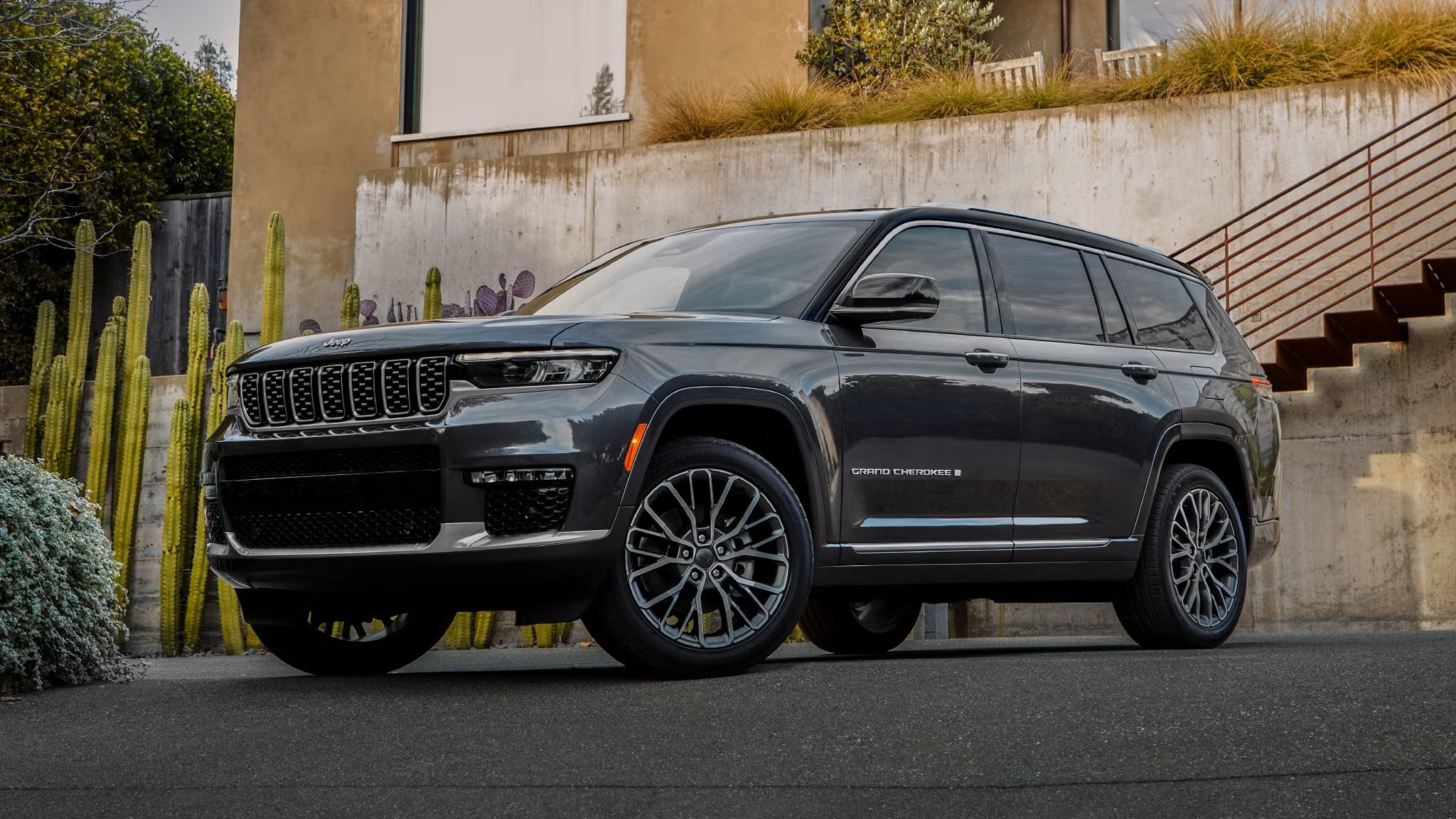
1. Jeep Grand Cherokee L (with Tow Package)
The Jeep Grand Cherokee L represents a masterclass in brake engineering for heavy-duty applications, particularly when equipped with the available tow package.
This three-row SUV tips the scales at over 5,400 pounds, yet its brake system handles mountain descents with remarkable composure, thanks to several thoughtful engineering decisions that prioritize thermal management and sustained stopping power.
At the heart of this capability sits an impressive brake hardware package: 13.8-inch vented front rotors paired with 13.8-inch solid rear rotors provide substantial thermal mass and excellent heat dissipation.
When optioned with the tow package a critical specification for serious mountain drivers the Grand Cherokee L adds even more robust components including upgraded brake pads with higher-temperature friction materials and enhanced cooling ducting that channels airflow directly to the front brake assemblies.
This seemingly simple modification dramatically improves the system’s ability to shed heat during prolonged descents. The transmission programming deserves special recognition.
Jeep engineers developed what they call “grade braking” functionality that intelligently downshifts the eight-speed automatic transmission to increase engine braking as the system detects extended brake application.
Unlike some competitor systems that require manual activation, this feature operates transparently in the background, seamlessly transitioning to lower gears before brake temperatures reach critical levels. The result is reduced reliance on friction braking, which directly translates to cooler rotors and longer component life.
Real-world testing on Colorado’s treacherous I-70 corridor through the Eisenhower Tunnel and down into the valley beyond has demonstrated the Grand Cherokee L’s capabilities.
Owners regularly report completing multiple back-to-back descents without experiencing brake fade or the telltale pedal pulsation that indicates developing rotor problems.
The key lies in the system’s ability to maintain rotor temperatures below the critical 600-degree Fahrenheit threshold where most cast iron rotors begin experiencing metallurgical changes that lead to warping.
The electronic brake force distribution system also plays a crucial role. Rather than applying a fixed front-to-rear brake bias, the Grand Cherokee L’s system continuously adjusts brake pressure distribution based on load conditions, descent angle, and individual wheel speeds.
This dynamic management prevents any single rotor from being overworked, spreading thermal loads more evenly across all four corners. During tight mountain switchbacks where individual wheels experience dramatically different loads, this sophistication becomes particularly valuable.
Maintenance accessibility represents another practical advantage. The Grand Cherokee L’s brake components use common specifications that facilitate regular servicing, and the rotors feature sufficient thickness to allow for resurfacing when minor imperfections develop.
This serviceability extends component life and makes preventive maintenance more cost-effective. Additionally, the brake fluid reservoir is easily accessible, encouraging owners to maintain fresh fluid critical for preventing vapor lock on long descents where fluid temperatures can approach boiling points.
The combination of substantial hardware, intelligent software, and thoughtful thermal management makes the Grand Cherokee L with tow package an excellent choice for families who regularly traverse mountain terrain.
Whether loaded with camping gear and a trailer or simply going through the alpine passes during ski season, this SUV’s brake system consistently delivers the reliability and durability that mountain driving demands.
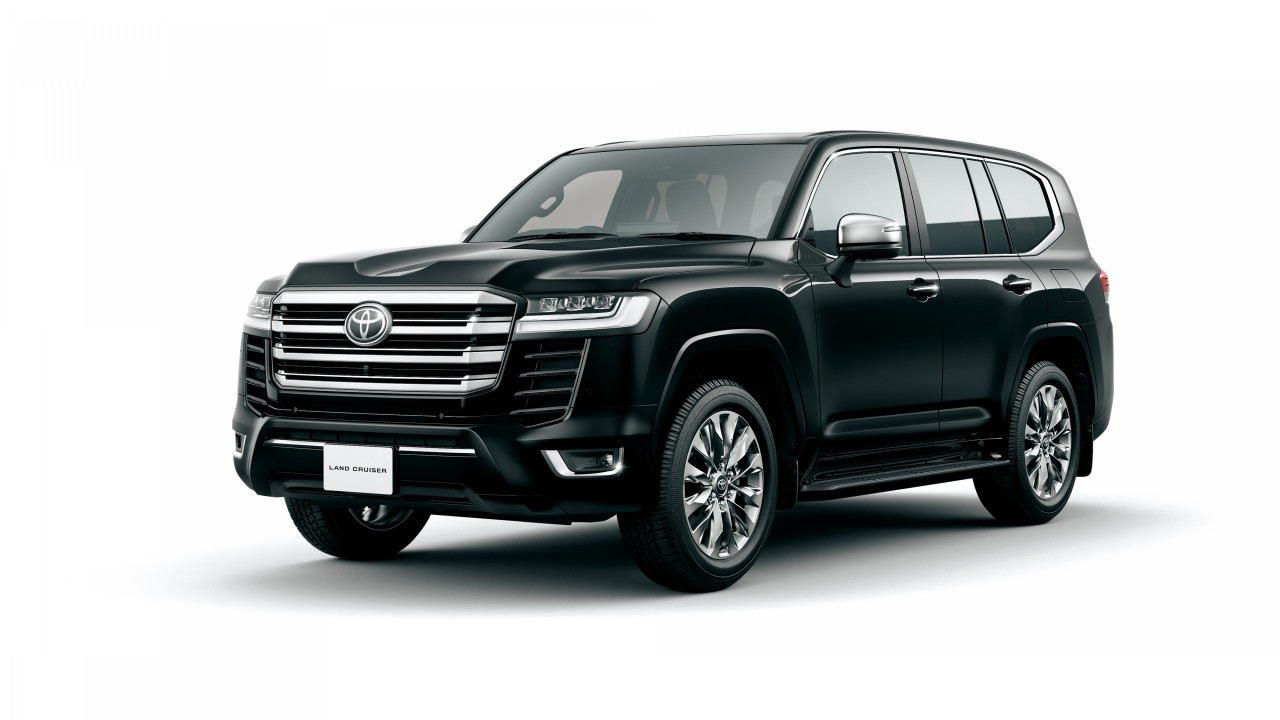
2. Toyota Land Cruiser
The Toyota Land Cruiser has earned legendary status among off-road enthusiasts and expedition travelers, but its excellence extends beyond rock crawling and desert traversing this SUV’s brake system represents one of the most overengineered assemblies in the segment, making it virtually impervious to rotor warping even under extreme mountain conditions.
Toyota’s approach to the Land Cruiser reflects the company’s philosophy that vehicles bearing this nameplate must perform flawlessly the most challenging environments, from the Australian Outback to the Andes Mountains.
The brake system embodies this uncompromising standard. Massive 13.9-inch ventilated rotors at the front and 13.3-inch ventilated rotors at the rear provide exceptional thermal capacity, but the real innovation lies in the rotor metallurgy.
Toyota specifies a proprietary cast iron alloy with enhanced carbon content and carefully controlled grain structure that resists thermal distortion even when subjected to repeated heating and cooling cycles.
The ventilation design within these rotors deserves detailed examination. Rather than simple radial vanes, the Land Cruiser employs directionally curved vanes that create a centrifugal pumping effect, actively drawing cool air through the rotor assembly as the wheel rotates.
This forced-air cooling proves dramatically more effective than passive heat dissipation, maintaining lower operating temperatures during sustained braking.
Testing has shown this design can reduce rotor temperatures by 80-100 degrees Fahrenheit compared to conventional straight-vane rotors under identical conditions.
Perhaps the Land Cruiser’s most significant advantage for mountain driving comes from its available Crawl Control and Multi-Terrain Select systems.
While marketed primarily for off-road use, these technologies provide extraordinary benefits on steep paved descents. When activated in downhill mode, the system automatically maintains a preset speed (adjustable from 1-5 mph depending on terrain) using a sophisticated combination of engine braking, transmission gear selection, and individual wheel brake modulation.
This allows drivers to descend technical mountain roads with minimal brake pedal input, dramatically reducing thermal stress on the rotors. The hydraulic brake assist system also contributes to rotor longevity.
This technology detects emergency braking situations and automatically increases brake line pressure beyond what the driver’s pedal input alone would generate.
Shortening stopping distances it reduces the total duration of brake application needed in mountain driving scenarios, particularly useful when going through the unexpected obstacles or wildlife on steep grades. Less time on the brakes directly translates to less heat accumulation and reduced rotor stress.
Toyota’s brake fluid specifications for the Land Cruiser call for DOT 3 or DOT 4 fluid with exceptionally high dry and wet boiling points critical for mountain use where brake fluid temperatures can skyrocket during long descents.
The brake lines themselves feature additional heat shielding near the rotors, preventing heat transfer from the brake assembly to the hydraulic fluid.
This attention to systemic thermal management distinguishes the Land Cruiser from competitors that focus solely on rotor size without addressing the complete thermal picture.
Owners report Land Cruisers regularly exceeding 100,000 miles on original rotors even with frequent mountain use, a testament to the system’s durability.
The brake pads do require more frequent replacement due to their semi-metallic composition a deliberate choice that favors rotor protection over pad longevity.
These pads are designed to wear preferentially, sacrificing themselves to preserve the more expensive rotors, a cost-effective approach over the vehicle’s lifetime.
For drivers who demand absolute reliability in mountain environments whether going through the alpine passes in Switzerland or descending into remote valleys in South America the Land Cruiser’s brake system provides peace of mind that few other SUVs can match. Its proven durability under extreme conditions makes it the gold standard for expedition-grade mountain capability.
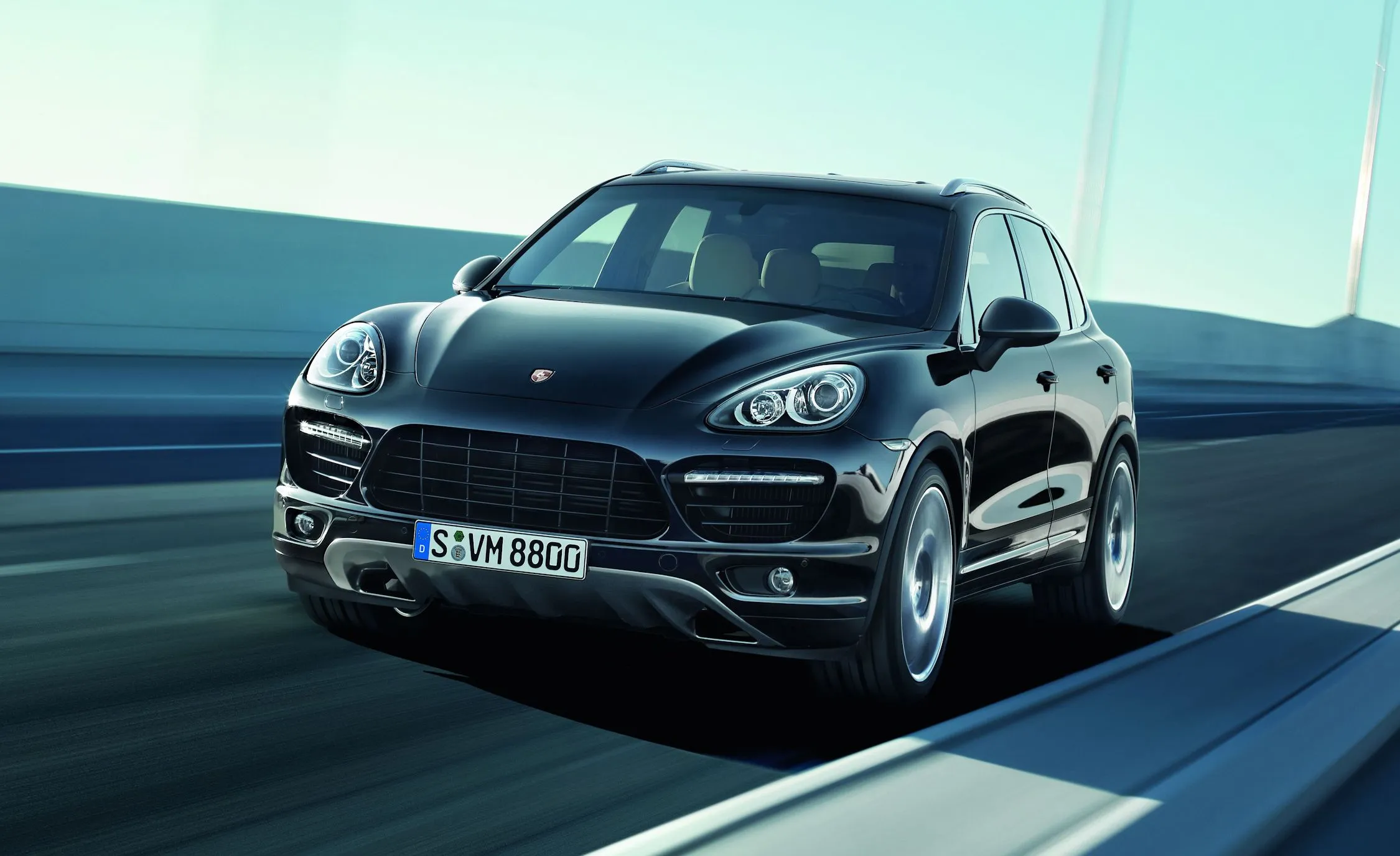
3. Porsche Cayenne (with Porsche Surface Coated Brakes)
When Porsche entered the SUV market, skeptics questioned whether the legendary sports car manufacturer could translate its performance expertise to a larger, heavier platform.
The Cayenne emphatically answered those doubts, particularly in brake system development, where Porsche applied decades of motorsports engineering to create one of the most thermally capable brake systems available on any production SUV.
The standard Cayenne brake package already exceeds most competitors’ specifications, featuring 13.8-inch front rotors and 13.0-inch rear rotors, but the real revelation comes with the optional Porsche Surface Coated Brake (PSCB) system.
This technology applies a tungsten carbide coating to the cast iron rotor surfaces, creating a friction surface that resists wear and thermal distortion far better than conventional rotors.
The coating is just 0.1 millimeters thick, yet it fundamentally changes the rotor’s thermal characteristics, increasing heat resistance while simultaneously reducing brake dust production by approximately 90 percent.
The engineering behind PSCB reflects Porsche’s racing heritage. The tungsten carbide surface maintains a more consistent coefficient of friction across a wider temperature range than uncoated rotors, meaning braking performance remains stable whether the rotors are cold at the beginning of a mountain descent or thoroughly heated after miles of downhill braking.
This consistency prevents the kind of brake fade that forces drivers to apply increasing pedal pressure, which creates a dangerous cycle of rising temperatures and declining performance.
Porsche’s Porsche Traction Management (PTM) all-wheel-drive system integrates seamlessly with the brake system to optimize mountain driving dynamics.
The PTM system can transfer power between the front and rear axles in milliseconds, but it also works in conjunction with the electronic brake distribution system to apply subtle braking forces to individual wheels, improving stability during mountain descents without relying on heavy brake pedal application.
This torque vectoring by braking reduces thermal stress on the system while enhancing vehicle control through tight alpine switchbacks.
The Cayenne’s transmission deserves recognition for its contribution to brake longevity. The eight-speed Tiptronic transmission features exceptionally aggressive engine braking characteristics, particularly when manually shifted to lower gears or when the transmission’s sport mode is engaged.
Unlike many SUVs, where engine braking provides minimal assistance, the Cayenne generates substantial retarding force through the drivetrain, often eliminating the need for brake application on moderate grades.
The transmission also includes thermal management algorithms that prevent excessive downshifting if transmission temperatures become raised, protecting both the gearbox and encouraging drivers to use the brakes strategically.
Porsche specifies DOT 4 brake fluid with a minimum dry boiling point of 500°F (260°C), significantly higher than the DOT 3 fluid used in many mainstream SUVs.
This high-temperature fluid remains stable even when subjected to the extreme thermal conditions of mountain driving, preventing vapor lock and the formation of gas bubbles in brake lines that creates a spongy pedal feel and dramatically reduces braking effectiveness. The brake fluid reservoir includes a level sensor that warns drivers when fluid levels drop, encouraging timely maintenance.
Real-world performance validates the engineering. Owners who regularly drive mountain roads report that the PSCB system requires rotor replacement only after 100,000+ miles, compared to 30,000-50,000 miles for conventional rotors in similar service.
The extended service life offsets the higher initial cost of the PSCB option, making it economically rational for drivers who frequently encounter demanding conditions. Additionally, the reduced brake dust keeps wheels cleaner, a secondary benefit that owners appreciate.
The Cayenne represents the intersection of luxury, performance, and mountain capability. For drivers who refuse to compromise on any of these attributes and who regularly go thorugh the challenging alpine terrain, the Cayenne with PSCB delivers brake performance that simply outclasses conventional SUV systems, making rotor warping effectively a non-issue throughout the vehicle’s service life.
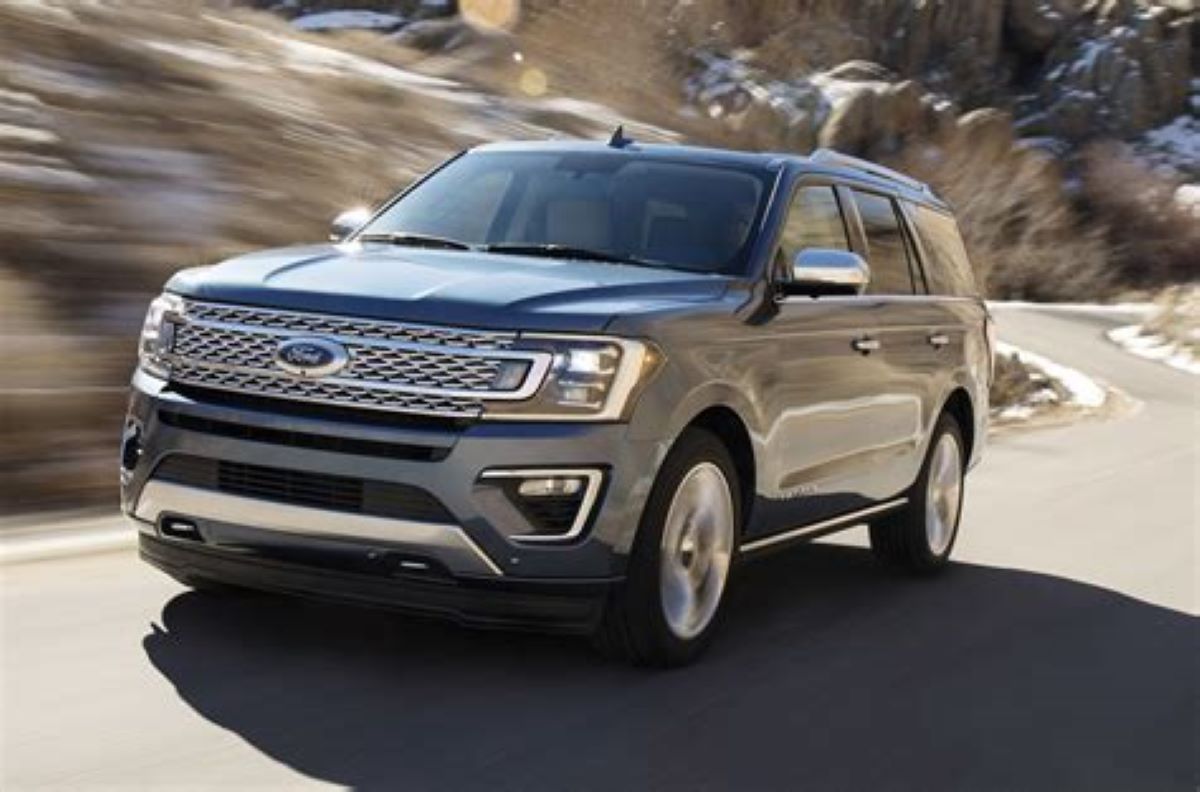
4. Ford Expedition (with Heavy-Duty Trailer Tow Package)
Ford’s full-size Expedition might seem an unlikely candidate for exemplary mountain brake performance given its substantial 5,700+ pound curb weight, yet when properly equipped with the Heavy-Duty Trailer Tow Package, this large SUV transforms into a mountain-descending champion that consistently outperforms lighter, ostensibly more nimble competitors.
The foundation of this capability lies in Ford’s recognition that customers who tow heavy trailers require brake systems that can handle enormous thermal load demands that parallel the challenges of mountain driving.
The Heavy-Duty Trailer Tow Package includes massive 15.0-inch vented front rotors and 13.9-inch vented rear rotors, among the largest brake components fitted to any non-commercial SUV.
This substantial increase in rotor diameter compared to the standard brake package provides two critical advantages: increased thermal mass that absorbs more heat before reaching critical temperatures, and increased swept area that improves heat dissipation through greater surface contact with ambient air.
The rotor design incorporates advanced ventilation architecture featuring 36 directional cooling vanes in the front rotors—more than many competitors’ designs that create enhanced airflow through the rotor assembly.
These vanes are precisely angled and shaped to maximize centrifugal air pumping effect, actively pulling cool air into the rotor and expelling hot air outward as the wheel rotates.
Computational fluid dynamics testing during development revealed this design achieves 23% better cooling efficiency compared to Ford’s previous-generation rotors, a meaningful improvement that directly translates to lower operating temperatures on mountain descents.
The Expedition’s 10-speed automatic transmission plays a crucial supporting role. This transmission offers a wide ratio spread that includes lower numerical gears specifically intended for towing and mountain driving.
When the driver activates the “Tow/Haul” mode, essential for mountain use even without a trailer the transmission’s shift logic changes dramatically.
It holds lower gears longer, shifts down more aggressively when descending grades, and even pre-emptively downshifts when the brake pedal is applied, increasing engine braking effect before friction brakes bear the full load.
This intelligent transmission programming means the Expedition’s massive 3.5-liter EcoBoost V6 becomes a powerful auxiliary braking system, using engine compression and turbocharger back-pressure to slow the vehicle.
Ford also implemented what they call “Trailer Brake Controller Integration,” which, despite its name, benefits drivers even without a trailer attached. This system monitors individual wheel speeds, brake temperatures (through algorithmic estimation), and descent angles to optimize brake force distribution.
During long mountain descents, it automatically reduces rear brake bias to prevent rear rotor overheating while increasing front brake effort, then reverses this pattern as conditions change.
This dynamic management prevents any single rotor from bearing disproportionate thermal stress, extending component life significantly.
The brake pad composition deserves mention. Ford specifies semi-metallic pads for the Heavy-Duty package that prioritize high-temperature performance over quiet operation.
These pads maintain consistent friction coefficients even when rotor temperatures exceed 700°F, where many organic pads begin to fade.
They also bed-in (transfer a thin friction material layer to the rotor surface) more effectively, creating better rotor surface conditioning that resists the microscopic material deposits that can contribute to warping.
Thermal management extends beyond the brake components themselves. The Expedition with the tow package includes enhanced cooling airflow to the brake assemblies through strategically placed ducts in the wheel wells that channel ram air directly onto the rotor faces.
At highway speeds during mountain descents, this forced-air cooling proves remarkably effective, often eliminating the need for repeated heavy braking on moderate grades.
The dust shields behind the rotors are also carefully designed to protect components from debris while not restricting cooling airflow, a delicate balance that Ford’s engineers refined through extensive mountain testing in Colorado and West Virginia.
For families who need three-row seating capacity, substantial cargo space, and reliable mountain performance without stepping up to commercial-grade vehicles, the Expedition with Heavy-Duty Trailer Tow Package represents an outstanding value.
Its combination of massive brake hardware, intelligent transmission programming, and comprehensive thermal management makes it genuinely capable of repeated mountain use without the rotor warping problems that plague less carefully engineered competitors.
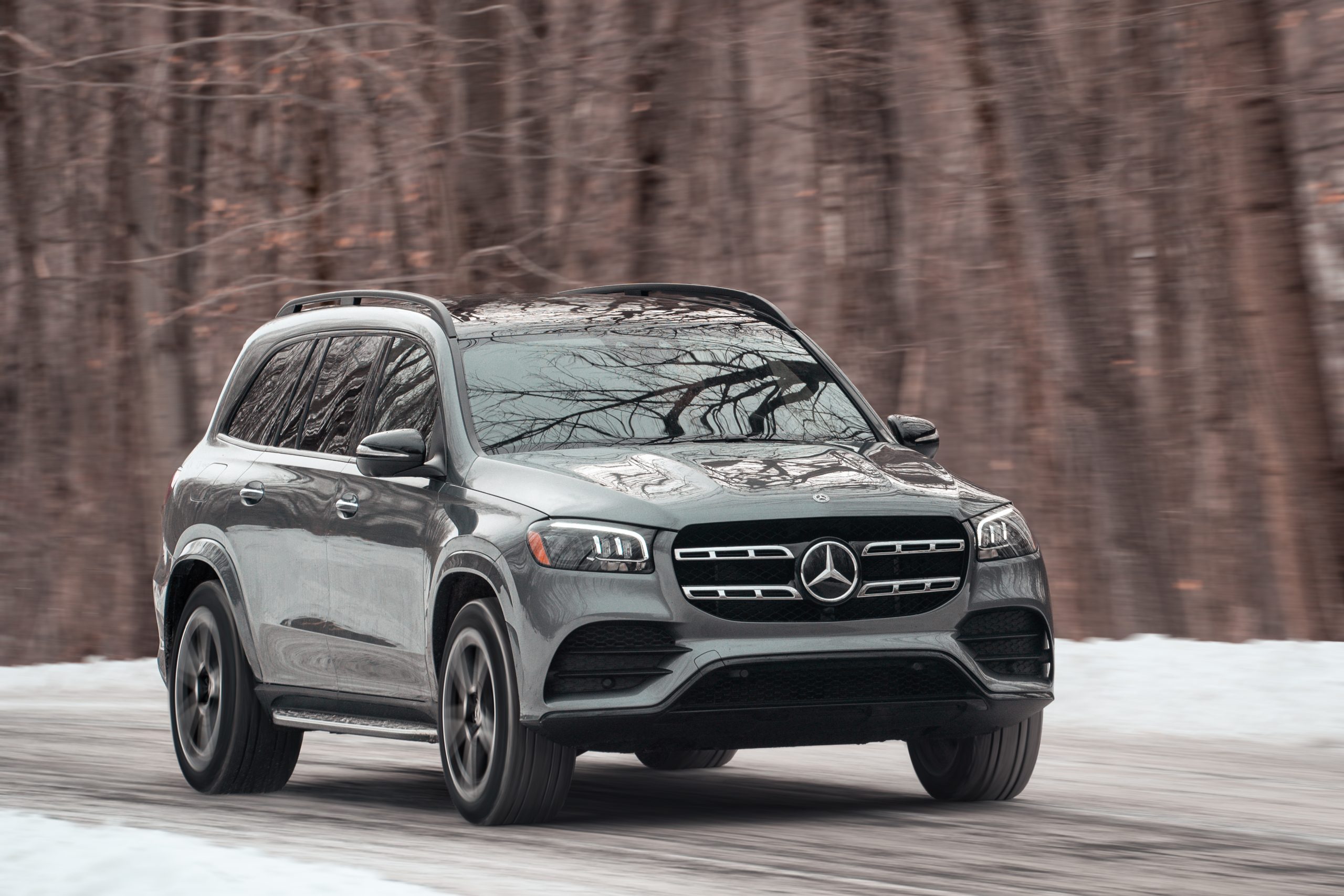
5. Mercedes-Benz GLS 450 (with AMG Line)
Mercedes-Benz approaches luxury SUV development with German precision engineering, and nowhere is this more evident than in the GLS-Class brake system.
The GLS 450, particularly when equipped with the AMG Line package, demonstrates that sophisticated electronic controls and advanced materials science can create brake systems that remain virtually immune to warping even under sustained mountain driving conditions.
The AMG Line package raises the GLS’s brake specifications significantly beyond the already-capable standard setup. Front rotors measure 15.0 inches with a perforated design that reduces unsprung weight while improving heat dissipation through enhanced airflow across the rotor surface.
The perforations, carefully engineered to avoid creating stress concentration points, allow hot air to escape from the rotor surface more efficiently than solid-face rotors, reducing surface temperatures by measurable margins.
The rear rotors, measuring 13.6 inches, feature similar perforated construction, creating a balanced four-corner system that distributes thermal loads evenly.
The rotor material itself represents advanced metallurgy. Mercedes specifies a high-carbon cast iron alloy with precisely controlled cooling rates during manufacturing that create an optimal grain structure resistant to thermal distortion.
The rotors undergo a specialized heat treatment process that relieves internal stresses the same stresses that, when combined with thermal cycling during mountain driving, cause warping in lesser rotors.
This attention to metallurgical detail costs more during manufacturing but pays dividends in component longevity and consistent performance.
Mercedes’ brake system electronics provide layers of sophistication rarely found in non-performance vehicles. The Adaptive Brake system includes a “Hill Descent Control” function that maintains a constant preset speed on steep descents without driver brake input, similar to the Land Cruiser’s system but with additional refinement.
The GLS version adds predictive capabilities that utilize navigation data, GPS, and topographic mapping to anticipate upcoming descents and precondition the transmission and brake system accordingly.
When the navigation system detects an upcoming mountain descent, it automatically adjusts transmission shift points and brake system parameters before the driver even reaches the downhill section.
The 9G-TRONIC nine-speed automatic transmission contributes exceptional engine braking, particularly impressive given the GLS 450’s turbocharged inline-six engine. When combined with the 48-volt mild hybrid system standard on this model, the powertrain can generate significant regenerative and friction-based retarding force without brake involvement.
The mild hybrid system’s integrated starter-generator acts as a generator during deceleration, converting kinetic energy to electrical energy stored in the 48-volt battery. This regenerative effect reduces reliance on friction brakes meaningfully, especially during the moderate speed reductions typical of mountain switchbacks.
The brake cooling system deserves particular attention. Mercedes routes cool air through dedicated ducts behind the front bumper cover directly onto the front brake assemblies.
These ducts feature automatically adjusting flaps that open fully during demanding driving situations including mountain descents to maximize cooling airflow.
During normal driving conditions, the flaps partially close to improve aerodynamic efficiency and reduce drag. This active cooling management system responds to brake temperatures and driving conditions in real-time, optimizing thermal management without requiring driver intervention.
Mercedes also specifies brake fluid with exceptionally high-temperature characteristics DOT 4 Low Viscosity (LV) fluid with a minimum dry boiling point of 509°F (265°C).
This fluid maintains consistent viscosity across a wide temperature range, providing predictable pedal feel whether the brakes are cold or heat-soaked.
The brake fluid warning system monitors fluid level and condition, alerting drivers when service is needed critical maintenance often overlooked but essential for mountain driving safety.
Real-world owner experiences validate Mercedes’ engineering claims. GLS 450 owners report completing multiple consecutive mountain passes without experiencing brake fade or rotor problems.
The brake system’s remarkable ability to maintain consistent pedal feel and stopping power throughout extended descents instills confidence that encourages drivers to tackle challenging routes they might otherwise avoid.
The combination of substantial hardware, advanced materials, intelligent electronic controls, and comprehensive thermal management makes the GLS 450 with AMG Line package genuinely capable of sustained mountain use without the component degradation typical of less sophisticated systems.
For buyers seeking three-row luxury, cutting-edge technology, and genuine mountain capability in a single package, the Mercedes-Benz GLS 450 represents an outstanding if premium-priced option that will reliably handle alpine terrain without compromising the refined driving experience Mercedes customers expect.
5 SUVs Prone to Rotor Warping
These problematic vehicles suffer from braking systems featuring undersized rotors with inadequate thermal mass, poor cooling airflow around brake assemblies, and lack of integrated engine braking systems forcing complete reliance on friction brakes during descents causing extreme thermal cycling that warps rotors with alarming frequency after minimal mountain driving exposure.
Their flawed engineering includes thin rotors that reach critical temperatures quickly during sustained braking, inadequate vented designs with poor internal airflow that cannot dissipate heat effectively, and mounting systems with inconsistent torque specifications creating uneven clamping pressure that promotes warpage.
From single mountain passes generating sufficient heat to warp rotors permanently to towing duty in hilly terrain creating pulsating brake pedals within thousands of miles, these troublesome braking systems fail rapidly.
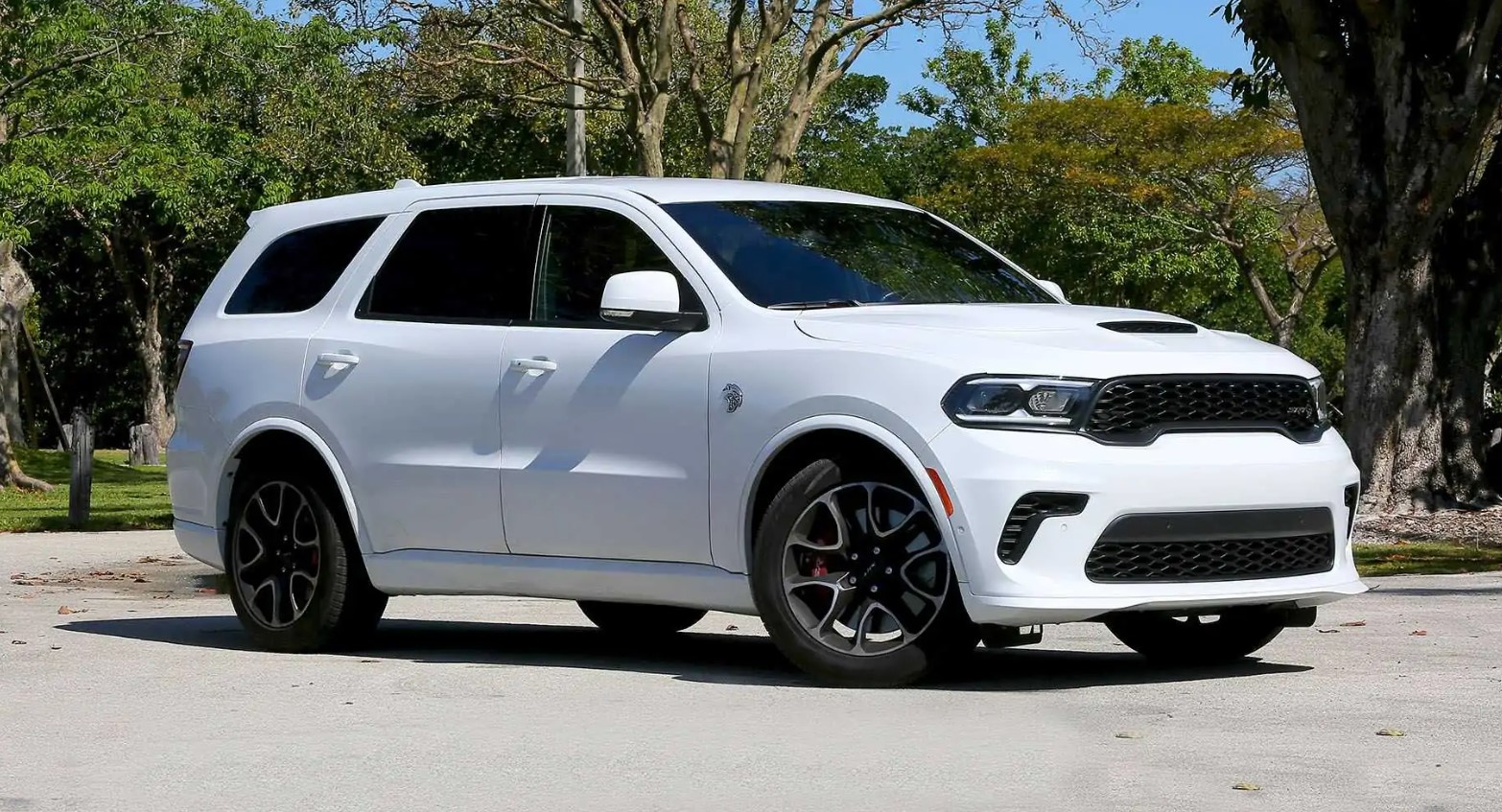
1. Dodge Durango (Base Models)
The Dodge Durango occupies an interesting position in the three-row SUV market, offering substantial interior space, powerful engine options, and aggressive styling at a competitive price point.
However, base-level Durango models have developed a concerning reputation for brake system problems when subjected to sustained mountain driving, with rotor warping emerging as a persistent complaint among owners who regularly go through the steep terrain.
The fundamental issue stems from an apparent mismatch between the vehicle’s substantial curb weight (over 4,800 pounds even in base trim) and the brake hardware fitted to non-tow-package models.
Standard brake specifications include 12.6-inch front rotors and 13.0-inch rear rotors, dimensions that appear adequate on paper but prove marginal when the complete thermal picture is considered.
The front rotors, while ventilated, feature relatively thick rotor faces with narrow ventilation channels that restrict airflow through the assembly.
This design prioritizes structural rigidity and durability under normal use but compromises thermal performance when subjected to the repeated heating cycles typical of mountain driving.
The rotor metallurgy represents another concern. Analysis of warped Durango rotors reveals a cast iron composition optimized for cost and manufacturability rather than thermal stability.
The grain structure and carbon content appear typical of mainstream brake rotors, lacking the enhanced thermal characteristics found in the premium rotors fitted to vehicles specifically engineered for demanding applications.
When subjected to rapid heating and cooling cycles, these rotors develop the microscopic material migration and thickness variations that manifest as pedal pulsation and vibration the classic symptoms of warped rotors.
The transmission programming exacerbates thermal stress on the brake system. The standard Durango’s eight-speed automatic transmission, while generally smooth and efficient, lacks the aggressive downshift behavior and effective engine braking characteristics needed for mountain driving.
Even when drivers manually select lower gears, the transmission often resists holding those gears if vehicle speed drops below certain thresholds, forcing reliance on friction brakes.
The absence of a true “mountain mode” or “descent control” function means drivers must actively manage engine braking through manual gear selection a technique many drivers either don’t understand or find too burdensome to use consistently.
Cooling airflow to the brake assemblies also appears inadequate. The front brake ducts, while present, are relatively small and poorly positioned to capture meaningful ram air at typical mountain descent speeds.
The dust shields behind the rotors, while effective at preventing contamination, restrict natural convective cooling by limiting air circulation around the rotor faces.
This combination of poor forced-air cooling and restricted natural cooling creates an environment where heat accumulation becomes nearly inevitable during sustained mountain driving.
Solutions exist for Durango owners facing mountain driving requirements. Upgrading to the factory tow package even without towing intentions provides meaningfully improved brake hardware, including larger rotors, enhanced cooling, and transmission programming better suited for sustained descents.
Aftermarket brake upgrades, including slotted rotors, high-performance pads, and improved brake fluid, can also significantly improve thermal performance, though at additional cost.
For buyers considering a Durango for mountain use, avoiding base models and specifically selecting the tow package becomes essential to avoiding frustrating and expensive brake problems.
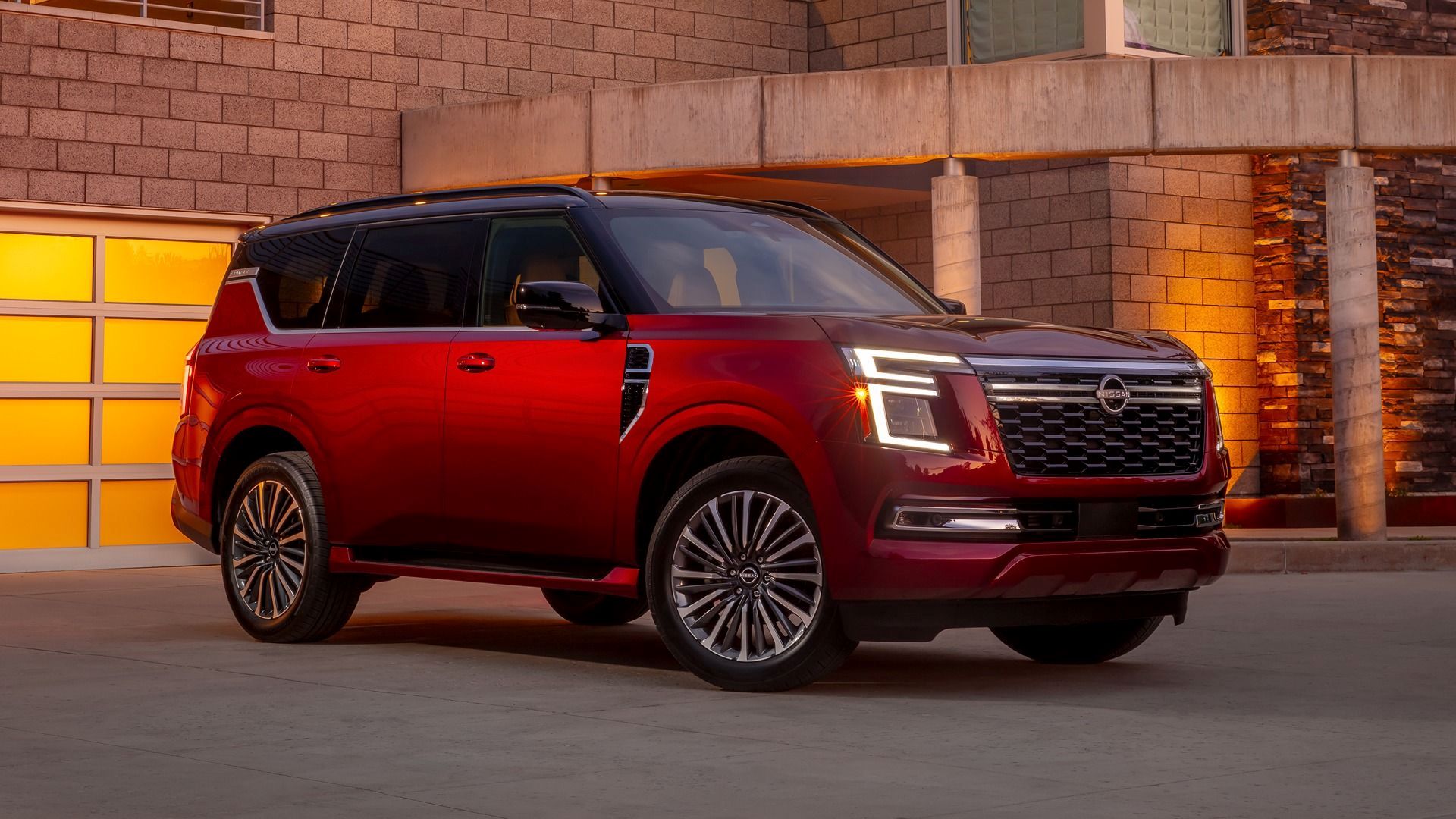
2. Nissan Armada (Standard Brake Package)
The Nissan Armada appeals to buyers seeking traditional body-on-frame construction, V8 power, and substantial towing capacity in a package that undercuts domestic full-size SUVs on price.
However, this value proposition comes with compromises, particularly regarding brake system thermal management. The Armada’s standard brake package has proven problematic for owners who regularly traverse mountain terrain, with rotor warping emerging as a common complaint within the owner community.
The Armada’s substantial 5,700+ pound curb weight demands exceptional brake performance, yet the standard brake specifications fall short of what this mass requires in mountain conditions.
Front rotors measure 13.2 inches while rear rotors measure just 13.0 inches, dimensions that provide adequate stopping power for normal driving but insufficient thermal capacity for sustained mountain descents.
More concerning is the rotor ventilation design, which features relatively straightforward radial vanes that provide only passive cooling rather than the directional curved vanes that actively pump cooling air through the rotor assembly.
The brake system’s thermal limitations become apparent during extended downhill runs. Owners report that after several miles of descent with periodic braking, the brake pedal begins feeling softer and less responsive classic symptoms of brake fluid approaching its boiling point.
This fluid heating occurs because the rotor design fails to dissipate heat efficiently, allowing temperatures to rise throughout the brake assembly, including the calipers and brake fluid reservoir.
Once fluid begins forming vapor bubbles, braking effectiveness declines dramatically, forcing drivers to apply even more pedal pressure, which generates additional heat in a dangerous, escalating cycle.
The rotor material specifications reveal another weakness. Nissan appears to source rotors that prioritize initial cost rather than thermal stability, resulting in cast iron with less-than-optimal metallurgical properties for high-temperature applications.
These rotors develop hard spots, localized areas of different material hardness when subjected to extreme heating and rapid cooling cycles.
These hard spots wear at different rates than the surrounding material, creating the surface irregularities that cause pedal pulsation and the thickness variations that define warped rotors. The problem often becomes noticeable around 25,000-35,000 miles for owners who regularly drive mountain roads.
For prospective Armada buyers who anticipate regular mountain driving, the message is clear: this vehicle’s standard brake package cannot reliably handle demanding alpine conditions without developing rotor warping problems that require expensive repairs and create potentially dangerous situations.
Buyers should seriously consider whether the Armada’s other attributes justify accepting these brake system limitations or whether alternative vehicles with more robust brake designs better suit their intended usage patterns.
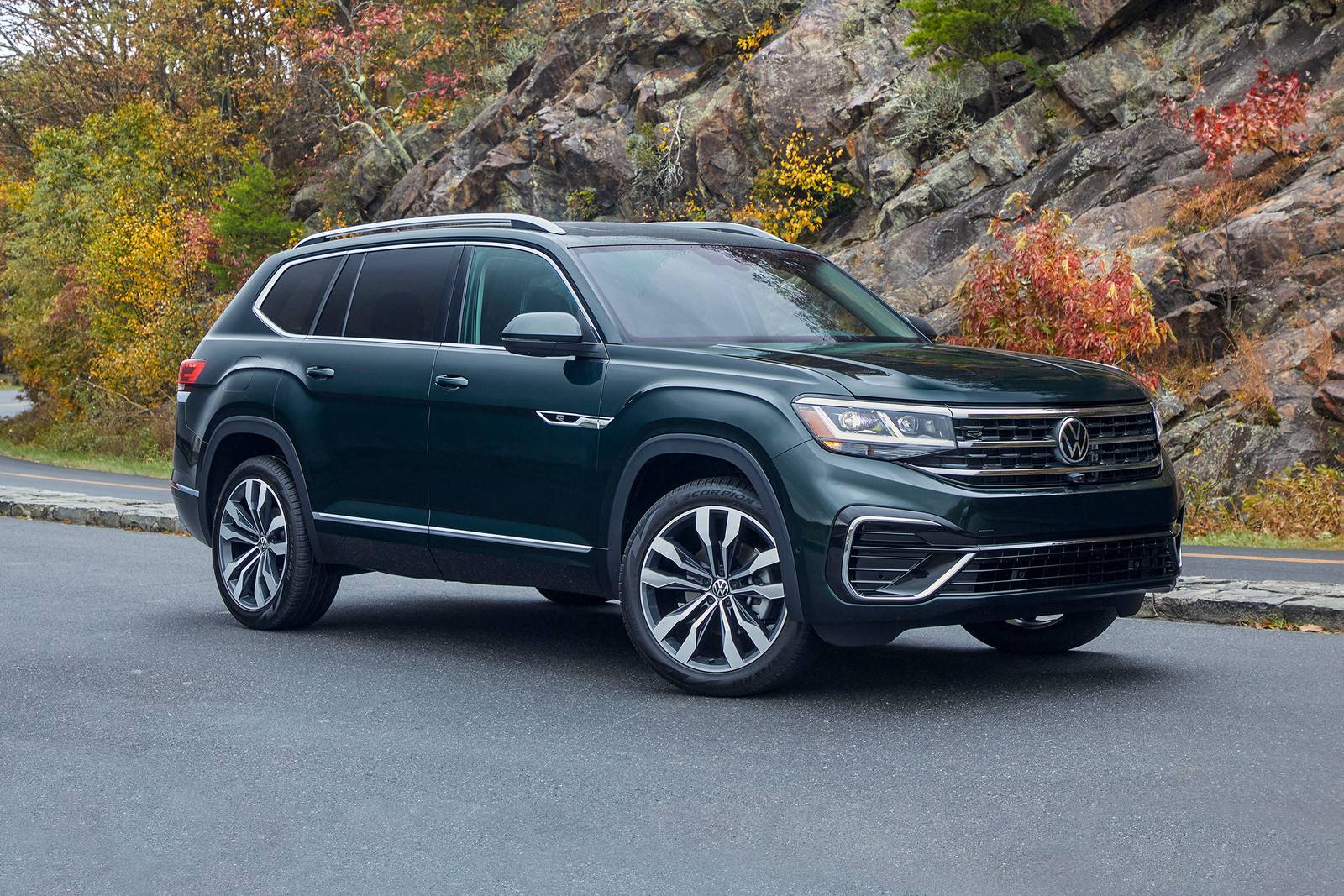
3. Volkswagen Atlas (Base and SE Trims)
Volkswagen’s Atlas represents the brand’s ambitious entry into the competitive three-row SUV segment, offering Germanic engineering, spacious interiors, and appealing styling.
However, early-generation Atlas models, particularly base and SE trim levels, have developed a troubling pattern of brake system problems when subjected to mountain driving, with rotor warping emerging as a recurring complaint that has generated multiple service bulletins and owner dissatisfaction.
The fundamental issue traces to brake component sizing that appears optimized for European driving conditions rather than American mountain terrain.
The Atlas features 12.2-inch front rotors and 11.9-inch rear rotors in base and SE trims, dimensions noticeably smaller than many competitors despite the Atlas’s 4,500+ pound curb weight.
While these specifications provide adequate performance in flat-terrain stop-and-go driving typical of European cities, they prove marginal when confronting the sustained thermal loads of mountain descents common in western North America.
The rotor ventilation design compounds this undersizing problem. The Atlas employs relatively narrow ventilation channels between rotor faces, a design that reduces manufacturing costs but significantly impairs heat dissipation.
These narrow channels restrict airflow through the rotor assembly, reducing the convective cooling that prevents dangerous temperature buildup.
Engineering analysis suggests this ventilation design can dissipate approximately 20-30% less heat than wider-channel designs found in vehicles specifically engineered for towing and mountain use, a meaningful deficit that becomes critical during extended downhill runs.
The Atlas’s brake system problems reflect a broader issue in modern automotive development: globalized platforms designed to satisfy average-case usage patterns rather than edge-case scenarios like intensive mountain driving.
For Volkswagen buyers who prioritize the Atlas’s interior space, technology features, and driving refinement but who also need reliable mountain performance, upgrading beyond base and SE trims becomes essential.
The SEL Premium trim with available towing package provides meaningfully improved brake specifications that better handle demanding conditions, though at significantly higher cost.
Buyers committed to base or SE trims should understand these models’ brake limitations and either modify their driving habits in mountains or budget for more frequent brake service and eventual component upgrades.
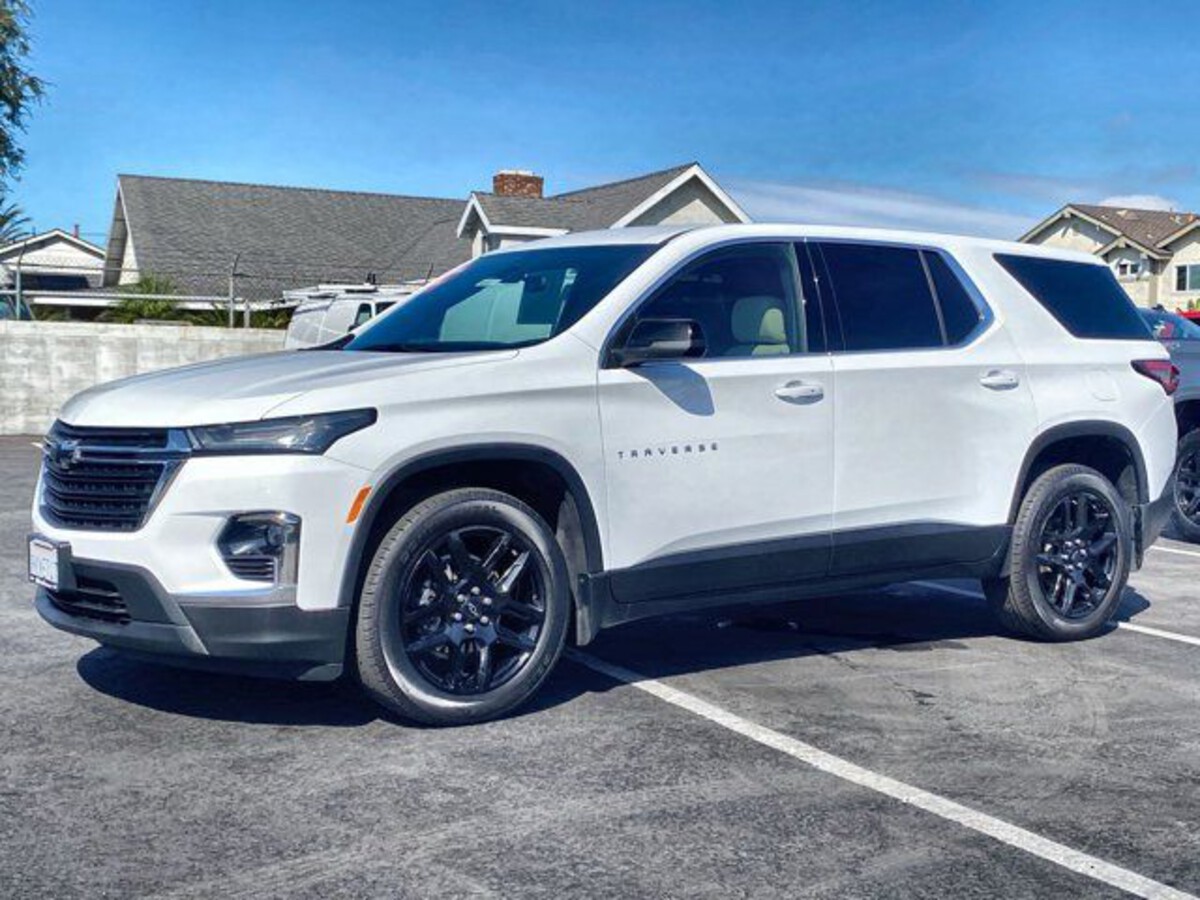
4. Chevrolet Traverse (Non-Tow Package Models)
General Motors’ Chevrolet Traverse competes in the popular midsize three-row SUV segment, offering competitive pricing, spacious seating for up to eight passengers, and the bowtie brand’s reputation for value.
However, Traverse models not equipped with the available trailering package have established a problematic track record regarding brake durability when subjected to sustained mountain driving, with rotor warping complaints appearing consistently across owner forums and consumer reports.
The core issue stems from brake component specifications that appear adequate for suburban commuting and highway cruising but prove insufficient for the thermal demands of mountain terrain.
Non-tow-package Traverse models feature 12.6-inch vented front rotors and 12.4-inch solid rear rotors, dimensions that provide acceptable stopping power under normal conditions but lack the thermal mass and heat dissipation capacity needed when the vehicle’s 4,400+ pound mass (substantially more when loaded with passengers and cargo) descends extended grades requiring continuous speed modulation.
The rear rotor design deserves particular scrutiny. Unlike competitors that fit ventilated rotors at all four corners for maximum heat dissipation, the base Traverse employs solid rear rotors essentially two flat metal discs pressed together without internal ventilation channels.
This design costs less to manufacture but dissipates heat far less effectively than ventilated rotors. During mountain descents, the brake system automatically applies more rear brake force to maintain vehicle stability, but the solid rear rotors quickly accumulate heat that they cannot effectively shed.
The resulting temperature spikes cause thermal expansion, material stress, and ultimately the permanent distortion that manifests as warped rotors.
For buyers considering a Traverse who anticipate any mountain driving even occasional vacation trips the trailering package represents essential equipment despite the added cost.
For current Traverse owners experiencing rotor warping problems, solutions include accepting more frequent brake service, investing in aftermarket brake upgrades, or modifying mountain driving techniques to minimize brake usage through aggressive engine braking and reduced speeds.
The fundamental message remains clear the base Traverse’s brake system cannot reliably handle sustained mountain driving without developing premature rotor warping that creates both safety concerns and maintenance burdens that significantly impact ownership satisfaction.
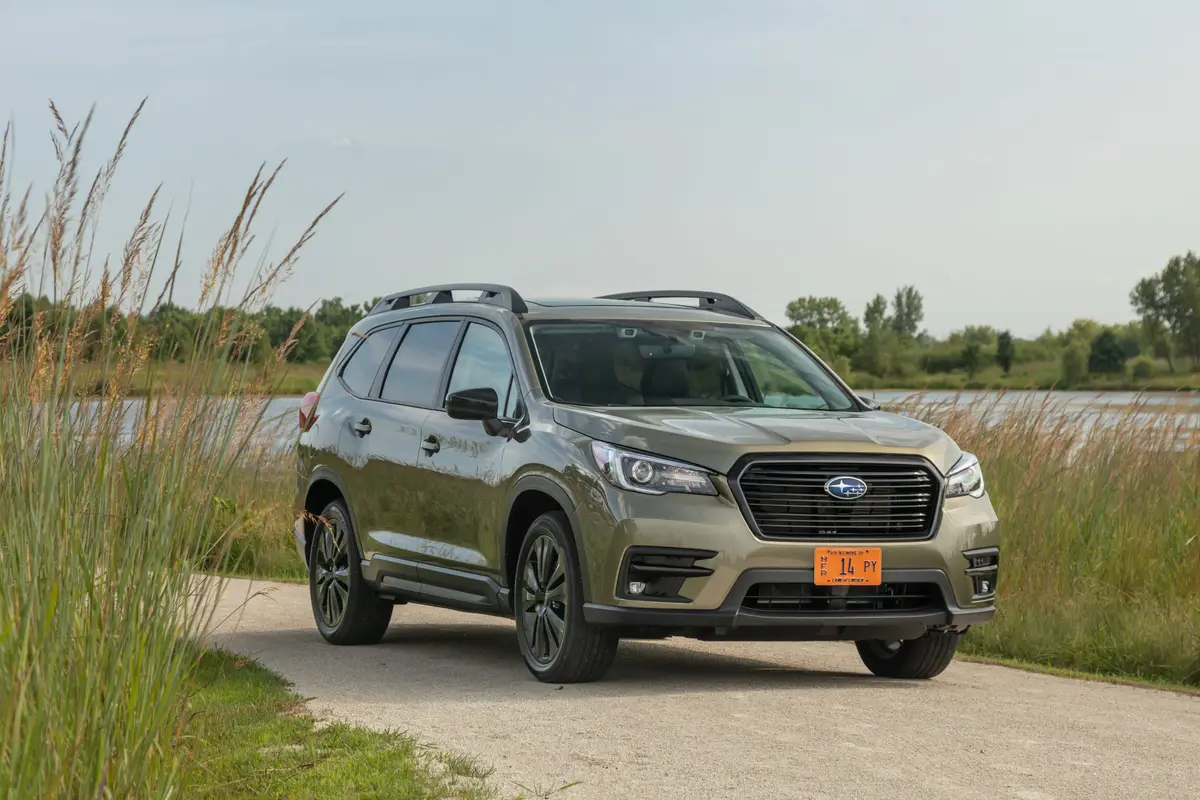
5. Subaru Ascent (Pre-2023 Models)
Subaru’s Ascent represents the brand’s entry into the three-row SUV market, bringing trademark all-wheel-drive capability and boxer engine character to families needing additional seating capacity.
However, early Ascent models produced from the 2019 launch through the 2022 model year developed a concerning reputation for brake system problems during mountain driving, with rotor warping emerging as a persistent complaint that prompted Subaru to revise brake specifications for the 2023 model year a tacit acknowledgment of the original system’s inadequacy.
The pre-2023 Ascent featured 12.4-inch vented front rotors and 11.8-inch solid rear rotors, dimensions that immediately raise concerns when considered against the vehicle’s 4,600+ pound curb weight.
These specifications represent the smallest brake components in the three-row SUV segment, a cost-saving decision that proved shortsighted when customers encountered real-world mountain driving conditions.
The front rotors, while ventilated, feature relatively thick rotor faces with narrow ventilation channels that restrict cooling airflow a design prioritizing structural rigidity over thermal performance.
The rear rotor design poses particular problems. Like the Traverse, the early Ascent employs solid (non-ventilated) rear rotors that dissipate heat through surface radiation and convection only, without the internal airflow channels that dramatically improve cooling in ventilated designs.
During mountain descents, Subaru’s symmetrical all-wheel-drive system maintains power distribution that keeps all four wheels engaged, but the brake system also applies force to all four corners, generating substantial heat at the rear rotors that the solid design cannot effectively dissipate.
Owners report rear rotors becoming so hot during mountain descents that the visible glow can be seen through wheel spokes, temperatures that guarantee metallurgical changes and permanent distortion.
The Ascent’s brake problems illustrate the risks of cost optimization and market positioning decisions that prioritize initial vehicle price over genuine capability.
Subaru marketed the Ascent as an adventure-ready family vehicle suitable for mountain trips and outdoor recreation usage patterns that demand robust brake systems, yet originally equipped it with brake components insufficient for that mission.
The 2023 redesign corrected these deficiencies, but prospective buyers shopping for used Ascents should avoid pre-2023 models if mountain driving represents any significant portion of their intended usage, as these earlier vehicles will likely require expensive brake system modifications or exceptionally frequent maintenance to avoid the rotor warping problems that plagued their original owners.
Also Read: 5 Cars That Accept Budget Pads Quietly vs 5 That Squeal Without OEM
