
The drag racing has undergone a dramatic transformation over the past two decades, fundamentally challenging the notion that you need to spend hundreds of thousands of dollars to achieve supercar-beating performance.
While exotic machines from Ferrari, Lamborghini, and McLaren have traditionally dominated conversations about straight-line speed, a quiet revolution has been brewing in the affordable performance segment.
Thanks to advances in forced induction technology, sophisticated electronic systems, and manufacturers’ willingness to stuff massive engines into relatively modest platforms, the dream of supercar-level acceleration is now accessible to enthusiasts with reasonable budgets.
The democratization of extreme performance represents one of the automotive industry’s most exciting trends. What once required a six-figure investment can now be achieved with cars costing less than many mainstream SUVs.
This shift has been driven by multiple factors: the refinement of turbocharging and supercharging technologies that allow smaller engines to produce massive power, the development of advanced traction control systems that help drivers extract every ounce of performance, and intense competition among manufacturers to claim bragging rights in the crucial zero-to-sixty metric that captures public imagination.
When we talk about “beating a supercar,” we’re establishing a specific benchmark. For this discussion, we’re considering supercars that run the quarter-mile in the 11-second range or achieve 0-60 mph times in the low 3-second range.
This includes many legendary machines that have defined automotive excellence over the years. The cars on our list must be available for purchase at prices significantly below typical supercar territory generally under $100,000, with most costing far less and must be able to match or exceed these performance figures in straight-line acceleration.
The vehicles featured in this list represent diverse approaches to achieving supercar-level acceleration without supercar pricing. Some rely on massive naturally-aspirated V8 engines with old-school charm and soundtrack.
Others employ cutting-edge turbocharging technology to extract extraordinary power from surprisingly modest displacements. A few leverage electric motors for instant torque delivery.
What they share is the ability to deliver that intoxicating, spine-tingling acceleration that was once exclusively reserved for exotic machinery costing several times their price.
These are the giant-killers, the underdogs, and the budget performance heroes that prove you don’t need to win the lottery to experience genuinely breathtaking acceleration.
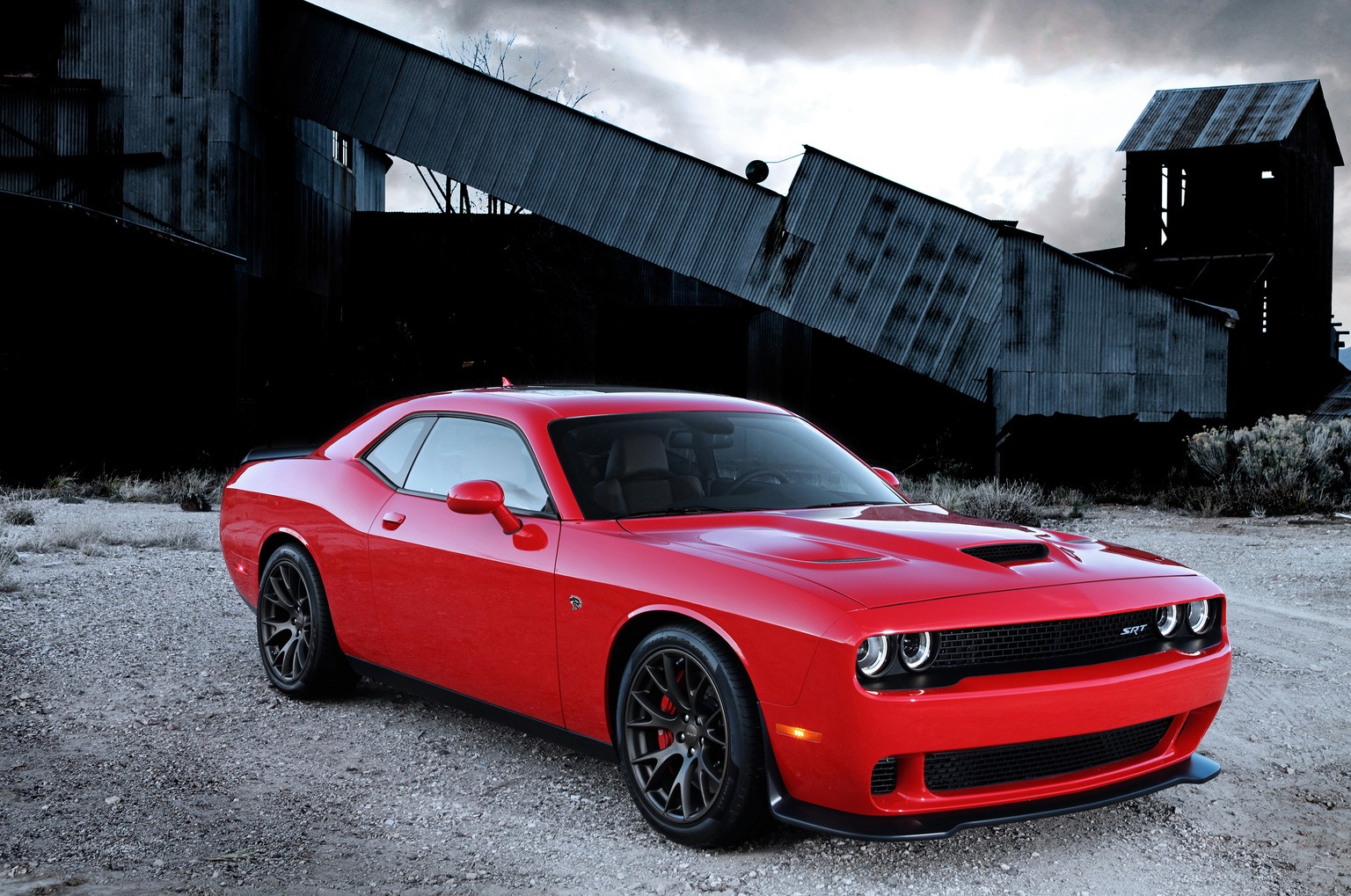
1. Dodge Challenger SRT Hellcat
The Dodge Challenger SRT Hellcat represents perhaps the most iconic example of American muscle delivering supercar performance at a fraction of the cost.
When Dodge introduced the Hellcat in 2015, it fundamentally disrupted the performance car world by offering an unprecedented 707 horsepower from a supercharged 6.2-liter HEMI V8 in a package that started around $60,000.
This wasn’t just incremental improvement it was a quantum leap that made previous muscle cars seem tame by comparison. The Hellcat’s party piece is its supercharger, which sits atop the engine like a crown jewel and forces massive amounts of air into the combustion chambers.
This 2.4-liter IHI supercharger spins at up to 14,600 rpm and generates 11.6 psi of boost, resulting in power delivery that feels almost violent in its intensity.
The engine produces 650 lb-ft of torque, available from just 4,000 rpm, creating a wave of thrust that continues relentlessly to the 6,200 rpm redline.
The sound is equally impressive a menacing supercharger whine overlaid on the classic V8 rumble that announces your presence from blocks away.
Performance numbers tell the story clearly: the Hellcat rockets from 0-60 mph in just 3.6 seconds and covers the quarter-mile in 11.7 seconds at 125 mph.
These figures put it squarely in the territory of supercars costing two or three times as much. The car achieves these times despite weighing over 4,400 pounds, which speaks to the overwhelming power advantage it enjoys.
Modern examples equipped with the widebody package and improved launch control can post even better times, with many achieving high-10-second quarter-miles in stock form.
What makes the Hellcat particularly appealing is its versatility. Unlike many high-performance cars that sacrifice daily usability for speed, the Challenger remains a genuinely practical vehicle.
The spacious interior comfortably seats four adults, the trunk offers 16.2 cubic feet of cargo space, and the ride quality, while firm, doesn’t punish you on rough roads.
You can drive it to work every day, use it for weekend road trips, and then embarrass exotic cars at the drag strip on Saturday night. This jack-of-all-trades capability makes the substantial fuel costs EPA estimates of 13 mpg city and 22 mpg highway more palatable.
The transmission options have evolved over the Hellcat’s production run. The original cars came with either a six-speed manual or an eight-speed automatic.
The manual transmission offers the engagement that driving enthusiasts crave, though it requires skill to launch effectively without excessive wheelspin.
The automatic, specifically the TorqueFlite 8HP90, has proven to be the faster option in straight-line acceleration, thanks to its lightning-quick shifts and sophisticated launch control programming that manages power delivery for optimal traction.
Dodge’s decision to offer the Hellcat with relatively minimal standard equipment kept the base price accessible, though most buyers quickly added options that pushed the final price higher.
The technology package brought navigation and upgraded audio, while the Plus package added adaptive suspension and other comfort features. Even fully loaded, however, the Hellcat remained significantly cheaper than the European supercars it could outrun in a straight line.
The Hellcat spawned an entire ecosystem of even more powerful variants. The Demon, limited to the 2018 model year and revived as the Demon 170 for 2023, pushed power to stratospheric levels.
The Redeye models offered 797 horsepower, while the final Super Stock and Jailbreak editions provided various combinations of increased power and improved chassis dynamics.
This progression demonstrated that the original Hellcat formula had room to grow, but it also proved that the standard Hellcat already offered more performance than most drivers could fully exploit on public roads.
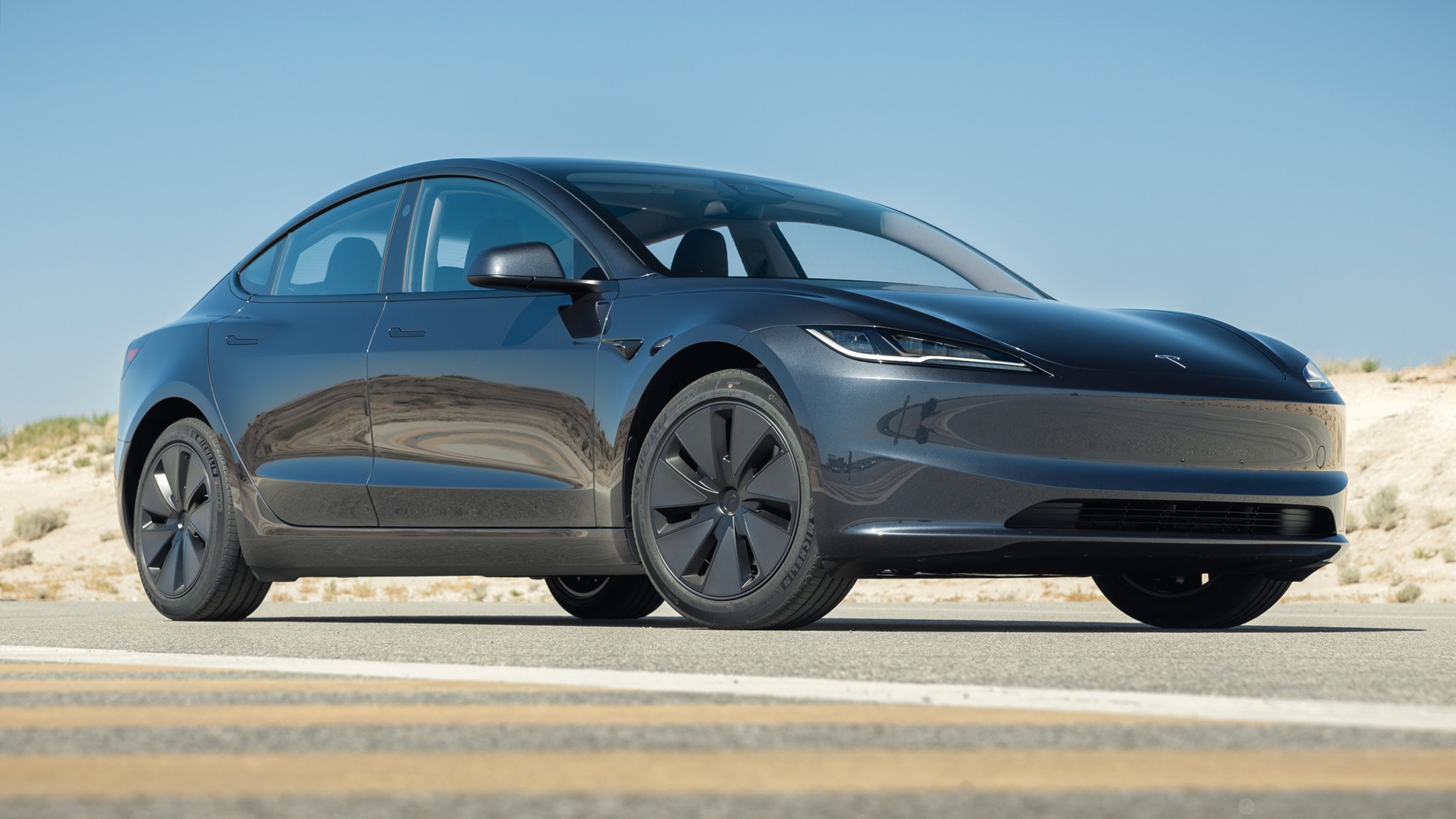
2. Tesla Model 3 Performance
The Tesla Model 3 Performance represents a paradigm shift in how affordable cars can achieve supercar-level acceleration. Starting at around $50,000, this electric sedan delivers 0-60 mph times that would have seemed impossible for any car at this price point just a decade ago.
The Model 3 Performance accomplishes what it does through the fundamental advantages of electric propulsion: instant torque delivery, all-wheel drive traction, and sophisticated electronic controls that optimize every aspect of the launch.
Electric motors produce maximum torque from zero rpm, eliminating the lag and building power curve that characterizes internal combustion engines.
The Model 3 Performance employs dual motors one for each axle with a combined output of 450 horsepower and 471 lb-ft of torque.
While these numbers might seem modest compared to the Hellcat’s monstrous figures, the instantaneous delivery and all-wheel traction mean the Model 3 can utilize every bit of available power from the moment you press the accelerator.
The result is a deeply visceral sensation of being catapulted forward that catches even experienced performance car drivers off guard.
Official performance figures list 0-60 mph in 3.1 seconds, though independent testing has consistently achieved times in the high 2-second range, with some runs dipping below 3.0 seconds.
The quarter-mile passes in approximately 11.5 seconds at 116 mph. These numbers place the Model 3 Performance ahead of numerous supercars, including early examples of the Lamborghini Gallardo, Ferrari 360 Modena, and Aston Martin V8 Vantage.
The consistency of these times is equally impressive the car can repeat these runs back-to-back without heat soak or mechanical stress that might plague high-performance internal combustion vehicles.
Beyond straight-line speed, the Model 3 Performance offers numerous practical advantages that make it an exceptional daily driver. The electric powertrain requires minimal maintenance no oil changes, no transmission services, no spark plugs or air filters to replace.
Fuel costs plummet compared to gas-powered alternatives; charging at home overnight using off-peak electricity rates costs a fraction of gasoline for equivalent range.
The instant throttle response makes the car feel exceptionally nimble in traffic, while the low center of gravity provided by floor-mounted batteries contributes to surprisingly engaging handling dynamics.
Tesla’s over-the-air software updates have improved the Model 3 Performance throughout its production run. Early cars received Track Mode, which adjusts stability control settings, cooling strategies, and power distribution for circuit driving.
Later updates refined throttle mapping, improved regenerative braking calibration, and enhanced various aspects of the driving experience.
This ability to improve the car after purchase represents a fundamentally different ownership experience compared to traditional vehicles, which remain static except for recalls and service bulletins.
The interior presents a minimalist aesthetic that polarizes opinions. Nearly all controls route through the central 15-inch touchscreen, eliminating conventional buttons and knobs.
Some drivers appreciate the clean, uncluttered appearance and the intuitive interface, while others miss the tactile feedback of physical controls.
The build quality has improved substantially since the Model 3’s introduction, though it still doesn’t quite match the precision and material quality of premium German sedans. However, at this price point, few alternatives can match the Model 3’s combination of performance, technology, and efficiency.
Range anxiety, once a significant concern for electric vehicles, has largely been addressed by the Model 3’s 315-mile EPA-estimated range and the extensive Tesla Supercharger network.
The Performance model does sacrifice some range compared to Long Range variants due to larger wheels, stickier tires, and the more aggressive driving style it encourages, but road trips remain entirely feasible with minimal planning.
The Supercharger network’s reliability and charging speed adding 175 miles of range in just 15 minutes make long-distance travel more convenient than in most other electric vehicles.
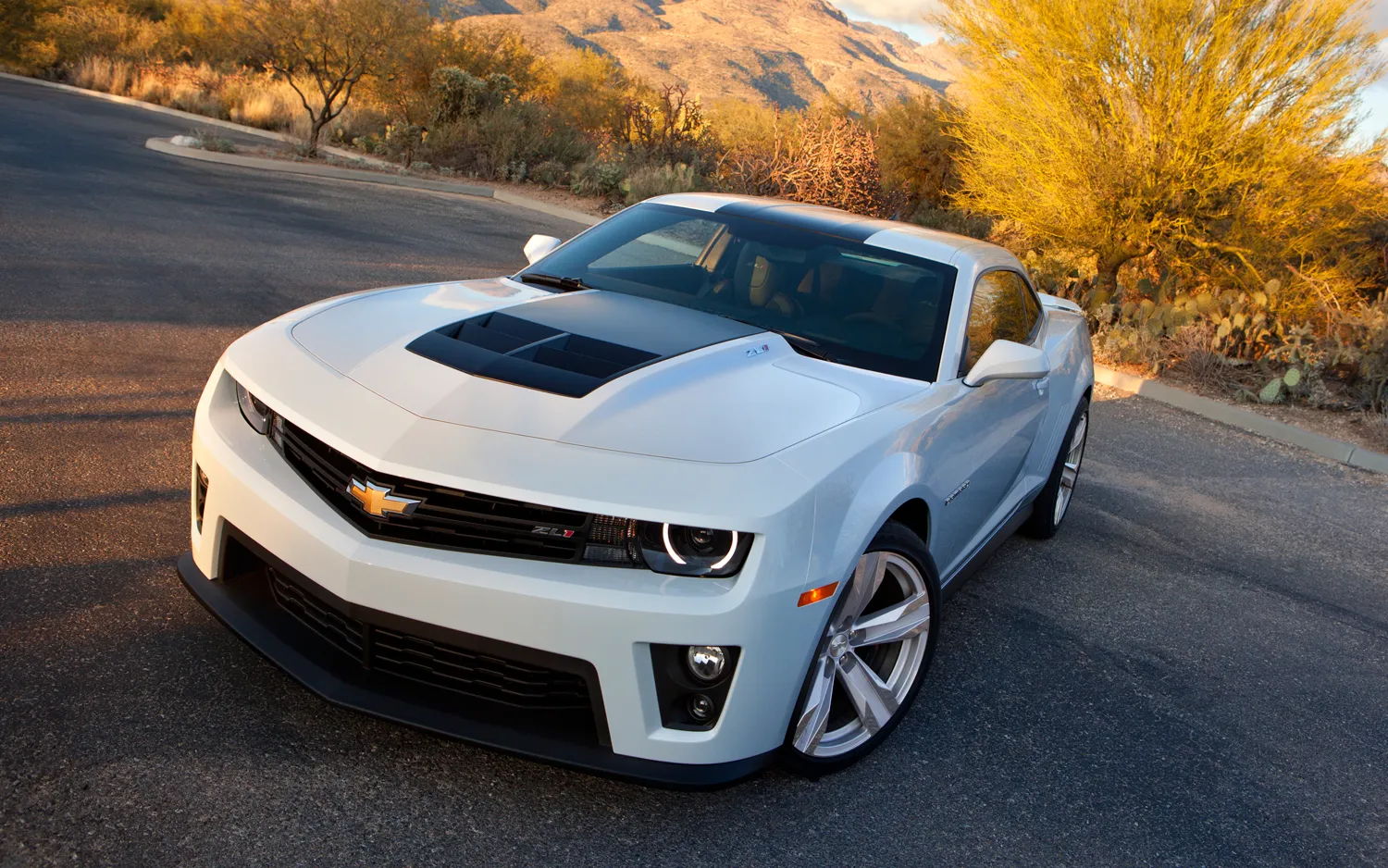
3. Chevrolet Camaro ZL1
The Chevrolet Camaro ZL1 stands as the pinnacle of the modern muscle car genre, combining supercar-level performance with track-ready dynamics and surprisingly accessible pricing.
Starting around $65,000, the ZL1 packs a supercharged 6.2-liter LT4 V8 producing 650 horsepower and 650 lb-ft of torque. This is the same engine that powers the Corvette Z06, and it transforms the Camaro into a legitimate performance weapon that can embarrass cars costing twice as much.
The supercharger setup mirrors the technological approach of the Hellcat but executes it with a slightly different philosophy. The 1.7-liter Eaton R1740 supercharger spins at up to 20,000 rpm and generates 9.4 psi of boost.
While this produces slightly less power than the Hellcat, the ZL1 counters with a significant weight advantage it tips the scales at approximately 3,900 pounds, making it nearly 500 pounds lighter than the Challenger. This weight difference fundamentally changes the driving experience, making the ZL1 feel more nimble and responsive.
Performance testing consistently yields spectacular results. The ZL1 launches from 0-60 mph in just 3.5 seconds and blasts through the quarter-mile in 11.4 seconds at 127 mph.
These figures place it slightly ahead of the Hellcat in acceleration despite having less power, demonstrating the importance of power-to-weight ratio.
The ZL1’s performance becomes even more impressive when roads turn twisty its magnetic ride suspension, sophisticated electronic limited-slip differential, and track-focused chassis tuning allow it to deliver handling that approaches genuine sports cars.
Chevrolet offers the ZL1 with two transmission choices, and the decision significantly impacts both the driving experience and straight-line performance.
The six-speed manual transmission, supplied by Tremec, offers short throws, positive engagement, and the satisfaction of rowing your own gears. It also features Active Rev Match, which automatically blips the throttle during downshifts for seamless gear changes.
However, the ten-speed automatic transmission proves faster in drag racing, capable of achieving the quoted performance figures more consistently.
This automatic represents sophisticated engineering, with closely spaced gear ratios that keep the engine in its power band and lightning-quick shift times that rival dual-clutch transmissions.
The aerodynamics package on the ZL1 deserves special mention. Unlike some muscle cars that add wings and splitters primarily for aesthetics, every aero element on the ZL1 serves a functional purpose.
The large front splitter, dive planes, hood extractor, and rear wing work together to generate meaningful downforce at high speeds while managing cooling airflow to the engine and brakes.
The aggressive appearance has polarized opinions some find it purposeful and exciting, while others consider it overwrought but the functional benefits are undeniable when pushing the car hard.
Interior quality represents a significant step up from previous Camaro generations. While not quite matching German luxury standards, the ZL1’s cabin features high-quality materials, supportive Recaro seats with suede inserts, and a driver-focused layout.
The technology interface, running on Chevrolet’s latest infotainment system, provides intuitive operation and includes Apple CarPlay and Android Auto integration.
Visibility remains the Camaro’s Achilles’ heel the high beltline and thick pillars create substantial blind spots that require attention when maneuvering in tight spaces.
One aspect that distinguishes the ZL1 from pure drag racing weapons like the Hellcat is its track capability. Chevrolet developed the ZL1 with circuit racing in mind, evident in the cooling systems that prevent overheating during sustained high-speed running, the sophisticated suspension calibration that maintains composure over undulating surfaces, and the powerful Brembo brakes that provide repeatable stopping power.
This makes the ZL1 more versatile for enthusiasts who want a car capable of excelling in multiple performance driving scenarios beyond straight-line acceleration.
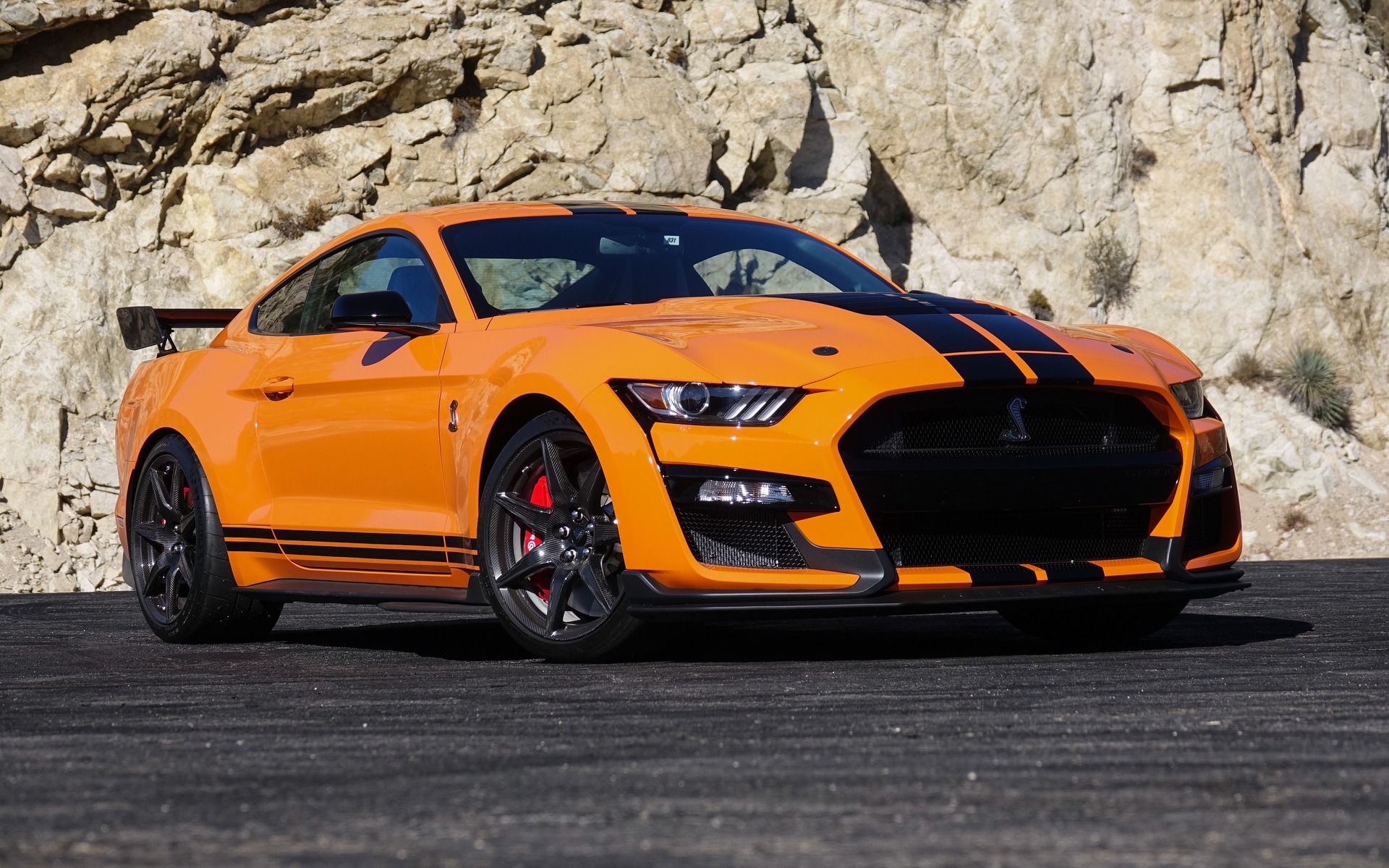
4. Ford Mustang Shelby GT500
The Ford Mustang Shelby GT500 represents the Blue Oval’s ultimate muscle car offering, packing a supercharged 5.2-liter V8 that produces an astounding 760 horsepower and 625 lb-ft of torque.
With a starting price around $80,000, the GT500 positions itself at the upper end of affordable performance, but its capabilities justify every penny. This is the most powerful street-legal Ford ever built, and it delivers performance that embarrasses supercars costing three times as much.
Ford engineers developed the “Predator” engine specifically for the GT500, basing it on the flat-plane crank “Voodoo” V8 from the GT350 but extensively modifying it for forced induction.
The 2.65-liter Eaton supercharger sits in a unique configuration, mounted low in the valley of the engine block rather than on top. This unconventional placement lowers the center of gravity and creates packaging advantages, though it requires developing an innovative air-to-liquid intercooler system to manage intake temperatures.
The result is an engine that produces massive power while maintaining reasonable cooling efficiency even during aggressive driving. The performance figures are simply devastating. Ford claims 0-60 mph in just 3.3 seconds and a quarter-mile time of 10.7 seconds at 132 mph.
These official numbers are conservative professional testing has achieved times even quicker, with some runs dipping into the high 10-second range at trap speeds exceeding 130 mph.
This level of acceleration places the GT500 firmly in supercar territory, matching or exceeding cars like the Ferrari 488 GTB, Lamborghini Huracán, and McLaren 570S in straight-line speed.
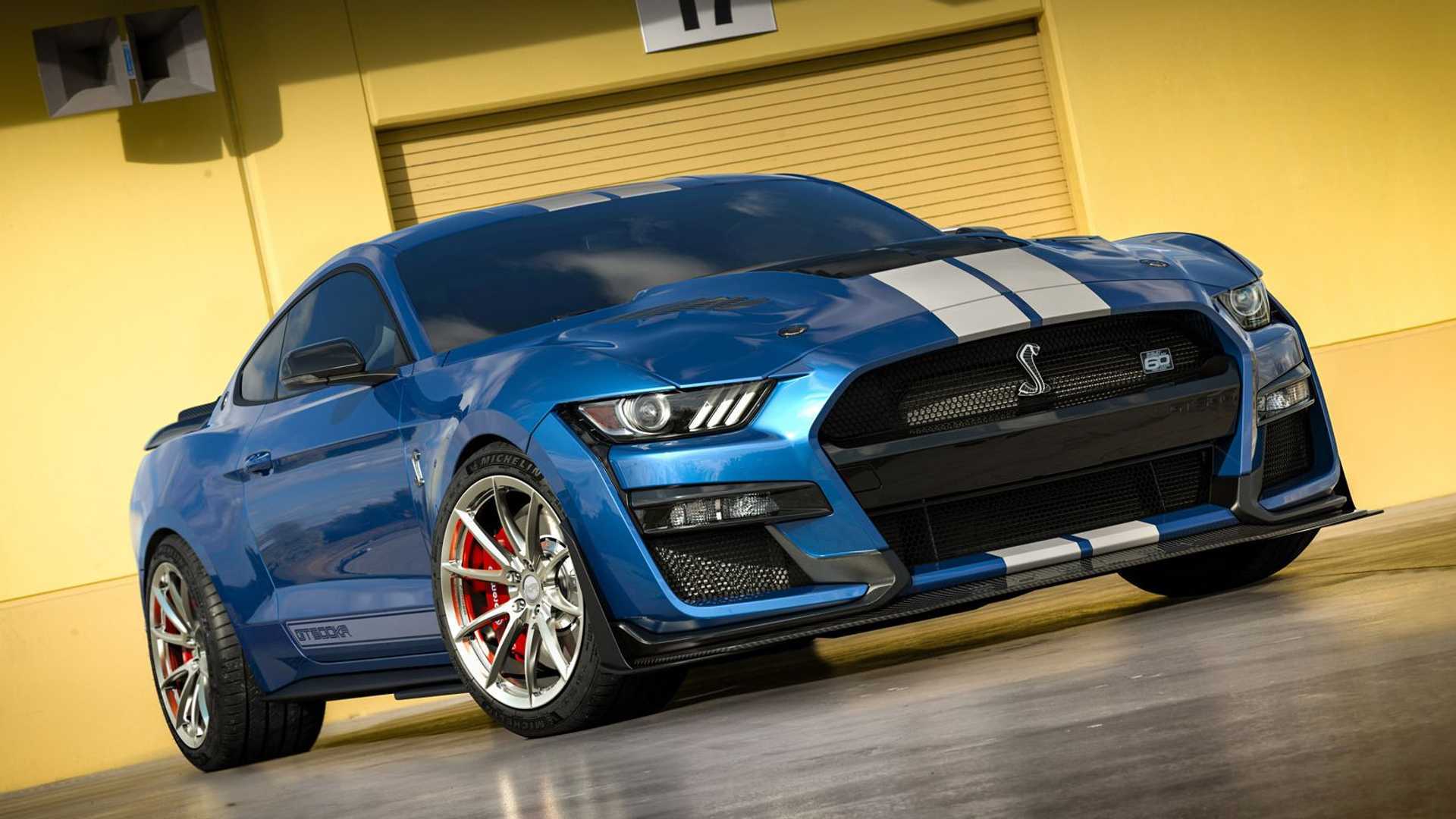
Unlike its competitors that offer manual transmission options, Ford made the controversial decision to equip the GT500 exclusively with a seven-speed dual-clutch automatic transmission.
This Tremec-supplied gearbox shifts with brutal efficiency, capable of full-power upshifts in under 100 milliseconds. While purists lamented the absence of a manual option, the dual-clutch transmission undeniably extracts the maximum performance from the powertrain.
It offers multiple driving modes, from smooth automatic operation for daily driving to aggressive track-focused calibrations that hold gears to redline and execute rev-matched downshifts with throttle blips.
The GT500’s chassis receives extensive modifications to handle the prodigious power. The suspension employs adaptive dampers from MagneRide, allowing the car to adjust its character from compliant daily driver to track-focused weapon at the touch of a button.
The Carbon Fiber Track Pack, an essential option for serious performance enthusiasts, adds exposed carbon fiber wheels that reduce unsprung weight by 18 pounds, along with adjustable strut top mounts and spoiler gurney flap for increased downforce. The Handling Package brings Michelin Pilot Sport 4S tires that provide extraordinary grip levels.
Aerodynamics play a crucial role in the GT500’s high-speed stability. The front splitter extends far forward, creating significant downforce while channeling cooling air to vital components.
The rear spoiler generates over 550 pounds of downforce at top speed, keeping the rear planted during hard acceleration and providing stability during high-speed cornering.
Ford validation testing included extensive work at NASCAR wind tunnels and proving grounds to optimize the aerodynamic package for both drag racing and road course applications.
The GT500 offers five driving modes that dramatically alter its character: Normal, Sport, Track, Drag, and Weather. The Drag mode is particularly clever, adjusting transmission calibration for optimal quarter-mile performance, modifying throttle response, and implementing a two-step launch control system that manages power delivery and wheel slip for maximum acceleration.
Engaging launch control is simple: enable Drag mode, apply full brake and throttle simultaneously, then release the brake. The car manages engine speed, clutch engagement, and power delivery to achieve optimal launches with minimal driver input, though skill still matters for extracting the absolute fastest times.
Also Read: 5 Hybrids With Affordable Inverter Modules vs 5 With Pricey Electronics
5. Dodge Charger SRT Hellcat
The Dodge Charger SRT Hellcat delivers the same supercharged insanity as its Challenger sibling but packages it in a more practical four-door sedan body. This combination of family-hauling utility and supercar-beating performance creates something genuinely unique in the automotive world.
Starting around $70,000, the Charger Hellcat proves you don’t have to choose between practicality and extreme performance you can have both in a single package that happens to seat five adults comfortably.
Under the hood sits the familiar supercharged 6.2-liter HEMI V8 producing 707 horsepower and 650 lb-ft of torque. The mechanical specifications mirror the Challenger Hellcat, including the same 2.4-liter supercharger spinning at similarly dizzying speeds.
What changes is the context experiencing this level of performance in a sedan body creates a surreal disconnect between the car’s conservative four-door appearance and its savage acceleration capability.
The Charger looks like something a responsible adult would drive to a PTA meeting, then absolutely destroys supercars when the traffic light turns green.
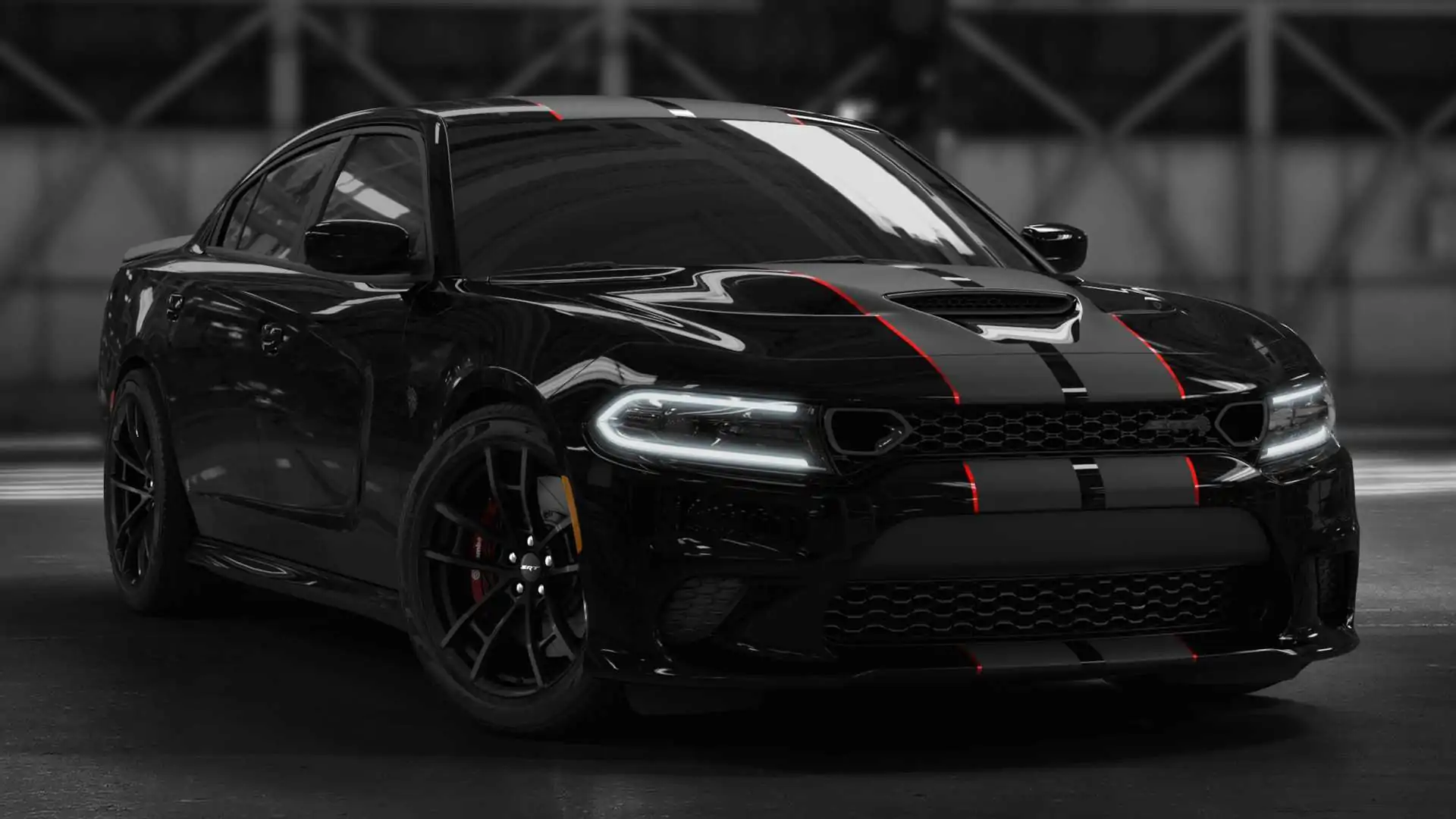
Performance numbers come impressively close to the Challenger despite the Charger’s slightly heavier weight and less aerodynamic profile. The sedan accelerates from 0-60 mph in approximately 3.6 seconds and covers the quarter-mile in 11.8 seconds at 126 mph.
These times place it within a tenth of a second of the Challenger in most testing, a remarkable achievement considering the aerodynamic disadvantages of the taller, more upright sedan body.
The minimal performance penalty makes the Charger an compelling choice for enthusiasts who need rear doors and greater practicality.
One unexpected benefit of the sedan body is improved weight distribution compared to the Challenger. While still nose-heavy due to the massive HEMI engine, the Charger’s longer wheelbase and rear weight bias from the extended passenger compartment create slightly more balanced handling characteristics.
The car feels more stable during hard cornering and exhibits less understeer than the Challenger. This doesn’t transform the Charger into a sports sedan it remains fundamentally a straight-line bruiser but it does make spirited driving on winding roads more rewarding.
The Charger’s exterior styling has evolved gradually over its long production run, but the Hellcat variants receive distinctive visual elements that set them apart from lesser models.
The wider body accommodates massive wheel and tire packages, while the functional hood scoop feeds cold air directly to the supercharger.
Quad exhaust outlets, unique badging, and available graphics packages announce the car’s capabilities to those who know what to look for.
Unlike some performance cars with flashy aesthetics, the Charger maintains a degree of subtlety it’s possible to fly somewhat under the radar if you avoid aggressive driving.
6. Nissan GT-R
The Nissan GT-R represents a different philosophy than American muscle cars, emphasizing sophisticated all-wheel-drive technology and computer-aided performance optimization over raw displacement and power.
Originally introduced in 2009 and continuously improved through its production run, the GT-R has consistently delivered supercar performance at prices ranging from $115,000 for current models to significantly less for earlier examples.
Used GT-Rs from 2012-2016 frequently appear in the $60,000-$80,000 range, making supercar performance surprisingly accessible. The GT-R’s powertrain centers around a hand-built twin-turbocharged 3.8-liter V6 producing 565 horsepower and 467 lb-ft of torque in the current Premium trim.
Earlier models made slightly less power, but even the first-generation cars were devastatingly quick. What makes the GT-R special isn’t just the power output but how effectively the sophisticated all-wheel-drive system and dual-clutch transmission deploy that power to the pavement.
The ATTESA E-TS all-wheel-drive system can vary power delivery between front and rear axles instantaneously, while also apportioning torque side-to-side across the rear axle for optimal traction.
Launch control has become synonymous with the GT-R experience. Engaging the system is straightforward: switch to R-mode for maximum performance, disable traction control, apply full brake and throttle simultaneously, release the brake, and hold on.
The car manages engine speed at precisely the right rpm, controls clutch engagement to prevent excessive wheelspin, and modulates power delivery to all four wheels for maximum acceleration.
The results are spectacular 0-60 mph in just 2.9 seconds and quarter-mile times of 11.1 seconds at 121 mph. These figures embarrass numerous exotic cars and remain impressive even by today’s standards.
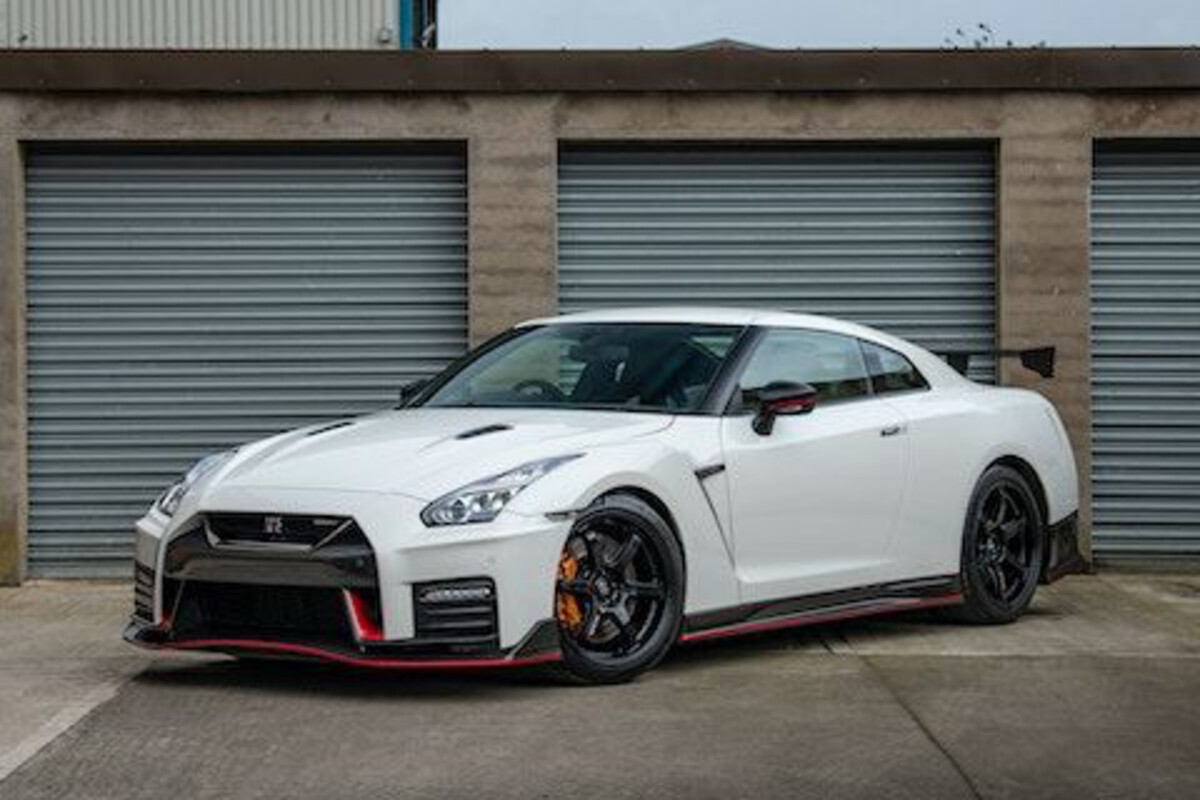
The dual-clutch transmission deserves special recognition. This six-speed gearbox shifts with incredible speed full-throttle upshifts occur in just 0.2 seconds, while downshifts happen even quicker.
The transmission operates seamlessly in automatic mode, anticipating the driver’s intentions and selecting appropriate gears. Manual mode via paddle shifters provides full control, though the transmission protects itself by overriding driver inputs that would cause mechanical damage.
Some enthusiasts criticize this intervention, but it allows the GT-R to achieve remarkable durability despite the performance potential.
Nissan engineered the GT-R to excel on road courses as well as drag strips. The sophisticated suspension combines multiple aluminum links at each corner with electronically controlled dampers that adjust firmness based on driving conditions.
The result is a car that remains composed over rough pavement while delivering remarkable body control during aggressive cornering.
The GT-R’s ability to carry extraordinary speed through turns, thanks to the all-wheel-drive traction and sophisticated electronic controls, allows it to set lap times that embarrass cars with significantly more power.
The GT-R’s interior shows its age compared to contemporary performance cars. The dashboard design, materials, and technology interface all feel dated by current standards.
The infotainment system lacks modern smartphone integration, the graphics appear primitive, and some switchgear feels cheap. However, the driving position is excellent, the seats provide good support, and the essential controls fall readily to hand.
Most GT-R buyers prioritize performance over luxury appointments, and the interior proves perfectly functional for spirited driving even if it lacks the refinement of German competitors.
One aspect that prospective GT-R buyers must consider carefully is maintenance and ownership costs. The sophisticated all-wheel-drive system, dual-clutch transmission, and high-performance engine require specialized service from technicians familiar with the platform.
Consumables like tires, brake pads, and fluids add up quickly when subjected to hard driving. The GT-R rewards mechanical sympathy owners who maintain the car properly and allow it to warm up before demanding full performance enjoy strong reliability, while those who neglect maintenance or abuse the car when cold face expensive repairs.
7. Chevrolet Corvette C7 Z06
The Chevrolet Corvette C7 Z06 represents America’s most serious attempt at creating a genuine supercar, delivering world-class performance at a fraction of typical exotic car prices.
Produced from 2015-2019, the Z06 featured a supercharged 6.2-liter LT4 V8 producing 650 horsepower and 650 lb-ft of torque the same engine found in the Camaro ZL1.
However, installing this powertrain in the lighter, more aerodynamic Corvette body created something genuinely special. Used examples now trade in the $60,000-$80,000 range, making legitimate supercar performance remarkably accessible.
The Z06’s performance figures speak volumes about its capabilities. With the optional eight-speed automatic transmission and Z07 performance package, the Z06 launches from 0-60 mph in just 2.95 seconds and completes the quarter-mile in 10.95 seconds at 127 mph.
These numbers placed it among the fastest-accelerating production cars when new, and they remain deeply impressive today. The manual transmission, while more engaging to drive, sacrifices about half a second to sixty mph due to the difficulty of launching effectively without the automatic’s sophisticated electronics.
Chevrolet offered multiple performance packages that significantly impacted the Z06’s capabilities. The Z07 package included Michelin Pilot Sport Cup 2 tires, carbon-ceramic brakes, and aggressive aerodynamic components that increased downforce substantially.
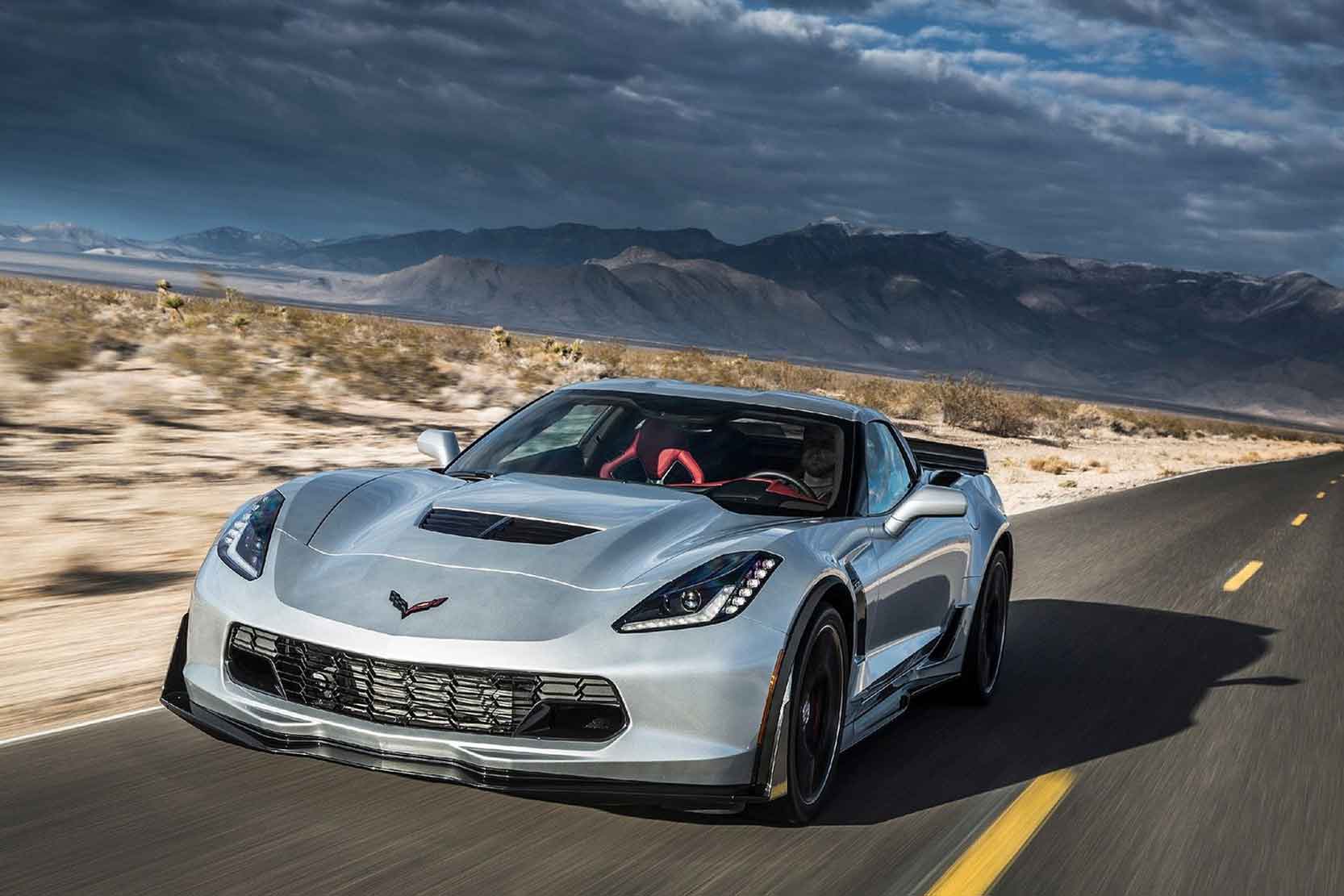
This package transformed the Z06 from a fast street car into something capable of posting legitimate supercar lap times on road courses.
The Carbon Fiber Ground Effects package added front splitter, rocker panels, and rear diffuser in exposed carbon fiber, reducing weight while enhancing aerodynamics. The most committed track enthusiasts could combine these packages to create a car that approached the capabilities of the subsequent ZR1.
The Corvette’s mid-front engine layout with the engine positioned behind the front axle creates near-perfect 50/50 weight distribution that contributes to balanced handling.
The aluminum space frame provides exceptional rigidity while keeping weight remarkably low for a modern performance car at just 3,524 pounds.
This power-to-weight ratio of 5.4 pounds per horsepower places the Z06 in truly elite company. The sophisticated magnetic ride suspension adjusts damping rates in milliseconds, allowing the car to provide a compliant ride quality during normal driving while firming up dramatically when sensors detect aggressive inputs.
One often-overlooked advantage of the Corvette is everyday usability. Despite its supercar-level performance, the Z06 rides reasonably well on public roads, offers decent visibility compared to mid-engine exotics, and provides a surprisingly spacious interior for a two-seater sports car.
The front trunk offers 15 cubic feet of cargo space enough for two people to travel with substantial luggage. This practicality, combined with GM’s extensive dealer network and reasonable maintenance costs, makes the Z06 a viable daily driver in a way that most supercars cannot match.
8. BMW M5 Competition (F90)
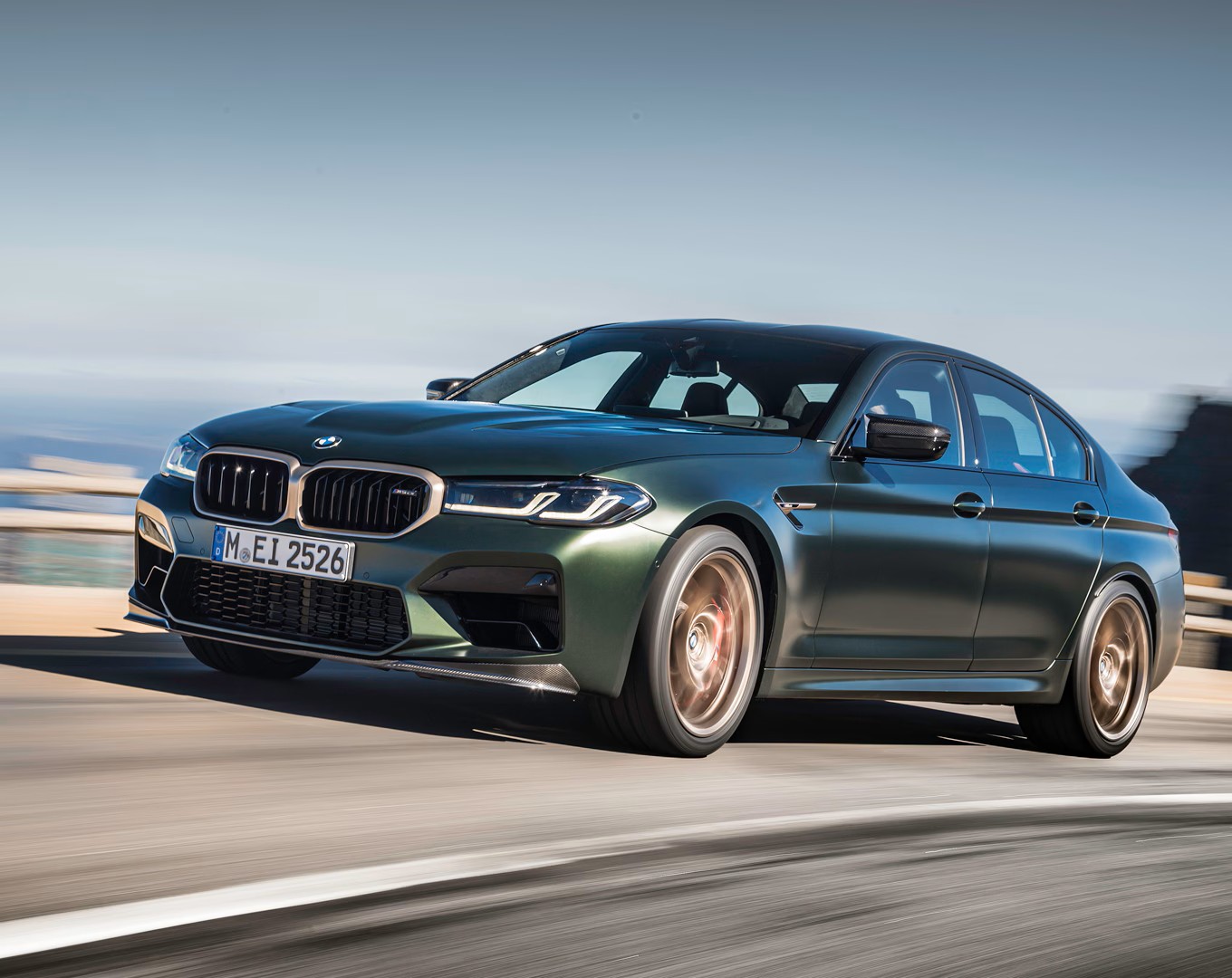
The BMW M5 Competition represents the pinnacle of the super sedan genre, combining four-door practicality with performance that embarrasses dedicated sports cars.
While the current generation starts at approximately $120,000, lightly used examples from 2018-2020 now appear in the $70,000-$90,000 range, offering tremendous value for enthusiasts seeking supercar acceleration in a practical luxury package.
The M5 Competition employs a twin-turbocharged 4.4-liter V8 producing 617 horsepower and 553 lb-ft of torque, numbers that would have seemed impossible for a full-size sedan just a decade ago.
BMW’s sophisticated M xDrive all-wheel-drive system sets the M5 apart from traditional rear-wheel-drive performance sedans. Unlike permanent all-wheel-drive systems, M xDrive offers multiple modes that vary the power distribution.
The default setting sends most power to the rear wheels while engaging the front axle when sensors detect wheelspin. The 4WD Sport mode adopts an even more rear-biased split for more engaging dynamics.
Most impressively, the system can be switched to pure rear-wheel drive for maximum engagement or maximum tire smoke at your local Cars and Coffee.
The performance figures astound anyone familiar with the M5’s size and weight. Despite tipping the scales at over 4,300 pounds, the Competition accelerates from 0-60 mph in just 3.1 seconds and completes the quarter-mile in 11.1 seconds at 127 mph.
These times place it ahead of numerous dedicated sports cars and firmly in supercar territory. The M5 achieves these figures through the combination of tremendous power, sophisticated launch control, and the all-wheel-drive system’s ability to put every available horsepower to the pavement without wheelspin.
The eight-speed M Steptronic automatic transmission shifts with remarkable speed and intelligence. In automatic mode, the transmission anticipates driver intentions by monitoring throttle position, steering angle, and brake pressure to select optimal gears. Manual mode provides full control via paddle shifters, with shifts executing in milliseconds.
The transmission includes eleven distinct shift programs that alter shift points, aggression, and response characteristics. Comfort mode delivers smooth, imperceptible shifts appropriate for business meetings, while Race mode holds gears to redline and executes violent upshifts that snap your head back.
BMW’s attention to chassis dynamics ensures the M5 doesn’t just accelerate like a supercar it handles with surprising grace despite its considerable mass.
The adaptive M suspension with electronically controlled dampers allows the car to transform from comfortable cruiser to a track-focused weapon.
The variable sport steering adjusts effort and ratio based on speed and selected driving mode. Active M differential at the rear axle varies lock-up to optimize traction and rotation during cornering. These systems work together seamlessly to create driving dynamics that belie the car’s size.
Practicality remains a key M5 advantage. The spacious rear seat accommodates adults comfortably, making the car genuinely viable as a family vehicle. The trunk offers 18.7 cubic feet of cargo space, easily handling luggage for four people.
The M5 can genuinely serve as your only car comfortable enough for daily commuting, luxurious enough for business travel, practical enough for family duties, and fast enough to dominate any supercar willing to line up at a stoplight. This versatility justifies the higher price point compared to dedicated performance cars with limited practicality.
9. Porsche 911 Turbo (996 and 997 Generation)
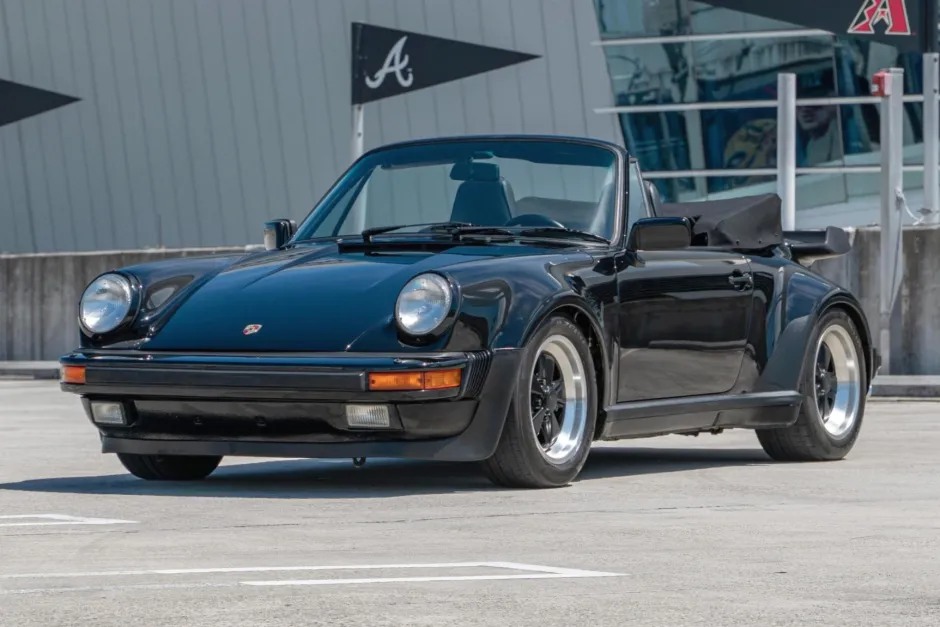
Earlier generations of the Porsche 911 Turbo represent exceptional performance value in the used market. The 996 generation (2001-2005) and 997 generation (2006-2012) Turbo models deliver supercar-level acceleration and handling at prices ranging from $50,000 to $90,000 depending on year, mileage, and condition.
These cars employed flat-six engines with twin turbochargers, sophisticated all-wheel drive, and decades of Porsche engineering refinement to create machines that remain remarkably capable by contemporary standards.
The 996 Turbo featured a 3.6-liter flat-six producing 415-450 horsepower depending on variant and model year, while the 997 Turbo used a 3.6-liter or 3.8-liter engine making 480-530 horsepower.
These power figures might seem modest compared to the American muscle cars on this list, but Porsche’s obsessive focus on efficiency, lightweight construction, and aerodynamic optimization meant these cars punched well above their power ratings suggest.
The 997 Turbo accelerated from 0-60 mph in just 3.2 seconds with the PDK dual-clutch transmission and covered the quarter-mile in 11.3 seconds at 125 mph numbers that remain impressive fifteen years after the car’s introduction.
Porsche’s all-wheel-drive system, refined over decades of 911 Turbo production, operates with near-telepathic effectiveness. Under normal driving conditions, the system sends most power to the rear wheels, maintaining the classic 911 character.
When sensors detect wheelspin or loss of traction, the system can transfer up to 40 percent of available torque to the front axle within milliseconds.
This happens so seamlessly that drivers rarely notice the intervention the car simply grips and accelerates regardless of conditions. The system’s effectiveness allows the 911 Turbo to launch with savage acceleration even in less-than-ideal conditions that would leave rear-wheel-drive supercars spinning their wheels uselessly.
The transmission options evolved significantly between these generations. The 996 Turbo came standard with a six-speed manual transmission, with a five-speed Tiptronic automatic available as an option.
The manual provides the engaging, connected experience that driving enthusiasts cherish, though launching effectively requires skill and practice.
The 997 generation introduced Porsche’s PDK dual-clutch transmission as an option, and this seven-speed gearbox transformed the car’s performance.
PDK shifts execute in hundredths of a second, virtually eliminating the power interruption that occurs during gear changes. The transmission’s launch control allows even novice drivers to achieve consistent, repeatable acceleration runs that extract the maximum performance from the powertrain.
One consideration for prospective buyers is that earlier 996 models suffered from well-documented issues with intermediate shaft bearings and cylinder bore scoring.
The Turbo variants largely avoided these problems due to different engine construction, but thorough pre-purchase inspections remain essential. Later 997 models generally prove more reliable, though maintenance costs for any 911 Turbo require realistic budgeting. Brake jobs, clutch replacements, and major services cost substantially more than mainstream vehicles.
However, these costs remain reasonable compared to maintaining Italian exotics, and the Porsche dealer network provides excellent support.
The 911 Turbo’s iconic styling ensures these cars still look contemporary despite their age. The wide body, prominent rear wing, and aggressive stance create a purposeful appearance that communicates performance capability.
The 997 generation’s design, in particular, has aged exceptionally well many consider it among the best-looking 911 generations. The interior design, while not as modern as contemporary cars, features logical layouts, excellent ergonomics, and material quality that remains impressive. These cars feel special every time you slide behind the wheel, something that cannot be said for all high-performance vehicles.
10. Cadillac CTS-V (Third Generation)
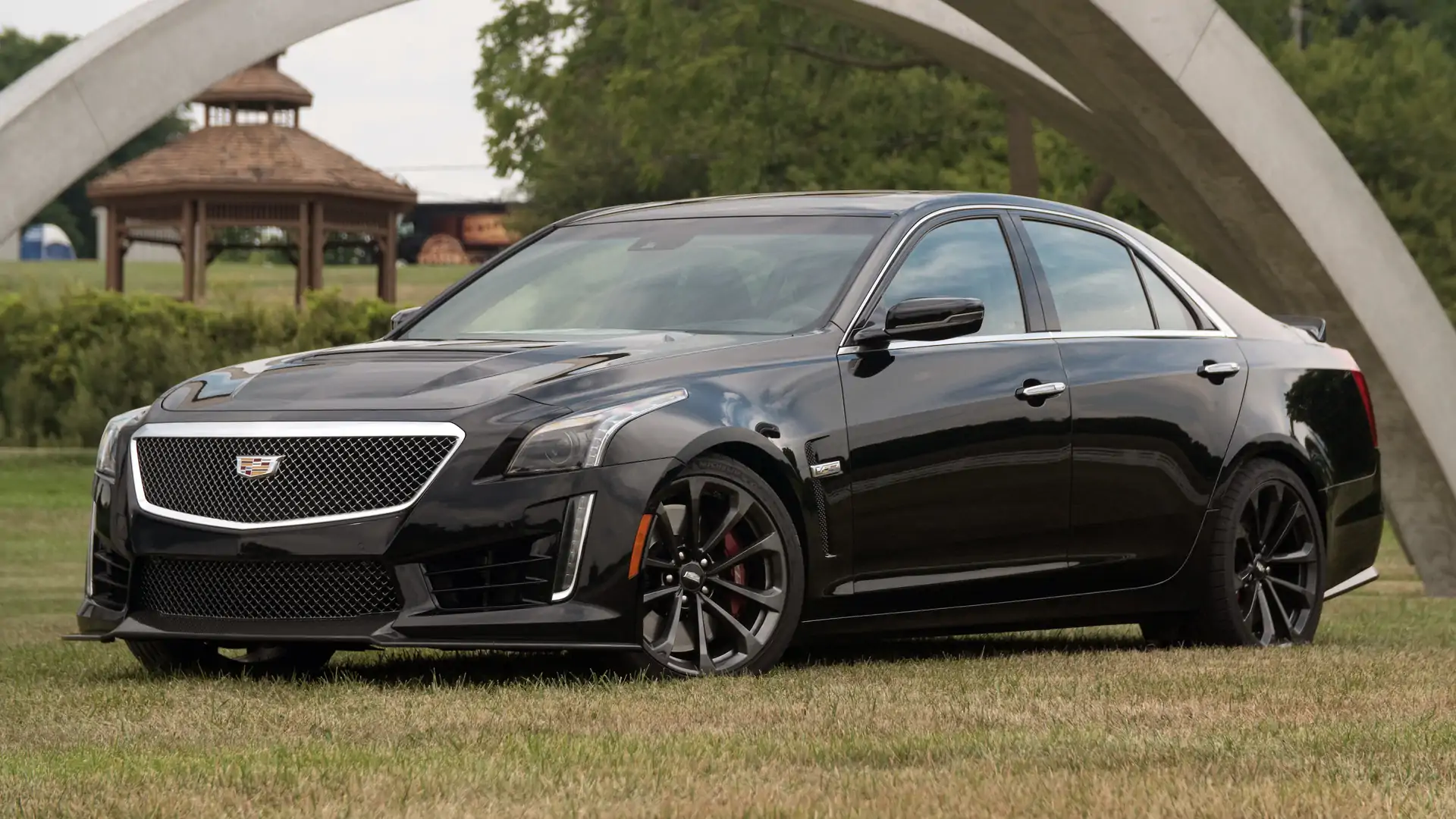
The third-generation Cadillac CTS-V represents America’s most serious challenge to German performance sedan dominance, packaging supercar-level acceleration in a luxurious four-door body.
Produced from 2016-2019, the CTS-V employed a supercharged 6.2-liter LT4 V8 producing 640 horsepower and 630 lb-ft of torque the same engine powering the Corvette Z06 and Camaro ZL1.
With used examples now available in the $50,000-$70,000 range, the CTS-V offers tremendous performance value, particularly for buyers seeking a practical daily driver with explosive straight-line capability.
The performance figures validate Cadillac’s supercar-fighting ambitions. The CTS-V accelerates from 0-60 mph in just 3.7 seconds and completes the quarter-mile in 11.6 seconds at 127 mph.
These numbers place it squarely among exotic cars costing two or three times as much, and they represent genuine supercar territory by any reasonable definition.
The CTS-V achieves these times despite weighing over 4,100 pounds, which speaks to the overwhelming power advantage provided by the supercharged V8.
The engine’s power delivery is relentless a massive wave of torque available from low rpm that continues building to the 6,400 rpm redline.
Cadillac offered the CTS-V exclusively with an eight-speed automatic transmission, a decision that disappointed some enthusiasts who preferred the manual transmission available in previous generations.
However, the automatic proves to be the faster option in straight-line acceleration, shifting quickly and intelligently while eliminating the human error that can cost time during drag racing.
The transmission includes steering wheel-mounted paddle shifters for manual control when desired, and the programming allows drivers to hold gears to redline if they choose. Multiple driving modes alter shift programming, throttle response, and other parameters to suit different driving situations.
The chassis tuning represents a significant achievement, balancing comfort for daily driving with genuine track capability. Cadillac’s Magnetic Ride Control suspension uses magnetorheological fluid-filled dampers that adjust firmness in milliseconds based on road conditions and driving inputs.
The result is a car that rides smoothly over rough pavement in Tour mode while firming up dramatically in Track mode for maximum body control during aggressive driving.
The electronically controlled limited-slip differential optimizes traction during acceleration while enhancing rotation during cornering. These systems work together to create driving dynamics that approach dedicated sports cars despite the CTS-V’s size and weight.
Cadillac’s decision to discontinue the CTS-V after 2019 makes the third generation particularly appealing for collectors and enthusiasts.
The car represents the final iteration of Cadillac’s traditional performance sedan formula before the brand pivoted toward electrification and different product positioning.
This “last of its kind” status, combined with the exceptional performance capability and increasingly affordable used prices, positions the CTS-V as an outstanding value proposition. For buyers seeking a luxurious, practical four-door that can embarrass supercars in a drag race, few alternatives match the CTS-V’s combination of attributes.
Also Read: 5 Crossovers With Seat Motors That Last vs 5 That Fail Out of Warranty
