
The automotive industry is experiencing a revolutionary transformation as electric vehicles shift from niche products to mainstream transportation solutions.
At the forefront of this movement stands the Tesla Cybertruck, a polarizing vehicle that has captured global attention with its angular, stainless steel design and futuristic appeal.
Since its revealing in 2019, the Cybertruck has generated unprecedented interest, amassing hundreds of thousands of reservations and sparking countless debates about the future of pickup trucks.
However, despite its innovative features and impressive specifications, the Cybertruck isn’t the perfect fit for everyone.
For many truck buyers, the Cybertruck’s unconventional aesthetics, delayed production timeline, and departure from traditional pickup truck design language present significant concerns.
Whether you’re a contractor who needs proven reliability, an outdoor enthusiast seeking maximum towing capacity, or simply someone who prefers a more conventional appearance, there are numerous compelling alternatives available in today’s rapidly expanding electric truck market.
The competition has intensified dramatically, with legacy automakers and new electric vehicle manufacturers alike racing to capture their share of this lucrative segment.
Whether you’re seeking maximum range for long-distance travel, superior towing capacity for heavy loads, advanced off-road capabilities for weekend adventures, or simply a more traditional aesthetic that won’t turn heads at every intersection, there’s an electric truck alternative that matches your requirements.
As production ramps up across the industry and charging infrastructure continues to expand, the practical viability of electric trucks has never been stronger.
Let’s look into these thirteen exceptional alternatives that prove the future of trucks is not only electric but also remarkably diverse and exciting.
1. Ford F-150 Lightning
The Ford F-150 Lightning represents one of the most significant entries into the electric truck market, leveraging America’s best-selling vehicle platform for over four decades.
By electrifying the iconic F-150, Ford has created a vehicle that feels immediately familiar to traditional truck buyers while delivering the benefits of electric propulsion.
This strategic approach has proven remarkably successful, as the Lightning appeals to both loyal Ford customers and new buyers exploring electric vehicles for the first time.
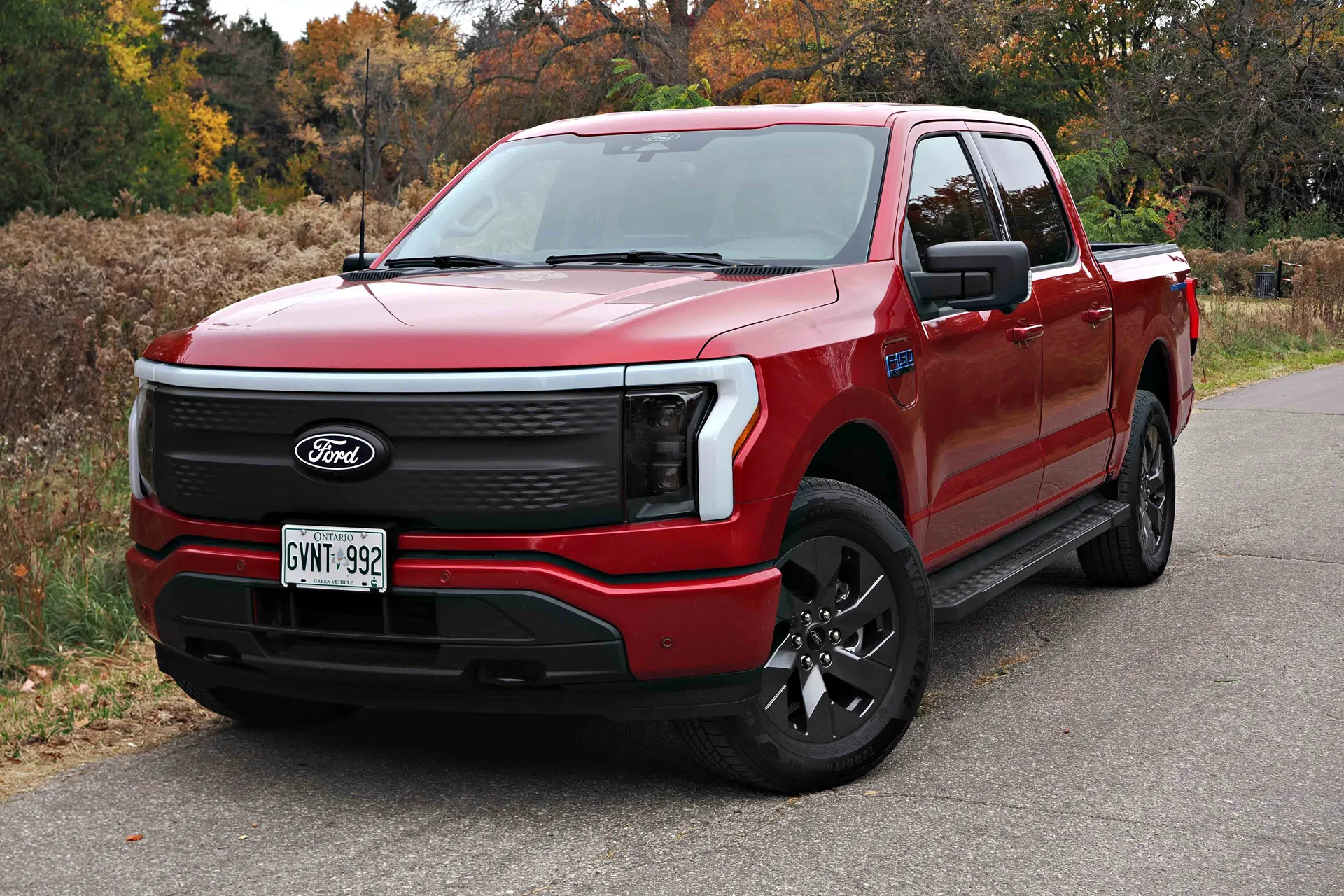
The F-150 Lightning’s exterior design maintains the recognizable F-150 silhouette that has become synonymous with American trucks, with subtle modifications that hint at its electric nature.
The distinctive light bar connecting the headlights announces its electric credentials, while the proportions remain true to the traditional F-150 formula.
This conservative styling approach may lack the Cybertruck’s shock value, but it offers a timeless aesthetic that won’t alienate traditional truck buyers or look dated in five years.
Performance specifications are impressive across the lineup. The standard-range battery configuration delivers 452 horsepower, while the extended-range battery bumps output to 580 horsepower.
The Lightning can tow up to 10,000 pounds when properly equipped, making it suitable for hauling boats, campers, and trailers. The payload capacity reaches 2,000 pounds, ensuring the Lightning can handle serious work duty.
Acceleration is surprisingly brisk, with the extended-range model sprinting from zero to sixty in approximately four seconds, rivaling many sports cars.
Range figures are competitive, with the standard-range battery providing around 240 miles and the extended-range configuration delivering approximately 320 miles on a full charge.
While not class-leading, these numbers prove sufficient for most daily driving scenarios and many work applications. The Lightning supports DC fast charging up to 150 kW, enabling a 15 to 80 percent charge in roughly 44 minutes under ideal conditions.
Ford’s extensive dealer network provides a significant advantage over newer manufacturers, offering widespread service availability and an established customer support infrastructure.
This accessibility proves invaluable for buyers concerned about long-term ownership experience and maintenance requirements, making the F-150 Lightning an exceptionally practical alternative to the Tesla Cybertruck.
2. Rivian R1T
The Rivian R1T emerges as perhaps the most adventure-focused electric truck available, purposefully designed for outdoor enthusiasts who demand capability without compromising on technology or sustainability.
As the first product from startup Rivian Automotive, the R1T demonstrates that newcomers can compete effectively with established manufacturers by targeting specific customer needs with laser focus.
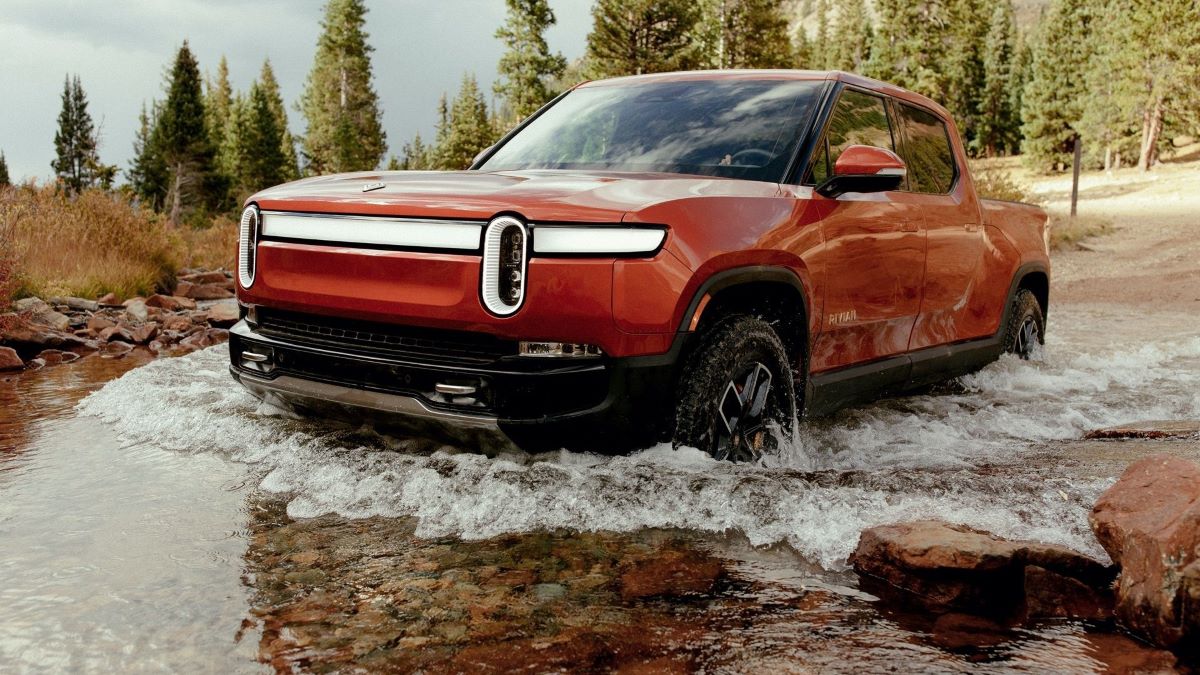
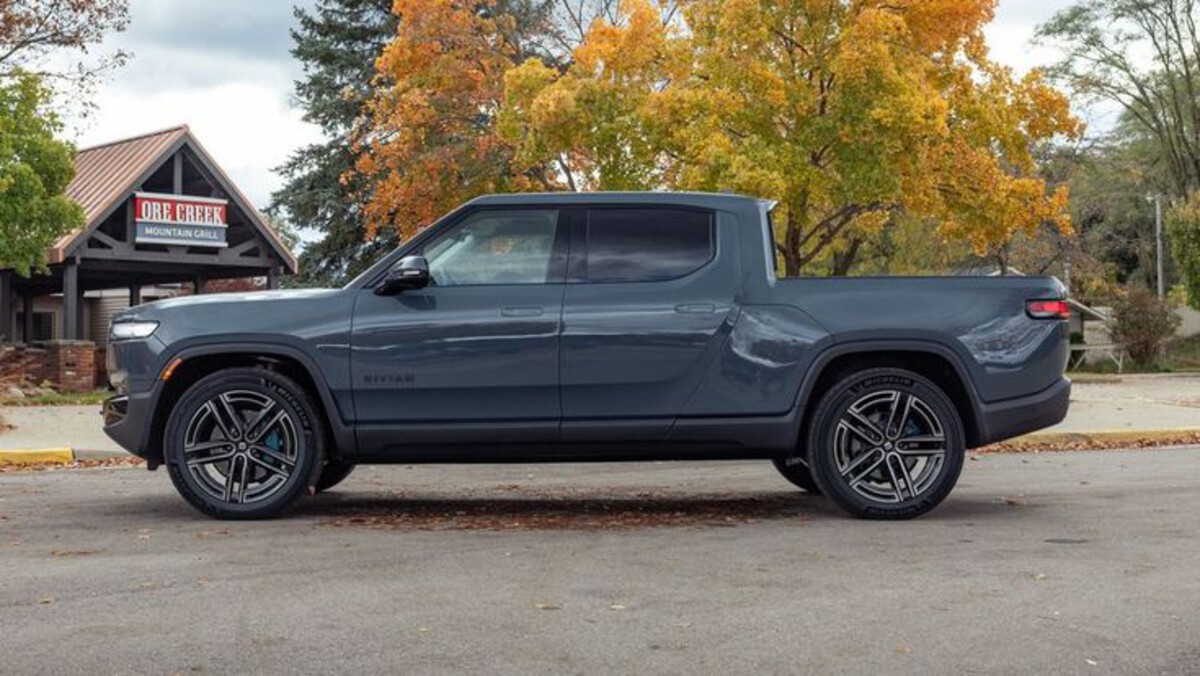
The R1T’s exterior design strikes a balance between modern aesthetics and functional capability. The distinctive oval headlights and horizontal light bar create a friendly yet purposeful face, while the proportions convey strength and capability.
Unlike the Cybertruck’s angular aggression, the R1T presents a more refined appearance that looks at home in both urban environments and remote wilderness settings.
The design incorporates thoughtful details like integrated gear rails along the sides for mounting accessories and a power tonneau cover that seamlessly integrates with the truck bed.
Rivian offers multiple battery configurations, with the Large pack providing approximately 314 miles of range and the Max pack extending that to around 410 miles. These impressive range figures address one of the primary concerns for adventure seekers who venture far from charging infrastructure.
The R1T’s quad-motor configuration delivers exceptional performance, with 835 horsepower and 908 pound-feet of torque enabling a remarkable 3.0-second zero-to-sixty sprint. This setup also provides independent control of each wheel, enhancing traction and handling in challenging conditions.
Towing capacity reaches 11,000 pounds, while payload capacity tops out at 1,760 pounds. These specifications prove sufficient for most recreational applications, from hauling travel trailers to carrying gear for extended camping trips.
The adjustable air suspension system provides up to 14.9 inches of ground clearance and enables various height settings optimized for different scenarios, from highway cruising to extreme off-roading.
The R1T’s party piece is undoubtedly the innovative Gear Tunnel, a unique storage compartment that runs across the width of the vehicle behind the cabin.
This 11.9-cubic-foot space provides weatherproof storage accessible from both sides, perfect for storing camping equipment, tools, or outdoor gear.
Rivian offers various accessories designed specifically for the Gear Tunnel, including a camp kitchen setup and slide-out cargo carriers. The combination of the Gear Tunnel, front trunk, under-bed storage, and traditional bed creates exceptional storage versatility.
Rivian’s off-road capabilities genuinely impress, with various driving modes optimized for different terrain types. The quad-motor setup enables tank turns and exceptional articulation, while the wade depth of over three feet surpasses most competitors.
For buyers prioritizing outdoor adventures and off-road capability alongside electric efficiency, the R1T represents an outstanding alternative that arguably exceeds the Cybertruck’s capabilities in many practical scenarios.
3. GMC Hummer EV Pickup
The GMC Hummer EV Pickup resurrects an iconic nameplate while completely reimagining it for the electric age. This massive vehicle represents the ultimate expression of American automotive excess applied to electric propulsion, delivering outrageous performance specifications and commanding presence that makes the Cybertruck seem almost subtle by comparison.
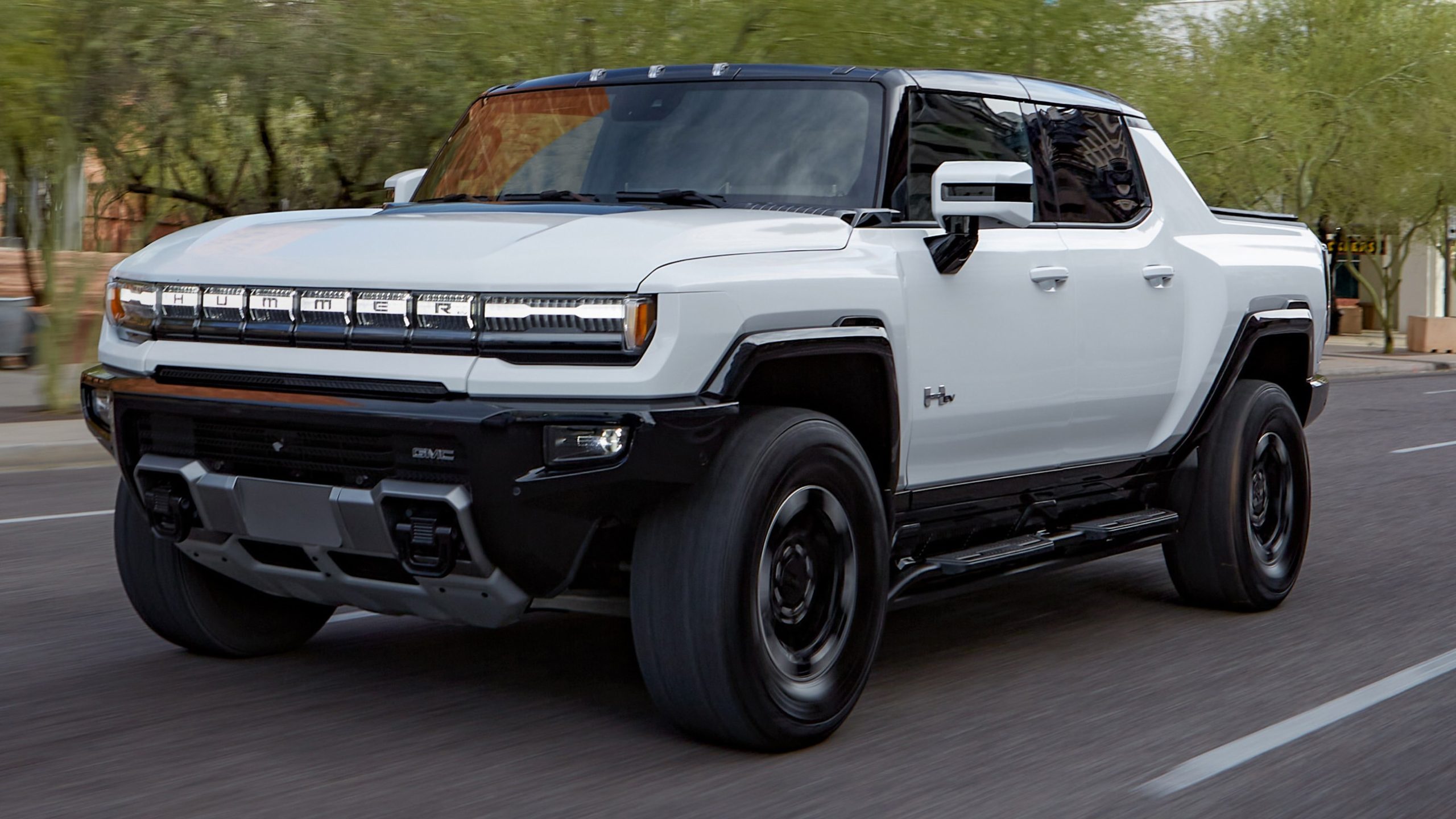
The Hummer EV’s styling is deliberately bold and aggressive, featuring a massive grille opening, distinctive lighting elements, and proportions that emphasize power and capability.
The removable Infinity Roof panels transform the cabin into an open-air experience, while the available transparent Sky Panels provide panoramic views even when closed.
The design incorporates numerous Easter eggs and hidden details that reward close inspection, from the moon graphic on the wheels to the various Hummer badges scattered throughout.
Performance specifications defy belief. The top-tier Edition 1 configuration produces an astounding 1,000 horsepower and 11,500 pound-feet of torque at the wheels, enabling a 3.0-second zero-to-sixty sprint in its WTF (Watts to Freedom) mode.
This acceleration figure seems impossible for a vehicle weighing approximately 9,000 pounds, yet the Hummer EV delivers with brutal effectiveness.
The tri-motor setup provides exceptional traction and control, with the ability to diagonally shift all four wheels for crab walking at low speeds, facilitating tight maneuvering.
The Hummer EV’s battery pack measures an enormous 212.7 kWh, the largest in any production vehicle. This massive capacity enables an EPA-estimated range of approximately 329 miles despite the vehicle’s considerable weight and aerodynamic challenges.
The battery supports 800-volt architecture and up to 350 kW DC fast charging, allowing a 10 to 80 percent charge in roughly 30 minutes under optimal conditions. This charging capability partially mitigates concerns about the large battery’s extended charging times.
Off-road capability receives serious attention, with adjustable air suspension providing up to 15.9 inches of ground clearance, sophisticated terrain management systems, and underbody protection throughout.
The Hummer EV can ford up to 32 inches of water and features removable door panels for ultimate open-air driving. For buyers seeking the most extreme electric truck experience with no compromises regarding performance or presence, the Hummer EV represents an exceptional alternative that redefines expectations.
4. Chevrolet Silverado EV
The Chevrolet Silverado EV brings General Motors’ expertise in full-size trucks to the electric vehicle segment, offering a compelling combination of capability, technology, and value.
Building on decades of Silverado heritage, Chevrolet has created an electric truck that appeals to traditional truck buyers while pushing boundaries in terms of range and functionality.
The Silverado EV rides on GM’s dedicated Ultium electric vehicle platform, allowing for optimized packaging and performance. The design maintains recognizable Silverado DNA while incorporating modern elements that signal its electric nature.
The front fascia features a distinctive illuminated Chevrolet bowtie and sleek LED lighting, while the proportions convey strength and capability. The styling is more evolutionary than revolutionary, which will appeal to buyers seeking familiarity rather than radical departure.
Range specifications stand out as a primary advantage, with the top-tier models achieving an EPA-estimated 450 miles on a single charge.
This industry-leading range addresses one of the most significant barriers to electric truck adoption, enabling long-distance travel without frequent charging stops.
The Silverado EV utilizes GM’s advanced Ultium battery technology with 800-volt architecture, supporting DC fast charging up to 350 kW. Under optimal conditions, this enables adding approximately 100 miles of range in just 10 minutes.
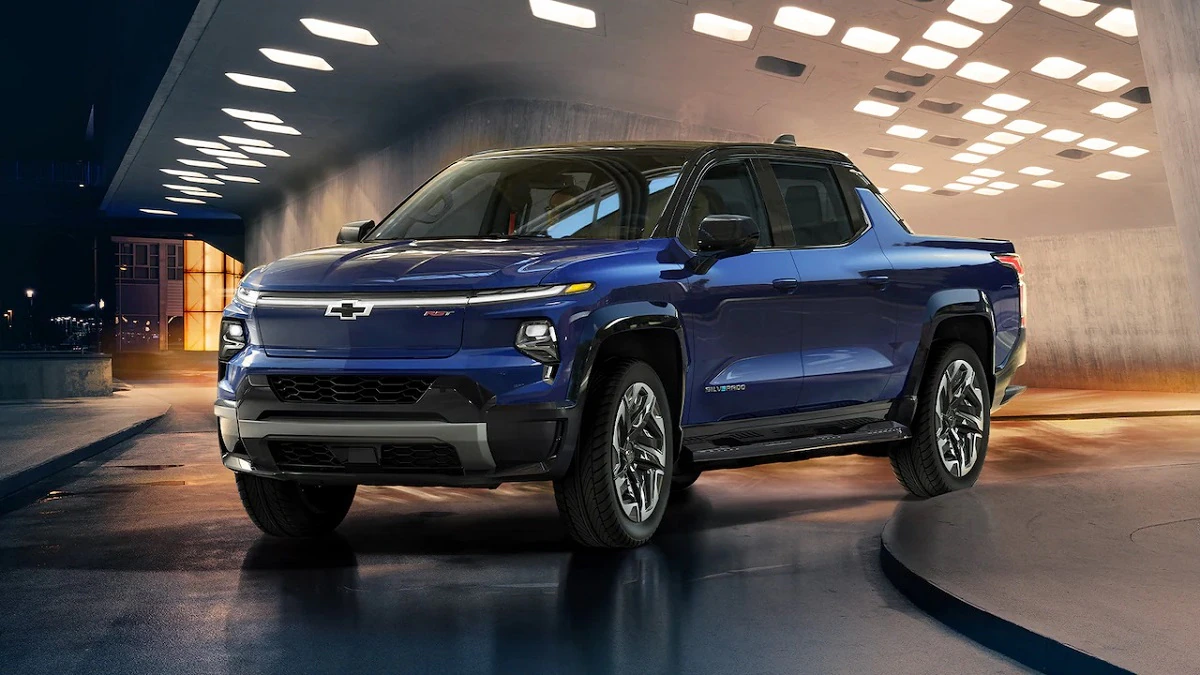
Performance varies across trim levels, with the range-topping RST offering 754 horsepower and 785 pound-feet of torque. This enables brisk acceleration despite the vehicle’s substantial weight, with zero-to-sixty times around 4.5 seconds.
The dual-motor all-wheel-drive configuration provides excellent traction and control in various conditions. Towing capacity reaches an impressive 10,000 pounds when properly equipped, matching the best internal combustion competitors.
The payload capacity approaches 1,300 pounds, proving the Silverado EV can handle serious work duty. The Silverado EV introduces the innovative Midgate feature, a fold-down partition between the cabin and bed that dramatically extends cargo-carrying versatility.
With the Midgate lowered and the rear seats folded, the Silverado EV can accommodate items up to 10 feet long inside the protected, climate-controlled space.
This flexibility proves invaluable for transporting long materials, recreational equipment, or sensitive cargo that requires weather protection. The available Multi-Flex tailgate provides six different configurations, further enhancing utility.
Technology receives significant emphasis, with the interior featuring a massive 17-inch infotainment touchscreen running GM’s latest software interface. An available 11-inch diagonal digital instrument cluster and head-up display provide essential information without distracting from the road.
The Super Cruise hands-free driving assistance system enables automated driving on compatible highways, significantly reducing driver fatigue during long trips. The cabin offers comfortable seating for five adults, with premium materials and thoughtful storage solutions throughout.
The eTrunk front storage compartment provides additional secure, weatherproof storage space, while the available power frunk feature enables hands-free opening.
Multiple electrical outlets throughout the vehicle, including 120-volt and 240-volt options, transform the Silverado EV into a mobile power station capable of running tools, appliances, or camping equipment. For buyers seeking maximum range, proven brand heritage, and innovative versatility features, the Chevrolet Silverado EV represents an outstanding alternative.
Also Read: 5 Hatchbacks With Timeless Interiors vs 5 That Peel and Fade
5. Ram 1500 REV
The Ram 1500 REV represents Stellantis’ entry into the electric truck market, applying Ram’s expertise in creating comfortable, capable trucks to electric propulsion.
Ram has built a reputation for offering the most refined and luxurious ride quality in the full-size truck segment, and the 1500 REV aims to extend that tradition into the electric era while delivering impressive performance and capability.
The Ram 1500 REV’s design language maintains strong visual connections to the current internal combustion 1500 lineup while incorporating unique elements that distinguish the electric variant.
The prominent Ram badge on the grille, bold character lines, and muscular proportions convey strength and capability.
The aesthetic leans toward sophistication rather than aggression, appealing to buyers who appreciate elegant design over dramatic statements. LED lighting elements provide a modern appearance while maintaining recognizable Ram identity.
Performance specifications promise to impress, with Ram targeting up to 654 horsepower from dual electric motors. This substantial output will enable quick acceleration and strong passing power, though specific zero-to-sixty times have not been officially confirmed.
The dual-motor all-wheel-drive system should provide excellent traction in challenging conditions, while the low center of gravity from the battery placement will enhance handling dynamics compared to traditional trucks.
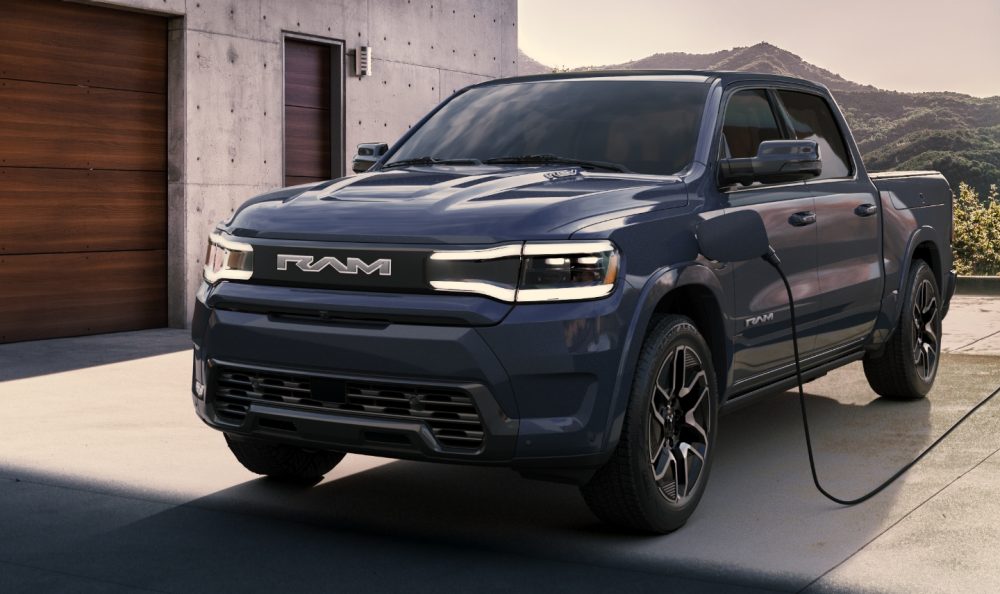
Ram promises a maximum range exceeding 350 miles, positioning the 1500 REV competitively within the electric truck segment. The vehicle utilizes advanced battery technology and 800-volt electrical architecture, supporting DC fast charging that can add approximately 110 miles of range in just 10 minutes under optimal conditions.
This charging capability proves essential for minimizing downtime during long trips or busy workdays. Towing capacity is projected to reach 14,000 pounds, potentially class-leading and exceeding many competitors.
The payload capacity should approach 2,700 pounds, making the Ram 1500 REV one of the most capable electric trucks for heavy-duty work.
One of the Ram 1500 REV’s most interesting features is the innovative range extender option. Ram plans to offer a removable battery pack that fits in the truck bed, providing additional energy storage that can extend range significantly.
This creative solution addresses range anxiety while maintaining the vehicle’s versatility, as the range extender can be removed when maximum bed space is needed. This flexibility represents a unique approach among electric trucks.
The interior promises to maintain Ram’s reputation for luxury and comfort, with premium materials throughout and extensive sound insulation creating a serene cabin environment.
The available 14.5-inch touchscreen will run Stellantis’ latest Uconnect interface, providing intuitive controls and seamless smartphone integration.
Expected features include premium audio systems, massaging seats, and comprehensive driver assistance technologies. The cabin will offer comfortable seating for five adults, with thoughtful storage solutions and convenient charging ports throughout.
The Ram 1500 REV will include front trunk storage, multiple bed storage solutions, and potentially innovative features that leverage the electric platform’s unique packaging possibilities.
For buyers prioritizing ride quality, luxury appointments, and maximum towing capability, the Ram 1500 REV promises to be an exceptional alternative once production commences.
6. Toyota Tundra Hybrid (Non-Electric Alternative)
While not a pure electric vehicle, the Toyota Tundra Hybrid deserves consideration as a practical alternative for buyers concerned about charging infrastructure or requiring maximum versatility.
Toyota’s approach combines proven internal combustion reliability with electrification benefits, creating a truck that offers improved efficiency without the range limitations of battery-electric vehicles.
The current-generation Tundra features bold, aggressive styling that emphasizes its capability and strength. The massive grille, prominent LED lighting, and muscular proportions create an imposing presence on the road.
The design incorporates functional elements like the stamped “TOYOTA” lettering on the tailgate and available underbody skid plates that hint at the truck’s off-road capabilities. While not as futuristic as the Cybertruck, the Tundra’s design conveys purposeful capability.
The Tundra Hybrid utilizes a twin-turbocharged 3.5-liter V6 engine paired with an electric motor and battery pack, producing a combined 437 horsepower and 583 pound-feet of torque.
This powertrain delivers strong acceleration and effortless power delivery, with the electric motor filling in torque gaps and enhancing responsiveness.
The 10-speed automatic transmission provides smooth shifts and helps optimize efficiency. Fuel economy improves significantly compared to traditional V8 engines, with the hybrid system achieving around 20-22 mpg combined depending on configuration.
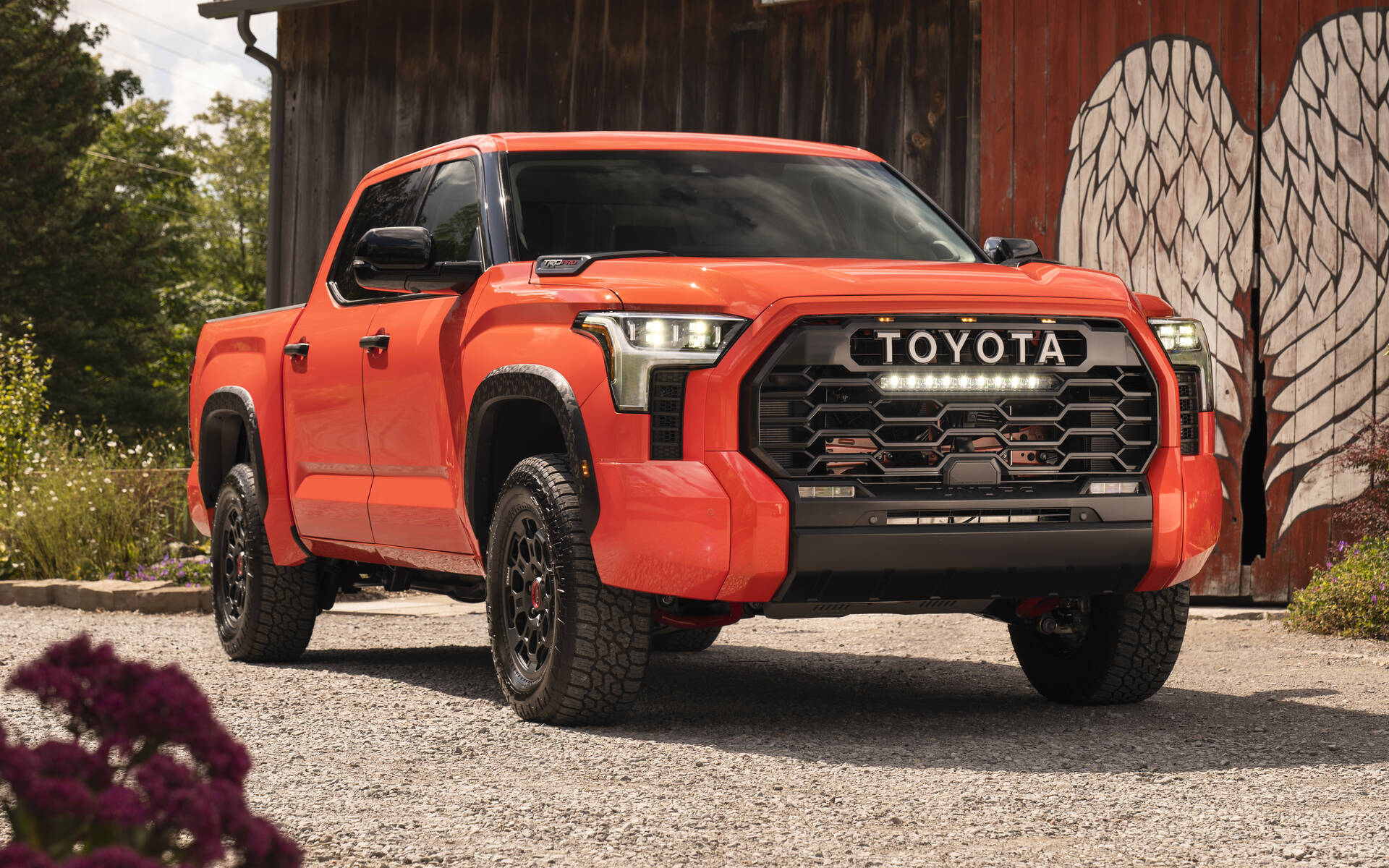
Towing capacity reaches an impressive 11,450 pounds when properly equipped, making the Tundra Hybrid one of the most capable towing options available.
The payload capacity approaches 1,940 pounds, ensuring the truck can handle heavy loads in the bed. The i-FORCE MAX hybrid system actually enhances towing performance compared to the non-hybrid variant, with the electric motor providing additional low-end torque that proves valuable when pulling heavy trailers from a stop.
The Tundra’s interior emphasizes ruggedness and functionality, with durable materials designed to withstand hard use. The available 14-inch touchscreen runs Toyota’s latest infotainment system, providing smartphone integration and intuitive controls.
Higher trim levels offer premium features like leather seating, heated and ventilated front seats, and a JBL premium audio system. The cabin provides comfortable accommodation for five or six occupants, depending on configuration, with generous storage solutions throughout.
Toyota’s legendary reliability reputation represents perhaps the Tundra Hybrid’s most compelling advantage. The manufacturer consistently ranks among the most dependable brands, and the hybrid system utilizes proven technology refined through decades of production.
For buyers prioritizing long-term dependability and minimal ownership concerns, Toyota’s track record provides significant peace of mind. The extensive dealer network ensures service availability nationwide, with technicians experienced in hybrid system maintenance.
The Tundra Hybrid’s conventional fueling means no waiting for charging, unlimited range potential, and compatibility with existing infrastructure.
This proves particularly valuable for buyers in rural areas, those who frequently tow long distances, or anyone concerned about electric vehicle charging logistics.
While not offering the same environmental benefits as pure electric trucks, the Tundra Hybrid delivers meaningful efficiency improvements over traditional V8 trucks while maintaining full capability.
For buyers seeking a practical bridge between traditional and electric trucks, the Toyota Tundra Hybrid represents an excellent alternative worth serious consideration.
7. Lordstown Endurance
The Lordstown Endurance represents an ambitious attempt to create a purpose-built work truck specifically for commercial and fleet applications.
Developed by Lordstown Motors in Ohio, the Endurance focuses on simplicity, durability, and low operating costs rather than performance or luxury features.
While the company has faced significant financial and production challenges, the Endurance concept offers valuable insights into alternative approaches to electric truck design.
The Endurance features straightforward, utilitarian styling that prioritizes function over form. The design eschews dramatic flourishes in favor of clean lines and practical proportions.
The front fascia incorporates simple LED lighting and minimal ornamentation, creating an honest appearance that reflects the truck’s work-focused mission.
The aesthetic won’t win styling awards, but it conveys appropriate seriousness for a commercial vehicle designed to be a tool rather than a statement.
The Endurance’s most distinctive feature is its use of hub motors, with individual motors integrated into each wheel rather than traditional centralized drive units.
This approach eliminates the need for a differential, driveshafts, and associated mechanical components, significantly reducing complexity and potential maintenance requirements.
Lordstown claims this design enhances reliability and reduces long-term operating costs, crucial factors for commercial fleet operators. The four hub motors combine to produce approximately 440 horsepower and provide all-wheel drive with independent control of each wheel.
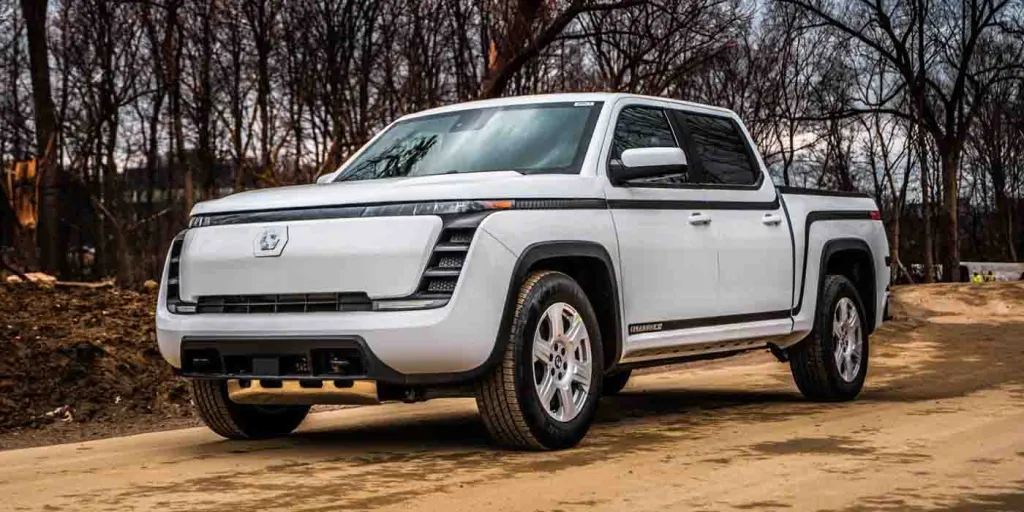
Range specifications target approximately 250 miles on a full charge, which proves adequate for typical daily work truck usage patterns. The battery pack capacity measures around 109 kWh, smaller than many competitors but appropriately sized for the target application.
Charging capabilities include Level 2 AC charging and DC fast charging support, though maximum charging speeds are modest compared to newer competitors. Towing capacity reaches 6,000 pounds, sufficient for many work applications though not competitive with full-size alternatives. The payload capacity approaches 2,200 pounds, respectable for the truck’s size and weight.
The interior emphasizes durability and functionality over luxury or technology. Materials consist primarily of durable plastics and vinyl designed to withstand harsh use and frequent cleaning.
The straightforward dashboard includes a modest touchscreen for basic controls and vehicle information, but avoids the elaborate multi-screen setups found in consumer-focused alternatives. Seating accommodates up to five occupants with basic comfort, though long-distance cruising refinement is not prioritized.
The Endurance’s value proposition centers on total cost of ownership rather than purchase price or flashy features. The simplified mechanical design theoretically reduces maintenance requirements, while electric propulsion eliminates oil changes, transmission services, and many other routine maintenance tasks.
For fleet operators focused on maximizing uptime and minimizing operating costs, these benefits could prove compelling despite higher initial acquisition costs.
However, potential buyers should approach the Endurance with appropriate caution given Lordstown Motors’ well-documented financial difficulties and uncertain production outlook. The company has struggled to achieve stable manufacturing and faces ongoing funding challenges.
For commercial buyers seeking a simplified, work-focused electric truck and willing to accept the risks associated with a troubled startup manufacturer, the Endurance offers a unique alternative approach. However, most buyers will likely find more established alternatives provide better value and security.
8. Bollinger B2
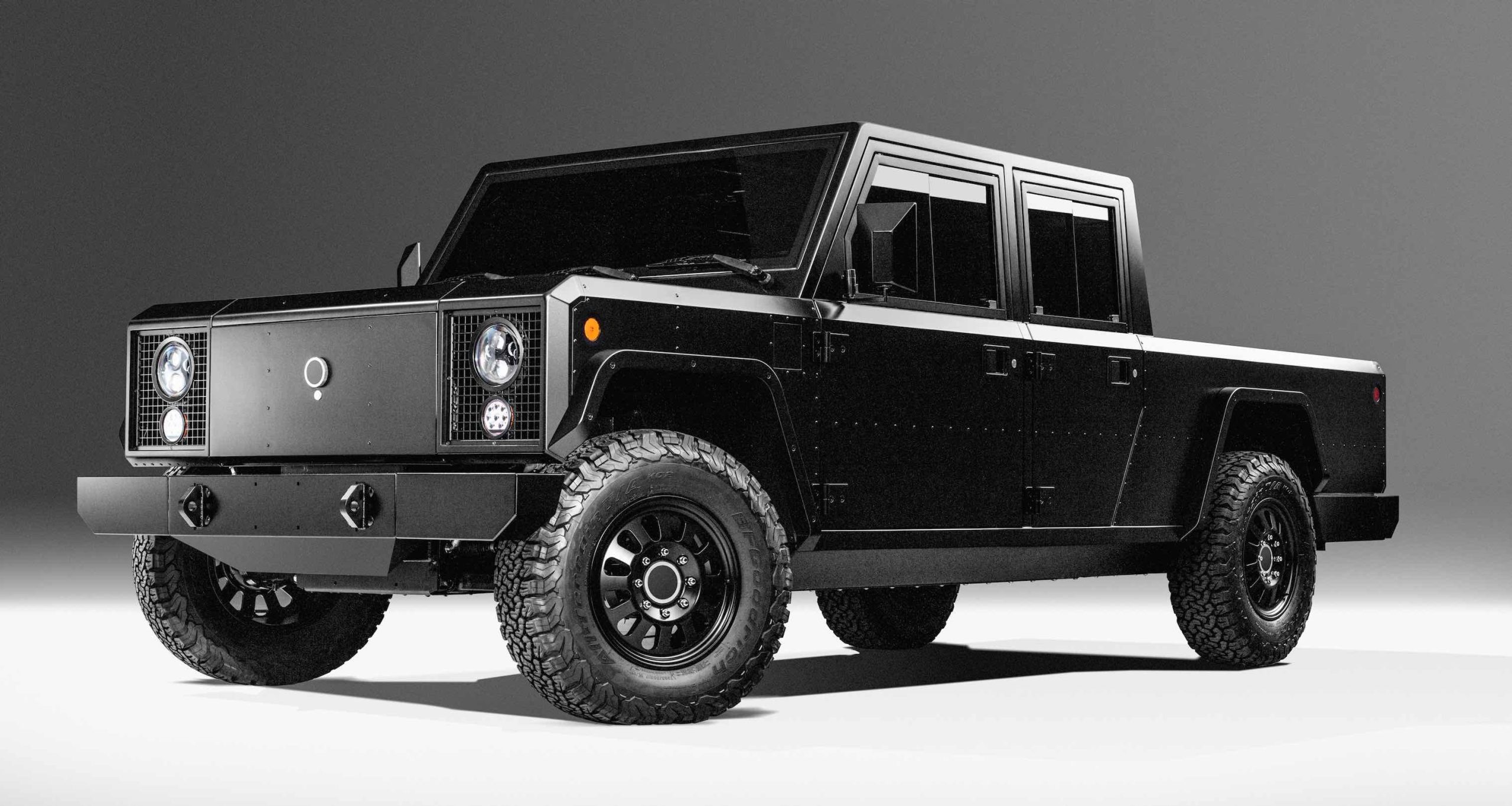
The Bollinger B2 represents one of the most unconventional approaches to electric truck design, embracing a brutally functional aesthetic that makes the Cybertruck seem almost conventional by comparison.
Bollinger Motors has created a truck that strips away all unnecessary elements in pursuit of maximum capability, ruggedness, and simplicity, appealing to buyers who prioritize substance over style.
The B2’s design is deliberately minimalist, featuring flat body panels, exposed fasteners, and an industrial appearance reminiscent of military or agricultural equipment.
The truck utilizes a body-on-frame construction rather than the unibody approach favored by most electric vehicles, providing enhanced durability and repairability.
The removable aluminum body panels can be replaced individually, reducing repair costs and simplifying customization. The aesthetic divides opinion sharply, but perfectly reflects Bollinger’s philosophy of honest, functional design.
The B2 employs dual electric motors producing a combined 614 horsepower and 668 pound-feet of torque, providing strong acceleration and excellent traction.
The permanent all wheel drive system includes locking differentials and advanced traction management, enhancing off-road capability.
The hydropneumatic suspension system provides adjustable ride height from a ground-hugging 10 inches to a lofty 20 inches, enabling both highway efficiency and extreme off-road articulation. The suspension also self-levels regardless of load, maintaining consistent ride quality and handling characteristics.
Range estimates hover around 200 miles with the available 120 kWh battery pack, modest by current standards but acceptable given the truck’s utilitarian focus and likely usage patterns.
The battery supports DC fast charging, though maximum charging speeds are not particularly impressive compared to newer 800-volt architecture vehicles.
Towing capacity reaches 7,500 pounds, while the payload capacity impresses at 5,000 pounds, among the highest figures available in any truck. The B2’s robust frame and suspension design enable it to handle loads that would overwhelm many competitors.
One of the B2’s most innovative features is the passthrough design, which allows the front and rear windshields to be opened and cargo to extend from the front trunk through the cabin and out the open bed.
This enables carrying extremely long items like lumber, ladders, or kayaks within the vehicle’s protected envelope. The frunk provides 14 cubic feet of lockable storage, while the bed measures a generous six feet long. The bed features built-in tie-down points and mounting holes for racks or other accessories.
The interior prioritizes functionality and durability over luxury or technology. The cabin features rubberized flooring with drains, allowing it to be hosed out after muddy adventures. Seats utilize marine-grade vinyl that resists water, UV damage, and harsh treatment.
The dashboard is refreshingly simple, with physical controls for major functions and a modest touchscreen handling infotainment and vehicle settings. The lack of elaborate technology will appeal to buyers skeptical of overly complex systems or those who prioritize reliability and repairability.
Bollinger’s small-scale production approach results in extremely high pricing, with the B2 commanding over $125,000. This positions it as a ultra-premium offering for wealthy enthusiasts rather than a volume product.
Production volumes remain extremely limited, and the company’s long-term viability remains uncertain. For buyers seeking the most rugged, capable, and unconventional electric truck available and willing to pay handsomely for that uniqueness, the Bollinger B2 offers an alternative unlike anything else available, including the Cybertruck.
9. Canoo Pickup Truck
The Canoo Pickup Truck represents an innovative approach from a startup company focused on commercial and fleet applications, though consumer versions are also planned.
Canoo’s distinctive design language and emphasis on maximizing interior space through skateboard platform architecture create a unique vehicle that challenges conventional truck proportions and packaging.
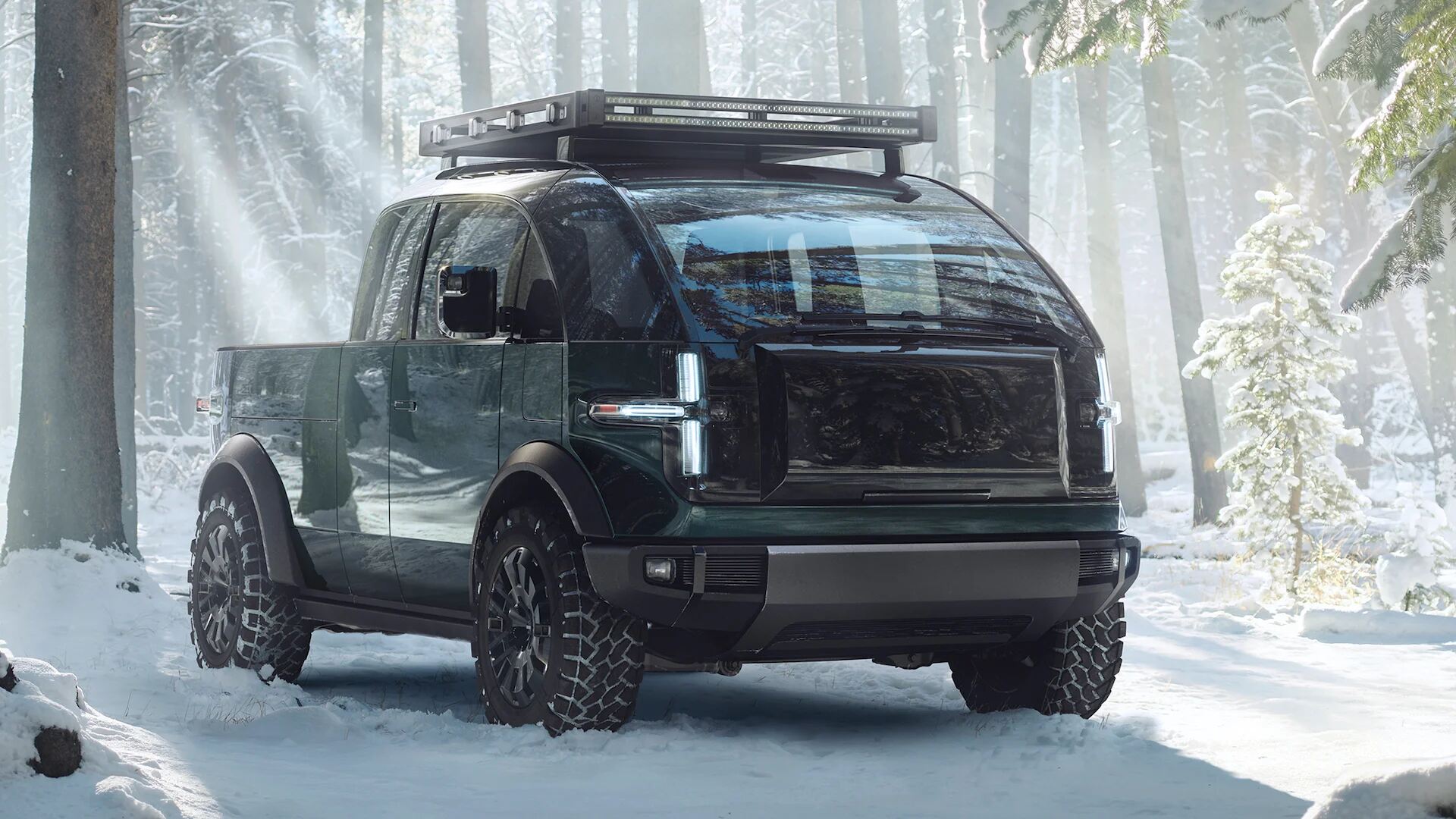
The Canoo Pickup features an unconventional, pod-like design with an extremely short hood, vertical windshield, and cab-forward proportions that maximize interior and bed space.
The styling is polarizing but purposeful, with every design decision focused on functionality and space efficiency rather than aesthetic convention. The modular bed design allows different configurations and accessories to be easily installed, enhancing versatility for various applications.
The skateboard platform architecture positions the battery pack flat in the floor, creating an exceptionally low load floor that simplifies loading heavy items and improves accessibility.
The drivetrain consists of dual motors providing all-wheel drive, with a combined output of around 500 horsepower, enabling brisk acceleration despite utilitarian intentions.
The drive-by-wire steering system eliminates mechanical connections between the steering wheel and wheels, allowing greater interior packaging flexibility and potentially enabling future autonomous driving capabilities.
Range targets approximately 200 miles with the standard battery configuration, with larger battery options potentially extending that figure. These modest range specifications reflect the vehicle’s intended usage primarily for local commercial applications rather than long-distance travel.
Charging capabilities include Level 2 AC charging and DC fast charging support, though specific maximum charging rates have not been extensively detailed. Towing capacity reaches 7,500 pounds, competitive for a vehicle this size, while payload capacity should exceed 1,800 pounds.
The interior emphasizes spaciousness and versatility, with the cab-forward design creating remarkable legroom despite relatively compact external dimensions.
The minimalist dashboard incorporates a single large touchscreen controlling most vehicle functions, while the flat floor maximizes usable space.
Seating configurations vary depending on specifications, with options for bench seating accommodating up to seven occupants or captain’s chairs for enhanced comfort. The interior materials prioritize durability and ease of cleaning, appropriate for commercial use.
The innovative packaging and space efficiency demonstrated by the Canoo Pickup could prove particularly valuable for urban commercial applications where maneuverability and cargo capacity are prioritized over long-range capability or luxury appointments.
For buyers intrigued by unconventional design and maximum space utilization, or commercial operators seeking purpose-built electric trucks, the Canoo Pickup offers an interesting alternative.
However, the company’s uncertain financial position and limited production track record suggest traditional buyers may find more established alternatives provide better value and security, making this option more suitable for early adopters willing to accept higher risk.
10. Mercedes-Benz EQT (Compact Van Alternative)
While not a traditional pickup truck, the Mercedes-Benz EQT represents an interesting alternative for buyers whose truck needs center more on cargo capacity and commercial applications rather than towing or rugged capability.
This compact electric van brings Mercedes-Benz’s luxury heritage and build quality to the commercial vehicle segment, offering a completely different approach to electric utility vehicles.
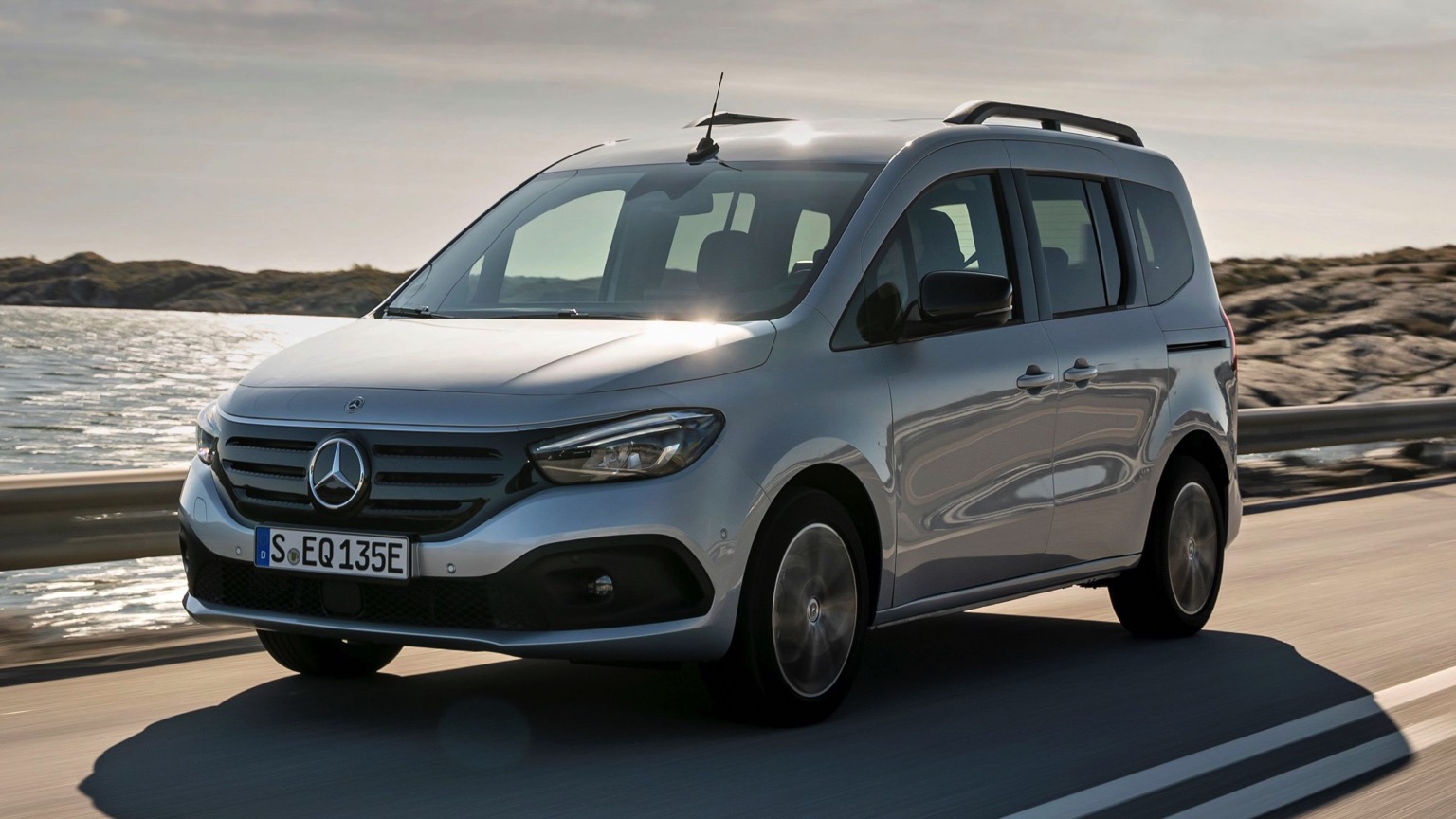
The EQT’s design emphasizes European sophistication and efficiency rather than American truck bravado. The compact dimensions facilitate urban maneuvering and parking, while the tall roof and efficient packaging maximize interior cargo volume.
The exterior styling incorporates Mercedes-Benz’s current design language with smooth surfaces, distinctive LED lighting, and premium details that distinguish it from utilitarian competitors. The appearance conveys professional competence rather than aggressive capability.
The electric powertrain utilizes a single front-mounted motor producing around 120 horsepower, providing adequate performance for the vehicle’s intended urban and suburban applications.
Acceleration is brisk enough for city driving, though highway passing requires planning. The front-wheel-drive configuration simplifies mechanical complexity while proving sufficient for paved road use. The modest power output prioritizes efficiency and range over straight-line performance.
Range estimates hover around 175 miles with the available battery pack, appropriate for typical daily commercial use patterns and local delivery routes.
The compact battery size enables relatively quick charging times, with DC fast charging support allowing practical overnight charging on Level 2 equipment or quick top-ups during the workday.
The range limitations make the EQT unsuitable for long-distance travel, but perfectly adequate for its intended applications. Configurable seating options allow the EQT to transform between passenger and cargo duties, with removable or folding second-row seating enabling various combinations of people and cargo carrying capability.
This versatility proves valuable for businesses requiring multi-purpose vehicles or families needing both passenger comfort and occasional cargo capacity. The sliding side doors provide convenient access in tight parking spaces where traditional truck doors would prove awkward.
Mercedes-Benz’s established reputation for quality and refinement extends to the EQT, with build quality and attention to detail exceeding most truck competitors.
The comprehensive warranty coverage and extensive dealer network provide ownership security often lacking from startup manufacturers.
For buyers whose primary needs involve urban cargo hauling, commercial deliveries, or family transportation with occasional cargo capacity rather than towing or off-road adventures, the EQT offers a sophisticated alternative that excels in its intended applications while providing premium driving experience typically absent from commercial vehicles.
11. Atlis XT
The Atlis XT represents an ambitious startup’s vision for a heavy-duty electric work truck, targeting commercial and industrial customers requiring maximum capability and innovative features.
Atlis Motor Vehicles emphasizes revolutionary battery technology, extreme towing capacity, and modularity, though the company remains in early production stages with typical startup uncertainties.
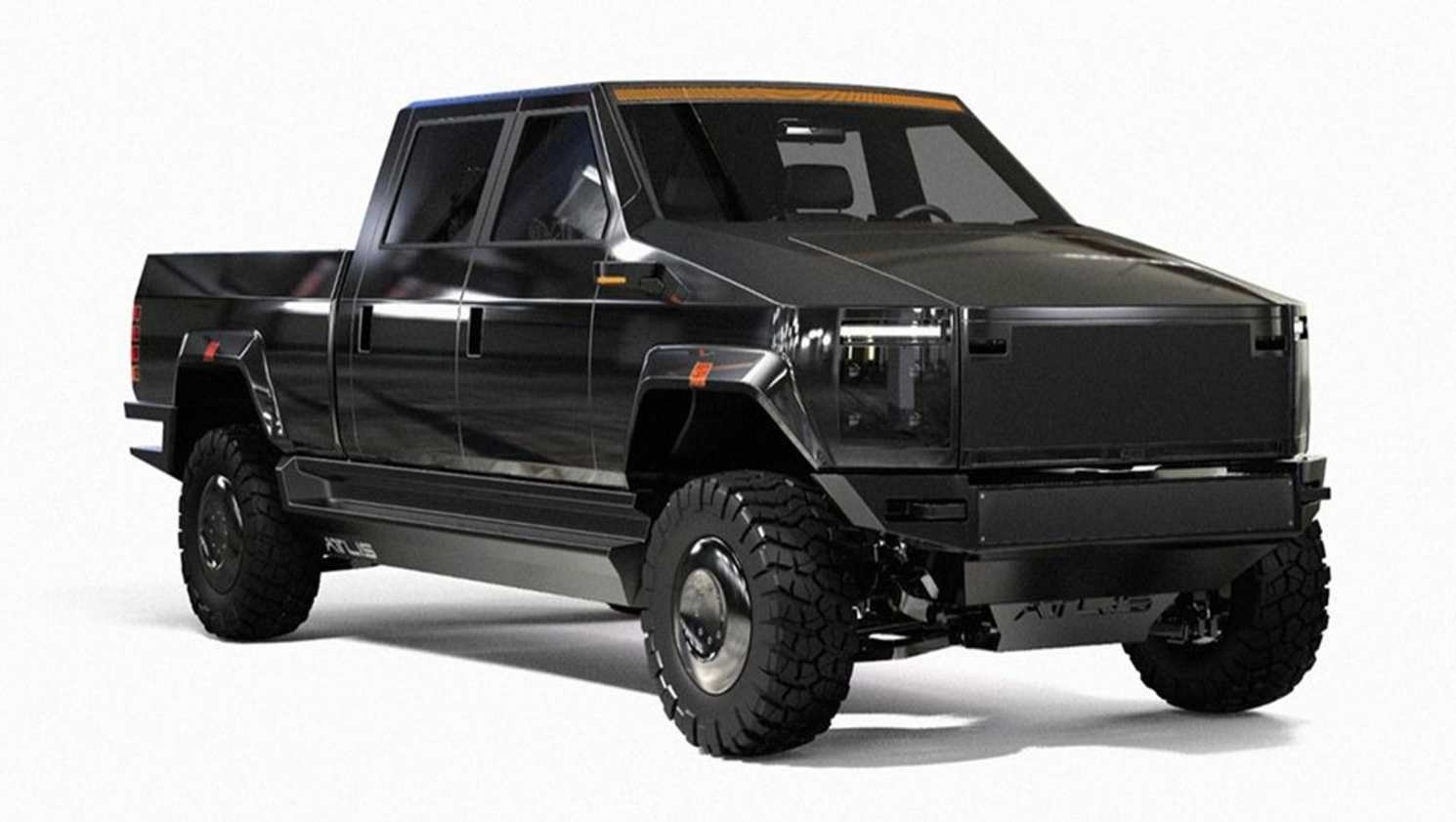
The XT’s design conveys appropriate seriousness for a heavy-duty work truck, with substantial proportions and rugged styling elements.
The exterior incorporates functional details like heavy-duty bumpers, numerous lighting elements, and robust construction suggesting durability and capability.
The aesthetic leans toward industrial strength rather than consumer-market refinement, appropriate for the target audience of contractors, fleet operators, and commercial users demanding maximum capability.
Atlis makes extraordinary performance claims for the XT, including up to 35,000 pounds of towing capacity and 5,000 pounds of payload capacity, figures that would significantly exceed any current electric truck and rival heavy-duty diesel competitors.
The company promises multiple powertrain configurations with outputs ranging from 435 to 800 horsepower, all utilizing dual-motor all-wheel-drive systems. If achieved, these specifications would establish the XT as the capability leader among electric trucks by substantial margins.
For commercial buyers willing to wait and accept substantial risk in exchange for potentially industry-leading capability, the Atlis XT represents an intriguing possibility.
However, the significant uncertainties surrounding the company’s ability to deliver on its ambitious promises suggest most buyers would be better served by established alternatives from proven manufacturers.
The XT demonstrates innovative thinking about electric truck capabilities, but translating concepts into production reality remains the critical challenge.
12. Nikola Badger (Hydrogen-Electric Alternative)
The Nikola Badger represented an ambitious attempt to combine battery-electric and hydrogen fuel cell technologies in a pickup truck format, though the project was ultimately cancelled.
Despite never reaching production, the Badger concept illustrates alternative approaches to zero-emission trucks worth understanding, as similar technologies may appear in future vehicles from other manufacturers.
The Badger’s design combined rugged truck aesthetics with modern styling elements, creating an appearance that would have felt at home alongside traditional pickups while incorporating futuristic details.
The front fascia featured prominent Nikola branding and distinctive lighting elements, while the proportions conveyed appropriate capability for a full-size truck. The aesthetic aimed for broader appeal than the polarizing Cybertruck while maintaining visual interest and premium presentation.
The Badger’s proposed powertrain represented its most distinctive feature, combining a battery-electric system with a hydrogen fuel cell range extender.
This dual approach theoretically provided the benefits of both technologies: the efficiency and simplicity of battery-electric operation for daily driving, plus the extended range and rapid refueling capabilities of hydrogen for long trips.
The system would have used the battery for primary propulsion, with the fuel cell recharging the battery on the go, effectively functioning as an onboard generator.
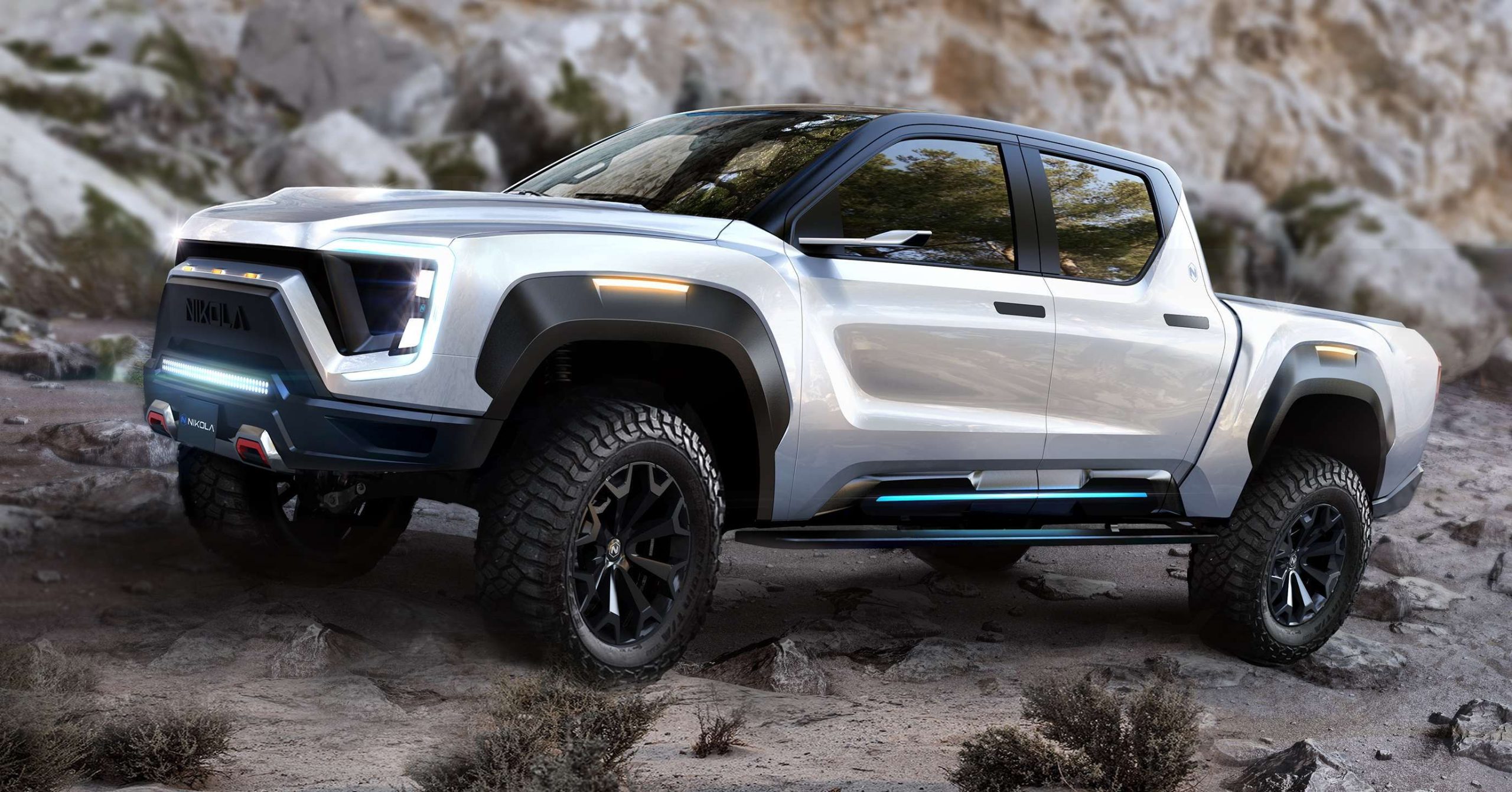
Performance specifications promised up to 906 horsepower from dual electric motors, enabling a sub-three-second zero-to-sixty sprint and 11,000 pounds of towing capacity.
The battery-only range targeted 300 miles, with the hydrogen fuel cell extending total range to approximately 600 miles. This combination would have addressed range anxiety while providing refueling convenience approaching conventional vehicles.
The payload capacity aimed for 1,800 pounds, competitive with traditional trucks. The hydrogen fuel cell technology offers theoretical advantages over pure battery-electric vehicles, including faster refueling times (approximately five minutes for a complete hydrogen tank fill) and potentially longer driving range without weight penalties from massive battery packs.
Hydrogen fuel cells generate electricity through a chemical reaction between hydrogen and oxygen, producing only water vapor as emissions. This technology has proven successful in various applications, from forklifts to buses to passenger cars like the Toyota Mirai and Hyundai Nexo.
Nikola Motors cancelled the Badger project in late 2020 following controversies surrounding the company founder and shifts in business strategy toward commercial trucks.
The cancellation disappointed reservation holders and eliminated a potentially innovative alternative. However, the Badger concept demonstrates that multiple technological approaches exist for creating zero-emission trucks.
Future vehicles may successfully combine battery-electric and hydrogen fuel cell technologies, potentially offering the best attributes of both systems. For now, the Badger remains an intriguing “what if” in electric truck history, rather than a practical alternative that buyers can actually purchase.
13. Scout Motors Pickup Truck
Scout Motors represents an exciting new venture from Volkswagen Group, reviving the iconic International Harvester Scout nameplate for a new generation of electric adventure vehicles.
The upcoming Scout pickup truck promises to blend heritage-inspired design with modern electric technology, targeting outdoor enthusiasts and buyers seeking alternatives to both the Cybertruck and traditional electric trucks from established manufacturers.
The Scout brand carries significant nostalgic appeal, particularly among outdoor enthusiasts and vintage vehicle collectors who remember the original Scout’s reputation for ruggedness and adventure-ready capability.
By resurrecting this nameplate, Volkswagen aims to capture emotional connections while avoiding direct competition with the Volkswagen brand’s commercial vehicle associations.
The new Scout vehicles will be designed, engineered, and manufactured in the United States, with a dedicated production facility in South Carolina, emphasizing American heritage.
Design previews suggest the Scout pickup will incorporate retro-inspired styling elements referencing the original Scout’s boxy, honest proportions while integrating modern technology and aerodynamic efficiency.
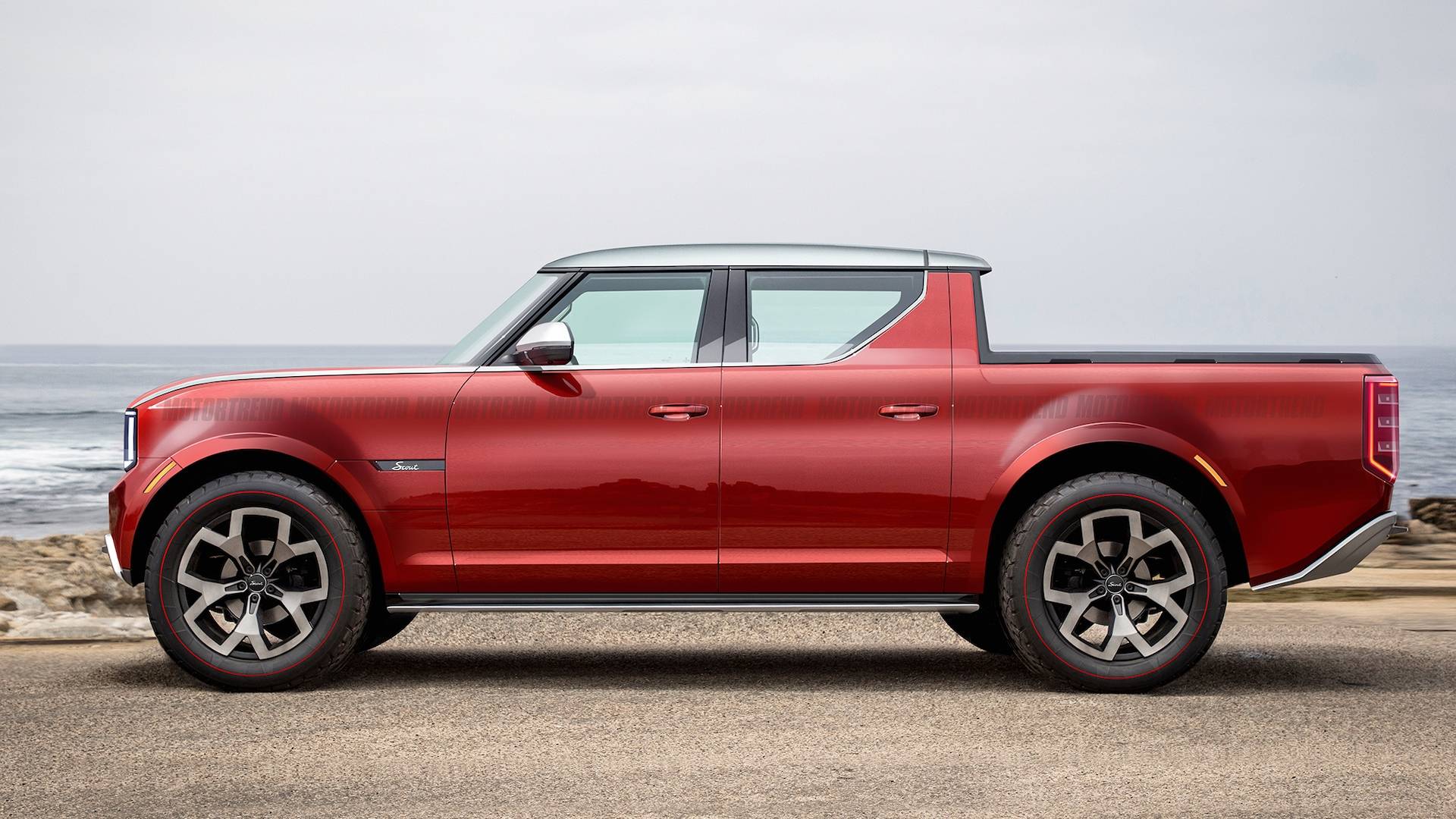
Expect to see round headlights, upright greenhouse proportions, and squared-off body panels creating a design that honors heritage without appearing dated.
The aesthetic should appeal to buyers seeking alternatives to both the Cybertruck’s radical futurism and the increasingly elaborate styling of mainstream trucks.
Performance specifications remain largely unconfirmed, but Volkswagen’s extensive electric vehicle experience and engineering resources suggest the Scout will be highly competitive.
Expect dual-motor all-wheel drive with substantial power output, likely exceeding 500 horsepower in higher configurations. The Volkswagen Group’s MEB platform expertise and advanced battery technology should enable competitive range figures, likely targeting 300-plus miles.
The towing capacity should reach at least 10,000 pounds, while the payload capacity will likely compete with established alternatives.
For buyers attracted to heritage-inspired design, adventure-focused capability, and optional range-extender technology providing electric driving with gasoline backup, the Scout pickup represents one of the most compelling future alternatives to the Cybertruck.
The combination of emotional appeal, Volkswagen Group engineering resources, and thoughtful feature set positions Scout to capture significant market share among buyers seeking alternatives to both radical designs like the Cybertruck and conventional offerings from traditional manufacturers.
Also Read: 5 Sedans With True Rust Protection vs 5 That Bubble at the Hems
