
For automotive enthusiasts and practical car buyers alike, the structural integrity of a vehicle’s frame or subframe is paramount to its longevity and safety.
While modern vehicles boast impressive technological advancements in performance, efficiency, and comfort, one of the most persistent enemies of automotive longevity remains rust and corrosion.
Traditional steel frames, when exposed to moisture, road salt, and environmental elements, can deteriorate over time, compromising the vehicle’s structural integrity and potentially leading to costly repairs or even rendering the vehicle unsafe to drive.
Whether you’re a collector seeking a vehicle that will maintain its structural integrity for decades, a practical buyer in a rust-prone region, or simply someone who values durability and longevity in their transportation, this guide will illuminate the options available to you.
From luxury sports cars to rugged off-road vehicles, from mainstream family sedans to specialty military-inspired machines, these twelve vehicles prove that frame rot doesn’t have to be an inevitable consequence of vehicle ownership.
1. Tesla Model S (2012-Present)
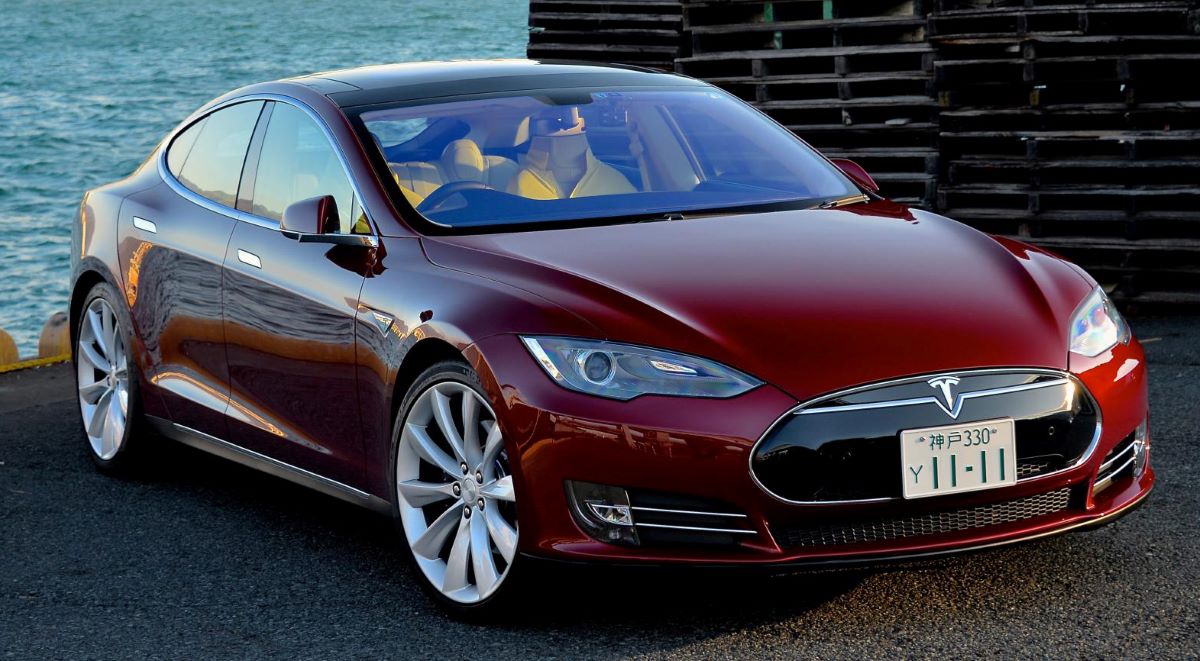
The Tesla Model S revolutionized not only electric vehicle technology but also automotive construction methodology with its innovative all-aluminum body and chassis design.
Unlike traditional vehicles that rely on steel frames susceptible to rust, Tesla engineered the Model S around an aluminum space frame that inherently resists corrosion.
Aluminum forms a protective oxide layer when exposed to air, preventing the type of destructive oxidation that plagues steel structures.
Tesla’s approach to the Model S chassis goes beyond simply substituting materials. The company employed advanced aluminum extrusions and castings, along with high-strength aluminum alloys specifically chosen for their structural properties and corrosion resistance.
The battery pack, which forms a structural element of the vehicle’s underbody, is encased in a sealed aluminum and composite housing that provides additional rigidity while protecting critical components from environmental exposure.
This dual-purpose design eliminates many of the traditional subframe mounting points where rust typically begins in conventional vehicles.
For buyers concerned about long-term durability and structural integrity, the Model S represents a paradigm shift in automotive construction that effectively eliminates concerns about traditional frame rot.
2. Audi A8 (D2 Generation and Later)
The Audi A8, since its introduction in 1994, has championed the Audi Space Frame (ASF) technology, making it one of the first luxury sedans to feature an all-aluminum body structure.
This groundbreaking construction method represents Audi’s commitment to creating vehicles that combine lightweight performance with exceptional durability and corrosion resistance.
This multi-material joining approach creates a structure that is both incredibly strong and completely resistant to the rust that would attack a traditional steel frame.
The engineering behind the ASF allows for optimal material placement, with high-strength aluminum alloys used in critical structural areas while more formable alloys are employed where complex shapes are required.
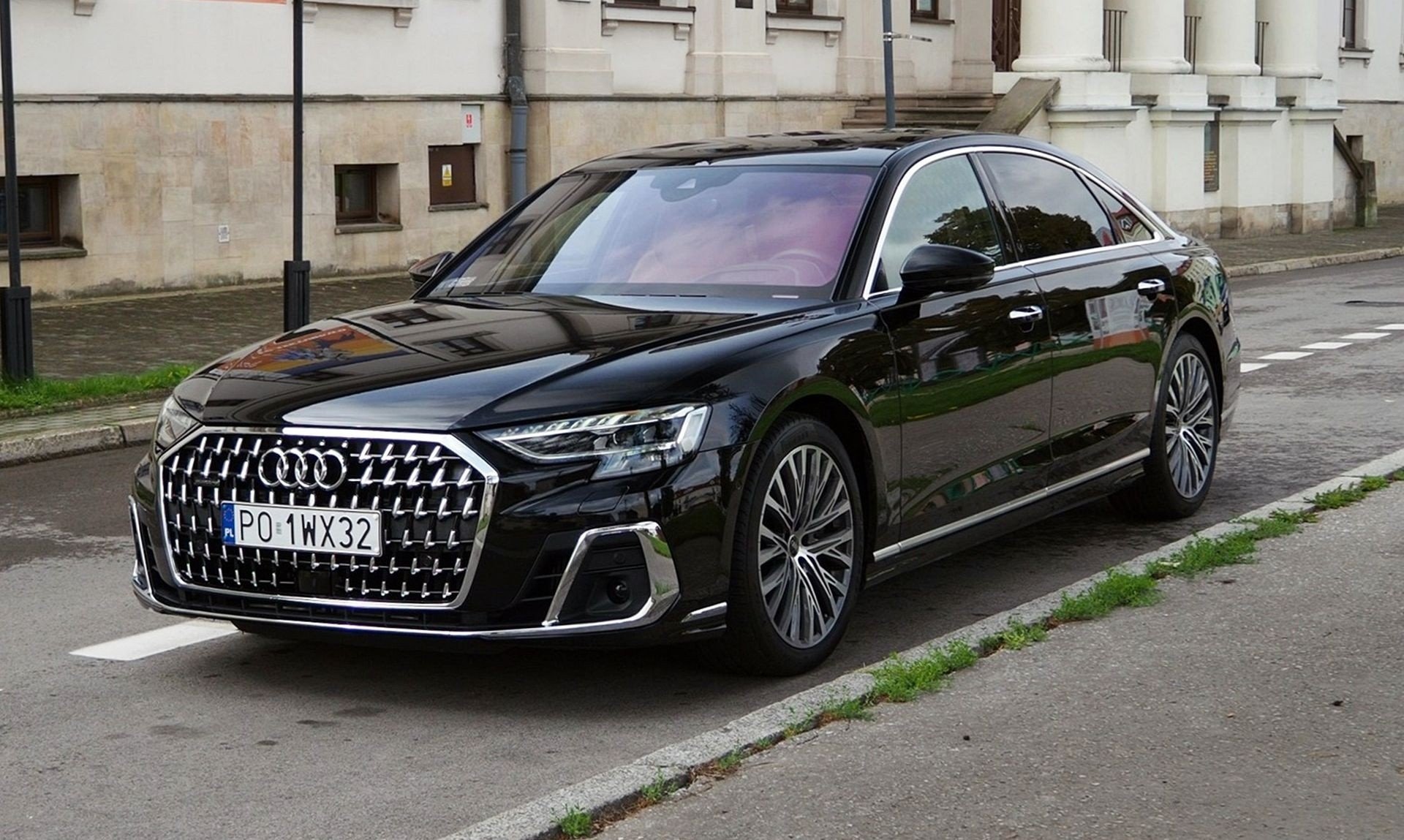
The corrosion resistance of the A8’s aluminum structure has been validated through decades of real-world use across diverse climates. Vehicles operating in northern European countries, where aggressive road salt use is common, have demonstrated remarkable structural integrity even after 15-20 years of service.
The aluminum construction extends to many suspension components and subframe elements, further reducing rust-prone areas. Audi’s commitment to aluminum construction has evolved with each generation, with newer A8 models incorporating even higher percentages of aluminum content and more sophisticated corrosion protection systems.
The manufacturing precision required for aluminum space frame construction has given Audi particular expertise in corrosion prevention. The company’s finishing processes include multiple stages of surface treatment and protective coatings specifically formulated for aluminum.
For luxury car buyers seeking a vehicle that will maintain its structural integrity for decades, the Audi A8’s aluminum space frame technology represents proven engineering excellence that truly eliminates frame rot concerns.
3. DeLorean DMC-12 (1981-1983)
The DeLorean DMC-12 stands as perhaps the most iconic example of corrosion-resistant automotive construction, famous not only for its role in cinema history but for its revolutionary stainless steel body panels.
While the vehicle’s fiberglass underbody structure sits on a steel backbone chassis that does require maintenance, the stainless steel outer body is virtually immune to the rust and corrosion that destroys conventional steel-bodied vehicles.
This unique construction method has allowed DMC-12s to survive in remarkable condition despite minimal protection from the elements.
The DMC-12’s body construction utilizes grade 304 stainless steel panels, the same corrosion-resistant alloy used in commercial kitchen equipment and marine applications.
These panels are mounted to a fiberglass underbody structure, which itself resists rot and corrosion. While the central backbone chassis is constructed from mild steel and can corrode if not properly maintained, the visible body structure and most structural elements exposed to the environment are protected by either stainless steel or fiberglass.
This hybrid approach provides the best of both materials the strength and rigidity of steel where needed, with the corrosion resistance of stainless steel and composites in vulnerable areas.
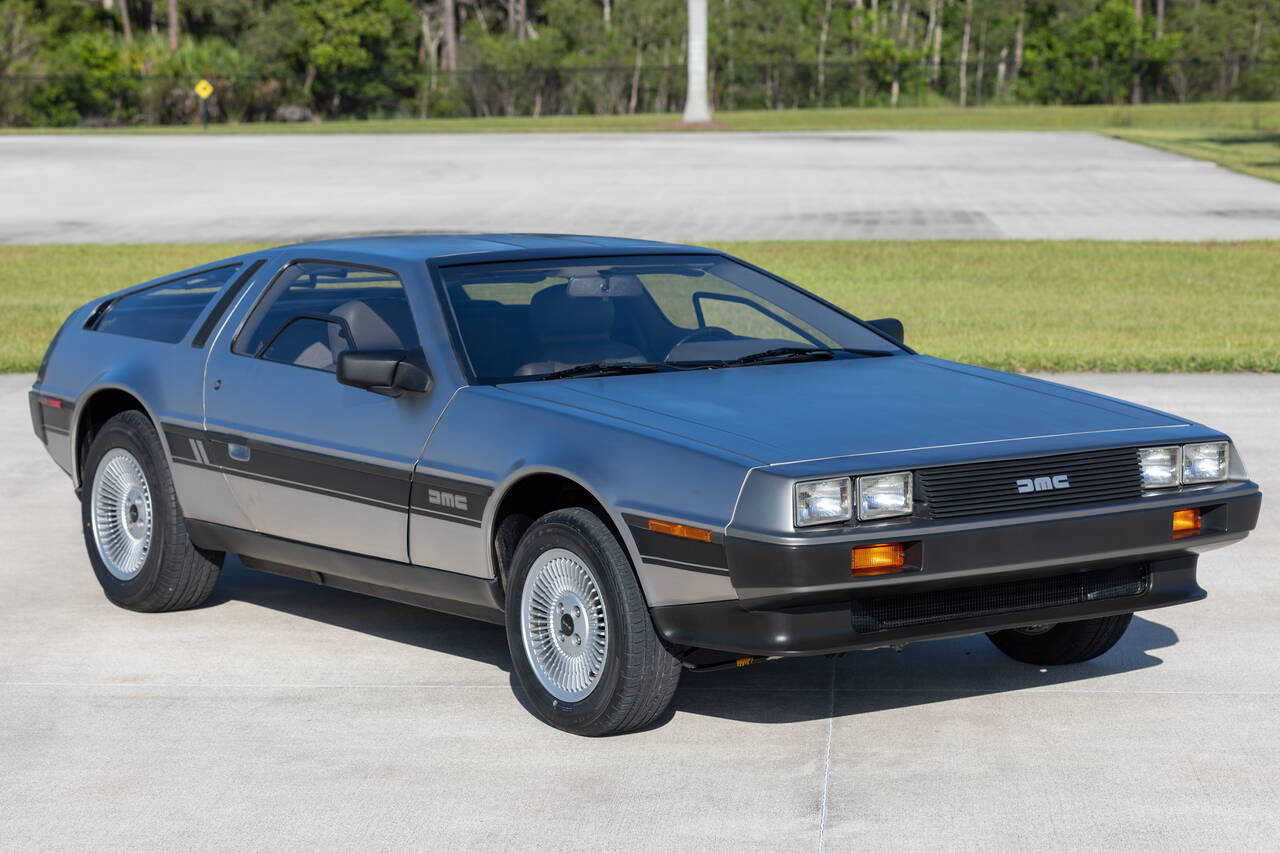
Forty years after production ceased, surviving DeLorean DMC-12s demonstrate the effectiveness of stainless steel construction. Unlike conventional vehicles of the same era, which have largely succumbed to rust, DMC-12s stored outdoors with minimal protection often show remarkably clean body structures.
The stainless steel panels may develop surface oxidation that appears as discoloration, but this is purely cosmetic and does not progress to structural degradation.
Many owners have successfully restored the original bright finish to decades-old panels with simple polishing, something impossible with rusted conventional steel.
For collectors and enthusiasts, the DeLorean represents not just a cultural icon but a practical example of how proper materials selection can create a vehicle structure that outlasts conventional construction by decades, requiring no special storage conditions or extensive rust prevention treatments.
4. Honda Insight (First Generation, 1999-2006)
The first-generation Honda Insight represents a masterclass in lightweight, corrosion-resistant construction, featuring an aluminum space frame and aluminum body panels that make it one of the most rust-resistant vehicles ever produced for the mass market.
Honda engineered the Insight specifically to maximize fuel efficiency, and the extensive use of aluminum was central to this mission, creating the beneficial side effect of a structure virtually immune to rust. The Insight’s aluminum construction extends from its space frame chassis to its body panels and many suspension components.
Honda’s approach to the Insight’s aluminum structure demonstrated that corrosion-resistant construction could be achieved in an affordable, mass-produced vehicle.
The company utilized aluminum extrusions and stampings joined through a combination of welding, bonding, and mechanical fastening techniques.
The space frame design allows for optimized load paths while eliminating the complex stamped steel assemblies typical of conventional unibody construction areas where rust commonly initiates.
The aluminum panels are relatively thick compared to steel alternatives, providing excellent dent resistance while maintaining the corrosion immunity inherent to aluminum.
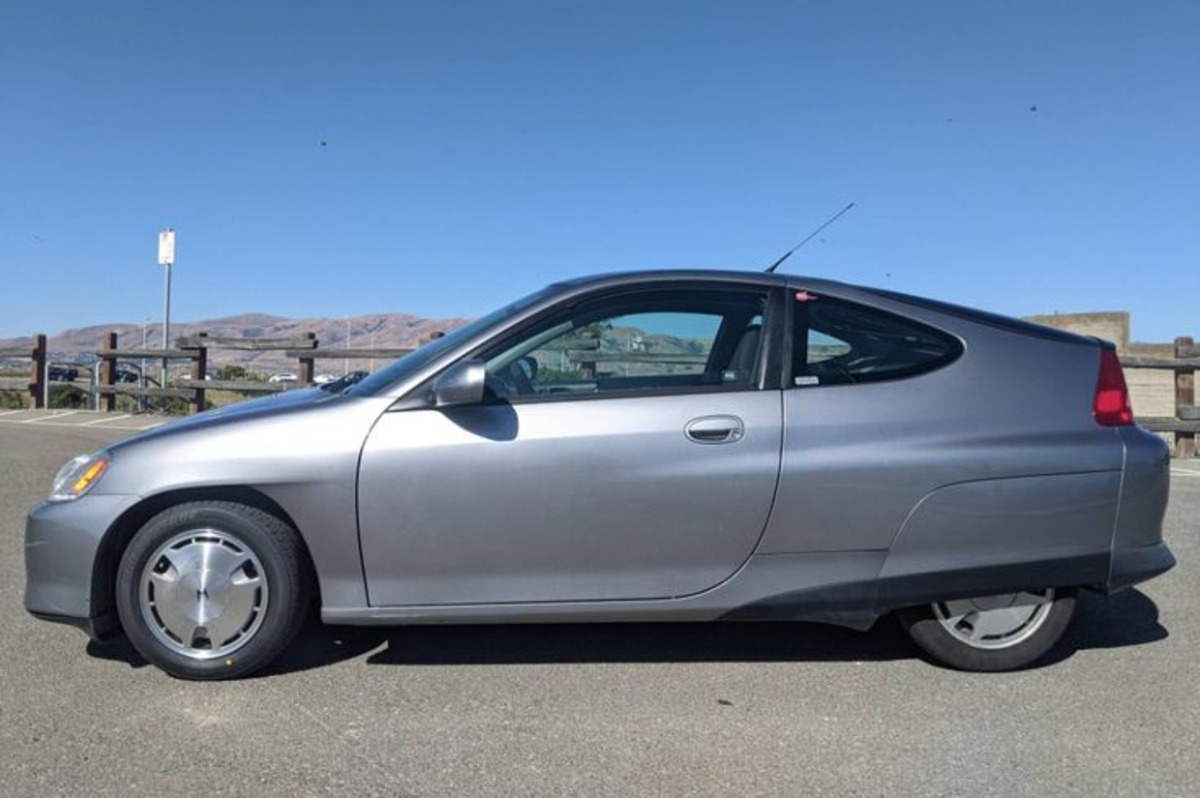
Real-world durability data from first-generation Insights is exceptionally impressive. Vehicles with over 300,000 miles and two decades of service regularly show pristine structural condition with no signs of frame or body rot.
Owners in severe winter climates, particularly the northern United States and Canada, report that their Insights look structurally identical to new vehicles despite years of exposure to road salt.
Independent inspections of high-mileage examples consistently reveal clean aluminum structures with only minor cosmetic oxidation that doesn’t compromise integrity.
The Insight proves that rust-resistant construction doesn’t require exotic materials or luxury vehicle pricing thoughtful engineering and appropriate materials selection can create affordable cars that outlast their steel-framed competitors by significant margins.
Also Read: 9 Hybrids That Feel Like V8s Off the Line
5. Lotus Elise and Exige (1996-Present)
The Lotus Elise and its track-focused sibling, the Exige, showcase one of the most sophisticated approaches to corrosion-resistant chassis design in the automotive world.
These lightweight sports cars are built around an extruded and bonded aluminum chassis that provides exceptional rigidity while being virtually immune to rust.
Lotus pioneered this construction technique in the mid-1990s, and it has become the foundation for numerous subsequent Lotus models and has influenced lightweight sports car design throughout the industry.
The Lotus aluminum chassis utilizes aerospace-grade extruded aluminum sections bonded together with industrial adhesives and mechanical fasteners.
his construction method creates a bathtub-like structure that is incredibly stiff torsionally while weighing remarkably little. The chassis forms the primary structure of the vehicle, with composite body panels attached to it.
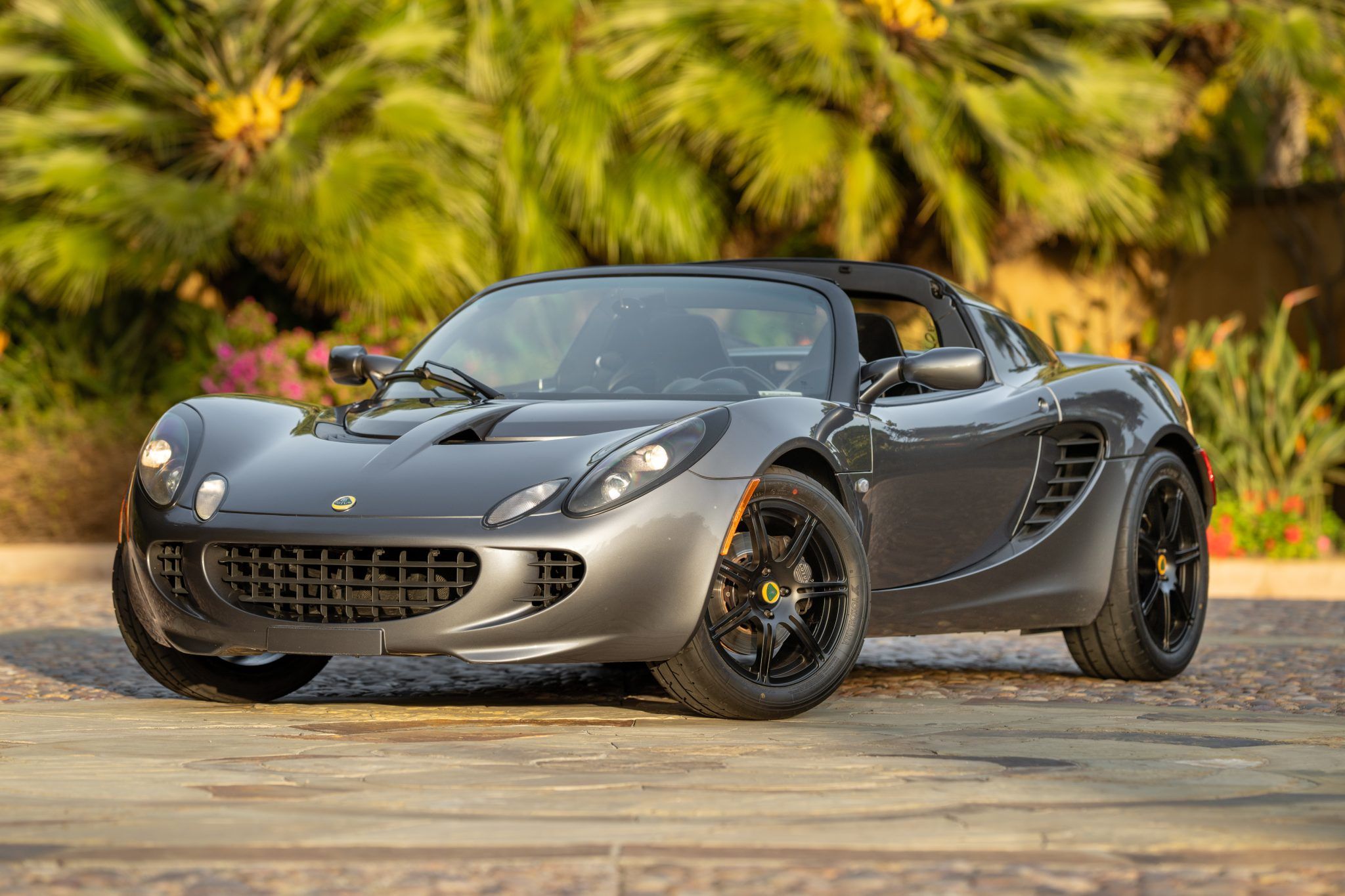
This approach eliminates the need for a traditional steel frame or unibody structure, removing the primary source of automotive corrosion. The aluminum sections are treated with protective coatings and anodizing processes that further enhance their natural corrosion resistance.
Decades of real-world use have validated the Lotus aluminum chassis design. Early Elise models from the late 1990s continue to show pristine chassis condition despite intensive track use and exposure to harsh environments.
The bonded aluminum construction has proven exceptionally durable, with the adhesive joints maintaining their integrity over time and through countless heat cycles.
Many Elise and Exige owners use their vehicles as daily drivers in all weather conditions, confident that the aluminum structure will not suffer the rust damage that would destroy a conventional steel-framed sports car.
The Lotus approach demonstrates that advanced materials and construction techniques can create vehicles that deliver both exceptional performance and remarkable durability.
6. Chevrolet Corvette (C5 Generation and Later, 1997-Present)
The Chevrolet Corvette underwent a revolutionary transformation with the C5 generation, abandoning the traditional steel frame for a hydroformed aluminum perimeter frame that provides exceptional strength while being virtually rust-proof.
This construction method continued through subsequent generations, with GM refining and improving the aluminum chassis technology.
The C5 and later Corvettes feature extensive use of aluminum in their structural components, composite body panels, and various subframe elements, creating a sports car that combines American muscle car performance with European-style corrosion resistance.
The hydroformed aluminum frame used in C5 through C7 Corvettes represents a sophisticated engineering achievement. Hydroforming is a process where aluminum tubes are shaped using high-pressure fluid, allowing for complex forms with optimized strength-to-weight ratios.
The resulting frame members are seamlessly shaped without welds in critical stress areas, reducing potential weak points while eliminating the seams where moisture could accumulate in traditional steel frames.
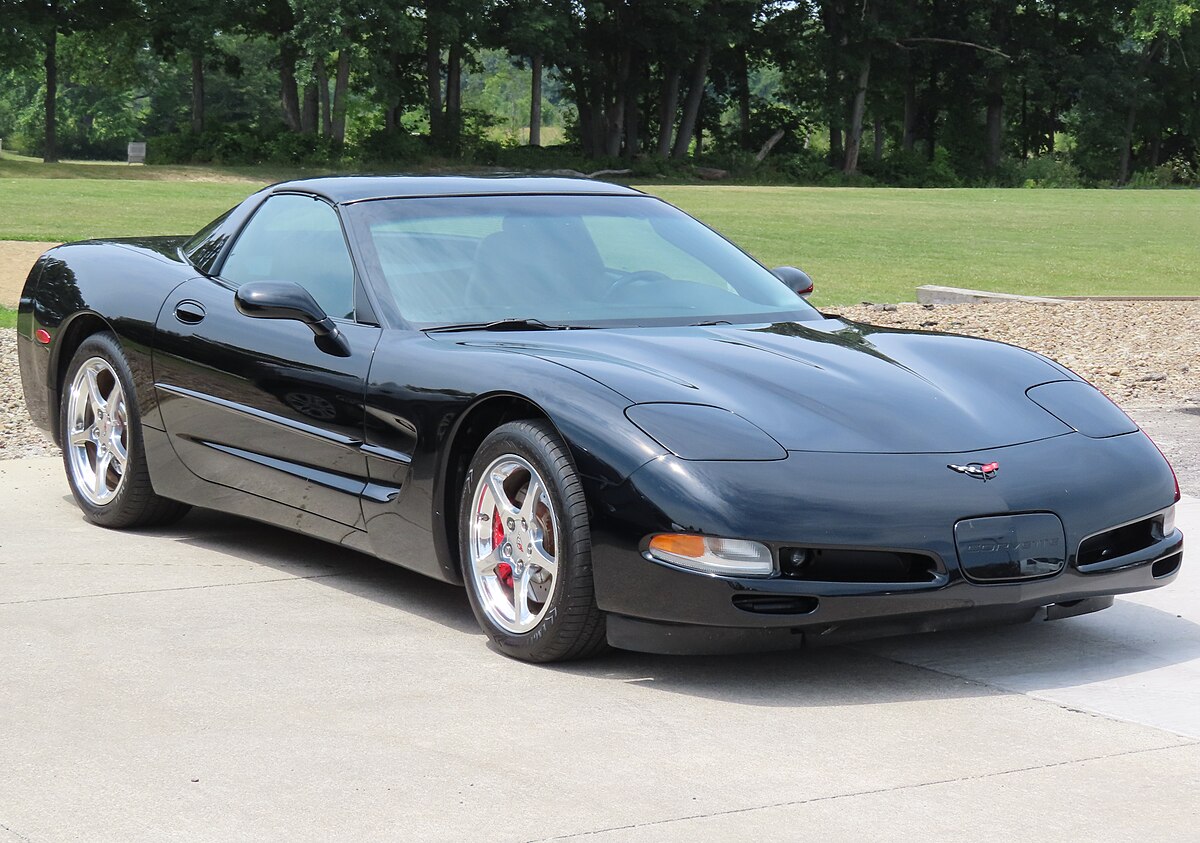
The aluminum construction reduces frame weight by approximately 80 pounds compared to a steel equivalent while providing superior rigidity. General Motors complemented the aluminum frame with composite body panels made from fiberglass-reinforced plastic.
These panels, used on Corvettes since 1953, do not rust and provide excellent durability against minor impacts and environmental exposure.
The combination of an aluminum frame and composite body creates a vehicle structure where rust literally cannot form on any major component.
Corvette specialists and restoration shops report that structural corrosion is essentially non-existent in these generations, a stark contrast to earlier steel-framed Corvettes that often required extensive frame repairs.
For American sports car enthusiasts, the modern Corvette offers world-class performance with European-level corrosion resistance, proving that aluminum construction can be successfully implemented in affordable, mass-produced vehicles.
7. Land Rover Defender (2020-Present)
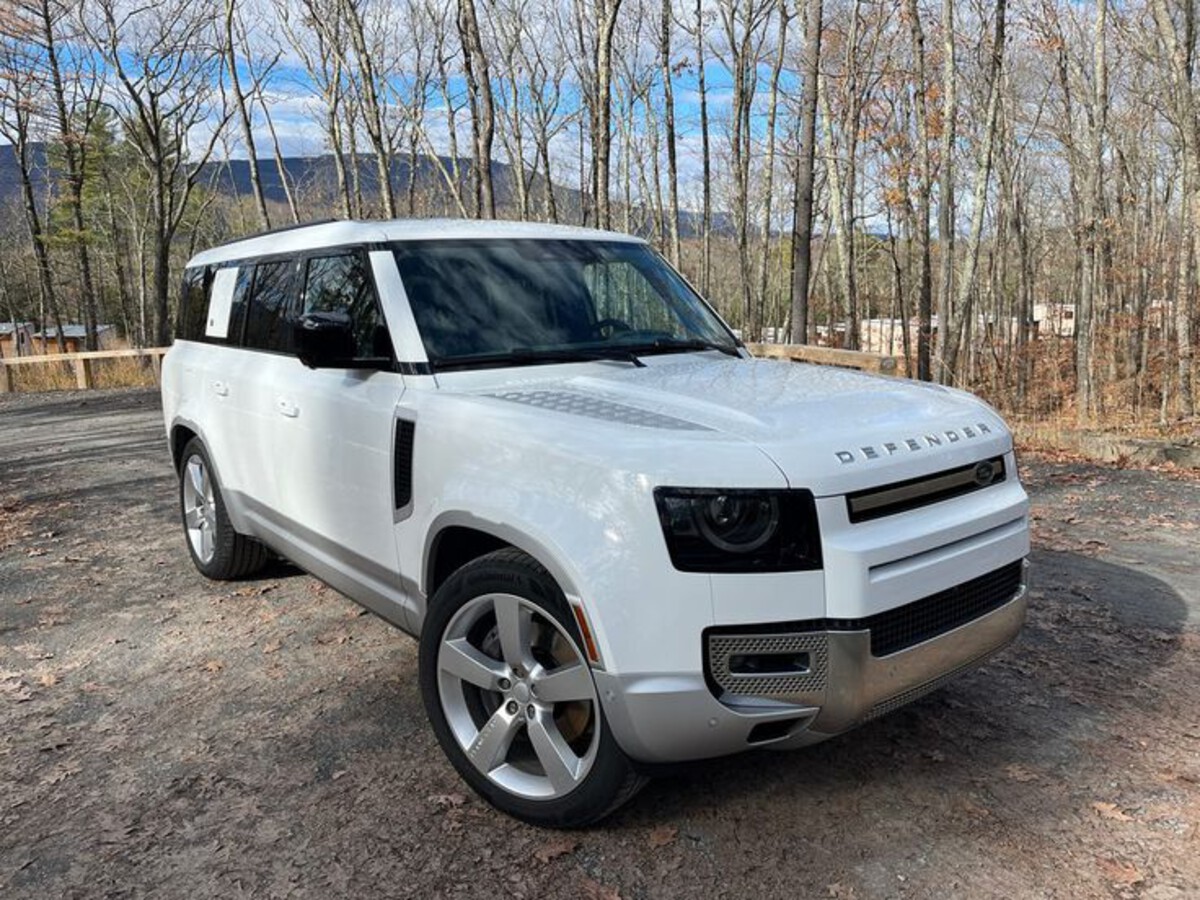
The modern Land Rover Defender, reintroduced in 2020, represents a dramatic departure from its predecessor’s construction methodology, featuring an aluminum monocoque structure that provides exceptional corrosion resistance while maintaining the rugged capability the Defender name demands.
Land Rover’s decision to transition from the traditional steel ladder frame to aluminum unibody construction was driven by multiple factors, with long-term durability being a primary consideration.
The new Defender utilizes Land Rover’s D7x platform, which features extensive use of aluminum in both structural and body panel applications.
The D7x aluminum architecture employed in the modern Defender is one of the most sophisticated aluminum vehicle structures in production.
Land Rover uses a combination of die-cast, stamped, and extruded aluminum components joined through advanced manufacturing techniques, including riveting, structural adhesives, and laser welding.
The aluminum used includes various alloys optimized for specific applications, high-strength alloys in critical structural areas and more formable alloys where complex shapes are required. This multi-alloy approach maximizes both strength and corrosion resistance.
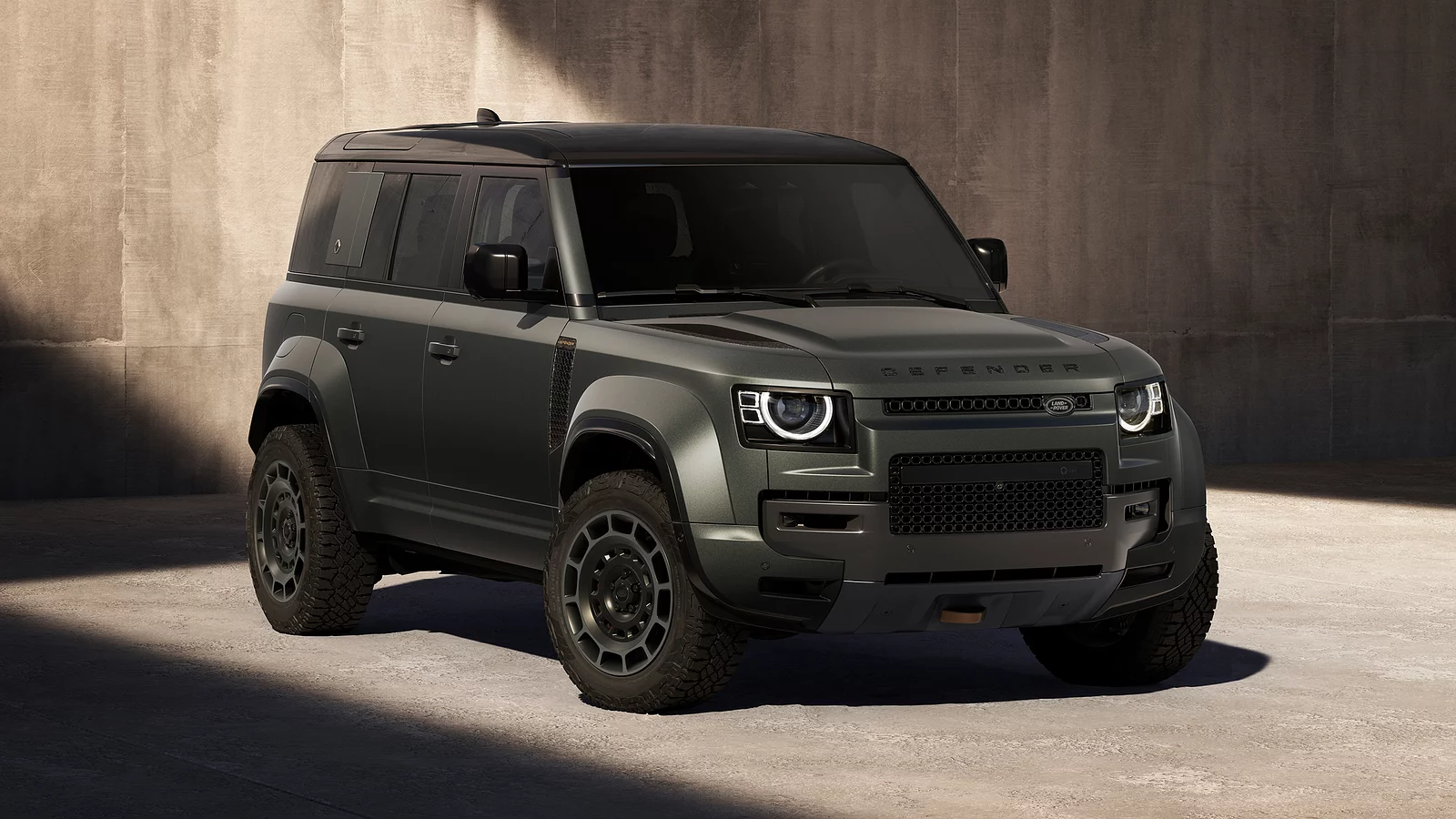
Land Rover’s commitment to durability extends beyond materials selection to comprehensive corrosion protection systems. The Defender’s aluminum structure receives multiple protective treatments during manufacturing, including chemical conversion coatings that enhance paint adhesion while providing an additional barrier against environmental attack.
Critical areas prone to moisture accumulation receive special attention with drainage provisions and sealed construction that prevents water intrusion. The vehicle’s underbody is extensively sealed and protected with durable coatings specifically formulated to withstand off-road abuse.
For adventure-seeking buyers who demand both exceptional capability and long-term durability, the modern Defender’s aluminum construction provides peace of mind that the vehicle will withstand decades of abuse without structural compromise.
8. Acura NSX (First and Second Generation)
The Acura NSX, in both its original 1990-2005 iteration and its modern 2016-2022 revival, features extensive aluminum construction that makes it one of the most corrosion-resistant sports cars ever produced.
Honda’s commitment to aluminum construction in the NSX was groundbreaking when the original model debuted, making it the first mass-produced car to feature an all-aluminum monocoque body.
This construction method was chosen not only for weight savings but also for its durability and resistance to corrosion, ensuring the NSX could serve as a reliable daily driver rather than a garage-bound exotic.
The first-generation NSX’s all-aluminum body represented a manufacturing breakthrough. Honda developed specialized welding techniques and assembly processes specifically for aluminum construction, investing heavily in manufacturing technology to make this exotic construction method economically viable.
The aluminum monocoque structure utilized various grades of aluminum alloy, with high-strength variants in critical load-bearing areas and more formable alloys in body panel sections.
The structure was designed with remarkable attention to sealing and drainage, preventing moisture accumulation in vulnerable areas.
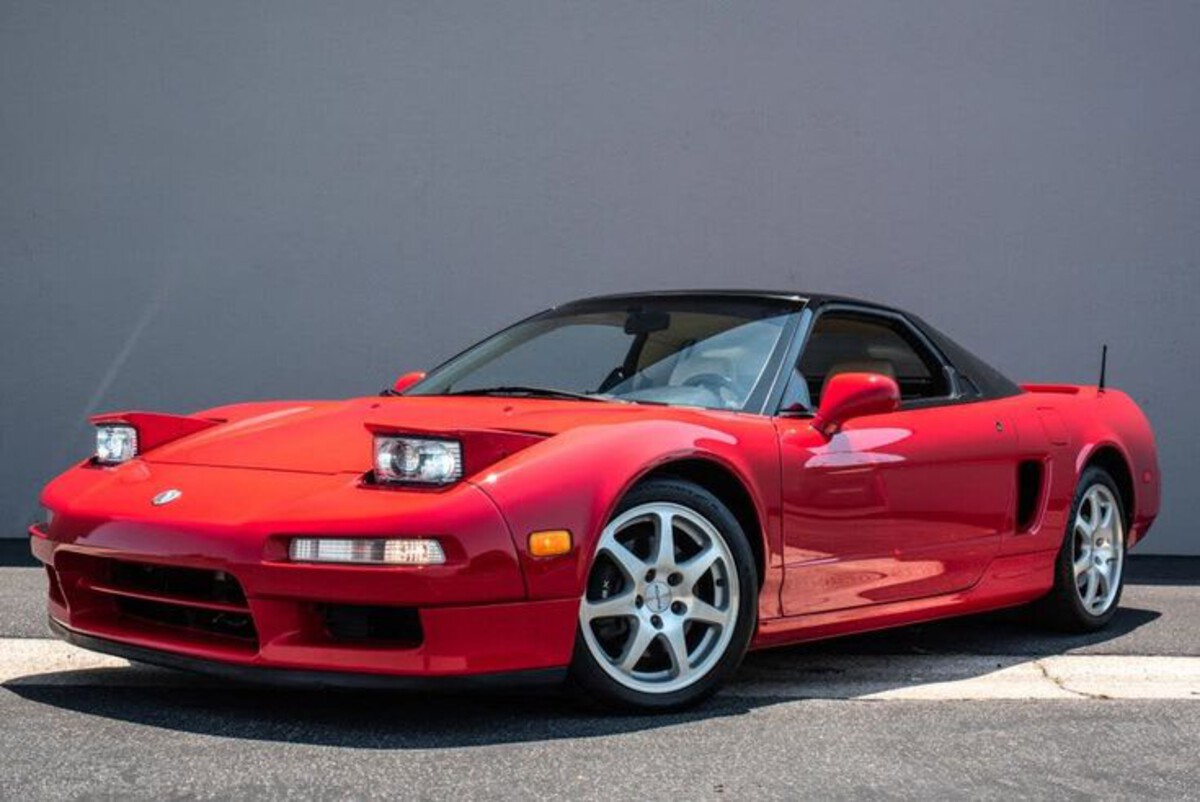
Decades of real-world use have proven the original NSX’s aluminum construction to be exceptionally durable. First-generation NSX vehicles with over 200,000 miles and three decades of service regularly undergo pre-purchase inspections revealing pristine body structures with zero rust or corrosion.
The aluminum construction has proven particularly beneficial in coastal and winter climates, where contemporary exotic sports cars from other manufacturers often suffered severe corrosion.
Original NSX owners frequently report that their vehicles look structurally identical to new examples, with only typical wear items requiring attention over the years.
The NSX demonstrates that supercar performance and everyday durability are not mutually exclusive when proper materials and construction techniques are employed.
9. Jaguar XJ (X350 Generation and Later, 2003-2019)
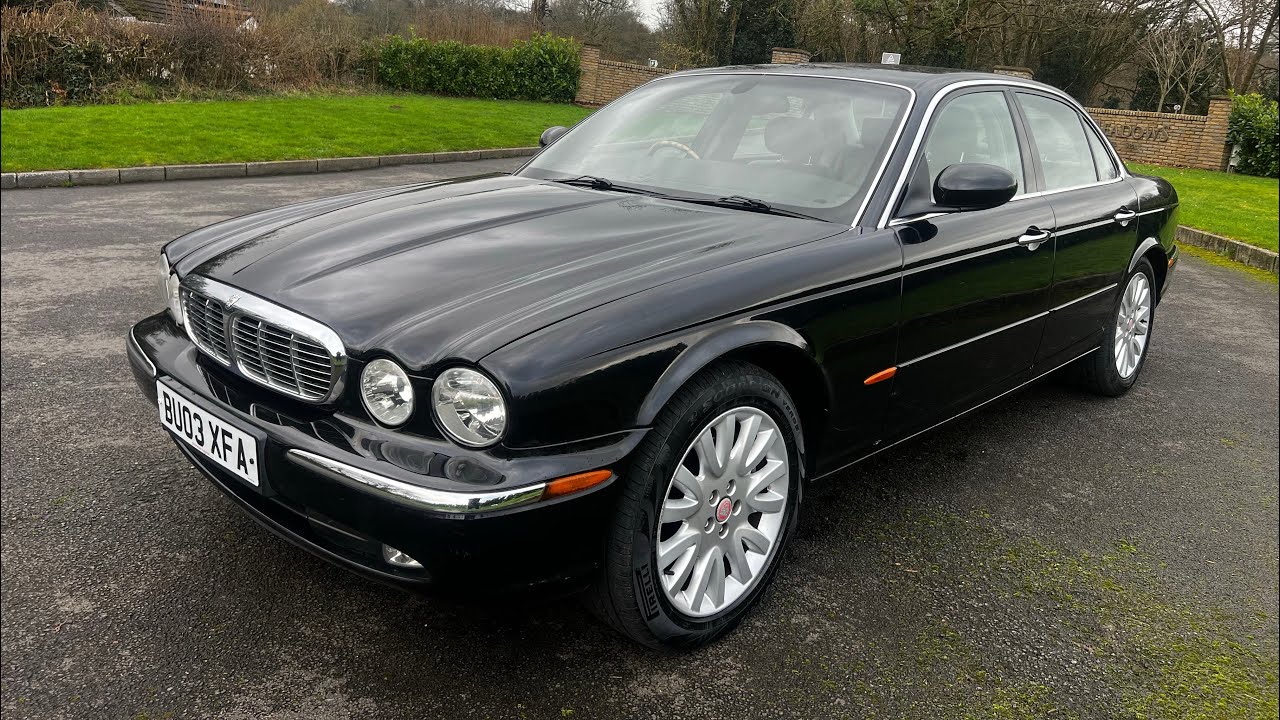
The Jaguar XJ underwent a revolutionary transformation with the X350 generation, becoming the first full-size luxury sedan to feature an all-aluminum monocoque construction.
This bold engineering decision positioned Jaguar as an innovator in corrosion-resistant automotive construction while delivering the performance and luxury expected from the brand’s flagship sedan.
The aluminum structure, which Jaguar continued through subsequent XJ generations, represents one of the most comprehensive applications of aluminum construction in a full-size luxury vehicle.
Jaguar’s aluminum construction technology for the XJ utilizes a combination of cast, extruded, and pressed aluminum components assembled through riveting and bonding techniques.
The company developed proprietary manufacturing processes to ensure structural rigidity while maximizing the corrosion-resistance benefits of aluminum.
The XJ’s aluminum intensive vehicle (AIV) architecture includes aluminum suspension components, subframes, and body panels, creating a vehicle where rust literally cannot form on any major structural element. The few steel components that remain receive extensive galvanizing and protective coating treatments.
The weight savings from aluminum construction provided the XJ with significant performance advantages while simultaneously delivering exceptional corrosion resistance.
The aluminum structure weighs approximately 40% less than an equivalent steel structure, improving handling, acceleration, and fuel efficiency.
This weight reduction also means less stress on suspension components and brake systems, contributing to lower long-term maintenance costs.
The corrosion resistance ensures these performance advantages persist throughout the vehicle’s lifespan without deterioration from rust-related structural weakening.
For luxury sedan buyers seeking a vehicle that combines British elegance, dynamic performance, and exceptional long-term structural durability, the aluminum-bodied XJ generations represent an outstanding choice that will maintain structural integrity for decades regardless of climate or usage patterns.
10. Rivian R1T and R1S (2021-Present)
The Rivian R1T pickup truck and R1S SUV represent the latest evolution in corrosion-resistant vehicle construction, featuring sophisticated aluminum and composite architectures specifically designed for adventure use in harsh environments.
Rivian’s skateboard platform utilizes extensive aluminum construction combined with advanced protective coatings and sealing systems to create electric vehicles that can withstand the rigors of off-road use, beach driving, and winter conditions without suffering structural deterioration.
The company’s focus on outdoor adventure applications demanded uncompromising durability and corrosion resistance. Rivian’s skateboard platform places the battery pack and electric motors in a sealed aluminum and composite housing that forms a structural element of the vehicle’s underbody.
This design creates an inherently rigid structure while protecting critical components from environmental exposure. The body structure utilizes a combination of aluminum stampings, extrusions, and castings joined through advanced manufacturing techniques including structural adhesives and self-piercing rivets.
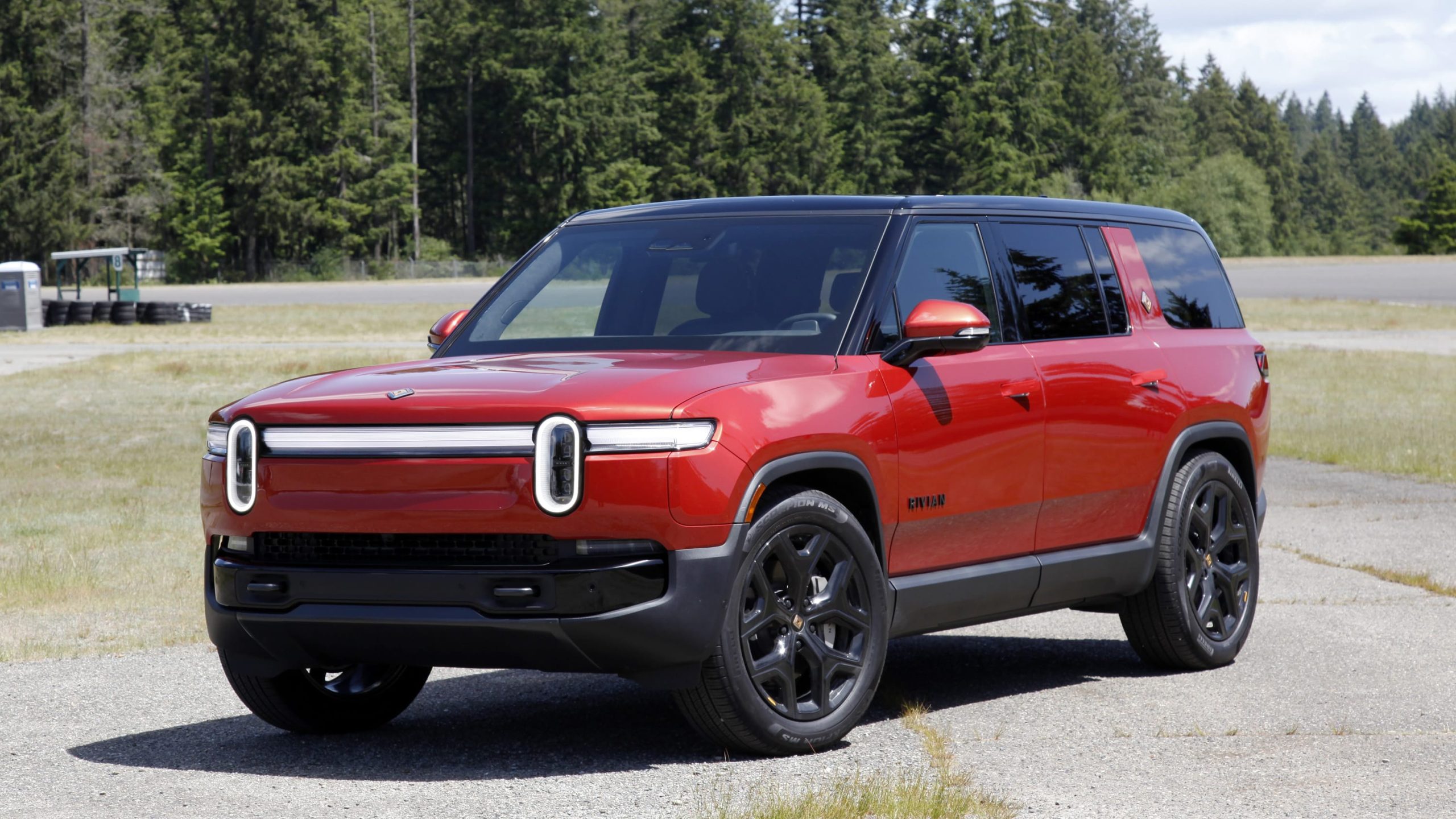
The aluminum body panels and structural members receive multiple protective treatments specifically formulated to withstand exposure to saltwater, mud, sand, and de-icing chemicals.
The vehicles’ design specifically addresses corrosion concerns that would affect adventure-use vehicles. Critical areas like frame rails, suspension mounting points, and underbody panels are extensively sealed and protected with durable coatings. Drainage provisions ensure water cannot accumulate in vulnerable areas.
The combination of electric powertrains which eliminate rust-prone exhaust systems and comprehensive aluminum construction creates vehicles uniquely suited for coastal and winter environments.
Rivian demonstrates that modern electric vehicle platforms can deliver both cutting-edge technology and the fundamental durability required for serious adventure use.
11. Mercedes-Benz SL-Class (R231 Generation, 2012-2020)
The Mercedes-Benz SL-Class R231 generation showcases German engineering excellence in corrosion-resistant construction with its extensive use of aluminum in both structural and body panel applications.
Mercedes-Benz employed its aluminum hybrid construction technology in the R231 SL, creating a space frame that combines aluminum extrusions and castings with high-strength steel in strategic locations.
This sophisticated multi-material approach provides optimal strength-to-weight ratios while delivering exceptional corrosion resistance in a luxury roadster designed for year-round use.
The R231 SL’s aluminum space frame represents one of the most complex aluminum structures in automotive production. Mercedes-Benz utilized 13 different aluminum alloys throughout the structure, each selected for its specific mechanical properties and corrosion resistance characteristics.
The aluminum components are joined through various techniques including MIG welding, laser brazing, adhesive bonding, and mechanical fastening.
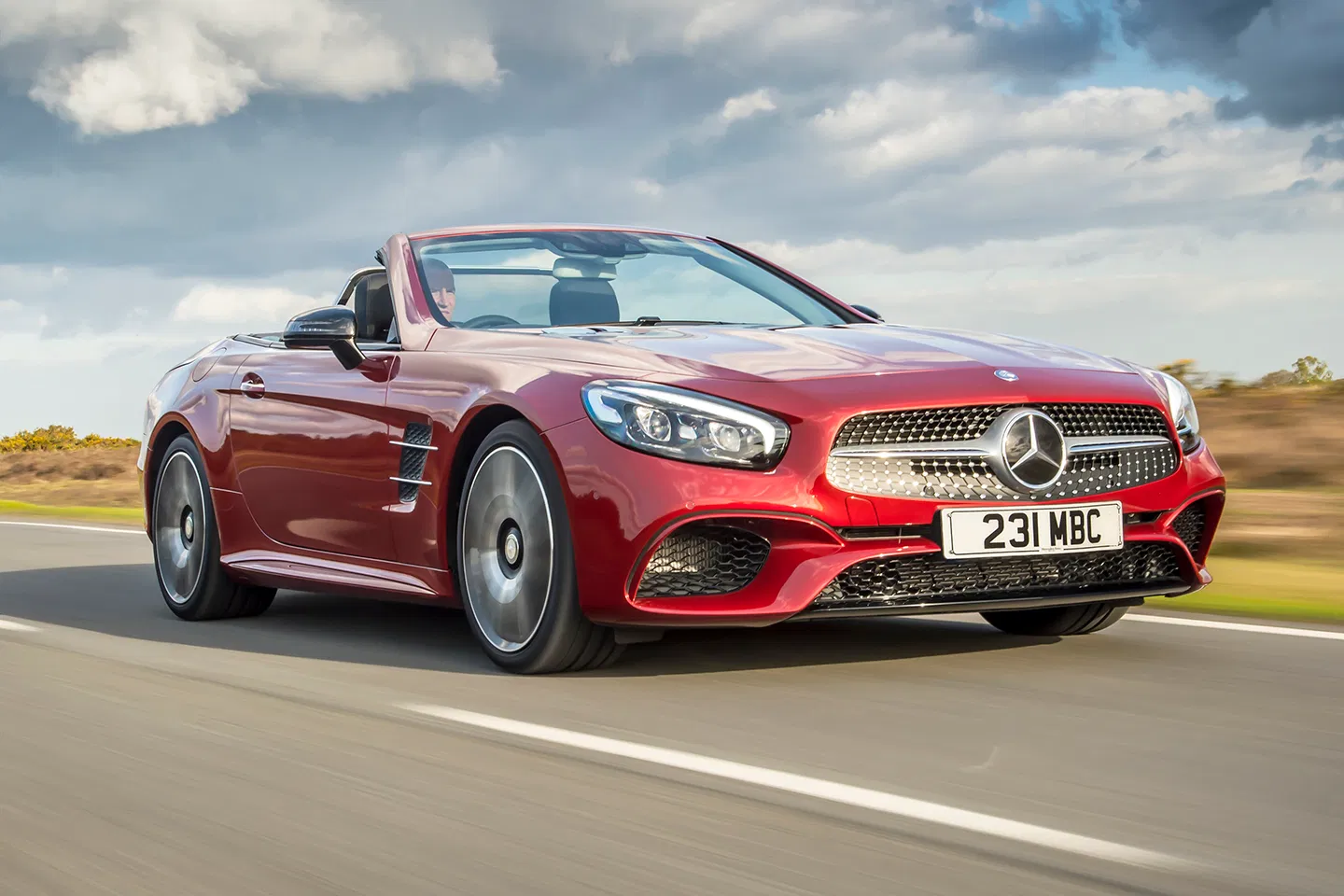
The body panels are aluminum stampings, and the structure incorporates aluminum suspension components and subframes. The strategic use of steel is limited to specific high-load areas where its superior strength-to-cost ratio justifies the weight penalty.
Mercedes-Benz’s finishing and corrosion protection processes for the R231 SL include sophisticated multi-stage treatments. The aluminum components receive chemical conversion coatings that enhance paint adhesion while providing corrosion protection.
The entire body undergoes cathodic electrocoating (KTL) that deposits a protective primer layer even in difficult-to-reach areas. Additional protective layers including primer, base coat, and clear coat create multiple barriers against environmental attack.
The aluminum construction ensures these vehicles will maintain their structural integrity for decades, preserving both their performance characteristics and their value.
Pre-owned R231 SL examples consistently pass inspections with pristine body structures, making them excellent candidates for long-term ownership.
Mercedes-Benz’s aluminum hybrid construction demonstrates that multi-material approaches can successfully combine the benefits of various materials while delivering comprehensive corrosion resistance.
12. Porsche 911 (991 and 992 Generations, 2012-Present)
The Porsche 911 has progressively increased its aluminum content with the 991 and 992 generations, creating modern iterations of this iconic sports car that combine traditional 911 character with exceptional corrosion resistance.
While early 911 models were notorious for rust issues, modern examples feature extensive use of aluminum in body panels, structural components, and suspension systems.
Porsche’s aluminum hybrid construction approach balances weight savings, rigidity requirements, and corrosion resistance to create sports cars that can withstand decades of enthusiast use without structural deterioration.
The 991 generation 911, introduced in 2012, marked a significant evolution with its aluminum-intensive body construction. The body shell incorporates extensive aluminum panels while maintaining a steel structure in critical areas.
The 992 generation, introduced in 2019, takes aluminum construction further with additional aluminum components throughout the structure and increased use of aluminum in body panels.
Both generations utilize aluminum door skins, hood, fenders, and rear deck lid, significantly reducing weight while eliminating corrosion-prone steel from these highly visible areas.
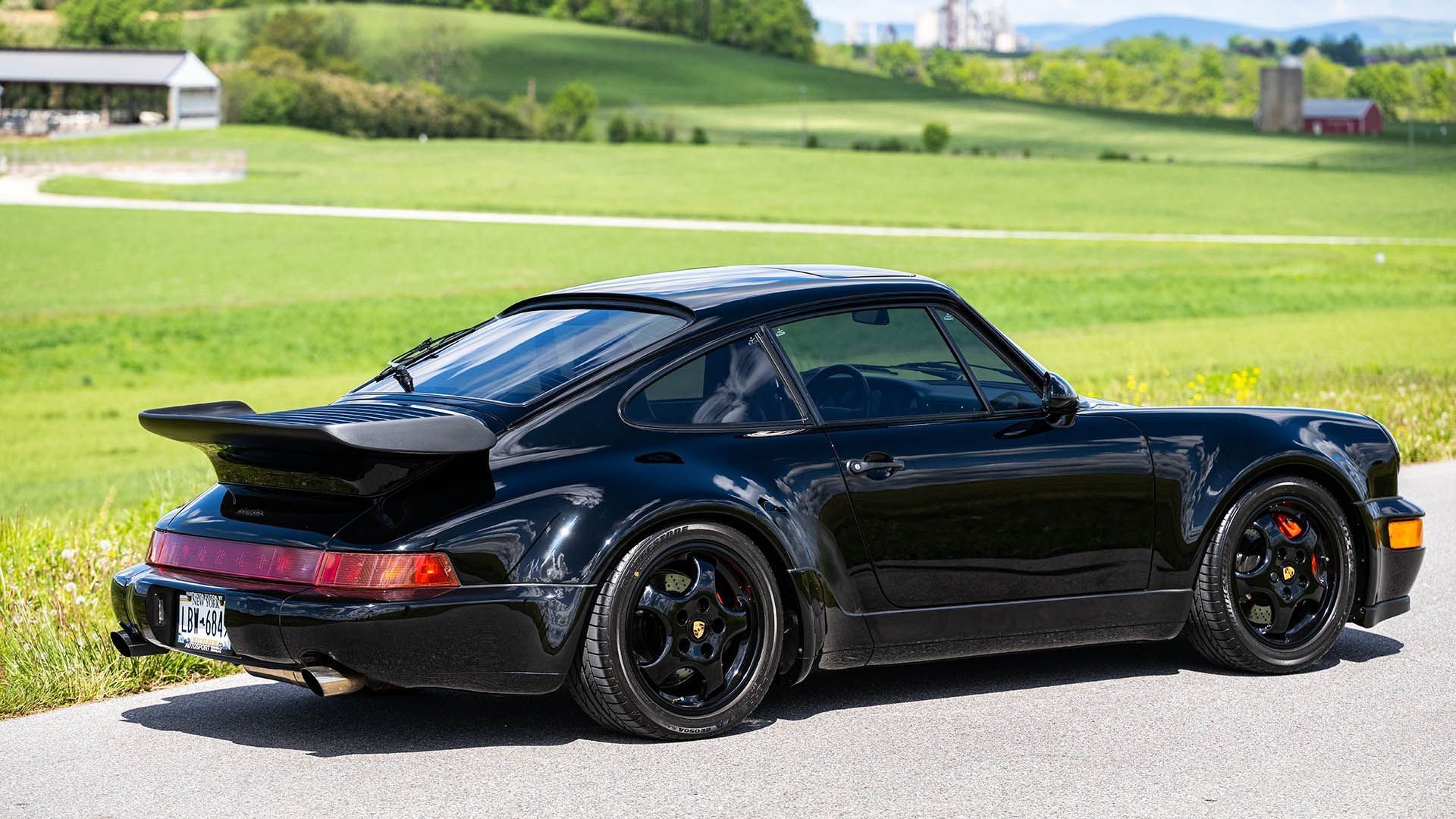
For 911 enthusiasts seeking a sports car that combines Porsche’s legendary driving dynamics with modern durability, the 991 and 992 generations offer the best of both worlds.
These vehicles can be driven year-round in any climate without the rust concerns that plagued earlier generations. High-mileage examples with years of enthusiastic use consistently show excellent structural condition during pre-purchase inspections.
The combination of aluminum hybrid construction and comprehensive corrosion protection ensures that modern 911s will provide decades of driving pleasure without the structural deterioration that eventually sidelines many sports cars.
Also Read: 10 Best Alternatives to Tesla Cars That Will Surprise You
