
In today’s automotive world, rear-view cameras have evolved from optional luxury features to federally mandated safety equipment in many countries, including the United States, since 2018.
While daytime camera performance is generally adequate across most vehicles, the true test of a rear-camera system’s quality emerges when the sun sets and visibility becomes challenging.
Nighttime reversing presents unique hazards reduced visibility, deeper shadows, unpredictable pedestrian movement, and the increased difficulty of judging distances in low-light conditions.
These factors make a high-quality night-vision rear camera not just a convenience but a critical safety feature that can prevent accidents, save lives, and protect property.
The technology behind exceptional nighttime rear cameras involves several sophisticated components working in harmony. Premium systems utilize larger image sensors with improved light sensitivity, advanced low-light processing algorithms, enhanced dynamic range capabilities, and specialized infrared or LED illumination systems.
The best implementations also feature wide-angle lenses that minimize distortion while maximizing the field of view, high-resolution displays that preserve image detail, and intelligent image processing that reduces noise without sacrificing clarity.
Some cutting-edge systems even incorporate predictive trajectory lines that adjust based on steering input, making parking maneuvers more intuitive regardless of lighting conditions.
In this comprehensive guide, we’ll explore eight vehicles that have set the benchmark for rear-camera quality in low-light and nighttime conditions, examining what makes their systems exceptional and why they represent the cutting edge of automotive safety technology.
1. Mercedes-Benz S-Class
The Mercedes-Benz S-Class has long been regarded as the pinnacle of automotive luxury and technological innovation, and its rear-camera system exemplifies this commitment to excellence.
The flagship sedan features a sophisticated multi-camera system that includes a rear-view camera with exceptional low-light capabilities, integrated into Mercedes’ comprehensive Parking Assist package.
What sets the S-Class apart is its use of advanced image processing algorithms that were developed specifically to handle challenging nighttime conditions.
The rear camera in the S-Class utilizes a high-sensitivity CMOS sensor with enhanced dynamic range, allowing it to capture detail in both bright and dark areas simultaneously.
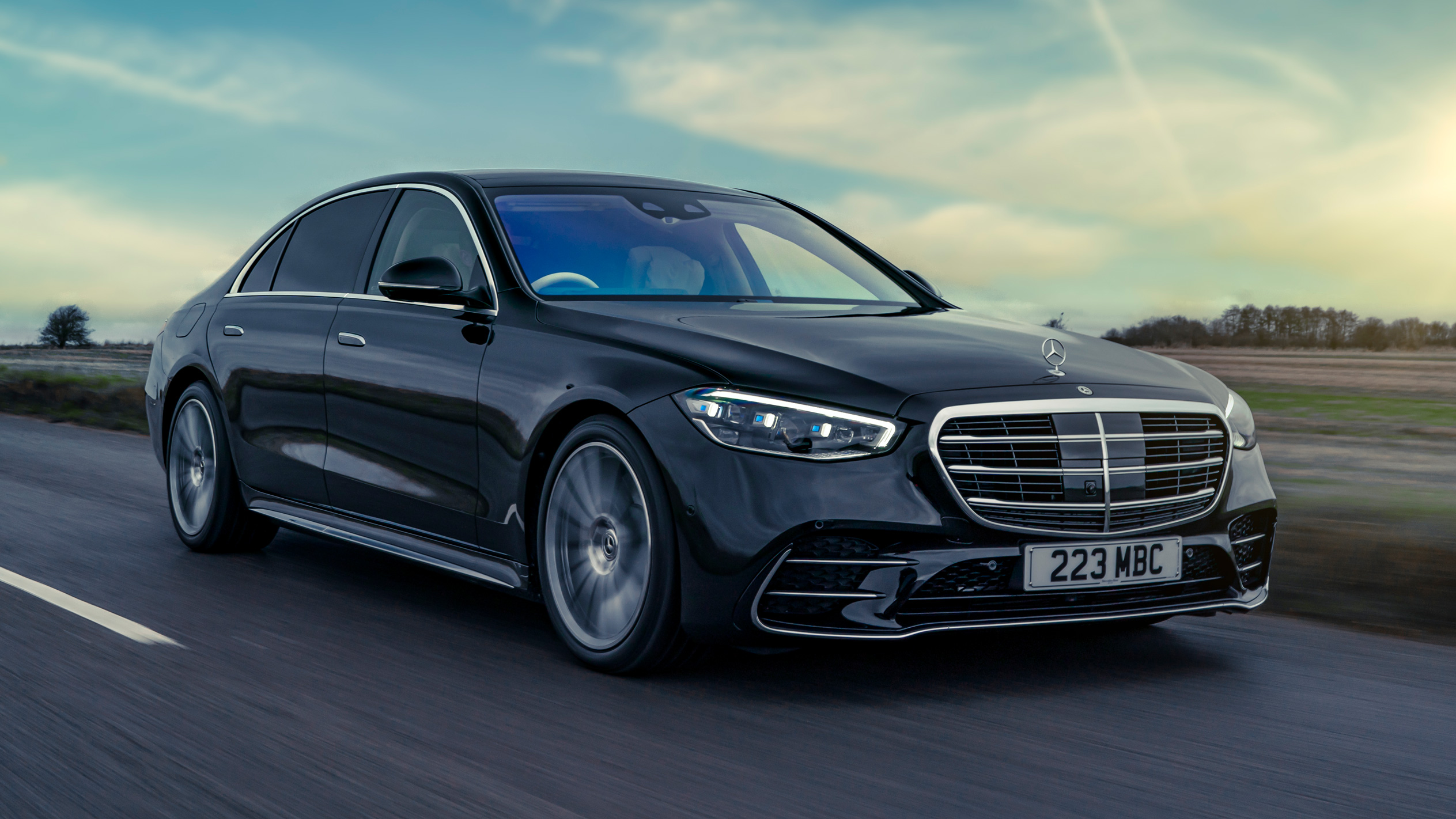
This is particularly valuable at night when reversing lights or nearby street lamps can create harsh contrasts that overwhelm lesser camera systems.
The HDR processing ensures that you can see into shadows even when bright light sources are present in the frame, eliminating the common problem of either washed-out highlights or impenetrably dark shadows.
The S-Class system also incorporates active safety features that work in conjunction with the camera. If the system detects an obstacle that the driver might not see, it provides visual and audible warnings and can even automatically apply the brakes to prevent a collision.
This integration of visual information with active intervention represents the future of automotive safety systems.
For drivers who frequently go through the challenging nighttime parking situations, the Mercedes-Benz S-Class’s rear-camera system provides an unmatched combination of image quality, intelligent processing, and comprehensive safety features that justify its position as a leader in this technology.
2. BMW 7 Series
BMW’s flagship 7 Series sedan represents the German automaker’s most advanced technology showcase, and its rear-camera system reflects the company’s engineering excellence.
The 7 Series employs BMW’s Parking Assistant Professional system, which includes a rear-view camera specifically engineered for superior performance in low-light conditions.
BMW has taken a unique approach by integrating the camera with the vehicle’s adaptive lighting system, creating a synergy between illumination and image capture that dramatically improves nighttime visibility.
The rear camera module itself features a cutting-edge sensor with exceptional quantum efficiency the measure of how effectively the sensor converts photons into electrical signals.
This technical advantage means the camera can create usable images in conditions where competing systems struggle, such as poorly lit parking garages or unlit rural driveways.
The lens assembly uses high-quality glass elements with specialized coatings that minimize lens flare and ghosting from headlights or street lamps, common problems that can obscure critical details in nighttime camera feeds.
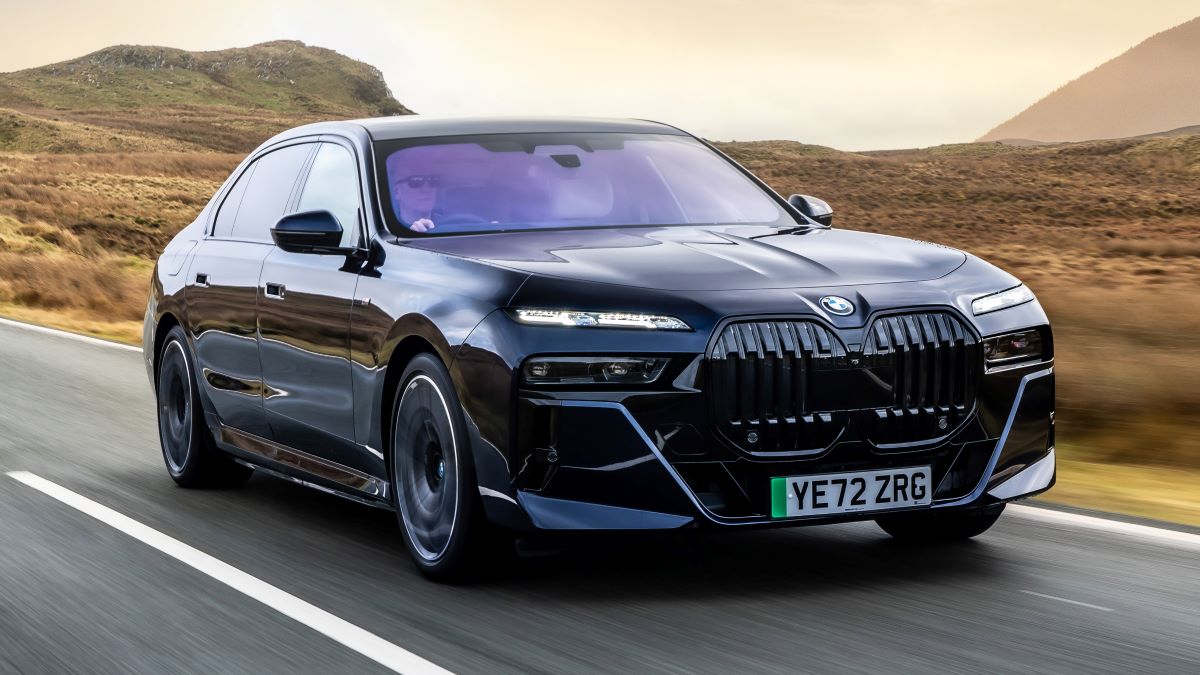
One of the most impressive aspects of the 7 Series rear-camera system is its Remote 3D View function. Using a smartphone app, drivers can access the vehicle’s camera system remotely and view their car’s surroundings from multiple angles, even at night.
This is particularly useful for monitoring your vehicle in parking lots or ensuring no one is lurking nearby before approaching your car in dark conditions. The system maintains surprisingly good image quality even when viewed remotely, demonstrating the robust processing power behind the camera system.
The 7 Series system also excels at predictive safety features. The camera works in conjunction with ultrasonic sensors and radar to create a comprehensive obstacle detection system.
At night, when visual identification is challenging, the system can detect objects that might be difficult to see clearly on camera and highlight them with colored overlays on the display.
This augmented reality approach helps drivers understand exactly where obstacles are located and how close they are to the vehicle.
For technology-focused buyers who demand the best nighttime safety features, the BMW 7 Series delivers a rear-camera system that combines hardware excellence with intelligent software integration.
3. Audi Q7
The Audi Q7 represents the brand’s commitment to quattro all-weather capability and advanced driver assistance technology, with a rear-camera system that performs exceptionally well in challenging nighttime conditions.
As a three-row luxury SUV, the Q7 faces unique visibility challenges due to its size and configuration, making a high-quality rear camera not just a luxury but a necessity.
Audi has risen to this challenge with a comprehensive camera system that leverages the company’s expertise in lighting technology and digital image processing.
Audi’s top-view camera system in the Q7 includes a rear-facing camera with enhanced low-light sensitivity, utilizing technology derived from the company’s experience in autonomous vehicle research.
The sensor captures images at a higher bit depth than standard automotive cameras, preserving more tonal information in both highlights and shadows.
This technical advantage becomes immediately apparent at night when you can discern details in dark corners that would be completely invisible with lesser camera systems.
The Q7’s camera also benefits from Audi’s meticulous calibration process, ensuring consistent color reproduction and accurate depth perception even in minimal lighting.
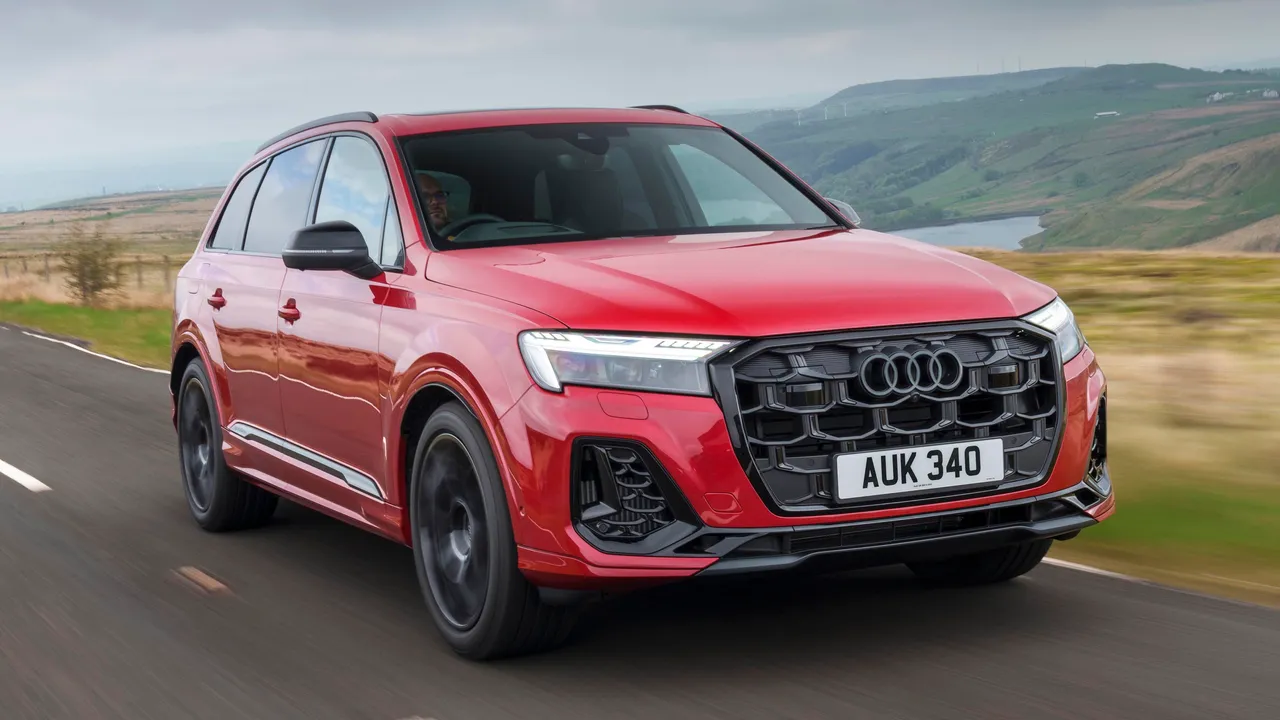
One of the Q7’s standout features is its integration with Audi’s Matrix LED lighting technology. When reversing at night, the vehicle’s intelligent lighting system automatically adjusts the beam pattern to optimally illuminate the area behind the vehicle without blinding other drivers.
This coordination between camera and lighting creates superior nighttime visibility the camera receives better-quality light input, resulting in cleaner, more detailed images.
The system even adjusts lighting intensity based on what the camera detects, brightening areas where obstacles are identified and reducing light where it might cause glare.
The Q7’s camera system also excels at detecting small objects close to the ground, a common blind spot for tall SUVs. The wide-angle lens minimizes distortion while maximizing coverage, and the image processing specifically enhances edges and shapes to make small objects more visible.
Parents will appreciate this when reversing in residential areas at night, as toys, pets, or even small children become more visible. The system provides both visual and audible warnings when obstacles are detected, with increasing urgency as you get closer.
For families seeking a spacious SUV with cutting-edge nighttime safety technology, the Audi Q7’s rear-camera system provides comprehensive protection and peace of mind.
4. Tesla Model S
Tesla has revolutionized the automotive industry with its software-first approach to vehicle development, and this philosophy extends to its camera systems.
The Model S features a comprehensive suite of cameras designed primarily for Autopilot and Full Self-Driving capabilities, but these high-quality sensors also provide exceptional rear-view camera performance, especially at night.
Tesla’s unique advantage lies in its ability to continuously improve camera performance through over-the-air software updates, meaning the system literally gets better over time.
The rear camera in the Model S uses a custom-designed sensor optimized for low-light performance, with larger individual pixels that can capture more light than conventional automotive cameras.
This hardware advantage is complemented by Tesla’s sophisticated neural network-based image processing, which was trained on millions of miles of real-world driving data.
The AI-enhanced processing can identify and enhance relevant details while suppressing noise and artifacts, creating remarkably clear images even in near-total darkness.
Unlike traditional image processing that applies fixed algorithms, Tesla’s approach adapts to specific conditions, optimizing for whatever lighting scenario the camera encounters.
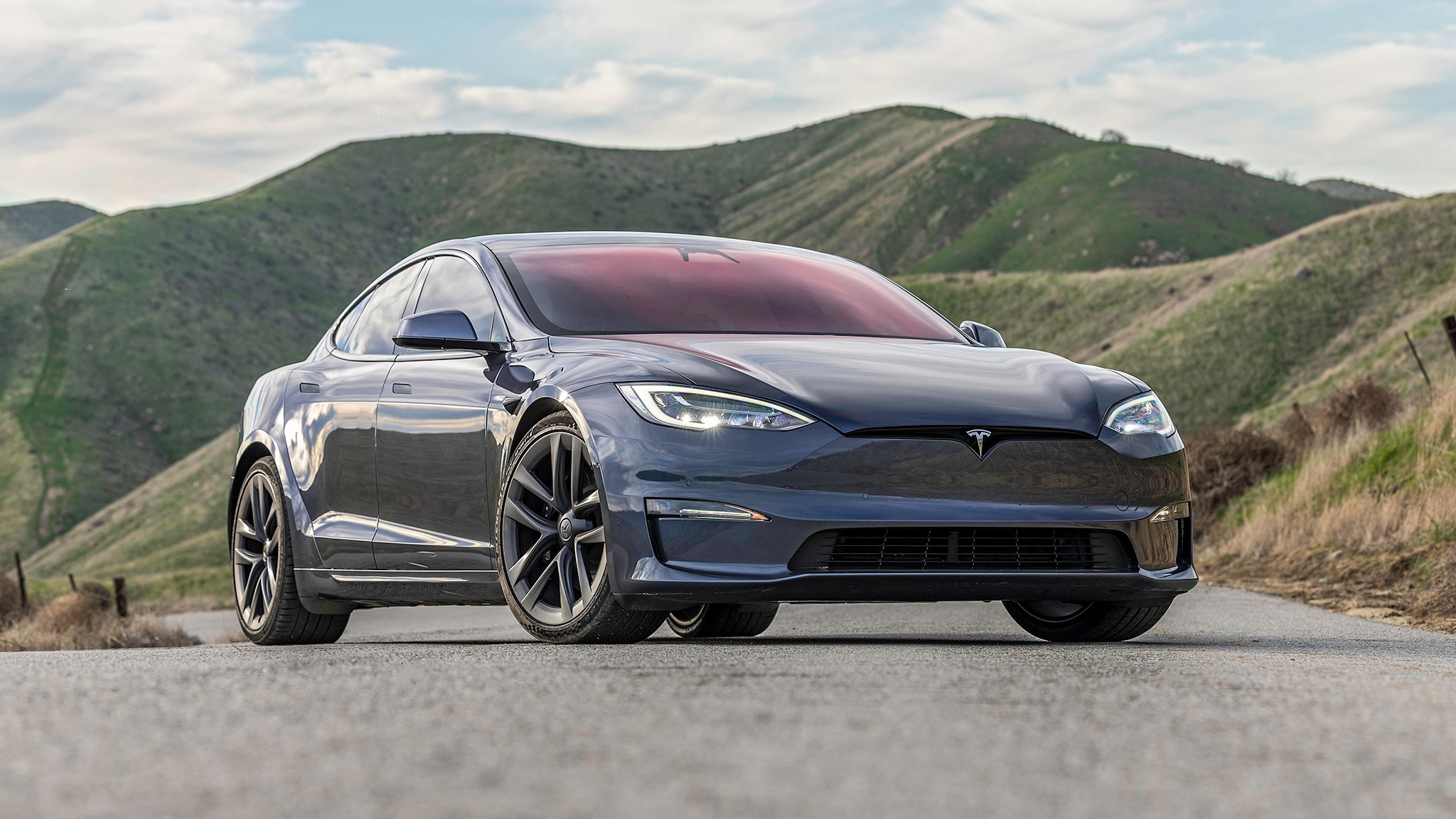
One of the most impressive aspects of the Model S camera system is its integration with the vehicle’s massive 17-inch center touchscreen.
The large, high-resolution display provides exceptional detail, and the interface allows drivers to expand the camera view to fill the entire screen when desired.
Tesla has implemented intuitive controls, including pinch-to-zoom functionality that lets drivers examine specific areas in greater detail. The system can also display multiple camera views simultaneously, providing comprehensive awareness of the vehicle’s surroundings.
Tesla’s predictive capability extends to the camera system, with the vehicle using its sensors and GPS data to anticipate challenging maneuvers.
For example, when approaching a tight parking space the vehicle has encountered before, it can automatically adjust camera angles and display settings to provide optimal guidance.
The system learns from driver behavior, recognizing when you typically need closer views or different angles, and proactively adjusts the display.
This intelligent assistance is particularly valuable at night when visibility challenges make precision maneuvering more difficult. For technology enthusiasts who appreciate continuous improvement and cutting-edge AI integration, the Tesla Model S offers a rear-camera system that represents the future of automotive imaging technology.
Also Read: 13 Best Alternatives to Tesla Cybertruck
5. Lexus LS
The Lexus LS flagship sedan embodies the Japanese luxury brand’s philosophy of refined craftsmanship and meticulous attention to detail, qualities that extend to its advanced rear-camera system.
Lexus has approached nighttime camera performance with the same dedication to perfection that characterizes the brand’s legendary reliability and quality, resulting in a system that consistently delivers clear, reliable images regardless of lighting conditions.
The LS features Lexus’s Panoramic View Monitor, which includes a rear camera specifically calibrated for exceptional low-light performance.
What distinguishes the Lexus approach is the company’s emphasis on natural image reproduction and predictable performance. Rather than aggressive image processing that can sometimes create artificial-looking results, Lexus has tuned the LS camera system to provide authentic color reproduction and accurate depth perception even at night.
This naturalistic approach makes it easier for drivers to judge distances and identify objects, as the camera feed looks similar to what they would see with their own eyes under good lighting conditions.

The color accuracy is particularly notable red taillights remain red, yellow curbs remain yellow, and skin tones appear natural, helping drivers quickly identify pedestrians.
The LS camera utilizes a high-quality lens assembly with superior light transmission characteristics, meaning more of the available light reaches the sensor rather than being absorbed or reflected away.
This optical excellence is combined with a sensor that has impressive low-light sensitivity, creating a system that performs well even in parking areas with minimal artificial lighting.
Lexus has also implemented sophisticated noise reduction that removes graininess without sacrificing fine detail, resulting in clean images that remain sharp and clear.
Lexus has also prioritized reliability and longevity in the LS camera system design. The camera housing is sealed to IP67 standards, protecting against water, dust, and temperature extremes that can degrade image quality over time.
The lens includes a hydrophobic coating that sheds water and reduces the accumulation of dirt and grime, ensuring the camera maintains clear visibility even in adverse weather conditions.
This attention to long-term performance means the camera system will continue providing excellent nighttime images for years, maintaining its capabilities long after the vehicle has accumulated significant mileage.
For buyers who value refined quality, reliable performance, and thoughtful engineering, the Lexus LS delivers a rear-camera system that exemplifies the brand’s commitment to excellence.
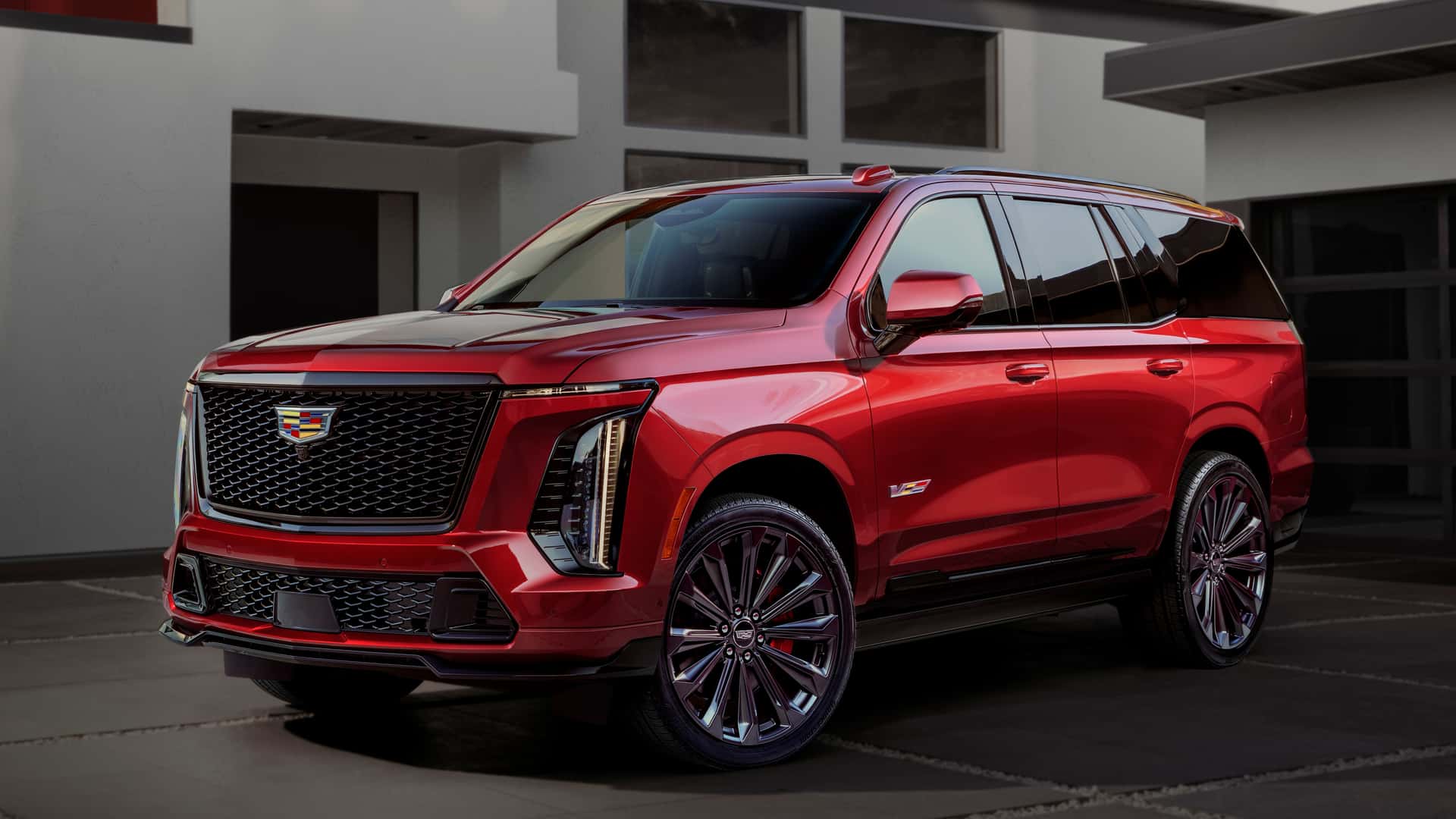
6. Cadillac Escalade
The Cadillac Escalade represents American luxury at its most bold and commanding, and its rear-camera technology matches the vehicle’s impressive presence with cutting-edge innovation.
As a full-size luxury SUV measuring over 17 feet long, the Escalade faces significant visibility challenges that make an exceptional rear-camera system essential rather than optional.
Cadillac has addressed these challenges with a comprehensive camera array that includes one of the most advanced rear-view camera systems available in any vehicle, delivering outstanding performance even in the most challenging nighttime conditions.
The current-generation Escalade features Cadillac’s Surround Vision system with a rear camera that utilizes infrared illumination technology.
This invisible infrared light dramatically enhances the camera’s ability to detect objects in complete darkness, functioning similarly to night vision goggles.
Unlike visible LED illumination that can be distracting to other drivers and may not optimally match the camera sensor’s sensitivity, infrared lighting provides consistent, effective illumination that significantly improves image quality without any visual intrusion. The result is a rear camera that can literally see in the dark, capturing details that would be completely invisible to the human eye.
The image processing in the Escalade is particularly sophisticated, with algorithms specifically designed to handle the challenges of nighttime driving.
The system automatically adjusts exposure, gain, and shutter speed on a frame-by-frame basis to optimize image quality as lighting conditions change.
When backing out of a dark driveway onto a well-lit street, the camera seamlessly adjusts to prevent bright headlights from washing out the image while maintaining visibility in darker areas.
This dynamic adjustment happens so smoothly that drivers barely notice the transitions, enjoying consistently clear images throughout their maneuver.
Cadillac has also implemented a recording function that allows drivers to save camera footage, useful for documenting parking incidents or reviewing particularly challenging maneuvers.
The high-quality nighttime footage can serve as evidence in the event of an accident or dispute about parking damage. For families who need the space and capability of a full-size SUV but refuse to compromise on cutting-edge safety technology, the Cadillac Escalade offers a rear-camera system that transforms nighttime driving from a nerve-wracking necessity into a confident, controlled experience.
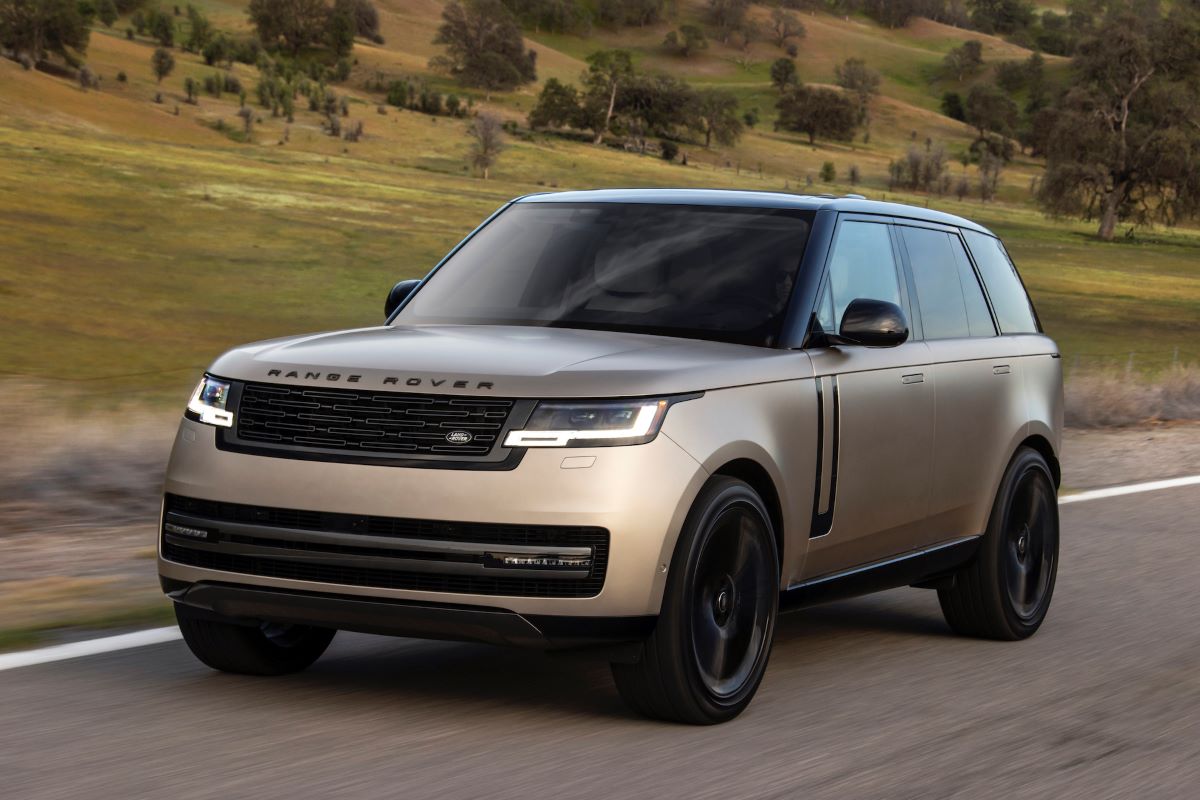
7. Land Rover Range Rover
The Range Rover has established itself as the ultimate luxury SUV for those who refuse to choose between sophisticated refinement and genuine off-road capability.
This dual nature extends to its camera systems, which must perform exceptionally both in urban parking garages and on remote trails long after sunset.
Land Rover has developed one of the most versatile and capable rear-camera systems in the automotive world, with particular emphasis on performance in low-light and challenging visibility conditions that adventurous owners frequently encounter.
The Range Rover’s ClearSight Ground View system represents a technological tour de force, using multiple cameras, including a high-resolution rear camera to create a virtual 180-degree view underneath and around the vehicle.
At night, this becomes particularly valuable as it reveals obstacles that would otherwise be hidden in shadows or simply too low to see from the raised driving position.
The system employs advanced image stitching algorithms that seamlessly blend feeds from multiple cameras, creating a cohesive image with minimal distortion despite the complex curved surfaces of the vehicle.
The nighttime performance is enhanced by strategically positioned LED lighting integrated into the vehicle’s body, providing just enough illumination for the cameras without creating harsh shadows or blinding glare.
The rear camera itself uses a ruggedized, high-sensitivity sensor designed to withstand the harsh conditions of off-road driving while maintaining exceptional image quality.
Land Rover has implemented a unique self-cleaning feature for the camera lens, using a combination of water jets and pressurized air to remove mud, dust, and debris that would otherwise obscure the view.
This is particularly important for nighttime performance, as even a small amount of dirt on the lens can scatter light and dramatically reduce image clarity.
The camera housing is sealed to military-grade specifications, ensuring reliable operation regardless of water submersion, extreme temperatures, or exposure to mud and dust.
The Range Rover also offers a trailer assist function that uses the rear camera to help drivers align with trailer couplings, automatically steering the vehicle to center the hitch over the ball mount.
At night, this semi-autonomous feature is invaluable, transforming a frustrating trial-and-error process into a smooth, one-attempt success.
The camera provides a zoomed view of the hitch area with enhanced contrast and brightness specifically optimized for this task. For those who demand a vehicle capable of handling both urban sophistication and remote adventure, the Range Rover delivers a rear-camera system that excels in every environment, from underground parking structures to moonlit mountain trails.
8. Volvo XC90
Volvo has built its reputation on an unwavering commitment to safety, making the Swedish automaker’s approach to rear-camera technology particularly noteworthy.
The XC90 luxury SUV embodies Volvo’s Vision 2020 goal of eliminating serious injuries and fatalities in new Volvo vehicles, and its comprehensive camera system plays a crucial role in achieving this ambitious objective.
The rear camera in the XC90 is engineered with the same safety-first philosophy that guides every aspect of Volvo’s vehicle development, resulting in a system optimized specifically to prevent accidents in challenging nighttime conditions.
The XC90’s rear-camera system features Volvo’s latest generation sensor technology with exceptional low-light sensitivity, developed in partnership with leading imaging technology companies.
The sensor utilizes back-illuminated CMOS technology, which arranges the sensor’s circuitry behind the photodiodes rather than in front of them, allowing more light to reach the light-sensitive areas.
This architectural advantage provides significantly better nighttime performance, capturing usable images in conditions where conventional sensors would struggle.
The camera also benefits from Volvo’s extensive testing regime, which includes validation in Arctic darkness, ensuring the system performs reliably in the most extreme low-light conditions.
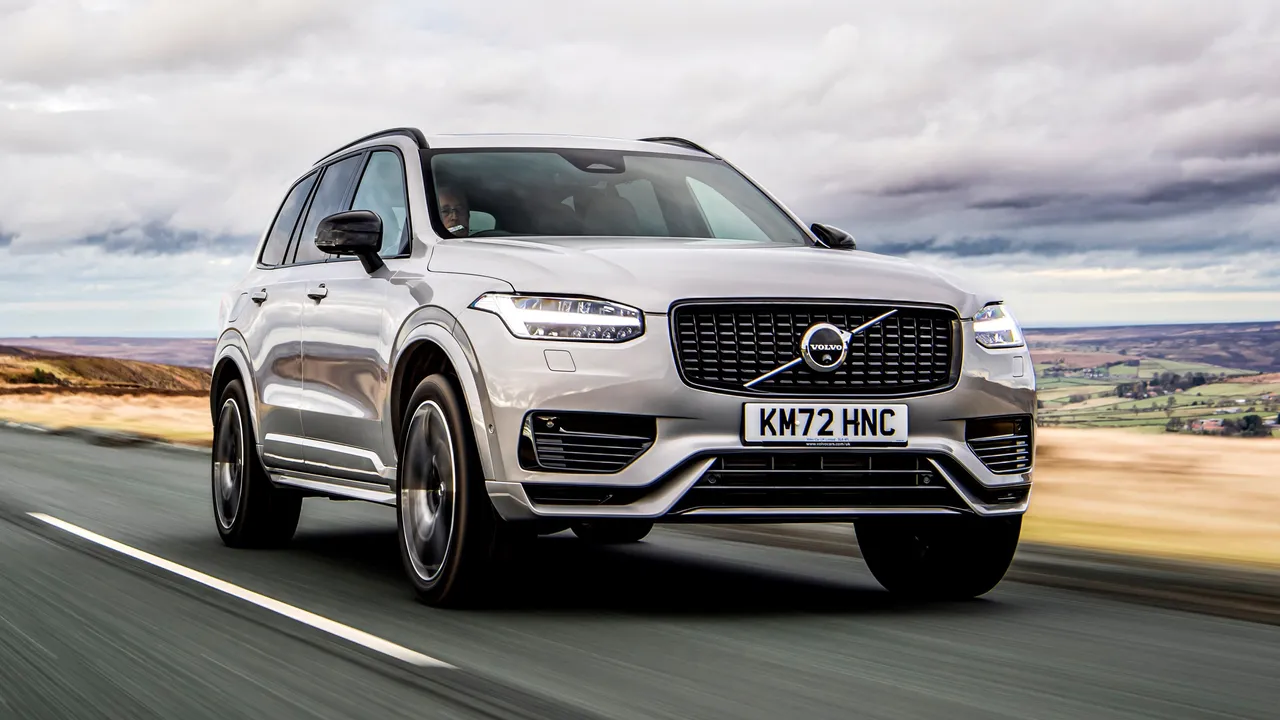
Volvo has implemented what the company calls Intelligent Safety technology, which integrates the rear camera with multiple other sensors to create a comprehensive understanding of the vehicle’s surroundings.
At night, when visual information may be ambiguous, the system combines camera imagery with radar and ultrasonic sensor data to accurately identify and locate obstacles.
This sensor fusion approach provides redundancy; if the camera struggles to identify an object due to poor lighting, the other sensors can fill the gap.
The system then presents this combined information on the display with clear visual indicators showing exactly where obstacles are located and how quickly they’re approaching.
The XC90’s commitment to child safety extends to its camera system, with the wide-angle lens and low mounting position specifically chosen to minimize blind spots near the ground where children playing might not be visible in mirrors.
The high-contrast image processing is tuned to detect small figures against complex backgrounds, and the system provides earlier warnings when small obstacles are detected, giving drivers more time to react.
For families who prioritize safety above all else and frequently drive in challenging nighttime conditions, the Volvo XC90 offers a rear-camera system that represents the pinnacle of protective technology wrapped in a package of Scandinavian sophistication.
