

When summer heat transforms your vehicle into a rolling oven, the daily struggle of entering a sun-baked car becomes all too real. Those scorching steering wheels, blistering seats, and suffocating cabin temperatures can turn even a short commute into an uncomfortable ordeal.
However, automotive manufacturers have been listening to these concerns, developing innovative technologies and design features that help vehicles combat solar heat gain more effectively.
Modern cars now incorporate advanced thermal management systems that go far beyond traditional air conditioning. From specialized glass coatings that reflect infrared radiation to ventilated seats that actively cool your body, today’s vehicles offer sophisticated solutions to the age-old problem of heat buildup.
Some manufacturers have implemented solar-reflective paint finishes, while others have designed intelligent ventilation systems that can pre-cool the cabin before you even approach the vehicle.
The science behind keeping cars cool involves multiple factors: strategic window tinting, light-colored interior materials that absorb less heat, efficient insulation, and smart climate control systems that work proactively rather than reactively.
Premium manufacturers have even introduced features like panoramic roofs with electrochromic glass that can adjust their tint levels automatically based on sunlight intensity. In this comprehensive guide, we’ll explore nine exceptional vehicles that excel at staying cool when parked in direct sunlight.
These cars combine cutting-edge technology, thoughtful design, and innovative materials to provide relief from summer’s harsh rays, making your driving experience considerably more comfortable regardless of how long your car has been sitting in the sun.
1. Tesla Model 3
The Tesla Model 3 stands at the forefront of heat management technology with its groundbreaking Cabin Overheat Protection feature, setting a new standard for how electric vehicles handle extreme temperatures.
This innovative system leverages the car’s electric architecture to maintain a comfortable cabin temperature even when the vehicle sits unoccupied in scorching parking lots.
Unlike traditional vehicles that become helpless heat traps once the engine turns off, the Model 3 can actively monitor and control its interior climate for extended periods.
The Cabin Overheat Protection works by utilizing the car’s battery power to run the climate control system intermittently, preventing the interior temperature from exceeding 105°F (40°C). Owners can customize this feature through the Tesla mobile app, choosing between running the air conditioning system or simply operating the fan to circulate air.
The system intelligently manages power consumption, ensuring that climate control doesn’t significantly drain the battery while still providing meaningful temperature reduction.
This feature proves particularly valuable for pet owners who need to leave their animals in the vehicle briefly, as it maintains a safe environment without idling an engine.
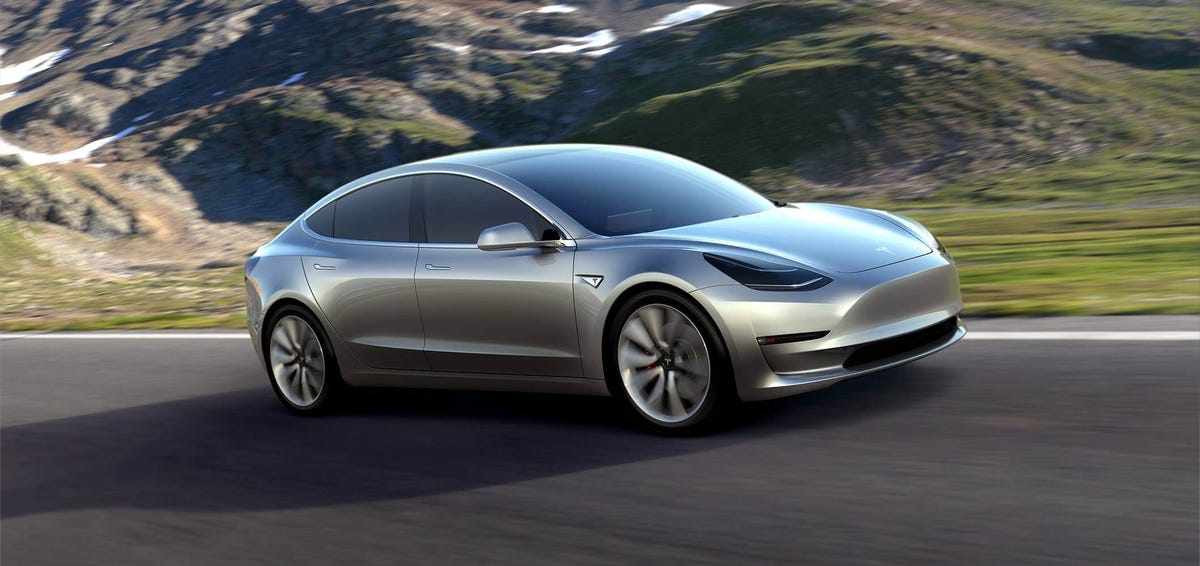
Beyond the electronic protections, Tesla’s glass technology plays a crucial role in heat management. The Model 3’s panoramic glass roof features multiple layers of coating that block infrared and ultraviolet radiation while maintaining visibility.
This specially engineered glass can reject up to 81% of solar heat, significantly reducing the greenhouse effect that typically plagues vehicles with large glass surfaces. The acoustic laminated glass also provides additional insulation, creating a barrier against both heat transfer and exterior noise.
The Model 3’s interior design philosophy emphasizes heat-resistant materials and light color options that naturally reflect rather than absorb solar radiation. The synthetic leather seats and dashboard materials are specifically chosen for their low heat retention properties, meaning they cool down rapidly once the air conditioning activates.
The minimalist interior design eliminates unnecessary dark surfaces and heat-absorbing elements, creating an environment that naturally resists temperature buildup.
Additionally, the Model 3’s app-based remote climate control allows owners to pre-cool the cabin from anywhere, ensuring a comfortable temperature before they even reach their vehicle.
This combination of passive thermal design and active cooling systems makes the Tesla Model 3 one of the most comfortable vehicles for hot climate driving.
2. Mercedes-Benz S-Class
The Mercedes-Benz S-Class represents the pinnacle of automotive luxury and climate control sophistication, offering an unparalleled suite of features designed to combat heat in even the most extreme conditions.
Mercedes engineers have developed the ENERGIZING Comfort system, which goes beyond simple temperature control to create a holistic wellness environment within the cabin.
This system integrates climate control, seat ventilation, massage functions, ambient lighting, and even fragrance delivery to counteract the effects of heat stress on occupants.
The S-Class features an advanced pre-conditioning system that can be activated remotely through the Mercedes me app, allowing owners to cool the cabin before entering the vehicle.
This system doesn’t just run the air conditioning; it intelligently adjusts airflow patterns, activates seat ventilation, and even positions the sun visors automatically based on sun position data.
The climate control system utilizes multiple temperature zones up to four in some configurations ensuring that every passenger can enjoy their preferred temperature regardless of where they’re seated.
The system’s air filtration includes HEPA-grade filters that not only clean the air but also help maintain consistent cabin pressure, reducing the influx of hot exterior air.
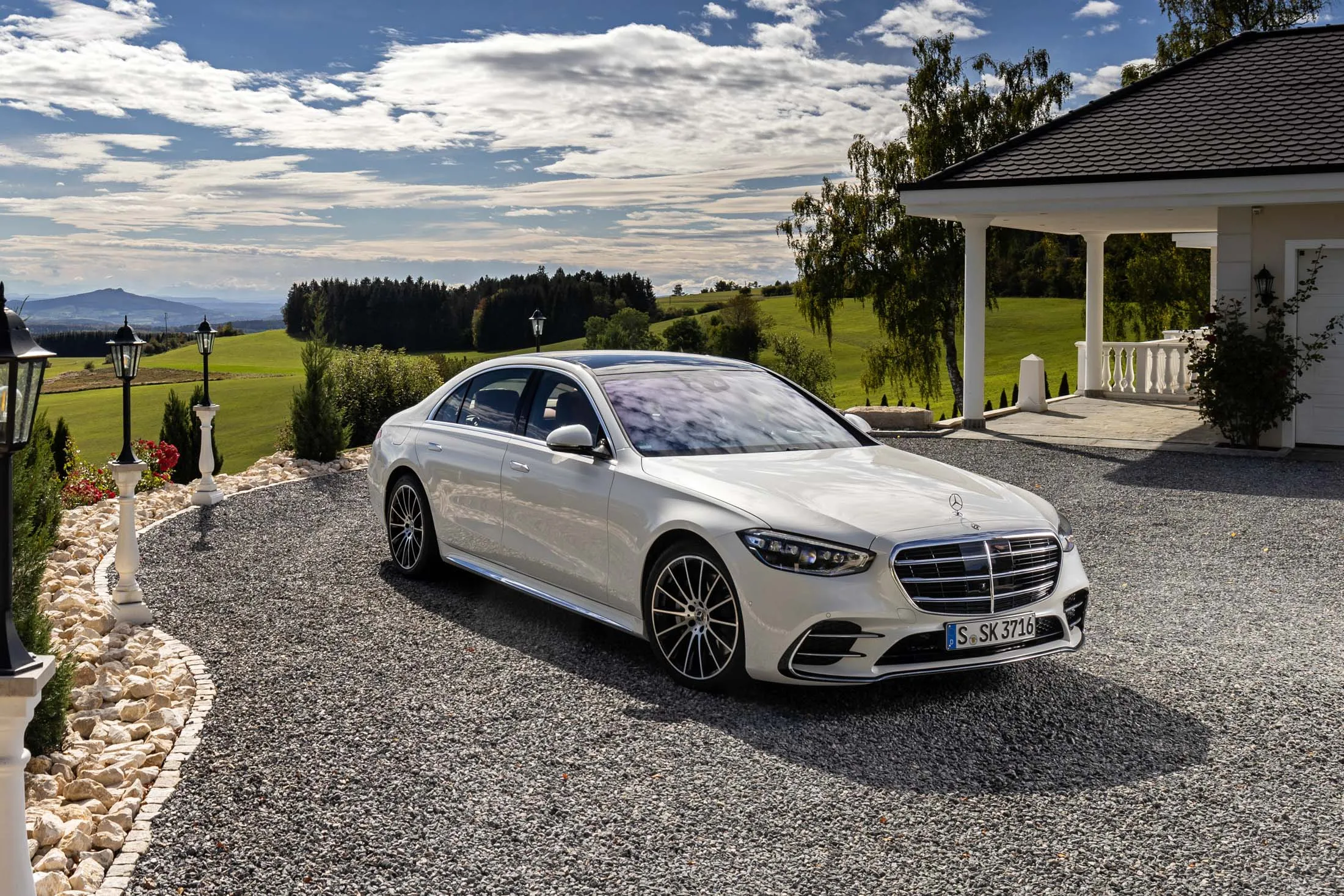
Mercedes has invested heavily in glass technology for the S-Class, offering an optional Magic Sky Control panoramic roof that can switch between transparent and opaque states at the touch of a button.
This electrochromic glass contains particles suspended in liquid that align or scatter when voltage is applied, effectively blocking up to 99% of light transmission when opaque.
Even in its transparent state, the roof blocks harmful UV rays and significant infrared radiation, protecting occupants from both visible heat and invisible radiation that causes warming. The side windows also feature infrared-reflective coatings that maintain visibility while rejecting heat.
The interior materials of the S-Class are carefully selected for their thermal properties. The available semi-aniline leather is treated with special finishes that reflect light and resist heat absorption, while the available ventilated and massaging seats feature perforated leather that allows airflow directly to the occupant’s body.
These seats can cool or heat on demand, with the ventilation system powerful enough to noticeably reduce body temperature within minutes.
The dashboard and door panels utilize materials with low thermal conductivity, preventing the transfer of exterior heat into the cabin space.
Combined with the exceptional insulation throughout the vehicle’s construction, the S-Class creates a serene, climate-controlled environment that seems worlds away from the blazing heat outside.
3. BMW X5
The BMW X5 showcases German engineering excellence through its comprehensive approach to thermal management, combining intelligent software with premium hardware to create one of the most temperature-stable SUV cabins available.
BMW’s commitment to driver comfort is evident in the X5’s sophisticated climate control architecture, which continuously monitors interior and exterior conditions to maintain optimal comfort levels.
The system employs multiple sensors throughout the cabin to detect temperature variations, humidity levels, and even sun load intensity, adjusting airflow and cooling power accordingly.
One of the X5’s standout features is its solar-reflective glass technology, which BMW implements across all windows including the optional panoramic moonroof.
This specialized glass incorporates metallic particles within its layers that reflect infrared radiation while allowing visible light to pass through, maintaining natural brightness in the cabin without the corresponding heat gain.
The panoramic roof option includes a power sunshade with multiple positions, but even when fully retracted, the glass itself provides substantial heat rejection.
BMW’s testing shows that this glass can reduce solar heat transmission by up to 75% compared to standard automotive glass, making a significant difference in cabin temperature during extended sun exposure.
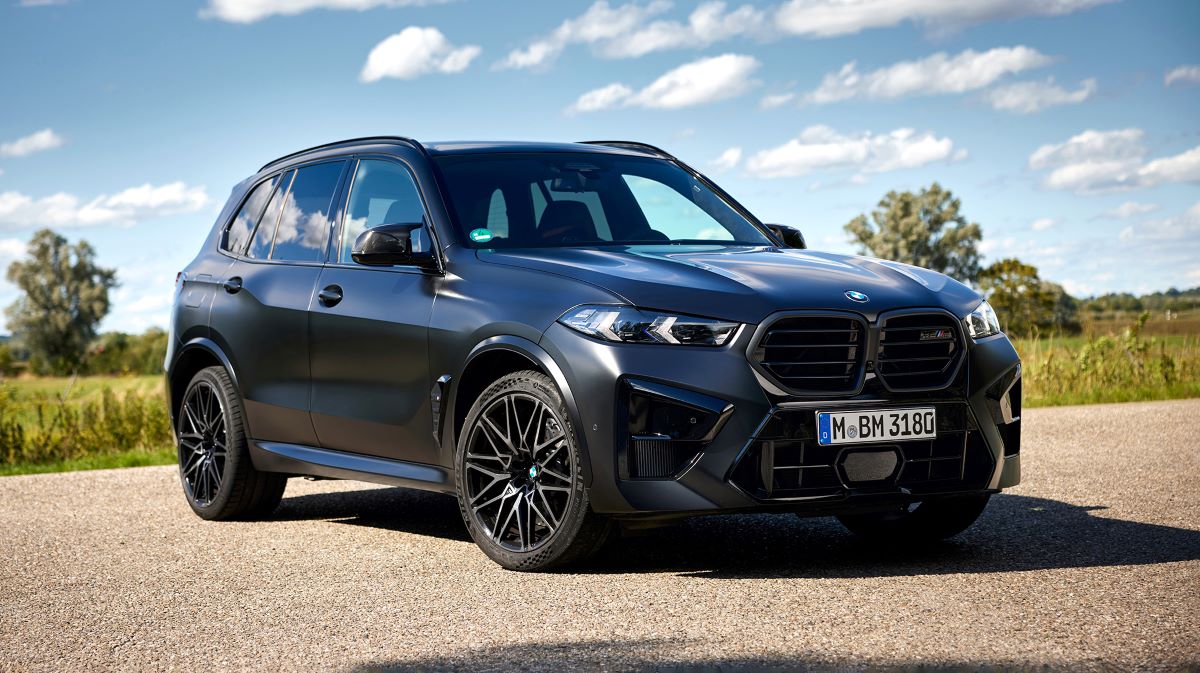
The X5’s ventilated seats represent another crucial component of its cooling strategy. Available for both front and rear outboard positions, these seats feature powerful fans that draw air through perforated leather, creating a cooling effect against the occupant’s body even before the cabin temperature drops.
The ventilation system works in concert with the automatic climate control, which can detect when occupants enter the vehicle and automatically increase airflow to rapidly reduce perceived temperature.
The X5 also offers BMW’s Extended Leather trim, which undergoes special treatment to remain cooler to the touch than conventional leather, reducing the shock of sitting on sun-heated seats.
BMW has integrated remote climate control into the X5’s connected services, allowing owners to activate cooling systems up to 30 minutes before departing.
The system is intelligent enough to calculate how long it needs to run based on current interior temperature readings, optimizing battery or fuel consumption while ensuring the cabin reaches the desired temperature by your estimated arrival time.
The X5’s insulation package includes acoustic glass, foam-filled body cavities, and specialized door seals that not only reduce noise but also minimize heat transfer from the exterior environment.
This comprehensive approach to thermal management means the X5 maintains comfortable temperatures more efficiently than many competitors, requiring less energy to cool and staying comfortable longer after the engine or climate system shuts off.
4. Audi Q7
The Audi Q7 demonstrates the brand’s commitment to occupant comfort through its meticulously engineered air quality and climate management systems.
Audi’s four-zone automatic climate control system allows each passenger area to maintain independent temperature settings, but the sophistication goes much deeper than simple zone control.
The Q7’s climate system includes sun sensors that monitor solar intensity and angle, automatically adjusting airflow distribution to counteract direct sunlight on specific areas of the cabin. This predictive approach means the system begins compensating for heat buildup before occupants even feel uncomfortable.
Audi offers an optional Air Quality Package for the Q7 that raises cabin comfort to exceptional levels. This package includes an advanced particle filter that removes fine dust, pollen, and odors while also incorporating an ionizer that freshens cabin air.
More importantly for heat management, the system includes a parking climate control feature that maintains cabin temperature for up to 30 minutes after the vehicle is turned off, powered by the vehicle’s battery.
This feature proves invaluable when making quick stops in hot weather, as it prevents the dramatic temperature spike that typically occurs within minutes of parking in direct sunlight.
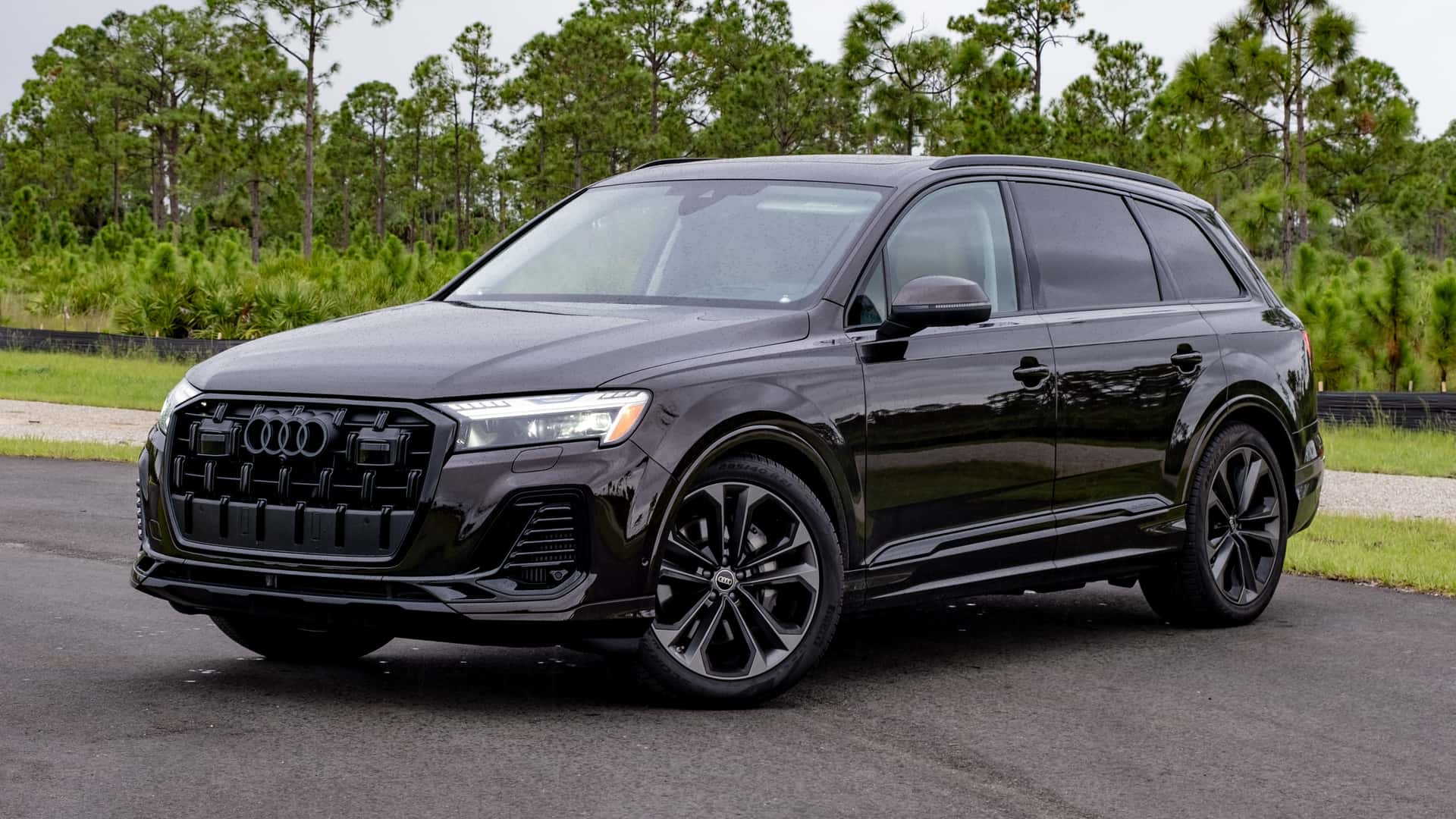
The Q7’s glass surfaces receive special attention from Audi’s engineers, with heat-insulating glass available for the entire greenhouse area. This glass features multiple layers of coating that reflect infrared radiation while maintaining optical clarity, reducing solar heat gain by approximately 70% compared to standard automotive glass.
The optional panoramic sunroof includes not only this heat-rejecting glass but also a three-stage electrochromic tinting system that can darken automatically based on ambient light conditions.
When fully darkened, this roof blocks virtually all direct sunlight while still allowing occupants to see the sky, creating an open feeling without the associated heat burden.
Interior material selection in the Q7 emphasizes thermal comfort alongside luxury appeal. Audi’s Valcona leather option undergoes a special tanning and finishing process that gives it superior breathability and lower heat absorption characteristics than conventional leather.
The available ventilated seats feature sophisticated multi-layer construction with breathable perforations and powerful ventilation fans that can create a noticeably cooling effect within seconds of activation.
The Q7’s seat ventilation works across a wider temperature range than many competitors, remaining effective even when ambient cabin temperatures exceed 100°F.
Additionally, Audi’s attention to detail extends to the steering wheel, which can be specified with ventilated leather that prevents the burning-hot grip common in vehicles parked in direct sun.
The combination of proactive climate management, advanced glass technology, and carefully selected materials makes the Q7 exceptionally resistant to heat buildup.
Also Read: 9 Cars With the Best Steering Feel Under $30,000
5. Lexus LS
The Lexus LS embodies Japanese precision and attention to detail through its Climate Concierge system, which represents one of the most sophisticated approaches to thermal comfort in the automotive world.
Lexus engineers recognize that thermal comfort involves more than just air temperature it encompasses humidity, air quality, direct radiation, and even the temperature of surfaces that occupants touch.
The Climate Concierge system addresses all these factors simultaneously, creating a holistic comfort environment that adapts to changing conditions and individual preferences.
The system utilizes an array of sensors throughout the cabin, including infrared sensors that detect the surface temperature of occupants’ skin. By monitoring actual body temperature rather than just air temperature, the Climate Concierge can make more intelligent decisions about cooling intensity and airflow direction.
The system automatically adjusts seat heating, ventilation, and the climate control settings to maintain optimal comfort levels for each passenger.
This personalization extends to recognizing different drivers through the key fob and automatically recalling their preferred climate settings, including nuanced preferences for airflow pattern and fan speed that many drivers don’t realize can be customized.
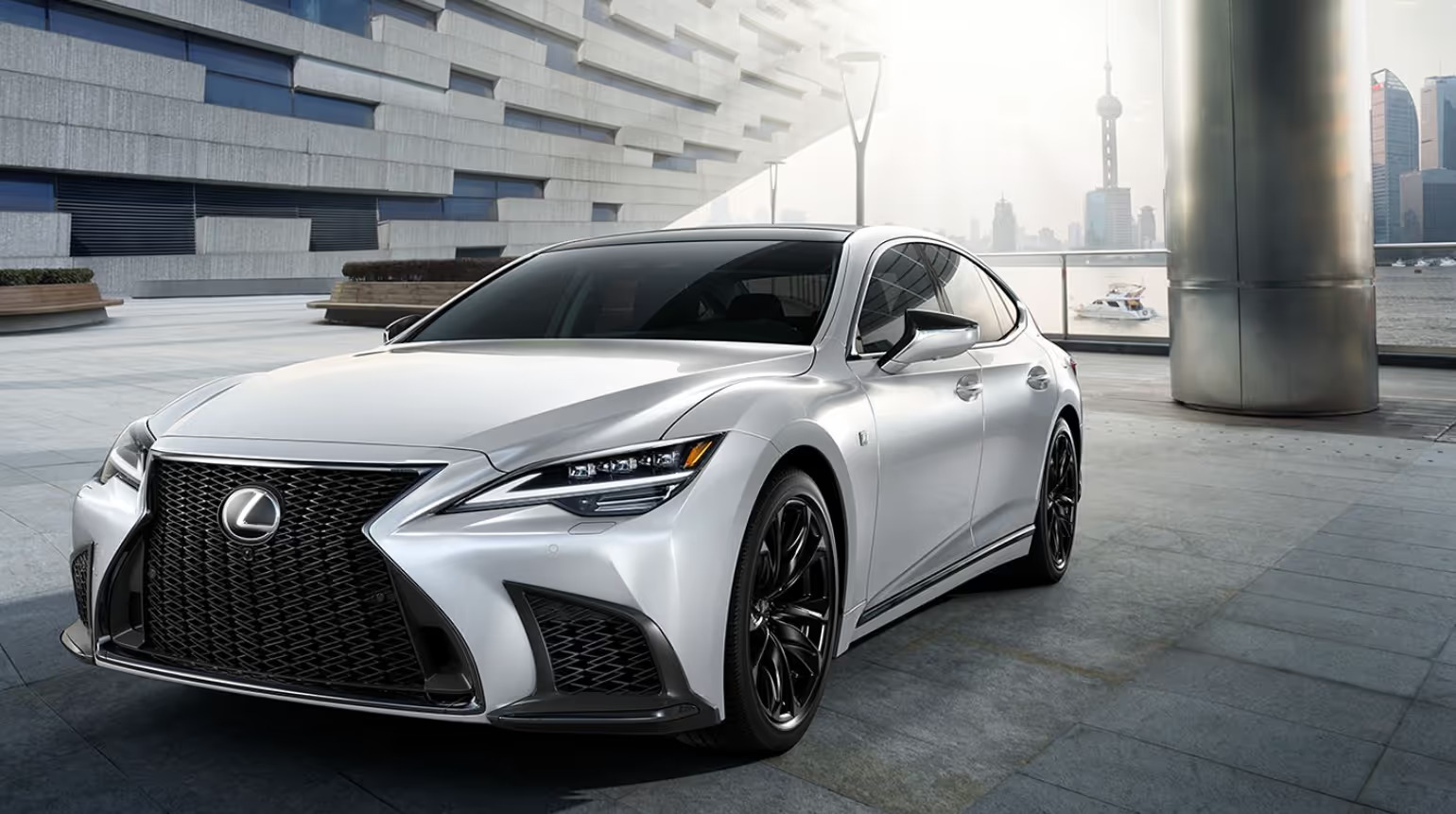
Lexus has developed proprietary glass technology for the LS that sets new standards for heat rejection. The Solar Film windshield and front door glass includes a special coating that blocks 99% of UV radiation and significantly reduces infrared transmission without affecting visibility or creating the reflective appearance common with heavily tinted glass.
The optional Mark Levinson audio system integration with climate control demonstrates Lexus’s attention to detail the system can reduce fan speed automatically during quiet musical passages to prevent noise interference, then increase cooling power during louder sections when the fan sound won’t be noticed.
The LS’s remote climate control capabilities through the Lexus Enform app provide comprehensive pre-cooling functionality, including the ability to schedule automatic climate activation based on your typical usage patterns.
The system learns your routine and can automatically begin cooling the cabin before your usual departure times, ensuring optimal comfort without requiring manual intervention.
The LS’s insulation package includes double-pane side windows as an option, creating an air gap that dramatically reduces heat transfer from exterior surfaces.
This aviation-inspired technology is rare in automobiles but provides exceptional thermal and acoustic insulation. The combination of intelligent climate management, superior glass technology, and thoughtful material selection ensures the Lexus LS remains one of the coolest luxury sedans even after hours of sun exposure.
6. Volvo XC90
The Volvo XC90 brings Scandinavian climate expertise to hot weather management, demonstrating that the same engineering principles that keep occupants warm in Nordic winters can be adapted to maintain comfort in desert summers.
Volvo’s CleanZone climate system represents the company’s comprehensive approach to cabin air quality and temperature management, incorporating advanced filtration, intelligent temperature control, and thoughtful material choices that work synergistically to combat heat buildup.
The CleanZone system includes an innovative preconditioning feature that can be activated remotely through the Volvo Cars app or programmed to start automatically based on schedule or location.
What distinguishes Volvo’s approach is the system’s ability to ventilate the cabin by opening the windows slightly when activated, allowing superheated air to escape before the air conditioning begins working.
This purge cycle dramatically improves cooling efficiency by eliminating the initial extreme temperature that forces climate systems to work at maximum capacity.
The system then closes the windows and begins active cooling, bringing the cabin to comfortable temperatures much faster than systems that only rely on air conditioning.
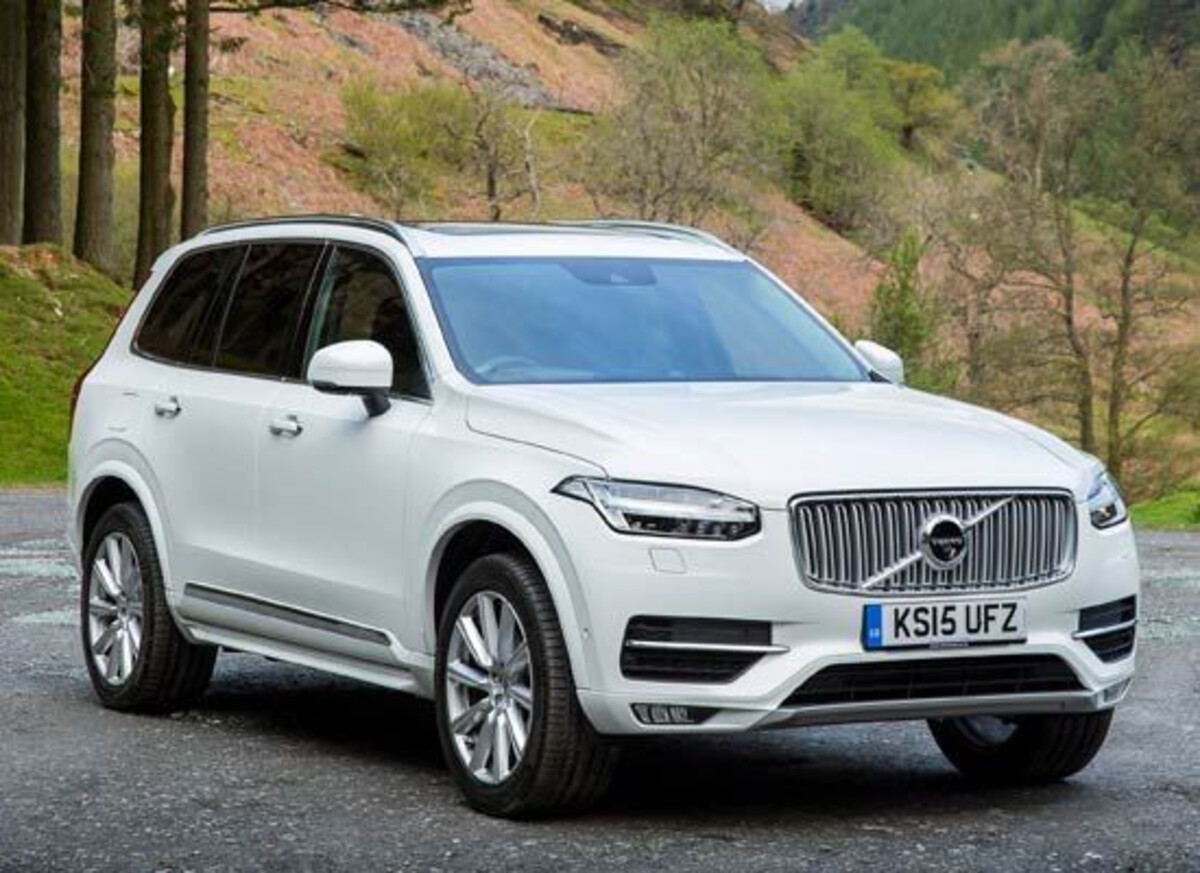
Volvo’s commitment to safety extends to sun protection, with the XC90 featuring some of the most comprehensive solar radiation blocking in the industry. The standard laminated side windows block 99% of UV radiation, protecting occupants from both immediate discomfort and long-term skin damage.
The optional panoramic sunroof includes both heat-rejecting glass and an integrated sunshade, but Volvo goes further by offering a dual-pane panoramic roof option in some markets that provides superior insulation.
The glass surfaces throughout the XC90 are treated with infrared-reflective coatings that maintain visibility while rejecting the invisible radiation responsible for much of the heating effect.
The XC90’s interior showcases Scandinavian design principles that inherently resist heat buildup. Light color palettes are standard across most trim levels, reflecting rather than absorbing solar radiation.
The available Nappa leather undergoes a special perforating process that increases breathability without compromising durability, and the ventilated seat system can cool all three rows in the highest trim levels an unusual feature that ensures rear passengers enjoy the same comfort as those in front.
Volvo’s attention to detail extends to the steering wheel design, which minimizes the amount of material exposed to direct sunlight through strategic spoke placement and material selection.
The XC90’s comprehensive approach to thermal management, combining intelligent active systems with passive design excellence, makes it exceptionally well-suited to hot climates despite the brand’s northern European heritage.
7. Genesis GV80
The Genesis GV80 demonstrates how thoughtful engineering and premium materials can create exceptional thermal comfort in a luxury SUV package.
Genesis has incorporated technologies typically reserved for more expensive European competitors, including an advanced climate management system that goes beyond simple temperature control to address occupant wellness.
The GV80’s three-zone automatic climate control includes dedicated controls for rear passengers, ensuring everyone in the vehicle can maintain their preferred comfort level regardless of exterior conditions.
One of the GV80’s most impressive features is its attention to reducing radiant heat the direct warming effect of sunlight on surfaces and occupants.
The SUV comes standard with a power tilt-and-slide sunroof that includes a dual-panel sunshade, with an available panoramic sunroof option that extends the glass further rearward.
Both options feature heat-absorbing glass that blocks infrared radiation while maintaining visibility, reducing cabin heat gain by up to 60% compared to standard glass.
Genesis engineers specifically designed the sunroof’s glass to have a subtle tint that’s dark enough to provide meaningful heat rejection but light enough to maintain the open, airy feeling that makes panoramic roofs desirable.
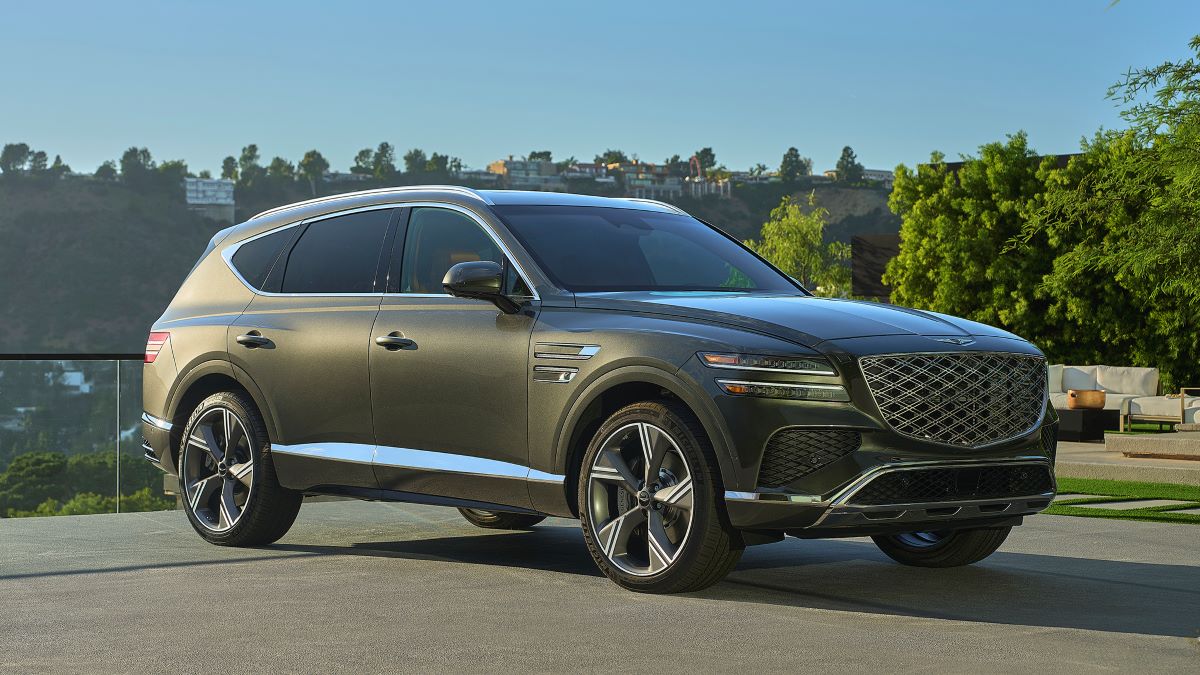
The GV80’s seat ventilation system represents another significant comfort advantage, with available ventilated and heated seats for both front and second-row occupants.
The ventilation system uses a sophisticated air circulation design that draws air through the perforated leather surfaces, creating a cooling effect that works efficiently even when ambient cabin temperatures are raised.
The Nappa leather used in higher trim levels undergoes a special finishing process that gives it a cooler hand feel compared to conventional leather, reducing the initial shock when sitting on sun-exposed seats.
Genesis has also incorporated ventilated armrests and center console surfaces, addressing heat buildup in areas often neglected by other manufacturers.
The GV80’s remote climate control through the Genesis Connected Services app provides comprehensive functionality, including the ability to monitor current cabin temperature and adjust climate settings before entering the vehicle.
The system can run for extended periods without the engine running, utilizing battery power to pre-cool the cabin efficiently. Genesis has also implemented intelligent air distribution, with the climate system automatically adjusting vent direction and airflow intensity based on detected occupancy in different seating positions, ensuring cooling power isn’t wasted on empty seats.
The combination of advanced glass technology, comprehensive seat ventilation, and intelligent climate management makes the Genesis GV80 an exceptional choice for drivers who frequently face extreme heat conditions.
8. Porsche Taycan
The Porsche Taycan leverages its electric architecture to deliver innovative cooling solutions that would be impossible in traditional combustion-engine vehicles.
As Porsche’s first fully electric sports sedan, the Taycan demonstrates how electric vehicles can use their unique capabilities to provide superior climate management, particularly when dealing with the challenge of sun-soaked parking situations.
The Taycan’s battery-powered climate system can operate independently of a running “engine,” allowing for extended pre-cooling and temperature maintenance without burning fuel or creating emissions.
Porsche’s approach to thermal management in the Taycan emphasizes efficiency and performance, with the climate system designed to minimize battery drain while maximizing comfort.
The Taycan features a sophisticated pre-conditioning system accessible through the Porsche Connect app that allows owners to schedule cooling sessions or activate climate control on demand from virtually anywhere.
The system intelligently manages power consumption, prioritizing cooling efficiency over raw power to extend the vehicle’s range while still delivering rapid cabin cooling.
When connected to a charger, the pre-conditioning system can run indefinitely without affecting battery charge levels, making it perfect for preparing the vehicle before a journey.
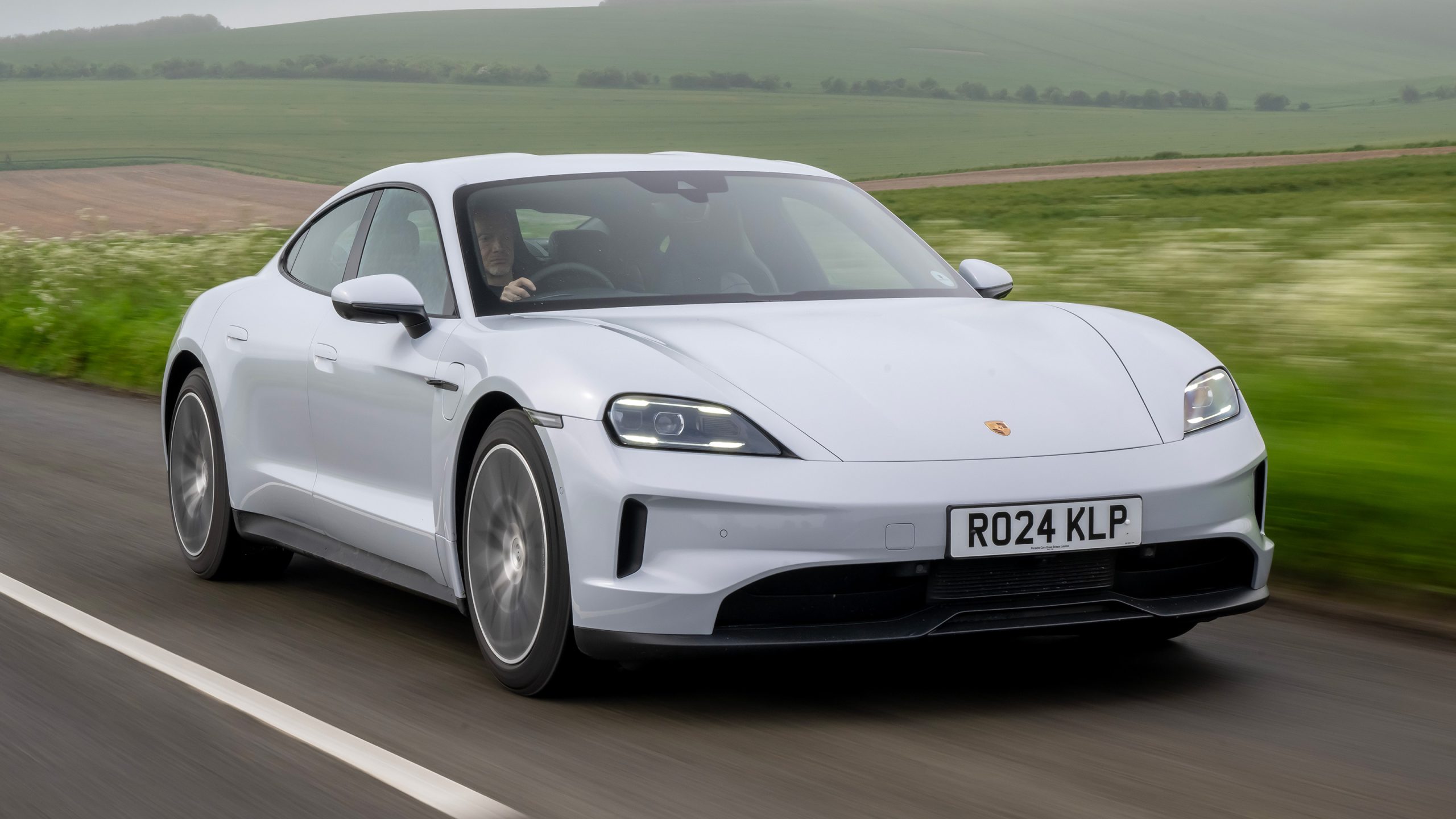
The Taycan’s glass technology represents a significant advancement in solar heat management. Porsche offers optional thermal-insulated glass for all side windows and the windshield, incorporating multiple layers of coating that reflect infrared radiation while maintaining exceptional optical clarity critical for a performance vehicle where visibility is paramount.
The optional panoramic fixed glass roof features an electrochromic panel that can be controlled through the touchscreen or automatically adjusted based on sun load sensors.
This “Smart Glass” roof can transition from transparent to opaque within seconds, effectively blocking up to 99% of light transmission while still allowing occupants to see the sky. Even in its transparent state, the roof blocks substantial heat, making it practical for daily use in sunny climates.
Interior design in the Taycan emphasizes both sporty aesthetics and thermal comfort. The available ventilated sports seats feature perforated leather in seating surfaces and backrest areas, with powerful ventilation fans that provide noticeable cooling within seconds of activation.
Porsche has engineered these seats to maintain their supportive, bolstered design while still providing effective ventilation a challenging balance that many manufacturers struggle to achieve.
The minimalist interior design, dominated by clean surfaces and high-tech displays, naturally resists heat buildup by reducing the number of heat-absorbing elements.
The Taycan’s commitment to performance extends to its cooling performance, making it an ideal choice for driving enthusiasts who demand comfort alongside capability.
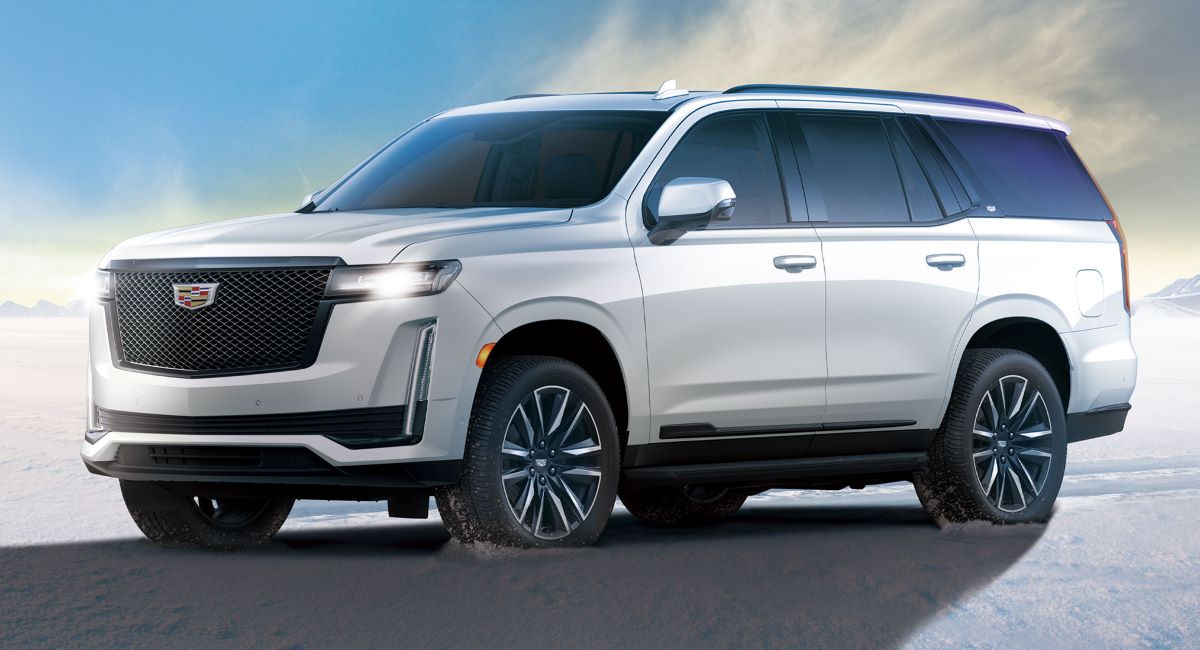
9. Cadillac Escalade
The Cadillac Escalade represents American luxury at its finest, and its approach to thermal comfort demonstrates that domestic manufacturers can compete with international competitors in creating cool, comfortable cabins even in extreme heat.
The massive SUV’s size could potentially create challenges for climate management, but Cadillac has equipped the Escalade with an industrial-strength climate system capable of rapidly cooling its substantial interior volume.
The tri-zone automatic climate control system provides independent temperature management for front, second-row, and third-row passengers, ensuring everyone enjoys optimal comfort regardless of where they’re seated.
One of the Escalade’s most impressive features is its available Super Cruise-capable rear camera mirror display, which incorporates advanced glass technology in the massive windshield necessary to support this system.
The windshield features acoustic laminated glass with infrared-reflective coating that blocks heat while maintaining the crystal-clear visibility necessary for the high-definition camera display.
Cadillac extends this heat-rejecting glass treatment to all windows in the Escalade, with the privacy glass on rear windows providing additional heat rejection beyond standard tinting.
The available power sunroof includes heat-absorbing glass and an internal sunshade, though the Escalade’s high roofline means the sunroof’s contribution to heat gain is proportionally smaller than in lower-profile vehicles.
The Escalade’s available massage seats include ventilation functionality for first and second rows, with the system powerful enough to provide meaningful cooling even in the SUV’s large cabin.
The seats feature perforated semi-aniline leather that balances luxury appearance with practical cooling performance, and the ventilation system includes multiple fan speed settings to accommodate different preferences and conditions.
Cadillac has also incorporated cooled armrests, center console surfaces, and even cooled cup holders that can chill beverages a thoughtful touch that demonstrates attention to comprehensive comfort.
The Escalade’s remote start and climate control functionality through the MyCadillac app provides extensive pre-conditioning capabilities, allowing owners to cool the massive interior before approaching the vehicle. The system can run for up to 20 minutes per activation, with unlimited activations possible when preparing the vehicle for use.
Cadillac’s engineers have optimized the climate system’s cooling patterns to efficiently manage the Escalade’s three-row configuration, with powerful rear climate controls ensuring third-row passengers receive adequate cooling airflow, often a weakness in large SUVs.
The combination of powerful climate hardware, advanced glass technology, and comprehensive seat cooling makes the Escalage Escalade remarkably comfortable despite its substantial size, proving that American luxury can deliver world-class thermal comfort for the entire family.
