
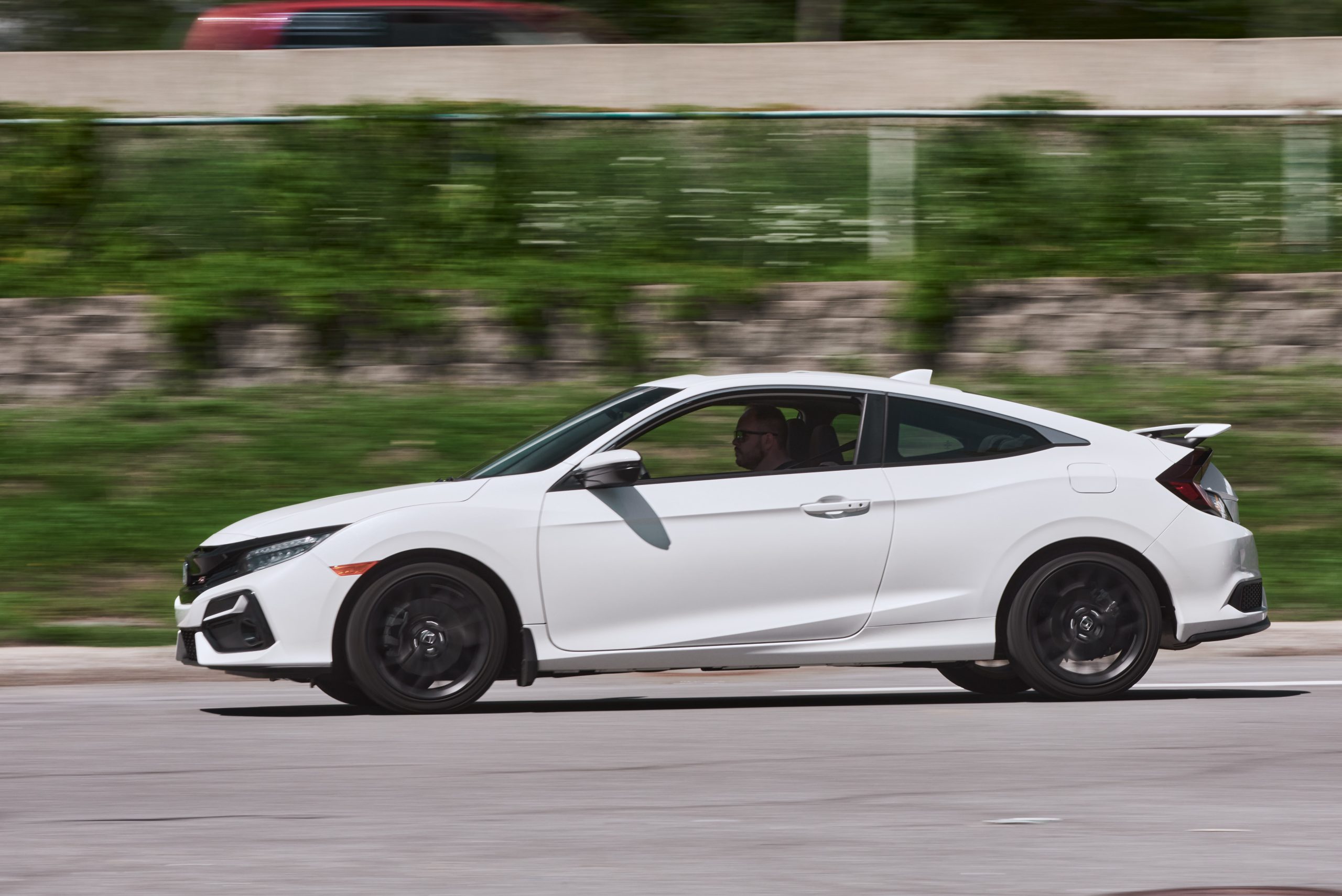
Taking your car to the track is one of the most exhilarating experiences any automotive enthusiast can have. The adrenaline rush of pushing a vehicle to its limits in a controlled environment is unmatched, but choosing the right car for your first track-day build is crucial.
The ideal track car balances affordability, reliability, and modification potential without requiring a mechanical engineering degree or a six-figure budget.
The best first track-day cars share several key characteristics: they’re relatively inexpensive to purchase and maintain, have strong aftermarket support for parts and upgrades, offer predictable handling that forgives novice mistakes, and won’t break the bank when something inevitably needs replacing.
Whether you’re drawn to nimble lightweight roadsters, powerful rear-wheel-drive coupes, or agile hot hatches, there’s a perfect track weapon waiting for you.
Many enthusiasts make the mistake of starting with overly complex or expensive vehicles, only to discover that track days are as much about car setup and driver skill as raw horsepower.
The cars on this list have proven themselves on tracks worldwide, with dedicated communities ready to help you extract every ounce of performance.
They’re forgiving enough for beginners to learn proper racing lines and throttle control while offering enough potential to keep you engaged as your skills develop.
From Japanese legends to American muscle and European precision, these twelve vehicles represent the best entry points into the addictive world of track driving. Let’s explore why each one deserves consideration for your first purpose-built track machine.
1. Mazda MX-5 Miata (NA/NB/NC/ND)
The Mazda MX-5 Miata is widely considered the ultimate beginner track car, and for excellent reason. Since its 1989 debut, this lightweight roadster has embodied the philosophy that driving enjoyment comes from balance and precision rather than brute force.
With near-perfect 50/50 weight distribution, communicative steering, and forgiving handling characteristics, the Miata teaches proper driving technique while delivering genuine thrills.
The aftermarket support for Miatas is simply unparalleled. Every generation from the original NA through the current ND has extensive modification options spanning suspension upgrades, forced induction kits, brake improvements, and safety equipment.
Companies like Flyin’ Miata, Good-Win Racing, and FM Suspension specialize exclusively in MX-5 performance parts, ensuring you’ll never struggle to find components.
Earlier generations, particularly NA and NB models from 1990-2005, can be purchased for remarkably affordable prices, often under $5,000 for decent examples.
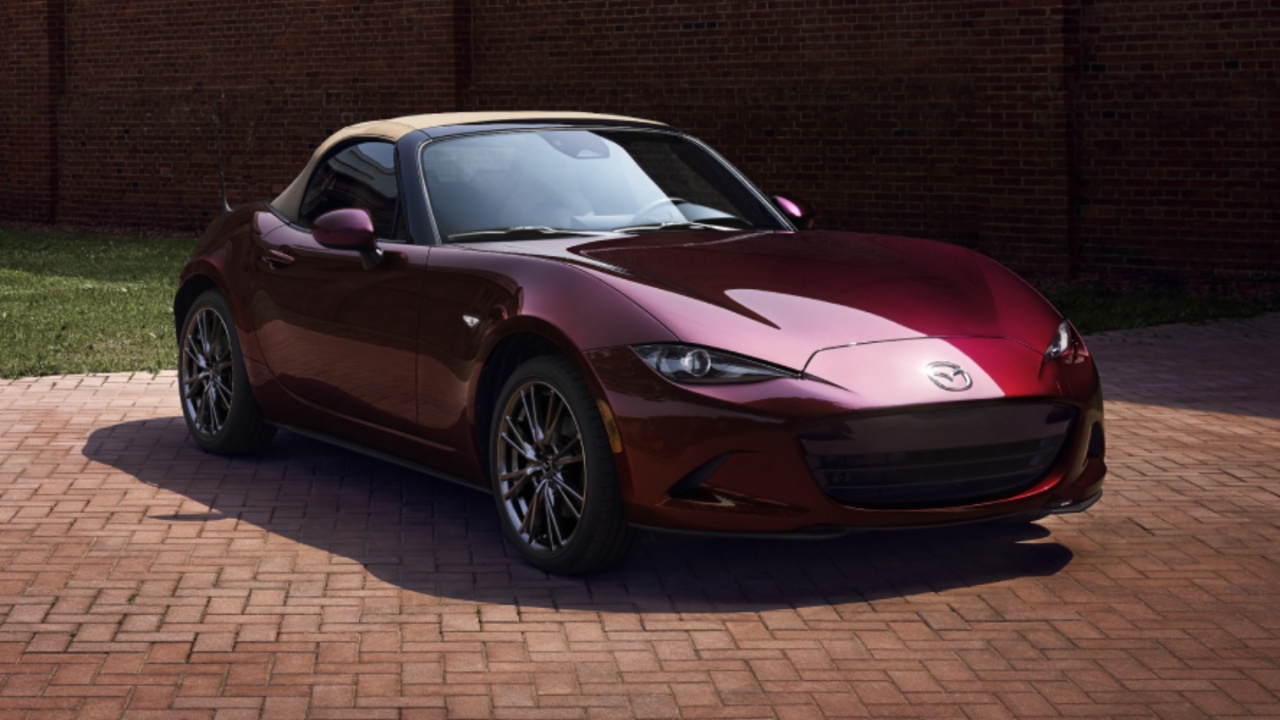
Their simple four-cylinder engines are bulletproof when properly maintained, and parts costs remain reasonable even after decades of production.
The lack of electronic nannies in older models means you’ll develop genuine car control skills without relying on computers. Power outputs range from 116 to 181 horsepower depending on generation, which might seem modest, but the Miata’s lightweight construction (2,300-2,500 pounds) means you’ll enjoy excellent power-to-weight ratios.
More importantly, the limited power encourages maintaining momentum through corners rather than relying on straight-line speed, developing fundamental racing skills that translate to any vehicle.
The massive Miata community provides invaluable resources for first-time builders. Online forums contain decades of accumulated knowledge covering every possible modification and repair.
Track-day organizers often create Miata-specific run groups, letting you benchmark progress against similarly equipped cars while making friends who share your passion.
2. Honda Civic Si (Various Generations)
Honda’s Civic Si has earned legendary status among track enthusiasts thanks to decades of rally and racing success. These front-wheel-drive hot hatches and coupes combine Honda’s legendary VTEC engines with sport-tuned chassis that punch well above their economy-car origins.
The Civic Si offers practicality that dedicated sports cars cannot match – you can drive it daily, carry passengers and cargo, then attack a road course on weekends.
The K-series engines found in 2006-2011 models are particularly beloved for their high-revving character and enormous tuning potential.
With factory outputs around 200 horsepower, these powerplants respond beautifully to bolt-on modifications like intake, exhaust, and ECU tuning.
More ambitious builders can explore forced induction, with turbo kits reliably producing 300-400 horsepower on stock internals when properly executed.
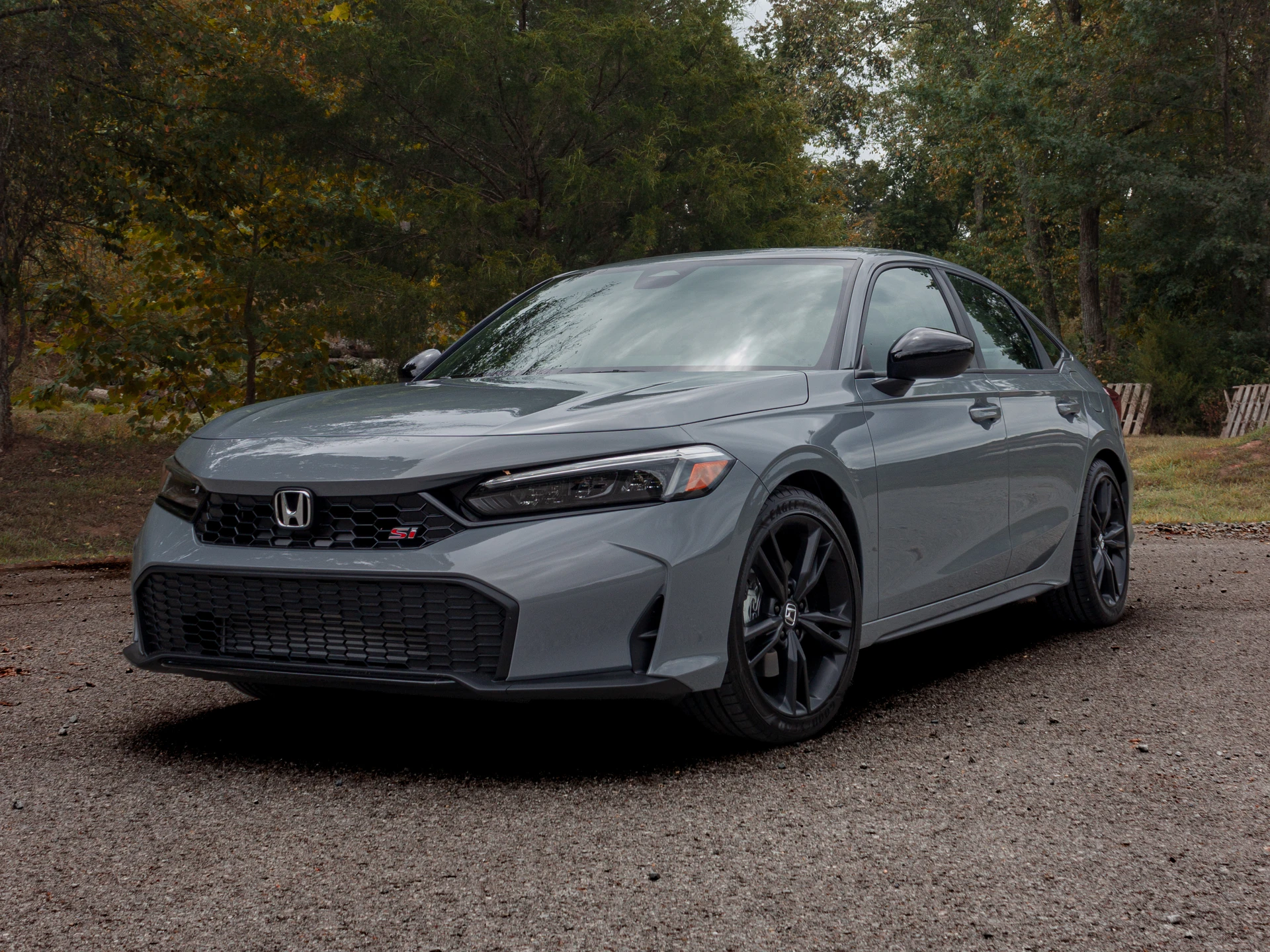
Front-wheel-drive dynamics teach valuable lessons about weight transfer, lift-off oversteer, and throttle management that differ from rear-drive cars.
While FWD suffers from torque steer and understeer when power is applied, skilled drivers exploit these characteristics through trail braking and maintenance throttle techniques. The Civic’s limited-slip differential in Si trim helps put power down effectively.
Aftermarket support rivals even the Miata, with manufacturers like Hondata, Skunk2, and Ktuner offering comprehensive solutions for every performance aspect.
Suspension components from Koni, Bilstein, and Öhlins bolt directly on, while big brake kits from Wilwood and StopTech address the modest factory stoppers. Honda’s reputation for reliability means you’ll spend more time driving than wrenching.
Purchase prices vary considerably by generation, with older EG and EK chassis (1992-2000) available for under $5,000, though pristine examples command premiums.
Newer FK7 and FK8 models (2017+) offer modern amenities and increased performance but require larger budgets. The Civic’s excellent fuel economy and insurance rates make it economically sustainable for regular track use.
3. BMW E36/E46 3-Series
BMW’s E36 and E46 generation 3-Series models represent the sweet spot between German engineering excellence and track-day affordability.
These rear-wheel-drive sports sedans and coupes offer sophisticated multilink suspension designs, strong inline-six engines, and exceptional build quality.
The E36 (1992-1999) and E46 (1999-2006) have depreciated significantly, placing proper sports cars within reach of budget-conscious enthusiasts. The naturally aspirated inline-six engines are masterpieces of engineering, delivering smooth power across broad rev ranges.
The E36 M3’s 240 horsepower and E46 330i’s 225 horsepower provide sufficient pace for track work, while the legendary E46 M3’s 333 horsepower S54 engine remains one of history’s finest naturally aspirated motors. Even non-M models possess enough performance for learning proper technique before power becomes the limiting factor.
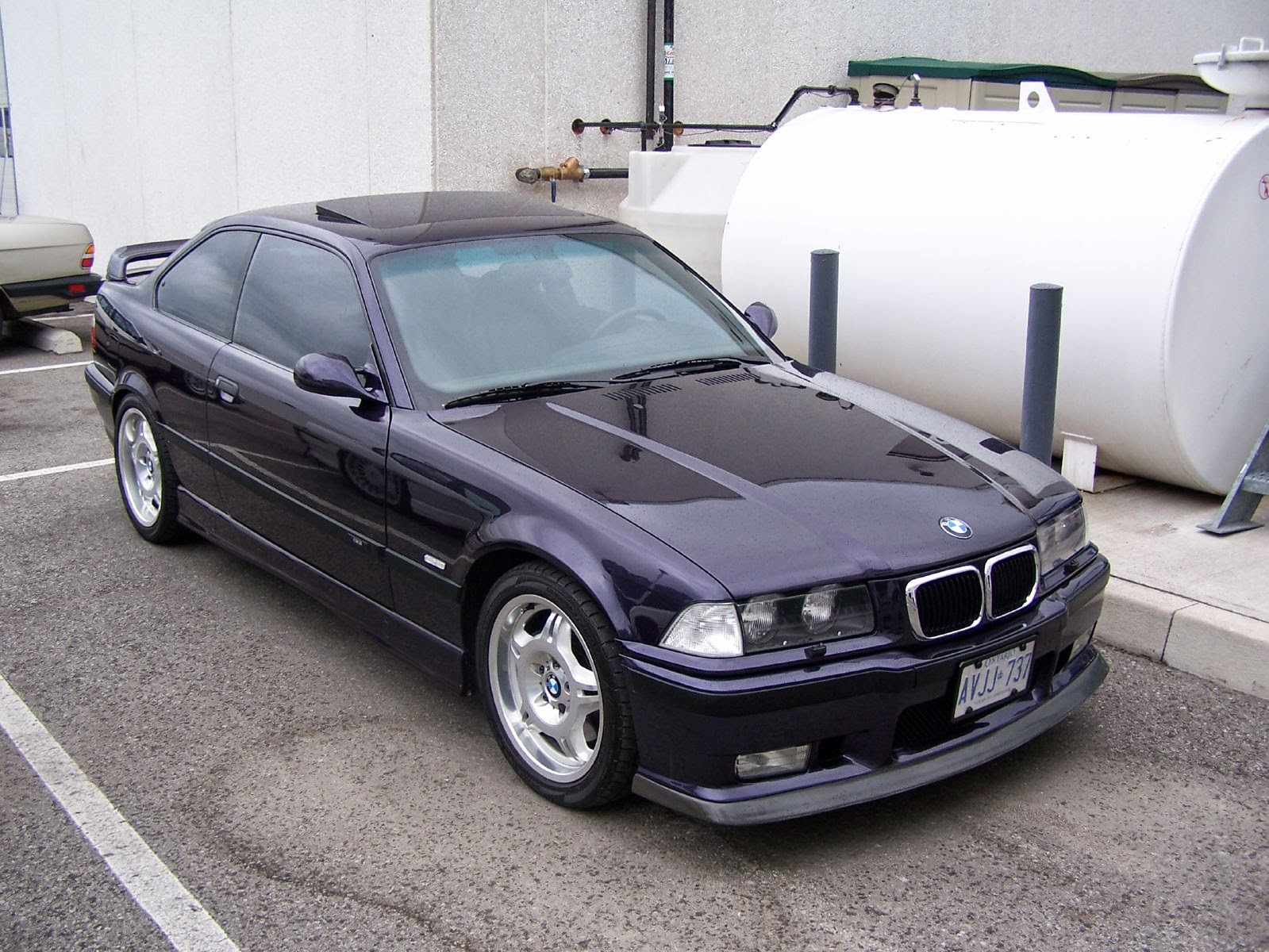
BMW’s rear-drive architecture with near-perfect weight distribution creates balanced, predictable handling. The sophisticated suspension geometry maintains proper tire contact through corners, while progressive breakaway characteristics forgive novice mistakes.
You’ll learn proper line selection, smooth inputs, and weight transfer principles in an environment that rewards precision over aggression.
The aftermarket community surrounding these chassis is enormous, with dedicated vendors like Turner Motorsport, BimmerWorld, and Ground Control offering track-specific packages.
Cooling upgrades are essential for sustained track use, including larger radiators and oil coolers, but these parts are readily available and well-documented. Suspension options range from affordable coilovers to professional-grade Öhlins setups.
Maintenance requirements are higher than Japanese competitors, with cooling system components, subframe reinforcement, and control arm bushings needing attention.
However, the engaged enthusiast community means DIY guides exist for virtually every repair. Parts costs are moderate when avoiding dealer pricing, and the driving experience justifies the additional upkeep. These BMWs teach you to drive a proper sports sedan while remaining civil enough for street duty.
4. Ford Mustang (Fox Body & S197)
American muscle brings affordable V8 power to the track-day equation, and few platforms deliver better value than Fox Body (1979-1993) and S197 (2005-2014) Mustangs.
These rear-wheel-drive coupes offer abundant straight-line performance and surprising handling potential when properly set up. While muscle cars historically emphasized horsepower over cornering, modern suspension technology transforms Mustangs into legitimate track weapons.
Fox Body Mustangs remain incredibly affordable, with clean examples available between $5,000-$15,000. The 5.0-liter V8 produces 225 horsepower stock but responds beautifully to modifications, easily achieving 300+ horsepower with headers, intake, exhaust, and camshaft upgrades.
The simplicity of pushrod V8 architecture means maintenance and modifications don’t require specialized knowledge. That glorious V8 soundtrack provides visceral feedback that modern turbocharged engines cannot replicate.
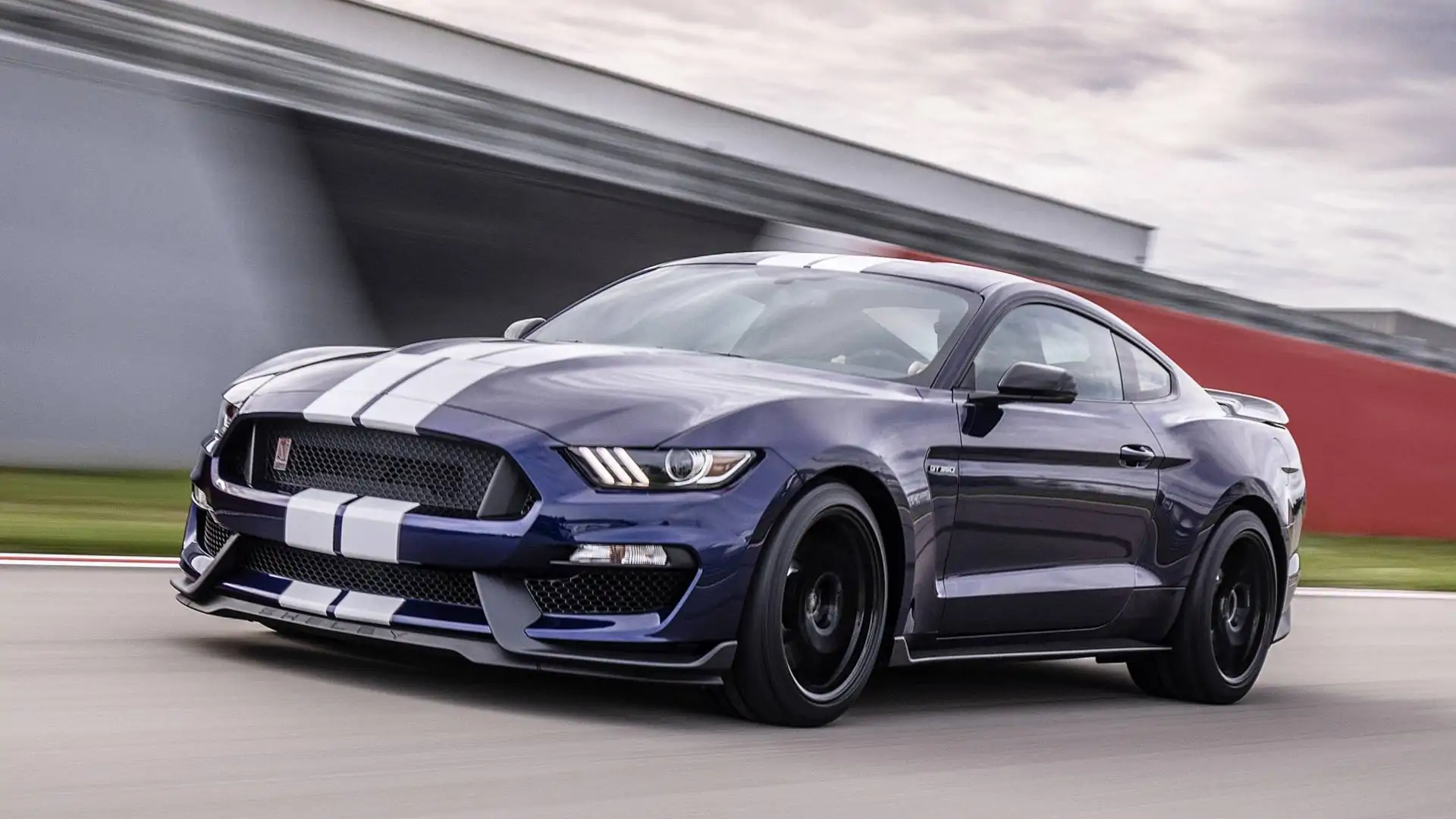
The S197 generation brought modern refinement while maintaining the Mustang’s traditional formula. The 2011+ 5.0-liter Coyote V8 models deliver 412-420 horsepower factory fresh, providing seriously fast lap times right off the dealer lot.
The independent rear suspension in 2015+ models dramatically improves handling, though earlier solid-axle cars remain entertaining and competitive with proper setup.
Mustang’s active racing community developed comprehensive suspension packages addressing factory deficiencies. Maximum Motorsports, BMR Suspension, and Steeda create complete handling systems transforming these muscle cars into corner-carvers.
Subframe connectors, torque boxes, adjustable control arms, and sway bars fundamentally change chassis behavior, eliminating body flex and improving tire contact.
The affordability extends to consumables, with tire sizes that avoid exotic pricing and brake components shared across Ford’s lineup. Insurance and registration costs remain reasonable compared to exotic alternatives.
You’ll enjoy tire-smoking acceleration entering straights while developing skills managing significant power delivery. The strong torque band forgives imperfect corner exits, letting you learn racecraft before mastering perfect shifts. Mustangs prove that American V8 performance belongs on road courses, not just drag strips.
Also Read: 8 Cars With the Best Rear-Camera Quality at Night
5. Subaru BRZ/Toyota 86 (Scion FR-S)
The Subaru BRZ and Toyota 86 twins (originally Scion FR-S) represent modern interpretations of classic sports car philosophy. Introduced in 2012, these collaboration vehicles prioritize handling balance and driver engagement over raw numbers.
With low curb weights around 2,800 pounds, low centers of gravity, and rear-wheel-drive layouts, they deliver exceptional dynamics that make drivers feel like heroes regardless of lap times.
The naturally aspirated 2.0-liter flat-four engine produces 200-205 horsepower (228 hp in second-generation models), which critics often cite as insufficient.
However, this modest output works beautifully on track, keeping corner speeds manageable while encouraging smooth, precise driving.
You’ll develop proper racing lines and momentum management without constantly battling overwhelming power. The engine’s torque dip around 4,000 RPM becomes a non-issue on track when keeping revs high.
The chassis is sublime genuinely one of the best-handling affordable cars ever produced. The MacPherson strut front and double-wishbone rear suspension maintains exceptional tire contact through transitions.
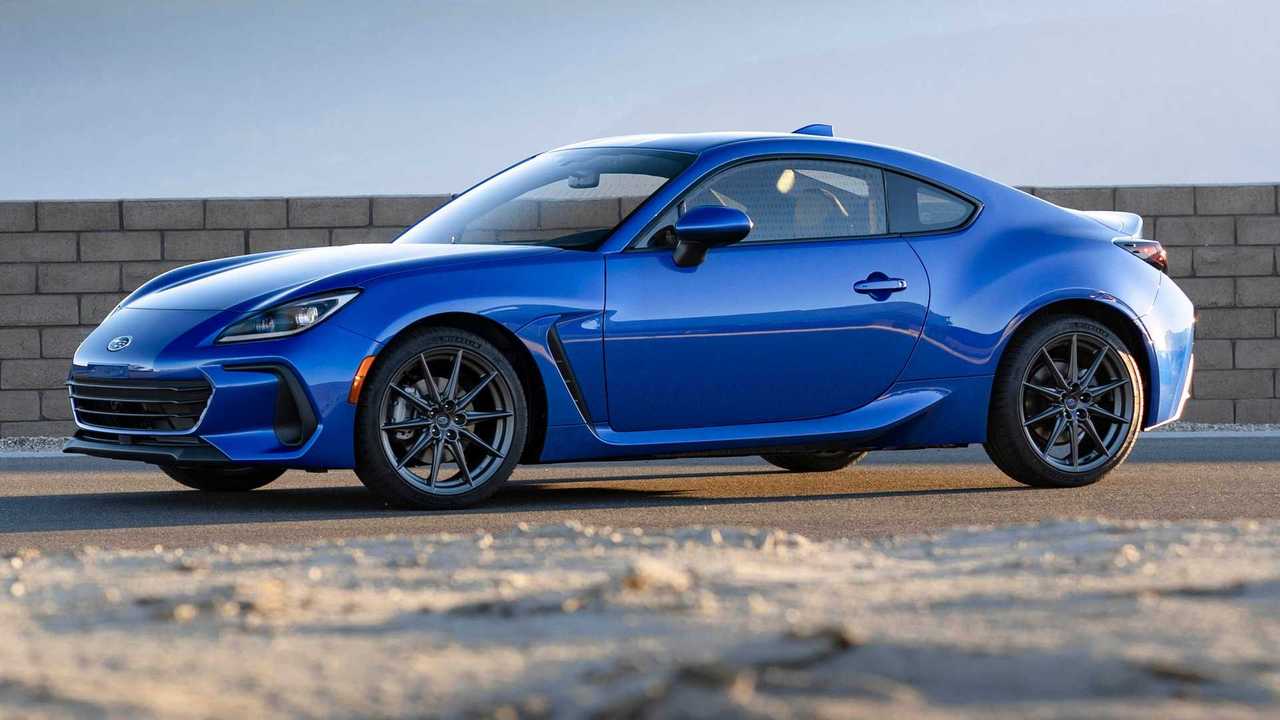
Factory-equipped Michelin Primacy tires provide just enough grip to slide predictably at street-legal speeds, making every session engaging without requiring racing slicks. The linear, communicative steering builds confidence rapidly.
Aftermarket support exploded immediately after launch, with companies offering forced induction kits for power-hungry buyers. Turbo and supercharger systems reliably produce 280-350 horsepower, transforming the car’s character while maintaining excellent reliability.
Header upgrades address the torque dip, and ECU tuning from OpenFlash Performance or EcuTek extracts additional potential from every modification.
The twins’ popularity creates strong community support with dedicated forums, Facebook groups, and Instagram pages documenting every modification. Track events often feature BRZ/86-specific classes, providing perfect competition against identically equipped vehicles.
Prices for first-generation examples have stabilized between $15,000-$25,000, representing excellent value for such a capable platform. Insurance remains affordable thanks to practical coupe styling rather than intimidating sports car aesthetics.
6. Nissan 350Z/370Z
Nissan’s Z-car lineage continued successfully with the 350Z (2003-2009) and 370Z (2009-2020), offering powerful V6 motivation in sleek rear-wheel-drive coupes.
These Japanese sports cars bridge the gap between affordable track toys and serious performance machines, delivering 287-332 horsepower depending on generation and trim level.
The substantial power output teaches throttle control and managing oversteer while the robust chassis handles aggressive modifications gracefully.
The VQ-series V6 engines are legendary for reliability and character. While not matching naturally aspirated BMW inline-sixes for refinement, they produce broad, accessible torque bands perfect for track work.
The motors tolerate abuse remarkably well, with many examples exceeding 150,000 miles without major issues. Aftermarket forced induction pushes output beyond 500 horsepower when bottom-end strengthening accompanies boost increases.
Chassis dynamics are impressive, with stiff unibody construction and sophisticated multilink suspension designs. The 350Z weighs approximately 3,200-3,300 pounds, while the 370Z shed roughly 100 pounds through aluminum components and reduced sound deadening.
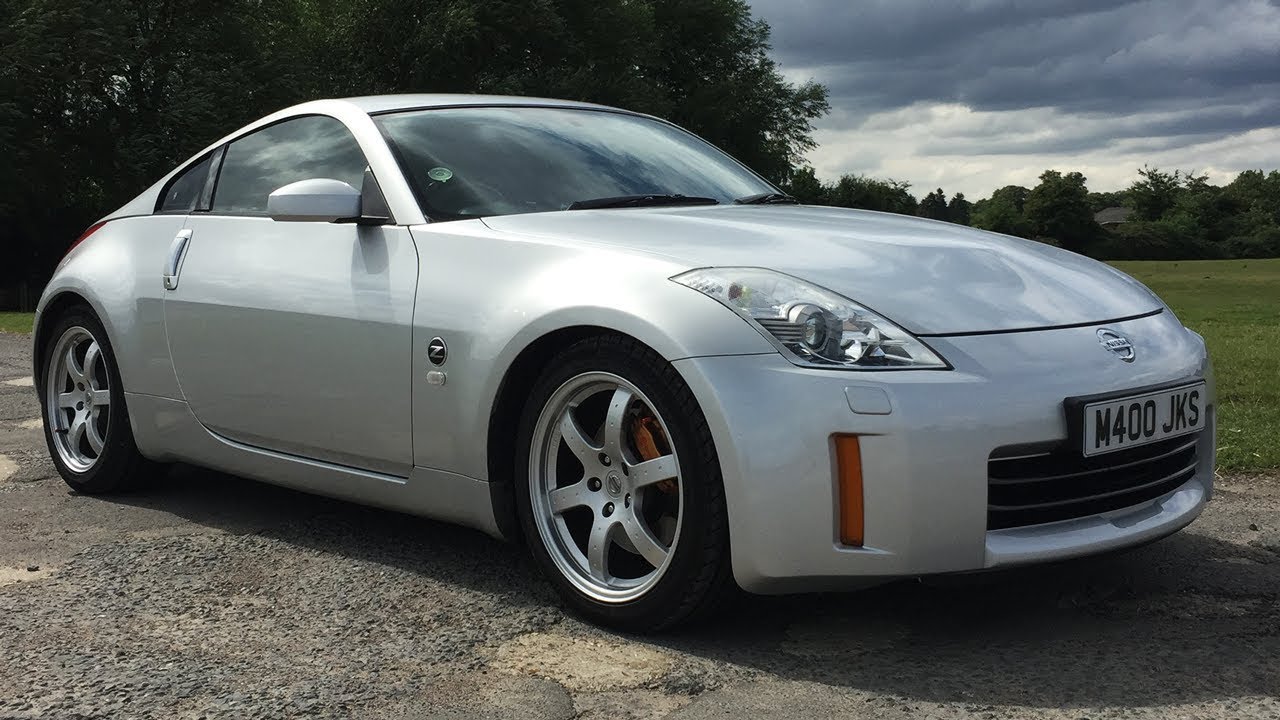
Weight distribution hovers near ideal 53/47 front/rear splits, promoting neutral handling characteristics. The Akebono big brake option on Sport Package models provides exceptional stopping power straight from the factory.
Track preparation focuses on heat management, as the VQ engine runs warm during sustained high-RPM operation. Oil cooler upgrades are virtually mandatory for serious track work, preventing excessive temperatures that degrade lubricant protection.
Differential coolers similarly extend the lifespan of the VLSD or CLSD units. Once thermal issues are addressed, these cars prove incredibly reliable track companions.
The Z platform’s popularity in drifting and time attack disciplines created extensive aftermarket support. Suspension manufacturers offer everything from entry-level coilovers to professional dampers with remote reservoirs.
Adjustable control arms enable precise alignment settings for maximum tire contact. Wheel and tire fitment is straightforward, with aggressive 18-inch or 19-inch setups improving both grip and aesthetics.
Purchase prices have become very attractive, with clean 350Z examples available for $10,000-$15,000 and 370Z models starting around $20,000.
The enclosed cockpit provides weather protection that roadsters lack, extending the driving season in challenging climates. These Z-cars deliver authentic sports car experiences without requiring Italian supercar budgets or Japanese import hassles.
7. Porsche 944
Porsche’s 944 represents Germany’s finest affordable track offering, combining legendary engineering with depreciated pricing. Produced from 1982-1991, these front-engine, rear-wheel-drive coupes feature transaxle layouts creating perfect 50/50 weight distribution.
While carrying prestigious Porsche badges, they’ve depreciated to the point where clean examples sell for $5,000-$15,000, making genuine German sports cars accessible to enthusiasts previously priced out of Stuttgart’s products.
The 944’s inline-four engines initially seem underwhelming at 143-190 horsepower in naturally aspirated form, with turbocharged models producing 217-247 horsepower.
However, the balanced chassis means available power proves sufficient for learning proper technique. The transaxle layout positions the transmission at the rear axle, improving weight distribution dramatically compared to conventional front-engine layouts.
This configuration creates exceptionally neutral handling that forgives mistakes while rewarding precision. The suspension is pure Porsche excellence MacPherson struts with lower A-arms at all four corners, along with anti-roll bars and torque tubes controlling driveline rotation.
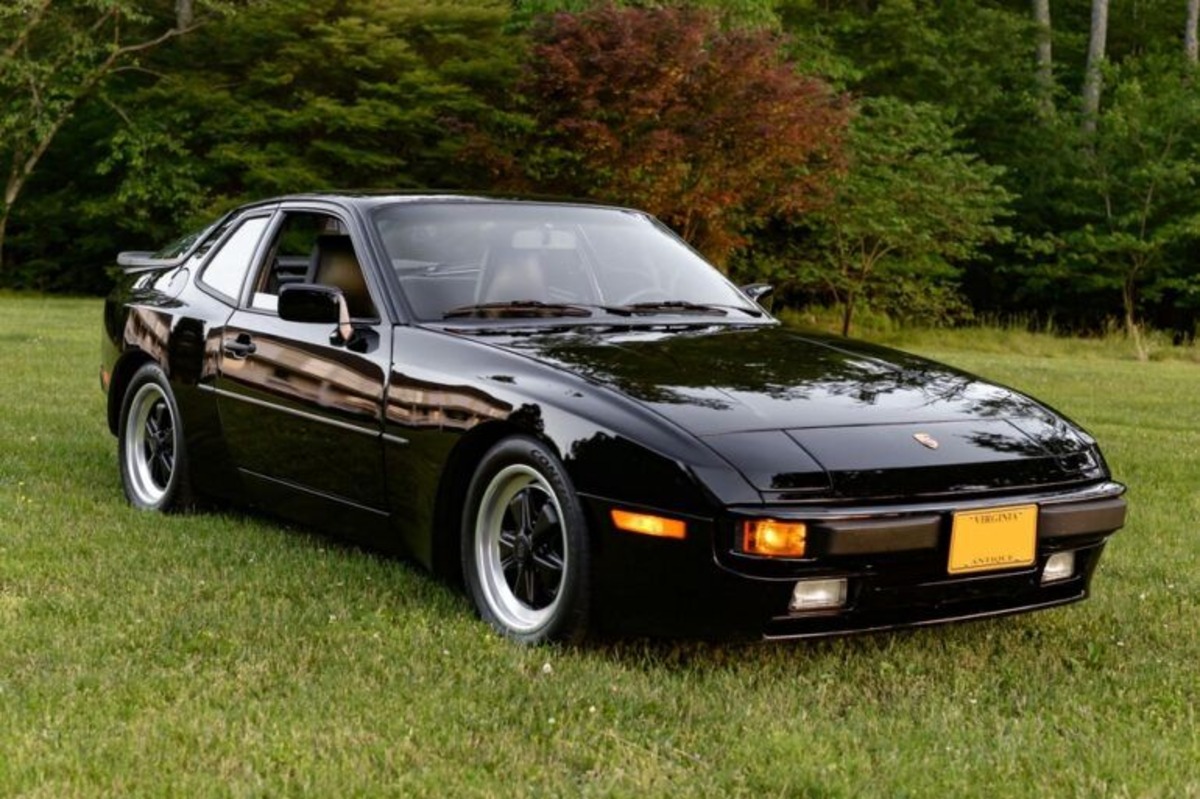
The carefully engineered geometry maintains proper camber curves through suspension travel, maximizing tire contact patch. Factory spring rates and damper settings already lean toward performance applications, requiring minimal modification for track duty.
Parts availability surprises many newcomers, with vendors like Pelican Parts, Apex Performance, and 944 Online stocking comprehensive inventories.
Porsche’s legendary build quality means properly maintained examples remain mechanically sound even after 30+ years. Common maintenance items include timing belt replacement (every 30,000 miles religiously), clutch cables, and fuel injection system refurbishment, but none present insurmountable challenges for dedicated enthusiasts.
The 944 community embraces both street driving and track work, with dedicated race series like 944 Spec providing affordable competition.
The enclosed cockpit provides comfort during transitional weather, while the hatchback configuration offers surprising practicality for hauling track gear.
These Porsches teach the German approach to balanced performance, emphasizing precision and finesse over raw numbers. When you’re ready for more power, turbocharged 944 models or LS engine swaps provide clear upgrade paths.
8. Chevrolet Corvette (C5/C6)
America’s sports car delivers supercar performance at decidedly un-supercar pricing. The C5 (1997-2004) and C6 (2005-2013) Corvette generations offer sophisticated engineering including aluminum chassis construction, transaxle layouts, and powerful LS-series V8 engines.
With 345-436 horsepower on tap depending on model year and variant, these ‘Vettes provide acceleration that embarrasses vehicles costing three times as much.
The C5 revolutionized Corvette’s reputation by incorporating genuine sports car engineering rather than just stuffing massive engines in fiberglass bodies.
The hydroformed aluminum frame reduces weight while increasing stiffness, and the rear-mounted transaxle achieves 51/49 weight distribution.
The LS1 and LS6 V8 engines are legendary for reliability and modification potential, sharing architecture with millions of GM trucks and SUVs, keeping parts costs reasonable.
Track performance is genuinely impressive straight from the factory. Magnetic Ride Control adaptive dampers (optional on C5, standard on C6) continuously adjust suspension settings, providing both street comfort and track capability.
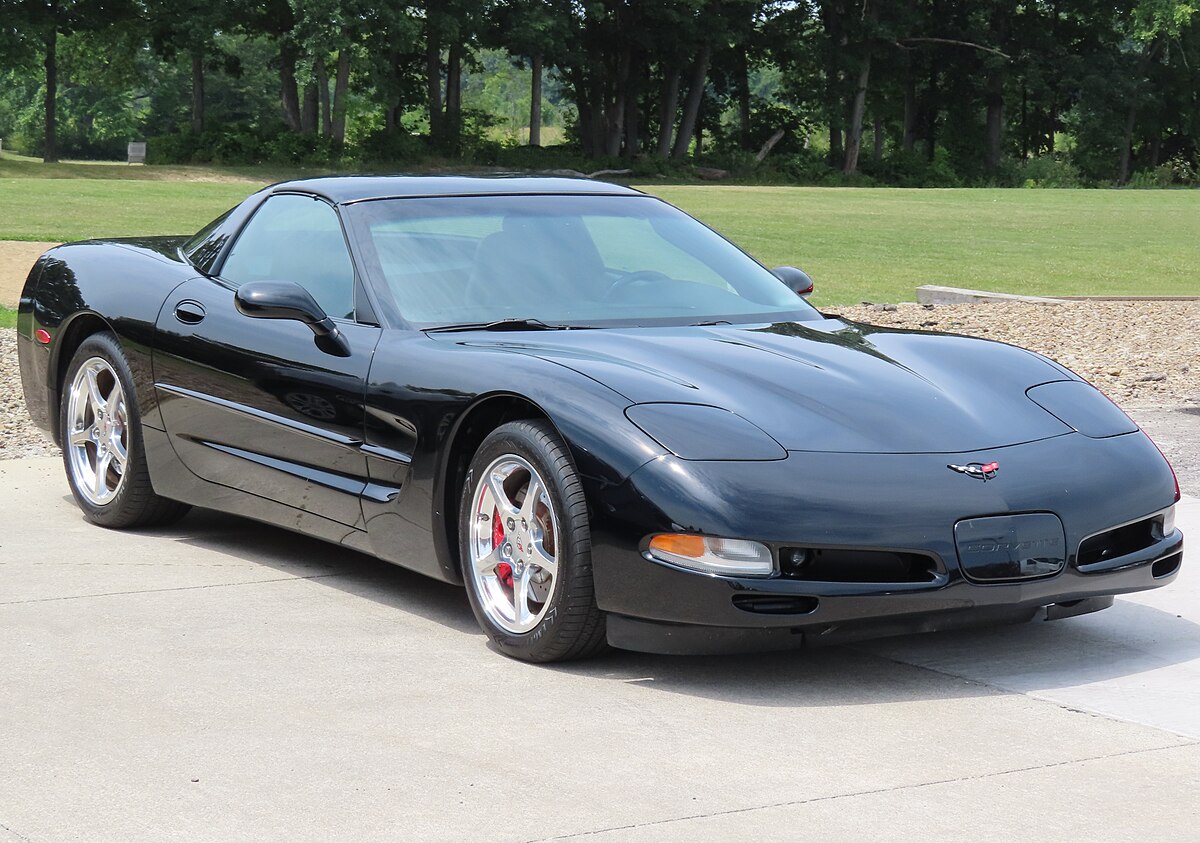
Factory Brembo brakes on Z06 models deliver fade-resistant stopping power, while base models accept upgraded pads and fluid for improved performance. The removable roof panel provides open-air enjoyment without roadster compromises.
Consumable costs reflect the Corvette’s performance envelope rear tires wear quickly under enthusiastic driving, and brake pads disappear during track sessions. However, the massive popularity means aftermarket options span all price points.
Suspension specialists like Pfadt Racing and Lingenfelter develop track-specific packages, while engine builders routinely achieve 500+ naturally aspirated horsepower with heads, camshafts, and intake modifications.
C5 Corvettes now trade hands for $15,000-$25,000, representing extraordinary value for 350+ horsepower rear-drive sports cars with removable tops. C6 models command $25,000-$40,000 depending on mileage and specification.
The community provides extensive documentation for maintenance and modifications, with forums like CorvetteForum housing decades of accumulated knowledge.
You’ll enjoy legitimate supercar performance with mainstream maintenance requirements, making the Corvette platform one of history’s greatest performance bargains.
9. Volkswagen Golf GTI
The Volkswagen Golf GTI virtually created the hot hatch segment and remains one of the most versatile track-day platforms available.
Spanning multiple generations from the 1983 original through today’s Mk8, the GTI balances everyday practicality with genuine performance credentials.
The combination of turbocharged engines, sport-tuned suspensions, and hatchback utility creates cars that serve equally well commuting to work or attacking technical road courses.
The Mk6 and Mk7 generations (2010-2021) represent sweet spots for track duty, offering sufficient power (200-228 horsepower) and modern safety equipment without excessive complexity.
The EA888 turbocharged 2.0-liter four-cylinder engine responds beautifully to tuning, with simple ECU reflashes extracting 260+ horsepower reliably.
More aggressive builds incorporating upgraded turbochargers, intercoolers, and exhaust systems push outputs beyond 350 horsepower on stock internals.
Front-wheel-drive dynamics require different techniques than rear-drive platforms, teaching valuable lessons about managing understeer through throttle modulation and trail braking.
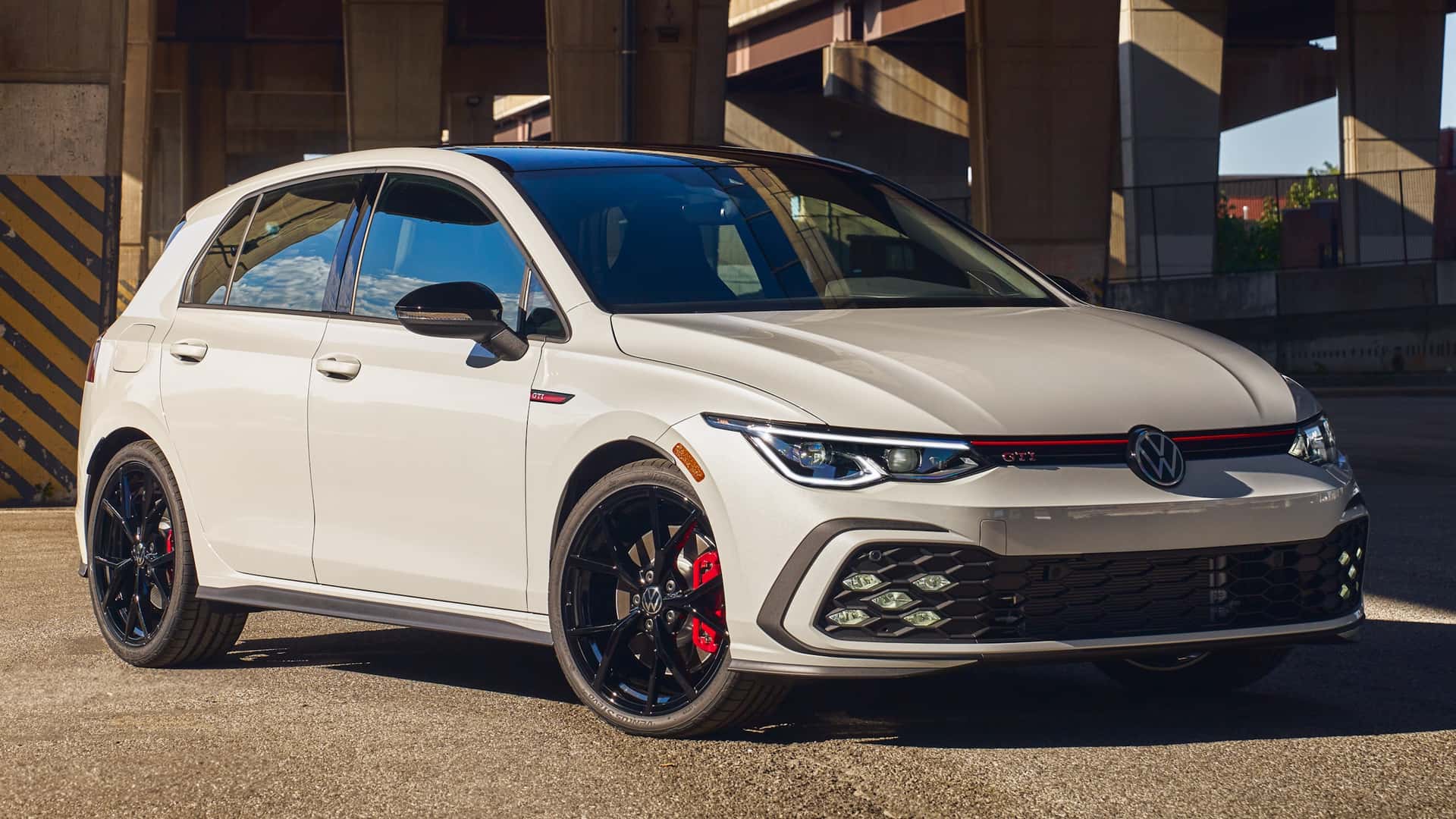
The GTI’s electronically controlled limited-slip differential (Performance Package) dramatically improves corner exit traction, effectively managing torque steer that plagues lesser FWD performance cars.
You’ll develop smooth driving habits that maximize front tire grip while learning to exploit lift-off rotation. The massive enthusiast community provides exceptional resources for learning and modification.
Companies like APR, Unitronic, and Integrated Engineering offer comprehensive tuning solutions with proven reliability. Suspension options from H&R, KW, and ST Suspensions address factory compromises, while brake upgrades from VW Racing and ECS Tuning improve stopping power and fade resistance.
Purchase prices vary considerably by generation, with clean Mk5 examples (2006-2009) available under $10,000, while Mk7 models (2015-2021) trade between $18,000-$30,000.
The practicality cannot be overstated four proper seats, substantial cargo capacity, excellent fuel economy, and civilized ride quality mean the GTI genuinely serves as your only vehicle.
German build quality ensures these cars feel substantial and well-engineered even after 100,000+ miles. The GTI proves you don’t need to sacrifice daily usability for track-day thrills.
10. Mazda RX-8
The Mazda RX-8 represents the final iteration of rotary-powered sports cars before emissions regulations ended this unique engineering approach.
Produced from 2004-2012, the RX-8 features the naturally aspirated 1.3-liter Renesis rotary engine producing 232 horsepower in high-output form.
While rotary engines carry reliability concerns that scare many buyers away, resulting in bargain pricing, properly maintained examples provide unique driving experiences impossible to replicate with conventional piston engines.
The rotary’s characteristics differ fundamentally from reciprocating engines. Power delivery is incredibly smooth, with no vibration and linear acceleration from idle to the 9,000 RPM redline.
The engine weighs just 250 pounds, positioned entirely behind the front axle for nearly perfect 50/50 weight distribution. This configuration creates exceptional handling balance that challenges even the Miata for communication and precision.
The four-door, four-seat configuration provides unexpected practicality for a focused sports car. Suicide-style rear-hinged back doors improve access while maintaining structural rigidity.
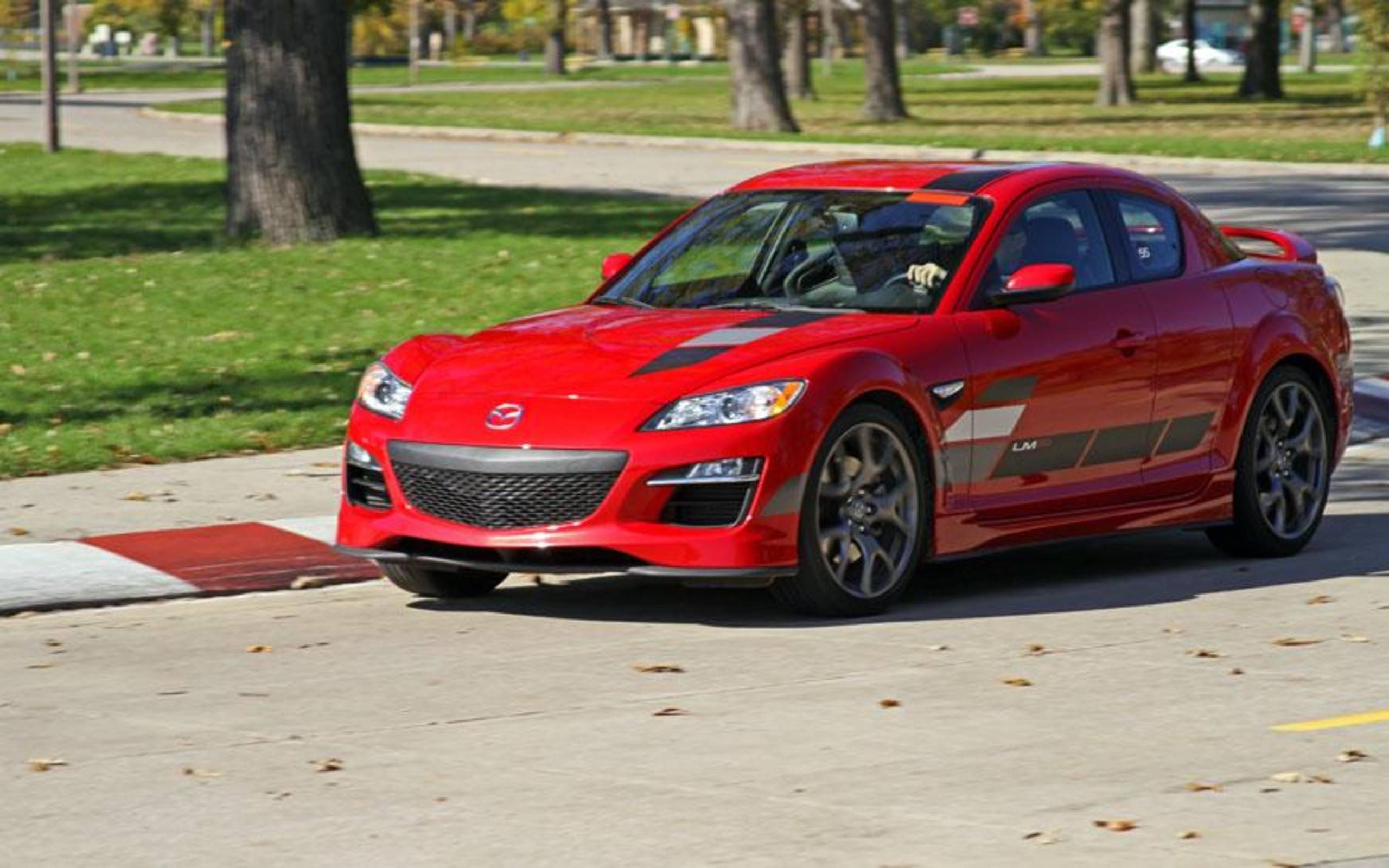
The chassis is phenomenally stiff, with suspension geometry optimized for track work from the factory. Many RX-8s came equipped with excellent Bilstein dampers and sport-tuned springs that require minimal modification for track duty.
Maintenance is critical with rotary engines regular oil changes, avoiding carbon buildup through proper operating procedures, and monitoring compression are essential.
The engines consume oil by design, requiring checks every 1,000 miles and additions as necessary. While engine rebuilds become necessary between 100,000-150,000 miles, rotary specialists perform this work for $3,000-$5,000, less than replacing many conventional engines.
Purchase prices have cratered to the point where clean examples sell for $5,000-$10,000, representing phenomenal value for such capable chassis.
The aftermarket provides forced induction kits for power-seekers, with turbo setups reliably producing 300-350 horsepower when properly installed and tuned.
Racing Beat, Mazdaspeed, and several rotary specialists support the platform comprehensively. The RX-8 offers a unique experience, screaming revs, perfect balance, and four seats for under $10,000.
11. Honda S2000
The Honda S2000 represents Japanese engineering at its absolute peak, combining a legendary naturally aspirated engine with sublime chassis dynamics.
Produced from 1999-2009, this rear-wheel-drive roadster features the F20C/F22C 2.0-liter and 2.2-liter VTEC four-cylinders producing 237-247 horsepower.
What makes these engines special is their 9,000 RPM redline (8,800 RPM on later models) and specific output exceeding 120 horsepower per liter without forced induction figures that remain impressive decades later.
The driving experience is intoxicating, with power delivery building progressively until VTEC engagement around 6,000 RPM transforms the engine’s character.
The high-revving nature encourages aggressive driving, keeping speeds in the powerband through proper rev matching and smooth shifts.
The six-speed manual transmission is one of the finest ever produced, with rifle-bolt precision and perfectly spaced ratios for track work.
The chassis is equally impressive, with double-wishbone suspension at all four corners and exceptional rigidity from the convertible body structure.
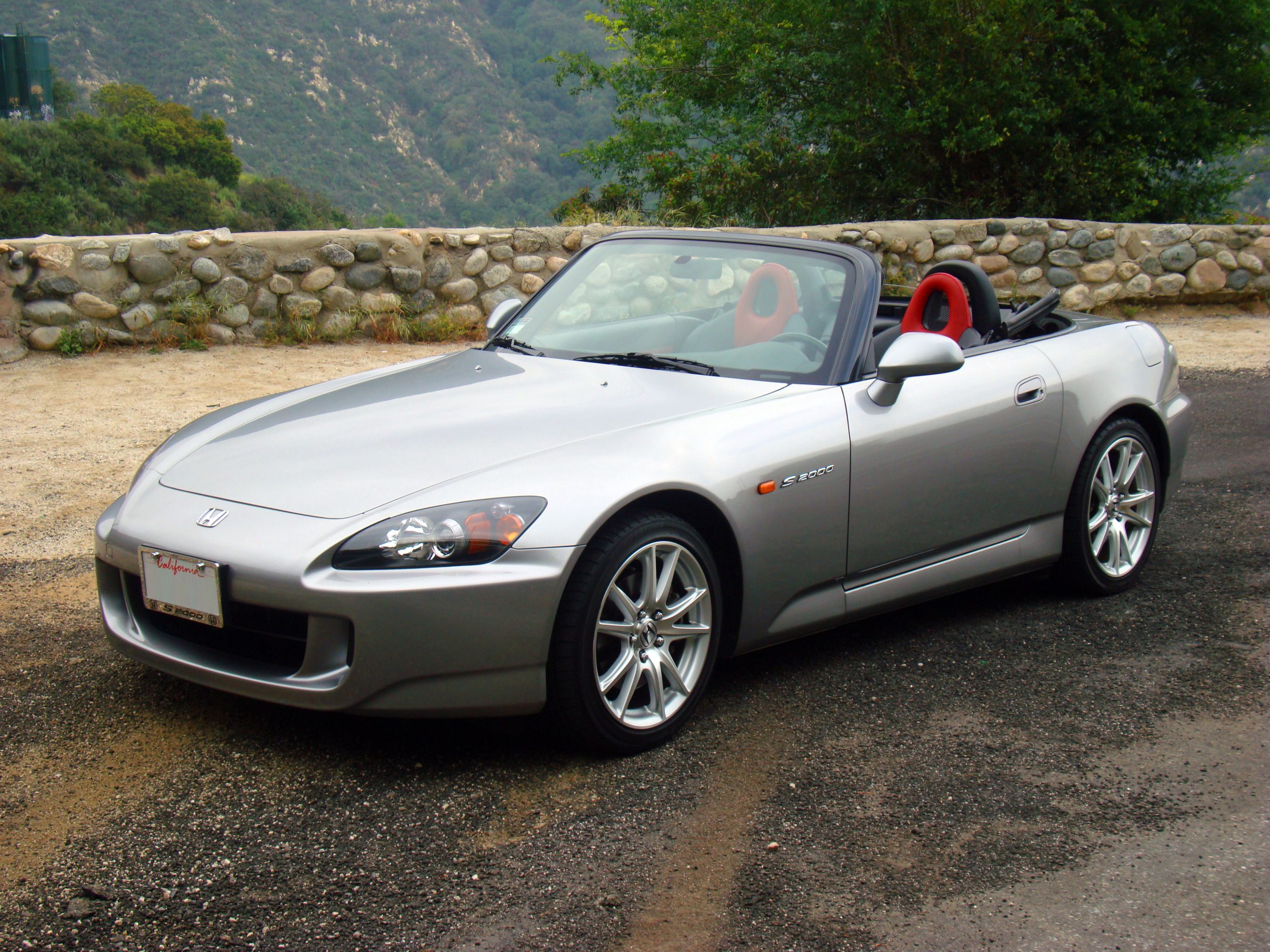
The X-bone frame design eliminated typical roadster flex, creating a platform that rivals fixed-roof coupes for stiffness. Electric power steering (on AP2 models from 2004+) initially disappointed purists but actually provides excellent feedback and precision.
The near-perfect 50/50 weight distribution and 2,800-pound curb weight create wonderfully balanced handling. The S2000’s tail-happy reputation deserves mention – these cars will spin if you lift mid-corner or apply too much throttle too early.
This characteristic actually benefits learning proper throttle control and weight transfer management. Later AP2 models incorporated stability control and slightly longer wheelbases that tame the snappier behavior without eliminating the engaging dynamics.
Values have appreciated significantly as enthusiasts recognize the S2000’s significance, with clean examples commanding $20,000-$35,000 depending on mileage and condition.
This appreciation reflects genuine rarity and excellence rather than speculative bubbles. Aftermarket support remains strong, with companies like Comptech, Ballade Sports, and J’s Racing offering comprehensive packages.
The S2000 provides experiences approaching exotic territory screaming naturally aspirated power, telepathic chassis communication, and open-air thrills that justify the premium pricing.
12. Nissan 240SX (S13/S14)
The Nissan 240SX represents the ultimate budget track platform, combining affordable purchase prices, bulletproof reliability, and nearly unlimited modification potential.
Sold in North America from 1989-1998 as the S13 and S14 chassis, these rear-wheel-drive coupes originally featured modest 155-160 horsepower four-cylinder engines.
However, their true appeal lies in simplicity, perfect weight distribution, and compatibility with Nissan’s legendary SR20DET turbocharged engine and RB-series inline-six swaps from Japanese-market vehicles.
The chassis dynamics are exceptional even in stock form, with multilink rear suspension providing excellent geometry and tire contact through corners.
The 2,700-pound curb weight means even stock power provides entertaining dynamics when maintaining momentum. The forgiving handling characteristics help beginners learn proper technique without punishing mistakes with immediate spins or understeer plowing.
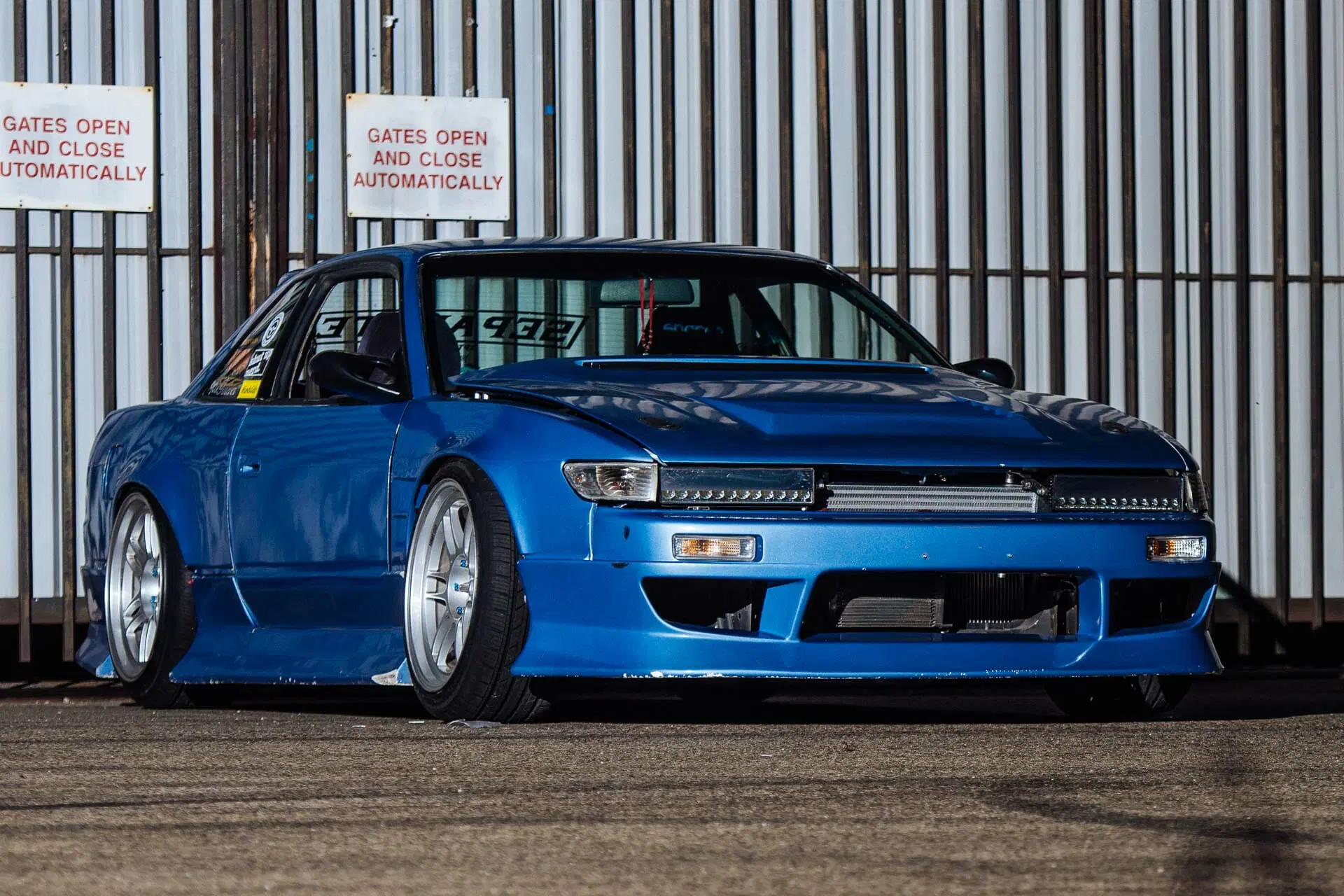
Engine swaps define 240SX culture, with the SR20DET turbocharged 2.0-liter four-cylinder representing the most popular upgrade. These engines produce 205-250 horsepower stock but easily achieve 300-400 horsepower with turbo upgrades, fuel system improvements, and tuning.
The drift community’s embrace of this platform created massive aftermarket support, with virtually every imaginable component available from specialized vendors.
The popularity in drifting means abundant used parts circulate through community classifieds at bargain prices. However, this same popularity created challenges finding unmolested examples, as many have been modified poorly or crashed.
Patient searching reveals clean examples, often from older enthusiasts who maintained them carefully. Rust is the primary enemy, particularly in northern climates where road salt accelerates corrosion.
Purchase prices for clean S13/S14 chassis have risen but remain accessible, typically ranging $5,000-$15,000 depending on condition and modifications.
The incredibly strong community provides encyclopedic knowledge through forums like Zilvia and NICOclub. The 240SX is the ultimate blank canvas an affordable rear-drive platform ready to be transformed into whatever you envision.
Also Read: 8 Cars With the Best Rear-Camera Quality at Night
