
When you’re in the market for a vehicle, one of the most overlooked yet crucial factors is long-term interior quality. Nothing diminishes the driving experience quite like squeaks, rattles, and creaks that develop as a car ages.
These annoying sounds not only detract from comfort but also signal poor build quality and declining value. The difference between a well-constructed interior and a mediocre one becomes glaringly apparent after several years of ownership, especially when driving over rough roads or in varying weather conditions.
Premium automakers have long understood that interior solidity is a hallmark of luxury and craftsmanship. However, you don’t necessarily need to spend six figures to enjoy a rattle-free cabin.
Today, several manufacturers across different price segments have invested heavily in superior materials, precise assembly techniques, and rigorous quality control to ensure their interiors maintain integrity over time.
From German engineering excellence to Japanese reliability and even some impressive domestic offerings, certain vehicles stand out for their ability to resist the test of time.
This list highlights ten cars renowned for interiors that remain tight, quiet, and squeak-free even after years of ownership and thousands of miles.
Whether you’re a daily commuter, a road trip enthusiast, or simply someone who appreciates quality craftsmanship, these vehicles represent the pinnacle of interior durability and thoughtful construction that you’ll appreciate every single day behind the wheel.
1. Mercedes-Benz E-Class
The Mercedes-Benz E-Class has long been synonymous with interior excellence, and its reputation for maintaining that quality over time is well-deserved.
Mercedes employs a meticulous approach to cabin construction, using premium materials throughout and ensuring every component fits with precision.
The dashboard, door panels, and center console feature high-quality plastics with soft-touch surfaces that don’t degrade or become brittle with age.
Real wood trim, genuine leather, and metal accents are standard in most trims, and these materials age gracefully rather than showing wear prematurely.
What truly sets the E-Class apart is Mercedes’ attention to the unseen aspects of interior construction. The company uses extensive sound deadening materials throughout the cabin, which not only reduces road noise but also prevents panels from vibrating against each other.
Fasteners are precisely engineered and often include rubber grommets that eliminate metal-to-metal contact. The result is an interior that feels as solid after 100,000 miles as it did when new.
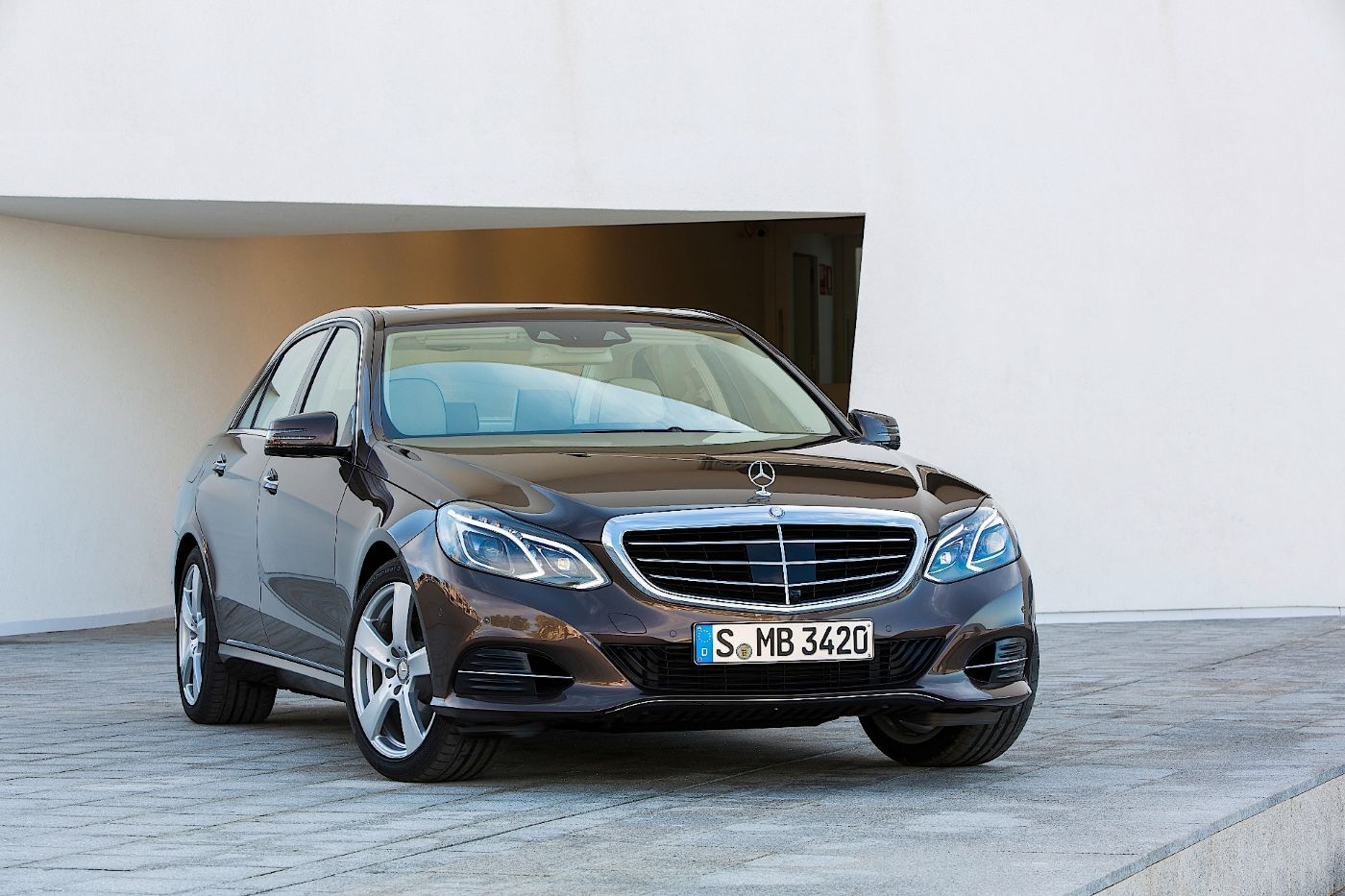
Owners consistently report that their E-Class vehicles maintain their interior integrity remarkably well. Even in older models from the previous generation, you’ll find that switches operate with the same satisfying click, doors close with a vault-like thunk, and the dashboard remains free of annoying rattles.
The brand’s rigorous testing procedures include extensive durability trials where vehicles are subjected to extreme temperatures, rough roads, and simulated years of use before production begins.
The current generation E-Class takes this philosophy even further with the MBUX infotainment system integrated seamlessly into the design, reducing the number of moving parts that could potentially develop issues over time.
Whether you choose the sedan, wagon, or coupe variant, you’re investing in an interior that will stand the test of time and continue delivering the premium experience Mercedes-Benz promises.
2. Lexus ES
Lexus has built its entire brand reputation on reliability and quality, and the ES sedan exemplifies this commitment perfectly. The Japanese luxury brand’s obsessive attention to detail and quality control means that every ES rolling off the assembly line meets extraordinarily high standards.
Lexus uses a philosophy called “Takumi craftsmanship,” where master craftsmen oversee critical aspects of production to ensure precision fit and finish.
This human touch, combined with advanced manufacturing techniques, results in an interior that simply doesn’t develop the rattles and squeaks common in lesser vehicles.
The materials used throughout the ES cabin are carefully selected for durability as well as luxury. The synthetic leather option, NuLuxe, was specifically developed to be more durable and easier to maintain than traditional leather while still providing a premium feel. Real wood trim is hand-selected and finished to ensure it won’t crack or fade over time.
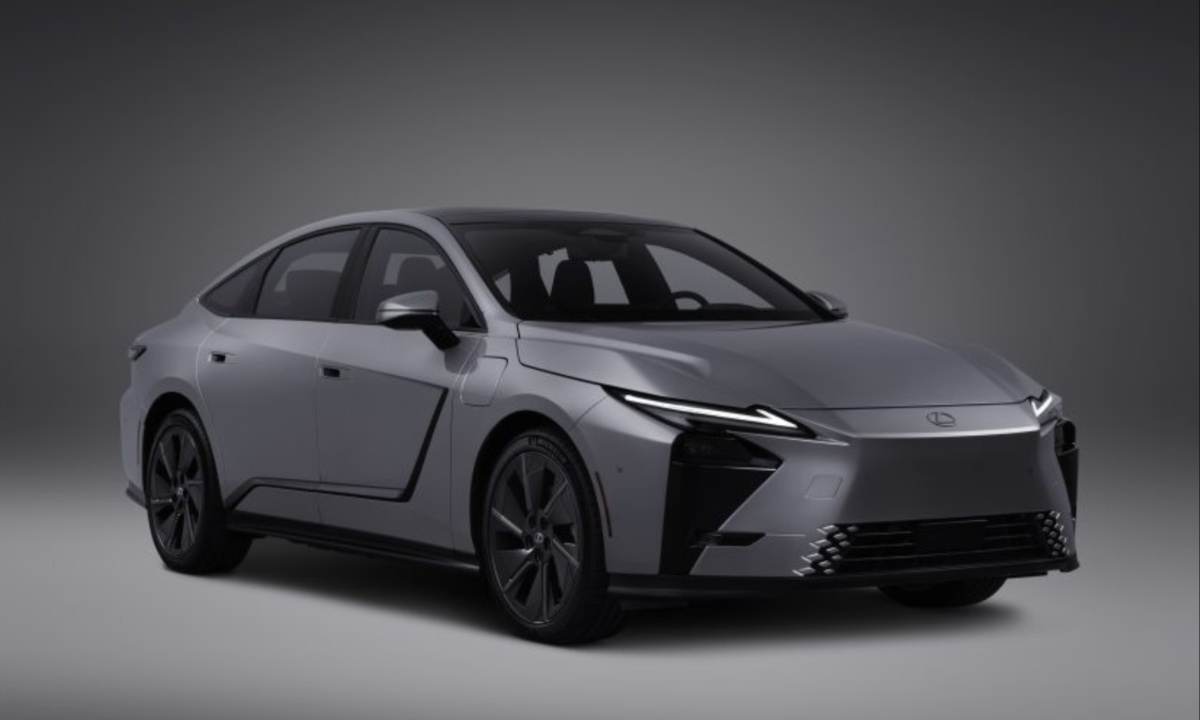
Even the plastic components, which are often the source of rattles in other vehicles, are made from high-quality polymers that maintain their structural integrity through years of temperature cycling and UV exposure.
What makes the ES particularly impressive is its consistency across the entire production run. While some manufacturers have quality control variations between different factories or production periods, Lexus maintains remarkably consistent standards.
Owners of ten-year-old ES models regularly report that their interiors still feel tight and rattle-free, with only minimal wear showing on high-contact surfaces like the steering wheel and driver’s seat bolster.
The latest generation ES features even more advanced construction techniques, including additional bracing behind the dashboard and improved mounting systems for all interior components.
Lexus engineers spent countless hours identifying and eliminating potential sources of noise and vibration, and it shows in the whisper-quiet cabin that remains serene even on rough pavement.
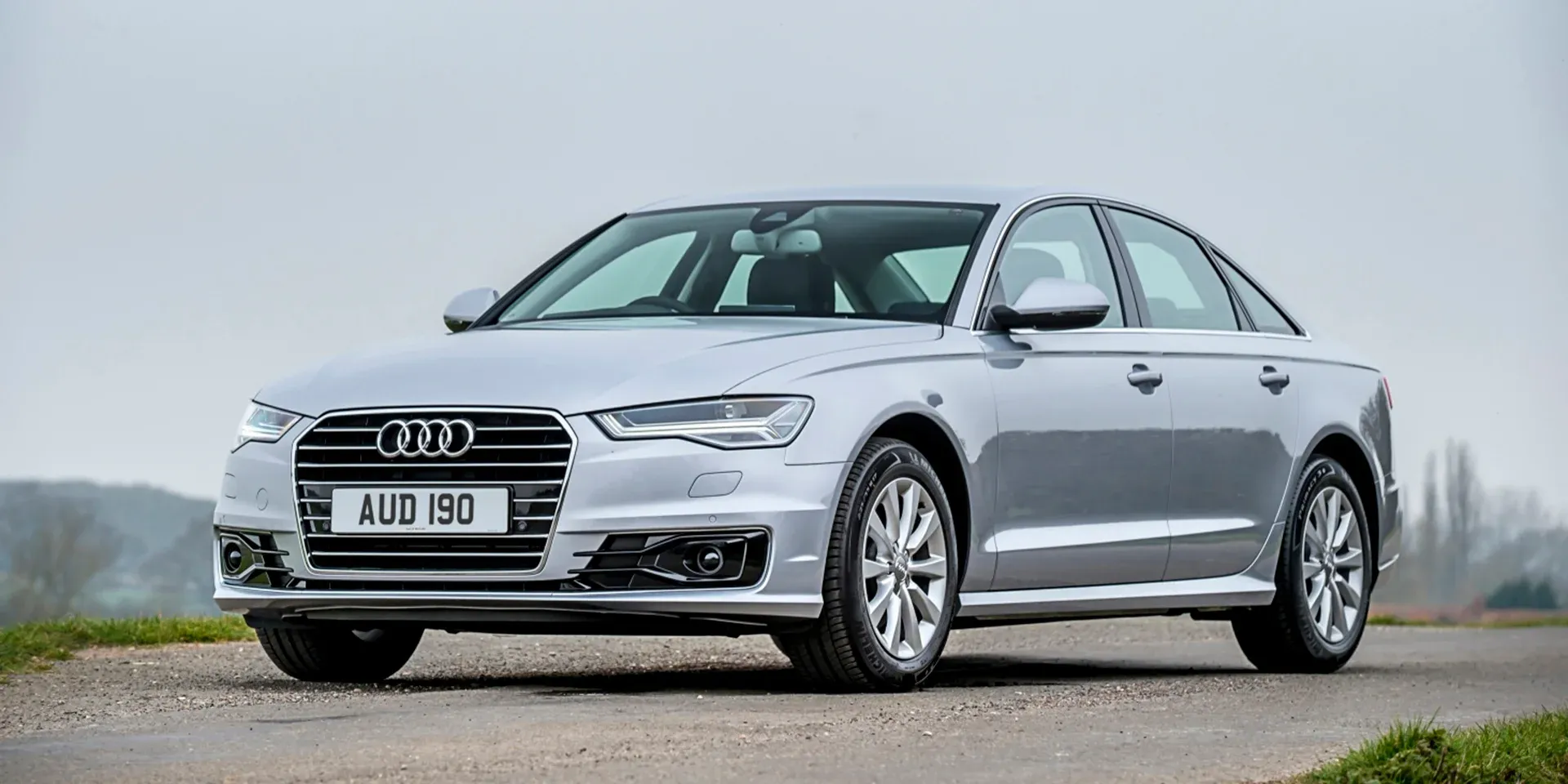
3. Audi A6
Audi’s reputation for building solid, well-crafted interiors is embodied in the A6, a midsize luxury sedan that combines cutting-edge technology with timeless build quality.
The German automaker’s approach to interior construction focuses on precision engineering and material quality, ensuring that every component fits perfectly and stays in place over time.
Audi’s manufacturing facilities employ strict tolerances, with gaps between panels measured in fractions of a millimeter, leaving no room for the misalignments that often lead to rattles and squeaks.
The A6’s interior features a beautiful blend of materials including aluminum, genuine wood, and high-quality leather, all assembled with Audi’s characteristic attention to detail.
The company’s Virtual Cockpit digital instrument cluster eliminates mechanical gauge components that could potentially develop issues, while the MMI touch response system reduces the number of physical buttons and switches. Fewer moving parts mean fewer opportunities for things to go wrong or develop annoying noises over time.
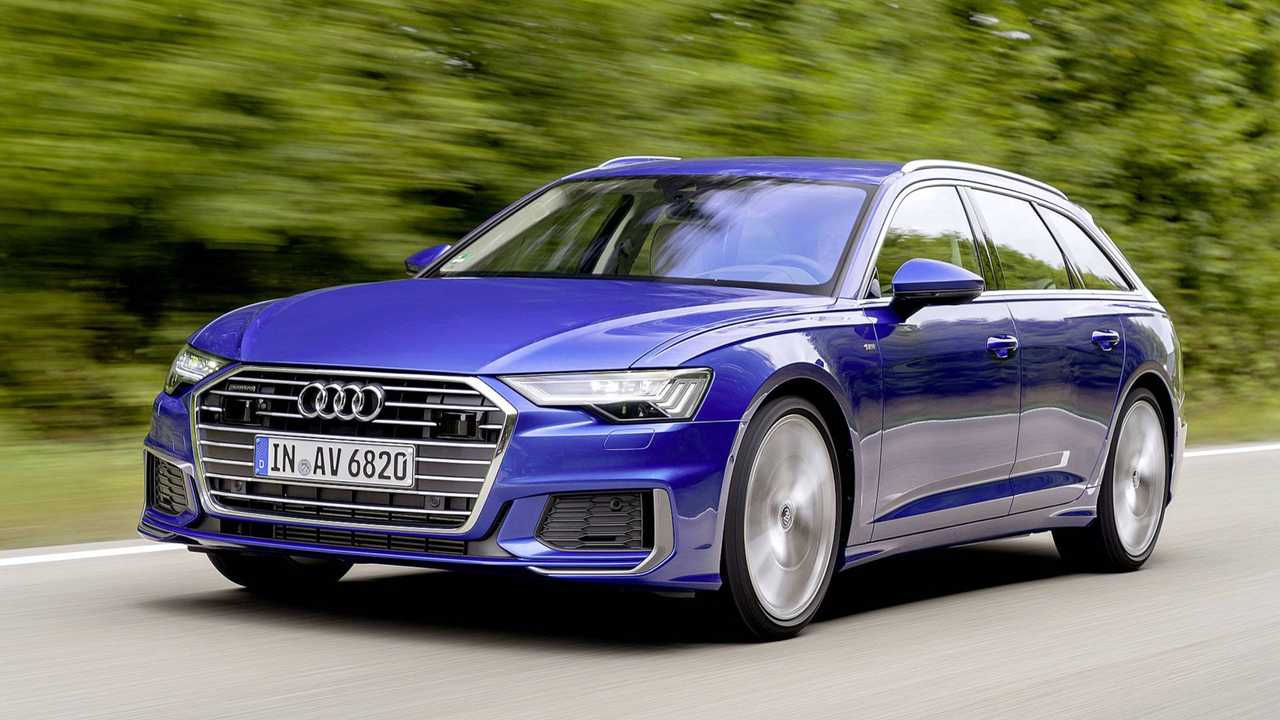
Audi subjects its vehicles to rigorous testing that includes extreme temperature cycling, vibration testing, and accelerated aging procedures. Engineers specifically target potential rattle and squeak sources, applying fixes before vehicles reach production.
This proactive approach means that common problem areas in other vehicles, such as the center console, glove box, and overhead console, remain solid and quiet in the A6 even after years of use.
Long-term A6 owners consistently praise the vehicle’s interior durability, noting that unlike some competitors, Audi’s cabin materials don’t show premature wear or develop the dreaded dashboard cracks that plague certain other luxury brands.
The tactile quality of switches and controls remains consistent throughout the vehicle’s life, and the satisfying solidity of the cabin contributes significantly to the premium ownership experience Audi promises.
4. Toyota Avalon
While the Toyota Avalon might not carry a luxury badge, it delivers an interior quality that rivals many premium vehicles while maintaining Toyota’s legendary reliability.
The Avalon represents Toyota’s flagship sedan, and the company spares no effort in ensuring its interior meets the highest standards.
What makes the Avalon particularly impressive is that it achieves near-luxury interior quality at a more accessible price point, using intelligent engineering and careful material selection rather than simply throwing expensive materials at the problem.
Toyota’s approach to preventing interior rattles begins at the design stage, where engineers focus on robust mounting systems and proper support for all interior components.
The dashboard structure is substantial and well-braced, preventing the flexing that can lead to creaks and groans over time. Door panels feature multiple mounting points with proper cushioning, and even small components like cup holders and storage compartments are engineered to maintain their fit and function indefinitely.
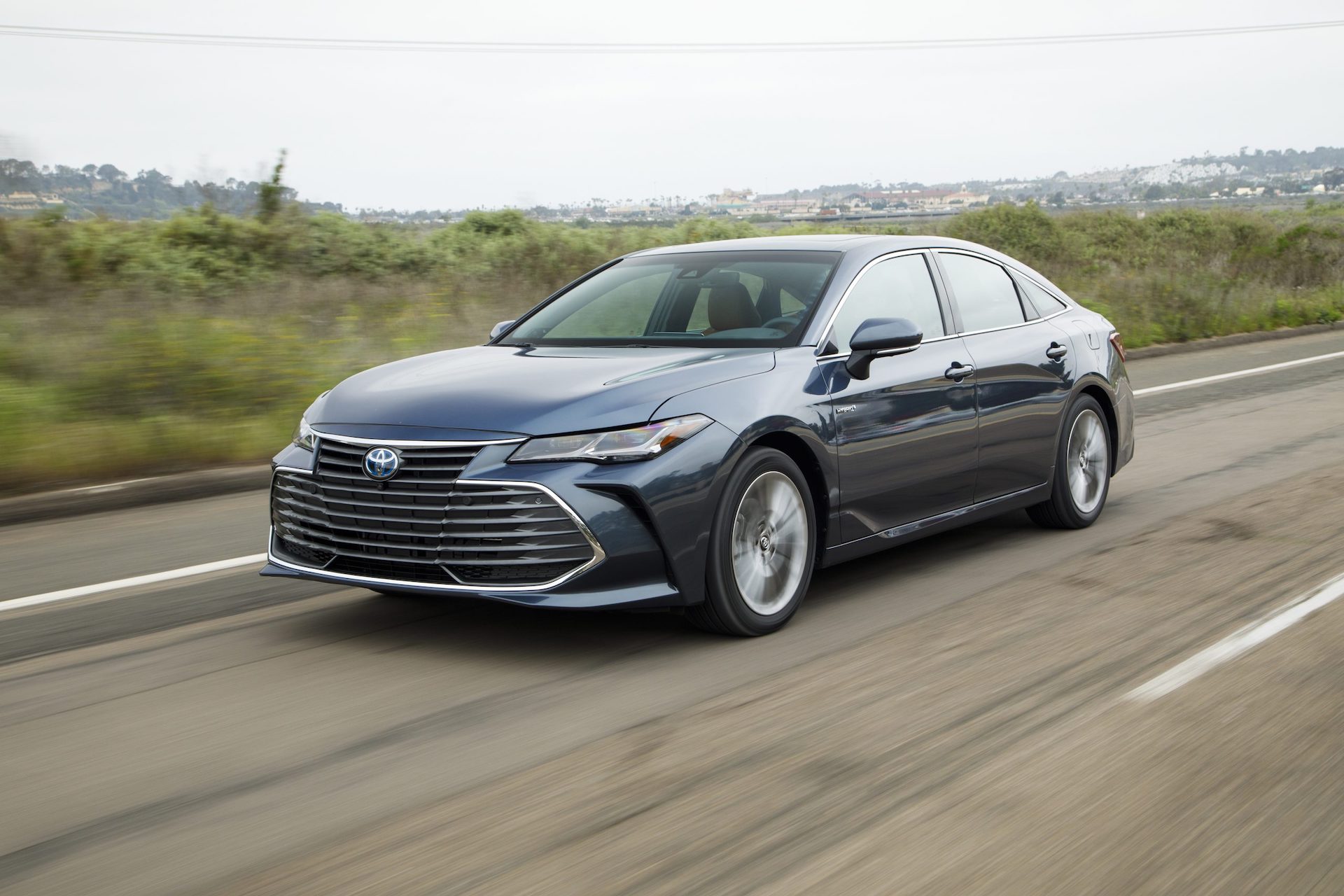
The materials used in the Avalon are carefully chosen for durability and resistance to aging. While you’ll find more soft-touch surfaces than hard plastics, even the hard plastic components are made from high-quality polymers that don’t become brittle or fade with UV exposure.
The optional leather seats use high-quality hides with proper treatment to prevent cracking and wear, while the cloth options feature durable weaves that resist pilling and fading.
Owners who keep their Avalons for 200,000 miles or more regularly report that the interior remains remarkably solid throughout the vehicle’s life.
This longevity is backed by Toyota’s reputation for engineering vehicles that last, with interior components designed to match the powertrain’s durability.
The current generation Avalon takes this even further with additional sound insulation and improved assembly techniques that make it feel even more substantial and luxurious than previous models.
Also Read: 10 Cars That Are Still Going Strong After a Million Miles
5. BMW 5 Series
BMW’s 5 Series has long represented the benchmark for driver-focused luxury sedans, and the interior quality reflects the brand’s commitment to excellence.
BMW understands that a rattle-free interior is essential to the premium driving experience, and the company invests heavily in ensuring its cabins remain solid and quiet throughout the vehicle’s lifetime.
The 5 Series interior showcases BMW’s expertise in combining modern technology with traditional craftsmanship, resulting in a cabin that feels substantial and well-built from every angle.
The construction philosophy behind the 5 Series interior emphasizes structural rigidity and precise component integration. BMW engineers use advanced computer modeling to predict how materials will age and respond to stress over time, allowing them to design mounting systems and support structures that prevent the development of squeaks and rattles.
The dashboard assembly is particularly impressive, featuring a rigid underlying structure that supports the various trim pieces and technology components without allowing any movement or vibration.
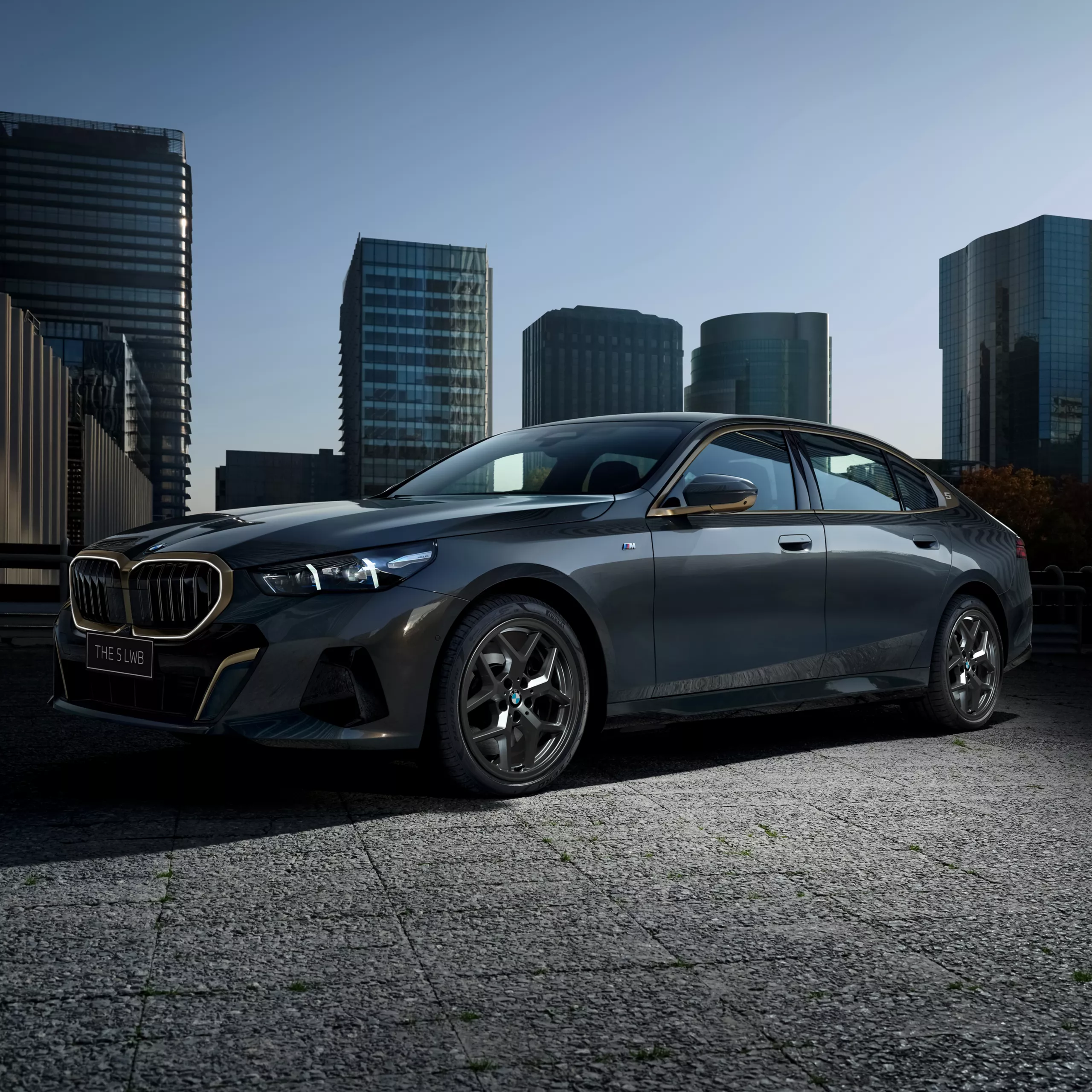
Material quality throughout the 5 Series cabin is exceptional, with even base models featuring genuine leather on seating surfaces and high-quality synthetic materials elsewhere.
BMW’s Vernasca leather is specially treated to resist wear and cracking, while the available Merino leather represents some of the finest automotive upholstery available.
Wood and aluminum trim pieces are precisely manufactured and securely mounted, ensuring they won’t develop annoying buzzes or clicks over time.
Long-term reliability data support BMW’s claims of interior durability, with many 5 Series owners reporting that their vehicles maintain excellent cabin quality even after high mileage and years of ownership.
The brand’s commitment to quality control means that manufacturing defects are rare, and when issues do arise, BMW’s warranty coverage typically addresses them promptly.
The latest generation 5 Series builds on this foundation with even more advanced materials and construction techniques, promising to deliver the same rattle-free experience for years to come.
6. Honda Accord
The Honda Accord proves that you don’t need a luxury badge to enjoy an interior that remains rattle-free over time. Honda’s engineering philosophy emphasizes practicality, reliability, and attention to detail, and these principles are clearly evident in the Accord’s cabin construction.
As one of America’s best-selling sedans for decades, the Accord has earned a reputation for maintaining its quality and integrity even after hundreds of thousands of miles, making it an excellent choice for anyone prioritizing long-term interior durability.
Honda’s approach to interior construction focuses on simplicity and robustness rather than complexity and flash. The dashboard design features a logical layout with well-integrated components that don’t rely on complicated mechanisms that could fail or develop noise over time.
Every switch, knob, and button in the Accord is designed to withstand countless actuations without becoming loose or developing the mushy feel that plagues cheaper vehicles.
The company’s rigorous testing procedures include accelerated durability testing where interior components are cycled through years of simulated use before production approval.
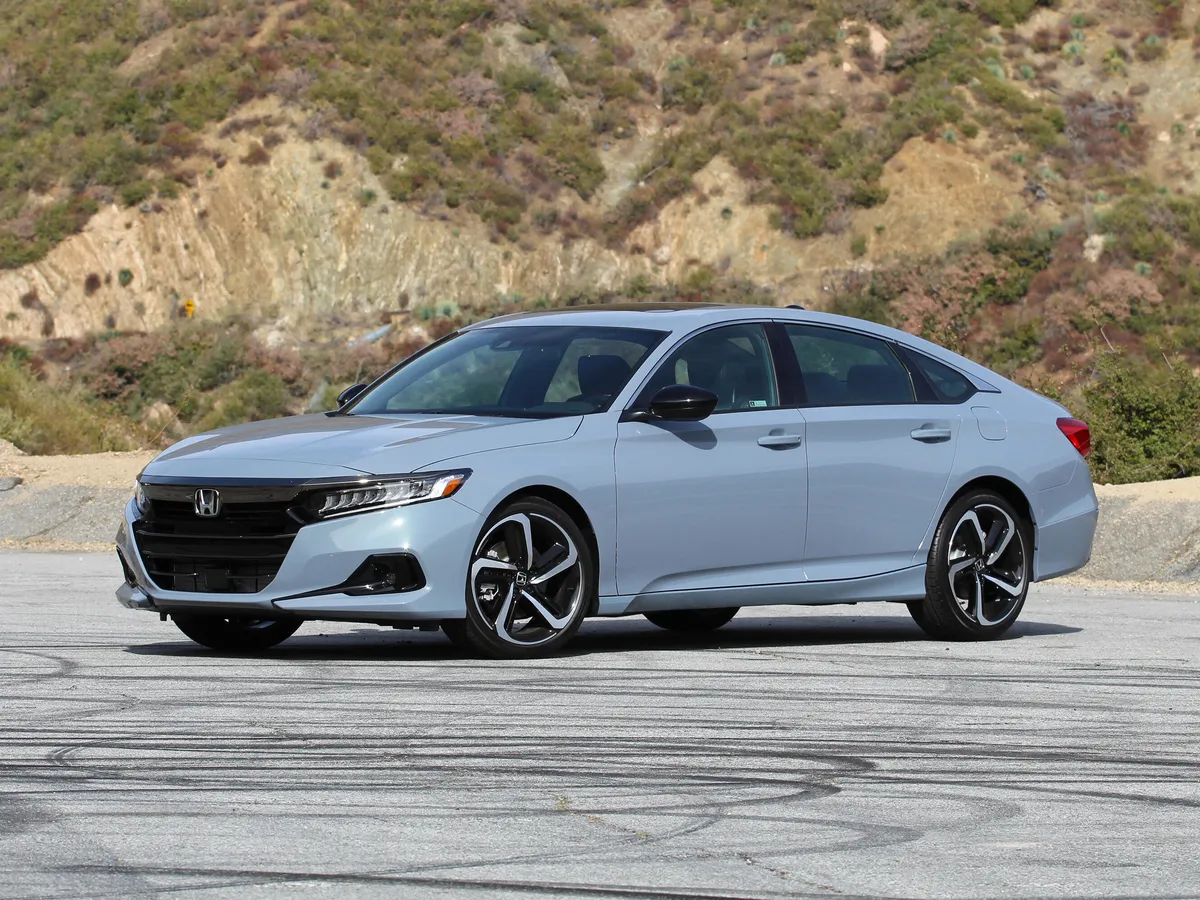
The materials used throughout the Accord cabin strike an excellent balance between cost-effectiveness and quality. While you won’t find exotic wood veneers or the softest leather, what you do get are carefully selected materials that age gracefully and resist wear.
The plastics maintain their appearance and structural integrity, the cloth seats resist stains and wear, and even the available leather holds up remarkably well compared to some luxury competitors.
Honda’s attention to UV-resistant materials means that dashboard components won’t crack or fade even in harsh climates. Perhaps most impressively, the Accord’s interior quality remains consistent across all trim levels.
Whether you choose the base model or the top-tier Touring trim, you’ll find the same commitment to solid construction and quality materials.
This democratic approach to quality means that every Accord owner can enjoy a rattle-free cabin experience, not just those who can afford the most expensive variant.
7. Porsche Panamera
The Porsche Panamera represents the pinnacle of sports sedan luxury, and its interior quality lives up to the prestigious badge on the hood.
Porsche’s engineering excellence extends beyond performance and handling to encompass every aspect of the vehicle, including interior construction.
The Panamera’s cabin is a masterclass in how to combine exotic materials, advanced technology, and precise manufacturing to create an interior that remains flawless even under the demanding conditions that enthusiastic driving can create.
Porsche’s approach to interior construction draws from decades of sports car engineering, where precision and durability are paramount.
The company uses extensive aluminum bracing behind the dashboard and door panels, creating a rigid foundation that prevents flexing and the resulting squeaks and rattles.
Every component is mounted with precision-engineered brackets that often include vibration-dampening materials, ensuring that even rough roads and aggressive driving can’t induce unwanted noises.
The attention to detail extends to the smallest components, with even the air vent mechanisms featuring ball bearings and precision-machined parts that operate smoothly indefinitely.
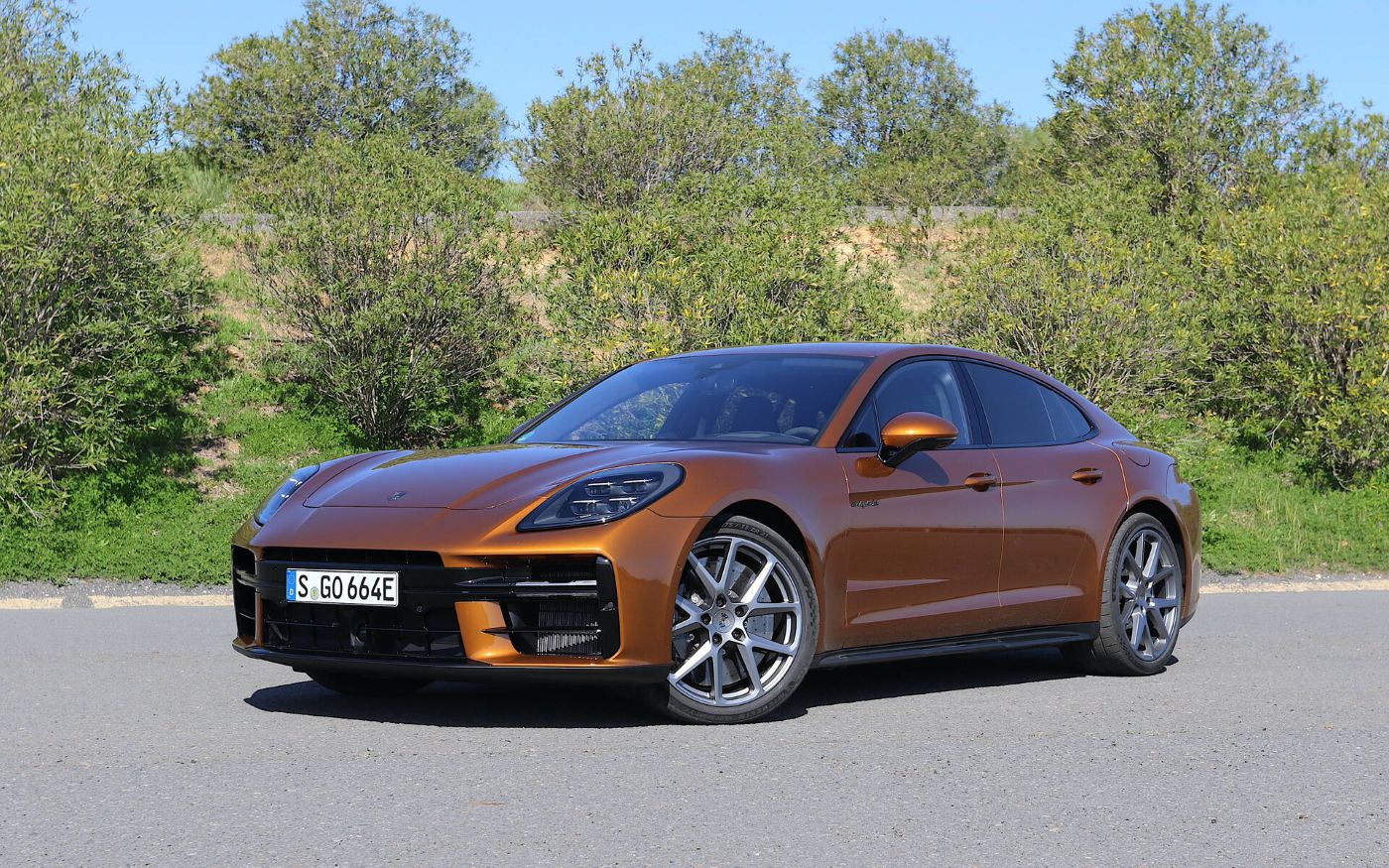
The materials palette in the Panamera is stunning, with options including multiple leather colors, exotic wood veneers, carbon fiber, and brushed aluminum.
What makes these materials special isn’t just their appearance but their quality and how they’re integrated into the cabin. The leather is sourced from the finest tanneries and treated to resist wear and fading, while wood veneers are hand-selected and finished to exacting standards.
Porsche’s commitment to quality means that these materials don’t just look good when new; they age gracefully and maintain their beauty for years. Owners consistently report that their Panameras maintain exceptional interior quality even after high mileage use.
The combination of superior materials, precise engineering, and rigorous quality control means that these vehicles deliver on the promise of long-term luxury, justifying their premium pricing with enduring quality that lesser vehicles simply cannot match.
8. Mazda6
Mazda has made a name for itself by delivering vehicles that punch well above their price class, and the Mazda6 sedan exemplifies this approach perfectly.
The interior of the Mazda6 showcases the brand’s “Jinba Ittai” philosophy, which extends beyond the driving experience to encompass every aspect of the vehicle, including cabin quality and durability.
What makes the Mazda6 particularly impressive is that it achieves near-luxury interior solidity without the premium price tag, making it an exceptional value for buyers who prioritize long-term quality.
Mazda’s approach to interior construction emphasizes thoughtful design and precise manufacturing over expensive materials. The company has invested heavily in improving its assembly processes, with particular attention paid to eliminating the gaps and misalignments that can lead to rattles and squeaks over time.
The Mazda6’s dashboard features a rigid underlying structure with carefully designed mounting points for all components, ensuring that nothing moves or vibrates during driving.
Door panels are particularly well-executed, with multiple secure attachment points and proper cushioning that prevents the hollow sound and feel common in budget-oriented vehicles.
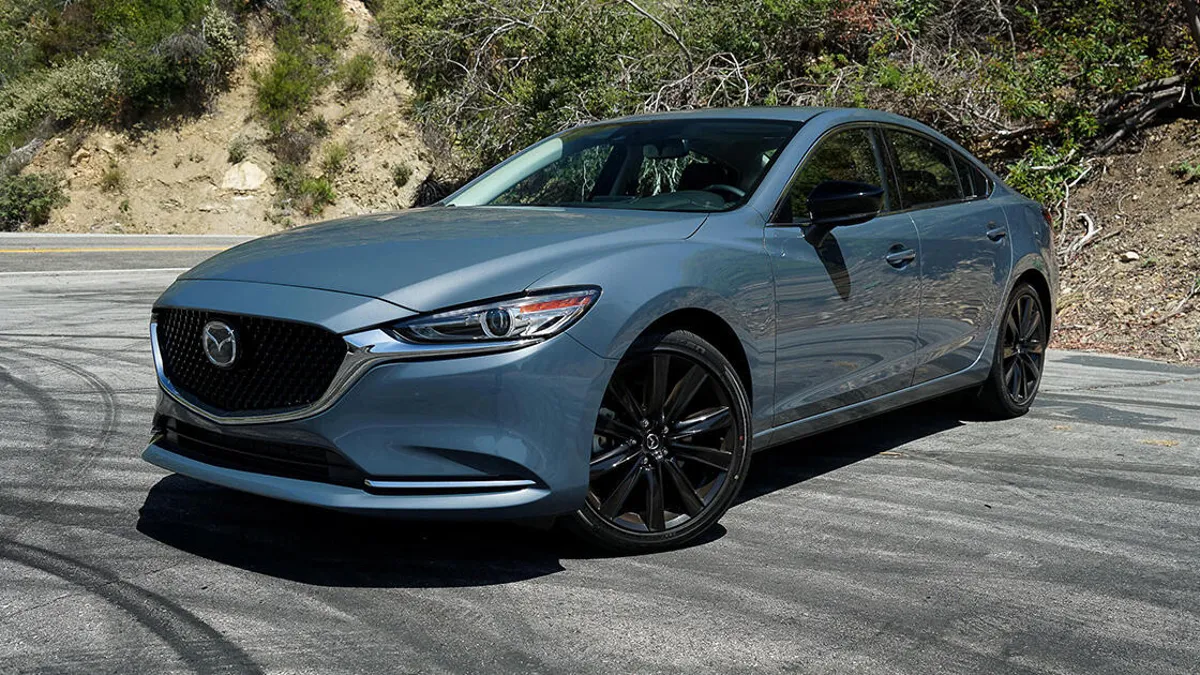
The materials used throughout the Mazda6 cabin are carefully selected for both aesthetic appeal and durability. While you’ll find more hard plastic than in luxury vehicles, these plastics are high-quality examples that maintain their appearance and structural integrity over time.
The available leather seats use good-quality hides with proper treatment, and even the cloth options feature attractive patterns and durable construction.
Mazda’s attention to UV-resistant materials ensures that dashboard components resist fading and cracking even in sunny climates. Long-term Mazda6 owners consistently praise the vehicle’s interior durability, reporting that their cars maintain a solid, rattle-free feel even after years of ownership and high mileage.
This reliability, combined with Mazda’s excellent reliability ratings, makes the Mazda6 an intelligent choice for buyers seeking a vehicle that will maintain its quality and appeal throughout a long ownership period.
9. Volvo S90
Volvo’s S90 represents Swedish luxury at its finest, combining minimalist Scandinavian design with exceptional build quality and safety.
The interior of the S90 showcases Volvo’s unique approach to luxury, emphasizing clean lines, natural materials, and sustainable craftsmanship over ostentatious displays of wealth.
This philosophy extends to the structural quality of the cabin, where Volvo’s engineering excellence ensures that the interior remains tight, quiet, and rattle-free throughout the vehicle’s lifetime.
The S90’s interior construction reflects Volvo’s attention to detail and commitment to quality. The dashboard features a beautifully integrated design where the vertical touchscreen and digital instrument cluster are seamlessly incorporated into the architecture.
Behind this elegant facade lies substantial bracing and support structures that prevent flexing and vibration. Volvo engineers pay particular attention to the mounting systems for interior components, using isolation techniques borrowed from the brand’s acoustic engineering expertise to eliminate potential noise sources before they can develop.
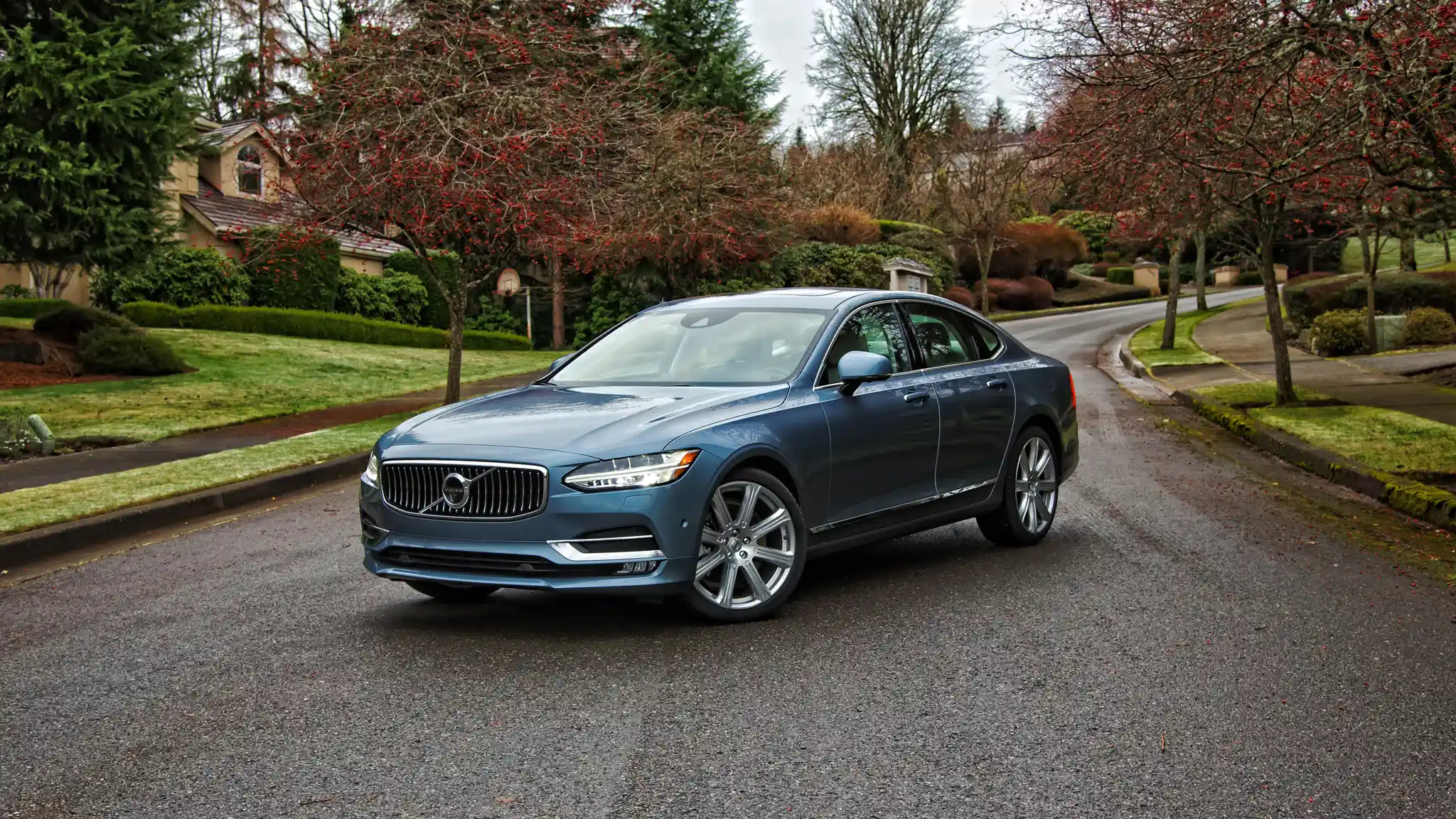
Material quality in the S90 is exceptional, with a focus on natural, sustainable materials that age beautifully. The available Nappa leather is soft and supple yet remarkably durable, while the optional driftwood or linear walnut trim pieces are genuine wood carefully selected and finished.
Even the metal accents throughout the cabin feature quality that rivals much more expensive vehicles. Volvo’s commitment to sustainability means that materials are chosen not just for their immediate appeal but for their long-term durability and environmental impact.
Owners report that the S90 maintains its interior quality exceptionally well over time, with particular praise for how the minimalist design means there are fewer components that could potentially develop issues.
The simplicity of the Scandinavian design approach, combined with high-quality execution, results in a cabin that feels as solid and luxurious after years of ownership as it did when new, making the S90 an excellent choice for discerning buyers.
10. Genesis G80
The Genesis G80 represents the South Korean luxury brand’s commitment to rivaling established premium manufacturers, and its interior quality demonstrates that Genesis is serious about competing with the best.
The G80’s cabin showcases exceptional attention to detail, premium materials, and solid construction that rivals anything from Germany or Japan.
What makes the G80 particularly impressive is that it offers this level of quality at a price point significantly lower than comparable European luxury sedans, making it an exceptional value proposition.
Genesis approaches interior construction with the zeal of a company determined to prove itself against established competitors. The G80’s dashboard and door panels feature substantial underlying structures with extensive bracing that prevents any flexing or movement.
Every component is precisely fitted with careful attention to gap tolerances, and the company uses extensive sound deadening materials throughout the cabin.
Genesis engineers conducted extensive benchmarking against competitors, identifying and addressing potential rattle and squeak sources before production began.
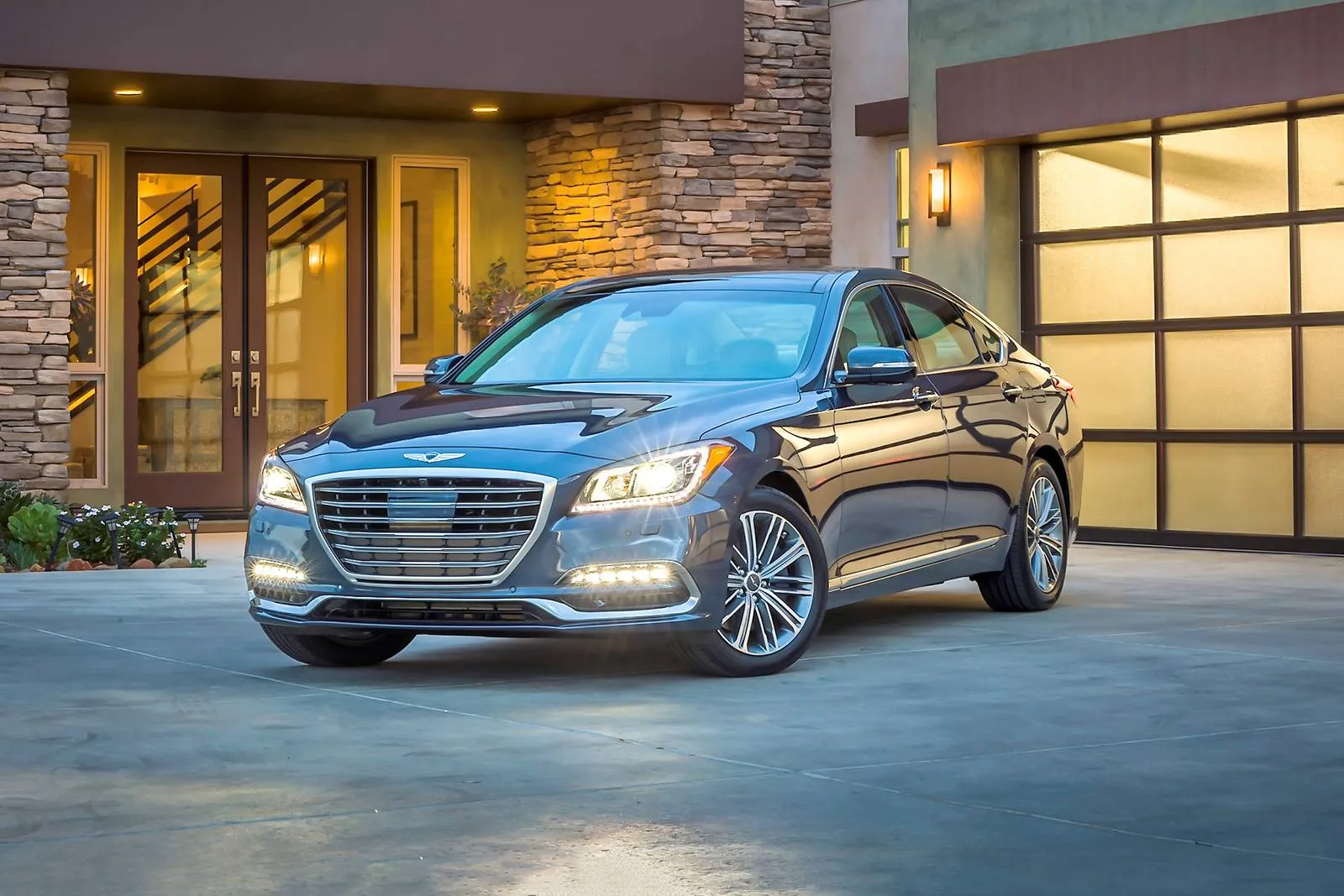
The materials used throughout the G80 cabin are genuinely impressive, with even mid-level trims featuring real leather, genuine wood, and metal accents.
The available Nappa leather is buttery soft yet durable, while the open-pore wood trim is hand-finished to exacting standards. Genesis doesn’t cut corners on interior quality regardless of trim level, meaning even base models feel substantial and well-built.
The company’s commitment to quality extends to the smallest details, with switches and controls that operate with satisfying precision.
Early reports from G80 owners are overwhelmingly positive regarding interior quality and durability. While the brand is relatively young and long-term data is still accumulating, the vehicles show excellent promise for maintaining their quality over time.
Genesis backs this confidence with an industry-leading warranty that covers potential issues, though reports suggest that problems are rare. The G80 represents an excellent choice for buyers seeking luxury interior quality without the premium brand pricing.
Also Read: 7 Electric Vehicles With Realistic EPA Range Ratings
