
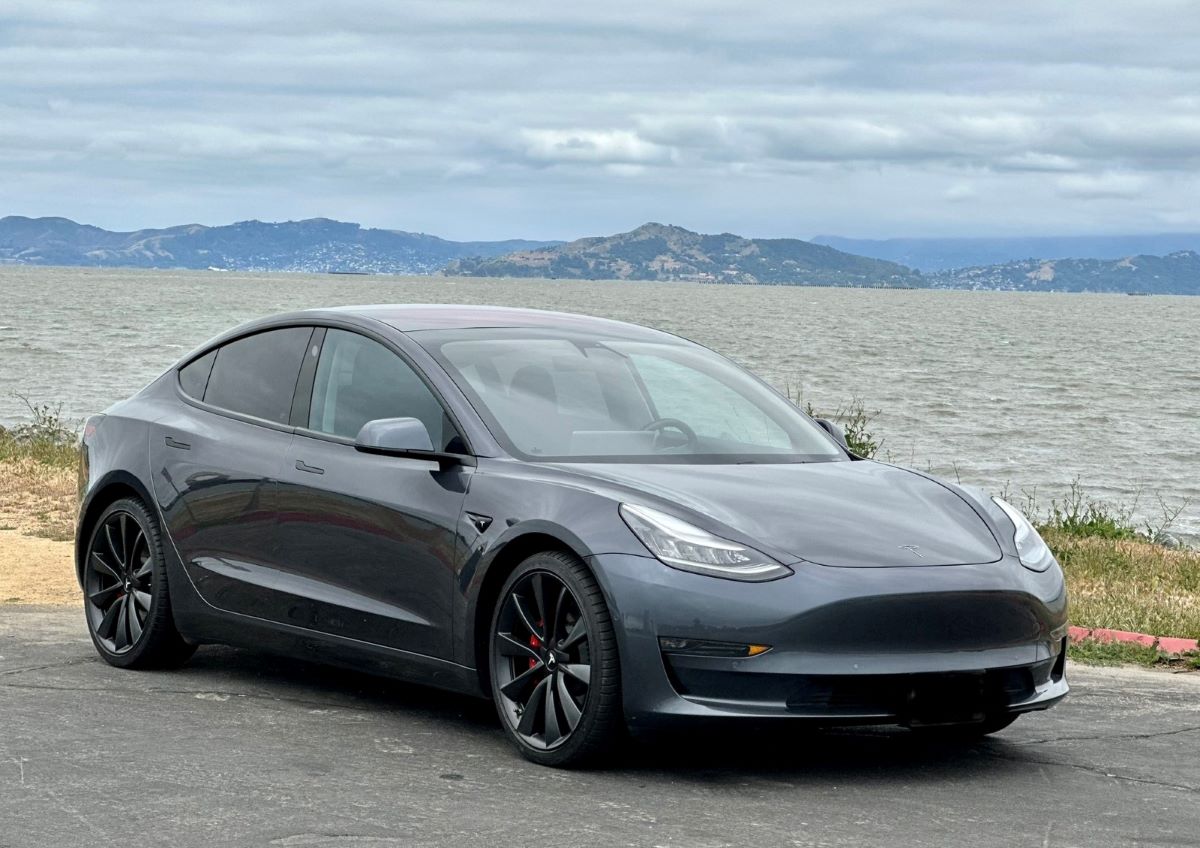
The battle against foggy windshields is one every driver faces, but not all vehicles handle this challenge equally. Modern automotive engineering has made significant strides in climate control technology, with some manufacturers excelling at creating systems that keep glass surfaces crystal clear regardless of weather conditions.
The difference between a car with excellent defog capabilities and one with poor performance can mean the difference between safe visibility and dangerous driving conditions.
Advanced HVAC systems, strategically placed vents, superior glass coatings, and intelligent climate control algorithms all contribute to how effectively a vehicle maintains clear windows.
Some manufacturers have invested heavily in multi-zone climate systems, heated glass elements, and rapid-response defrost capabilities that eliminate condensation within seconds.
These vehicles feature powerful blowers, precisely engineered airflow patterns, and even hydrophobic glass treatments that repel moisture.
Conversely, certain models often due to cost-cutting measures, poor HVAC design, or inadequate ventilation consistently struggle with fogging issues.
Drivers of these vehicles frequently find themselves wiping windows manually, running the defrost constantly, or dealing with persistent haze that compromises visibility.
This comprehensive analysis examines five vehicles renowned for maintaining pristine glass clarity and five notorious for their ongoing fog problems, helping prospective buyers make informed decisions about this crucial safety feature.
5 Models That Keep Fog Off Glass
These exceptionally engineered vehicles feature powerful climate control systems and advanced windshield coatings that maintain crystal-clear visibility during humid conditions and temperature transitions, eliminating the frustrating condensation that plagues lesser designs.
Their thoughtful engineering includes oversized HVAC blowers and strategically positioned defrost vents that resist the moisture buildup typically associated with wet weather commutes and multiple passenger breathing creating interior humidity spikes.
From cold morning startups that challenge demisting speed to rainy evening drives with damp occupants, these remarkable vehicles continue providing unobstructed sightlines without the constant fan adjustments or manual wiping found in inadequate climate systems.
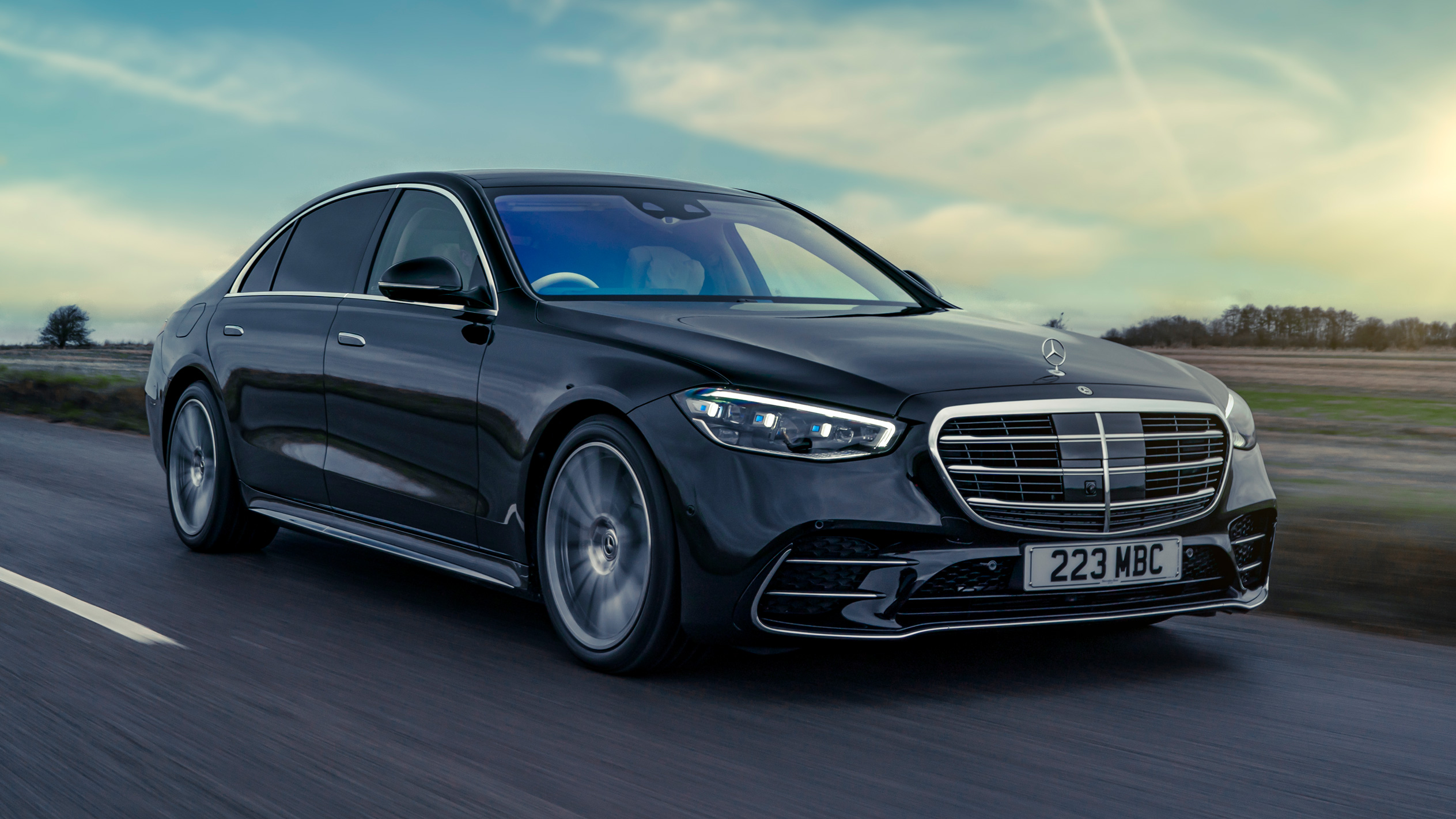
1. Mercedes-Benz S-Class
The Mercedes-Benz S-Class represents the pinnacle of automotive climate control engineering, with a defog system that’s virtually unmatched in the luxury sedan segment.
Mercedes has equipped this flagship with a sophisticated four-zone automatic climate control system featuring multiple sensors that detect humidity levels and temperature variations throughout the cabin.
The moment condensation threatens to form, the system responds instantaneously, directing powerful airflow exactly where needed.
The S-Class employs heated windshield technology with nearly invisible heating elements embedded in the glass, which activates automatically when external conditions favor fogging. This feature works in conjunction with heated side mirrors and a heated rear window that all function seamlessly together.
What truly sets the S-Class apart is its Air Balance package, which includes active fragrance systems and ionization that not only maintains comfort but also manages humidity levels proactively.
The cabin air filtration system is so advanced it includes HEPA-grade filters that remove moisture particles before they can contribute to condensation.
The front windshield receives dedicated attention from strategically positioned vents that create a curtain of warm, dry air across the entire glass surface.
Mercedes engineers have calculated the optimal air velocity and temperature to prevent fog without creating uncomfortable drafts for occupants.
The system’s intelligence extends to predictive capabilities it monitors external weather conditions and adjusts preemptively, ensuring glass stays clear before problems develop.
Owners consistently report that even in the most challenging weather conditions cold mornings with high humidity, sudden temperature changes, or tropical downpours the S-Class maintains perfect visibility.
The defrost system can clear a completely fogged windshield in under twenty seconds, an impressive feat that showcases the power and efficiency of the HVAC system.
This performance isn’t accidental; it results from decades of Mercedes-Benz refinement and their commitment to occupant safety and comfort in their flagship sedan.
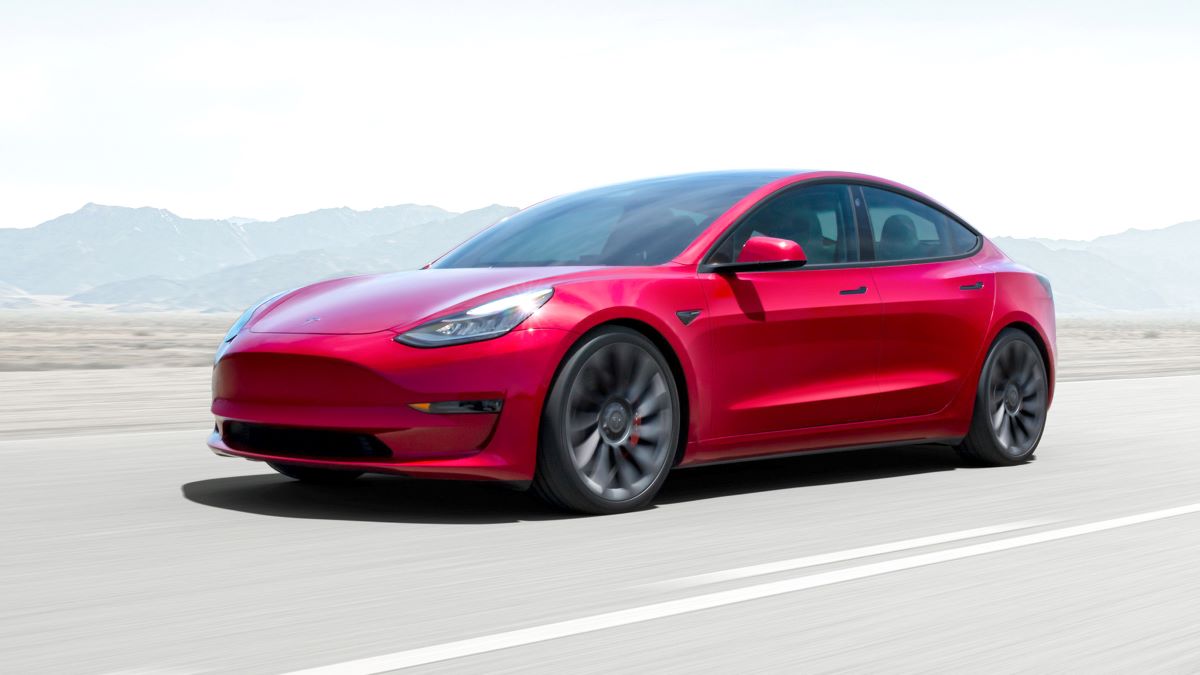
2. Tesla Model 3
The Tesla Model 3 takes an innovative approach to fog prevention, leveraging electric vehicle advantages and modern software engineering.
Unlike traditional vehicles that rely solely on mechanical HVAC systems, Tesla integrates intelligent climate control algorithms that learn from driving patterns and environmental conditions.
The Model 3’s climate system can pre-condition the cabin before drivers even enter the vehicle, eliminating temperature differentials that cause fogging.
Through the smartphone app, owners can remotely activate climate control, ensuring the interior temperature matches external conditions before their journey begins.
This preemptive approach proves remarkably effective at preventing fog formation entirely rather than just reacting to it. The Model 3’s minimalist interior design actually contributes to superior defog performance.
The large, horizontal air vents span nearly the entire dashboard width, creating uniform airflow distribution that covers the windshield comprehensively.
Tesla’s software allows precise control over airflow direction and intensity, with users able to adjust vent positions through the touchscreen with millimeter precision.
The system remembers preferences for different weather conditions, automatically adjusting when similar environmental parameters are detected.
The electric powertrain provides another advantage instant heat availability without waiting for an internal combustion engine to warm up.
Within seconds of activation, the Model 3 delivers hot air for defrost, a stark contrast to traditional vehicles requiring several minutes of engine operation.
Tesla regularly updates the climate control software through over-the-air updates, continuously improving fog prevention algorithms based on fleet-wide data.
Recent updates have enhanced the “Dog Mode” and “Camp Mode” features, which maintain optimal cabin conditions for extended periods, preventing condensation buildup during stationary operation.
The bioweapon defense mode, while named dramatically, includes HEPA filtration that manages cabin humidity exceptionally well. Model 3 owners particularly appreciate the “Defrost” quick-access button on the main screen, which maximizes heating and airflow to all windows simultaneously.
The effectiveness of Tesla’s approach is evident in owner forums where fog complaints are notably rare, with most drivers praising the system’s responsiveness and efficiency across diverse climates.
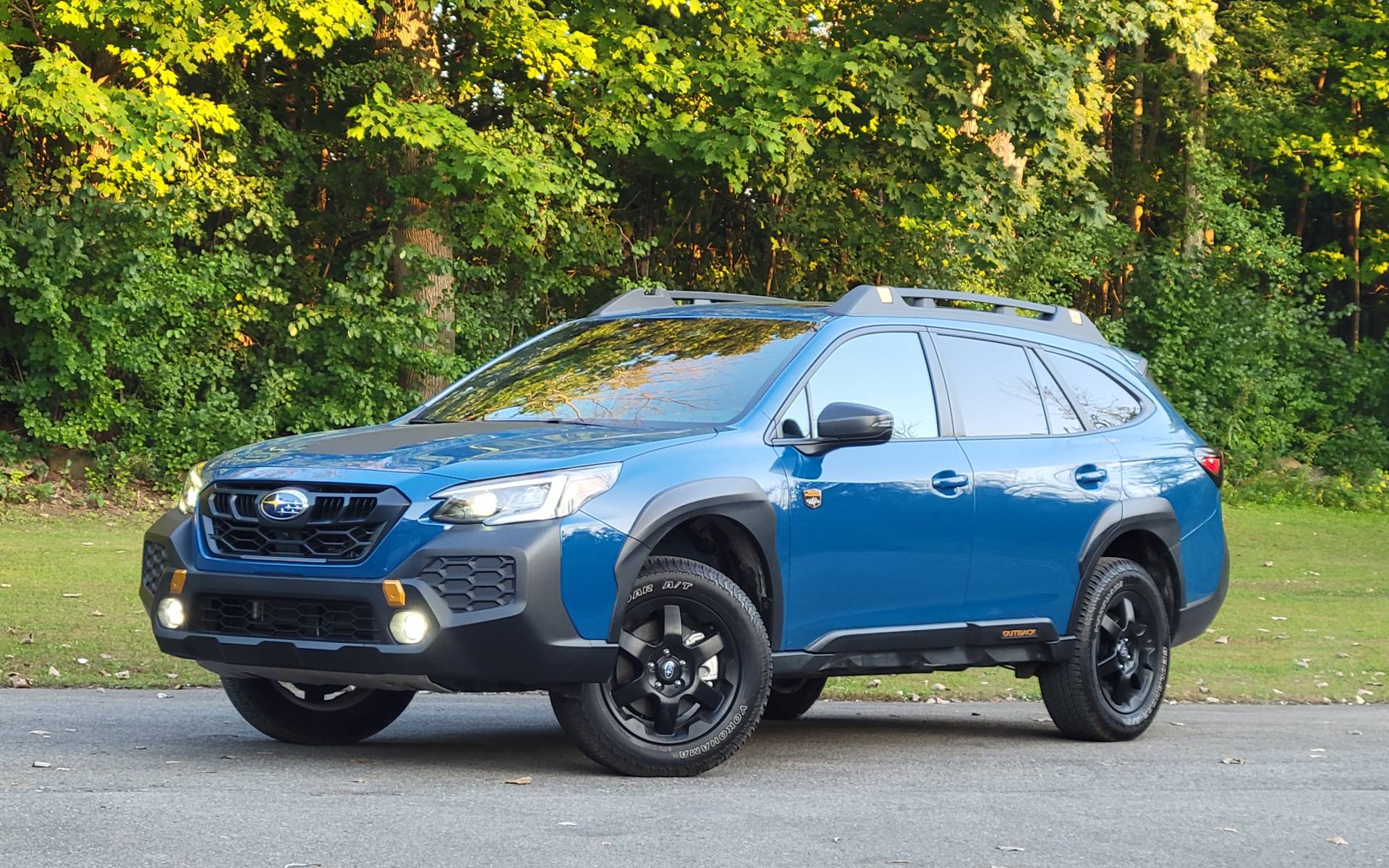
3. Subaru Outback
The Subaru Outback has earned a reputation as one of the most reliable fog-free vehicles, particularly impressive given its positioning in the mainstream market segment rather than luxury territory.
Subaru engineers have prioritized all-weather capability in the Outback’s design, recognizing that their customer base frequently encounters challenging weather conditions including rain, snow, and high humidity environments.
The result is an HVAC system punching well above its price point in terms of defog effectiveness. The Outback features powerful blowers that deliver high-volume airflow to the windshield and side windows, with strategically designed ductwork that minimizes air turbulence and maximizes coverage.
Subaru’s symmetrical all-wheel-drive system indirectly contributes to fog prevention by ensuring stable driving that allows the climate system to maintain consistent operation without interruption from wheel slip or traction events.
The Outback’s dual-zone automatic climate control includes dedicated rear-seat vents, which might seem unrelated to windshield fogging but actually help maintain uniform cabin temperature, reducing the temperature gradients that contribute to condensation.
The heated mirrors, standard on most trims, activate automatically with the rear defroster, providing comprehensive visibility management.
Subaru has equipped the Outback with a remarkably effective rear window defroster with closely-spaced heating elements that clear frost and fog in under a minute.
What makes the Outback particularly noteworthy is its consistent performance across its entire model range even base trims include robust defog capabilities rather than reserving the best systems for top-tier packages.
The manual override controls allow drivers to quickly max out defrost settings without going through touchscreen menus, an important consideration when fog appears suddenly.
The cabin air filter is easily accessible and Subaru recommends frequent replacement, which owners who follow this advice report contributes significantly to sustained defog performance.
The Outback’s slightly upright windshield angle, while not as aerodynamically optimal as some competitors, actually facilitates better airflow across the glass surface.
Long-term owners consistently praise the Outback’s ability to handle morning dew, heavy rain, and the challenging transition from cold exterior to warm cabin occupied by multiple passengers, scenarios where many vehicles struggle but the Subaru excels reliably year after year.
4. Audi A6
The Audi A6 delivers exceptional fog-free performance through German engineering precision and advanced climate technology that Audi has perfected across their lineup.
The A6’s four-zone automatic climate control system operates with remarkable sophistication, using multiple temperature and humidity sensors throughout the cabin to maintain optimal conditions for all occupants while prioritizing windshield clarity.
Audi’s approach emphasizes efficiency the system delivers exactly the right amount of conditioned air to precisely where needed, avoiding the brute-force approach of simply maximizing fan speed. This results in quieter operation that maintains clear glass without creating disruptive noise levels.
The A6 features heated windshield technology on many trims, with heating elements integrated so seamlessly they’re virtually invisible while dramatically improving cold-weather defog performance. The system activates automatically when exterior temperature sensors detect conditions conducive to frost or fog formation.
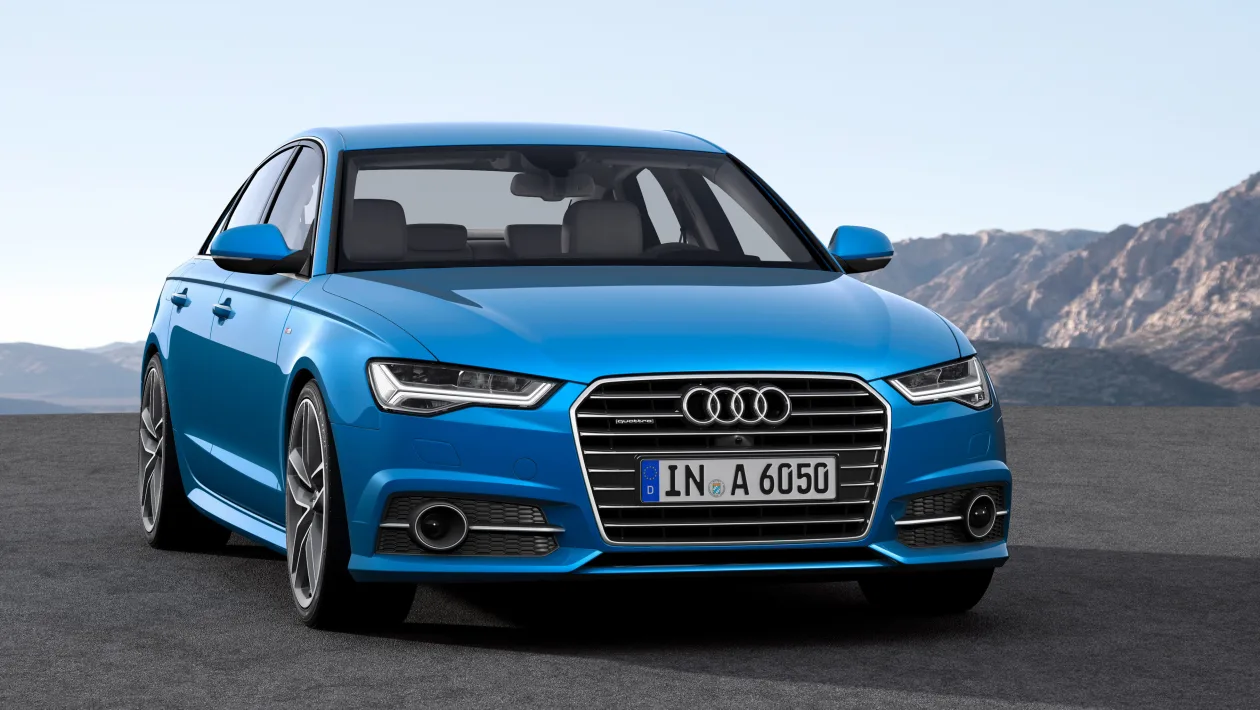
Audi’s MMI (Multi Media Interface) includes intelligent climate settings that drivers can customize extensively, with the system remembering preferences for different scenarios.
The air conditioning compressor works in conjunction with the heating system even during cold weather defrost cycles, removing moisture from the air before it’s heated and directed at the windshield a crucial step many less sophisticated systems skip.
The A6’s build quality contributes indirectly to fog prevention through excellent door and window seals that prevent exterior moisture infiltration and maintain cabin humidity control.
The cabin air filtration system includes activated charcoal layers that absorb moisture along with odors and pollutants. Audi’s attention to detail extends to the placement of interior air recirculation vents, which are positioned to create subtle air curtains that prevent warm breath from passengers reaching cold glass surfaces.
The predictive efficiency assistant, part of Audi’s suite of intelligent systems, monitors driving patterns and weather forecasts to pre-condition the cabin before trips, eliminating the temperature shocks that cause fogging.
A6 owners frequently note that they rarely need to think about window fog because the system handles it automatically and imperceptibly.
The integration between the climate control and the vehicle’s other systems demonstrates Audi’s holistic engineering approach, where defog performance isn’t an isolated feature but part of a comprehensive comfort and safety ecosystem that functions seamlessly throughout the ownership experience.
Also Read: 12 Cars That Make Great First Track-Day Builds
5. Honda CR-V
The Honda CR-V stands out in the compact SUV segment for delivering fog-free performance that rivals luxury vehicles at a fraction of the cost.
Honda’s engineering philosophy prioritizes practical functionality, and nowhere is this more evident than in the CR-V’s remarkably effective climate control system.
The CR-V achieves its impressive defog capability through straightforward yet well-executed engineering, powerful blowers, intelligently designed air distribution, and responsive automatic climate controls that quickly detect and respond to fogging conditions.
Honda has positioned the dashboard vents to create optimal airflow patterns across the entire windshield, with center vents angled precisely to prevent the creation of dead zones where fog might persist.
The CR-V’s air conditioning system features a sophisticated moisture removal capability that functions year-round, automatically activating during defrost cycles regardless of temperature settings to dry cabin air before it reaches the glass. This approach addresses the root cause of fogging rather than just treating symptoms.
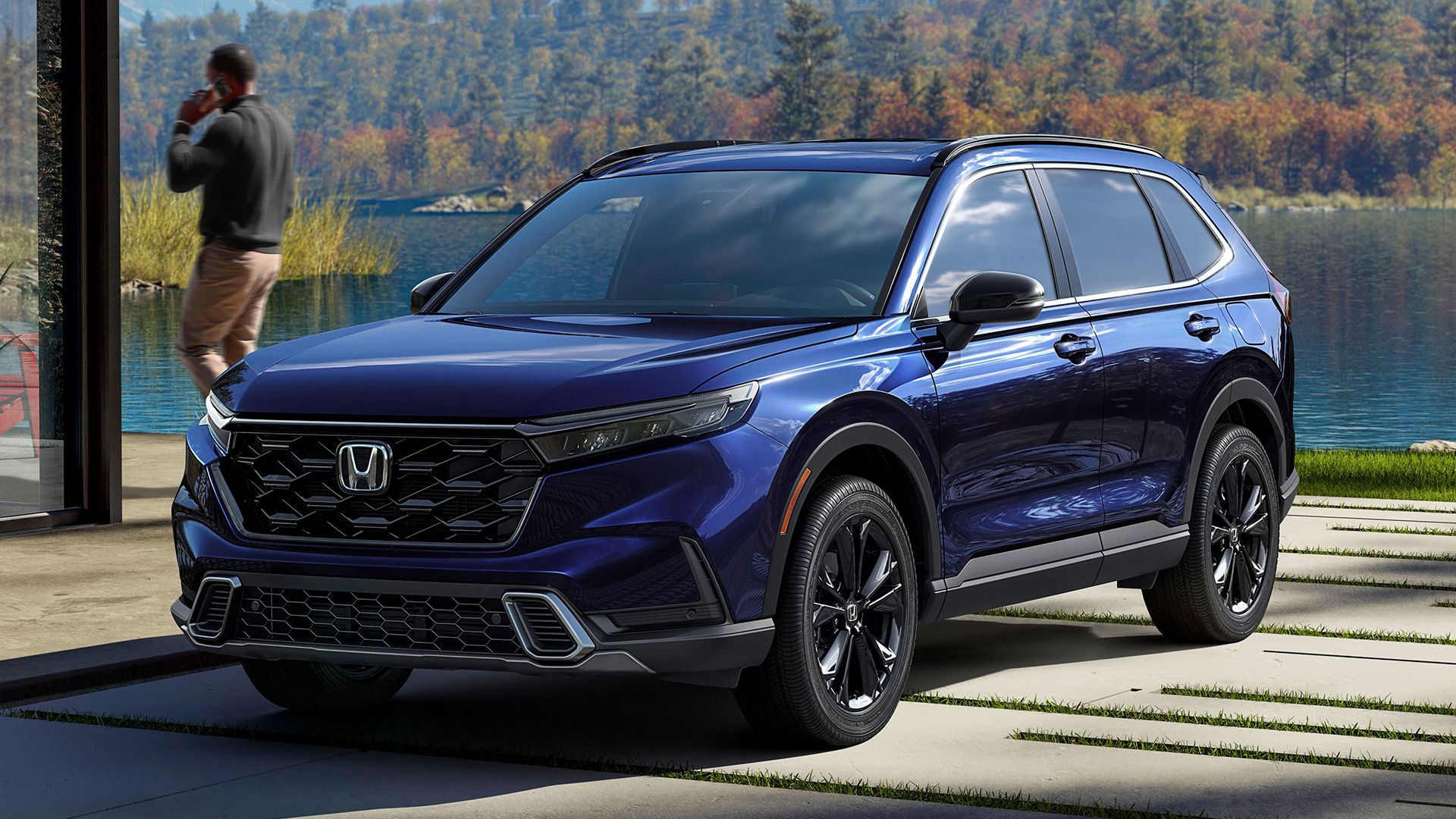
Honda’s automatic climate control includes a dedicated defrost mode that optimizes fan speed, temperature, and air distribution specifically for clearing fog, and the system transitions smoothly back to normal operation once sensors confirm the glass is clear.
The CR-V’s cabin air filter is specified to handle high moisture environments, with Honda recommending replacement intervals that most owners find reasonable and easy to maintain.
What makes the CR-V particularly impressive is its performance consistency across widely varying climates from humid Florida summers to frozen Minnesota winters, the vehicle maintains clear glass reliability.
The rear defroster activates automatically when the front defrost is engaged, ensuring comprehensive visibility management. Honda has engineered the CR-V’s HVAC system with durability in mind, with components that maintain performance over years of ownership rather than degrading as the vehicle ages.
The manual climate control interface, still available on some trims, provides intuitive physical buttons and knobs that allow drivers to adjust settings quickly without distraction.
CR-V owners frequently mention the defog system’s effectiveness in reviews, particularly those who’ve owned multiple vehicles and can compare performance.
The combination of powerful, well-directed airflow, effective moisture removal, and intelligent automatic operation makes the CR-V one of the best fog-free vehicles available, demonstrating that excellent defog performance doesn’t require luxury pricing or complex technology just thoughtful engineering and quality execution.
5 Models That Always Struggle With Haze
These frustrating vehicles suffer from underpowered climate systems and poor air circulation designs that create persistent windshield fogging during humid conditions, forcing constant defrost adjustments and manual glass wiping that compromise driving safety.
Their problematic engineering includes inadequate defrost airflow and moisture-trapping interior materials that cannot prevent condensation buildup when temperature differentials exist between interior and exterior environments.
Despite running climate controls at maximum settings and cracking windows for ventilation, these vehicles develop dangerous visibility obstructions that require pulling over for manual clearing or driving with partially obscured sightlines.
1. Jeep Compass
The Jeep Compass has unfortunately developed a notorious reputation for persistent windshield fogging issues that frustrate owners across multiple model years.
Despite Jeep’s heritage in all-weather capability, the Compass suffers from an undersized HVAC system that simply cannot deliver sufficient airflow volume to keep the windshield clear in challenging conditions.
Owners consistently report that the defrost setting, even when maxed out, lacks the power to clear fog quickly, often requiring ten minutes or more of operation before visibility improves adequately.
The problem stems from fundamental design compromises where the compact crossover’s styling priorities apparently took precedence over climate system functionality.
The Compass’s dashboard vent configuration creates uneven air distribution, with center vents that don’t effectively reach the windshield corners where fog tends to accumulate most persistently.
The system struggles particularly when multiple occupants are in the vehicle, as their breath adds moisture faster than the anemic defroster can remove it.
Many Compass owners report keeping towels in their vehicles specifically for manual window wiping an unacceptable situation for a modern vehicle.
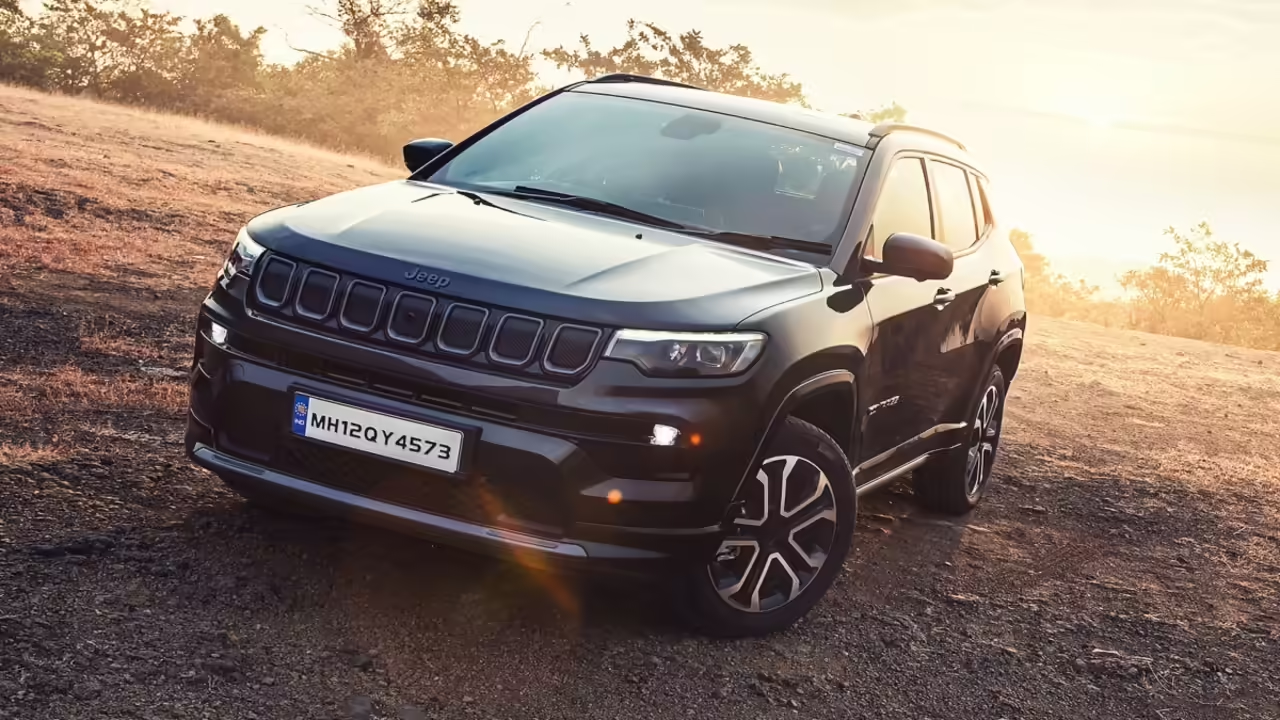
The automatic climate control, when equipped, seems poorly calibrated for fog prevention, often failing to recognize fogging conditions until visibility is already compromised.
Manual intervention is frequently necessary, but even maximizing the defrost settings provides disappointingly weak results. Cold-weather performance is especially problematic, with the Compass requiring extended warm-up periods before delivering even marginally effective defrost capability.
The rear window defroster is similarly underwhelming, taking far longer than competitive vehicles to clear frost or fog. Owner forums are filled with complaints and attempted solutions, from aftermarket anti-fog coatings to modified ventilation habits, suggesting systemic design failures rather than isolated issues.
The problem has persisted across multiple model years despite customer complaints, indicating Jeep has either been unable or unwilling to address the root causes.
The Compass’s fogging issues represent more than mere inconvenience they constitute a legitimate safety concern, as drivers must either wait extended periods before driving or operate with compromised visibility.
For a vehicle marketed partly on its all-weather capability, the chronic fog problems represent a significant failure that undermines the Compass’s otherwise decent value proposition.
2. Nissan Versa
The Nissan Versa exemplifies how aggressive cost-cutting in entry-level vehicles can result in persistently problematic defog performance.
As Nissan’s most affordable offering, the Versa makes numerous compromises, but few are as immediately noticeable and consistently frustrating as the inadequate climate control system.
The Versa’s HVAC system feels underpowered from the moment owners first encounter morning fog, with weak airflow that barely reaches the upper portions of the windshield.
The front defroster vents appear poorly designed, creating airflow patterns that leave substantial areas of the windshield untreated while concentrating somewhat uselessly on small sections.
Versa owners frequently describe a futile morning routine of running the defrost at maximum settings while manually wiping the interior glass, waiting for the sluggish system to eventually provide some assistance.
The problem intensifies during rainy weather when external humidity combines with cabin moisture from wet clothing and umbrellas conditions the Versa’s climate system simply cannot manage effectively.
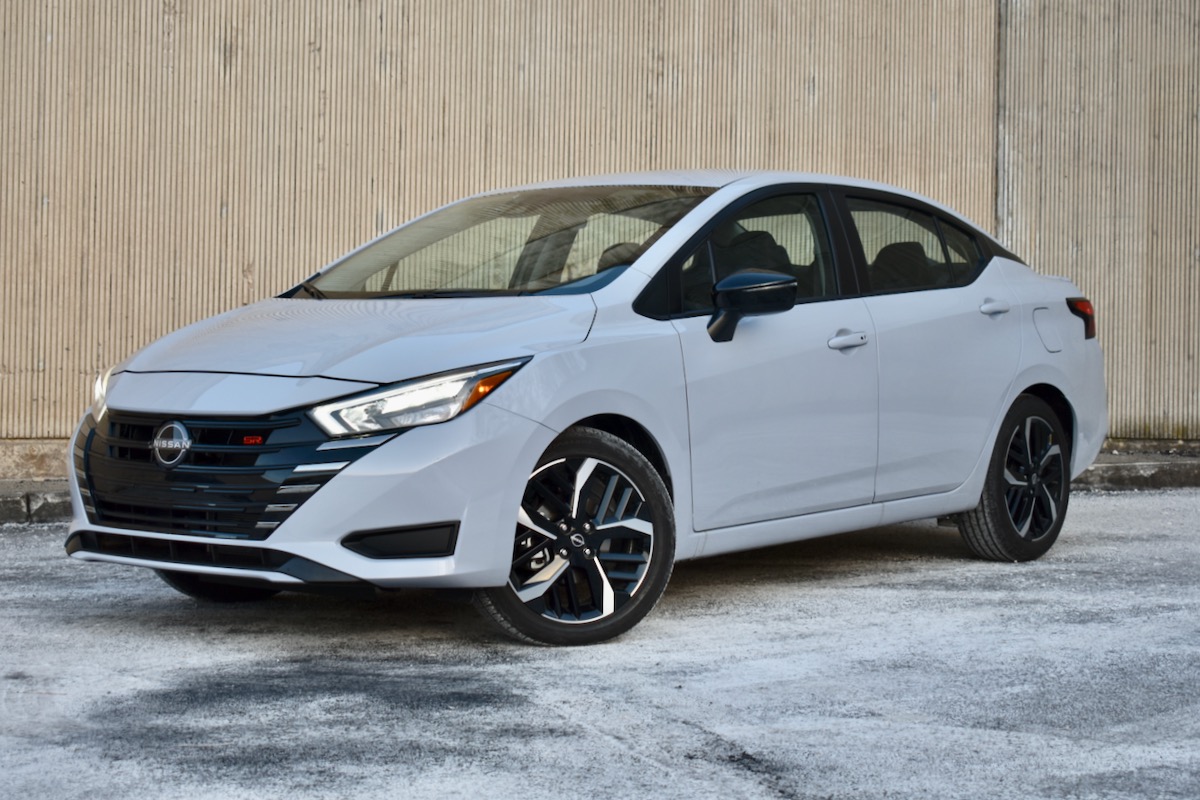
The air conditioning’s dehumidification capability seems minimal, with the system struggling to remove moisture from cabin air even when operating continuously.
Many owners report that the Versa’s fogging issues worsen as the vehicle ages, suggesting components degrading or seals failing, though even new Versas receive complaints about defrost inadequacy.
The Versa’s chronic fogging problems extend beyond annoyance into genuine safety concerns, particularly for drivers in humid climates or those with longer commutes in variable weather.
The need for constant manual intervention distracts from driving, and the extended periods required to achieve acceptable visibility mean many Versa drivers simply accept compromised sight lines rather than waiting.
Online reviews consistently mention the poor defrost as a significant negative, with some owners expressing regret over their purchase specifically due to this issue.
For budget-conscious buyers, the Versa’s low purchase price may seem attractive, but the daily frustration and safety compromise of its inadequate defog system represent a hidden cost that persists throughout ownership.
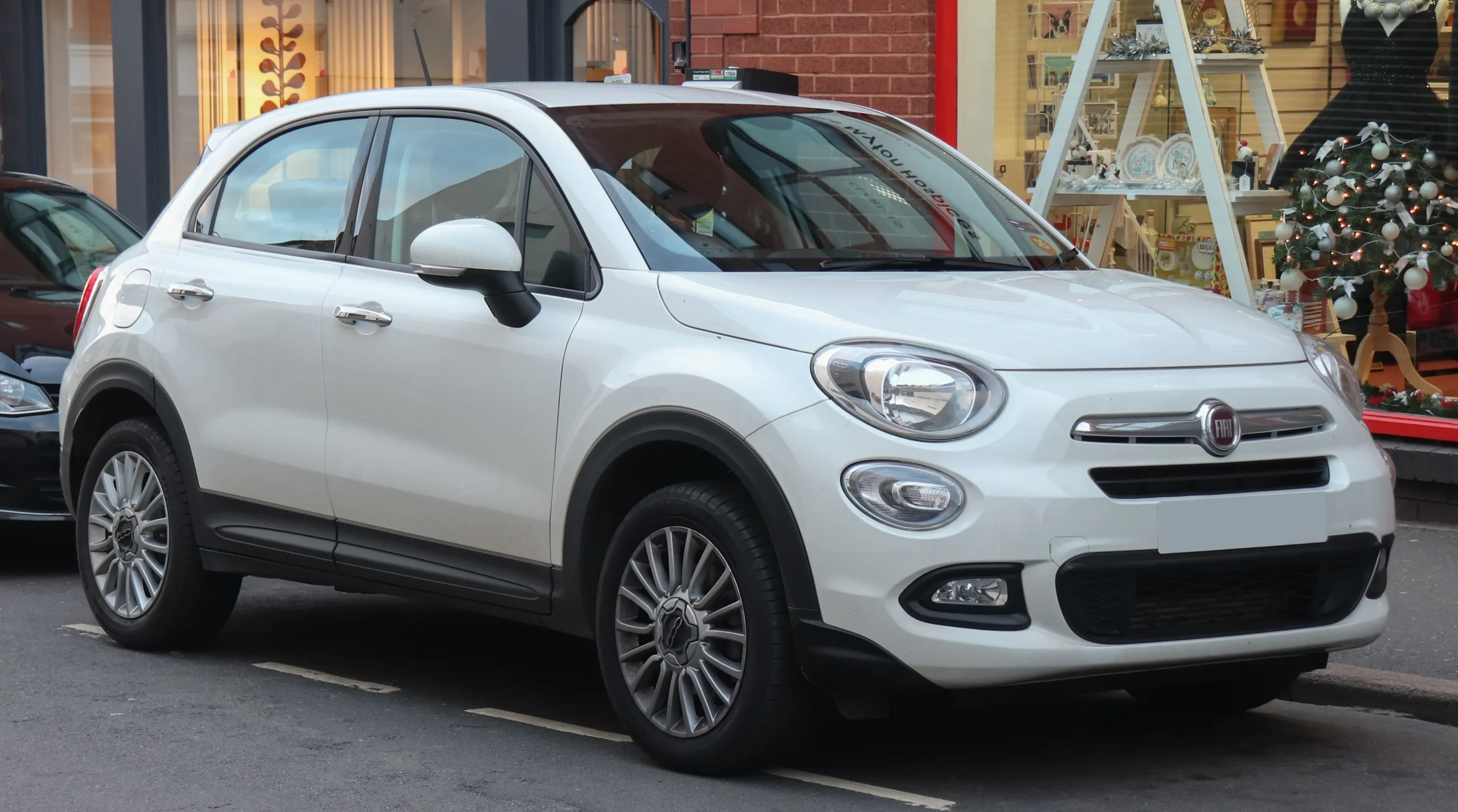
3. Fiat 500X
The Fiat 500X combines Italian styling flair with frustratingly ineffective climate control, resulting in a vehicle that looks charming but delivers persistently hazy glass surfaces.
The 500X’s compact dimensions forced engineering compromises, with the climate system apparently falling victim to packaging constraints.
Owners report that the defrost system operates as though it’s perpetually underpowered, struggling even with light condensation that competitive vehicles would eliminate within seconds.
The dashboard vent arrangement seems designed more for aesthetic appeal than functional air distribution, with vents that direct airflow inefficiently toward the windshield.
The 500X’s problems extend across all weather conditions cold morning fog, rain-induced humidity, and even hot, humid summer conditions all overwhelm the inadequate HVAC system.
The automatic climate control, standard on most trims, responds slowly to changing conditions and seems unable to anticipate fogging events before they occur.
Manual override provides little improvement, as the underlying hardware simply cannot generate sufficient airflow volume or effective air drying capability.
Many 500X owners have discovered that the air recirculation mode, typically used to speed cabin heating or cooling, actually exacerbates fogging by trapping moisture inside the cabin rather than exchanging it with drier outside air.
The 500X’s fogging problems prove especially frustrating because they undermine what could otherwise be an appealing compact crossover.
The stylish interior and distinctive exterior attract buyers, but the daily reality of persistently foggy windows quickly overshadows these positive attributes.
Fiat’s declining North American presence means dealer support and potential fixes are increasingly difficult to obtain. Owner forums show creative but ultimately inadequate attempts to address the problem, from various anti-fog products to modified ventilation strategies, none of which provide lasting solutions to systemic design inadequacies.
The 500X serves as a cautionary example of how styling and marketing appeal cannot compensate for failures in fundamental functionality like maintaining clear visibility.
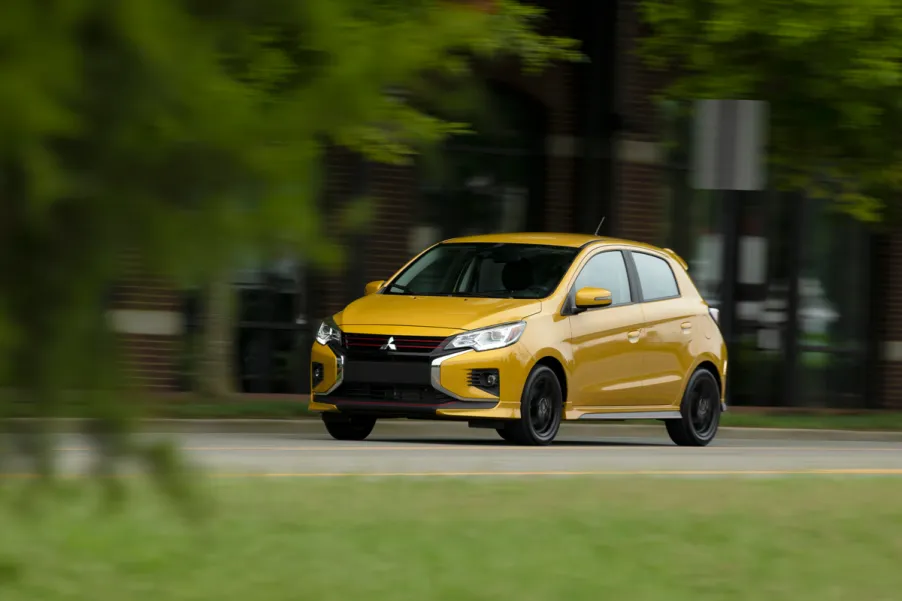
4. Mitsubishi Mirage
The Mitsubishi Mirage represents extreme budget motoring, and its defog performance reflects the numerous compromises inherent in creating an ultra-affordable vehicle.
The Mirage’s climate system feels like it was engineered to meet only minimum requirements, with defrost capability that barely qualifies as functional.
The anemic blower motor produces surprisingly weak airflow even at maximum settings, and the air distribution system directs what little airflow exists inefficiently across the windshield.
Mirage owners quickly learn that foggy windows aren’t a sometime inconvenience but a regular companion to their driving experience.
The problem manifests most severely during cold starts, when the small three-cylinder engine takes considerable time to generate heat for the climate system.
During this extended warm-up period, which can stretch ten minutes or longer, the defrost provides virtually no help in clearing condensation or frost.
The air conditioning system’s dehumidification function seems minimal, barely reducing cabin moisture even when running continuously.
The Mirage lacks even basic amenities like heated mirrors, leaving drivers with fogged side windows and mirrors in addition to windshield problems.
The rear defroster functions, but with such weak heating elements that clearing requires far more time than competitive vehicles. The Mirage’s persistent fogging issues mean owners develop coping strategies keeping towels accessible, allowing extended warm-up time, cracking windows to improve ventilation despite cold or rain.
These workarounds acknowledge the fundamental inadequacy of the factory system. For buyers attracted by the Mirage’s rock-bottom pricing and impressive fuel economy, the defog problems represent a significant quality-of-life compromise.
The safety implications are concerning, as driving with reduced visibility becomes normalized rather than exceptional. The Mirage demonstrates the extremes of automotive cost-cutting, where essential safety-related functionality becomes acceptable collateral damage in achieving aggressive price targets.
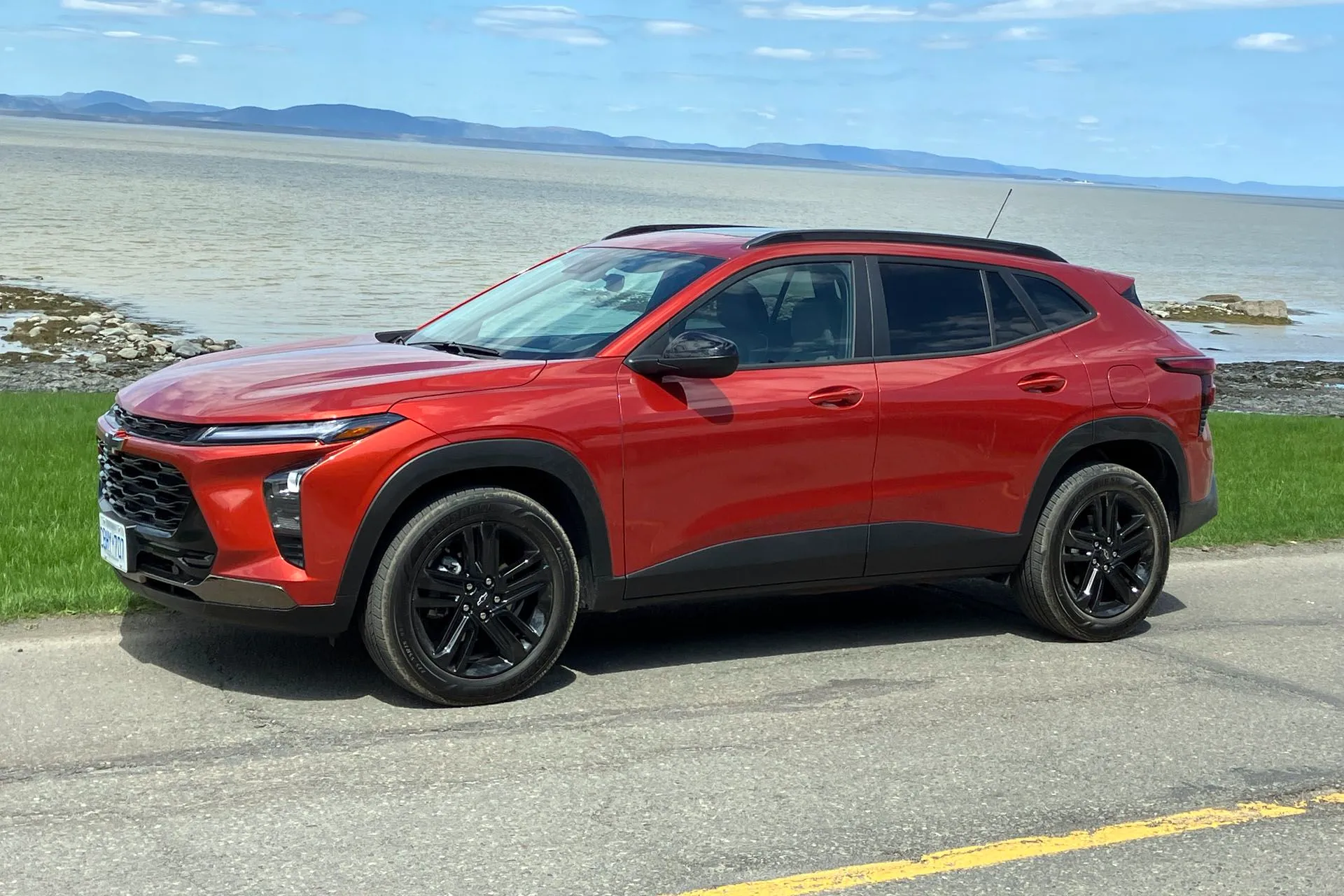
5. Chevrolet Trax
The Chevrolet Trax, despite carrying a mainstream American brand name, suffers from surprisingly poor defog performance that leaves owners frustrated and seeking solutions.
The first-generation Trax (noting that the redesigned 2024+ model reportedly improves on many deficiencies) developed a well-documented reputation for inadequate climate control that couldn’t maintain clear glass in common weather conditions.
The HVAC system seems undersized for the cabin volume, resulting in weak airflow that barely reaches the windshield edges and upper areas where fog tends to accumulate most problematically.
Even with the defrost setting maximized, the Trax requires excessive time to clear fogged glass, forcing drivers to either wait or operate with compromised visibility.
The automatic climate control system, standard on most Trax models, responds sluggishly to changing conditions and seems poorly calibrated for moisture management. It frequently fails to recognize fogging conditions automatically, requiring manual intervention to switch to defrost mode.
When manually activated, the defrost function doesn’t prioritize windshield clarity effectively, often maintaining uncomfortable temperature settings long after the glass has cleared.
The Trax’s dashboard vent design creates uneven air distribution with noticeable cold spots on the windshield that retain fog while other areas clear.
This uneven performance proves particularly dangerous as it can create visual distractions with clear and foggy patches alternating across the driver’s field of view.
Trax owners in humid climates report the most severe problems, with some describing their vehicles as nearly unusable during certain weather conditions without constant manual window wiping.
The air conditioning’s dehumidification capability seems insufficient, struggling to remove moisture even during extended operation.
Online forums show frustrated Trax owners sharing tips and attempted solutions, from aftermarket anti-fog treatments to modified cabin air filters, though none provide comprehensive fixes to the fundamental system inadequacy.
The persistent fogging issues represent a significant failure for a vehicle marketed as practical transportation, as they compromise safety and create daily frustration that undermines whatever value proposition attracted buyers initially. For prospective Trax buyers, the defog problems should be seriously considered, particularly for those in challenging climates.
Also Read: 8 Cars That Are Surprisingly Quick After a Simple Tune
