
The automotive design, comfort often gets overshadowed by horsepower figures, acceleration times, and cutting-edge technology.
Yet, for those who spend countless hours behind the wheel whether commuting through congested city streets or embarking on cross-country road trips the little details matter immensely.
Among these often-overlooked features, the humble armrest stands as a silent guardian of driver and passenger comfort, separating vehicles that embrace long-distance luxury from those that leave occupants nursing sore elbows and fatigued arms.
The armrest might seem like a trivial component in the grand automotive equation, but its presence or absence can dramatically affect the driving experience.
A well-designed, properly positioned armrest transforms tedious journeys into relaxed cruises, allowing drivers to maintain a comfortable posture while reducing strain on shoulders, elbows, and wrists.
It’s the difference between arriving at your destination refreshed and energized versus stepping out of the car feeling like you’ve just completed a physical endurance test.
This comprehensive comparison examines seven vehicles from each category, exploring what makes certain cars champions of comfort while others leave drivers literally and figuratively unsupported. We’ll discover how this seemingly minor feature reflects broader philosophies about automotive design and driver care.
7 Cars with Comfy Armrests
These exceptionally designed vehicles feature generously padded center consoles and perfectly positioned door armrests that provide genuine ergonomic support during extended driving sessions, eliminating the fatigue and discomfort typically associated with poorly conceived interior dimensions.
Their thoughtful engineering includes memory foam cushioning and ideally placed height adjustments that resist the pressure point development and circulation restriction found in hard plastic surfaces or awkwardly angled support structures.
From long highway commutes that test elbow comfort to spirited driving requiring stable arm positioning, these remarkable interiors continue providing all-day comfort without the numbness or soreness that forces constant position adjustments.
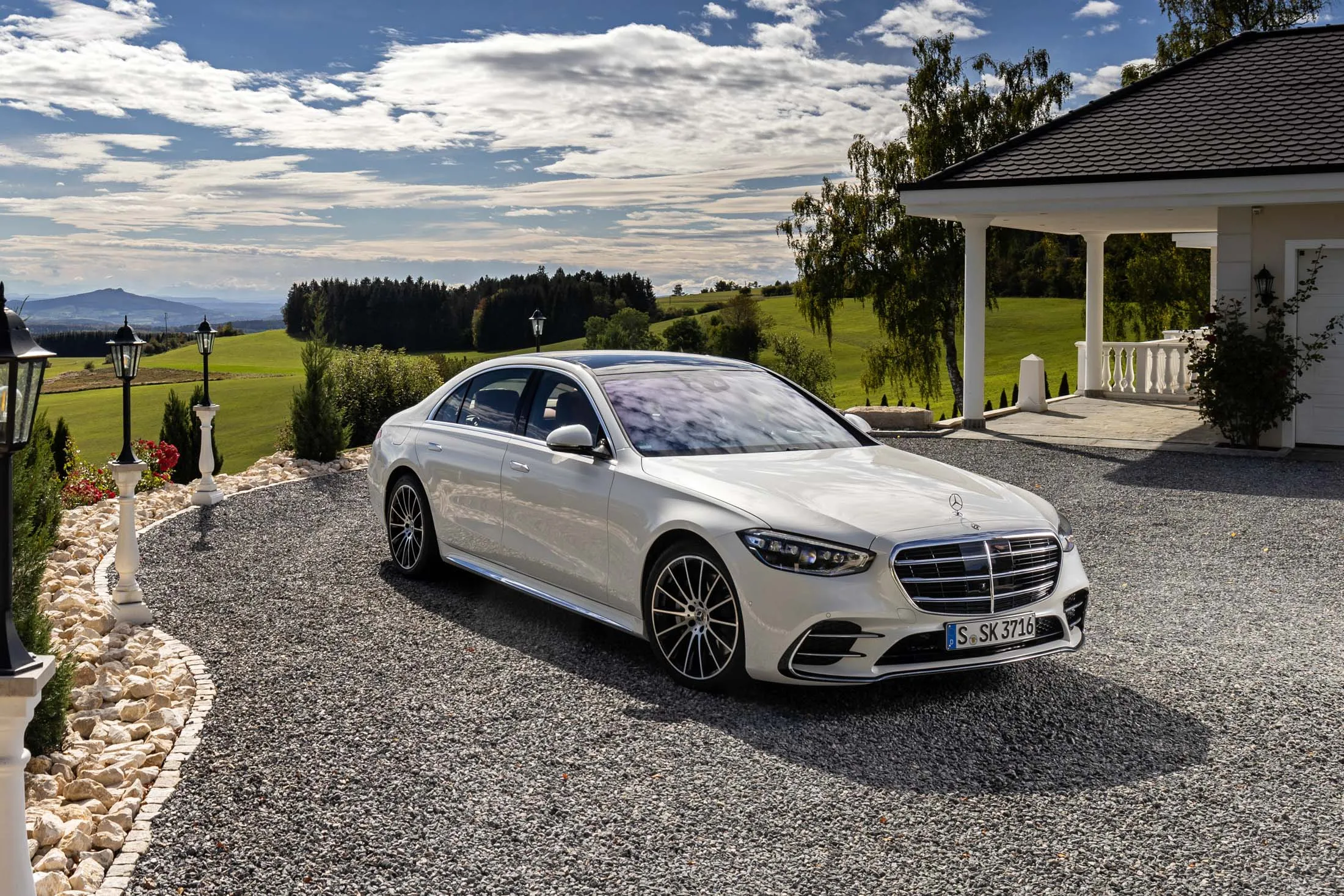
1. Mercedes-Benz S-Class
The Mercedes-Benz S-Class has long been regarded as the benchmark for automotive luxury, and its approach to armrest design exemplifies why this reputation endures.
The flagship sedan treats every contact point between human and machine as an opportunity to deliver exceptional comfort, and the armrests are no exception to this philosophy. The front center console armrest in the S-Class is a masterpiece of ergonomic engineering.
Generously padded with multi-density foam and wrapped in supple leather that feels luxurious to the touch, it positions itself at precisely the right height for relaxed arm placement.
What sets it apart is the thoughtful width broad enough to accommodate larger arms comfortably without feeling cramped, yet not so wide that it intrudes on the cabin space or creates awkward reach distances to the infotainment controls.
Temperature considerations haven’t been overlooked either. The S-Class offers heated and ventilated armrests in higher trim levels, ensuring that whether you’re driving through a Minnesota winter or a Texas summer, the surface temperature remains comfortable against bare skin.
This attention to detail extends to the rear seats, where fold-down armrests provide business-class comfort for passengers, complete with integrated cup holders and storage compartments that don’t compromise the cushioning.
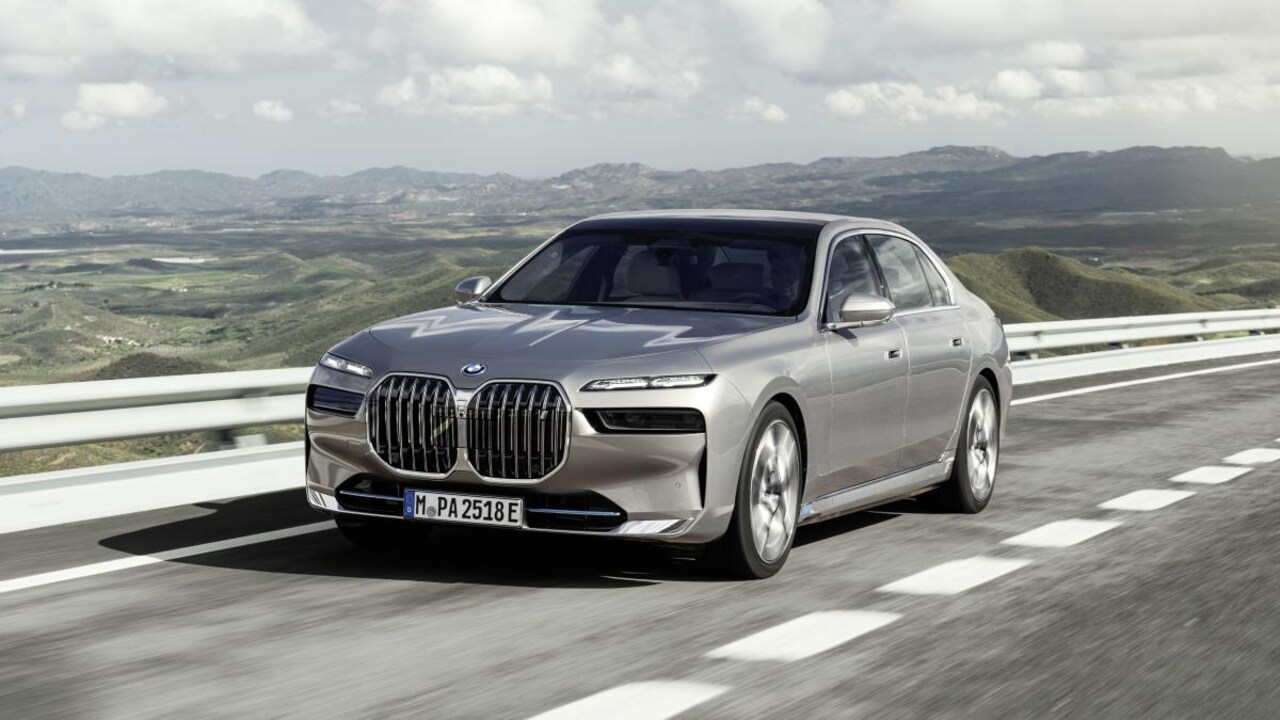
2. BMW 7 Series
BMW’s 7 Series flagship sedan demonstrates that the brand’s famous “Ultimate Driving Machine” slogan doesn’t mean sacrificing comfort for performance.
The armrest design in the 7 Series reflects decades of ergonomic research and a commitment to supporting drivers during both spirited driving and relaxed cruising.
The center console armrest sits like a throne for your right arm, with a substantial presence that communicates quality before you even make contact.
The leather surface features a diamond-quilted pattern that isn’t just aesthetically pleasing it actually provides subtle texture that prevents arm slippage during cornering while remaining soft enough for all-day comfort.
The armrest slides fore and aft on smooth, precision rails that feel bank-vault solid, with no wobble or play that might create distracting movement.
What BMW has mastered particularly well is the relationship between the armrest and the driving position. The height and angle are calibrated to support a sporting driving posture without forcing your shoulder into an uncomfortable shrug.
Your elbow naturally finds its resting place, allowing your hand to fall effortlessly onto the gear selector or iDrive controller. This creates an ergonomic triangle between the steering wheel, armrest, and controls that reduces fatigue during extended driving sessions.
BMW also addresses the needs of taller drivers better than many competitors. The door armrests extend higher up the door panel than in many vehicles, meaning drivers with longer arms don’t find themselves reaching downward into an uncomfortable position.
The width of these armrests is also noteworthy substantial enough to support the entire elbow joint and lower forearm, they eliminate that sensation of your arm sliding off the edge that plagues poorly designed alternatives.
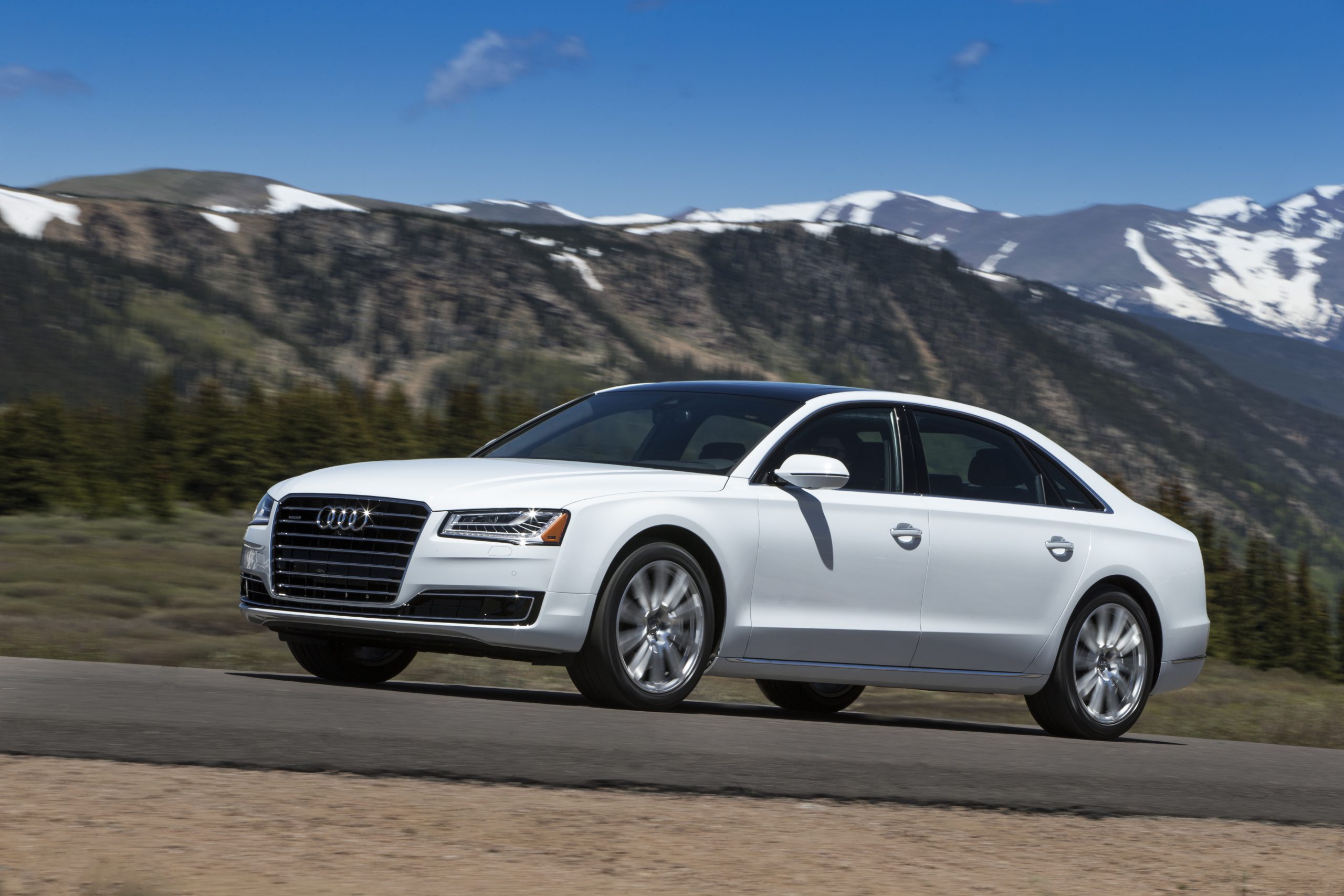
3. Audi A8
The Audi A8 takes a distinctly modern approach to armrest design, proving that contemporary minimalist aesthetics needn’t compromise ergonomic excellence.
Where some luxury cars pile on the padding and visual flourishes, Audi has refined the armrest concept to its essential elements while maintaining superior comfort.
The center armrest in the A8 features a remarkably clean design that initially appears almost understated. However, the moment your arm makes contact, you understand the sophistication beneath the simplicity.
The surface material a combination of leather and soft-touch plastics depending on the specific area has been engineered to provide just the right amount of give.
It’s firm enough to offer genuine support rather than allowing your arm to sink into useless marshmallow-like cushioning, yet soft enough to remain comfortable during hours of continuous contact.

Audi’s engineers have paid particular attention to the transitions between surfaces. Where the armrest meets the center console, there are no sharp edges or abrupt material changes that might create discomfort.
Everything flows seamlessly, reflecting the brand’s broader design philosophy of creating harmonious interiors where nothing calls attention to itself through poor execution.
The armrest feels like a natural extension of the console architecture rather than an afterthought bolted on to satisfy a checklist requirement.
One innovative feature in the A8 is the subtle integration of massage functions within the armrest padding itself in certain configurations.
While primarily associated with the seat cushions, Audi has extended gentle massage elements to the armrests in top-tier models, providing additional relief during marathon driving sessions.
This kind of forward-thinking approach to combating driver fatigue demonstrates genuine consideration for the human experience behind the wheel.
4. Lexus LS
The Lexus LS embodies the Japanese concept of “omotenashi” wholehearted hospitality and this philosophy extends comprehensively to armrest design. Lexus approaches comfort as a holistic experience where every touchpoint contributes to an atmosphere of serenity and support.
The center console armrest in the LS offers what might be the most luxurious padding of any vehicle in its class. The semi-aniline leather covering feels almost buttery under your arm, with a suppleness that speaks to meticulous material selection.
Beneath this sumptuous surface lies a complex padding structure that combines memory foam with traditional cushioning materials.
The memory foam element means the armrest subtly conforms to your specific arm shape, creating a custom-fitted sensation that becomes more comfortable the longer you use it.

Lexus has also considered the armrest’s role in creating a tranquil cabin environment. The surface damping has been calibrated to absorb micro-vibrations from the road, preventing them from transmitting through your arm and contributing to fatigue.
This might sound like marketing hyperbole, but the difference becomes apparent on rough pavement or during extended highway driving.
Your arm simply doesn’t accumulate the same level of vibrational fatigue that occurs in vehicles where the armrest is more rigidly mounted.
Perhaps most impressively, the LS maintains armrest comfort consistency across all four seating positions. The rear seat armrests both the fold-down center unit and the door-mounted versions receive the same attention to padding, positioning, and material quality as those in the front.
This democratic approach to comfort ensures that everyone in the vehicle, regardless of seating position, enjoys the same level of support.
Also Read: 7 Cars That Look Clean Even When They’re Dirty vs. 7 That Show Every Speck
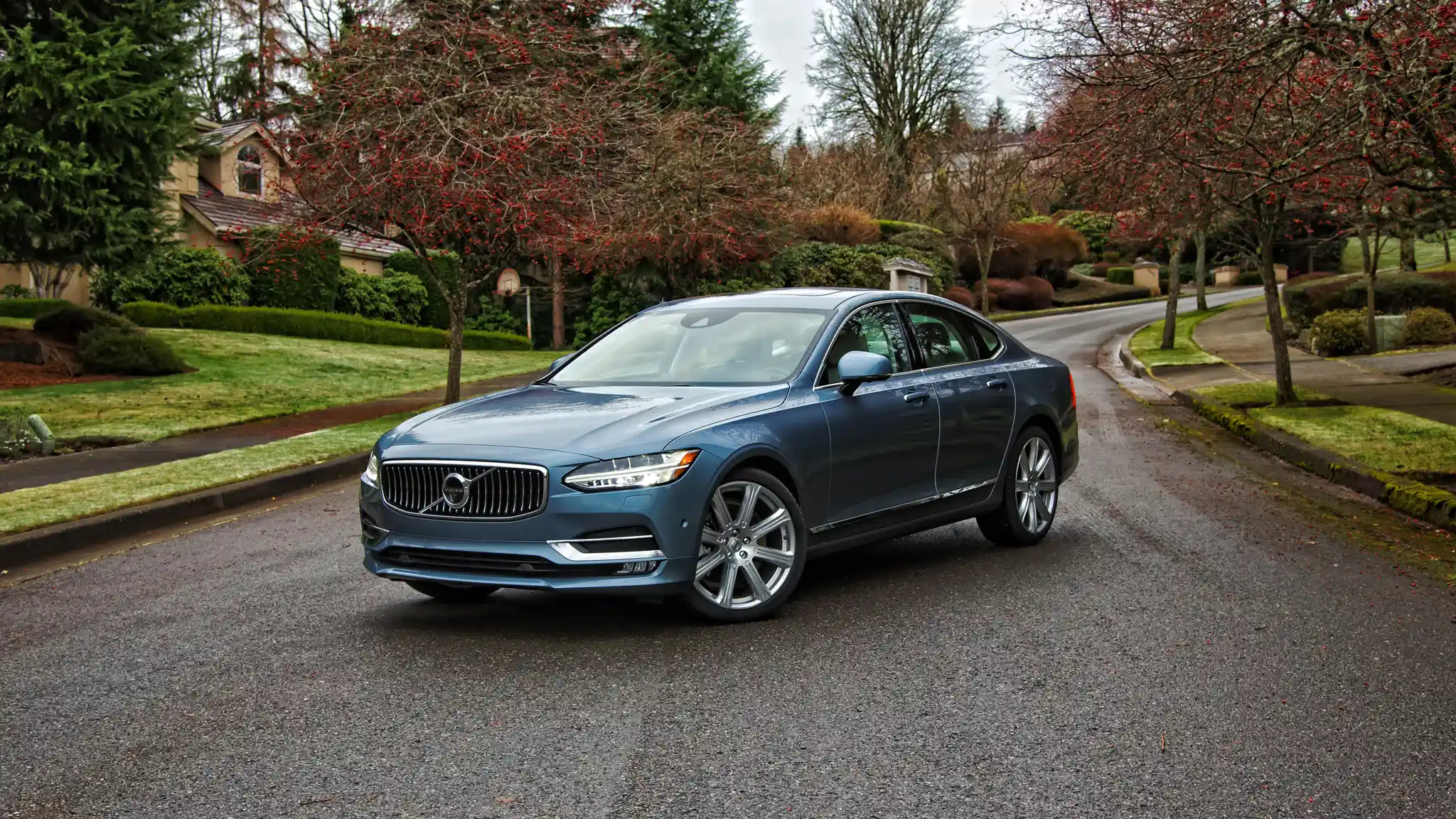
5. Volvo S90
The Volvo S90 brings a distinctly Scandinavian perspective to armrest design, one rooted in the region’s long-standing emphasis on functional design that serves human needs without unnecessary ornamentation.
Volvo’s approach reflects genuine research into ergonomics and driver health rather than simply adding padding and calling it luxurious.
The center armrest in the S90 showcases Volvo’s collaboration with orthopedic and chiropractic specialists. The shape isn’t just aesthetically pleasing it’s scientifically contoured to support the arm in a position that minimizes strain on the shoulder and upper back.
The height and angle prevent that forward shoulder roll that afflicts drivers in poorly designed cabins, a subtle but significant factor in reducing long-term discomfort and fatigue.
Material selection in the S90 emphasizes durability and consistent comfort across a wide temperature range. The leather-wrapped surfaces maintain a pleasant tactile quality whether the cabin is chilled from arctic winters or warmed by summer sun.
Unlike materials that become uncomfortably sticky in heat or cold and hard in winter, the S90’s armrest surfaces remain consistently comfortable year-round.
Volvo has also considered the needs of drivers who adjust their seating position significantly from the default. The armrests maintain comfortable relationships with both aggressive, upright sport positions and more reclined, relaxed configurations.
This versatility means the armrests remain functionally supportive across a broader range of driving styles and body types than many competitors manage.
6. Genesis G90
The Genesis G90 represents the Korean luxury brand’s commitment to challenging established premium manufacturers on every metric, and armrest comfort is no exception.
Genesis has studied the best examples from German, Japanese, and American luxury brands and synthesized these lessons into armrests that rival or exceed any competitor.
The center console armrest in the G90 immediately impresses with its substantial dimensions. This isn’t a token pad barely larger than a smartphone; it’s a properly sized support platform that accommodates arms of all sizes.
The quilted Nappa leather covering provides visual richness while the underlying cushioning strikes an ideal balance between supportive firmness and yielding comfort. Your arm sinks in just enough to feel cradled without that bottomless feeling that suggests weak, inferior padding.
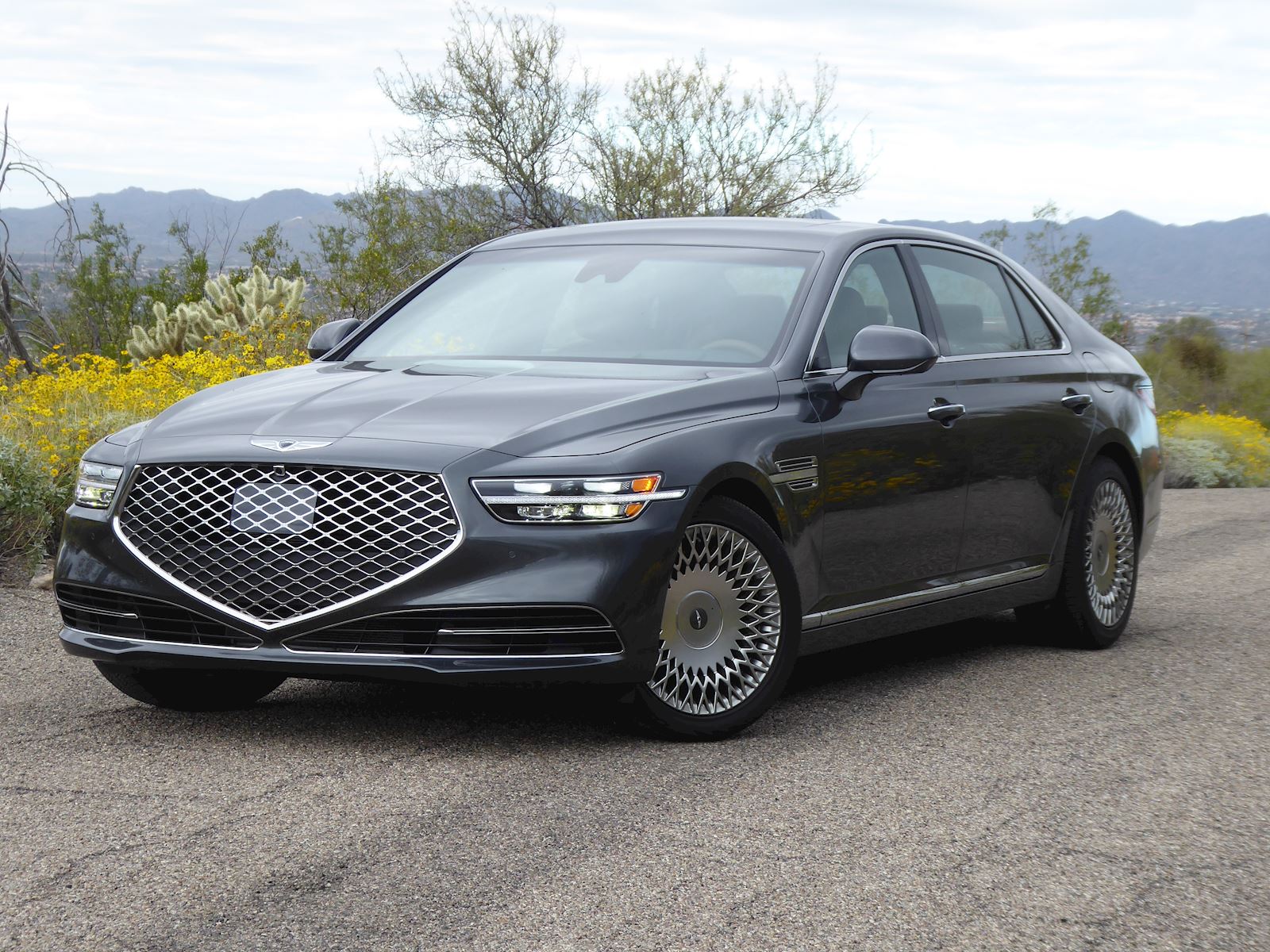
Genesis has incorporated thoughtful storage solutions beneath the armrest without compromising the cushioning or comfort. The flip-up mechanism operates smoothly and quietly, and when closed, there’s no sense of hollowness or flexing that might detract from the premium feel.
The armrest feels solid and substantial, qualities that contribute unconsciously to perceptions of vehicle quality. Genesis has also addressed the aesthetic integration of armrests more successfully than many luxury competitors.
The armrests don’t visually dominate or appear bulky; instead, they blend harmoniously with the interior design while maintaining their functional excellence. This demonstrates mature design thinking where functionality and aesthetics reinforce rather than compromise each other.
7. Cadillac CT6
The Cadillac CT6 represents American luxury’s evolution into a more sophisticated, globally competitive form while retaining traditional strengths in comfort and spaciousness.
The armrest design exemplifies this balance between heritage and modernity. The center console armrest in the CT6 offers generous American proportions without feeling oversized or intrusive.
The padding depth is substantial, reflecting Cadillac’s understanding that American drivers often spend extended periods in their vehicles covering vast distances.
The leather surface features a soft pebble grain that provides both visual interest and practical benefits the texture helps prevent arm sliding while remaining gentle against bare skin.
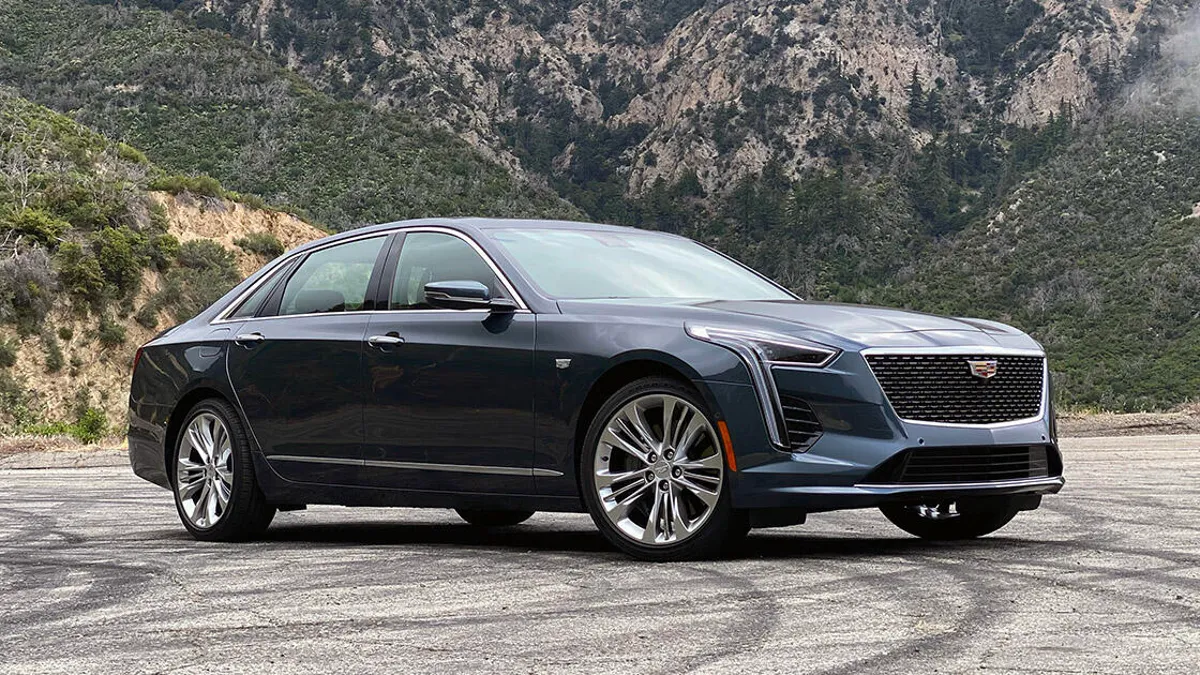
Cadillac has engineered the armrest mechanism for smooth, damped movement that feels luxurious in operation. When you adjust the fore-aft position or open the storage compartment, the motion is controlled and substantial, never cheap-feeling or loose.
These mechanical details contribute significantly to perceptions of quality and care in execution. Cadillac has integrated subtle technology into the CT6’s armrests without compromising comfort.
Control surfaces for windows, seats, and other functions are positioned where they remain easily accessible without requiring awkward reaching or forcing you to lift your arm from its comfortable resting position.
This represents thoughtful integration where technology serves ergonomics rather than compromising it for design simplicity or aesthetic purity.
7 Sore-Elbow Specials
These frustrating vehicles suffer from hard plastic armrests and awkwardly positioned support surfaces that create immediate discomfort during even short drives, forcing constant elbow repositioning and arm fatigue that undermines driving enjoyment.
Their problematic design includes insufficient padding and too-narrow console widths that cannot accommodate natural arm positions, leading to pressure points developing within minutes of highway cruising.
Despite attractive exterior styling and modern technology features, these interiors torture occupants through their inadequate armrest surfaces, wrong-height positioning, and sharp console edges that dig into forearms during normal driving positions.
1. Tesla Model 3
The Tesla Model 3 represents perhaps the most polarizing example of armrest design in modern automotive history. In Tesla’s pursuit of minimalist interior aesthetics and cost optimization, the armrest situation has become a legitimate comfort concern for many owners and a source of countless online complaints.
The center console armrest in the Model 3, particularly in earlier production years, earned a reputation as one of the automotive industry’s most disappointing comfort features.
Positioned too far rearward for many drivers, it forces an awkward reach that strains the shoulder and creates an unnatural arm angle.
The padding, while present, feels thin and hard compared to traditional luxury vehicles, providing minimal cushioning during extended contact.
Many owners report that after just thirty minutes of driving, their arm begins aching from the poor support and awkward positioning.
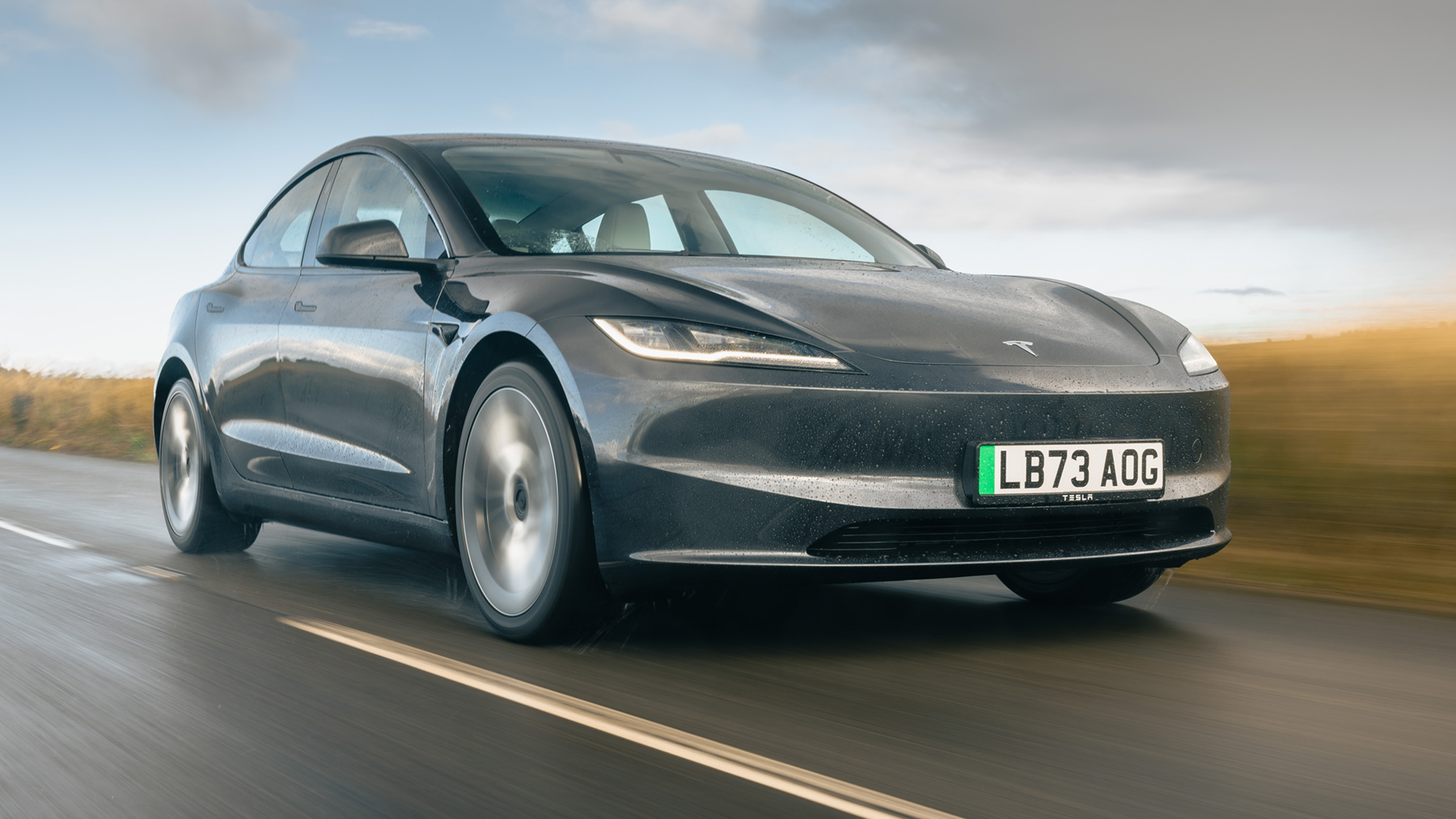
The height of the center armrest presents additional challenges. It sits too high for shorter drivers, forcing them to raise their shoulder uncomfortably to reach it, while simultaneously sitting too low for taller individuals who find themselves hunching forward.
This Goldilocks problem where the armrest seems wrong for nearly everyone suggests that ergonomic testing was either minimal or ignored during development.
The material covering feels plasticky and cheap to the touch, particularly disappointing given Tesla’s premium pricing strategy. Tesla’s subsequent updates to the Model 3 design have addressed some of these concerns, with revised armrest positioning and slightly improved padding in newer production years.
However, the fundamental compromises remain, and the Model 3 stands as a cautionary tale about prioritizing visual minimalism over ergonomic functionality.
The irony is particularly sharp given that Tesla markets its vehicles as technologically advanced and carefully engineered qualities that apparently didn’t extend to ensuring driver comfort during extended use.
2. Chevrolet Spark
The Chevrolet Spark, designed as an ultra-affordable urban runabout, makes no apologies for its budget-friendly approach to virtually every aspect of vehicle design.
Unfortunately, this cost-consciousness becomes painfully apparent in the armrest situation, or more accurately, the lack thereof. The Spark simply doesn’t offer a center console armrest in many trim levels.
There’s a small storage bin between the seats, but no padded surface for resting your arm. This absence forces drivers into awkward positions, with arms hovering unsupported or resting uncomfortably on hard plastic surfaces.
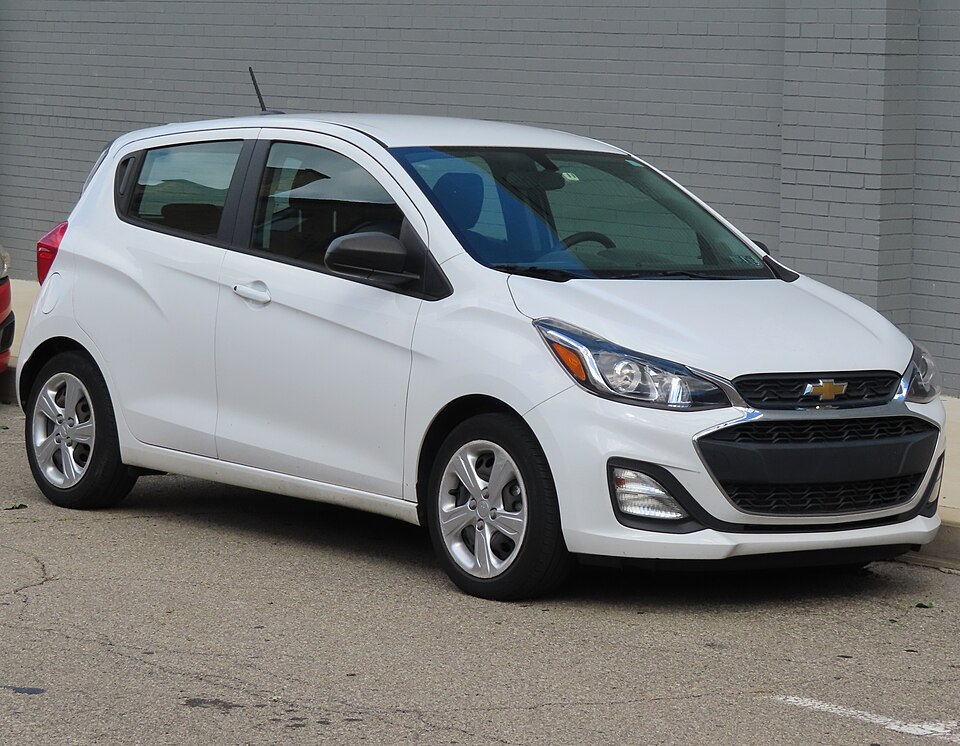
During city driving with frequent gear changes or control inputs, this limitation might seem minor. However, any highway driving quickly reveals the deficit as your right arm accumulates fatigue from lack of support.
The Spark’s armrest deficiencies reflect the harsh realities of designing a vehicle to meet an aggressive price point. Every dollar matters in the budget segment, and armrests apparently fell low on the priority list behind more essential functions.
While this compromise makes sense from a business perspective after all, Spark buyers are likely more concerned with fuel efficiency and purchase price than ergonomic luxury it doesn’t make the discomfort any less real for drivers who spend significant time behind the wheel.
3. Jeep Wrangler
The Jeep Wrangler enjoys iconic status as the ultimate off-road vehicle, and its design priorities clearly emphasize capability and ruggedness over interior comfort refinement.
While this approach makes sense given the Wrangler’s mission, the armrest situation becomes a significant comfort liability, particularly for those who use their Wrangler as a daily driver.
The center console armrest in the Wrangler, particularly in two-door models, feels like an afterthought rather than an integral design element. The padding is thin and firm, offering minimal cushioning.
The material covering is durable vinyl designed to withstand mud, water, and outdoor equipment admirable for ruggedness but uncomfortable for extended skin contact.
The armrest sits at an odd height that feels too high for relaxed cruising yet too low for optimal control reach, creating an ergonomic no-man’s-land.

The size of the Wrangler’s center armrest is also problematic. It’s narrow enough that larger arms overhang the edges, concentrating pressure on a small contact area rather than distributing support across the forearm.
The armrest also sits relatively far back in the cabin, requiring an uncomfortable reach for many drivers. This positioning might work for extremely tall individuals but leaves average-height drivers straining rearward to make contact, creating shoulder tension.
For weekend warriors who primarily use their Wrangler for adventure and occasional commuting, these compromises might seem acceptable. However, for daily drivers covering significant mileage, the inadequate armrests become a source of genuine discomfort and fatigue.
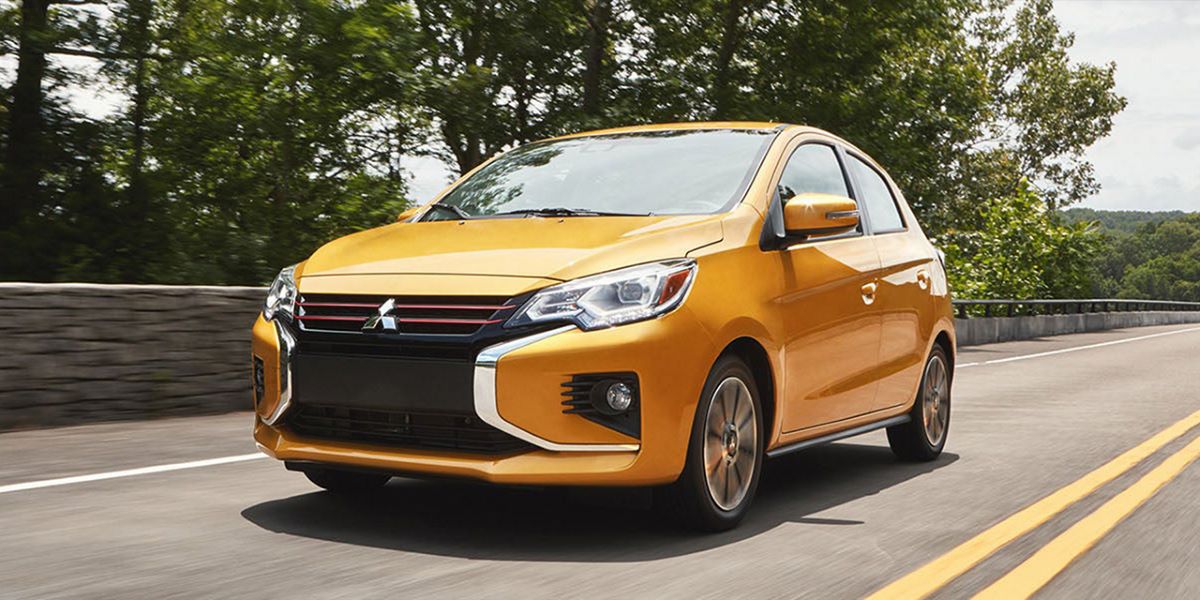
4. Mitsubishi Mirage
The Mitsubishi Mirage competes in the most cost-sensitive segment of the automotive market, and nowhere is this more apparent than in the armrest design or more accurately, the near-complete absence of meaningful armrest provisions.
The Mirage’s center console is essentially a small storage cubby with a removable plastic lid. Some trim levels include a thin foam pad attached to this lid, representing Mitsubishi’s interpretation of an armrest.
Calling this minimal cushioning an “armrest” is generous it’s more accurately described as a slightly padded surface that happens to sit between the seats.
The foam compresses almost immediately under arm weight, providing virtually no sustained cushioning. The plastic lid it’s attached to flexes and creaks under use, creating both discomfort and concerning quality impressions.
The positioning of this makeshift armrest is also problematic. It sits too far rearward for comfortable reach during driving, forcing an awkward shoulder rotation to make contact.
The width is barely sufficient for a child’s arm, let alone an adult’s, meaning your elbow is constantly searching for stable support. The covering material is a vinyl that becomes unpleasantly sticky in warm weather and stiff in cold, adding thermal discomfort to the ergonomic deficiencies.
Shoulders become tense from the lack of support, and upper back discomfort develops from asymmetrical posture. These issues compound over time, transforming what might be manageable during short urban trips into genuinely uncomfortable experiences on longer highway journeys.
5. Fiat 500
The Fiat 500 prioritizes nostalgic styling and compact urban maneuverability, creating an undeniably charming package that appeals strongly to style-conscious buyers.
However, this focus on aesthetics and packaging efficiency has resulted in interior ergonomics that include some seriously compromised armrest situations.
The center console in the Fiat 500 is dominated by stylish but hard surfaces that prioritize visual appeal over functional comfort. The armrest, such as it is, amounts to a narrow padded section that feels more like a decorative accent than a genuine support feature.
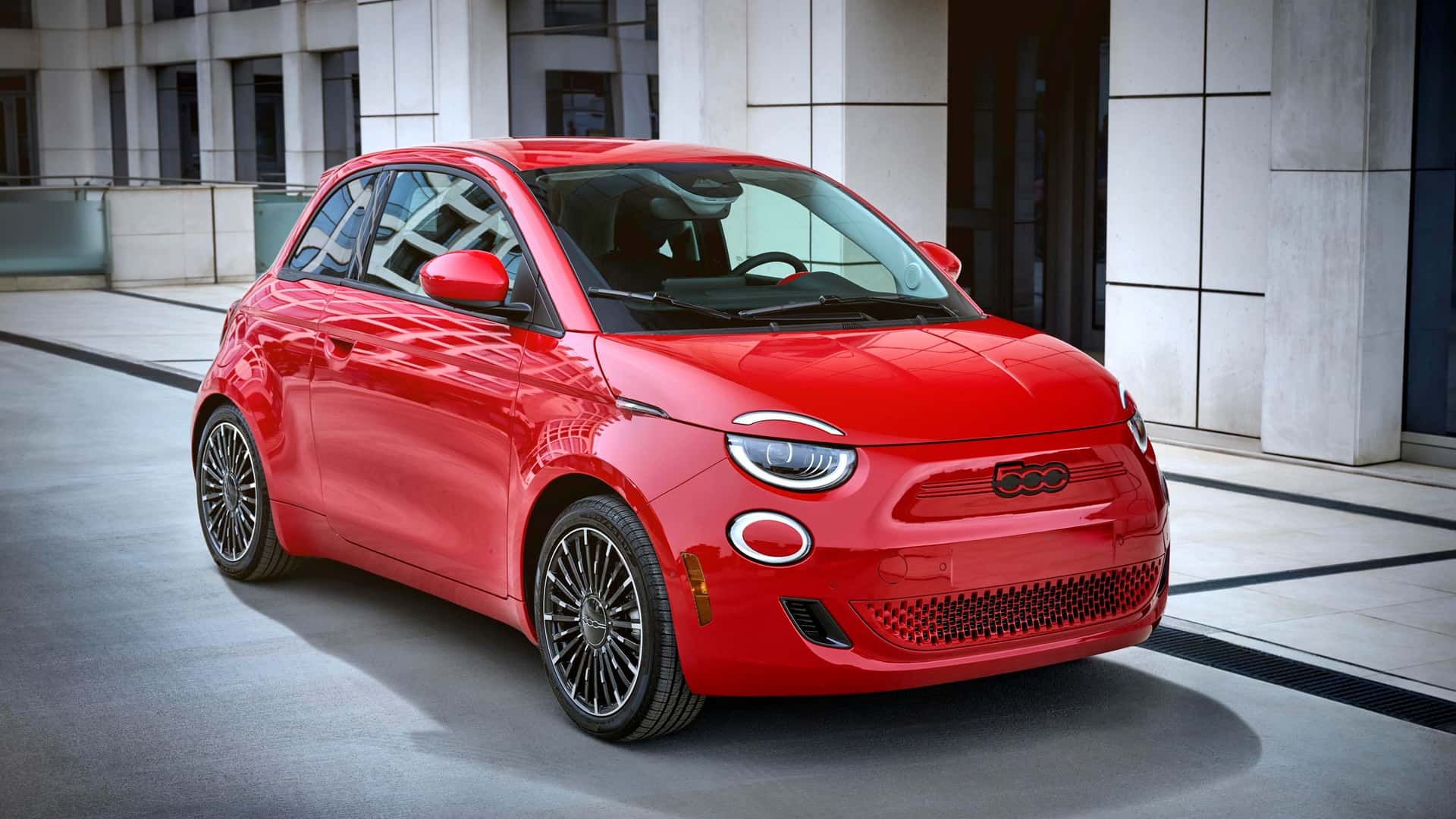
The cushioning is minimal, compressing quickly under use to reveal the hard structure beneath. The width is inadequate for proper arm support, with most adults finding their elbow overhanging the edge and concentrating pressure on a narrow contact band rather than distributing support comfortably.
The Fiat 500’s interior materials, while visually appealing with retro-inspired textures and colors, don’t provide the tactile comfort needed for armrest surfaces.
The plastics can feel hard and cheap against skin, and the covering materials on padded sections lack the temperature-regulating properties of better materials.
In hot weather, surfaces become sticky; in cold weather, they feel unpleasantly chilly. These thermal comfort issues compound the already marginal ergonomic performance.
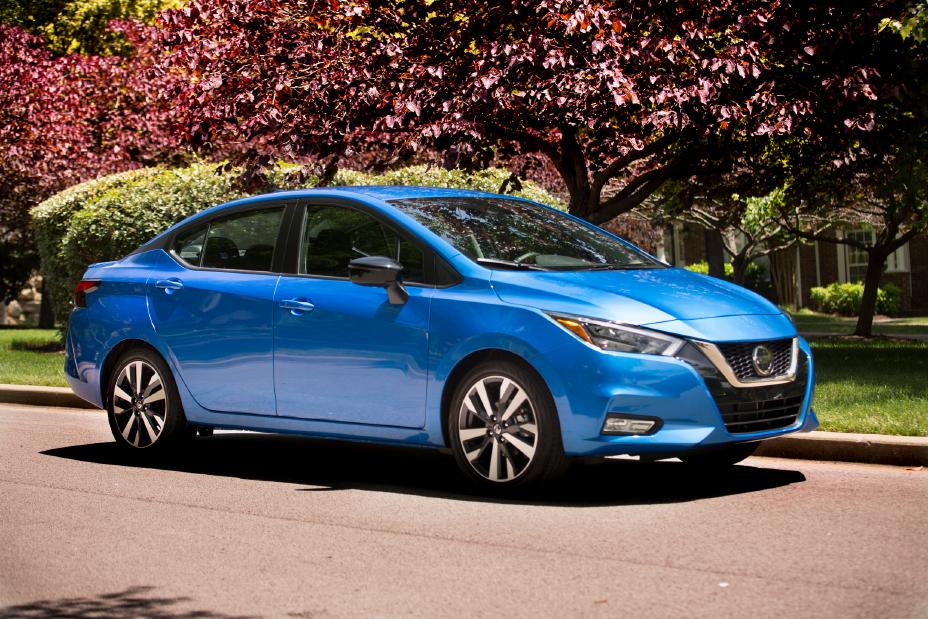
6. Nissan Versa
The Nissan Versa represents the brand’s entry into the budget sedan segment, competing primarily on price and basic transportation functionality.
This value-focused positioning has resulted in numerous interior compromises, with armrests receiving particularly minimal attention and investment.
The center console armrest in the Versa, available only in higher trim levels, represents a bare-minimum interpretation of this feature.
A thin foam pad covered in vinyl sits atop a plastic storage lid, providing cushioning that compresses almost immediately under use. The padding depth is insufficient to provide genuine comfort within minutes of resting your arm, you’re essentially contacting the hard plastic structure beneath.
The foam lacks the density and resilience of quality cushioning materials, breaking down quickly with regular use and developing uncomfortable flat spots.
Material quality on the Versa’s armrest surfaces reflects the vehicle’s budget positioning. The vinyl coverings feel cheap and plasticky, lacking the tactile pleasantness of better materials. These surfaces also respond poorly to temperature variations, becoming uncomfortably sticky in heat and stiff in cold.
The seams and stitching, where present, are often positioned where they create uncomfortable raised edges against the arm a small detail that better-engineered interiors avoid through thoughtful design.
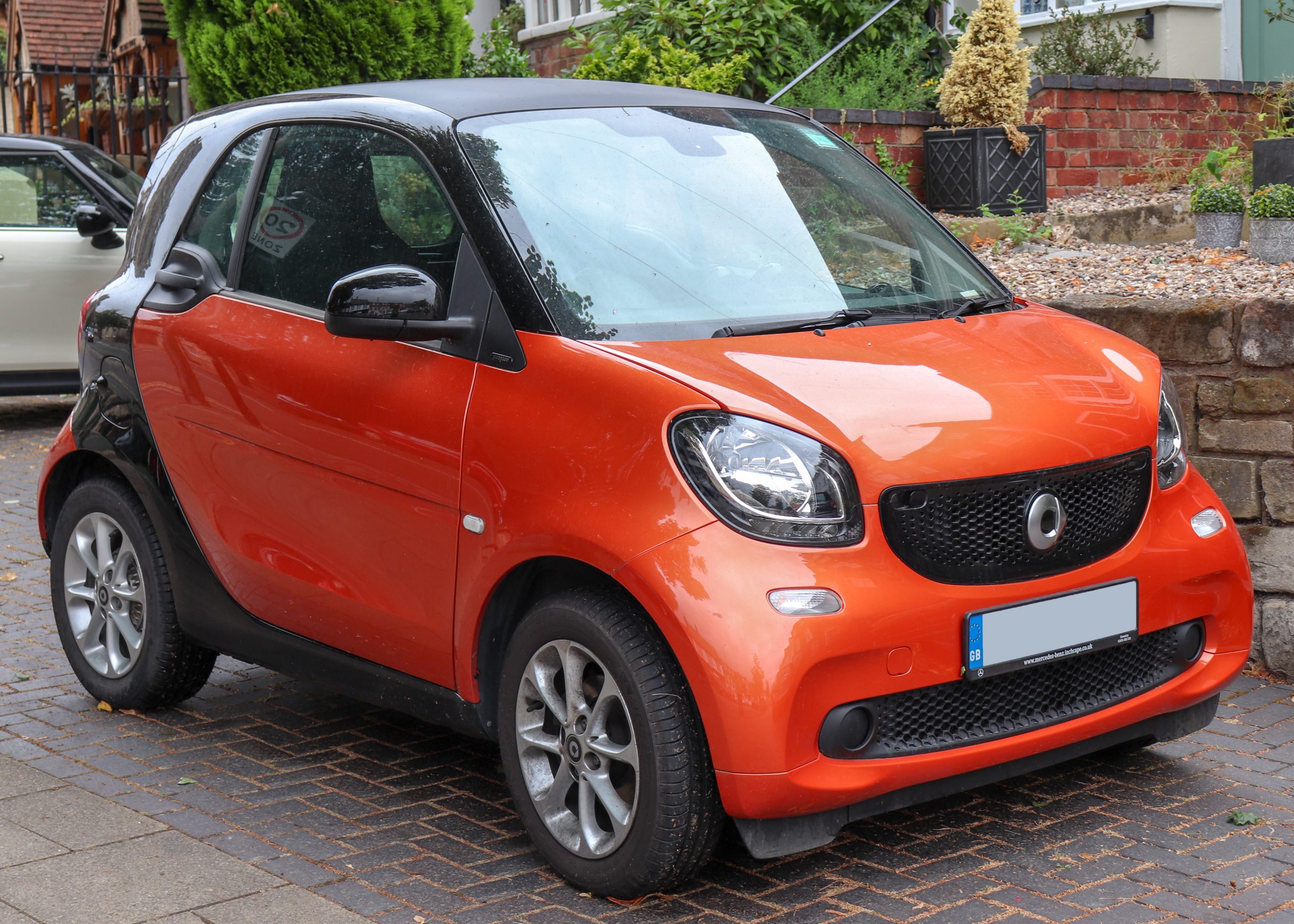
7. Smart Fortwo
The Smart Fortwo represents automotive minimalism taken to its logical extreme a vehicle designed purely around efficient urban transportation in the smallest possible package.
This laser focus on compact dimensions and parking maneuverability has resulted in an interior where conventional comfort features like proper armrests are essentially sacrificed to the gods of small size.
The center console in the Smart Fortwo is so narrow and compact that calling any portion of it an armrest requires significant imagination.
There’s a small storage bin between the seats, but no meaningful padded surface for arm support. The console is primarily hard plastic surfaces designed for durability and easy cleaning rather than ergonomic support.
Any attempt to rest your arm on these surfaces quickly becomes uncomfortable as you’re essentially contacting hard plastic with no cushioning whatsoever.
The absence of a proper center armrest in the Smart Fortwo creates notable discomfort during any driving beyond short urban hops.
Your right arm hovers unsupported during gear changes, rests uncomfortably on hard surfaces, or ends up awkwardly positioned on your thigh.
None of these positions are sustainable for extended periods, and all contribute to arm and shoulder fatigue that accumulates distressingly quickly.
However, any extended driving, highway cruising, or longer journeys quickly reveal the comfort deficit that passengers in more conventionally proportioned vehicles take for granted.
Also Read: 5 Models That Keep Fog Off Glass vs 5 That Are Always Hazy
