
The automotive world has long grappled with a fundamental design question that significantly impacts everyday usability: should the rear seat area connect seamlessly to the trunk, or should these spaces remain separate? This seemingly simple design choice creates two distinct categories of vehicles that serve different purposes and appeal to different drivers.
On one side, we have cars with easy trunk pass-through features vehicles designed with folding rear seats, ski ports, or removable panels that allow long items to extend from the trunk into the cabin.
These cars prioritize versatility, cargo flexibility, and the ability to transport oversized items like lumber, skis, or furniture without requiring a larger vehicle.
On the other side stand cars with blocked backs sedans and coupes where the trunk and passenger cabin remain completely separated by fixed metal structures.
These vehicles emphasize security, climate control, noise isolation, and traditional automotive elegance. The blocked-back design has been the hallmark of luxury sedans and performance coupes for decades, representing a philosophy that passenger comfort should never be compromised by cargo considerations.
The choice between pass-through accessibility and blocked separation impacts everything from daily practicality to resale value, making this one of the most important yet often overlooked considerations when choosing your next vehicle.
5 Cars with Easy Trunk Pass-Through
These exceptionally practical vehicles feature wide fold-down rear seat openings and minimal structural obstructions that allow oversized cargo like lumber, skis, and long furniture pieces to extend seamlessly from trunk to cabin without frustrating loading struggles.
Their thoughtful engineering includes smooth pass-through designs and strategically positioned hinges that resist the cargo capacity limitations typically associated with narrow openings, bulky seat mechanisms, and protruding structural reinforcements blocking valuable space.
From transporting ten-foot boards purchased at hardware stores to accommodating sporting equipment exceeding trunk dimensions, these remarkable vehicles continue providing genuine versatility without the loading gymnastics or roof rack requirements found in poorly designed alternatives.
1. Honda Accord
The Honda Accord has earned its reputation as one of America’s best-selling sedans partly because of its exceptional practicality, including a highly functional trunk pass-through feature.
The Accord’s 60/40 split-folding rear seats create a surprisingly versatile cargo solution that sets it apart from many competitors in the midsize sedan segment. This design philosophy reflects Honda’s understanding that sedan buyers don’t want to sacrifice utility for style.
The pass-through opening in the Accord measures approximately 8 inches wide when using just the center armrest pass-through, but expands dramatically when you fold down one or both rear seat sections.
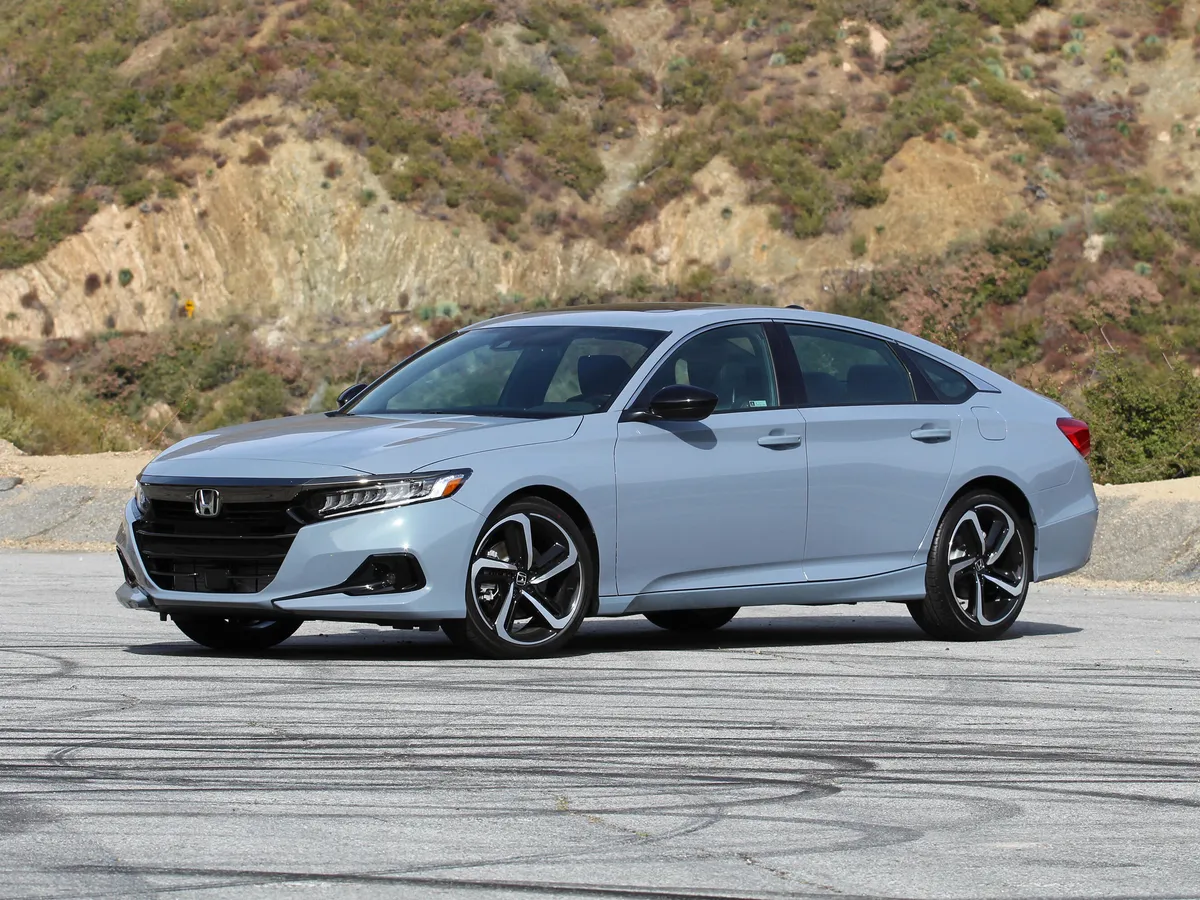
This allows drivers to transport items up to 8 feet long, such as lumber for home improvement projects, fishing rods, skis, or even furniture from flat-pack retailers.
The mechanism is straightforward pull the release levers located in the trunk, and the seat backs fold forward smoothly without requiring you to move the front seats or remove headrests.
Honda has also thoughtfully integrated this feature with the Accord’s design. The trunk hinges are positioned so they don’t intrude excessively into the cargo area, and the pass-through doesn’t significantly reduce trunk security since the opening can be closed and locked when not in use.
The Accord proves that midsize sedans can offer SUV-like versatility without abandoning the driving dynamics, fuel efficiency, and sleek styling that make sedans appealing in the first place.
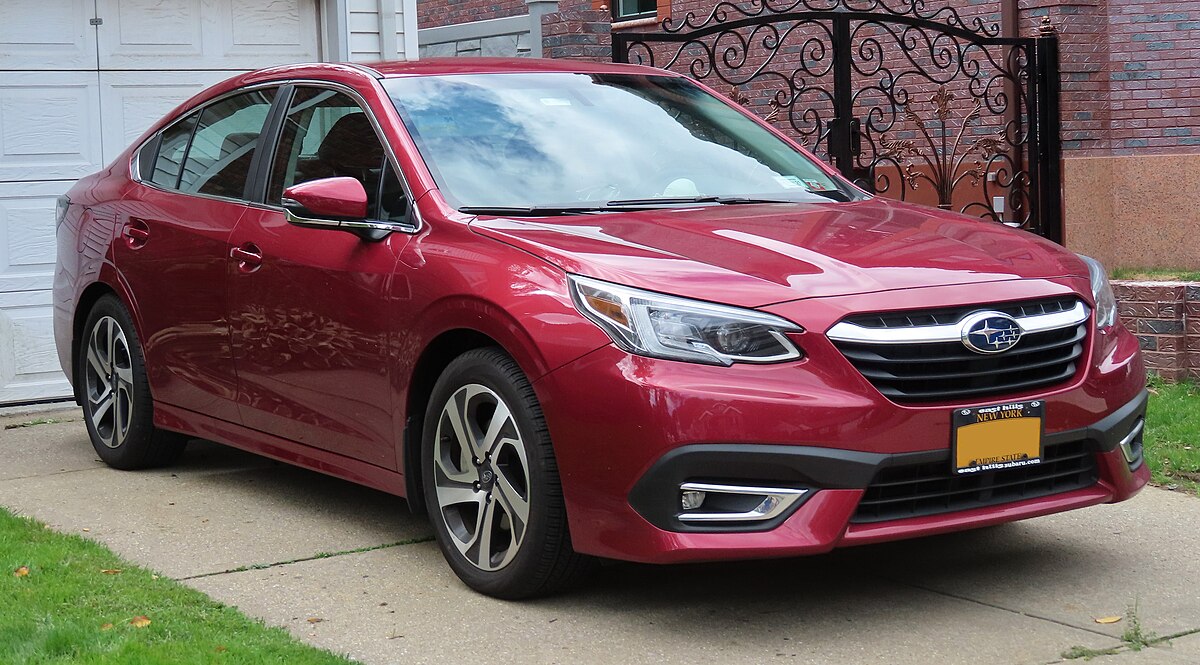
2. Subaru Legacy
The Subaru Legacy represents the intersection of practical design and all-weather capability, with its trunk pass-through feature serving as a cornerstone of the brand’s utility-focused philosophy.
Subaru has built its reputation on creating vehicles for active lifestyles, and the Legacy sedan delivers this promise without requiring buyers to step up to an SUV or wagon.
The Legacy features a 60/40 split-folding rear seat configuration that creates one of the most usable pass-through systems in the sedan segment.
The opening is wide enough to accommodate skis, snowboards, lumber, and other elongated items, while the fold-down mechanism operates smoothly and can be activated from both the trunk and the cabin. This dual-access design is particularly convenient, as you don’t need to walk around the vehicle to prepare the cargo area.

What distinguishes the Legacy is how this feature integrates with Subaru’s broader design philosophy. The company understands its customers outdoor enthusiasts, families in snow-prone regions, and people who need reliable transportation for adventurous weekends.
The pass-through isn’t just an afterthought; it’s engineered to complement the Legacy’s standard all-wheel drive system, creating a package that can take you to the mountains and carry your gear once you arrive.
Subaru has also maintained the structural integrity and safety of the Legacy despite including this feature. The rear seat backs lock securely in place during normal driving, and the pass-through doesn’t compromise the vehicle’s crash protection or torsional rigidity.
This balance between utility and safety exemplifies why the Legacy remains a practical choice for families who want sedan refinement with unexpected versatility.
3. Toyota Camry
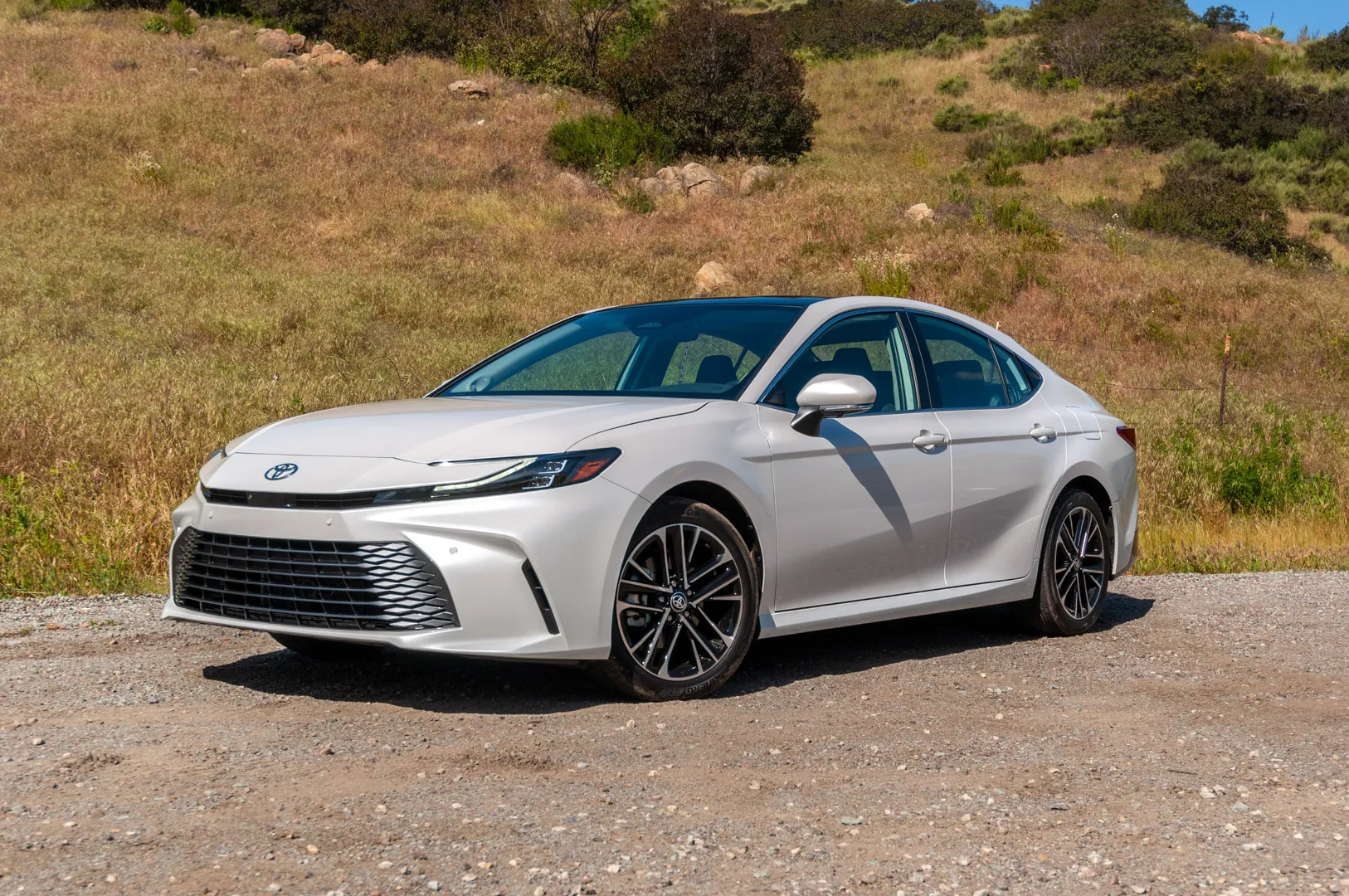
The Toyota Camry, America’s best-selling sedan for much of the past two decades, includes a trunk pass-through feature that adds functional versatility to its renowned reliability.
While the Camry is often praised for its dependability, fuel efficiency, and comfortable ride, the pass-through capability demonstrates Toyota’s commitment to making practical features accessible to mainstream buyers.
The Camry’s pass-through system consists of a center armrest section that folds down and opens into the trunk, supplemented by a 60/40 split-folding rear seat in many trim levels.
This configuration allows drivers to transport items up to approximately 8 feet long while still maintaining seating for four passengers if only one rear seat section is folded.
The armrest pass-through alone provides a narrow opening suitable for skis, fishing rods, or lumber, while folding a full seat section accommodates wider items.
Toyota has engineered this feature to be user-friendly and durable two qualities that define the Camry brand. The release mechanisms are clearly marked and operate smoothly without excessive force.
The hinges and latches feel solid, avoiding the cheap, flimsy sensation found in some economy cars. When the seats are locked upright, they’re secure enough that passengers won’t notice any difference from a fixed rear seat.
The practical applications of the Camry’s pass-through extend across various user scenarios. Commuters who occasionally need to transport work materials or presentation boards can do so without resorting to a larger vehicle.
Home improvement enthusiasts can pick up supplies from the hardware store without paying delivery fees or renting a truck. Families can accommodate oversized sports equipment, musical instruments, or seasonal decorations that won’t fit in the regular trunk space.
For the millions of Camry buyers worldwide, this feature represents the kind of thoughtful engineering that makes daily life easier without drawing attention to itself perfectly in keeping with the Camry’s philosophy of reliable, practical transportation.
4. Mazda6
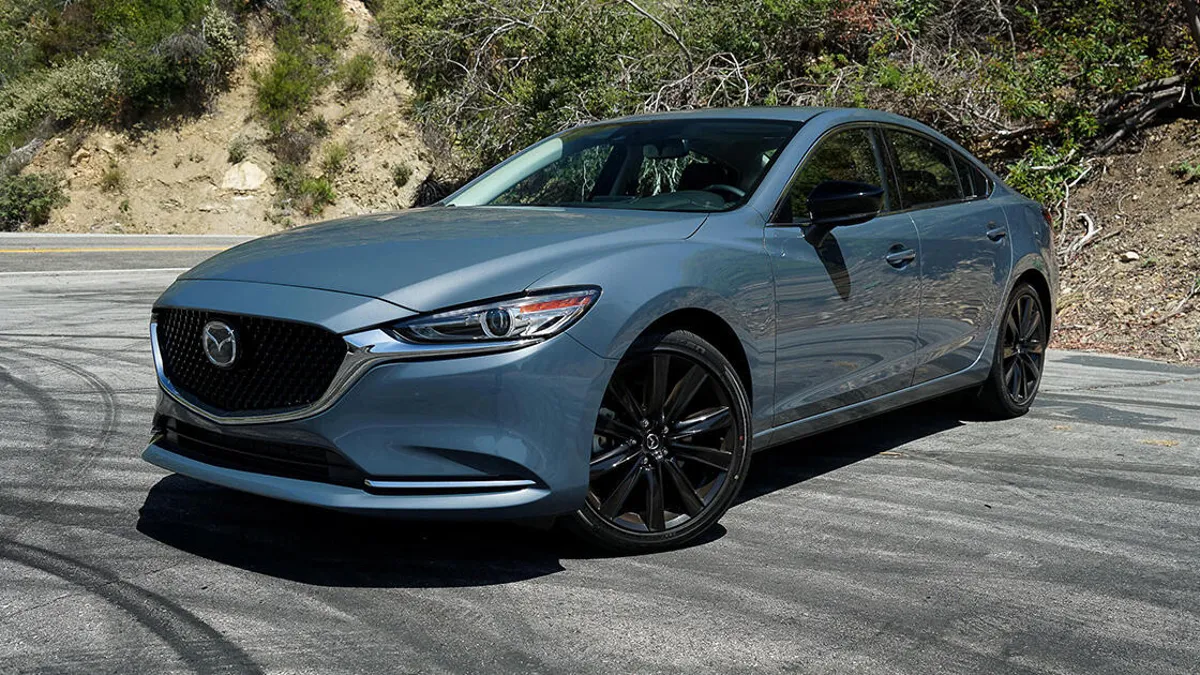
The Mazda6 stands out in the midsize sedan segment by combining sporty driving dynamics with sophisticated styling, yet it doesn’t sacrifice practicality for performance.
The inclusion of a trunk pass-through feature demonstrates Mazda’s understanding that drivers who appreciate engaging handling also need real-world versatility when daily life demands it.
The Mazda6 employs a 60/40 split-folding rear seat design that creates a flexible cargo solution while maintaining the car’s premium cabin ambiance.
The pass-through opening is well-proportioned and lined with quality materials that match the rest of the interior, avoiding the cheap plastic appearance found in some competing sedans. The fold-down mechanism operates smoothly, with release levers positioned for easy access from the trunk area.
What distinguishes the Mazda6’s approach is the attention to detail in execution. Mazda’s designers recognized that buyers in this segment expect refined experiences in every aspect of vehicle operation, including cargo management.
The result is a pass-through system that feels engineered rather than merely functional. The hinges operate quietly, the seats fold with minimal effort, and the opening integrates seamlessly with the trunk’s carpeted surfaces.
The integration extends to cabin noise isolation as well. When the pass-through is closed, the Mazda6 maintains its remarkably quiet interior, with minimal wind noise or road rumble intruding into the passenger space.
This attention to refinement means that the versatility is available when needed but doesn’t detract from the premium experience during regular driving.
For buyers considering the Mazda6, the trunk pass-through represents the kind of practical thoughtfulness that complements rather than contradicts the car’s sporty mission proving that driving enjoyment and everyday utility can coexist.
Also Read: 5 Used Cars That Feel Modern vs. 5 That Feel Dated
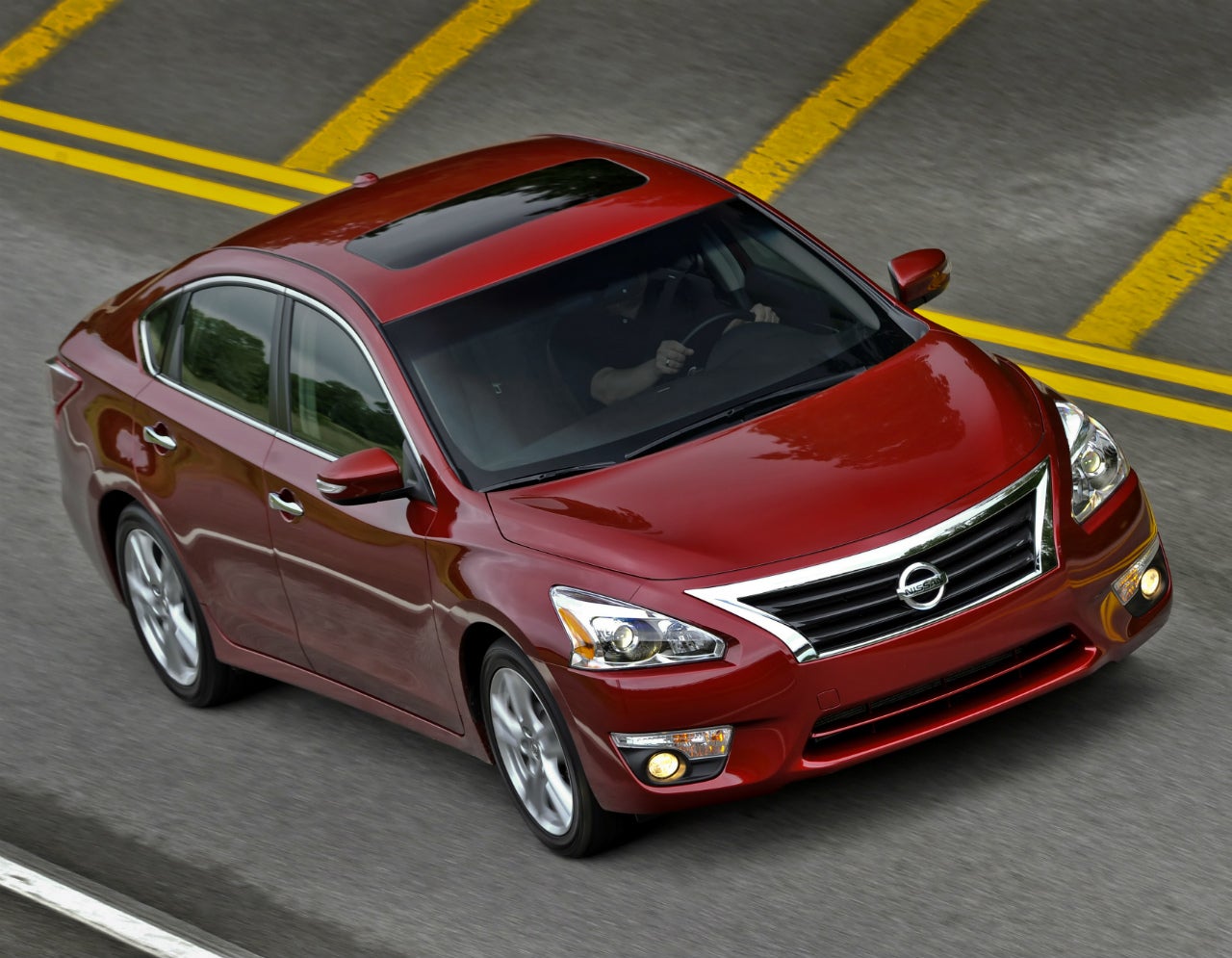
5. Nissan Altima
The Nissan Altima has long competed in the highly competitive midsize sedan market by offering strong value, comfortable accommodations, and practical features that make daily life easier.
Among these features, the trunk pass-through stands out as a versatile solution that extends the Altima’s utility beyond what its exterior dimensions might suggest.
The Altima incorporates a 60/40 split-folding rear seat system that creates a generous pass-through opening when one or both sections are folded down.
Additionally, the center armrest includes a smaller pass-through suitable for narrow items like skis or lumber. This dual-option approach gives Altima owners flexibility they can transport long, thin items without sacrificing rear seating, or fold down entire seat sections for maximum cargo capacity.
Nissan has engineered the system to be accessible and straightforward, reflecting the brand’s focus on everyday usability. The release mechanisms are clearly labeled and positioned where they can be easily reached from the trunk.
The seats fold with reasonable effort and create a fairly flat surface that extends the trunk floor into the cabin. When locked upright, the seats feel secure and solid, without the looseness that sometimes develops in heavily used folding mechanisms.
The Altima’s 15.4 cubic feet of trunk space provides a strong baseline for cargo capacity, and the pass-through feature enhances this by accommodating items that won’t fit in the regular trunk opening.
This proves valuable in numerous real-world situations: transporting flat-pack furniture, carrying sports equipment to recreation facilities, moving houseplants or small trees, or hauling materials for DIY projects.
The feature effectively expands the Altima’s capability without requiring owners to step up to a larger, less efficient SUV. For value-conscious buyers, the Altima’s trunk pass-through represents practical engineering that enhances ownership experience without increasing price significantly a hallmark of Nissan’s approach to the mainstream sedan market.
5 Cars with Blocked Backs
These frustrating vehicles suffer from narrow pass-through openings and obstructive structural elements that severely limit cargo versatility despite advertising spacious trunk volumes, creating constant loading challenges when transporting anything exceeding standard luggage dimensions.
Their problematic design includes bulky seat frames and immovable center armrests that cannot accommodate long items purchased at home improvement stores, forcing owners into awkward roof-mounting solutions or multiple trips with cut materials.
Despite generous advertised cargo capacities and fold-down rear seat features, these vehicles fail real-world utility tests through their restrictive pass-through dimensions, sharp metal edges, and limited opening widths that make loading skis or lumber virtually impossible.
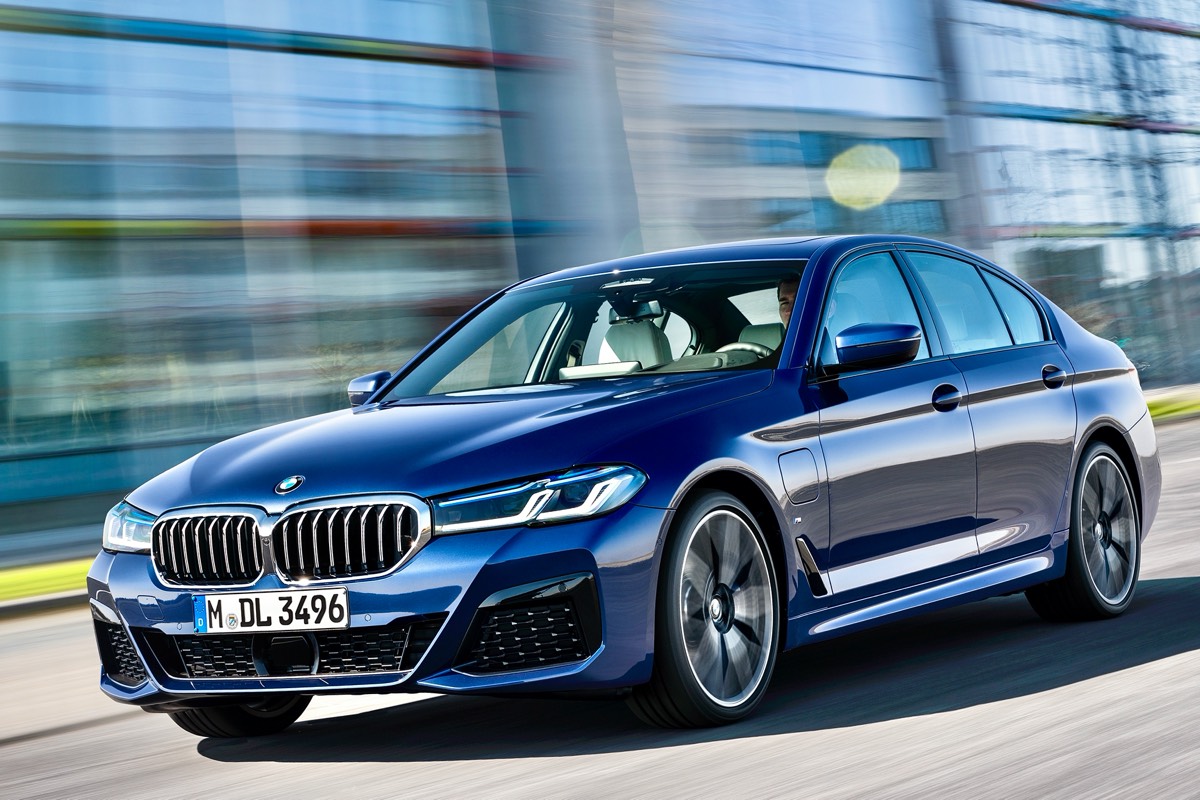
1. BMW 3 Series
The BMW 3 Series represents the pinnacle of the sport sedan segment, and its blocked-back design philosophy reflects the brand’s unwavering commitment to driving dynamics, structural rigidity, and premium cabin isolation.
Unlike sedans with pass-through features, the 3 Series maintains a complete separation between the passenger cabin and trunk, with this architectural choice supporting the vehicle’s performance-oriented mission.
The blocked-back design in the 3 Series serves multiple engineering purposes that directly enhance the driving experience. First, the solid rear bulkhead significantly increases torsional rigidity the resistance to twisting forces that affect handling precision.
This structural stiffness allows BMW’s engineers to tune the suspension for maximum responsiveness without introducing unwanted flex or vibration.
When you hustle a 3 Series through a series of corners, the chassis feels supremely connected and communicative, partly because there’s no pass-through opening compromising structural integrity.
The separation between cabin and trunk also creates exceptional noise isolation. BMW has invested heavily in creating a serene interior environment, and the solid rear wall prevents road noise, tire roar, and exhaust resonance from entering the passenger space through the trunk area.
This becomes particularly noticeable at highway speeds, where the 3 Series maintains a library-quiet cabin that allows passengers to converse normally or enjoy the premium audio system without interference.
Climate control benefits significantly from the blocked design as well. The HVAC system can maintain consistent temperatures in the passenger cabin without fighting against temperature fluctuations from the trunk.
This proves especially valuable in extreme weather the air conditioning doesn’t have to work as hard in summer heat, and the heating system maintains warmth more efficiently in winter cold. The result is improved comfort and reduced fuel consumption from the climate control system.
BMW buyers choose the 3 Series for its driving excellence, and the blocked-back design supports this priority. The trade-off in cargo versatility is accepted even embraced by owners who value the tangible performance and refinement benefits.
For these drivers, the inability to fold down rear seats or create a pass-through opening is irrelevant because the structural and acoustic advantages align perfectly with their expectations for a premium sport sedan.
2. Mercedes-Benz C-Class
The Mercedes-Benz C-Class embodies the brand’s philosophy of luxury, refinement, and meticulous engineering, with its blocked-back design serving as a fundamental element of the premium experience.
Mercedes-Benz has deliberately chosen to maintain complete separation between the passenger cabin and trunk compartment, prioritizing the isolation, security, and structural benefits that this architecture provides.
The solid rear bulkhead in the C-Class contributes to the vehicle’s extraordinary cabin quietness one of the defining characteristics of Mercedes-Benz sedans.
The company has spent decades perfecting noise suppression techniques, and the blocked trunk plays a crucial role in this achievement.
By preventing any sound pathway from the trunk area into the cabin, Mercedes engineers can focus on sealing every other potential noise source.
The result is a cabin environment that feels vault-like in its isolation from the outside world, allowing passengers to fully appreciate the premium materials, sophisticated design, and advanced technology that define the C-Class interior.

The structural implications of the blocked design support Mercedes-Benz’s emphasis on ride quality and handling balance. The C-Class delivers a supple, composed ride that absorbs road imperfections while maintaining precise body control.
The solid rear structure contributes to the chassis stiffness that makes this combination possible. Without openings or hinges compromising the rear bulkhead, the chassis can better resist flex and vibration, allowing the suspension to work exactly as intended across various road conditions.
Mercedes-Benz customers generally understand and appreciate the blocked-back philosophy because it aligns with their priorities. C-Class buyers seek refinement, prestige, and a cosseting driving experience rather than maximum cargo flexibility.
The 12.6 cubic feet trunk provides adequate space for typical luxury sedan needs luggage for trips, shopping bags, briefcases, and golf equipment.
For these buyers, the exceptional noise isolation, structural integrity, and security benefits far outweigh any limitation in cargo versatility.
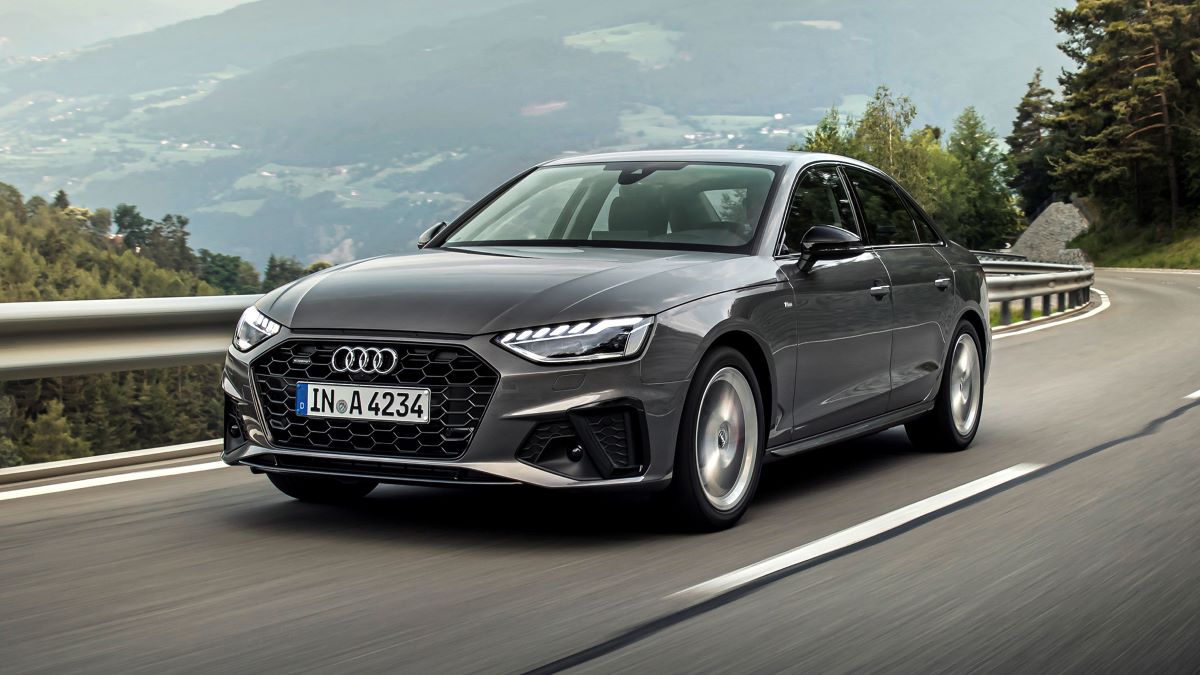
3. Audi A4
The Audi A4 represents Germanic engineering precision with a focus on understated luxury and technological sophistication. Its blocked-back design reflects Audi’s philosophy that proper sedan architecture requires complete separation between passenger and cargo areas, a principle that supports the vehicle’s refined character and performance capabilities.
Audi has engineered the A4’s blocked-back structure to maximize chassis rigidity, which directly benefits the vehicle’s renowned handling characteristics.
The Quattro all-wheel drive system that defines many A4 models works best when supported by an exceptionally stiff chassis that can efficiently transmit power and respond predictably to steering inputs.
The solid rear bulkhead contributes significantly to this structural integrity, eliminating a potential flex point that could compromise the precise, connected feeling that Audi drivers expect.
The cabin environment in the A4 showcases why blocked-back design matters for premium sedans. Audi has created an interior that feels distinctly upscale, with high-quality materials, meticulous build quality, and advanced technology including the Virtual Cockpit digital instrument cluster and MMI infotainment system.
The acoustic isolation that comes from the blocked trunk allows occupants to fully appreciate the cabin’s refinement. Wind noise remains minimal even at high speeds, and tire roar stays notably subdued, creating an environment conducive to conversation, phone calls, or enjoying the available Bang & Olufsen premium audio system.
Temperature management in the A4 benefits from the sealed cabin architecture. Audi’s climate control system, which can include four-zone automatic temperature control in higher specifications, maintains precise comfort levels because it’s not battling against temperature infiltration from the trunk.
This proves particularly valuable in extreme climates the system maintains efficiency whether dealing with Arizona summer heat or Minnesota winter cold, contributing to both comfort and fuel economy.
Audi customers typically prioritize driving refinement, technology, and prestige over maximum cargo versatility. The A4’s 13 cubic feet of trunk space adequately serves luxury sedan needs suitcases for business travel, shopping, golf clubs, and everyday items.
The blocked-back design supports the refined, quality-focused experience that defines the Audi brand, making it a feature rather than a limitation for the target audience.
4. Lexus IS
The Lexus IS represents Toyota’s luxury division’s interpretation of the sport sedan, combining engaging driving dynamics with the legendary reliability and build quality that define the Lexus brand.
The IS’s blocked-back design reflects a deliberate choice to prioritize structural integrity, cabin isolation, and long-term durability over cargo versatility.
Lexus has engineered the IS with a focus on creating a solid, connected driving experience, and the blocked rear bulkhead contributes significantly to this achievement.
The structural rigidity resulting from the solid separator allows Lexus engineers to tune the suspension for sporty responsiveness while maintaining the smooth, controlled ride quality that luxury buyers expect.
The chassis feels unified and tight, responding predictably to driver inputs whether going through the city streets or attacking a winding back road.
The cabin environment showcases Lexus’s obsessive attention to quality and refinement. The IS interior features premium materials, exceptional fit and finish, and a level of attention to detail that rivals vehicles costing significantly more. The blocked trunk design supports this premium ambiance by contributing to outstanding noise isolation.

Lexus has long been known for creating exceptionally quiet cabins, and the solid rear separation plays a crucial role. Road noise, wind buffeting, and mechanical sounds remain remarkably subdued, creating a serene environment that allows occupants to appreciate the standard or available Mark Levinson audio system.
Long-term durability represents a core Lexus value, and the blocked-back design supports this priority. Without the hinges, release mechanisms, and moving parts required for folding rear seats, there are fewer components to wear out or develop annoying squeaks and rattles over time.
The solid structure maintains its integrity indefinitely, contributing to the IS’s reputation for feeling showroom-fresh even after years of ownership. This aligns perfectly with Lexus’s reliability reputation and the brand’s commitment to long-term customer satisfaction.
Lexus IS buyers generally prioritize reliability, refinement, and driving enjoyment over maximum cargo flexibility. The blocked-back design perfectly serves these priorities, offering tangible benefits in structural integrity, acoustic isolation, and long-term durability that align with what Lexus customers value most in their ownership experience.
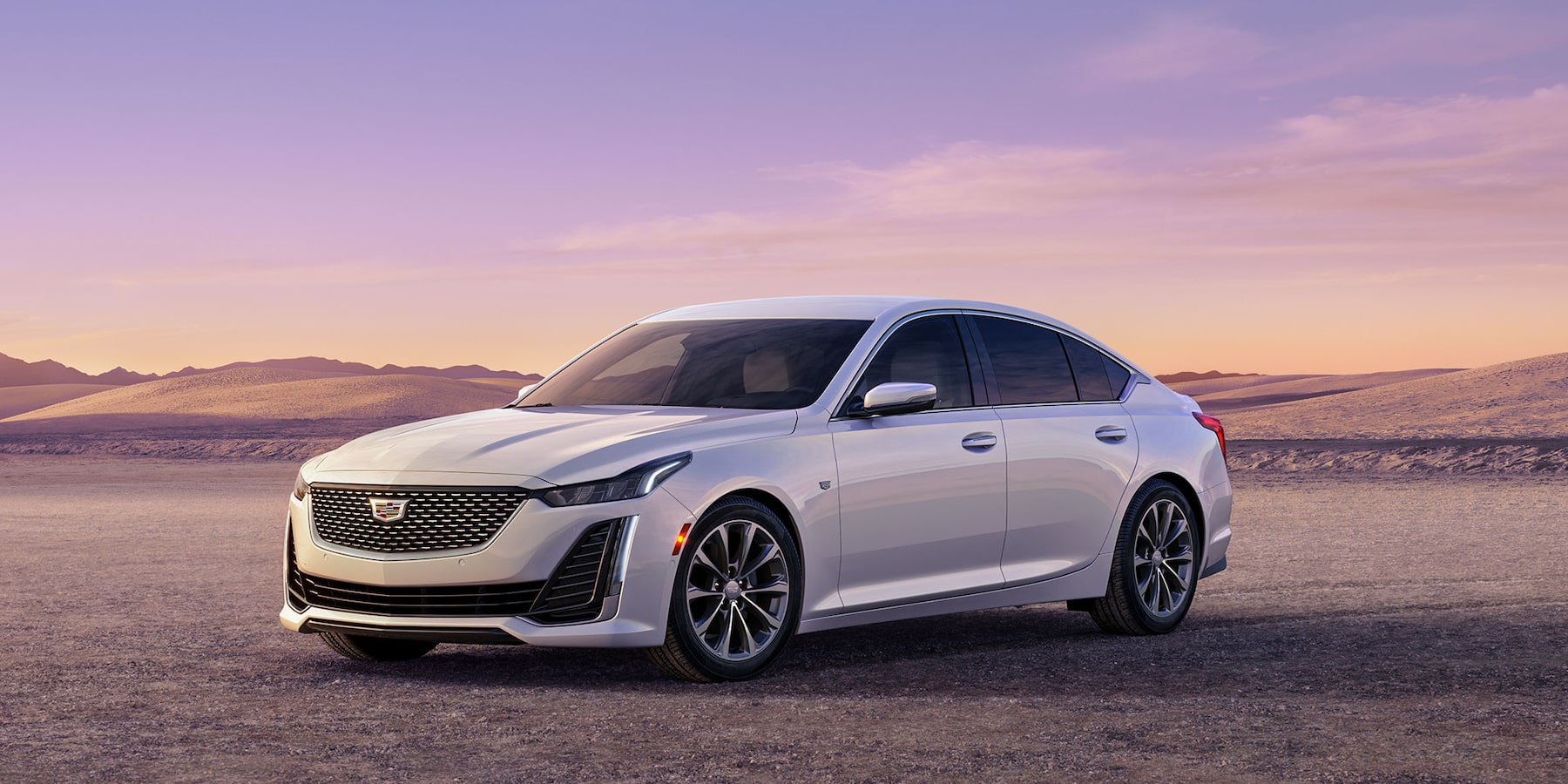
5. Cadillac CT5
The Cadillac CT5 represents American luxury performance, combining bold styling with genuine driving excitement and premium amenities.
Its blocked-back design reflects Cadillac’s commitment to creating a proper sport sedan architecture that prioritizes dynamics, refinement, and luxury ambiance over utility compromises.
Cadillac has engineered the CT5 with performance as a primary consideration, particularly in the available V-series variants that deliver serious straight-line and cornering capability.
The blocked rear bulkhead contributes significantly to the chassis stiffness required for precise handling. When you drive a CT5 aggressively, the structure feels solid and connected, with minimal flex or cowl shake even under hard cornering or acceleration.
This structural integrity allows Cadillac’s engineers to tune the Magnetic Ride Control suspension for maximum responsiveness while maintaining ride comfort during normal driving.
The cabin experience in the CT5 showcases modern American luxury with high-quality materials, bold design, and advanced technology including the curved OLED display that integrates instrumentation and infotainment.
The blocked trunk design supports this premium environment through exceptional noise isolation. Cadillac has invested heavily in creating a quiet cabin, using acoustic glass, extensive sound deadening, and careful sealing to minimize external noise.
The solid rear separation prevents any sound pathway from the trunk, contributing to the library-quiet environment at highway speeds.
The CT5’s blocked design also supports Cadillac’s emphasis on luxury comfort and climate control precision. The multi-zone automatic climate control system, which includes available heated and ventilated seats, can maintain perfect comfort because it’s working within a sealed cabin environment.
Temperature doesn’t infiltrate from the trunk, allowing the system to operate efficiently and maintain precise comfort levels regardless of external conditions. This contributes to the cosseting, premium experience that luxury sedan buyers expect.
Cadillac CT5 buyers prioritize driving excitement, luxury amenities, and bold American styling. The blocked-back architecture serves these priorities perfectly, delivering tangible benefits in handling precision, acoustic isolation, and premium cabin environment that align with what CT5 customers value in their sport sedan.
The cargo flexibility trade-off is gladly accepted in exchange for the performance and refinement advantages that define the CT5’s character.
Also Read: 6 Rides Perfect for Small Towns vs. 6 Better for Big Cities
