
The humble key fob has become an essential part of the modern driving experience, yet not all are created equal. Some automakers have mastered the art of intuitive, user-friendly remote controls that feel natural in your hand and respond reliably to every press.
Others have produced frustrating pieces of technology that leave drivers fumbling in parking lots, accidentally triggering panic alarms, or wondering why their buttons require Herculean effort to activate.
The difference between a well-designed key fob and a problematic one can significantly impact your daily interaction with your vehicle.
A good key fob features tactile, well-spaced buttons that provide satisfying feedback, logical layouts that prevent accidental presses, and reliable range that works consistently.
Conversely, poorly designed fobs suffer from mushy buttons, confusing layouts, weak signals, and fragile construction that fails after minimal use.
This distinction matters more than many realize. Drivers interact with their key fobs dozens of times daily unlocking doors, opening trunks, starting engines remotely, and activating security features.
A frustrating fob transforms these routine actions into minor annoyances that accumulate over years of ownership. Meanwhile, an excellent key fob becomes an invisible convenience you never think about, which is precisely how technology should work.
In this comprehensive comparison, we’ll explore five vehicles celebrated for their exceptional key fobs alongside five models notorious for their frustrating clickers.
Understanding these differences can inform your next vehicle purchase and explain why some automakers consistently receive praise while others face criticism for this seemingly simple accessory.
5 Models with Friendly Key Fobs
These exceptionally user-friendly vehicles feature intuitive key fob designs and robust wireless range that allow effortless unlocking from substantial distances, providing reliable one-press operation without the frustrating button-mashing typically required by temperamental remote systems.
Their thoughtful engineering includes clearly differentiated buttons and strong battery life that resist the confusion and frequent cell replacements associated with identical-feeling controls or weak transmitter signals requiring close proximity.
From dark parking lot fumbling that tests tactile button identification to extreme temperature exposure challenging electronic reliability, these remarkable key fobs continue functioning flawlessly without the multiple-attempt pressing or battery door failures found in poorly designed alternatives.
1. Tesla Model 3/Y
Tesla has revolutionized the key fob concept by largely eliminating it. The Model 3 and Model Y primarily use your smartphone as the key, utilizing Bluetooth technology that automatically unlocks the car as you approach and locks it when you walk away.
This phone-as-key system works remarkably well, responding quickly and reliably without requiring you to remove your phone from your pocket or bag.
For those who prefer a physical option, Tesla provides a credit card-sized key card that’s slim enough to fit in any wallet. While minimalist, it functions effectively for unlocking and starting the vehicle.
The real genius lies in how seamlessly the phone integration works most owners report never needing to actively unlock their car after the initial setup. The vehicle detects your phone’s presence, unlocks the doors as you grab the handle, and locks automatically when you walk away.
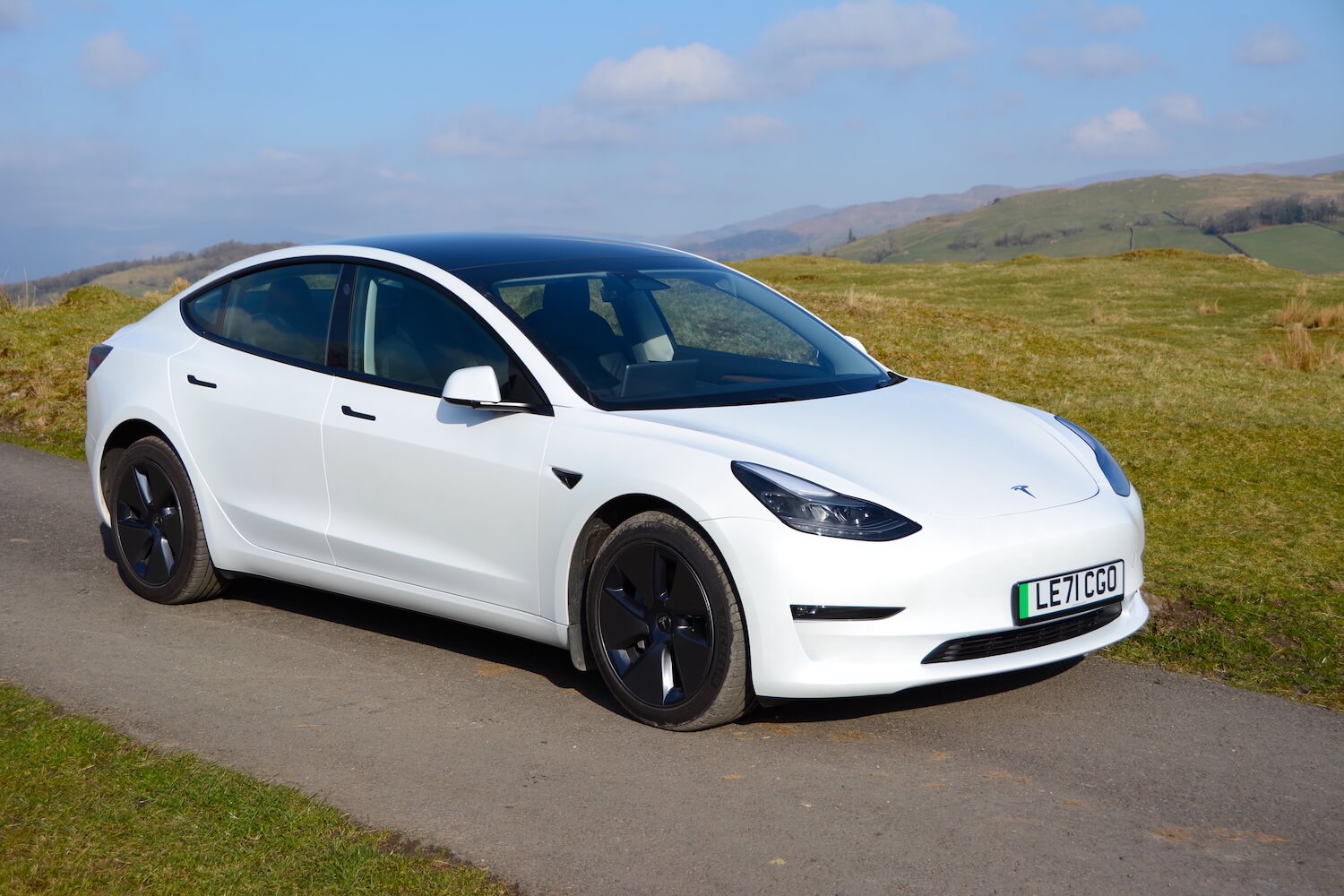
The system also includes useful features like remote climate control, allowing you to pre-cool or pre-heat your vehicle from anywhere through the smartphone app.
You can check your charge status, locate your car in crowded parking lots, and even summon the vehicle to drive itself to you in parking situations. The trunk can be opened remotely with a simple tap in the app, and if you’re sharing the car, adding authorized users takes seconds.
Tesla’s approach eliminates common key fob frustrations: dead batteries are no longer an issue since your phone stays charged anyway, there’s no bulky fob to carry, and you’ll never accidentally press the panic button. The range is excellent, often working from impressive distances when you need remote climate control.
While some traditionalists initially resist the smartphone-key concept, most users quickly appreciate never fumbling for keys again. The system represents a thoughtful reimagining of vehicle access that prioritizes user experience over convention, making it one of the most user-friendly solutions available today.
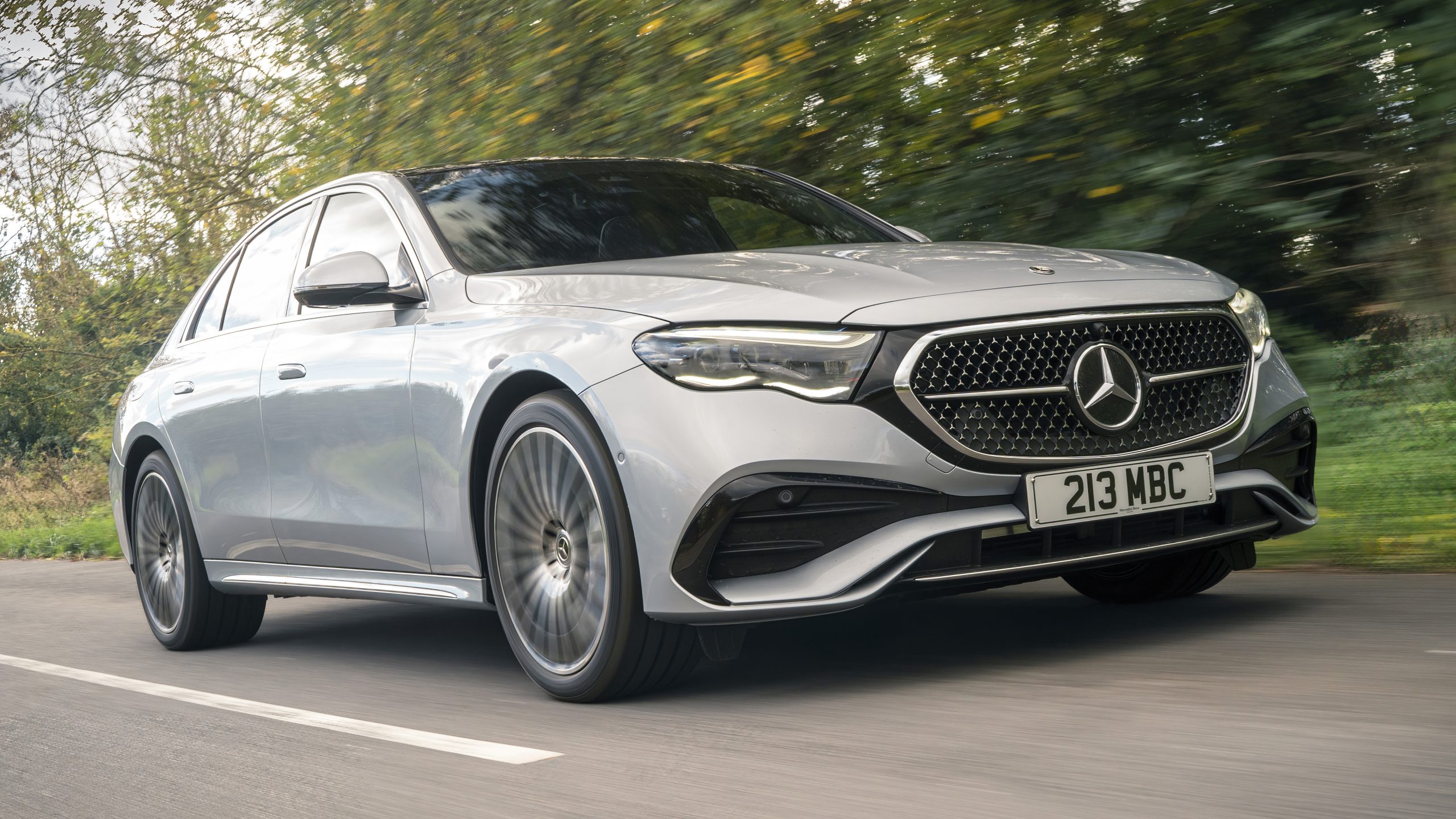
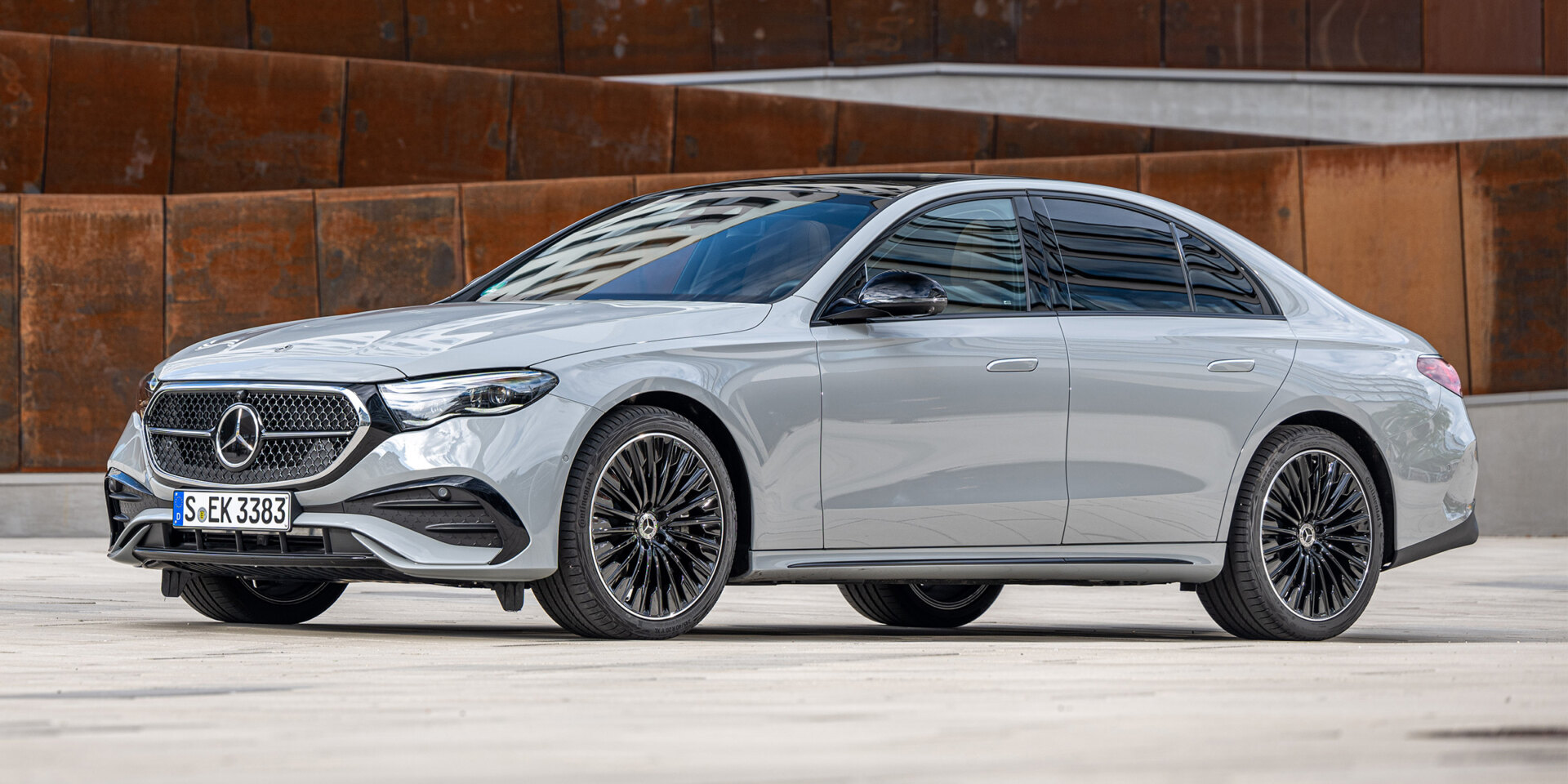
2. Mercedes-Benz E-Class
Mercedes-Benz has long been synonymous with luxury, and their key fob design reflects this commitment to quality. The E-Class key fob feels substantial in hand, with a premium chrome finish and satisfying weight that conveys quality.
The buttons are perfectly sized and spaced, featuring a tactile click that provides unmistakable feedback when pressed. You’ll never wonder whether you actually locked your car because the button response is definitive.
The layout follows an intuitive design that becomes second nature within days. The large central unlock button sits prominently in the middle, flanked by lock and trunk release buttons that are distinguishable by touch alone.
This thoughtful arrangement prevents the common frustration of accidentally hitting the panic button Mercedes wisely places this function in a protected location requiring deliberate action.
The key fob also includes a convenient LED light that illuminates when you press buttons in darkness, helping you see locks and handles at night.
Beyond basic functions, the Mercedes key fob incorporates practical luxury features. A hold function on the window button allows you to ventilate your car remotely by lowering all windows simultaneously perfect for hot summer days. The range is impressive, often working reliably from several floors up in parking structures or across large parking lots.
The fob’s chrome casing resists scratches and maintains its premium appearance even after years of use, unlike plastic alternatives that quickly show wear.
Mercedes also demonstrates attention to detail in how the physical key extracts from the fob a smooth, mechanical action that feels engineered rather than cheap. The battery compartment opens easily for replacement, and battery life typically extends well beyond a year of regular use.
The experience communicates that Mercedes understands luxury extends to every touchpoint, including something as mundane as your key fob. It’s a small detail that reinforces the premium ownership experience and demonstrates why Mercedes maintains its reputation for thoughtful engineering.
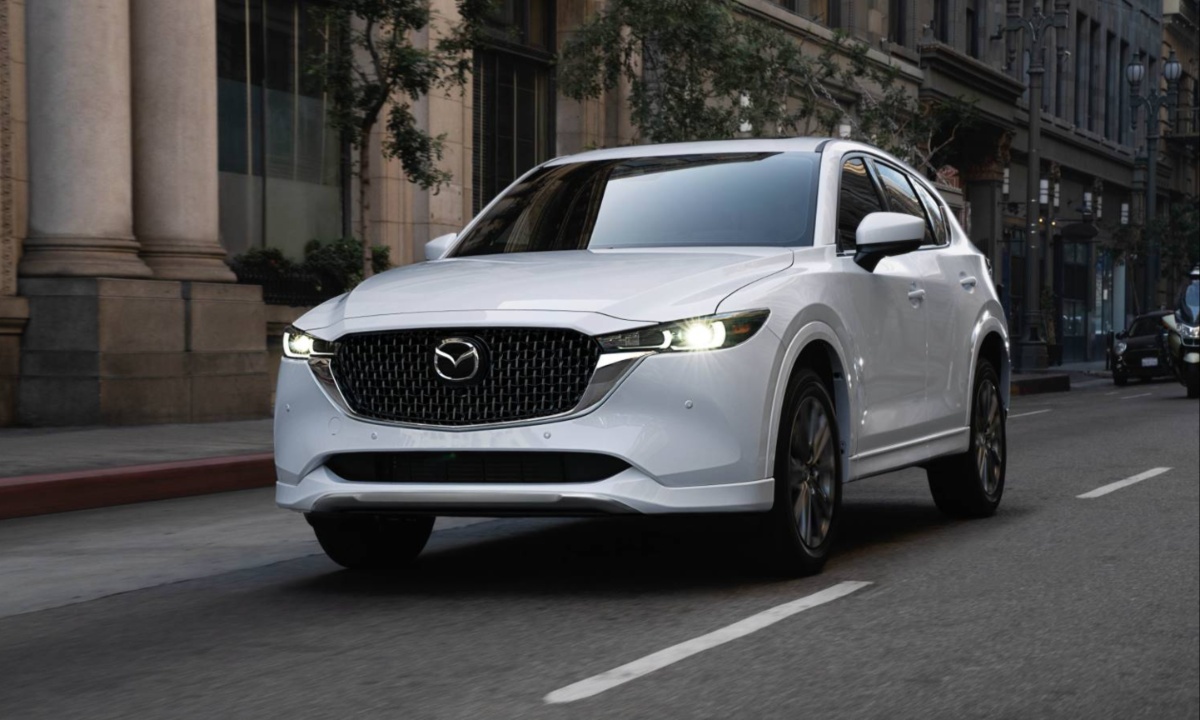
3. Mazda CX-5
Mazda may not carry the prestige badge of luxury brands, but their key fob design demonstrates that excellent user experience doesn’t require premium pricing.
The CX-5’s key fob strikes an ideal balance between functionality and simplicity, offering a straightforward design that anyone can master immediately.
The fob features large, well-defined buttons with generous spacing that prevents accidental presses a common frustration with more cramped designs.
The button feedback on Mazda’s fobs is particularly noteworthy. Each press produces a distinct click that’s both audible and tactile, eliminating any uncertainty about whether your command registered.
The buttons themselves resist accidental activation through pockets or bags while remaining easy to press intentionally a goldilocks zone that many manufacturers struggle to achieve. The panic button sits recessed in the center, requiring deliberate pressure that prevents embarrassing false alarms in parking lots.
Mazda’s approach emphasizes reliability over flashiness, and this philosophy pays dividends in real-world use. The fob’s range consistently performs well, reliably unlocking your vehicle from distances that matter in practical situations like approaching across a parking lot.
The battery life is impressive, with many owners reporting two years or more between replacements. When replacement becomes necessary, the process is straightforward and well-documented in the owner’s manual.
The physical design considers daily carrying comfort. The fob’s size and shape slip easily into pockets without creating uncomfortable bulk, and the smooth edges prevent snagging on clothing or bag interiors.
The key ring attachment point is sturdy and well-positioned, distributing weight naturally when attached to a key chain. While lacking the premium materials of luxury brands, the durable plastic construction resists scratches and maintains a clean appearance throughout the ownership experience.
Mazda proves that thoughtful, user-centered design often trumps expensive materials and complicated features, creating a key fob that simply works reliably day after day.
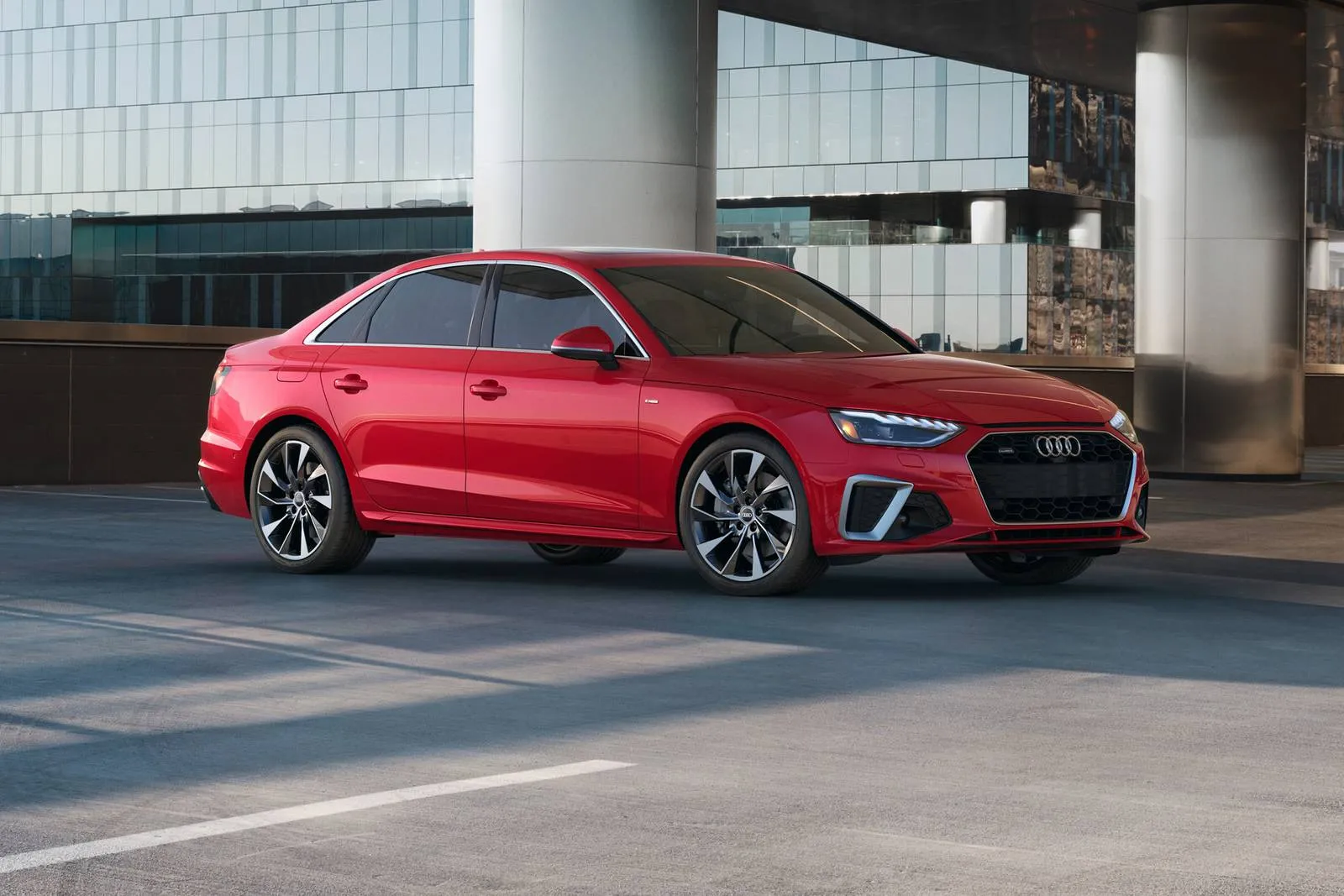
4. Audi A4
Audi applies its renowned engineering precision to even the smallest details, and the A4’s key fob exemplifies this commitment. The fob features a sleek, modern design with clean lines that feel contemporary and sophisticated.
The front surface houses clearly labeled buttons with an intuitive layout that requires no learning curve lock, unlock, and trunk release functions are exactly where your fingers expect them to be.
What distinguishes Audi’s key fob is the exceptional button quality. The switches provide a crisp, mechanical feel with perfect actuation force not too stiff, not too mushy, but precisely right.
This attention to tactile feedback might seem trivial, but it creates confidence in every interaction. You develop muscle memory quickly because the physical response is so consistent and satisfying.
The buttons are also slightly raised with defined edges, making them easily distinguishable by touch without looking, which is invaluable when approaching your car with arms full of groceries.
Audi incorporates thoughtful features that enhance practical usability. The key fob includes a convenient release mechanism for the removable key blade, which operates smoothly without feeling cheap or fragile.
The battery compartment uses a clever design that opens easily without tools while remaining secure during normal use. Battery life typically extends well over a year, and the fob provides warning when replacement becomes necessary, preventing the inconvenience of unexpected dead batteries.
The fob’s range is particularly impressive, frequently working from distances that exceed most competitors. This extended range proves valuable for remote starting on cold mornings or quickly locating your car in massive parking structures by repeatedly pressing the lock button to trigger the horn.
The signal strength remains reliable even in challenging environments with significant radio interference. The physical construction uses premium materials that resist wear beautifully the fob maintains its appearance and functionality through years of daily use, never developing the rattles or loose buttons that plague lesser designs. Audi demonstrates that exceptional engineering applies to every aspect of the ownership experience.
Also Read: 7 Cars That Look Clean Even When They’re Dirty vs. 7 That Show Every Speck
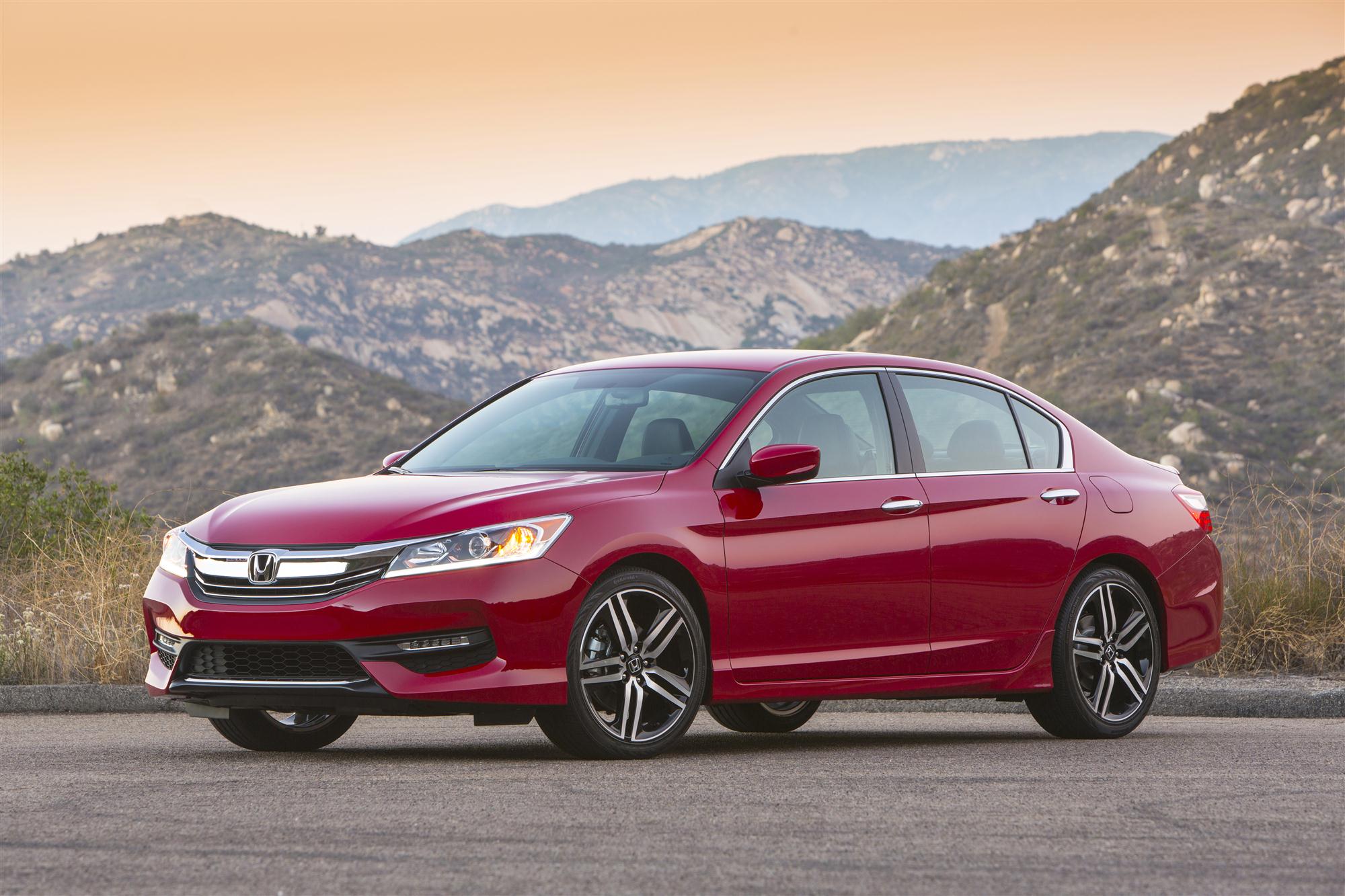
5. Honda Accord
Honda has earned its reputation for reliability by focusing on fundamental excellence, and this philosophy extends to their key fob design.
The Accord’s key fob might not win aesthetic awards, but it excels where it matters most: consistent, frustration-free operation over years of daily use.
The design is refreshingly straightforward, featuring large, clearly marked buttons that anyone can understand instantly without consulting a manual.
The button layout on Honda’s fobs demonstrates practical wisdom gained from decades of user feedback. The three primary buttons lock, unlock, and trunk release are arranged in a logical row with sufficient spacing to prevent accidental presses.
Each button provides solid tactile feedback with a reassuring click that confirms activation. The panic button is sensibly positioned separately and requires sustained pressure, effectively eliminating accidental activations that plague poorly designed competitors.
This thoughtful arrangement means you can confidently operate the fob while it’s in your pocket, identifying buttons by position and feel alone.
Honda’s engineering priorities emphasize longevity and reliability over flashy features, resulting in key fobs that simply continue working year after year.
The battery life is outstanding, with many owners reporting three years or more between replacements exceptional durability that reduces maintenance hassles.
When replacement eventually becomes necessary, the battery compartment uses a simple, tool-free design that any owner can handle in seconds.
The fob’s operating range is consistently reliable, unlocking your vehicle from practical distances without the frustrating dead zones or weak signals that characterize inferior designs.
The physical construction might use basic plastic materials, but Honda’s build quality shines through in the details. The fob feels solid without rattles, the buttons maintain their precise feel indefinitely, and the casing resists cracking despite inevitable drops.
The package might seem unglamorous compared to luxury competitors, but Honda understands that the best tool is one you never think about because it works perfectly every time, embodying the reliable simplicity that defines the Honda ownership experience.
5 Models with Fussy Clickers
These frustrating vehicles suffer from finicky key fob designs and inadequate wireless range that require standing directly beside the vehicle for reliable operation, creating constant aggravation through unresponsive buttons and confusing layouts that demand visual confirmation before each press.
Their problematic engineering includes identical-feeling buttons and weak transmitter power that cannot provide the intuitive operation expected from modern remote systems, leading to accidental trunk openings and multiple pressing attempts yielding no response.
Despite advanced technology features and premium vehicle pricing, these fobs torture owners through their tiny buttons requiring fingernail precision, frequent battery replacements draining coin cells, and maddeningly short range requiring parking lot walks before unlocking registers.
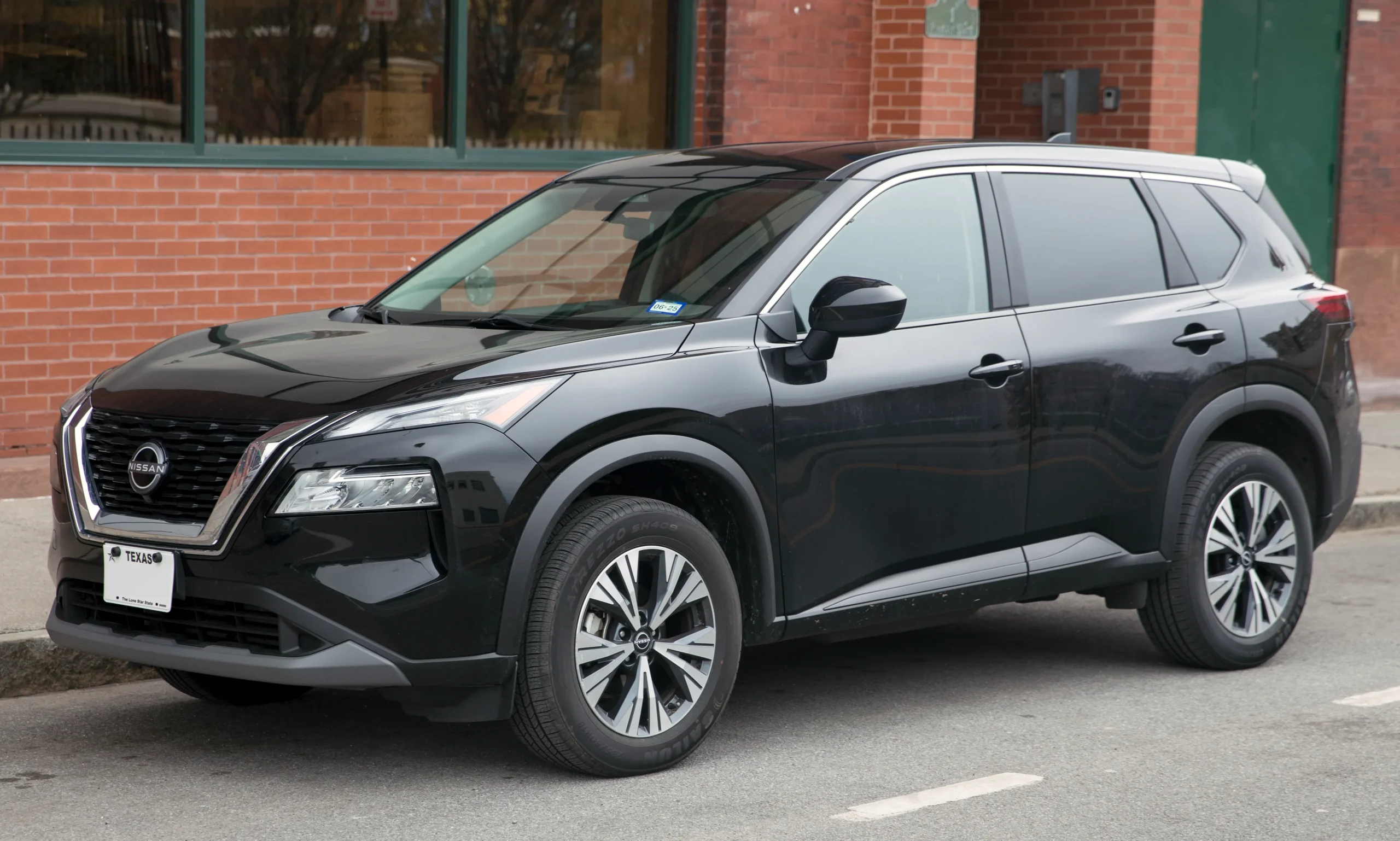
1. Nissan Rogue
Nissan’s key fob design for the Rogue has generated consistent complaints from owners who struggle with inconsistent button performance.
The primary issue centers on poor tactile feedback the buttons feel mushy and imprecise, creating uncertainty about whether your press actually registered.
This ambiguity leads to the common frustration of repeatedly pressing buttons, sometimes locking and unlocking your car multiple times before achieving the desired result.
The button layout compounds these problems. The buttons sit nearly flush with the fob’s surface, making them difficult to locate by touch alone, especially when wearing gloves or operating in darkness.
The spacing between buttons is minimal, resulting in frequent accidental presses of adjacent buttons. Many owners report regularly triggering the panic button unintentionally, setting off the alarm in parking lots and creating embarrassing situations.
The panic button’s placement and sensitivity are particularly problematic it seems designed to activate from the slightest pressure, yet the intentional buttons require frustrating effort.
Beyond button issues, the Rogue’s key fob suffers from reliability problems. The operating range is disappointingly limited, often requiring you to be within just a few feet of the vehicle for consistent operation.
This short range proves especially frustrating when trying to locate your car in crowded parking lots or unlock it while approaching from a distance.
Some owners report the signal inexplicably failing to work from certain angles or positions, requiring them to adjust the fob’s orientation or move closer before commands register.
Durability concerns further diminish the ownership experience. The plastic construction feels cheap and flimsy, developing rattles and creaks after minimal use.
The key ring attachment point is a known weak point, sometimes breaking and leaving owners scrambling for repair solutions. Battery life is mediocre at best, with many owners reporting replacements needed every six to nine months far more frequently than most competitors.
The battery compartment design is unnecessarily complicated, sometimes requiring small screwdrivers or excessive force to open. These accumulated frustrations transform what should be a thoughtless convenience into a persistent annoyance that tarnishes the ownership experience and exemplifies how poor design in small details affects daily satisfaction.
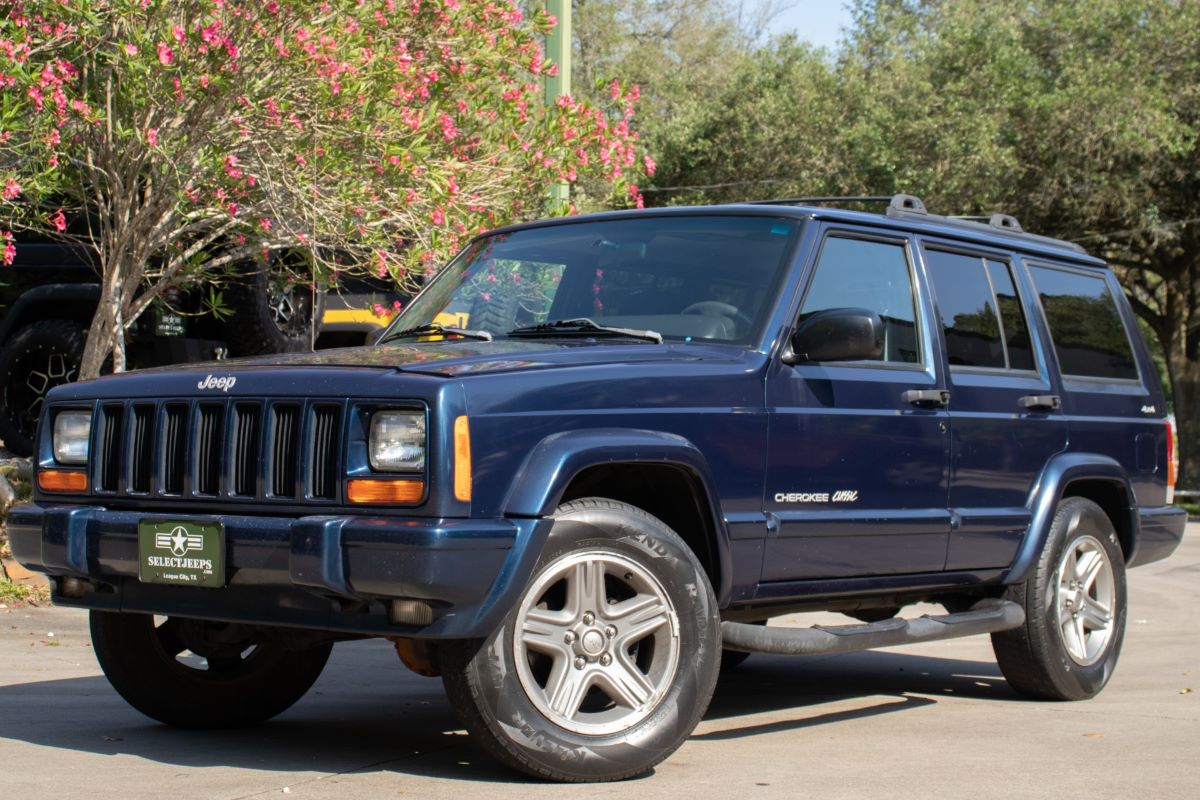
2. Jeep Cherokee
Jeep attempted to create a distinctive key fob for the Cherokee but achieved confusion instead. The design features an unconventional layout that defies intuitive understanding, with buttons arranged in a pattern that requires conscious thought even after years of ownership.
Rather than following the standard industry layout that owners expect, Jeep opted for a unique arrangement that places the unlock button in an unexpected location and sizes buttons inconsistently, creating a learning curve that never quite flattens.
The button functionality adds another layer of frustration. Several buttons serve multiple purposes depending on how long you press them, creating a complex system of short presses versus long holds that owners struggle to remember.
For example, one button might unlock the driver’s door with a short press but unlock all doors with an extended press a distinction that sounds clever in theory but proves confusing in practice.
This overcomplicated approach means you can’t simply hand your keys to a valet or family member with quick verbal instructions; proper operation requires detailed explanation or printed instructions.
The physical button quality disappoints, featuring mushy switches that lack definitive feedback. You often can’t tell by feel whether you’ve pressed a button successfully, leading to repeated attempts and frustration.
The buttons also require surprising pressure to activate, making one-handed operation difficult, particularly problematic when you’re carrying packages or holding a child.
The fob’s shape is awkward, creating uncomfortable bulk in pockets and seeming designed without consideration for how people actually carry keys.
Reliability issues plague the Cherokee’s key fob system. The range is inconsistent, sometimes working from impressive distances but frequently failing from closer positions where it should operate reliably.
Multiple owners report issues with the remote start feature theoretically a valuable convenience working sporadically or not at all. The battery drains quickly, often requiring replacement annually or more frequently, and the battery compartment uses a design that seems engineered to frustrate, requiring tools and patience to access.
These problems combine to create a key fob that feels like it prioritized appearing different over functioning well, resulting in daily frustrations for owners who simply want reliable vehicle access.
3. Ford Edge
Ford’s key fob for the Edge suffers primarily from disappointing signal strength that undermines otherwise decent design. The frustration begins when approaching your vehicle from moderate distances that work perfectly fine with other manufacturers’ fobs.
Edge owners frequently report needing to get within a few feet of their vehicle before the unlock command registers, negating much of the convenience that remote keyless entry should provide.
This short range becomes particularly annoying in parking lots where you’d like to unlock your car while still approaching, rather than stopping to fumble with the fob at your door.
The range problems extend beyond basic unlock functions. The remote start feature, which should allow you to start your vehicle from the comfort of your home or office to warm it up or cool it down, frequently proves disappointing.
Owners report needing line-of-sight to their vehicle and proximity that defeats the feature’s purpose. If your car is parked in a garage or around a building corner, forget about reliable remote starting.
The panic button suffers similar limitations in an emergency situation where you need to attract attention from a distance, the Edge’s fob often can’t trigger the alarm reliably beyond a very limited range.
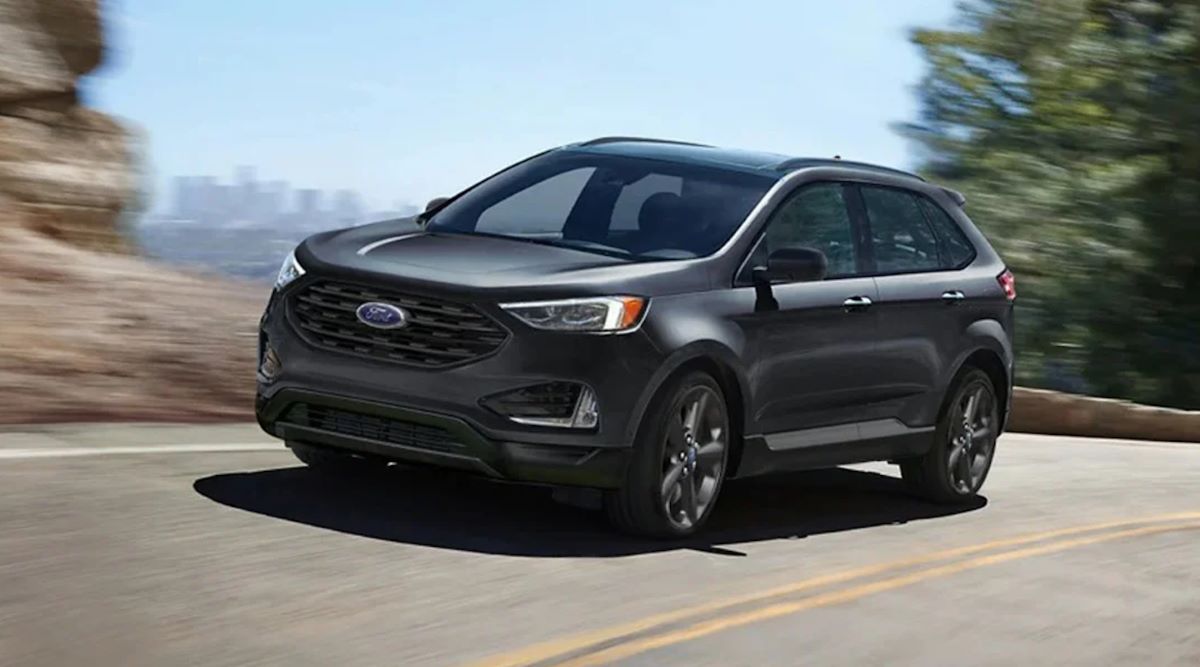
Beyond range issues, the Edge’s key fob design includes other frustrations. The buttons provide inconsistent feedback, sometimes requiring multiple presses before registering commands.
The layout places the panic button in a location that invites accidental activation, and unlike the intentional buttons that require firm pressure, the panic button seems oversensitive.
Many owners report embarrassing false alarms triggered by the fob shifting in pockets or bags. The physical construction feels cheap, with plastic that scratches easily and buttons that develop a worn, sloppy feel after moderate use.
Battery life is another concern, with replacement needed more frequently than most competitors. Some owners report batteries lasting less than a year, requiring repeated purchases and replacements that become an irritating maintenance task.
The battery compartment design doesn’t help it requires a small coin or screwdriver to open and features small components that are easy to drop or lose during replacement.
These accumulated frustrations mean Edge owners develop a love-hate relationship with their key fobs, appreciating when they work but frequently annoyed by their limitations and inconsistent performance.
4. Volkswagen Tiguan
Volkswagen’s key fob for the Tiguan presents a case study in how poor durability undermines otherwise adequate design. The initial experience might seem acceptable, with reasonably responsive buttons and adequate range, but the problems emerge over time as the fob ages through normal use.
The most common complaint centers on button failure after months or years of use, buttons start responding intermittently or stop working entirely, forcing owners into expensive replacement or repair.
The root cause appears to be the internal switch mechanisms, which wear prematurely under normal use. Owners report specific buttons, most commonly the unlock button due to its frequent use, becoming unreliable.
The button might require excessive force, work only sometimes, or fail completely. This deterioration happens gradually, creating an insidious problem where you’re never quite sure whether your press registered, leading to repeated attempts and mounting frustration.
Eventually, the button failure becomes complete, forcing you to use the physical key a backup that undermines the entire purpose of remote keyless entry.
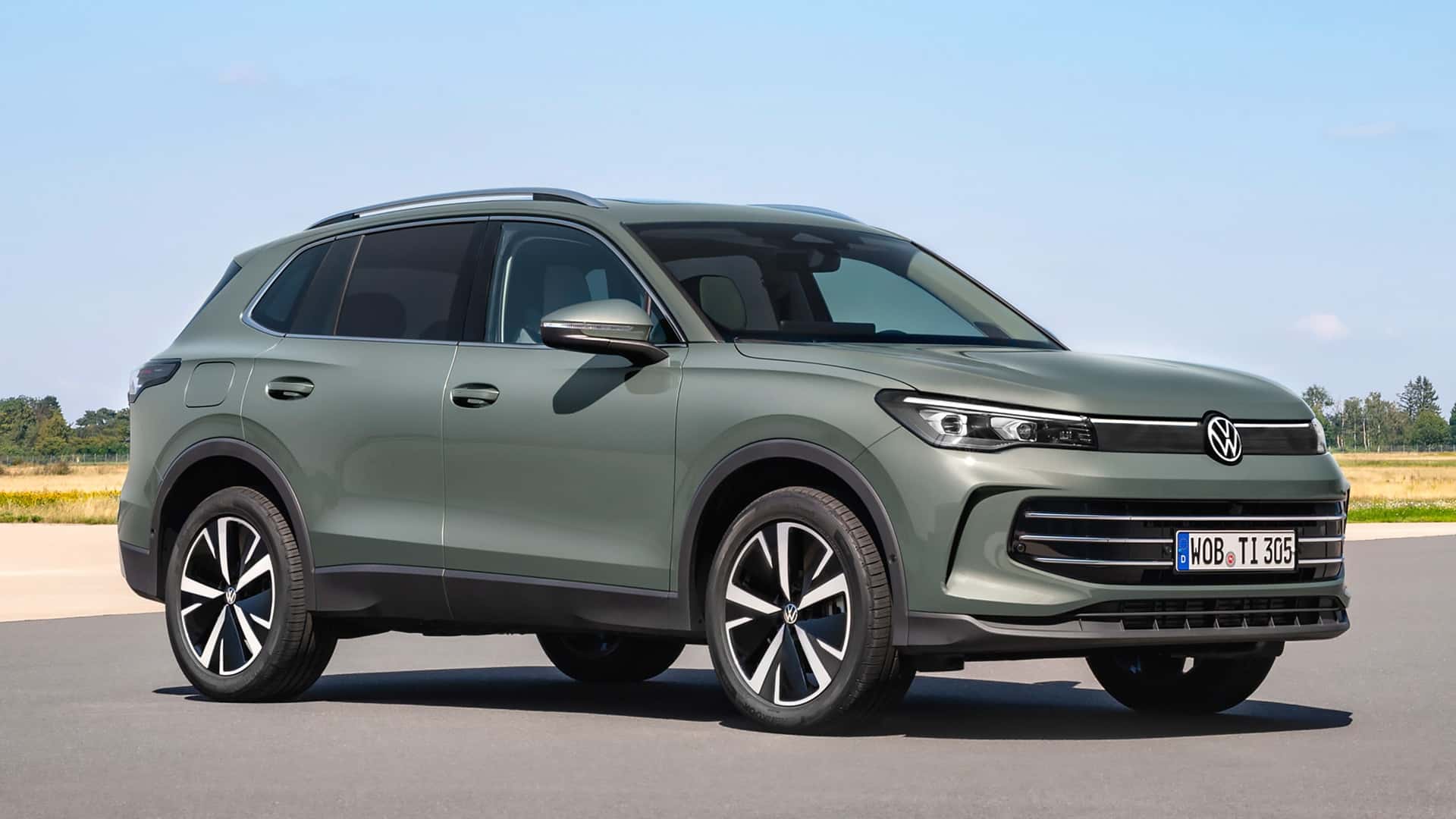
Physical durability issues extend beyond the buttons. The fob’s casing is prone to cracking, particularly around the key ring attachment point and along seam lines.
Drops that other fobs would survive without damage leave the Tiguan’s fob with cracks or splits that compromise its water resistance and structural integrity.
The chrome trim pieces that initially look attractive quickly show wear, developing scratches and losing their finish. The construction feels insubstantial, lacking the solid feel of quality engineering that should characterize a vehicle in this price range.
Battery life is mediocre, requiring replacement roughly annually, but the real problem comes during replacement itself. The battery compartment design is unnecessarily fragile, with small plastic clips that are prone to breaking during the battery change process.
Many owners report cracking or breaking their fob while attempting routine battery replacement, turning a simple maintenance task into a costly repair.
Replacement fobs from Volkswagen dealerships are expensive, often exceeding $200 including programming, adding insult to injury.
These durability problems mean Tiguan owners often experience an initially satisfactory key fob that degrades into a source of frustration as it ages, tarnishing their ownership experience.
5. Chrysler Pacifica
Chrysler equipped the Pacifica with a key fob that tries to do too much while explaining too little, resulting in confusion and frustration. The design features numerous buttons and functions that seem innovative on paper but prove bewildering in daily use.
Beyond standard lock, unlock, and trunk release, the Pacifica’s fob includes separate buttons for power sliding doors, rear hatch, and panic functions, creating a cluttered button array that defies intuitive understanding.
The buttons are poorly labeled with tiny icons that are difficult to distinguish, especially in low light conditions. The confusion intensifies with the fob’s context-sensitive functions.
Several buttons behave differently depending on circumstances whether the vehicle is running, which doors are open, or how many times you’ve pressed them recently.
For instance, operating the sliding doors requires understanding a sequence that changes based on whether you’re pressing once or twice and whether the vehicle is locked or unlocked.
This complexity means even long-term owners struggle to remember correct operating procedures, frequently triggering unexpected results or failing to achieve their intended action.
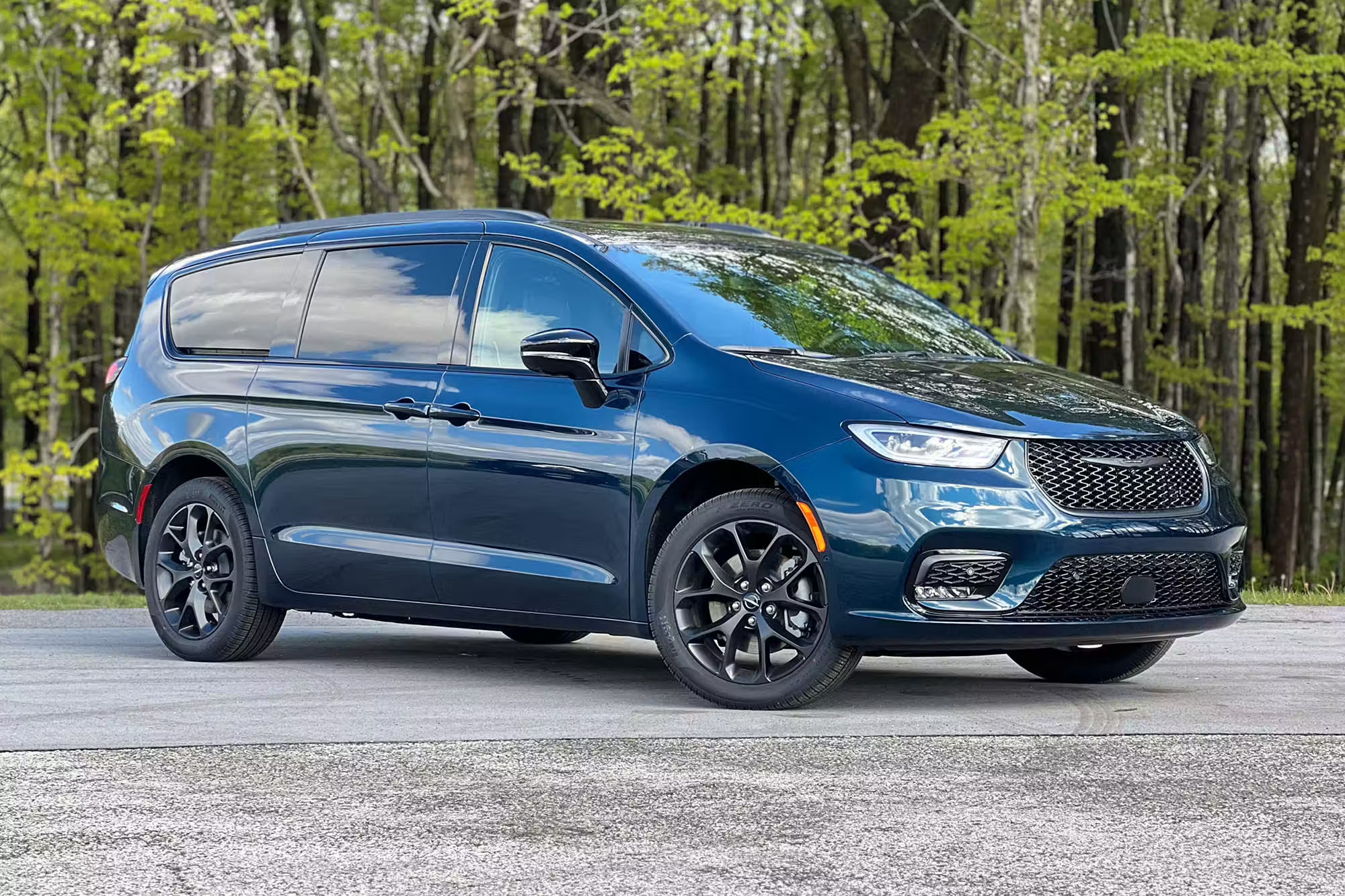
The button quality compounds these functional problems. The switches feel mushy and imprecise, providing minimal tactile feedback that leaves you uncertain whether your press registered.
This poor feedback becomes especially problematic given the complex functionality you’re never quite sure whether the fob didn’t respond or whether you used the wrong button sequence.
The buttons also require varying amounts of pressure with no consistent feel, so some buttons need firm presses while others activate with lighter touches, creating unpredictability that frustrates users.
Reliability concerns add another dimension to the Pacifica’s key fob problems. The operating range is inconsistent, working well sometimes but failing mysteriously in other situations without clear explanation.
The automatic sliding door functions, which should be signature convenience features for a family minivan, frequently malfunction or respond sluggishly to fob commands. Battery life is disappointing, often requiring replacement within a year of normal use.
The battery compartment uses a design that requires small screwdrivers and patience to access, turning routine maintenance into an annoying task.
These accumulated frustrations mean Pacifica owners face a daily struggle with basic vehicle access, transforming what should be simple convenience into a persistent source of irritation that diminishes their ownership satisfaction.
Also Read: 5 Models That Keep Fog Off Glass vs 5 That Are Always Hazy
