
There’s something uniquely vulnerable about driving late at night. The roads are emptier, help is harder to find, and the stakes of a breakdown or mechanical failure feel dramatically higher.
Whether you’re commuting home after a late shift, embarking on a road trip to beat traffic, or simply prefer the solitude of nighttime driving, the reliability of your vehicle becomes paramount.
The difference between a dependable car and an unreliable one isn’t just about convenience it’s about safety, peace of mind, and the confidence that you’ll reach your destination without incident.
Some vehicles have earned stellar reputations for their unwavering reliability, robust engineering, and ability to perform consistently even under challenging conditions.
These are the cars that start every time, require minimal maintenance, and give you years of trouble-free service. Then there are vehicles on the opposite end of the spectrum cars plagued by electrical gremlins, transmission failures, engine problems, and a litany of issues that make them risky companions for late-night journeys when assistance is scarce.
In this comprehensive guide, we’ll explore six vehicles you can absolutely trust when the sun goes down, followed by six you should think twice about if reliability matters to you.
We’ll examine what makes certain cars dependable champions of the night and why others have earned their questionable reputations.
Whether you’re shopping for a used car or evaluating your current vehicle’s trustworthiness, understanding these distinctions could make all the difference on your next late-night drive.
6 Cars You Can Trust
These exceptionally reliable vehicles feature bulletproof mechanical designs and proven component durability that inspire complete confidence during remote nighttime journeys, eliminating the anxiety typically associated with potential breakdowns on deserted highways far from assistance.
Their thoughtful engineering includes robust alternators and time-tested fuel delivery systems that resist the sudden failure scenarios found in complex modern vehicles with electronic vulnerabilities and inadequate thermal management.
From isolated rural routes without cell service to late-night interstate commutes when tow trucks become scarce, these remarkable vehicles continue running flawlessly without the concerning noises or warning lights that create legitimate safety fears during darkness.
1. Toyota Camry (2012-2024)
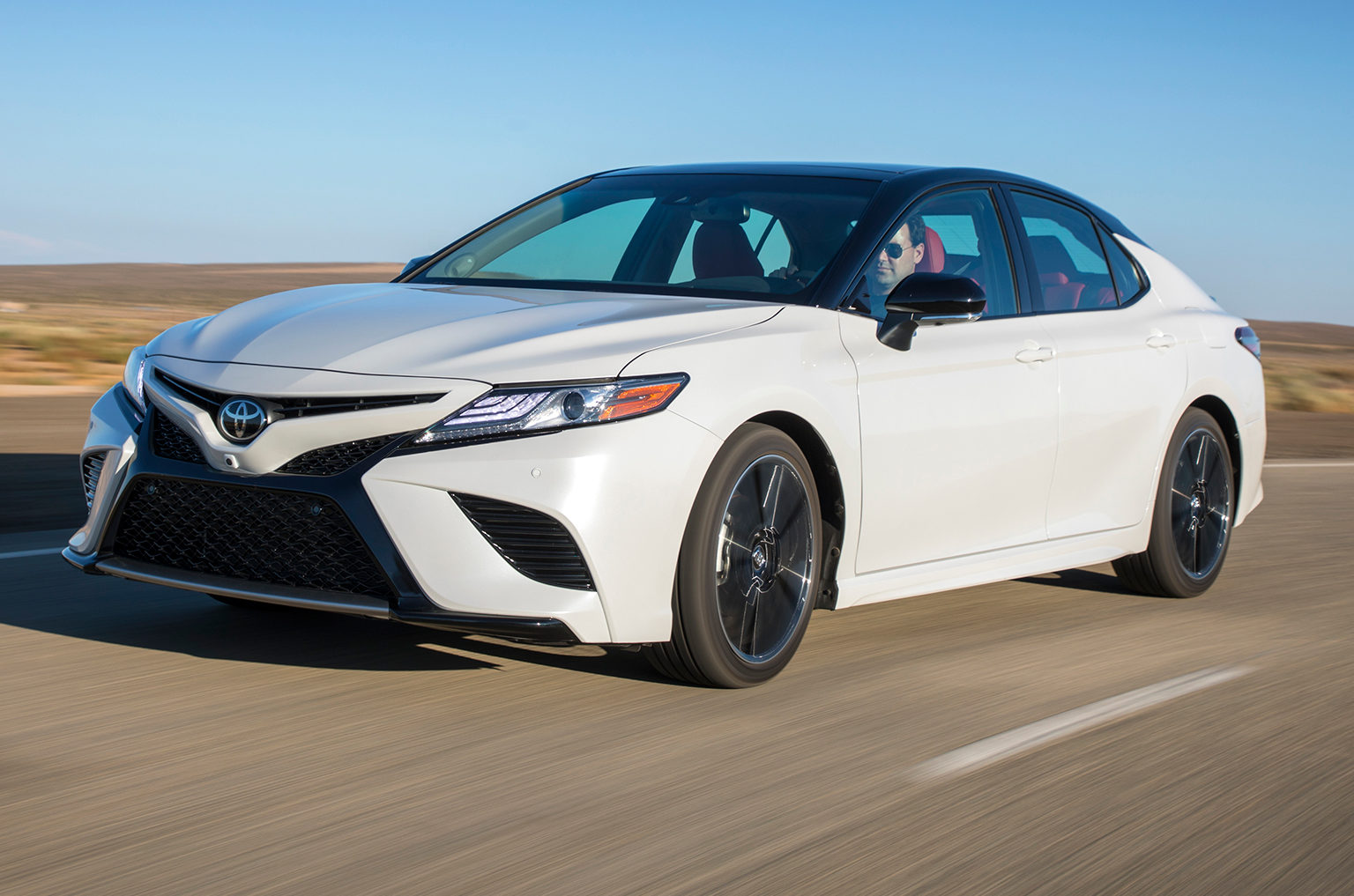
The Toyota Camry stands as an icon of automotive reliability, and for good reason. This midsize sedan has consistently topped reliability charts for decades, making it the perfect companion for late-night drives when you need absolute confidence in your vehicle.
The Camry’s reputation isn’t built on marketing hype it’s earned through millions of miles of trouble-free operation across generations of owners who depend on their vehicles day in and day out.
What makes the Camry particularly trustworthy for nighttime driving is its exceptionally well-engineered powertrain. Whether equipped with the 2.5-liter four-cylinder or the 3.5-liter V6 engine, Camrys are known for running smoothly well past 200,000 miles with basic maintenance.
The transmission, often a weak point in many vehicles, is rock-solid in the Camry. Toyota’s engineering philosophy prioritizes durability over cutting-edge technology, which means fewer complex systems that can fail when you’re miles from help.
From a practical standpoint, the Camry’s widespread popularity means parts are readily available and affordable. Should something need replacement, you won’t face the astronomical costs or wait times associated with rarer vehicles.
Mechanics are familiar with the platform, making repairs straightforward and reasonably priced. This accessibility extends to emergency situations tow truck drivers and roadside assistance technicians know these vehicles inside and out.
2. Honda Civic (2016-2024)
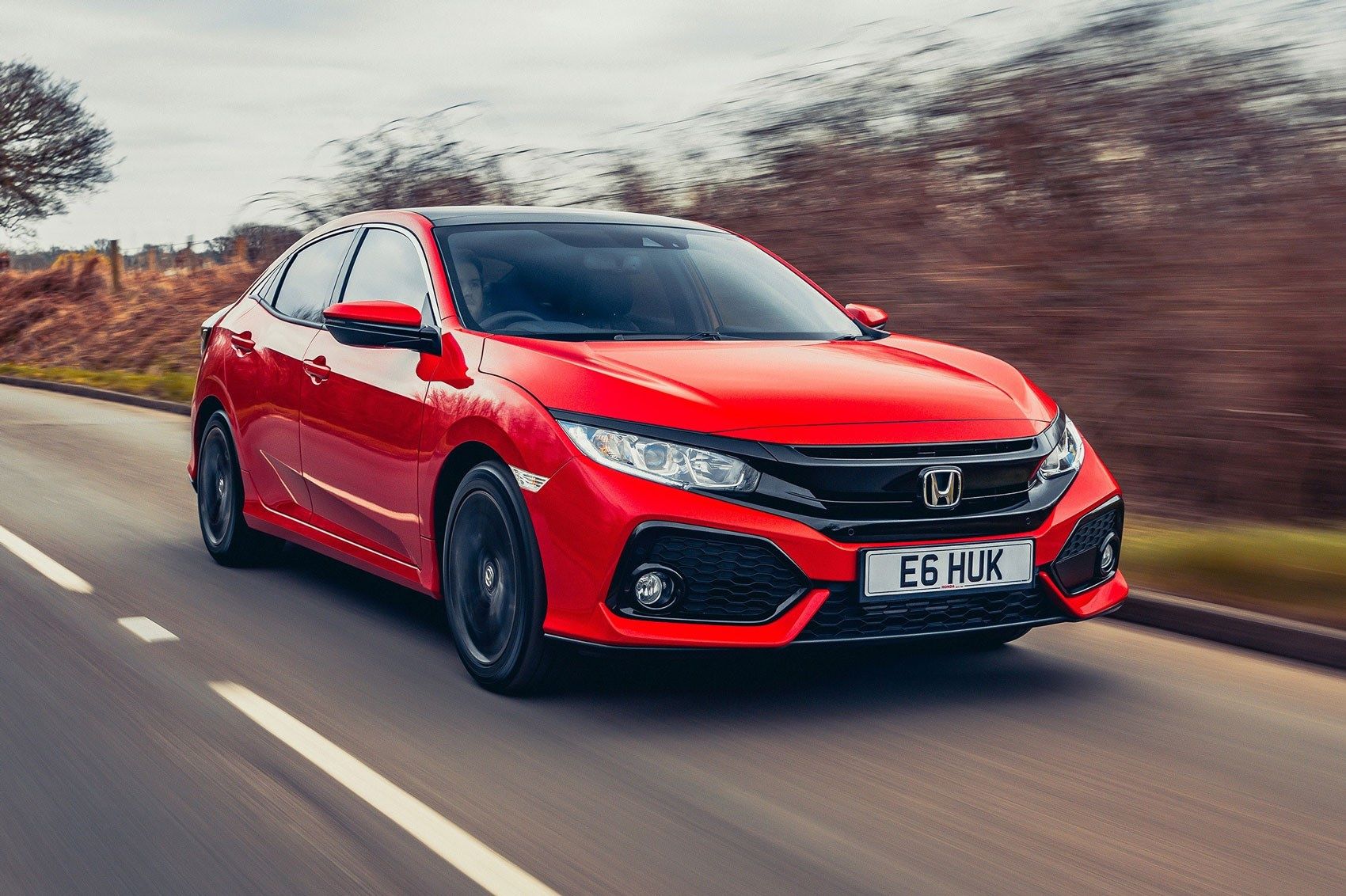
The Honda Civic represents another pillar of reliability in the automotive world, offering compact efficiency without sacrificing dependability.
For late-night drivers, particularly those with longer commutes or frequent highway travel, the Civic provides an exceptional combination of fuel economy, reliability, and engaging driving dynamics that make nighttime journeys less stressful and more enjoyable.
Honda’s engineering excellence shines through in the Civic’s powertrain. The turbocharged 1.5-liter engine found in recent models delivers impressive power while maintaining remarkable reliability.
Unlike turbocharged engines from some manufacturers that suffer from carbon buildup and turbo failures, Honda’s implementation has proven robust. The continuously variable transmission (CVT), often problematic in other brands, works smoothly in the Civic with minimal reported issues.
This combination means confident acceleration when merging onto dark highways or going through the challenging nighttime traffic situations. One overlooked aspect of the Civic’s nighttime reliability is its excellent fuel economy.
Running out of gas on a deserted road at 2 AM is a nightmare scenario, but the Civic’s efficient engines and accurate fuel gauges help prevent such situations.
The fuel system itself is robust, with fuel pumps and injectors that rarely fail prematurely. This reliability extends to the starting system Civics are known for starting reliably even in extreme weather conditions.
The Civic’s compact size offers practical advantages for late-night urban driving. Going through the empty city streets, finding parking, and maneuvering through construction zones becomes easier in a smaller, more nimble vehicle.
Yet the Civic doesn’t sacrifice comfort for its compact dimensions. The seats remain supportive during long drives, and the ride quality strikes a balance between sporty handling and comfort that reduces fatigue.
3. Mazda CX-5 (2017-2024)
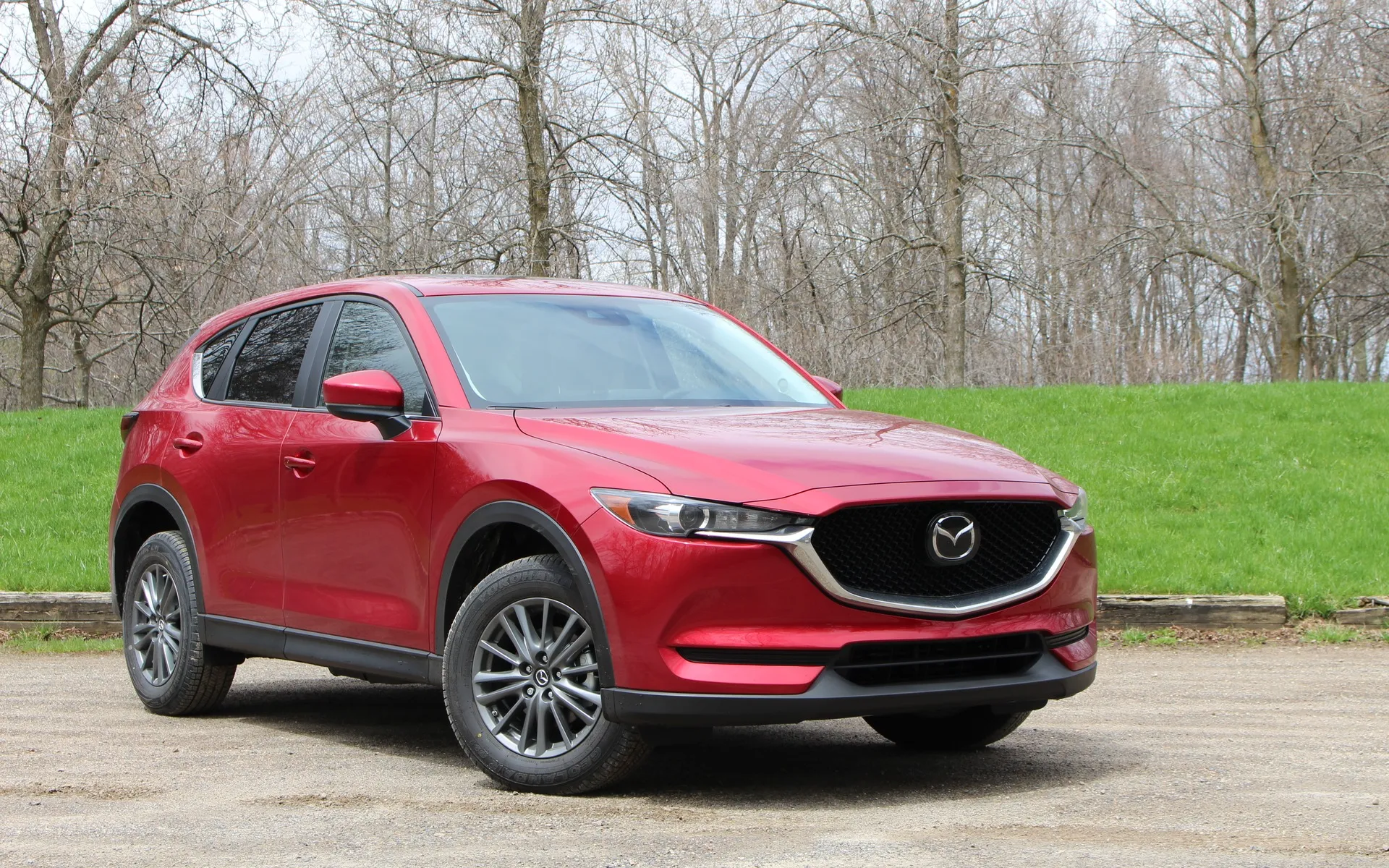
For those who need the versatility of an SUV without sacrificing reliability, the Mazda CX-5 stands out as an exceptional choice for late-night driving.
This compact crossover combines Mazda’s renowned “Jinba Ittai” driving philosophy the unity between car and driver with impressive build quality and mechanical reliability that inspire confidence when darkness falls. The CX-5’s Skyactiv engine technology represents some of the most reliable powertrain engineering in the industry.
The 2.5-liter naturally aspirated four-cylinder engine delivers smooth, predictable power without the complexity and potential failure points of turbocharged alternatives. For those seeking more performance, the turbocharged version available in higher trims has proven equally dependable.
The six-speed automatic transmission shifts smoothly and has demonstrated exceptional longevity with minimal reported failures. Safety technology in recent CX-5 models provides excellent support for late-night driving.
Features like radar cruise control, lane-keeping assist, and blind-spot monitoring work reliably without the false alarms or malfunctions that plague some systems.
These technologies become particularly valuable during nighttime highway driving when visibility challenges increase and driver fatigue becomes a factor.
The CX-5’s higher seating position offers better visibility than sedans, particularly valuable when going through unfamiliar areas at night or dealing with adverse weather conditions.
The all-wheel-drive system available on most trims adds security during wet or winter nighttime driving conditions, and Mazda’s implementation has proven dependable with minimal reported issues.
4. Lexus ES (2013-2024)
When reliability meets luxury, the Lexus ES emerges as perhaps the ultimate late-night driving companion. Built on the same rock-solid platform as the Toyota Camry but raised with premium materials, superior sound insulation, and additional refinement, the ES delivers an exceptionally serene nighttime driving experience backed by legendary Lexus reliability.
The ES shares Toyota’s bulletproof powertrains, with both the four-cylinder and V6 engines delivering smooth, dependable performance for hundreds of thousands of miles.
The hybrid ES 300h deserves particular mention it combines the reliability of Toyota’s proven hybrid system with exceptional fuel economy, meaning fewer late-night fuel stops and years of trouble-free operation.
The transmission, whether conventional automatic or the hybrid’s continuously variable unit, operates flawlessly with minimal maintenance requirements.
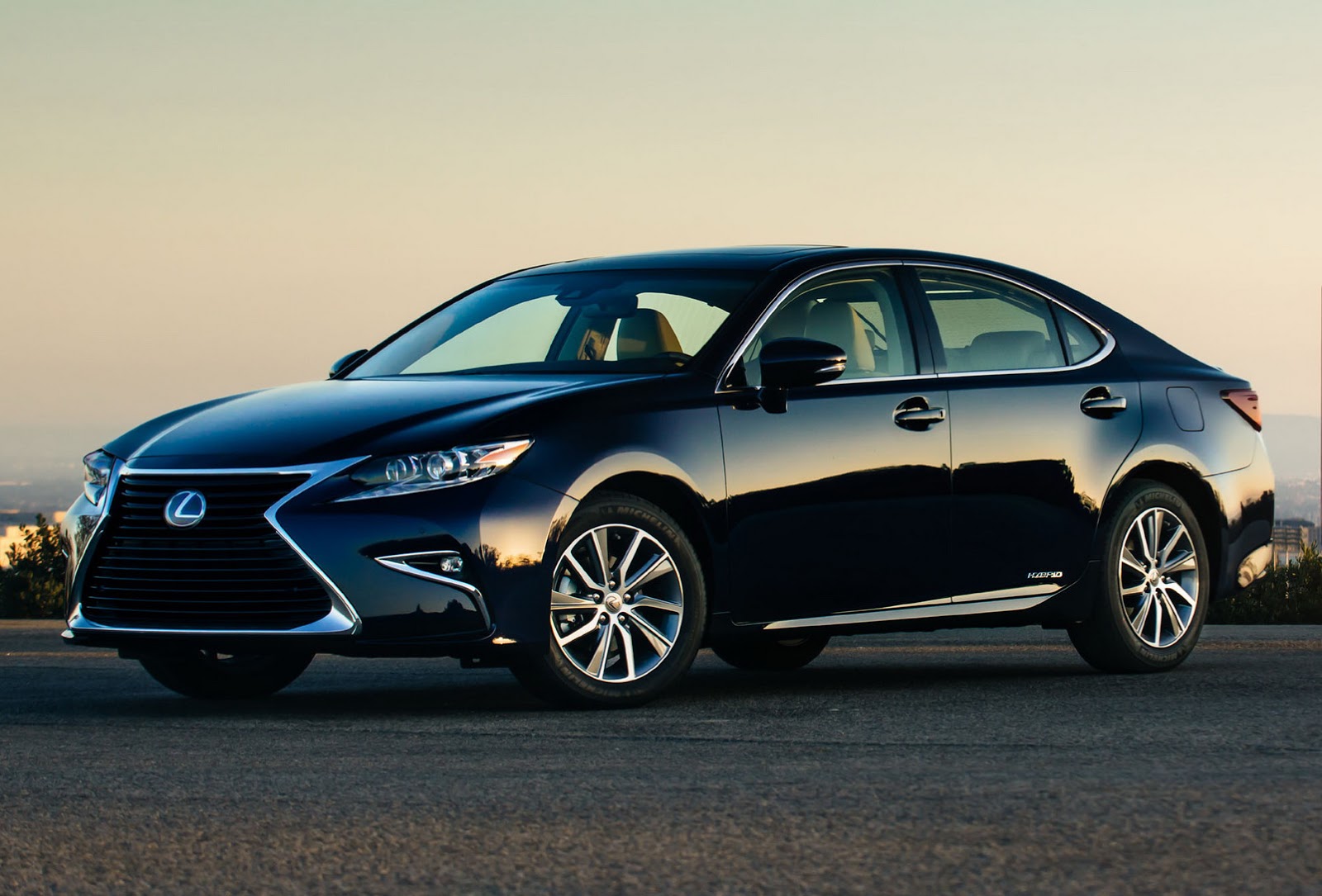
What sets the ES apart for nighttime driving is its cabin refinement. The exceptional sound insulation creates a quiet environment that reduces fatigue during long drives.
Wind noise, road noise, and engine noise are all effectively muted, allowing drivers to remain alert and comfortable. The seats offer excellent long-distance support with heating, ventilation, and sometimes massage functions that continue working reliably for years.
These comfort features aren’t mere luxuries they actively contribute to driver alertness and safety during late-night journeys. The ES includes comprehensive safety technology that enhances late-night driving confidence.
The Lexus Safety System+ provides pre-collision warning, adaptive cruise control, lane departure alert, and automatic high beams all operating reliably without false alarms or system failures. The quality of the radar and camera systems ensures consistent performance in various lighting and weather conditions.
Also Read: 5 Used Cars That Feel Modern vs. 5 That Feel Dated
5. Subaru Outback (2015-2024)
The Subaru Outback represents a unique combination of reliability, capability, and versatility that makes it exceptionally trustworthy for late-night driving, particularly for those who venture beyond well-maintained highways.
This rugged wagon offers the confidence of all-wheel drive, substantial ground clearance, and Subaru’s reputation for building vehicles that perform reliably in challenging conditions.
Subaru’s boxer engine design contributes to the Outback’s reliability and driving dynamics. The horizontally-opposed engine configuration creates a lower center of gravity, enhancing stability particularly valuable during nighttime drives on unfamiliar or winding roads.
While earlier Subaru engines had head gasket issues, models from 2012 onward have largely resolved these problems. The continuously variable transmission, while not everyone’s preference, has proven durable in the Outback with proper maintenance.
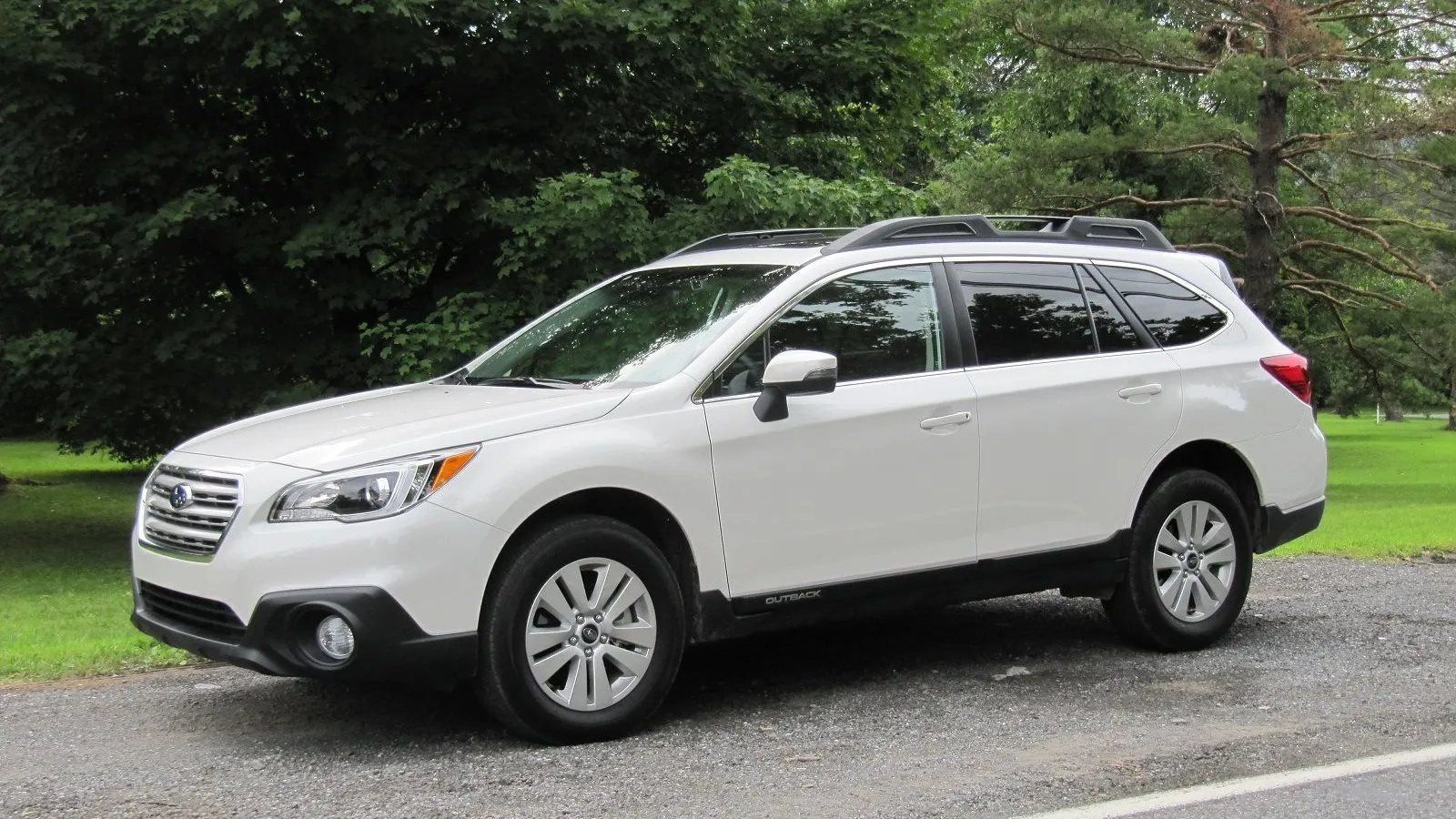
The Outback’s standard all-wheel-drive system provides exceptional security during late-night driving, particularly in adverse weather conditions.
Unlike systems that engage only when slippage occurs, Subaru’s symmetrical all-wheel drive operates continuously, providing consistent traction and stability.
This becomes invaluable during unexpected rain storms, early morning frost, or winter conditions that can turn a routine late-night drive treacherous.
The Outback’s practical design includes thoughtful features for nighttime travelers. Ample cargo space means you can pack emergency supplies, spare clothes, or camping gear for overnight trips.
The available power liftgate works reliably, and the cargo area includes convenient lighting. The interior offers numerous storage spaces for phones, drinks, and other essentials that nighttime drivers need within easy reach.
6. Honda Accord (2013-2024)
The Honda Accord rounds out our list of trustworthy late-night vehicles, offering a slightly larger alternative to the Civic with the same legendary Honda reliability.
This midsize sedan provides an excellent balance of space, comfort, performance, and dependability that makes it ideal for drivers who spend significant time on the road after dark.
The Accord’s powertrain options all emphasize reliability and refinement. The base four-cylinder engine provides ample power with excellent fuel economy, while the available V6 (in earlier generations) and turbocharged engines deliver impressive performance without sacrificing reliability.
The transmission choices, whether manual, conventional automatic, or CVT, have all proven dependable with proper maintenance. This powertrain reliability means confident acceleration and smooth operation during nighttime highway merges and passing maneuvers.
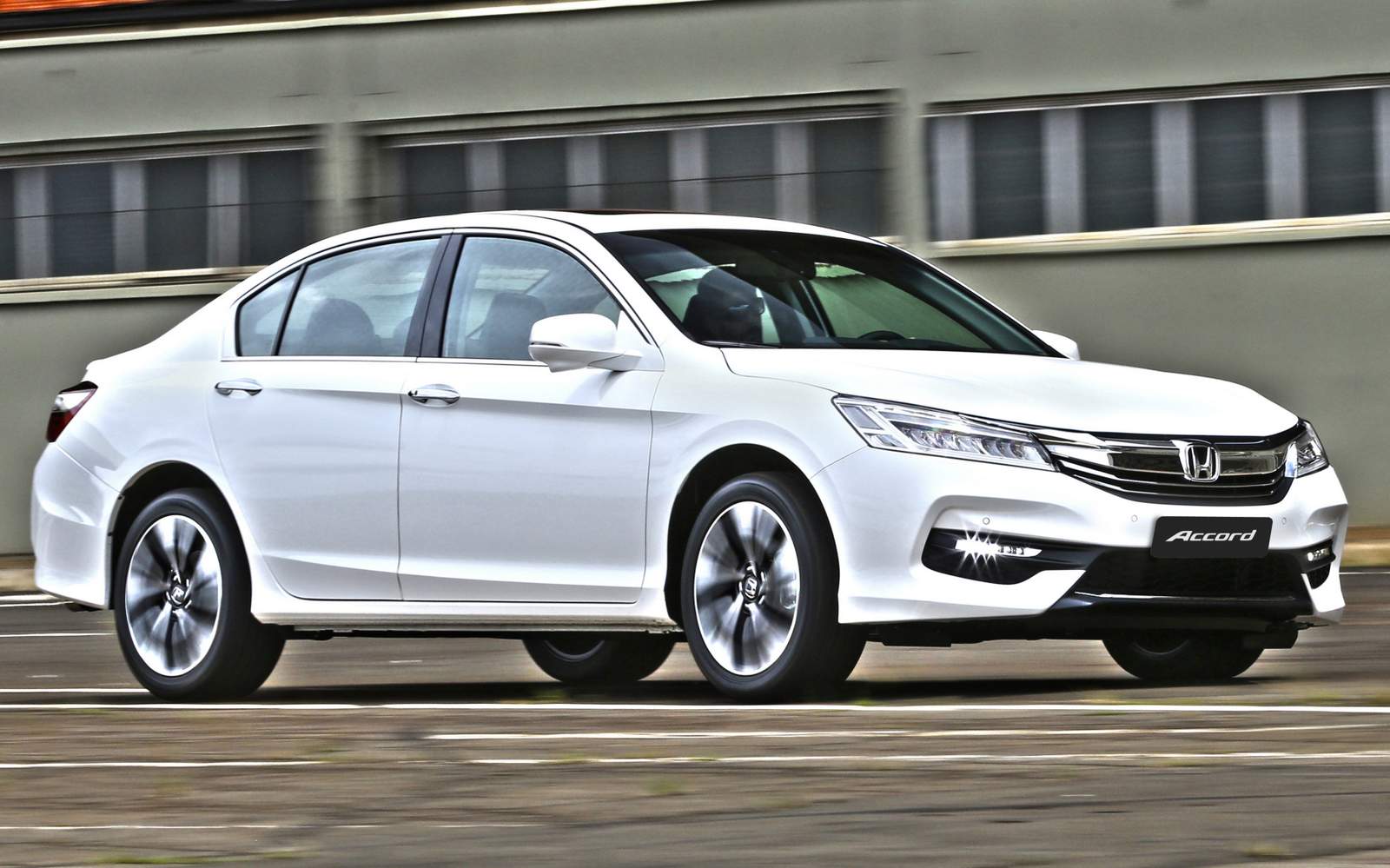
Honda’s attention to visibility and ergonomics particularly benefits late-night drivers in the Accord. The dashboard layout is intuitive, with controls that are easy to locate and operate without taking eyes off the road critical during nighttime driving when visual attention must remain focused ahead.
The gauges are clear and easily readable, with adjustable brightness that prevents eye strain. The available heads-up display projects key information onto the windshield, minimizing the need to look down at instruments.
The Accord’s reputation for longevity means it remains trustworthy well into high-mileage territory. Many Accords routinely exceed 200,000 miles with only routine maintenance, and the consistency of performance throughout the vehicle’s life means late-night drivers can trust their Accord whether it has 20,000 or 200,000 miles on the odometer.
6 Cars You Can’t Trust
These anxiety-producing vehicles suffer from documented reliability issues and unpredictable failure patterns that create genuine fear during nighttime driving, forcing owners into constant worry about becoming stranded in vulnerable situations when help becomes difficult and potentially dangerous.
Their problematic engineering includes failure-prone fuel pumps and temperamental electrical systems that cannot provide the dependability required for safe late-night travel, leading to roadside breakdowns during the most inconvenient and frightening hours.
Despite modern safety features and attractive styling, these vehicles betray owners through their tendency toward sudden stalling, intermittent starting problems, and random warning lights indicating serious mechanical issues requiring immediate shutdown.
1. Land Rover Discovery Sport (2015-2022)
Despite its premium badge and capable appearance, the Land Rover Discovery Sport represents one of the least reliable choices for late-night driving.
This compact luxury SUV suffers from a constellation of problems that make it a risky proposition when help might be hours away. While Land Rover vehicles have historically struggled with reliability, the Discovery Sport takes these issues to new heights with problems affecting nearly every major system.
The Discovery Sport’s engine options have proven troublesome across multiple model years. The 2.0-liter turbocharged four-cylinder engine, sourced from Ford, experiences premature turbocharger failures, often before 60,000 miles.
Owners report sudden loss of power, oil consumption issues, and complete engine failures requiring replacement. During a late-night drive, an engine issue could leave you stranded on a dark highway with limited options for assistance.
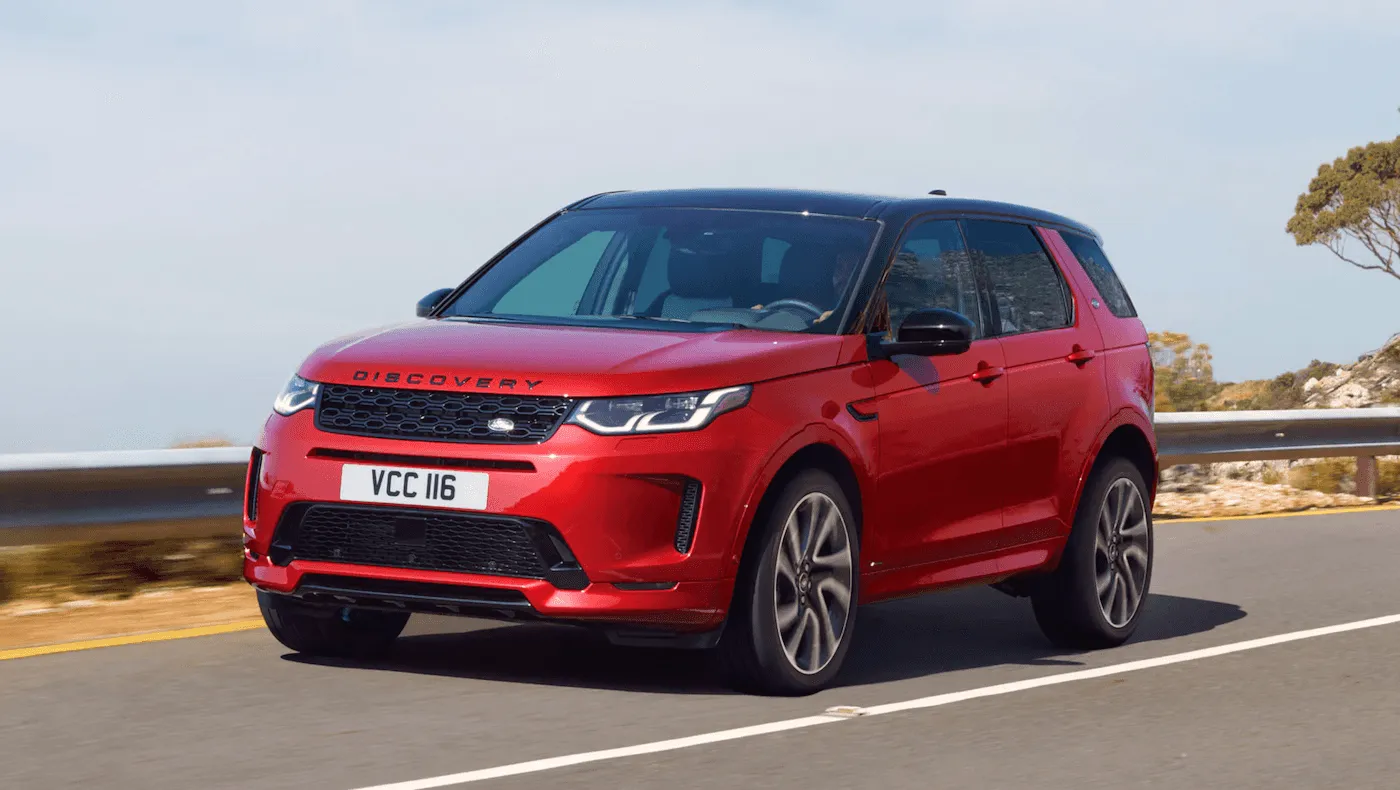
The diesel variants face even more problems, with emissions system failures and diesel particulate filter issues that can trigger limp mode. The nine-speed automatic transmission in the Discovery Sport has earned an infamous reputation for erratic behavior.
Sudden harsh shifting, hesitation when accelerating, and complete transmission failure plague these vehicles. Owners report the transmission entering “safe mode” without warning, limiting speed to just a few miles per hour imagine this happening at night on a busy highway.
The complexity of this transmission makes repairs expensive, often exceeding $5,000, and many owners report multiple transmission replacements under warranty.
For late-night drivers, perhaps the most concerning aspect is the Discovery Sport’s tendency for sudden, catastrophic failures rather than gradual degradation that provides a warning.
Owners report their vehicles going from seemingly fine to completely disabled within minutes. This unpredictability makes the Discovery Sport particularly unsuitable for nighttime driving when support services are less available and weather conditions may be more challenging.
2. Chrysler 200 (2015-2017)
The Chrysler 200, produced for only three model years before being discontinued, exemplifies why some vehicles earn poor reliability reputations.
While initially promising with its attractive styling and competitive features, the 200 quickly revealed serious mechanical and electrical problems that make it an unreliable choice for late-night driving when dependability matters most.
The nine-speed automatic transmission shared with the Fiat 500X represents the 200’s most significant reliability problem. This transmission exhibits harsh shifting, shuddering, hesitation, and complete failure at alarmingly low mileages.
Owners report the transmission “searching” for gears, creating jerky, unpredictable behavior that’s particularly dangerous during nighttime highway driving or when making time-critical maneuvers.
Many 200 owners have experienced multiple transmission replacements, and even after replacement, the problems often persist. This transmission’s unreliability alone makes the 200 unsuitable for late-night drives when smooth, predictable operation is essential.
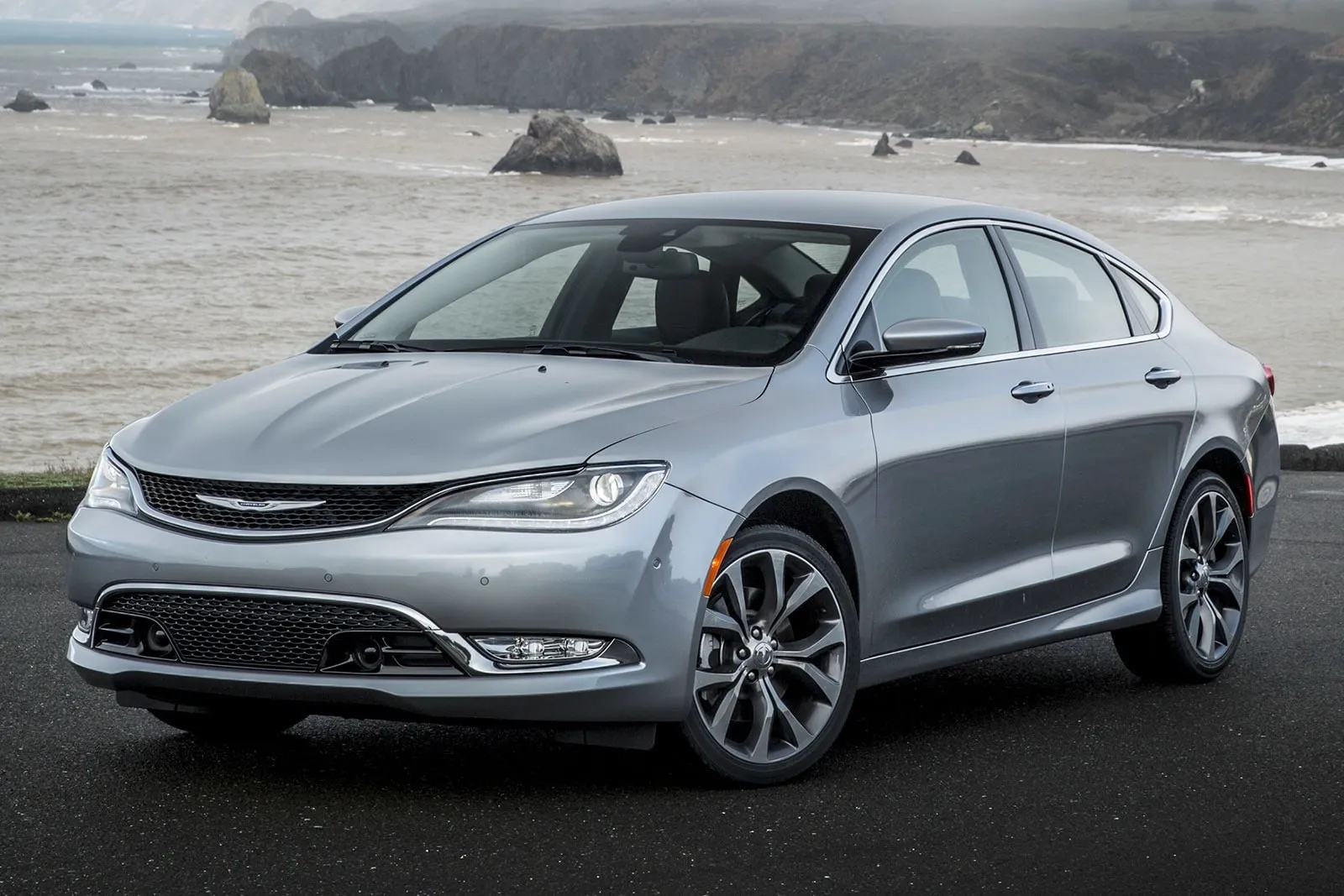
The 200’s electrical system suffers numerous reliability issues that would prove especially problematic during nighttime driving. The infotainment system frequently freezes or crashes, sometimes taking the backup camera and climate controls with it since they’re integrated into the system.
The instrument cluster may flicker or go completely dark, leaving the driver without critical information about speed, fuel level, or warning conditions.
The charging system experiences failures that can leave drivers stranded with dead batteries. Multiple owners report vehicles that simply refuse to start due to electrical problems, often intermittently, making the issue difficult to diagnose and repair.
Perhaps most concerning for late-night drivers is the 200’s combination of problems creating scenarios where multiple systems fail simultaneously.
Imagine your transmission shifting erratically while your instrument cluster goes dark and your headlights begin flickering all while driving on a dark highway far from help.
The interconnected nature of the 200’s problems and their tendency to occur without warning make this vehicle particularly unsuitable for nighttime driving when reliability is paramount.
3. Volkswagen Tiguan (2009-2017)
The first and second-generation Volkswagen Tiguan exemplifies how European vehicles can prioritize features and driving dynamics over long-term reliability, creating a problematic ownership experience particularly risky for late-night drivers.
While newer Tiguans have improved somewhat, these earlier models suffer from a range of mechanical and electrical issues that make them untrustworthy when you need dependability most.
The Tiguan’s engine options, particularly the 2.0-liter turbocharged four-cylinder, experience several serious problems. The timing chain tensioner can fail catastrophically, causing the timing chain to jump or break, resulting in complete engine destruction. This failure often occurs without warning, potentially leaving drivers stranded in dangerous situations.
Carbon buildup on intake valves, common in direct-injection engines, causes rough running, misfires, and reduced performance particularly problematic when you need reliable power for nighttime highway driving. The turbocharger itself may fail prematurely, and repairs cost several thousand dollars.
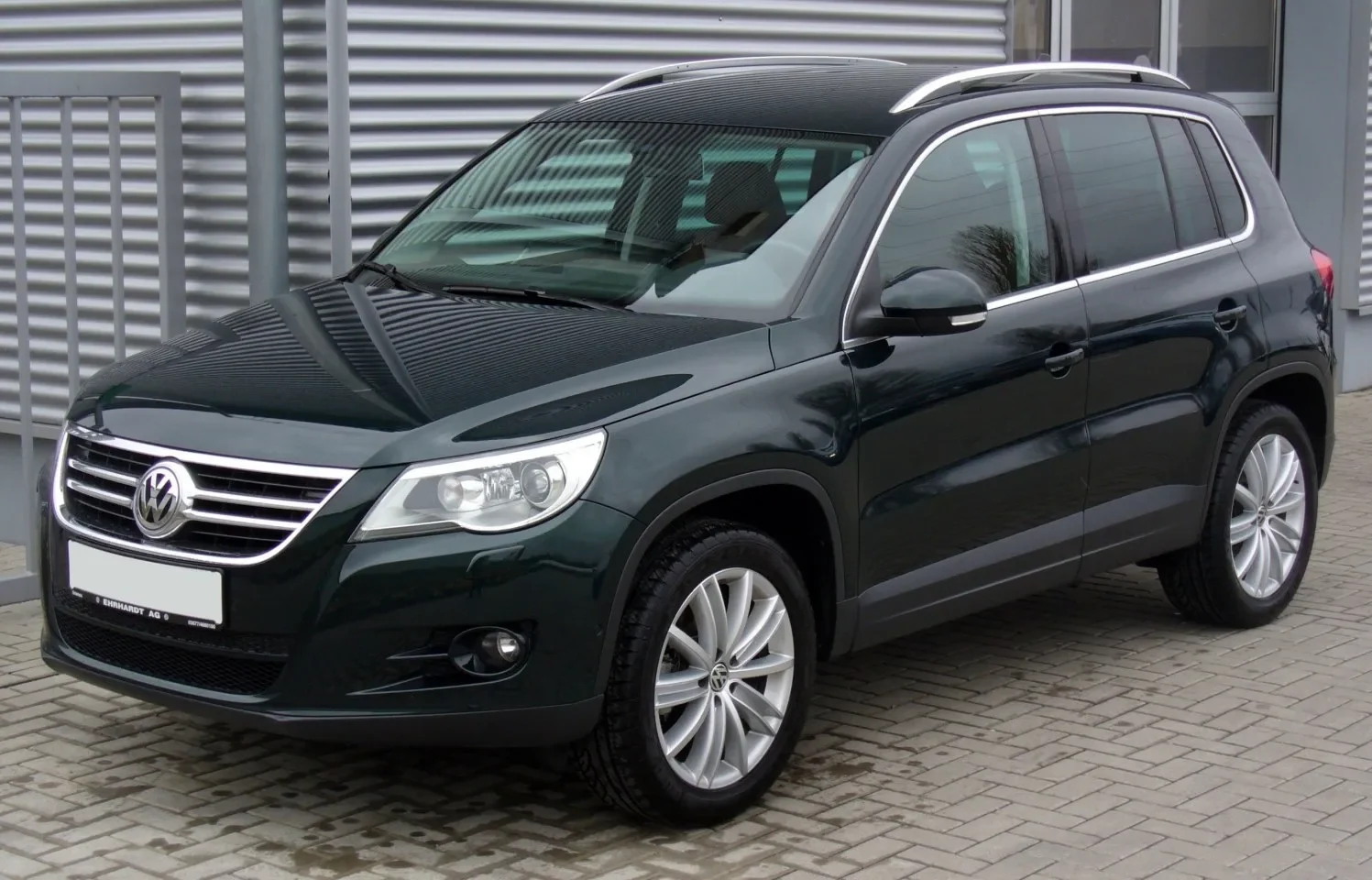
The transmission options in these Tiguans both present reliability concerns. The six-speed automatic transmission suffers from mechatronic unit failures, causing erratic shifting, transmission slipping, and complete failure.
The repair costs exceed $3,000, and the problem tends to recur even after replacement. The available DSG dual-clutch transmission, while offering sporty shifts when working properly, experiences clutch pack failures and mechatronic issues that leave vehicles stuck in gear or unable to engage any gear at all.
These transmission problems create unpredictable behavior that’s particularly dangerous during nighttime driving. Maintenance costs for the Tiguan exceed expectations, with specialized tools and procedures required for many routine services.
The complexity of repairs and the high cost of parts means that even minor issues become expensive to address. For late-night drivers facing a breakdown, the specialized nature of VW repairs might mean longer wait times for service and higher towing costs to reach authorized repair facilities.
4. Nissan Pathfinder (2013-2019)
The fourth-generation Nissan Pathfinder represents a significant departure from its rugged SUV predecessors, but unfortunately, it also represents a reliability low point for the nameplate.
The shift to a car-based platform and the inclusion of Nissan’s problematic CVT transmission created a vehicle that late-night drivers should avoid due to its numerous mechanical issues and tendency toward sudden failures.
The CVT transmission in these Pathfinders has become infamous for catastrophic failures. Nissan extended the warranty on these transmissions due to overwhelming failure rates, but problems persist.
The CVT experiences shuddering, hesitation, overheating, and complete failure, often before 100,000 miles and sometimes much sooner.
Many owners report their second or third CVT replacement, indicating fundamental design problems. During late-night driving, CVT failure would leave you stranded with a vehicle that cannot move under its own power.
The transmission may also exhibit “judder” or shaking at low speeds, making parking lot maneuvers and stop-and-go traffic uncomfortable and concerning.
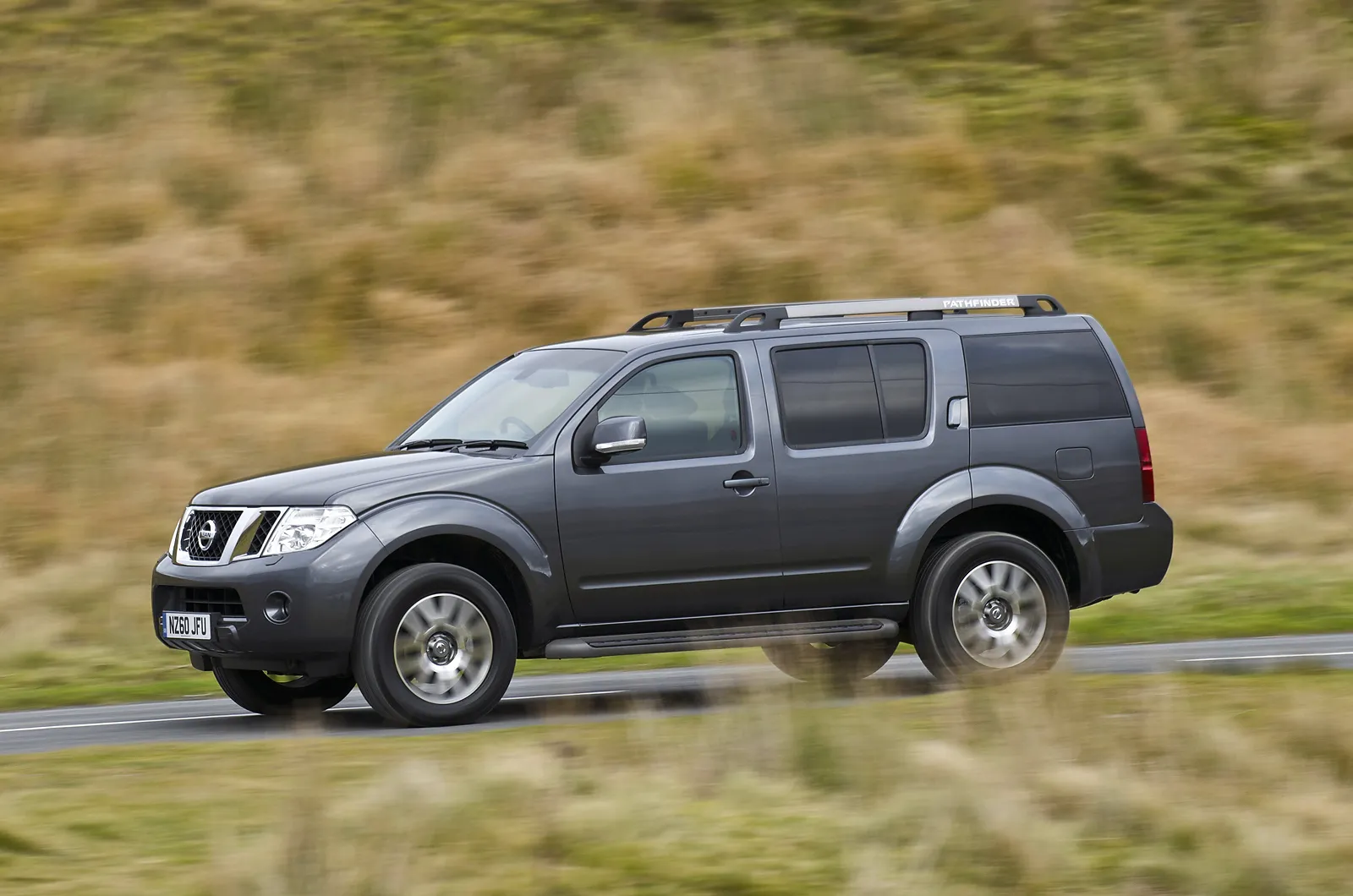
The 3.5-liter V6 engine, while generally more reliable than the transmission, faces its own issues. The timing chain system can experience premature wear, creating rattling noises and potentially leading to engine failure if not addressed.
Coolant leaks from various gaskets and seals plague these vehicles, and if coolant loss goes unnoticed during a late-night drive, engine overheating and destruction could result. The radiator itself may develop leaks, and the cooling system’s complexity makes proper diagnosis challenging.
The combination of transmission problems, potential engine issues, electrical faults, and drivetrain concerns makes the fourth-generation Pathfinder particularly unsuitable for late-night driving.
The unpredictability of these failures and Nissan’s slow response to addressing the problems created a vehicle that owners cannot trust when reliability matters most.
5. Jeep Cherokee (2014-2023)
The fifth-generation Jeep Cherokee trades the brand’s traditional rugged reliability for modern styling and technology, but in doing so, inherited numerous problems that make it untrustworthy for late-night driving.
Despite the iconic Jeep name, this Cherokee suffers from transmission issues, electrical problems, and build quality concerns that create too much risk for drivers who need dependability after dark.
The nine-speed automatic transmission in the Cherokee shares its problematic design with other Fiat Chrysler products. This transmission exhibits harsh, delayed, or unpredictable shifts that make the vehicle difficult to drive smoothly.
The transmission may hesitate when pulling into traffic or refuse to downshift when passing power is needed both dangerous scenarios during nighttime driving.
Complete transmission failure occurs with alarming frequency, and many owners report multiple transmission replacements under warranty. Even after replacement, the problems often continue, suggesting fundamental design flaws rather than manufacturing defects.
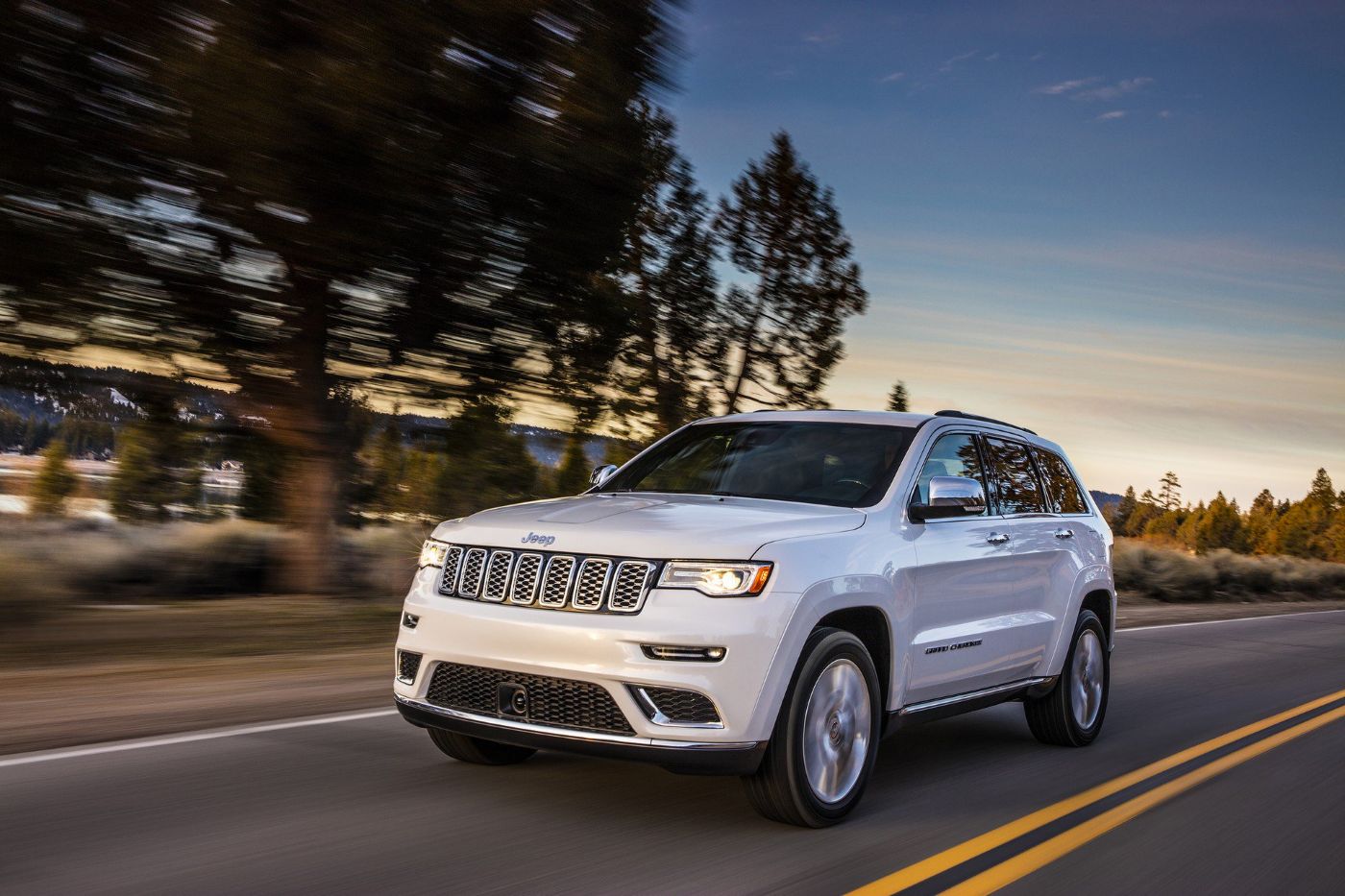
Build quality issues extend throughout the Cherokee. Interior panels rattle and squeak, creating annoying noises during quiet nighttime drives.
The panoramic sunroof may leak, allowing water into the cabin. Door seals fail prematurely, causing wind noise and water leaks. The seats show wear quickly, and various interior electronics fail randomly.
The exhaust system can develop leaks or break at welds, creating concerning noises and potentially dangerous fume intrusion. The Cherokee also suffers from more serious safety-related problems.
The electronic parking brake may engage unexpectedly or fail to release, and the engine may stall while driving due to electrical or fuel system faults.
These potentially dangerous failures, combined with the Cherokee’s other reliability issues, make it a poor choice for late-night driving when help might be far away and conditions might be challenging.
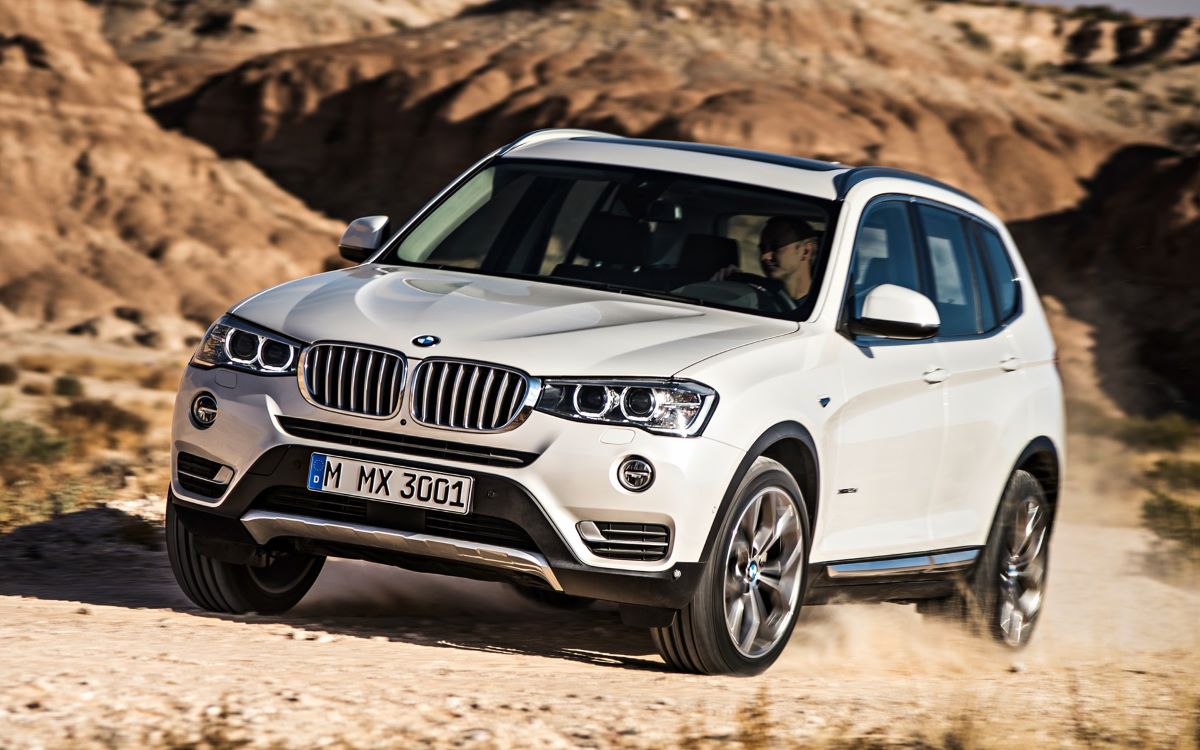
6. BMW X3 (2011-2017)
The second-generation BMW X3 demonstrates how premium German engineering can create sophisticated vehicles that, unfortunately, prove unreliable and expensive to maintain, making them risky choices for late-night driving when dependability is essential.
While BMWs deliver engaging driving dynamics and luxury features, this generation X3 suffers from numerous mechanical and electrical problems that undermine its trustworthiness.
The X3’s engine options, while powerful and refined, present significant reliability concerns. The turbocharged four-cylinder and six-cylinder engines face timing chain issues that can lead to catastrophic engine failure.
The timing chain guides wear prematurely, and if the chain jumps or breaks, complete engine destruction results. This failure often occurs without adequate warning, potentially leaving drivers stranded during late-night drives.
The engines also develop oil leaks from various gaskets and seals, and the valve cover gaskets particularly prone to failure. Low oil levels due to unnoticed leaks could cause engine damage during extended nighttime drives.
The automatic transmission in the X3, while generally smoother than the problematic dual-clutch transmissions in some BMWs, still experiences issues. The mechatronic sleeve seals can leak, causing transmission fluid loss and eventual failure.
The transmission may exhibit harsh shifting or slip when warm. Repairs prove expensive, often exceeding $4,000, and the specialized nature of BMW transmissions means limited repair options and longer wait times.
Electrical problems represent perhaps the X3’s most frustrating reliability issues for nighttime drivers. The vehicle’s complex electrical architecture includes numerous modules that can fail, causing various systems to malfunction.
The transfer case actuator motor, which controls all-wheel-drive engagement, frequently fails and costs over $1,000 to replace. The water pump, electrically driven like other German vehicles, fails suddenly and can cause engine overheating.
Various sensors throughout the vehicle fail, triggering warning lights that may or may not indicate genuine problems. The battery discharges quickly, partly due to the vehicle’s numerous electronic systems drawing power even when parked.
The X3’s maintenance requirements further undermine its suitability for reliable late-night driving. BMW’s condition-based servicing can lead owners to defer maintenance, and when problems occur, they’re often more severe and expensive than they would be with more frequent preventive maintenance.
The complexity of systems means that DIY repairs are virtually impossible for most owners, creating total dependence on expensive professional service.
For late-night drivers who need absolute reliability, this combination of frequent problems and expensive, specialized repairs makes the second-generation X3 a poor choice despite its premium badge and engaging driving dynamics.
Also Read: 6 Rides Perfect for Small Towns vs. 6 Better for Big Cities
