
Buying a sedan is just the beginning of your ownership journey. The real financial test comes in the years that follow, when maintenance costs, repair bills, and unexpected expenses start to add up.
Some sedans are engineered with reliability and affordability in mind, using proven technology and widely available parts that keep your wallet happy.
These vehicles depreciate gracefully and rarely leave you stranded or facing shocking repair estimates. They’re the automotive equivalent of a trustworthy friend who never lets you down.
On the flip side, other sedans look attractive on the showroom floor but harbor expensive secrets beneath their sleek exteriors. Complex engineering, proprietary parts, and fragile components can transform what seemed like a reasonable purchase into a financial burden.
This guide breaks down five sedans that exemplify budget-friendly ownership and five that are notorious for surprising owners with expensive bills, helping you make an informed decision that considers not just the sticker price, but the total cost of ownership.
5 Sedans That Stay Cheap to Own
These exceptionally economical vehicles feature simple mechanical designs and widely available replacement parts that maintain predictable ownership costs throughout extended service lives, providing genuine value through straightforward maintenance any independent mechanic can perform affordably.
Their thoughtful engineering includes robust naturally aspirated engines and conventional automatic transmissions that resist the expensive repair patterns typically associated with turbocharged powertrains or dual-clutch systems requiring dealership-only service with premium pricing.
From routine brake jobs using standard components to oil changes with common filter sizes stocked everywhere, these remarkable sedans continue operating economically without the surprise four-figure repair estimates or proprietary parts markup found in over-engineered alternatives.
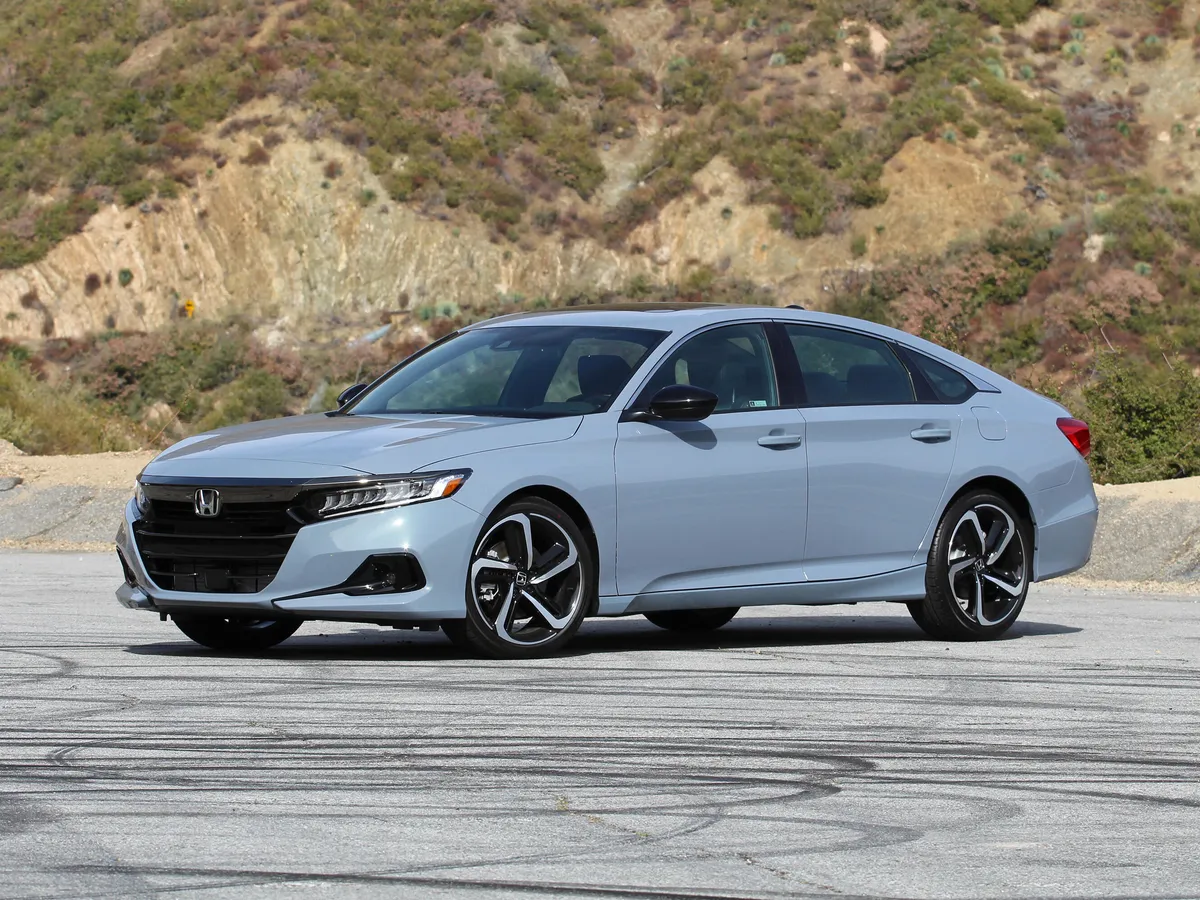
1. Honda Accord
The Honda Accord has earned its reputation as one of the most cost-effective sedans to own over the long term, and this reputation is built on decades of proven reliability and engineering excellence.
Honda’s approach to building the Accord prioritizes durability and simplicity, using time-tested technology that mechanics know inside and out.
The availability of parts is exceptional, with both OEM and high-quality aftermarket options readily available at competitive prices. Whether you need a simple oil change or a more significant repair, you’ll find that labor costs are reasonable because mechanics don’t need to spend hours accessing basic components.
The Accord’s engines, particularly the four-cylinder variants, are legendary for their longevity. It’s not uncommon to see Accords cruising past 200,000 miles with nothing more than routine maintenance.
The transmission, often a weak point in many vehicles, is robust in the Accord, with both the manual and automatic options proving reliable over extended periods.
Brake jobs are straightforward and affordable, suspension components last well, and even when things do wear out, replacement parts don’t break the bank.
Insurance costs for the Accord tend to be moderate, as it’s not classified as a high-performance or luxury vehicle. Fuel economy is another area where the Accord shines, with modern versions achieving excellent MPG ratings that keep your gas expenses low.
The resale value remains strong because buyers recognize the Accord’s reputation, meaning your initial investment holds up better than many competitors.
Routine maintenance intervals are sensibly spaced, and Honda’s recommended service schedule doesn’t include exotic fluids or unnecessarily frequent replacements.
When you do need service, any competent mechanic can work on an Accord you’re not locked into dealership-only repairs the way you might be with some luxury brands.
The electrical systems are straightforward and reliable, avoiding the complex electronics that plague some modern vehicles. Even as Accords age, they tend to degrade gracefully rather than experiencing catastrophic failures that leave you stranded or facing multi-thousand-dollar repair bills that exceed the car’s value.
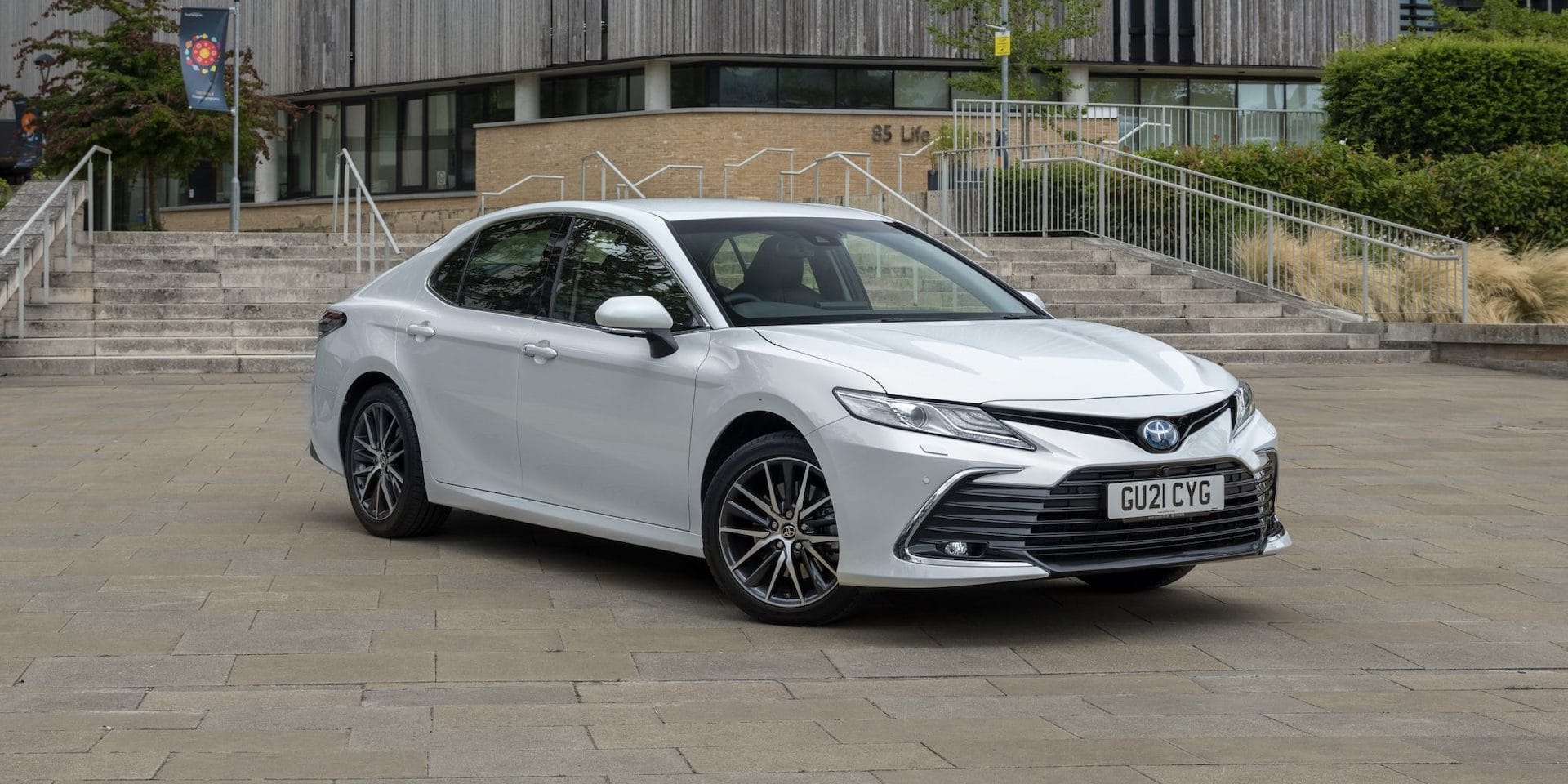
2. Toyota Camry
The Toyota Camry stands as perhaps the gold standard for affordable long-term sedan ownership, backed by Toyota’s world-renowned reputation for building virtually indestructible vehicles.
The engineering philosophy behind the Camry emphasizes reliability above all else, sometimes even at the expense of cutting-edge features or exciting performance.
This conservative approach pays massive dividends for owners who want a vehicle that simply works, year after year, without drama or unexpected expenses.
Toyota’s quality control is exceptional, meaning Camrys leave the factory with fewer defects and better build quality than many competitors.
The paint holds up well, the interior materials resist wear, and mechanical components are built to last. The powertrain options, whether you choose the fuel-efficient four-cylinder or the smooth V6, are engineered for longevity.
Toyota’s hybrid technology in the Camry Hybrid is also remarkably reliable, defying concerns about battery replacement costs many Camry Hybrid batteries last well beyond 200,000 miles.
Parts availability for the Camry is outstanding, with a massive aftermarket ensuring competitive pricing and easy access to whatever you need.
Labor costs are kept low because mechanics are intimately familiar with Camrysbthey’re everywhere, and technicians have worked on countless examples.
Routine maintenance is simple and affordable, with readily available oil filters, air filters, and other consumables. The brake systems are robust and affordable to service, and the suspension components handle daily driving without premature wear.
The Camry’s reliability means fewer trips to the shop, less time dealing with repairs, and greater peace of mind knowing your car will start every morning and get you where you need to go without incident.
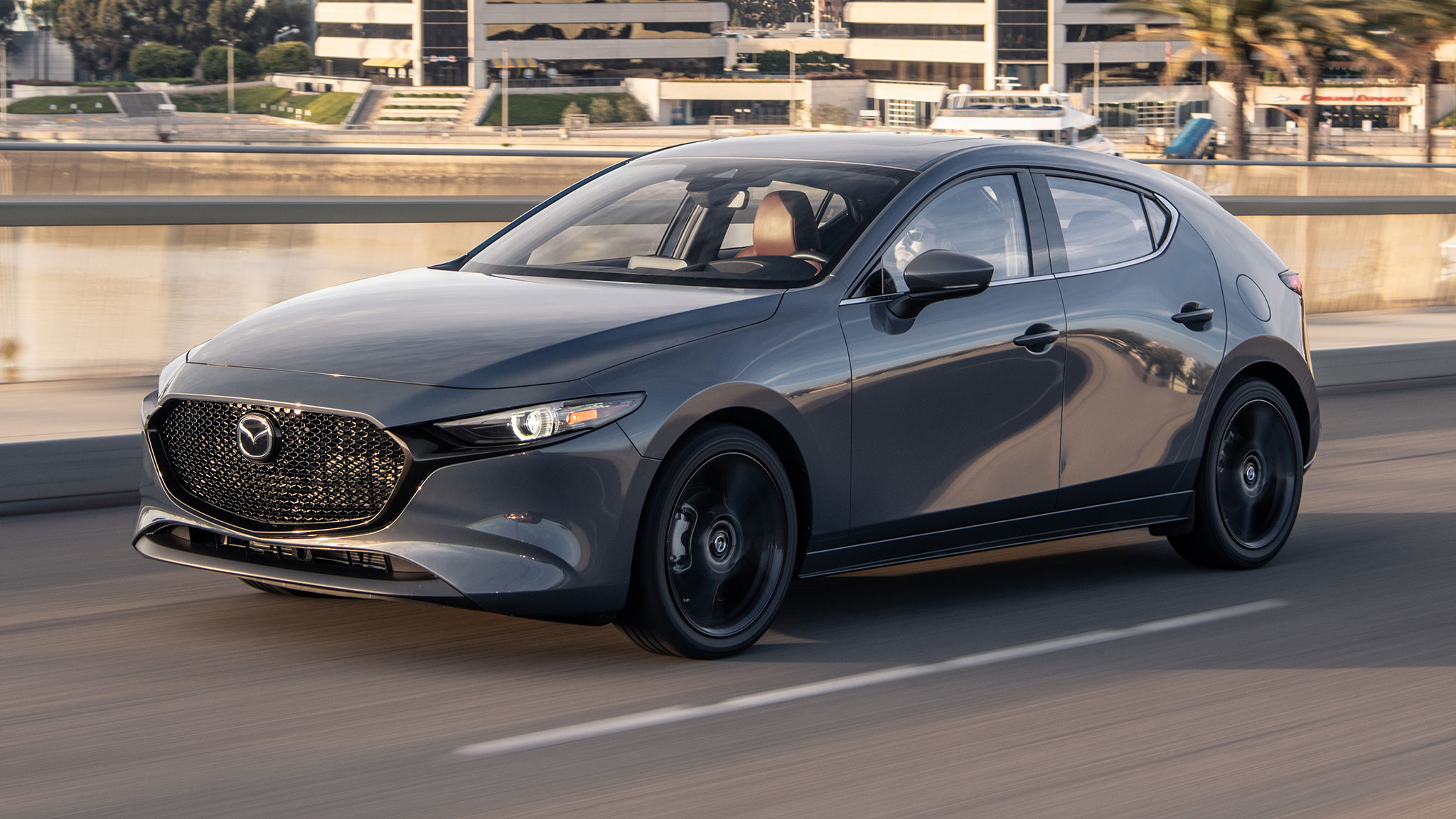
3. Mazda3
The Mazda3 offers an impressive combination of driving enjoyment and low ownership costs, proving that you don’t have to sacrifice fun for affordability. Mazda’s “Zoom-Zoom” philosophy creates engaging vehicles that are also engineered with reliability in mind, using straightforward mechanical systems that avoid unnecessary complexity.
The Skyactiv engine technology that powers modern Mazda3 sedans is efficient, powerful for its size, and remarkably durable, with few reported issues even as mileage accumulates.
Maintenance costs for the Mazda3 are notably low compared to European competitors and even some domestic rivals. The parts are reasonably priced, and while the aftermarket isn’t quite as extensive as Honda or Toyota, OEM parts are fairly affordable and readily available.
The service intervals are reasonable, and the work required at each service is straightforward. Oil changes are quick and inexpensive, brake jobs don’t require any special procedures or expensive components, and tire costs are manageable thanks to the car’s modest tire sizes.
The Mazda3’s build quality is impressive for its price point, with solid construction that resists rattles and deterioration. The interior materials hold up well over time, maintaining a premium feel even after years of use.
The paint quality is good, and rust resistance has improved significantly in recent generations. Mechanically, the Mazda3 is robust, with transmissions that shift smoothly and reliably, clutches in manual versions that last well, and automatics that don’t exhibit the problems seen in some competitors.
Insurance costs are reasonable because the Mazda3, while sporty, isn’t classified as a high-performance vehicle. Fuel economy is excellent across the range, particularly with the base engines, helping keep daily operating costs low. The Mazda3 also holds its value relatively well, especially compared to similarly priced competitors.
When issues do arise, they tend to be minor and affordable to fix. The car’s smaller size means less material in components like brake pads and tires, which translates to lower replacement costs. The Mazda3 delivers an ownership experience that’s engaging behind the wheel and easy on the wallet.
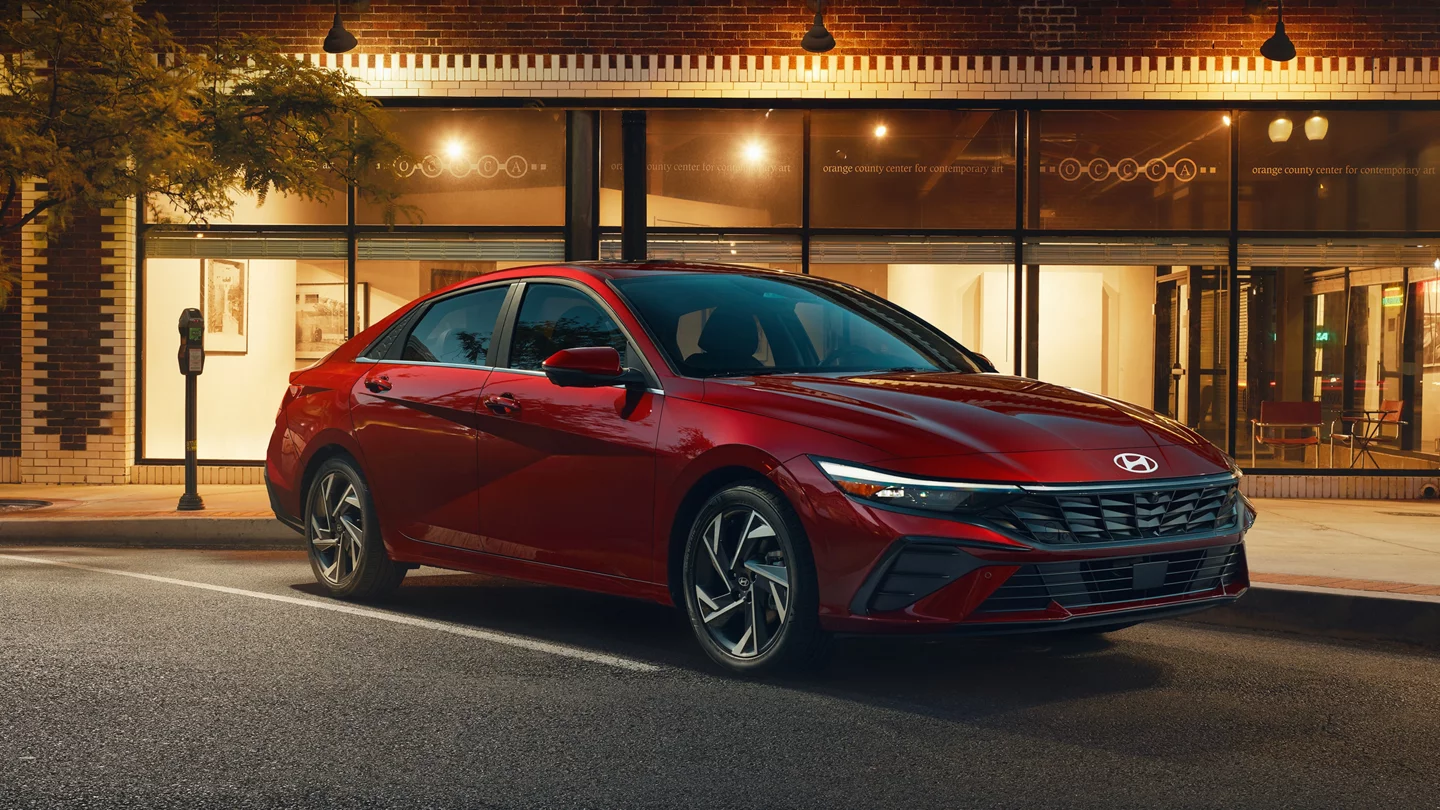
4. Hyundai Elantra
The Hyundai Elantra has transformed from a budget option into a genuinely competitive sedan that offers exceptional value and low ownership costs.
Hyundai’s dramatic improvement in quality and reliability over the past two decades is fully realized in the Elantra, which combines modern features with dependable engineering.
The company’s generous warranty coverage often 10 years or 100,000 miles on the powertrain provides peace of mind and protects against unexpected expenses during the crucial early ownership years.
The Elantra’s engines and transmissions have proven reliable in real-world use, with few of the issues that plagued earlier Hyundai products. The company learned from past mistakes and invested heavily in improving durability and longevity.
Routine maintenance costs are among the lowest in the segment, with competitive labor rates and affordable parts. The Elantra uses straightforward technology that any competent mechanic can service, avoiding proprietary systems that lock you into dealership-only repairs.
Parts availability is excellent, with both OEM and aftermarket options widely available. When components do need replacement, costs are typically lower than competitors, partly because Hyundai is still working to build its premium reputation and prices parts competitively.
The brake systems are conventional and affordable to maintain, the suspension components are durable and inexpensive to replace, and even electronic components have proven reliable in recent generations.
Fuel economy is a strong point for the Elantra, with efficient engines that keep gas costs low. Insurance rates are typically moderate because the Elantra is seen as a practical, safe choice rather than a high-performance vehicle.
The build quality is solid, with interiors that resist wear and exteriors that hold up well over time. When you factor in the strong warranty coverage, low maintenance costs, and improved reliability, the Elantra represents one of the best values in affordable sedan ownership.
Also Read: 6 Cars With Helpful Lane Alerts vs 6 That Nag And Beep
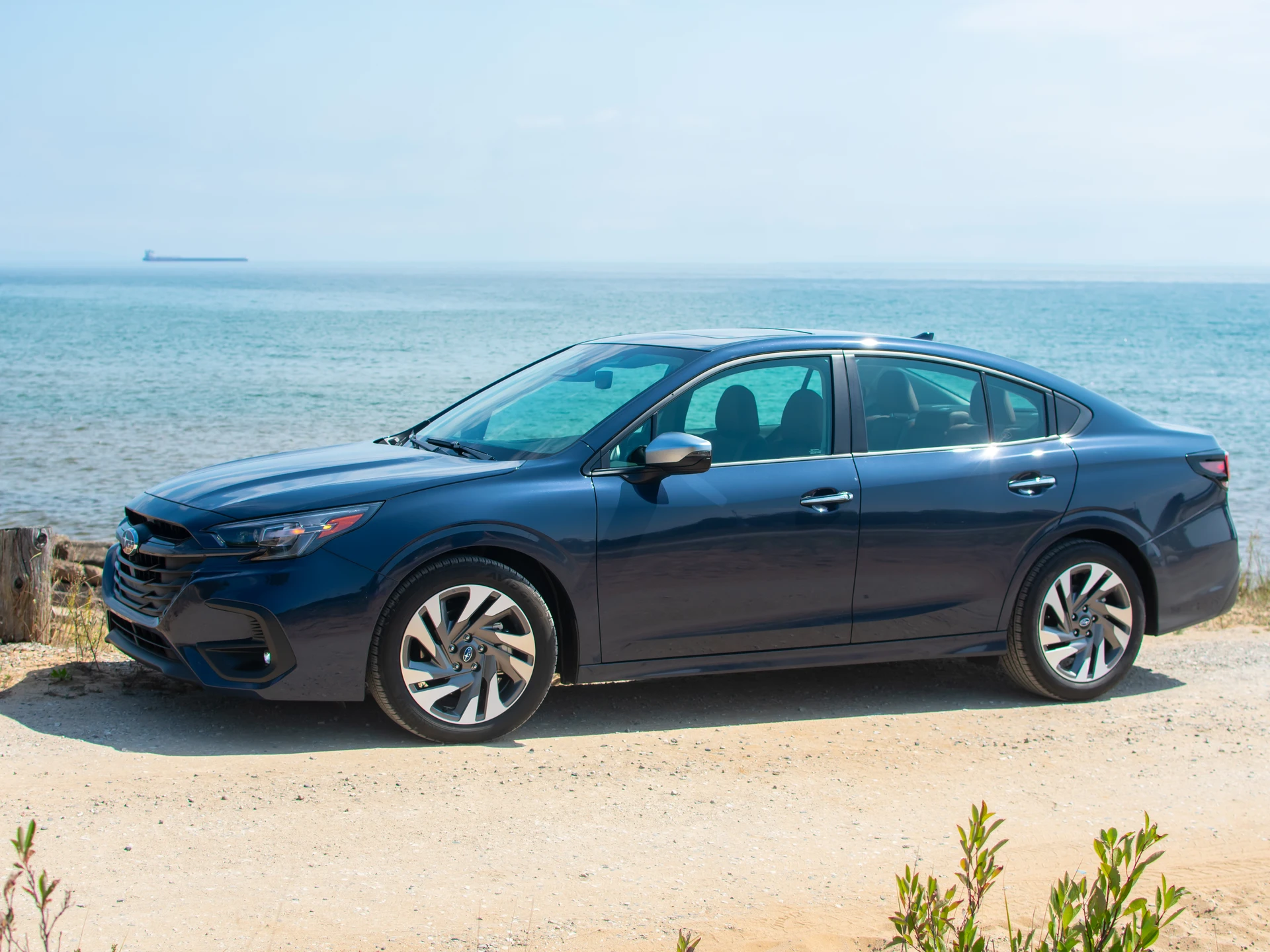
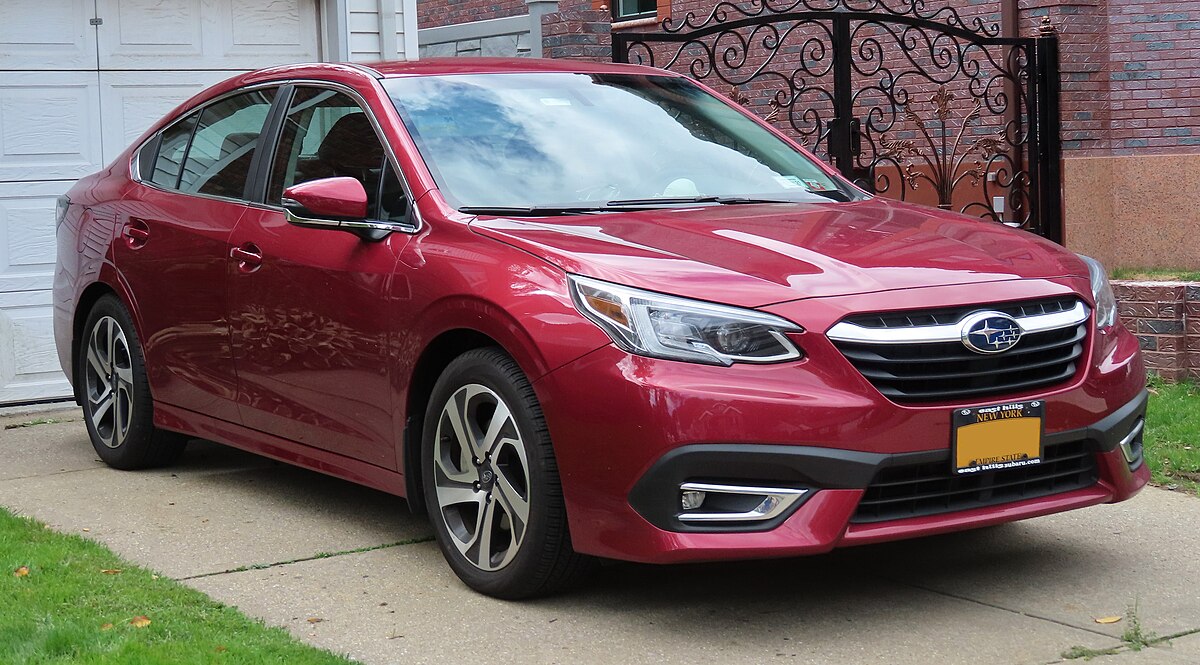
5. Subaru Legacy
The Subaru Legacy combines all-wheel-drive capability with surprisingly affordable ownership costs, making it an excellent choice for buyers who need year-round traction without the expense of an SUV.
Subaru’s boxer engines and symmetrical all-wheel-drive system are proven technologies that, despite being somewhat unique in design, have demonstrated excellent reliability over many generations.
The Legacy benefits from Subaru’s reputation for building durable vehicles that handle harsh conditions and high mileage without major problems.
Maintenance costs for the Legacy are reasonable, particularly considering the added complexity of standard all-wheel drive. The boxer engine design makes some maintenance tasks slightly more involved than traditional inline engines, but Subaru has optimized the layout to keep labor costs manageable.
Parts availability is good, with a robust network of Subaru specialists and a decent aftermarket. While some components are Subaru-specific and can’t be cross-referenced with other brands, pricing remains competitive.
The all-wheel-drive system in the Legacy is mechanically simpler than many competitors’ systems, with fewer electronic controls and complex components that can fail. This translates to greater reliability and lower repair costs when issues do arise.
The transmission options, whether manual or CVT in newer models, have proven durable with proper maintenance. Regular fluid changes are important with Subaru’s CVTs, but they’ve demonstrated good longevity when properly cared for.
The build quality is solid, with interiors that wear well and exteriors that resist corrosion better than many competitors, particularly important in harsh climates where salt and moisture are concerns. The Legacy offers a unique combination of capability and affordability that few sedans can match.
5 Sedans That Surprise You With Bills
These deceptive vehicles suffer from complex turbocharged systems and proprietary components that transform routine maintenance into budget-destroying surprises, creating shock when simple repairs require specialized parts costing multiples of conventional equivalents and dealership-only procedures.
Their problematic engineering includes failure-prone direct injection systems and expensive dual-clutch transmissions that cannot provide the affordable ownership suggested by modest purchase prices, leading to water pump replacements exceeding $2,000 and carbon cleaning services becoming mandatory maintenance items.
Despite attractive initial pricing and impressive efficiency claims, these sedans devastate budgets through their premium fuel requirements, frequent coil pack failures, and timing chain services requiring engine removal that independent shops refuse to touch.
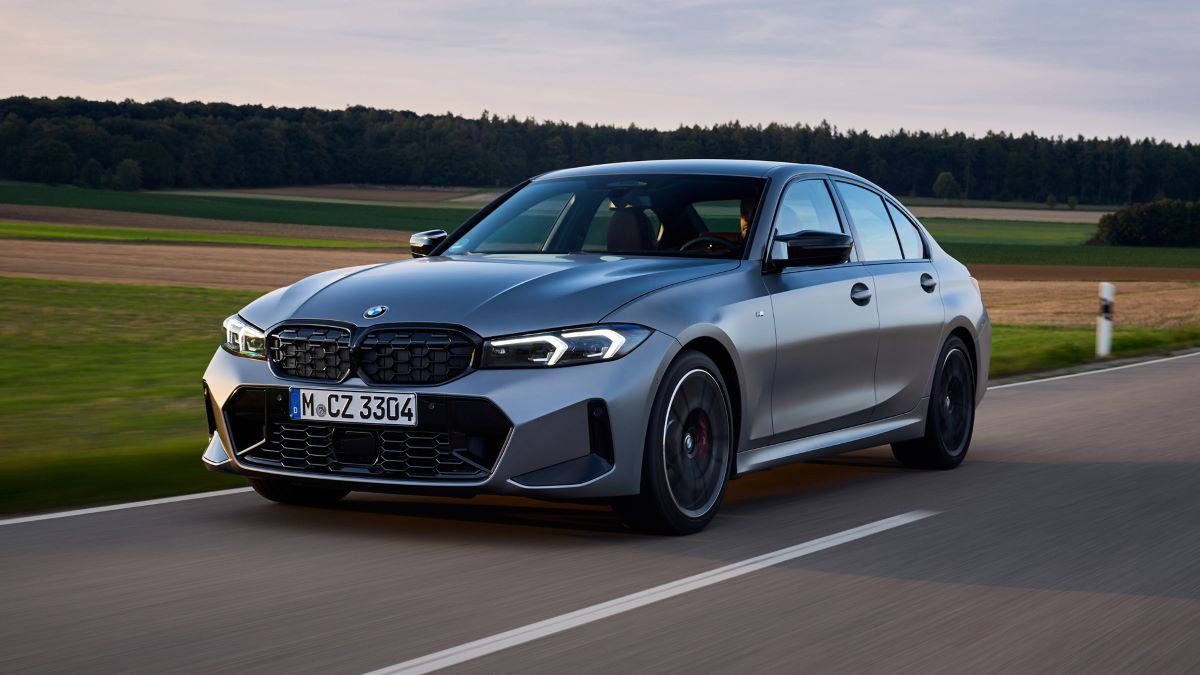
1. BMW 3 Series
The BMW 3 Series epitomizes the category of sedans that charm you at the dealership but punish you in the service bay. While the driving dynamics and luxury appointments are undeniably appealing, the cost of maintaining a 3 Series can quickly overshadow these benefits.
BMW engineers vehicles with performance and refinement as top priorities, often at the expense of serviceability and long-term affordability.
The result is a car that requires frequent, expensive maintenance and is prone to issues that would be minor in other vehicles but become costly in a BMW.
Parts costs for the 3 Series are substantially higher than mainstream brands, with even routine components carrying premium prices. A water pump that might cost $100 for a Honda can easily run $400 or more for a BMW, and that’s before labor.
Speaking of labor, BMW designs often require extensive disassembly to access components, turning simple jobs into multi-hour undertakings. The electronic parking brake, for instance, requires special tools to service the rear brakes, adding cost to a routine maintenance item.
BMW’s approach to routine maintenance is aggressive, with service intervals that come up quickly and include expensive items. The recommended maintenance schedule is costly to follow, but deviating from it can lead to even more expensive problems down the road.
Oil changes require synthetic oil and BMW-specific filters, pushing costs higher than average. The cooling systems in many 3 Series models are complex and prone to failure, with plastic components that deteriorate and require replacement. When the cooling system fails, it can lead to catastrophic engine damage if not addressed immediately.
Electrical issues plague aging 3 Series models, with problems ranging from faulty sensors to failing control modules. Diagnosing these issues often requires expensive dealer-level diagnostic equipment, and the parts to fix them carry BMW’s premium pricing.
Depreciation is severe on 3 Series models, meaning you lose money quickly on your initial investment. While this makes used examples seem affordable, those low prices reflect the expensive ownership experience that awaits.
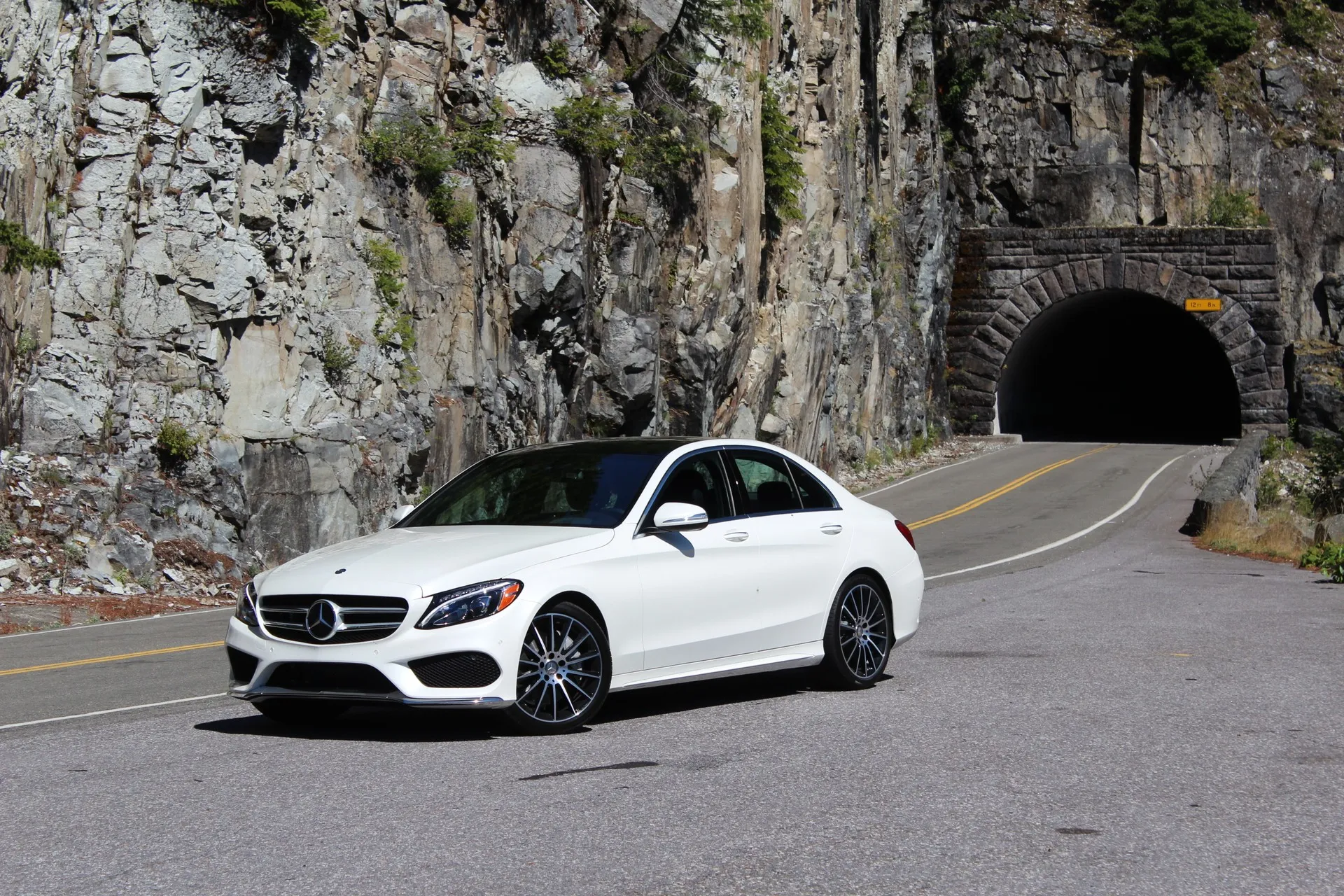
2. Mercedes-Benz C-Class
The Mercedes-Benz C-Class represents another German luxury sedan that looks prestigious but hides expensive maintenance realities beneath its polished exterior.
Mercedes-Benz markets itself as the pinnacle of automotive engineering, but this sophisticated engineering comes with equally sophisticated repair bills.
The C-Class is filled with complex systems and components that are expensive to maintain and repair, and many of these systems seem engineered with a planned obsolescence that becomes apparent as the car ages.
One of the most notorious issues with C-Class ownership is the cost of maintaining the advanced electronics and features that make Mercedes vehicles feel special when new. The infotainment system, digital displays, and electronic controls can develop faults that require expensive dealer-only repairs.
The air suspension system, when equipped, provides a luxurious ride but is prone to leaks and failures that cost thousands to repair. Many owners eventually opt for conventional suspension conversions to avoid ongoing air suspension costs.
The engines in the C-Class, while smooth and powerful, require expensive maintenance. Timing chain issues have affected various models, and addressing these problems involves significant engine disassembly and labor costs that can reach several thousand dollars.
The supercharged and turbocharged variants add forced induction maintenance to the equation, with additional components that can fail expensively.
Oil changes, while seemingly routine, require premium synthetic oils and Mercedes-specific parts, with dealership prices often exceeding $200 for this basic service.
The transmission in many C-Class models is sophisticated but problematic. The seven-speed automatic, while smooth when functioning properly, can develop issues that are extremely expensive to address.
Transmission repairs or replacements can easily cost $5,000 to $10,000 or more. Brake jobs are expensive due to large rotors and high-performance components, and Mercedes requires specific procedures and tools that drive up labor costs.
When you combine high parts costs, expensive labor, frequent required maintenance, and the various issues that crop up as the car accumulates miles, the C-Class becomes a money pit that many owners come to regret.
3. Audi A4
The Audi A4 presents a compelling package of refined design, Quattro all-wheel drive, and upscale interior appointments, but the ownership experience often proves financially challenging.
Audi’s engineering is sophisticated and technically impressive, but this complexity translates directly into maintenance costs that shock unprepared owners.
The A4 is a vehicle that masks its expensive service needs behind an attractive exterior, and many buyers discover too late that affordable luxury comes with a steep ongoing price.
One of the most significant expenses with the A4 is the timing system. Many Audi engines use timing chains that require periodic service or, in some cases, timing belts that demand expensive replacement at specific intervals.
The timing belt job on relevant models is particularly costly because Audi’s engine design requires removing numerous components to access the belt, and best practices dictate replacing the water pump and other components at the same time.
This service can easily exceed $2,000 at a dealer, and even independent shops charge substantial amounts due to the labor involved.
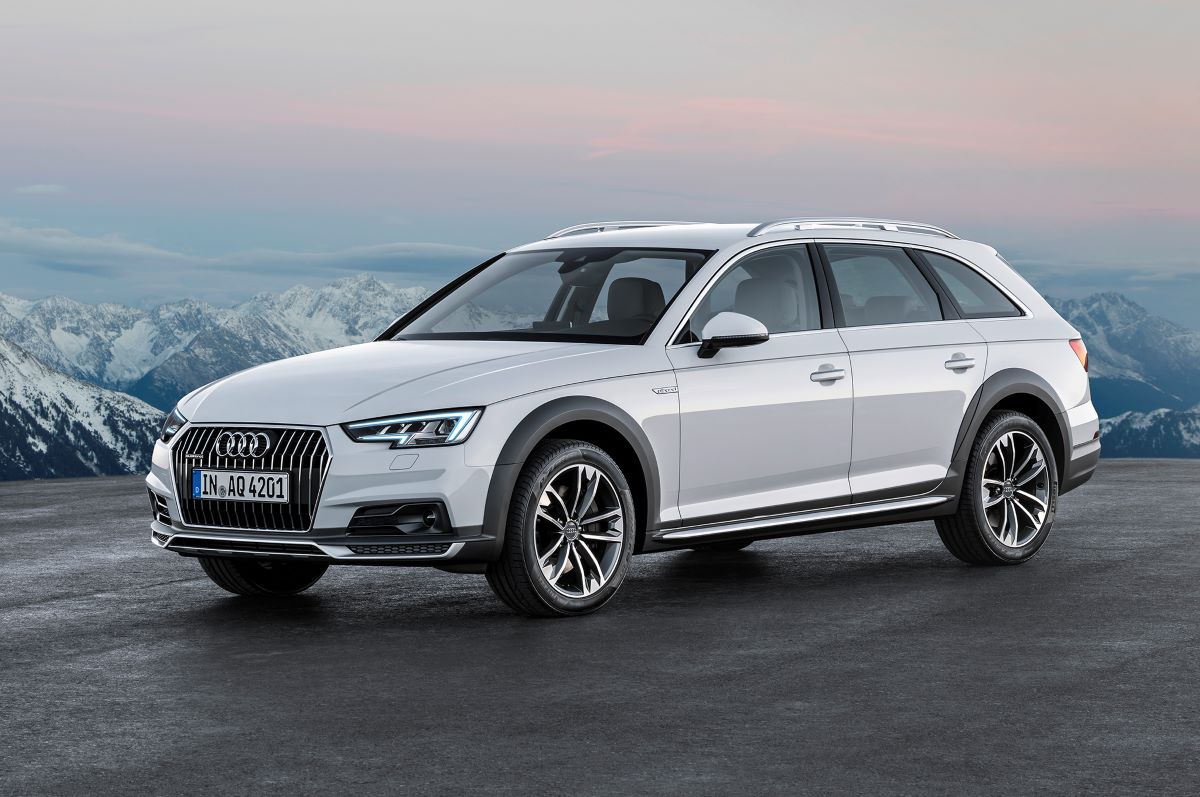
The Quattro all-wheel-drive system, while providing excellent traction, adds complexity and maintenance costs compared to front-wheel-drive competitors. Differential fluids need regular changes, and the additional driveline components can develop issues.
The turbocharged engines that power most A4 models provide impressive performance but add maintenance requirements and potential failure points. Turbocharger replacements are extremely expensive, and various turbo-related components can fail, each carrying a hefty price tag.
Electrical gremlins plague many A4 models as they age. Audi vehicles are packed with electronic systems, and as sensors, modules, and wiring deteriorate, strange issues emerge that are frustrating and expensive to diagnose and repair.
The check engine light seems to illuminate with depressing regularity on older A4 models, often for issues that require expensive parts or extensive diagnostic time.
Parts costs are high across the board, whether you need brake components, filters, or any other replacements. Depreciation is steep, meaning the A4 loses value quickly while maintenance costs remain high.
4. Jaguar XE
The Jaguar XE represents British luxury and sporting character, but it also represents one of the most financially risky sedan choices you can make.
Jaguar has struggled with reliability issues for decades, and while the brand has improved, the XE continues this tradition of being problematic and expensive to maintain.
The combination of complex engineering, questionable reliability, expensive parts, and limited service network creates a perfect storm of ownership costs that can quickly spiral out of control.
Reliability issues plague the XE across various systems. Electrical problems are common, with various sensors, control modules, and electronic systems failing prematurely.
The infotainment system is notoriously buggy, and fixes often require expensive dealer intervention or complete system replacements.
Engine problems have affected various XE models, including issues with timing chains, oil consumption, and turbocharger failures. These aren’t minor issues they’re expensive problems that can require major repairs or even complete engine replacements in extreme cases.
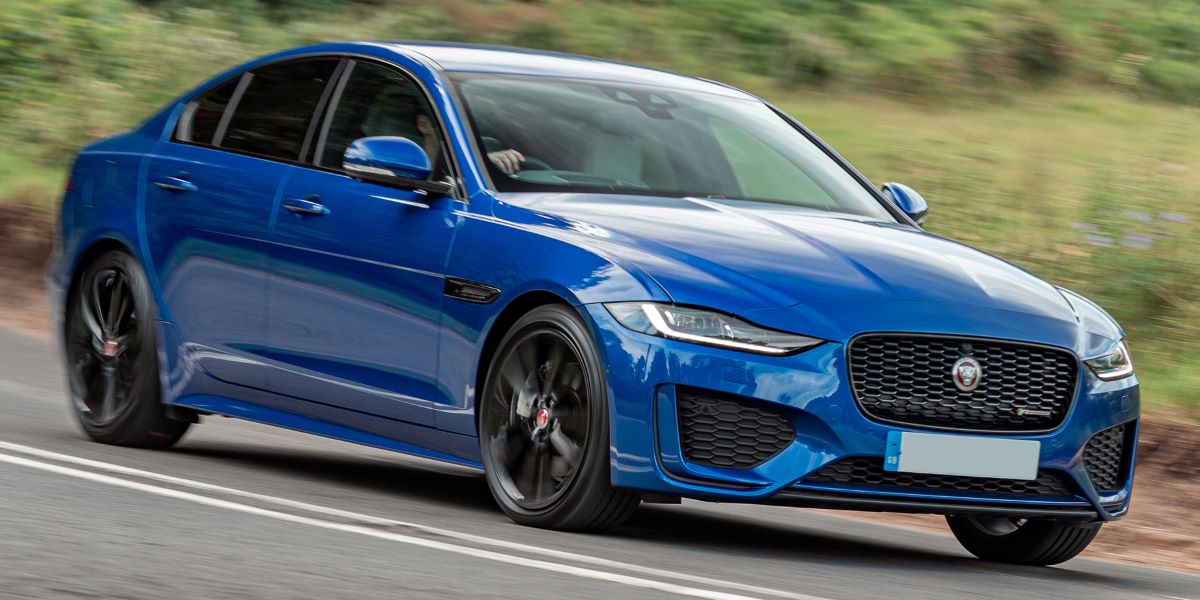
The parts costs for Jaguar are extremely high, reflecting the brand’s luxury positioning but not necessarily the quality you’d expect at these prices.
A routine component that might cost $50 for a Toyota can easily cost $200 or more for the equivalent Jaguar part. The labor costs are equally problematic because Jaguar’s limited dealer network and the relative rarity of the vehicles mean fewer independent mechanics are comfortable working on them.
This often forces owners to use dealers for service, where labor rates are premium and even routine maintenance becomes expensive.
The transmission in the XE, sourced from ZF, is generally reliable in other applications but has exhibited problems in Jaguar installations, with rough shifting, software issues, and occasional failures requiring expensive repairs.
While this makes used XE models seem attractively priced, the low prices are a warning sign rather than a bargain. The combination of frequent problems, expensive repairs, high parts costs, limited service options, and poor resale value makes the XE one of the riskiest sedan purchases you can make from a financial perspective.
5. Alfa Romeo Giulia
The Alfa Romeo Giulia is a stunning sedan that delivers passionate Italian design and impressive performance, but it also delivers an ownership experience fraught with reliability concerns and expensive repairs.
Alfa Romeo has a storied history but also a well-earned reputation for building beautiful cars that spend considerable time in repair shops. The Giulia continues this tradition, offering emotional appeal and driving excitement that come with the very real risk of substantial unexpected expenses.
Reliability issues with the Giulia are well-documented and varied. Electrical problems are common, ranging from infotainment glitches to complete system failures that leave the car inoperable.
Engine issues have affected various models, including problems with the turbochargers, fuel systems, and various sensors. The high-performance Quadrifoglio variant, while thrilling to drive, is particularly problematic and expensive to maintain.
Even routine reliability has been questionable, with some owners reporting multiple breakdowns and extended periods waiting for parts.
The parts situation for Alfa Romeo is particularly challenging. Not only are parts expensive, but availability can be problematic because Alfa Romeo’s small market presence means dealers don’t always stock common components.
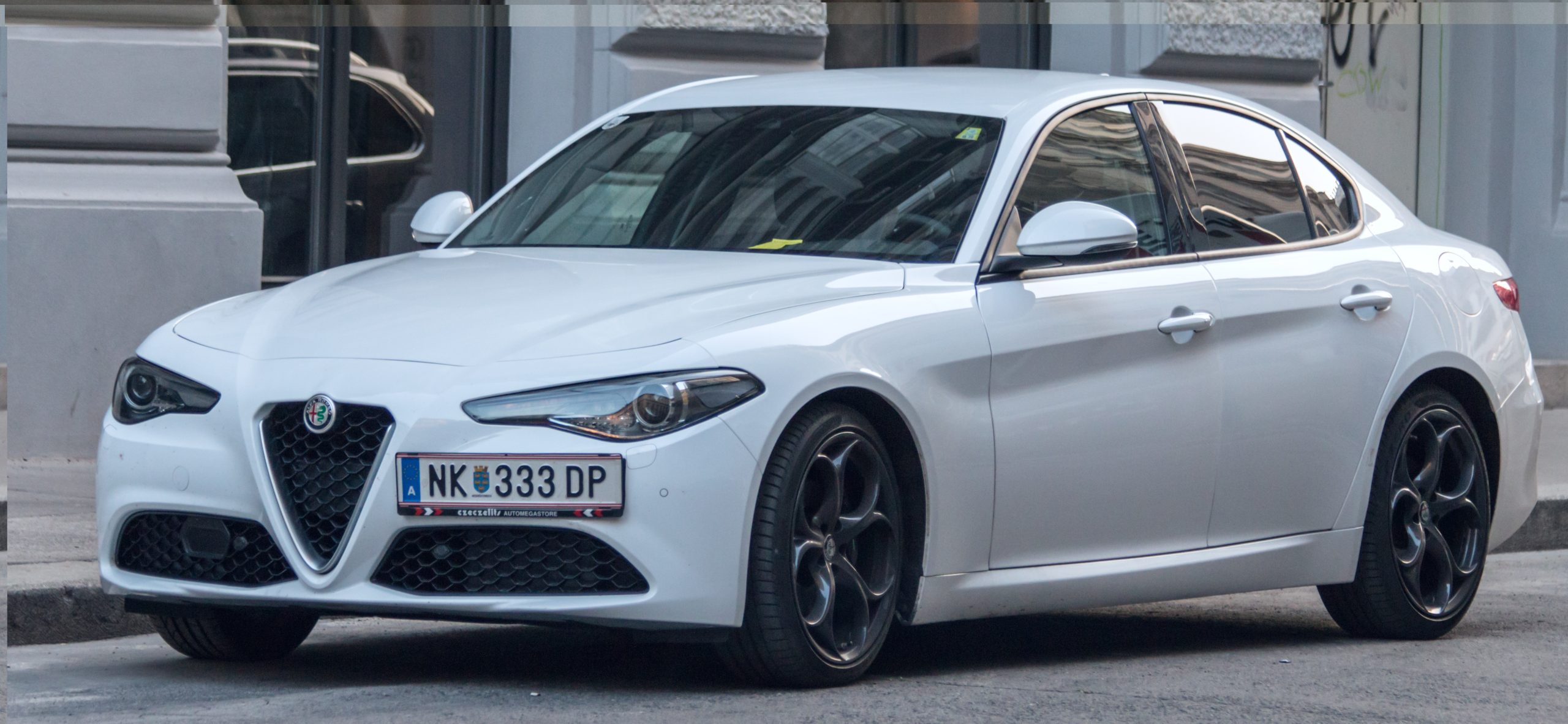
Waiting weeks for parts to arrive from Italy isn’t uncommon, leaving your car stranded and you without transportation. This combines the worst of both worlds high costs and poor availability.
When parts do arrive, the labor costs to install them are equally problematic because few independent mechanics are familiar with Alfa Romeo vehicles, forcing you toward dealers with premium labor rates.
The advanced technology in the Giulia, while impressive when functioning, becomes a liability when issues arise. The various electronic systems, adaptive suspension, performance-oriented components, and complex engines all represent potential failure points that are expensive to diagnose and repair.
The Giulia’s ownership experience can be summed up as offering high highs when everything works, but frequent lows when problems emerge and with the Giulia, problems seem to emerge with troubling regularity.
Also Read: 5 Models With Simple Cruise Control vs 5 With Too Many Buttons
