
The family road trip: it’s either a cherished bonding experience filled with laughter and adventure, or a mobile nightmare punctuated by “Are we there yet?” every five minutes.
The difference between these two scenarios often comes down to one crucial factor the vehicle you choose. While no car can magically transform restless children into perfect angels, the right automobile can dramatically reduce stress levels and create an environment where kids actually enjoy the journey.
Modern family vehicles have evolved far beyond simple transportation. Today’s top family haulers feature entertainment systems that rival home theaters, climate controls with separate zones to end temperature wars, and ingenious storage solutions that keep snacks, toys, and essential supplies within arm’s reach.
They offer USB ports at every seat, wireless connectivity, and spacious interiors where kids can stretch out rather than feeling like sardines in a can.
On the flip side, some vehicles seem almost deliberately designed to amplify every complaint, magnify every discomfort, and turn a pleasant weekend getaway into a test of parental endurance.
These automotive torture chambers feature cramped quarters, deafening road noise, inadequate climate control, and zero entertainment options beyond watching the scenery blur past.
Whether you’re planning a cross-country adventure or just a few hours to grandma’s house, choosing the right vehicle can mean the difference between arriving refreshed and ready for fun, or needing a vacation from your vacation. Let’s explore the champions and the catastrophes of family road-tripping.
5 Road-Trip Cars That Keep Kids Smiling
These exceptionally family-friendly vehicles feature powerful rear climate controls and generous legroom that maintain comfortable conditions for young passengers during marathon drives, eliminating the temperature complaints and cramped positions typically causing backseat meltdowns on extended journeys.
Their thoughtful engineering includes multiple USB charging ports and accessible cupholders that resist the device-battery anxiety and spilled-drink disasters found in poorly planned interiors lacking adequate power outlets or stable beverage storage within children’s reach.
From smooth ride quality preventing motion sickness to quiet cabins allowing nap time without road noise disturbance, these remarkable vehicles continue keeping families peaceful without the constant “are we there yet” complaints or sibling fighting that ruins vacation drives.
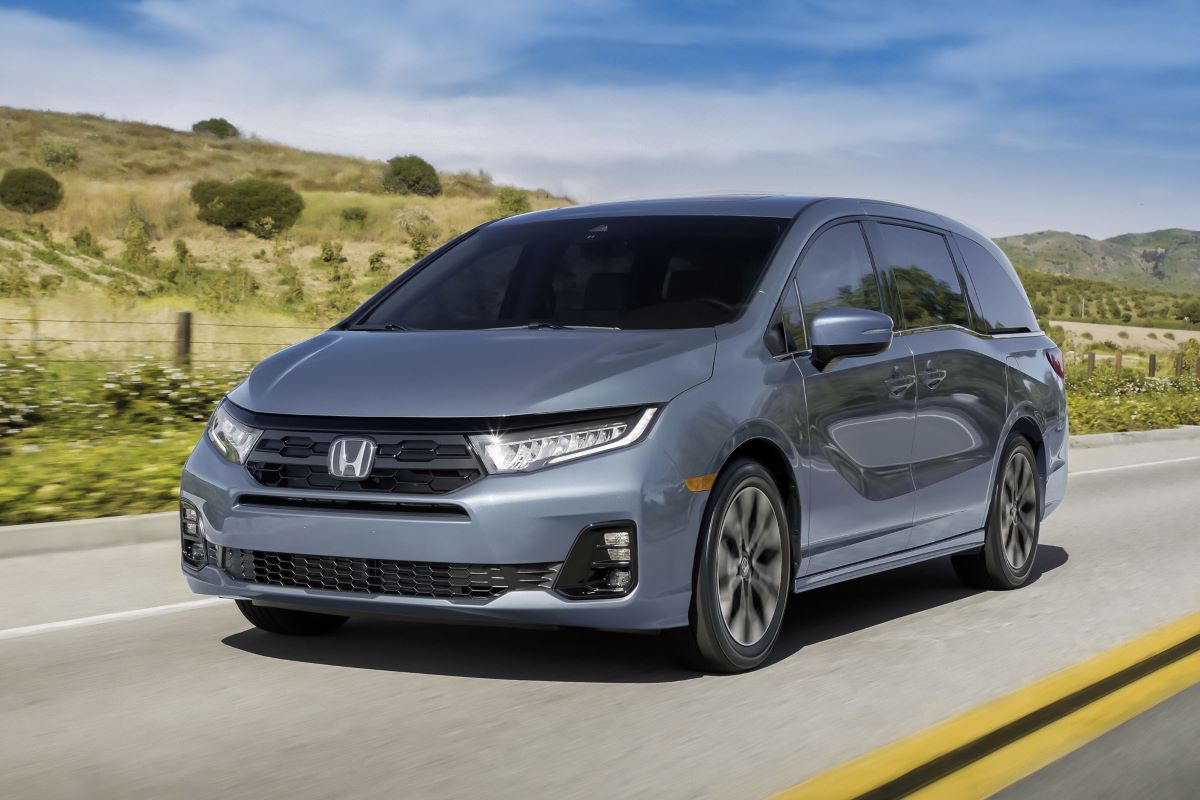
1. Honda Odyssey
The Honda Odyssey isn’t just a minivan; it’s a rolling family room that happens to have wheels. This people-mover has earned its reputation as the gold standard for family road trips, and once you spend time in one, you’ll understand why parents rave about it with almost cult-like devotion.
The centerpiece of the Odyssey’s kid-friendly arsenal is its available rear entertainment system, featuring a massive 10.2-inch split screen that lets kids watch different content simultaneously. No more fighting over whether to watch “Frozen” for the hundredth time or that dinosaur documentary.
Parents can stream content directly from their smartphones, and the system includes multiple HDMI inputs for gaming consoles. Yes, you can bring the Xbox on vacation, though whether you should is a parenting decision we’ll leave to you.
But the Odyssey’s genius extends beyond just keeping eyeballs glued to screens. The CabinWatch system uses a ceiling-mounted camera to give parents a crystal-clear view of the back seats on the dashboard display.
No more dangerous over-the-shoulder checks to see if your toddler is choking on a Goldfish cracker or if your teenager is actually doing homework. At night, an infrared mode lets you monitor sleeping children without flooding the cabin with light.
The CabinTalk feature is equally brilliant it’s essentially an intercom system that broadcasts your voice through the rear speakers. Instead of shouting yourself hoarse over road noise and Bluey episodes, you simply speak into the microphone built into the dashboard, and your kids hear you clearly in the back.
It’s perfect for giving directions to a rest stop, asking who needs a bathroom break, or telling everyone to look at that amazing sunset. The ride quality is impressively smooth, with excellent sound insulation that keeps road noise to a minimum.
The available heated and ventilated front seats keep parents comfortable, while tri-zone automatic climate control ensures the kids in back aren’t either freezing or melting. The cabin is genuinely spacious, with plenty of headroom and legroom even for growing teenagers.
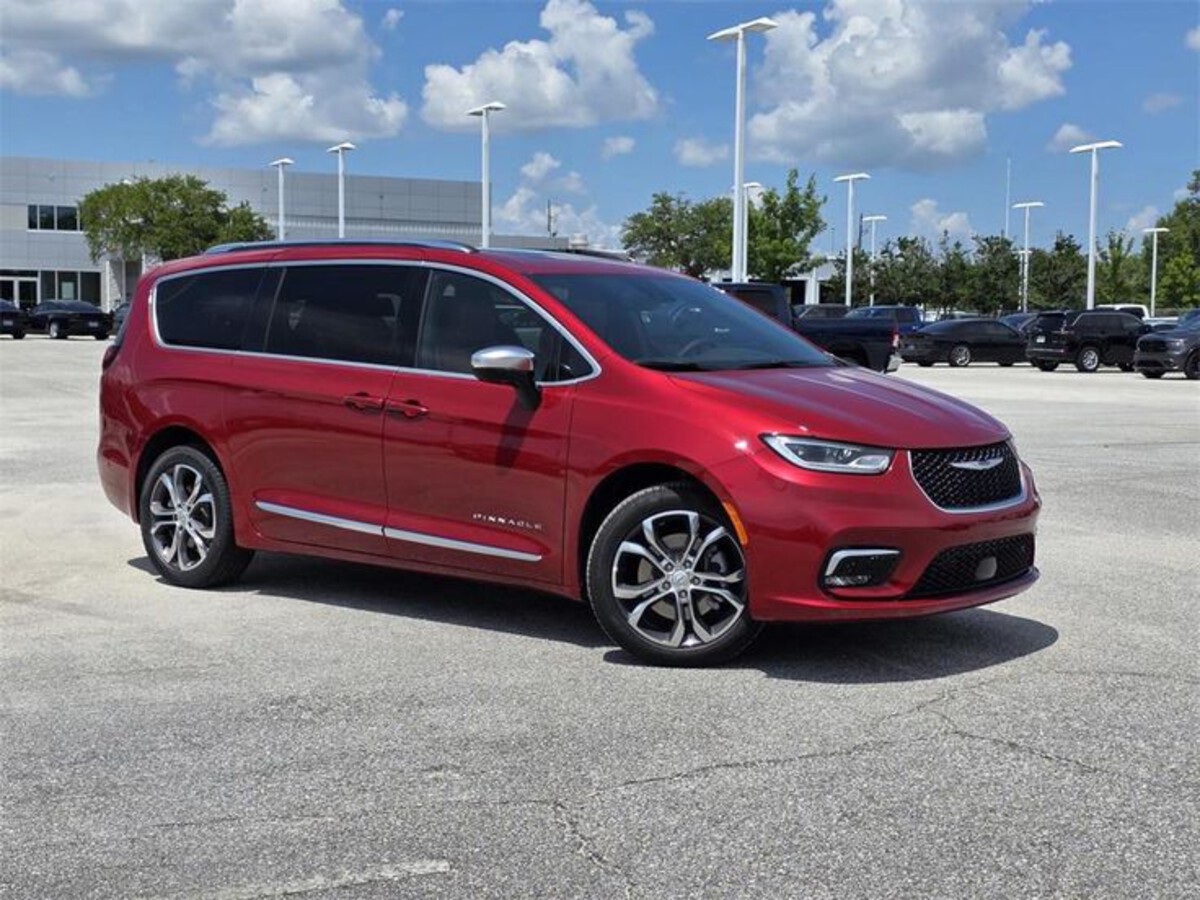
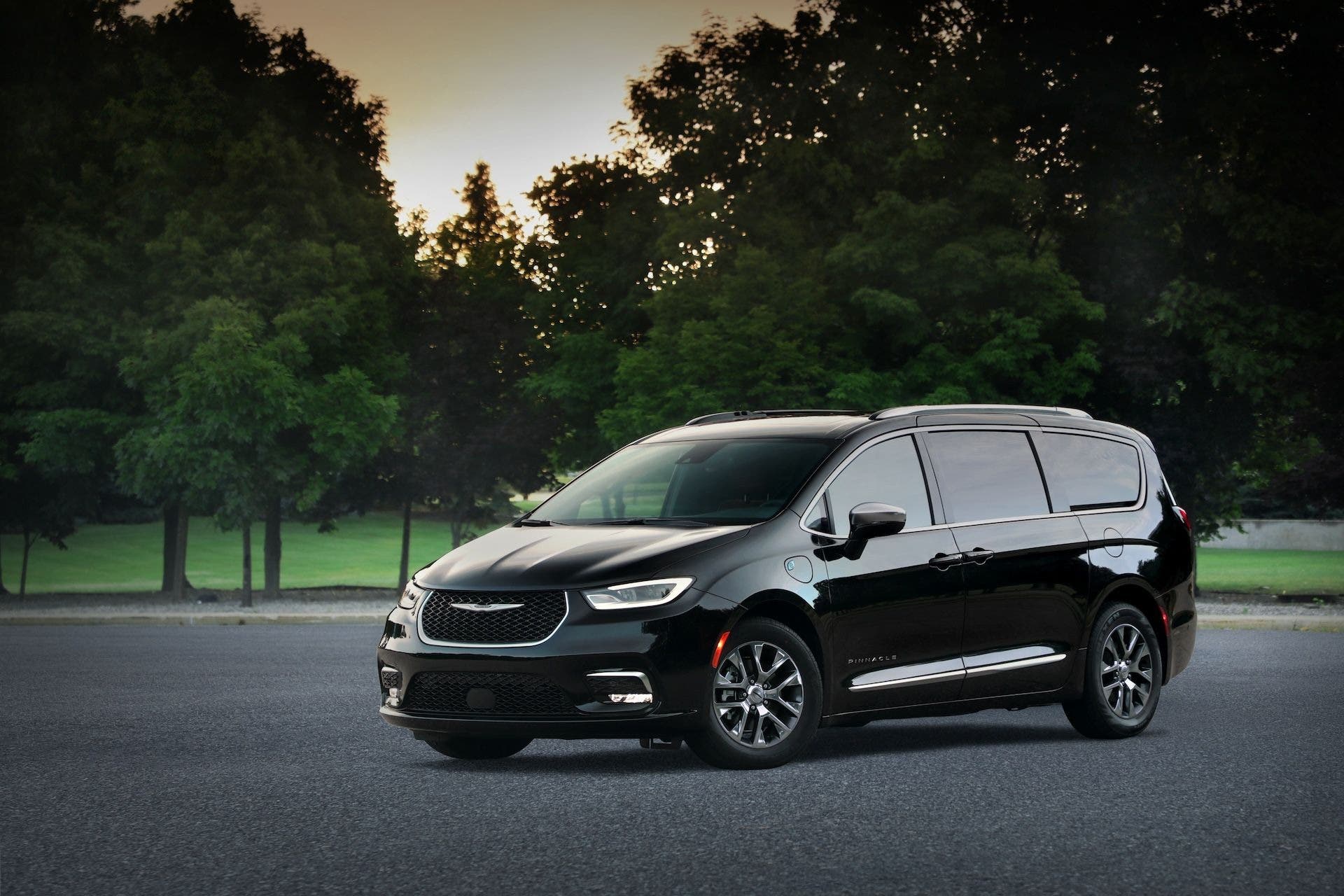
2. Chrysler Pacifica
The Chrysler Pacifica takes everything great about the minivan concept and adds innovative touches that seem designed by someone who actually takes road trips with children. This is the vehicle that proves minivans aren’t boring they’re brilliant when done right.
The Pacifica’s party trick is its available Uconnect Theater system, which provides dual 10.1-inch touchscreens mounted on the back of the front seats. These aren’t just video players; they’re full Android tablets that can run apps, games, and streaming services.
Kids can use wireless headphones to listen to their content without driving parents crazy, and the system includes wireless streaming from smartphones via Blu-ray capabilities.
The fact that these screens are built-in rather than clip-on accessories means they’re sturdy, properly positioned, and integrated with the vehicle’s power systems.
What truly sets the Pacifica apart is its thoughtful approach to family comfort. The Stow ‘n Go seating system allows the second and third rows to fold completely flat into the floor, creating a massive cargo area when needed.
More impressively, the floor storage bins that house the seats when they’re folded also serve as perfect hiding spots for road trip essentials when the seats are in use. Stash snacks, toys, emergency clothes, and entertainment options in these bins, and they’re out of sight but instantly accessible.
The FamCAM interior camera does more than just let you watch the kids it can also record video and take photos of those precious road trip moments.
Capture your daughter’s face when she spots her first mountain, or document your son’s elaborate road trip snack creation. These become cherished memories that transcend the typical blurry smartphone photo taken over your shoulder while driving.
Climate control in the Pacifica is exceptional, with four-zone automatic temperature control that gives everyone their perfect environment.
The second-row captain’s chairs are genuinely comfortable for long hauls, with available heating and power adjustments. USB charging ports and power outlets are scattered throughout all three rows, ensuring that devices never die mid-entertainment.
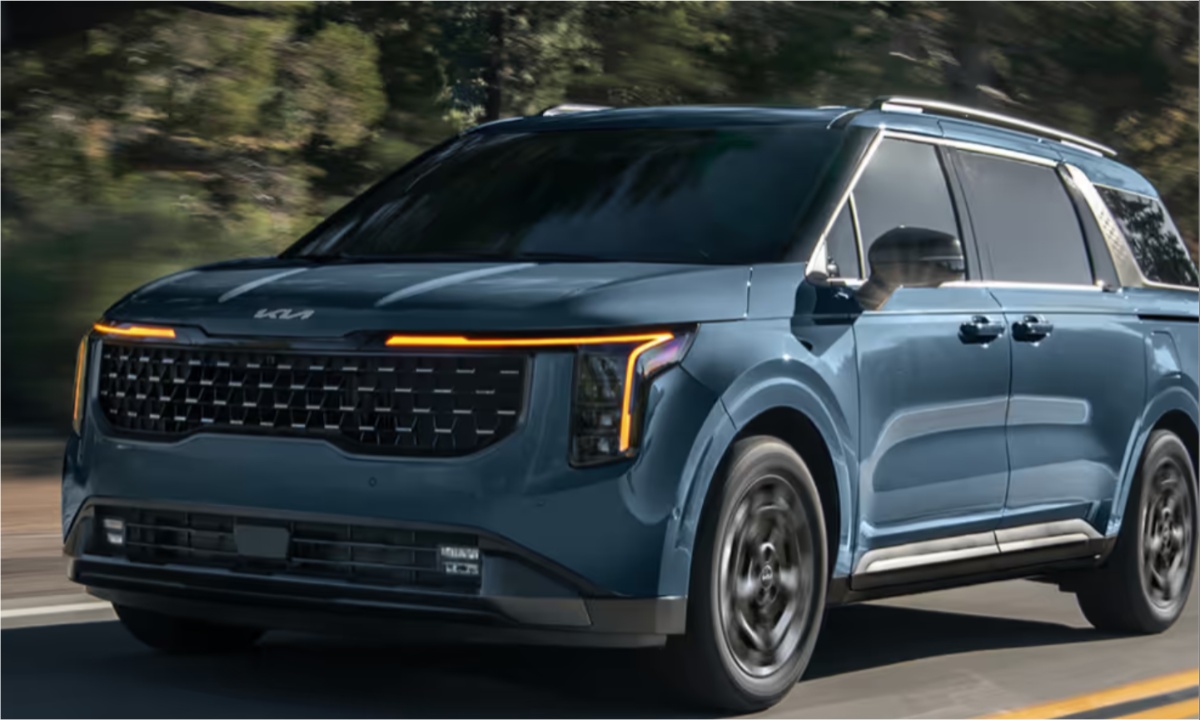
3. Kia Carnival
The Kia Carnival (formerly known as the Sedona) is the minivan that almost isn’t a minivan at least according to Kia’s marketing, which cheekily refers to it as a “Multi-Purpose Vehicle.”
Call it what you like; this is a supremely capable family hauler that delivers premium features at a surprisingly affordable price point. The Carnival’s dual 12.3-inch displays one for the instrument cluster and one for the infotainment system create a high-tech dashboard that wouldn’t look out of place in a luxury sedan.
The interface is intuitive and responsive, making it easy to queue up entertainment, adjust climate settings, or find the nearest rest stop with clean bathrooms.
The available dual sunroofs flood the cabin with natural light, creating an airy, open feeling that helps prevent claustrophobia on long drives.
Where the Carnival truly shines is in its rear-seat luxury. The available VIP Lounge Seating in the second row transforms the middle seats into business-class airline chairs, with power-adjustable leg rests and ottomans.
Your kids can recline in genuine comfort, stretching out for naps or settling in for a movie marathon. These seats slide, recline, and adjust in multiple ways, allowing each child to find their perfect position.
The rear entertainment system features dual screens with HDMI connectivity, wireless headphone compatibility, and streaming capabilities.
What makes it particularly clever is the integration with the vehicle’s 12-speaker Bose premium audio system. When the kids aren’t using their headphones, the entertainment can play through the excellent speakers, turning the Carnival into a mobile cinema with genuinely impressive sound quality.
The Carnival rides smoothly and quietly, with excellent sound deadening that keeps wind and road noise at bay. The suspension soaks up bumps with aplomb, preventing the jarring impacts that can wake sleeping children or trigger car sickness.
The available highway driving assist system provides semi-autonomous driving capabilities that reduce driver fatigue on long stretches of interstate, making the journey less exhausting for parents.
4. Toyota Highlander
For families who want the practicality of three rows but prefer the commanding driving position and available all-wheel drive of an SUV, the Toyota Highlander represents the sweet spot.
This is the vehicle that can handle the school run, the road trip, and the occasional dirt road to the remote campground with equal competence.
The Highlander’s interior is spacious and comfortable, with seating for up to eight passengers across three rows. The second-row captain’s chairs (in seven-passenger configurations) are wide, comfortable, and offer plenty of adjustment.
Even the third row is genuinely usable for adults on shorter trips, and it’s actually comfortable for kids on extended journeys a rarity in the three-row SUV segment where the wayback is often a punishment rather than a seating position.
Toyota’s available rear-seat entertainment system features an 11.6-inch display mounted on the back of the front center console, positioned perfectly for second-row passengers.
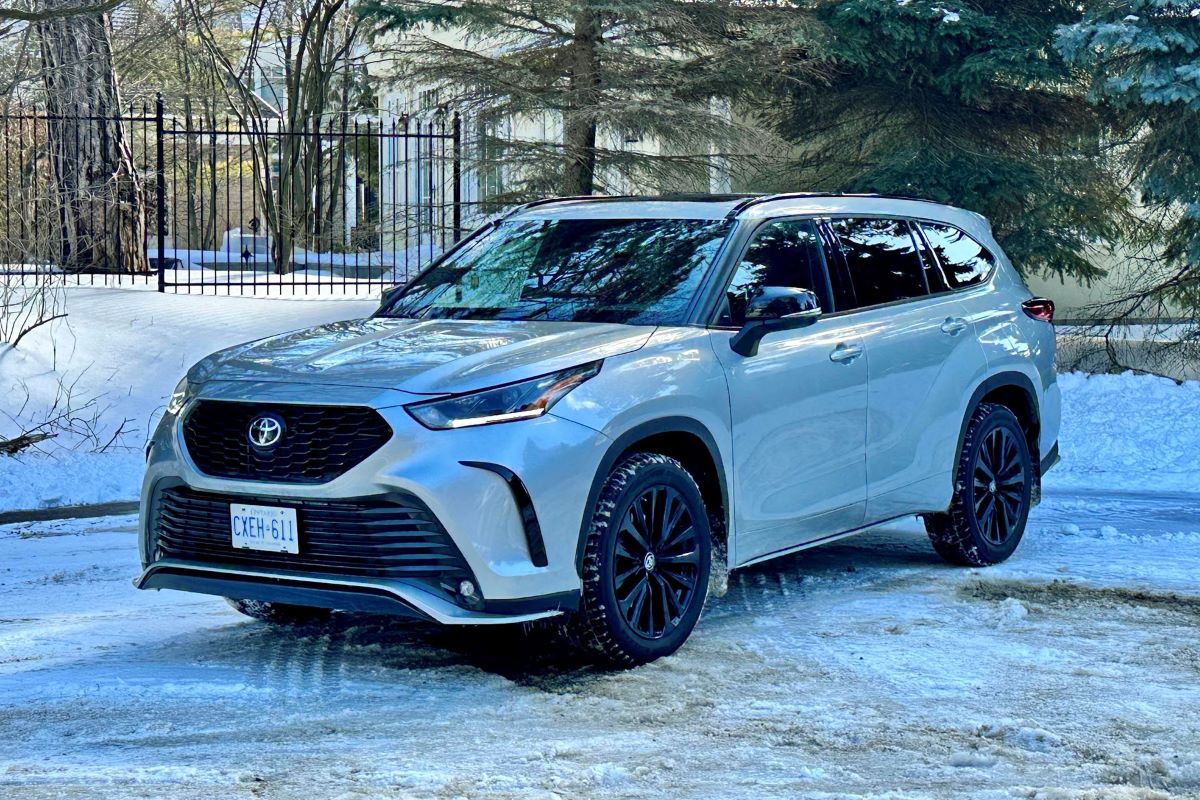
The system includes Blu-ray capability, HDMI inputs for gaming systems, wireless headphone connectivity, and streaming from smartphones. The screen is large enough that third-row passengers can see it too, eliminating the need for duplicate systems.
What makes the Highlander particularly road-trip-worthy is its exceptional reliability and fuel efficiency. Toyota’s reputation for building vehicles that run forever without major issues provides genuine peace of mind when you’re far from home.
The hybrid powertrain, available across the lineup, delivers impressive fuel economy that approaches 35 mpg in combined driving. When you’re covering serious miles, those savings at the pump add up quickly while also meaning fewer stops for fuel and fewer opportunities for restless kids to melt down at sketchy gas stations.
Climate control is sophisticated, with tri-zone automatic temperature control and powerful ventilation that can quickly cool down or warm up the cabin.
Rear USB ports keep devices charged, and Toyota’s infotainment system includes integration with Apple CarPlay and Android Auto, making it easy to access familiar apps and streaming services for entertainment variety.
Also Read: 7 Cars Perfect For First Snow Trips vs 7 You’ll Dread
5. Tesla Model X
The Tesla Model X brings electric propulsion and cutting-edge technology to the family road trip equation, creating an experience unlike any traditional vehicle.
This is the choice for families who want to embrace the future while keeping their kids entertained with features that feel borrowed from science fiction.
The centerpiece of the Model X experience is its massive 17-inch center touchscreen that controls virtually everything in the vehicle. Kids are mesmerized by the interface, which includes entertainment options, games, and even a built-in web browser for internet access during charging stops.
The screen’s responsiveness and visual appeal make it feel more like an iPad than a traditional car interface, immediately capturing children’s attention and interest.
Tesla’s Arcade includes multiple video games that can be played on the screen using wireless controllers, turning charging stops into gaming sessions rather than boring waits.
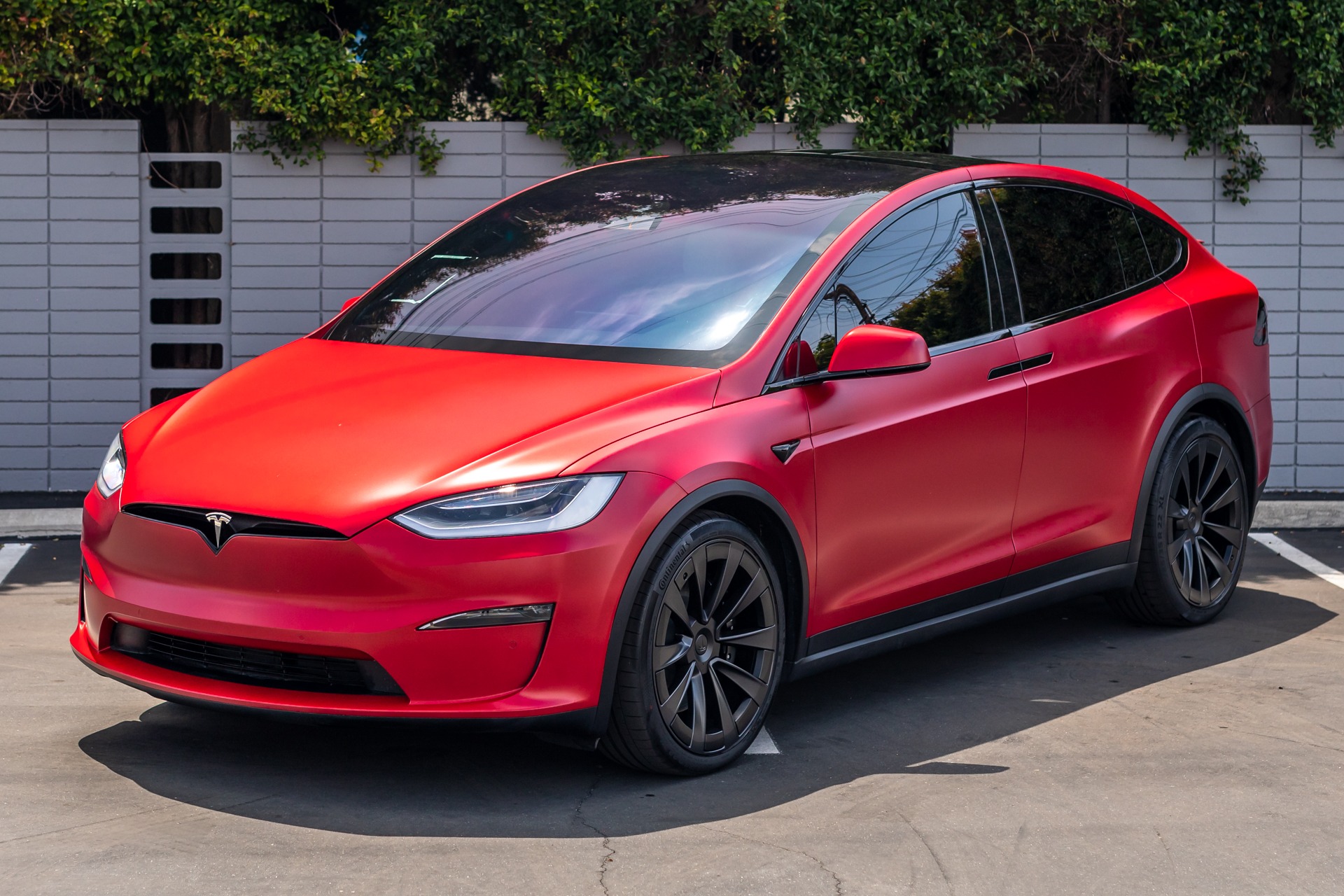
The sound system is exceptional a 22-speaker setup that delivers concert-quality audio whether you’re listening to music, audiobooks, or movie soundtracks. The theater mode allows streaming from Netflix, YouTube, and other services when parked, perfect for dinner break entertainment.
The Model X’s party piece is its distinctive falcon-wing rear doors that swing up rather than out. Kids absolutely love these doors they feel like they’re entering a spacecraft rather than a regular car.
The doors also have practical benefits, making it easier to load kids and car seats in tight parking spaces where traditional doors would hit adjacent vehicles. As an electric vehicle, the Model X requires planning around Supercharger stops rather than traditional gas stations.
This actually benefits family road trips Tesla’s Superchargers are typically located near restaurants and amenities, and the 20-30 minute charging time provides a natural break for kids to stretch legs, use clean restrooms, and burn off energy. The vehicle’s navigation system automatically plans charging stops, eliminating range anxiety.
5 Cars That Turn Road Trips Into Ordeals
These frustrating vehicles suffer from inadequate rear ventilation and cramped second-row seating that create miserable conditions for children during long drives, forcing constant temperature complaints and uncomfortable positions that guarantee backseat chaos before reaching highway speeds.
Their problematic design includes insufficient charging ports and poorly positioned cupholders that cannot prevent the device-death tantrums or inevitable drink spills that transform peaceful drives into screaming nightmares within the first hour.
Despite modern technology features and attractive exterior styling, these vehicles torture families through their harsh ride quality causing carsickness, excessive road noise preventing rest, and complete lack of rear climate control leaving backseat passengers sweating or freezing regardless of front settings.
1. Sports Cars and Coupes
Attempting a family road trip in a sports car or two-door coupe is like trying to fit an elephant into a phone booth, theoretically possible but deeply inadvisable.
These vehicles are designed for excitement, performance, and style, with absolutely zero consideration for the needs of children on long journeys.
The fundamental problem starts with access. Two-door vehicles require folding or sliding the front seats forward to access the back, turning every entry and exit into an awkward gymnastics routine.
For young children in car seats, this means parents must contort themselves into pretzel shapes while wrestling with car seat buckles in a cramped space.
Older kids must climb over seats, inevitably stepping on upholstery with dirty shoes and bumping heads on the low roof. At rest stops, getting everyone out and back in becomes a time-consuming ordeal that tests patience.
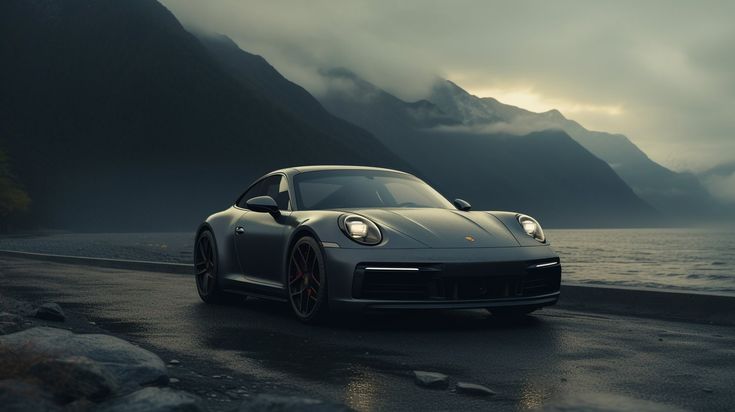
The back seats in sports cars and coupes aren’t really seats they’re suggestions of seats, vestigial appendages that exist primarily so insurance companies will classify the vehicle as a four-seater.
Legroom is measured in centimeters rather than inches. Headroom assumes your passengers are children under eight years old. After an hour, limbs go numb. After two hours, kids enter a state of genuine physical discomfort that no amount of entertainment can offset.
Noise levels are often terrible for kid comfort. Many sports cars have loud exhaust notes that sound thrilling to enthusiasts but grating to children.
Wind noise from the aggressive aerodynamics, road noise from performance tires, and engine noise from enthusiastic driving all combine to create a din that makes conversation difficult and ensures entertainment audio must be turned up to painful volumes.
2. Basic Economy Sedans
Small economy sedans like base-model Nissan Versas, Mitsubishi Mirages, or stripped-down compact cars might seem like practical transportation, but for family road trips, they’re exercises in minimalism that quickly become miserable.
The fundamental issue is space or rather, the complete lack thereof. These vehicles barely have enough room for adults to sit comfortably in the front seats, let alone provide adequate space for growing children in the back.
On trips longer than an hour, everyone begins feeling the squeeze. Kids’ knees press into the front seatbacks, elbows battle for armrest territory, and there’s no possibility of stretching out or finding a comfortable sleeping position.
Entertainment options in base economy cars are laughable by modern standards. You’ll likely get an AM/FM radio and maybe a USB port if you’re lucky.
No rear entertainment screens, no Wi-Fi hotspot, no wireless charging, and possibly no Bluetooth connectivity. Kids are left to their own devices literally bringing tablets or phones and hoping the battery lasts because charging options are limited.
The lack of rear USB ports means fighting over a single front-seat charger or investing in splitters and dealing with cables snaking throughout the car.
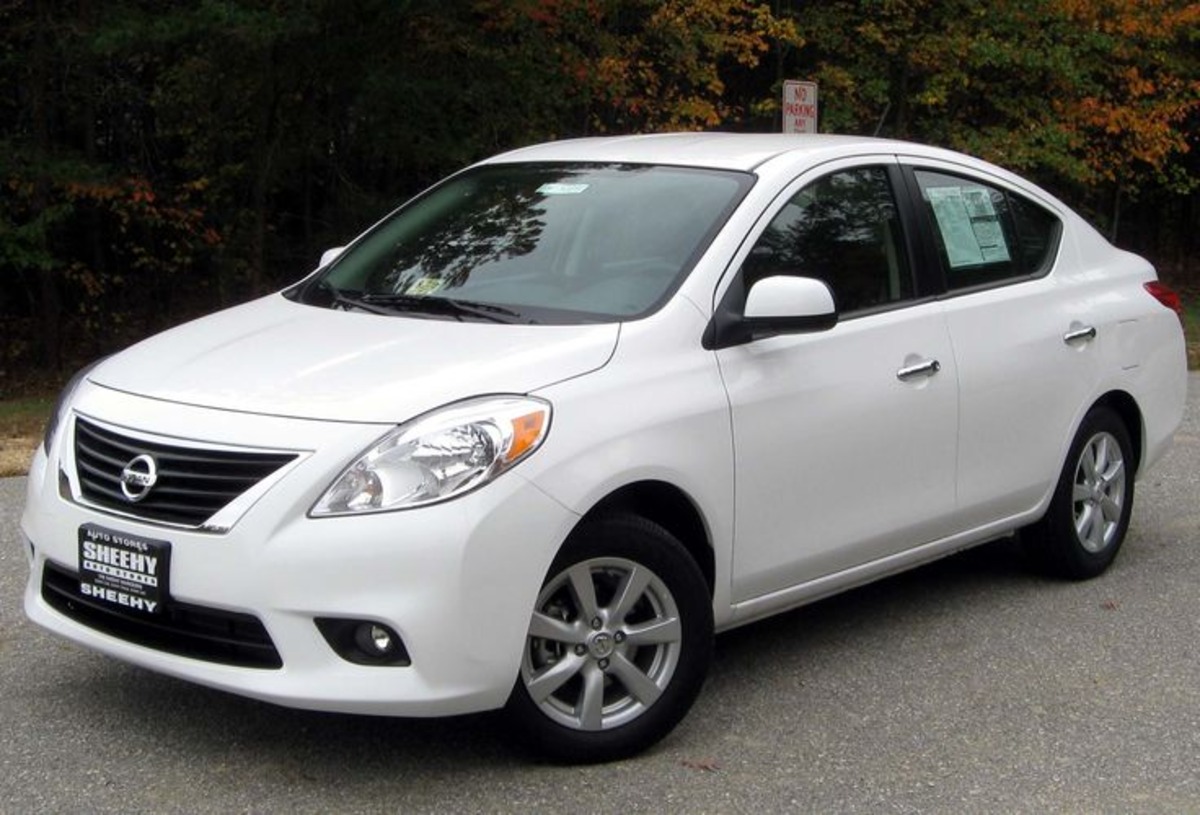
Climate control in budget vehicles is primitive at best. You might get air conditioning or you might get a system so weak it struggles to cool the cabin on hot days.
Manual temperature controls mean no separate zones for front and rear passengers, inevitably leading to battles where someone is too hot while someone else is freezing.
Rear passengers often receive minimal airflow from the vents, leaving kids sweaty and uncomfortable in the back while parents enjoy marginal comfort up front.
Storage solutions are practically nonexistent. Cupholders might number four total barely adequate for drinks, leaving no space for phones, toys, or snacks.
There are no seat-back pockets, no door bins large enough for anything substantial, and no center console storage worth mentioning. Everything ends up on laps or the floor, creating chaos and ensuring that anything important becomes immediately lost in the jumble.
Ride quality suffers from the aggressive cost-cutting that defines these vehicles. Thin seats provide minimal support, suspension components are basic, and sound insulation is virtually absent.
Road noise, wind noise, and engine noise combine to create a cacophony that makes conversation difficult and ensures kids can’t hear their tablets without cranking the volume to hearing-damage levels.
3. Full-Size Pickup Trucks
Modern full-size pickup trucks have gotten massive, with imposing exteriors that promise space and capability. But for families attempting road trips, especially those with young children, these beasts present numerous challenges that make the journey considerably less pleasant than it should be.
The primary issue is the crew cab rear seat configuration. While truck manufacturers boast about rear seat space, the reality is often disappointing.
The seats are typically upright and firm designed more for durability than comfort. They lack the contoured support and adjustability found in dedicated family vehicles. On multi-hour drives, kids find themselves squirming constantly, unable to find a comfortable position for sleeping or relaxing.
Getting kids in and out of trucks is a genuine ordeal. The high ride height that looks imposing and provides ground clearance also means children must climb up into the vehicle rather than simply stepping in.
For toddlers in car seats, parents must lift them to shoulder height or higher while simultaneously managing buckles and straps. Running boards help but don’t fully solve the problem. At rest stops in the rain or snow, getting kids out involves them climbing down into puddles or slush there’s no avoiding it.
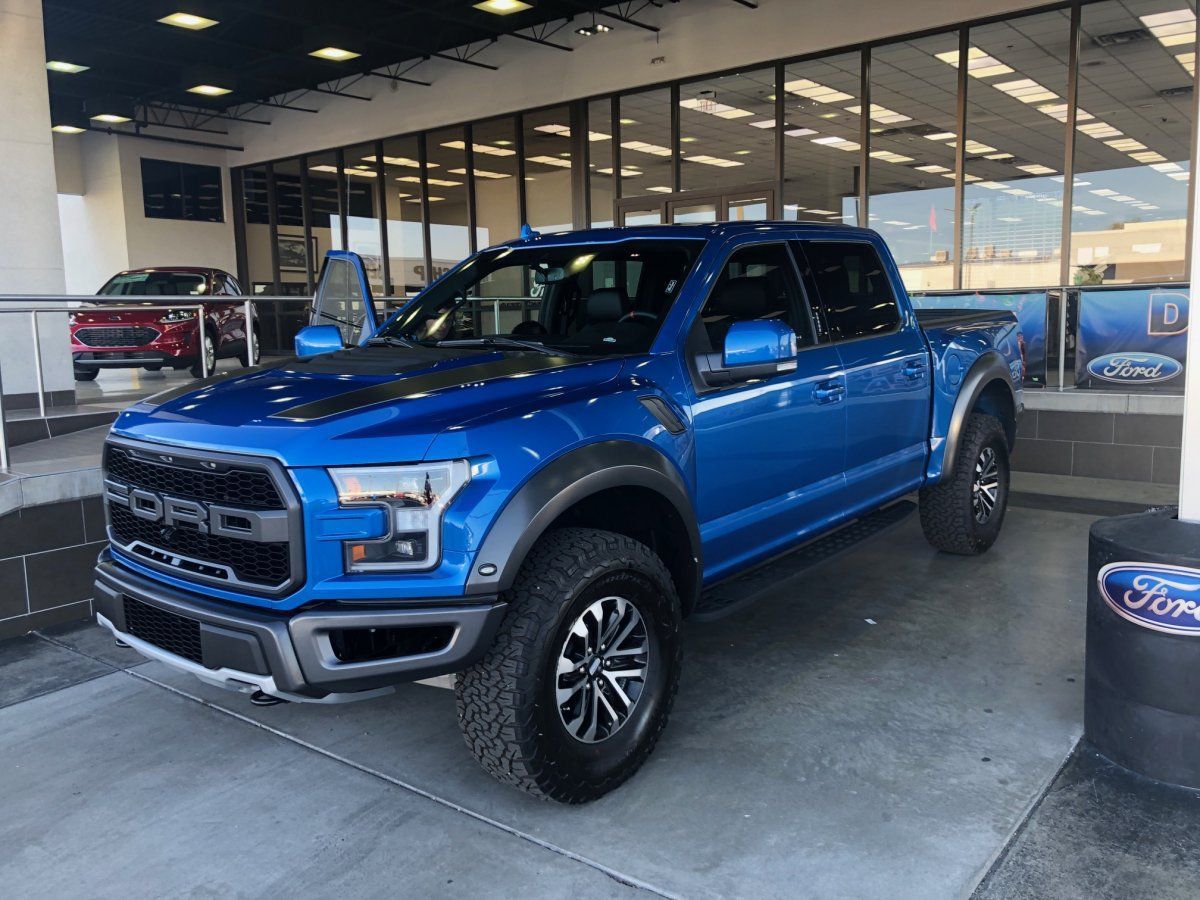
The rear windows in crew cab trucks are often smaller than those in SUVs or minivans, limiting kids’ views of the passing scenery. This contributes to boredom and can exacerbate car sickness in susceptible children.
The upright seating position and limited sightlines make the back seat feel more confining than the actual dimensions suggest. Storage inside the cabin is paradoxically limited despite the truck’s massive exterior dimensions.
The rear seat typically offers minimal under-seat storage, and there are few cubbies, bins, or organizers for the endless parade of snacks, toys, devices, and supplies that family road trips demand.
The center console might be large, but it’s primarily designed for the front occupants. Everything ends up piled on the rear seat or floor, creating chaos and discomfort.
Fuel economy is abysmal, even in modern trucks with advanced powertrains and aerodynamics. Long road trips mean frequent fuel stops which would be fine except that refueling a massive tank takes considerable time, and kids interpret every stop as an opportunity to plead for snacks, toys, or bathroom breaks even if they don’t actually need them.
4. Compact Three-Row SUVs
Compact three-row SUVs like the Volkswagen Tiguan, Nissan Rogue, or Mitsubishi Outlander promise the versatility of three-row seating in a more manageable package.
The reality is they deliver the worst of both worlds: cramped interiors wrapped in bulky exteriors that are difficult to park and thirsty at the pump.
The third row in these vehicles is a joke a space so small that even children find it uncomfortable for anything beyond short trips around town.
On actual road trips, relegating kids to the wayback becomes a form of punishment. There’s virtually no legroom, the seats are thin and unsupportive, and accessing the third row requires elaborate folding and sliding of the second row that takes minutes each time.
Once imprisoned back there, kids can’t see much out the tiny windows and feel isolated from the rest of the family. Even the second row disappoints in these stretched compact platforms. In order to accommodate the third row, manufacturers reduce second-row legroom, creating a situation where no one is comfortable.
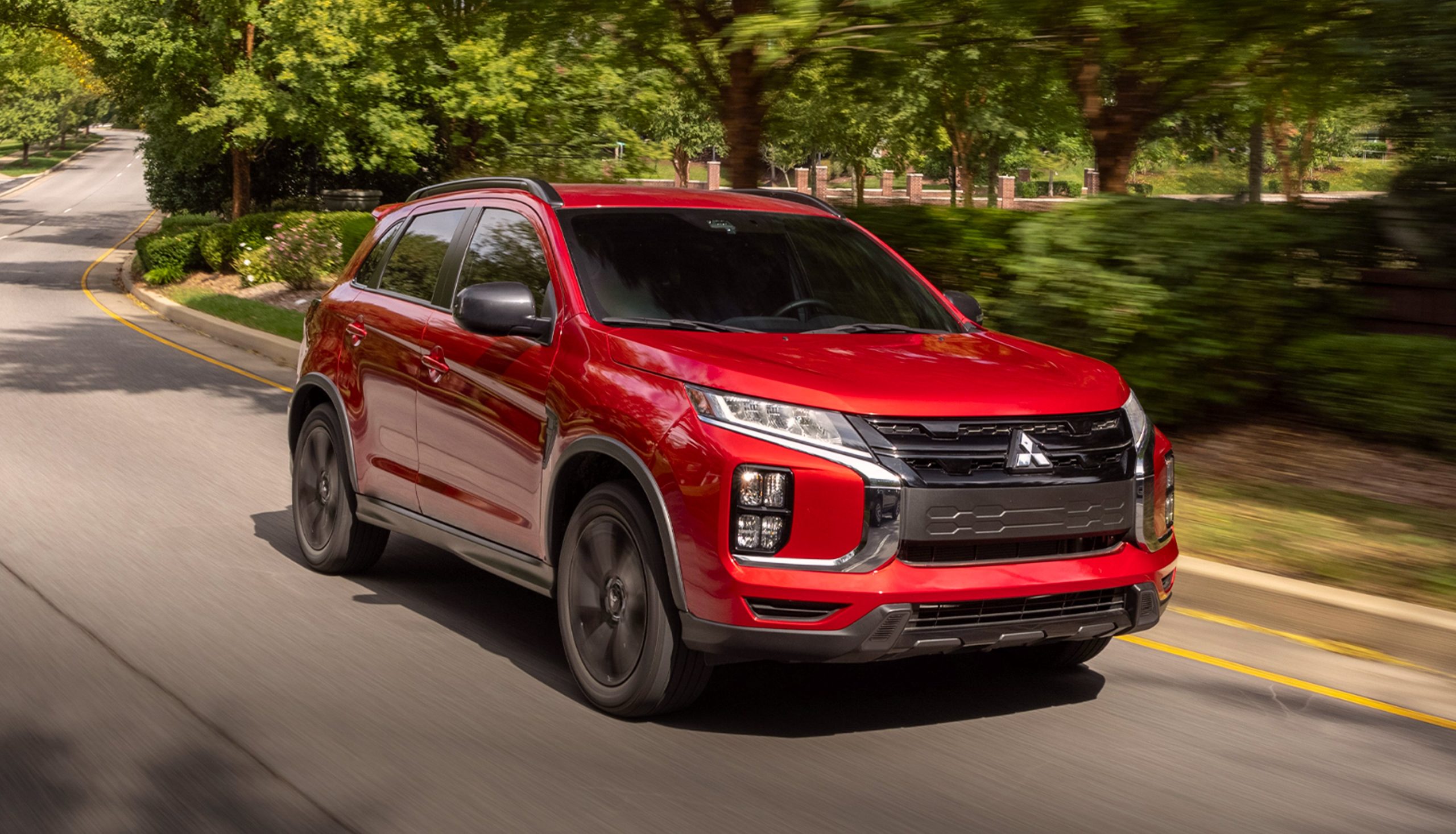
The middle seat in the second row is typically a miserable perch with a raised floor, limited width, and proximity to two siblings a guaranteed recipe for conflict on long drives.
Storage becomes an impossible puzzle in compact three-rows with all seats in use. The cargo area behind the third row is measured in grocery bags rather than suitcases.
A family of five or six attempting a road trip must engage in Tetris-level packing skills or resort to roof boxes and even then, there’s simply not enough space for the supplies a multi-day trip requires.
You end up stuffing items around passengers’ feet or on laps, reducing the already-limited space even further. Entertainment and amenity features are typically absent or underwhelming in these segments. You won’t find rear entertainment screens, advanced climate control systems, or thoughtful storage solutions.
These are fundamentally economy vehicles masquerading as family haulers, and the compromises become glaringly obvious on road trips where comfort and features actually matter.
5. Aging Minivans and SUVs Without Modern Features
The family vehicle from 2008 might have served admirably when it was new, but attempting road trips in 15-year-old minivans or SUVs without modern convenience features is like time-traveling to a less comfortable era.
These older vehicles lack the technology and refinement that have become essential for maintaining kid sanity on long drives. The absence of modern connectivity and entertainment is the most glaring deficit.
No USB ports means devices die mid-journey, leading to bored, cranky kids with no entertainment options beyond staring out windows or fighting with siblings.
Rattles and squeaks that you’ve learned to ignore at home become maddening background noise on road trips. Climate control blowers whine, door seals whistle in the wind, suspension components clunk over bumps, and the whole vehicle just feels tired and worn out because it is.
Also Read: 5 Models With Easy Trunk Pass-Through vs. 5 Models With Blocked Backs
