
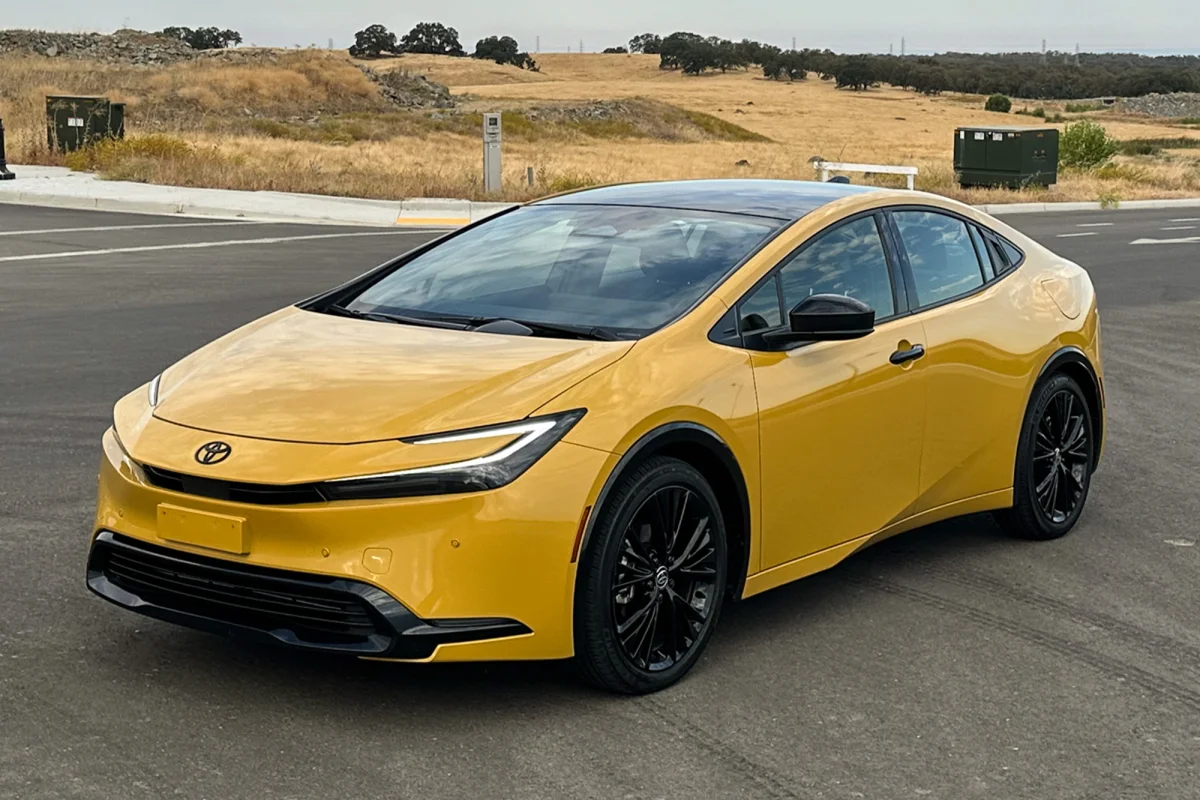
The automotive industry’s shift toward hybrid technology has created an intriguing financial world for car buyers. While hybrids promise reduced fuel costs and environmental benefits, the reality of their economic value varies dramatically across different models.
The fundamental question facing potential buyers is straightforward yet complex: will the fuel savings justify the premium price tag, and if so, how quickly?
Hybrid vehicles typically cost between $2,000 and $10,000 more than their conventional gasoline counterparts. This price difference represents the hybrid premium the additional investment in electric motors, battery packs, and sophisticated power management systems.
The payback period, which measures how long it takes for fuel savings to offset this premium, depends on multiple factors including the size of the premium, fuel economy improvement, current gas prices, and annual mileage driven.
Some hybrids deliver remarkable efficiency gains that translate into rapid financial returns. These vehicles often feature modest hybrid premiums combined with substantial fuel economy improvements, particularly in city driving where regenerative braking and electric-only operation provide maximum benefit.
Models in this category can pay for themselves in just three to five years of typical driving. Uther hybrids present a more challenging economic proposition.
These vehicles might carry hefty price premiums, offer marginal efficiency improvements over already-efficient conventional versions, or compete in segments where fuel economy matters less to operating costs. For these models, the payback period can stretch beyond ten years longer than most people keep their vehicles.
Understanding which hybrids offer quick returns and which require patience is essential for making an informed purchase decision. This analysis examines five hybrids that deliver fast payback periods alongside five that take considerably longer, providing the detailed financial context you need to choose wisely.
5 Fast Payback Hybrids
These exceptionally engineered vehicles feature modest hybrid premiums over conventional equivalents, impressive real-world fuel economy gains substantially exceeding EPA estimates, and proven reliable hybrid systems requiring minimal maintenance enabling rapid payback periods that justify hybrid technology adoption for cost-conscious buyers throughout typical ownership durations.
Their thoughtful engineering includes simple parallel hybrid architectures avoiding complex expensive components, regenerative braking systems that dramatically extend brake life reducing maintenance costs, and proven battery technology with long warranty coverage eliminating replacement anxiety throughout ownership periods.
From urban commuting where hybrid advantages maximize fuel savings to mixed driving delivering consistent 40-50 MPG compared to 25-30 MPG conventional counterparts, these remarkable hybrids generate substantial ongoing savings.
1. Toyota Prius (Standard Model)
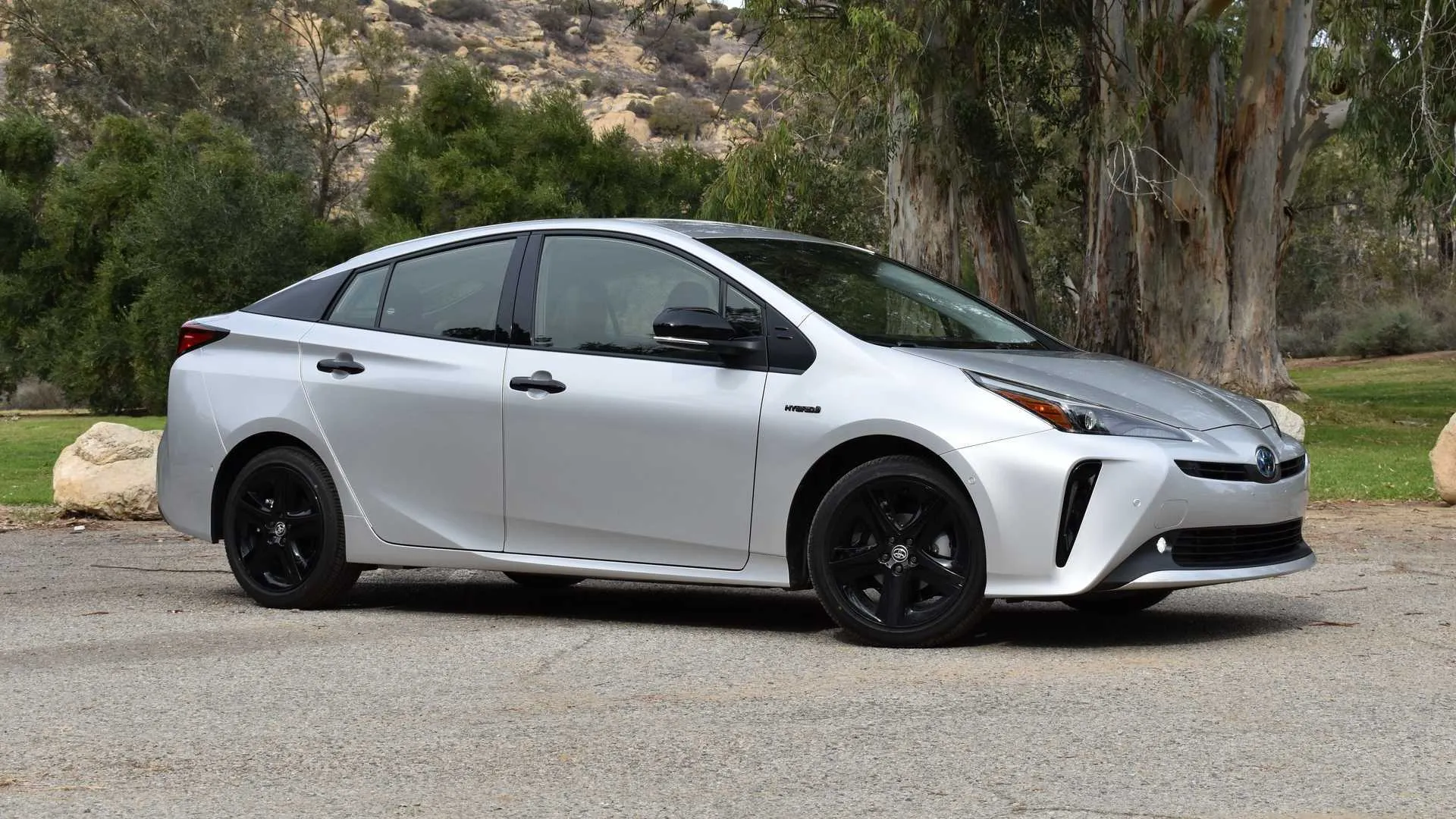
The Toyota Prius remains the gold standard for hybrid affordability and efficiency, offering one of the shortest payback periods in the automotive industry.
With a starting price around $28,000, the Prius carries a modest premium of approximately $3,000 to $4,000 compared to a similarly-sized conventional sedan like the Toyota Corolla. However, this relatively small premium is quickly offset by exceptional fuel economy.
The current-generation Prius achieves an EPA-estimated 57 mpg combined, with some drivers reporting even better real-world results.
Compare this to the Corolla’s 35 mpg combined, and the advantage becomes clear. For a driver covering 15,000 miles annually with gas at $3.50 per gallon, the Prius consumes approximately $920 worth of fuel yearly, while the Corolla requires about $1,500.
This $580 annual saving means the hybrid premium pays for itself in roughly five to seven years. The Prius’s payback period improves dramatically for higher-mileage drivers or during periods of raised gas prices. At 20,000 annual miles, the payback drops to around four years.
When gas prices spiked above $4.50 per gallon, some Prius owners reported payback periods under three years. The vehicle’s legendary reliability further enhances its value proposition, with many examples exceeding 200,000 miles with minimal issues beyond routine maintenance.
Toyota’s proven hybrid technology in the Prius means lower maintenance concerns compared to first-generation hybrid systems. The continuously variable transmission requires no conventional transmission service, and brake life extends significantly thanks to regenerative braking doing much of the work.
Insurance costs remain reasonable due to the Prius’s strong safety ratings and affordable replacement parts. The used market for the Prius demonstrates strong residual values, meaning owners recoup more of their initial investment at resale time.
This residual strength effectively reduces the true cost of ownership beyond just fuel savings. The combination of low purchase premium, exceptional efficiency, proven reliability, and strong resale value makes the standard Prius one of the fastest-paying hybrid investments available.
2. Hyundai Elantra Hybrid
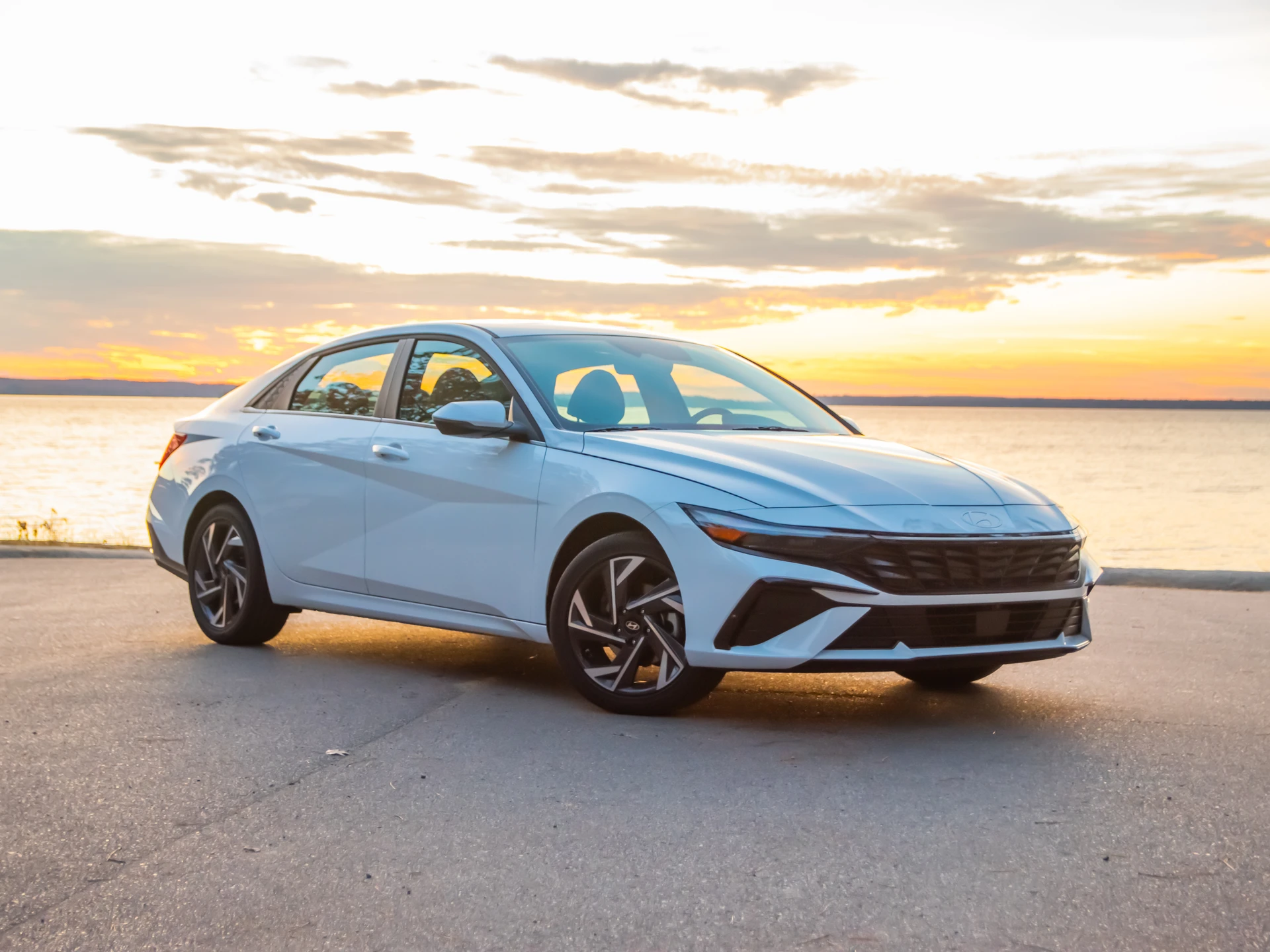
Hyundai’s Elantra Hybrid represents exceptional value in the compact sedan segment, offering impressive fuel economy with virtually no price penalty compared to conventional alternatives.
Starting around $26,000, the Elantra Hybrid costs only $1,500 to $2,500 more than the standard gasoline Elantra SE, creating one of the smallest hybrid premiums in the market.
This modest premium combines with excellent efficiency to create an outstanding payback scenario. The Elantra Hybrid delivers 54 mpg combined, compared to 36 mpg for the standard Elantra.
For someone driving 12,000 miles annually at $3.50 per gallon, the hybrid saves approximately $490 per year in fuel costs. With such a small premium, the payback period stretches only three to five years remarkably quick for the segment.
Hyundai sweetens the deal with an industry-leading warranty package. The Elantra Hybrid comes with a 10-year/100,000-mile powertrain warranty and a lifetime hybrid battery warranty for the original owner.
This coverage eliminates concerns about expensive hybrid component failures and effectively protects the owner’s investment throughout the crucial payback period and beyond. Few manufacturers offer such comprehensive protection.
The Elantra Hybrid doesn’t sacrifice passenger space or cargo capacity for its efficiency, maintaining the practical dimensions that make compact sedans appealing to families and commuters.
The interior quality matches or exceeds competitors at this price point, with standard features including an eight-inch touchscreen, Apple CarPlay, Android Auto, and a comprehensive suite of driver assistance technologies.
Real-world owner reports consistently praise the Elantra Hybrid’s ability to meet or exceed EPA estimates, particularly in mixed driving conditions.
The powertrain transitions smoothly between gas and electric operation, and the electric-only mode proves useful for quiet neighborhood driving and parking maneuvers.
For budget-conscious buyers seeking hybrid efficiency without a significant upfront investment, the Elantra Hybrid delivers one of the industry’s fastest payback periods while maintaining excellent value.
3. Honda Accord Hybrid
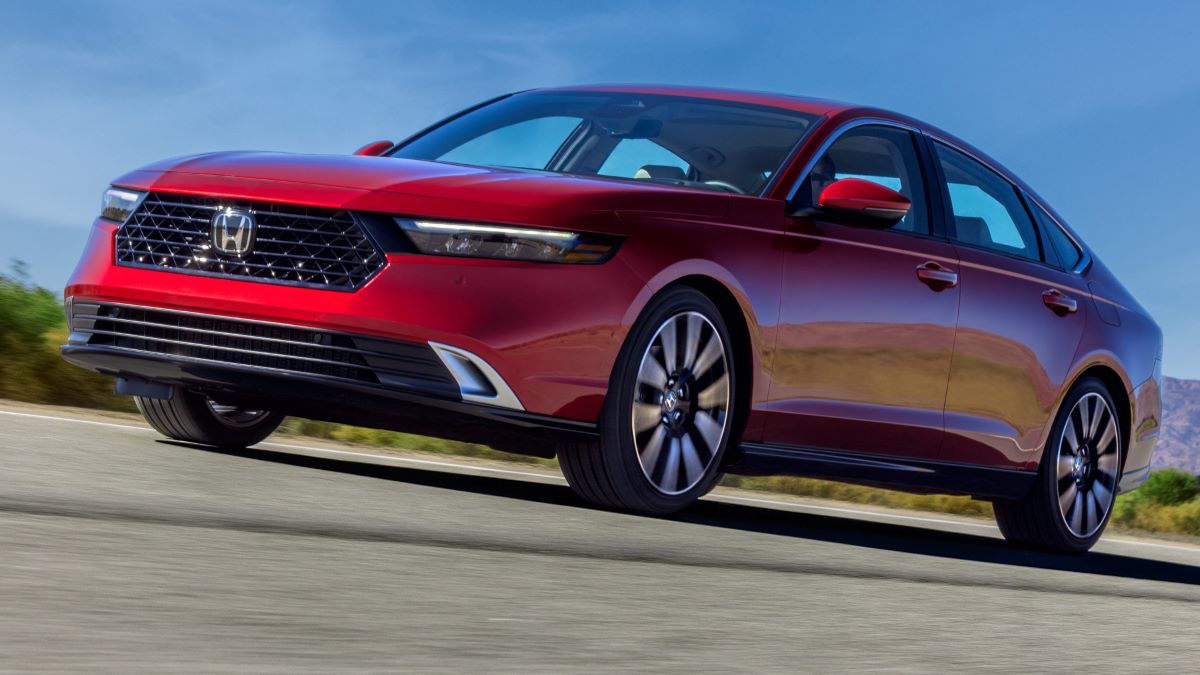
The Honda Accord Hybrid stands out in the midsize sedan segment for delivering premium features and space with surprisingly affordable hybrid economics.
Priced around $32,000 for the base model, the Accord Hybrid typically costs $2,500 to $3,500 more than a comparable gas-only Accord. This reasonable premium positions it favorably against many competitors that demand significantly more for hybrid technology.
Fuel economy stands as the Accord Hybrid’s strongest argument. EPA ratings of 48 mpg combined represent a substantial improvement over the standard Accord’s 32 mpg.
This 16 mpg advantage translates into meaningful savings, especially for drivers with longer commutes. At 15,000 annual miles and $3.50 per gallon, the hybrid saves approximately $655 yearly compared to the conventional model, resulting in a payback period of roughly four to five and a half years.
The Accord Hybrid’s value proposition extends beyond simple fuel savings. Honda engineers managed to package the hybrid system without compromising the spacious trunk that makes the Accord popular with families.
The cabin offers generous rear legroom, and build quality remains consistent with Honda’s reputation for durability. The hybrid powertrain actually feels more refined than the base turbocharged four-cylinder engine, delivering smooth acceleration and quiet operation.
Honda’s two-motor hybrid system, refined over decades of development, proves both efficient and reliable. Unlike some hybrid systems that feel compromised or artificial, the Accord’s powertrain responds naturally to throttle inputs while optimizing efficiency in the background.
The regenerative braking system can be adjusted through steering-wheel paddles, allowing drivers to customize the driving experience or maximize energy recovery.
Residual values for the Accord Hybrid remain strong in the used market, reflecting buyer confidence in Honda’s hybrid reliability. Insurance rates stay competitive with conventional Accords, and maintenance requirements remain minimal beyond standard service intervals.
The combination of reasonable hybrid premium, excellent fuel economy, spacious practicality, and Honda reliability creates a compelling case for buyers seeking a family sedan with quick hybrid payback and long-term value.
4. Toyota Camry Hybrid
Toyota’s Camry Hybrid delivers midsize sedan refinement with some of the best hybrid economics in its class. Starting around $29,000, the Camry Hybrid costs approximately $2,000 to $3,000 more than the base four-cylinder Camry, positioning it as one of the more affordable hybrid entries in the popular midsize segment.
This competitive premium sets the stage for rapid payback. The efficiency numbers tell an impressive story. The Camry Hybrid achieves 52 mpg combined, compared to 32 mpg for the standard four-cylinder Camry.
This 20 mpg advantage represents one of the largest efficiency gaps between hybrid and conventional versions in any mainstream sedan.
For a driver covering 15,000 miles yearly at $3.50 per gallon, the hybrid saves approximately $655 annually, yielding a payback period of just three to five years depending on the exact models compared.
What makes the Camry Hybrid particularly appealing is that buyers don’t sacrifice power for efficiency. The hybrid system produces 208 combined horsepower, actually exceeding the 203 horsepower of the base four-cylinder engine.
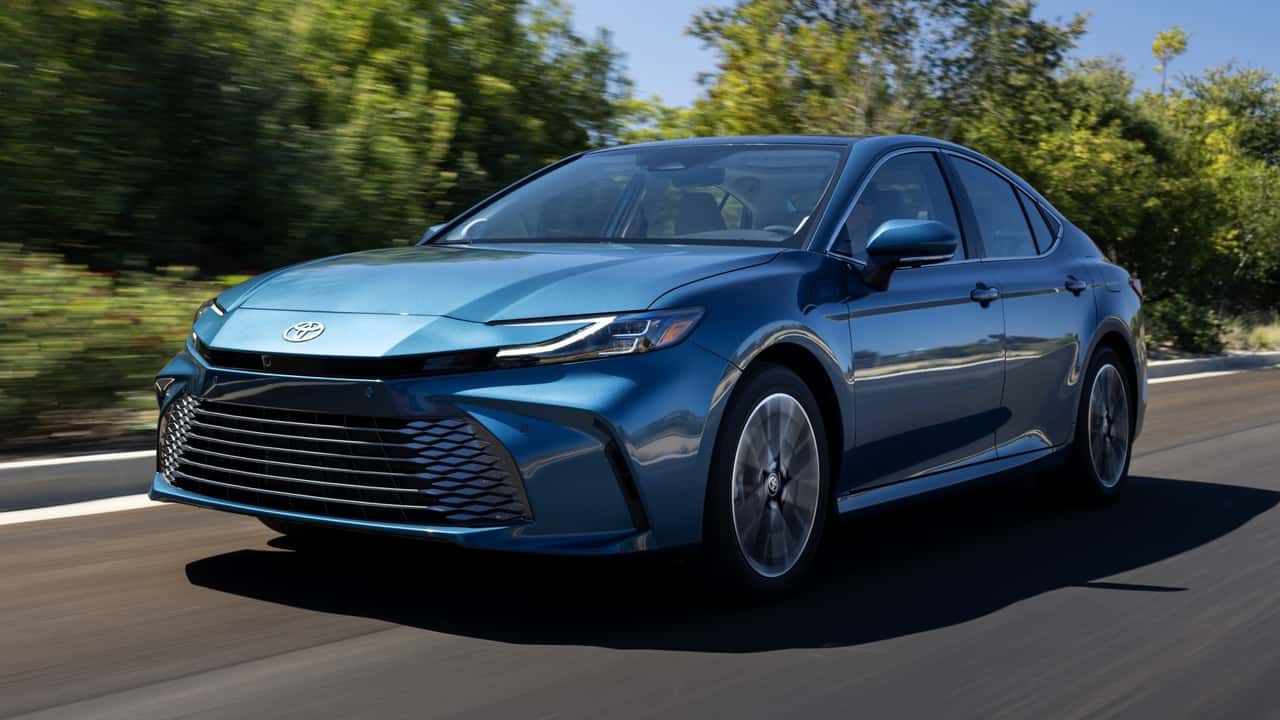
Acceleration feels smooth and confident, with the electric motors providing instant torque that makes the Camry Hybrid feel quicker in everyday driving than the numbers suggest.
Toyota’s proven hybrid synergy drive system brings decades of refinement to the Camry Hybrid. The company’s experience translates into a worry-free ownership experience, with hybrid components demonstrating exceptional longevity.
Many earlier-generation Camry Hybrids continue operating well beyond 200,000 miles with original hybrid batteries, providing confidence that the investment will last.
The Camry Hybrid maintains the conventional Camry’s spacious interior and substantial trunk space, making it practical for families and road trips. Standard features include Toyota Safety Sense, an eight-inch touchscreen, and comfortable seating for five adults.
The combination of low hybrid premium, substantial fuel savings, proven reliability, and practical design makes the Camry Hybrid one of the smartest hybrid purchases for buyers seeking quick payback and long-term value in a well-rounded family sedan.
Also Read: 5 Used SUVs Under $15,000 Worth Buying vs. 5 to Skip
5. Ford Maverick Hybrid
The Ford Maverick Hybrid disrupts traditional truck economics by offering genuine utility with car-like fuel economy at an unprecedented price point.
Starting under $25,000, the Maverick Hybrid represents one of the automotive industry’s best values, period. The hybrid powertrain comes standard, meaning there’s no premium to pay buyers automatically receive hybrid efficiency without spending extra, creating an immediate payback scenario.
This pricing strategy alone makes the Maverick revolutionary, but the efficiency numbers seal the deal. The Maverick Hybrid achieves 42 mpg combined, which would be impressive for a compact car and is extraordinary for a pickup truck.
Compare this to traditional compact trucks that struggle to reach 25 mpg, and the savings potential becomes enormous. For truck buyers who previously had no efficient options, the Maverick Hybrid saves approximately $700 to $1,000 annually compared to conventional compact trucks.
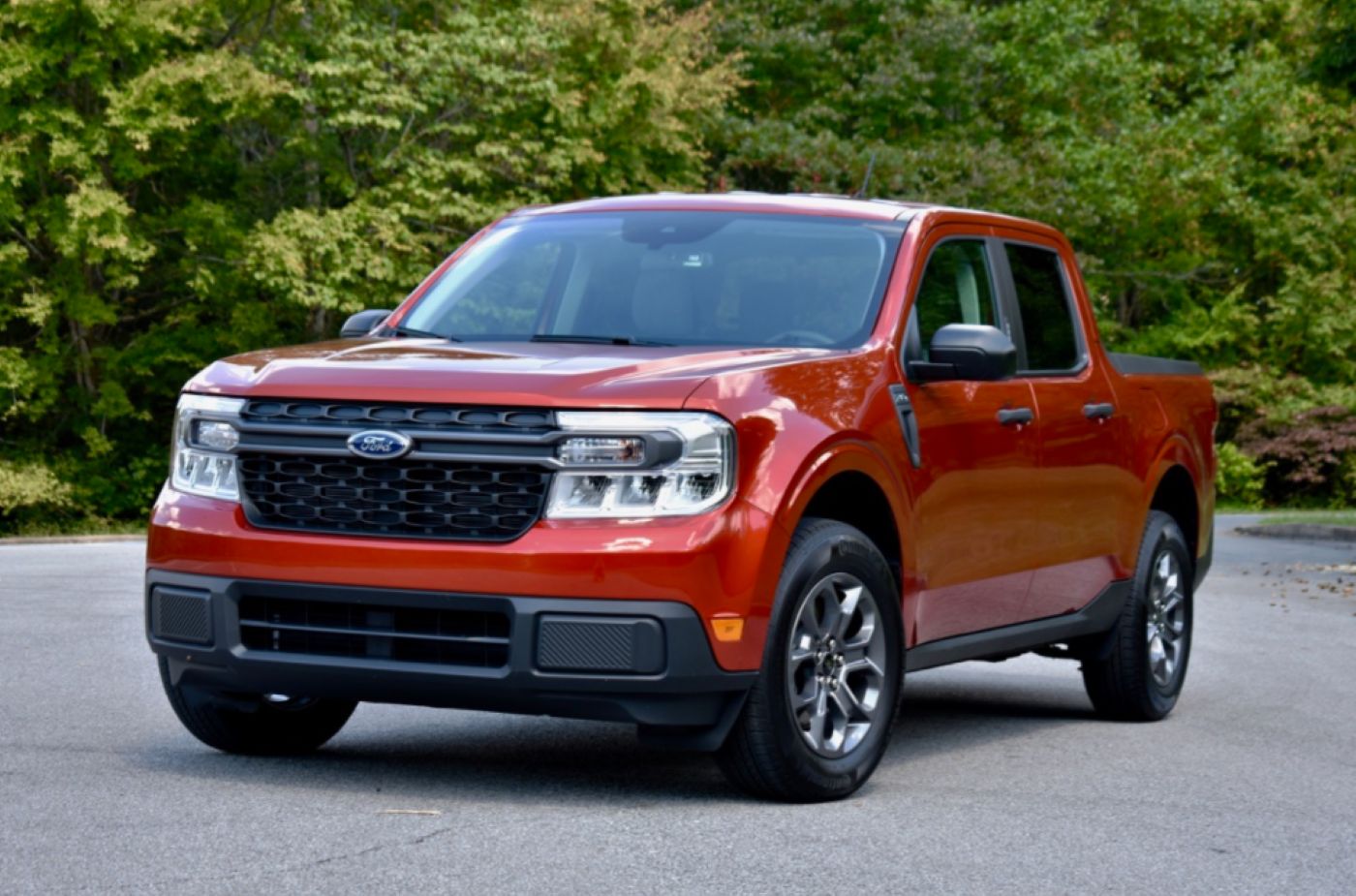
The Maverick’s true genius lies in recognizing that many truck buyers don’t need massive towing capacity or heavy-duty capabilities. The Maverick offers a 4.5-foot bed that handles most home improvement projects, weekend adventures, and daily hauling tasks.
The 1,500-pound payload capacity suffices for landscaping materials, furniture, or camping gear. For the substantial number of truck buyers who rarely tow more than 2,000 pounds or haul more than a few hundred pounds, the Maverick delivers sufficient capability.
Ford’s decision to make the hybrid standard rather than optional demonstrates confidence in the technology and creates tremendous value for buyers.
Since there’s no hybrid premium to recoup, every gallon of fuel saved represents pure economic benefit. For buyers seeking truck utility with exceptional efficiency and no price penalty for hybrid technology, the Maverick Hybrid offers immediate and ongoing savings that make it one of the smartest vehicle purchases available today.
5 Slow Payback Hybrids
These problematic vehicles suffer from excessive hybrid technology premiums over conventional versions, disappointing real-world fuel economy gains that barely justify complexity, and expensive hybrid component repairs outside warranty periods that eliminate any fuel savings throughout ownership while making economic justification nearly impossible for typical buyers and usage patterns.
Their flawed engineering includes complex series-parallel hybrid systems adding substantial manufacturing costs, marginal efficiency improvements providing only 5-10 MPG gains over conventional counterparts, and proprietary battery packs commanding premium pricing when eventual replacement becomes necessary.
From highway-focused driving where hybrid advantages minimize to expensive hybrid system repairs that consume years of fuel savings, these troublesome hybrids fail economically.
1. BMW X5 xDrive45e Plug-In Hybrid
The BMW X5 xDrive45e represents the luxury plug-in hybrid segment, where impressive technology and performance capabilities come with a substantial financial commitment that extends the payback period considerably.
Starting around $68,000, the X5 plug-in hybrid costs approximately $8,000 to $12,000 more than a comparably equipped X5 with BMW’s turbocharged inline-six engine. This hefty premium creates an immediate challenge for economic justification.
The plug-in hybrid system offers 389 combined horsepower and an EPA-estimated 50 miles of electric-only range from its 24-kWh battery pack. In ideal conditions with regular charging, drivers can achieve impressive efficiency for a vehicle this size.
However, the payback calculation becomes complex because real-world efficiency depends heavily on charging habits and driving patterns.
Owners who charge regularly and drive mostly short distances can achieve excellent efficiency, but those who don’t maintain charging discipline essentially drive a heavy, expensive conventional SUV.
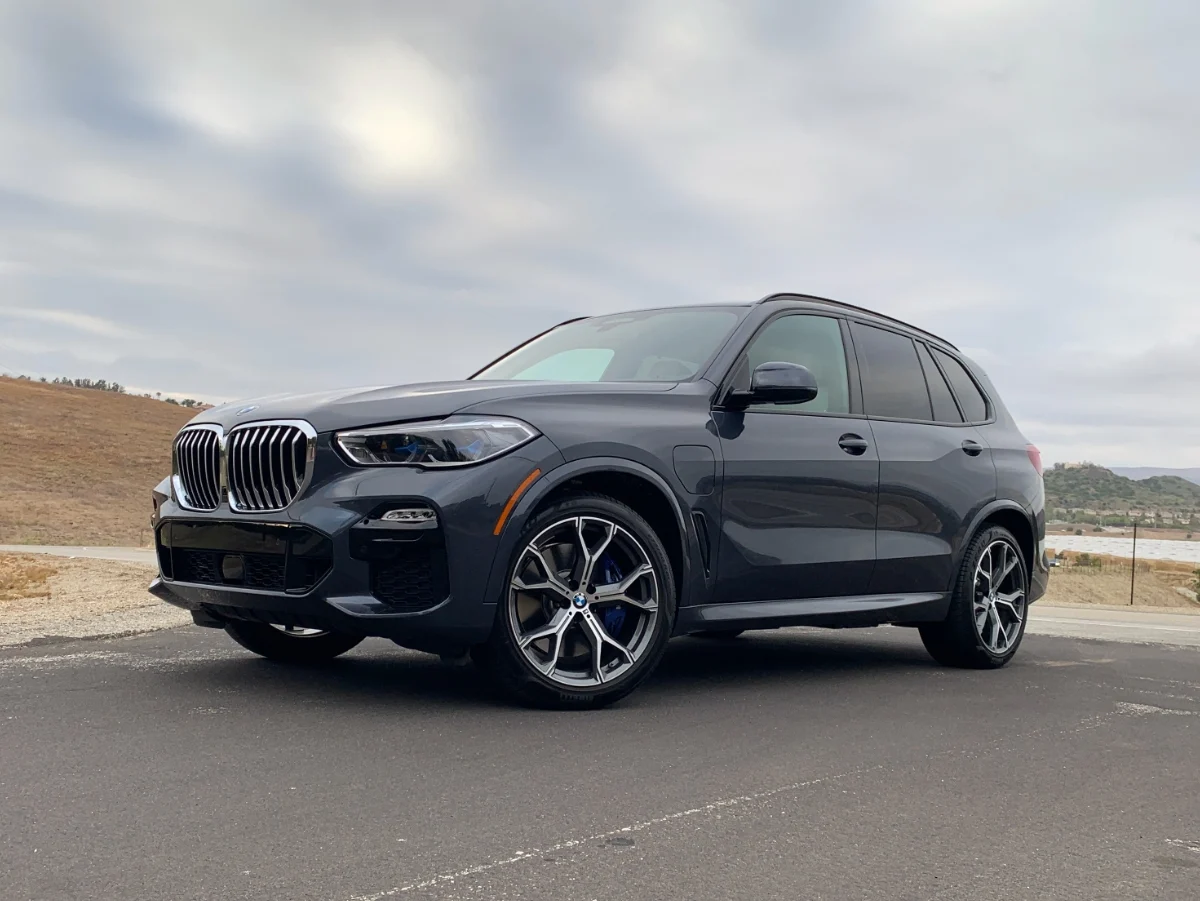
Comparing the plug-in hybrid to the X5 40i reveals the financial challenge. The conventional X5 achieves approximately 24 mpg combined, while the plug-in’s gasoline-only mode returns similar numbers due to the added battery weight.
The efficiency advantage only materializes when driving electrically, requiring disciplined daily charging. For someone driving 15,000 miles annually with half covered electrically at $0.13 per kWh and the remainder on gasoline, total fuel costs might be $1,100 for the plug-in versus $1,850 for the conventional model a $750 annual saving. At this rate, the $10,000 premium requires over 13 years to recover.
Additionally, the X5 plug-in hybrid requires premium gasoline and more expensive insurance due to its higher initial cost and complex repair requirements.
The added weight from batteries accelerates tire wear, and eventual battery degradation will reduce the electric range advantage over time.
While the X5 xDrive45e delivers impressive technology and strong performance, buyers seeking financial justification through fuel savings face a payback period that extends well beyond typical ownership timelines, making this a purchase driven more by desire for the latest technology than economic rationality.
2. Lexus LS 500h
The Lexus LS 500h brings hybrid technology to the flagship luxury sedan segment, where performance, refinement, and prestige take priority over economic efficiency.
Starting around $79,000, the LS 500h costs approximately $4,000 to $6,000 more than the non-hybrid LS 500. While this premium might seem moderate compared to some alternatives, the payback period extends considerably due to relatively modest fuel economy improvements and the reality of how luxury sedans are typically driven.
The LS 500h achieves an EPA-estimated 25 mpg combined, compared to 22 mpg for the standard LS 500. This three-mpg improvement represents only a 14% efficiency gain far less than the typical 40-50% improvement seen in mainstream hybrids.
The modest improvement stems from the LS prioritizing performance and smooth power delivery over maximum efficiency. The hybrid system’s 354 combined horsepower delivers effortless acceleration, but the substantial vehicle weight and performance-oriented tuning limit efficiency gains.
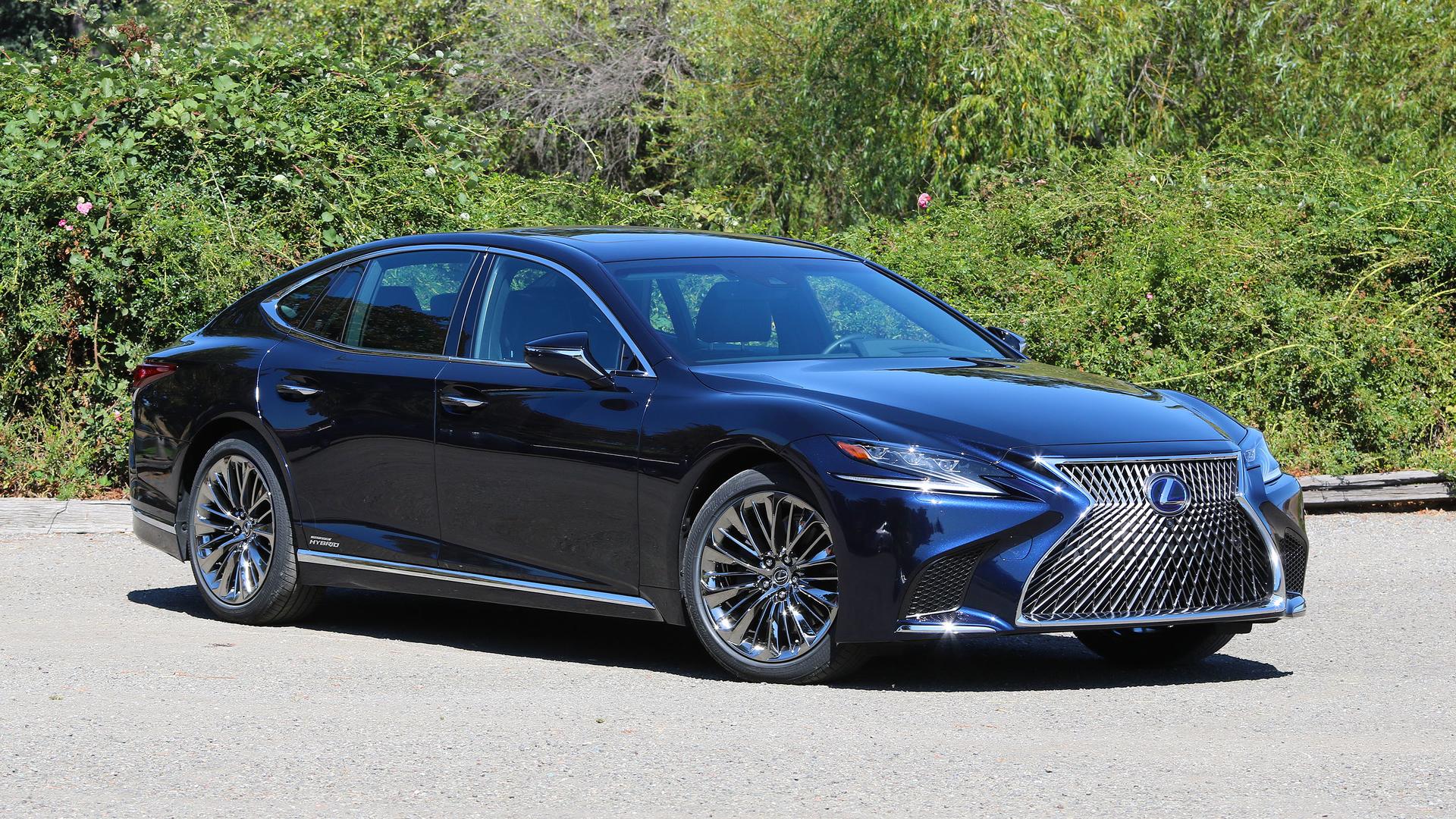
For someone driving 12,000 miles annually at $4.00 per gallon premium fuel (required for both models), the hybrid saves approximately $218 yearly compared to the conventional LS.
At this rate, recovering a $5,000 hybrid premium requires nearly 23 years far longer than most owners keep vehicles. Even doubling the annual mileage only reduces payback to about 11 years, still exceeding reasonable ownership timelines.
However, from a pure financial perspective, the hybrid premium represents a poor investment. Luxury sedans already depreciate substantially, and the added complexity of hybrid systems can concern used buyers, potentially accelerating depreciation further.
Maintenance and repair costs for luxury hybrid systems exceed mainstream alternatives, and the LS 500h requires premium fuel regardless of driving mode.
The combination of modest efficiency gains, substantial premium, high operating costs, and steep depreciation makes the LS 500h one of the slowest-paying hybrid investments available, suitable only for buyers who prioritize luxury and refinement over economic rationality.
3. Jeep Wrangler 4xe
The Jeep Wrangler 4xe brings plug-in hybrid technology to the iconic off-road SUV, creating a unique but economically challenging proposition.
Starting around $55,000, the Wrangler 4xe costs approximately $8,000 to $10,000 more than a comparable gasoline-powered Wrangler Unlimited.
This substantial premium combines with modest real-world efficiency gains to create one of the longest payback periods among mainstream hybrids.
The 4xe offers 21 miles of EPA-estimated electric range from its 17-kWh battery pack, enabling short trips on electricity alone. However, the Wrangler’s aerodynamics about as slippery as a brick and heavy weight limit the effectiveness of its electric system.
In hybrid mode with a depleted battery, the 4xe achieves around 20 mpg combined, only marginally better than the 19-20 mpg typical of gasoline Wranglers. The efficiency advantage materializes only when driving electrically, requiring disciplined charging habits.

Real-world economics prove challenging. Assuming someone drives 15,000 miles annually with optimistically half covered electrically at $0.13 per kWh and the remainder on gasoline at $3.50 per gallon, total annual fuel costs might be $1,175 for the 4xe versus $1,540 for a conventional Wrangler a $365 annual saving.
At this rate, recovering a $9,000 premium requires approximately 25 years, well beyond any reasonable ownership timeline. The Wrangler 4xe does qualify for federal tax credits that can reduce the effective premium by $3,750, improving the payback equation somewhat.
However, even with this incentive, the payback period stretches beyond 15 years for typical drivers. Insurance costs run higher due to the increased vehicle value and complex repairs.
The 4xe ultimately represents an expensive way to add minimal efficiency to an inherently inefficient platform, making it one of the slowest-paying hybrid investments available and a poor choice for buyers seeking economic justification for hybrid technology.
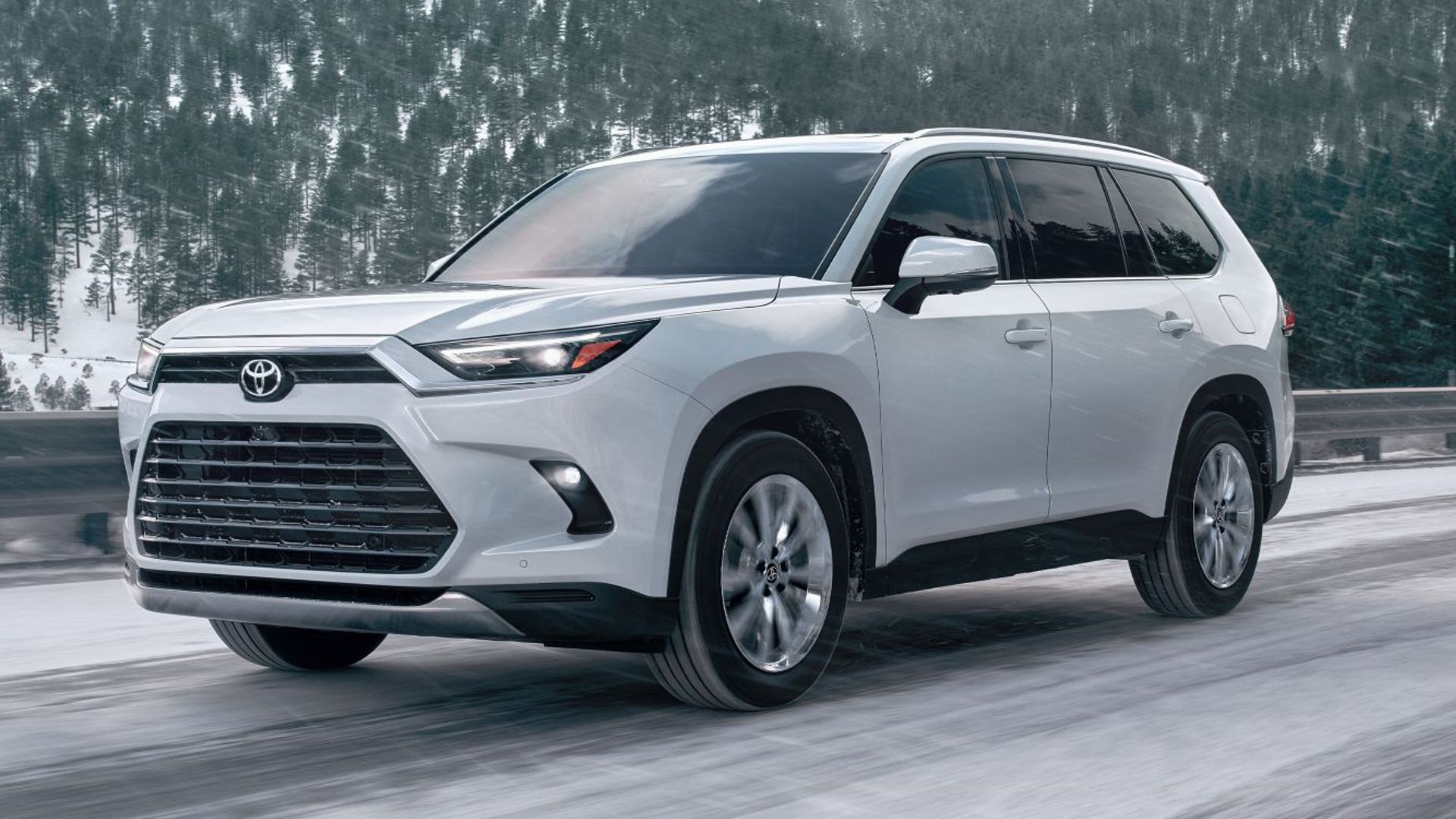
4. Toyota Highlander Hybrid
The Toyota Highlander Hybrid presents a paradoxical case a reliable, well-engineered hybrid that nonetheless suffers from an extended payback period due to its premium pricing.
Starting around $43,000, the Highlander Hybrid costs approximately $4,500 to $6,000 more than a comparable four-cylinder Highlander.
While Toyota’s hybrid reputation suggests strong value, the economics prove less compelling than smaller Toyota hybrids. The Highlander Hybrid achieves 35 mpg combined compared to 24 mpg for the four-cylinder version, representing a meaningful 11 mpg improvement.
However, the payback calculation reveals the challenge. At 15,000 annual miles and $3.50 per gallon, the hybrid saves approximately $675 yearly. With a $5,500 premium, the payback period stretches to roughly eight years significantly longer than the Camry or Prius hybrids.
Several factors contribute to the extended payback. First, the Highlander Hybrid competes against an already reasonably efficient four-cylinder engine rather than a thirsty V6, reducing the relative advantage.
Second, the larger vehicle and higher price point mean the absolute premium dollars are greater even if the percentage premium seems reasonable.
Third, many Highlander buyers prioritize space and capability over efficiency, making them less likely to maximize the hybrid’s advantages through conservative driving habits.
Toyota’s hybrid reliability means the Highlander Hybrid will likely serve faithfully for many years, potentially outlasting the payback period.
However, buyers must recognize that achieving financial payback requires long-term ownership typically eight to ten years depending on driving habits and fuel prices.
For buyers planning shorter ownership cycles or prioritizing immediate value, the conventional Highlander represents better economics despite using more fuel.
The Highlander Hybrid makes most sense for buyers planning extended ownership who value the driving refinement and environmental benefits beyond simple dollar calculations.
5. Mercedes-Benz GLE 450 4MATIC Hybrid
The Mercedes-Benz GLE 450 4MATIC represents luxury hybrid technology at its most sophisticated and its least economical. Starting around $73,000, the GLE 450 hybrid costs approximately $5,000 to $7,000 more than the GLE 350 with its turbocharged four-cylinder engine.
While this premium might seem reasonable in absolute terms, the modest efficiency improvements and high operating costs create an extended payback period that challenges economic justification.
The GLE 450 hybrid achieves approximately 23 mpg combined, compared to around 22 mpg for the GLE 350. This minimal one-mpg improvement represents barely a 5% efficiency advantage among the smallest improvements offered by any hybrid system.
The mild hybrid’s 48-volt system provides smooth start-stop operation and modest electric assist but lacks the pure-electric capability of more sophisticated hybrid systems. The technology prioritizes driving refinement over efficiency, enabling imperceptible transitions and seamless power delivery.
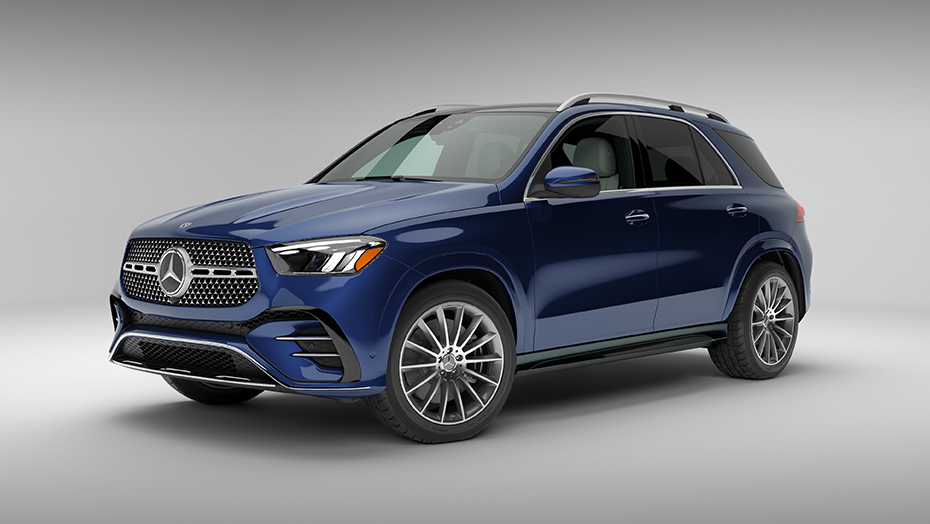
The financial calculation proves straightforward and sobering. At 12,000 annual miles and $4.00 per gallon premium fuel, the hybrid saves approximately $91 yearly compared to the GLE 350.
Recovering a $6,000 premium at this rate requires 66 years clearly impossible within any ownership timeline. Even tripling annual mileage to 36,000 miles only reduces payback to 22 years, still far beyond practical consideration. The GLE 450 hybrid simply cannot be justified through fuel savings under any realistic scenario.
However, from a strict financial perspective, the GLE 450 hybrid represents one of the poorest payback propositions available. Luxury SUV depreciation means losing substantial value regardless of drivetrain, and the mild hybrid system’s complexity adds potential repair costs without delivering meaningful efficiency benefits.
Insurance costs run higher due to the increased value and specialized components. Combined with minimal fuel savings, high operating costs, and steep depreciation, the GLE 450 hybrid extends the payback period to essentially infinity, making it suitable only for buyers who want the latest technology without concern for economic justification.
The hybrid badge on a luxury SUV represents prestige and technological sophistication rather than a practical path to fuel savings or reduced operating costs.
Also Read: 5 Sedans That Stay Cheap to Own vs. 5 That Surprise You With Bills
