
In today’s automotive world, touchscreen infotainment systems have become the command center of modern vehicles, controlling everything from navigation and entertainment to climate settings and vehicle diagnostics.
However, as screens have grown larger and more prominent, a critical challenge has emerged that affects both safety and user experience: screen glare.
When sunlight hits an infotainment display at certain angles, it can transform a high-tech interface into an unreadable, reflective surface that forces drivers to squint, shade the screen with their hands, or worse, take their eyes off the road for extended periods while struggling to adjust settings.
The problem of screen glare is far more than a minor inconvenience. Poor visibility can lead to traffic accidents, emphasizing the importance of anti-glare solutions for drivers.
When a driver cannot clearly see navigation instructions, climate controls, or backup camera feeds due to glare, the risk of distraction increases exponentially.
This issue becomes particularly acute during early morning and late afternoon drives when the sun sits low on the horizon, casting rays directly through windshields and onto dashboard-mounted screens.
The vehicles featured in this article represent the industry’s best efforts to combat screen glare through thoughtful engineering and design.
These aren’t just cars with the biggest or flashiest screens; they’re vehicles where engineers have considered real-world driving conditions and prioritized usability over showroom appeal.
From luxury sedans to family SUVs, these twelve vehicles demonstrate that it’s entirely possible to have large, feature-rich infotainment systems that remain clearly visible and safely usable regardless of lighting conditions.
Whether you’re going through the unfamiliar city streets under the harsh midday sun or adjusting your climate settings during a golden-hour commute, these cars ensure that glare never comes between you and the information you need.
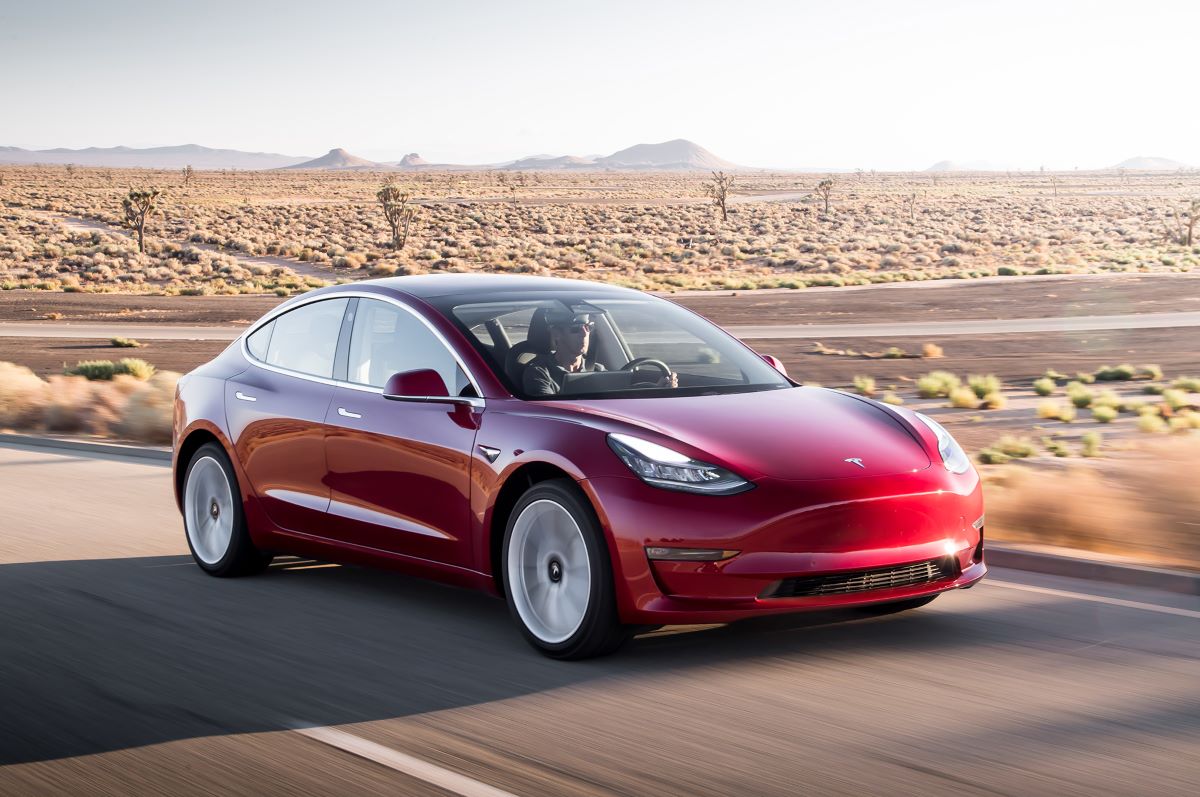
1. Tesla Model 3
The Tesla Model 3 revolutionized automotive interior design with its minimalist approach centered around a single large touchscreen, and fortunately, the company didn’t overlook the critical importance of screen visibility.
Tesla’s screen is mounted slightly recessed into the dashboard and positioned at an angle that keeps it facing the driver more than the sky, which helps reduce glare.
This strategic placement represents one of the most fundamental ways to combat glare without requiring expensive coatings or treatments.
Tesla took a smart approach with the screen’s anti-glare coating, which resists reflections better than many other vehicles in its class while still maintaining visual clarity. The 15.4-inch world oriented display remains impressively readable even during challenging lighting conditions.
When sunlight enters the cabin at oblique angles during early morning or late afternoon drives, the screen maintains its legibility where many competitors would wash out completely.
The high brightness capability of the display, combined with automatic brightness adjustment, ensures optimal visibility across varying light conditions.
The touchscreen’s software also plays a role in maintaining visibility. The interface uses high-contrast elements and clear typography that remain distinguishable even when some glare is present.
Dark mode options available in the settings can further reduce glare issues during certain driving conditions. Tesla’s regular over-the-air software updates have also included refinements to brightness algorithms and display calibration, showing the company’s ongoing commitment to optimizing screen usability.
For drivers who spend significant time behind the wheel, particularly those who commute during sunrise or sunset hours, the Model 3’s attention to screen visibility represents a meaningful quality-of-life improvement that reduces eye strain and enhances safety.
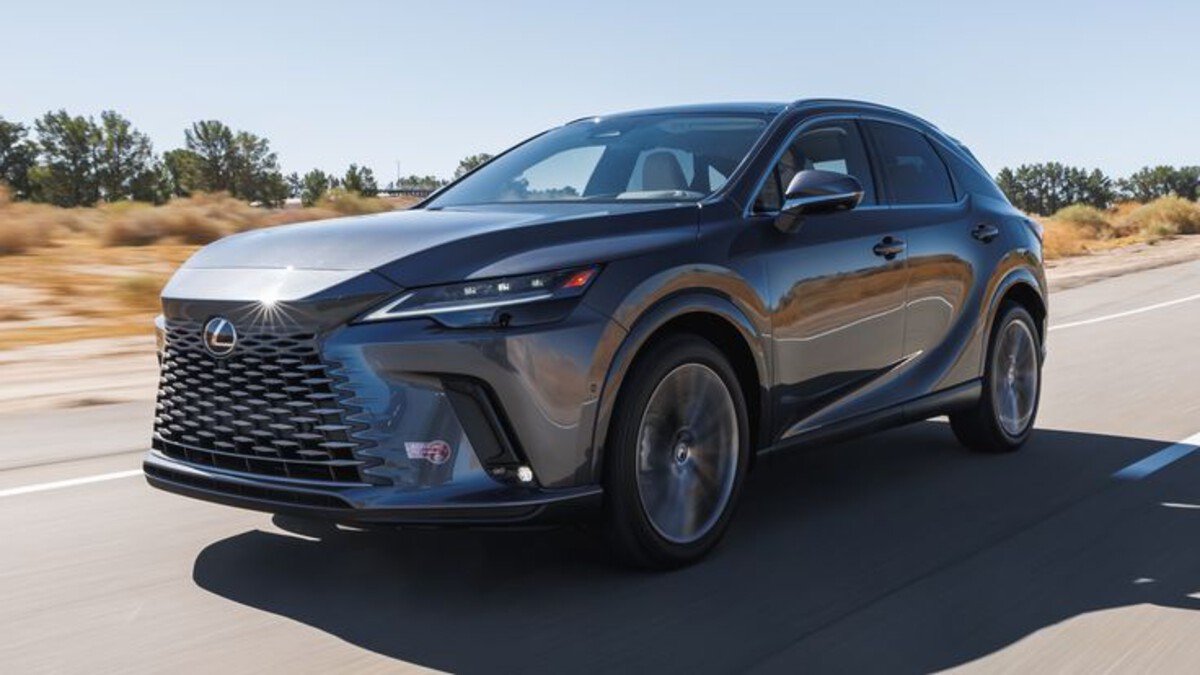
2. Lexus RX
Lexus has built its reputation on refined luxury and attention to detail, and the 2024 RX’s approach to anti-glare interior design exemplifies this philosophy perfectly.
The 2024 RX uses a clever combination of matte leather, soft-touch polymers, and brushed metal that maintains an upscale look while staying easy on the eyes, with even the wood trim options featuring a satin finish instead of a mirror-like gloss.
This comprehensive material strategy ensures that virtually every surface in the cabin absorbs rather than reflects light. The center touchscreen is recessed just enough to be shielded by the dash overhang, making it usable in midday sun without awkward hand shading.
This architectural consideration shows how interior design can create natural solutions to glare problems without relying solely on screen technology.
The physical structure of the dashboard creates a hood effect, similar to what photographers use on camera lenses, that blocks direct overhead sunlight from striking the screen surface at problematic angles.
The RX’s dashboard layout follows ergonomic principles that minimize glare-related issues. The dashboard layout follows a low-profile design, ensuring bright light entering through the windshield won’t catch large flat surfaces at an angle that reflects into your eyes.
Lexus engineers have carefully positioned air vents, control surfaces, and decorative trim elements to avoid creating inadvertent light traps or reflection points.
This meticulous approach extends to the placement of metallic controls and badges, which are strategically located outside the driver’s primary sight lines to avoid distraction.
For luxury SUV buyers who refuse to compromise on either aesthetics or functionality, the Lexus RX demonstrates that elegant design and practical usability can coexist harmoniously, even when dealing with the challenging physics of light reflection and glare.
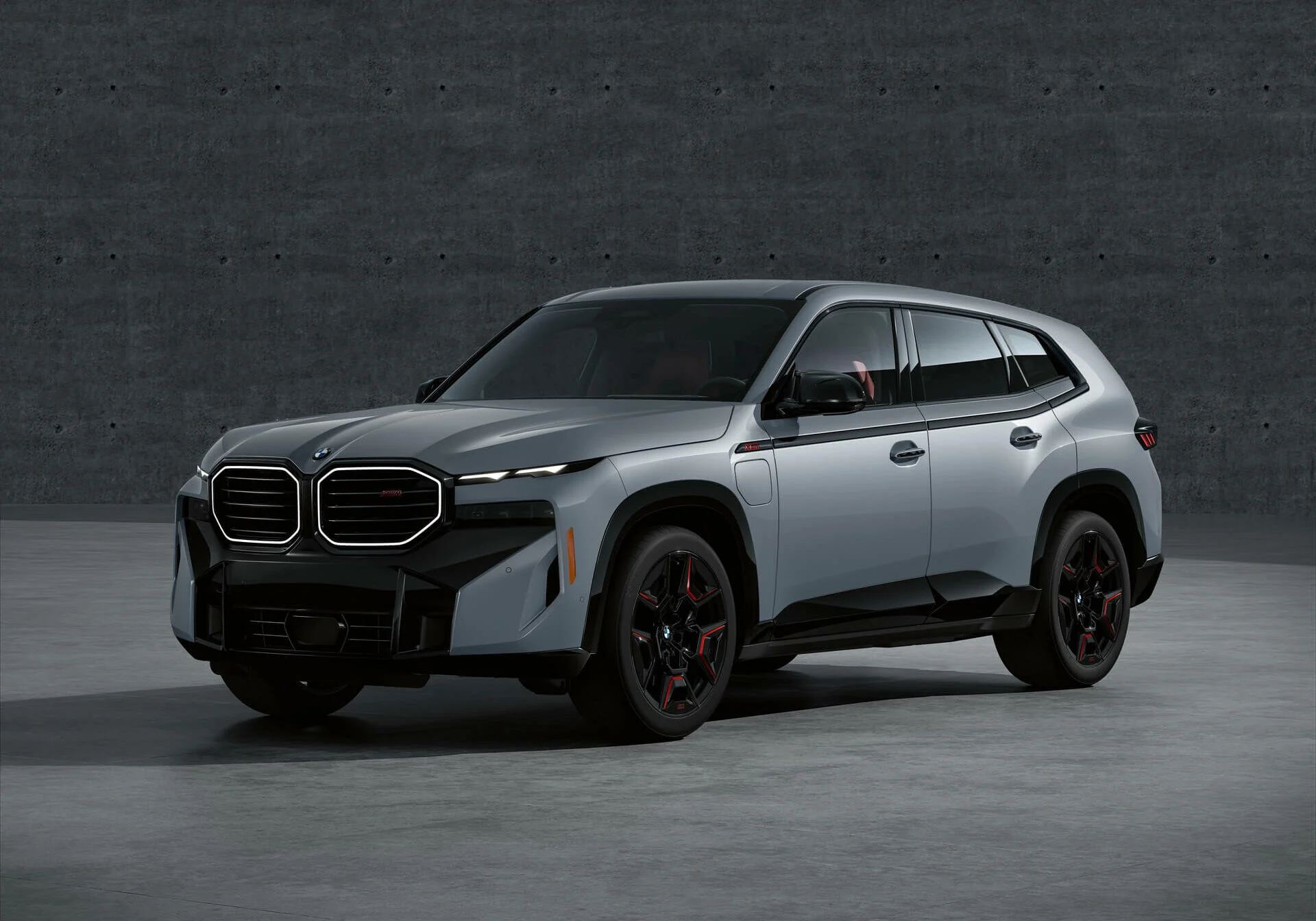
3. BMW iDrive 8.5 Systems
BMW’s latest iDrive 8.5 system, featured in models like the X5, X7, and 7 Series, represents a significant evolution in addressing screen visibility challenges while maintaining the brand’s reputation for cutting-edge technology.
The BMW iDrive 8.5 system features more hotkey shortcuts and fewer bugs compared to its predecessor. The curved display that integrates the 12.3-inch digital instrument cluster with the 14.9-inch infotainment screen creates a dramatic visual statement, but BMW ensured this boldness didn’t come at the expense of functionality.
The screens themselves feature high-brightness OLED panels capable of producing vivid colors and deep blacks that maintain visibility even in direct sunlight.
OLED panels offer deep blacks and wide viewing angles that beat basic LCDs for vivid colors, with brightness hitting 1000 nits in top models to fight glare on sunny drives.
This brightness capability, combined with anti-reflective layers, means drivers can actually read and interact with the display during midday summer drives without cranking the brightness to maximum and draining power unnecessarily.
The software interface itself contributes to usability in bright conditions. High-contrast UI elements, clear typography with thick fonts, and intelligent use of white space ensure that even if some glare is present, critical information remains distinguishable.
The system’s automatic brightness adjustment responds quickly to changing light conditions, and drivers can create custom display modes for different times of day.
BMW’s attention to detail extends to considering polarized sunglasses, which can create rainbow effects on some displays; the iDrive 8.5 screens are specifically calibrated to minimize these artifacts.
For tech-savvy drivers who demand the latest features without sacrificing real-world usability, BMW’s current generation of infotainment screens demonstrates that size and sophistication need not compromise daylight visibility.
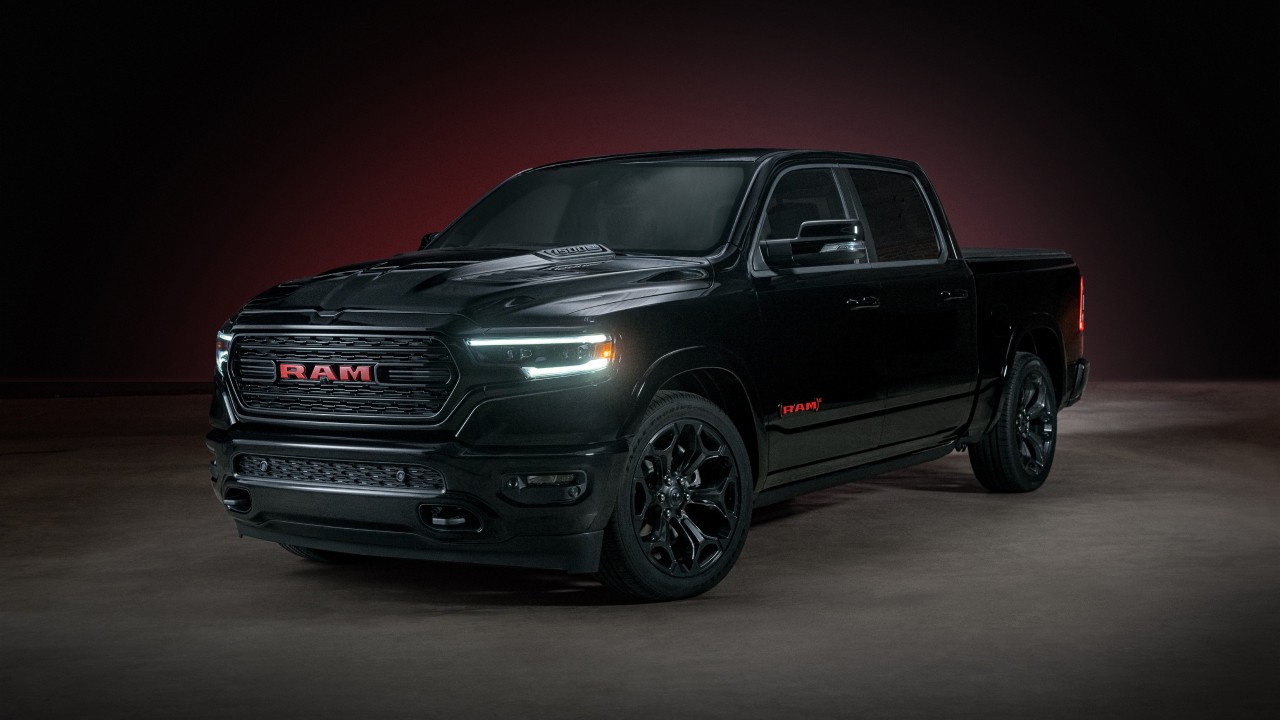
4. Ram 1500 with Uconnect 5
Pickup truck owners demand both rugged capability and modern convenience, and the Ram 1500’s available Uconnect 5 system with its large vertical touchscreen successfully delivers both while addressing visibility concerns that are particularly relevant for vehicles that spend significant time on job sites and in full sunlight.
The Ram 1500’s UConnect 5 features a 14.0-inch vertically oriented touchscreen display with a tile format allowing multiple apps to be displayed at once for easy reading at a glance.
This vertical orientation provides practical advantages for truck owners who need to reference maps, work documents, and vehicle settings simultaneously.
The screen’s placement and anti-glare treatment make it remarkably usable even in the harsh lighting conditions common to construction sites, parking lots, and highway driving.
The high-brightness display can produce enough light output to remain visible even in direct Texas summer sunlight, while the anti-reflective coating prevents the screen from becoming a mirror when the sun is behind the driver.
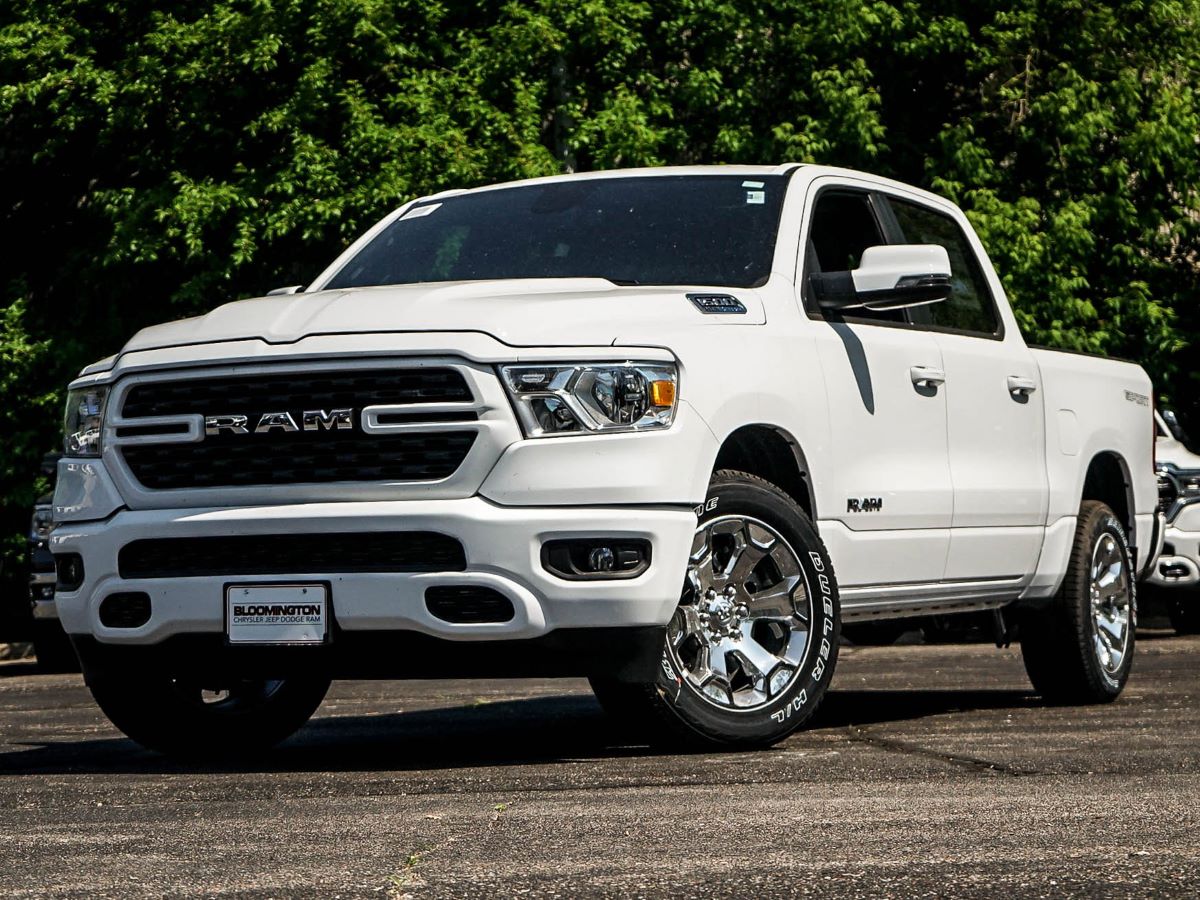
The touch sensitivity remains responsive even when wearing work gloves, and the large icons and buttons accommodate quick inputs without requiring precise targeting.
The Ram 1500’s interior design supports the screen’s visibility through careful material selection. The dashboard features primarily matte-textured plastics and fabrics that absorb rather than reflect light.
The optional passenger screen allows entertainment to continue without affecting the main display’s configuration, and both screens receive similar anti-glare treatments.
Ram’s engineers have considered the truck’s high seating position and large windshield, which allow more light into the cabin than typical sedans, and calibrated the screen accordingly. Optional sun visors with extensions provide additional glare protection when needed.
For truck owners who use their vehicles as mobile offices and command centers, the Ram 1500’s Uconnect 5 system proves that even supersized screens can remain functional tools rather than frustrating distractions when proper attention is paid to glare mitigation.
Also Read: 5 First-car Picks Parents Trust For Their Kids vs 5 They Don’t
5. Porsche Cayenne
Porsche’s engineering excellence extends beyond performance to thoughtful details like ensuring the Cayenne’s technology remains usable during spirited driving or long-distance touring.
The 2024 Porsche Cayenne features an optional 12.65-inch display that curves to reduce glare and includes Night Vision assist for better visibility on dark roads.
This curved design isn’t merely aesthetic the gentle arc helps deflect sunlight away from the driver’s viewing angle while maintaining the premium appearance expected in a luxury SUV.
Porsche offers rear seat entertainment with two high-resolution and anti-glare 10.1-inch touchscreen displays mounted on the front seat backrests.
The fact that Porsche applies anti-glare technology even to rear entertainment screens demonstrates the company’s commitment to visibility across all displays in the vehicle.
Rear-seat passengers benefit from clear, watchable screens even during bright afternoon road trips, while the front display maintains its clarity for navigation and vehicle information.
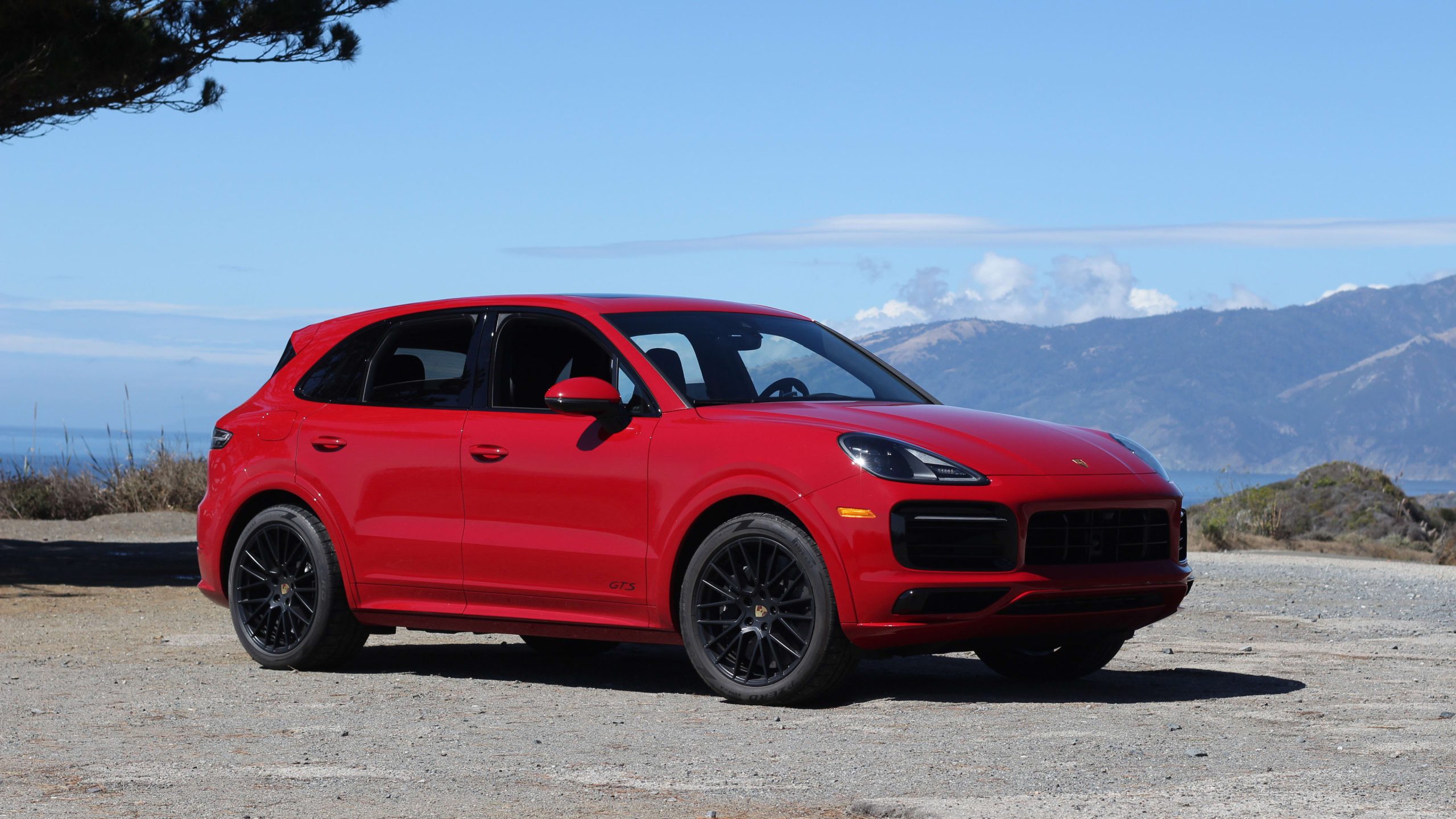
The infotainment system’s software includes driver-focused features that enhance usability during dynamic driving. The screen’s menu structure allows for quick access to essential functions, and the system responds instantly to inputs without the lag that can make glare-affected screens even more frustrating to use.
Porsche’s optional Sport Chrono package integrates performance data onto the screen in ways that remain visible even during bright-day track sessions. The display automatically adjusts brightness based on ambient light and can be manually fine-tuned to suit individual preferences.
For drivers who appreciate Porsche’s performance heritage but also need practical luxury for daily driving and family use, the Cayenne’s screen technology represents the perfect marriage of form and function, ensuring that cutting-edge information displays never compromise the driving experience regardless of lighting conditions.
6. Toyota RAV4 with 14-Inch Display
Toyota has earned a reputation for creating intuitive, reliable technology that works consistently for mainstream buyers, and the available 14-inch touchscreen in recent RAV4 models embodies this philosophy while addressing common visibility concerns that plague many larger displays.
Toyota has the same software integrated in almost all its vehicles across the lineup, with the best experience coming from the big 14.0-inch screen available in models like the RAV4.
This consistency means Toyota has refined the interface and display properties across millions of vehicles, learning from real-world feedback about glare and visibility issues.
The Toyota Multimedia System features high-contrast graphics and large, easily readable text that remains distinguishable even when some glare is present.
The Toyota Multimedia System is a lovely, simplistic infotainment system that doesn’t over-complicate matters but still offers a top-notch experience with quick response times.
This straightforward approach means drivers spend less time staring at the screen trying to decipher complex menus, reducing the impact of any glare-related visibility challenges.
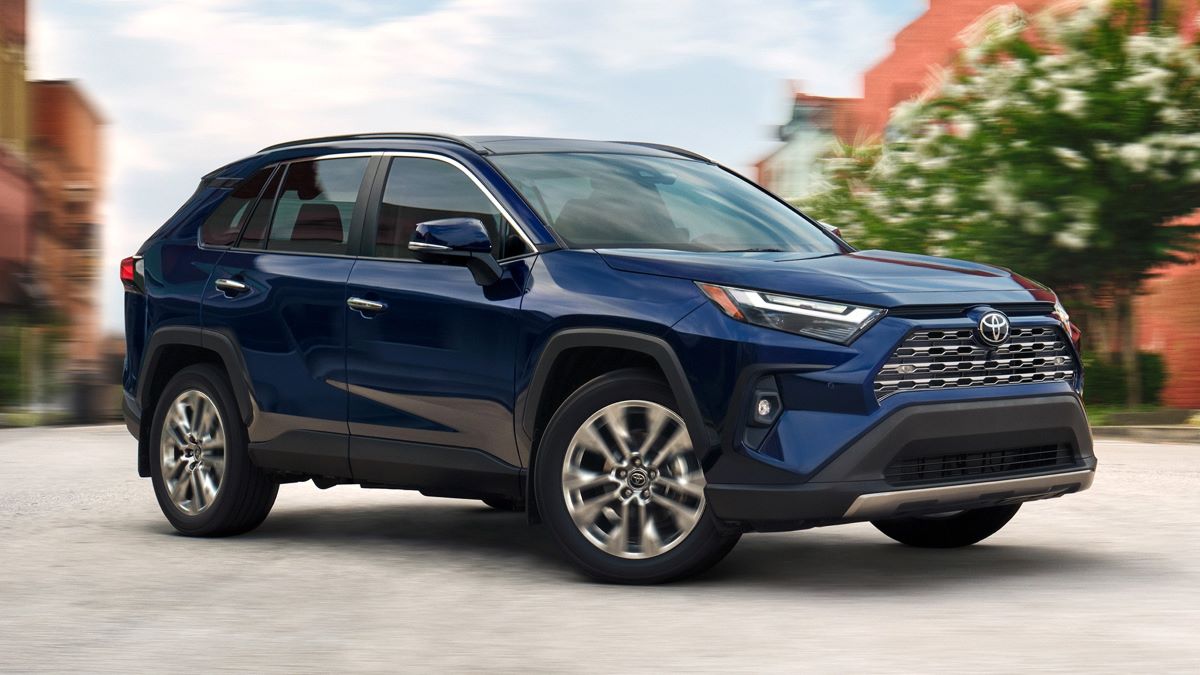
The RAV4’s interior materials support the screen’s visibility through careful selection of textures and finishes. The dashboard features primarily matte surfaces with subtle graining that prevents light reflection while still looking refined and modern.
Toyota has avoided the temptation to use glossy piano-black trim around the screen, a common design element that often creates distracting reflections in bright conditions.
For climate controls in higher trims that lack physical buttons, Toyota sticks necessary controls conveniently to the bottom of the screen, with screen-integrated knobs for temperature adjustment as a nice touch.
This design keeps frequently used functions always accessible without requiring menu navigation. Toyota’s commitment to over-the-air updates means the RAV4’s display can continue improving after purchase, with a recent update allowing users to maintain native system shortcuts even when in Apple CarPlay, showing Toyota’s responsiveness to consumer complaints.
For families and individuals who need a reliable, practical SUV with modern technology that won’t frustrate them during daily use, the RAV4’s thoughtful approach to screen design represents exactly the kind of functional excellence that has made Toyota vehicles so popular worldwide.
7. Mercedes-Benz S-Class with MBUX Hyperscreen
The Mercedes-Benz S-Class has always represented the pinnacle of automotive luxury and technology, and the optional MBUX Hyperscreen takes this philosophy to its logical extreme with a stunning 56-inch curved display that spans nearly the entire dashboard width.
Given this massive glass surface, Mercedes engineers faced significant challenges in preventing it from becoming a giant glare-generating problem, and they’ve addressed these concerns through multiple sophisticated solutions.
The Hyperscreen’s anti-reflective coating represents some of the most advanced optical technology in the automotive industry. Developed in collaboration with display technology specialists, the coating uses multiple layers of transparent materials with varying refractive indices to cancel out reflections across a broad spectrum of light angles.
This means whether sunlight is coming through the windshield, side windows, or even reflecting off other surfaces within the cabin, the coating helps maintain screen visibility.
The result is a display that remains remarkably clear and readable even in conditions that would render less sophisticated screens completely unusable.
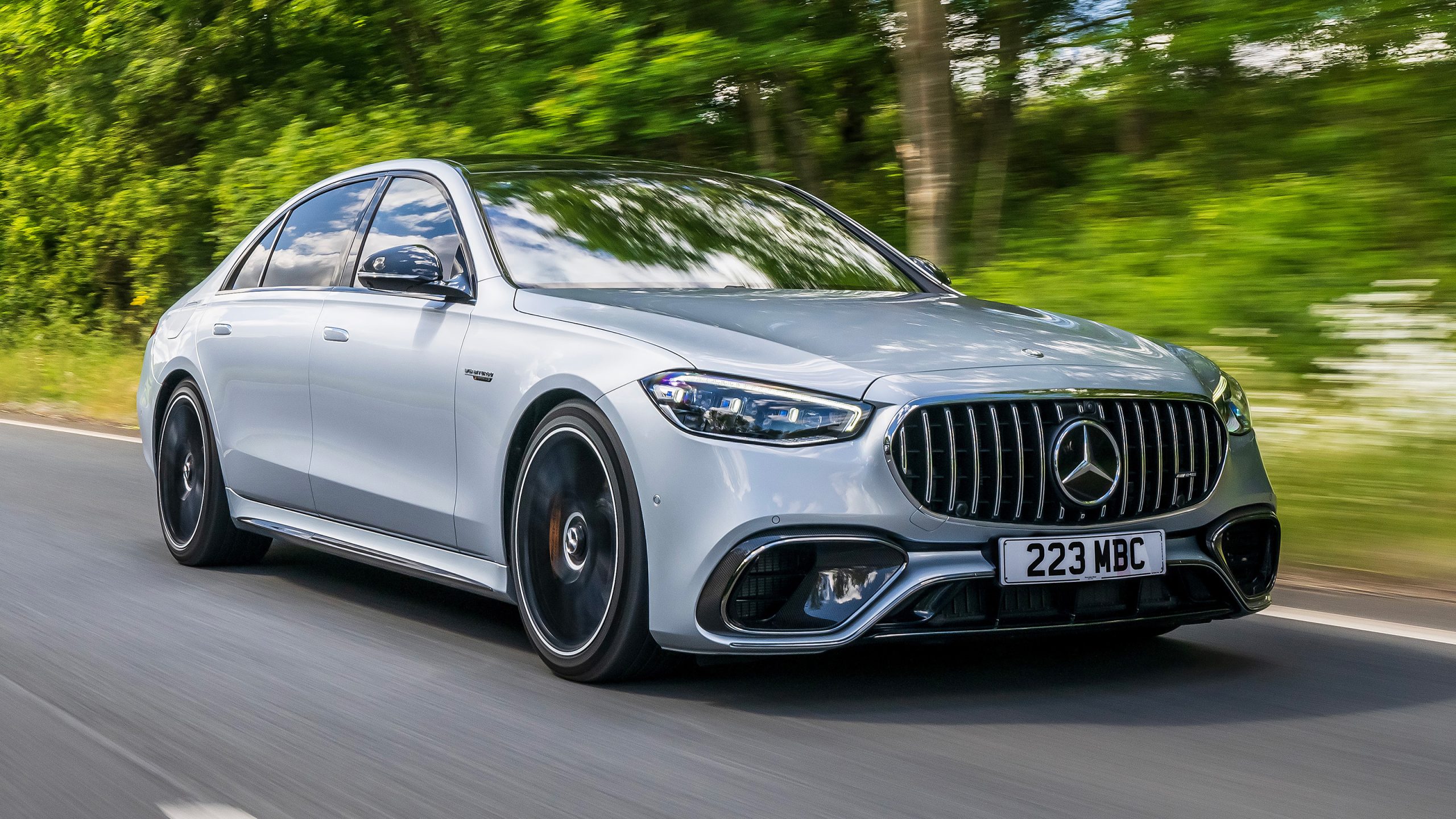
Mercedes has also implemented adaptive brightness control that goes beyond simple ambient light sensors. The system uses GPS data and time-of-day information to predict when glare is most likely to occur based on the vehicle’s orientation and the sun’s position, proactively adjusting brightness and contrast before the driver notices any degradation in visibility.
During particularly challenging lighting conditions, the system can automatically increase the thickness of fonts and adjust color palettes to maintain readability.
Mercedes’ interior design team has surrounded the Hyperscreen with materials specifically chosen for their low reflectivity. The dashboard uses soft-touch materials with subtle textures, the steering wheel features matte leather, and metallic trim pieces employ brushed or satin finishes rather than chrome.
Even the headliner material has been selected to avoid reflecting light downward onto the screens. For luxury sedan buyers who want the latest technology without compromising usability, the S-Class’s Hyperscreen demonstrates that even extreme display sizes can be made practical through careful engineering and sophisticated optical treatments.
8. Lucid Air
The Lucid Air represents a fresh perspective on electric vehicle interior design, and the company’s approach to display technology reflects Silicon Valley thinking applied to automotive challenges.
Lucid uses a combination of screens with a regular touchscreen at the traditional spot for functions like navigation, media, and phone, plus a separate lower screen for all car-related settings and functions.
This multi-screen strategy provides practical glare-fighting advantages by distributing information across multiple surfaces positioned at different angles.
Lucid’s screens are gorgeous to look at and respond quickly, with the company eagerly anticipating how these features will move forward with its Gravity SUV.
The primary upper display uses a high-quality panel with excellent brightness characteristics and anti-reflective coating that maintains clarity across varying lighting conditions.
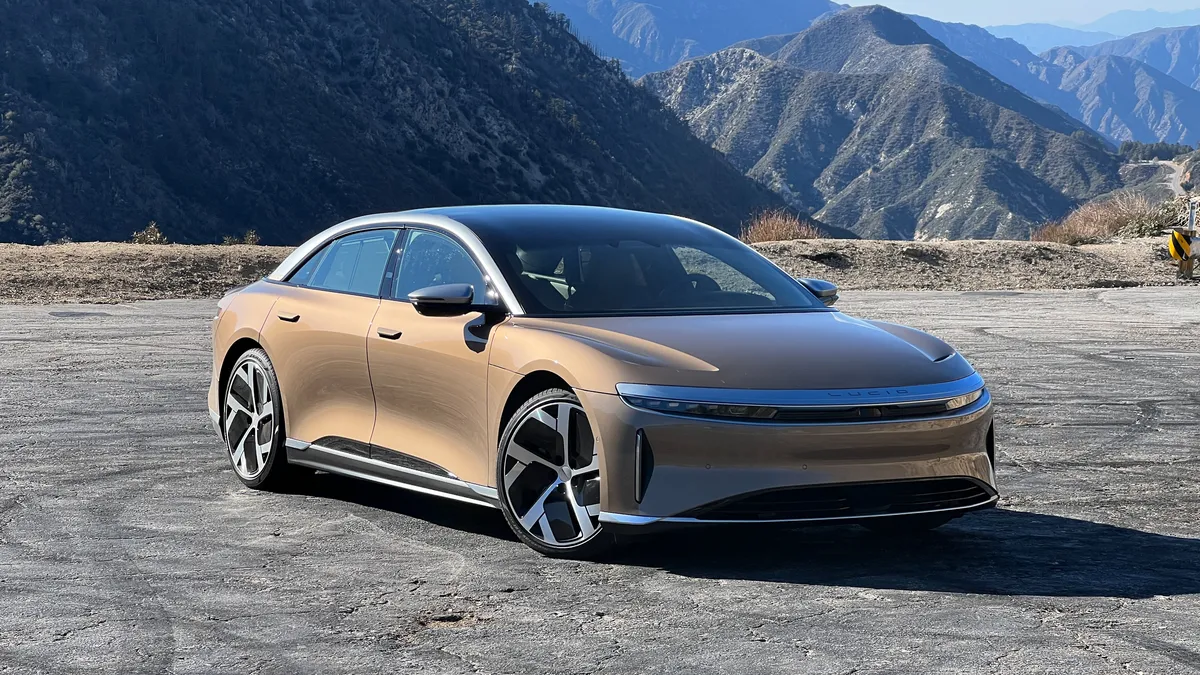
The lower screen’s position and angle naturally receive less direct sunlight due to the dashboard geometry, making it ideal for displaying vehicle settings that drivers may need to access even during the brightest conditions.
The Air’s software interface has been designed with California’s bright, sunny climate in mind. High-contrast graphics, clear typography, and thoughtful use of color ensure that information remains legible even when some ambient light reaches the screen.
The system includes customizable display modes for different lighting conditions, and drivers can save their preferences for automatic activation based on time of day or manual selection.
For electric vehicle enthusiasts who appreciate cutting-edge design but need practical usability for daily driving, the Lucid Air’s multi-screen approach demonstrates thoughtful solutions to modern automotive display challenges.
9. Audi Q8 e-tron with MMI Touch Response
Audi has long been at the forefront of automotive display technology, and the Q8 e-tron’s dual-screen MMI Touch Response system continues this tradition while addressing the glare concerns inherent in having multiple large touchscreens mounted prominently in the dashboard.
The upper 10.1-inch display handles navigation and infotainment, while the lower 8.6-inch screen manages climate controls and text input, creating a logical separation of functions that also provides glare-fighting benefits through varied screen angles.
Both screens feature OLED technology with exceptional contrast ratios and viewing angles. OLED’s ability to produce perfect blacks means that even if one portion of the screen experiences some glare, dark interface elements remain truly dark rather than reflecting gray light to the viewer.
The screens’ glossy surfaces receive anti-reflective coatings, and the high brightness capability ensures the displays remain visible even in direct sunlight.
Audi’s haptic feedback system provides tactile confirmation of inputs, which means drivers can operate controls without needing to look directly at the screen for extended periods, reducing the time spent dealing with any glare that might be present.

Audi’s virtual cockpit digital instrument cluster receives similar anti-glare treatment as the center touchscreens, ensuring consistency across the driver’s field of view.
The 12.3-inch display sits behind the steering wheel at an angle that naturally receives less direct sunlight than the vertical center stack screens, but Audi has still applied anti-reflective coatings and brightness management to maintain excellent visibility.
For luxury electric SUV buyers who appreciate German engineering precision applied to modern technology challenges, the Q8 e-tron’s comprehensive approach to display visibility demonstrates that multiple large screens can coexist with practical usability when proper attention is paid to materials, positioning, and optical treatments.
10. Mazda CX-90 with Curved Display
Mazda has built a reputation for creating driver-focused vehicles with premium materials and thoughtful design, and the CX-90’s approach to infotainment displays reflects this philosophy through careful attention to screen placement, materials, and functionality.
The available curved display that flows across the dashboard creates a modern, premium appearance, while the curve itself provides practical anti-glare benefits by ensuring different sections of the screen sit at varying angles to incoming light. The display’s positioning represents a compromise between the competing demands of ergonomics, aesthetics, and glare control.
Mazda engineers have positioned the screen high enough on the dashboard to keep it within the driver’s natural sight line, reducing the need for significant eye movement away from the road, but not so high that it catches excessive sunlight coming through the windshield.
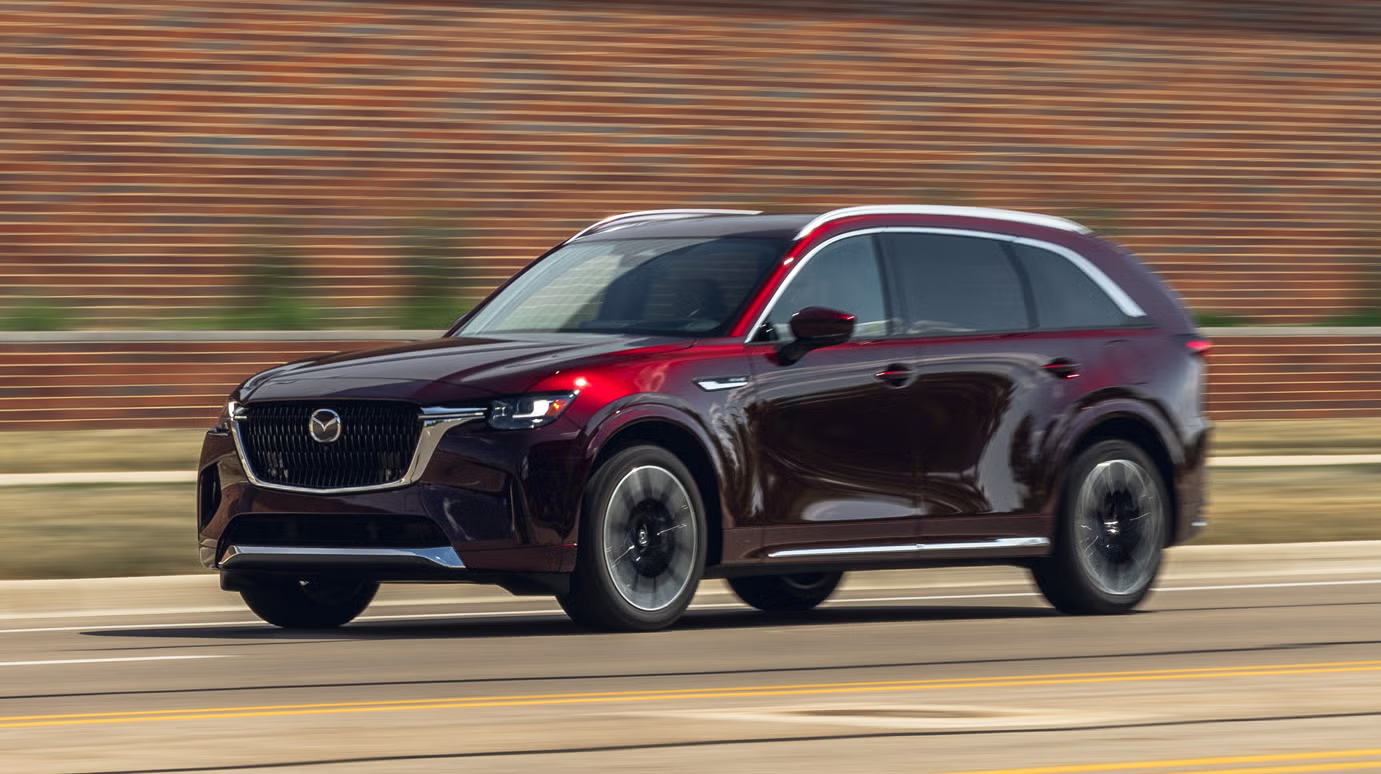
The dashboard’s geometric design creates natural shading for the upper portion of the screen during the brightest parts of the day. The CX-90’s screen technology includes anti-reflective coatings and adaptive brightness management that responds to changing ambient light conditions.
The system’s user interface features clean, uncluttered graphics with high contrast between interface elements and backgrounds, ensuring readability even when some glare is present.
Mazda has maintained physical controls for essential functions like volume and climate settings, providing drivers with alternatives when screen visibility might be temporarily compromised by extreme lighting conditions.
For buyers who appreciate the intersection of premium design and practical functionality, Mazda’s approach to display integration in the CX-90 demonstrates that thoughtful engineering can solve glare challenges without requiring dramatic or expensive technological interventions.
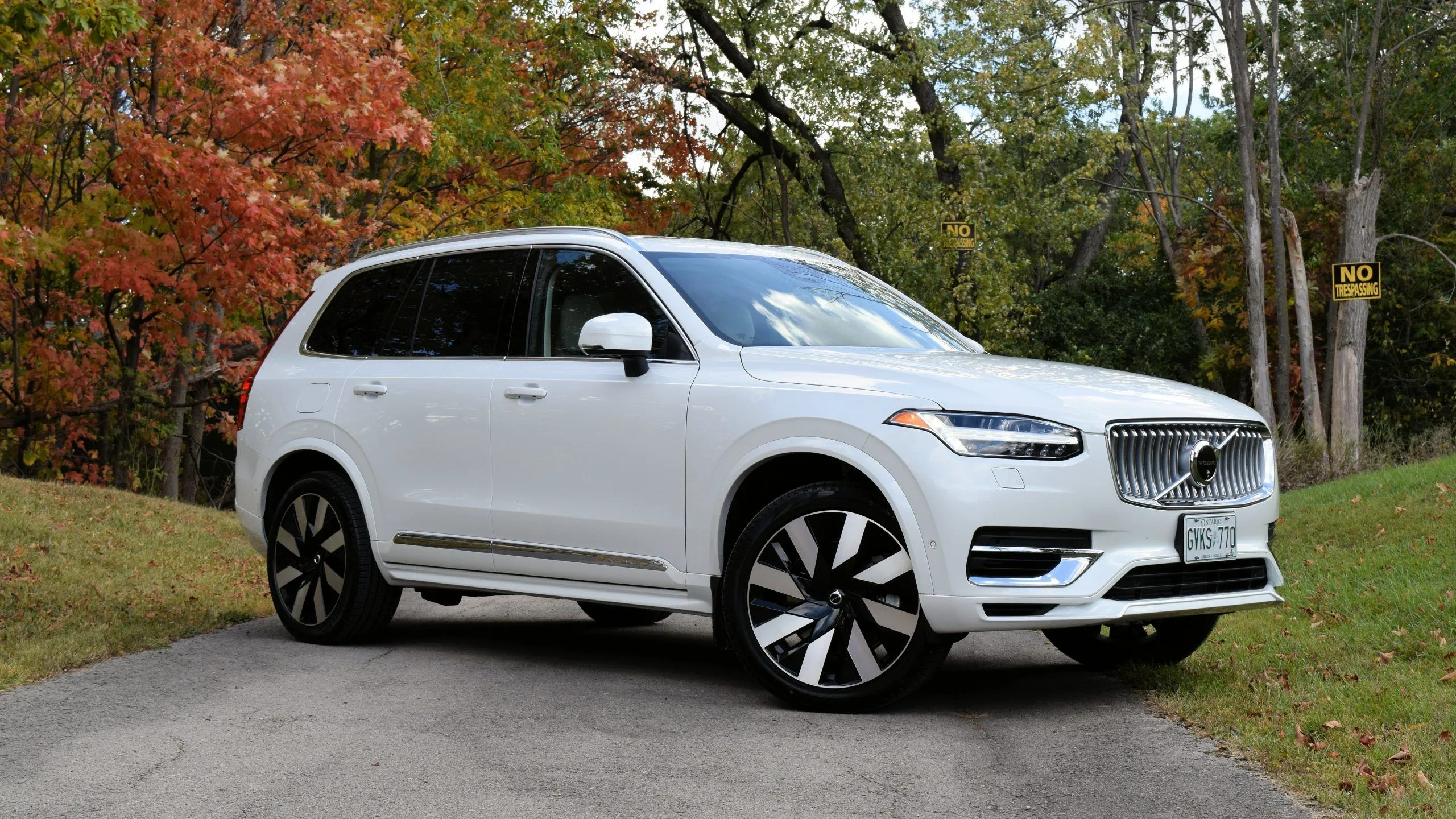
11. Volvo XC90 Recharge with Android Automotive
Volvo’s safety-focused reputation extends beyond crash protection to ensuring all vehicle systems, including displays, remain safe to use under any driving conditions.
The XC90 Recharge’s vertical 9-inch touchscreen running Android Automotive represents Volvo’s commitment to both cutting-edge technology and Scandinavian design principles that prioritize functionality and user safety.
The portrait-oriented display’s positioning and anti-glare treatment reflect extensive testing in Nordic conditions where low sun angles during long winter days can create particularly challenging glare situations.
The screen sits nearly vertical within the center stack, which could potentially catch sunlight, but Volvo has addressed this through a combination of anti-reflective coating and strategic dashboard design that creates subtle shading.
The display’s high brightness capability ensures it remains visible even during the perpetual daylight of Scandinavian summers or the bright snow-reflected light of winter conditions.
Volvo’s interior design philosophy emphasizes clean, minimalist aesthetics using natural materials like wood, leather, and metal in tasteful, understated applications.
The dashboard surrounding the touchscreen features primarily matte surfaces with the subtle texture found in contemporary Swedish design enough visual interest to feel premium without creating problematic light reflections.
Chrome and glossy surfaces appear sparingly and only where they won’t interfere with screen visibility. The Android Automotive interface offers familiar, intuitive operation with large, easily readable graphics and clear typography.
Google’s extensive experience in display technology and user interface design translates well to automotive applications, with the system maintaining usability across varying lighting conditions.
Built-in Google services mean drivers spend less time interacting with the screen for basic functions like navigation and voice commands, reducing the time spent dealing with any glare that might be present.
For safety-conscious buyers who appreciate Scandinavian design sensibilities and want modern connectivity features, the XC90 Recharge’s thoughtful integration of display technology demonstrates that even portrait-oriented screens can be implemented successfully with proper attention to placement, materials, and optical treatments.
12. Hyundai Ioniq 6 with Dual Curved Display
Hyundai has emerged as a leader in electric vehicle design and technology, and the Ioniq 6’s dual curved display demonstrates the company’s ability to create visually striking interiors that remain practical for daily use.
The seamlessly integrated 12.3-inch screens flow across the dashboard in a gentle curve, creating a futuristic appearance that could easily generate glare problems, but Hyundai engineers have implemented multiple solutions to maintain excellent visibility.
The curved display uses high-quality panels with anti-reflective coatings applied across the entire surface. The curve itself provides geometric advantages by ensuring different sections of the display sit at varying angles, which means direct sunlight can’t strike the entire screen uniformly.
This variation in angle means that even when driving directly toward the sun during sunrise or sunset, some portion of the display typically remains clearly visible.
The screens’ high brightness capabilities and automatic adjustment algorithms ensure optimal visibility across the full range of ambient lighting conditions.
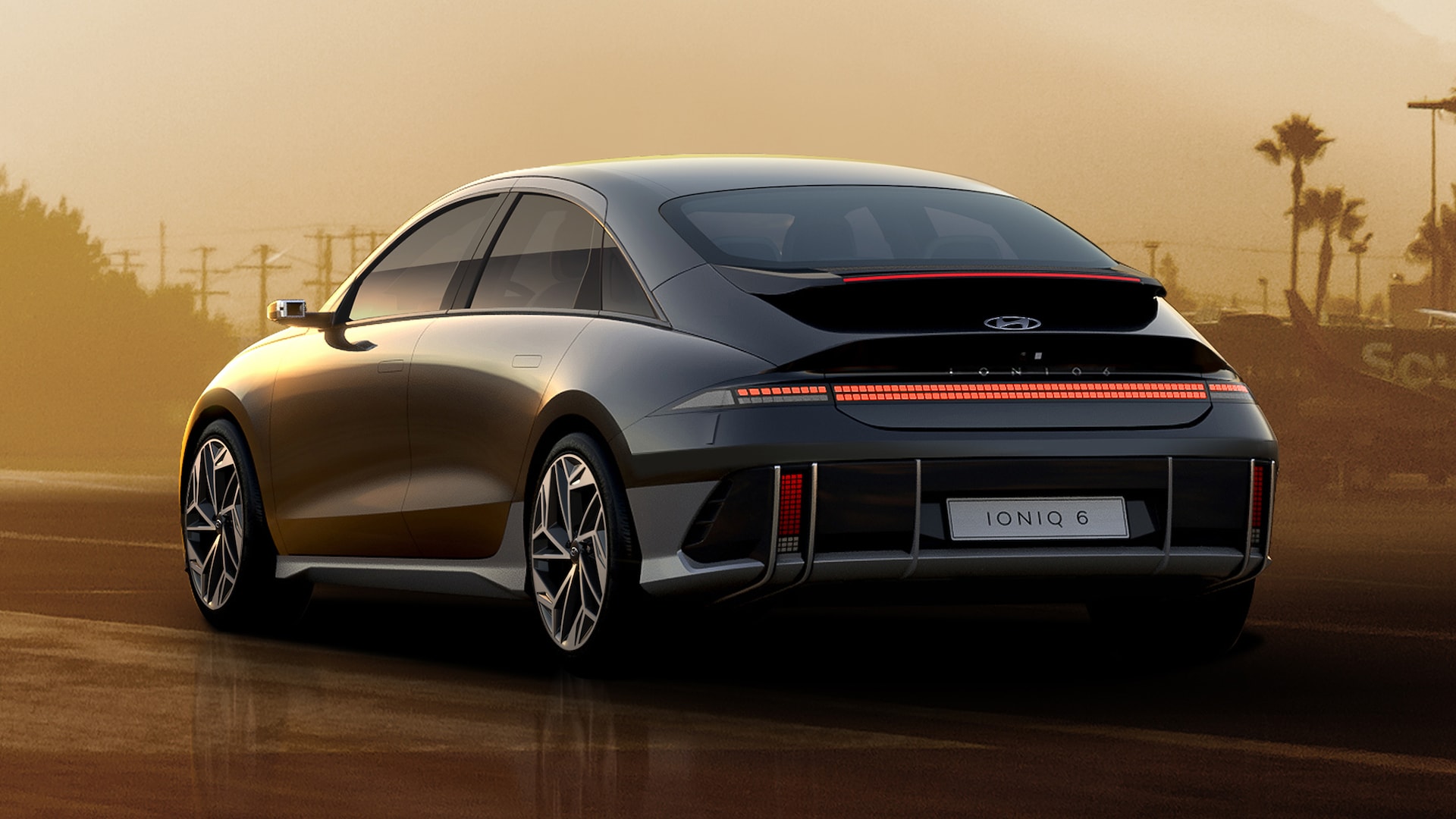
The user interface running on Hyundai’s latest software features clear graphics, intuitive layouts, and high-contrast elements that remain distinguishable even in challenging lighting conditions.
The system responds quickly to inputs without lag, which reduces the time drivers need to spend looking at the screen. Physical buttons for essential climate controls remain integrated into the lower portion of the display panel, providing tactile alternatives when needed.
For electric vehicle buyers who want cutting-edge design with practical everyday usability, the Ioniq 6’s implementation of its dual curved display demonstrates that dramatic visual statements need not compromise the fundamental requirement that drivers be able to clearly see and safely interact with their vehicle’s information systems, regardless of environmental lighting conditions.
Also Read: 5 Small Vehicles That Feel Solid at 75 MPH vs 5 That Jump Around
