
When crossing bridges, especially during windy conditions or at higher speeds, the last thing any driver wants is to feel their vehicle being pushed around by crosswinds.
While small cars are often praised for their fuel efficiency, maneuverability, and ease of parking, they can sometimes feel vulnerable when facing gusty conditions on raised roadways. However, not all compact vehicles are created equal when it comes to stability and road-holding prowess.
The key to a small car’s ability to stay planted on bridges lies in a combination of factors: aerodynamic design, weight distribution, suspension tuning, electronic stability systems, and engineering excellence.
Modern automotive technology has made tremendous strides in ensuring that even lightweight, compact vehicles can maintain their composure when faced with challenging driving conditions.
In this comprehensive guide, we’ll explore nine small cars that have earned reputations for exceptional stability and confidence-inspiring road manners, even when traversing bridges in less-than-ideal conditions.
These vehicles prove that compact dimensions don’t have to mean compromised stability. From hot hatches with sport-tuned suspensions to well-engineered economy cars with advanced electronic aids, these small vehicles offer drivers the peace of mind that comes with feeling firmly connected to the road surface, regardless of what Mother Nature throws their way.
1. Mazda MX-5 Miata
The Mazda MX-5 Miata stands as one of the most celebrated small cars in automotive history, and its exceptional stability is a major reason why.
Despite its diminutive size and lightweight construction weighing just over 2,300 pounds the Miata demonstrates remarkable composure on bridges and in crosswind conditions.
This stability stems from Mazda’s unwavering commitment to the “Jinba Ittai” philosophy, which translates to “rider and horse as one.” The secret to the Miata’s planted feel begins with its near-perfect 50/50 weight distribution.
This balance ensures that the car responds predictably to steering inputs and maintains stability even when wind gusts attempt to push it sideways.
The low center of gravity, achieved by positioning the driver and passenger close to the ground, further enhances the vehicle’s resistance to being unsettled by external forces.
Mazda’s engineers have refined the MX-5’s aerodynamics through countless wind tunnel tests. The sleek, purposeful bodywork isn’t just attractive it’s functional, designed to minimize lift and reduce the impact of crosswinds.

The sculpted hood and carefully shaped fenders guide air around the vehicle efficiently, while the underbody design helps create downforce that keeps the Miata glued to the pavement.
The suspension system plays a crucial role in the Miata’s stability. Double wishbone front suspension and multi-link rear suspension work in harmony to maintain tire contact with the road surface.
The dampers are precisely calibrated to absorb road irregularities while keeping body roll to a minimum. Even on long, exposed bridges where wind buffeting is common, the Miata tracks straight and true. Advanced electronic systems, including Dynamic Stability Control and Traction Control, provide an additional safety net.
These systems work subtly in the background, making minute adjustments to braking force at individual wheels to maintain the driver’s intended path. However, the Miata’s natural balance means these systems rarely need to intervene aggressively.
The compact wheelbase and relatively wide track for its size contribute to stability without sacrificing the nimble handling that makes the Miata so entertaining on winding roads.
Whether you’re driving the soft-top roadster or the RF (retractable fastback) model, the structural rigidity of the chassis ensures consistent handling characteristics in all conditions.
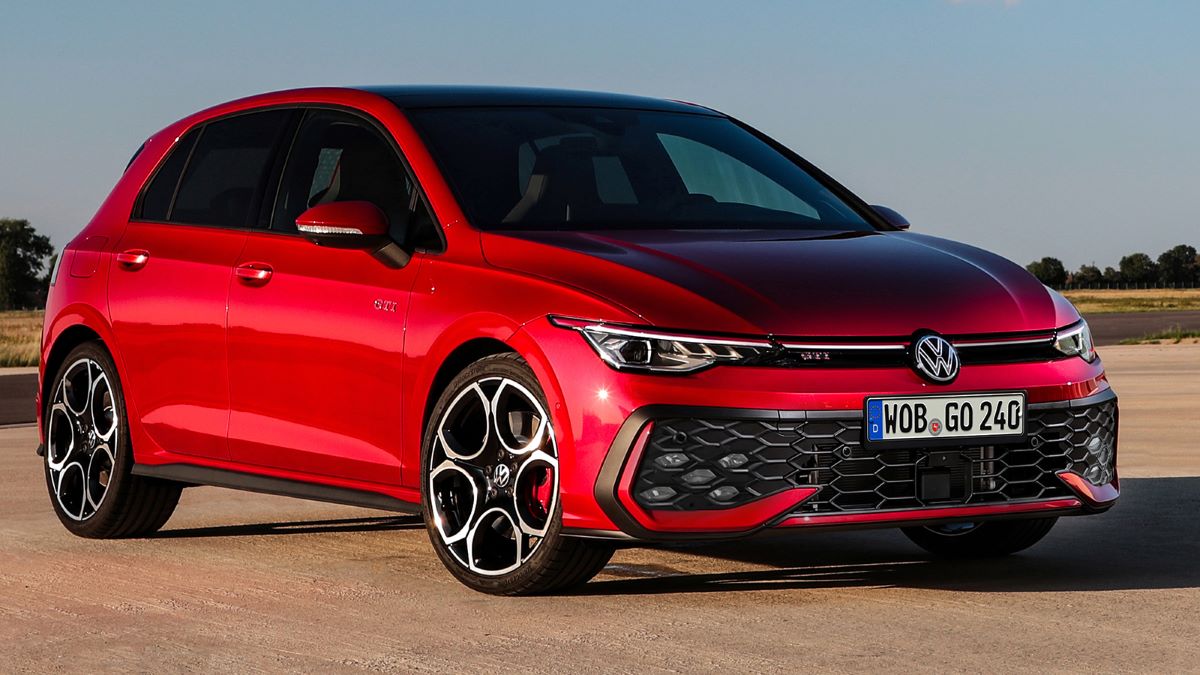
2. Volkswagen Golf GTI
The Volkswagen Golf GTI represents the gold standard for hot hatches, and its ability to remain composed on bridges is legendary among enthusiasts.
This seventh or eighth-generation icon combines German engineering precision with decades of refinement to create a small car that feels remarkably stable at any speed and in virtually any weather condition.
At the heart of the GTI’s bridge-worthy stability is Volkswagen’s MQB (Modular Transverse Matrix) platform. This sophisticated architecture provides exceptional rigidity while allowing engineers to optimize weight distribution.
The result is a front-wheel-drive hatchback that behaves with the confidence typically associated with much larger, heavier vehicles.
The platform’s torsional stiffness means the body doesn’t flex or twist under stress, maintaining suspension geometry even when encountering irregular road surfaces or strong crosswinds.
The GTI’s aerodynamic profile has been honed through extensive testing. The characteristic red stripe across the grille isn’t just styling it’s part of a carefully considered design that channels air efficiently around and under the vehicle.
The sculpted side skirts and rear diffuser work together to reduce lift and improve high-speed stability. Even at highway speeds on exposed bridges, the GTI feels planted and secure.
Volkswagen’s suspension tuning is particularly impressive. The independent multi-link rear suspension, combined with MacPherson struts up front, provides an ideal balance between ride comfort and handling precision.
The electronically controlled dampers (available on higher trims) can adjust their firmness in milliseconds, responding to road conditions and driving style. This adaptive capability means the GTI can provide a comfortable ride during daily commuting while firming up for spirited driving when desired.
The Electronic Stability Program (ESP) in the GTI is among the most sophisticated in the segment. It works seamlessly with the Electronic Differential Lock (EDL) and Anti-Slip Regulation (ASR) to maintain traction and stability.
When crossing bridges in challenging conditions, these systems work together to counter any destabilizing forces, often before the driver even notices a problem.
Weight distribution in the GTI benefits from thoughtful engineering. Despite housing a turbocharged engine up front, the car maintains reasonable balance that contributes to predictable handling.
The low-mounted battery and fuel tank help keep the center of gravity low, further enhancing stability. The result is a small car that inspires confidence whether you’re going through the city streets or cruising across a windswept suspension bridge.
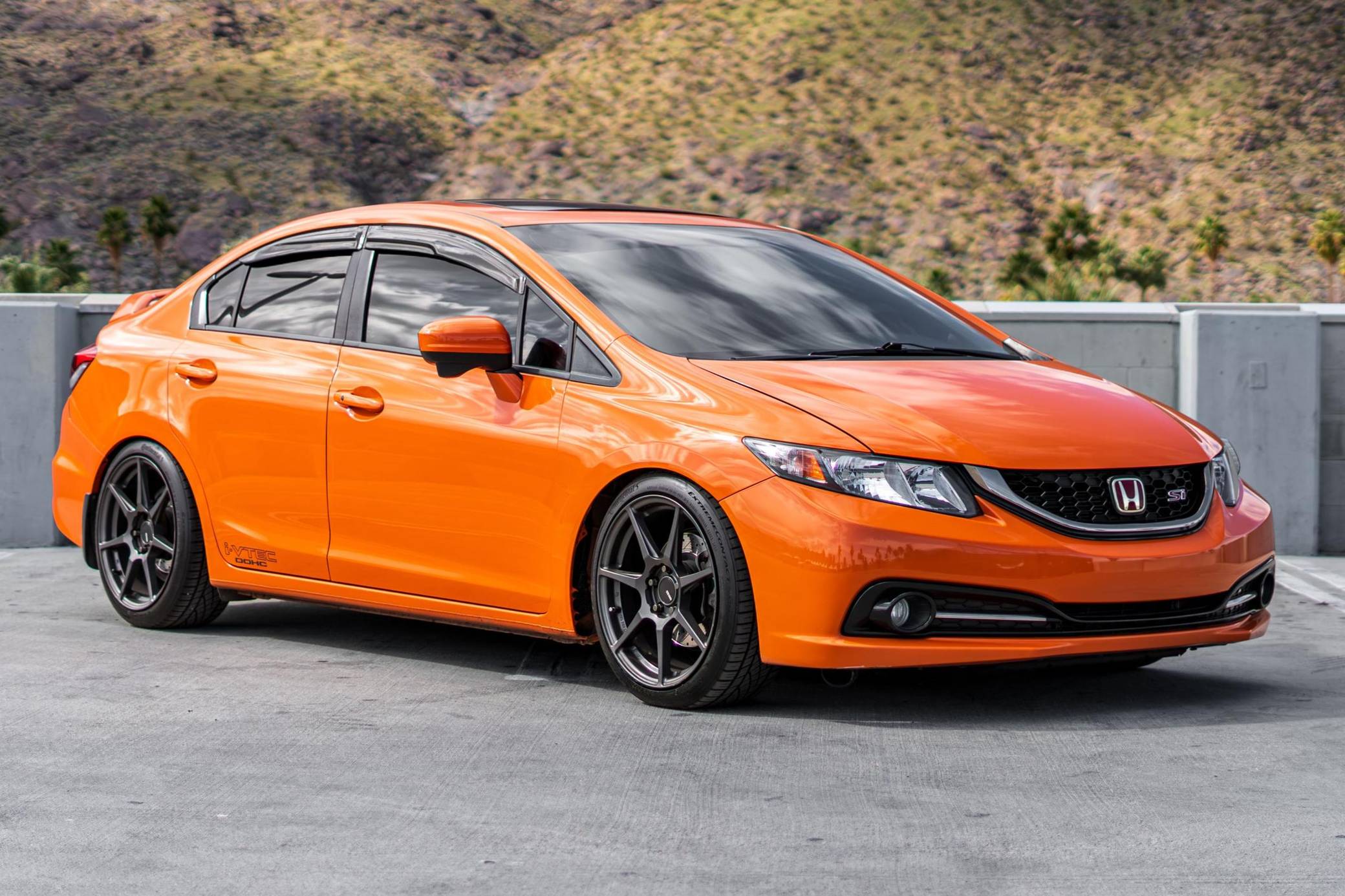
3. Honda Civic Si
The Honda Civic Si has built a devoted following thanks to its combination of everyday practicality and engaging driving dynamics. When it comes to stability on bridges, the Civic Si punches well above its weight class, offering confidence-inspiring road manners that belie its affordable price point and compact dimensions.
Honda’s engineers have invested heavily in chassis rigidity for the latest generation Civic platform. The body structure uses high-strength steel in strategic locations, creating a rigid shell that maintains its shape under stress.
This rigidity translates directly to improved stability, as the suspension components can work as designed without the chassis flexing and compromising their geometry.
On long bridge crossings, this structural integrity becomes particularly apparent as the car tracks straight with minimal correction needed from the driver.
The Civic Si’s suspension system represents a significant upgrade over the standard Civic. Adaptive dampers adjust continuously based on driving conditions, road surface quality, and driver inputs.
The suspension geometry has been optimized specifically for the Si, with attention paid to roll centers, camber curves, and bump steer characteristics.
These technical considerations might sound abstract, but they manifest as a car that feels utterly composed when encountering the expansion joints, wind gusts, and elevation changes common on bridges.

Aerodynamics play a crucial role in the Civic Si’s stability. The aggressive front fascia with larger air intakes isn’t purely cosmetic, it helps direct airflow more efficiently around the vehicle.
The side sills and subtle rear spoiler contribute to reducing lift at highway speeds. Honda’s engineers conducted extensive computational fluid dynamics simulations and wind tunnel testing to ensure the Si maintains stability even in strong crosswinds.
Honda’s Vehicle Stability Assist (VSA) system includes sophisticated algorithms developed through years of real-world testing. The system monitors dozens of parameters hundreds of times per second, including steering angle, yaw rate, and lateral acceleration.
When it detects any deviation from the driver’s intended path such as might occur when a strong wind gust hits the car on a bridge it can apply individual brakes and modulate throttle to maintain stability.
The Civic Si’s relatively low center of gravity contributes significantly to its planted feel. Honda positioned heavy components like the battery and exhaust system strategically to keep weight low in the chassis.
The turbocharged engine’s compact dimensions allow it to sit lower in the engine bay compared to naturally aspirated alternatives. Combined with the car’s wide track and optimal wheelbase, these factors create a small car that feels substantially larger and more stable than its footprint suggests.
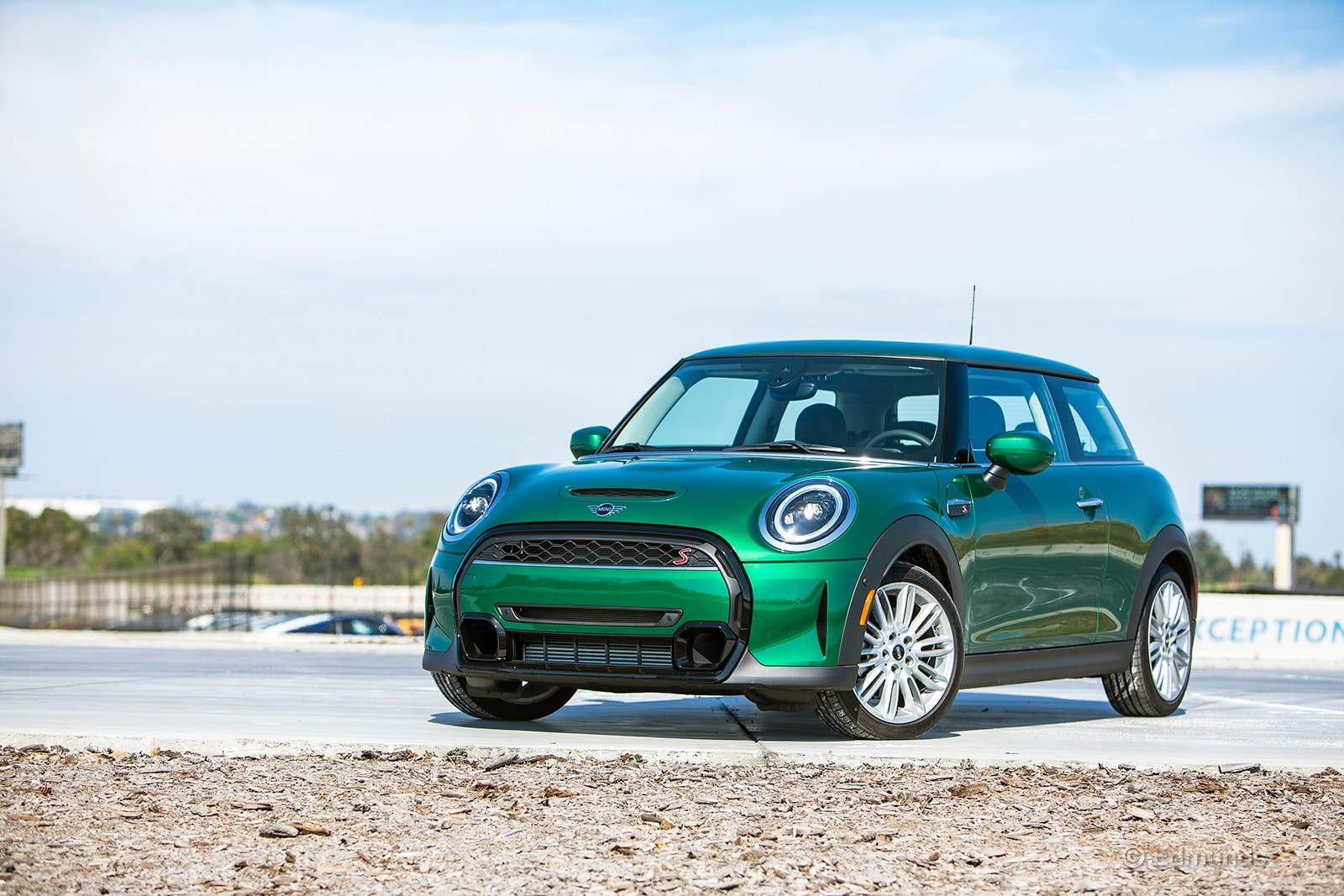
4. Mini Cooper S
The Mini Cooper S might be one of the smallest vehicles on this list, but it’s also one of the most entertaining to drive, and its stability credentials are impressive.
This modern interpretation of a British icon combines go-kart-like handling with surprisingly robust stability, making it an excellent choice for drivers who frequently cross bridges or encounter windy conditions.
The Cooper S benefits from BMW’s engineering expertise and the company’s insistence on driving dynamics excellence. The rigid body structure employs high-strength steel and strategic reinforcement that creates an exceptionally stiff platform.
This rigidity ensures that the suspension components can perform optimally, maintaining proper wheel alignment and contact patch even when external forces attempt to unsettle the vehicle.
Weight distribution in the Mini Cooper S is remarkably balanced despite its front-wheel-drive configuration. The transversely-mounted turbocharged engine sits low and far back in the engine bay, helping to centralize mass.
This positioning, combined with the short overhangs and compact dimensions, creates a car with a low polar moment of inertia, essentially meaning it resists rotational forces that could cause instability.
The suspension system in the Cooper S is a masterpiece of compact engineering. MacPherson struts up front and a multi-link setup at the rear provide exceptional control over wheel movement.
The suspension geometry has been carefully calculated to minimize bump steer and maintain optimal camber angles through the suspension’s travel. The result is a car that feels glued to the road, even when crossing grooved bridge decking or encountering mid-corner bumps.
Mini’s engineers paid particular attention to aerodynamics during the Cooper S’s development. The rounded shape cuts through the air efficiently, and the relatively low height means there’s less surface area for crosswinds to push against.
The flat underbody with strategic diffusers helps create a slight downforce effect at speed, further enhancing stability. Even on exposed bridges where larger vehicles might feel buffeted, the Cooper S maintains its composure admirably.
The Dynamic Stability Control (DSC) system in the Mini is sophisticated and responsive. It works in conjunction with Dynamic Traction Control (DTC) to maintain stability in all conditions.
The system can be partially disabled for spirited driving on closed courses, but for bridge crossings and highway driving, it provides an invisible safety net that helps keep the car tracking straight and true.
Also Read: 10 Best Sedans With Simple, Clear Gauges
5. Subaru WRX
The Subaru WRX brings all-wheel-drive capability to the small car segment, and this fundamental advantage translates directly into superior bridge stability.
While the other vehicles on this list manage impressive stability through clever engineering and electronic aids, the WRX has an inherent advantage: power going to all four wheels simultaneously, providing enhanced traction and stability in virtually all conditions.
Subaru’s Symmetrical All-Wheel Drive system is the cornerstone of the WRX’s stability. Unlike some all-wheel-drive systems that primarily send power to the front wheels and only engage the rear when slippage is detected, Subaru’s system continuously distributes power to all four corners.
This constant four-wheel engagement means that even when strong crosswinds hit the vehicle on a bridge, all four tires are working to maintain the driver’s intended path. The system can shift power front-to-rear and side-to-side as needed, responding to conditions faster than any driver could react.
The WRX’s low center of gravity is another significant advantage. Subaru’s horizontally-opposed “boxer” engine sits extremely low in the chassis, with the pistons moving side-to-side rather than up-and-down.
This configuration keeps heavy components close to the ground, reducing the vehicle’s tendency to roll in corners and improving stability. When combined with the wide track and relatively long wheelbase, the result is a car that feels firmly planted at all speeds.

Chassis rigidity in the WRX has improved dramatically in recent generations. Subaru invested heavily in structural reinforcements, using high-strength steel in strategic locations and improving weld quality throughout the unibody.
The result is a platform that doesn’t flex or twist, allowing the suspension to work as designed. This rigidity is particularly noticeable on bridges with expansion joints or irregular surfaces the WRX soaks up these imperfections while maintaining stability.
The suspension system combines MacPherson struts up front with a double-wishbone setup at the rear. This configuration provides excellent wheel control and allows engineers to tune the suspension for both performance and stability.
The dampers are valved to provide a firm but compliant ride, managing body motions effectively while still absorbing road irregularities. The result is a car that remains composed even when encountering the kinds of surface changes common on bridges.
Electronic stability aids in the WRX include Vehicle Dynamics Control, which integrates traction control, stability control, and all-wheel-drive management into a cohesive system.
These systems work together seamlessly, intervening only when necessary to maintain the driver’s intended path. The sophisticated sensors monitor everything from individual wheel speeds to steering angle and lateral acceleration, making minute adjustments that keep the WRX stable in challenging conditions.
6. Ford Fiesta ST
The Ford Fiesta ST represents one of the most entertaining small cars available, and despite its diminutive size and lightweight construction, it demonstrates impressive stability on bridges and in crosswind conditions.
Ford’s engineers managed to create a car that feels nimble and tossable on back roads while remaining composed and confidence-inspiring on highways and bridges.
The foundation of the Fiesta ST’s stability is its remarkably rigid chassis. Ford subjected the platform to extensive reinforcement specifically for the ST variant, adding strategic strengthening to the A and B-pillars, rocker panels, and floor pan.
The result is a structure that resists twisting and flexing, allowing the suspension to maintain proper geometry even under stress. This rigidity pays dividends on bridges, where the combination of road surface irregularities and wind loading can challenge lesser vehicles.
Ford’s suspension tuning for the Fiesta ST is exceptional. The car rides on a specially calibrated setup featuring stiffer springs, revised dampers, and carefully chosen anti-roll bar rates.
The MacPherson strut front suspension and torsion beam rear might seem simple on paper, but Ford’s engineers extracted remarkable performance from this layout.
The suspension manages to provide excellent body control without harshness, soaking up bridge expansion joints and surface irregularities while keeping the car planted.
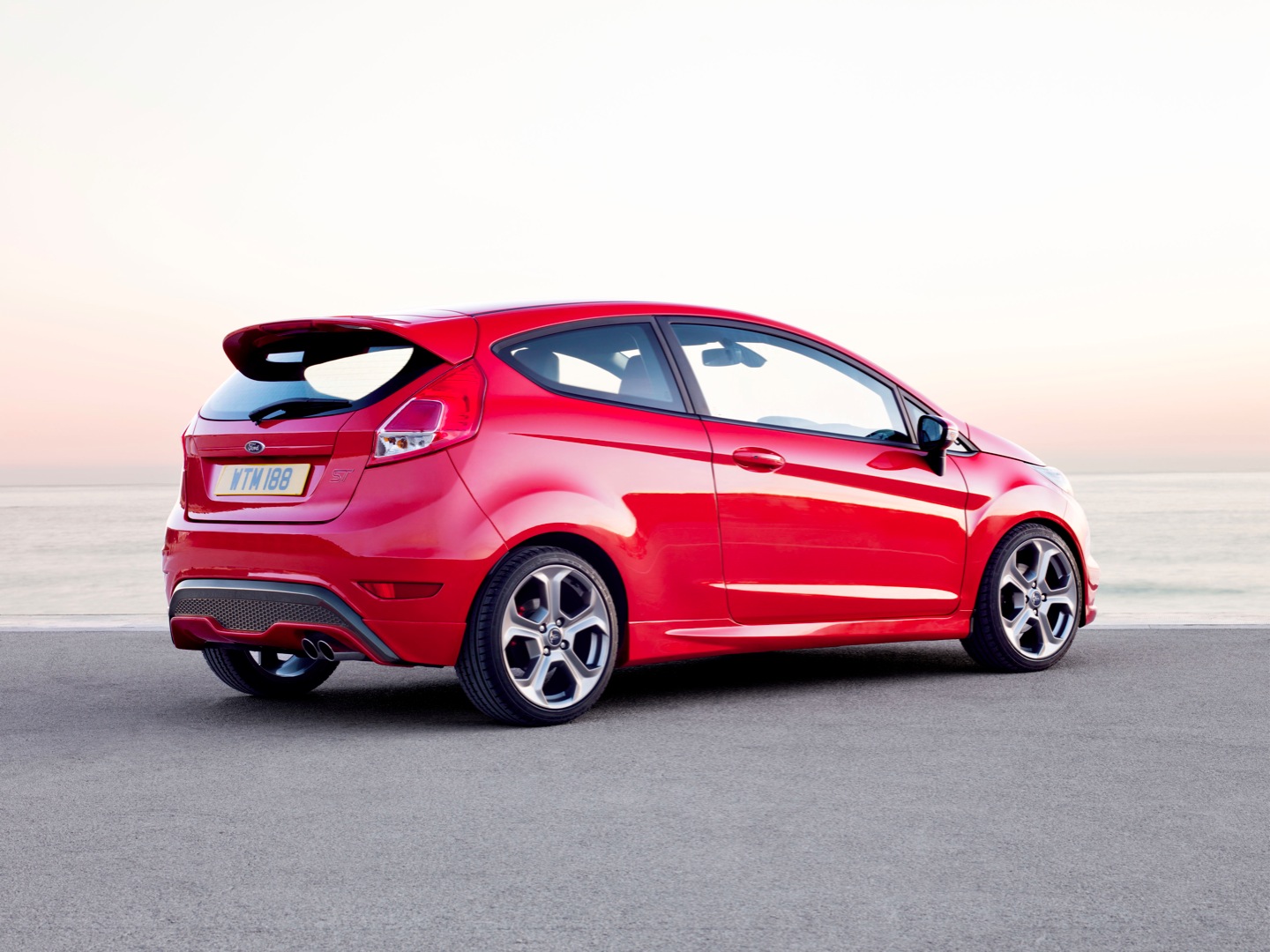
Aerodynamics received significant attention during the Fiesta ST’s development. The aggressive front fascia with its large lower intake isn’t just for show, it helps channel air efficiently around the vehicle and contributes to front-end stability.
The side skirts, rear spoiler, and unique rear diffuser all work together to reduce lift and improve high-speed stability. Wind tunnel testing and computational fluid dynamics simulations ensured that the Fiesta ST could handle crosswinds effectively despite its small frontal area and light weight.
The Electronic Stability Program in the Fiesta ST is sophisticated and well-calibrated. Ford tuned the system specifically for the ST’s sportier character, allowing some playfulness while still providing intervention when needed to maintain safety.
The system works in conjunction with Ford’s Torque Vectoring Control, which can apply braking to the inside front wheel during cornering to help rotate the car and maintain stability. These systems work together to keep the Fiesta ST tracking true, even when crossing exposed bridges in challenging weather.
Weight distribution in the Fiesta ST benefits from thoughtful packaging. The compact three-cylinder turbocharged engine sits relatively far back in the engine bay, helping to achieve a favorable front-to-rear balance. The fuel tank and battery positioning were also optimized to keep the center of gravity low and centralized.
The result is a car that feels balanced and stable, responding predictably to driver inputs even when external forces like crosswinds attempt to influence its path.
7. Audi A3
The Audi A3 brings premium German engineering to the compact car segment, and its stability characteristics reflect the brand’s commitment to excellence.
This sophisticated small car combines Audi’s renowned Quattro all-wheel-drive technology (in equipped models) with advanced electronics and meticulous engineering to create a vehicle that feels remarkably planted on bridges and highways.
The A3’s platform, shared with the Volkswagen Golf but enhanced with Audi-specific refinements, provides an exceptionally rigid foundation.
The body structure uses a combination of high-strength steels and aluminum in strategic locations, creating a stiff yet relatively lightweight shell.
This structural integrity ensures that the suspension components can work as designed, maintaining proper wheel alignment and contact patch even when crossing rough bridge surfaces or encountering strong crosswinds.
For A3 models equipped with Quattro all-wheel drive, stability reaches another level entirely. Audi’s sophisticated system continuously monitors driving conditions and can shift power between the front and rear axles almost instantaneously.
The system can send up to 100% of available torque to either axle as needed, providing exceptional traction and stability. On bridges where crosswinds might unsettle front-wheel-drive vehicles, the Quattro system helps keep the A3 tracking straight by distributing power to the wheels with the most grip.
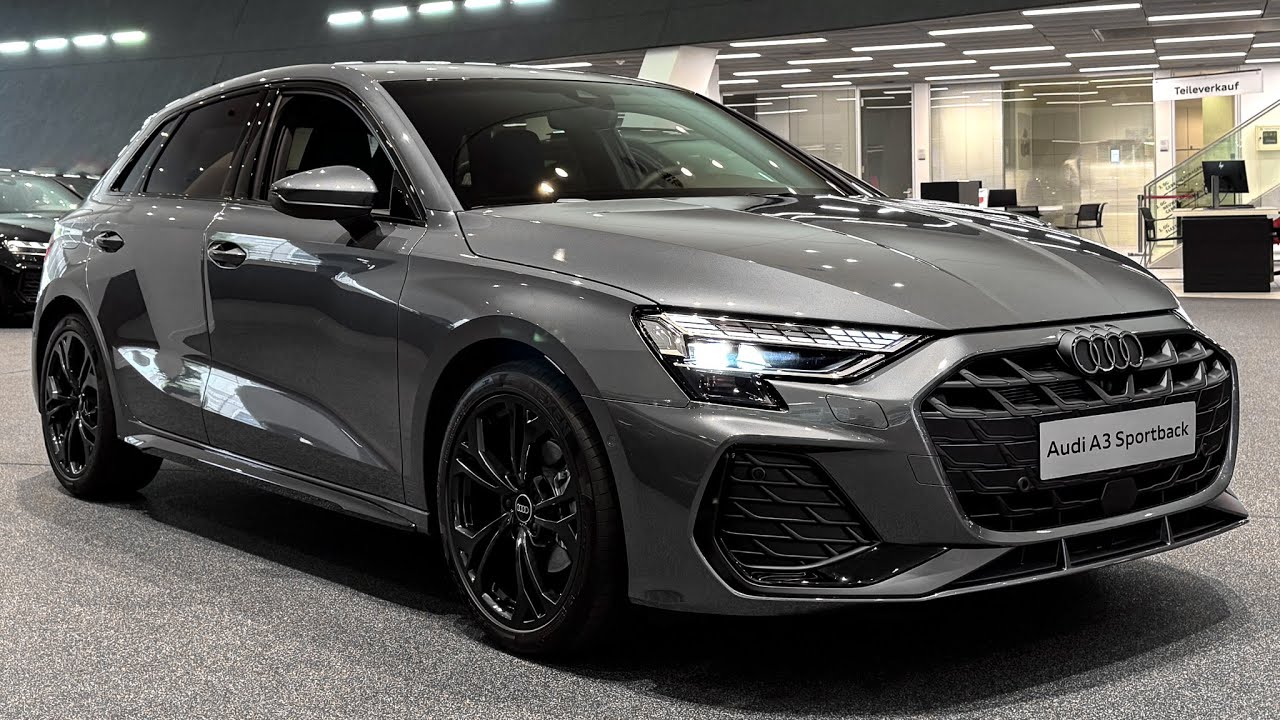
The suspension system in the A3 represents a careful balance between comfort and control. MacPherson struts up front and a multi-link setup at the rear provide excellent wheel control.
Available adaptive dampers can adjust their characteristics in real-time based on driving conditions and selected drive mode. The suspension geometry has been optimized to minimize bump steer and maintain appropriate camber angles throughout the suspension’s travel, contributing to the car’s stable, predictable behavior.
Aerodynamics play a significant role in the A3’s stability. Audi’s designers worked closely with engineers to create a shape that’s both attractive and functionally efficient.
The sculpted hood, carefully shaped side mirrors, and underbody panels all contribute to reducing drag and lift. The result is a car that remains composed even at highway speeds on exposed bridges, where wind buffeting can challenge lesser vehicles.
Electronic stability systems in the A3 are among the most sophisticated in the segment. The Electronic Stabilization Control (ESC) works with Audi’s Electronic Differential Lock and traction control to maintain stability in all conditions.
These systems monitor dozens of parameters hundreds of times per second, making subtle interventions to keep the car on the driver’s intended path. The integration between these systems is seamless, providing confidence-inspiring stability without intrusive intervention.
8. Toyota GR Corolla
The Toyota GR Corolla represents Toyota’s serious entry into the hot hatch segment, and it brings rally-bred engineering to everyday driving.
This performance-focused compact delivers exceptional stability thanks to its sophisticated all-wheel-drive system, rigid chassis, and purpose-built suspension components designed to handle far more challenging conditions than bridge crossings.
Toyota’s GR-Four all-wheel-drive system is a sophisticated setup derived from rally competition. Unlike many all-wheel-drive systems that favor front-wheel drive for efficiency, the GR-Four system can vary power distribution from 60/40 (front/rear) to 50/50 to 30/70, depending on the selected driving mode.
This flexibility means the GR Corolla can adapt to conditions on the fly, maintaining stability whether facing crosswinds on a bridge or tackling a twisty mountain road.
The system works seamlessly with the turbocharged three-cylinder engine to provide traction and stability that’s simply not possible with front-wheel drive alone.
The chassis of the GR Corolla is significantly reinforced compared to the standard Corolla. Toyota added substantial structural bracing, including additional welds, adhesives, and strategic reinforcements throughout the body.
The result is a platform that’s exceptionally rigid, resisting flex and maintaining suspension geometry under all conditions. This rigidity translates directly to improved stability, as the suspension components can work as designed without the chassis compromising their effectiveness.
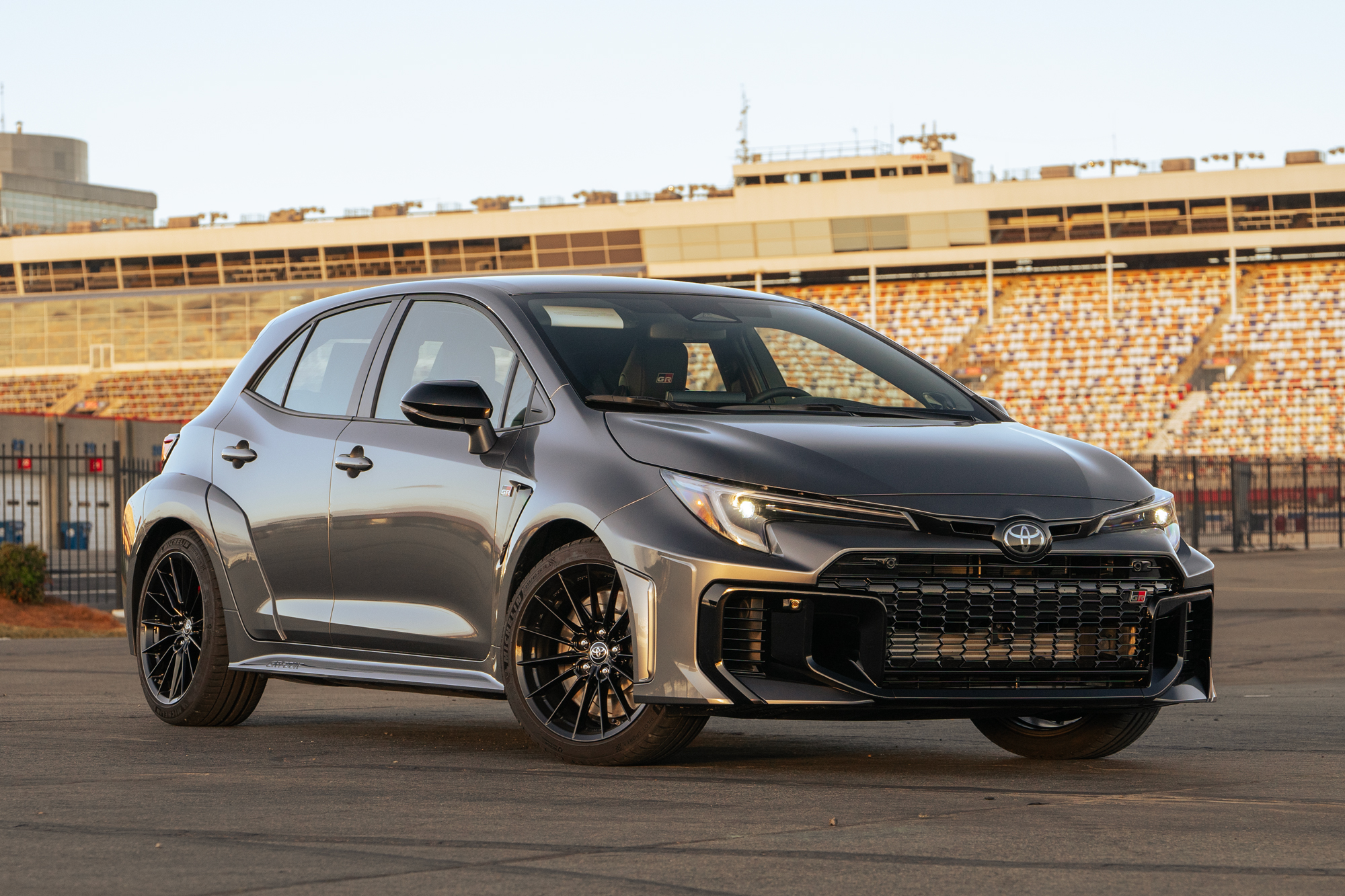
Suspension tuning in the GR Corolla is derived from motorsport experience. The MacPherson strut front and double-wishbone rear suspension feature specially valved dampers and carefully chosen spring rates that balance performance with livability.
The suspension geometry has been optimized for quick turn-in response while maintaining stability at speed. The result is a car that feels planted and predictable, whether going through the city streets or cruising across a windswept bridge at highway speeds.
Toyota paid careful attention to weight distribution and center of gravity in the GR Corolla. The turbocharged three-cylinder engine is compact and mounted low in the chassis.
The all-wheel-drive components add some weight, but they’re positioned strategically to maintain good balance. The wide track and relatively long wheelbase contribute to stability, giving the car a solid, planted stance that’s evident from simply looking at it.
Electronic stability aids in the GR Corolla include Toyota’s Vehicle Stability Control, which works in concert with the all-wheel-drive system to maintain traction and stability.
The system can modulate power delivery and apply individual brakes to keep the car on the driver’s intended path. The integration between these systems is sophisticated, providing seamless intervention that enhances stability without intrusiveness.
9. Hyundai Elantra N
The Hyundai Elantra N represents the Korean manufacturer’s bold entry into the performance compact sedan segment, and it brings impressive stability credentials that might surprise those unfamiliar with Hyundai’s recent performance efforts.
This thoroughly engineered sports sedan demonstrates that stability and engaging driving dynamics aren’t mutually exclusive, even in an affordable package.
The Elantra N’s platform received extensive reinforcement to handle the performance demands of the turbocharged powertrain and sport-tuned suspension.
Hyundai added strategic bracing throughout the structure, including reinforcements to the subframes, strut towers, and floor pan. The result is a rigid chassis that maintains its composure even when crossing rough bridge surfaces or encountering strong crosswinds.
This structural integrity allows the suspension to work optimally, maintaining proper wheel alignment and tire contact. Hyundai’s suspension tuning for the Elantra N is sophisticated and well-executed.
The car features MacPherson struts up front and a multi-link setup at the rear, both specially calibrated for the N variant. The electronically controlled dampers can adjust their characteristics in milliseconds, responding to road conditions and driving mode selections.
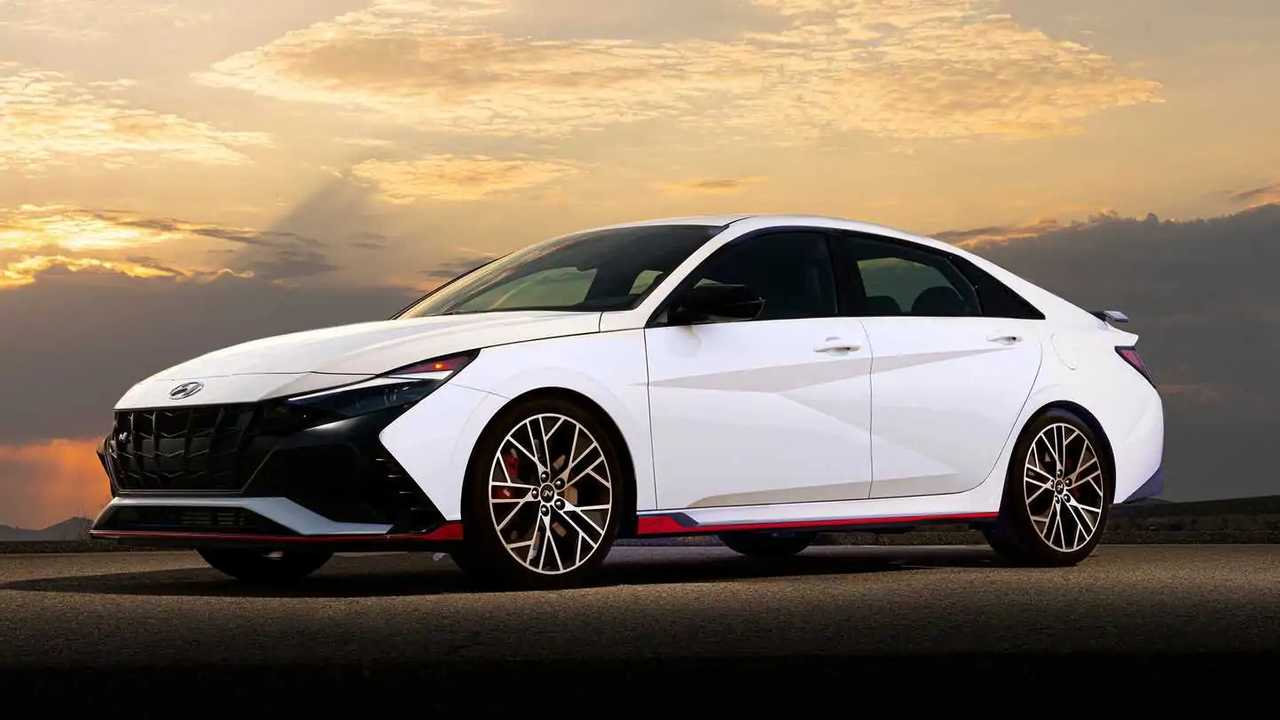
The suspension geometry has been carefully optimized to provide sharp turn-in response while maintaining stability at speed, making the car feel planted whether carving through corners or cruising straight on a highway bridge.
Aerodynamics played a significant role in the Elantra N’s development. The aggressive front fascia with large air intakes, sculpted side skirts, and prominent rear wing aren’t purely aesthetic choices they’re functional elements that contribute to stability.
Wind tunnel testing and computational simulations ensured that the Elantra N maintains composure in crosswinds and generates appropriate downforce at speed. The result is a car that feels stable and secure even when crossing exposed bridges in challenging weather conditions.
The Electronic Stability Control system in the Elantra N is comprehensive and well-calibrated. Hyundai tuned the system to accommodate the car’s sportier character while still providing intervention when necessary for safety.
The system works in conjunction with the electronic limited-slip differential to maintain traction and stability, particularly when accelerating out of corners or going through slippery surfaces. These electronic aids work subtly in the background, maintaining stability without intrusive intervention.
Weight distribution in the Elantra N benefits from careful engineering. Despite the front-wheel-drive layout and turbocharged engine mounted up front, Hyundai achieved a reasonable balance through strategic component placement.
The battery, fuel tank, and exhaust system are positioned to keep the center of gravity low and relatively centralized. The wide track and appropriate wheelbase contribute to the car’s stable stance, giving it a planted feel that inspires confidence in all driving conditions, from daily commuting to spirited driving on challenging roads.
Also Read: 12 Cars With Real Spare Tires in 2025 Staying Reliable
