
In today’s automotive market, the term “budget car” no longer means compromising on quality or settling for a spartan interior filled with hard plastics and flimsy materials.
The democratization of automotive excellence has reached a point where affordable vehicles now offer premium-feeling cabins that rival their more expensive counterparts from just a decade ago.
The modern budget car segment has undergone a remarkable transformation. Manufacturers have recognized that today’s consumers demand more than just reliable transportation they want vehicles that feel substantial, well-crafted, and thoughtfully designed, regardless of price point.
This shift has led to innovations in materials science, manufacturing processes, and interior design philosophy that have trickled down from luxury brands to mainstream offerings.
What makes a car feel expensive to touch? It’s a combination of factors: the satisfying thunk of a closing door, the damped feel of controls and switches, the texture of dashboard materials, the weight and precision of gear shifters, and the cohesiveness of interior design.
It’s about soft-touch surfaces where your hands naturally rest, well-padded armrests, and the absence of annoying squeaks and rattles.
The ten vehicles we’ve selected represent the cream of the budget crop cars that punch well above their weight class in terms of interior quality and tactile satisfaction.
These are vehicles where you can close your eyes, run your hands across the dashboard and door panels, and genuinely question whether you’re sitting in something that costs twice as much. From compact sedans to crossovers, these budget-friendly options prove that premium feel doesn’t require a premium price tag.
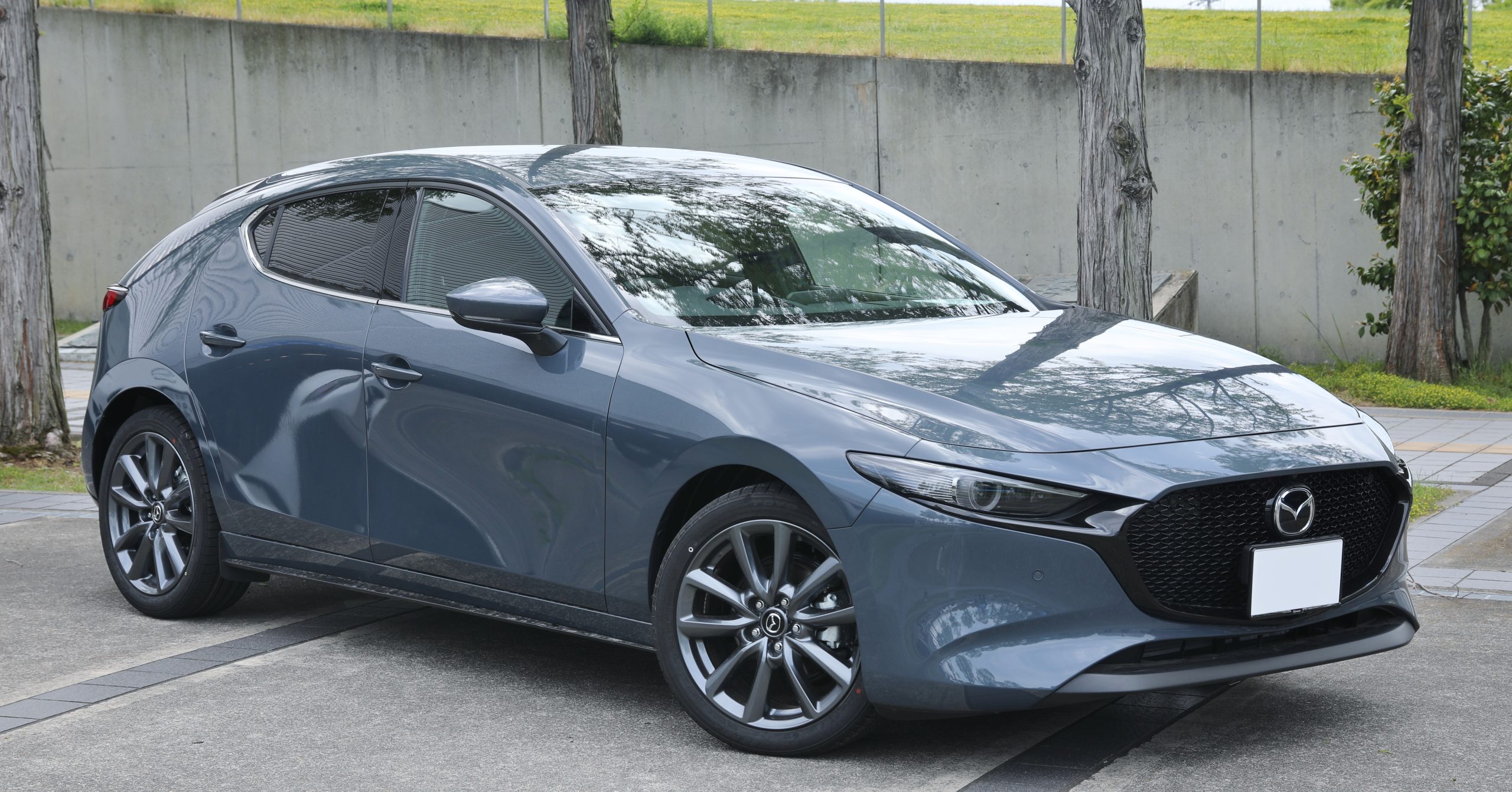
1. Mazda3
The Mazda3 has long been the poster child for affordable luxury, and the current generation takes this philosophy to extraordinary heights.
When you slide into the driver’s seat, you’re immediately greeted by materials that wouldn’t look out of place in an Audi or BMW. The dashboard features genuine stitching across soft-touch surfaces, and the attention to detail is remarkable for a vehicle in this price range.
What sets the Mazda3 apart is Mazda’s commitment to their “Jinba Ittai” philosophy the idea that car and driver should be one. This extends beyond just driving dynamics to how every surface feels under your fingertips.
The door handles have a weighted, substantial feel when you pull them. The climate control knobs offer perfectly damped resistance as you turn them. Even the window switches have a quality click that communicates precision engineering.
The steering wheel deserves special mention it’s wrapped in leather that feels genuinely premium, with a diameter and grip thickness that feels perfectly sized for engaging driving.
The paddle shifters, when equipped, have a metallic click that’s deeply satisfying. The infotainment controller between the seats operates with the smoothness of a system costing thousands more.
Mazda’s use of materials is intelligent rather than extravagant. Instead of slathering every surface in soft-touch plastics, they’ve strategically placed premium materials where your hands and arms naturally rest.
The upper door panels and dashboard areas you touch most frequently feel wonderful, while less-contact areas use harder plastics that don’t cheapen the experience. The seats, whether cloth or leatherette, are supportive and feature stitching patterns that add visual and tactile interest.
The ambient lighting is subtle rather than garish, and the color palette tends toward sophisticated neutrals with tasteful accent stitching. Sound insulation is excellent for the class, with triple door seals that create that satisfying “thunk” when you close the door.
The Mazda3 proves that achieving a premium feel isn’t about the most expensive materials; it’s about thoughtful design, precise execution, and sweating the details that customers actually touch and interact with daily.
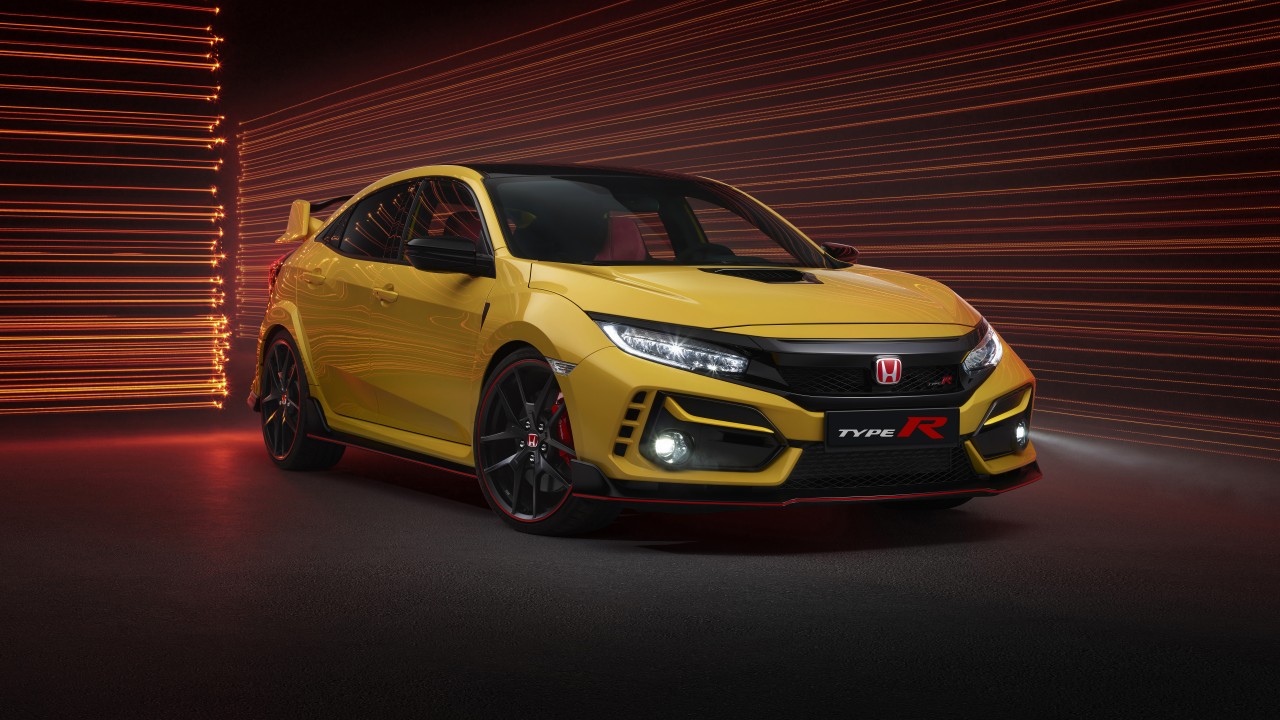
2. Honda Civic
The latest generation Honda Civic represents a masterclass in raising perceived quality without inflating the price tag. Honda’s engineers have clearly studied premium vehicles to understand what creates that expensive feeling, then applied those lessons throughout the Civic’s cabin.
The result is a compact car that feels more like a scaled-down Acura than a budget offering. The dashboard architecture is clean and uncluttered, featuring a honeycomb mesh insert that adds visual texture without appearing cheap.
This mesh pattern, which spans the width of the dashboard, is supplemented by soft-touch materials that extend across the upper surfaces. When you rest your hand on the dashboard or door panel, you’re met with a pleasant give rather than hard, unyielding plastic.
Honda has paid particular attention to the tactile quality of controls. The volume knob a physical control that Honda wisely retained has a beautifully damped feel with subtle detents that provide feedback without being notchy.
The gear selector, whether it’s the traditional shifter or the electronic button array in higher trims, operates with precision that communicates quality. Even the sun visor feels substantial, with a smooth sliding mechanism and a covered vanity mirror.
The Civic’s seats deserve special recognition. Whether you opt for the cloth or leather upholstery, the seats provide excellent support with bolstering that feels sculpted rather than simply padded.
The cloth material used in base models doesn’t feel cheap or scratchy it’s a tightly woven fabric with a pleasant texture. The stitching throughout the interior, both functional and decorative, is tight and consistent.
One area where Honda has made significant strides is in reducing interior noise. The Civic features acoustic glass in the windshield and extensive sound deadening throughout the cabin.
This creates a quiet environment where road and wind noise are well-controlled, contributing significantly to the premium feel. When combined with the solid feel of body panels and the satisfying door closing sound, the Civic creates an impression of a much more expensive vehicle.
Storage solutions throughout the cabin are thoughtfully designed with felt-lined compartments and rubber-lined cupholders that prevent rattling.
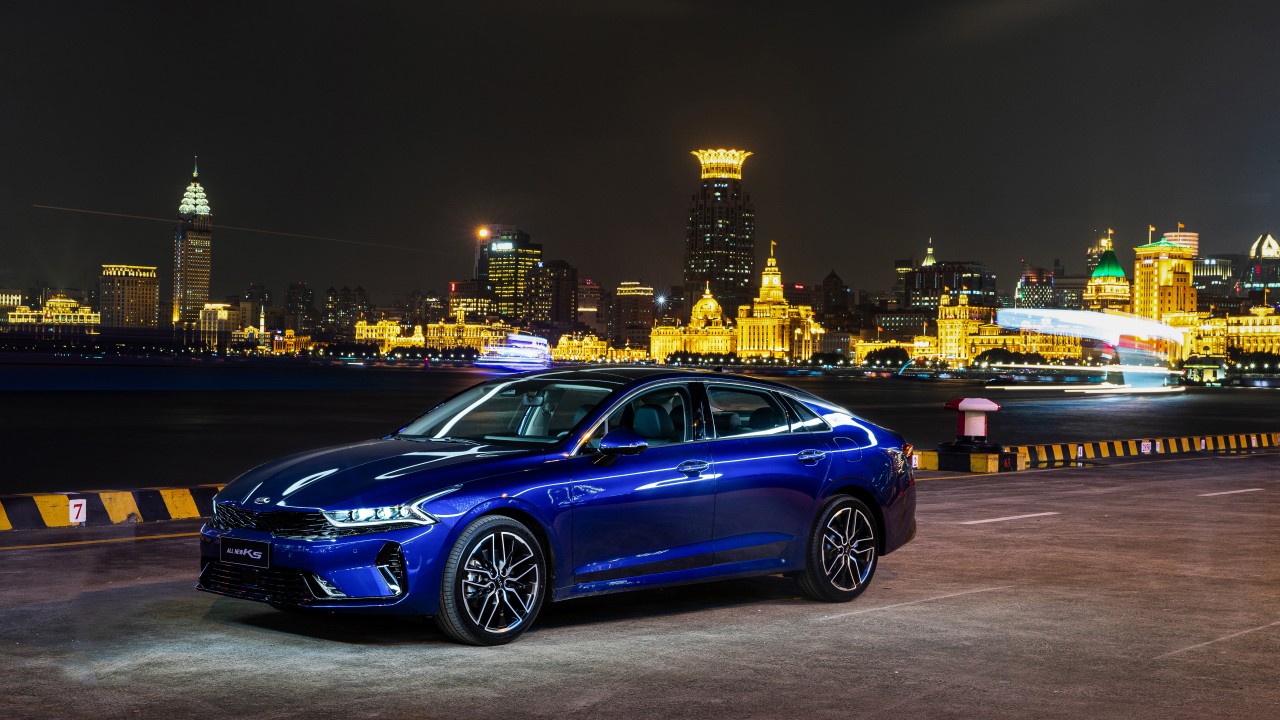
3. Kia K5
Kia’s transformation from budget brand to serious competitor has been nothing short of remarkable, and the K5 midsize sedan is perhaps the best example of this evolution.
The interior quality would have been unthinkable from Kia just a decade ago, yet here it stands as proof that Korean manufacturers have mastered the art of premium feel at non-premium prices.
The K5’s interior design is bold and modern, featuring a dual-screen setup that flows seamlessly across the dashboard. But beyond the visual drama, it’s the tactile quality that impresses.
The dashboard features a sophisticated mix of materials including soft-touch plastics, piano black trim, and metallic accents that feel substantial rather than flimsy. The upper door panels are padded and stitched, with armrests that are genuinely comfortable for long journeys.
Kia has employed a clever strategy with material placement. High-touch areas like the center console, steering wheel, and shift knob are wrapped in quality materials that feel expensive.
The steering wheel leather has a fine grain that’s pleasant to grip, and the perforations in higher trims are genuine, allowing breathability.
The push-button gear selector a feature typically found in luxury vehicles operates with satisfying precision, each button press accompanied by a quality click and immediate response.
The seats in the K5 are particularly impressive, especially in GT-Line and GT trims where they feature aggressive bolstering and contrast stitching.
Even in base models, the seats provide support that belies the car’s affordable price point. The stitch pattern creates visual interest while also serving a functional purpose in maintaining fabric tension.
Sound quality is another area where the K5 punches above its weight. Even the base audio system sounds respectable, while the available Bose premium system delivers audiophile-grade sound quality.
The cabin is well-insulated from outside noise, with acoustic laminated glass and extensive sound deadening creating a sanctuary-like environment.
The K5 also features ambient lighting that’s thoughtfully implemented bright enough to create atmosphere but not so bright as to become distracting at night. Storage compartments are generously sized and finished with quality materials that prevent items from sliding around.
4. Hyundai Elantra
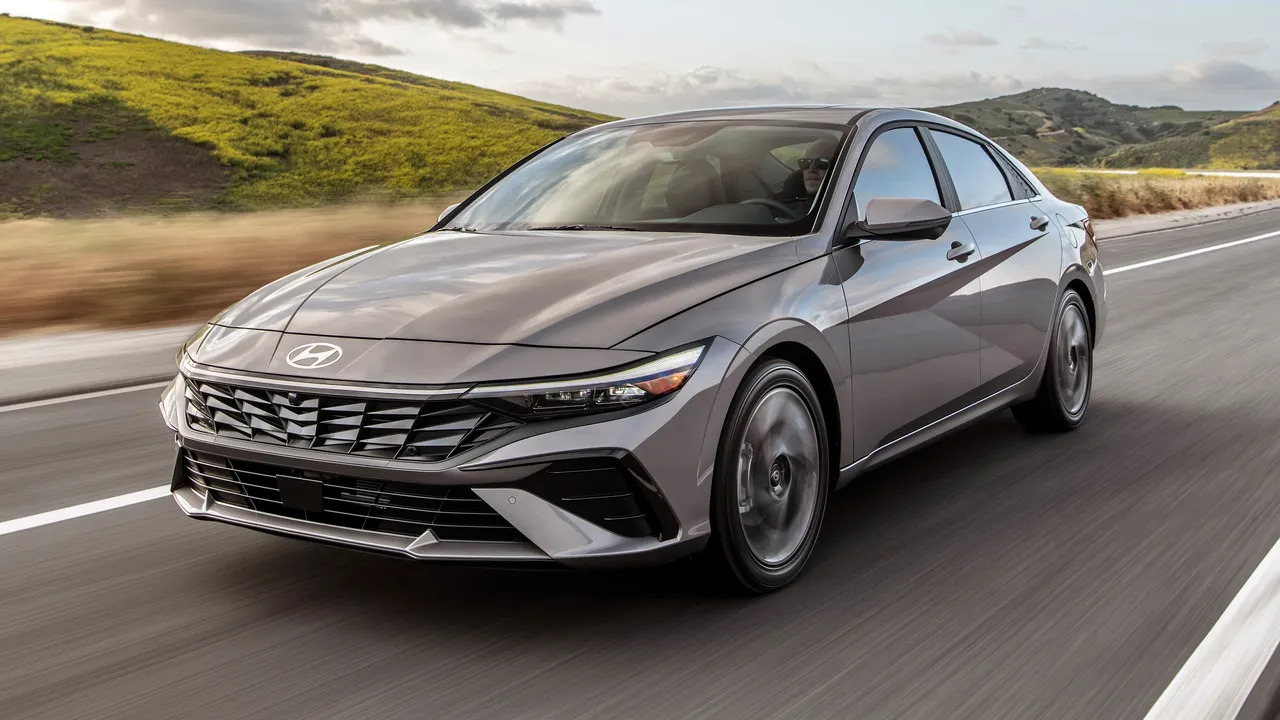
Sharing corporate DNA with the Kia K5, the Hyundai Elantra takes a different approach to achieving premium feel, but the results are equally impressive.
The current generation Elantra features angular, parametric design elements that create a futuristic aesthetic while maintaining tactile quality throughout the cabin. The dashboard design is striking, with geometric patterns that add three-dimensionality to the interior space.
These aren’t just visual tricks the textured surfaces have a pleasant feel when touched, creating tactile interest that makes the cabin feel more expensive. The upper dashboard and door panels feature soft-touch materials with a grain that mimics more expensive leather or vinyl.
Hyundai has made significant investments in switch gear quality, and it shows in the Elantra. Every button, dial, and switch has been engineered for proper resistance and feedback.
The climate control interface, whether physical buttons or touch-sensitive controls, responds immediately and precisely. The steering wheel buttons are well-sized and arranged logically, with a positive click that communicates quality.
The Elantra’s cabin noise management deserves special mention. Hyundai has used extensive sound deadening materials, including foam in the A-pillars, insulation under the dashboard, and acoustic glass.
The result is a quiet cabin where conversations can occur at normal volume even at highway speeds. This quietness contributes significantly to the premium feel luxury is often as much about what you don’t hear as what you do.
Also Read: 5 First-car Picks Parents Trust For Their Kids vs 5 They Don’t
5. Toyota Corolla
Toyota’s reputation for reliability and value has sometimes overshadowed the quality improvements it’s made to interior materials and design.
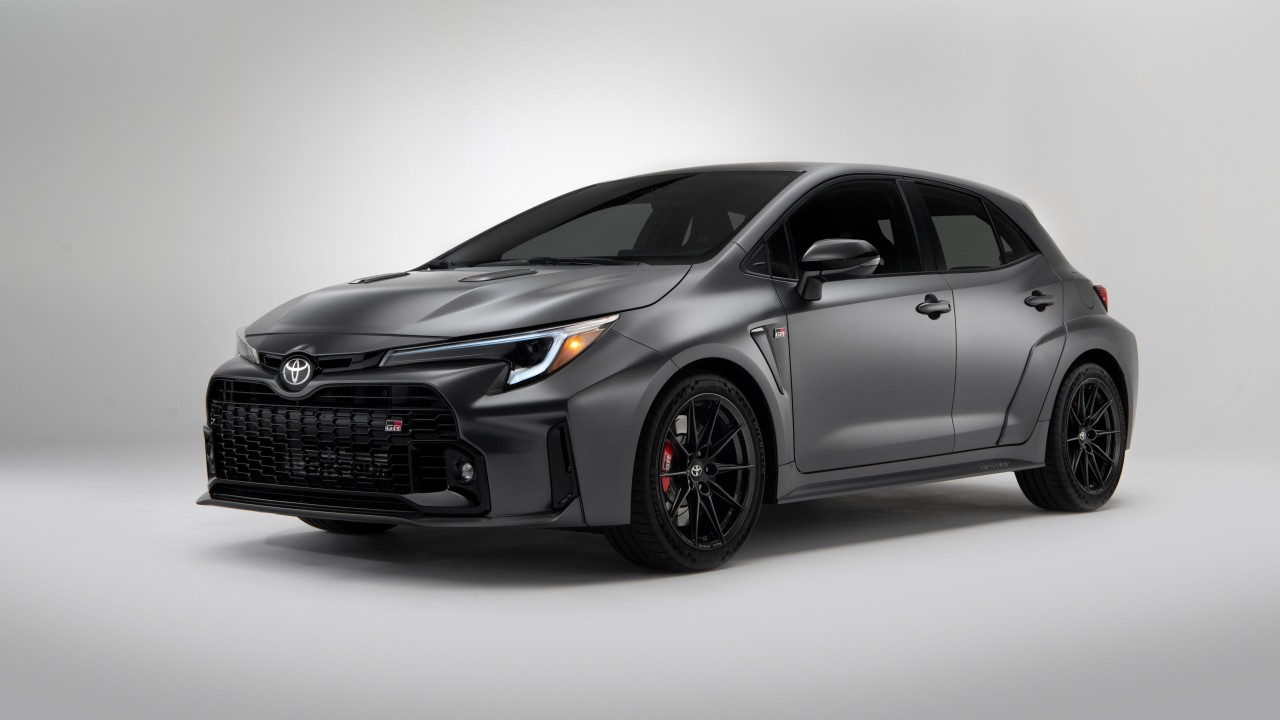
The current Corolla, however, makes a strong case that Toyota is serious about offering premium feel alongside their legendary dependability.
While it may not be the most exciting car on this list, the Corolla’s interior demonstrates that “boring” and “cheap-feeling” are not synonymous.
The Corolla’s dashboard layout is straightforward and functional, but the materials used are anything but basic. The upper dashboard features soft-touch materials that extend across the full width of the cabin.
The grain pattern is subtle and sophisticated, avoiding the obviously fake wood or carbon fiber that plague some competitors. Toyota has also included stitching details that, while not always functional, add visual cohesion and a sense of craftsmanship.
What really sets the Corolla apart is the consistency of its quality. There are no obvious cost-cutting measures where premium materials suddenly give way to hard, cheap plastics.
The transition between different materials is smooth and logical, maintaining a cohesive feel throughout the cabin. The door panels, in particular, are well-executed with padded armrests and soft upper sections that feel pleasant to the touch.
Toyota’s expertise in manufacturing is evident in the tight panel gaps and solid construction throughout the interior. Nothing squeaks or rattles, even after years of use a quality that’s often overlooked when evaluating new cars but becomes increasingly important with age.
The switchgear, while conservative in design, operates with precision and longevity in mind. Every control has a deliberate, quality feel rather than the loose, vague operation found in truly cheap cars.
The Corolla’s seats are designed for long-term comfort rather than aggressive sport support. The cushioning is firm but not hard, providing support without creating pressure points during extended drives.
The cloth upholstery in base models is durable and pleasant to touch, while leather options in higher trims feel genuine and substantial.
The driving position is excellent, with a well-positioned steering wheel and pedals that contribute to the sense of quality in how the car operates.
6. Nissan Sentra
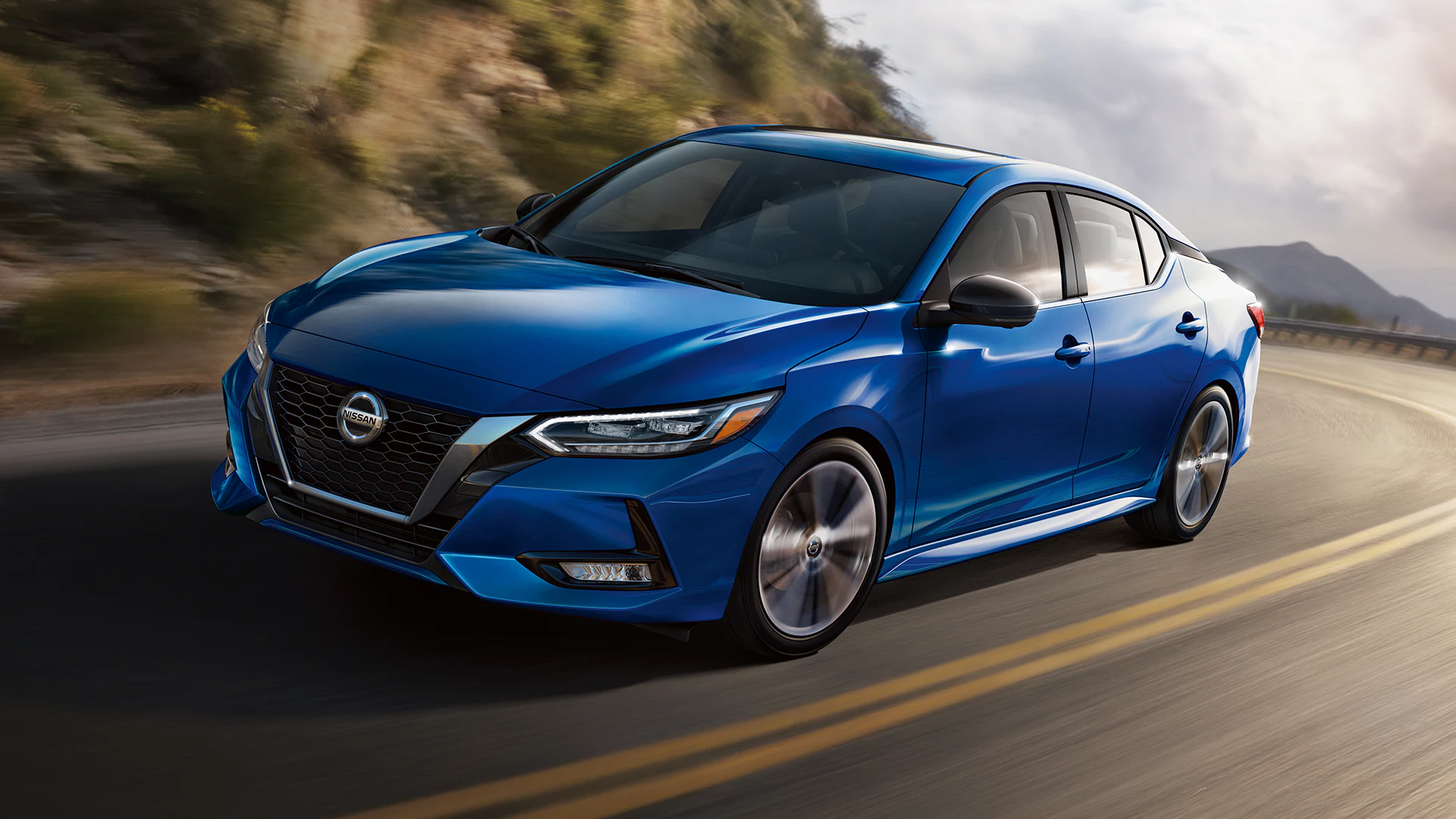
Nissan’s recent renaissance has brought significant improvements to their lineup, and the redesigned Sentra is a standout example. After years of criticism for dated designs and cheap-feeling interiors, Nissan has responded with a compact sedan that could be mistaken for a premium offering.
The Sentra’s interior represents a dramatic departure from previous generations, featuring materials and design that belie its affordable price point.
The dashboard design takes clear inspiration from Nissan’s luxury Infiniti brand, with flowing lines and a “gliding wing” motif that creates visual width and sophistication.
The materials backing up this design are impressive, soft-touch plastics dominate the upper surfaces, with a pleasant texture that doesn’t feel like a cheap imitation of leather. The stitching that runs across the dashboard is properly executed, with even spacing and no loose threads.
Nissan has paid particular attention to the details that customers interact with most frequently. The steering wheel is wrapped in quality leather with a diameter and thickness that feels sporty without being uncomfortable.
The multifunction buttons on the wheel are properly sized and provide good tactile feedback. The center console features a mix of materials including soft-touch plastics and a piano black trim piece surrounding the infotainment screen that, while a fingerprint magnet, does look upscale.
The Sentra’s seats are among the best in the compact sedan class, utilizing Nissan’s “Zero Gravity” design philosophy. These seats are engineered to reduce fatigue on long drives by supporting the natural S-curve of the spine.
Beyond the ergonomic benefits, the seats simply feel premium the padding is substantial without being overly soft, and the upholstery, whether cloth or leather, is properly fitted with minimal wrinkles or bunching.
Climate control interfaces in the Sentra operate with precision, and the available dual-zone automatic climate control works effectively without excessive noise.
The cabin itself is well-insulated from outside noise, with triple door seals and acoustic glass in the windshield creating a serene environment.
Storage spaces throughout the cabin are thoughtfully designed and properly sized, with rubber liners preventing rattling. The Sentra proves that Nissan is capable of building interiors that compete with anyone when they commit the resources and attention to detail.
7. Volkswagen Jetta
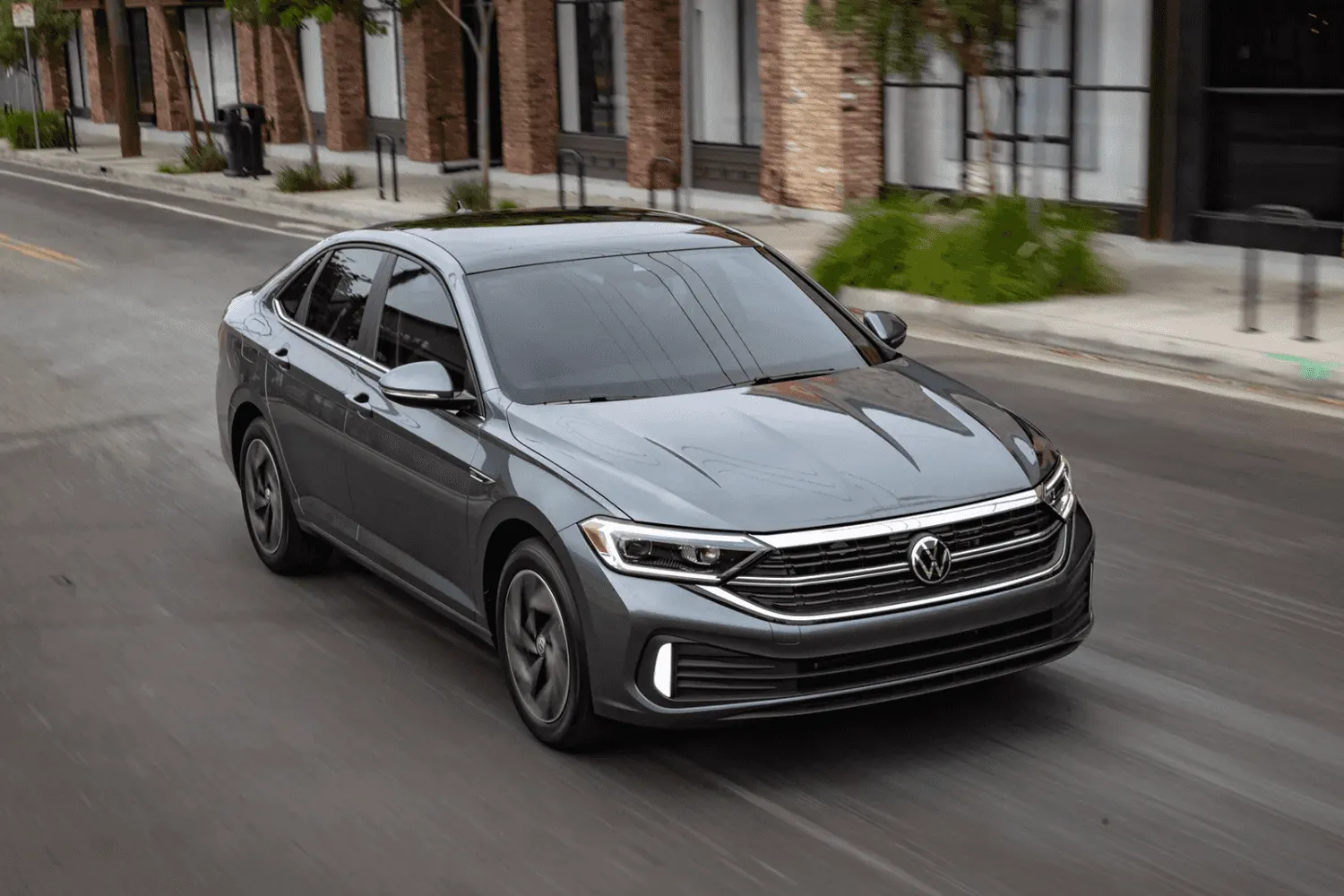
Volkswagen’s reputation for solid build quality and German engineering extends down to their most affordable offerings, and the Jetta exemplifies this commitment.
While VW has sometimes been criticized for bland styling, there’s no denying the substantiality and quality feel of their interiors. The Jetta delivers a distinctly European solidity that’s immediately apparent from the moment you open the door. The Jetta’s door closing sound is remarkably solid a deep, satisfying thunk that communicates weight and proper sealing.
This isn’t accidental; VW engineers spend significant time tuning door seals and hinges to achieve this specific sound because they understand its importance in perceived quality. Once inside, the dashboard presents a clean, minimalist design that prioritizes function over flash.
What makes the Jetta feel expensive isn’t ornamentation but rather the quality of basic materials and the precision of assembly. The soft-touch surfaces feel genuinely soft rather than merely textured hard plastic.
The dashboard padding has appropriate give when pressed, and the grain pattern is subtle and consistent. The air vents often overlooked but touched frequently operate smoothly with well-damped resistance.
You can adjust them precisely and they stay in position rather than gradually drooping. VW’s switchgear has long been considered among the best in the industry, and the Jetta maintains this standard.
Every button, knob, and switch operates with German precision. The window switches have a quality feel with positive detents. The turn signal stalk returns to center with perfect resistance.
The climate control knobs turn smoothly with clear markings and good tactile feedback. These details matter because they’re interactions you have every time you drive.
The Jetta’s seats are firm in the European tradition, providing excellent support without the plushness of American competitors. The cloth upholstery is durable and pleasant to touch, while leather options feel genuine and substantial.
The seating position is excellent, with a driving-focused layout that makes all controls fall easily to hand. The impression is one of quality through precision rather than luxury through ornamentation a distinctly Germanic approach that ages well and maintains its premium feel long after more flamboyant interiors begin to feel dated.
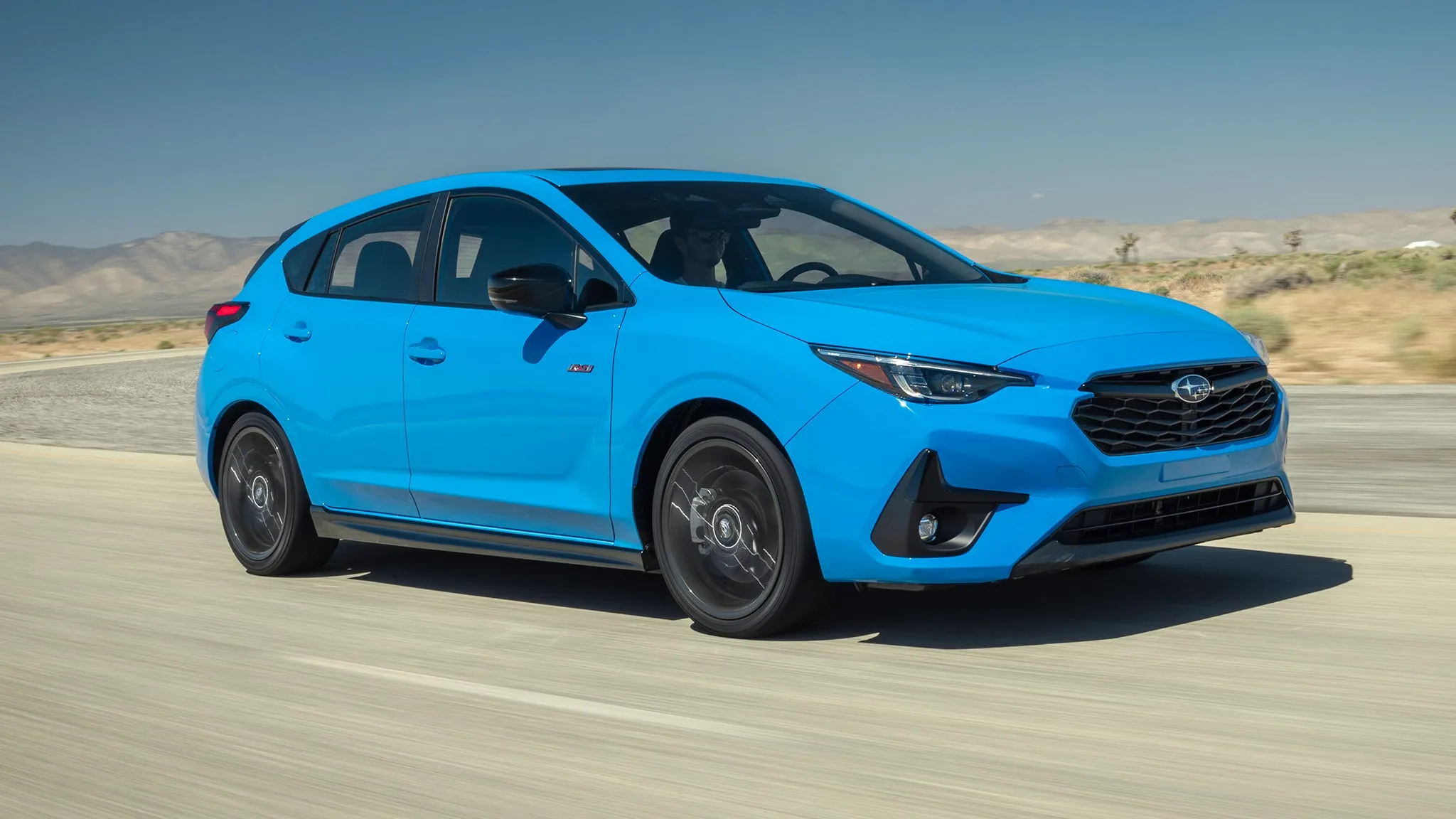
8. Subaru Impreza
Subaru has built its reputation on practical, reliable vehicles with excellent all-weather capability, but the brand has also made significant strides in interior quality.
The Impreza, Subaru’s compact offering, features an interior that feels more upscale than its price suggests, with materials and design that show Subaru is serious about competing beyond just mechanical prowess.
The Impreza’s interior design is straightforward and functional, reflecting Subaru’s practical ethos. However, this functionality doesn’t come at the expense of quality.
The dashboard features soft-touch materials across the upper surfaces with a texture that’s pleasant to touch. Subaru has also incorporated stitched details that add visual interest while reinforcing the sense of quality construction.
What really sets the Impreza apart is the feeling of ruggedness combined with refinement. The materials don’t just feel good they feel durable. The cloth upholstery is thick and textured in a way that suggests it will stand up to years of use and abuse.
The door panels have a substantial feel, and the armrests are properly padded for comfort during long drives. Storage compartments throughout the cabin are generously sized and practically designed.
Subaru’s symmetrical all-wheel-drive system means the center console is somewhat higher than in front-wheel-drive competitors, but Subaru has used this design necessity to its advantage.
The console feels substantial and features well-designed storage areas, including a deep center bin perfect for storing larger items. The cupholders are properly sized and dampened to reduce rattling.
The Impreza’s infotainment system, featuring either a 6.5 or 8-inch touchscreen depending on trim, is responsive and logical to operate. The surrounding trim doesn’t feel cheap, and the integration into the dashboard appears seamless rather than tacked-on.
Physical climate controls below the screen operate with precision and are easy to use without taking eyes off the road. The cabin environment is quiet and comfortable, with good sound insulation that makes highway cruising relaxing.
Subaru has also paid attention to small details like sun visors that slide smoothly and stay in position, and dome lights that illuminate the cabin evenly without creating harsh shadows.
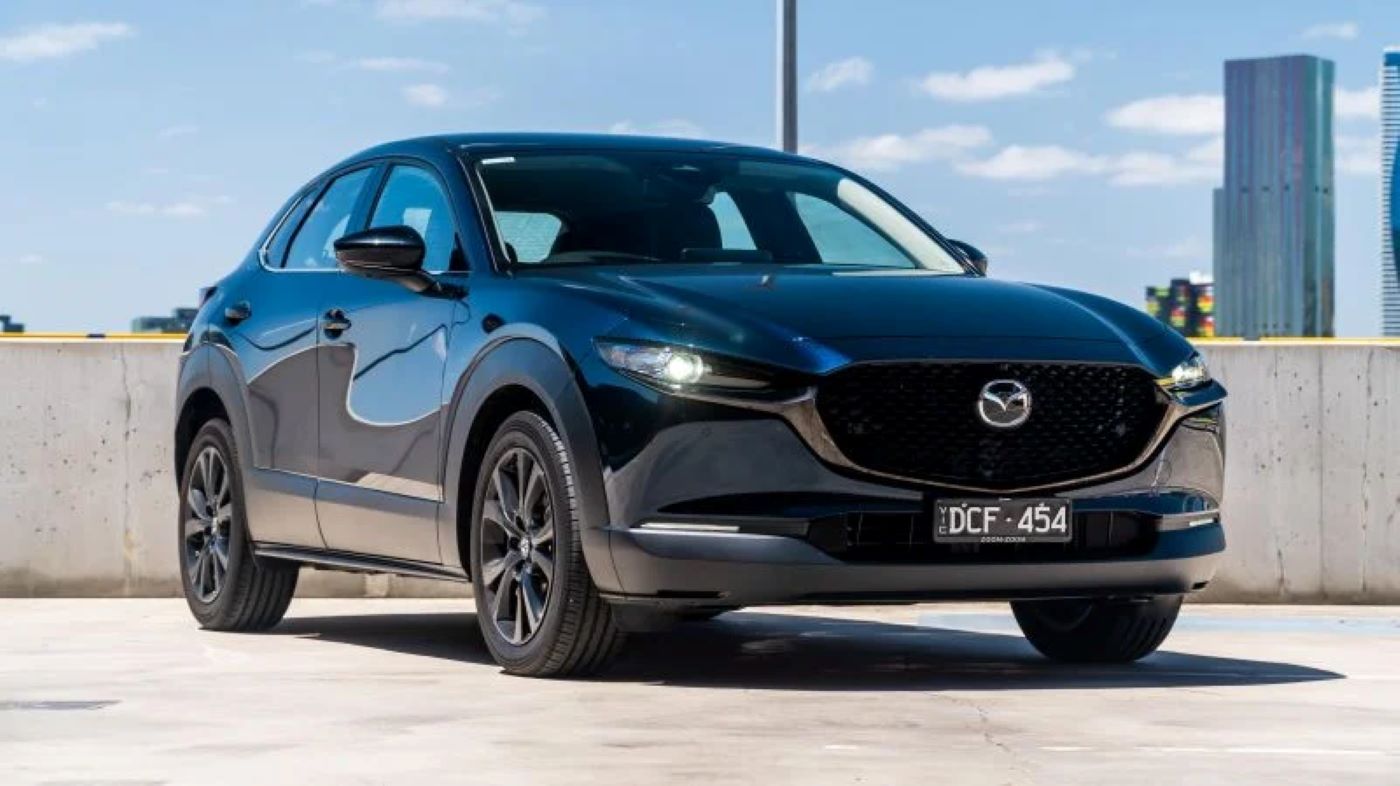
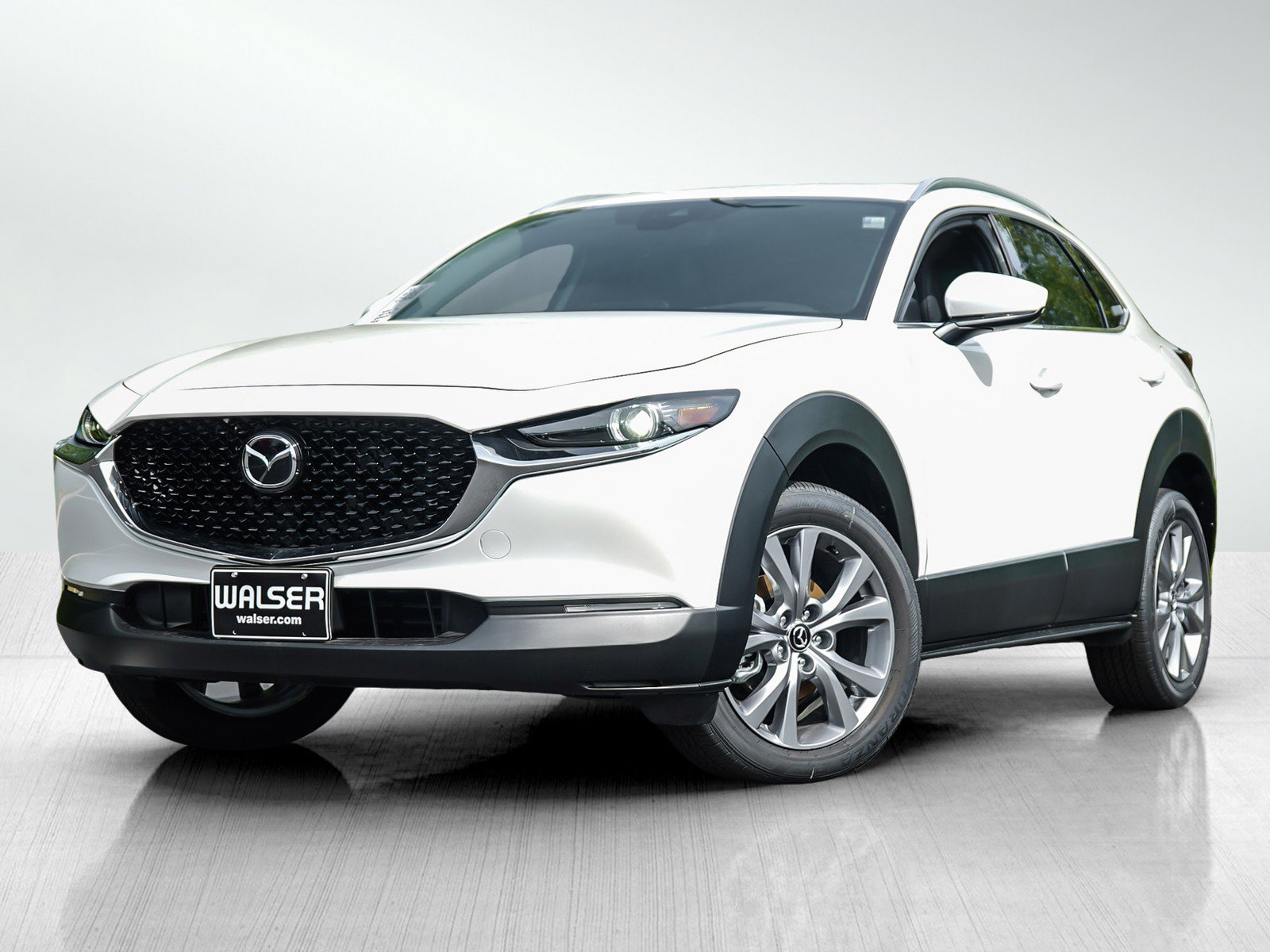
9. Mazda CX-30
The Mazda CX-30 brings the same premium philosophy as the Mazda3 sedan to the increasingly popular compact crossover segment.
As the raised sibling to the Mazda3, the CX-30 shares much of its interior design and material quality while packaging it in a more practical form factor. The result is a small SUV that feels anything but cheap.
From the moment you open the door, the CX-30 communicates quality. The door handle has a weighted feel, and the door itself closes with that signature Mazda solidity.
Once inside, you’re surrounded by materials that punch well above the vehicle’s price class. The dashboard features genuine stitching across soft-touch surfaces, with a horizontal design that emphasizes width and sophistication.
Mazda’s attention to tactile quality shines throughout the CX-30’s cabin. The rotary infotainment controller between the seats operates with silky smoothness, offering just enough resistance to prevent accidental inputs while making navigation a pleasure.
The physical climate control knobs are perfectly damped, requiring deliberate effort to adjust but never feeling stiff or resistant. Even the coin holder and cupholders feature dampened mechanisms that prevent rattling.
The CX-30’s seats deserve special mention; they’re among the best in any vehicle at this price point. Mazda engineers studied traditional Japanese craftsmanship to design seats that provide support exactly where needed without feeling overly bolstered or restrictive.
The result is seating that’s comfortable for hours of driving, with upholstery that looks and feels premium. The available burgundy leather interior is particularly striking, offering a color choice that most competitors don’t dare to offer.
The ambiance of the CX-30’s cabin is one of sophisticated restraint. The color palette tends toward neutrals with tasteful accent stitching in colors that complement rather than contrast harshly.
The ambient lighting is subtle, creating an atmosphere without distraction. Sound insulation is excellent, with minimal road noise intruding into the cabin even on rough surfaces.
The CX-30 also features thoughtful storage solutions throughout, with door pockets sized for bottles and a center console that can accommodate laptops or tablets.
This combination of premium materials, precise execution, and practical design makes the CX-30 feel like a luxury compact crossover that happens to wear a mainstream badge.
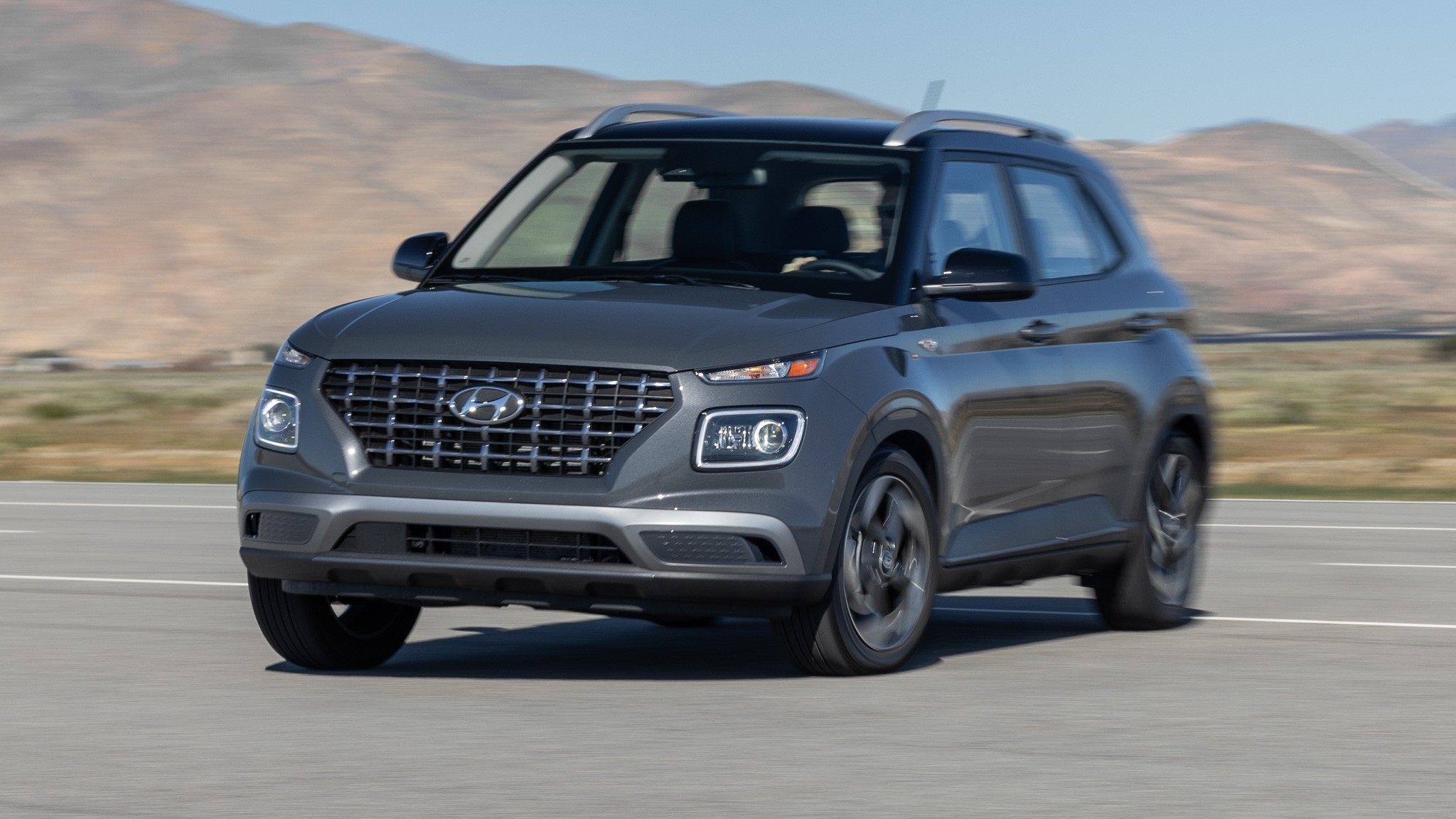
10. Hyundai Venue
Rounding out our list with something different, the Hyundai Venue proves that premium feel can be achieved even in the smallest, most affordable segment of the market.
As a subcompact crossover with a remarkably low starting price, expectations for interior quality might be modest. However, Hyundai has equipped the Venue with materials and design elements that feel far more expensive than the price tag suggests.
The Venue’s interior is cleverly designed to maximize perceived quality within budget constraints. Rather than attempting to cover every surface in soft materials an expensive proposition Hyundai has strategically placed premium materials where occupants interact most frequently.
The upper door panels and dashboard areas feature soft-touch surfaces with an attractive grain pattern. The armrests are properly padded, and the steering wheel is wrapped in quality material that feels good in your hands.
What makes the Venue particularly impressive is how Hyundai has created visual and tactile interest through design rather than expensive materials.
The dashboard features body-colored trim pieces that add personality and break up what could otherwise be a sea of black plastic. The seat upholstery, even in base models, features patterns and stitching that add visual interest. The available two-tone color schemes create an upscale appearance that belies the vehicle’s affordable price.
Hyundai hasn’t skimped on technology or convenience features in the Venue. The infotainment system is responsive and easy to use, with Apple CarPlay and Android Auto standard across the range.
The climate controls are straightforward and operate with precision. Storage solutions are creative given the vehicle’s compact dimensions, with door pockets sized for water bottles and a center console that accommodates modern smartphones.
The Venue’s compact size actually works in its favor regarding perceived quality. With less surface area to cover, Hyundai could focus resources on doing fewer things well rather than spreading the budget too thin.
The result is a cohesive interior where nothing feels obviously cheap or poorly executed. The cabin is surprisingly quiet for such a small, affordable vehicle, with good sound insulation that makes the Venue feel more substantial than its size suggests.
While it may be the smallest and most affordable vehicle on this list, the Venue proves that thoughtful design and strategic material selection can create a premium feel at any price point.
Also Read: 5 Small Vehicles That Feel Solid at 75 MPH vs 5 That Jump Around
