
For cycling enthusiasts who refuse to compromise between their love for biking and the practicality of daily driving, finding the perfect crossover vehicle becomes a crucial quest.
The ability to transport your bicycle without the hassle of removing wheels isn’t just about convenience it’s about preserving your bike’s integrity, saving precious time, and making spontaneous cycling adventures truly spontaneous.
Whether you’re heading to mountain trails, commuting to work, or exploring new cycling routes across the country, having a vehicle that accommodates your full-sized bike internally is a game-changer.
The traditional approach of roof racks and hitch-mounted carriers certainly has its place, but nothing beats the security, weather protection, and ease of simply rolling your bike into your vehicle.
Internal bike storage eliminates concerns about theft, protects your expensive cycling equipment from the elements, reduces wind resistance and fuel consumption, and makes accessing your gear far more convenient.
Moreover, you won’t need to worry about clearance issues at parking garages, drive-throughs, or low-hanging obstacles that plague external bike carriers.
Today’s crossover market offers an impressive array of vehicles specifically designed with active lifestyles in mind. Manufacturers have recognized that outdoor enthusiasts need more than just passenger space they need versatile cargo areas with intelligent design features that maximize usability.
From clever seat-folding mechanisms to impressive vertical clearance and strategic interior dimensions, modern crossovers have evolved to meet the demanding needs of cyclists who refuse to choose between practicality and passion.
In this comprehensive guide, we’ll explore eight exceptional crossovers that stand out for their ability to accommodate full-sized bicycles without wheel removal.
We’ve considered factors like cargo dimensions, seat configuration flexibility, ease of loading, value, and real-world practicality.
Whether you’re a casual weekend rider or a serious cycling enthusiast with multiple bikes and gear, these vehicles offer the perfect blend of everyday drivability and adventure-ready capability.
Each vehicle brings unique strengths to the table, ensuring there’s an ideal option regardless of your specific needs, budget, or cycling discipline.
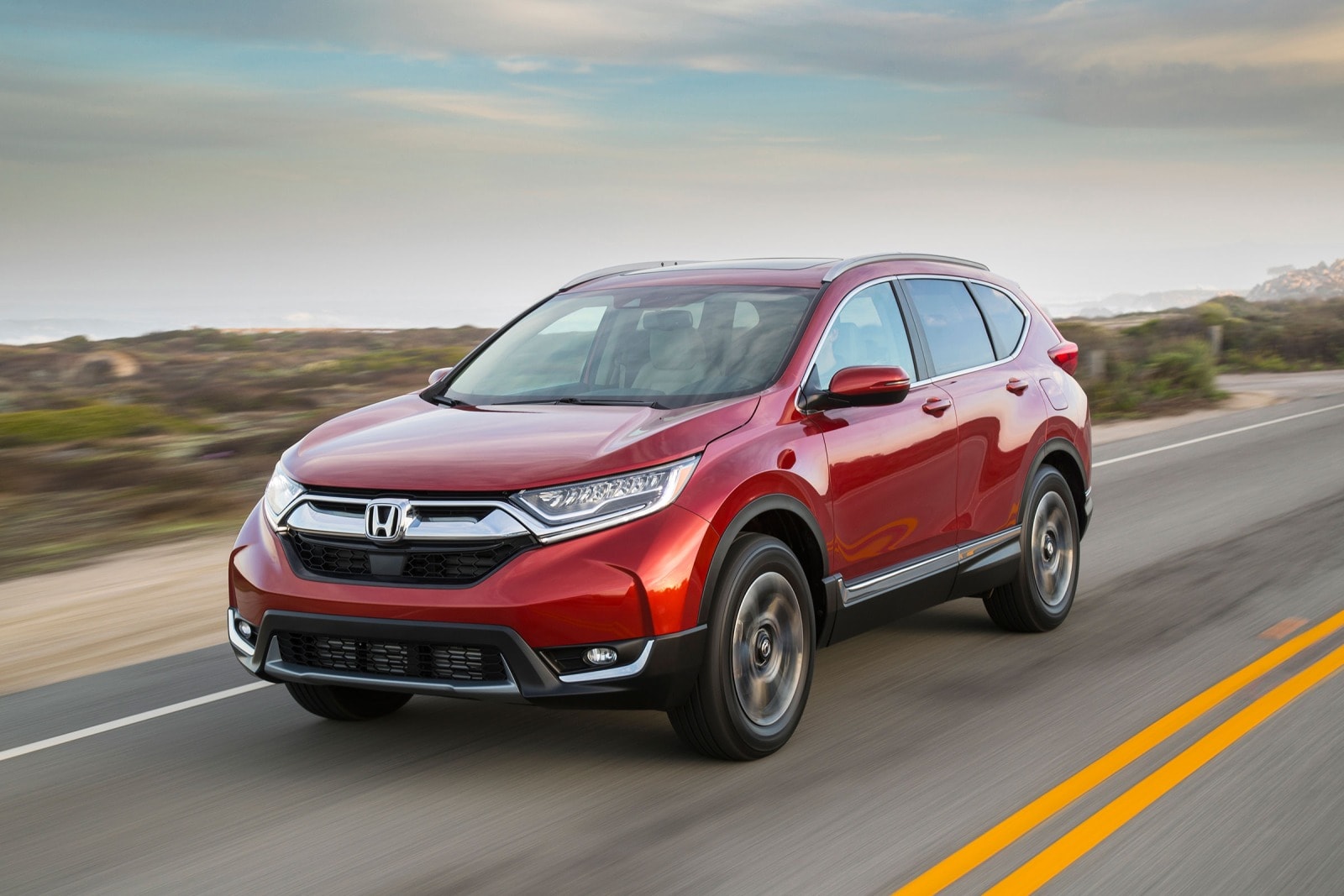
1. Honda CR-V
The Honda CR-V has long been celebrated as one of the most practical and versatile crossovers on the market, and its bike-carrying capabilities are no exception.
With generous cargo dimensions and thoughtful interior design, the CR-V makes transporting your bicycle remarkably straightforward.
The latest generation offers approximately 76.5 cubic feet of cargo space with the rear seats folded, but more importantly for cyclists, it provides ample vertical clearance and width to accommodate standard adult bikes without wheel removal.
What sets the CR-V apart is Honda’s attention to detail in cargo area design. The rear seats fold nearly flat with a simple one-touch mechanism, creating a smooth loading surface that extends from the rear hatch all the way to the front seats.
The low load floor height approximately 28 inches from the ground makes rolling bikes in and out significantly easier than many competitors.
The wide rear hatch opening measures over 40 inches, providing plenty of clearance for handlebars and wider mountain bike configurations.
The CR-V’s interior dimensions are particularly cyclist-friendly, with a cargo area length of approximately 75 inches when measured from the back of the front seats to the rear hatch.
This length accommodates most standard adult bikes, typically ranging from 68 to 72 inches in length. The vertical clearance of around 31 inches means even bikes with higher handlebars or frame geometries fit comfortably without requiring creative positioning or potential damage to your vehicle’s interior.
Honda has also incorporated practical features that cyclists appreciate. The durable, easy-to-clean cargo area materials withstand the inevitable dirt and debris that comes with transporting bikes.
The available hands-free power tailgate makes loading and unloading exceptionally convenient when your hands are full of cycling gear. Additionally, multiple tie-down points throughout the cargo area allow you to secure your bike properly, preventing movement during transport.
The CR-V’s reliability reputation is another crucial factor for active individuals who depend on their vehicles for adventure access. Honda’s track record for durability means you can trust this crossover for countless trail trips without unexpected mechanical issues.
Fuel efficiency remains competitive in the class, with real-world figures often exceeding 30 mpg on highway trips to distant cycling destinations.
The available all-wheel-drive system provides confidence when accessing trailheads on unpaved or weather-affected roads, while the comfortable ride quality makes long drives to cycling events or vacation spots genuinely enjoyable for both driver and passengers.
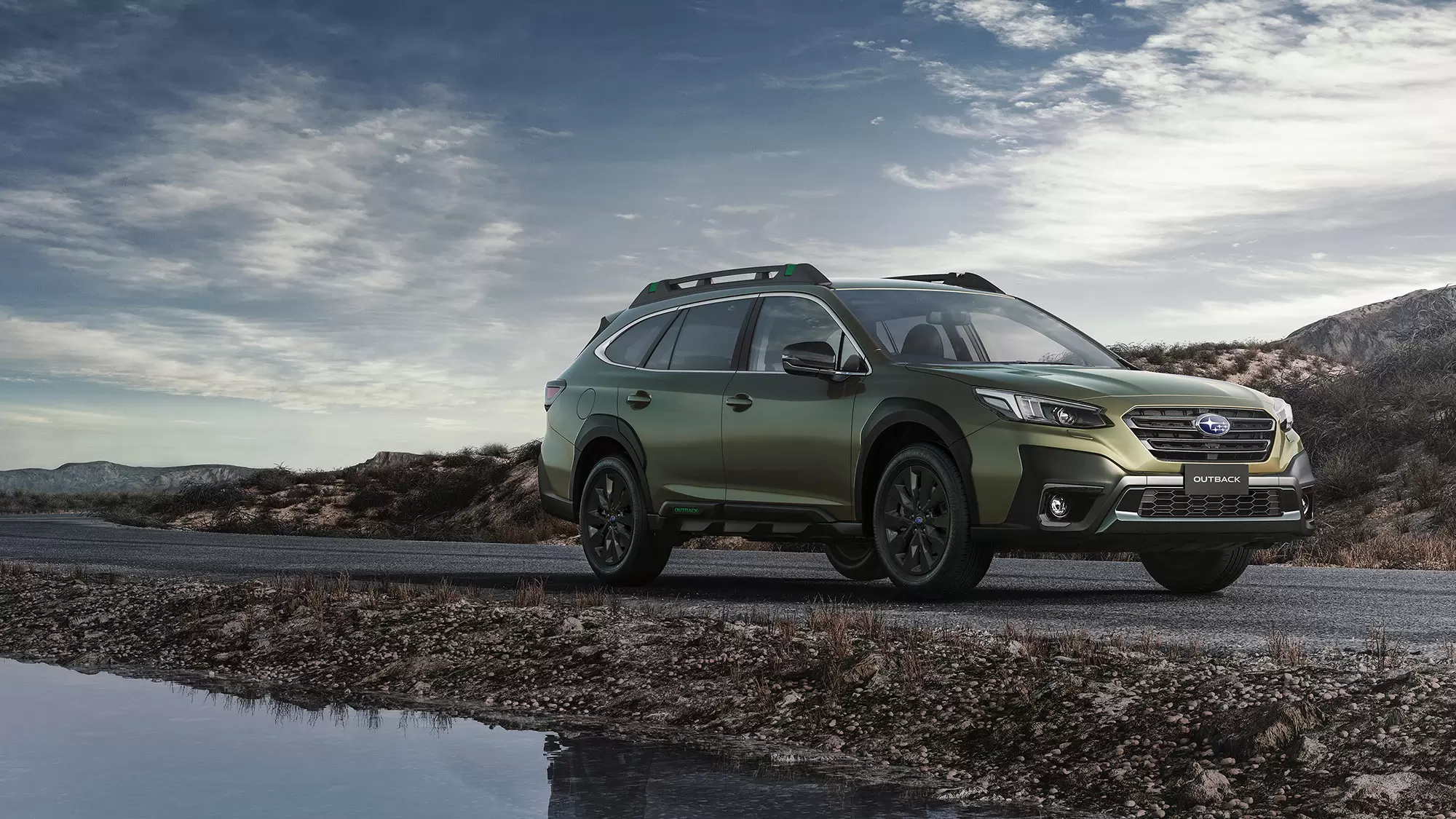
2. Subaru Outback
The Subaru Outback represents the perfect marriage between wagon practicality and crossover capability, making it an exceptional choice for cyclists seeking internal bike transport.
While technically classified as a wagon by some, its raised ride height and standard all-wheel drive firmly plant it in crossover territory.
The Outback’s low, wagon-style cargo floor combined with impressive length creates an ideal environment for loading bikes without wheel removal, and its cycling-friendly design has made it a favorite among outdoor enthusiasts for decades.
With the rear seats folded, the Outback provides approximately 75.7 cubic feet of cargo space, but the real magic lies in its dimensions.
The cargo area extends an impressive 80-plus inches from the front seatbacks to the rear hatch, accommodating even larger bikes or multiple smaller frames.
The relatively low load height of around 27 inches makes the physical act of loading bikes far less strenuous than higher crossovers, an often-overlooked consideration when you’re tired after a long ride.
Subaru has cultivated a devoted following among cyclists, and the Outback demonstrates why. The standard all-wheel-drive system with impressive ground clearance (8.7 inches) means you can confidently access remote trailheads and cycling routes that other vehicles might struggle to reach.
The X-MODE system available on many trims provides enhanced traction control for particularly challenging terrain, ensuring your cycling adventures aren’t limited by vehicle capability.
The Outback’s interior materials are designed for active lifestyles, with water-resistant upholstery options and durable cargo area surfaces that handle muddy bikes and wet gear without complaint.
The wide rear hatch opening provides excellent clearance for handlebars, and the square cargo area shape maximizes usable space rather than tapering awkwardly.
Multiple cargo hooks, tie-downs, and available cargo dividers help secure bikes and prevent damage during transport. Beyond pure bike-carrying capability, the Outback excels as a daily driver that doesn’t compromise comfort for utility.
The refined ride quality makes long drives to cycling events comfortable, while the excellent visibility from the driver’s seat enhances safety.
Fuel economy remains respectable for a standard all-wheel-drive vehicle, with many owners reporting combined figures in the mid-to-high twenties.
The turbocharged XT model even offers spirited performance without sacrificing cargo versatility, appealing to enthusiasts who appreciate driving dynamics alongside outdoor capability.
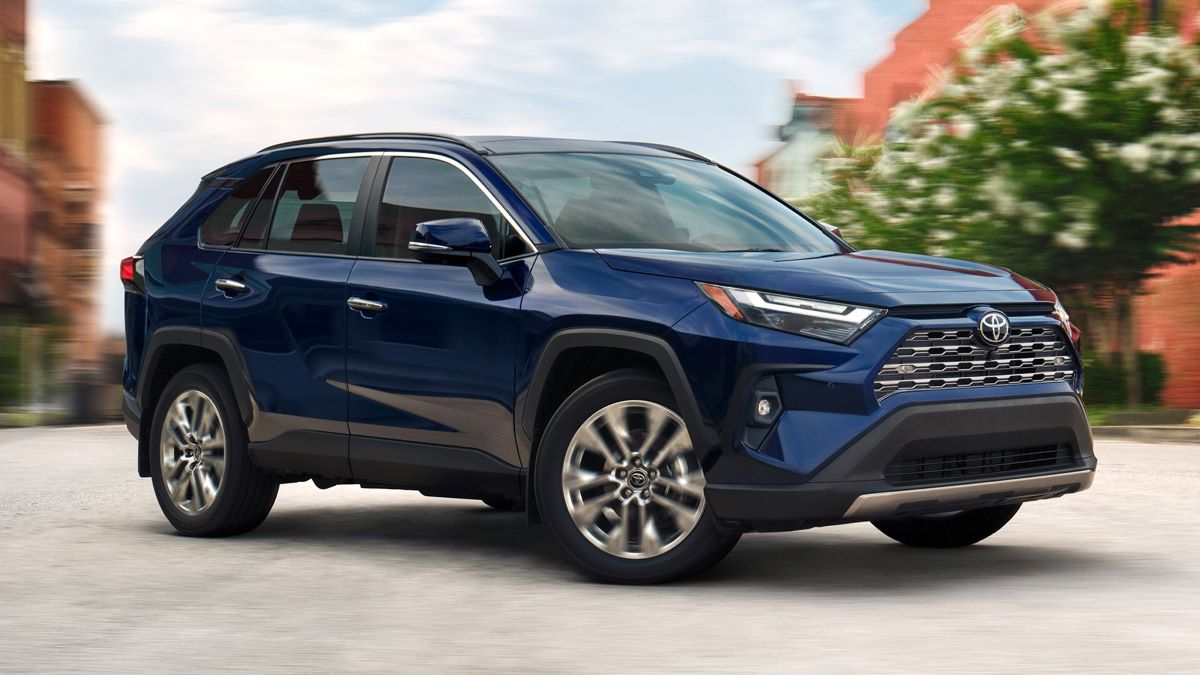
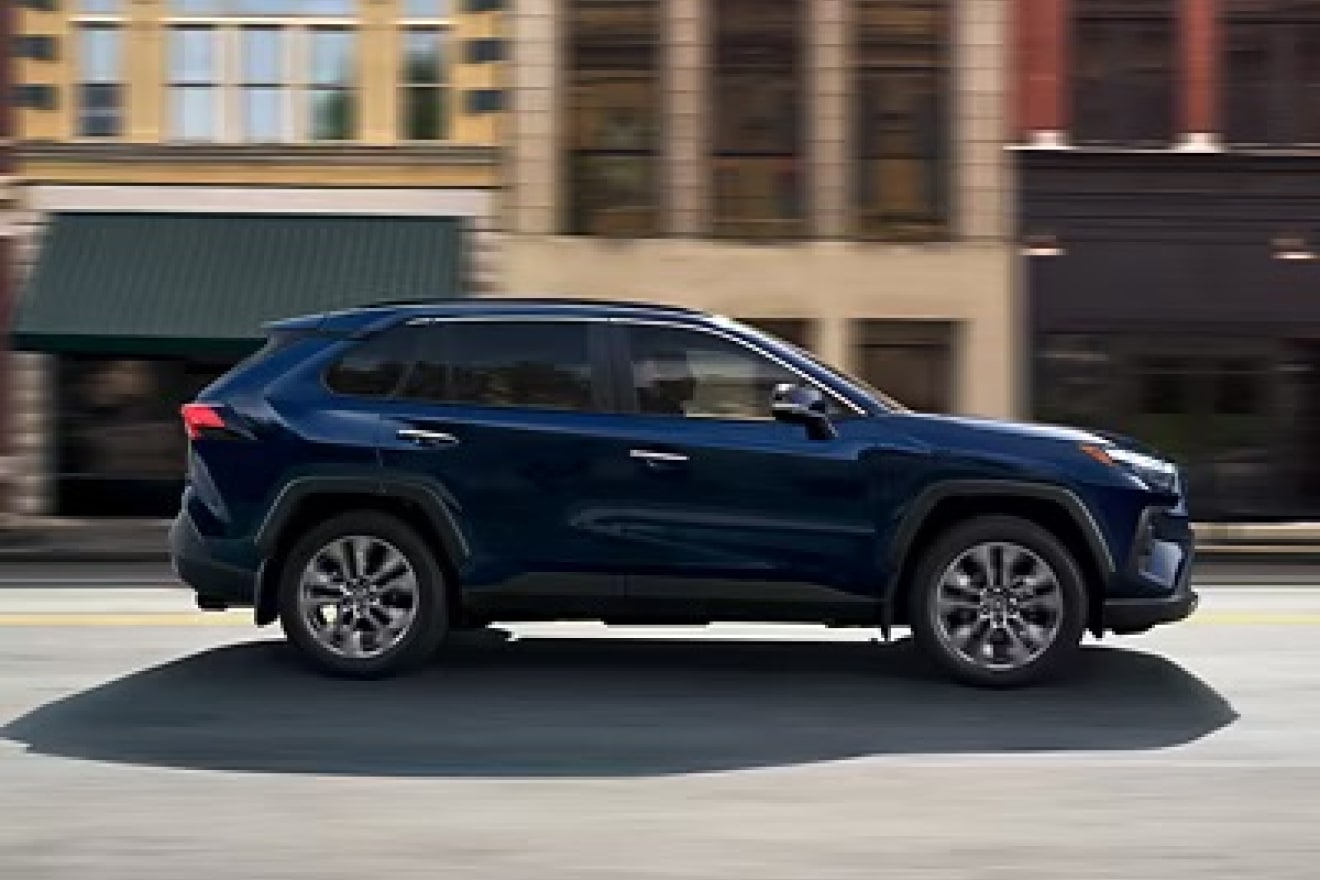
3. Toyota RAV4
The Toyota RAV4 stands as America’s best-selling crossover, and its popularity stems partly from exceptional versatility that includes impressive bike-carrying capability.
The latest generation RAV4 offers a robust, adventure-ready design combined with legendary Toyota reliability, making it an excellent choice for cyclists who need a dependable vehicle for both daily commuting and weekend trail adventures.
With thoughtful interior design and generous dimensions, the RAV4 accommodates full-sized bikes without requiring wheel removal.
The RAV4 provides approximately 69.8 cubic feet of cargo space with the rear seats folded, and while this figure is slightly smaller than some competitors, the practical dimensions tell a more favorable story.
The cargo area length extends approximately 73 inches from the rear hatch to the back of the front seats, sufficient for most standard adult bicycles.
The cargo width of around 40 inches between the wheel wells provides adequate space for handlebars, though wider mountain bike configurations might require slight angling.
Toyota’s approach to cargo area design emphasizes durability and ease of use. The rear seats fold with minimal effort using simple release levers, creating a relatively flat load surface.
The load floor height of approximately 30 inches strikes a reasonable balance between ground clearance and loading convenience. The power liftgate available on many trims features adjustable height settings, particularly useful in garages with limited overhead clearance or when you want to minimize the lifting required to access gear stored alongside your bike.
What distinguishes the RAV4 in the cycling community is its exceptional reliability and retained value. Toyota’s reputation for building vehicles that consistently exceed 200,000 miles means your investment will serve you through countless cycling adventures.
The available Adventure and TRD Off-Road trims feature enhanced suspension, increased ground clearance, and all-terrain tires, specifically targeting outdoor enthusiasts who need confident performance on unpaved trailhead access roads.
The RAV4’s fuel efficiency deserves special mention, with the hybrid model delivering exceptional economy without sacrificing cargo space.
Hybrid variants can achieve combined fuel economy in the high thirties, significantly reducing the cost of reaching distant cycling destinations.
The standard all-wheel-drive system on most trims provides confidence in variable weather conditions, while the available Dynamic Torque Vectoring AWD with Rear Driveline Disconnect enhances both capability and efficiency by disengaging the rear axle when all-wheel traction isn’t needed, improving highway fuel economy during long trips to cycling events.
4. Mazda CX-50
The Mazda CX-50 represents a more recent entry into the crossover market, specifically designed with outdoor adventure in mind. Unlike its CX-5 sibling focused more on urban environments, the CX-50 embraces rugged capability while maintaining Mazda’s signature driving dynamics and upscale interior quality.
For cyclists seeking a vehicle that’s genuinely enjoyable to drive while offering practical bike transport, the CX-50 delivers an compelling combination of attributes that set it apart from more utilitarian competitors.
With rear seats folded, the CX-50 offers approximately 56.3 cubic feet of cargo space a modest figure compared to some rivals but Mazda has optimized the dimensions specifically for outdoor gear.
The cargo area extends approximately 72 inches in length, accommodating most standard bikes with careful positioning. The width between wheel wells measures around 41 inches, providing adequate clearance for handlebars.
While the CX-50 might require slightly more careful bike positioning than roomier alternatives, the payoff comes in significantly enhanced driving dynamics and a more engaging daily driving experience.
Mazda’s commitment to driver enjoyment permeates the CX-50’s character. The responsive handling, well-weighted steering, and available turbocharged engines create a crossover that feels more like a sport sedan than a utilitarian cargo hauler.
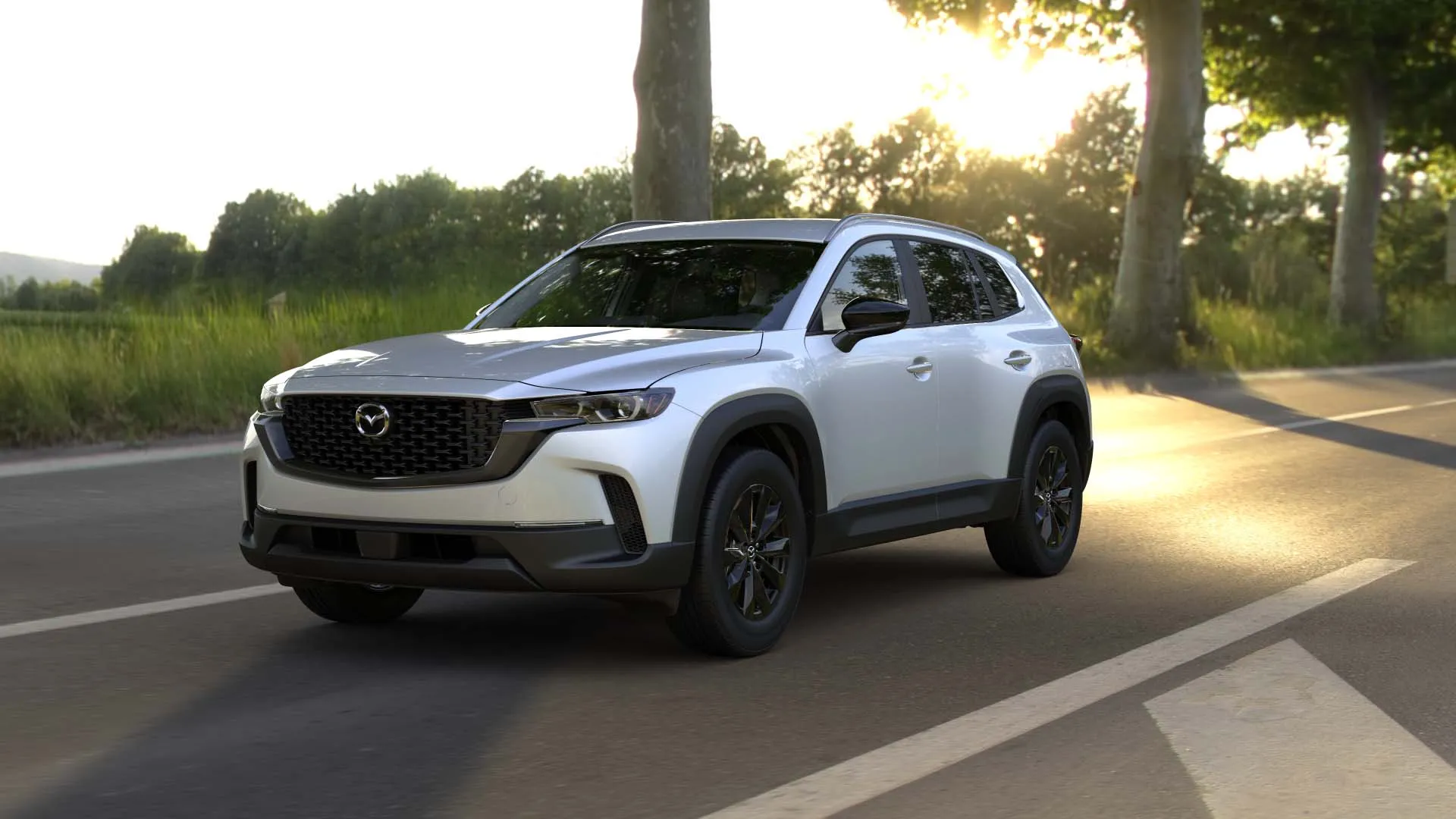
For cyclists who appreciate quality cycling equipment for its performance characteristics, the CX-50 offers parallel satisfaction in automotive form.
The available 2.5-liter turbocharged engine delivers 256 horsepower, providing confident passing power and highway merging capability when towing bike trailers or carrying heavy loads.
The CX-50’s interior reflects Mazda’s upscale aspirations, with high-quality materials, excellent build quality, and thoughtful design throughout.
The cargo area features durable, textured surfaces that resist scratching and facilitate easy cleaning after muddy rides. Multiple tie-down points allow secure bike anchoring, while the square cargo area shape maximizes usable space.
The available power liftgate includes programmable height settings, and the relatively low load floor height makes bike loading more manageable than taller competitors.
Standard all-wheel drive on all CX-50 models ensures confident performance on unpaved trailhead access roads and in variable weather conditions.
The increased ground clearance compared to the CX-5 enhances off-pavement capability, while available off-road drive modes optimize traction and throttle response for challenging terrain.
For cyclists seeking a crossover that doesn’t sacrifice driving enjoyment for utility, the CX-50 stands as an exceptional choice that makes every journey not just the destination genuinely pleasurable.
Also Read: 9 Best Small Cars That Stay Planted on Bridges
5. Volkswagen Tiguan
The Volkswagen Tiguan brings European refinement and surprising interior space to the compact crossover segment, making it an excellent option for cyclists seeking upscale amenities alongside practical bike transport capability.
The Tiguan’s generous interior dimensions, particularly in the long-wheelbase version sold in North America, provide ample room for bikes without wheel removal. Volkswagen’s attention to interior quality and thoughtful design features create a premium environment that doesn’t feel compromised by outdoor equipment.
The Tiguan offers approximately 65.7 cubic feet of cargo space with rear seats folded (73.5 cubic feet in the three-row configuration with all rear seats folded), but the practical dimensions reveal even greater utility.
The cargo area extends an impressive 76 inches in the two-row model, easily accommodating standard adult bikes. The width between wheel wells provides generous clearance for wider handlebars, and the nearly vertical rear hatch design maximizes vertical space, an often-overlooked advantage for bikes with taller frame geometries or higher handlebar positions.
Volkswagen’s German engineering emphasis on interior quality is evident throughout the Tiguan’s cabin. The materials feel substantial and premium, while the cargo area features durable surfaces designed to withstand active use.
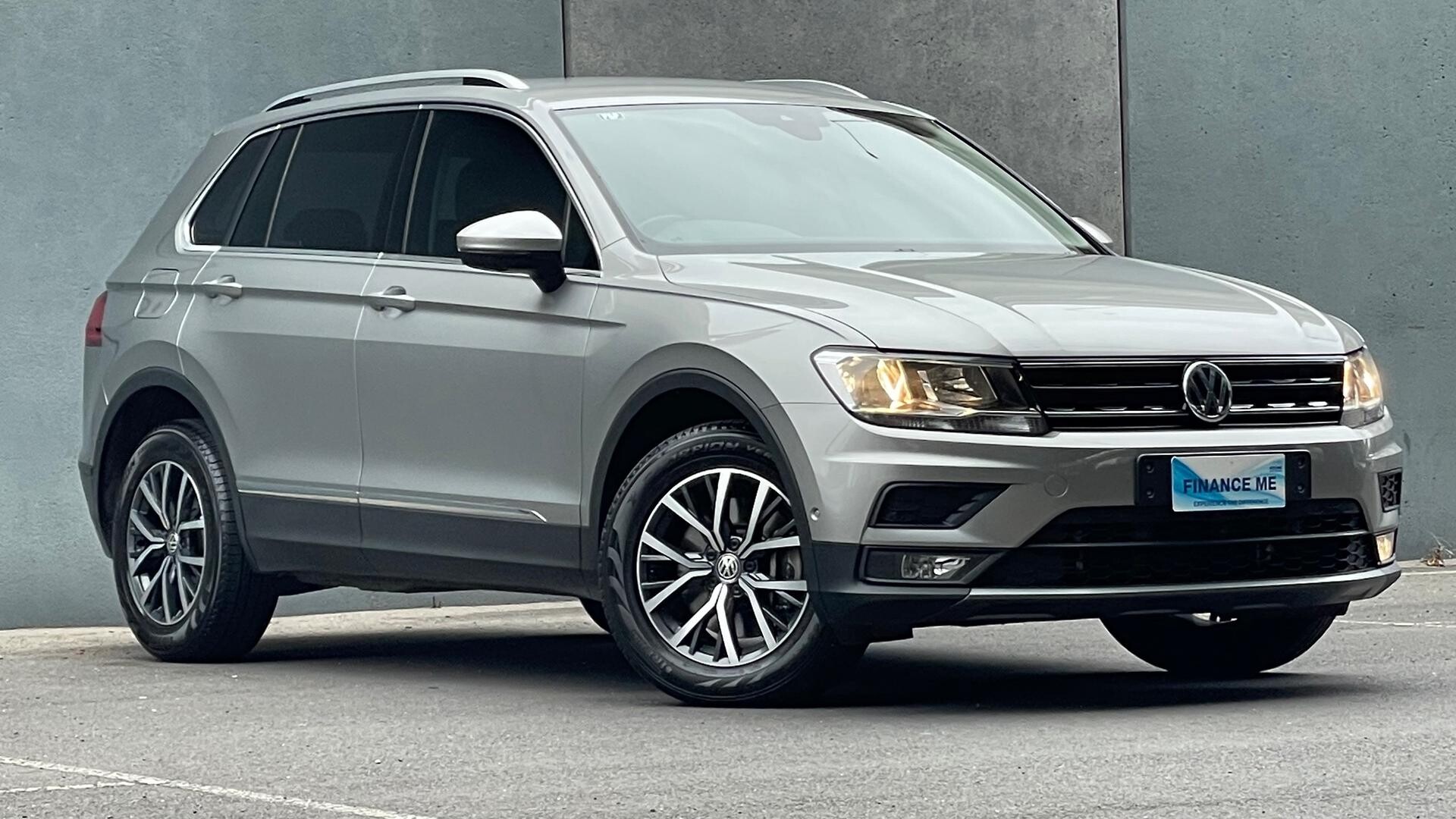
The 40/20/40 split-folding rear seat configuration offers unusual versatility, allowing you to carry a bike while retaining seating for two passengers useful when combining cycling outings with other activities or when transporting multiple people to group rides.
The Tiguan’s available 4Motion all-wheel-drive system provides confident all-weather capability, enhanced by selectable drive modes that optimize performance for various conditions.
While not designed for serious off-roading, the Tiguan handles typical trailhead access roads competently. The turbocharged 2.0-liter four-cylinder engine delivers adequate power for highway merging and passing, though fuel economy remains merely average for the class, with combined figures typically in the mid-twenties.
Technology integration distinguishes the Tiguan from many competitors, with an intuitive infotainment system, available digital instrument cluster, and comprehensive driver assistance features.
For cyclists who appreciate the latest technology, both in bike components and automotive systems, the Tiguan satisfies on both fronts.
The available panoramic sunroof creates an airy cabin atmosphere during long drives to cycling destinations, while the premium audio system transforms travel time into an enjoyable experience rather than merely a means to an end.
6. Jeep Cherokee
The Jeep Cherokee offers legitimate off-road capability combined with practical on-road manners, making it ideal for cyclists who venture beyond paved trailhead parking lots.
While Jeep’s reputation centers on rugged capability, the Cherokee provides surprisingly versatile cargo space that accommodates bikes without wheel removal.
For mountain bikers and adventure cyclists accessing remote locations, the Cherokee’s trail-rated capability ensures you won’t be stopped by challenging terrain between you and exceptional riding opportunities.
With rear seats folded, the Cherokee provides approximately 54.7 cubic feet of cargo space a modest figure by class standards but the practical dimensions work well for bike transport.
The cargo area length of approximately 71 inches accommodates most standard bikes with minimal adjustment. The Cherokee’s square cargo area design maximizes usable space, and the relatively flat load floor created by folding rear seats facilitates easier bike positioning.
The cargo width provides adequate clearance for handlebars, though wider mountain bike configurations might require slight angling. What truly distinguishes the Cherokee is its off-road prowess, particularly in Trailhawk trim.
The available Jeep Active Drive Lock system includes a locking rear differential and low-range gearing, providing genuine off-road capability that surpasses nearly every competitor in this comparison.
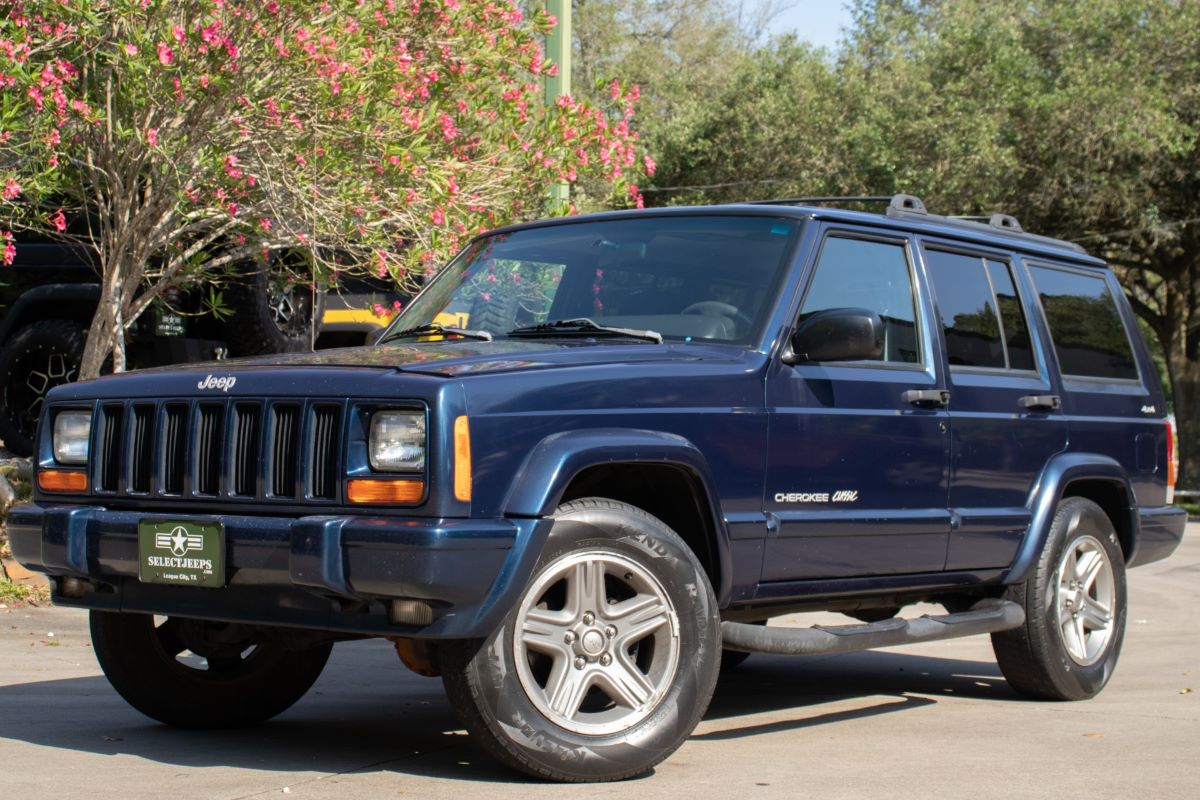
Ground clearance exceeds nine inches in Trailhawk models, and approach/departure angles accommodate serious off-pavement travel.
For cyclists accessing backcountry trailheads via challenging forest service roads or primitive access routes, the Cherokee’s capability provides confidence and access others can’t match.
The Cherokee’s interior reflects Jeep’s focus on durability and weather resistance. Available water-repellent cloth seats and durable cargo area materials handle muddy bikes and wet gear without concern.
Multiple tie-down points secure bikes during transport, while available cargo management systems help organize cycling equipment and tools.
The available power liftgate simplifies loading when your hands are full, and the user-friendly infotainment system includes off-road information pages showing vehicle pitch, roll, and other data useful for challenging terrain.
Jeep’s available powertrains range from efficient four-cylinder engines to more powerful V6 options, allowing buyers to prioritize either fuel economy or performance.
The refined ride quality makes long highway drives comfortable, while the available Selec-Terrain system with multiple drive modes optimizes performance for various surfaces from sand to snow to rocks, ensuring capable performance regardless of conditions encountered while pursuing cycling adventures.
7. Ford Escape
The Ford Escape represents excellent value in the compact crossover segment while offering practical bike transport capability and Ford’s latest technology integration.
Recent redesigns have emphasized a more car-like driving experience with improved efficiency, but the Escape retains sufficient cargo versatility for cyclists needing internal bike transport.
Ford’s commitment to electrification also means the Escape offers hybrid and plug-in hybrid variants for environmentally conscious cyclists seeking to minimize their carbon footprint during travel to riding locations.
The Escape provides approximately 65.4 cubic feet of cargo space with rear seats folded, and the dimensions work well for bike transport.
The cargo area extends approximately 74 inches from the rear hatch to the back of the front seats, accommodating standard adult bikes comfortably.
The width between wheel wells provides adequate handlebar clearance, and the relatively low load floor height of around 29 inches makes bike loading less physically demanding than higher competitors.
The power liftgate available on many trims includes hands-free operation, particularly useful when juggling bikes and gear. Ford has equipped the Escape with an impressive array of technology features that enhance both daily driving and adventure travel.
The available 12.3-inch digital instrument cluster and 13.2-inch touchscreen infotainment system provide intuitive interfaces for navigation, communication, and vehicle information.
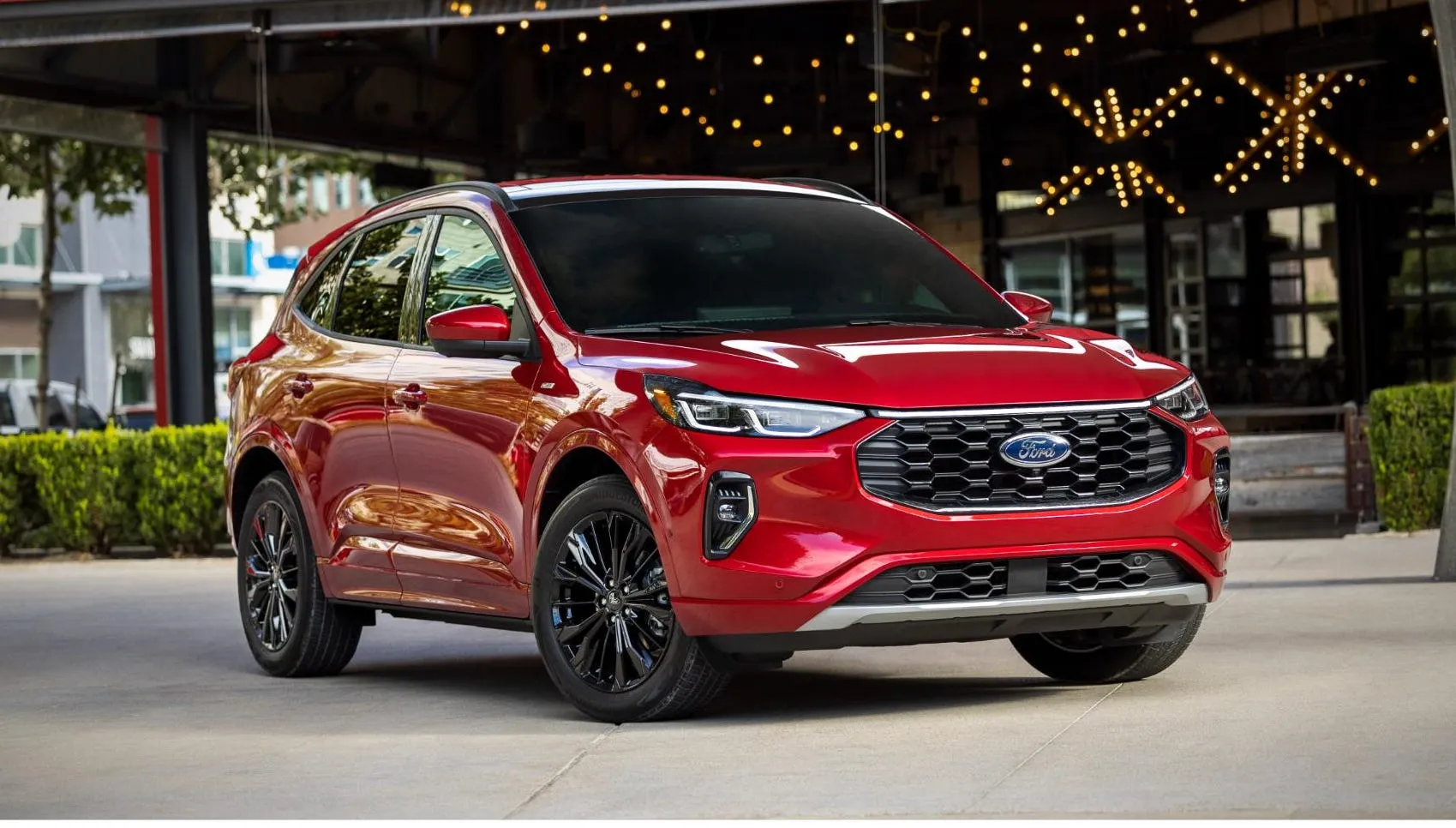
The embedded navigation system helps locate cycling routes and trailheads, while smartphone integration via Apple CarPlay and Android Auto ensures seamless connectivity.
Available driver assistance technologies including adaptive cruise control and lane-keeping assist reduce fatigue on long drives to distant cycling destinations.
The Escape’s electrified powertrains deserve special attention from cyclists concerned about environmental impact. The standard hybrid model delivers exceptional fuel economy with combined figures often exceeding 40 mpg, significantly reducing fuel costs for frequent travel.
The plug-in hybrid variant offers over 30 miles of electric-only driving range, sufficient for many daily commutes while retaining gas engine backup for longer weekend cycling trips.
These efficient powertrains don’t compromise cargo space, as battery packaging doesn’t intrude into the bike-carrying area. Ford’s interior design emphasizes practicality and ease of use.
The durable cargo area materials resist damage from bikes and equipment, while available rubberized cargo mats protect the floor from dirt and moisture. The 60/40 split-folding rear seats create flexibility for carrying both bikes and passengers when needed.
While the Escape’s driving dynamics lean more toward comfort than sportiness, the refined ride quality and low interior noise levels make long drives pleasant, and the available all-wheel-drive system provides confidence in variable weather conditions.
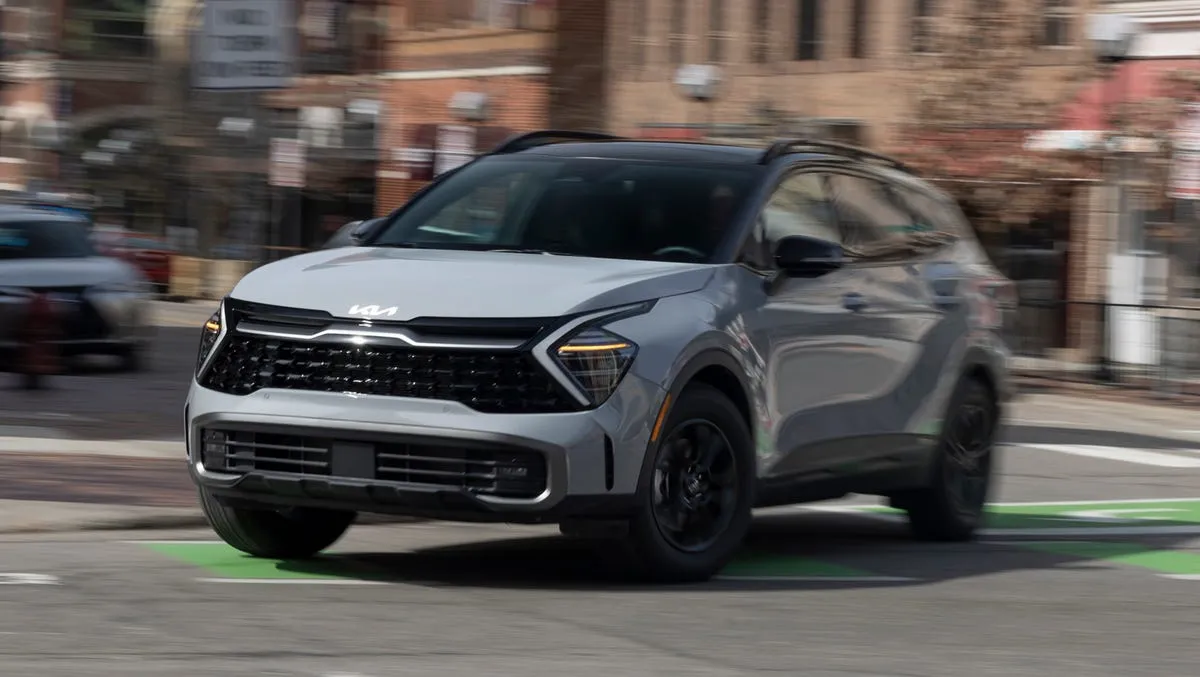
8. Kia Sportage
The Kia Sportage has evolved dramatically in recent generations, transforming from a budget-focused option into a genuinely competitive crossover offering upscale design, comprehensive technology, and excellent value.
For cyclists seeking practical bike transport capability backed by an industry-leading warranty and impressive standard features, the Sportage deserves serious consideration.
Kia’s recent design revolution has created a vehicle that looks distinctive and premium while delivering the functional utility cyclists require.
The latest Sportage offers approximately 74.1 cubic feet of cargo space with rear seats folded, representing excellent capacity in the compact crossover class.
The cargo area extends approximately 75 inches from the rear hatch to the front seatbacks, easily accommodating standard adult bikes without wheel removal.
The width between wheel wells provides generous handlebar clearance, and the nearly flat load floor created by folding rear seats simplifies bike positioning.
The relatively low load floor height makes rolling bikes in and out less physically demanding than taller competitors. What sets the Sportage apart is the exceptional value proposition, particularly in standard equipment and warranty coverage.
Kia includes an impressive array of features even on lower trim levels, from advanced driver assistance technologies to quality interior materials that rivals often reserve for premium trims.
The 10-year/100,000-mile powertrain warranty provides peace of mind for buyers concerned about long-term reliability, while the 5-year/60,000-mile basic warranty surpasses most competitors.
For cyclists investing significant money in quality bikes and components, the Sportage’s warranty coverage demonstrates similar commitment to standing behind the product.
The Sportage’s interior reflects Kia’s upscale ambitions, with contemporary design, quality materials, and thoughtful features throughout.
The available dual-screen display combining digital instruments and infotainment creates a modern, tech-forward environment. The cargo area features durable, easy-to-clean surfaces that handle dirty bikes and wet gear without concern.
Available cargo management accessories including dividers and organizers help keep cycling equipment secured and organized during transport. The power liftgate on higher trims includes hands-free operation and programmable height adjustment.
Kia offers multiple powertrain options including turbocharged gasoline engines and hybrid variants, allowing buyers to prioritize either performance or efficiency.
The available all-wheel-drive system provides confidence in variable conditions, while the comfortable ride quality makes long drives to cycling destinations genuinely pleasant.
The Sportage’s combination of space, features, warranty coverage, and competitive pricing creates a compelling package for cyclists seeking maximum value without compromising practical utility or daily drivability, making it an intelligent choice for budget-conscious enthusiasts who refuse to compromise on quality.
Also Read: 10 Crossovers With Low Lift-Over Trunks & Accessible Cargo Space
