
When shopping for a hybrid vehicle, fuel economy typically tops the priority list. However, there’s another crucial factor that often gets overlooked until it hits your wallet: tire longevity.
The reality is that many hybrid vehicles have developed a notorious reputation for chewing through tires faster than their conventional counterparts.
This accelerated tire wear stems from several factors inherent to hybrid design, including increased vehicle weight from battery packs, instant torque delivery from electric motors, and low-rolling-resistance tires that prioritize efficiency over durability.
The weight issue alone is significant. Hybrid batteries can add anywhere from 200 to 600 pounds to a vehicle’s curb weight, placing additional stress on tires and accelerating tread wear.
Meanwhile, the immediate torque characteristic of electric motors can be harsh on tire compounds, particularly during acceleration.
Many manufacturers compound these challenges by equipping hybrids with specialized eco-tires designed to minimize rolling resistance for maximum fuel economy, but these tires often sacrifice tread life in the process.
In this comprehensive guide, we’ll explore ten hybrid vehicles that have earned reputations for being gentle on tires while still delivering the fuel savings you expect.
Whether you’re a daily commuter, a family hauler, or someone who simply wants to minimize their environmental footprint without constant trips to the tire shop, these hybrids prove you can have the best of both worlds.
We’ll examine what makes each vehicle stand out, from engineering innovations to real-world owner experiences, helping you make an informed decision for your next hybrid purchase.
1. Honda Accord Hybrid
The Honda Accord Hybrid has long been celebrated as one of the most well-rounded hybrid sedans on the market, and its tire-friendly characteristics are a significant part of that reputation.
Honda’s engineers have masterfully balanced the Accord Hybrid’s powertrain to deliver impressive fuel economy typically 47-48 mpg combined without the aggressive power delivery that can prematurely wear tires.
What sets the Accord Hybrid apart is Honda’s two-motor hybrid system, which operates with exceptional smoothness. Unlike some competitors that deliver jerky power transitions, the Accord’s system seamlessly blends electric and gasoline power.
This refined delivery means less wheel spin and reduced stress on tire compounds during acceleration. The system’s intelligent power management ensures that even when you need quick acceleration, it’s delivered in a controlled manner that doesn’t punish your tires.
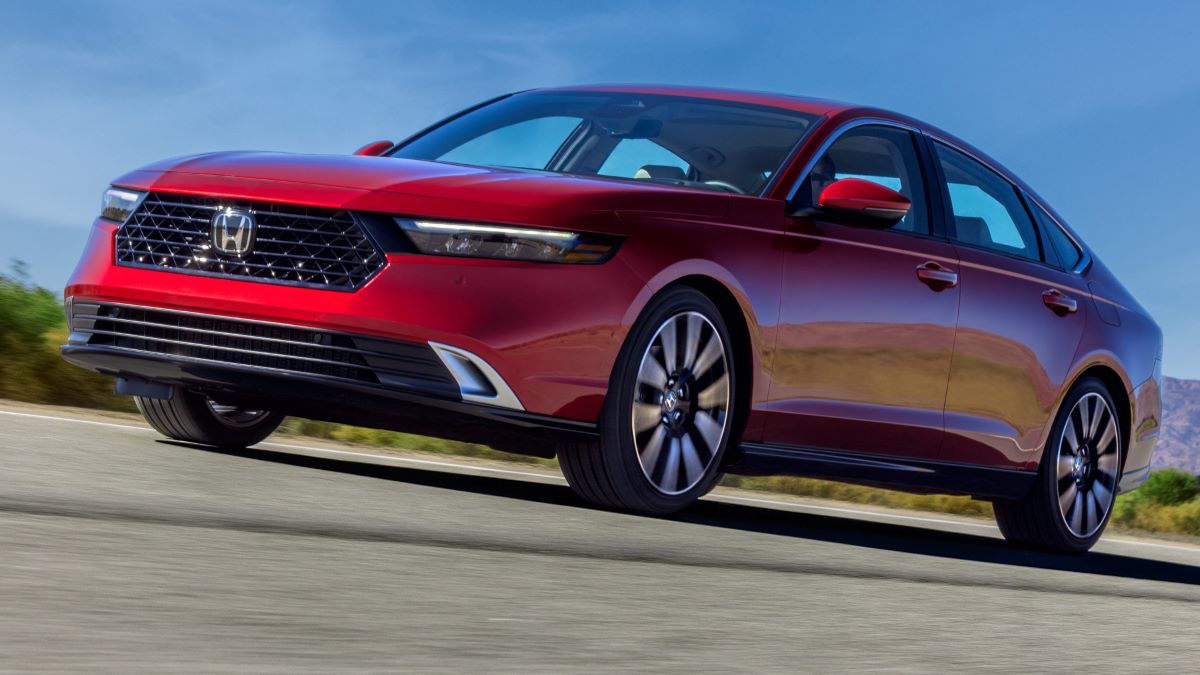
Weight distribution is another area where Honda excels. Despite carrying a substantial battery pack, the Accord Hybrid maintains near-perfect weight balance through strategic battery placement beneath the rear seats.
This positioning keeps the center of gravity low and prevents the rear-heavy bias that plagues some hybrids and accelerates rear tire wear. Owners regularly report getting 40,000 to 50,000 miles from their factory tires, which is comparable to or better than non-hybrid Accords.
Real-world owner testimonials consistently praise the Accord Hybrid’s tire longevity. Forums and owner surveys reveal that many drivers easily exceed 45,000 miles on their original equipment, with proper maintenance and rotation.
This longevity, combined with the vehicle’s spacious interior, refined ride quality, and strong resale values, makes the Accord Hybrid an outstanding choice for anyone seeking a practical, efficient sedan that won’t nickel-and-dime you with premature tire replacements.
2. Toyota Camry Hybrid
Toyota’s reputation for building bulletproof vehicles extends impressively to the Camry Hybrid’s treatment of tires. As one of the best-selling hybrid sedans globally, the Camry Hybrid has accumulated millions of real-world miles, and the consensus among owners is clear: this vehicle is remarkably gentle on tires while delivering excellent fuel economy in the 50 mpg combined range.
The secret to the Camry Hybrid’s tire-friendly nature lies in Toyota’s mature Hybrid Synergy Drive technology, refined over multiple generations.
The system has been perfected to provide smooth, linear power delivery that eliminates the abrupt torque spikes that rapidly degrade tire tread.
When you press the accelerator, power builds progressively rather than dumping instantly, which is gentler on both tires and the drivetrain.
This characteristic becomes especially noticeable in stop-and-go traffic, where constant acceleration and deceleration would normally accelerate tire wear.
Toyota’s engineering philosophy emphasizes durability across all components, and tire selection reflects this approach. Most Camry Hybrid models come equipped with quality all-season tires from reputable manufacturers like Bridgestone or Michelin.
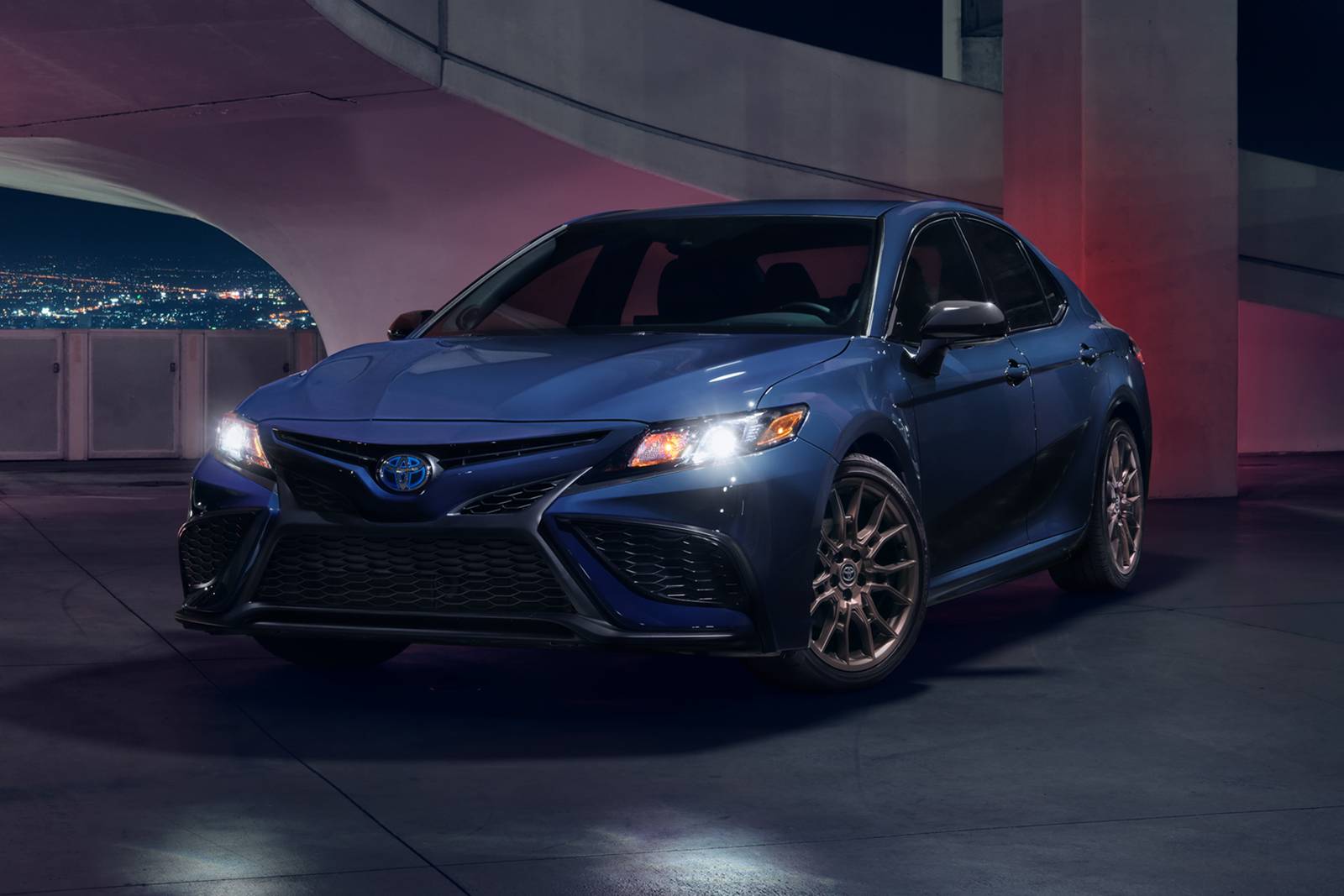
These tires strike an excellent balance between low rolling resistance for fuel economy and robust construction for longevity. The tire compounds used are formulated to wear evenly over extended mileage, and many owners report achieving 50,000 to 60,000 miles before replacement becomes necessary.
The Camry Hybrid’s suspension geometry deserves special mention. Toyota engineers have calibrated the strut-front and multi-link rear suspension to maintain optimal tire contact patches under various driving conditions.
Proper contact patch management means the tire’s tread wears evenly across its width, preventing the premature edge wear or center wear that plagues poorly designed vehicles.
The suspension also effectively manages the hybrid system’s additional weight, preventing the sagging and misalignment that can destroy tires.
Toyota’s recommendation for regular tire rotation typically every 5,000 miles with oil changes further extends tire life when followed.
The combination of quality factory rubber, balanced engineering, and proper maintenance protocols makes the Camry Hybrid an excellent choice for drivers who want hybrid efficiency without hybrid tire bills.
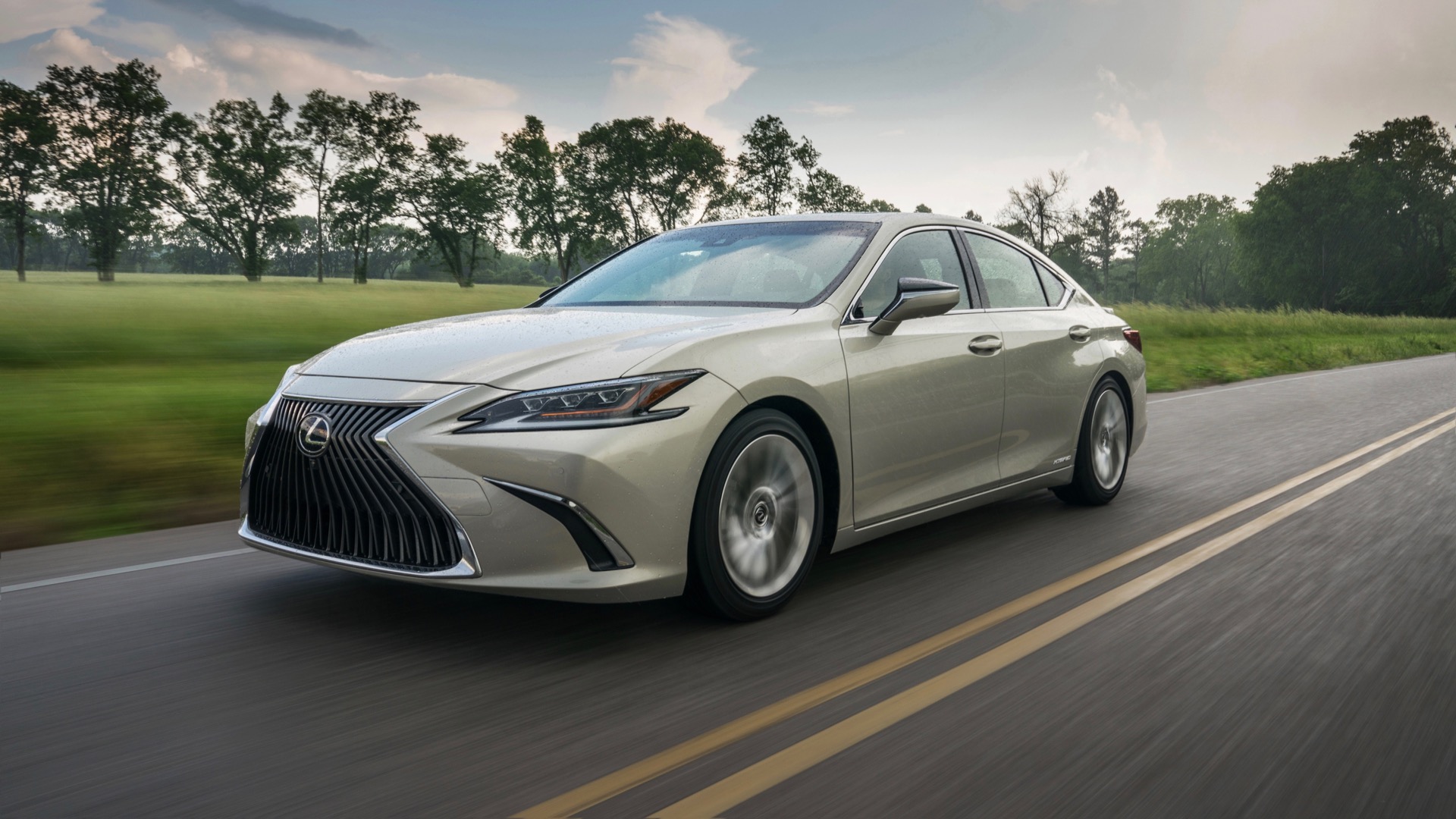
3. Lexus ES 300h
The Lexus ES 300h brings luxury-car refinement to the hybrid sedan segment while maintaining impressive tire longevity a combination that’s rarer than you might expect.
As Toyota’s upscale brand, Lexus benefits from the same proven hybrid technology found in the Camry but adds additional refinements that make the ES 300h even gentler on tires while delivering approximately 44 mpg combined.
What immediately distinguishes the ES 300h is its focus on comfort and smoothness rather than sporty performance. This luxury-oriented philosophy directly benefits tire longevity.
The hybrid powertrain is calibrated for whisper-quiet operation and seamless power delivery, with aggressive acceleration intentionally muted in favor of refined, linear power.
This gentler power application means reduced stress on tire compounds, particularly during the acceleration phases that typically cause the most wear.
Lexus equips the ES 300h with premium touring tires specifically selected for quiet operation, comfort, and longevity. These are typically higher-quality rubber compounds than economy-focused eco-tires, featuring construction techniques that promote even wear and extended tread life.
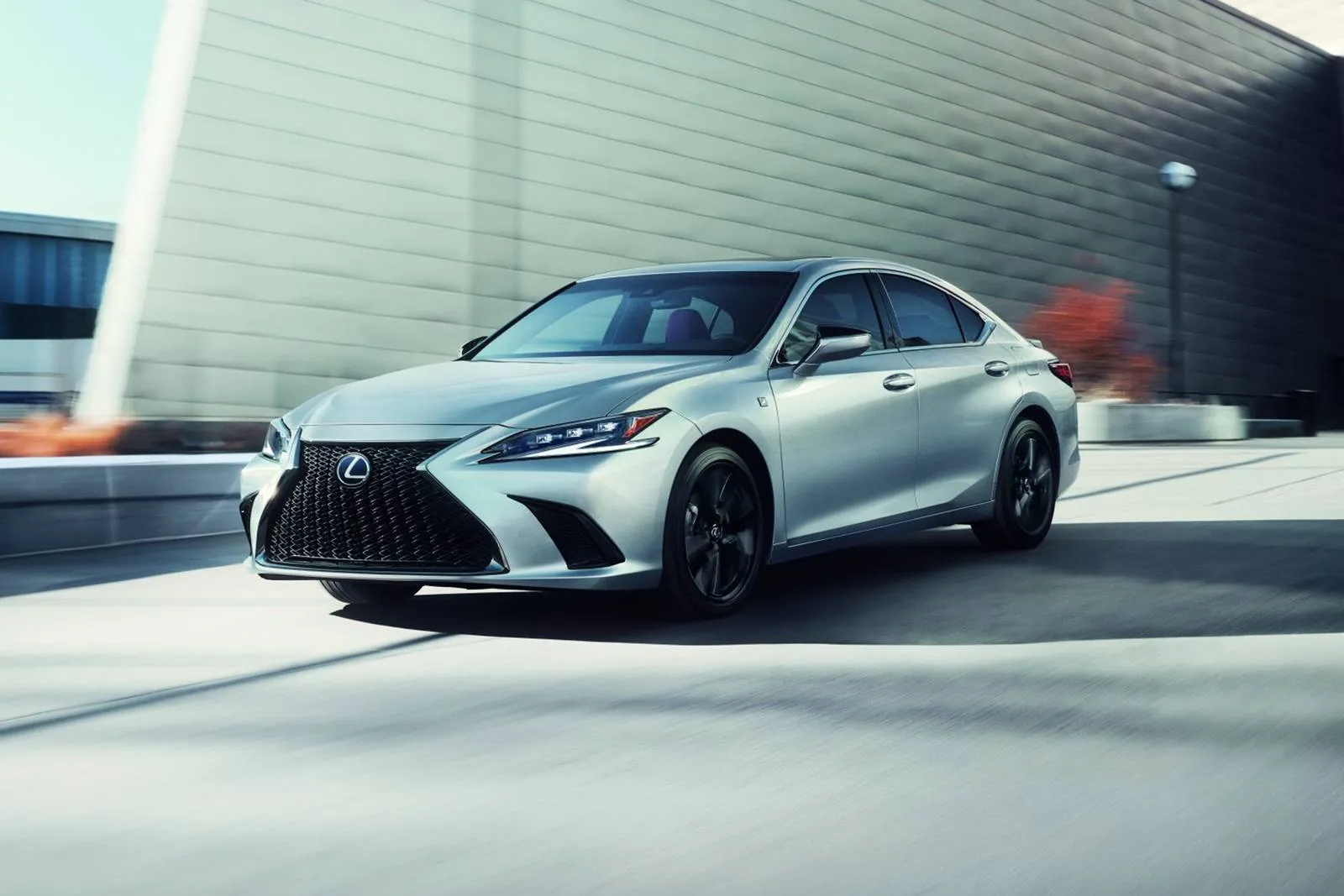
Brands like Bridgestone Turanza and Michelin Primacy are common fitments, representing some of the longest-lasting tire lines available.
Owners consistently report tire life exceeding 50,000 miles, with some achieving 60,000 miles or more with attentive maintenance. The suspension system represents another area where Lexus investment pays dividends.
The ES 300h features a sophisticated independent suspension with carefully tuned damping and spring rates designed to isolate occupants from road imperfections.
This same suspension excellence maintains optimal tire contact with the road surface, preventing the bouncing and skipping that creates irregular wear patterns.
The suspension geometry is engineered to minimize camber and toe changes during compression and rebound, keeping tires perpendicular to the road for maximum even wear.
Driver assistance features like the available adaptive cruise control and predictive efficient drive system also contribute to tire longevity.
These systems anticipate traffic conditions and adjust power delivery smoothly, eliminating the harsh acceleration and braking cycles that wear tires prematurely.
The result is a luxury hybrid that coddles its tires as effectively as it coddles its passengers, making it an excellent choice for discerning buyers who refuse to compromise on either comfort or economy.
4. Honda CR-V Hybrid
The Honda CR-V Hybrid demonstrates that the tire-friendly characteristics of Honda’s hybrid system translate beautifully to the crossover segment.
As one of America’s best-selling crossovers, the CR-V Hybrid delivers approximately 40 mpg combined while maintaining the tire longevity that practical-minded crossover buyers demand.
This combination addresses a critical concern for family buyers who need versatile transportation without constant maintenance headaches.
Honda’s two-motor hybrid system works exceptionally well in the CR-V application, delivering smooth, controlled power that doesn’t abuse tires.
The system’s direct-drive mechanism at highway speeds is particularly beneficial for tire wear. Once cruising speed is reached, the gasoline engine connects directly to the wheels through a fixed gear, eliminating the constant variability of CVT-equipped competitors.
This direct connection provides steady, consistent power delivery that maintains even tire wear patterns during the highway driving where crossovers spend considerable time.
The CR-V Hybrid’s all-wheel-drive system (standard on all models) is engineered intelligently to minimize unnecessary tire scrubbing.
Unlike mechanical AWD systems that constantly drive all wheels and can cause accelerated wear, the CR-V’s electric rear axle activates only when needed.
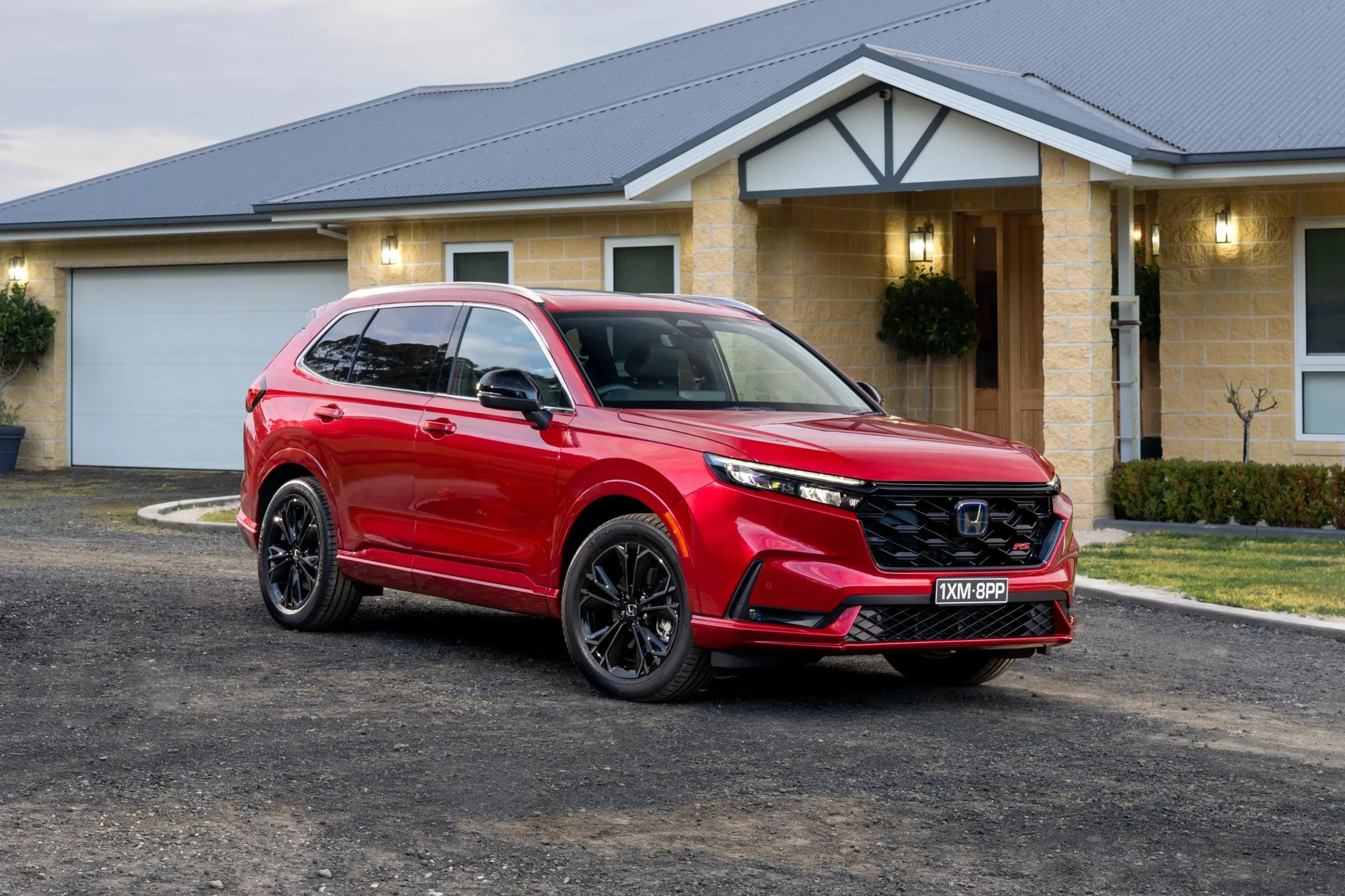
The rear wheels are driven by a dedicated electric motor that engages seamlessly during acceleration, cornering, or slippery conditions, then disengages completely during normal cruising.
This on-demand approach prevents the tire wear associated with full-time AWD while still providing enhanced traction when conditions demand it.
Ground clearance and approach angles are generous without being excessive, which helps tire longevity. Some crossovers are raised so high that suspension geometry becomes compromised, leading to alignment issues and accelerated tire wear.
The CR-V Hybrid’s moderate ride height provides excellent clearance for rough roads and light trails while maintaining suspension angles that promote even tire wear. The practical height also makes the vehicle easier to load and access, reducing strain on the suspension during entry and exit.
Real-world usage patterns support the CR-V Hybrid’s tire-friendly reputation. Owners who diligently rotate tires every 5,000-7,500 miles report remarkably even wear patterns and extended service life.
The combination of smooth hybrid power, intelligent AWD management, quality tire selection, and thoughtful engineering makes the CR-V Hybrid an outstanding choice for families seeking efficiency and practicality without tire-related hassles.
Also Read: 8 Crossovers That Fit a Bike Without Removing Wheels
5. Toyota RAV4 Hybrid
The Toyota RAV4 Hybrid stands as America’s best-selling non-pickup vehicle, and its tire-friendly characteristics contribute significantly to that popularity.
Delivering approximately 40 mpg combined while offering genuine outdoor capability, the RAV4 Hybrid achieves remarkable tire longevity despite the challenging conditions crossovers often face. This durability makes it ideal for adventurous families who need versatility without constant tire replacements.
Toyota’s latest Hybrid Synergy Drive system in the RAV4 provides refined power delivery that’s become a hallmark of the brand’s hybrid vehicles.
The system coordinates seamlessly between the gasoline engine, electric motors, and battery pack to provide smooth, consistent power without the jerky transitions that stress tires.
Electronic throttle mapping is conservative, requiring deliberate pedal input for aggressive acceleration. This prevents inadvertent tire spin and reduces wear from harsh starts that plague vehicles with overly sensitive throttle calibration.
All RAV4 Hybrids include sophisticated electronic torque vectoring AWD (all-wheel drive with intelligence) that actively manages power distribution to minimize tire wear.
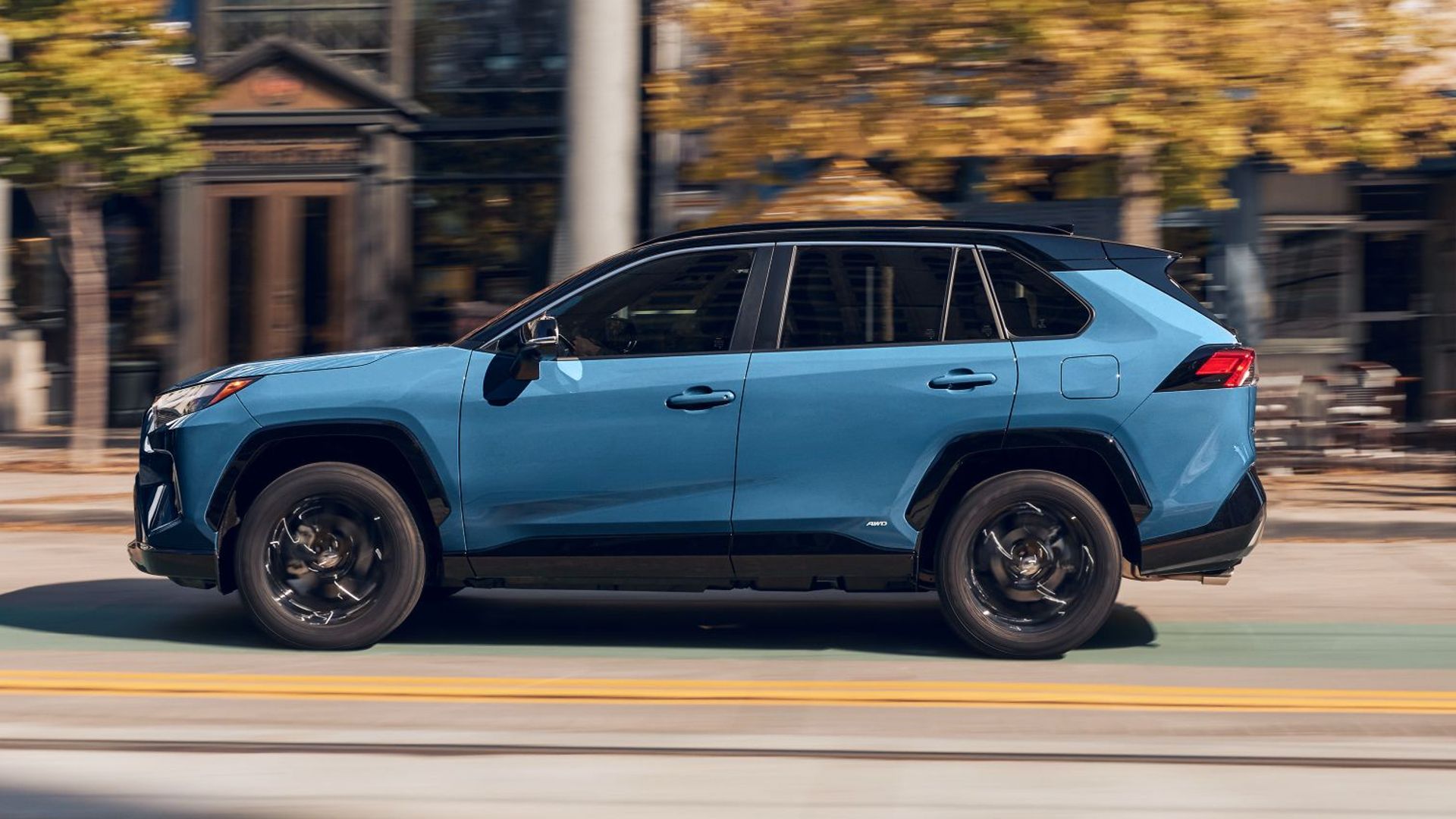
The system monitors wheel slip, steering angle, and dozens of other parameters hundreds of times per second, directing power precisely where it’s needed while preventing wheel spin that destroys tread.
During normal driving, most power flows to the front wheels, reducing wear on the rear tires. When conditions demand it, the rear electric motor engages instantly but intelligently, providing grip without unnecessary tire scrubbing.
Owners appreciate the RAV4 Hybrid’s predictable maintenance needs and excellent tire wear patterns. Regular rotation every 5,000 miles, as recommended by Toyota, helps ensure even wear across all four tires.
The combination of proven hybrid technology, intelligent AWD management, practical tire sizing, and robust construction makes the RAV4 Hybrid an excellent choice for buyers seeking reliable, efficient transportation that won’t punish their budget with premature tire replacements. It’s adventure-capable without the adventure of constantly buying new tires.
6. Hyundai Sonata Hybrid
The Hyundai Sonata Hybrid represents exceptional value in the midsize hybrid sedan segment, and surprisingly, its tire-friendly characteristics match or exceed more expensive competitors.
With fuel economy approaching 50 mpg combined and tire longevity that regularly reaches 45,000-50,000 miles, the Sonata Hybrid delivers on the practical promises that attract hybrid buyers while avoiding the hidden costs that sometimes accompany electrified powertrains.
Hyundai’s six-speed automatic transmission paired with the electric motor creates a unique advantage for tire longevity. Unlike continuously variable transmissions (CVTs) that can maintain high engine speeds and cause uneven power delivery, the Sonata Hybrid’s conventional automatic provides distinct, predictable gear changes.
This transmission behavior results in smoother power application to the wheels, reducing the stress and heat generation that accelerate tire wear.
The electric motor supplements the gasoline engine seamlessly, filling in torque gaps during shifts and preventing the lurching that can shock tires and suspension components.
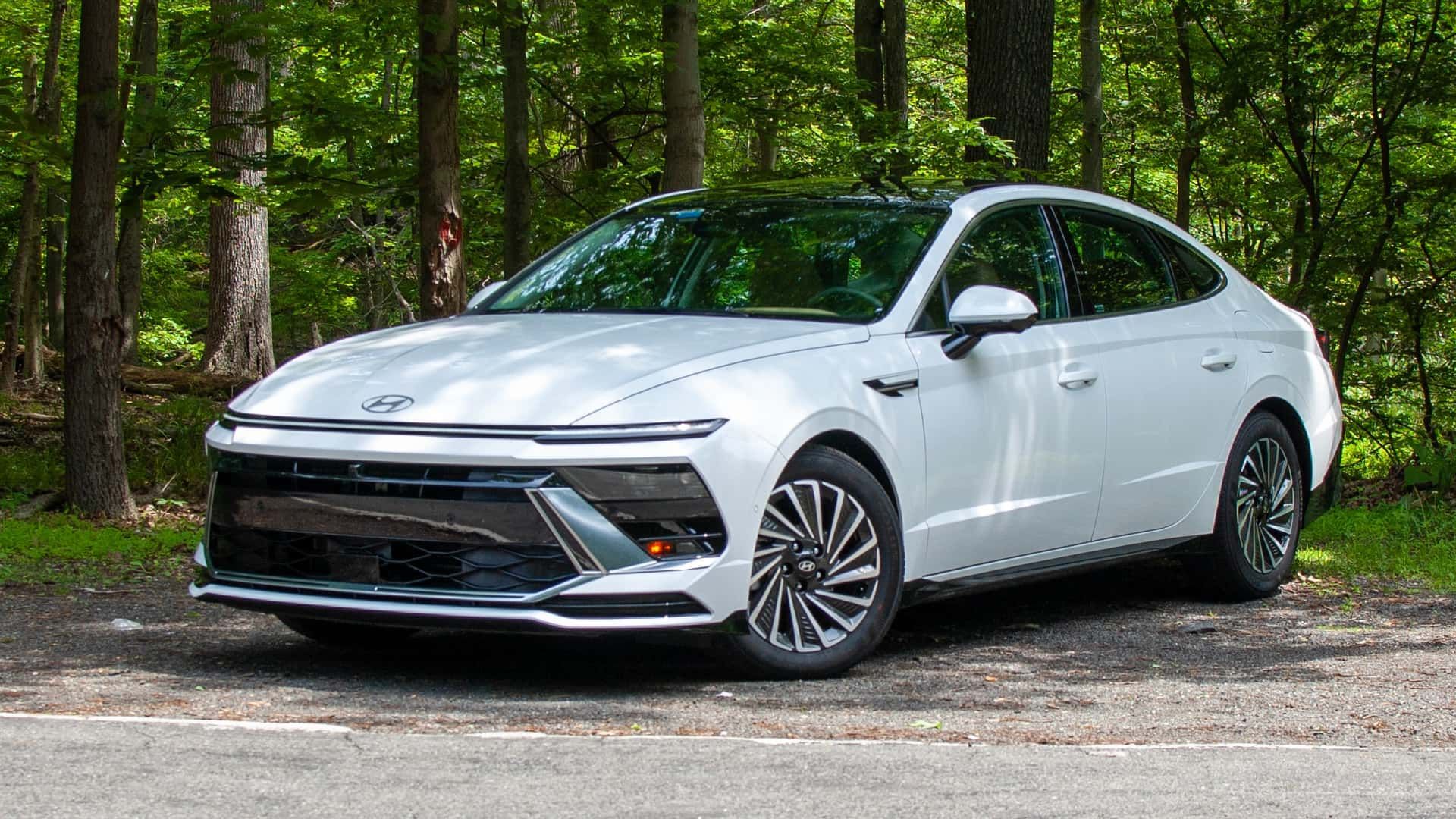
The Sonata Hybrid’s relatively lightweight design for a midsize hybrid sedan contributes significantly to its tire-friendly nature. Hyundai engineers have optimized the battery pack size to balance electric range with vehicle weight, resulting in a curb weight that’s competitive with non-hybrid alternatives.
Less weight means less stress on tires, particularly during acceleration, cornering, and braking the three driving conditions that cause the most rapid tread degradation.
Hyundai’s comprehensive warranty, including 10-year/100,000-mile powertrain coverage, reflects the company’s confidence in their hybrid technology.
While tires aren’t covered under warranty, the reliability and thoughtful engineering that earns such confidence extends throughout the vehicle, including systems that affect tire longevity.
The Sonata Hybrid proves that value-oriented engineering doesn’t require sacrifices in tire life, making it an intelligent choice for budget-conscious buyers who want predictable, low-hassle ownership.
7. Kia Niro
The Kia Niro stands out as a purpose-built hybrid crossover, designed from the ground up around its electrified powertrain rather than adapted from a conventional model.
This dedicated hybrid platform approach yields numerous benefits, including exceptional tire longevity that often surprises owners accustomed to the tire-eating reputation of some hybrids.
With fuel economy around 50 mpg combined and tire life regularly exceeding 50,000 miles, the Niro delivers efficiency without hidden costs.
Kia’s dual-clutch transmission (DCT) paired with the electric motor represents a significant advantage for tire wear. Unlike CVTs that maintain constant engine speeds or conventional automatics that can be jerky during shifts, the DCT provides lightning-quick, smooth gear changes that minimize drivetrain shock to the tires.
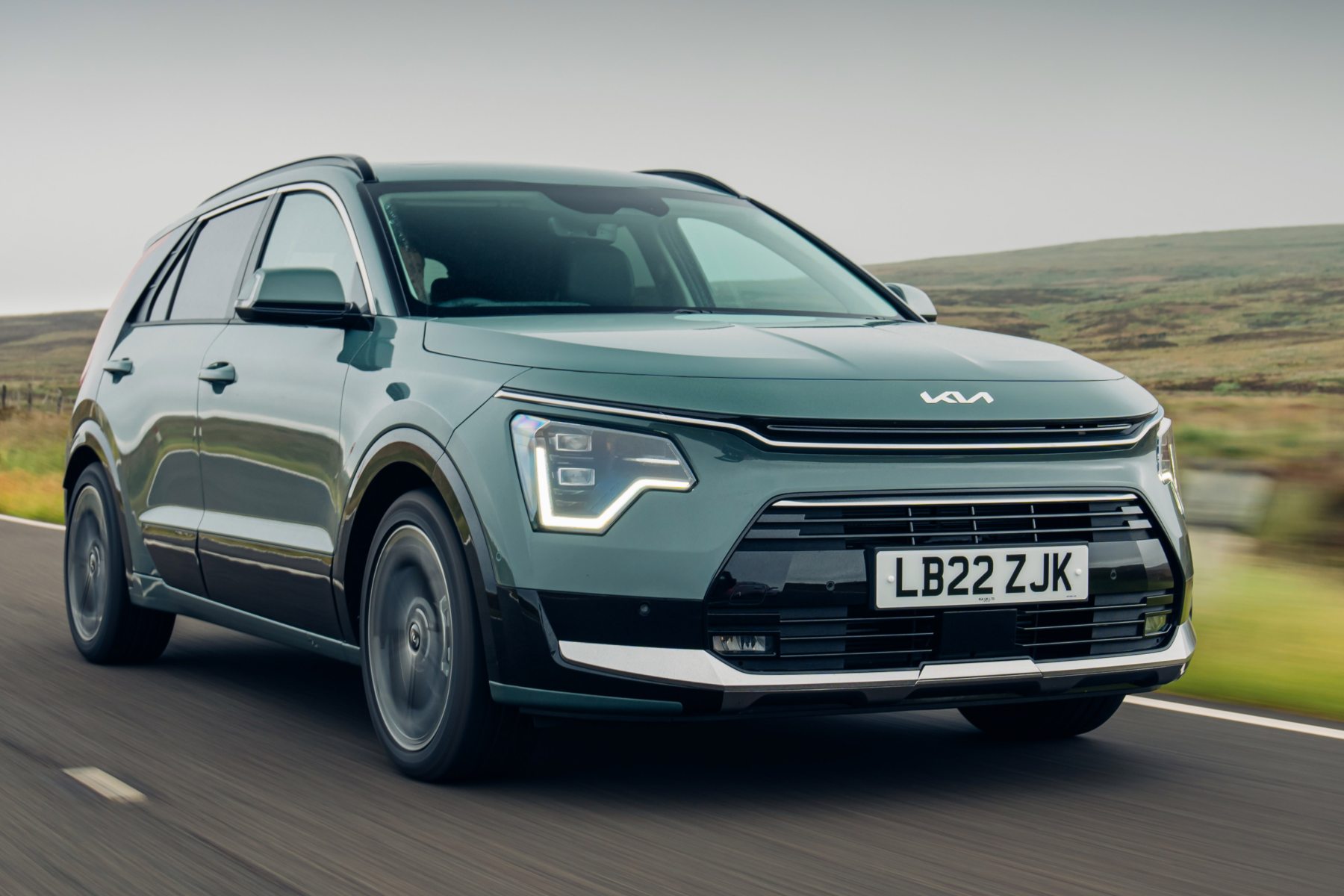
The transmission’s ability to shift without interrupting power flow means acceleration remains constant and controlled, preventing the tire-punishing power surges that occur when automatics hunt for gears or CVTs struggle under load.
Real-world owner feedback consistently praises the Niro’s tire wear characteristics, with many drivers reporting 50,000-60,000 miles from their factory tires with proper rotation and maintenance.
The combination of purpose-built hybrid design, intelligent transmission technology, practical tire sizing, and thoughtful engineering makes the Niro an outstanding choice for efficiency-focused buyers who appreciate predictable, low-hassle ownership experiences.
8. Ford Escape Hybrid
The Ford Escape Hybrid represents American automotive engineering at its practical best, delivering approximately 40 mpg combined while demonstrating impressive tire longevity that rivals Japanese competitors.
After early hybrid attempts that struggled with various issues, Ford’s latest Escape Hybrid shows the company has learned valuable lessons about building efficient, durable vehicles that don’t punish owners with premature tire replacement.
Ford’s hybrid powertrain in the Escape uses a continuously variable transmission (CVT), but it’s calibrated with exceptional attention to smoothness and refinement.
While CVTs can sometimes contribute to tire wear through inconsistent power delivery, Ford’s engineers have programmed the Escape’s transmission to simulate conventional gear steps when appropriate.
This programming prevents the constant engine speed fluctuations that can stress tires and creates more predictable power application that promotes even tread wear. The electric motor integration is seamless, filling torque gaps and smoothing power delivery in all driving situations.
The Escape Hybrid’s front-wheel-drive configuration (AWD is optional) contributes to its tire-friendly nature in base form. FWD eliminates the additional weight and complexity of AWD components, reducing vehicle weight and the associated tire wear from carrying extra pounds.

For buyers in temperate climates who don’t need AWD capability, the FWD Escape Hybrid offers lighter weight, slightly better fuel economy, and reduced tire wear a compelling combination for daily commuting and family duties.
Tire selection reflects Ford’s commitment to durability and practicality. Most Escape Hybrids come equipped with 225/60R18 all-season tires from quality manufacturers like Michelin or Bridgestone.
These reasonably sized tires balance capability with longevity, avoiding the wear penalties of larger, sportier rubber while still providing confident handling and comfortable ride quality.
The tire compounds are formulated to resist premature wear while maintaining low rolling resistance for fuel efficiency. Owner reports indicate tire life typically ranges from 40,000 to 50,000 miles with regular rotation.
The Escape Hybrid proves that American manufacturers can compete effectively with Asian brands in the hybrid efficiency and durability game.
Its combination of practical engineering, quality tire selection, refined powertrain behavior, and thoughtful technology integration makes it an excellent choice for buyers seeking a versatile, efficient crossover without tire-related headaches.
9. Toyota Prius
The Toyota Prius pioneered the modern hybrid market, and decades of refinement have resulted in a vehicle that treats tires as well as it treats the environment.
The latest generation Prius delivers approximately 57 mpg combined class-leading efficiency while maintaining tire longevity that often reaches 50,000-60,000 miles.
This combination proves that extreme efficiency doesn’t require sacrificing tire durability, contradicting the conventional wisdom that eco-focused vehicles inevitably eat tires.
Toyota’s decades of hybrid development experience shine through in the Prius’s refined powertrain behavior. The hybrid system coordinates seamlessly between electric motors, gasoline engine, and battery pack to deliver power with remarkable smoothness.
Acceleration is linear and predictable, without the jerky transitions or aggressive torque spikes that stress tires. The electronic continuously variable transmission (e-CVT) operates differently from conventional CVTs, using planetary gearsets rather than belts and pulleys.
This mechanical simplicity results in exceptional smoothness and durability while eliminating the hunting and surging that can accelerate tire wear in other CVT-equipped vehicles.
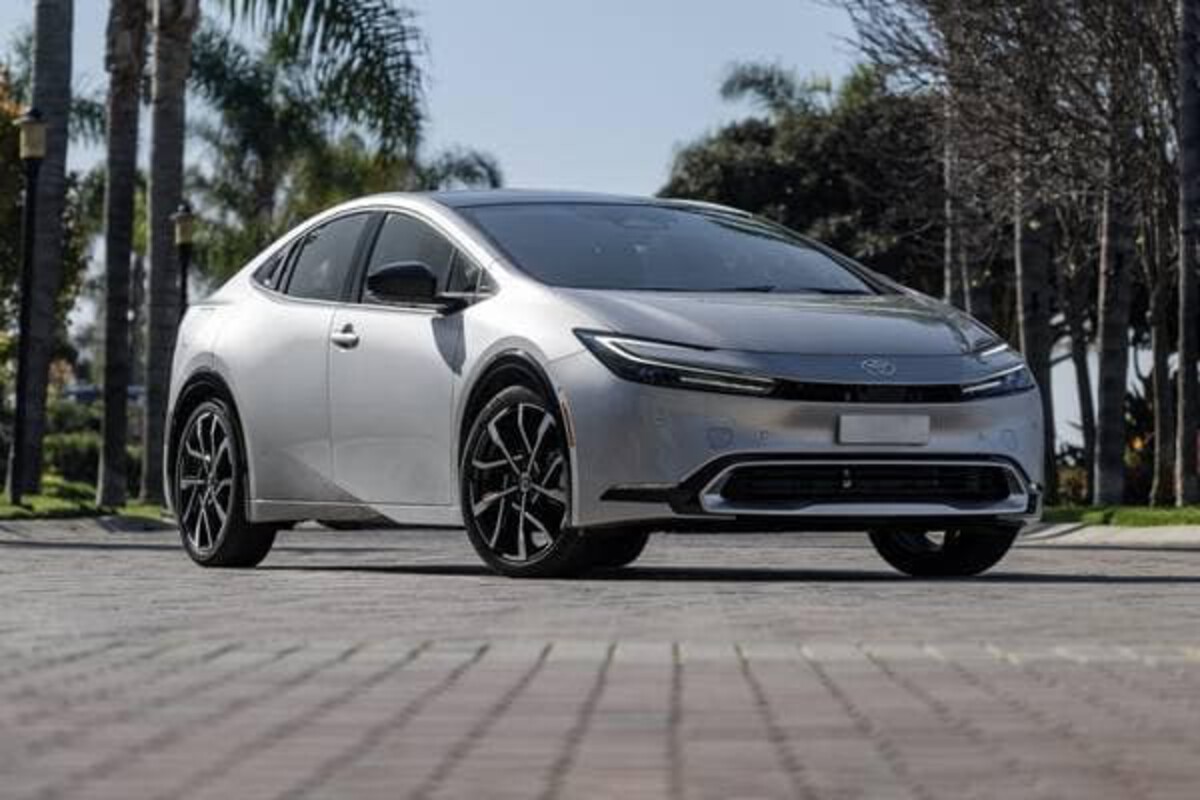
The Prius’s lightweight construction contributes significantly to its tire-friendly nature. Every generation has emphasized weight reduction through high-strength steel, aluminum components, and efficient packaging.
The current Prius, despite offering more interior space and features than ever, maintains reasonable curb weight through intelligent engineering.
Less weight means less force transferred through tires during acceleration, cornering, and braking the primary situations that cause rapid tread degradation. Owner testimonials consistently praise the Prius’s tire durability, with many drivers exceeding 50,000 miles on factory rubber.
The combination of lightweight construction, refined hybrid technology, intelligent aerodynamics, and mature engineering makes the Prius an outstanding choice for efficiency-focused buyers who also appreciate predictable, low-cost ownership.
It remains the benchmark against which all hybrid vehicles are measured, and its tire longevity is just one more area where Toyota’s original hybrid still excels.
10. Lexus NX 350h
The Lexus NX 350h brings luxury refinement and hybrid efficiency to the compact crossover segment while maintaining tire longevity that exceeds many non-hybrid competitors.
Delivering approximately 39 mpg combined with genuine premium appointments and capability, the NX 350h proves that upscale hybrid crossovers don’t require compromises in tire durability.
This combination makes it ideal for affluent buyers seeking efficiency and luxury without constant maintenance interruptions. Lexus’s latest hybrid system in the NX 350h emphasizes smooth, refined operation above all else.
The 2.5-liter four-cylinder engine paired with electric motors delivers combined output of 239 horsepower, but power delivery is calibrated for luxury smoothness rather than sporty aggression.
Acceleration builds progressively and linearly, without the abrupt torque spikes that stress tires and suspension components. The electronically controlled continuously variable transmission operates with exceptional refinement, avoiding the rubber-band effect and harsh behavior that plague lesser CVT implementations.

All-wheel drive is standard on the NX 350h, using Lexus’s sophisticated electric rear axle system. Like other Toyota/Lexus hybrids, the system employs a dedicated electric motor to drive the rear wheels only when needed.
During normal cruising, power flows exclusively to the front wheels, eliminating the tire scrubbing and accelerated wear of mechanical full-time AWD systems.
When sensors detect front wheel slip or the driver demands maximum acceleration, the rear motor engages instantly and seamlessly.
This intelligent power management maximizes both efficiency and tire longevity while still providing enhanced traction when conditions demand it.
Sound insulation and vibration damping are taken to extremes in the NX 350h, with extensive use of acoustic glass, sound-deadening materials, and active noise cancellation. This obsessive focus on quiet operation influences tire selection Lexus must choose tires that generate minimal road noise.
Fortunately, tires engineered for low noise typically feature tread patterns and compounds that wear more evenly and last longer than aggressive, noisy alternatives. The result is a win-win: a library-quiet cabin and excellent tire longevity.
