
Foggy rear windows are more than just an inconvenience they’re a serious safety hazard that can compromise visibility and increase the risk of accidents.
Whether you’re backing out of a driveway on a cold morning or going through heavy rain, a clear rear window is essential for safe driving.
Modern automotive engineering has made significant strides in combating this common problem, with manufacturers implementing advanced defrosting and defogging technologies that work faster and more efficiently than ever before.
Today’s vehicles come equipped with sophisticated heated rear window systems, improved climate control, and innovative glass treatments that prevent condensation from forming in the first place.
Some manufacturers have gone beyond traditional heated grid lines, incorporating rapid-heating elements, hydrophobic coatings, and intelligent climate systems that automatically detect and eliminate fog before it becomes a problem.
These technologies don’t just clear fog they prevent it from forming, ensuring optimal visibility in all weather conditions.
In this comprehensive guide, we’ll explore twelve exceptional vehicles that excel at keeping rear windows crystal clear.
From luxury sedans with cutting-edge climate control to practical SUVs with powerful defrosting systems, these cars represent the best solutions available for drivers who refuse to compromise on rear visibility.
Whether you’re shopping for a new vehicle or simply curious about the latest automotive technologies, these fog-fighting champions demonstrate how far the industry has come in addressing this fundamental safety concern.
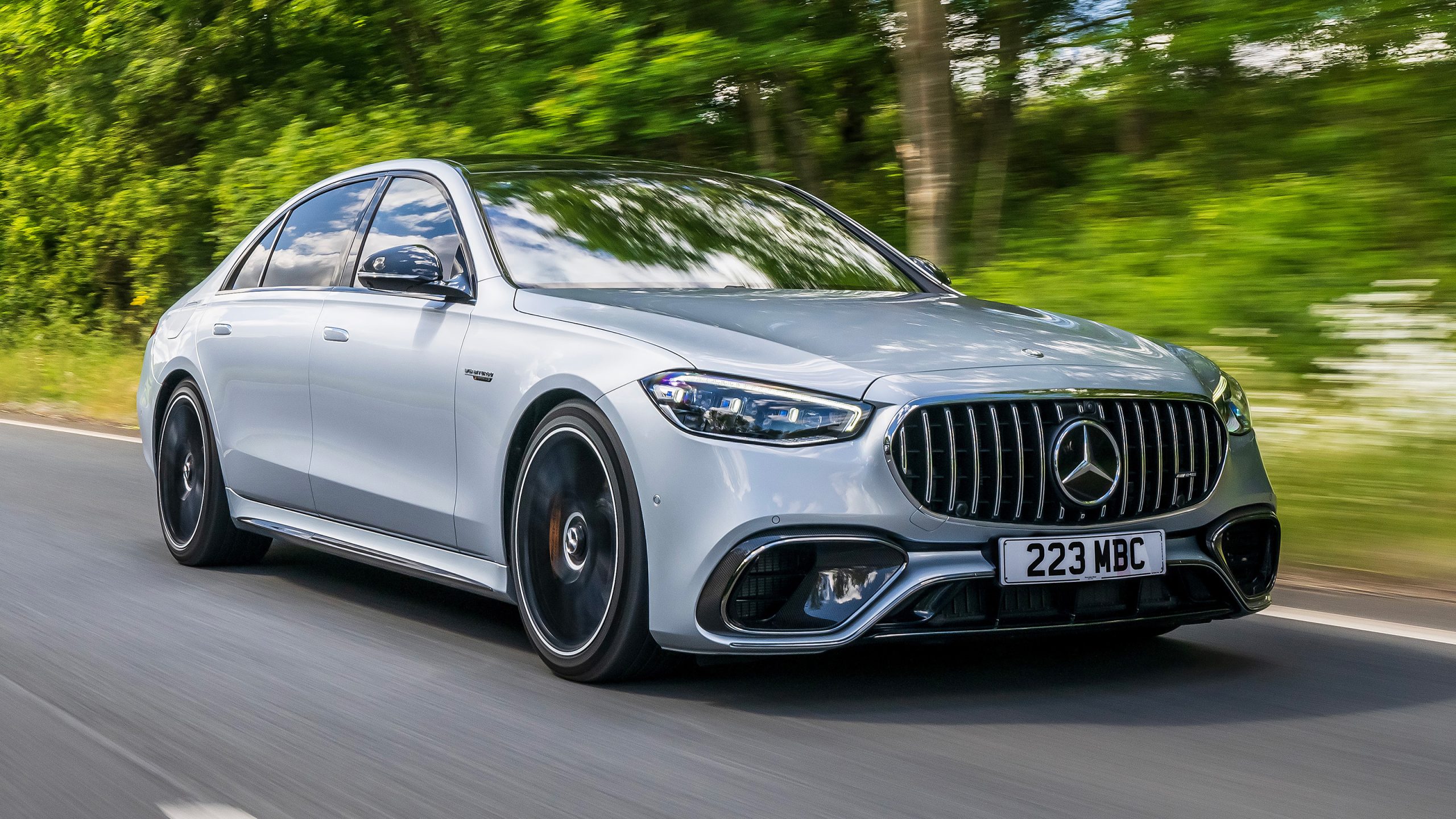
1. Mercedes-Benz S-Class
The Mercedes-Benz S-Class has long been the benchmark for automotive luxury and technology, and its rear window defogging capabilities are no exception.
This flagship sedan incorporates one of the most sophisticated climate control systems in the automotive world, featuring rapid-heating rear window elements that can clear fog in under two minutes, even in extreme conditions.
The system uses ultra-thin heating wires with increased density compared to standard defrosting grids, allowing for more uniform heat distribution and faster results.
What truly sets the S-Class apart is its intelligent climate management system, which continuously monitors humidity levels inside the cabin and automatically adjusts heating and ventilation to prevent fog formation before it starts.
The vehicle’s advanced sensors detect temperature differences between the interior and exterior glass surfaces, triggering the defrosting system proactively rather than reactively. This means drivers rarely experience fog accumulation in the first place.
The rear window glass itself features a special coating that reduces condensation adhesion, making it harder for fog to form and easier to clear when it does.
The S-Class also employs a powerful HVAC system with strategically positioned vents that create optimal air circulation throughout the cabin, including targeted airflow toward the rear window area.
The climate control system can be pre-programmed through the Mercedes me app, allowing owners to remotely activate the defogging system before entering the vehicle.
Additionally, the S-Class offers heated rear side windows on higher trim levels, ensuring comprehensive visibility in all directions.
The system integrates seamlessly with the car’s other comfort features, including heated and ventilated seats, which help regulate cabin humidity by managing passenger comfort.
Mercedes has engineered the defrosting system to operate efficiently without excessive battery drain, making it suitable for both short trips and extended drives.
The combination of premium materials, advanced engineering, and thoughtful design makes the S-Class one of the most effective vehicles at maintaining clear rear visibility regardless of weather conditions.
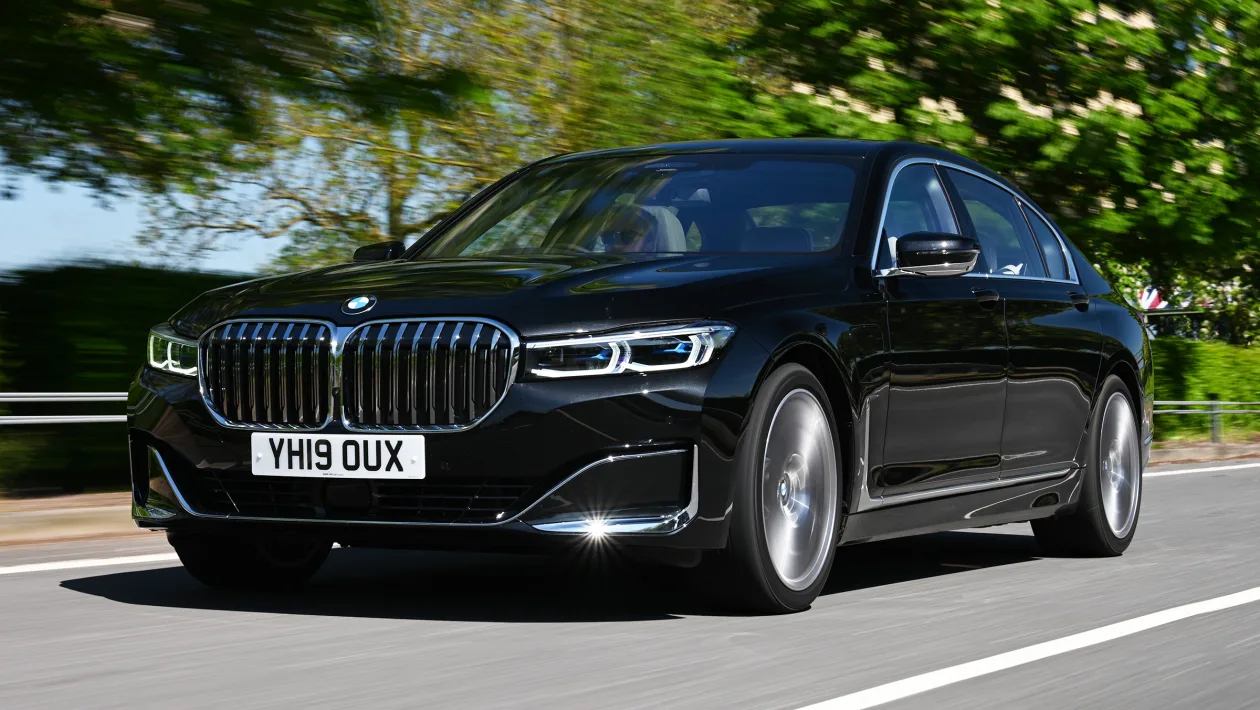
2. BMW 7 Series
The BMW 7 Series represents German engineering excellence, particularly in its approach to rear window fog prevention. BMW has developed what they call an “Intelligent Climate Management” system that goes beyond simple defrosting to create an environment where fog formation is minimized through precise environmental control.
The rear window features a high-output heating element grid that draws more power than conventional systems, enabling it to clear even heavy condensation in approximately ninety seconds.
The 7 Series employs a four-zone automatic climate control system as standard, with an available five-zone system that provides independent temperature and humidity control for different cabin areas.
This granular control allows the system to address moisture accumulation specifically where it tends to occur, including near the rear window.
The vehicle’s climate system integrates with its navigation and weather data, preemptively adjusting settings based on predicted conditions along your route.
BMW’s attention to detail extends to the rear window glass composition itself, which incorporates infrared-reflective properties that help maintain more consistent temperatures between the interior and exterior glass surfaces.
This reduces the temperature differential that causes condensation to form. The rear window defroster can be activated via voice command, steering wheel controls, or automatically through the vehicle’s intelligent systems.
The 7 Series also features excellent cabin sealing and advanced moisture barriers that prevent external humidity from entering the vehicle, reducing the moisture load that the climate system must manage.
The vehicle’s automatic recirculation system monitors external air quality and humidity, switching to recirculation mode when conditions favor fog formation.
For ultimate convenience, BMW’s ConnectedDrive allows remote activation of the climate control system, including rear defroster activation, through a smartphone app.
The system can be scheduled to activate before your typical departure times, ensuring a completely clear vehicle every morning.
The integration of these multiple technologies makes the 7 Series exceptionally effective at maintaining rear window clarity in climates ranging from humid tropical conditions to frigid arctic environments.
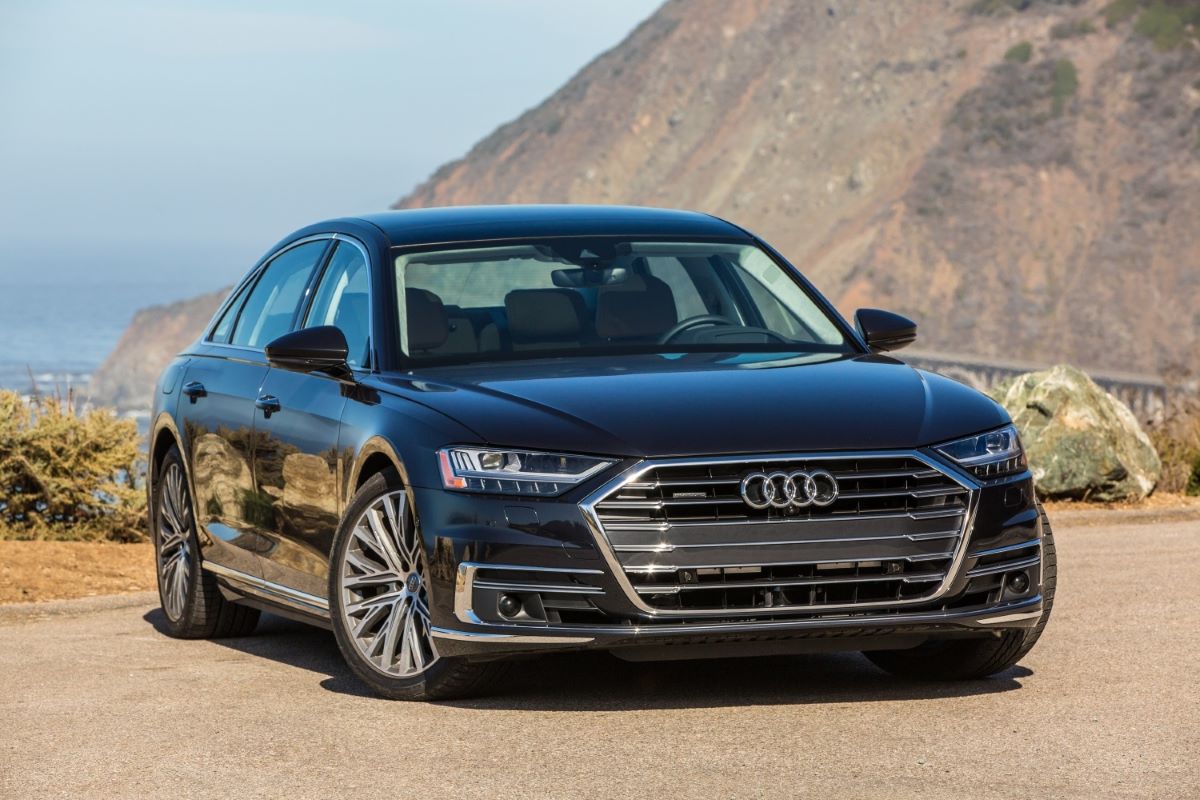
3. Audi A8
Audi’s flagship A8 sedan showcases the brand’s commitment to advanced technology and driver comfort through its exceptional rear window fog management system.
The A8 features what Audi engineers call “Predictive Climate Control,” which uses artificial intelligence and machine learning to anticipate fog formation based on multiple environmental factors.
The system analyzes cabin humidity, external temperature, passenger load, and even breathing patterns to proactively prevent condensation.
The rear window heating system in the A8 utilizes an advanced grid pattern with variable resistance zones, allowing different areas of the glass to heat at different rates depending on where fog is most likely to form.
This intelligent heating approach is more energy-efficient than uniform heating while providing superior defogging performance. The heating elements are extraordinarily thin, making them virtually invisible and preserving the clean aesthetic of the rear window while maximizing heated surface area.
Audi has integrated the rear defroster controls into the MMI touch response system, providing intuitive access through the vehicle’s central display screens.
The system offers multiple modes, including an “intensive” setting for extreme conditions and an “eco” mode that balances defogging effectiveness with energy consumption.
The A8’s climate control system also features ionization technology that reduces humidity in the cabin air, further preventing fog formation.
The vehicle’s quattro all-wheel-drive system indirectly contributes to better fog management by providing confidence in adverse weather conditions, allowing the climate system to operate at optimal efficiency rather than having to combat moisture from wet shoes, clothing, and gear tracked into the cabin.
The A8’s acoustic glazing, standard on all models, creates better insulation that helps maintain consistent interior temperatures and reduces condensation potential.
The sophisticated climate system works in harmony with the heated rear seats and trunk area temperature regulation to create a comprehensively managed environment.
Audi’s virtual cockpit allows drivers to monitor and adjust defogging settings without taking their eyes far from the road, enhancing both safety and convenience.
4. Tesla Model S
The Tesla Model S brings electric vehicle innovation to the challenge of rear window fog management, leveraging the instant power availability of electric motors to create one of the most powerful defogging systems available.
Unlike traditional vehicles that must wait for the engine to warm up before generating heat, the Model S can deliver maximum heating power immediately upon startup, clearing fog in record time even in the coldest conditions.
Tesla’s approach to climate control is fundamentally different from conventional automobiles. The Model S uses a heat pump system with resistive heating elements that can generate intense, focused heat instantly.
The rear window defroster operates independently of the main climate system, allowing it to run at full power without affecting cabin comfort.
Tesla has optimized the heating grid pattern specifically for rapid defrost, with denser wire spacing in areas where fog typically accumulates first.
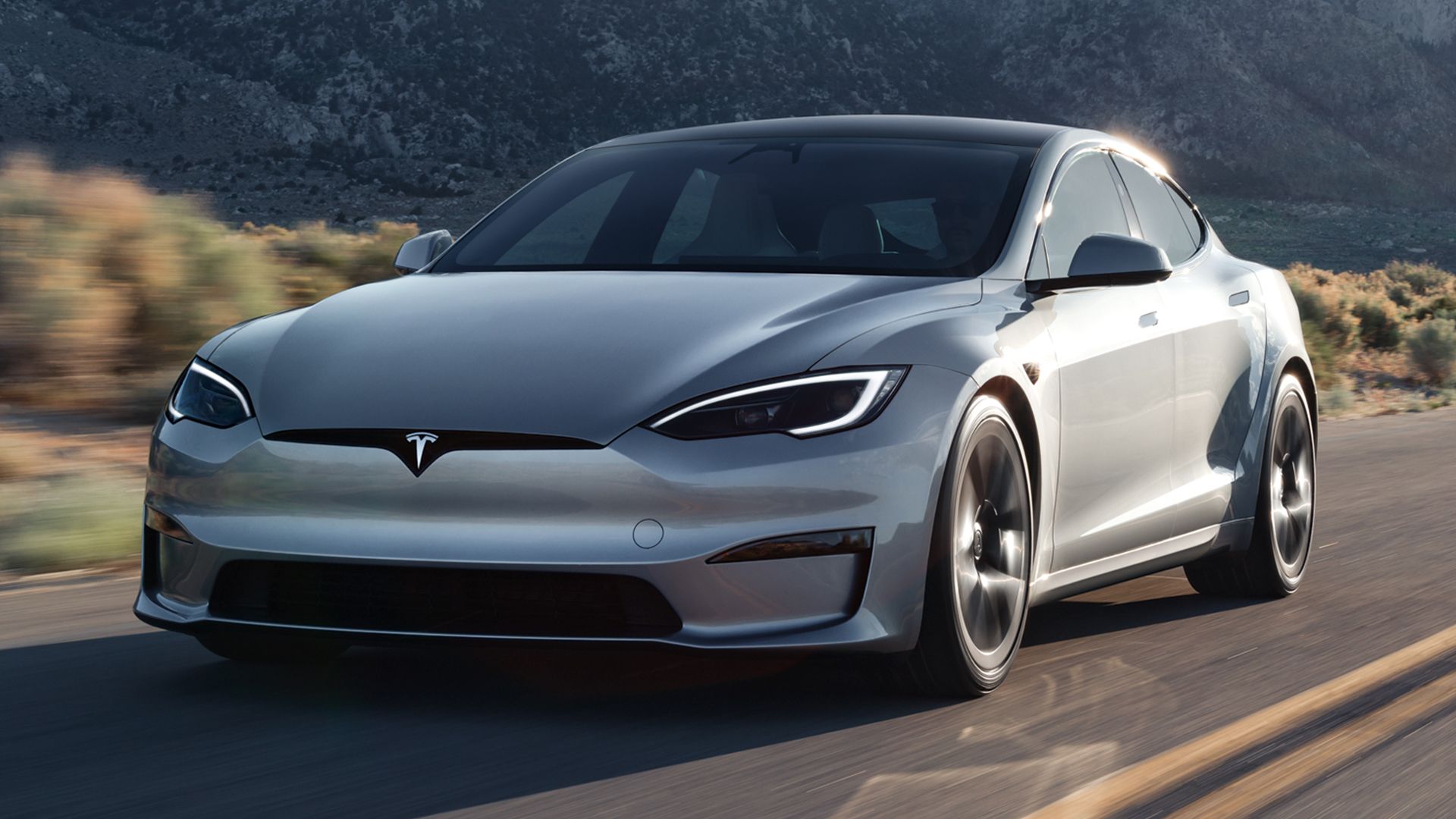
The Model S’s touchscreen interface provides granular control over all climate functions, including the rear defroster. Users can adjust intensity levels and set automatic triggers based on interior and exterior temperature readings.
Perhaps most impressively, Tesla’s mobile app allows owners to pre-condition their vehicles remotely, activating the rear defroster before approaching the car. The system can be scheduled to activate automatically at specified times or when the app detects you’re approaching the vehicle through location tracking.
Tesla’s over-the-air software updates continuously improve the defrosting algorithm, learning from fleet-wide data about optimal heating patterns and timing.
The company has released several updates that enhance defrost performance based on real-world usage data from millions of miles driven.
The Model S also features a “Dog Mode” and “Camp Mode” that maintain optimal interior conditions when parked, preventing humidity accumulation that would otherwise create fog when the vehicle is restarted.
The massive battery capacity means the defrosting system can operate for extended periods without range anxiety, and the regenerative braking system helps recapture some of the energy used for heating.
Also Read: 12 SUVs With Window Lines Kids Can See Out Of
5. Volvo XC90
The Volvo XC90 demonstrates Scandinavian practicality in its approach to rear window fog management, unsurprising given the harsh Nordic climates where Volvo vehicles are designed and tested.
The XC90 features one of the most powerful rear window heating systems in the SUV segment, capable of clearing heavy frost and ice as well as fog. The system uses high-wattage heating elements that distribute warmth evenly across the entire glass surface.
Volvo’s Clean Zone Interior Package, available on the XC90, includes advanced air filtration and humidity control that significantly reduces fog formation potential.
The system actively removes moisture from incoming air before it enters the cabin, lowering the humidity level that causes condensation.
The XC90’s four-zone climate control allows rear passengers to adjust their environment independently, preventing the temperature conflicts that often lead to window fogging.
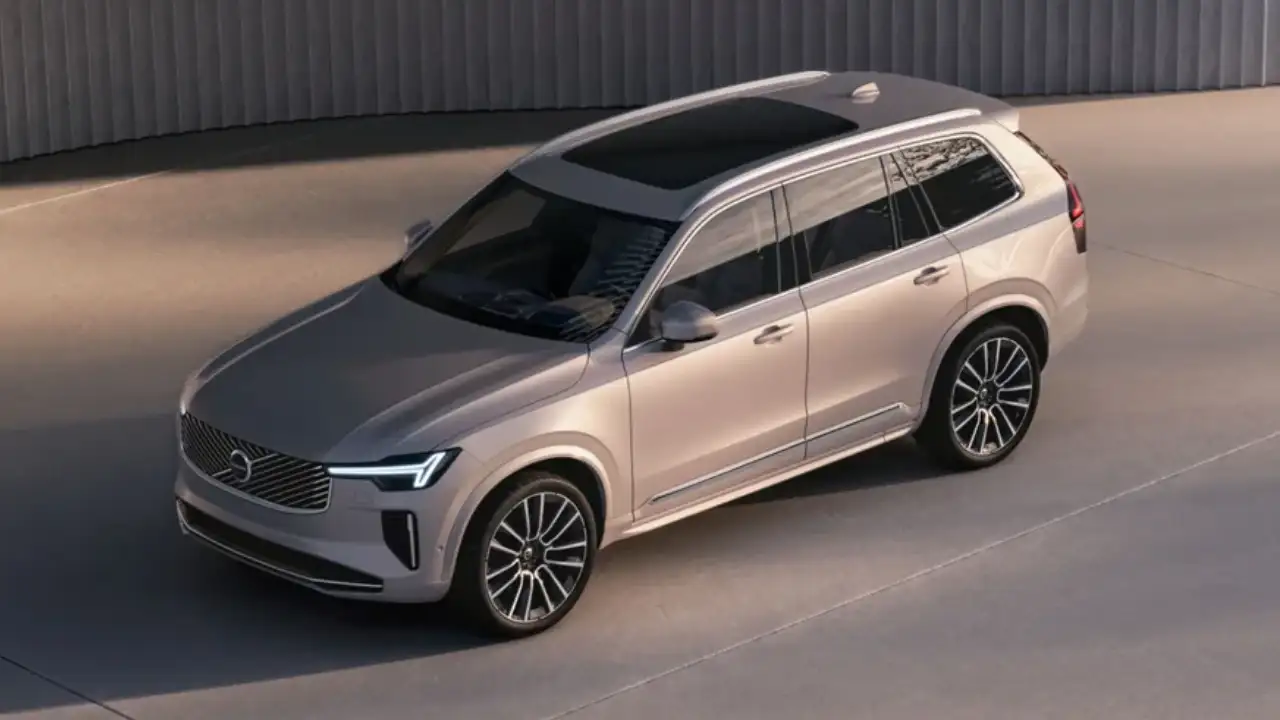
The rear window glass itself features hydrophobic coating on both interior and exterior surfaces, causing water droplets to bead and run off rather than forming a fog layer.
This coating is particularly effective in rain and snow conditions where external moisture can compound internal fogging problems. The XC90’s rear wiper is integrated with the defrosting system, with heating elements extending into the wiper rest area to prevent ice buildup.
Volvo’s Sensus infotainment system provides easy access to climate controls through both touchscreen and physical buttons, recognizing that drivers often need to adjust defrosting settings quickly while driving.
The system remembers individual driver preferences, automatically activating the rear defroster based on learned patterns and environmental conditions.
The XC90’s Park Assist Pilot and other driver assistance features that rely on rear visibility work seamlessly with the defogging system, ensuring these safety technologies always have a clear view.
The vehicle’s excellent insulation helps maintain cabin temperature stability, reducing the temperature differential that causes condensation to form on glass surfaces.
6. Range Rover
The Range Rover embodies British luxury with genuine off-road capability, and its rear window fog management system reflects the need for visibility in extremely challenging conditions.
Land Rover engineers designed the defrosting system to handle everything from desert humidity to arctic cold, ensuring the rear window remains clear regardless of where your adventures take you.
The heating grid uses marine-grade corrosion-resistant materials that maintain effectiveness even after years of exposure to road salt and harsh weather.
The Range Rover’s climate control system is among the most sophisticated in any vehicle, featuring up to four-zone temperature control with negative ion air purification that reduces cabin humidity.
The system can exchange the entire cabin air volume in minutes, rapidly removing moisture-laden air and replacing it with conditioned, dehumidified air.
The rear window defroster integrates with the vehicle’s Terrain Response system, automatically adjusting operation based on the selected driving mode and expected environmental conditions.
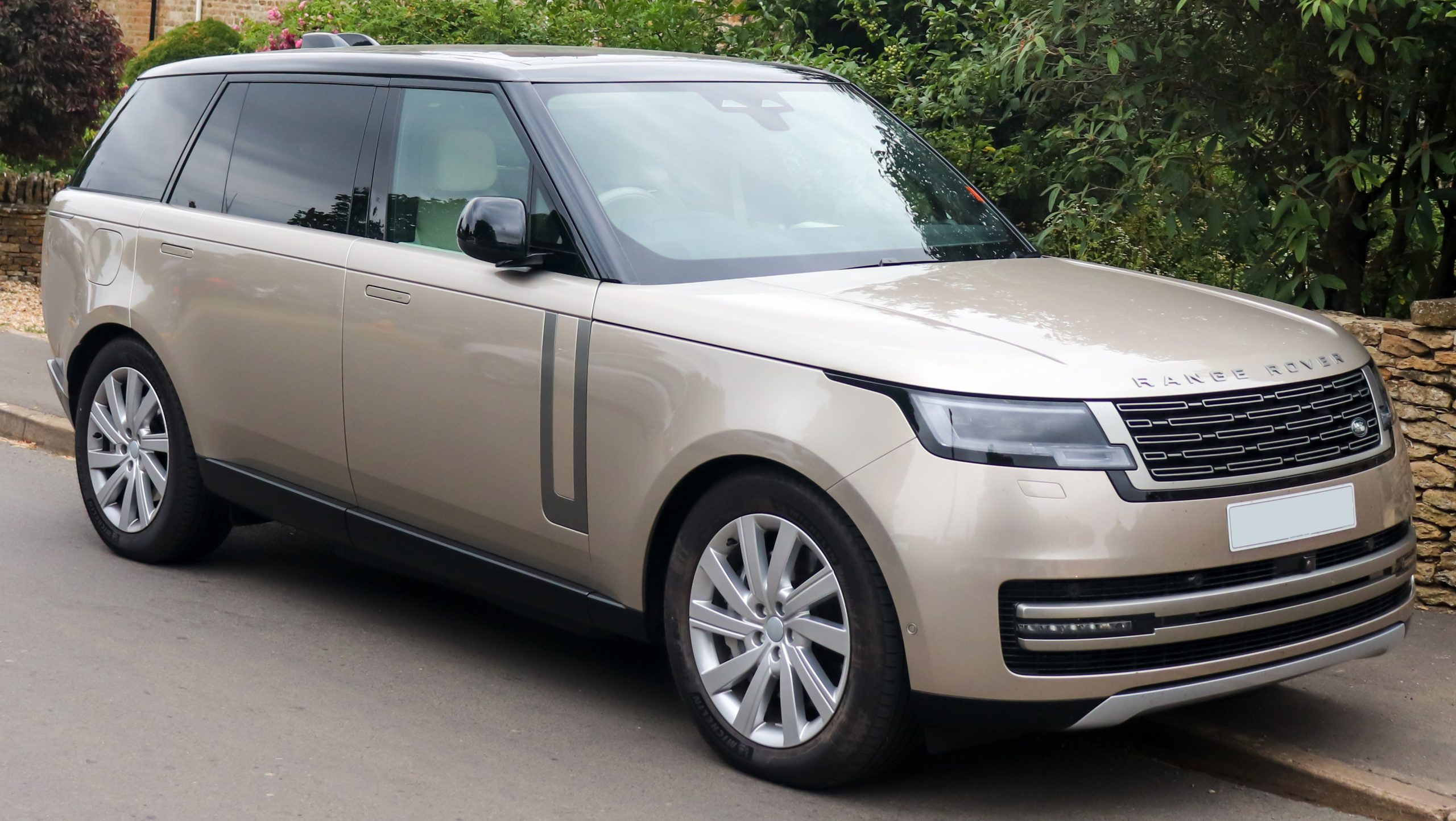
Touch Pro Duo, Range Rover’s dual-screen infotainment system, provides comprehensive control over climate functions including the ability to create custom defrost profiles for different weather scenarios.
The upper screen displays real-time humidity readings and glass temperature differentials, allowing drivers to monitor conditions that lead to fog formation.
Remote climate pre-conditioning through the InControl smartphone app can be activated from up to a mile away, ensuring the vehicle is completely clear before you reach it.
The Range Rover’s heated rear windshield extends beyond the standard defrost grid to include heated sections around the perimeter of the glass, ensuring complete coverage with no cold spots where fog can linger.
The powerful HVAC system delivers exceptional airflow to the rear cabin area, with dedicated vents that can be directed toward the rear window.
The vehicle’s Wade Sensing feature, which assists when driving through water, works with the climate system to rapidly dry out the cabin after water crossings, preventing the massive humidity increase that would otherwise cause severe fogging.
7. Lexus LS
The Lexus LS flagship sedan brings Japanese attention to detail and reliability to the challenge of maintaining clear rear windows. Lexus engineers conducted extensive cold-weather testing in Hokkaido and hot-humid testing in Southeast Asia to develop a defrosting system that excels in every climate.
The result is a rear window heating system that operates whisper-quiet while delivering powerful, consistent performance over the vehicle’s lifespan.
The LS features a Mark Levinson premium audio system that’s carefully integrated with the rear window heating grid to prevent any electromagnetic interference that could affect sound quality.
This required Lexus engineers to develop specially shielded heating elements a level of attention to detail that characterizes the brand’s approach.
The climate control system uses nanoe X technology, which releases hydroxyl radicals that actively suppress odors and bacteria while also helping to regulate humidity levels that lead to fogging.
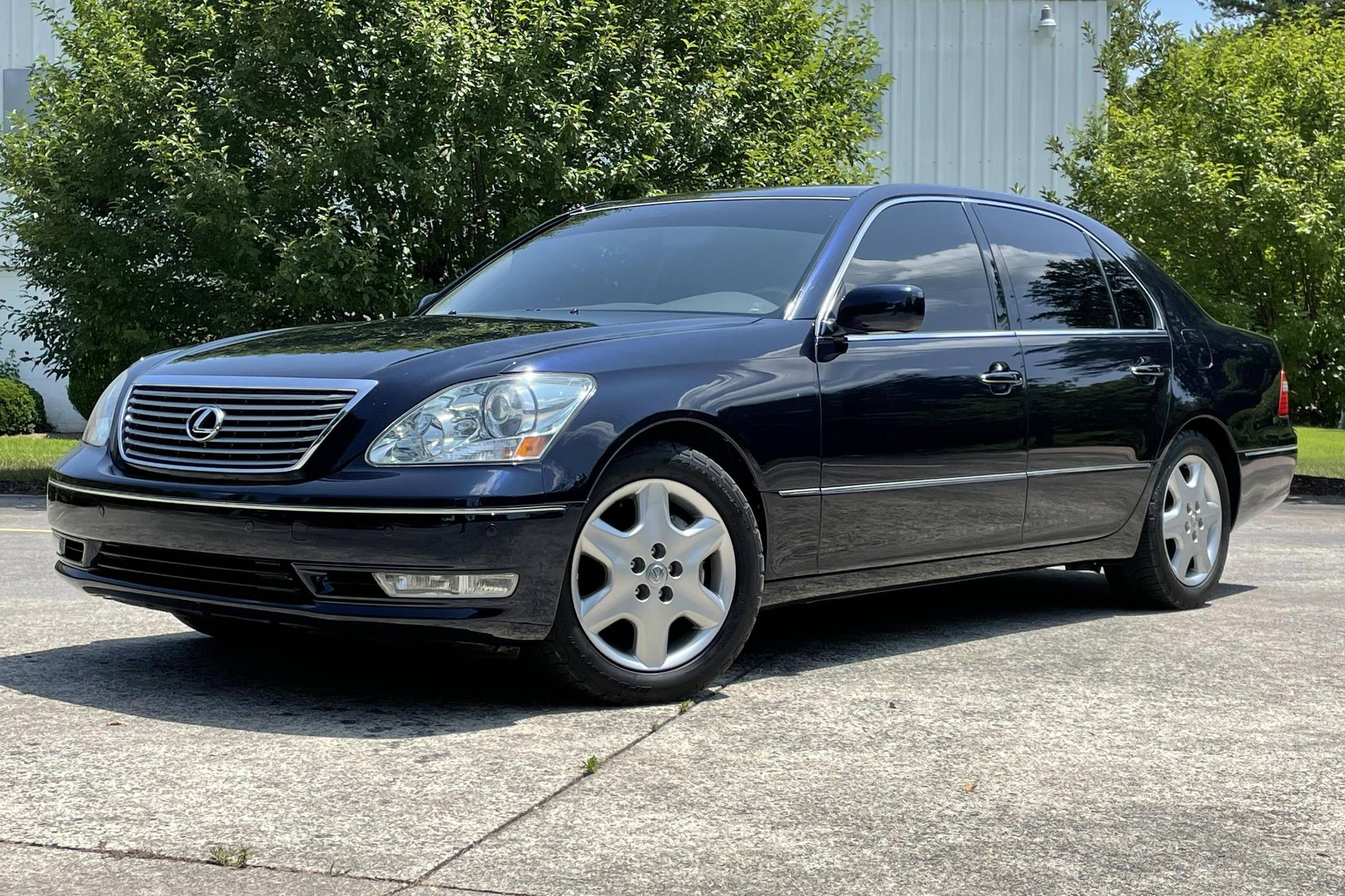
Lexus’s Climate Concierge system in the LS automatically coordinates heating, ventilation, seat heating/cooling, and steering wheel heating to create the optimal environment while minimizing fogging potential.
The system learns driver and passenger preferences over time, adjusting proactively to maintain comfort without condensation. The rear window glass features exceptional optical clarity treated with a special coating that resists both external road grime and internal condensation.
The LS’s Remote Touch Interface provides intuitive control over climate functions through a touchpad interface that allows drivers to adjust settings without visual distraction.
The system also responds to voice commands in natural language, understanding requests like “clear the rear window” without requiring specific terminology.
The vehicle’s smartphone integration allows owners to start the climate system remotely, schedule automatic activation, and monitor cabin conditions in real time.
The LS’s exceptional build quality and precision assembly mean the cabin remains well-sealed even as the vehicle ages, maintaining the effectiveness of the humidity control system long after purchase.
8. Porsche Taycan
The Porsche Taycan represents the future of electric performance, and its rear window fog management system showcases how electric vehicle architecture enables superior climate control.
With instant access to electrical power and no need for engine-based heating, the Taycan can deliver maximum defrosting performance the moment you press the start button.
Porsche engineers optimized the system for the rapid temperature changes that come with high-performance driving, ensuring the rear window remains clear even when cabin temperatures fluctuate.
The Taycan’s heat pump climate system is exceptionally efficient, providing powerful heating while minimizing range impact—a critical consideration for electric vehicles.
The rear window heating elements use advanced materials that resist degradation from the high current draw, maintaining consistent performance throughout the vehicle’s life.
Porsche’s attention to aerodynamic efficiency extends to the rear window design, which sheds water exceptionally well, reducing external moisture that can compound internal fogging problems.

The Porsche Communication Management system provides complete control over climate functions through a curved display that’s angled toward the driver for easy access.
The system can be customized extensively, allowing drivers to set preferred defrost intensity, automatic activation triggers, and integration with other vehicle systems.
The Taycan supports over-the-air updates that continuously improve climate control algorithms based on real-world data from the entire Taycan fleet.
The vehicle’s My Porsche app enables comprehensive remote climate control, including the ability to set recurring schedules for automatic activation based on your daily routine.
The app provides detailed status information including interior temperature, humidity levels, and estimated time to complete defogging.
The Taycan’s impressive charging speed means you can afford to run the climate system extensively during charging stops without significantly extending charging time.
The sophisticated battery thermal management system works in concert with the cabin climate system to optimize energy efficiency while maintaining clear windows and comfortable interior conditions.
9. Genesis GV80
The Genesis GV80 brings Korean innovation and exceptional value to the luxury SUV segment, including one of the most effective rear window defogging systems available at its price point.
Genesis engineers focused on creating a system that delivers premium performance without the premium price, resulting in a rear window heater that rivals vehicles costing significantly more.
The heating grid uses optimized spacing that provides maximum coverage while maintaining excellent visibility through the glass. The GV80’s available three-zone climate control system includes intelligent humidity management that actively monitors and controls moisture levels throughout the cabin.
The system features premium air filtration that removes particulates while also dehumidifying incoming air, significantly reducing fog formation potential.
Genesis includes heated rear side windows as standard equipment on higher trim levels, ensuring comprehensive visibility in all weather conditions.

The vehicle’s infotainment system integrates climate controls into a user-friendly interface that provides quick access to defrosting functions.
The GV80 responds to voice commands for climate control in multiple languages, demonstrating Genesis’s commitment to global appeal and accessibility.
The system remembers individual driver profiles, automatically setting preferred defrost settings when different drivers are detected through the digital key system.
Genesis includes remote climate control through the Genesis Connected Services app, allowing owners to start the defrosting system from their smartphone.
The service includes complimentary connectivity for three years, making advanced features accessible without ongoing subscription costs a standout value proposition in the luxury segment.
The GV80’s excellent build quality and attention to cabin sealing ensures minimal air leakage that could admit moisture-laden air, maintaining the effectiveness of the climate control system.
The vehicle’s thoughtful design includes drain channels and moisture barriers that prevent water intrusion from rain, snow, and car washes, keeping the interior environment dry and reducing fogging incidents.
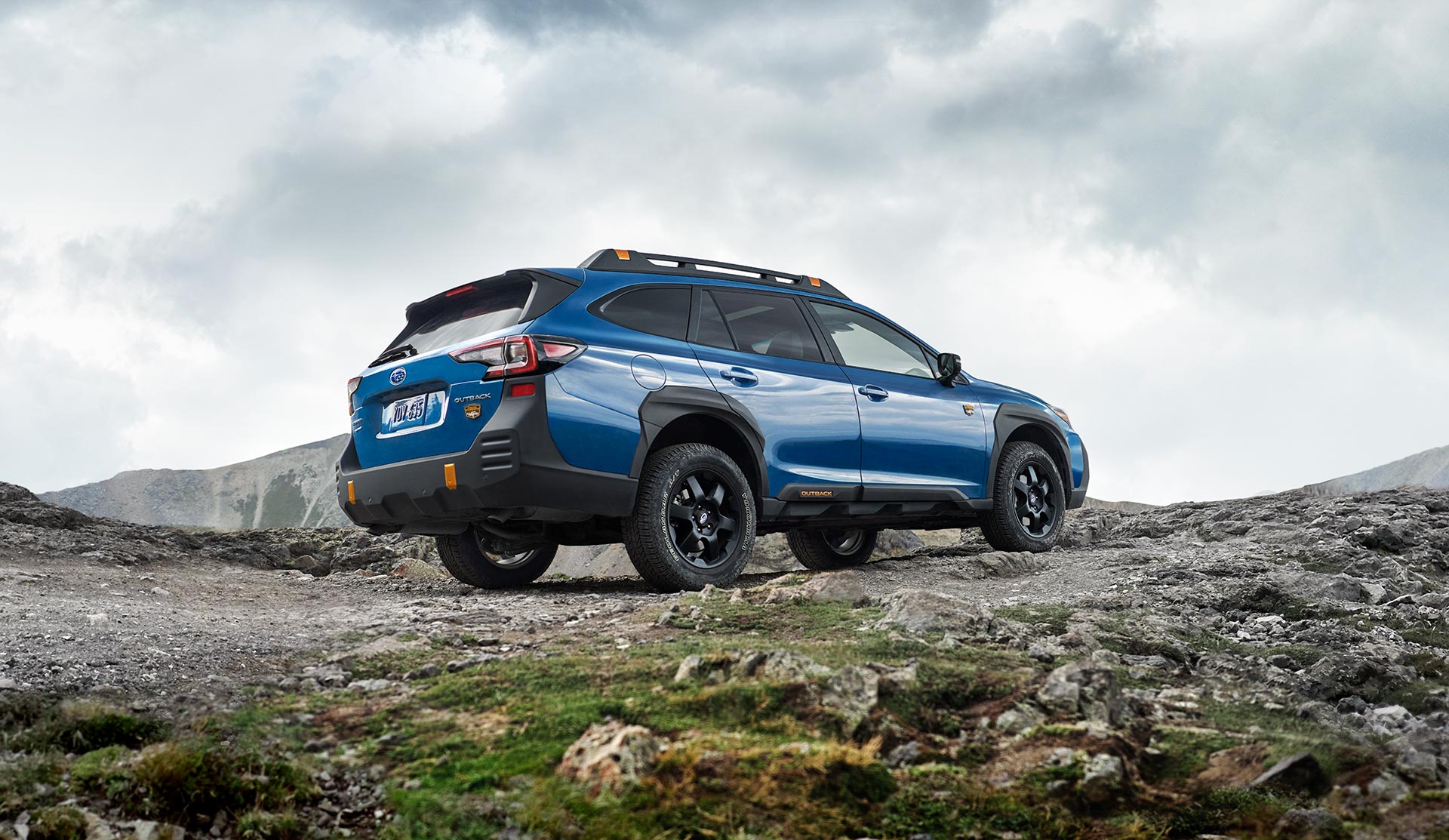
10. Subaru Outback
The Subaru Outback brings all-weather capability and practical design to the challenge of maintaining clear rear windows. Subaru’s heritage in cold-weather states and outdoor adventure has driven the development of one of the most robust rear window heating systems in the mainstream market.
The Outback’s defrosting system is engineered for reliability in extreme conditions, with heating elements designed to withstand years of constant use without degradation.
The Outback’s standard all-wheel-drive system and generous ground clearance mean it’s often driven in conditions where fogging is most problematic cold mornings, rainy weather, and snow.
Subaru designed the climate system specifically for these scenarios, with powerful dehumidification and rapid-response heating. The rear window glass features increased thickness for improved durability, and the heating grid is engineered to clear not just fog but also frost and light ice accumulation.
Subaru’s EyeSight driver assistance system relies heavily on camera-based sensors, making clear windows essential for proper operation. The climate system is integrated with EyeSight to ensure optimal visibility for both driver and sensors.
The Outback includes standard heated side mirrors and available heated side windows, demonstrating Subaru’s comprehensive approach to visibility in adverse weather.
The intuitive control layout places defrost controls within easy reach, recognizing that drivers often need to activate these systems quickly.
The Outback’s STARLINK infotainment system includes remote climate control capability, allowing owners to start the defroster through a smartphone app.
The remote engine start feature, available on many models, automatically activates the rear defroster based on exterior temperature, ensuring the vehicle is clear and ready when you need it.
The Outback’s excellent ventilation system includes rear-cabin vents that help circulate air throughout the vehicle, reducing humidity accumulation in the cargo area that could contribute to rear window fogging.
The durable, weather-resistant materials used throughout the interior resist moisture absorption, preventing the accumulation of humidity that would otherwise increase fogging tendency.
11. Ford F-150
The Ford F-150 brings work-truck practicality to rear window fog management, with systems designed to handle the harsh realities of job sites and outdoor work environments.
The F-150’s rear window defroster is built for durability, with reinforced heating elements that can withstand the vibrations, impacts, and extreme temperatures common in commercial use.
The system delivers reliable performance even after hundreds of thousands of miles, maintaining effectiveness throughout the vehicle’s long service life.
Ford recognized that truck owners frequently carry wet, muddy equipment and work in conditions that introduce significant moisture into the cabin.
The F-150’s climate system features powerful dehumidification and rapid air exchange capabilities that can quickly dry out the interior after moisture intrusion.
The rear window heating grid uses heavy-gauge elements that can handle high current draw for extended periods, allowing the system to clear even heavy condensation and ice.

The F-150’s Pro Power Onboard available generator system can power jobsite equipment while simultaneously running the climate system, ensuring the cab remains comfortable and clear even during extended work periods.
The truck’s sealed cabin construction and drain systems prevent water intrusion from rain and snow, maintaining a dry interior environment that reduces fogging incidents.
The rear sliding window, available on many models, provides additional ventilation options that help manage humidity when weather permits.
The F-150’s heated seats and steering wheel help reduce humidity by keeping occupants warm without raising cabin temperature excessively, reducing the temperature differential that causes window fogging.
12. Honda CR-V
The Honda CR-V rounds out our list by demonstrating that exceptional rear window fog management doesn’t require a luxury price tag.
Honda has engineered the CR-V’s climate system with typical Honda efficiency and reliability, creating a defrosting system that performs admirably in all weather conditions while maintaining the brand’s reputation for durability and low operating costs.
The rear window heating grid uses proven technology that resists corrosion and maintains consistent performance throughout the vehicle’s lifespan.
The CR-V’s available tri-zone automatic climate control provides excellent humidity management, with individual controls for driver, front passenger, and rear compartments.
This zoned approach allows the system to address specific areas where moisture tends to accumulate, including near the rear window.
Honda’s attention to airflow dynamics ensures that conditioned air circulates effectively throughout the cabin, preventing the stagnant, humid pockets that lead to fogging.

The Honda Link smartphone app provides remote engine start capability on equipped models, allowing owners to activate the climate system including the rear defroster before entering the vehicle.
The system can be programmed to run for up to ten minutes remotely, providing ample time to clear fog, frost, or light ice. The CR-V’s excellent visibility design, with large rear windows and minimal blind spots, makes clear rear glass even more important for safety Honda’s effective defrosting system ensures this visibility is maintained in all conditions.
The vehicle’s thoughtful engineering includes proper cabin ventilation that allows moisture to escape rather than accumulating on glass surfaces, while robust weatherstripping prevents external moisture from entering the cabin environment where it would contribute to fogging problems.
Also Read: 10 Crossovers With Low Lift-Over Trunks & Accessible Cargo Space
