
The 2000s represented a golden era for European hot hatches, a decade when manufacturers perfected the art of transforming practical family cars into adrenaline-pumping performance machines.
This period witnessed an unprecedented arms race among European automakers, each striving to create the ultimate blend of everyday usability and track-ready excitement. From the narrow streets of Monaco to the demanding curves of the Nürburgring, these pocket rockets proved that you didn’t need a supercar to experience driving nirvana.
What made the 2000s so special was the perfect storm of technological advancement, competitive rivalry, and enthusiast demand. Turbocharging became more sophisticated, chassis dynamics reached new heights, and interior quality improved dramatically while maintaining accessible price points.
These weren’t stripped-out track specials; they were genuine daily drivers that could embarrass sports cars on weekend back-road blasts.
The hot hatch formula was simple yet brilliant: take a compact, practical hatchback, inject it with a powerful engine, upgrade the suspension and brakes, add some aggressive styling cues, and deliver it at a price point that wouldn’t require a second mortgage.
European manufacturers mastered this recipe, creating legends that enthusiasts still covet today. This era gave us some of the most memorable performance cars ever built, machines that proved front-wheel-drive could be genuinely thrilling.
These eleven hot hatches didn’t just dominate the 2000s they defined what it meant to have fun on four wheels while still having room for groceries.
1. Volkswagen Golf GTI Mk5
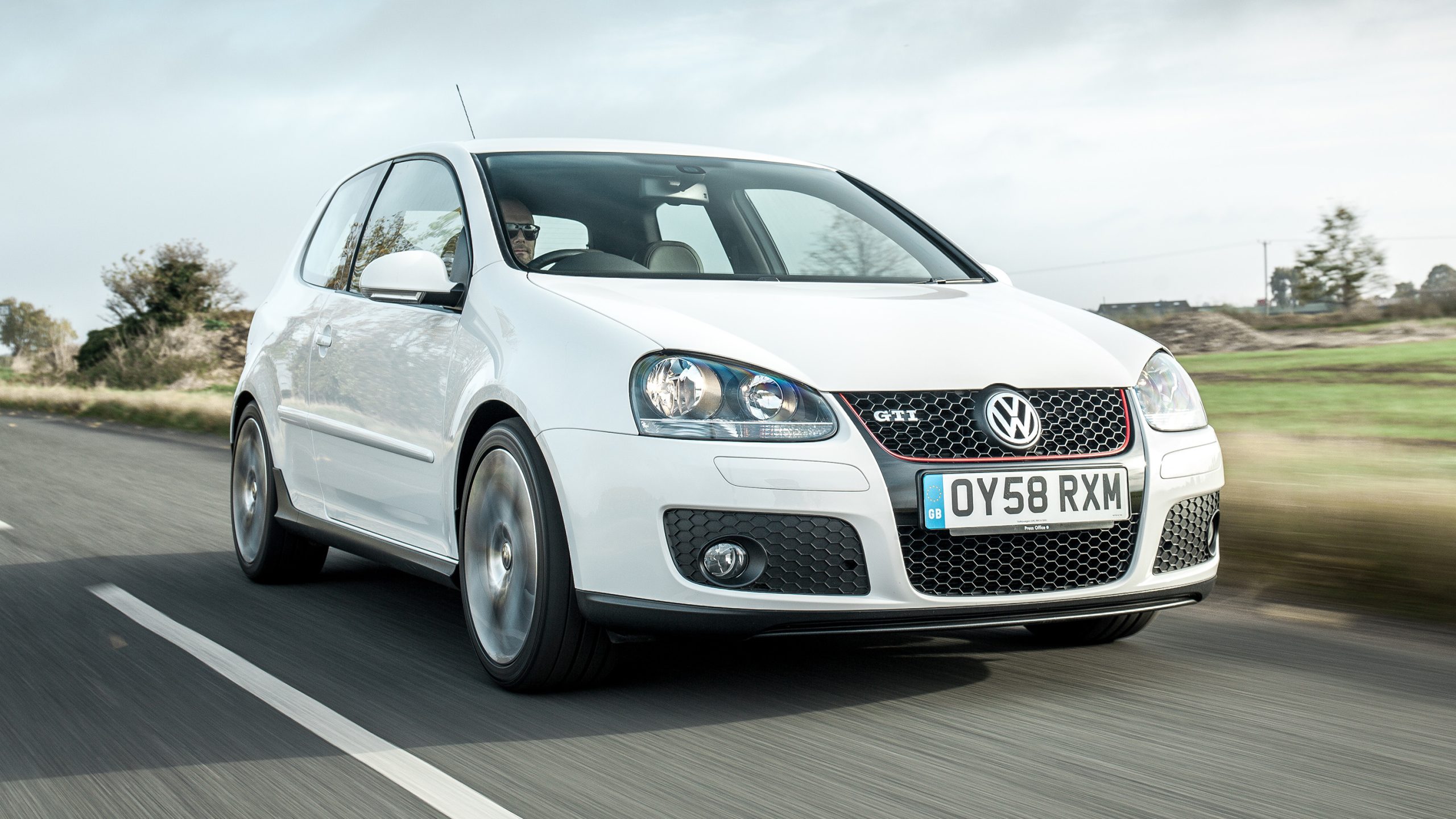
The fifth-generation Golf GTI arrived in 2004 as a triumphant return to form for Volkswagen’s iconic hot hatch. After the somewhat underwhelming Mk4, the Mk5 GTI reminded the world why this nameplate commanded such respect.
Under the hood sat a 2.0-liter turbocharged four-cylinder engine producing 197 horsepower, which may seem modest by today’s standards but delivered punch exactly where it mattered.
The direct-injection FSI technology represented cutting-edge engineering, providing smooth power delivery with impressive fuel efficiency for a performance car.
The Mk5’s chassis was a revelation, featuring an independent rear suspension that transformed handling dynamics. Combined with electronic differential lock and optional adaptive dampers, the GTI carved through corners with precision that belied its front-wheel-drive layout.
The steering offered genuine feedback, a quality becoming increasingly rare in modern performance cars. Weight distribution was nearly perfect, and the car maintained composure even when pushed hard on challenging roads.
The automotive press universally praised the Mk5 GTI for recapturing the essence of what made the original so special. It became the benchmark against which all other hot hatches were measured throughout the remainder of the decade.
Sales figures reflected this success, with the Mk5 GTI selling exceptionally well across Europe and establishing new markets in North America where the Mk4 had struggled. This wasn’t just a great hot hatch; it was a complete driver’s car that happened to wear a practical hatchback body.
2. Renault Mégane R26.R
Renault’s Mégane R26.R represented hot hatch evolution taken to its extreme logical end. Launched in 2008, this stripped-out, track-focused weapon was based on the already impressive Mégane R26 but took performance obsession to an entirely new level.
With just 450 units produced, it became instantly collectible and remains one of the most sought-after front-wheel-drive performance cars ever created. The R26.R shed everything unnecessary in pursuit of lap times.
Out went the rear seats, replaced by a metal bulkhead. The sound system, air conditioning, and even the spare wheel were deleted. Lightweight Recaro bucket seats replaced standard items, while the front windscreen was made from thinner, lighter glass.
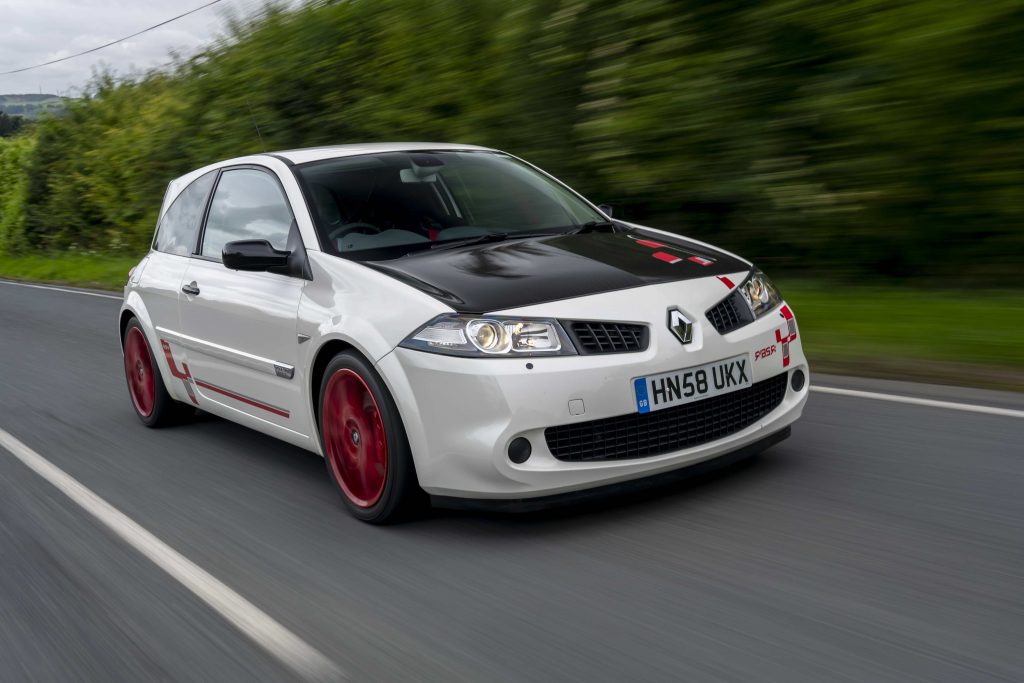
Every kilogram saved contributed to the car’s remarkable power-to-weight ratio, and the result was a machine that weighed just 1,220 kilograms. Power came from Renault’s proven 2.0-liter turbocharged engine producing 227 horsepower and 229 lb-ft of torque.
While not earth-shattering numbers, the lightweight philosophy meant the R26.R accelerated with genuine ferocity. The six-speed manual transmission featured close ratios perfectly matched to the engine’s characteristics, encouraging drivers to work through the gears and keep the turbo spinning.
As a road car, the R26.R demanded commitment and rewarded skill. It was loud, harsh, and uncompromising, with no pretense of comfort or convenience. This wasn’t a car for posing or easy commuting; it was a track weapon that happened to be street legal.
Also Read: 7 Cars That Look Clean Even When They’re Dirty vs. 7 That Show Every Speck
3. Ford Focus RS Mk2
When Ford finally gave the world a Focus RS for the 2009 model year after years of anticipation, they delivered something truly special.
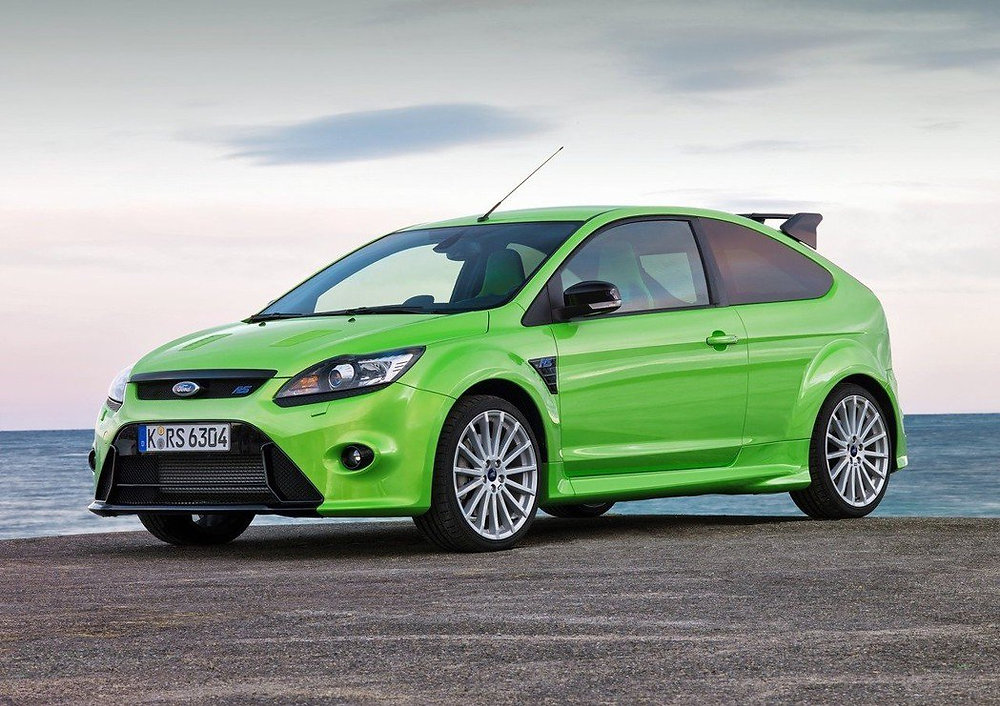
The Mk2 Focus RS combined monstrous power with sophisticated technology to create what many considered the greatest hot hatch ever built. Its aggressive stance, complete with massive rear wing and distinctive triple-exit exhaust, announced serious intent before you even turned the key.
Under the hood sat a Volvo-sourced 2.5-liter turbocharged five-cylinder engine producing an impressive 301 horsepower and 324 lb-ft of torque. This made it the most powerful production hot hatch of its era, and the power delivery was addictive.
The five-cylinder soundtrack was glorious, a bellowing growl that rose to a crackling crescendo at high rpm, accompanied by pops and bangs on the overrun that became the RS’s audible signature.
Ford’s real innovation came with the RevoKnuckle front suspension system. Traditional, powerful front-wheel-drive cars suffered from torque steer and traction issues, but Ford’s engineers essentially eliminated these problems through clever geometry.
The RevoKnuckle featured a separate knuckle that allowed the steering axis to be positioned independently from the wheel hub, dramatically reducing steering kickback and improving grip during hard acceleration.
Combined with a Quaife limited-slip differential, the Focus RS could deploy its considerable power with astonishing effectiveness. Inside, the RS balanced performance focus with daily usability.
The Recaro seats provided exceptional support without being punishingly uncomfortable, and despite the firm suspension, the ride quality was acceptable for everyday driving. Ford even retained reasonable cargo space and rear seat accommodation, making this a genuinely practical performance car.
4. MINI Cooper S John Cooper Works GP
The 2006 MINI John Cooper Works GP represented BMW’s commitment to creating the ultimate expression of the modern MINI’s sporting potential.
Limited to just 2,000 units worldwide, this stripped-out, souped-up special edition took the already entertaining Cooper S and transformed it into something far more focused and extreme.
Engineers extracted 215 horsepower from the supercharged 1.6-liter four-cylinder engine, a significant increase over the standard Cooper S.
More importantly, weight reduction was aggressive and comprehensive. The rear seats were removed entirely and replaced with a lightweight aluminum strut brace, while the front seats were replaced with featherweight carbon-fiber-backed buckets.
Sound deadening was minimized, and even the air conditioning was deleted. The result was a kerb weight of just 1,090 kilograms, giving the GP an exceptional power-to-weight ratio.
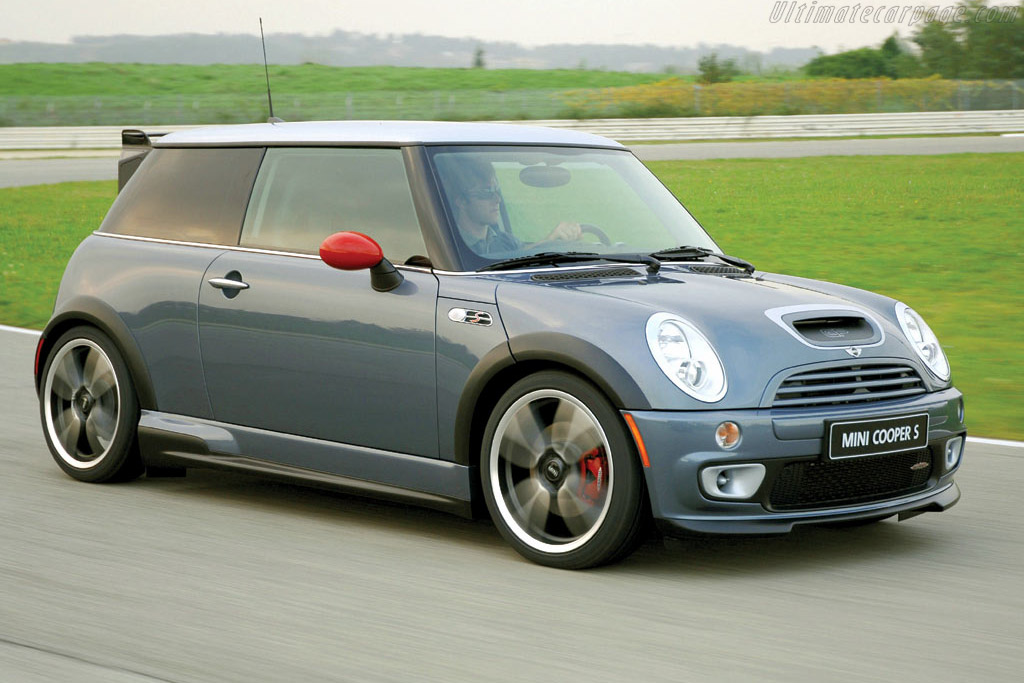
The GP’s handling was its defining characteristic. MINI fitted adjustable coilover suspension that lowered the car by 10mm and allowed owners to fine-tune damping settings.
The already-go-kart-like handling became even sharper, with virtually zero body roll and instantaneous directional changes. The electric power steering, though lacking some feel, was quick and accurate, requiring minimal inputs to thread the GP through winding roads.
The GP demanded commitment from its driver and passengers. The ride was firm bordering on harsh, noise levels were high, and the lack of rear seats or air conditioning made it impractical for many situations.
But for those who prioritized driving thrills above all else, the John Cooper Works GP delivered an experience few hot hatches could match. Its rarity and focused nature made it instantly collectible, with values remaining strong years after production ended.
Also Read: 10 Budget Cars That Don’t Feel Cheap to Touch
5. Peugeot 207 GTI
Peugeot had enormous shoes to fill when developing the 207 GTI, as its predecessors the 205 GTI and 206 GTI were legendary in hot hatch circles.
The 207 GTI, launched in 2007, took a different approach than earlier models, emphasizing refinement and technology alongside performance.
While purists debated whether this represented progress or compromise, the 207 GTI undeniably delivered an entertaining driving experience wrapped in contemporary packaging.
Two engine options were available: a 1.6-liter turbocharged unit producing 174 horsepower and a high-performance naturally aspirated 1.6-liter with variable valve timing producing 148 horsepower.
The turbocharged version, badged THP 175, provided significantly more punch with 177 lb-ft of torque available from just 1,400 rpm. This low-end grunt made the 207 GTI feel lively in everyday driving, pulling strongly from low revs without needing constant gearbox work.
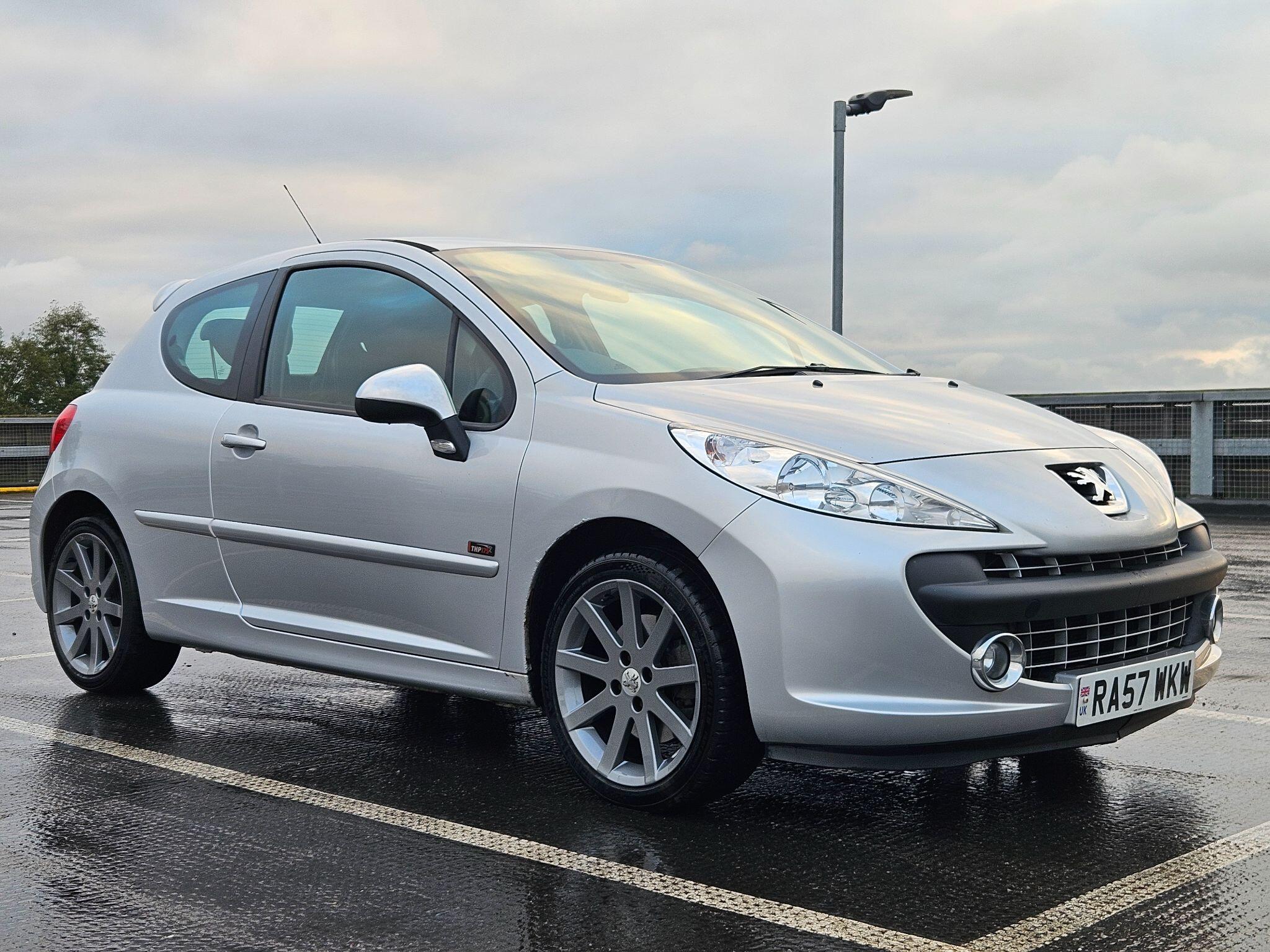
Peugeot’s chassis engineers tuned the 207 GTI’s suspension for a balance between comfort and dynamics. The result was a car that rode reasonably well on poor surfaces while still offering entertaining handling when pushed.
The electric power steering was quick but lacked the feel of hydraulic systems in older GTIs, a common criticism of modern hot hatches. Body control was generally good, though the 207 GTI didn’t feel quite as agile as lighter, more compact rivals.
Where the 207 GTI particularly impressed was as a daily driver. Unlike some track-focused rivals, it didn’t demand constant compromise.
The ride quality was acceptable for longer journeys, wind and road noise were well controlled, and the cabin was reasonably spacious for a compact hatchback.
Fuel economy was respectable when driven sensibly, making it a practical choice for those wanting hot hatch thrills without constant visits to the fuel station.
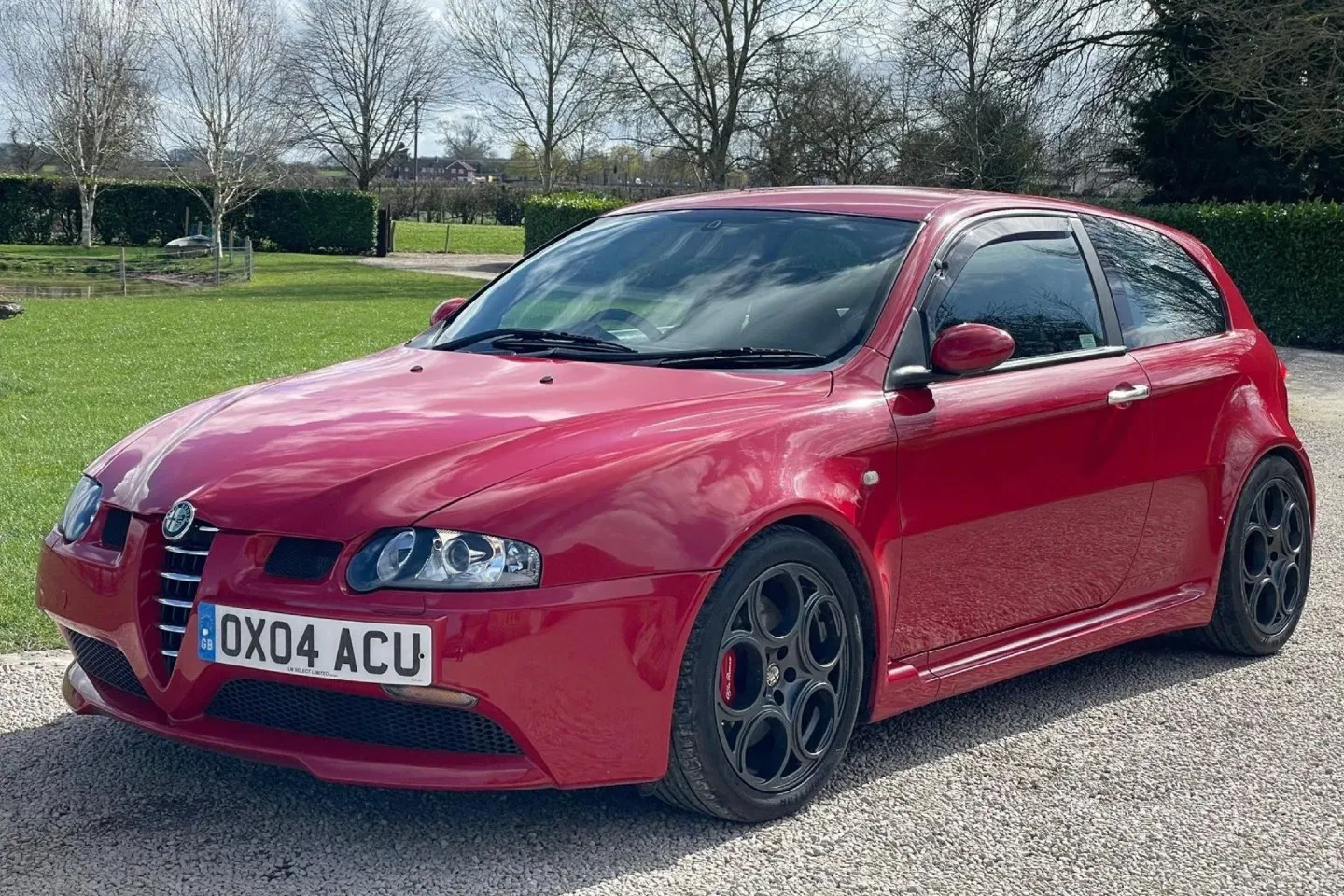
6. Alfa Romeo 147 GTA
Alfa Romeo’s 147 GTA was gloriously unhinged, a front-wheel-drive hot hatch equipped with a 3.2-liter V6 engine producing 247 horsepower.
Launched in 2003, it represented Italian excess and passion triumphing over conventional hot hatch wisdom. While rivals focused on turbocharged four-cylinders and chassis balance, Alfa simply stuffed their biggest engine into their compact hatchback and let passion overcome engineering rationality.
That glorious Busso V6 engine was the GTA’s defining feature. It produced a soundtrack that could make grown enthusiasts weep, a rising crescendo of mechanical music that encouraged constant exploration of the upper reaches of the rev range.
Power delivery was linear and smooth, building progressively to the 6,300 rpm power peak. The V6 provided 221 lb-ft of torque, giving the GTA impressive mid-range flexibility despite being naturally aspirated.
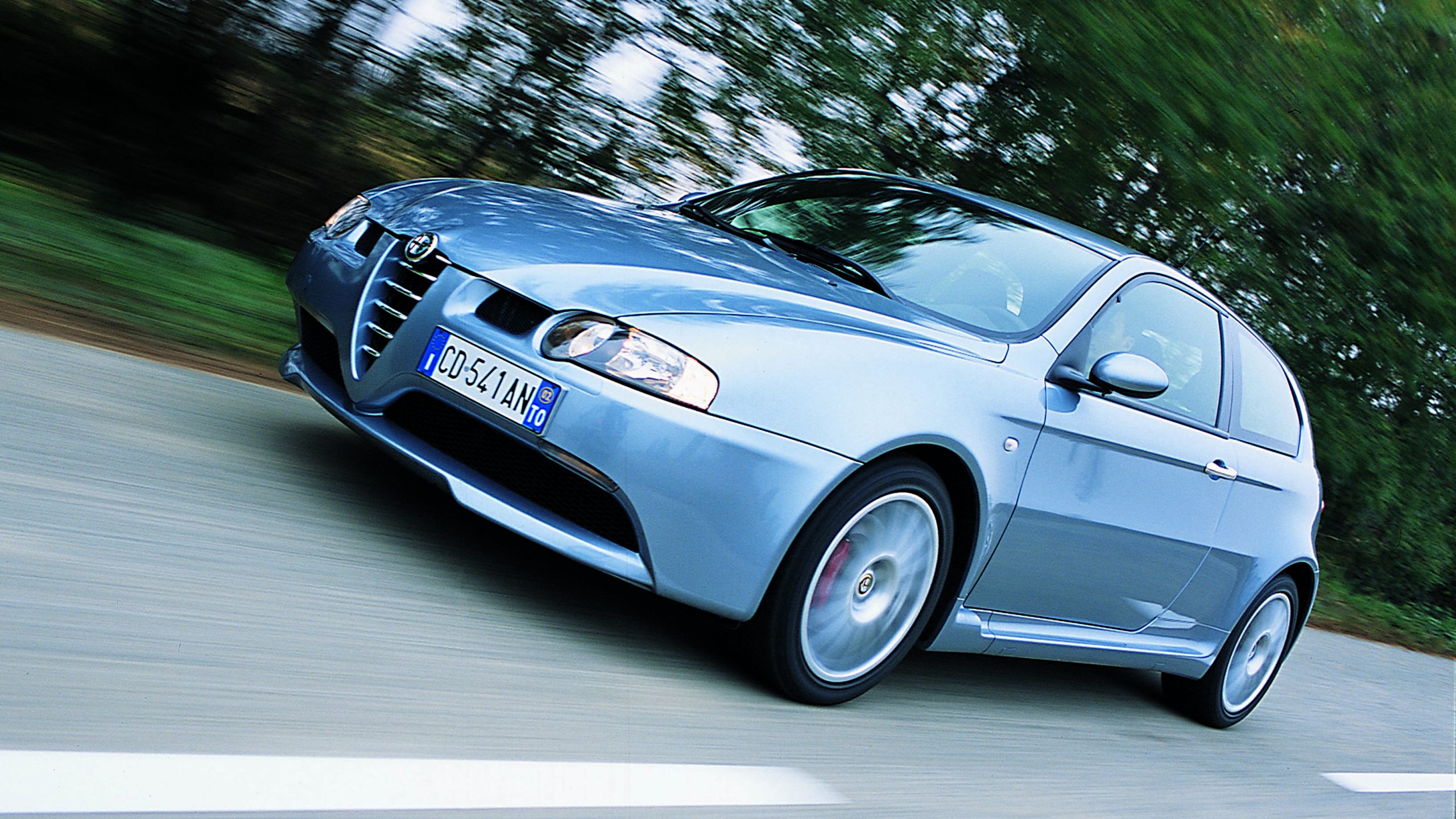
The chassis struggled somewhat with the engine’s power and weight. Torque steer was significant under hard acceleration, requiring firm hands on the steering wheel.
The front-limited-slip differential helped manage traction, but the GTA could overwhelm its front tires when pushed hard from corners.
The suspension was firm, providing decent body control but delivering a harsh ride on poor surfaces. Steering was quick and accurate, though feedback was somewhat limited.
The GTA demanded understanding and skill from its driver. It wasn’t as polished or refined as German rivals, and it required regular maintenance to stay in proper condition.
But for those who valued passion, character, and that incredible V6 soundtrack above clinical perfection, the 147 GTA delivered something genuinely special.
7. Seat León Cupra R
Seat’s León Cupra R proved that Spanish passion combined with German engineering could produce outstanding results. Based on Volkswagen Group’s MQB platform and sharing fundamental components with the Golf GTI, the León Cupra R added its own character and delivered exceptional value.
The 2003 model year brought particular acclaim, with the Cupra R establishing Seat’s performance credentials firmly in the hot hatch hierarchy.
Under the hood sat a 1.8-liter turbocharged four-cylinder producing 221 horsepower, making it more powerful than the contemporary Golf GTI.
This engine featured variable valve timing and a large turbocharger, delivering explosive mid-range punch that made overtaking maneuvers effortless.
Turbo lag was minimal, and once the boost built, the Cupra R surged forward with genuine enthusiasm. The engine pulled strongly to the redline, encouraging drivers to explore the full rev range.
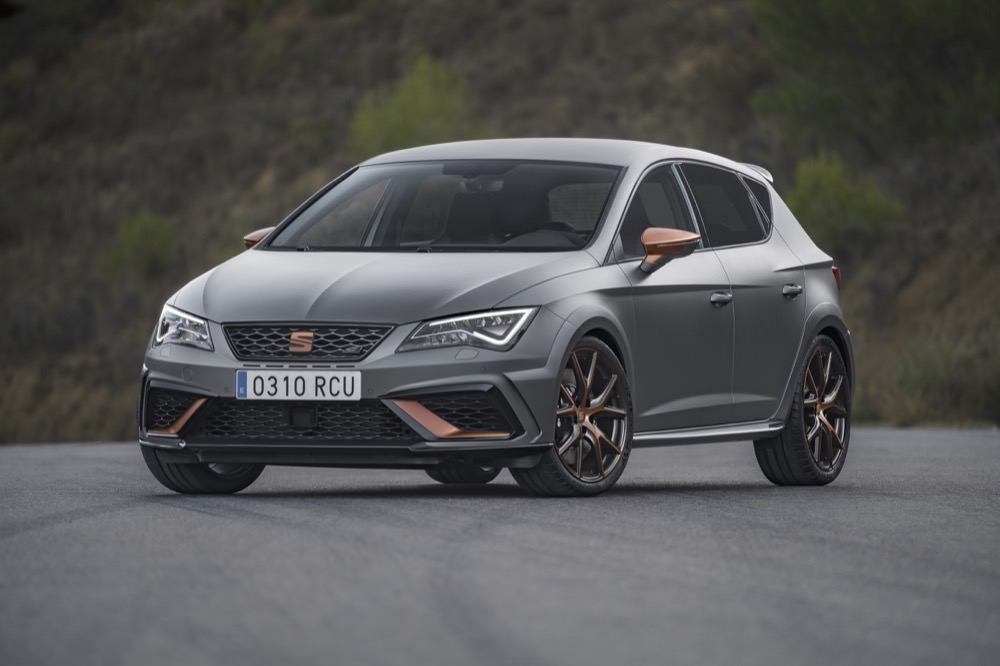
The chassis was brilliantly sorted, offering sharp turn-in, minimal body roll, and excellent grip levels. Seat fitted Brembo brakes providing tremendous stopping power with good pedal feel, while 18-inch wheels shod with performance tires delivered impressive lateral grip.
The suspension was firm but not punishing, managing to provide entertaining handling without completely destroying ride comfort. A limited-slip differential helped manage traction, reducing wheelspin and torque steer compared to open-differential rivals.
The León Cupra R represented exceptional value, undercutting German rivals significantly while delivering comparable or superior performance.
It proved that badge snobbery was foolish when fundamentally sound engineering was shared across the Volkswagen Group. For knowledgeable enthusiasts prioritizing driving experience over premium branding, the Cupra R was an obvious choice.
8. Audi S3 8P
Audi’s second-generation S3, launched in 2006, brought premium quality and all-wheel-drive traction to the hot hatch segment. While purists argued that four-wheel drive compromised the purity of the hot hatch formula, the 8P S3 demonstrated that Quattro all-wheel drive could deliver exceptional performance and all-weather capability without sacrificing driver engagement.
The turbocharged 2.0-liter TFSI engine produced 261 horsepower and 258 lb-ft of torque, substantial numbers for the era. This engine shared fundamental architecture with other Volkswagen Group performance cars but featured unique tuning and components.
Power delivery was smooth and progressive, with minimal turbo lag and strong pull throughout the rev range. The engine note was purposeful without being intrusive, befitting Audi’s premium positioning.
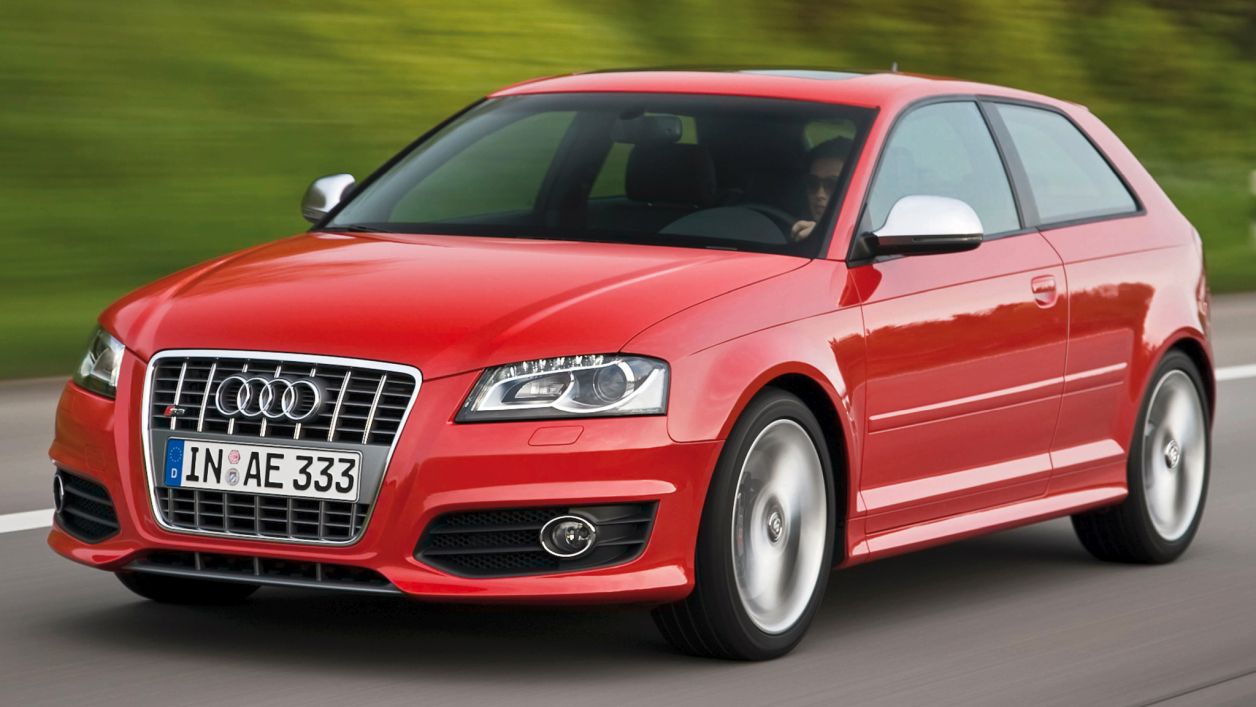
Quattro all-wheel drive was the S3’s defining technical feature. The Haldex-based system sent power primarily to the front wheels under normal conditions but could transfer up to 100 percent to the rear when traction was compromised.
This allowed the S3 to deploy its power with extraordinary effectiveness, accelerating hard from corners without the wheelspin and drama that plagued powerful front-wheel-drive rivals. In poor weather conditions, the S3’s capability was simply unmatched among hot hatches.
Performance was impressive, with 0-60 mph arriving in just 5.5 seconds and a top speed limited to 155 mph. More impressive was the S3’s relentless traction and all-weather capability.
While front-wheel-drive rivals spun wheels and required careful throttle application, the S3 simply gripped and went, delivering predictable, accessible performance in all conditions.
This made it exceptionally fast point-to-point on real roads, even if ultimate engagement didn’t quite match the best front-wheel-drive hot hatches.
9. Renault Clio 182 Trophy
Renault’s Clio 182 Trophy represented hot hatch purity distilled to its essence. Launched in 2005 as a limited-edition run of just 550 units for the UK market, the Trophy took the already excellent Clio 182 and refined it further with suspension components from Sachs Racing.
The result was arguably the best-handling front-wheel-drive car of the entire decade. The engine remained Renault’s proven 2.0-liter naturally aspirated unit producing 182 horsepower, hence the model designation.
While not the most powerful hot hatch available, the engine delivered smooth, linear power with satisfying throttle response. Peak torque of 147 lb-ft arrived at 5,400 rpm, meaning drivers needed to work the gearbox to extract maximum performance. The engine loved to rev, pulling cleanly to the 7,150 rpm redline with an eager, responsive character.
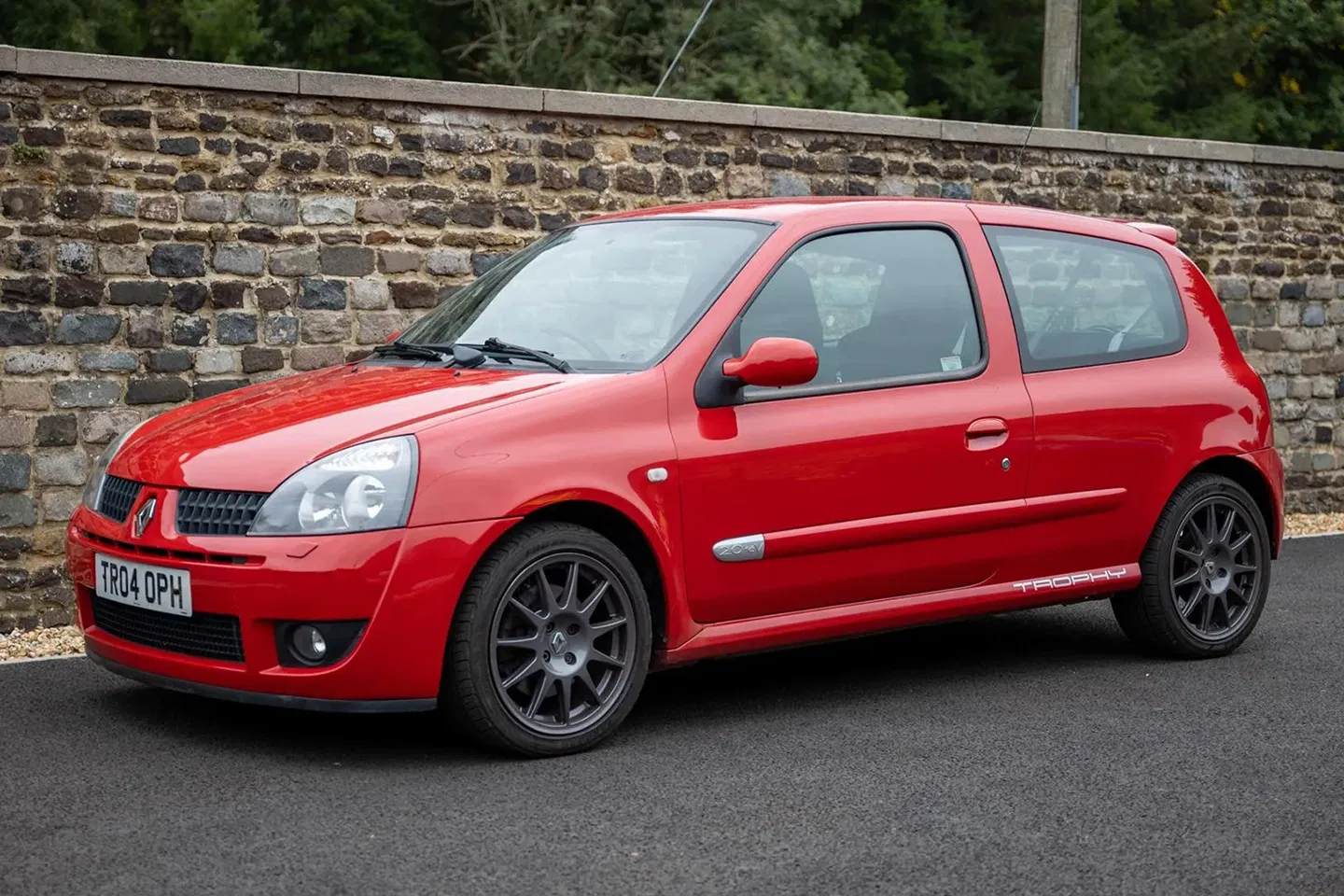
The Trophy’s suspension was its defining feature. Sachs Racing supplied unique dampers developed specifically for this application, providing exceptional body control without destroying ride comfort.
The Trophy rode firmly but never harshly, absorbing bumps while maintaining perfect composure through corners. The chassis balance was sublime, with neutral handling that could be adjusted mid-corner with throttle inputs. Grip levels were extraordinary, with the Michelin Pilot Sport 2 tires providing tenacious adhesion.
Performance figures were respectable rather than spectacular: 0-60 mph in 6.9 seconds, top speed of 134 mph. But the Trophy proved that hot hatch thrills transcended straight-line acceleration.
Its handling precision, steering communication, and balance delivered driving satisfaction that few rivals could match. On challenging back roads or track days, the Trophy was devastatingly effective, allowing skilled drivers to carry tremendous speeds while feeling completely connected to every input.
10. Honda Civic Type R EP3
Honda’s EP3 Civic Type R, introduced in 2001 but refined throughout the early 2000s, represented Japanese engineering excellence applied to the hot hatch formula.
Built at Honda’s Swindon plant specifically for European markets, the EP3 combined Honda’s legendary VTEC technology with sharp handling dynamics to create something genuinely special.
The 2.0-liter i-VTEC engine produced 197 horsepower at a stratospheric 7,400 rpm, with peak torque of 145 lb-ft arriving at 5,900 rpm.
This engine demanded commitment, providing modest performance below 6,000 rpm but transforming completely once VTEC engaged.
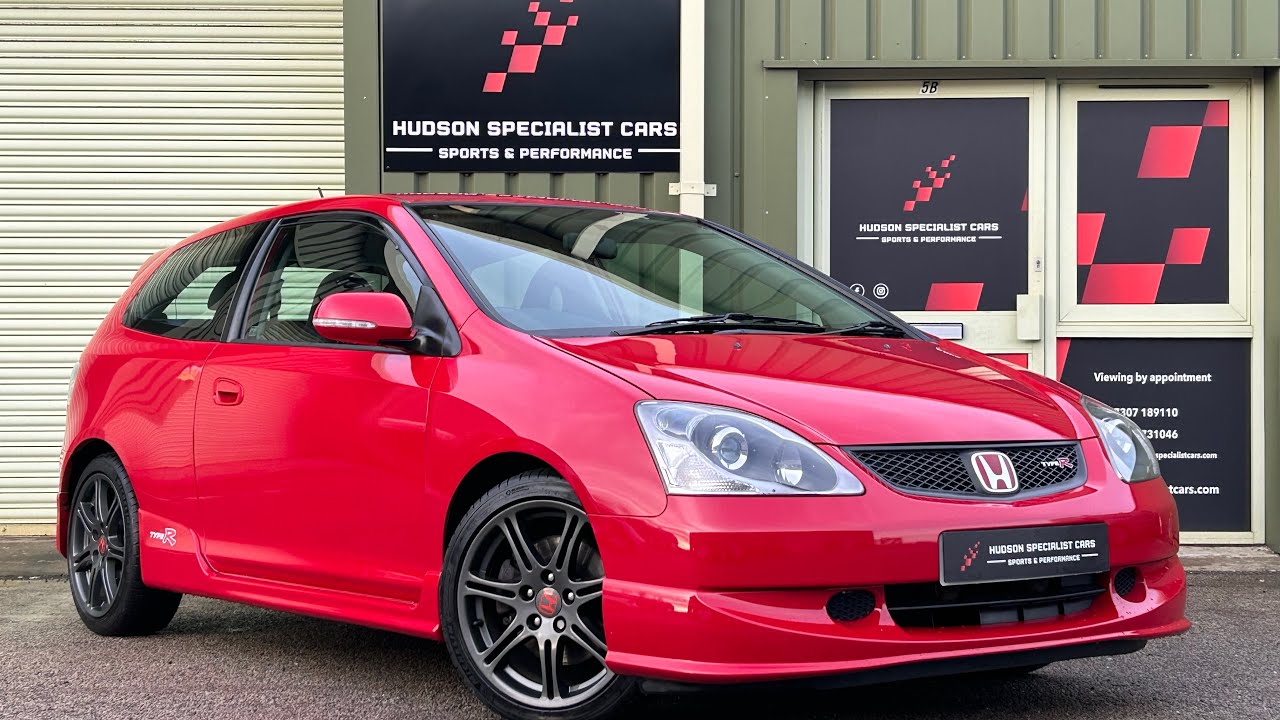
The transition was dramatic and addictive, accompanied by an angry mechanical howl as the engine screamed toward its 8,100 rpm redline. The six-speed manual gearbox featured short, mechanical shifts that perfectly matched the engine’s high-revving character.
Performance was competitive: 0-60 mph in 6.6 seconds, top speed of 146 mph. The EP3 rewarded skilled, committed driving, encouraging drivers to keep the engine spinning in VTEC range and exploit the chassis’ capabilities.
On track or challenging roads, the Civic Type R was genuinely thrilling, delivering an analog, mechanical experience increasingly rare in modern performance cars. Its reliability and Honda’s reputation for durability made it practical for daily use while maintaining track-day capability.
11. Opel/Vauxhall Astra VXR/OPC
The Astra VXR (known as OPC in certain markets) brought turbocharged muscle and aggressive styling to the hot hatch segment when it launched in 2005.
General Motors’ performance division created something genuinely rapid, if occasionally unruly, that offered tremendous straight-line performance and distinctive character.
Under the hood sat a 2.0-liter turbocharged four-cylinder producing 237 horsepower and 236 lb-ft of torque. This represented serious power for a front-wheel-drive hatchback, and the VXR delivered explosive acceleration.
Turbo lag was noticeable, with a moment’s pause before the boost built and thrust arrived with genuine violence. Peak torque arrived at just 2,400 rpm, giving the VXR strong mid-range punch that made overtaking effortless.
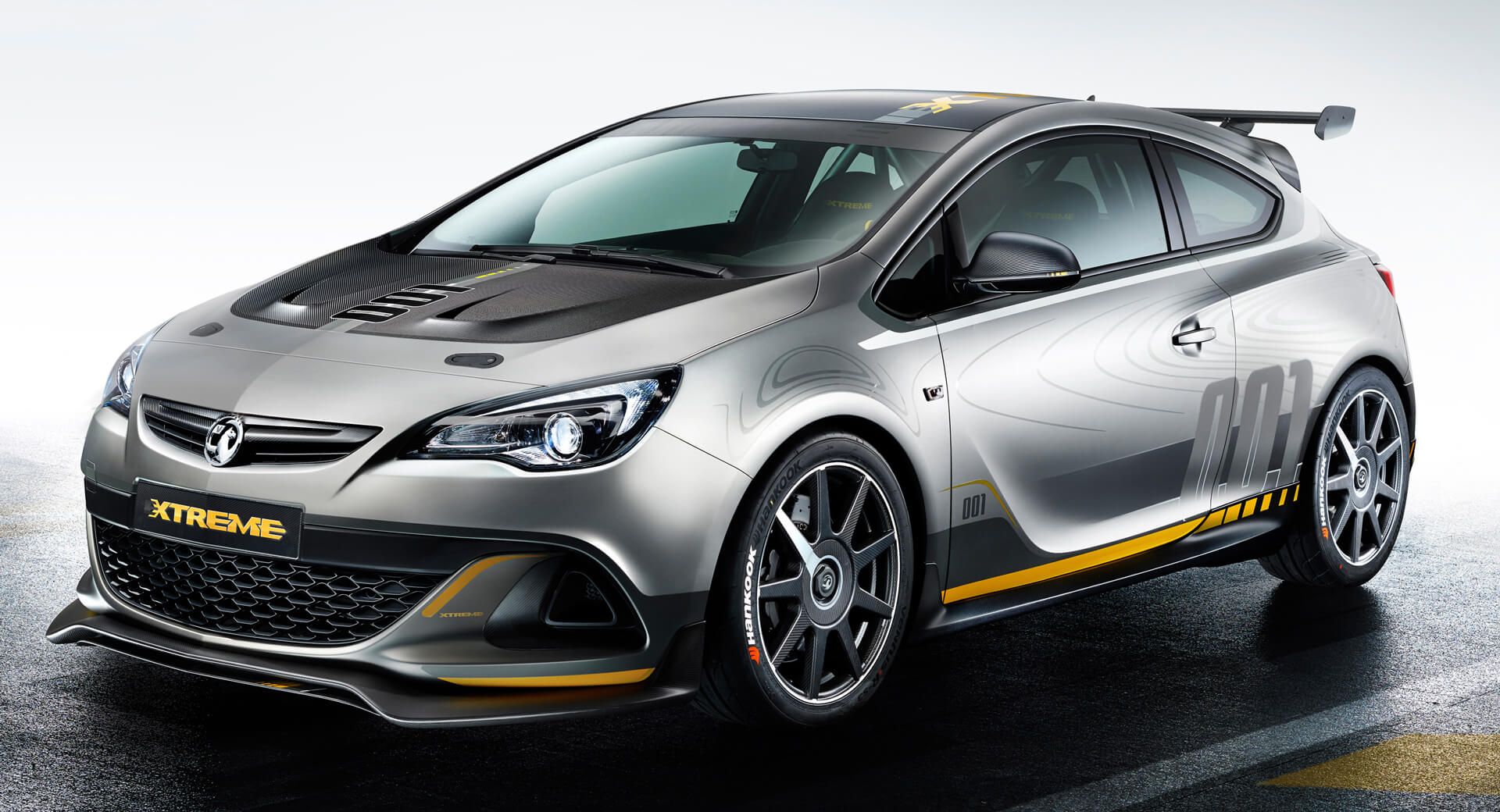
Managing all that power through the front wheels proved challenging. Torque steer was significant, requiring firm hands on the steering wheel during hard acceleration.
The limited-slip differential helped, but the VXR could still overwhelm its front tires when pushed hard. The suspension was firm, providing decent body control but delivering a harsh ride on poor surfaces. High-speed stability was good, though the VXR felt less agile than lighter rivals through tight corners.
The Astra VXR represented excellent value, significantly undercutting German rivals while delivering comparable straight-line performance.
For those prioritizing power and aggressive styling over ultimate handling finesse, the VXR offered tremendous appeal and established Vauxhall/Opel’s performance credentials firmly in the competitive hot hatch market.
