
When it comes to pickup trucks, longevity and reliability are paramount considerations for buyers who view their vehicles as long-term investments rather than disposable commodities.
V8-powered trucks have earned legendary reputations for their ability to accumulate hundreds of thousands of miles while maintaining their capability and performance. These workhorses combine robust engine architecture with proven drivetrains and rugged construction that can withstand decades of demanding use.
The trucks featured in this list represent the pinnacle of automotive durability, with countless examples still operating reliably well into their second, third, or even fourth decades of service.
From construction sites to ranches, these V8 pickups have proven their worth through consistent performance in the harshest conditions imaginable. Their engines are designed with generous displacement, conservative tuning, and overbuilt components that resist wear even under sustained heavy loads and towing.
What sets these particular models apart is not just their mechanical excellence but also their widespread availability of parts, extensive service networks, and devoted communities of owners who have documented their experiences over millions of collective miles.
Whether you’re seeking a dependable work truck, a capable towing platform, or simply a vehicle that refuses to quit, these nine V8 pickups have demonstrated time and again that proper maintenance and solid engineering can create trucks that truly stand the test of time. Their proven track records make them smart choices for anyone prioritizing longevity over fleeting trends.
1. Toyota Tundra (2000-Present)
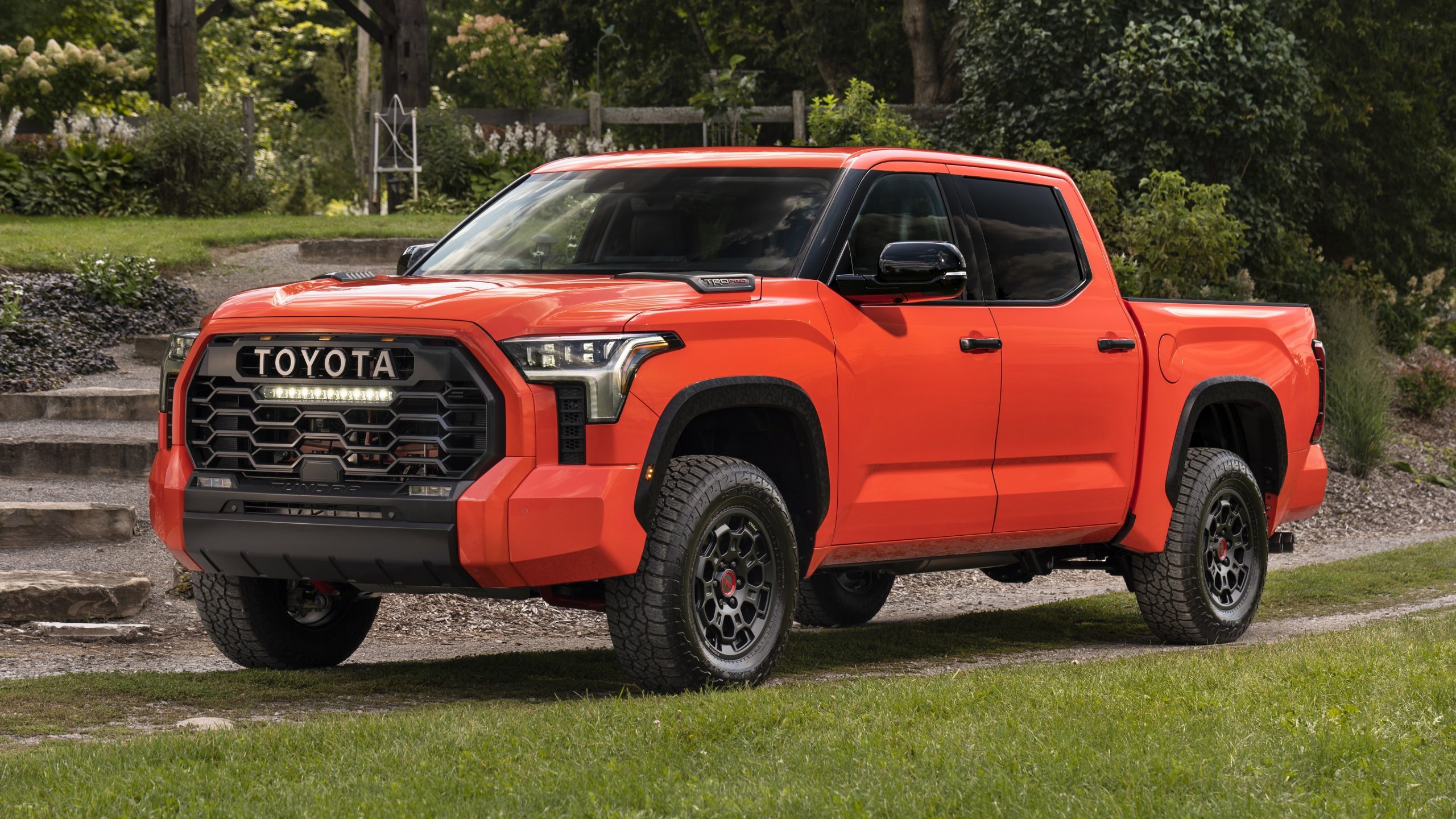
The Toyota Tundra has established itself as one of the most reliable full-size pickup trucks ever produced, with its V8 engines becoming legendary for their durability and longevity.
Since its introduction in 2000, the Tundra has consistently delivered the quality and dependability that Toyota is renowned for, with countless examples surpassing 300,000 miles without major mechanical issues.
The truck’s conservative engineering approach prioritizes longevity over cutting-edge performance, resulting in a vehicle that simply refuses to break down.
The second-generation Tundra, produced from 2007 to 2021, featured the exceptionally robust 5.7-liter i-FORCE V8 engine producing 381 horsepower and 401 lb-ft of torque.
This engine has proven virtually indestructible when properly maintained, with numerous documented cases of trucks exceeding half a million miles on their original powertrains.
The engine’s design incorporates forged steel connecting rods, a rigid block casting, and conservative timing that prioritizes reliability over maximum output.
Toyota’s meticulous manufacturing processes and stringent quality control ensure that each engine meets exacting standards before leaving the factory.
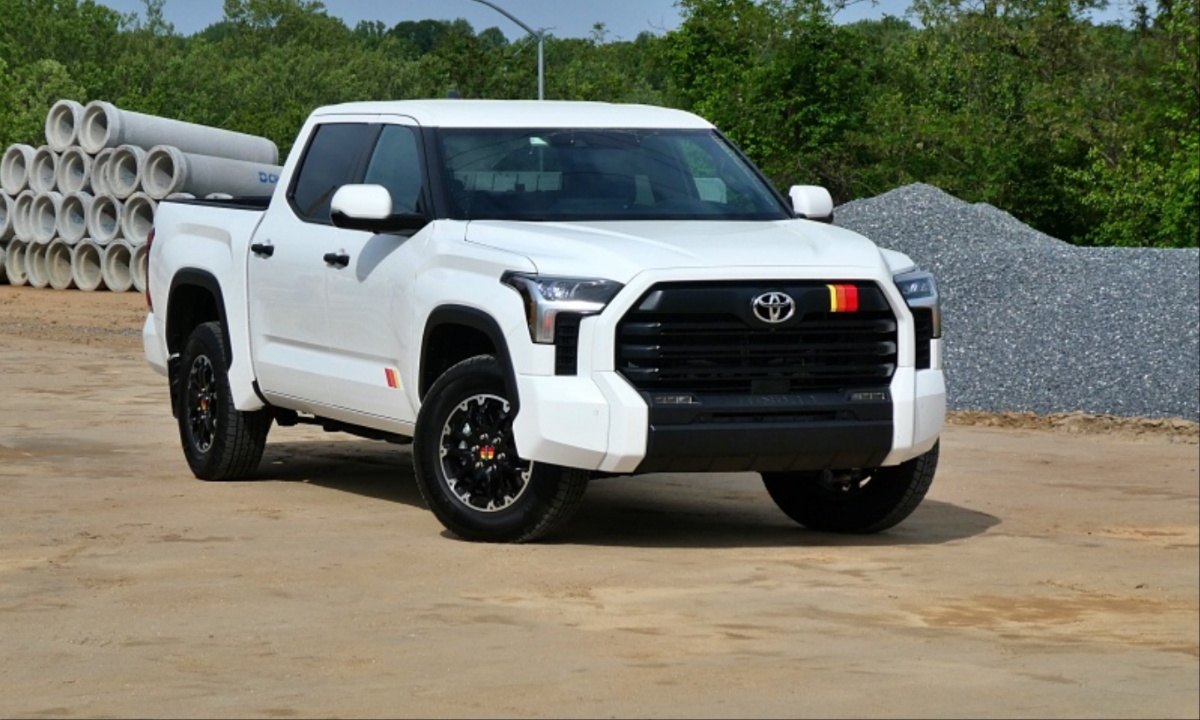
The Tundra’s frame is constructed from high-strength steel with extensive cross-bracing and boxed sections that resist flexing and corrosion far better than many competitors.
Toyota applies a comprehensive rust-proofing treatment during manufacturing, which helps these trucks maintain their structural integrity even in harsh climates with heavy road salt use.
The suspension components are similarly overbuilt, with heavy-duty ball joints, tie rods, and bushings that can endure years of rough use without requiring replacement.
The transmission options, particularly the six-speed automatic introduced in 2007, have proven exceptionally durable when serviced at recommended intervals. These transmissions handle the V8’s substantial torque output without the premature failures that plague some competitors.
The Tundra’s rear differential is similarly robust, with heavy-duty gearing that resists wear even under sustained towing loads. This comprehensive approach to durability makes the Tundra an excellent choice for buyers seeking a truck that will provide decades of reliable service with minimal major repairs.
2. Ford F-150 (Twelfth Generation, 2009-2014)
The twelfth-generation Ford F-150 represents a sweet spot in the model’s evolution, combining proven mechanical components with modern refinements before the controversial switch to aluminum body panels.
These trucks, particularly those equipped with the 5.0-liter Coyote V8 or the 6.2-liter Boss V8, have demonstrated exceptional longevity and continue to be highly sought after by buyers prioritizing durability. The all-iron construction of these trucks provides a reassuring solidity that many owners prefer for heavy-duty applications.
The 5.0-liter Coyote engine, producing 360-385 horsepower depending on the year, has proven to be one of Ford’s most reliable modern powerplants. Based on the same architecture used in the Mustang GT, this engine features dual overhead cams, variable valve timing, and sophisticated engine management that delivers strong performance while maintaining excellent reliability.
The engine’s forged internals and robust block casting allow it to handle substantial power increases for enthusiasts while providing worry-free operation for those who keep it stock. Owners regularly report these engines running smoothly well past 200,000 miles with only routine maintenance.
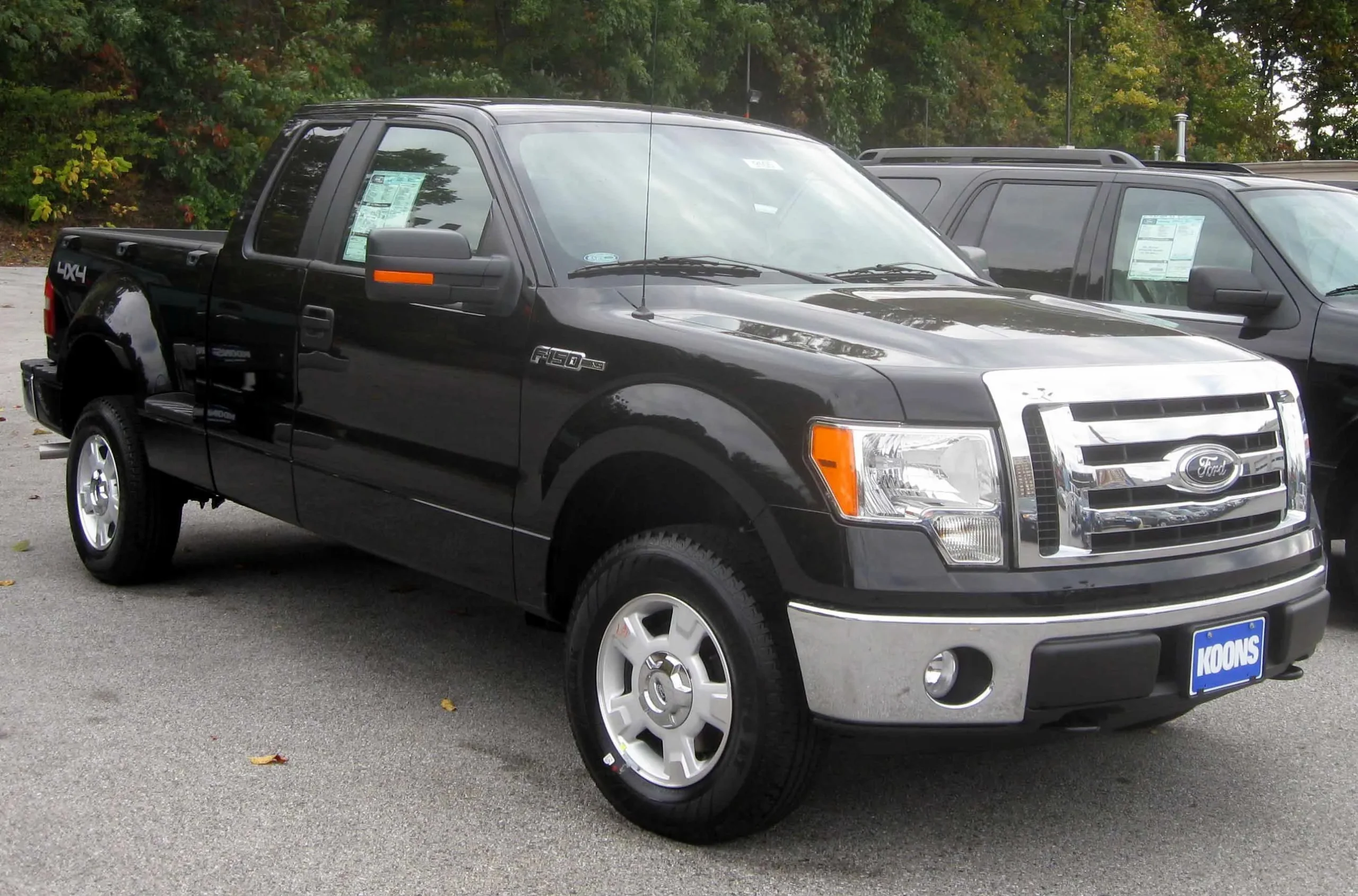
The larger 6.2-liter Boss V8, producing 411 horsepower and 434 lb-ft of torque, was designed specifically for truck applications and features a more robust architecture than the 5.0-liter. This engine excels in towing and hauling scenarios, with its substantial displacement providing effortless power delivery even when fully loaded.
The 6.2-liter has proven particularly durable in commercial applications where trucks operate under sustained heavy loads, with fleet operators reporting minimal issues even with aggressive maintenance schedules.
The frame construction on these F-150s employed fully boxed sections in critical areas with extensive cross-bracing that provides exceptional rigidity and durability. Ford’s use of high-strength steel in strategic locations creates a structure that resists both impact damage and long-term fatigue.
The suspension components, particularly in the heavy-duty payload package trucks, are substantially overbuilt and can handle years of abuse without requiring replacement. The brake systems on these trucks are similarly robust, with large rotors and calipers that provide consistent stopping power even after years of service.
3. Chevrolet Silverado 1500 (Second Generation, 2007-2013)
The second-generation Chevrolet Silverado 1500 represents General Motors at its best, offering exceptional build quality and mechanical durability that has allowed countless examples to remain in service well into their second decade.
These trucks featured a range of V8 options, but the 5.3-liter and 6.0-liter variants have proven particularly long-lived, with their simple yet effective pushrod architecture providing reliable service across millions of units produced.
The 5.3-liter Vortec V8, producing between 315-326 horsepower depending on the year and configuration, became one of GM’s most successful engine designs ever.
This engine’s pushrod configuration keeps it compact, simple, and easy to maintain compared to more complex overhead cam designs.
The Active Fuel Management system, which deactivates cylinders under light loads to improve fuel economy, initially raised reliability concerns but has proven remarkably durable when equipped with adequate oil capacity and proper maintenance.
The engine’s aluminum block construction saves weight while providing excellent heat dissipation, and the integrated cylinder liners resist wear exceptionally well.
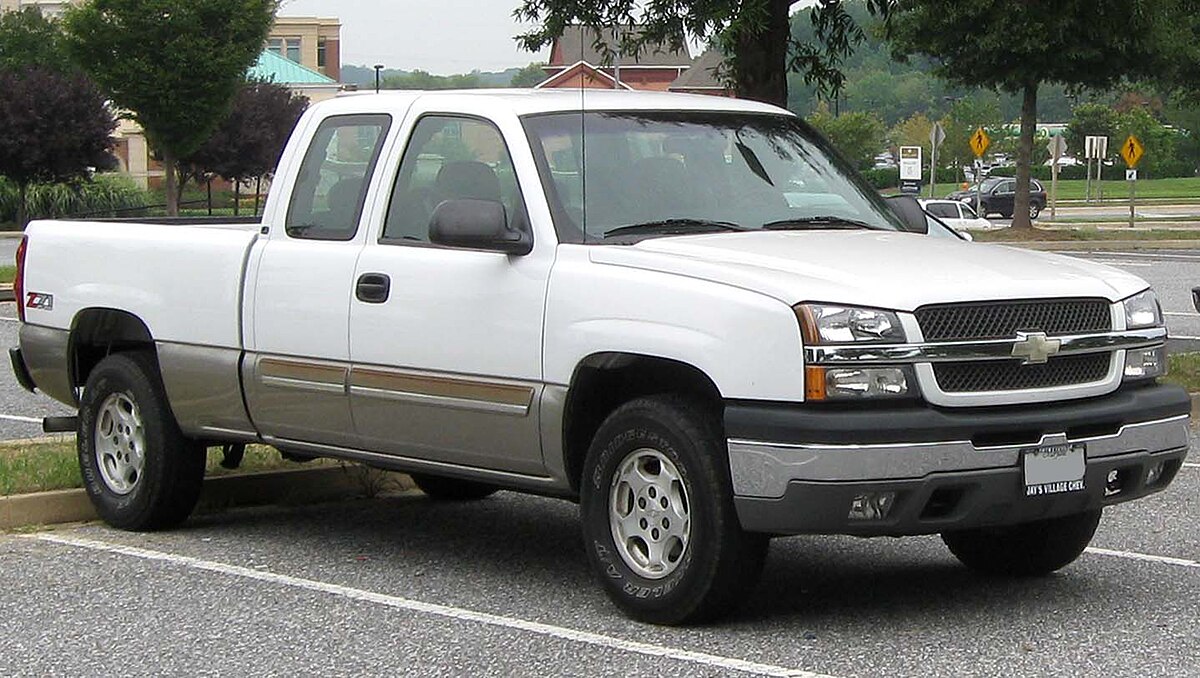
The larger 6.0-liter V8, available primarily in heavy-duty 1500 models and as standard equipment in higher trim levels, produces 360-367 horsepower and provides substantially more torque for towing applications. This engine shares much of its architecture with the legendary Vortec truck engines that preceded it, incorporating decades of refinement and field-proven durability.
The 6.0-liter’s iron block construction makes it virtually indestructible when properly maintained, and its simple design means that even when repairs are eventually needed, they’re relatively straightforward and affordable.
The frame construction employed fully boxed front sections with C-channel rear sections, providing an excellent balance of strength and weight. GM’s hydroforming process creates frame rails with consistent wall thickness and superior strength compared to traditional stamping methods.
The suspension design, particularly on trucks with the Z71 off-road package, incorporates heavy-duty components that resist wear and maintain proper alignment even after years of rough use.
The interior build quality on these trucks was substantially improved over the previous generation, with dashboard materials that resist cracking and door panels that maintain their fit and finish over time.
4. Ram 1500 (Fourth Generation, 2009-2018)
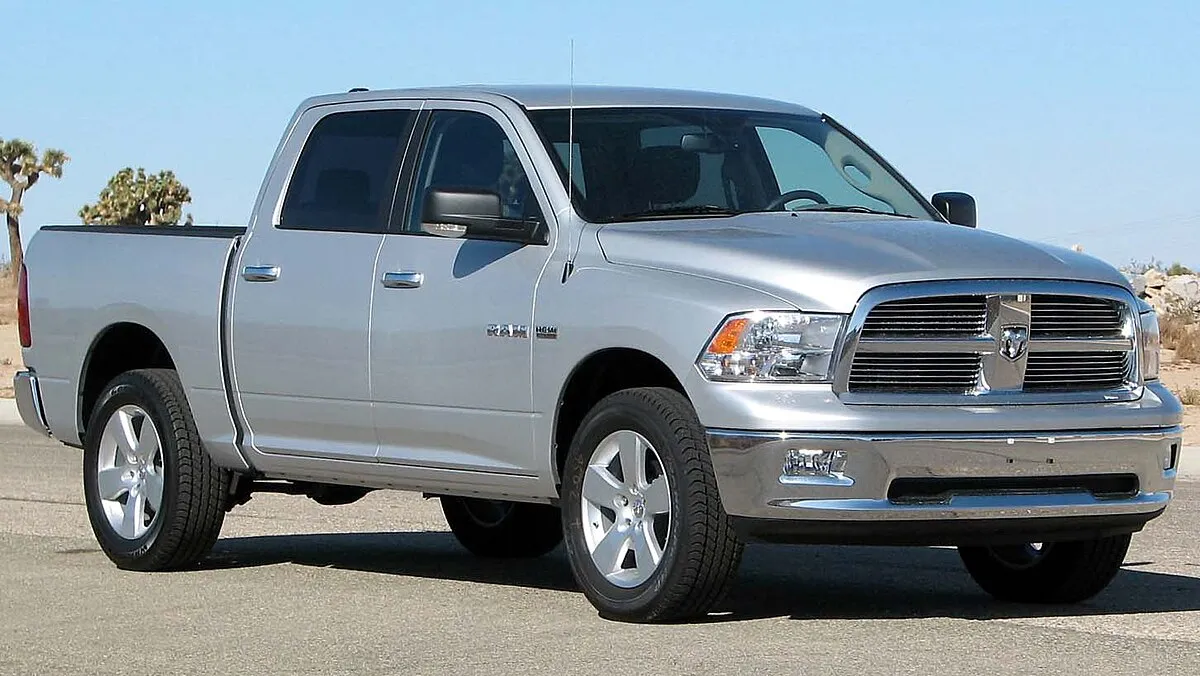
The fourth-generation Ram 1500 marked a significant departure from its Dodge-branded predecessors, with Chrysler raising the Ram brand to standalone status and investing heavily in quality improvements that paid substantial dividends in long-term durability.
These trucks, particularly those equipped with the legendary 5.7-liter HEMI V8, have proven exceptionally reliable and continue to command strong resale values due to their proven longevity. The refinement and attention to detail in these trucks represent some of Chrysler’s best work in the pickup segment.
The 5.7-liter HEMI V8 engine, producing 390 horsepower and 407 lb-ft of torque, combines impressive performance with surprising durability for such a powerful engine.
The HEMI’s hemispherical combustion chamber design, which gives the engine its name, provides excellent thermal efficiency and power output while keeping internal stresses manageable.
The engine’s substantial displacement means it never needs to work particularly hard, even when towing or hauling, which contributes significantly to its longevity.
The forged steel crankshaft and robust connecting rods handle the engine’s substantial torque output without the premature bearing wear that affects some high-output engines.
One of the HEMI’s most notable features is its Multi-Displacement System, which deactivates four of the eight cylinders under light loads to improve fuel economy.
While this technology initially raised durability concerns among truck enthusiasts, the system has proven remarkably reliable in practice, with hundreds of thousands of trucks operating trouble-free well past 150,000 miles.
The key to longevity with this system is using high-quality synthetic oil and adhering strictly to recommended service intervals, which keeps the system’s lifters and solenoids functioning properly.
These Rams featured coil spring rear suspension instead of the traditional leaf springs used by competitors, which provided a dramatically improved ride quality while maintaining payload and towing capacity.
This sophisticated suspension design incorporates heavy-duty components throughout, including robust shock absorbers and control arms that resist wear exceptionally well. The frame itself employs high-strength steel in critical areas with extensive reinforcement around the suspension mounting points.
Ram’s comprehensive rust-proofing process helps these trucks maintain their structural integrity even in harsh climates, and the use of stainless steel in certain exhaust components resists the corrosion that plagues some competing designs.
Also Read: Top 12 Forgotten V12-Powered Supercars That Once Defined Automotive Excess
5. GMC Sierra 1500 (Second Generation, 2007-2013)
The second-generation GMC Sierra 1500 shares its fundamental architecture with the Chevrolet Silverado of the same era but offers unique styling and often superior interior appointments that have helped it maintain its value and desirability among truck enthusiasts.
These trucks benefit from the same exceptional mechanical durability as their Chevrolet counterparts while offering a more upscale ownership experience that appeals to buyers seeking both longevity and refinement. The Sierra’s focus on premium materials and attention to detail makes it an excellent choice for those who want a long-lasting truck that doesn’t sacrifice comfort.
Like its Silverado sibling, the Sierra offers the proven 5.3-liter and 6.0-liter Vortec V8 engines, both of which have demonstrated exceptional longevity across hundreds of thousands of units in service.
The 5.3-liter produces ample power for most applications while delivering respectable fuel economy, and its widespread use across GM’s truck lineup means that parts availability is excellent and repair costs remain reasonable.
The engine’s aluminum block construction provides durability while keeping weight manageable, and the sophisticated engine management system provides optimal performance across a wide range of conditions.
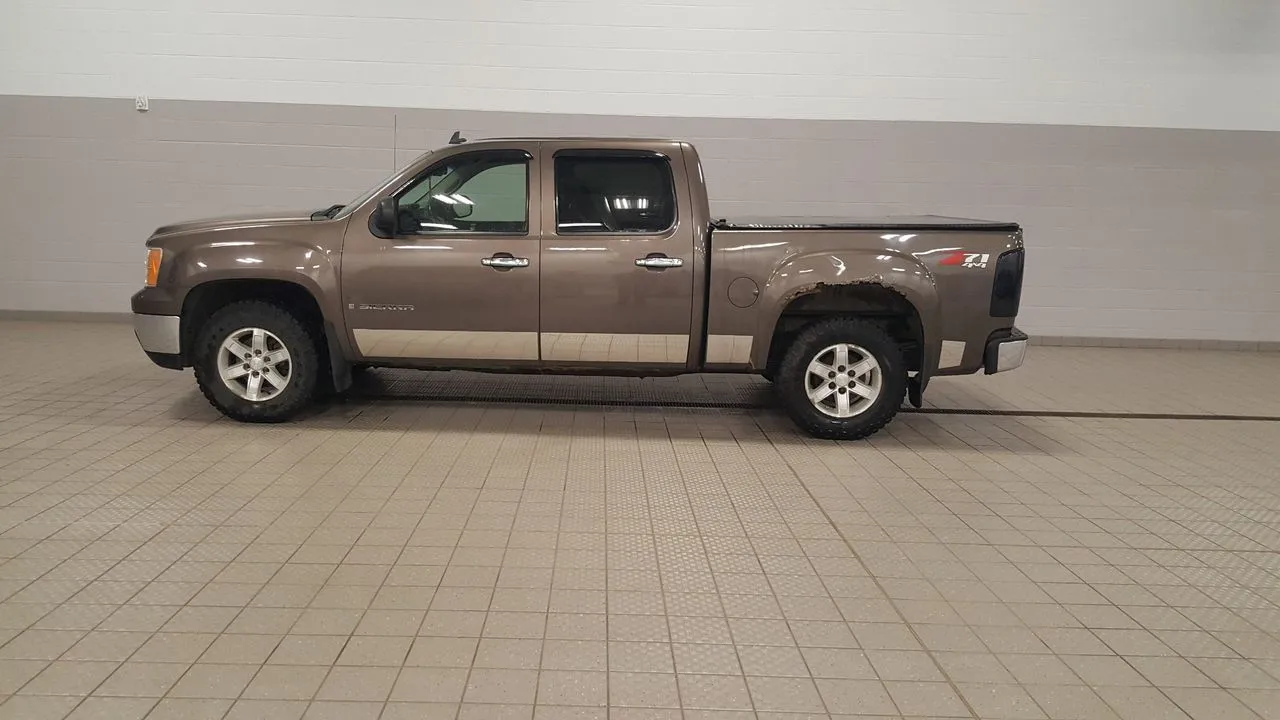
The 6.0-liter V8 option, typically found in Denali and other premium trim levels, provides substantially more power and torque for drivers who regularly tow heavy trailers or operate in mountainous terrain.
This engine’s iron block construction makes it virtually indestructible when properly maintained, and its larger displacement means it operates with less stress than smaller engines when working hard.
Fleet operators have reported these engines regularly exceeding 300,000 miles with nothing more than routine maintenance, which speaks volumes about their fundamental durability.
The Sierra’s suspension tuning tends toward a slightly more compliant setup than the Silverado, which many drivers find preferable for daily driving while still providing excellent capability when needed. The same robust frame and suspension components carry over from the Silverado, ensuring that this comfort doesn’t come at the expense of durability.
The Magnetic Ride Control suspension available on Denali models uses sophisticated magneto-rheological fluid dampers that provide exceptional ride quality while maintaining precise handling, and these systems have proven remarkably durable despite their complexity.
The brake systems on Sierra trucks are similarly robust, with large ventilated rotors that resist warping and provide consistent performance even after years of service.
6. Ford F-250 Super Duty (Third Generation, 2011-2016)
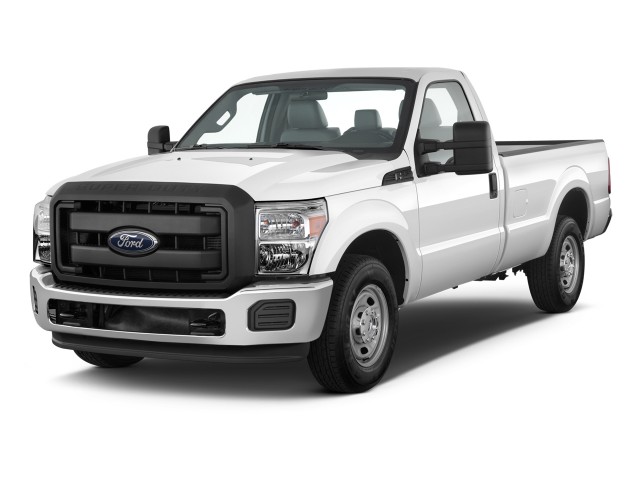
While slightly outside the traditional half-ton pickup category, the third-generation Ford F-250 Super Duty deserves inclusion for its exceptional durability and the legendary longevity of its V8 engine options.
These heavy-duty trucks were designed from the outset for commercial applications and sustained heavy use, which means every component is substantially overbuilt compared to lighter-duty trucks.
The result is a vehicle that can easily exceed half a million miles with proper maintenance, making it one of the longest-lasting pickup trucks ever produced.
The 6.2-liter Boss V8 gasoline engine, producing 385 horsepower and 405 lb-ft of torque, serves as the standard powerplant in these trucks and has proven exceptionally durable in heavy-duty applications. This engine features a cast-iron block, forged steel crankshaft, and powder metal connecting rods that can withstand sustained heavy loads without premature wear.
The engine’s conservative tuning prioritizes reliability over maximum output, and its substantial displacement means it never needs to work particularly hard even when towing trailers approaching the truck’s impressive 15,000-pound capacity. Fleet operators consistently report these engines providing hundreds of thousands of miles of trouble-free service with only routine maintenance.
The optional 6.8-liter Triton V10 gasoline engine, while technically not a V8, deserves mention for its extraordinary reliability in Super Duty applications. However, for buyers seeking V8 power, the 6.2-liter provides an excellent balance of capability and efficiency while maintaining the simplicity and durability that make these trucks so long-lived.
The engine’s two-valve-per-cylinder design keeps complexity and maintenance requirements to a minimum, and the absence of sophisticated variable valve timing systems means there are fewer components to potentially fail over time.
The frame on these Super Duty trucks is constructed entirely from high-strength steel with fully boxed sections throughout, providing exceptional rigidity and durability that allows the truck to maintain proper alignment even after years of heavy towing and hauling.
The front suspension employs a sophisticated design with radius arms and heavy-duty coil springs that provide excellent ride quality while handling substantial loads. The rear suspension uses traditional leaf springs with multiple stages that progressively engage as loads increase, providing a comfortable empty ride while maintaining excellent load-carrying capacity.
Every suspension component, from ball joints to bushings, is substantially larger and more robust than those found in half-ton trucks, which contributes significantly to the Super Duty’s legendary longevity.
7. Toyota Tundra (First Generation, 2000-2006)
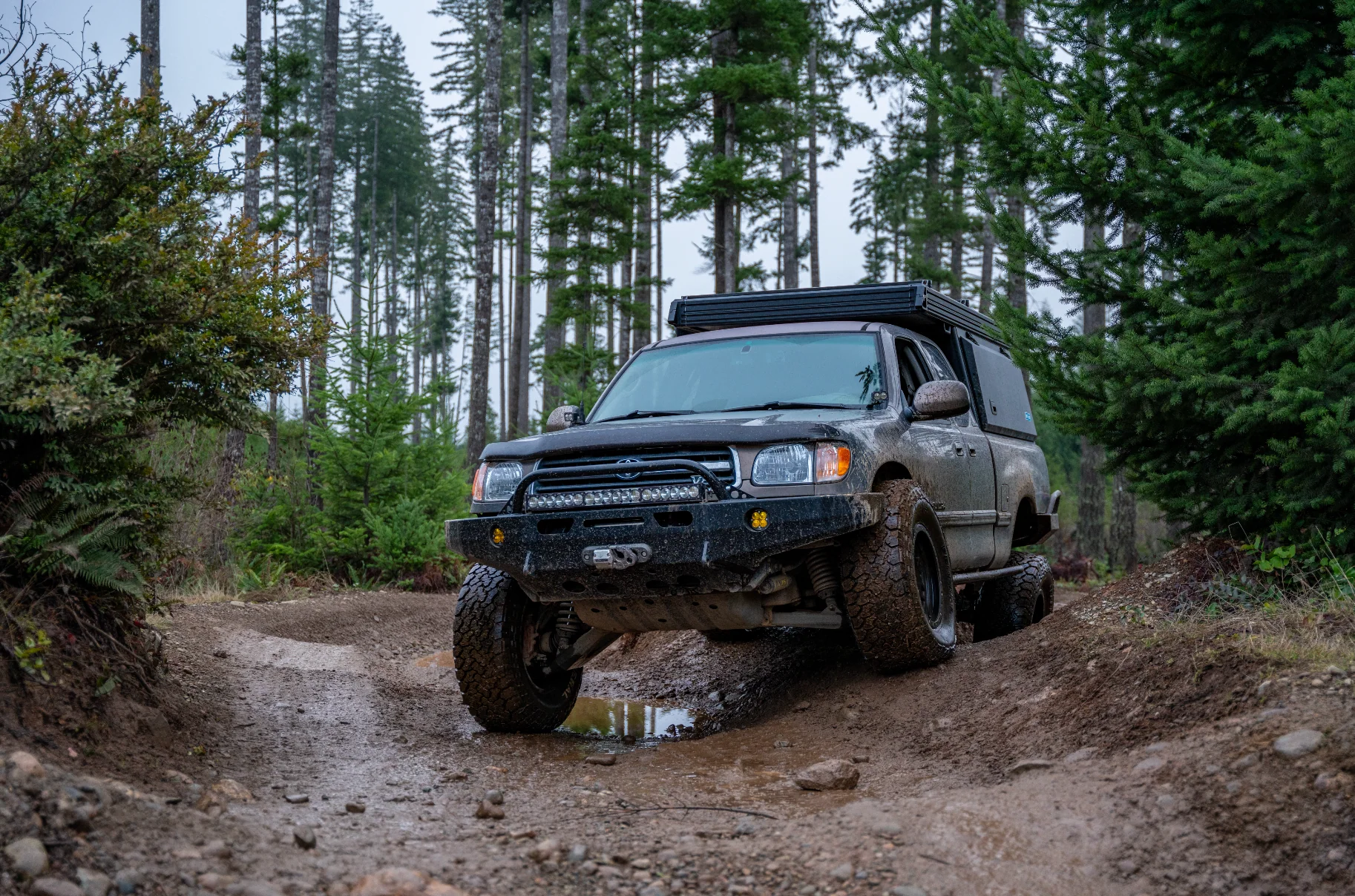
The first-generation Toyota Tundra represented the Japanese manufacturer’s serious entry into the full-size pickup truck market, and while it was somewhat smaller than its domestic competitors, what it lacked in size it more than made up for in legendary reliability.
These trucks featured the exceptionally robust 4.7-liter i-FORCE V8 engine that had already proven itself in the Land Cruiser and Sequoia, and its application in the Tundra created one of the most durable pickup trucks ever produced. Examples with over 400,000 miles are common, and several documented cases exist of trucks exceeding one million miles on their original engines.
The 4.7-liter V8, producing 245 horsepower in early models and 282 horsepower in later versions, may seem modest compared to the larger displacement engines offered by domestic manufacturers, but its conservative tuning and bulletproof construction ensured extraordinary longevity.
The engine features a cast-iron block, forged steel crankshaft, and connecting rods designed with generous safety margins that resist wear even under sustained heavy loads.
Toyota’s meticulous attention to manufacturing tolerances means these engines maintain proper compression and oil pressure even after hundreds of thousands of miles, which contributes significantly to their longevity.
The four-speed automatic transmission used in first-generation Tundras, while lacking the sophistication of more modern designs, proved exceptionally durable due to its simplicity and conservative engineering. This transmission features robust planetary gear sets and heavy-duty clutch packs that resist wear far better than many competing designs.
The transmission’s electronic controls are similarly robust, with sensors and solenoids that continue functioning properly long after other trucks require expensive transmission repairs. Proper fluid maintenance, including regular drain and fill services, allows these transmissions to easily exceed 300,000 miles without requiring rebuilds.
The suspension components on first-generation Tundras are known for their exceptional durability, with ball joints, tie rods, and wheel bearings routinely lasting well over 150,000 miles before requiring replacement. The brake systems similarly demonstrate impressive longevity, with rotors that resist warping and calipers that continue operating smoothly even after years of service.
Inside the cab, these Tundras featured relatively simple but durable materials that hold up well to daily use, with dashboards that resist cracking and door panels that maintain their fit and finish.
The interior may lack the sophistication of more modern trucks, but its straightforward design and quality construction ensure it remains functional and presentable even after decades of service.
8. Chevrolet Silverado 2500HD (First Generation, 2001-2007)
The first-generation Chevrolet Silverado 2500HD represents one of the most durable heavy-duty pickup trucks ever produced, with countless examples still providing reliable service well into their third decade of operation.
These trucks were designed from the outset for commercial applications and sustained heavy use, which means every component is substantially overbuilt compared to lighter-duty trucks.
The V8 engine options, particularly the 6.0-liter Vortec, have proven virtually indestructible when properly maintained, making these trucks excellent choices for buyers seeking a vehicle that will provide decades of reliable service.
The 6.0-liter Vortec V8, producing 300-325 horsepower depending on the year, serves as the standard gasoline engine in these heavy-duty trucks and has established a legendary reputation for durability. This engine features an iron block construction with four-bolt main bearing caps that provide exceptional strength and rigidity.
The forged steel crankshaft and robust connecting rods can handle sustained heavy loads without premature wear, and the engine’s substantial displacement means it operates with relatively low internal stresses even when towing trailers approaching the truck’s impressive capacity.
Fleet operators consistently report these engines providing 300,000 miles or more of trouble-free service with nothing more than routine oil changes and occasional minor repairs.
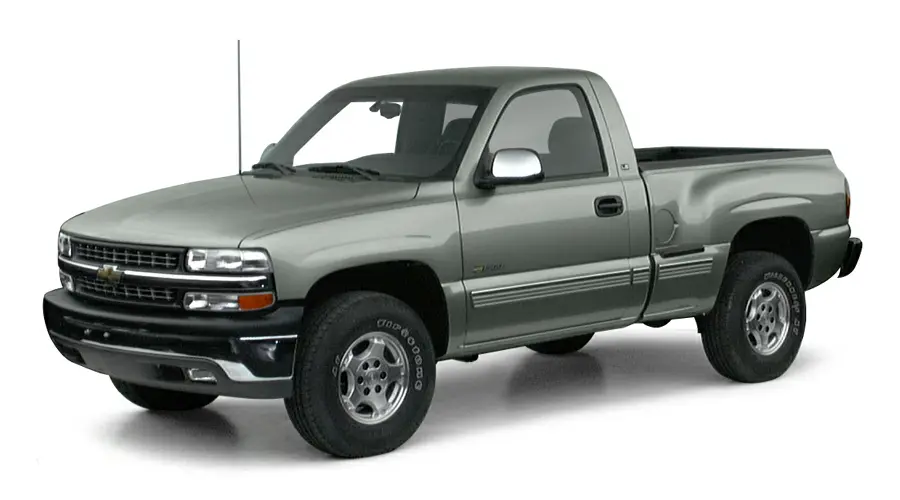
The pushrod V8 architecture keeps complexity to a minimum, which contributes significantly to reliability and makes repairs relatively straightforward when eventually needed.
The engine’s two-valve-per-cylinder design eliminates the complexity and potential failure points associated with overhead cam engines, and the hydraulic lifters automatically maintain proper valve clearances throughout the engine’s service life.
The Vortec’s sophisticated engine management system provides optimal fuel delivery and ignition timing across a wide range of conditions while maintaining excellent reliability, with sensors and actuators that continue functioning properly long after competing engines require expensive repairs.
The frame construction on these heavy-duty Silverados employed fully boxed sections throughout, with extensive cross-bracing and reinforcement that provides exceptional rigidity and load-carrying capacity.
The frame’s high-strength steel construction resists both impact damage and long-term fatigue, allowing these trucks to maintain proper alignment even after years of heavy towing and hauling.
The suspension design uses heavy-duty leaf springs in the rear with multiple stages that progressively engage as loads increase, providing a reasonable empty ride while maintaining excellent load-carrying capacity.
The front suspension employs robust torsion bars with heavy-duty control arms and ball joints that resist wear far better than the components used in lighter-duty trucks.
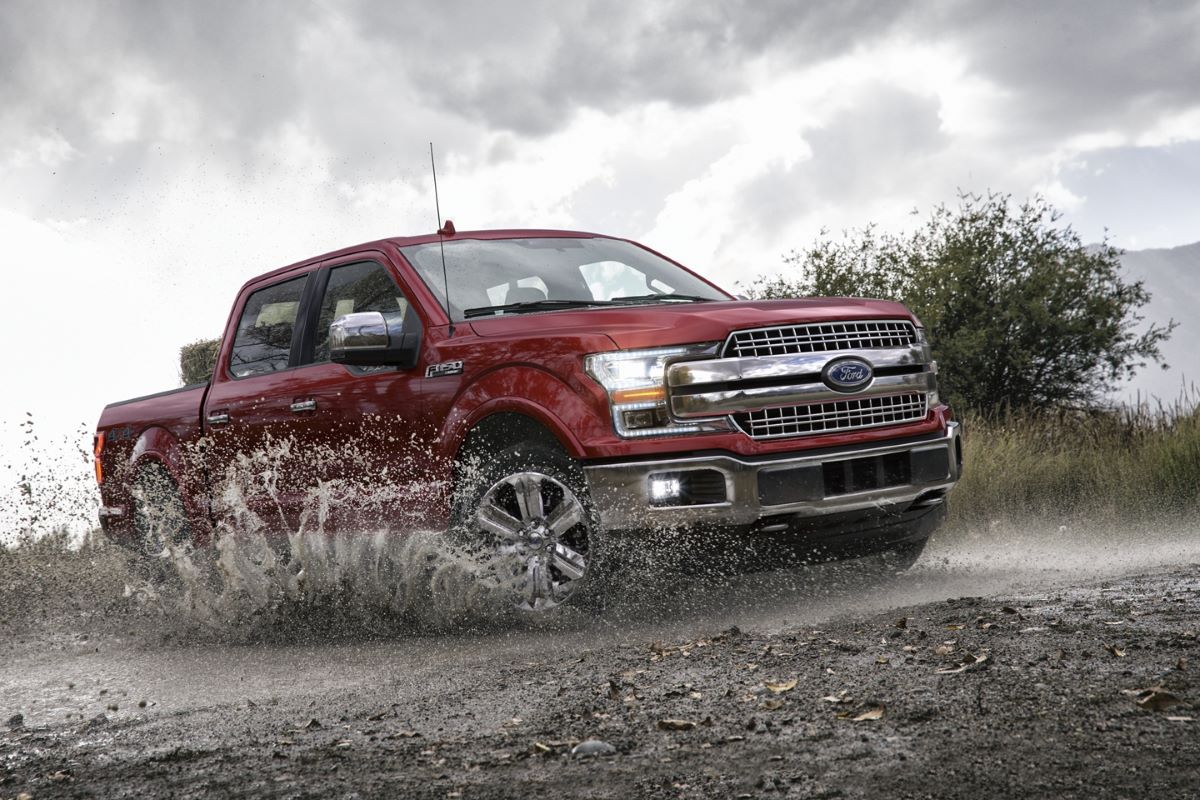
9. Ford F-150 (Thirteenth Generation, 2015-2020)
The thirteenth-generation Ford F-150 marked a controversial but ultimately successful shift to aluminum body panels, which reduced weight substantially while maintaining durability through the use of high-strength alloys and improved construction techniques.
These trucks, particularly those equipped with the naturally aspirated 5.0-liter Coyote V8, have proven that aluminum construction can indeed provide long-term durability when properly engineered. The weight savings from aluminum bodywork allowed Ford to improve payload and towing capacity while maintaining fuel efficiency, creating a truck that excels in both capability and longevity.
The 5.0-liter Coyote V8 continued largely unchanged from the previous generation, producing 385-395 horsepower depending on the year, and maintained its reputation for exceptional reliability. This engine’s dual overhead cam design provides excellent power delivery across the rev range while sophisticated variable valve timing optimizes efficiency and emissions.
The engine’s forged internals and robust block casting handle substantial power increases for enthusiasts while providing worry-free operation for those who maintain it properly and keep it stock.
The Coyote’s widespread use across Ford’s product line, from F-150 trucks to Mustang sports cars, means that parts availability is excellent and mechanics are thoroughly familiar with its maintenance requirements.
The ten-speed automatic transmission introduced late in this generation represented a significant advancement in transmission technology, offering improved efficiency and refined shifting characteristics while maintaining durability. This transmission was co-developed with General Motors and benefits from extensive engineering resources and testing.
The transmission’s wide ratio spread allows the engine to operate in its optimal efficiency range more often, which reduces fuel consumption while contributing to long-term engine durability by minimizing time spent at high loads and RPM.
Early examples of this transmission have already accumulated impressive mileage totals without the premature failures that sometimes affect first-generation transmissions.
The frame remains fully steel construction with high-strength alloys used in critical areas, providing the backbone these trucks need for serious towing and hauling applications. The suspension design benefits from the reduced body weight, with components experiencing less stress than in previous generations while maintaining excellent capability.
The brake systems are similarly robust, with large rotors and calipers that provide consistent stopping power even when towing heavy trailers. Inside the cab, these trucks feature significantly improved interior materials compared to previous generations, with soft-touch surfaces and thoughtful design that should age well over time.
Also Read: 11 Most Celebrated European Hot Hatches That Dominated the 2000s
