
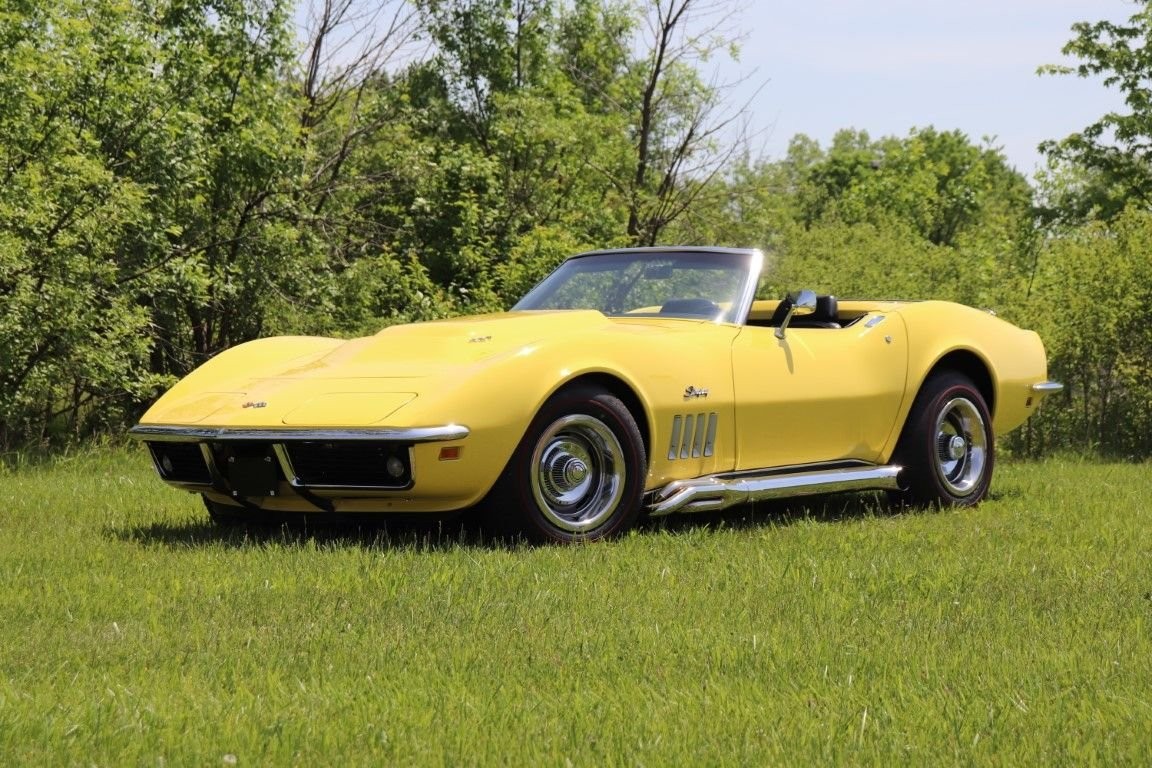
The American muscle car era represents one of the most celebrated periods in automotive history, spanning roughly from the mid-1960s to the early 1970s.
These powerful, aggressive machines captured the imagination of enthusiasts with their thunderous V8 engines, bold styling, and raw performance that could be purchased straight from the showroom floor.
Born during an era when gasoline was cheap and horsepower was king, muscle cars became symbols of freedom, rebellion, and American engineering prowess.
Today, these iconic vehicles have transcended their original purpose as affordable performance cars to become some of the most sought-after collectibles.
The auction market for pristine examples of classic American muscle has exploded over the past two decades, with collectors willing to pay astronomical sums for the rarest and most desirable models.
What were once considered disposable performance cars have achieved museum-quality status, with provenance, originality, and racing history commanding premium prices.
The most expensive muscle cars ever sold at auction represent the absolute pinnacle of the genre ultra-rare factory prototypes, legendary race cars, and limited-production models that defined an era.
From Shelby’s competition Cobras to Hemi-powered Mopar legends, these vehicles have shattered records and redefined what collectors are willing to pay for a piece of American automotive history.
This ranking showcases the eight most expensive American muscle cars ever sold at public auction, highlighting the incredible values these machines have achieved and the stories that make them truly priceless.
8. 1970 Plymouth Hemi ‘Cuda Convertible – $3.5 Million
The 1970 Plymouth Hemi ‘Cuda Convertible stands as one of the most exclusive and desirable muscle cars ever produced, representing the absolute zenith of Chrysler’s performance engineering during the golden age of American muscle.
This particular example sold for $3.5 million, cementing its place among the most valuable muscle cars in existence. What makes this car so extraordinarily valuable is its extreme rarity combined with its legendary powertrain and stunning visual appeal.
Plymouth produced only 14 Hemi ‘Cuda convertibles in 1970, making it one of the rarest factory-built muscle cars in history. The combination of the convertible body style with the mighty 426 cubic-inch Hemi V8 engine created a vehicle that was both brutally powerful and surprisingly practical for open-air cruising.
The Hemi engine, nicknamed the “elephant motor” for its massive size and power output, produced an advertised 425 horsepower, though actual output was considerably higher.
This engine featured hemispherical combustion chambers, dual four-barrel carburetors, and heavy-duty internals capable of withstanding extreme performance demands.
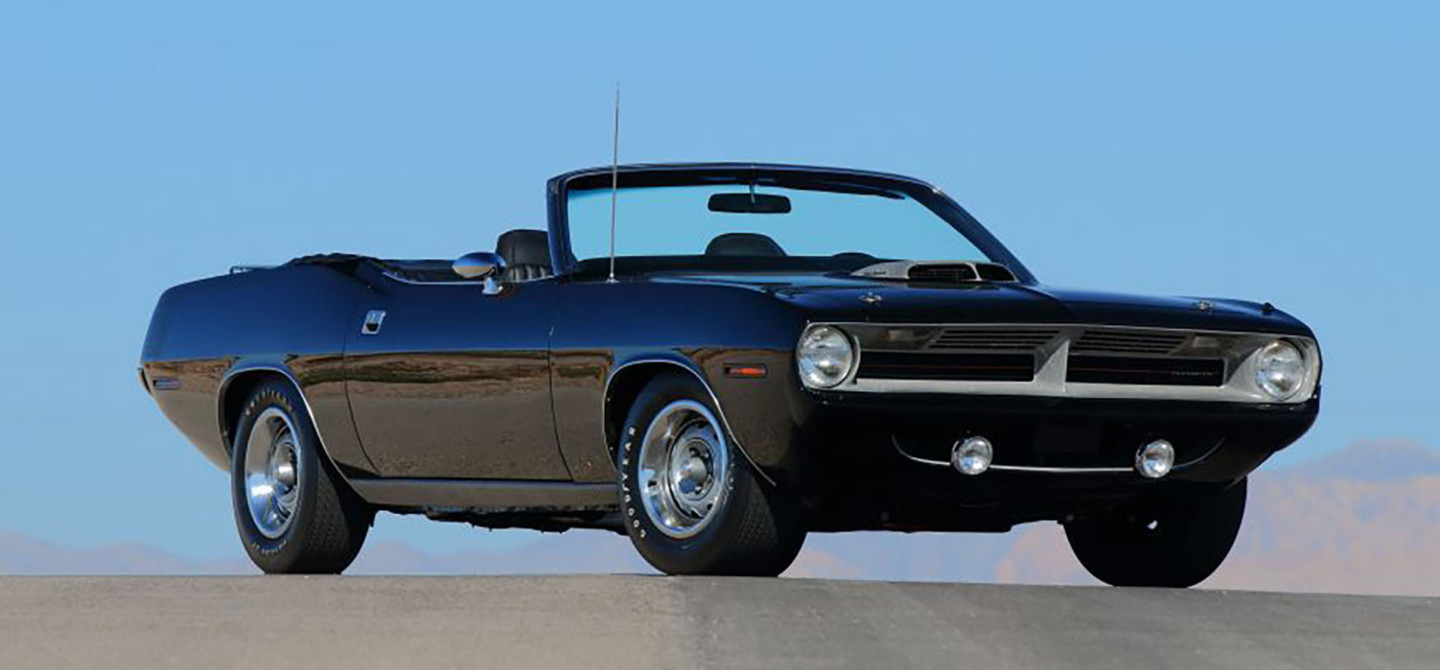
The ‘Cuda’s aggressive styling perfectly captured the spirit of the era, with its distinctive front grille, pronounced hood bulge to accommodate the massive Hemi engine, and bold billboard graphics along the rear quarters. The convertible variant added an extra layer of desirability, offering the visceral experience of open-air motoring combined with tire-shredding performance.
Original examples featured luxurious interior appointments that contradicted the car’s raw performance capabilities, including comfortable bucket seats, comprehensive instrumentation, and available options like air conditioning and premium sound systems.
The $3.5 million sale price reflects not only the car’s mechanical significance but also its cultural impact and investment potential. Collectors recognize that opportunities to acquire such rare and historically important vehicles are increasingly scarce.
The Hemi ‘Cuda convertible represents a perfect storm of desirability: legendary performance credentials, extreme rarity, iconic styling, and impeccable restoration quality.
As one of only 14 produced, each example is essentially irreplaceable, driving values to stratospheric levels. This particular car’s provenance, including its ownership history and documentation, further enhanced its value, providing authentication of its originality and historical significance in the muscle car pantheon.
7. 1971 Plymouth Hemi ‘Cuda Convertible – $3.5 Million
The 1971 Plymouth Hemi ‘Cuda Convertible matches its 1970 predecessor in auction value at $3.5 million, though it represents an even rarer commodity in the muscle car marketplace.
As the final year for the convertible body style and one of the last years for the legendary Hemi engine before increasingly stringent emissions regulations and insurance costs killed off high-performance options, the 1971 model holds special significance for collectors.
This vehicle represents the end of an era, making it particularly poignant for enthusiasts who recognize it as one of the last true muscle cars before the industry’s dramatic shift toward economy and emissions compliance.
Production numbers tell the story of this car’s extreme rarity: Plymouth built only seven Hemi ‘Cuda convertibles in 1971, making it nearly twice as rare as the already scarce 1970 model.
This minuscule production run resulted from multiple factors, including rising insurance premiums that made high-performance vehicles prohibitively expensive for young buyers, increasing federal safety and emissions regulations, and changing consumer preferences as the automotive world shifted dramatically in the early 1970s.
The combination of these factors meant that Plymouth could barely justify producing the Hemi ‘Cuda at all, let alone in convertible form.
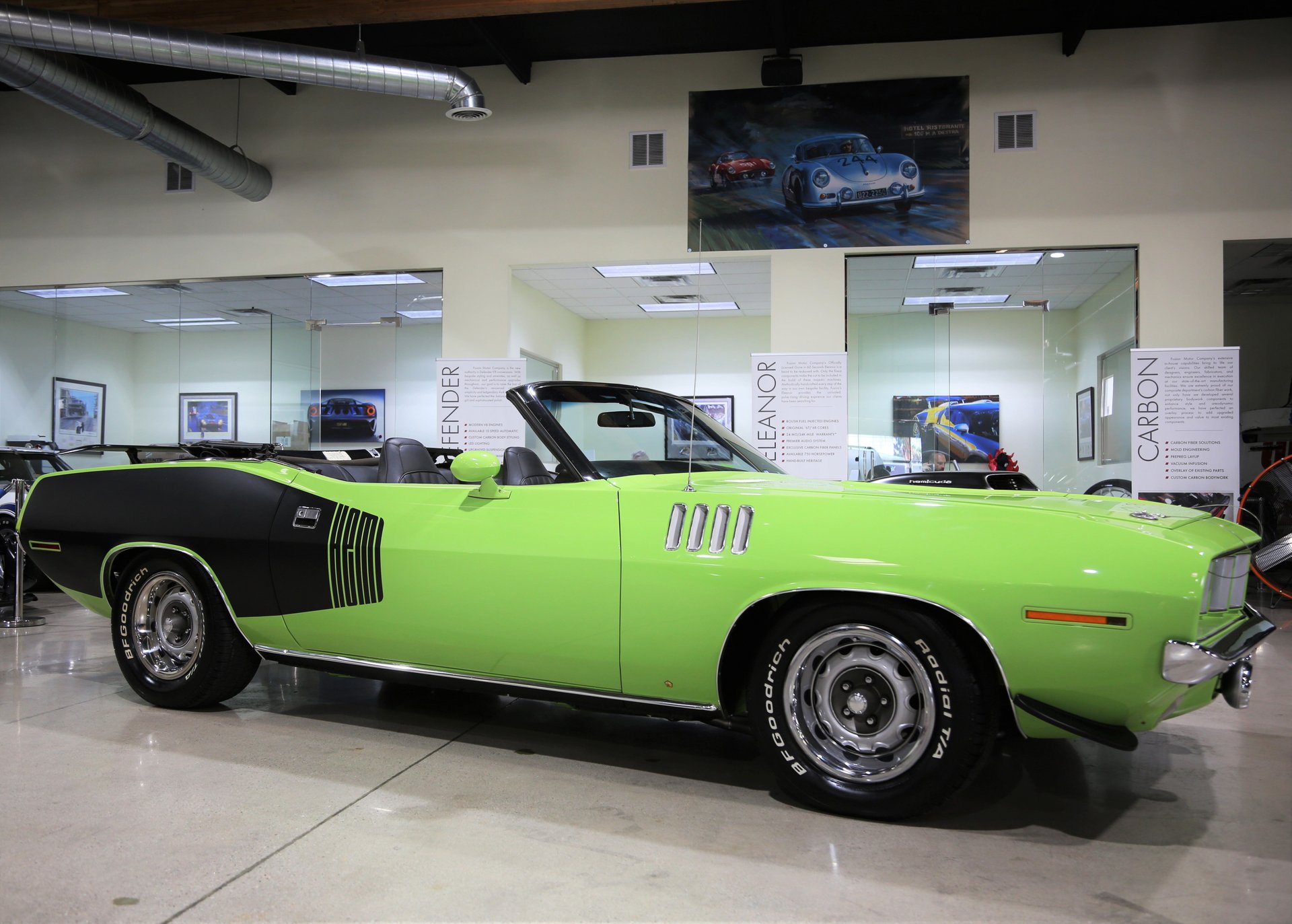
The 1971 model featured subtle but meaningful updates from the previous year, including revised front-end styling with four headlights instead of two, different grille treatment, and updated side graphics.
The Hemi engine remained largely unchanged, continuing to deliver its legendary combination of brutal torque and high-revving horsepower that made it a dominant force on both street and strip.
Despite the unchanged mechanical specifications, the 1971 Hemi engines are considered by some enthusiasts to be slightly detuned compared to earlier versions to meet evolving emissions standards, though the difference in real-world performance was negligible.
What makes the 1971 Hemi ‘Cuda convertible particularly valuable is its status as a “last of the breed” vehicle. Collectors recognize that this car represents the final opportunity to purchase a factory-built, open-top muscle car with the most legendary engine of the era. The emotional appeal of owning the last of something special cannot be understated in collector car circles.
Combined with documented originality, meticulous restoration, and comprehensive provenance, these factors push values into the multi-million-dollar range, ensuring that the 1971 Hemi ‘Cuda convertible remains one of the most expensive and coveted American muscle cars ever produced.
6. 1969 Chevrolet Camaro ZL1 – $1 Million
The 1969 Chevrolet Camaro ZL1 represents one of General Motors’ most audacious performance offerings during the muscle car era, and examples in pristine condition have commanded prices exceeding $1 million at auction.
What makes the ZL1 so extraordinary is its all-aluminum 427 cubic-inch V8 engine, a technological marvel that was essentially a race engine available through Chevrolet’s regular production option (RPO) system.
This engine was so expensive and specialized that only 69 Camaros were built with the ZL1 package, making it one of the rarest and most desirable first-generation Camaros ever produced.
The ZL1 engine was derived from Chevrolet’s successful racing program and featured an all-aluminum block and heads, reducing weight by approximately 100 pounds compared to the iron-block big-block engines. This weight savings dramatically improved the car’s power-to-weight ratio and handling characteristics, making it a formidable competitor in drag racing and road course events.
The official horsepower rating was a laughably understated 430 horsepower, but actual output was believed to be closer to 500-550 horsepower in stock form, with potential for much more with minor modifications. The engine featured forged internals, a high-lift camshaft, rectangular port aluminum heads, and a single Holley four-barrel carburetor.
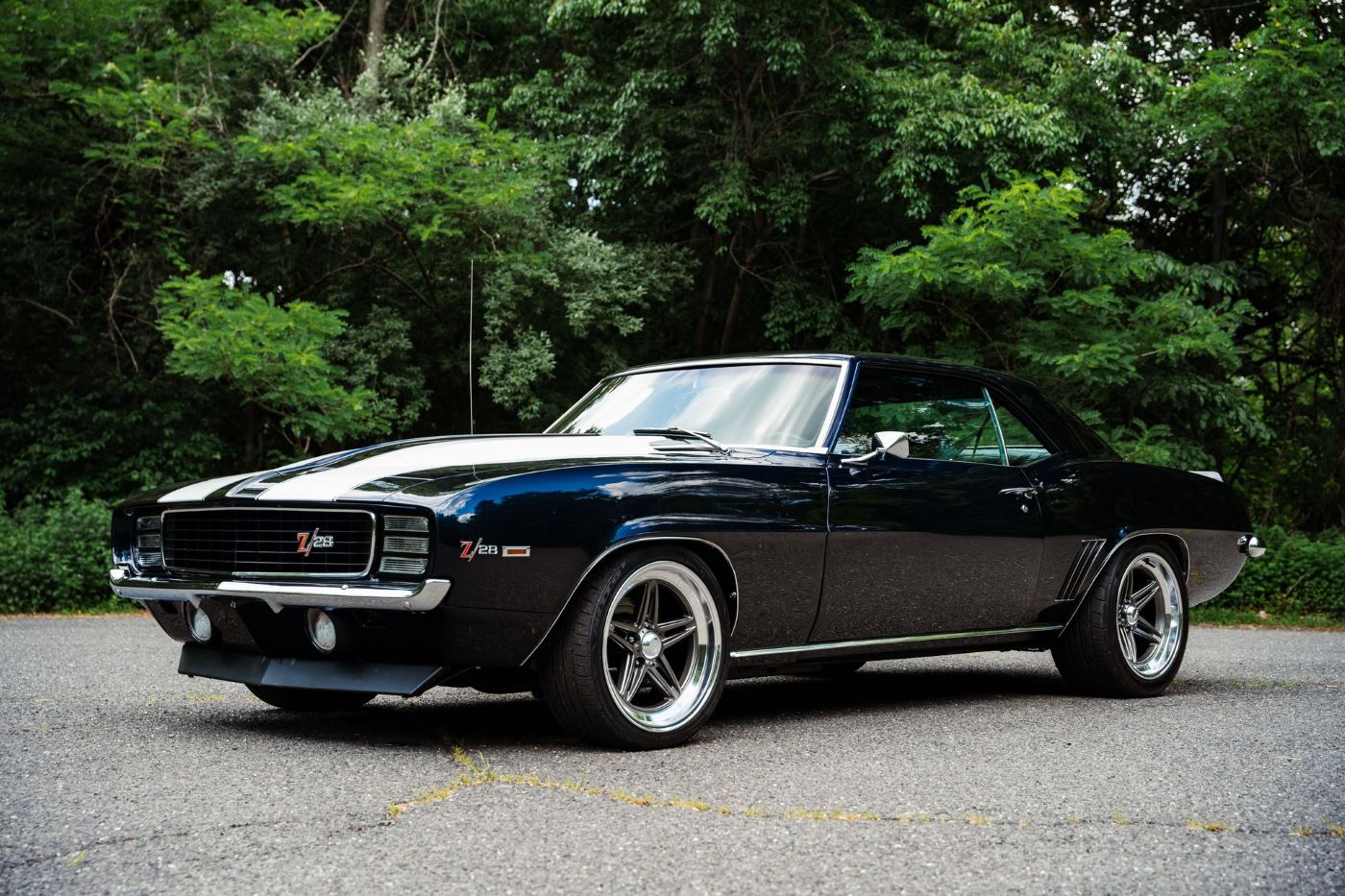
The ZL1 package was extraordinarily expensive when new, costing approximately $4,160 above the base Camaro price more than double the cost of the base vehicle itself. This astronomical price meant that only the most serious racers and well-heeled enthusiasts could afford to special-order a ZL1 Camaro.
Most examples were immediately converted to race cars and campaigned in various drag racing classes, where they dominated the competition. The few street-driven examples were treated to legendary performance, with quarter-mile times in the low 11-second range possible with minimal modifications and a skilled driver.
Today’s million-dollar valuations reflect both the ZL1’s extreme rarity and its legendary status among Chevrolet performance enthusiasts. Documented original examples with matching-numbers drivetrains are virtually priceless, while even tribute cars built to ZL1 specifications command significant premiums.
The combination of advanced engineering, race-proven performance, and ultra-limited production makes the ZL1 Camaro one of the most significant American performance cars ever built, justifying its position among the most expensive muscle cars ever sold at auction.
Also Read: 10 Hybrids That Don’t Eat Tires When in Prolonged Use
5. 1967 Chevrolet Corvette L88 Convertible – $3.85 Million
The 1967 Chevrolet Corvette L88 convertible that sold for $3.85 million represents one of the most significant American performance cars ever created, bridging the gap between street-legal sports car and purpose-built race machine.
The L88 option package was Chevrolet’s barely-disguised attempt to homologate racing technology for competition use, resulting in one of the most capable performance vehicles of the 1960s.
This particular convertible’s astronomical auction price reflects its status as one of only 20 L88 Corvettes built in 1967, the inaugural year for this legendary option package.
The L88 427 cubic-inch V8 engine was a masterpiece of engineering deception. Chevrolet officially rated it at 430 horsepower, the same as the more common L71 427 engine, but this rating was purely for insurance and legal purposes.
Actual output was estimated at over 560 horsepower, making the L88 one of the most powerful production engines of the era. The engine featured a radical solid-lifter camshaft, aluminum cylinder heads with large rectangular intake ports, 12.5:1 compression ratio, and a single massive Holley four-barrel carburetor mounted on an aluminum intake manifold.
To handle the extreme performance, the L88 package required heavy-duty cooling, upgraded suspension, and mandatory options including transistorized ignition and Positraction limited-slip differential.
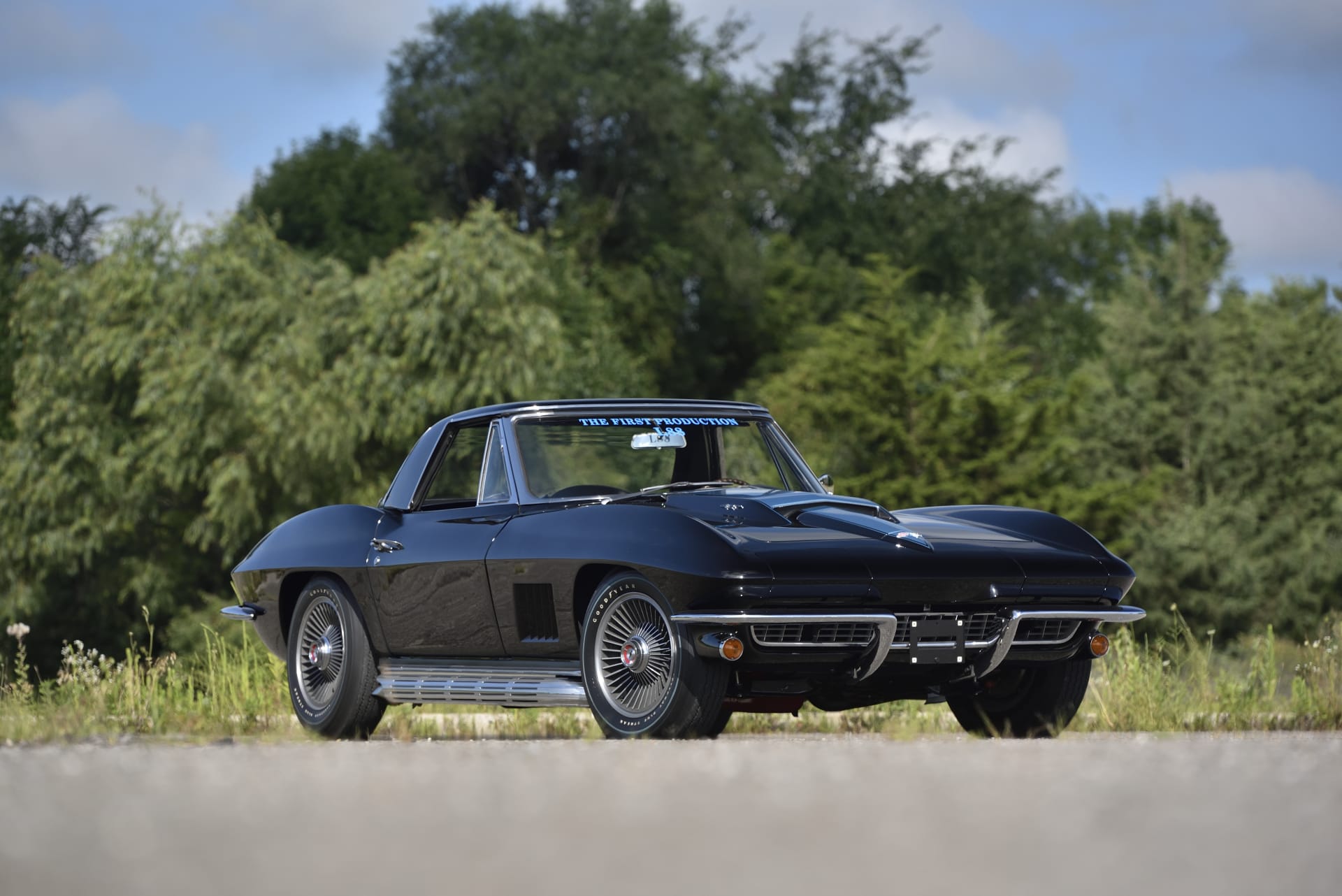
Chevrolet deliberately made the L88 uncomfortable and impractical for street use to discourage casual buyers. The package deleted the radio, heater, and air conditioning, while the engine’s aggressive camshaft profile created rough idle characteristics and poor low-rpm manners.
The high-compression engine required premium racing fuel, and the car’s configuration made it clear that this was a race car with license plates rather than a comfortable touring machine. These factors ensured that only serious racers purchased L88 Corvettes, which was precisely Chevrolet’s intention.
The 1967 L88 convertible’s $3.85 million value stems from multiple factors beyond its mechanical significance. As the first-year L88 and one of only 20 produced, it represents the beginning of a legendary performance lineage. The convertible body style adds rarity, as most L88 buyers opted for the lighter and more rigid coupe configuration.
Documented racing history, provenance, and pristine restoration quality further enhance value. For collectors, owning a 1967 L88 Corvette convertible means possessing one of the most historically significant, mechanically advanced, and competitively successful American performance cars ever created, easily justifying its multi-million-dollar status.
4. 1969 Chevrolet Corvette L88 Convertible – $3.85 Million
Another 1969 Chevrolet Corvette L88 convertible matching the $3.85 million mark demonstrates the consistent demand for these ultra-rare performance machines.
The 1969 model year represented the third year of L88 production and featured several refinements over earlier examples while maintaining the package’s uncompromising focus on maximum performance.
Only 116 L88 Corvettes were produced in 1969, with the convertible variants representing an even smaller subset of this already exclusive group, making each surviving example extraordinarily valuable.
The 1969 L88 benefited from Chevrolet’s accumulated experience with the package, incorporating subtle improvements that enhanced reliability and performance without compromising the engine’s race-ready character.
The 427 cubic-inch V8 continued to produce its underrated 430 horsepower (actual output remained near 560+ horsepower), but improved cooling systems and revised exhaust headers helped the engine maintain peak performance during extended racing sessions.
The 1969 model year also saw the introduction of new exterior colors and trim options, though L88 buyers rarely concerned themselves with cosmetic features when ordering their race-ready Corvettes.
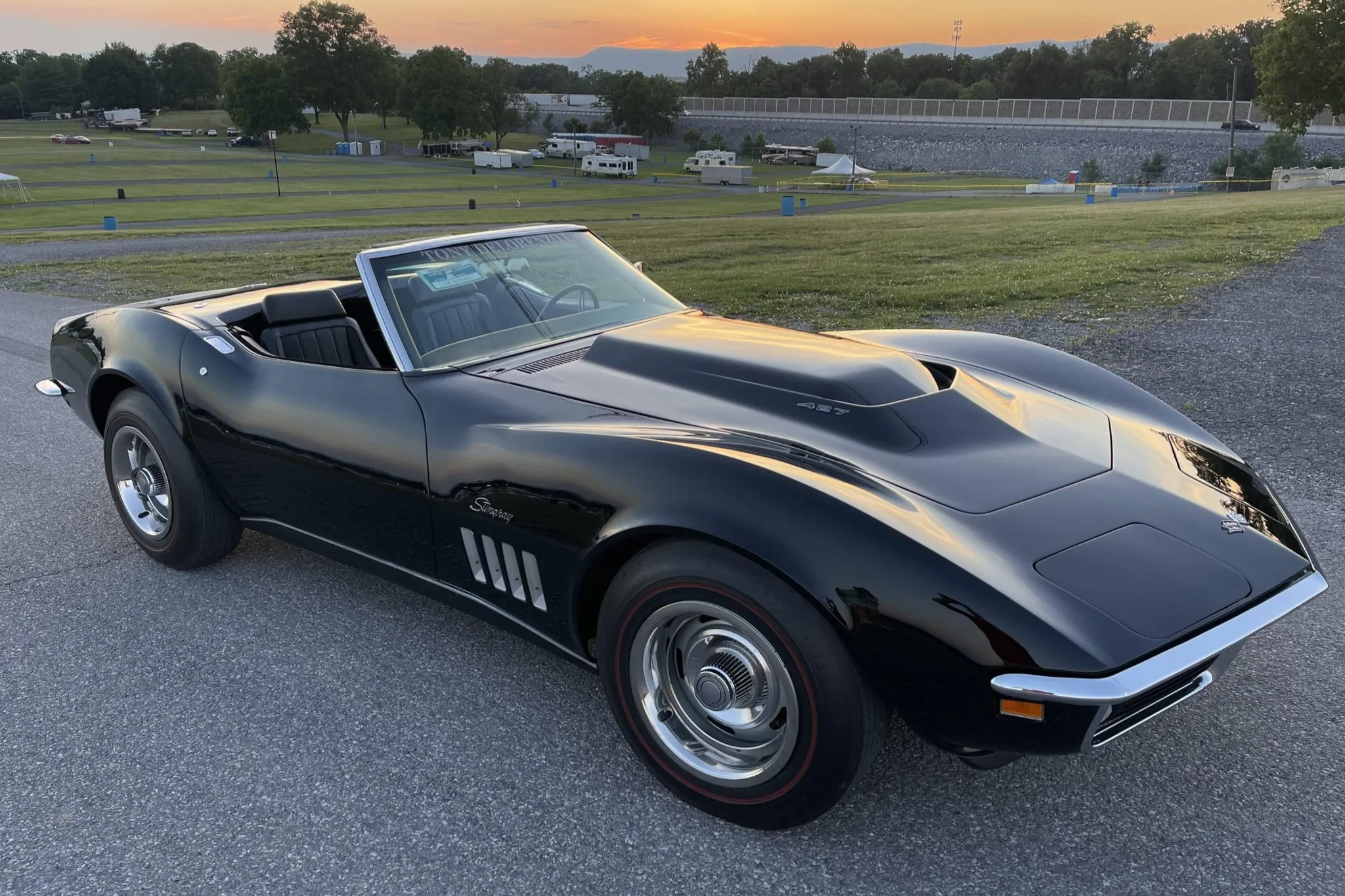
What distinguished the 1969 L88 from earlier versions was Chevrolet’s growing confidence in marketing the package to serious competitors. By 1969, the L88’s reputation had spread throughout the racing community, and demand increased among privateers who recognized the package’s competitive advantages.
The Corvette’s aerodynamic body style, when combined with the L88’s massive power output and robust drivetrain components, created a dominant force in SCCA and drag racing competitions. Many 1969 L88 Corvettes went directly from dealerships to race shops, where they received further modifications before ever seeing street duty.
The $3.85 million auction value for 1969 L88 convertibles reflects their perfect balance of rarity, performance, and collectability. These cars represent the muscle car era at its absolute peak, just before emissions regulations and insurance industry pressure began curtailing high-performance offerings.
The convertible body style adds visual drama and open-air excitement to the L88’s brutal performance credentials. Collectors recognize that opportunities to acquire documented, numbers-matching L88 Corvettes become rarer each year, driving values upward as demand consistently exceeds the limited supply of these legendary performance machines.
3. 1966 Shelby Cobra 427 Super Snake $5.5 Million
The 1966 Shelby Cobra 427 Super Snake stands as perhaps the most legendary and certainly one of the most valuable American performance cars ever created, with the lone original example selling for an astounding $5.5 million.
This car represents Carroll Shelby’s vision taken to its most extreme, a lightweight British roadster body housing an enormously powerful American V8 engine, creating a performance combination that was as terrifying as it was exhilarating.
The Super Snake wasn’t simply a powerful car; it was a rolling testament to the philosophy that more horsepower is always better, regardless of practical considerations.
What made the Super Snake truly special was its unprecedented powertrain. While standard Cobra 427s used the already formidable 427 cubic-inch side-oiler Ford V8, the Super Snake received twin Paxton superchargers feeding the massive big-block engine.
This forced-induction setup boosted output to an estimated 800 horsepower, a figure that was almost incomprehensible in the mid-1960s.
The twin-supercharged engine produced power characteristics unlike anything available in production vehicles, with brutal acceleration that could overwhelm the car’s modest chassis and tire technology.
Contemporary accounts describe the Super Snake as nearly undriveable at full throttle, with enough power to break traction in any gear at virtually any speed.
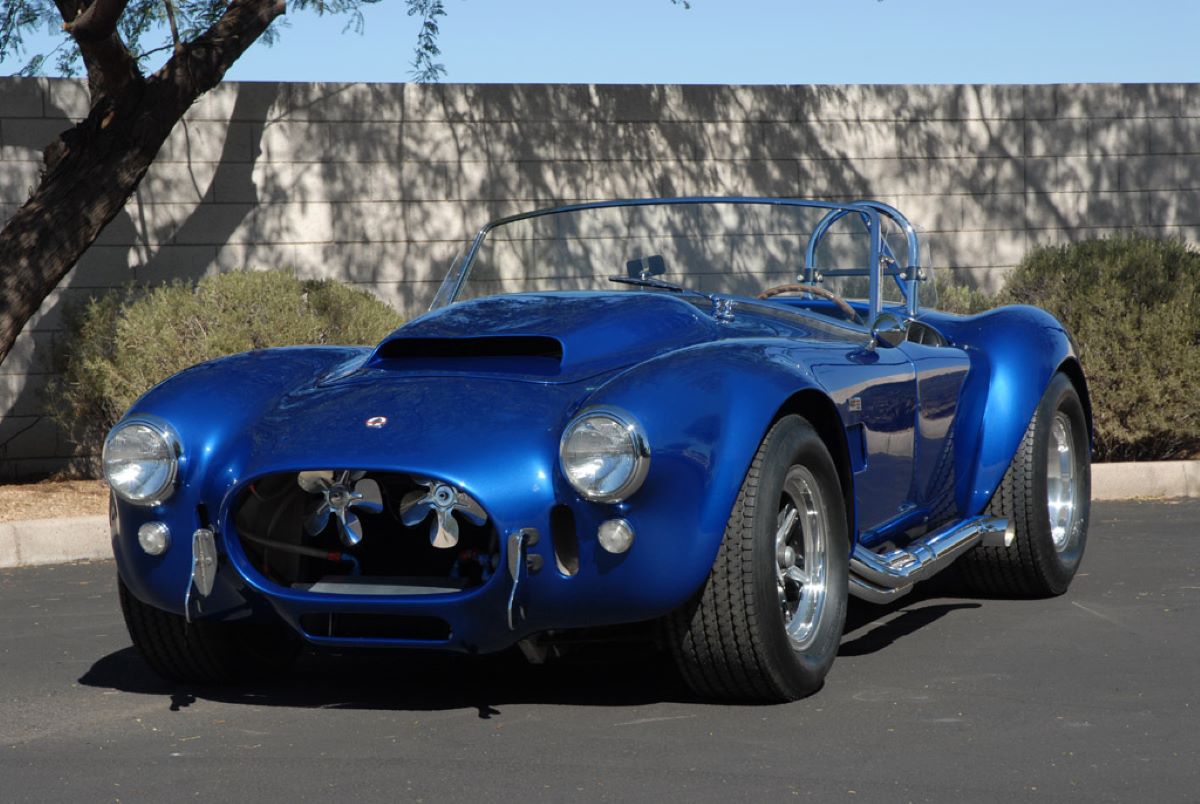
Carroll Shelby created the Super Snake as a personal vehicle and promotional tool, using it to demonstrate the Cobra’s extreme performance capabilities to potential customers and journalists. The car served as a high-speed test vehicle and appeared at various automotive events where its twin-supercharged powertrain attracted enormous attention.
However, the extreme nature of the Super Snake meant it remained a one-off creation rather than entering series production. The costs, complexity, and frankly dangerous performance characteristics made it unsuitable for sale to the general public, even by the loose standards of the muscle car era.
The $5.5 million sale price reflects the Super Snake’s unique position in automotive history as perhaps the ultimate expression of the muscle car philosophy. This wasn’t a factory-built vehicle designed for mass production or a purpose-built race car restricted to competition use it was a street-legal performance car that pushed boundaries far beyond rational limits.
For collectors, owning the Super Snake means possessing the only example of Carroll Shelby’s most extreme creation, a car that represents the pinnacle of 1960s American performance engineering and remains legendary more than five decades after its creation.
2. 1967 Shelby GT500 Super Snake – $2.2 Million
The 1967 Shelby GT500 Super Snake, which sold for $2.2 million, represents another of Carroll Shelby’s extreme performance experiments, though it should not be confused with the Cobra Super Snake despite sharing the same dramatic name.
This GT500-based monster was created as a demonstration vehicle for Goodyear’s new “Thunderbolt” tires, with Shelby reasoning that only an extraordinarily powerful car could properly test the capabilities of performance tires.
The result was a Mustang-based muscle car with performance that exceeded virtually everything else on American roads in 1967. The Super Snake GT500 received a highly modified 427 cubic-inch Ford V8 engine topped with twin Paxton superchargers, similar in concept to the Cobra Super Snake but adapted to the Mustang platform.
The engine produced an estimated 650 horsepower, substantially more than the already potent 428 cubic-inch engine found in standard GT500s.
This massive power increase required significant chassis modifications to handle the enhanced performance, including upgraded suspension components, heavy-duty brakes, and reinforced drivetrain elements.
The car’s appearance remained relatively subtle compared to its outrageous performance capabilities, with only small “Super Snake” badging and hood scoops hinting at the mechanical violence lurking beneath.
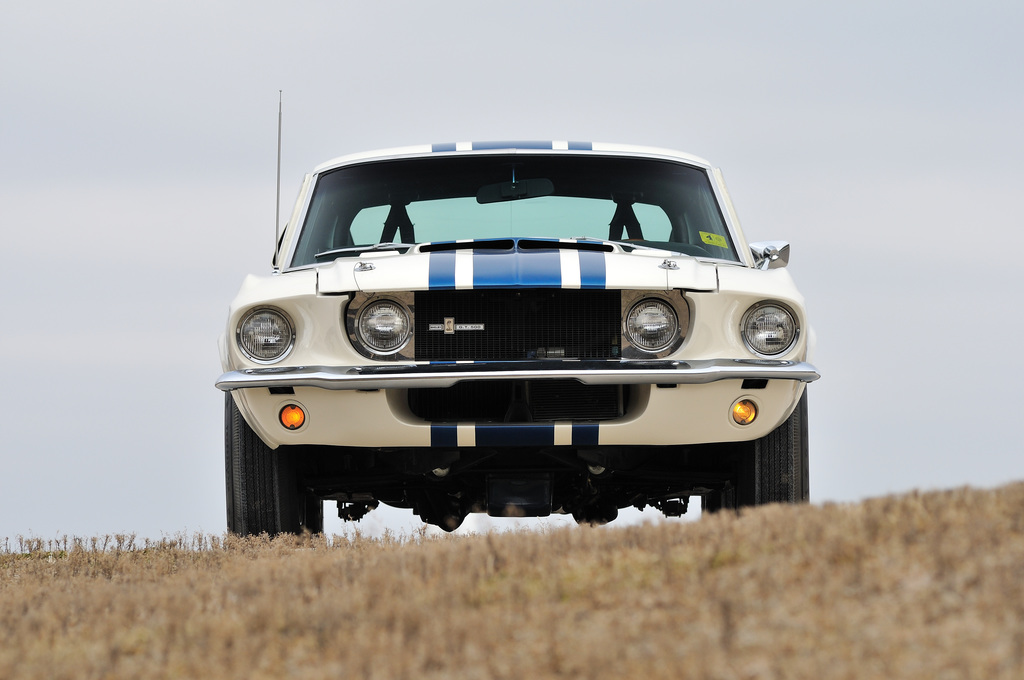
Carroll Shelby used the Super Snake GT500 extensively for high-speed testing and promotional activities, reportedly reaching speeds exceeding 170 mph during tire testing sessions.
The car’s combination of straight-line performance and improved handling made it a formidable demonstration of what was possible when Shelby’s performance expertise met Ford’s engineering resources.
However, like the Cobra Super Snake, the GT500 Super Snake remained a one-off creation due to its extreme nature and the prohibitive costs of replicating its specialized components for series production.
The $2.2 million auction price reflects the GT500 Super Snake’s status as a unique piece of Shelby American history and its connection to legendary automotive figures and companies.
The car’s documented provenance, including its use by Carroll Shelby himself and its role in tire development, adds immeasurable value beyond its mechanical specifications.
For collectors, this vehicle represents an irreplaceable opportunity to own a Shelby creation that existed outside the normal production channels, making it one of the most exclusive and desirable Mustang-based vehicles ever created.
1. 1967 Chevrolet Corvette L88 Coupe – $3.85 Million (Tied for Most Expensive)
While several vehicles tie at the highest price points, the 1967 Chevrolet Corvette L88 coupe represents the pinnacle of American muscle car collecting when considering both value and historical significance. Examples of 1967 L88 coupes have achieved prices matching or exceeding $3.85 million, with the most documented and race-proven examples commanding premium valuations.
The coupe body style was preferred by serious racers due to its increased structural rigidity and reduced weight compared to convertibles, making pristine racing examples particularly valuable to collectors seeking the most competition-oriented Corvettes.
The 1967 L88 coupe’s significance stems from its status as the inaugural year for Chevrolet’s most extreme production performance package.
As the first L88s, these vehicles established the template for subsequent years and demonstrated Chevrolet’s commitment to supporting serious racers through its regular production option system.
The coupe configuration allowed teams to remove unnecessary weight and maximize the chassis’s structural integrity, resulting in better handling and higher cornering speeds on road courses.
Many 1967 L88 coupes achieved remarkable success in SCCA and other racing series, with documented competition history adding substantially to their collector value.
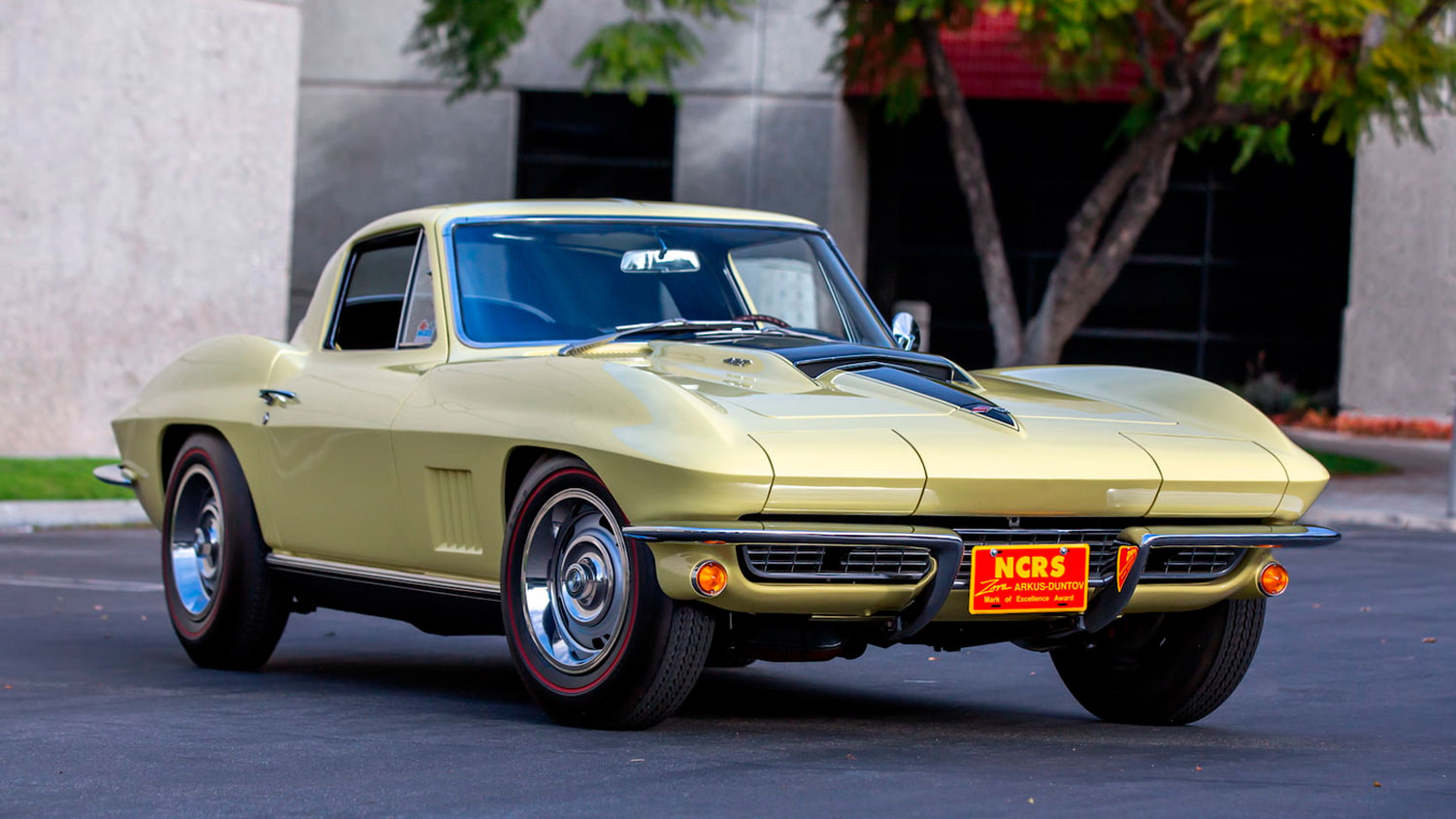
Beyond the mechanical specifications that made all L88 Corvettes special, the 1967 coupes represent the purest expression of Chevrolet’s racing intentions. The deletion of comfort features, aggressive engine specifications, and purpose-built components created a vehicle that was uncompromising in its focus on performance.
Original examples with documented racing provenance, matching-numbers components, and comprehensive restoration work represent the absolute peak of Corvette collecting, with values that reflect their significance in American automotive history.
The multi-million-dollar valuations achieved by 1967 L88 coupes demonstrate the enduring appeal of American muscle cars and the premium collectors place on the rarest and most significant examples.
These vehicles transcend their origins as production sports cars to become rolling artifacts of a golden era in American performance engineering, justifying their positions among the most expensive muscle cars ever sold at auction.
