
When enthusiasts think of automotive rarity, Italian exotics like the Ferrari Enzo immediately come to mind. With only 400 units produced, the Enzo represents exclusivity at its finest.
However, the American muscle car scene harbors its own collection of unicorns machines so rare that they make even the legendary Enzo seem almost common by comparison. American muscle cars have always embodied raw power, aggressive styling, and straight-line performance.
While many classic muscle cars were produced in significant numbers to satisfy the appetites of speed-hungry consumers during the golden era of the 1960s and early 1970s, certain configurations, special editions, and limited-production models slipped through the cracks of history in extraordinarily small quantities.
These ultra-rare American performance machines weren’t necessarily created as halo cars or flagship models. Many became rare due to unusual option combinations, racing homologation requirements, or simply because they were produced during a brief window before regulations, market conditions, or manufacturer decisions shut down production.
Some were factory experimental vehicles, while others were dealer specials or race-ready variants that never gained mainstream attention.
The cars on this list represent the pinnacle of American muscle car rarity machines that surviving examples can be counted on one or two hands, making them exponentially rarer than Ferrari’s 400-unit Enzo.
These are the holy grails that collectors spend lifetimes searching for, the barn-find dreams that fuel automotive enthusiasm, and the rolling pieces of history that command seven-figure price tags when they do surface at auction.
1. 1969 Chevrolet Camaro ZL1
The 1969 Chevrolet Camaro ZL1 stands as perhaps the most legendary and rarest production muscle car ever created by General Motors.
With only 69 units produced, this aluminum-block beast represents the ultimate expression of Chevrolet’s first-generation Camaro performance potential. The ZL1 wasn’t just rare it was astronomically expensive when new, costing approximately $7,200 at a time when a base Camaro started around $2,700.
At the heart of the ZL1 was the all-aluminum 427 cubic inch V8 engine, officially rated at 430 horsepower but actually producing closer to 550 horsepower in reality.
This engine was a masterpiece of engineering, featuring aluminum block and heads that reduced weight significantly compared to iron alternatives.
The weight savings transformed the Camaro’s handling characteristics while maintaining devastating straight-line performance. The ZL1 could blast through the quarter-mile in the low 12-second range straight from the factory, making it one of the quickest production cars of its era.

The extreme rarity of the ZL1 stems from its prohibitive cost and specialized nature. Chevrolet created the ZL1 package primarily for NHRA racing homologation, requiring a minimum production run to qualify the engine for competition.
The package was essentially a regular production option, coded RPO ZL1, but its four-figure price premium meant only the most serious racers and wealthy enthusiasts could justify the purchase.
Most buyers were drag racers who immediately stripped the cars for competition duty, which is why survivor examples in original condition are virtually nonexistent.
Today, the 1969 Camaro ZL1 represents the absolute pinnacle of Chevrolet muscle car collecting. Authentic examples command prices well into seven figures, with the most documented and original cars breaking auction records regularly.
The combination of brutal performance, revolutionary engineering, and extreme scarcity makes the ZL1 not just rarer than a Ferrari Enzo, but one of the most valuable American cars ever produced.
Finding one of the 69 original ZL1 Camaros today is like discovering an automotive treasure, and authentication requires extensive documentation and expert verification due to the prevalence of clones and tributes.
2. 1970 Plymouth Hemi Superbird
The 1970 Plymouth Superbird emerged from Chrysler’s NASCAR homologation wars as one of the most visually distinctive and aerodynamically advanced muscle cars ever created.
While approximately 1,920 Superbirds were produced to meet NASCAR’s requirements, only a handful were equipped with the legendary 426 Hemi engine estimates suggest fewer than 135 Hemi Superbirds exist, making them exponentially rarer than the Ferrari Enzo.
The Superbird’s dramatic appearance resulted from pure racing necessity. Plymouth engineers added a massive rear wing that stood nearly two feet above the trunk and a radical nose cone that extended 19 inches beyond the standard Road Runner’s front end.
These aerodynamic modifications allowed the Superbird to slice through air with unprecedented efficiency, reaching speeds exceeding 200 mph on NASCAR’s superspeedways.
The modifications weren’t just for show they represented cutting-edge aerodynamic theory translated into sheet metal and fiberglass.
The 426 Hemi engine transformed the already radical Superbird into a legendary performance machine. This engine represented Chrysler’s ultimate weapon, featuring hemispherical combustion chambers that allowed exceptional breathing and power production.

Officially rated at 425 horsepower, the Hemi actually produced significantly more estimates range from 500 to 600 horsepower depending on tune and conditions. The Hemi option added substantial cost to the already expensive Superbird, which explains its extreme rarity.
Plymouth dealers initially struggled to sell Superbirds because their wild styling seemed too extreme for public roads. The massive wing and elongated nose made the cars difficult to park and visually polarizing.
Many dealers actually removed the aerodynamic equipment to make cars more sellable, unknowingly destroying future classics. The Hemi-equipped versions faced additional challenges because the engine required premium fuel and regular maintenance, making them impractical for daily driving.
Today, Hemi Superbirds represent the holy grail for Mopar collectors. Their combination of NASCAR racing heritage, distinctive styling, legendary engine, and extreme rarity creates the perfect collector storm.
Authenticated Hemi Superbirds regularly command prices exceeding two million dollars at auction, with the most documented examples becoming centerpieces of world-class collections.
The Superbird’s rarity, coupled with its unmistakable appearance and racing pedigree, ensures its status as one of America’s most coveted muscle cars.
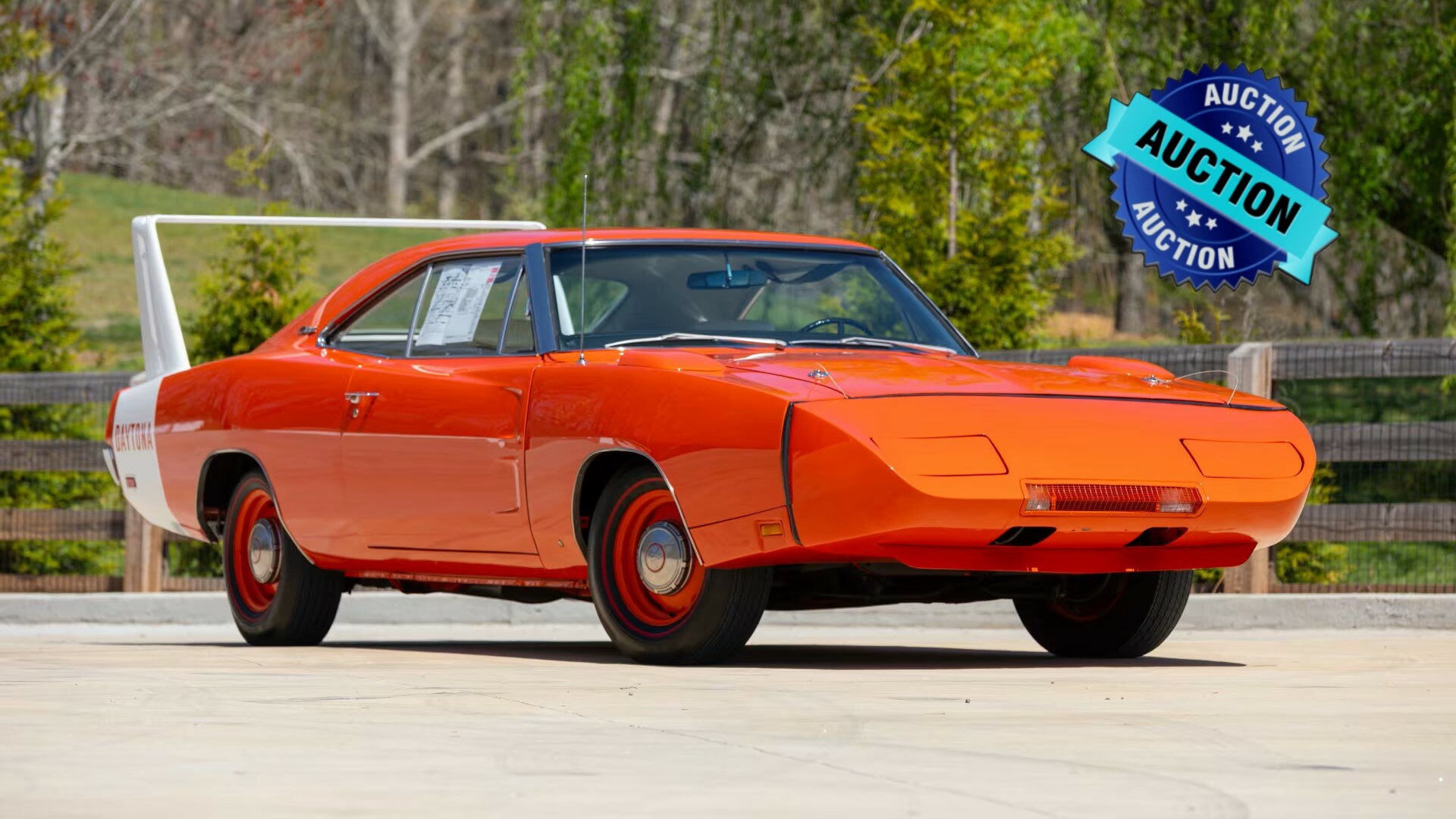
3. 1969 Dodge Charger Daytona Hemi
The 1969 Dodge Charger Daytona preceded and inspired its Plymouth Superbird sibling, representing Chrysler’s first foray into radical aerodynamic modification for NASCAR supremacy.
While total Daytona production reached approximately 503 units to satisfy homologation requirements, only around 70 cars received the 426 Hemi engine, making them significantly rarer than Ferrari’s 400-unit Enzo production.
Dodge created the Daytona specifically to recapture NASCAR dominance from Ford’s sleek Torino Talladega and Mercury Cyclone Spoiler models.
Engineers added a streamlined nose cone that extended 18 inches forward and a towering rear wing mounted on vertical supports. These modifications reduced aerodynamic drag significantly while increasing high-speed stability.
The Daytona became the first NASCAR vehicle to officially exceed 200 mph during testing, validating Chrysler’s aerodynamic gamble. The Hemi engine option raised the Daytona from remarkable to legendary status.
The 426 cubic inch powerplant featured exotic engineering including hemispherical combustion chambers, dual four-barrel carburetors, and bulletproof internals capable of withstanding sustained high-RPM operation.
The engine’s conservative 425 horsepower rating significantly understated its actual output, which approached or exceeded 500 horsepower in stock trim. Mated to heavy-duty transmissions and Dana 60 rear axles, Hemi Daytonas could dominate both drag strips and road courses.
The Daytona’s extreme styling proved even more controversial than the subsequent Superbird. The radical aerodynamic modifications made the car instantly recognizable but practically challenging.
The extended nose complicated parking, while the massive wing attracted constant attention and occasional vandalism. Many original buyers, intimidated by the car’s wild appearance and the Hemi engine’s maintenance demands, quickly sold their Daytonas or traded them for conventional vehicles.
Contemporary collectors recognize Hemi Daytonas as pinnacle Mopar investments. The combination of NASCAR racing success, groundbreaking aerodynamics, legendary Hemi power, and extreme scarcity creates immense desirability.
Authenticated Hemi Daytonas routinely achieve seven-figure auction results, with the most original and documented examples commanding premium prices.
Finding a genuine Hemi Daytona requires extensive verification, as the car’s value has spawned numerous clones and recreations that attempt to capitalize on the original’s legendary status.
4. 1969 Chevrolet Corvette ZL1
The 1969 Chevrolet Corvette ZL1 represents the rarest and most powerful production Corvette of the classic muscle car era, with only two factory-built examples known to exist.
This microscopic production run makes the ZL1 Corvette approximately 200 times rarer than the Ferrari Enzo and transforms these cars into seven-figure collectibles that rarely emerge from their climate-controlled garages.
Both ZL1 Corvettes were specially ordered through dealer connections by customers who understood the engine’s potential and were willing to pay the astronomical premium.
The all-aluminum 427 cubic inch V8, designated RPO ZL1, was the same engine that powered the ultra-rare Camaro ZL1, featuring aluminum block and heads that saved approximately 100 pounds compared to conventional cast-iron construction.
In the lighter Corvette chassis, this weight savings dramatically improved power-to-weight ratio and handling dynamics. The ZL1 engine’s official 430 horsepower rating grossly understated its actual capabilities. Real-world dyno testing revealed output closer to 550-600 horsepower, depending on tuning and atmospheric conditions.

This tremendous power transformed the already capable Corvette into a supercar-slaying performance machine capable of sub-12-second quarter-mile times and top speeds approaching 180 mph. The engine’s exotic construction and race-derived components made it virtually bulletproof under hard use.
The extreme rarity of the ZL1 Corvette resulted from economics rather than production limitations. The ZL1 option carried a staggering $4,700 price premium at a time when an entire base Corvette cost around $4,400.
This meant customers effectively paid double the base price to get the aluminum engine, making it accessible only to the wealthiest enthusiasts or most dedicated racers. General Motors didn’t actively market the option, and most dealers remained unaware it existed.
Today, both surviving ZL1 Corvettes are documented, authenticated, and valued in the millions. These cars represent the ultimate expression of C3 Corvette performance and American engineering ambition during the muscle car era’s peak.
Their combination of exotic engine technology, minuscule production numbers, and documented provenance places them among the most valuable American vehicles ever created, far exceeding the rarity and often the value of far more famous European exotics.
Also Read: 8 Most Expensive American Muscle Cars Ever Sold, Ranked by Auction Records
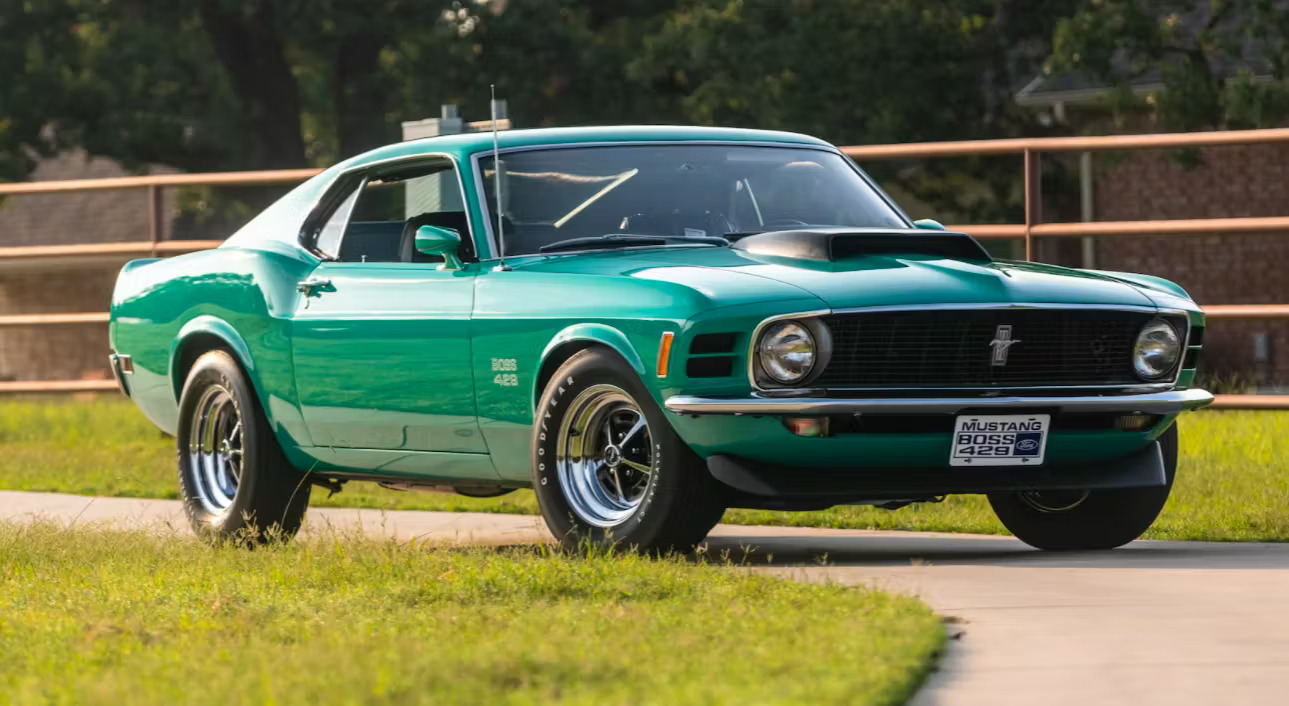
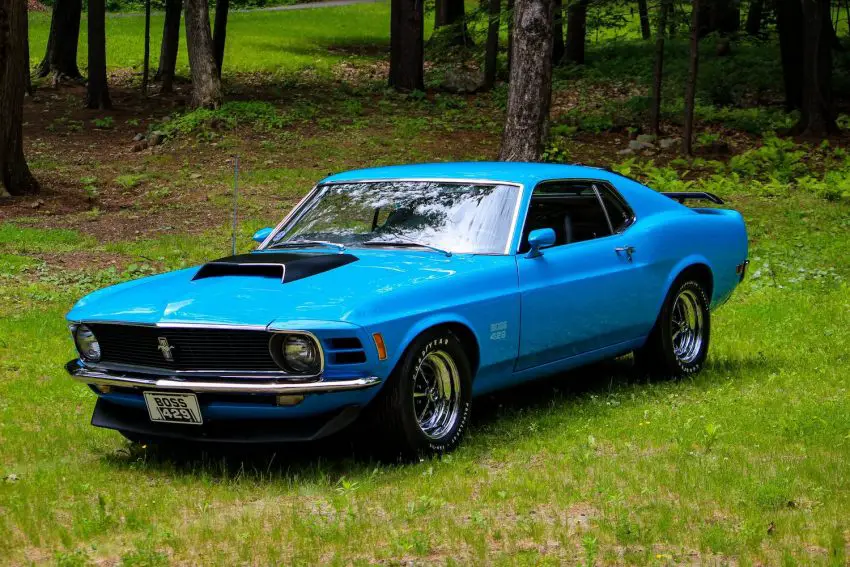
5. 1970 Ford Mustang Boss 429
The 1970 Ford Mustang Boss 429 concluded the brief two-year production run of Ford’s most extreme factory muscle car. While total Boss 429 production across 1969-1970 reached approximately 1,359 units, the 1970 model year saw only 499 examples built, making it rarer than the Ferrari Enzo.
However, when considering specific color and transmission combinations, certain 1970 Boss 429s exist in single-digit quantities. Ford created the Boss 429 program specifically to homologate the “semi-hemi” 429 cubic inch V8 for NASCAR competition.
The engine featured massive canted-valve aluminum cylinder heads that couldn’t fit under the standard Mustang hood without extensive modifications. Ford contracted Kar Kraft, a specialty engineering firm, to perform the necessary conversions.
Each Boss 429 received widened shock towers, revised suspension components, a functional hood scoop, and various chassis reinforcements to handle the engine’s tremendous output.
The Boss 429 engine represented Ford’s most advanced production V8, featuring hemispherical combustion chambers similar to Chrysler’s legendary Hemi design. With 375 advertised horsepower, the engine actually produced substantially more estimates range from 450 to 500 horsepower in stock configuration.
The engine’s conservative tune prioritized reliability and streetability over maximum power, but simple modifications released tremendous additional performance. The Boss 429 could crack the quarter-mile in the high 13-second range despite weighing over 3,800 pounds.
Production ceased after 1970 when Ford achieved its NASCAR homologation goals and market conditions shifted. The Boss 429’s high cost, brutal performance, and race-oriented nature limited its appeal to mainstream buyers.
Most examples went to drag racers and serious enthusiasts who understood the car’s significance and capabilities. Finding a 1970 Boss 429 in original, unmodified condition is extraordinarily difficult because most examples saw hard use or racing duty.
Contemporary collectors recognize Boss 429 Mustangs as blue-chip investments representing Ford’s ultimate muscle car expression. The 1970 models command particular attention due to their single-year styling details and limited production.
Authenticated Boss 429s regularly achieve six-figure prices, with the most original and rare examples exceeding $400,000. The combination of NASCAR racing heritage, exotic engine technology, and genuine rarity ensures the Boss 429’s status among America’s most desirable performance cars.
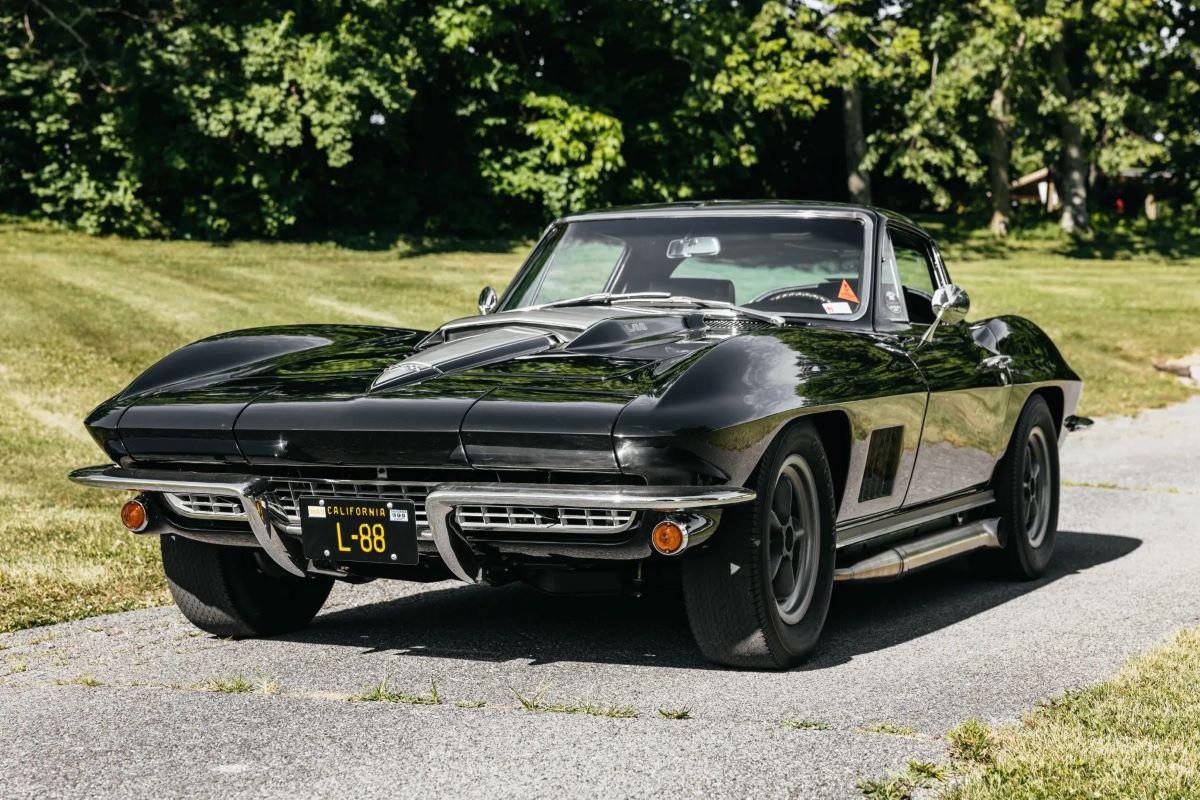
6. 1967 Chevrolet Corvette L88
The 1967 Chevrolet Corvette L88 initiated what would become one of the most legendary option packages in automotive history, yet only 20 examples were produced in its debut year.
This microscopic production run makes the 1967 L88 Corvette 20 times rarer than the Ferrari Enzo and transforms these cars into multi-million-dollar collectibles that represent the pinnacle of C2 Corvette performance.
Chevrolet designed the L88 package primarily for racing applications, creating a barely street-legal factory race car that serious competitors could purchase directly from dealers.
The centerpiece was a specially prepared 427 cubic inch V8 featuring an extremely high 12.5:1 compression ratio, radical solid-lifter camshaft, aluminum cylinder heads, and a single monstrous Holley carburetor atop an aluminum intake manifold.
Chevrolet conservatively rated the engine at 430 horsepower to discourage casual buyers and avoid insurance implications, but actual output approached or exceeded 550 horsepower.
The L88 package extended far beyond the engine, encompassing heavy-duty suspension components, transistorized ignition, positraction rear axle, and mandatory deletion of typical comfort features including the radio and heater.
Chevrolet intentionally made the L88 uncomfortable and impractical for street use to emphasize its racing orientation. The package carried a substantial premium and came with explicit warnings about its unsuitability for normal driving conditions.
The extreme rarity of 1967 L88 Corvettes resulted from Chevrolet’s successful efforts to keep them away from typical consumers. The combination of high cost, racing-oriented nature, and lack of comfort features meant only the most serious competitors ordered L88 cars.
Most of the 20 examples produced went directly to established racing teams or wealthy privateers who immediately began competition preparation. Many never registered for street use and lived their entire lives at racetracks.
Today, authenticated 1967 L88 Corvettes represent the absolute pinnacle of Corvette collecting, regularly achieving prices exceeding three million dollars at auction. These cars combine cutting-edge 1960s performance technology, documented racing history, and breathtaking scarcity.
Verifying authenticity requires meticulous documentation research because the L88’s tremendous value has spawned countless clones and tributes. Finding a genuine 1967 L88 with documented history represents the ultimate achievement for serious Corvette collectors.
7. 1971 Plymouth Hemi Cuda Convertible
The 1971 Plymouth Hemi Cuda Convertible stands as perhaps the single rarest and most valuable muscle car configuration ever produced, with estimates suggesting only seven genuine examples exist.
This makes the 1971 Hemi Cuda Convertible approximately 57 times rarer than the Ferrari Enzo and explains why authenticated examples have sold for prices exceeding five million dollars.
Plymouth’s 1971 model year proved disastrous for high-performance models as insurance rates skyrocketed and emissions regulations tightened.
The legendary 426 Hemi engine faced its final year of production, and demand had plummeted from its late-1960s peak. The convertible body style added substantial cost and complexity while offering minimal practical advantages for performance-oriented buyers. The combination of these factors created a perfect storm of rarity.
The 426 Hemi engine remained unchanged in 1971, still featuring hemispherical combustion chambers, dual four-barrel carburetors, and bulletproof internals capable of withstanding sustained abuse.
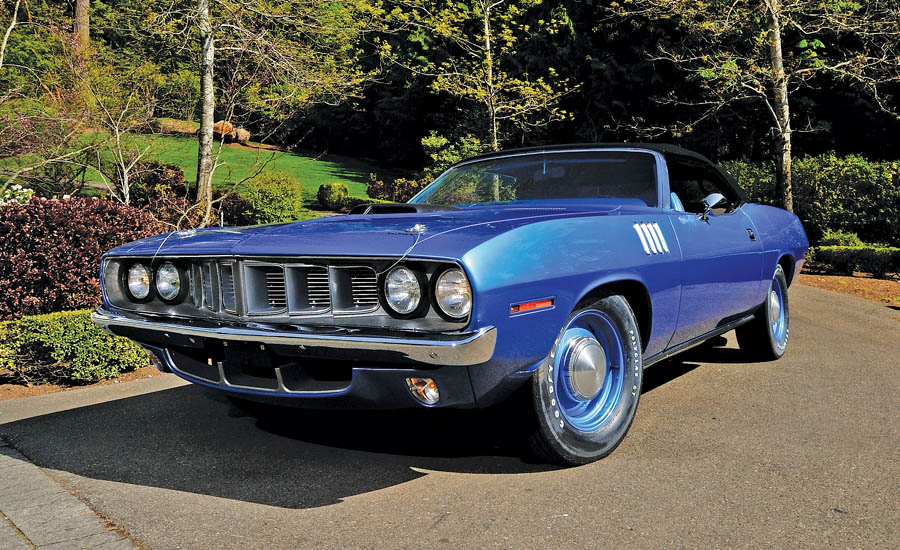
However, insurance companies now categorize Hemi-equipped vehicles as high-risk, often doubling or tripling premiums for young drivers. This made the already expensive Hemi Cuda nearly unobtainable for the typical muscle car demographic, severely limiting sales.
Documentation suggests approximately seven 1971 Hemi Cuda Convertibles left the factory, though some experts believe the number might be as low as two or as high as eleven.
The uncertainty exists because Chrysler’s records from this period remain incomplete, and determining authentic factory Hemi installations versus period conversions or modern clones requires extensive forensic examination. Every claimed example undergoes intense scrutiny from experts and enthusiasts attempting to verify its authenticity.
The astronomical values commanded by 1971 Hemi Cuda Convertibles reflect their status as the ultimate American muscle car collectible. These cars represent the absolute end of an era the final year for the legendary Hemi engine in a production Plymouth, combined with the rarest body style and most distinctive styling of the E-body generation.
The combination of single-digit production, iconic status, and documentary scarcity creates a perfect collector storm that ensures these cars will remain among the most valuable American vehicles for generations.
8. 1970 Chevrolet Chevelle SS454 LS6 Convertible
The 1970 Chevrolet Chevelle SS454 LS6 Convertible represents one of the most potent and rarest combinations in the Chevelle lineup, with fewer than 20 examples believed to exist.
While total LS6 production reached approximately 4,475 units in 1970, the convertible body style accounted for only a tiny fraction of that figure, making these cars significantly rarer than the 400-unit Ferrari Enzo production.
The LS6 engine represented Chevrolet’s answer to the horsepower wars’ final escalation, officially rated at 450 horsepower the highest factory rating of the muscle car era.
The 454 cubic inch V8 featured 11.25:1 compression, aggressive solid-lifter camshaft, rectangular-port aluminum intake manifold, and a massive 800 CFM Holley carburetor.
Real-world testing revealed actual output likely exceeded 500 horsepower, making the LS6 one of the most powerful production engines ever installed in an American car.
The convertible body style added significant weight and cost while compromising structural rigidity hardly ideal characteristics for a performance vehicle.

Most buyers seeking maximum performance selected the lighter and more rigid coupe body style, which explains the convertible’s microscopic production numbers.
Additionally, the LS6 option carried a substantial premium, and pairing it with the expensive convertible body created an extremely costly combination that few buyers could justify.
Period road tests documented the LS6 Chevelle’s devastating performance, with quarter-mile times in the low 13-second range at over 105 mph straight from the factory.
The engine’s tremendous torque 500 lb-ft at 3,600 rpm provided effortless acceleration and made the Chevelle nearly unbeatable in stoplight-to-stoplight encounters. However, the power required careful throttle management to avoid overwhelming the rear tires or triggering dangerous wheelspin.
Today, authenticated LS6 Chevelle convertibles command prices exceeding $500,000, with the most original and documented examples approaching seven figures.
The combination of legendary engine performance, extreme rarity, and distinctive open-top styling creates immense collector appeal.
Verifying authenticity requires extensive documentation research and physical inspection, as the car’s value has spawned numerous clones combining genuine LS6 engines with convertible bodies or vice versa.
9. 1969 Ford Mustang Boss 429 Kar Kraft Build
The 1969 Ford Mustang Boss 429 launched Ford’s NASCAR homologation program with only 859 examples produced in its debut year.
However, within that limited production run, certain early “Kar Kraft” builds with unique specifications and hand-built components exist in quantities estimated below 50 units, making them exponentially rarer than the Ferrari Enzo.
Kar Kraft, Ford’s specialty engineering contractor, hand-assembled every Boss 429 Mustang in a converted garage facility in Brighton, Michigan.
The early 1969 production examples received unique components and assembly procedures that changed as production progressed and procedures standardized.
These early cars featured hand-fitted parts, unique engine components, and assembly details that distinguish them from later production units.
The massive 429 cubic inch “semi-hemi” V8 dominated the Boss 429’s identity, featuring aluminum cylinder heads with canted valves that provided exceptional breathing capability.

The engine’s conservative 375-horsepower rating significantly understated actual output, which approached 500 horsepower in stock tune.
The engine’s design prioritized durability and high-RPM performance for NASCAR competition rather than maximum street performance, resulting in a somewhat docile low-RPM personality that transformed into a monster above 4,000 rpm.
Early 1969 Boss 429s featured distinctive elements including specific VIN sequences, unique engine casting numbers, and hand-fabricated components that later production adopted in standardized form.
These cars often received additional attention during assembly because Kar Kraft workers were still refining procedures and troubleshooting the complex conversion process. Documentation of these early builds remains incomplete, adding mystery and controversy to authentication efforts.
Collectors prize early 1969 Boss 429 examples for their hand-built character and historical significance as the program’s foundation. The most documented and original examples command premium prices exceeding $400,000, particularly cars with documented racing history or unique specifications.
The combination of NASCAR heritage, exotic engine technology, hand-built assembly, and genuine scarcity ensures these early Boss 429s remain among Ford’s most coveted muscle cars.
10. 1970 Oldsmobile 442 W-30 Convertible
The 1970 Oldsmobile 442 W-30 Convertible concludes our list as one of the most overlooked yet genuinely rare muscle car combinations.
With production estimated between 110 and 264 units depending on sources, these cars rival or exceed the Ferrari Enzo’s rarity while flying under the radar of mainstream muscle car recognition.
Oldsmobile’s W-30 package transformed the already potent 442 into a serious performance machine through carefully selected modifications.
The package included a specially tuned version of the 455 cubic inch V8 featuring aggressive camshaft timing, higher compression, aluminum intake manifold with dual scoops feeding cool outside air directly to the carburetor, and a low-restriction exhaust system.
These modifications boosted output beyond the standard 442’s 365 horsepower rating, though Oldsmobile intentionally understated specifications to avoid insurance implications.
The convertible body style’s limited popularity with performance buyers explains the W-30 convertible’s extreme rarity. Most enthusiasts seeking maximum performance selected the lighter and more rigid coupe body, which better suited drag racing and aggressive street driving.

The convertible’s additional weight and structural flex compromised performance, and its significantly higher cost deterred budget-conscious buyers.
Period testing revealed the W-30 442’s impressive capabilities, with quarter-mile times in the low 14-second range and trap speeds approaching 100 mph.
The car combined this straight-line performance with surprisingly sophisticated handling dynamics thanks to Oldsmobile’s well-engineered suspension geometry and optional performance handling packages. The 442 offered a more refined, mature muscle car experience compared to its rawer competitors from Dodge, Plymouth, and Pontiac.
Today, authentic W-30 442 convertibles remain remarkably affordable relative to their rarity, with exceptional examples trading between $100,000 and $200,000.
This value proposition makes them increasingly attractive to collectors seeking rare muscle cars without the seven-figure price tags commanded by Hemi Mopars or ZL1 Camaros.
As the broader collector market recognizes the W-30 convertible’s genuine scarcity, values continue appreciating steadily, suggesting these overlooked Oldsmobiles may represent the muscle car collecting world’s best-kept secret.
Also Read: 10 Most Reliable American SUVs Released Within the Last Five Years
