
Finding a reliable sports car that won’t drain your wallet through constant repairs is the holy grail for automotive enthusiasts on a budget. While sports cars have historically carried a reputation for expensive maintenance and frequent breakdowns, the market has evolved significantly over the past two decades.
Today’s used sports car market offers numerous options that combine thrilling performance with impressive reliability ratings, all available for under $30,000.
The key to finding these automotive gems lies in understanding which manufacturers prioritized engineering excellence and which specific models have proven their durability over time.
Japanese automakers have traditionally dominated the reliability arena, but several European and American manufacturers have also produced sports cars that defy the stereotype of temperamental performance vehicles.
This carefully curated list focuses on sports cars that have established track records of dependability, backed by owner surveys, reliability ratings from trusted automotive sources, and proven longevity in real-world conditions.
These vehicles offer the excitement of responsive handling, satisfying acceleration, and engaging driving dynamics without the anxiety of wondering when the next repair bill will arrive.
Whether you’re a weekend canyon carver, a track day enthusiast, or simply someone who appreciates the connection between driver and machine, these ten sports cars prove that reliability and performance aren’t mutually exclusive.
Each vehicle on this list represents an excellent value proposition, offering years of driving pleasure without the financial burden that often accompanies sports car ownership. From affordable roadsters to powerful coupes, there’s something here for every enthusiast seeking dependable thrills on a reasonable budget.
1. Mazda MX-5 Miata (2006-2015)
The Mazda MX-5 Miata stands as the automotive world’s most compelling argument that sports cars don’t need massive horsepower or complicated engineering to deliver pure driving joy.
Across multiple generations, the Miata has earned a legendary reputation for reliability that rivals economy sedans, making it the perfect entry point for enthusiasts seeking worry-free sports car ownership.
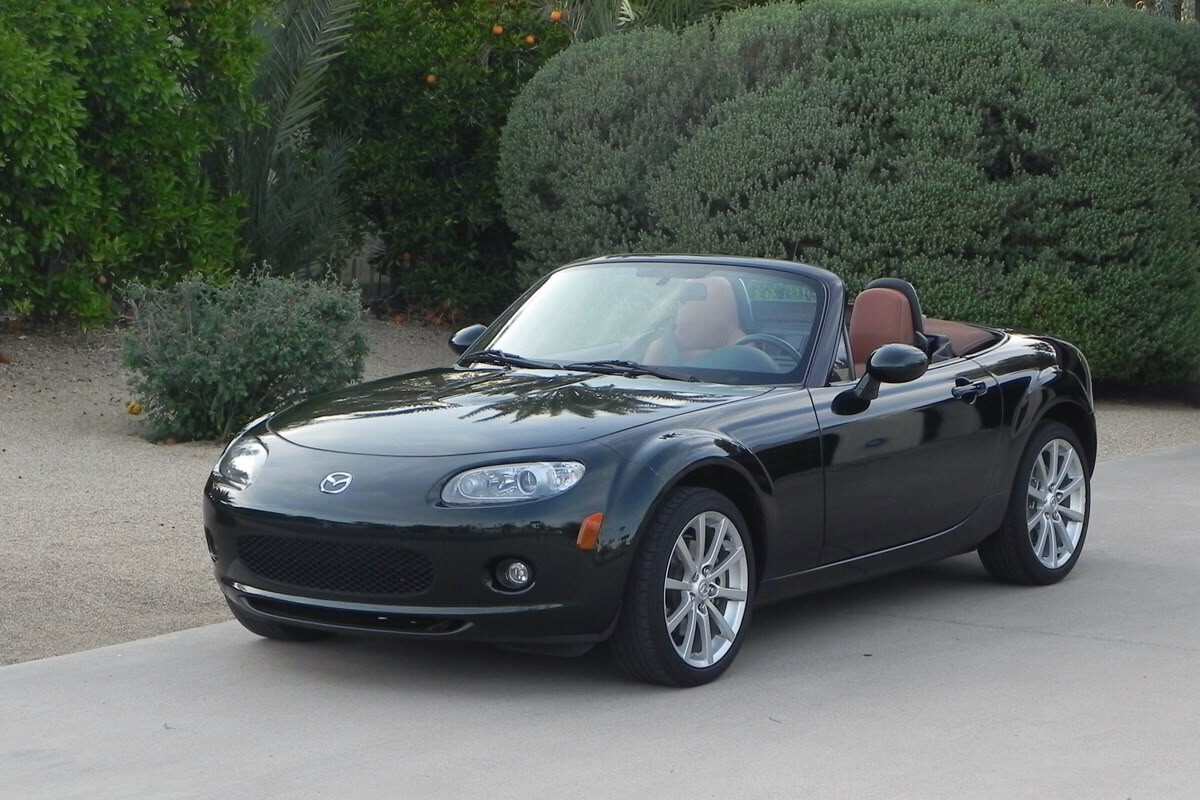
The third-generation NC Miata, produced from 2006 to 2015, represents a sweet spot in the model’s evolution. These cars featured improved refinement over earlier models while maintaining the lightweight, tossable character that made the Miata famous.
Under the hood, a 2.0-liter four-cylinder engine produced between 158 to 167 horsepower depending on the year, which might seem modest on paper but feels perfectly matched to the car’s 2,500-pound curb weight.
What makes the NC Miata exceptionally reliable is Mazda’s conservative engineering approach. The naturally aspirated engine uses proven technology without turbochargers or complex direct injection systems that can cause problems.
The manual transmission is robust and straightforward, while the optional automatic, though less engaging, also proves durable. The simple rear-wheel-drive layout means fewer components to fail, and the car’s mechanical simplicity makes DIY maintenance accessible even for novice mechanics.
Common maintenance items are inexpensive and predictable. Oil changes, brake pads, and tires represent the bulk of ownership costs, and these consumables are priced reasonably for a sports car.
The soft-top convertible mechanism is elegantly simple and rarely experiences issues, unlike complex power-folding hardtops found on other convertibles.
When problems do occur, parts availability is excellent and labor costs remain reasonable since most mechanics are familiar with these straightforward machines. Finding a clean NC Miata under $30,000 is straightforward, with many excellent examples available between $12,000 and $18,000.
This leaves budget for modifications or simply peace of mind knowing you’ve got money set aside that likely won’t be needed for repairs. The Mazda MX-5 Miata proves that the most reliable sports car might also be the most fun.
2. Porsche Cayman/Boxster 987 (2009-2012)
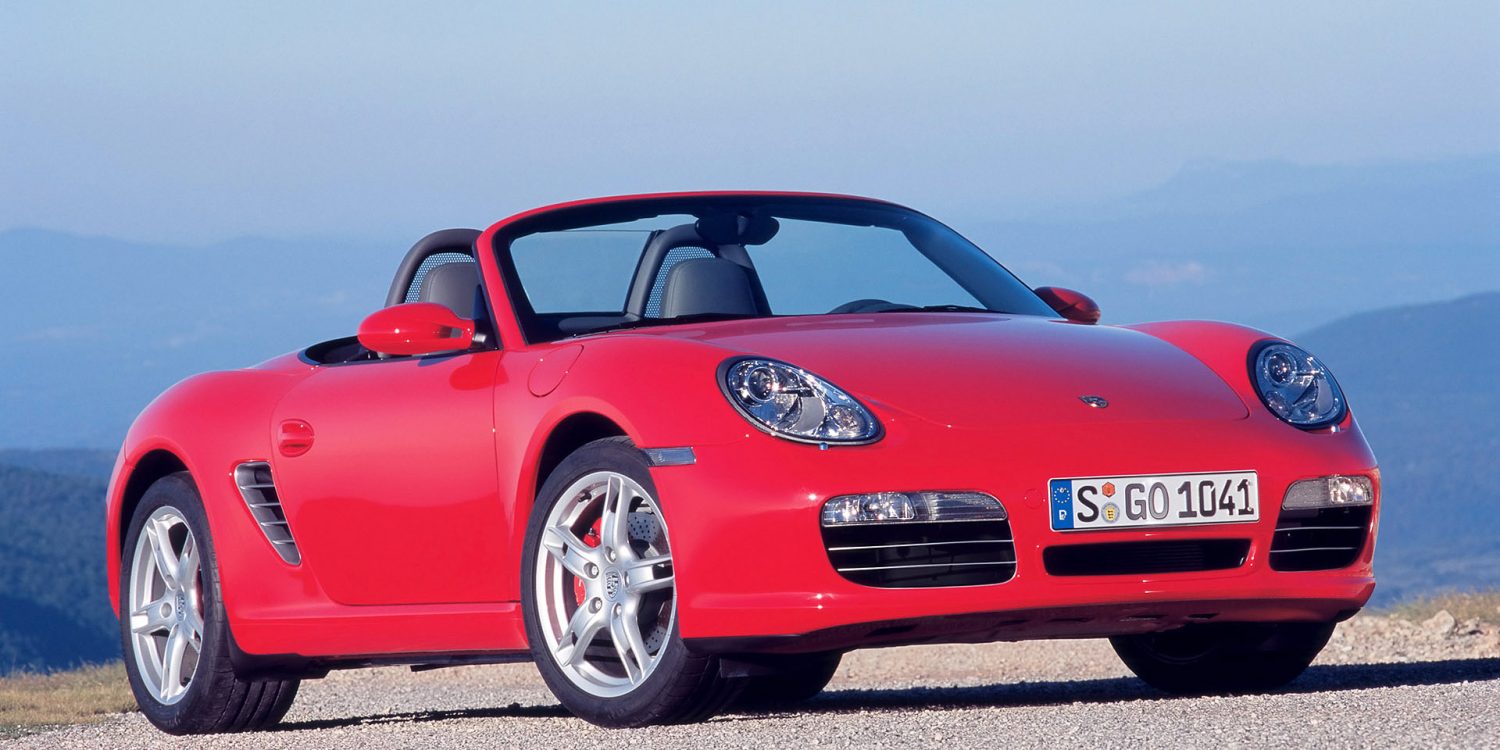
Suggesting a Porsche as a reliable budget sports car might seem counterintuitive, but the 987-generation Cayman and Boxster from 2009 onwards represent exceptional values for discerning enthusiasts.
After Porsche resolved the intermediate shaft bearing issue that plagued earlier models, these mid-engine sports cars became remarkably dependable machines that deliver genuine exotic car thrills with pedestrian maintenance requirements.
The 987.2 generation, introduced for the 2009 model year, featured direct fuel injection and increased displacement, with the base models using a 2.9-liter flat-six producing 265 horsepower, while the S variants employed a 3.4-liter engine generating 320 horsepower.
More importantly, Porsche completely redesigned the engine’s intermediate shaft bearing system, eliminating the catastrophic failure risk that haunted earlier 987 models and the 996/997 generation 911s.
These Porsches offer driving dynamics that few cars at any price can match. The mid-engine layout provides perfectly balanced handling, the steering offers crystal-clear communication, and the manual transmission shifts with mechanical precision that feels like operating Swiss watchmaking.
The naturally aspirated flat-six engine produces an intoxicating soundtrack and delivers power in a linear, predictable manner that builds confidence on challenging roads.
Finding a well-maintained 987.2 Cayman or Boxster under $30,000 requires patience, but clean examples regularly appear in the $25,000 to $28,000 range.
A comprehensive pre-purchase inspection by a Porsche specialist is mandatory, but buyers who do their homework often discover that owning a Porsche is more accessible than the brand’s prestige suggests. These cars prove that German engineering excellence and reliability can coexist beautifully.
3. Honda S2000 (2004-2009)
The Honda S2000 represents the pinnacle of naturally aspirated four-cylinder engineering and stands as one of the most reliable sports cars ever built.
Produced from 1999 to 2009, the S2000 combined Honda’s legendary build quality with genuine high-performance credentials, creating a roadster that redlines at 9,000 RPM while matching the reliability of a Civic sedan.
The later AP2 generation, spanning 2004 to 2009, incorporated refinements that addressed the earlier car’s occasionally challenging handling characteristics.
Honda increased displacement from 2.0 to 2.2 liters, which slightly lowered the redline to 8,000 RPM but increased torque throughout the rev range, making the car more accessible for everyday driving.
The suspension geometry received updates that tamed the original’s nervous rear end, resulting in a more confidence-inspiring driving experience without sacrificing the car’s fundamental agility.
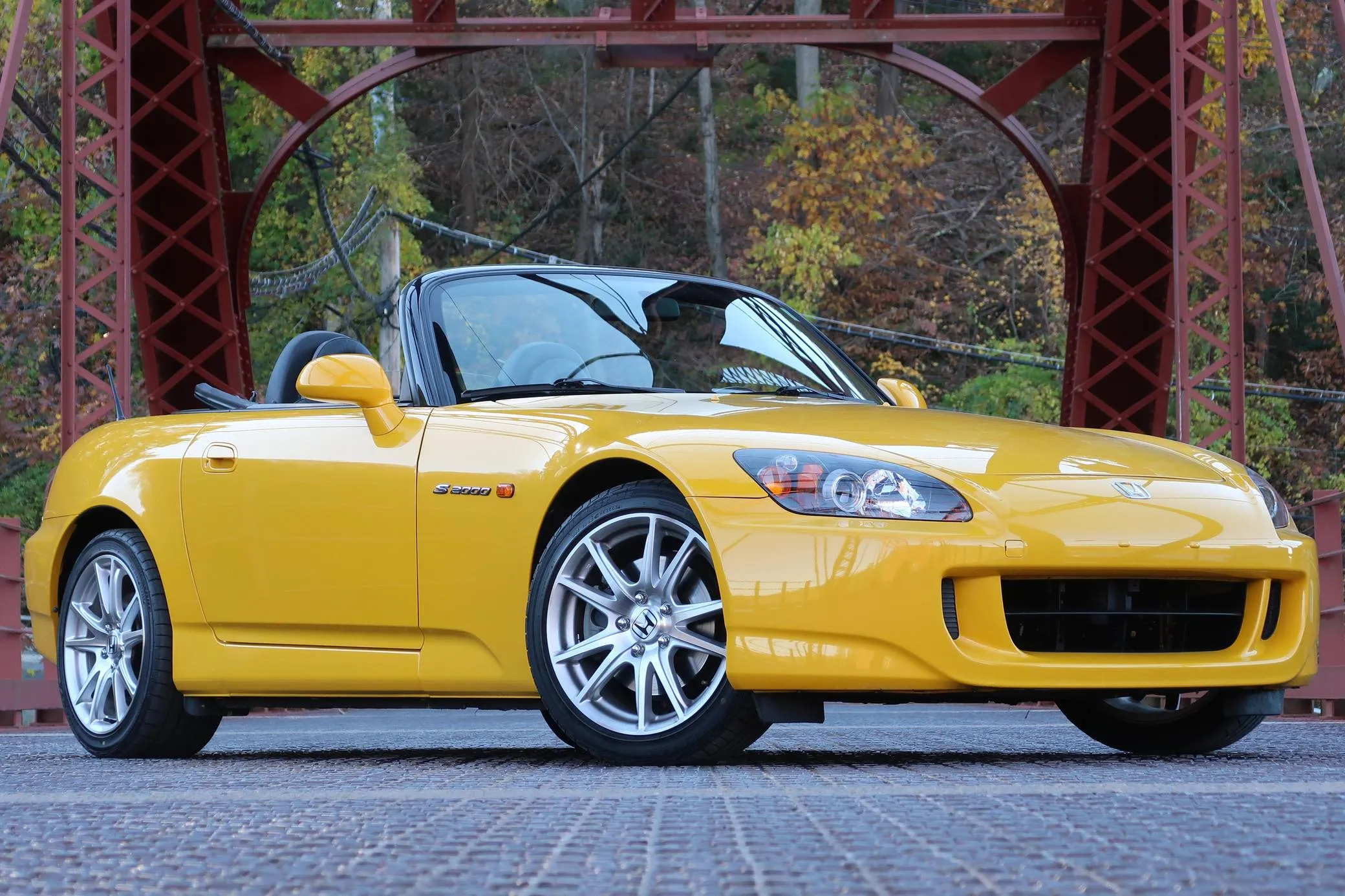
What makes the S2000 extraordinary is its engine. The F22C four-cylinder produces 237 horsepower and revs with a silky smoothness that must be experienced to be appreciated.
Honda equipped the engine with forged internals, titanium connecting rods, and meticulous balancing, resulting in a powerplant that can withstand decades of redline runs without complaint. The six-speed manual transmission shifts with mechanical precision, and the clutch proves durable even under enthusiastic driving.
The S2000 market has appreciated significantly, with clean examples now commanding $25,000 to $30,000 or more. Despite rising prices, the car remains an excellent value considering its capabilities, reliability, and future collectibility.
Finding an unmolested, well-maintained example requires patience, but the reward is a sports car that delivers exhilarating performance with Honda dependability. The S2000 proves that advanced engineering and reliability aren’t contradictory concepts.
4. Chevrolet Corvette C6 (2008-2013)
The sixth-generation Chevrolet Corvette, particularly models from 2008 onwards, represents American sports car engineering at its finest.
Combining tire-shredding performance with surprising reliability, the C6 Corvette delivers exotic car capabilities at working-class maintenance costs, making it one of the most accessible high-performance bargains available under $30,000.
General Motors refined the C6 platform throughout its production run, with 2008 and later models benefiting from resolved early issues and improved build quality.
The base model’s 6.2-liter LS3 V8 produces 430 horsepower and 424 lb-ft of torque, figures that embarrass many more expensive sports cars.
The engine’s pushrod design might seem old-fashioned compared to overhead-cam competitors, but this proven architecture delivers remarkable reliability alongside impressive fuel economy considering the performance available.
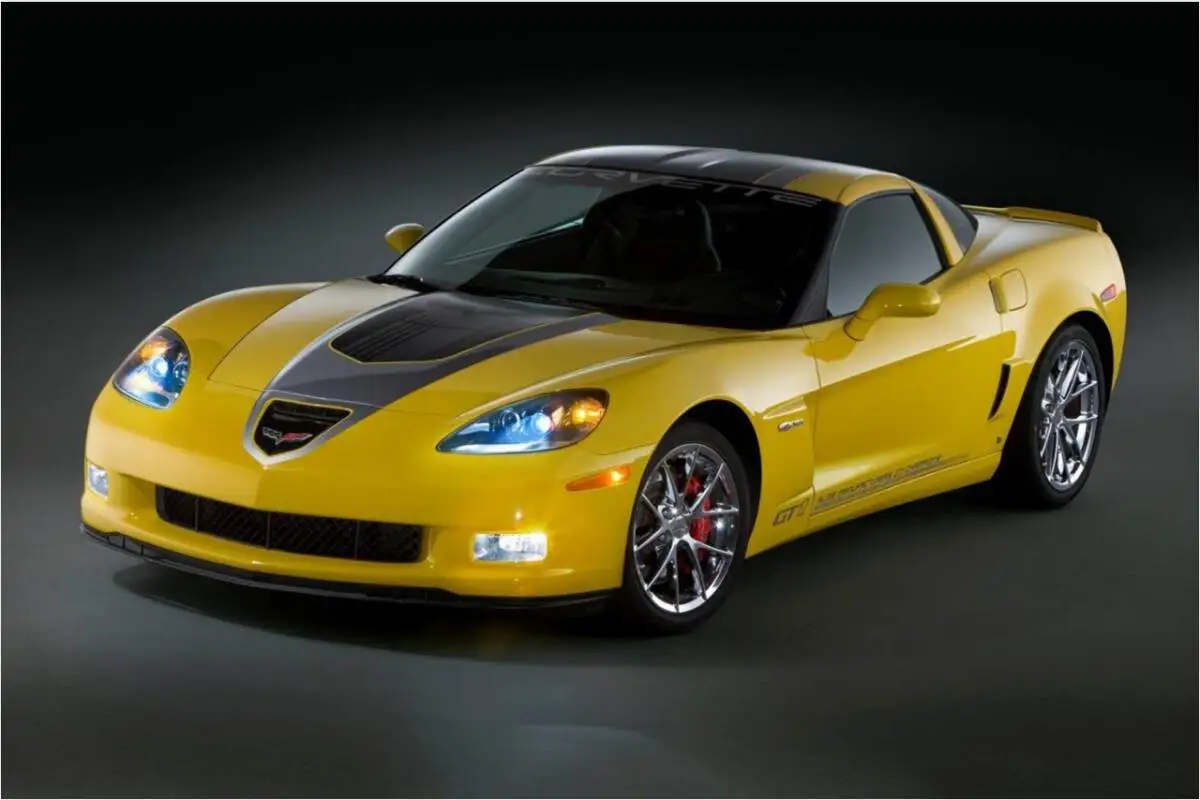
The LS3 engine represents decades of evolutionary refinement to General Motors’ small-block V8 architecture. Its simplicity is its strength no complicated direct injection, no turbochargers, no variable valve timing to fail.
Just a robust, oversquare V8 with hydraulic lifters and a single camshaft that can easily handle over 200,000 miles with basic maintenance.
The six-speed manual transmission, shared with heavy-duty pickup trucks, proves virtually indestructible, while the optional automatic, though less engaging, also demonstrates excellent longevity.
Finding a C6 Corvette under $30,000 is straightforward, with excellent examples available between $20,000 and $28,000 depending on mileage and condition.
The market offers numerous choices, allowing buyers to be selective. A pre-purchase inspection remains advisable, but the C6’s reputation for reliability means buyers can purchase with confidence.
The Corvette proves that American muscle can be just as dependable as imports while delivering thunderous V8 performance that never gets old.
Also Read: 11 Most Celebrated European Hot Hatches That Dominated the 2000s
5. Toyota 86/Scion FR-S (2013-2016)
The Toyota 86 and its mechanical twin, the Scion FR-S, represent a return to sports car fundamentals: lightweight construction, rear-wheel drive, and balanced handling.
Developed jointly by Toyota and Subaru, these affordable coupes prioritize driving engagement over raw power, creating a modern interpretation of classic sports car values backed by Toyota’s legendary reliability reputation.
Under the hood sits a Subaru-sourced 2.0-liter flat-four engine producing 200 horsepower and 151 lb-ft of torque. While these figures won’t impress horsepower enthusiasts, the car’s 2,800-pound curb weight means acceleration feels brisk, and the engine’s responsiveness rewards an enthusiastic right foot.
More importantly, the naturally aspirated boxer engine employs direct and port fuel injection, combining the benefits of both technologies while minimizing the carbon buildup issues that plague some direct-injection-only engines.
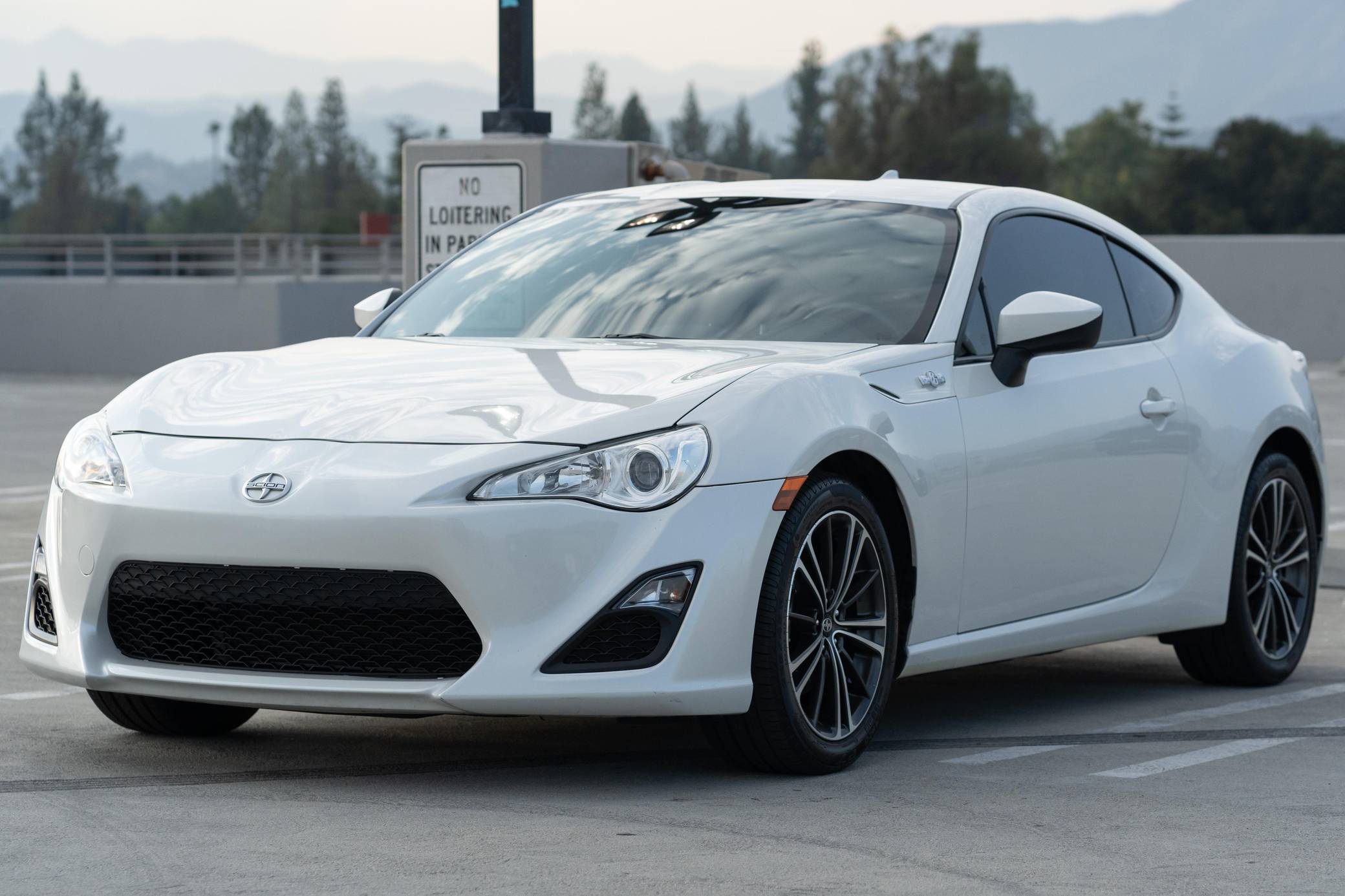
The 86/FR-S driving experience centers on chassis balance and handling precision rather than straight-line speed. The low center of gravity, provided by the horizontally-opposed engine, contributes to neutral handling characteristics that encourage spirited driving.
The steering communicates road surface details clearly, and the suspension strikes an excellent balance between daily driving comfort and weekend enthusiast capabilities. The car rotates willingly through corners, and its progressive limit behavior means drivers can explore its capabilities without sudden surprises.
Finding a clean 86 or FR-S under $30,000 is easy, with excellent examples available between $15,000 and $22,000 depending on mileage and condition.
The affordable price point leaves room in the budget for modifications or simply the satisfaction of owning a reliable sports car. The 86/FR-S proves that modern sports cars can deliver engaging driving dynamics and Toyota reliability without requiring six-figure budgets. These cars represent pure driving pleasure without the anxiety of impending repair bills.
6. Nissan 370Z (2013-2016)
The Nissan 370Z carries forward the legacy of affordable Japanese sports cars while delivering genuine high-performance credentials.
Representing the final evolution of the Z33/Z34 platform that began with the 350Z, the 370Z combines V6 power, sharp handling, and Japanese build quality into a compelling package that proves surprisingly reliable for a performance-focused sports car.
The 3.7-liter VQ37VHR V6 produces an impressive 332 horsepower and 270 lb-ft of torque, providing acceleration that genuinely excites.
This naturally aspirated engine represents the peak of Nissan’s VQ family development, incorporating variable valve timing and lift control for responsive power delivery across the rev range.
The engine sounds appropriately aggressive under acceleration, and it pulls strongly from low RPMs through the 7,500 RPM redline, eliminating the peaky power delivery that characterizes some high-revving engines.
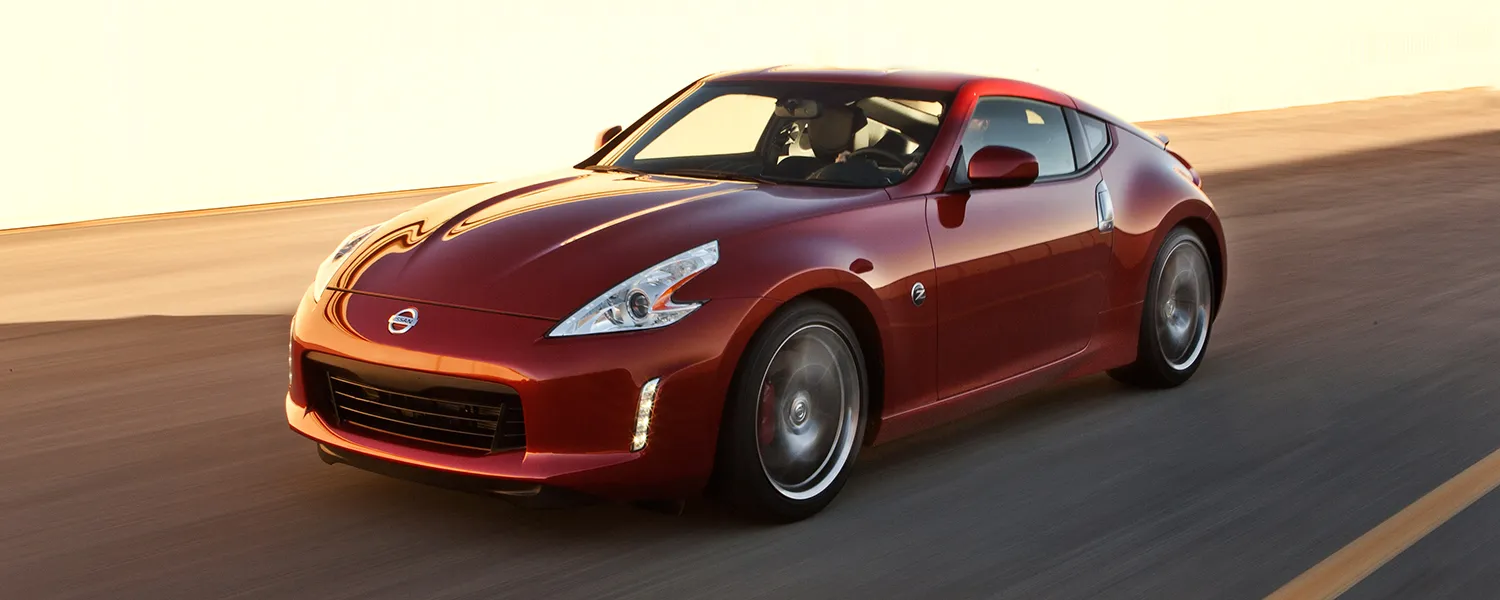
The chassis benefits from lessons learned during the 350Z’s long production run. Nissan reduced weight while increasing rigidity, resulting in sharper turn-in and more communicative handling.
The 370Z feels planted and confidence-inspiring through corners, with progressive limits that allow drivers to explore the car’s capabilities safely.
The steering provides adequate feedback, and the chassis balance encourages spirited driving without feeling intimidating. Available features like the mechanical limited-slip differential and sport-tuned suspension enhance the driving experience further.
Finding a 370Z under $30,000 offers numerous choices, with clean examples available between $18,000 and $26,000 depending on mileage, trim level, and condition.
The market inventory remains strong, allowing buyers to be selective and find well-maintained examples. The 370Z delivers genuine sports car thrills with Japanese reliability, proving that affordable performance doesn’t require compromise.
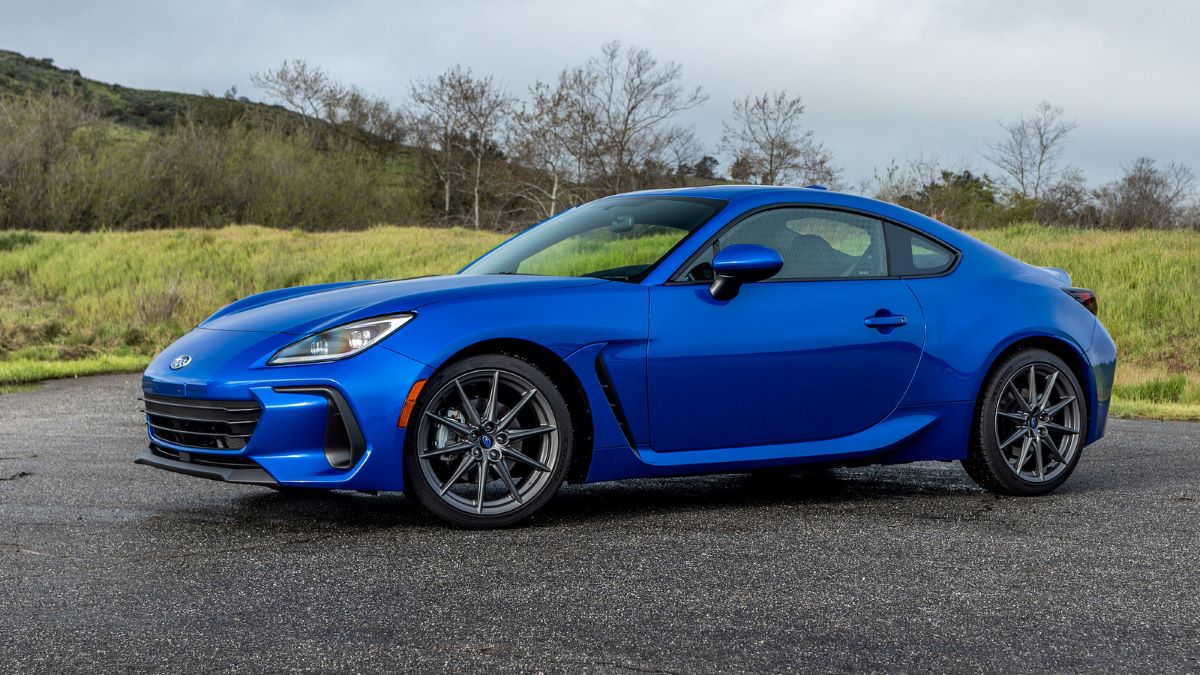
7. Subaru BRZ (2013-2016)
The Subaru BRZ shares its mechanical DNA with the Toyota 86/Scion FR-S but deserves separate recognition for Subaru’s unique engineering contributions and the brand’s rally-bred reputation for durability.
This lightweight rear-wheel-drive coupe represents Subaru’s philosophical commitment to driving engagement, translated into a sports car that prioritizes balance and precision over raw power.
The BRZ employs the same 2.0-liter FA20 horizontally-opposed four-cylinder engine as its Toyota sibling, producing 200 horsepower through a combination of direct and port fuel injection.
Subaru tuned the engine for smooth power delivery and responsive throttle response, creating a powerplant that rewards enthusiastic driving despite modest peak output.
The engine’s low mounting position contributes to the car’s remarkably low center of gravity, a critical factor in the BRZ’s exceptional handling characteristics.
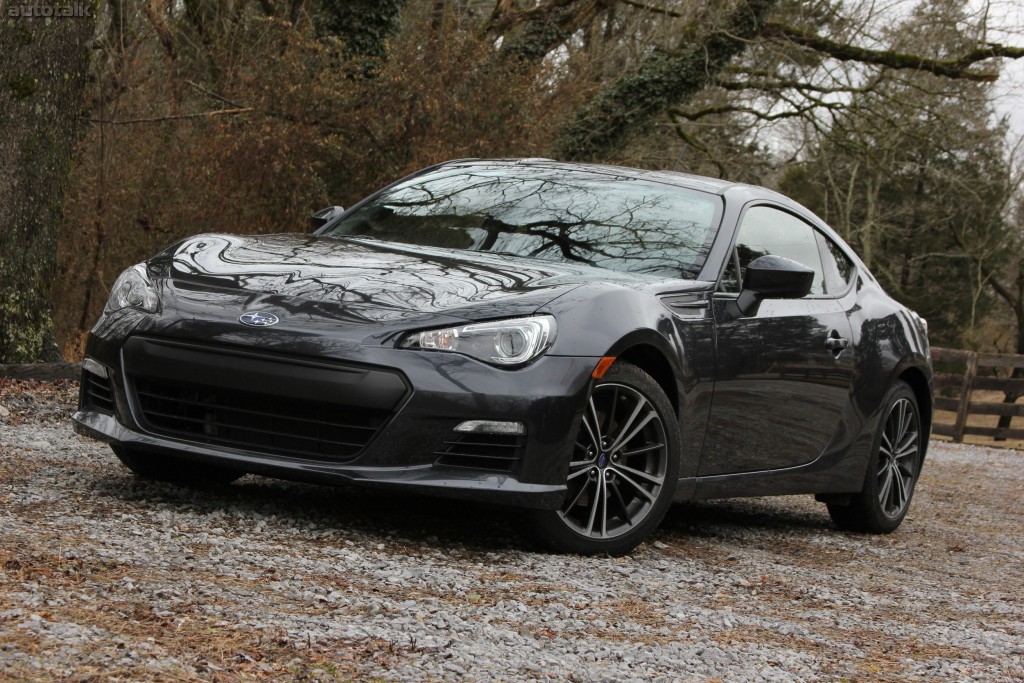
What distinguishes the BRZ from its mechanical twin involves subtle but meaningful differences in suspension tuning, chassis reinforcement, and interior appointments.
Subaru’s engineers calibrated the suspension for slightly firmer damping and more neutral cornering characteristics, appealing to drivers who prioritize precision over comfort.
The chassis features additional bracing in specific areas, enhancing structural rigidity and improving handling response. These differences create a driving experience that, while similar to the Toyota 86, offers its own character.
The BRZ proves that Subaru’s expertise extends beyond all-wheel-drive performance vehicles. This rear-wheel-drive sports car delivers the balanced handling and driving engagement that enthusiasts crave while maintaining the reliability that makes Subaru a trusted brand.
For buyers seeking a lightweight, affordable sports car that won’t require constant repairs, the BRZ represents an excellent choice that balances fun and dependability perfectly.
8. Hyundai Genesis Coupe 3.8 (2013-2016)
The Hyundai Genesis Coupe represents Korea’s successful entry into the affordable sports car market, combining rear-wheel-drive dynamics with surprising refinement and backed by Hyundai’s industry-leading warranty.
The 3.8-liter V6 variant particularly deserves attention for its strong performance, reasonable reliability, and exceptional value proposition that undercuts many competitors.
The 3.8 Track and R-Spec models employ a 3.8-liter V6 producing 348 horsepower and 295 lb-ft of torque, figures that rival or exceed more expensive competitors.
This direct-injected Lambda V6 delivers smooth power across the rev range, providing effortless acceleration and confident passing capability.
The engine feels refined during cruising yet responsive when pushed, creating a versatile character suited to both daily driving and weekend entertainment.
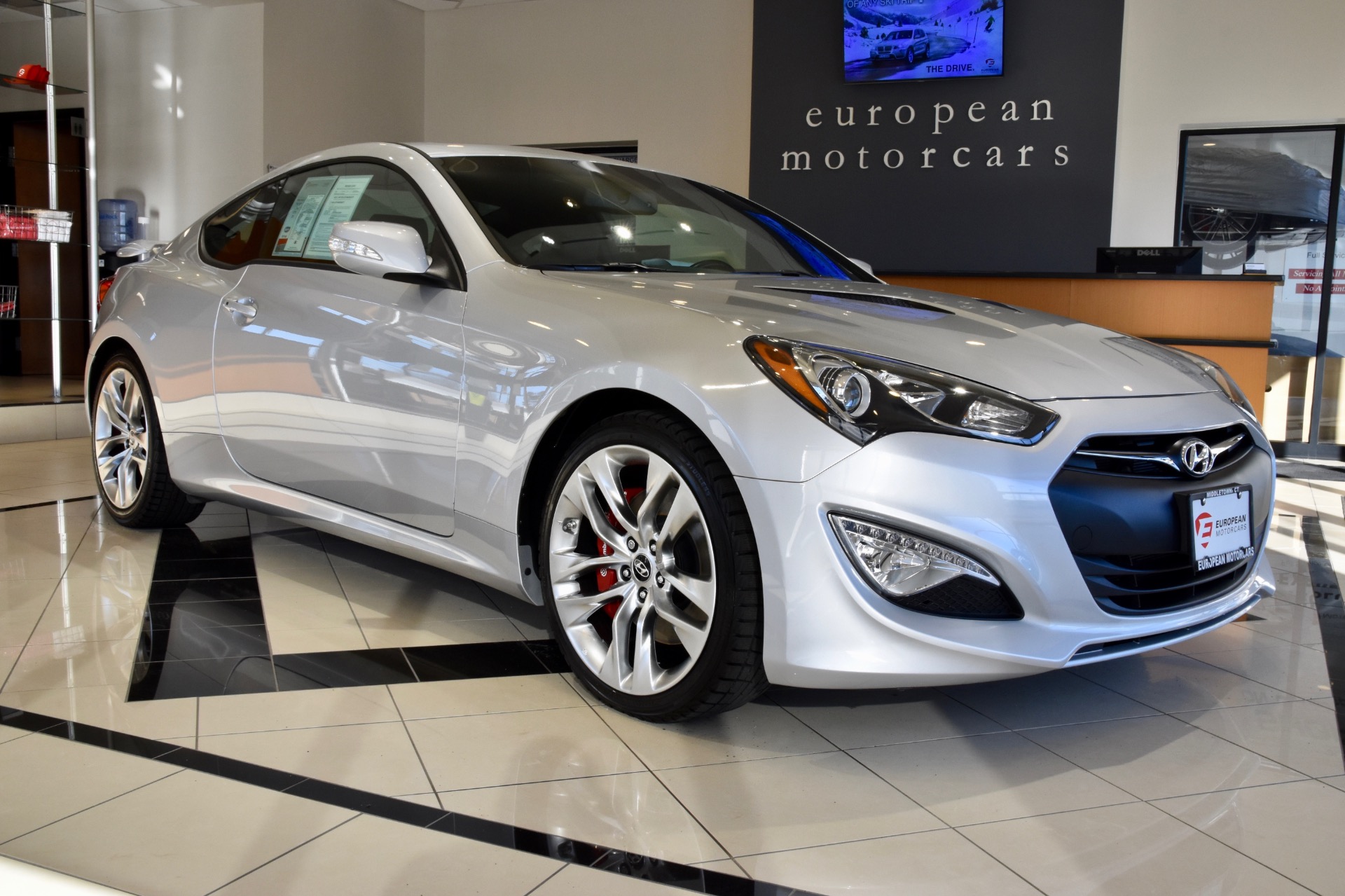
The Genesis Coupe’s chassis demonstrates legitimate sports car competence. The rear-wheel-drive layout provides engaging dynamics, and the suspension strikes a reasonable balance between ride comfort and handling precision.
Larger Brembo brakes on performance models deliver strong stopping power with good pedal feel, and the available mechanical limited-slip differential enhances traction during aggressive cornering. The steering provides adequate feedback, though it doesn’t match the communication level of more expensive sports cars.
Reliability on the Genesis Coupe has proven better than skeptics initially expected from Hyundai’s first serious sports car attempt. The Lambda V6 engine demonstrates solid durability when maintained properly, though it requires attention to oil change intervals and benefits from quality synthetic lubricants.
The six-speed manual transmission shifts positively and withstands enthusiastic driving, while the eight-speed automatic provides smooth operation and reasonable longevity. Suspension components prove adequately robust, and the chassis resists corrosion effectively.
The Genesis Coupe market offers exceptional values, with clean 3.8 V6 examples available between $15,000 and $22,000 depending on mileage and condition.
This pricing undercuts competitors significantly while delivering comparable or superior performance. Buyers should prioritize well-maintained examples with documented service histories and avoid cars showing evidence of modifications or abuse.
The Genesis Coupe proves that Hyundai could build a legitimate sports car that combines performance, practicality, and reasonable reliability.
While it doesn’t match Japanese competitors for absolute dependability, it offers compelling value and capabilities that exceed its modest price point. For buyers willing to maintain their vehicles properly, the Genesis Coupe delivers accessible performance with acceptable reliability.
9. Ford Mustang GT (2011-2014)
The fifth-generation Ford Mustang, particularly the 2011-2014 models equipped with the Coyote V8 engine, represents a golden era of American muscle car engineering.
These cars combine traditional V8 thunder with modern handling sophistication and surprising reliability, creating an affordable performance package that delivers genuine thrills without constant mechanical headaches.
The 5.0-liter Coyote V8 produces 412-420 horsepower depending on the model year, with a flat-plane crank design that revs freely to 7,000 RPM while producing an intoxicating exhaust note.
This advanced engine employs dual overhead cams, variable valve timing, and sophisticated engine management, representing a massive leap forward from previous Mustang powerplants.
The result is a modern V8 that delivers power across the entire rev range while matching the fuel economy of much smaller engines during cruising.
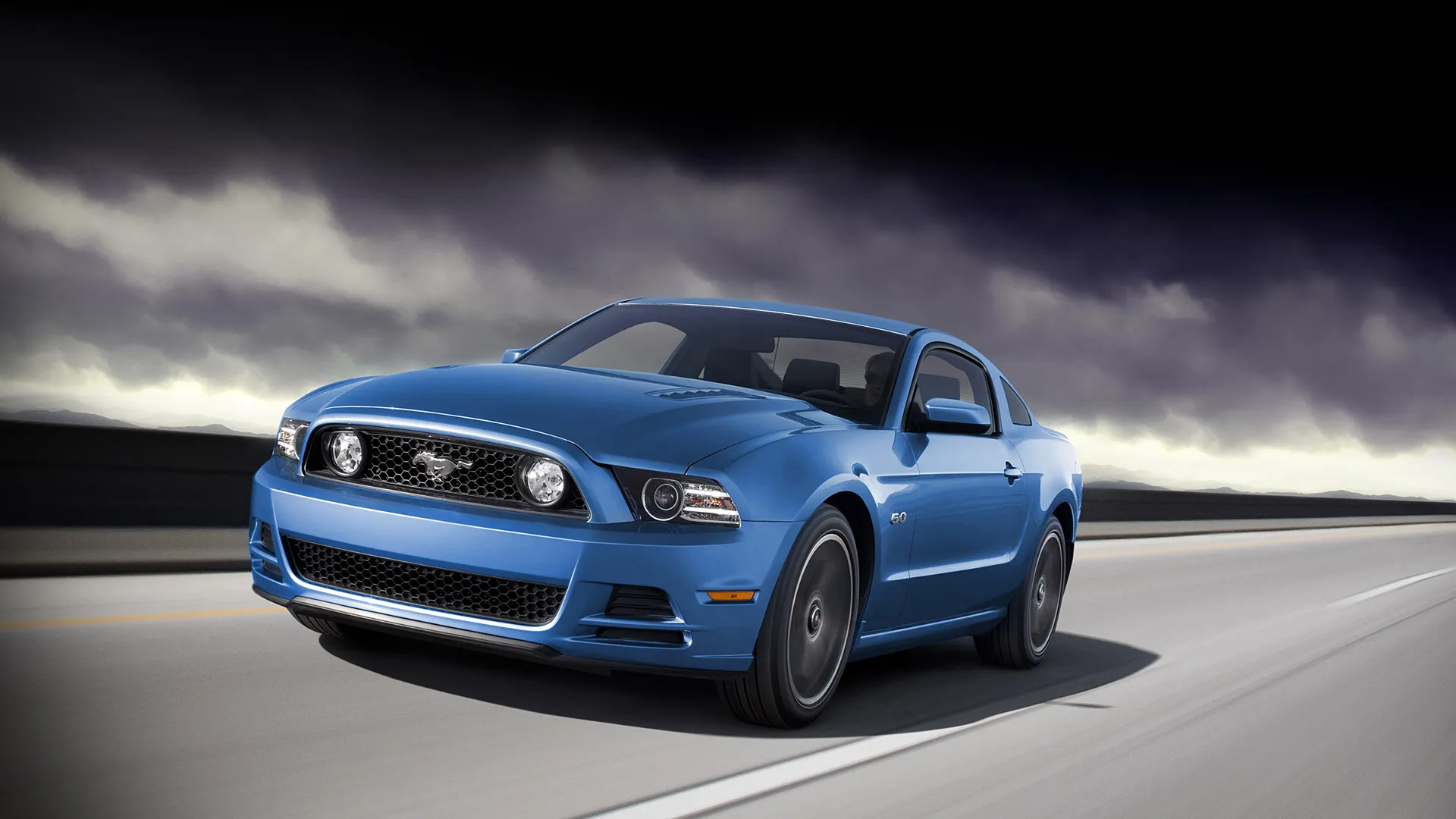
The 2011 refresh brought significant improvements to the Mustang’s chassis and suspension. While the solid rear axle might seem antiquated compared to independent rear suspension competitors, Ford’s engineers tuned it brilliantly, providing surprisingly competent handling that rewards enthusiastic driving.
The electric power steering provides adequate feedback, and the chassis feels composed through corners despite the car’s substantial mass. Performance Package-equipped models receive upgraded suspension components, larger wheels, and better tires that enhance capabilities significantly.
Reliability on the Coyote-powered Mustang GT has proven excellent for a high-performance American V8. The engine handles high mileage gracefully when maintained properly, with many examples surpassing 150,000 miles without major issues.
The MT-82 six-speed manual transmission receives criticism for notchy shifting characteristics, but it proves adequately durable under normal use. The automatic transmission option provides smooth operation and reasonable longevity, though it dulls the Mustang’s character somewhat.
The 2011-2014 Mustang GT with the Coyote V8 represents American performance done right: thunderous power, engaging driving dynamics, and reasonable reliability all packaged at accessible prices.
These Mustangs prove that muscle cars can be dependable daily drivers that deliver weekend entertainment without breaking the bank.
10. Infiniti G37 Coupe (2008-2013)
The Infiniti G37 Coupe combines Nissan’s proven VQ37VHR V6 engine with premium refinement, creating a sports coupe that delivers engaging performance wrapped in luxury appointments.
Often overlooked by enthusiasts focused on pure sports cars, the G37 offers compelling value as a reliable, comfortable daily driver that can satisfy sporting ambitions when opportunities arise.
Under the hood, the same 3.7-liter V6 found in the Nissan 370Z produces 328-330 horsepower depending on the model year, providing strong acceleration and confident passing capability.
The engine delivers power smoothly across the rev range, and it sounds pleasantly aggressive under acceleration without becoming tiresome during cruising.
The naturally aspirated design avoids turbocharged complexity, contributing to the car’s excellent reliability record. Mated to either a six-speed manual transmission or seven-speed automatic, the powertrain proves durable and refined.
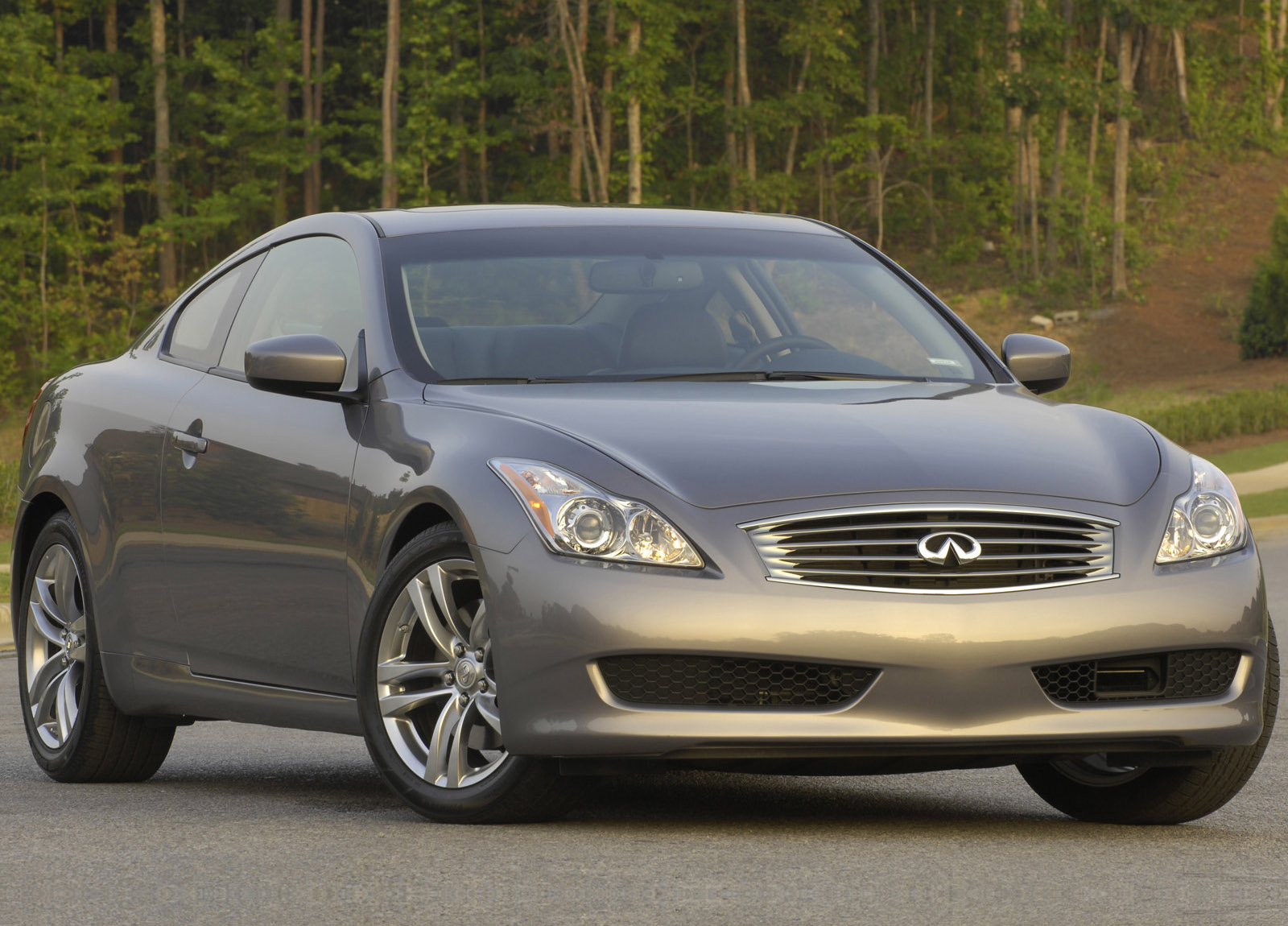
The G37’s rear-wheel-drive chassis provides balanced handling characteristics that reward engaged driving without feeling intimidating or harsh.
The suspension strikes an excellent compromise between ride comfort and handling precision, making the car equally suitable for daily commuting and weekend backroad exploration.
The steering communicates adequately, and the chassis feels composed through corners despite the car’s relatively substantial curb weight. Sport models receive upgraded suspension, brakes, and wheels that enhance capabilities significantly.
The Infiniti G37 Coupe proves that reliable sports cars don’t require compromising on comfort or refinement. This often-overlooked model delivers engaging performance, premium luxury, and Japanese reliability at prices that represent exceptional value.
For enthusiasts seeking a dependable sports coupe that can serve daily driver duties without complaint, the G37 deserves serious consideration.
Also Read: 9 Long-Lasting V8 Pickup Trucks Known for Outstanding Durability and Reliability
