
In the automotive world, the power-to-weight ratio reigns supreme as the ultimate measure of performance. While raw horsepower figures can impress on paper, it’s the marriage of substantial power with featherweight construction that creates truly explosive acceleration and handling dynamics.
These lightweight rockets represent the pinnacle of automotive engineering, where manufacturers have obsessively shaved pounds while simultaneously extracting extraordinary power from their engines.
The physics are simple yet profound: every pound removed from a car’s curb weight amplifies the effect of every horsepower produced by its engine. This relationship creates vehicles that don’t just accelerate quickly, they catapult forward with forces that pin occupants to their seats and redlfine adrenaline levels.
From exotic supercars constructed with aerospace-grade materials to stripped-down track specials that sacrifice creature comforts for pure speed, these machines represent different approaches to the same goal: maximizing performance through the sacred power-to-weight ratio.
What makes these vehicles particularly remarkable is their ability to deliver supercar-slaying performance without necessarily requiring supercar-level power outputs. A 500-horsepower engine in a 2,500-pound car can often outperform a 700-horsepower engine burdened by 4,000 pounds of mass.
This fundamental truth has inspired manufacturers to create some of the most thrilling driving machines ever conceived cars that deliver visceral, unfiltered performance experiences that heavier, more powerful vehicles simply cannot match. These ten lightweight rockets prove that in the pursuit of ultimate performance, less weight truly means more excitement.
1. Ariel Atom 4
The Ariel Atom 4 represents the purest expression of the power-to-weight philosophy, stripping away everything non-essential to create a road-legal race car that redefines acceleration.
With its exposed tubular chassis and minimalist bodywork, the Atom weighs a mere 1,300 pounds while packing a turbocharged 2.0-liter Honda Civic Type R engine producing 320 horsepower. This combination delivers a power-to-weight ratio that embarrasses vehicles costing ten times its price.
The Atom’s party trick lies in its brutal acceleration figures. Zero to sixty miles per hour arrives in just 2.8 seconds, with the quarter-mile dispatched in under eleven seconds.
These numbers place it firmly in hypercar territory, yet the Atom achieves this without complex all-wheel-drive systems, dual-clutch transmissions, or hybrid powertrains. Instead, it relies on old-school engineering: massive power, minimal weight, and rear-wheel drive connected through a six-speed manual transmission.
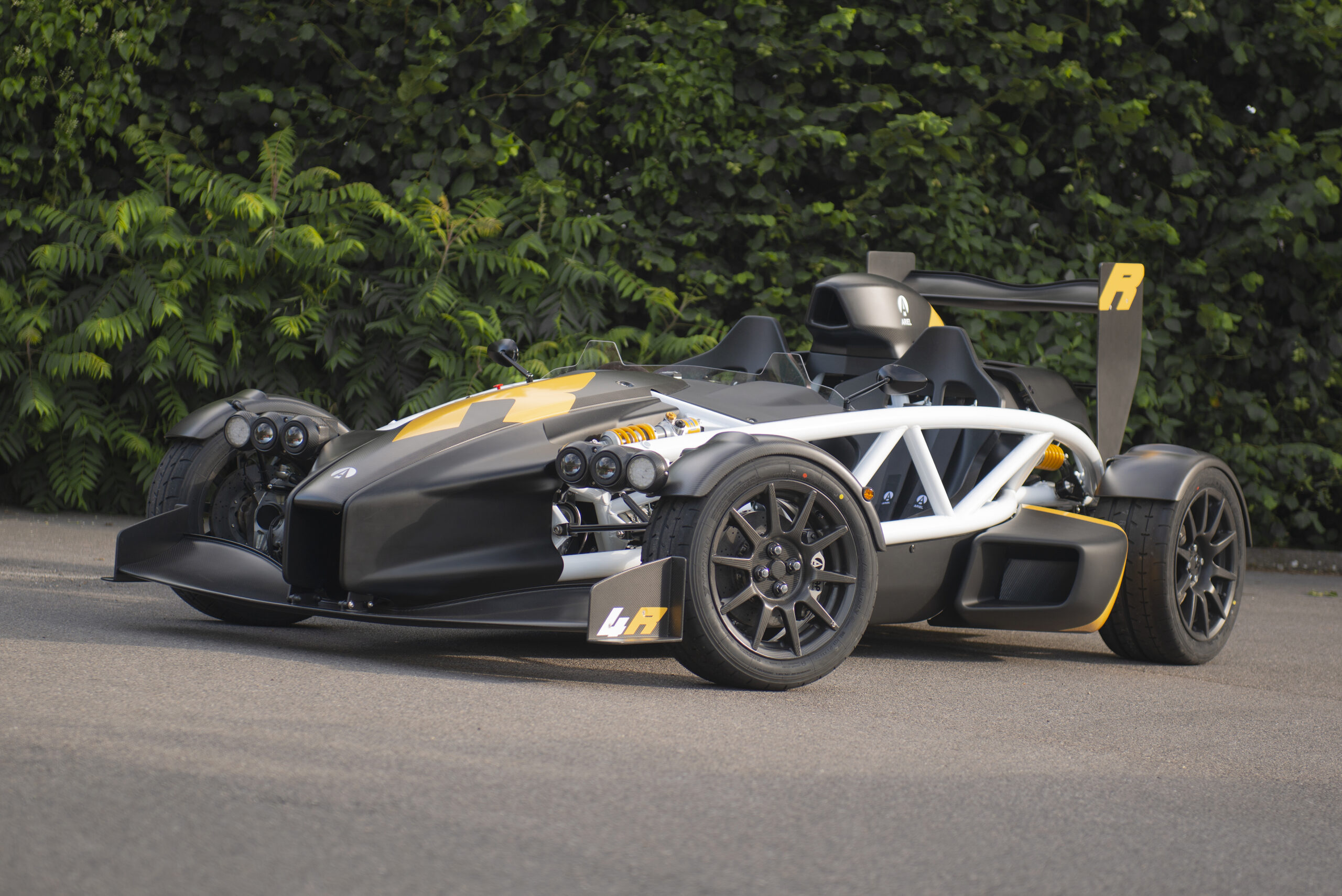
Driving the Atom delivers an unfiltered experience unlike anything else on four wheels. Without a windshield in the traditional sense and with the driver sitting exposed to the elements, every sensation amplifies.
The turbocharged engine sits mere inches behind the driver’s head, its intake whoosh and wastegate chatter providing a mechanical symphony. The suspension, necessarily firm to control the car’s explosive power delivery, transmits every road imperfection directly to the driver.
The lack of weather protection and creature comforts isn’t a compromise it’s integral to the Atom’s character. This British-built machine demands commitment from its driver, rewarding courage with acceleration that literally distorts facial features and requires a helmet for high-speed runs.
The steering offers unassisted feedback with telepathic precision, while the brakes provide stopping power that matches the acceleration prowess. For those seeking the most extreme power-to-weight ratio in a street-legal package, the Ariel Atom 4 remains the benchmark against which all others are measured.
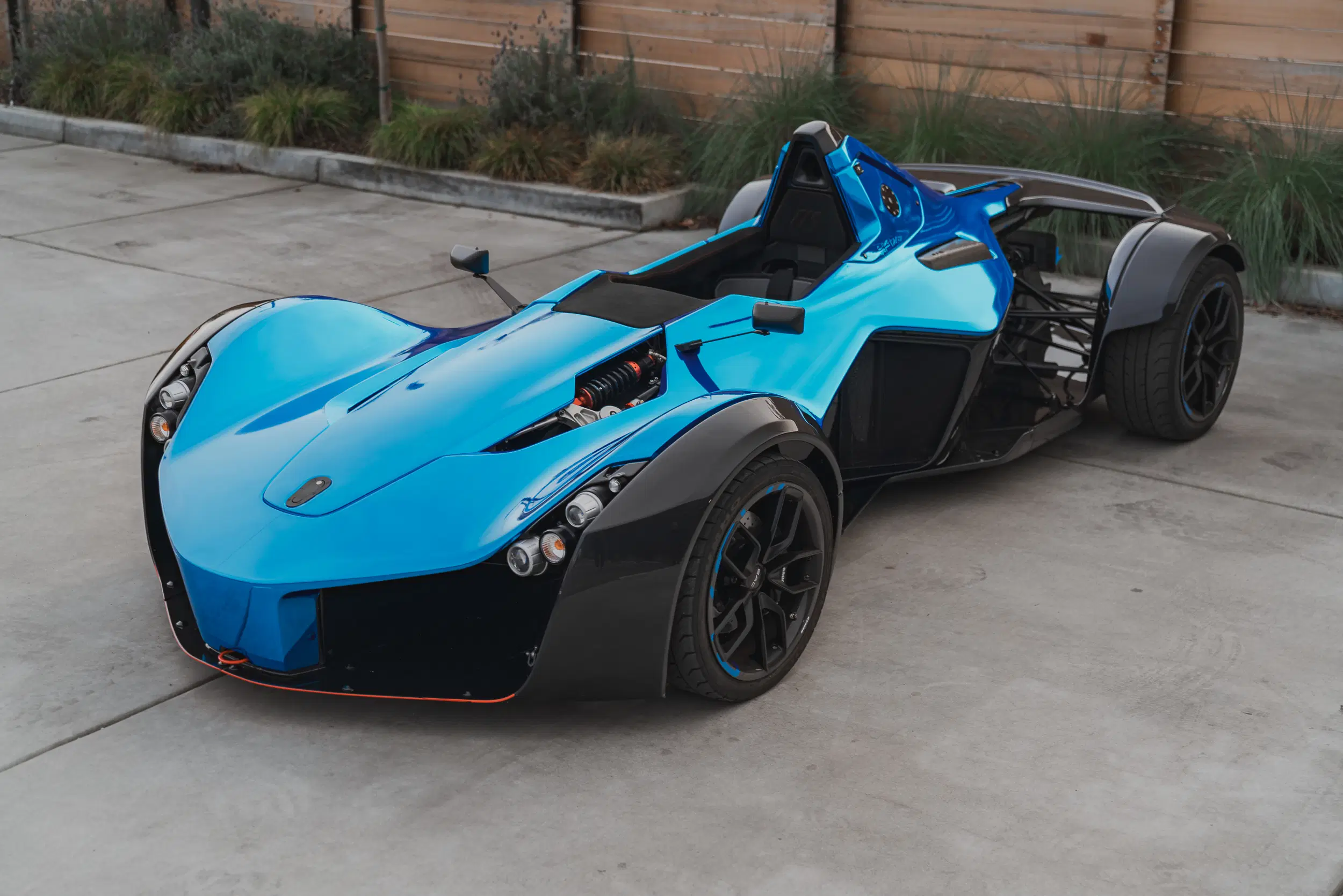
2. BAC Mono
The BAC Mono takes the single-seater racing concept and engineers it for road legality, creating perhaps the most focused driving machine available to civilian buyers.
Weighing just 1,279 pounds and powered by a naturally aspirated 2.5-liter four-cylinder engine producing 332 horsepower, the Mono delivers a power-to-weight ratio of 520 horsepower per ton figures that make supercars seem pedestrian.
Constructed around a carbon fiber and steel tubular chassis, every component on the Mono serves a purpose. The bodywork isn’t merely aesthetic, it’s functional aerodynamics shaped by extensive wind tunnel testing.
The single-seater cockpit positions the driver centrally, offering perfect weight distribution and an unobstructed view of the road ahead.
This Formula One-inspired driving position, combined with the car’s compact dimensions, creates an intimate connection between driver and machine.
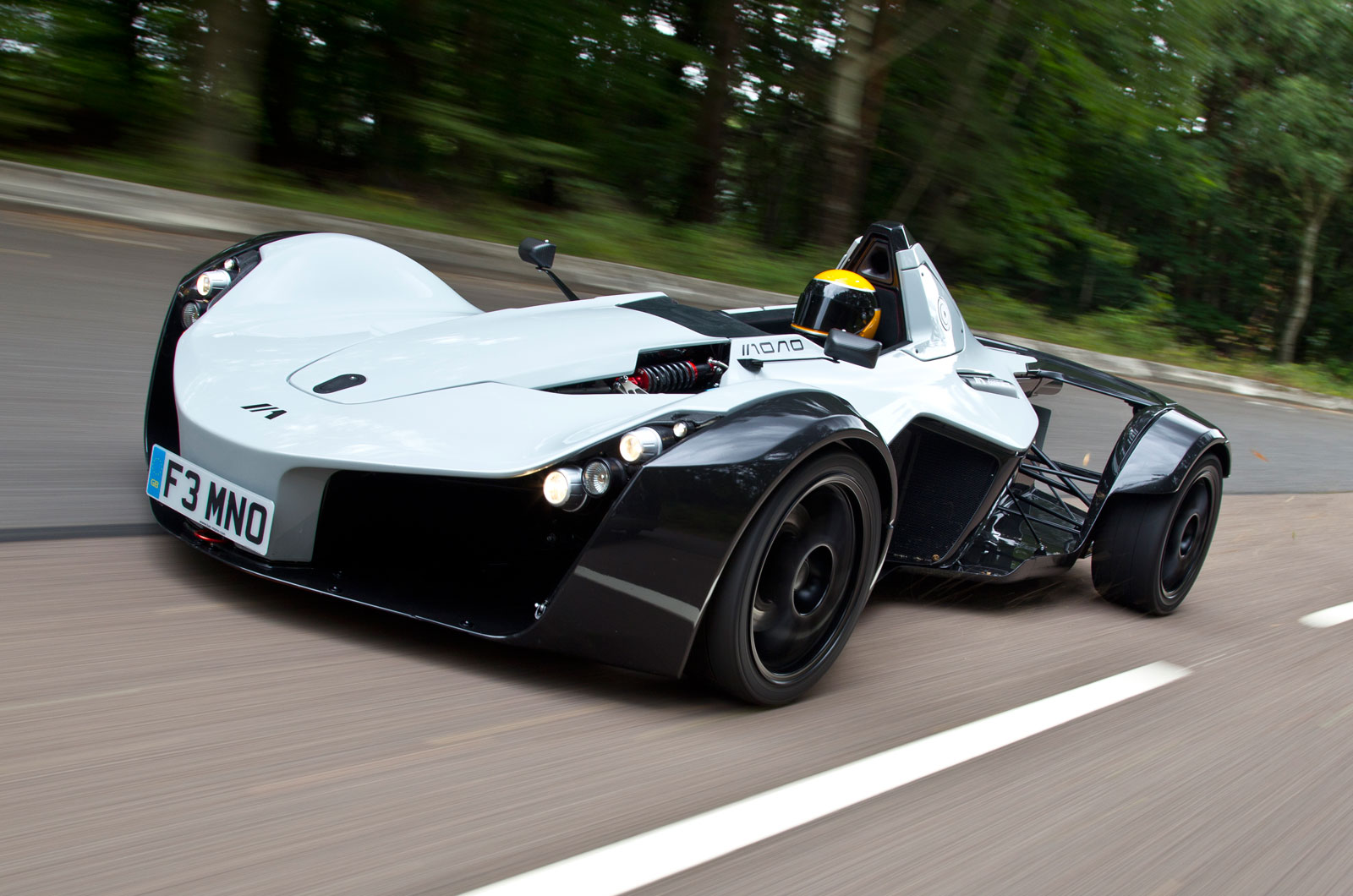
Performance statistics only tell part of Mono’s story. While the 2.7-second zero-to-sixty time and 170-mile-per-hour top speed impress, the real revelation comes in the corners.
The Mono generates massive downforce through its aggressive aerodynamics, pressing the car into the tarmac with increasing force as speeds rise.
The pushrod suspension, derived directly from racing technology, delivers compliance over bumps while maintaining extraordinary body control during aggressive driving.
The naturally aspirated engine, sourced from Mountune, delivers linear power delivery without turbo lag, screaming toward its 7,700-rpm redline with an intoxicating mechanical wail.
The sequential gearbox allows for lightning-quick shifts, while the adjustable traction control system can be tailored to conditions and driver skill level.
Carbon ceramic brakes provide fade-free stopping power lap after lap. The BAC Mono represents the ultimate expression of the “race car for the road” philosophy, offering performance and engagement that closed-wheel vehicles simply cannot match, regardless of their power outputs or price tags.
3. Caterham Seven 620R
The Caterham Seven 620R continues a legacy that stretches back to the original Lotus Seven, evolving the timeless design into a modern-day performance weapon.
Tipping the scales at just 1,213 pounds while producing 310 horsepower from its supercharged 2.0-liter Ford Duratec engine, the 620R achieves a power-to-weight ratio that humiliates vehicles costing five times its price.
This latest iteration of the Seven formula represents Caterham’s most extreme offering, featuring extensive use of carbon fiber components, lightweight racing seats, and a stripped-down interior that prioritizes performance over comfort.
The supercharged engine, mounted longitudinally behind the front axle, provides near-perfect weight distribution while its forced induction delivers explosive acceleration throughout the rev range.
The 620R can demolish the sprint to sixty miles per hour in just 2.8 seconds, matching modern supercars despite its modest power output.
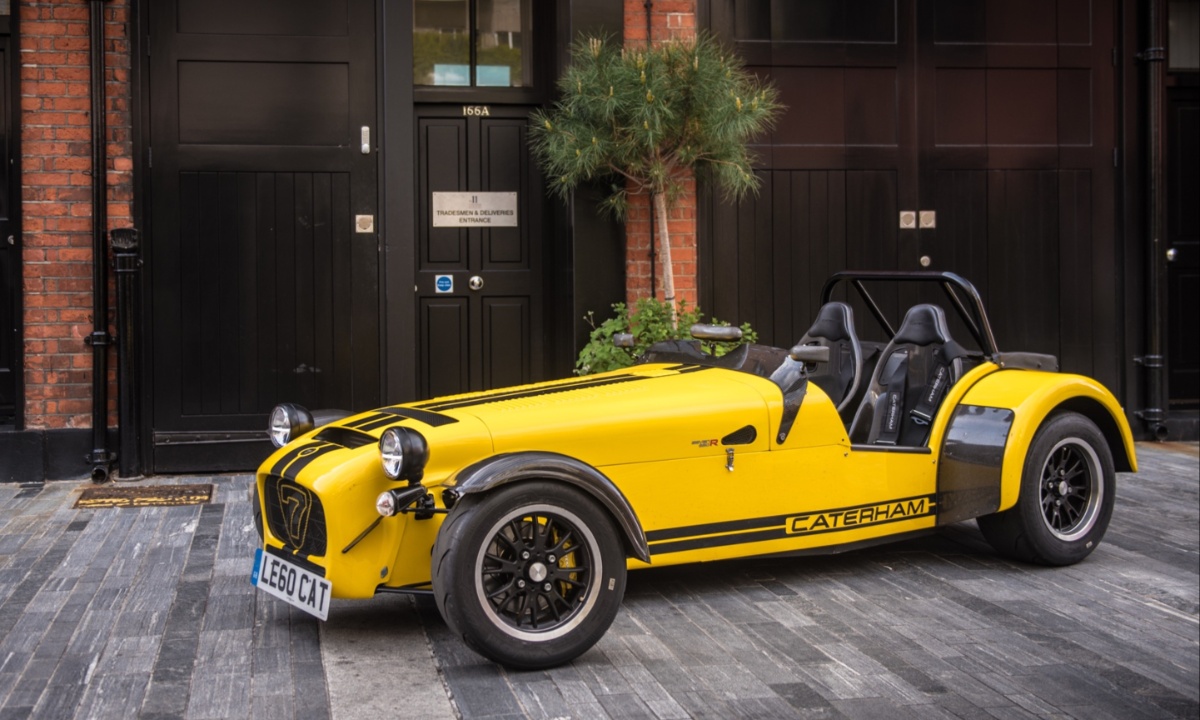
What distinguishes the 620R from lesser Sevens is its comprehensive performance package. The suspension features adjustable dampers, allowing owners to fine-tune handling characteristics for road or track use.
The limited-slip differential ensures power reaches the pavement effectively, while the six-speed manual transmission offers short, precise throws that enable rapid-fire gear changes. The braking system, featuring four-piston calipers and ventilated discs, provides stopping power that matches the acceleration capabilities.
The driving experience borders on overwhelming for the unprepared. Wind buffets the driver’s helmet at speed, while the firm suspension and lack of sound deadening transmit every road surface detail.
The steering, devoid of power assistance, requires muscle at parking lot speeds but comes alive on twisty roads, providing feedback levels modern cars cannot match.
The supercharger whine accompanies throttle applications, building to a crescendo as the engine approaches redline. The 620R demands complete attention and rewards skilled drivers with one of the most engaging experiences available in modern motoring, proving that Colin Chapman’s “simplify, then add lightness” philosophy remains as relevant today as it was decades ago.
4. KTM X-Bow GT-XR
The KTM X-Bow GT-XR represents Austria’s answer to the lightweight performance car question, combining motorcycle manufacturer KTM’s engineering expertise with Audi’s turbocharged powertrain technology.
Weighing 2,315 pounds and powered by a turbocharged 2.5-liter five-cylinder engine producing 493 horsepower, the X-Bow GT-XR delivers hypercar performance with relative practicality.
Unlike its more extreme competitors, the GT-XR features a full windscreen, doors, and even a removable roof section, making it more usable for extended journeys.
The carbon fiber monocoque chassis provides exceptional rigidity while keeping weight minimal, and the aggressive aerodynamic package generates significant downforce at speed.
The Audi-sourced engine, familiar from the RS3 and TT RS models, delivers a distinctive five-cylinder warble alongside massive turbocharged thrust.
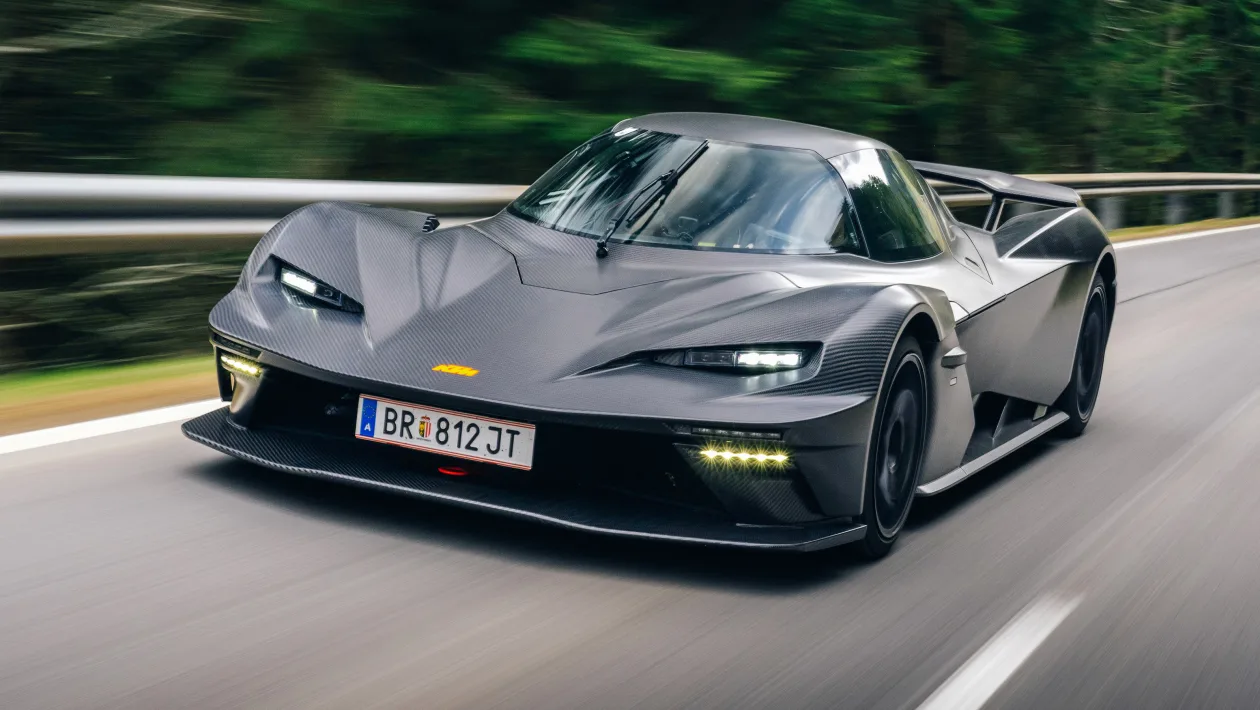
Performance figures reflect the GT-XR’s serious intentions. The sprint to sixty miles per hour takes just 3.4 seconds, with the quarter-mile passing in under eleven seconds.
Top speed reaches 168 miles per hour, though the car’s true talents emerge on winding roads and race circuits. The sequential transmission enables millisecond gear changes, while the adjustable suspension allows drivers to optimize handling for different surfaces and driving styles.
The X-Bow’s race car DNA shows through in every dynamic aspect. The steering offers unfiltered communication, the brakes provide immense stopping power, and the chassis balance encourages aggressive driving.
Despite weighing more than competitors like the Atom or Mono, the X-Bow’s superior power output and advanced aerodynamics ensure it remains competitive while offering slightly more weather protection and comfort.
This makes it perhaps the most versatile option for those seeking lightweight performance without completely sacrificing practicality.
The GT-XR proves that track-focused performance and minimal creature comforts can coexist, creating a machine that’s equally at home on mountain roads, race circuits, or, surprisingly, even daily commuting duties for the dedicated enthusiast.
Also Read: 10 Fastest BMWs Ever Made, Ranked From Quick to Insane
5. Lotus Exige Cup 430
The Lotus Exige Cup 430 represents the Norfolk-based manufacturer’s ultimate expression of its lightweight sports car philosophy.
At 2,315 pounds with a supercharged 3.5-liter V6 producing 430 horsepower, the Cup 430 delivers the most extreme performance ever offered in a road-legal Exige. This represents Lotus’s racing heritage distilled into a barely street-legal package.
The supercharged Toyota-sourced V6 provides linear power delivery with instantaneous throttle response, free from turbo lag. The engine’s placement behind the driver creates a mid-engine layout that optimizes weight distribution and rotational dynamics.
The six-speed manual transmission offers perfectly spaced ratios, while the optional automated manual provides lightning-quick shifts for those prioritizing outright performance over involvement.
Carbon fiber components appear throughout the Cup 430, from the front splitter and rear wing to the roof panel and interior trim pieces.
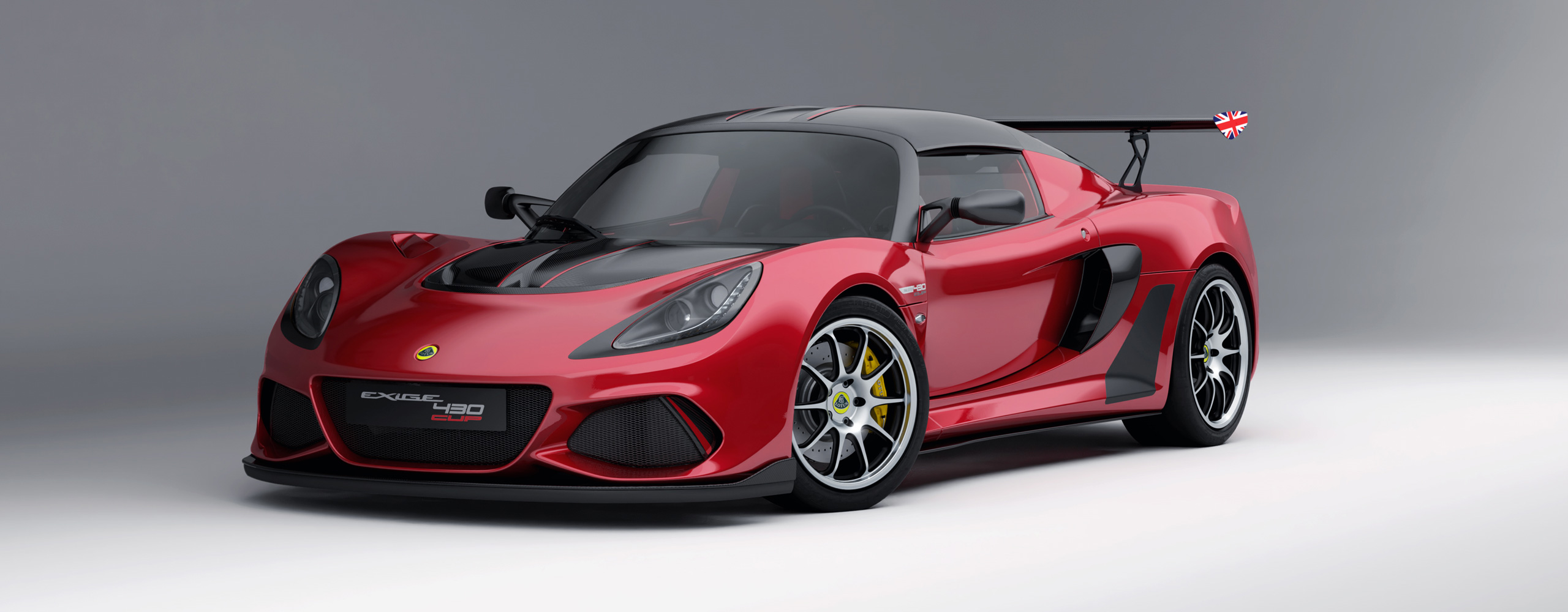
These weight-saving measures, combined with the car’s already minimalist construction, enable the Exige to achieve a power-to-weight ratio of 403 horsepower per ton.
The result is acceleration that pins occupants to the carbon-backed racing seats, with sixty miles per hour arriving in 3.2 seconds and a top speed of 180 miles per hour.
The aerodynamic package generates substantial downforce, pressing the Exige into the pavement with increasing force as speeds rise.
This aerodynamic grip combines with the sophisticated suspension geometry to create cornering capabilities that embarrass many purpose-built race cars.
The Michelin Pilot Sport Cup 2 tires provide immense mechanical grip, while the Nitron three-way adjustable dampers allow precise suspension tuning for different circuits and driving conditions. AP Racing brakes ensure the Cup 430 can scrub speed as effectively as it builds it.
The steering, free from electronic assistance, communicates road surface changes with extraordinary clarity, while the rigid chassis never flexes under hard cornering loads.
The Exige Cup 430 represents modern Lotus at its finest a car that proves founder Colin Chapman’s lightweight philosophy remains the fastest path to performance even in an era of thousand-horsepower hypercars.
6. Radical SR10
The Radical SR10 blurs the line between race car and road car more than perhaps any other vehicle on this list. With a dry weight of just 1,962 pounds and a naturally aspirated 2.3-liter Ford EcoBoost-derived engine producing 425 horsepower, the SR10 achieves the kind of power-to-weight ratio normally reserved for LMP racing prototypes.
Built in the United Kingdom specifically for track day enthusiasts and amateur racers, the SR10 features a full carbon fiber chassis and bodywork, creating a structure that’s both incredibly light and exceptionally rigid.
The open-cockpit design and minimal weather protection make it clear that this car’s priorities are the SR10 sacrifices all creature comforts on the altar of performance.
The suspension uses pushrod-actuated dampers derived from professional racing, while the aerodynamic package generates genuine downforce figures that increase grip levels as speeds rise.
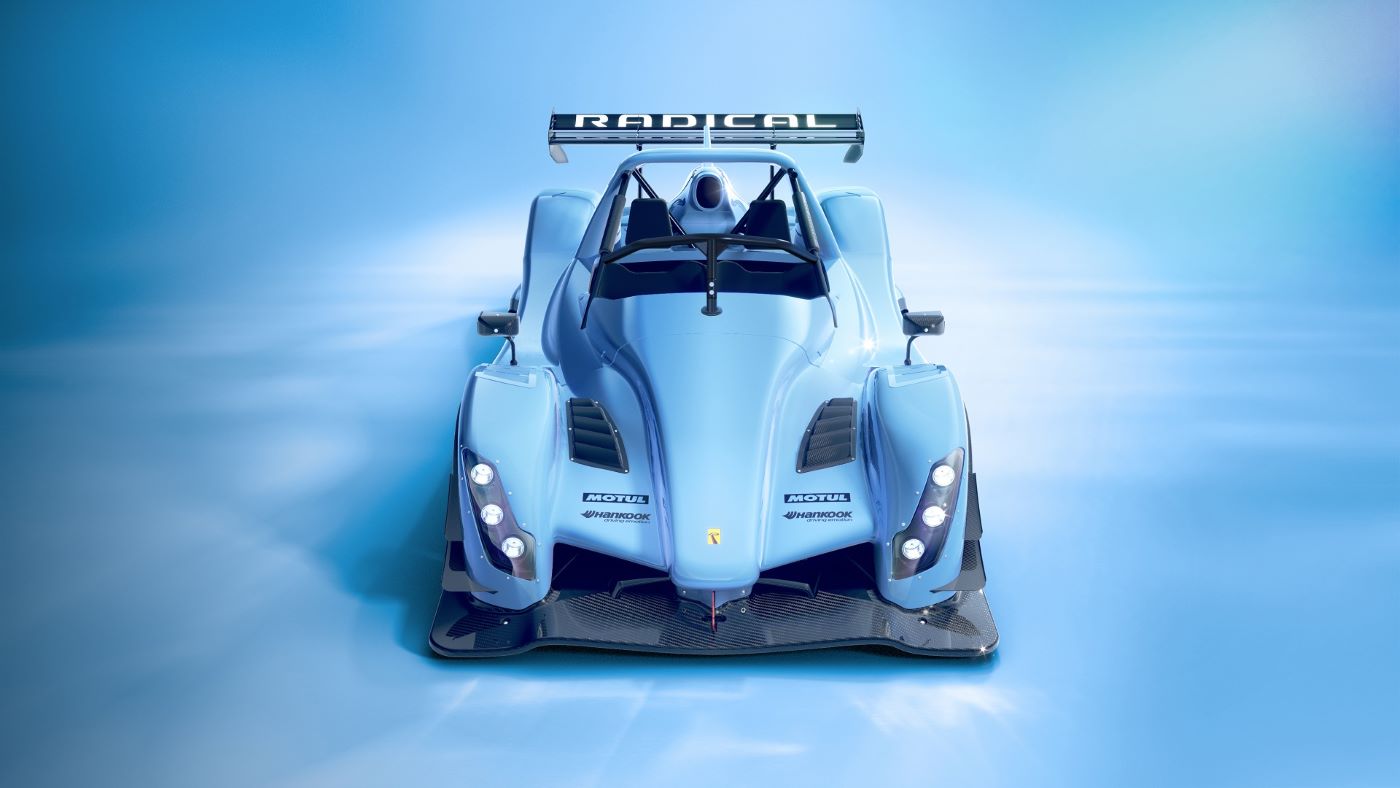
The engine, though sharing architecture with mundane Ford products, has been extensively modified by Radical’s engine partner. The naturally aspirated configuration provides linear power delivery throughout the rev range, building to a crescendo as the tachometer approaches the 8,500-rpm redline.
The six-speed sequential gearbox enables rapid-fire gear changes without the weight penalty of a dual-clutch transmission, while the racing-spec clutch handles the engine’s substantial torque output.
Performance statistics border on the ridiculous for a road-legal vehicle. Zero to sixty arrives in 2.4 seconds, making the SR10 quicker than most modern supercars.
The quarter-mile passes in under ten seconds, while the top speed exceeds 175 miles per hour. More impressively, the SR10’s lap times at major circuits often match or exceed those of GT3 race cars costing multiples of its price.
The carbon ceramic brakes provide fade-free stopping power lap after lap, while the slick tire option transforms the already rapid SR10 into a genuine racing machine.
For those seeking the most extreme track day experience available in a street-legal package, the Radical SR10 represents the pinnacle of accessible performance.
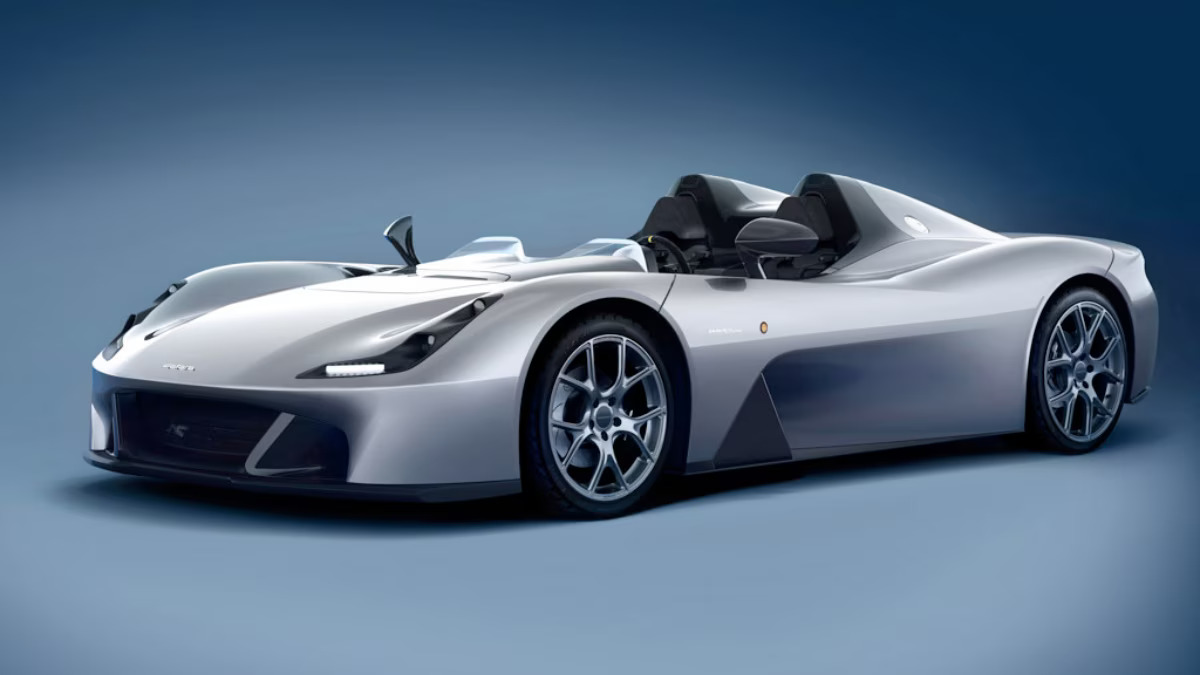
7. Dallara Stradale
The Dallara Stradale brings Italian race car constructor Dallara’s decades of motorsport expertise to the road car segment. Weighing just 1,874 pounds and powered by a turbocharged 2.3-liter four-cylinder producing 400 horsepower, the Stradale delivers a power-to-weight ratio that embarrasses far more expensive machinery.
This marks Dallara’s first road-going vehicle despite seventy years of building championship-winning race cars. The Stradale’s construction revolves around a carbon fiber monocoque chassis that provides exceptional rigidity while minimizing weight.
Every body panel consists of carbon fiber, and the interior features exposed carbon throughout, celebrating the material rather than hiding it beneath trim pieces.
The mid-engine layout optimizes weight distribution, while the aggressive aerodynamics generate significant downforce up to 1,800 pounds at top speed, pressing the car into the pavement with racing car effectiveness.
The turbocharged engine, sourced from Ford and extensively modified, delivers explosive acceleration with minimal turbo lag. Peak torque arrives early and stays flat across the midrange, providing flexible power delivery whether exiting slow corners or blasting down straightaways.
The six-speed sequential transmission shifts in milliseconds, while the electronic differential ensures power reaches the pavement efficiently under all conditions.
What truly separates the Stradale from competitors is its adjustability. Owners can specify the car without a windscreen for pure track use or add the optional windscreen and removable roof panels for road journeys.
The suspension settings can be adjusted electronically on the fly, while the aerodynamic package can be modified to prioritize downforce or top speed.
The carbon ceramic brakes provide immense stopping power, and the Pirelli P Zero Trofeo R tires deliver near-slick levels of grip. The Dallara Stradale represents Italian motorsport engineering applied to a road car without compromise, creating a machine that’s equally at home on racing circuits or mountain roads, depending on the owner’s specifications and courage levels.
8. Vuhl 05RR
The Vuhl 05RR brings Mexican engineering to the lightweight sports car segment, proving that extreme performance doesn’t require European pedigree.
At just 1,521 pounds with a supercharged 2.3-liter four-cylinder producing 385 horsepower, the 05RR achieves a power-to-weight ratio that challenges far more established competitors while offering a uniquely engaging driving experience.
Built around an aluminum and steel tubular chassis wrapped in carbon fiber bodywork, the 05RR represents Vuhl’s most extreme offering.
The mid-engine layout places the supercharged Ford EcoBoost engine directly behind the driver, optimizing weight distribution while keeping the polar moment of inertia minimal.
The open-cockpit design provides an unfiltered driving experience, though unlike some competitors, the 05RR features a proper windscreen for high-speed stability. The supercharger provides instantaneous throttle response throughout the rev range, with peak power arriving at 6,800 rpm.
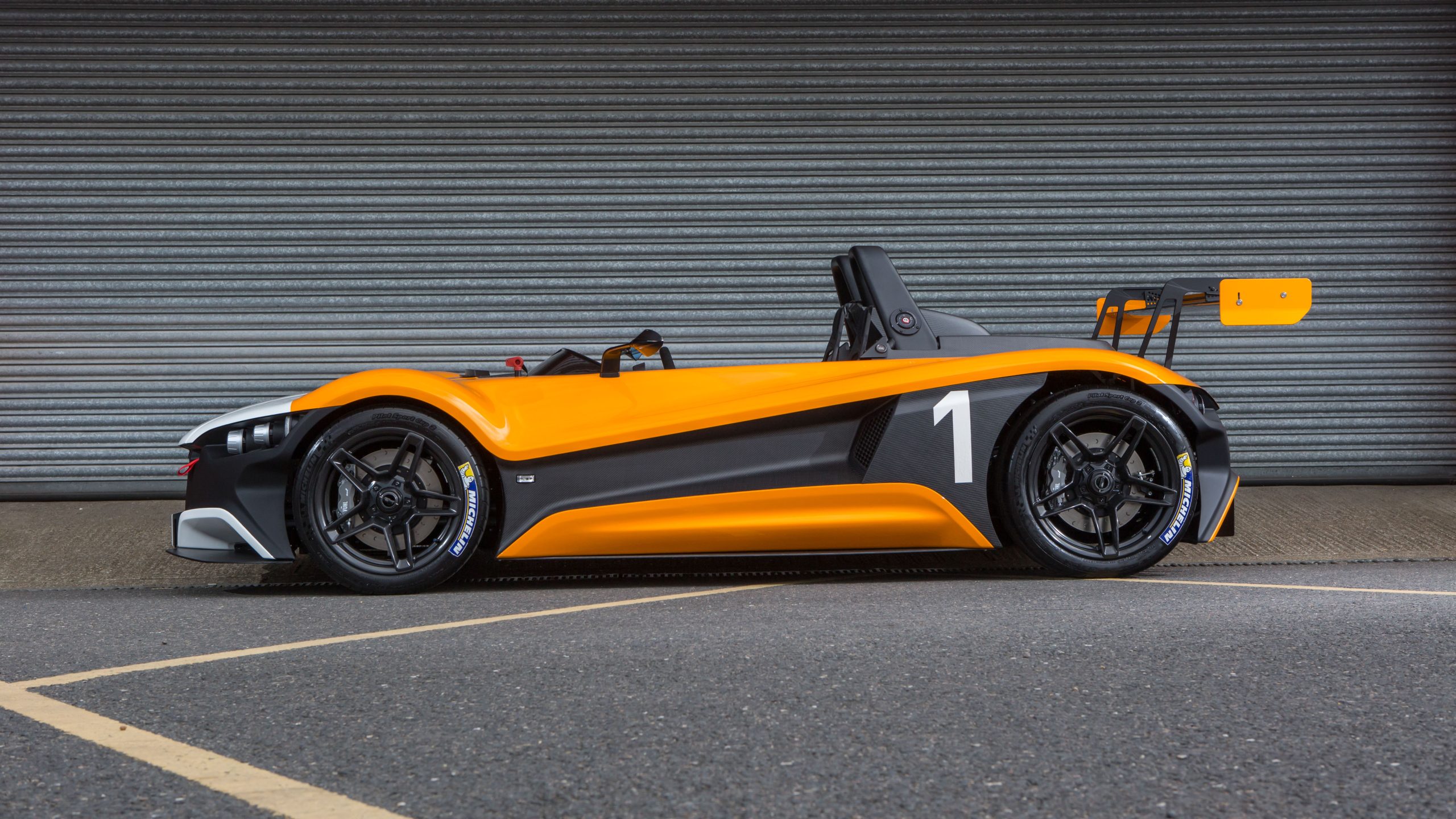
The six-speed sequential transmission enables lightning-quick shifts, while the mechanical, limited-slip differential ensures power reaches the pavement effectively.
The 05RR can sprint to sixty miles per hour in just 2.7 seconds, placing it among the quickest-accelerating cars regardless of price, while top speed reaches 152 miles per hour.
The aerodynamic package generates increasing downforce as speeds rise, enhancing the already impressive mechanical grip provided by Michelin Pilot Sport Cup 2 tires.
The pushrod suspension, derived from racing applications, delivers compliance over imperfect surfaces while maintaining strict body control during aggressive driving.
The carbon ceramic brakes provide fade-free stopping power, while the unassisted steering offers communication levels modern power steering systems cannot match.
The 05RR proves that lightweight performance transcends geographic boundaries, delivering an experience that matches or exceeds European competitors while offering distinctive character that reflects its Mexican heritage.
For those seeking something different in the lightweight performance car segment, the Vuhl 05RR delivers genuine exotic car thrills with refreshing uniqueness and surprising accessibility.
9. Donkervoort D8 GTO-JD70
The Donkervoort D8 GTO-JD70 represents Dutch manufacturer Donkervoort’s celebration of fifty years of building extreme sports cars.
At 1,543 pounds with a turbocharged 2.5-liter five-cylinder producing 415 horsepower, the JD70 achieves one of the highest power-to-weight ratios available in any production car, delivering acceleration that rivals modern hypercars.
Based on the classic Lotus Seven formula but extensively developed over decades, the D8 features a tubular chassis wrapped in hand-laid carbon fiber bodywork.
The Audi-sourced five-cylinder engine produces its distinctive warble while delivering massive turbocharged thrust throughout the rev range.
The five-speed manual transmission requires skill to extract maximum performance, rewarding precise shifts with explosive acceleration that can overwhelm unprepared drivers.
The JD70’s performance figures seem almost impossible given its modest power output. Zero to sixty arrives in 2.7 seconds, while the sprint to 125 miles per hour takes just 7.7 seconds figures that match or exceed supercars costing five times its price.
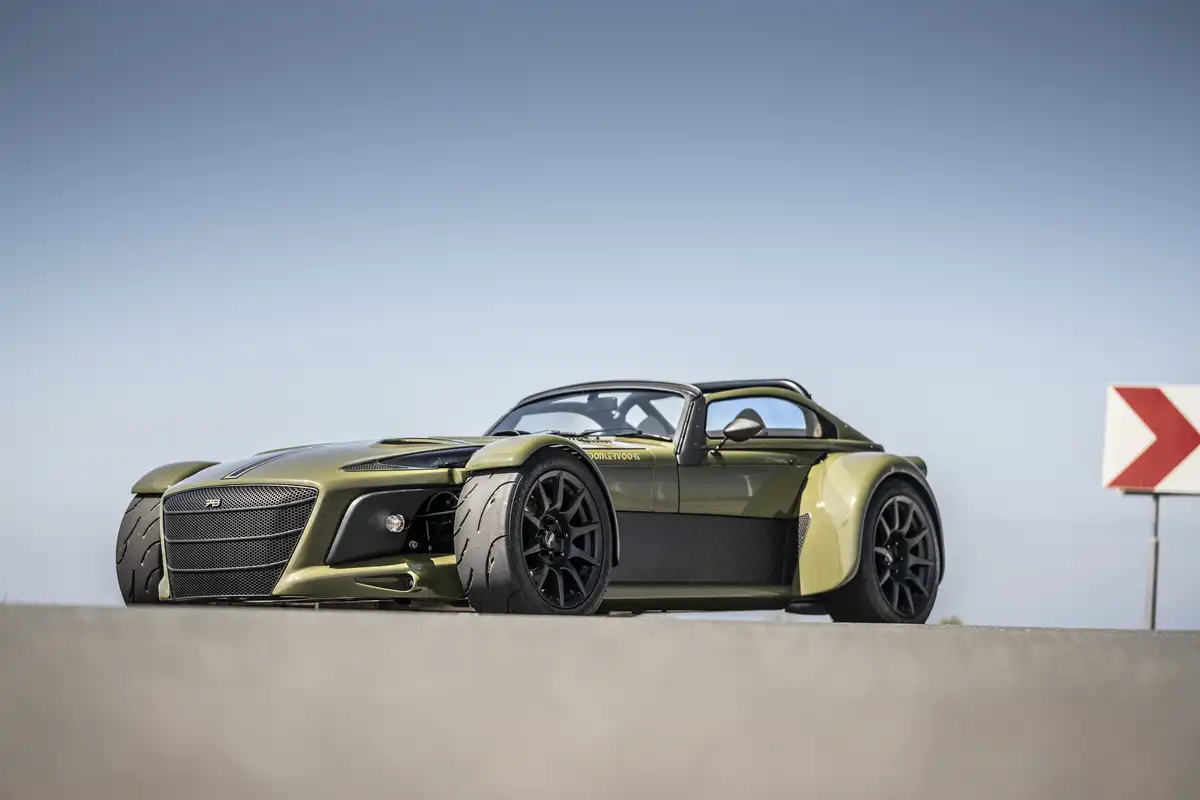
The top speed reaches 168 miles per hour, though the open cockpit and minimalist weather protection make sustained high-speed cruising an experience requiring commitment.
What truly distinguishes the Donkervoort is its adjustability. The suspension features individually adjustable dampers at each corner, allowing owners to optimize handling for different surfaces and driving styles.
The carbon fiber body panels can be replaced with different colors or finishes, while the interior can be trimmed to owner specifications. The racing-derived suspension geometry creates handling that rewards smooth inputs and punishes ham-fisted driving, making the JD70 a machine that educates as it entertains.
The unassisted steering provides feedback modern power steering systems cannot match, while the firm suspension and lack of sound deadening transmit every road surface detail directly to the driver.
The Donkervoort D8 GTO-JD70 represents the ultimate evolution of the Seven formula, proving that classic design principles remain relevant when executed with modern materials and engineering.
10. Ultima RS
The Ultima RS represents the British kit car manufacturer’s most extreme creation, delivering hypercar performance at a fraction of typical supercar pricing.
Available both as a complete car and as a component kit for home assembly, the RS weighs just 2,182 pounds while offering engine options producing up to 1,200 horsepower, creating power-to-weight ratios that exceed virtually every production vehicle.
The tubular steel chassis wrapped in carbon fiber or fiberglass bodywork provides exceptional rigidity while maintaining minimal weight.
Ultima offers various engine options, from relatively modest small-block Chevrolet V8s producing around 350 horsepower to fully built race engines delivering four-digit power outputs.
The most popular configuration uses a 720-horsepower Chevrolet LS-based V8, creating a balanced package that delivers explosive performance without becoming completely unmanageable.
With the 720-horsepower engine, the RS can sprint to sixty miles per hour in 2.3 seconds, making it one of the quickest-accelerating vehicles regardless of price or configuration.
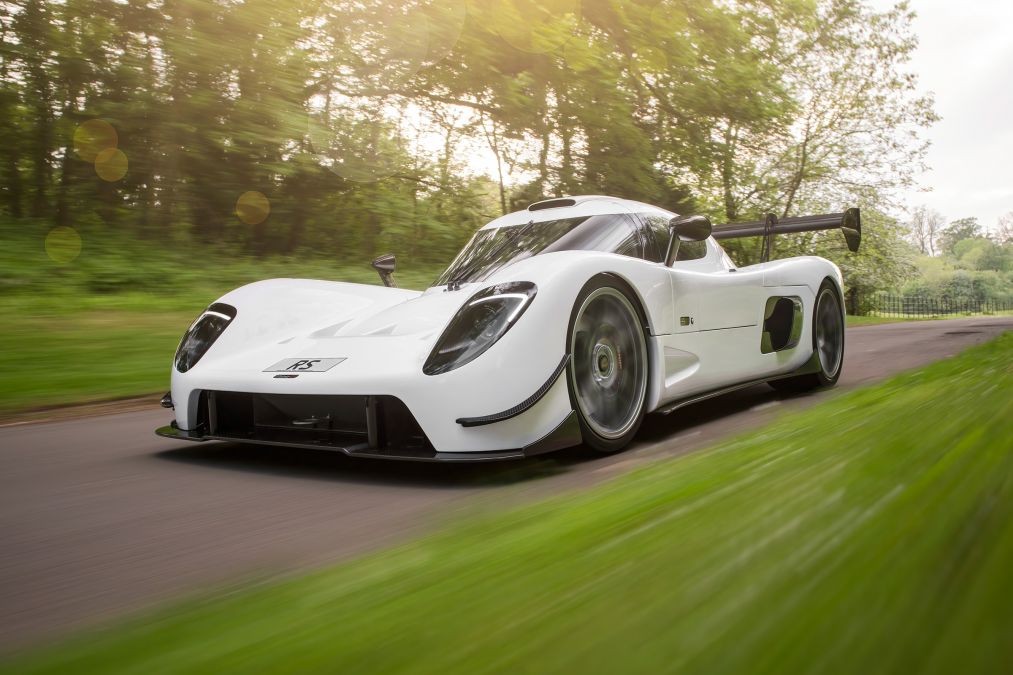
The quarter-mile passes in under ten seconds at over 140 miles per hour, while top speed exceeds 240 miles per hour for properly geared examples.
These figures place the Ultima firmly in hypercar territory, yet the car’s relatively simple construction means maintenance and repairs don’t require specialized equipment or factory-trained technicians.
The mid-engine layout optimizes weight distribution, while the double-wishbone suspension provides precise handling and body control.
The massive Brembo brakes ensure stopping power matches acceleration capabilities, and the wide Michelin Pilot Sport 4S tires provide immense mechanical grip.
The six-speed sequential transmission enables rapid gear changes, while the adjustable traction and stability control systems can be tailored to conditions and driver skill levels.
The Ultima RS represents perhaps the most extreme performance value proposition available, delivering genuine hypercar capabilities with surprising affordability and uniquely satisfying involvement for those who choose the kit car route.
This British-built rocket proves that ultimate performance doesn’t require seven-figure price tags or factory pedigrees, just sound engineering principles executed with unwavering commitment to the power-to-weight ratio.
Also Read: 10 American Muscle Cars Rarer Than a Ferrari Enzo
