
Tyler, Texas, known for its beautiful rose gardens and thriving community, presents unique considerations for car buyers going through the local automotive market. This East Texas city experiences hot, humid summers and mild winters, with occasional severe weather that demands reliable transportation.
Whether you’re commuting to work in the bustling downtown area, hauling equipment for one of the region’s many oil and gas operations, or simply running errands across Tyler’s sprawling suburban world, choosing the right vehicle matters immensely.
The practical car buyer in Tyler understands that daily driving requires dependability, affordability, and practicality. With gas stations dotting every major intersection along Broadway Avenue and Loop 323, fuel efficiency becomes a real consideration for those covering Tyler’s extensive road network.
Meanwhile, the region’s relatively affordable cost of living means many residents prioritize value over luxury, seeking vehicles that won’t break the bank on purchase price, insurance, or maintenance.
On the opposite end of the spectrum exists a world of automotive excess vehicles that cost more than many Tyler homes, machines engineered for performance and prestige rather than practicality.
These fortune-demanding automobiles represent the pinnacle of automotive achievement, featuring exotic materials, cutting-edge technology, and exclusivity that few will ever experience.
This comparison explores both worlds: four sensible, budget-friendly options perfect for Tyler’s daily grind, contrasted against four automotive masterpieces that exist in an entirely different financial stratosphere. Understanding both sides illuminates just how vast the automotive world truly is.
4 Practical Daily Drivers for Tyler, TX
These exceptionally practical vehicles feature reliable air conditioning systems and fuel-efficient powertrains perfectly suited for Tyler’s hot humid summers and moderate winters, providing comfortable daily transportation through Texas heat without the excessive fuel consumption typically draining budgets during long commutes.
Their sensible engineering includes robust cooling systems and proven drivetrains that resist the heat-related failures and maintenance headaches found in complex turbocharged engines struggling with sustained high-temperature operation common to East Texas climate conditions.
From scorching July afternoons testing AC capacity to occasional ice storms requiring confident starting, these remarkable vehicles continue performing reliably without the specialized maintenance or premium fuel requirements that inflate ownership costs unnecessarily.
1. Honda Civic
The Honda Civic has earned its reputation as one of America’s most trusted compact cars, and for Tyler residents, it represents an ideal balance of affordability, efficiency, and reliability.
Starting around $25,000 for a new model, the Civic delivers exceptional value that resonates with budget-conscious East Texas drivers.
The 2024 model offers a refined 2.0-liter four-cylinder engine producing 158 horsepower, paired with a continuously variable transmission that maximizes fuel economy a crucial factor when traversing Tyler’s sprawling geography.
What makes the Civic particularly suitable for Tyler’s climate is its robust air conditioning system, essential during those sweltering summer months when temperatures regularly exceed 95 degrees Fahrenheit. The cabin remains comfortable even during midday parking lot waits outside the Broadway Square Mall or while idling in the occasional traffic along South Broadway Avenue.
The Civic’s fuel efficiency shines brightest here, delivering an impressive 31 mpg city and 40 mpg highway, meaning fewer stops at Tyler’s numerous gas stations and more money saved for enjoying the city’s excellent restaurant scene or shopping at the local boutiques.
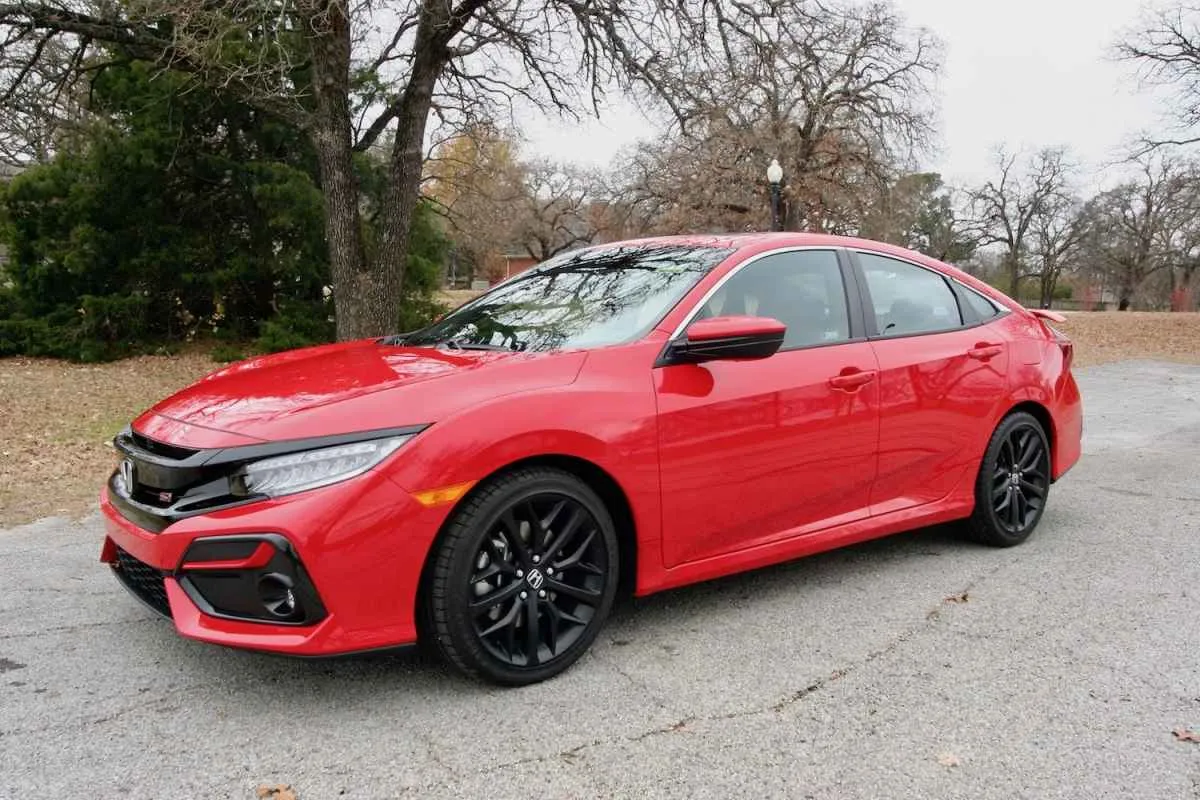
Interior space proves surprisingly generous for a compact car. The Civic comfortably seats five adults, with rear legroom that accommodates even taller passengers important for families carpooling to Tyler Junior College or picking up relatives from Tyler Pounds Regional Airport.
The trunk offers 14.8 cubic feet of cargo space, adequate for weekly grocery runs to Brookshire’s or hauling equipment for weekend activities at Lake Tyler.
Insurance rates for the Civic remain among the lowest in its class, another critical consideration for Tyler families managing household budgets. The car’s excellent crash test ratings from both NHTSA and IIHS contribute to these favorable insurance premiums while ensuring occupant protection.
For Tyler residents seeking straightforward, no-nonsense transportation that simply works day after day, year after year, the Honda Civic stands as the quintessential rational choice a vehicle that fades into the background, reliably serving without demanding attention or draining finances.
2. Toyota RAV4
Tyler’s suburban world and occasional rural excursions make the Toyota RAV4 an exceptionally practical choice for local families. Priced starting around $29,000, this compact SUV delivers the raised seating position and cargo versatility that modern American families crave, without the excessive fuel consumption of larger SUVs.
The RAV4’s 2.5-liter four-cylinder engine produces 203 horsepower, providing ample power for merging onto Loop 323 or accelerating through Tyler’s increasingly busy intersections along Highway 64.
The RAV4’s ground clearance proves invaluable for Tyler residents who occasionally venture onto unpaved roads leading to Lake Palestine or go through the flooded streets that sometimes occur during East Texas’s intense thunderstorms.
This capability extends to winter weather as well though Tyler rarely sees significant snow, the occasional ice storm benefits from the RAV4’s available all-wheel-drive system, which automatically distributes power to maintain traction when roads become treacherous.
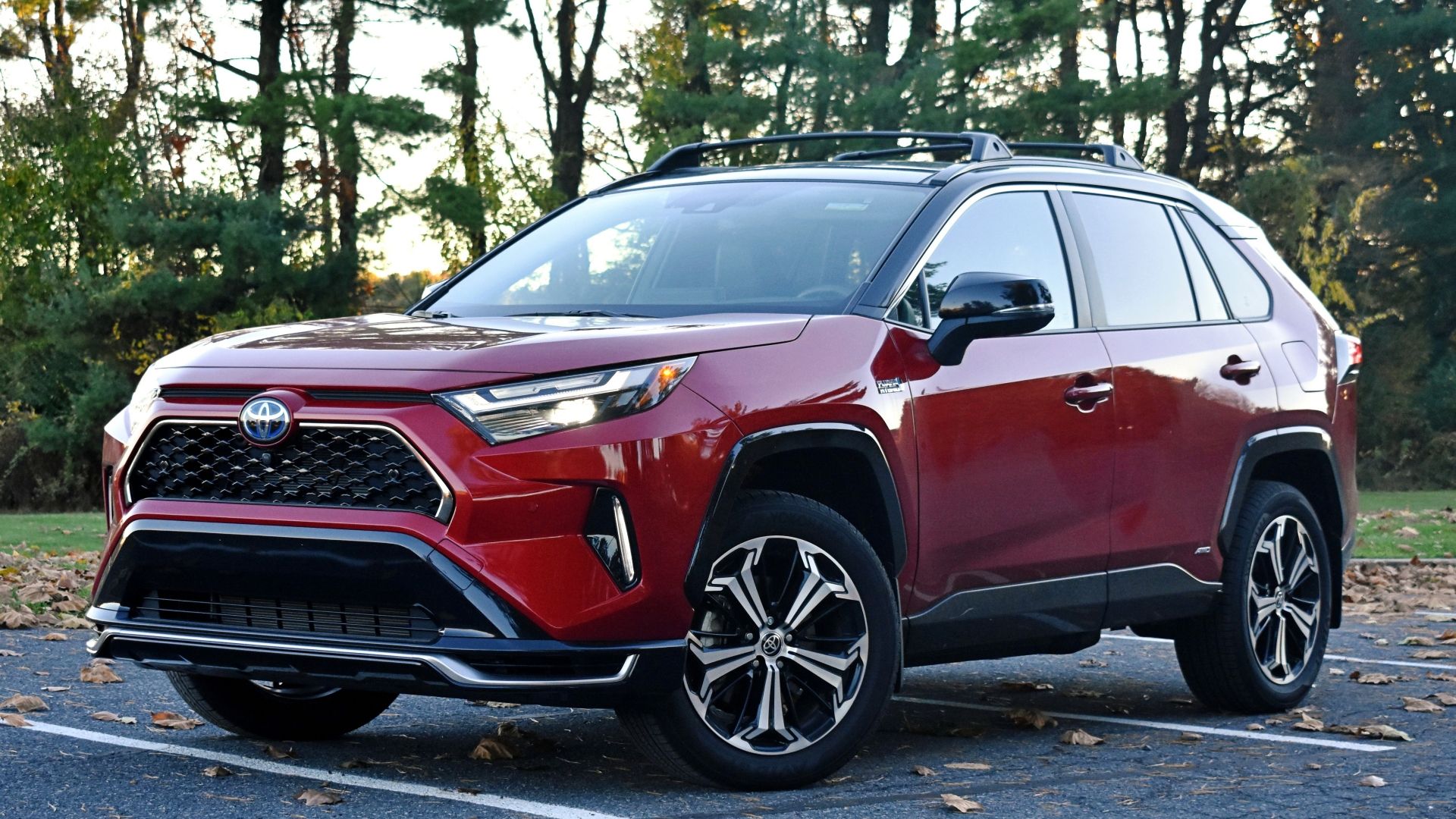
Interior space represents one of the RAV4’s strongest selling points for Tyler families. The cabin seats five comfortably, with rear seats that slide and recline to accommodate either passengers or cargo as needed.
Behind the rear seats, 37.5 cubic feet of cargo space swallows everything from sports equipment for games at Faulkner Park to building supplies from the local Lowe’s.
Fold those seats down, and cargo capacity explodes to 69.8 cubic feet enough to transport furniture, camping gear for trips to Tyler State Park, or help a college student move into their dorm at the University of Texas at Tyler.
Resale value remains exceptionally strong for RAV4s, consistently ranking among the best in the automotive industry. This characteristic benefits Tyler buyers both when purchasing used models, which hold their value, and when eventually selling, as buyers eagerly seek well-maintained examples.
For Tyler families requiring space, versatility, and Toyota’s trademark dependability without excessive spending, the RAV4 represents automotive common sense in compact SUV form.
3. Ford F-150
In Tyler, Texas, where pickup trucks outnumber sedans at virtually every intersection, the Ford F-150 isn’t just transportation—it’s a regional icon perfectly suited to East Texas lifestyle and work demands.
Starting around $37,000 for a basic XL model, the F-150 delivers unmatched versatility for Tyler residents who need genuine capability beyond what crossovers and SUVs can provide.
Whether hauling equipment for Tyler’s thriving oil and gas industry, towing boats to Lake Tyler for weekend fishing, or simply projecting the traditional Texas aesthetic, the F-150 handles it all with American-made confidence.
The F-150’s engine lineup offers options for every budget and performance need, from the efficient 3.3-liter V6 base engine to the powerful 5.0-liter V8 for serious towing.
The increasingly popular 2.7-liter EcoBoost V6 provides an excellent middle ground, delivering 325 horsepower and 400 lb-ft of torque while achieving respectable fuel economy around 20 mpg city and 26 mpg highway with rear-wheel drive. For Tyler’s mixed driving conditions, this combination of power and efficiency makes the EcoBoost particularly appealing.
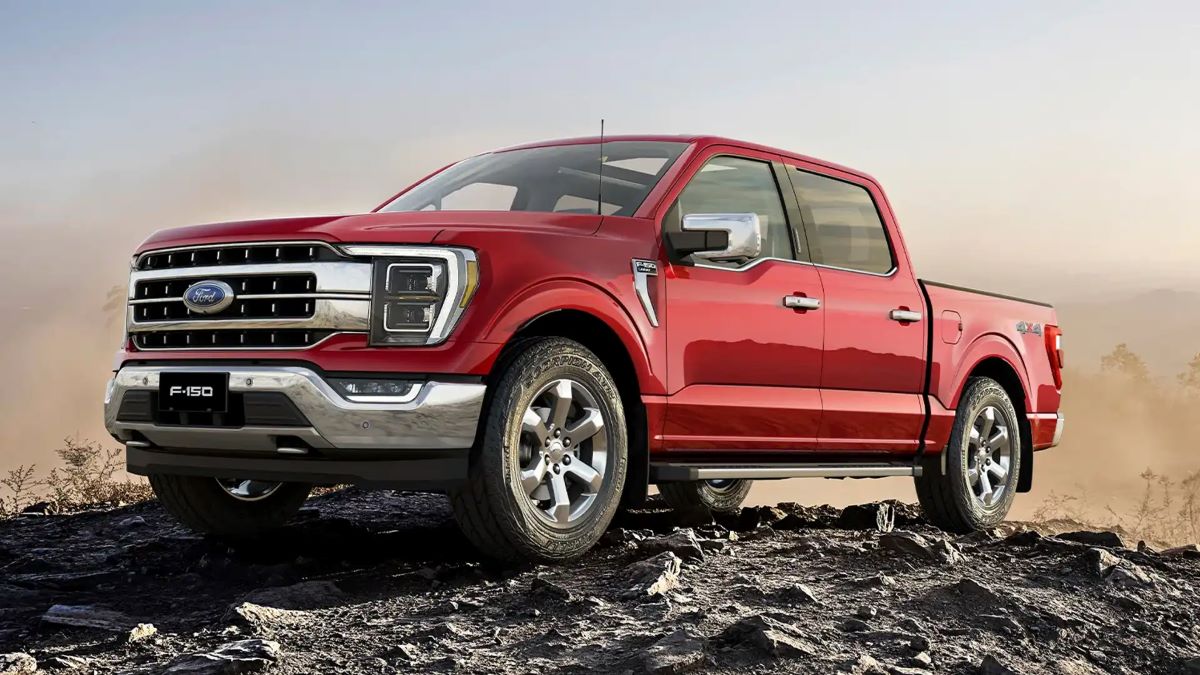
Payload and towing capabilities distinguish the F-150 from passenger vehicles. With maximum payload ratings exceeding 3,300 pounds and towing capacity reaching 14,000 pounds when properly equipped, the F-150 handles virtually any task Tyler residents might encounter.
This capability proves invaluable for contractors serving Tyler’s growing construction industry, homeowners completing renovation projects, or families towing travel trailers to nearby recreational destinations.
The truck’s 5.5-foot, 6.5-foot, or 8-foot bed options accommodate varying cargo needs, from lumber runs at Builders FirstSource to transporting ATVs for weekend recreation.
The F-150’s cultural significance in East Texas cannot be overstated. It represents self-sufficiency, capability, and traditional American values that resonate deeply in Tyler’s community.
For residents requiring genuine truck capability for work or recreation, or those simply preferring the commanding presence and versatility of a full-size pickup, the F-150 delivers practical transportation that feels authentically Texan.
Also Read: 10 Most Reliable Subaru Models of the Last Decade
4. Mazda CX-5
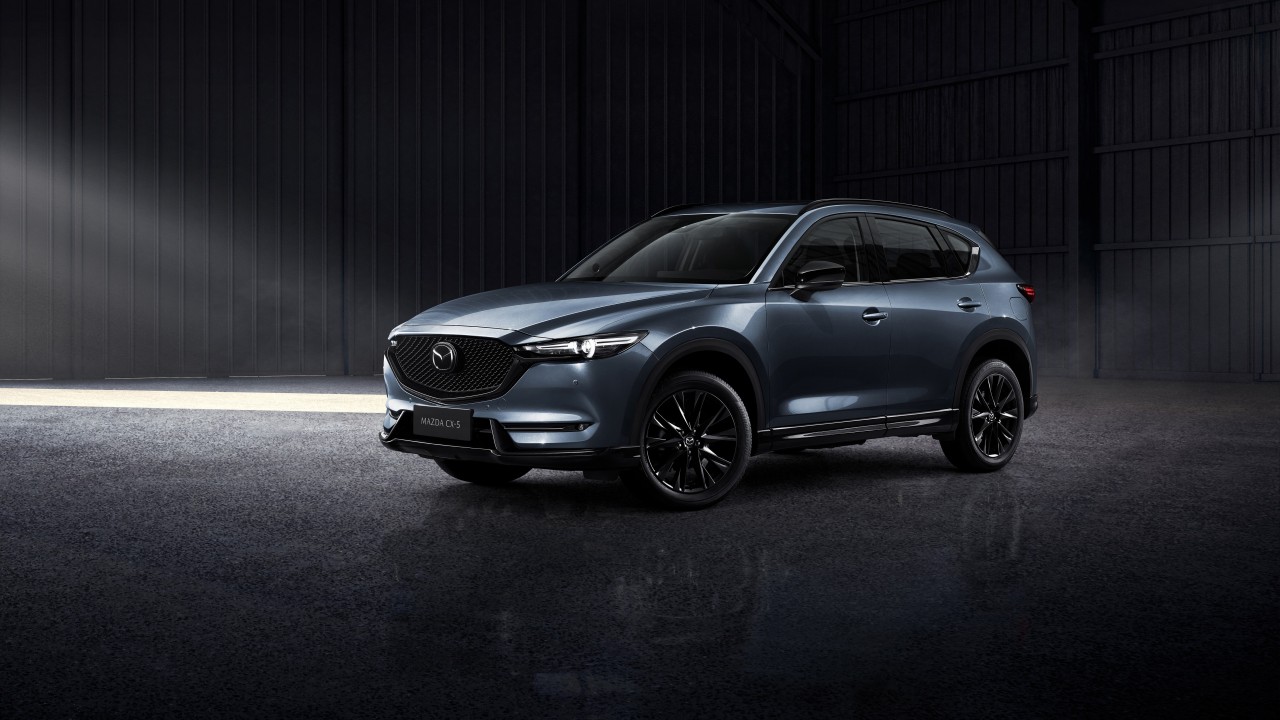
For Tyler residents seeking something slightly more refined without approaching luxury pricing, the Mazda CX-5 occupies an appealing middle ground between basic transportation and premium vehicles.
Starting around $28,000, the CX-5 delivers upscale aesthetics, engaging driving dynamics, and surprising sophistication that punches well above its price point.
Mazda’s commitment to driver-focused engineering creates a compact SUV that feels special during every Tyler commute, transforming mundane errands into modestly enjoyable driving experiences.
The CX-5’s exterior design immediately distinguishes it from competitors, featuring flowing lines, an elegant grille, and proportions suggesting vehicles costing considerably more.
This aesthetic appeal resonates with Tyler professionals who appreciate style but refuse to overspend on transportation. The interior continues this theme, with high-quality materials, logical control layouts, and an understated elegance rare in vehicles at this price point.
The infotainment system, while not class-leading in screen size, operates intuitively and includes smartphone integration essential for modern connectivity.
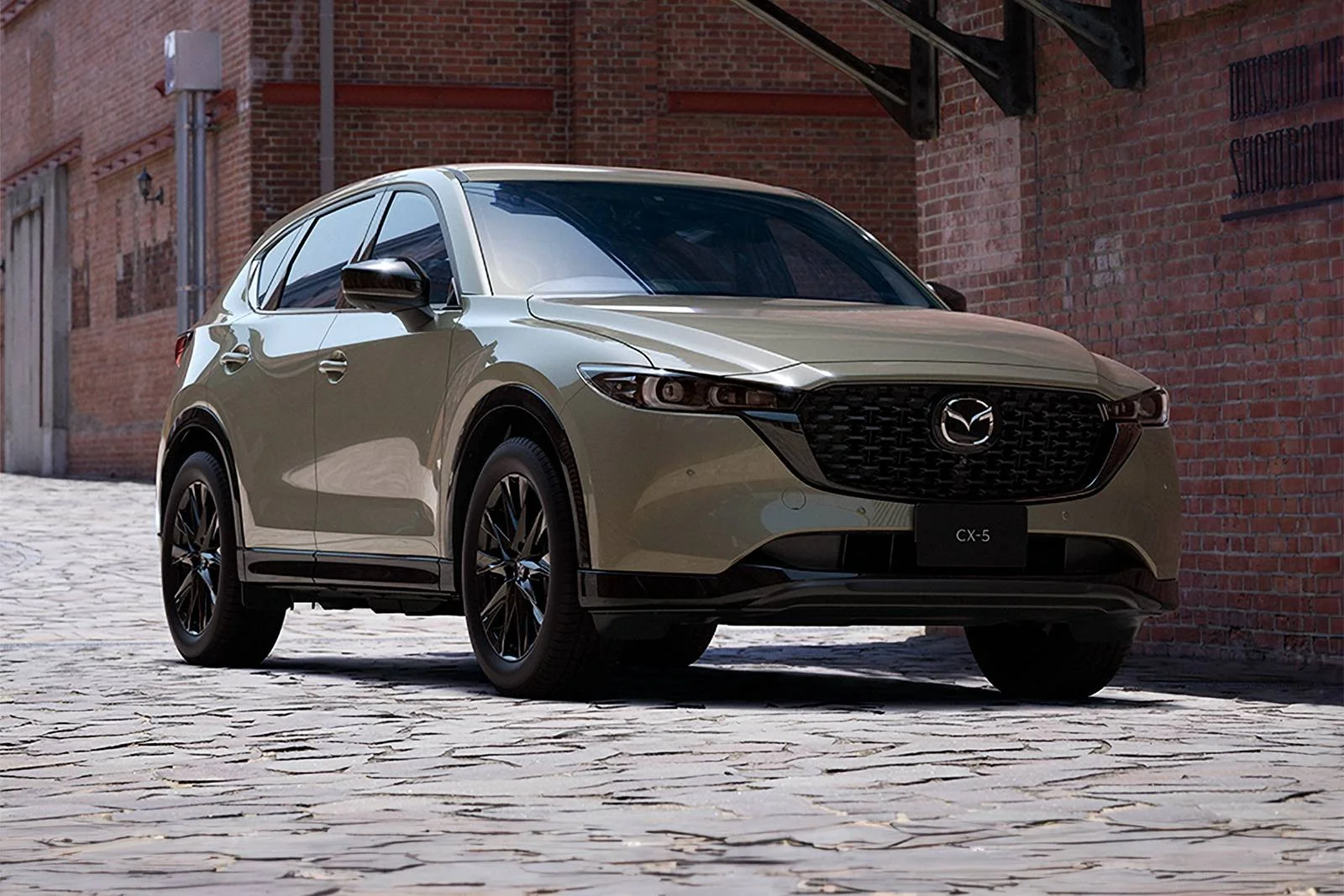
Under the hood, the CX-5 offers a 2.5-liter four-cylinder engine producing 187 horsepower, or an available turbocharged version generating 256 horsepower with premium fuel.
The base engine provides adequate power for Tyler’s driving conditions, delivering 25 mpg city and 31 mpg highway competitive efficiency for the compact SUV class.
The turbocharged variant transforms the CX-5 into something genuinely quick, making highway merging and passing maneuvers effortless, though it commands a premium price and requires 93-octane fuel for maximum output.
Reliability ratings consistently rank above average, with Mazda’s engineering quality ensuring long-term dependability that justifies the purchase.
Ownership costs remain reasonable, with insurance rates competitive within the compact SUV segment and maintenance intervals standard for modern vehicles.
For Tyler residents desiring something more engaging and upscale than typical transportation, without approaching luxury vehicle pricing, the CX-5 represents intelligent spending a vehicle delivering daily satisfaction without financial strain.
5 Cars That Cost a Fortune
These financially draining vehicles suffer from complex systems and premium maintenance requirements that transform Tyler-area ownership into budget nightmares, creating constant expensive shop visits through their inability to tolerate Texas heat and demanding specialized service unavailable from most local mechanics.
Their problematic engineering includes fragile turbocharged powertrains and European luxury components that cannot survive sustained high-temperature operation without expensive cooling system failures, requiring premium fuel adding dollars per fillup compared to regular gasoline.
Despite impressive initial features and luxury appointments, these vehicles devastate budgets through their mandatory dealer-only service, frequent AC compressor replacements costing thousands, and complete lack of independent shop familiarity forcing expensive dealership visits for routine maintenance.
1. Bugatti Chiron
The Bugatti Chiron exists in a world so far removed from typical automotive experience that it might as well occupy a different planet entirely. With a base price exceeding $3 million before customization, the Chiron represents the absolute pinnacle of automotive excess, engineering extremity, and exclusivity.
Only 500 examples will ever be produced, ensuring that encountering one on Tyler’s streets would constitute a once-in-a-lifetime event though the Chiron’s otherworldly capabilities would be completely wasted on East Texas roads designed for 70 mph speeds, not the 261 mph this hypercar can achieve.
At the Chiron’s heart sits an 8.0-liter W16 engine essentially two V8s mated together equipped with four turbochargers that force compressed air into the massive powerplant. The result: 1,479 horsepower and 1,180 lb-ft of torque, figures so extreme they defy comprehension for anyone accustomed to normal vehicles.
The Chiron accelerates from 0-60 mph in approximately 2.4 seconds, a time that produces physical violence against occupants as the all-wheel-drive system claws forward with forces approaching one full G.
Continuing acceleration remains relentless, with 100 mph arriving in under six seconds and 200 mph achieved in less than 15 seconds performance that renders virtually every other vehicle irrelevant.
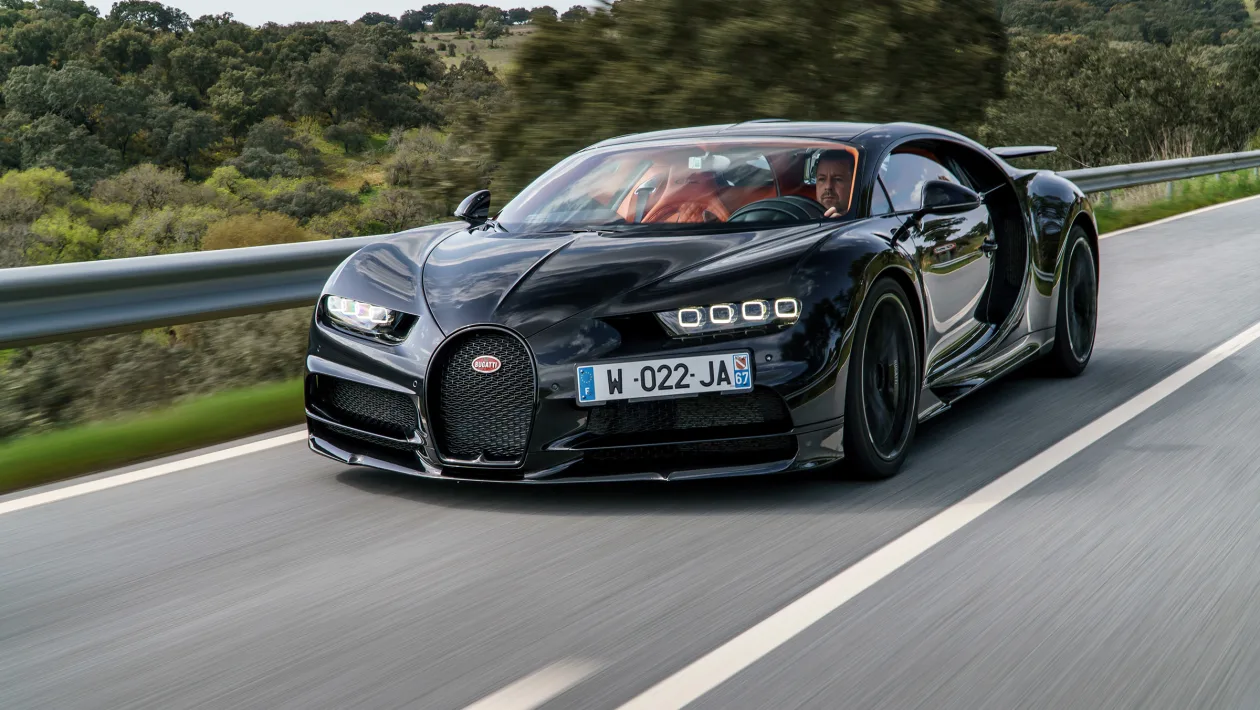
The engineering required to harness such power safely at extreme speeds represents decades of Bugatti’s motorsport heritage and Volkswagen Group’s massive resources.
The Chiron’s carbon fiber monocoque chassis provides both extraordinary rigidity and controlled weight management, though the car still weighs approximately 4,400 pounds due to the massive engine, cooling systems, and structural reinforcements necessary for 260+ mph capability.
Ten radiators manage temperatures for the engine, transmission, and various systems, while the active aerodynamics adjust automatically to balance downforce and drag depending on speed.
The Chiron’s existence seems almost absurd when considering the Honda Civic’s $25,000 price tag. For the cost of one Chiron, you could purchase 120 Civics and still have money remaining.
Yet the Chiron represents humanity’s relentless pursuit of automotive extremes, engineering pushed to absolute limits regardless of practicality or cost. It’s a monument to what’s possible when budgets become essentially irrelevant, a sculpture that happens to have wheels, an investment piece that some owners may never drive.
For the infinitesimally small percentage of humanity who can afford one, the Chiron delivers an experience beyond normal comprehension though it would look quite out of place parked outside Tyler’s Cotton Belt Depot or cruising down South Broadway Avenue.
2. Rolls-Royce Phantom
Where the Bugatti Chiron prioritizes speed and performance, the Rolls-Royce Phantom represents the ultimate expression of automotive luxury, refinement, and uncompromising comfort.
Starting around $500,000 and easily exceeding $600,000 with customization, the Phantom caters to buyers for whom money is essentially no object, and who prioritize serene transportation over any other consideration.
This is the vehicle of choice for royalty, celebrities, and titans of industry who demand absolute isolation from the common realities of road travel.
The Phantom’s 6.75-liter twin-turbocharged V12 engine produces 563 horsepower, figures that seem almost modest compared to modern supercars but perfectly suit the Phantom’s mission.
This isn’t about acceleration though the 5,700-pound sedan reaches 60 mph in approximately 5.3 seconds but rather about effortless power delivery that makes every motion feel inevitable rather than forced.
The engine operates with such refinement that occupants struggle to determine whether it’s running, with vibrations isolated through extraordinary engineering and enough sound deadening material to muffle even the largest of the world’s V12s.
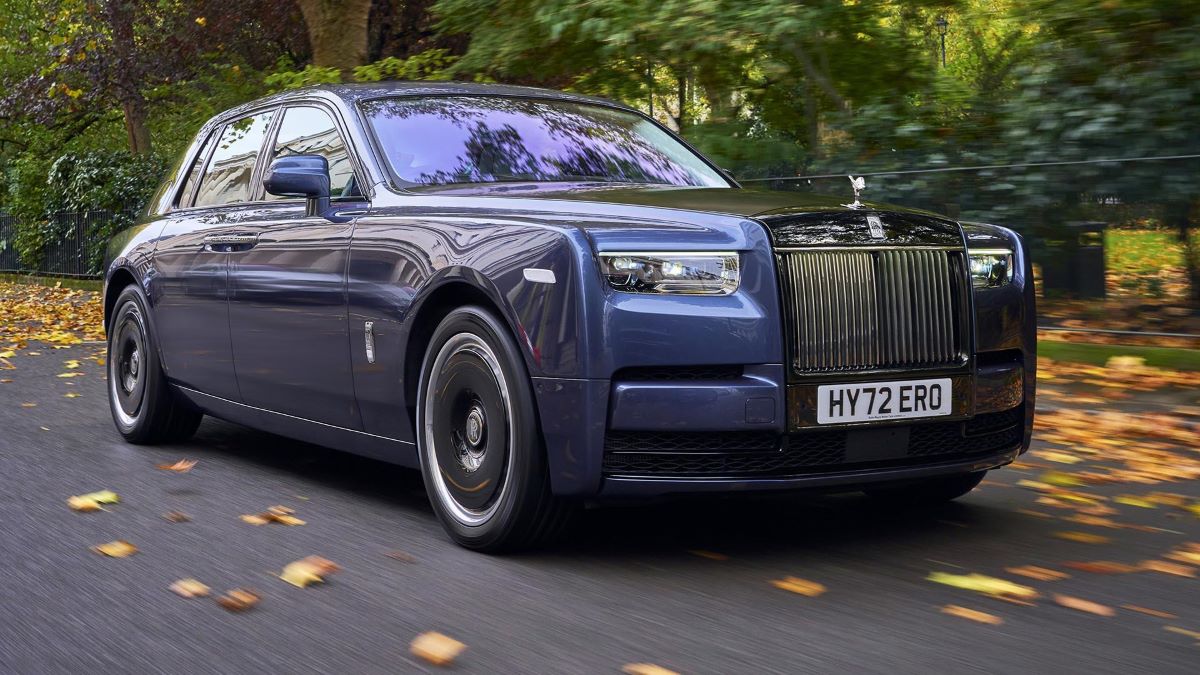
Inside, the Phantom creates an environment entirely disconnected from the outside world. The cabin stretches over 18 feet in the extended wheelbase version, providing rear passenger space that exceeds most luxury hotel rooms.
Rear seats recline deeply, offer multiple massage functions, feature individual entertainment screens, and present passengers with lambswool floor mats and handcrafted tables that deploy from door panels.
The headliner contains hundreds of fiber-optic lights that create a “Starlight” effect, mimicking a night sky customizable to any constellation or pattern the owner desires.
Owning a Phantom means joining an extremely exclusive club. Maintenance occurs at authorized Rolls-Royce dealers where technicians trained specifically on these vehicles perform service rituals more resembling religious ceremonies than automotive work. Costs remain almost irrelevant to the target buyer, though estimates suggest annual maintenance might easily exceed $5,000, with major services costing considerably more.
For perspective, the Phantom costs roughly 20 times a Honda Civic’s price, yet delivers roughly the same basic transportation function moving occupants from point A to point B.
The difference lies entirely in the journey’s quality, the prestige conveyed, and the luxury cocoon isolating occupants from common automotive reality. A Phantom going through the Tyler’s streets would constitute a shocking sight, representing wealth and privilege far removed from East Texas’s typically modest automotive world.
3. Ferrari SF90 Stradale
Ferrari’s SF90 Stradale represents the Italian marque’s vision for performance’s future, combining traditional internal combustion extremism with cutting-edge hybrid technology to create something genuinely revolutionary.
Starting around $500,000, the SF90 delivers hypercar performance with surprising efficiency and technology that wouldn’t seem out of place in science fiction.
This is Ferrari’s most powerful production car ever, a plug-in hybrid that somehow produces nearly 1,000 horsepower while also offering the ability to drive approximately 15 miles on electricity alone though buyers at this price point probably don’t purchase SF90s for their environmental credentials.
The powertrain represents extraordinary engineering complexity. A twin-turbocharged 4.0-liter V8 sits mid-ship, producing 769 horsepower on its own, while three electric motors two powering the front wheels, one assisting the V8 contribute an additional 217 horsepower.
Total system output reaches 986 horsepower, enabling 0-60 mph acceleration in a claimed 2.5 seconds and a top speed of 211 mph. The all-wheel-drive system, enabled by the front electric motors, provides traction impossible for traditional rear-wheel-drive supercars, allowing the SF90 to deploy its colossal power with shocking effectiveness.
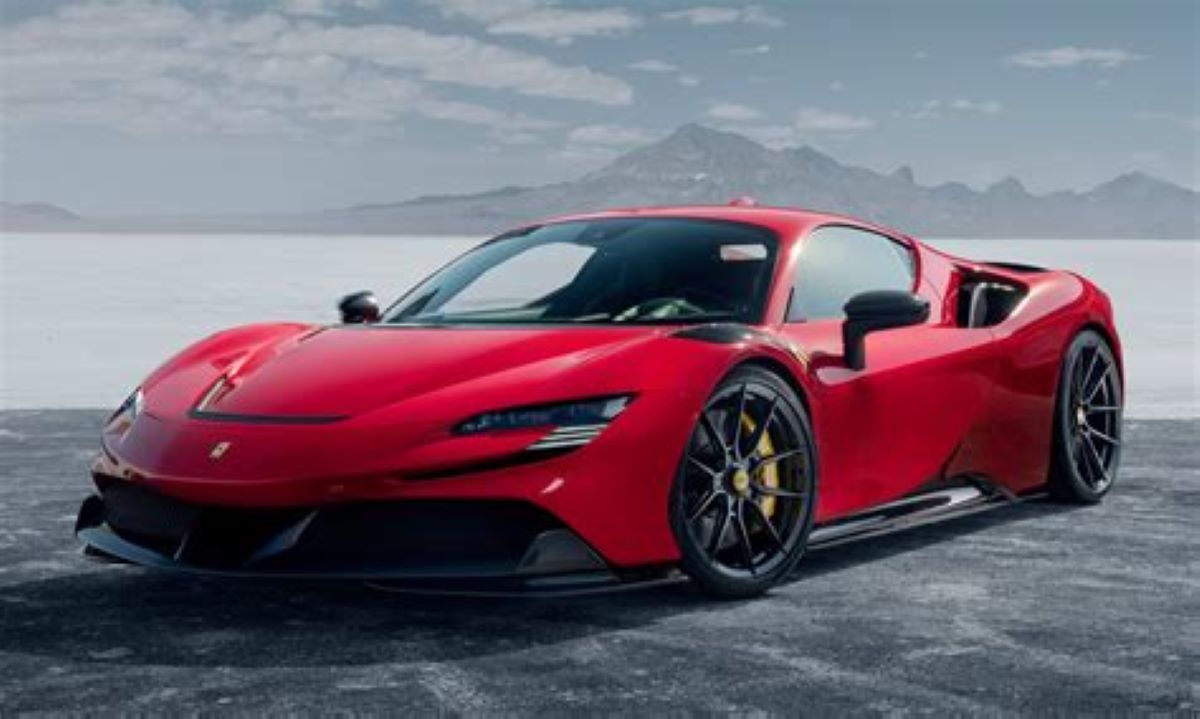
Ferrari’s engineers designed the SF90 for multiple personalities. Electric-only mode allows silent, emissions-free operation for short distances imagine arriving at an exclusive event without any engine noise whatsoever.
Hybrid mode automatically manages power sources for optimal efficiency and performance, while Performance and Qualify modes maximize output for track use. This versatility means the SF90 theoretically functions as both daily transportation and track weapon, though its $500,000 price tag means few owners risk it in either scenario.
Ownership costs reflect the SF90’s technological complexity. Routine maintenance at authorized Ferrari dealers runs thousands of dollars for basic services, while battery system servicing adds entirely new expense categories absent from traditional supercars.
Insurance quotes likely exceed $10,000 annually, while depreciation though Ferrari values remain relatively strong could easily total $50,000 or more per year during initial ownership.
For perspective, that annual depreciation could purchase two brand-new Honda Civics, highlighting the financial disconnect between everyday transportation and exotic supercars.
The SF90 Stradale would look absolutely alien parked outside Tyler’s Brookshire’s grocery store or any other mundane East Texas location. It represents automotive cutting-edge, combining traditional supercar drama with hybrid efficiency to create something genuinely new.
For the rare individual who can afford Ferrari’s flagship model and actually drives it rather than storing it as an investment, the SF90 .delivers an experience transcending normal automotive definitions though Tyler’s speed limits and traffic patterns would waste roughly 98% of its capabilities.
4. Porsche 911 GT3 RS
While not reaching the stratospheric pricing of Bugattis or the luxury excess of Rolls-Royces, the Porsche 911 GT3 RS represents a different kind of automotive excess: obsessive engineering focus on circuit performance regardless of comfort, practicality, or street manners.
Starting around $225,000, the GT3 RS distills decades of Porsche motorsport experience into a road-legal package that prioritizes lap times above essentially every other consideration. This is the 911 for drivers who consider the regular 911 too comfortable, too refined, too civilized those seeking something rawer, more focused, more extreme.
The GT3 RS’s naturally aspirated 4.0-liter flat-six engine revs to 9,000 rpm, producing 518 horsepower with an intoxicating howl that represents increasingly rare analog performance in the modern turbocharged era.
While 518 horsepower sounds modest compared to hypercar figures, the GT3 RS weighs only about 3,260 pounds thanks to extensive carbon fiber construction and ruthless weight reduction throughout.
This power-to-weight ratio enables 0-60 mph acceleration in approximately 3.0 seconds and lap times embarrassing cars costing twice as much. The seven-speed dual-clutch transmission shifts with violent rapidity, while the rear-wheel-drive configuration preserves the purity purists demand.

Aerodynamics dominate the GT3 RS’s appearance. The massive rear wing nicknamed “swan neck” due to its unusual mounting—generates hundreds of pounds of downforce at speed, while the front splitter, side skirts, and extensive underbody management work together to glue the car to pavement during high-speed cornering.
The hood features prominent extraction vents that reduce front-end lift, while the roof incorporates an air intake directing cooling flow to the engine. Every surface serves aerodynamic or cooling purposes, with design beauty emerging from engineering function rather than styling department whims.
The GT3 RS represents a different philosophy than other fortune-demanding cars discussed here. This isn’t about luxury, status, or straight-line speed but rather about uncompromising focus on driver engagement and track performance.
For wealthy enthusiasts who regularly attend track days and value driving purity above all else, the GT3 RS delivers an experience no mainstream car can match. On Tyler’s streets, however, it would seem absurdly out of place a thoroughbred racehorse forced to pull a plow, its extraordinary capabilities wasted on 45 mph speed limits and traffic lights every quarter mile.
Yet for the rare owner who actually uses it as Porsche intended, lapping circuits and exploring its limits in appropriate environments, the GT3 RS justifies its price through experiences money alone cannot fully quantify.
Also Read: 10 Lightweight Rockets With Shockingly High Horsepower
