
Living along the stunning Gulf Coast in Biloxi, Mississippi, offers residents an enviable lifestyle filled with pristine beaches, warm breezes, and endless ocean views. However, this coastal paradise presents unique challenges for vehicle owners that many people don’t consider until it’s too late.
The salty, humid air that makes beachside living so refreshing can be devastatingly corrosive to automobiles, turning what should be a long-term investment into a rapidly depreciating liability.
Salt air accelerates oxidation and corrosion at an alarming rate, attacking vulnerable metal components, electrical systems, and even seemingly protected areas of your vehicle.
The combination of salt spray, high humidity, intense UV radiation, and temperature fluctuations creates a perfect storm for automotive deterioration. Undercarriages rust through, brake lines corrode, electrical connections fail, and paint finishes deteriorate far faster than in inland environments.
For Biloxi residents, choosing the right vehicle isn’t just about style, performance, or fuel efficiency it’s about survival in one of the most challenging automotive environments in America.
Fortunately, not all vehicles are created equal when it comes to coastal durability. Modern automotive engineering has produced vehicles specifically designed to withstand harsh marine environments, featuring advanced corrosion protection, rust-resistant materials, and sealed electrical systems.
Whether you’re a longtime Biloxi resident or considering a move to this beautiful coastal community, this information will prove invaluable in making your next automotive purchase decision.
6 Best Cars for Biloxi Beachside Living
These exceptionally corrosion-resistant vehicles feature galvanized body panels and extensive undercoating that withstand constant Gulf Coast salt exposure without the rust perforation typically destroying unprotected vehicles within years of coastal living.
Their thoughtful engineering includes marine-grade fasteners and sealed electrical connections that resist the accelerated deterioration found in vehicles using bare steel components and exposed wiring harnesses vulnerable to humidity and salt spray infiltration.
From daily beach parking exposing undercarriages to salt-laden air to hurricane evacuations through flooded streets testing water resistance, these remarkable vehicles continue maintaining structural integrity without the frame rot or electrical gremlins found in poorly protected alternatives.
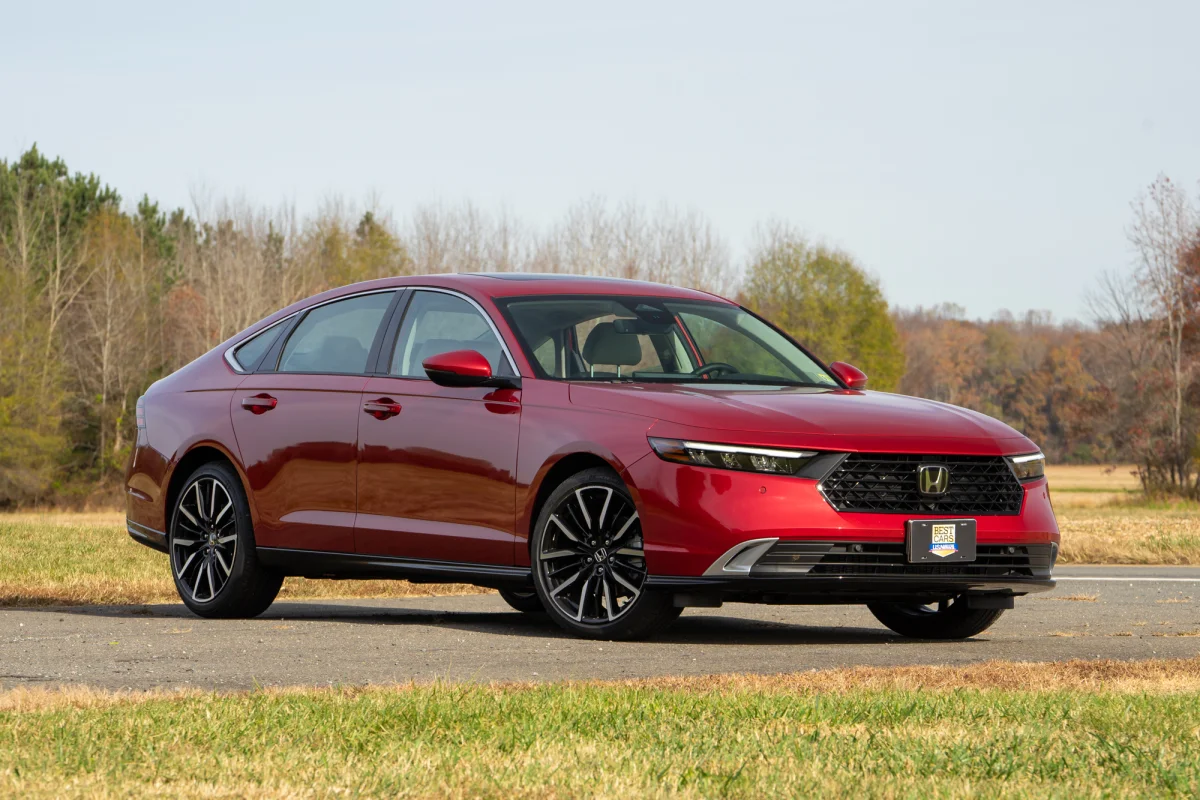
1. Honda Accord (2020-Present)
The Honda Accord stands as one of the most reliable choices for Biloxi’s coastal environment, earning its reputation through decades of proven durability in marine climates.
Honda has invested heavily in corrosion-resistant engineering, and the current-generation Accord showcases this commitment with exceptional anti-rust technology that makes it ideal for Gulf Coast living.
The Accord’s body construction utilizes extensive hot-dip galvanizing, a process where steel panels are immersed in molten zinc to create a sacrificial barrier against corrosion.
This zinc coating protects the underlying steel even when the paint is chipped or scratched, something that happens frequently in beach environments where sand and salt constantly bombard your vehicle.
Honda applies this galvanizing to critical structural components, door panels, fenders, and the hood, providing comprehensive protection that extends the vehicle’s lifespan significantly.
Honda’s reputation for reliability means the Accord requires minimal maintenance beyond standard oil changes and tire rotations. The powertrain options, including both turbocharged and naturally aspirated engines, deliver excellent fuel efficiency for both beach cruising and highway commuting.
With proper maintenance particularly regular undercarriage washing to remove salt buildup a Honda Accord can easily exceed 200,000 miles in Biloxi’s harsh coastal environment while maintaining its structural integrity and aesthetic appeal.
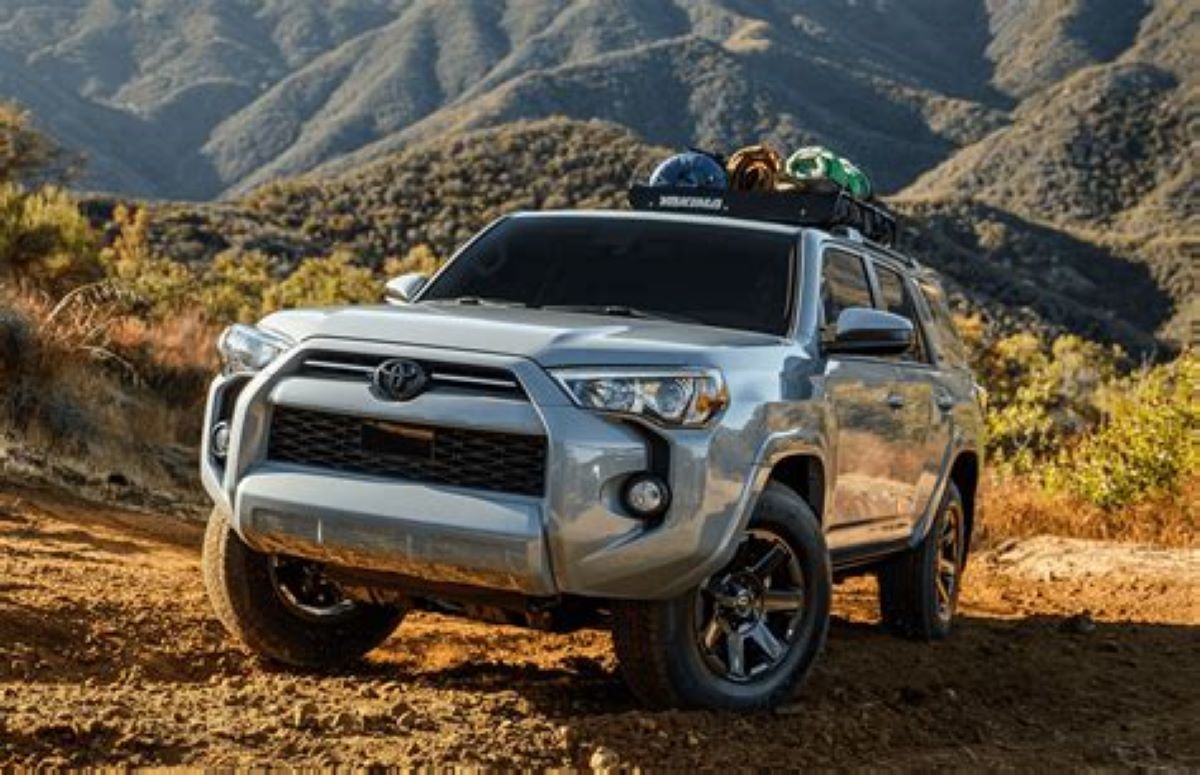
2. Toyota 4Runner (2010-Present)
The Toyota 4Runner represents the ultimate combination of rugged capability and coastal durability, making it an outstanding choice for Biloxi residents who need versatility beyond pavement.
This body-on-frame SUV delivers exceptional corrosion resistance while providing the capability to handle everything from beach access roads to boat launch ramps, all while maintaining the legendary Toyota reliability that has made it a favorite in marine environments worldwide.
Toyota’s approach to rust prevention in the 4Runner is nothing short of comprehensive. The separate frame construction uses thick-gauge steel treated with multiple protective layers, including e-coating (electrodeposition coating) that provides complete coverage of complex frame geometry.
This process ensures even hard-to-reach areas inside the frame rails receive protection. Additional PVC-based sealants are applied to seams and joints where moisture typically accumulates, preventing the inside-out corrosion that destroys lesser vehicles.
The 4Runner’s body panels feature Toyota’s advanced rust-proofing process, which includes galvanized steel in critical areas and a multi-stage paint process with chip-resistant clearcoat.
The rocker panels, wheel wells, and lower body sections receive extra attention with thick rubberized undercoating that handles the constant sandblasting from beach driving. The tailgate, a common rust point on many SUVs, features full galvanizing and drainage channels that prevent water accumulation.
For Biloxi residents who embrace the coastal lifestyle fully fishing, boating, water sports, and beach exploration the 4Runner provides unmatched versatility. Its towing capacity handles boats up to 5,000 pounds, and the roof rack system accommodates kayaks, paddleboards, or cargo boxes.
With proper maintenance, including regular frame inspections and undercarriage cleaning, a 4Runner can serve faithfully for 300,000 miles or more, making it one of the best long-term investments for Gulf Coast living.
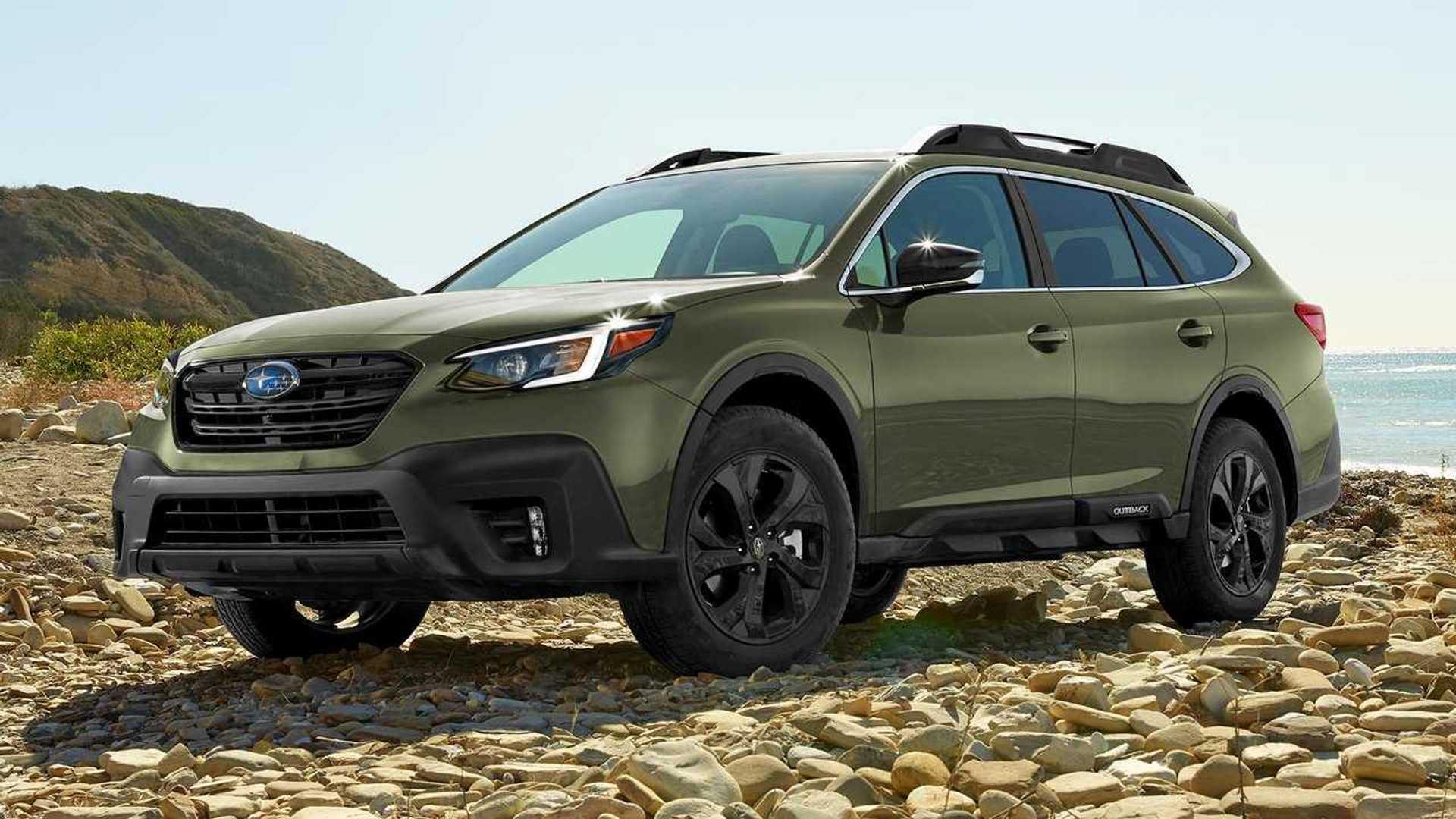
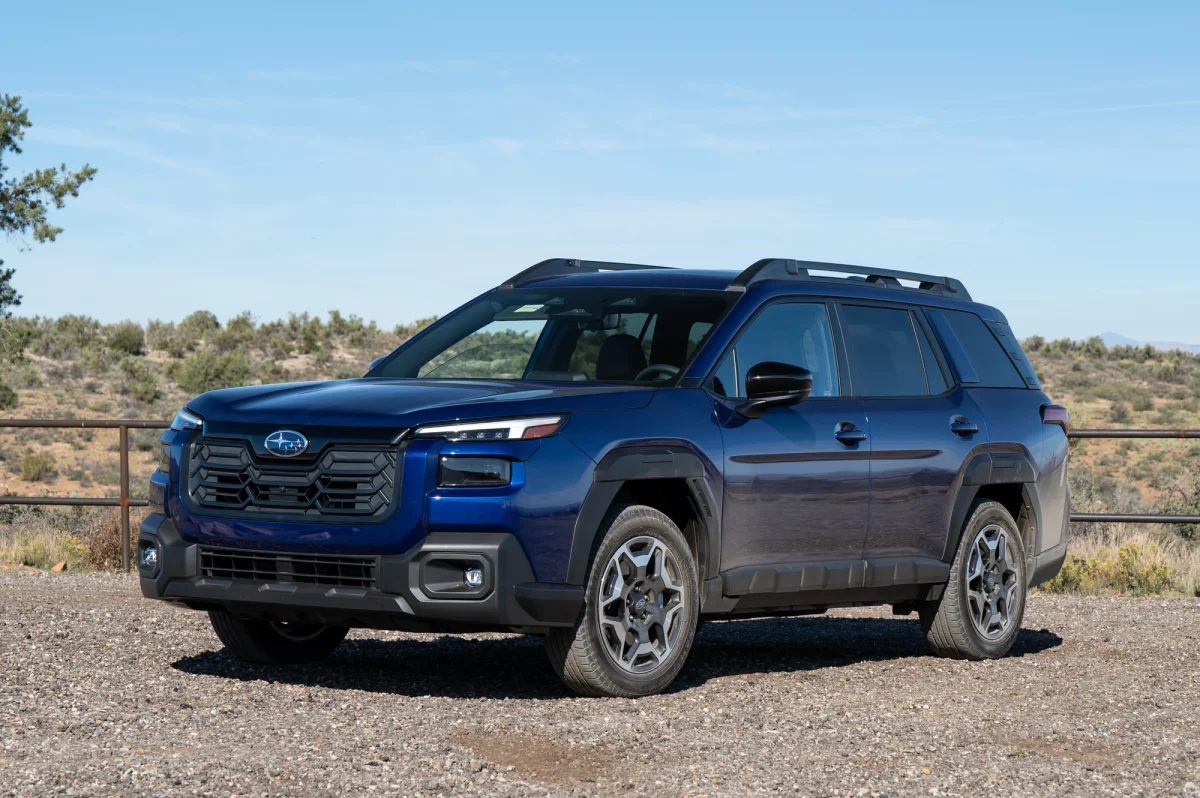
3. Subaru Outback (2015-Present)
The Subaru Outback brings an unexpected combination of all-weather capability, advanced safety features, and exceptional corrosion resistance to Biloxi’s beachside communities.
While Subaru built its reputation in snowy northern climates, the company’s commitment to rust prevention makes the Outback equally well-suited for coastal salt exposure, providing a versatile alternative to traditional SUVs with superior fuel efficiency and modern technology.
Subaru’s anti-corrosion measures begin with their patented ring-shaped reinforcement frame structure, which provides exceptional rigidity while minimizing the crevices where moisture can accumulate.
The company applies a comprehensive twelve-stage rust prevention process that includes electrodeposition coating, spray wax injection into body cavities, and chip-resistant underbody sealing.
This process has been refined through decades of operation in salt-heavy regions of Japan and the northern United States, where road salt creates conditions similar to coastal salt spray.
The Outback’s use of high-strength steel in critical areas combines structural integrity with weight reduction, but Subaru doesn’t sacrifice corrosion protection for performance.
Galvanized steel is used extensively, particularly in the rocker panels, door bottoms, and wheel wells areas that face constant salt and moisture exposure in coastal environments. The hood and front fenders receive multiple protective coatings, and the door sills feature drainage channels that prevent water pooling.
Maintenance simplicity and Subaru’s reliability reputation ensure the Outback remains dependable throughout its lifespan. The boxer engine design keeps the center of gravity low, improving handling while reducing stress on suspension components. Regular oil changes, air filter replacements, and undercarriage washing constitute the primary maintenance requirements.
With Subaru’s strong dealer network along the Gulf Coast, service and parts remain accessible. The Outback represents an intelligent choice for environmentally conscious coastal residents who refuse to compromise capability, safety, or durability for better fuel economy.
4. GMC Sierra 1500 AT4 (2019-Present)
The GMC Sierra 1500 AT4 combines American truck capability with sophisticated corrosion protection engineered specifically for challenging environments, making it an excellent choice for Biloxi residents who demand both utility and durability.
General Motors has significantly improved its rust prevention technology in recent years, and the Sierra AT4 showcases these advances with construction techniques and materials that stand up remarkably well to Gulf Coast salt exposure.
The Sierra’s fully boxed frame uses high-strength steel with comprehensive rust-proofing applied through a multi-stage process. GM’s corrosion protection begins with an electrophoretic coating that uses electrical current to deposit protective layers uniformly across all metal surfaces, ensuring complete coverage even in complex geometries and hidden areas.
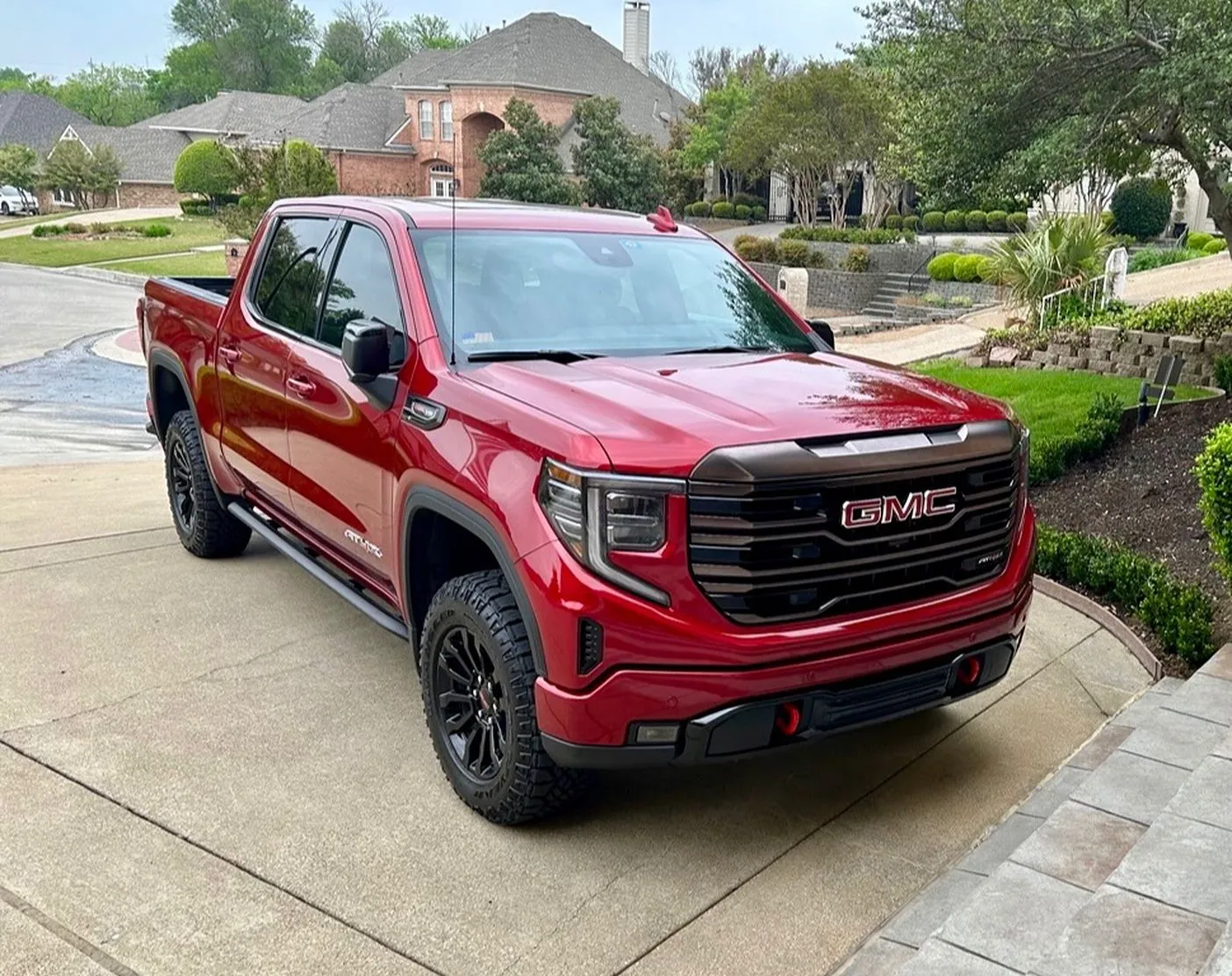
This E-coating penetrates into welds, seams, and crevices where traditional spray coatings cannot reach, providing superior protection where corrosion typically begins.
The Sierra’s towing technology makes boat ownership effortless. The available trailer camera system provides multiple views when backing up to launch ramps, while the trailer side blind zone alert warns of approaching vehicles when towing.
The integrated trailer brake controller and tow/haul mode optimize performance and safety when pulling heavy loads. For Biloxi residents serious about fishing, boating, or water sports, the Sierra 1500 AT4 provides unmatched capability with corrosion protection engineered to handle years of coastal exposure.
Also Read: 10 Lightweight Rockets With Shockingly High Horsepower
5. Mazda CX-5 (2017-Present)
The Mazda CX-5 represents a surprising entry in the coastal durability category, as this stylish compact crossover combines sophisticated design with exceptional rust prevention technology that rivals luxury brands at a fraction of the cost.
Mazda’s commitment to corrosion resistance stems from decades of experience in Japan’s humid, salt-heavy climate, and the current CX-5 showcases engineering refinements that make it ideally suited for Biloxi’s challenging marine environment.
Mazda’s approach to preventing rust focuses on eliminating gaps and crevices where moisture can accumulate. The CX-5 features continuous structural adhesive bonding in addition to traditional welding, creating sealed joints that prevent water intrusion into vulnerable areas.
This construction technique also enhances structural rigidity, improving crash protection and reducing noise, vibration, and harshness. The body panels use a combination of high-strength steel and aluminum, with extensive use of galvanized steel in corrosion-prone areas like door skins, fenders, and the tailgate.
The CX-5’s paint process includes multiple protective layers applied in a state-of-the-art facility. The e-coat primer provides complete coverage, followed by intermediate coats and a final clearcoat with UV inhibitors that prevent sun damage crucial in Mississippi’s intense sunshine.
The underbody receives extensive coating with anti-chip materials and sound deadening that doubles as corrosion protection. Wheel wells feature thick plastic liners that deflect salt spray and road debris away from vulnerable metal surfaces.
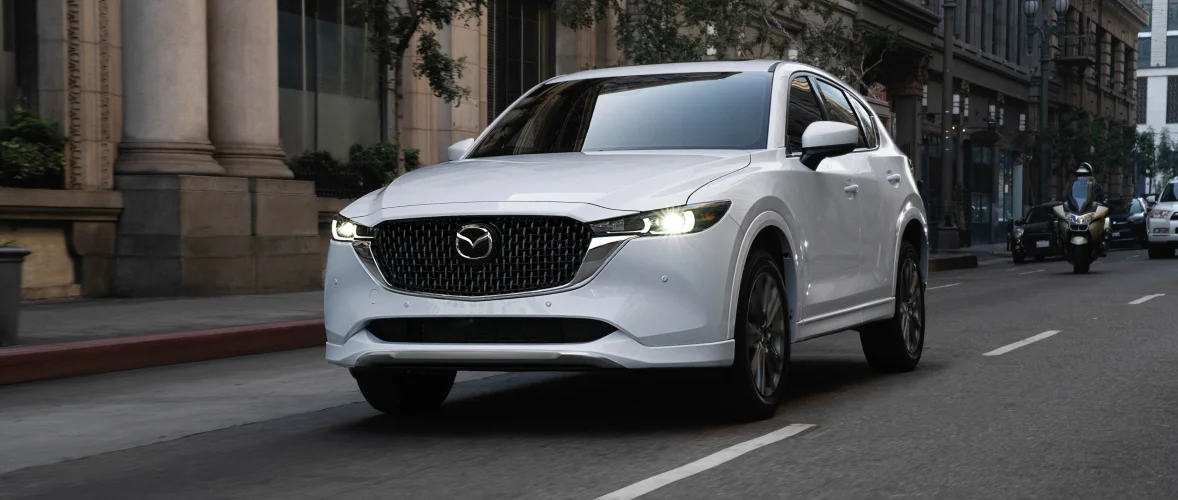
Mechanically, the CX-5 emphasizes simplicity and reliability. The Skyactiv engine family uses naturally aspirated designs rather than complex turbochargers (except in the top trim), reducing potential corrosion points in forced induction systems.
The engines feature lightweight construction with aluminum blocks and heads that inherently resist oxidation. The exhaust system uses stainless steel construction throughout, preventing the rapid deterioration common with conventional exhaust materials in salt air.
The CX-5’s size proves ideal for Biloxi living large enough to handle beach gear and family needs but small enough to go through the crowded tourist areas and tight parking spaces easily.
The cargo area accommodates folding beach chairs, coolers, umbrellas, and water toys with room to spare. The rear seats fold in a 40/20/40 split configuration, allowing you to carry longer items like fishing rods while still accommodating three passengers. The power liftgate adds convenience when your hands are full of beach equipment.
The CX-5’s combination of style, efficiency, reliability, and corrosion resistance makes it an intelligent choice for Biloxi residents who want a vehicle that looks sophisticated while withstanding coastal conditions. Mazda’s excellent warranty coverage and affordable maintenance costs ensure low ownership expenses.
With proper care, including regular washing to remove salt deposits, the CX-5 can provide 200,000 miles or more of dependable service while maintaining its attractive appearance and solid structure.
6. Chevrolet Tahoe (2021-Present)
The Chevrolet Tahoe represents the pinnacle of full-size SUV capability combined with modern corrosion protection technology, making it the ultimate choice for large families or Biloxi residents who need maximum space, towing capacity, and all-weather capability.
General Motors has invested heavily in improving rust prevention across its truck and SUV lineup, and the current-generation Tahoe benefits from these comprehensive engineering improvements designed specifically to withstand harsh coastal environments.
The Tahoe’s body-on-frame construction provides several advantages for coastal durability. The fully boxed steel frame receives GM’s most advanced corrosion protection treatment, beginning with complete submersion in an electrophoretic coating bath.
This process uses electrical current to deposit protective layers uniformly across every surface, including inside frame rails and other hidden areas impossible to reach with conventional spray application.
After e-coating, additional layers of corrosion-resistant primer and targeted spray wax treatments are applied to seams, joints, and potential moisture traps.
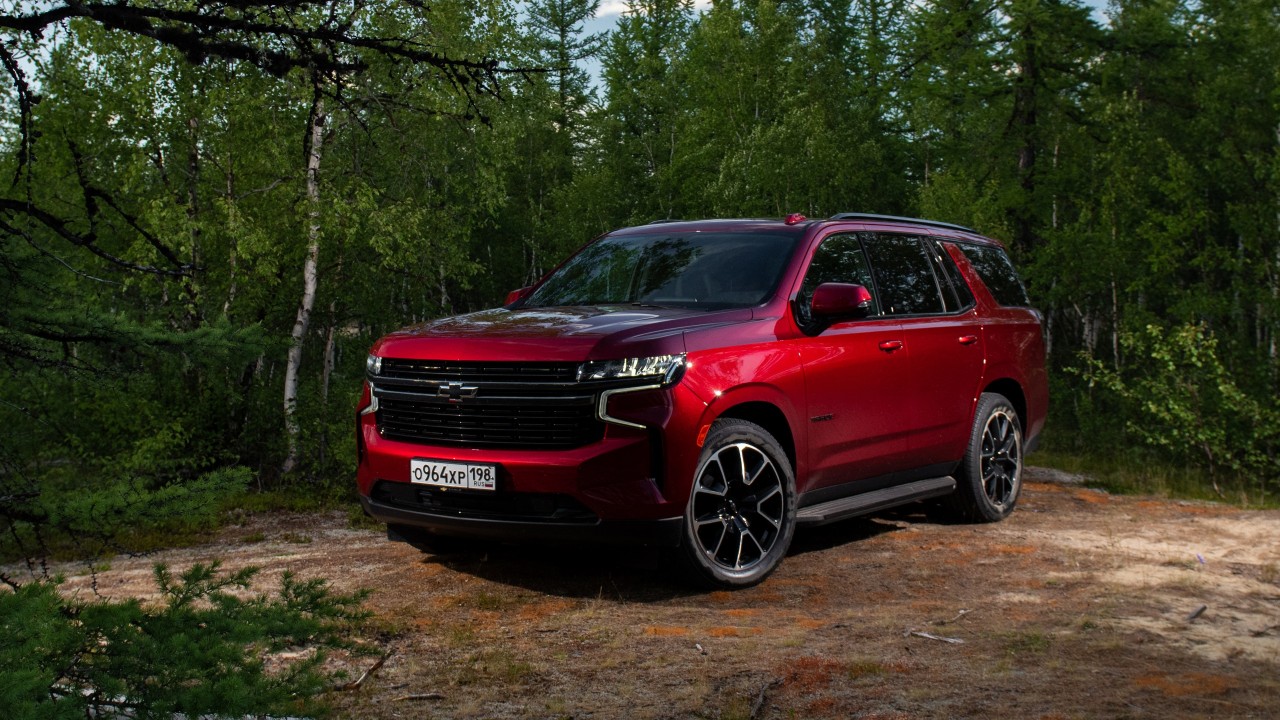
The body panels feature extensive use of galvanized steel, particularly in areas that face constant salt exposure—rocker panels, door bottoms, wheel wells, and the liftgate frame. The hood and front fenders use aluminum construction in higher trim levels, eliminating rust concerns entirely for these highly visible components.
The composite body panels on lower portions resist stone chips and minor impacts while being impervious to corrosion. The underbody receives multiple layers of protective coating, including rubberized sound deadening that doubles as an anti-corrosion barrier.
The Tahoe’s electrical system demonstrates GM’s attention to durability in harsh environments. Sealed connectors with gold-plated terminals, protected wiring harnesses, and strategically positioned control modules minimize corrosion risk.
The available power-deployable running boards automatically extend when doors open, providing easier entry while retracting for ground clearance and protection from salt spray when driving.
For Biloxi families who need maximum space, capability, and long-term durability in coastal conditions, the Chevrolet Tahoe represents an excellent investment that can serve reliably for well over a decade with proper maintenance.
6 Cars That Fail in Biloxi’s Salt Air
These rapidly deteriorating vehicles suffer from inadequate corrosion protection and exposed metal components that create catastrophic rust damage within just years of Gulf Coast exposure, transforming solid transportation into structurally compromised rust buckets requiring expensive repairs or premature replacement.
Their problematic construction includes unprotected steel subframes and poorly sealed electrical systems that cannot withstand Biloxi’s relentless salt air and humidity, leading to frame perforation, brake line corrosion, and complete electrical system failures from corroded connections.
Despite acceptable performance in dry climates and normal maintenance schedules, these vehicles disintegrate in coastal environments through their vulnerable rocker panels developing holes, suspension mounting points weakening from rust, and wiring harnesses corroding into unreliable nightmares requiring complete replacement.
1. Jeep Wrangler (2007-2018)
The Jeep Wrangler occupies an ironic position in discussions of coastal vehicles while its rugged appearance and off-road capability suggest it should excel in beach environments, the reality is that older Wrangler models suffer from severe corrosion problems that make them among the worst choices for Biloxi residents.
Despite Jeep’s attempts to address these issues in recent years, Wranglers produced between 2007 and 2018 demonstrate consistently poor resistance to salt air exposure, resulting in premature structural failure and expensive repairs.
The fundamental problem with these Wranglers lies in inadequate corrosion protection during manufacturing. The body-on-frame construction should provide durability advantages, but Jeep applied insufficient rust-proofing to the frame during this era.
The frame rails feature numerous crevices, bolt holes, and mounting points that trap moisture and salt, creating ideal conditions for corrosion to begin.
Unlike competitors who use comprehensive e-coating and wax injection, Jeep relied primarily on spray-on coatings that failed to adequately cover hidden surfaces and complex geometries.
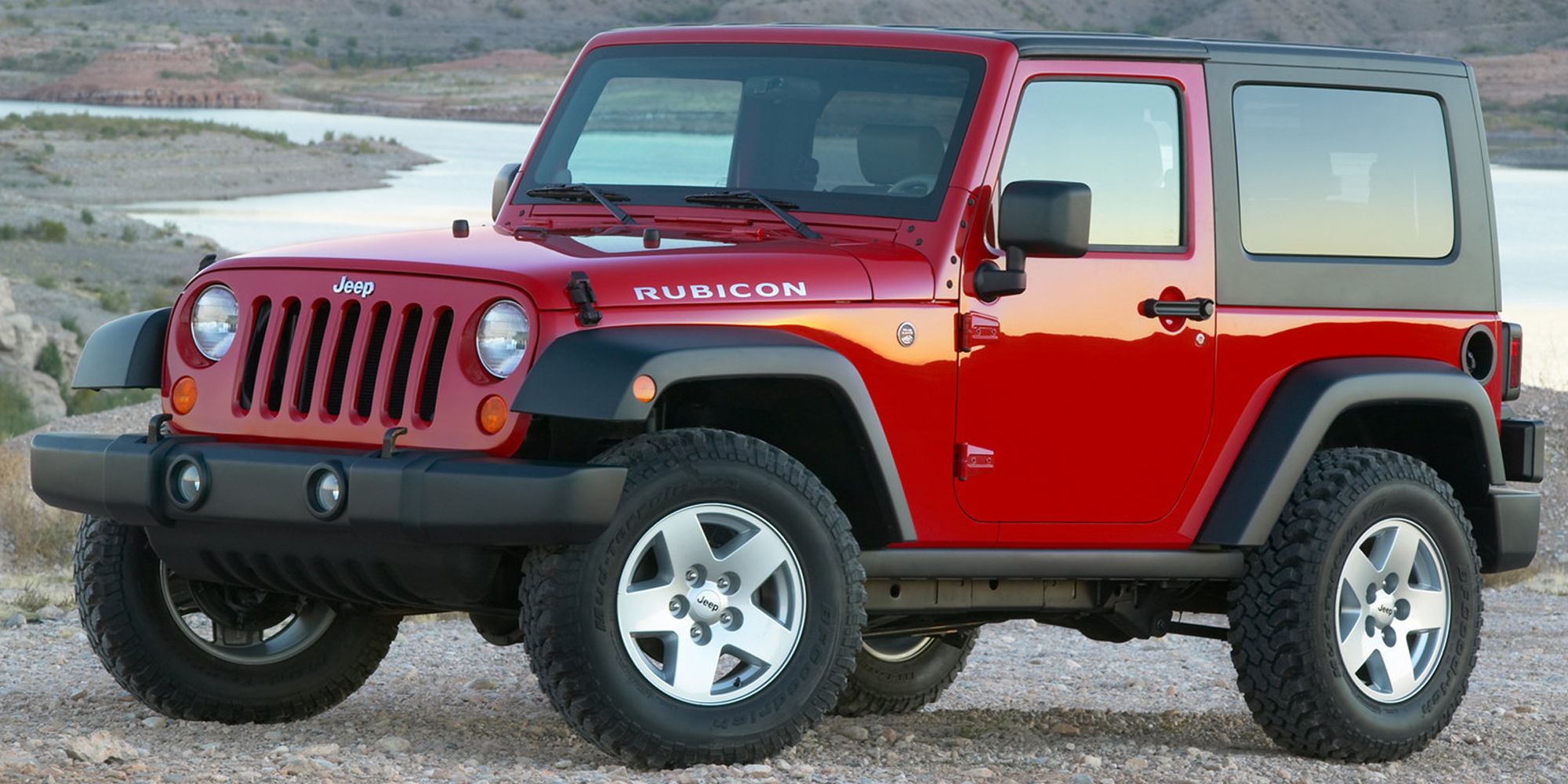
The consequences become apparent alarmingly quickly in coastal environments. Owners in Biloxi and similar communities report visible surface rust appearing on frames within the first year of ownership, even on garaged vehicles. Within three to five years, the corrosion penetrates deeper, weakening structural components and creating safety concerns.
The rear frame section, which carries suspension loads and towing forces, proves particularly vulnerable. Control arm mounts, shock towers, and body mount locations corrode through, compromising both handling and structural integrity.
Despite these serious shortcomings, the Wrangler’s popularity and iconic status mean many Biloxi residents purchase them without understanding the coastal durability implications.
The removable doors and top create undeniable appeal for beach living, and the off-road capability seems perfect for sand driving and boat launching. However, the reality of accelerated deterioration, declining resale value, and expensive repairs makes older Wranglers a poor investment for Gulf Coast residents.
Even with religious rust prevention treatments and frequent undercarriage washing, the fundamental design and manufacturing deficiencies make long-term coastal ownership problematic.
Jeep has improved corrosion protection in post-2018 models, but significant skepticism remains given the brand’s poor track record in salt environments.
2. Nissan Altima (2007-2018)
The Nissan Altima, despite being a popular midsize sedan with comfortable ride quality and reasonable pricing, demonstrates disappointing vulnerability to coastal corrosion that makes it a poor choice for Biloxi residents.
During the 2007-2018 production period, Nissan’s cost-cutting measures resulted in inadequate rust prevention that becomes painfully apparent after several years of salt air exposure.
The combination of inferior protective coatings, exposed steel components, and moisture-prone design creates a vehicle that deteriorates rapidly in marine environments.
Nissan’s corrosion protection during this era lagged significantly behind competitors like Honda and Toyota. The body panels receive only basic primer and paint without the comprehensive galvanizing or e-coating processes that provide long-term protection.
The hood, fenders, and doors use exposed steel that begins rusting from the inside out, often invisible until paint bubbling reveals the underlying damage.
The door bottoms and rocker panels prove particularly vulnerable, with rust appearing within three to four years of coastal exposure even on vehicles that receive regular washing.
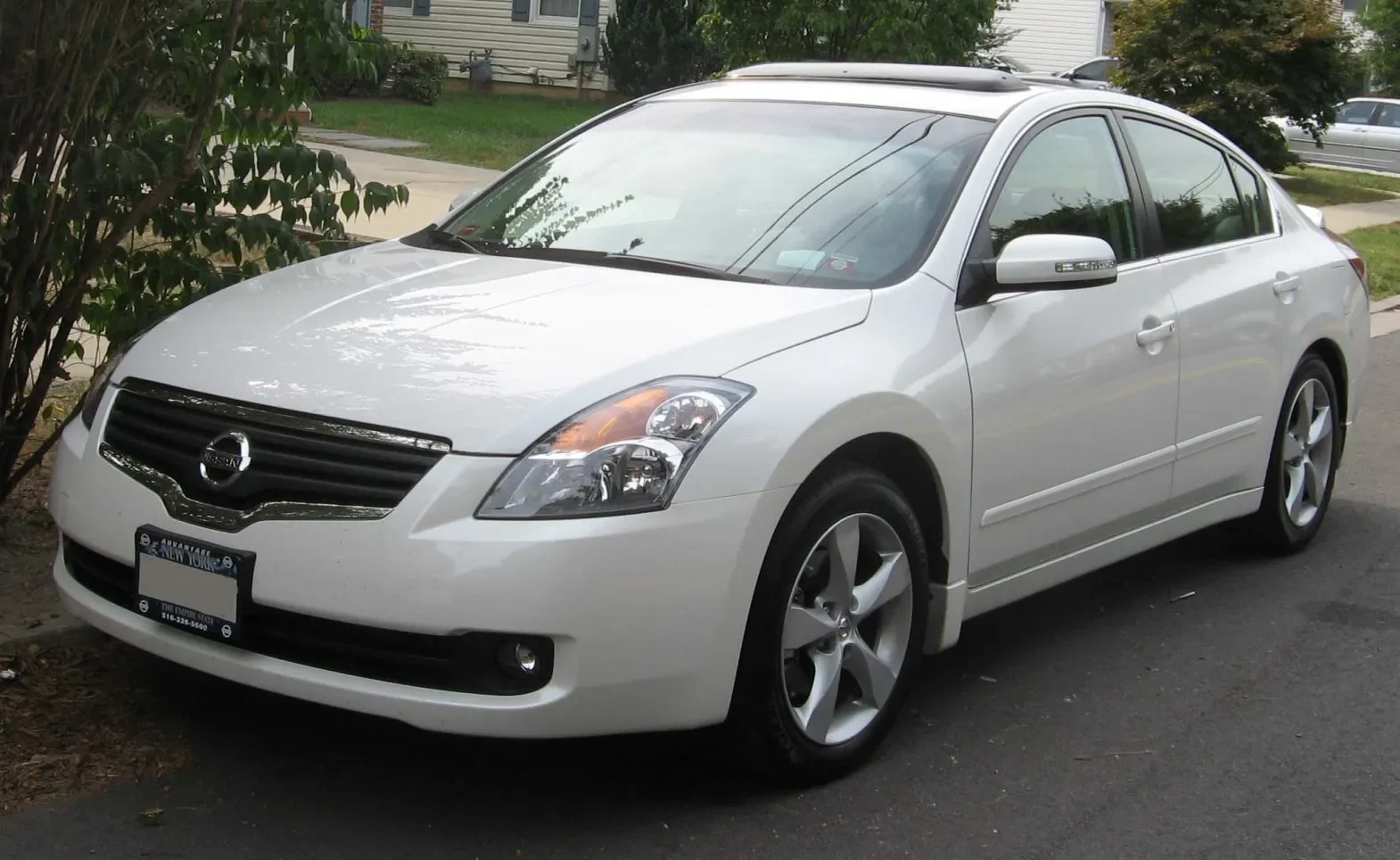
The subframe and suspension mounting points demonstrate critical vulnerabilities that go beyond cosmetic concerns. The front subframe, which carries the engine, transmission, and front suspension, uses steel with minimal protective coating.
Salt spray from road surfaces and ocean air attacks this crucial structural component, causing rust that weakens mounting points and threatens safety.
Mechanics working on salt-exposed Altimas often discover severely corroded subframe bolts that break during removal, complicating routine repairs and increasing costs substantially.
For Biloxi residents considering an Altima, the combination of poor corrosion resistance, premature mechanical failures, and low resale value creates a financially unwise decision.
Even with meticulous maintenance including regular undercarriage washing and corrosion prevention treatments, the fundamental design and material choices make these vehicles unsuitable for long-term coastal ownership. Better alternatives exist at similar price points with substantially superior rust resistance and reliability.
3. Ford F-150 (2004-2014)
The Ford F-150 represents America’s best-selling vehicle for decades, but trucks produced between 2004 and 2014 demonstrate serious corrosion vulnerabilities that make them problematic choices for Biloxi’s coastal environment.
During this production period, Ford faced numerous complaints and even recalls related to frame and body rust, revealing systematic problems with corrosion protection that particularly affected vehicles operated in salt-heavy environments like coastal communities.
Despite Ford’s improvements in later models, these older F-150s remain common in the used market and represent poor investments for Gulf Coast residents.
The most serious problems center on the frame construction and coating process. Ford’s frame coating during this era proved inadequate for long-term protection against salt exposure.
The C-channel frame design features upward-facing openings that collect water, salt, and road debris, creating persistent moisture that accelerates corrosion.
Unlike modern truck designs that incorporate drainage and protective coatings inside frame rails, these F-150s allowed water to pool in the frame channels, causing rust from the inside that owners couldn’t see or address until structural damage became severe.
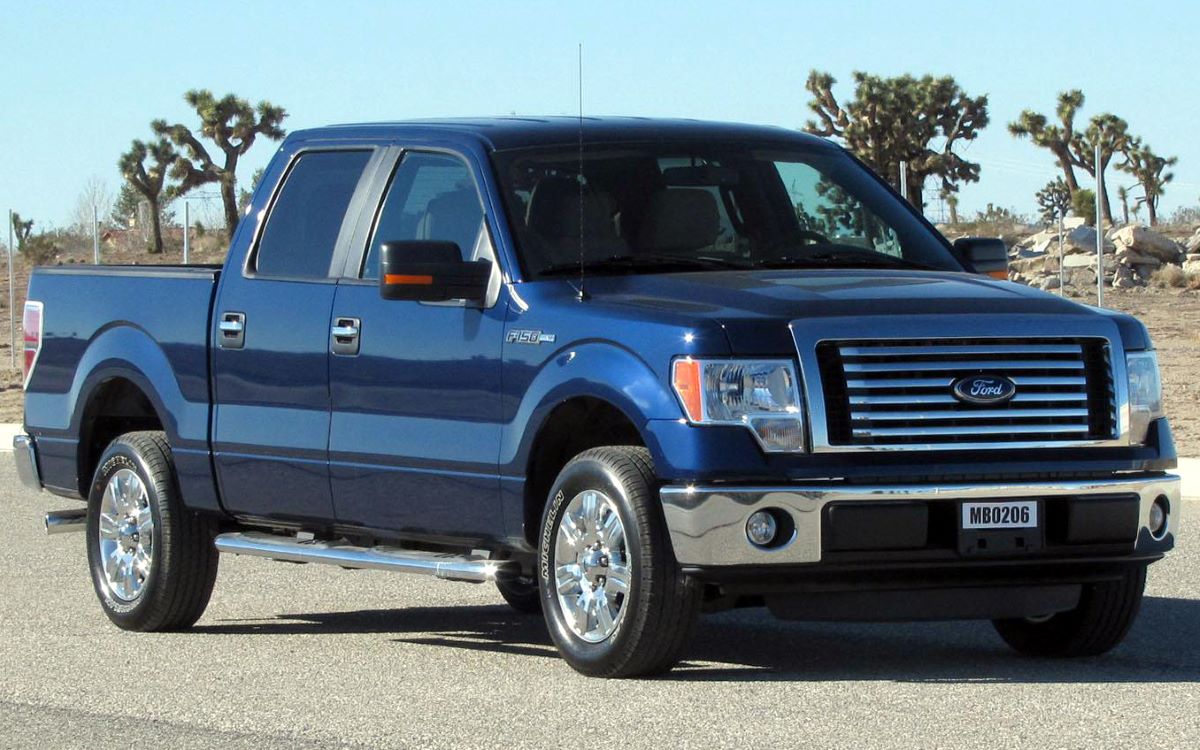
The frame corrosion manifests first in the rear section, where moisture accumulation is greatest. The spring hangers, which carry significant suspension loads, rust through completely in some cases, causing suspension failure and rendering vehicles unsafe.
Spare tire carriers corrode and fail, dropping spare tires onto roadways unexpectedly. Body mount locations rust, causing the bed to shift relative to the cab and creating alignment problems.
In extreme cases, the frame develops visible holes and requires complete replacement a repair exceeding $10,000 that often totals the vehicle economically.
Ford significantly improved corrosion protection in the 2015 redesign, implementing better frame coatings and using aluminum body panels that eliminated many traditional rust concerns.
However, these older trucks remain common in the used market, often at seemingly attractive prices that don’t reflect the looming repair costs awaiting new owners.
Biloxi residents shopping for used trucks should carefully inspect any 2004-2014 F-150 for rust, understanding that visible corrosion indicates far more extensive hidden damage, and that even rust-free examples will likely develop serious problems within a few years of coastal exposure.
4. Hyundai Elantra (2007-2016)
The Hyundai Elantra from the 2007-2016 production period represents a disappointing example of cost-cutting that sacrificed long-term durability for initial affordability.
While Hyundai has made tremendous strides in recent years regarding quality and corrosion protection, these older Elantras demonstrate poor resistance to salt air exposure that makes them unsuitable for Biloxi’s coastal environment.
The combination of thin metal, inadequate protective coatings, and moisture-prone design results in vehicles that deteriorate rapidly when exposed to marine conditions.
Hyundai’s corrosion protection during this era consisted primarily of basic primer and paint without the comprehensive galvanizing or advanced e-coating processes employed by Honda, Toyota, and other manufacturers focused on long-term durability.
The body panels use relatively thin steel to reduce weight and manufacturing costs, but this thin gauge corrodes through more quickly than thicker materials when protective coatings fail.
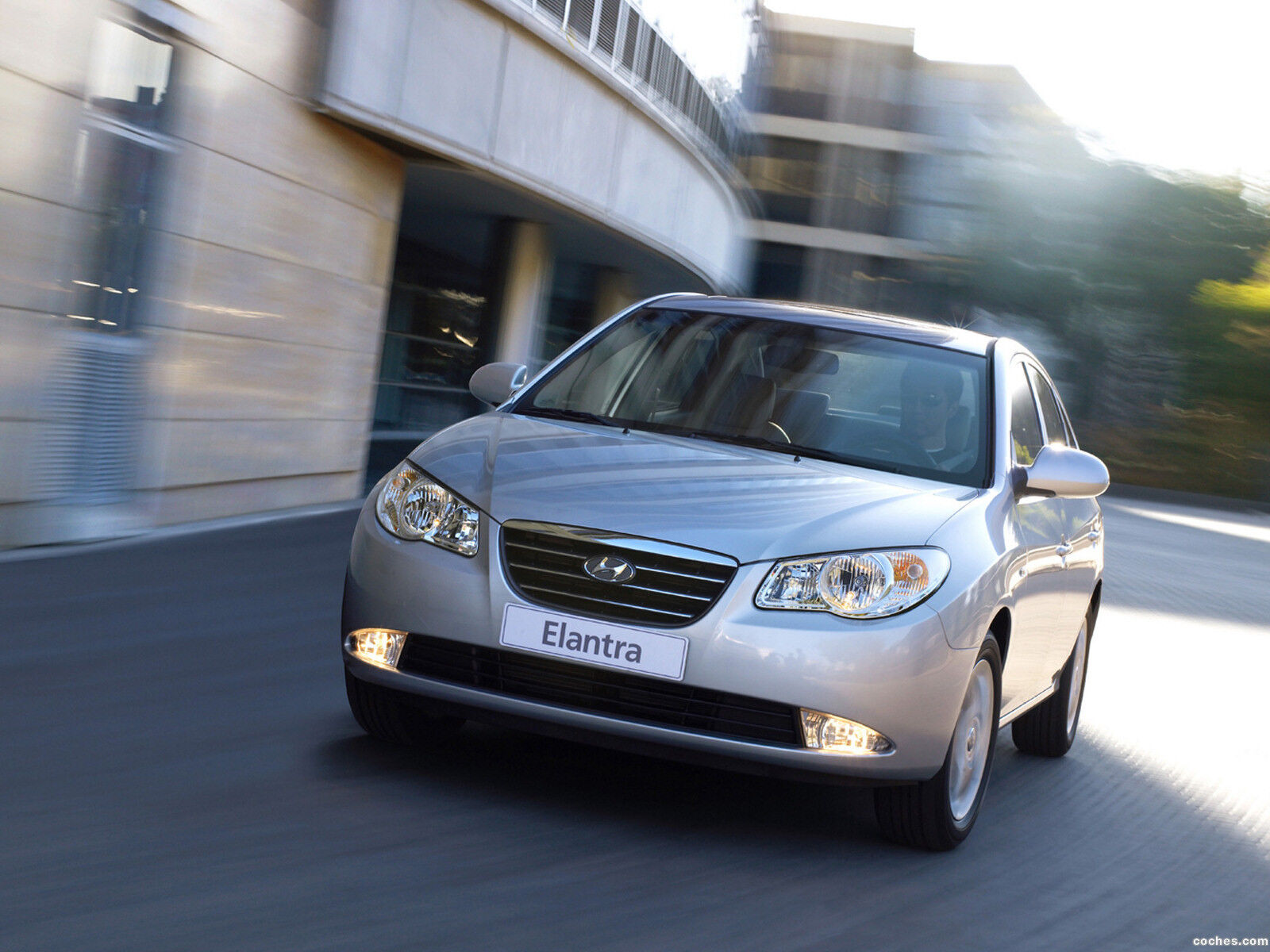
The door bottoms, rocker panels, and rear wheel arches demonstrate rust within three to four years of coastal exposure, progressing from surface oxidation to structural holes alarmingly quickly.
The hood and front fenders prove particularly vulnerable to corrosion. Stone chips from highway driving penetrate the thin clear coat, allowing salt and moisture to attack the underlying metal.
Resale values plummet once corrosion becomes apparent, and dealers often refuse trade-ins on extensively rusted examples. Even with diligent maintenance including frequent undercarriage washing and corrosion prevention treatments, the fundamental material and design choices make long-term coastal ownership impractical and financially unwise.
5. Dodge Ram 1500 (2009-2018)
The Dodge Ram 1500 trucks produced between 2009 and 2018 demonstrate serious corrosion vulnerabilities that make them problematic for Biloxi’s coastal environment despite their capable powertrains and comfortable interiors.
During this production period, Chrysler’s cost management and manufacturing practices resulted in inadequate rust protection that becomes painfully apparent after several years of salt air exposure.
These trucks suffer from frame corrosion, body panel rust, and premature failure of critical components, creating safety concerns and expensive repairs that make them poor choices for Gulf Coast residents.
The fundamental problem lies in insufficient corrosion protection applied during manufacturing. The frame coating process used during this era proved inadequate for long-term durability in salt-heavy environments.
The frame features numerous mounting points, bolt holes, and crevices that trap moisture and salt, creating ideal conditions for rust to establish and spread.
Unlike competitors who implemented comprehensive e-coating and wax injection procedures, Dodge relied on spray-on coatings that failed to adequately cover hidden surfaces and complex geometries where corrosion typically begins.
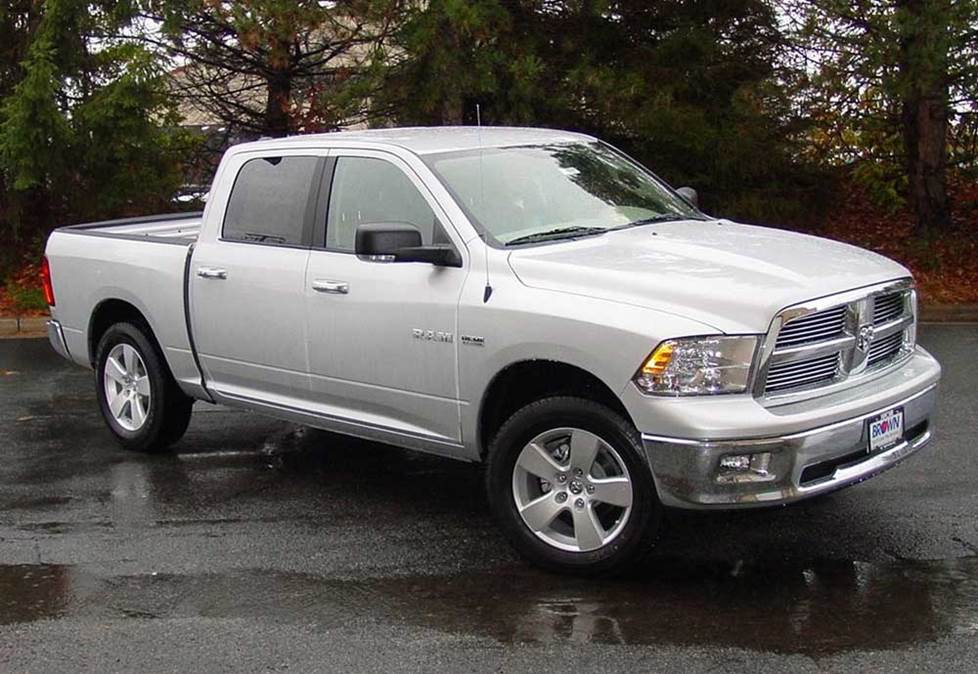
Frame rust manifests first in the rear section where the spare tire carrier and rear bumper mount. The C-channel frame design allows water and debris to collect inside the frame rails, causing internal rust that weakens the structure invisibly until severe damage becomes apparent. The spring hangers corrode and fail, potentially causing suspension collapse.
The crossmembers rust through, compromising towing safety and structural integrity. In advanced cases, the frame develops visible holes and requires complete replacement a repair costing $8,000 to $12,000 that typically totals the vehicle economically.
Even with religious maintenance including frequent undercarriage washing and aftermarket corrosion prevention treatments, the fundamental design and manufacturing deficiencies make long-term coastal ownership financially unwise and potentially unsafe.
6. Volkswagen Jetta (2005-2018)
The Volkswagen Jetta produced between 2005 and 2018 demonstrates disappointing vulnerability to coastal corrosion that makes it an unsuitable choice for Biloxi residents despite its European engineering heritage and engaging driving dynamics.
During this production period, Volkswagen’s cost management for the North American market resulted in corrosion protection substantially inferior to competing vehicles, creating long-term durability problems that become expensive and frustrating for coastal owners.
The combination of inadequate rust prevention, moisture-prone design features, and complex electrical systems creates a vehicle that deteriorates rapidly in salt air environments.
Volkswagen’s approach to corrosion protection during this era emphasized initial quality rather than long-term durability. The body panels received basic e-coating and primer but lacked the comprehensive galvanizing found on competing vehicles from Honda, Toyota, and Mazda.
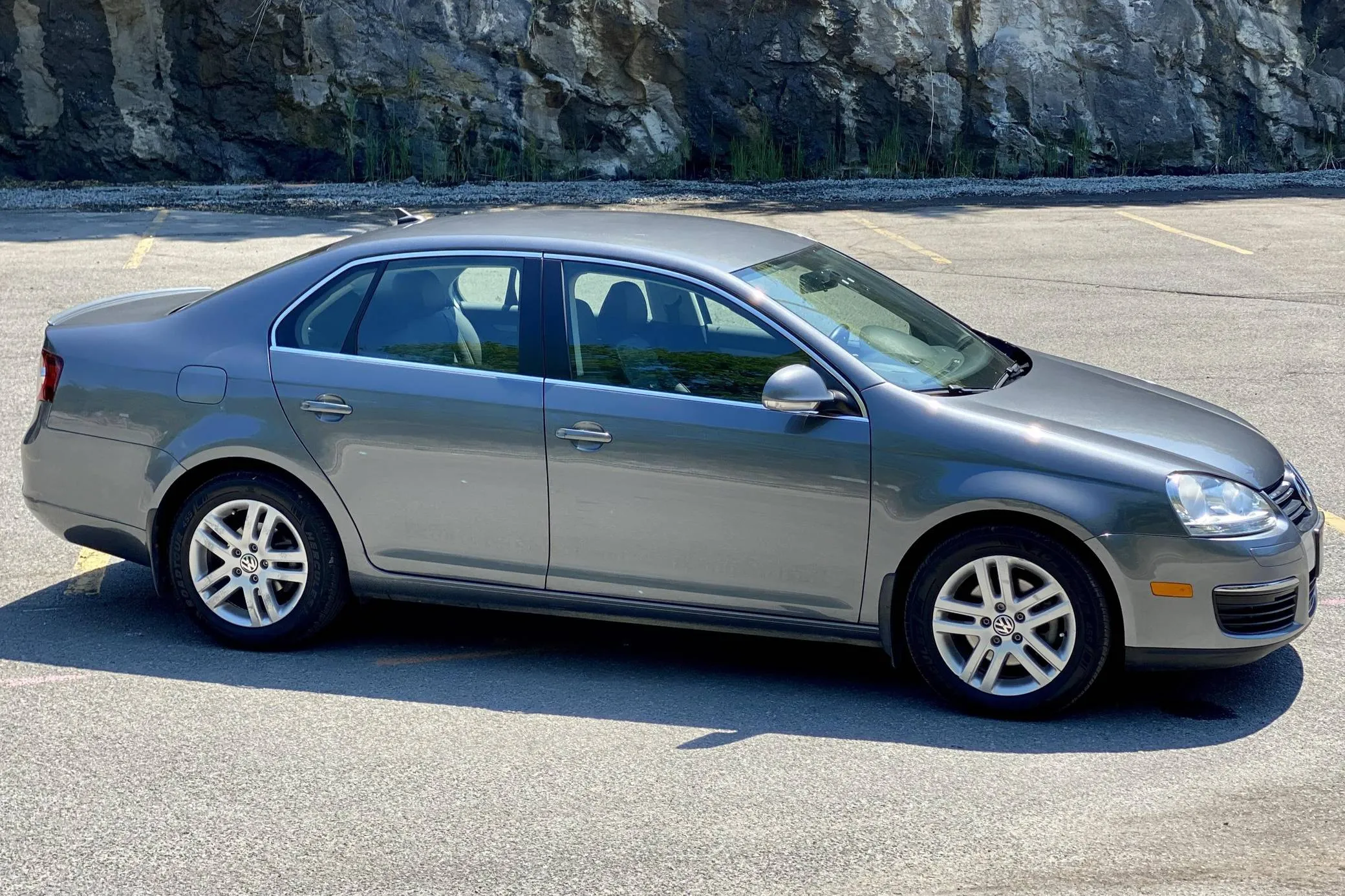
The steel used in body construction, while strong, corrodes quickly once protective coatings fail. The door bottoms, rocker panels, and rear quarter panels demonstrate rust within three to five years of coastal exposure, progressing from surface oxidation to structural corrosion alarmingly fast.
For Biloxi residents, the Jetta represents a particularly poor investment. The European driving dynamics and comfortable interior initially attract buyers, but the rapid deterioration in coastal conditions creates frustration and financial burden.
Resale values plummet once corrosion becomes apparent. Parts costs prove expensive compared to domestic and Japanese competitors. Independent mechanics often lack diagnostic equipment for complex electrical issues.
Combined, these factors make coastal Jetta ownership an expensive proposition best avoided in favor of vehicles engineered specifically for long-term durability in harsh environments.
Also Read: 4 Cars for Tyler (TX) Daily Use vs 4 That Cost a Fortune
