
Choosing the right family vehicle is one of the most important decisions Roseville families face. With the unique blend of suburban commutes, weekend adventures to nearby Lake Tahoe, and the occasional trip into Sacramento or the Bay Area, families need vehicles that can handle diverse driving conditions while keeping everyone safe and comfortable.
The stakes are even higher when you consider California’s strict emissions standards, fluctuating gas prices, and the region’s Mediterranean climate that can swing from scorching summers to wet winters.
The automotive market is flooded with options marketed as “perfect for families,” but not all vehicles live up to their promises. Some models have earned stellar reputations through years of reliable service, spacious interiors, and safety features that give parents peace of mind.
These are the vehicles you’ll see dominating school drop-off lines and packed parking lots at Denio’s Farmers Market or Maidu Regional Park. They’re the cars that Roseville mechanics know inside and out, that hold their value well, and that families pass down or recommend to friends without hesitation.
On the flip side, there are vehicles that look great on the showroom floor and seem perfect on paper, but hide significant issues beneath their polished exteriors.
These problematic models might suffer from chronic mechanical failures, expensive repair bills that catch families off guard, safety concerns that emerge after purchase, or reliability issues that leave parents stranded at the worst possible moments.
Some have transmission problems that manifest after warranty expiration, others have electrical gremlins that plague owners for years, and still others simply don’t hold up to the demands of daily family life.
Understanding which vehicles fall into which category can save Roseville families thousands of dollars and countless headaches. This comprehensive guide examines six vehicles that have proven themselves worthy of family duty against six that hide problems you won’t discover until it’s too late.
Whether you’re shopping for your first family vehicle or replacing an aging minivan, this information will help you make an informed decision that serves your family well for years to come.
The 6 Best Cars for Roseville Family Runs
These exceptionally reliable vehicles feature spacious interiors and proven drivetrains perfectly suited for Sacramento-area family life, providing dependable transportation through Roseville’s suburban sprawl and Central Valley heat without the maintenance surprises typically disrupting busy family schedules.
Their practical engineering includes efficient climate control systems and versatile cargo areas that resist the reliability concerns found in overly complex vehicles while handling daily school runs, Costco trips, and weekend Tahoe getaways with confidence.
From scorching summer commutes testing cooling capacity to frequent short trips around town, these remarkable vehicles continue operating flawlessly without the hidden maintenance costs or sudden breakdowns that create family chaos and budget strain.
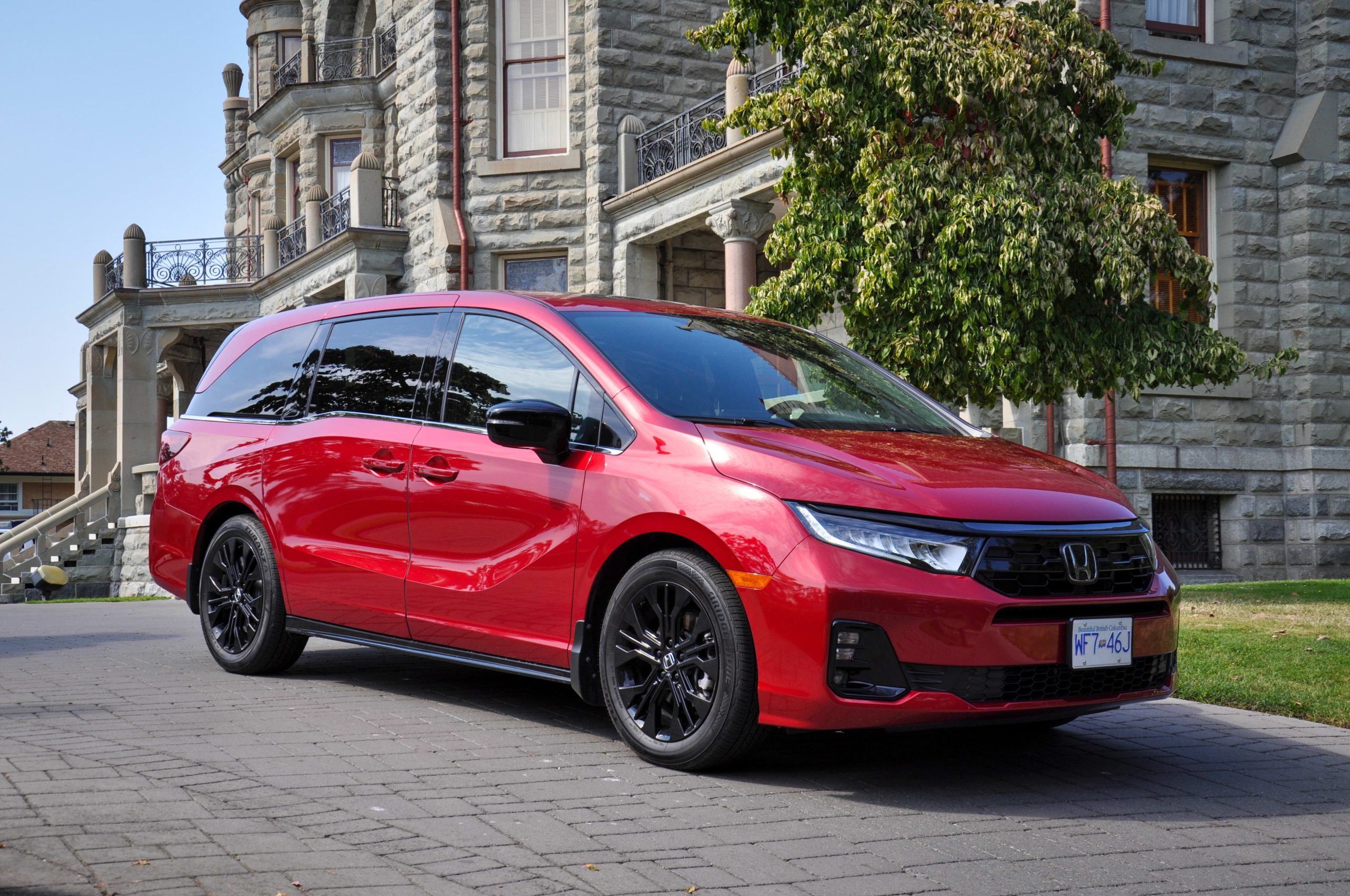
1. Honda Odyssey
The Honda Odyssey has dominated the minivan segment for good reason, and Roseville families have embraced it wholeheartedly. This vehicle represents what happens when a manufacturer listens to actual parents and designs accordingly.
The Odyssey’s reputation for reliability isn’t marketing hype it’s backed by decades of proven performance on American roads. What makes the Odyssey exceptional starts with its powertrain.
The 3.5-liter V6 engine delivers 280 horsepower, providing confident acceleration for highway merges and hill climbs heading toward Auburn or Truckee.
The 10-speed automatic transmission shifts smoothly and contributes to respectable fuel economy for such a large vehicle, achieving around 28 mpg on highway drives. For families making regular trips to Sacramento or the Bay Area, this efficiency adds up to significant savings at the pump.

Interior space is where the Odyssey truly shines. With seating for up to eight passengers, it offers multiple configurations to accommodate everything from soccer teams to furniture from IKEA.
The second-row Magic Slide seats are ingenious, allowing parents to create wide aisles for easy third-row access or move seats together for sibling bonding. The third row isn’t a cramped afterthought adults can actually sit back there comfortably, making it perfect for carpools or multi-generational outings.
Maintenance costs remain reasonable, and Honda’s reliability means fewer unexpected repairs. Roseville’s Honda dealerships stock parts readily, and independent mechanics are familiar with these vehicles, keeping service costs competitive.
The Odyssey holds its value well in the used market, making it a smart investment that retains equity over the years of family service it provides.
2. Toyota Highlander
The Toyota Highlander has become ubiquitous in Roseville for compelling reasons. This midsize SUV strikes an ideal balance between car-like handling and SUV versatility, making it perfect for families who want capability without the bulk of a full-size vehicle.
Toyota’s legendary reliability shines through in the Highlander, with many models easily surpassing 200,000 miles with proper maintenance.
The current Highlander offers two excellent powertrain choices. The standard 3.5-liter V6 produces 295 horsepower and provides strong acceleration and towing capability up to 5,000 pounds enough for a small boat or camping trailer for Folsom Lake weekends.
The Highlander Hybrid combines a 2.5-liter four-cylinder with electric motors for 243 combined horsepower and an impressive 36 mpg in combined driving, making it exceptionally economical for families with long commutes.
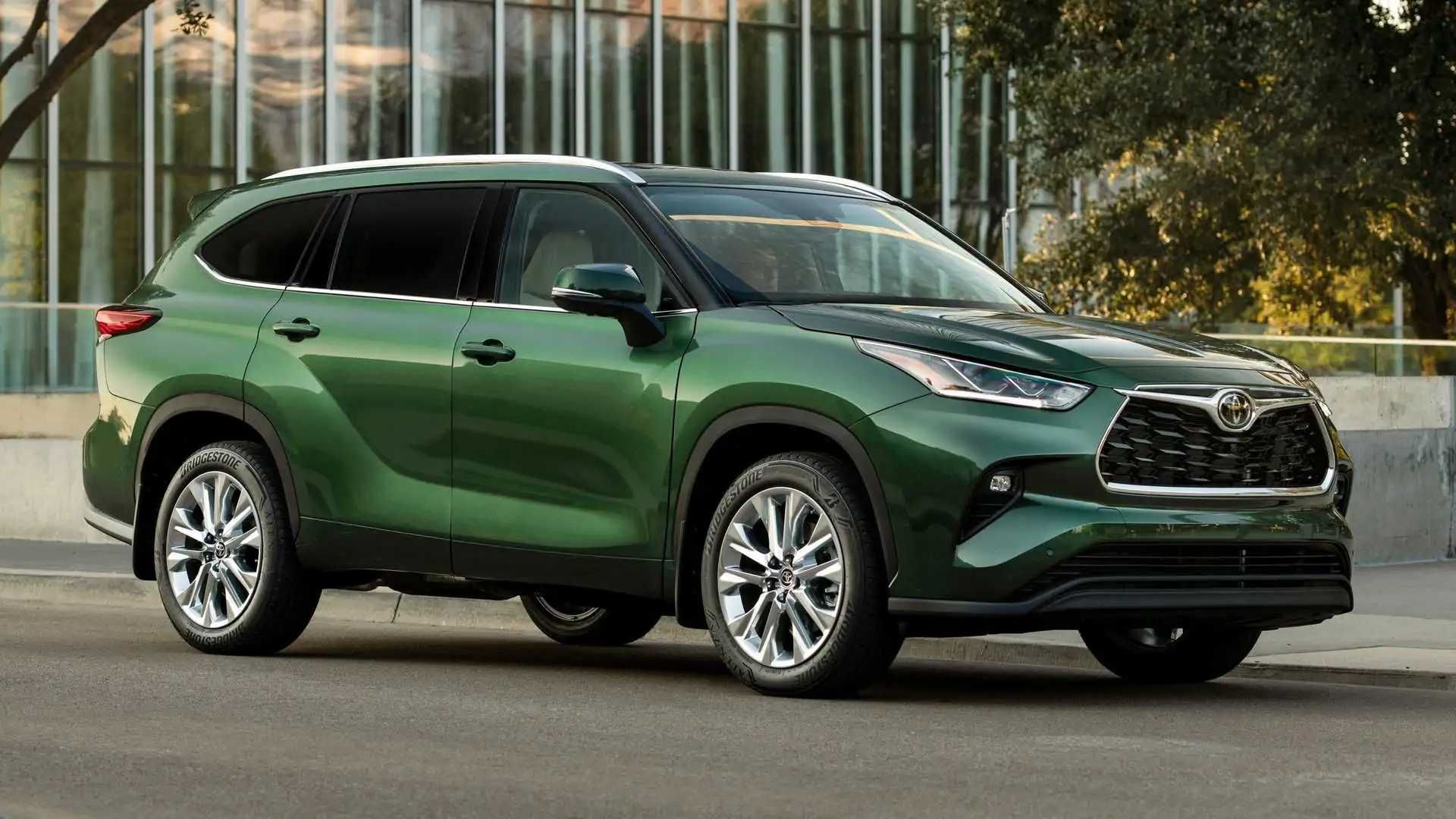
Seating accommodates up to eight passengers, though most families opt for the seven-passenger configuration with captain’s chairs in the second row. This layout offers easier third-row access and more flexibility for car seats.
The seats themselves are comfortable for long drives, with available leather upholstery and heating/ventilation that combat Roseville’s temperature extremes. The third row, while best suited for children or occasional adult use, provides genuine utility that separates the Highlander from two-row competitors.
Maintenance costs are low for the segment, and Toyota’s reputation means mechanics throughout Roseville can service these vehicles efficiently.
Parts availability is excellent, and the Highlander’s build quality means fewer things break in the first place. Resale values remain strong, with low depreciation compared to domestic and European competitors. Families appreciate knowing their Highlander will likely outlast their need for a three-row vehicle.
3. Subaru Outback
The Subaru Outback occupies a unique niche as a raised wagon that delivers SUV capability with car-like efficiency and handling. For Roseville families who regularly head to the mountains or simply want all-weather confidence, the Outback’s standard all-wheel drive makes it an outstanding choice.
This vehicle has cultivated a devoted following among families who value practicality, safety, and go-anywhere capability. Subaru’s symmetrical all-wheel-drive system operates full-time, continuously distributing power to all four wheels for optimal traction.
Unlike part-time systems in many crossovers, the Outback’s AWD provides confidence in rain-slicked Roseville streets, on snow-covered mountain roads, or going through the unpaved trails to camping spots. Ground clearance of 8.7 inches surpasses most crossovers, allowing the Outback to handle rough roads without scraping.
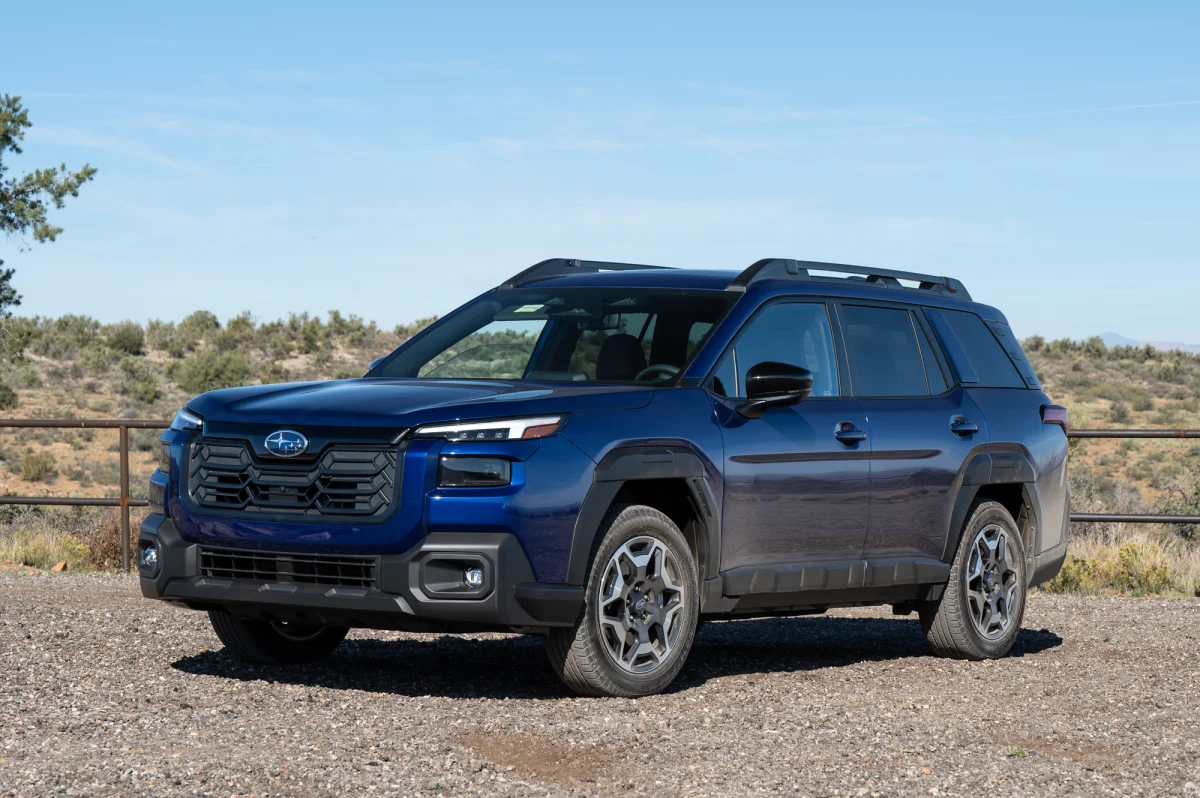
The current generation offers two engine options. The base 2.5-liter four-cylinder produces 182 horsepower, adequate for most families and delivering around 29 mpg combined.
The turbocharged 2.4-liter four-cylinder bumps output to 260 horsepower for those wanting more power while towing capacity increases to 3,500 pounds.
Both engines pair with Subaru’s smooth CVT transmission that simulates gear changes to avoid the “rubber band” feel some CVTs exhibit. Ownership costs remain manageable with predictable maintenance schedules and reasonable service costs.
The Outback’s boxer engine design requires specific expertise, but Roseville has multiple Subaru specialists who know these vehicles intimately.
Reliability has improved significantly in recent generations, with most issues being minor. The devoted Subaru community means strong resale values and easy private-party sales when it’s time to upgrade.
4. Honda CR-V
The Honda CR-V consistently ranks among America’s best-selling vehicles because it excels at the fundamentals families need. This compact SUV offers impressive space efficiency, stellar fuel economy, and Honda’s trademark reliability in a package that’s easy to maneuver around Roseville’s shopping centers and parking structures.
For smaller families or those who don’t need three rows, the CR-V represents exceptional value. Honda’s 1.5-liter turbocharged four-cylinder engine produces 190 horsepower, providing peppy acceleration that makes the CR-V feel quicker than its modest power figures suggest.
The CVT transmission has been refined to operate smoothly while maximizing fuel economy the CR-V achieves up to 30 mpg combined with front-wheel drive and 29 mpg with available all-wheel drive. For families concerned about fuel costs, these numbers mean spending less at the pump while reducing environmental impact.
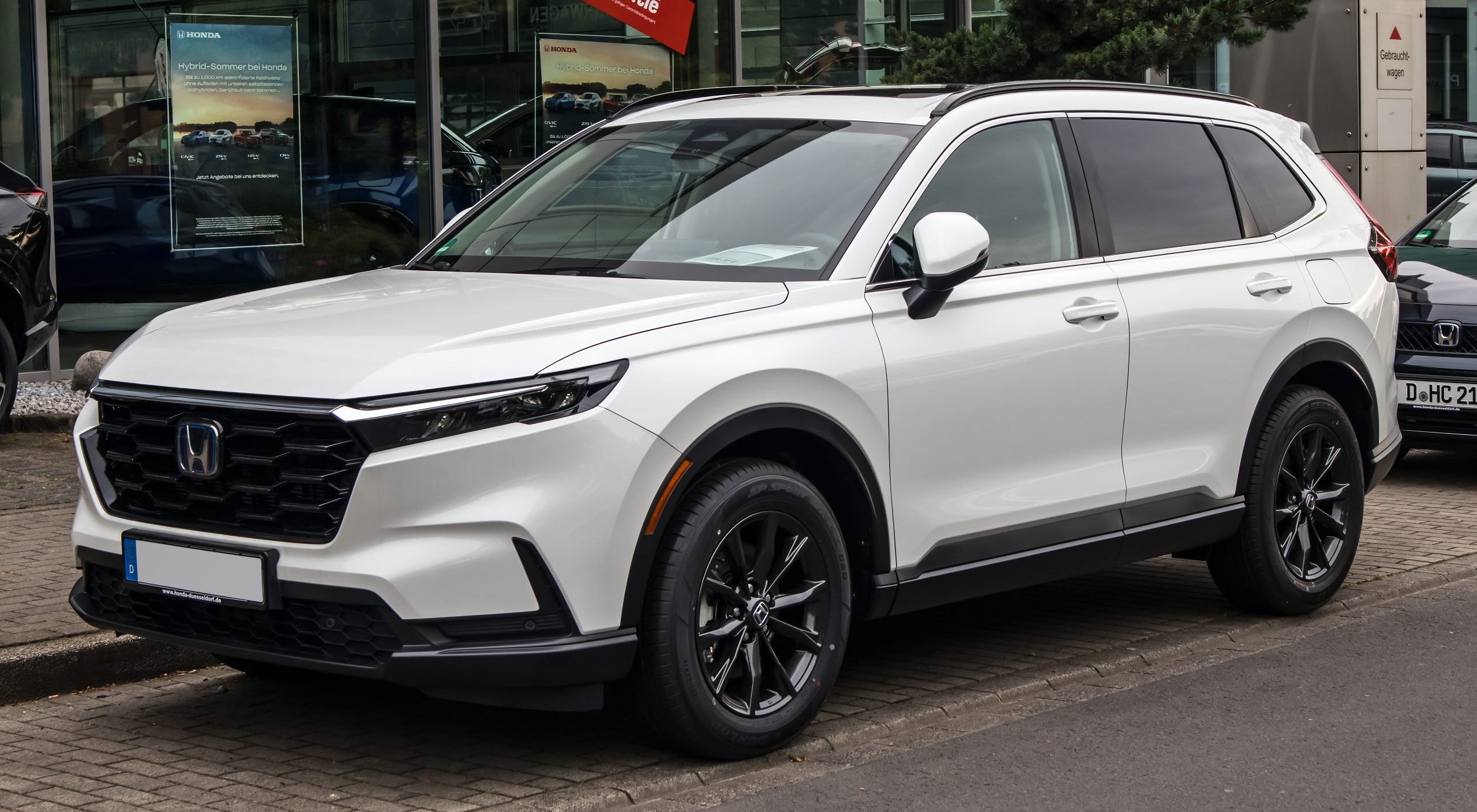
Interior packaging is where Honda’s engineering prowess becomes evident. Despite being classified as a compact SUV, the CR-V offers more passenger and cargo space than some midsize competitors.
Rear-seat legroom measures 40.4 inches adults can sit comfortably on long drives, and parents can easily install rear-facing car seats without cramping front passengers.
The cargo area provides 39.2 cubic feet behind the rear seats and 75.8 cubic feet with seats folded, using a clever tiered floor design that maximizes vertical space.
Maintenance costs are among the lowest in the segment. Honda engineers the CR-V for reliability with proven components that rarely fail prematurely.
Roseville has numerous Honda service centers and independent mechanics familiar with these vehicles, keeping repair costs competitive.
The CR-V’s popularity means parts are readily available and affordable. Strong resale values mean families recoup more of their investment when it’s time to upgrade.
Also Read: 10 Dirt-Cheap Pickup Trucks That Refuse To Die in 2025
5. Mazda CX-5
The Mazda CX-5 brings something different to the family vehicle equation genuine driving enjoyment combined with practicality. While most family vehicles prioritize utility over dynamics, Mazda refuses to sacrifice driving pleasure, creating an SUV that makes daily commutes more engaging while still serving family needs admirably.
For Roseville parents who miss their pre-kid sports sedans, the CX-5 offers redemption. Mazda offers two engine choices, both impressive.
The standard 2.5-liter four-cylinder produces 187 horsepower with non-turbo models achieving excellent fuel economy around 28 mpg combined.
The turbocharged 2.5-liter delivers 227 horsepower on regular fuel or 250 horsepower on premium, providing genuinely quick acceleration that makes highway merging effortless and passing confident.
The six-speed automatic transmission is a rarity in this segment, providing more direct power delivery and better response than most CVTs.
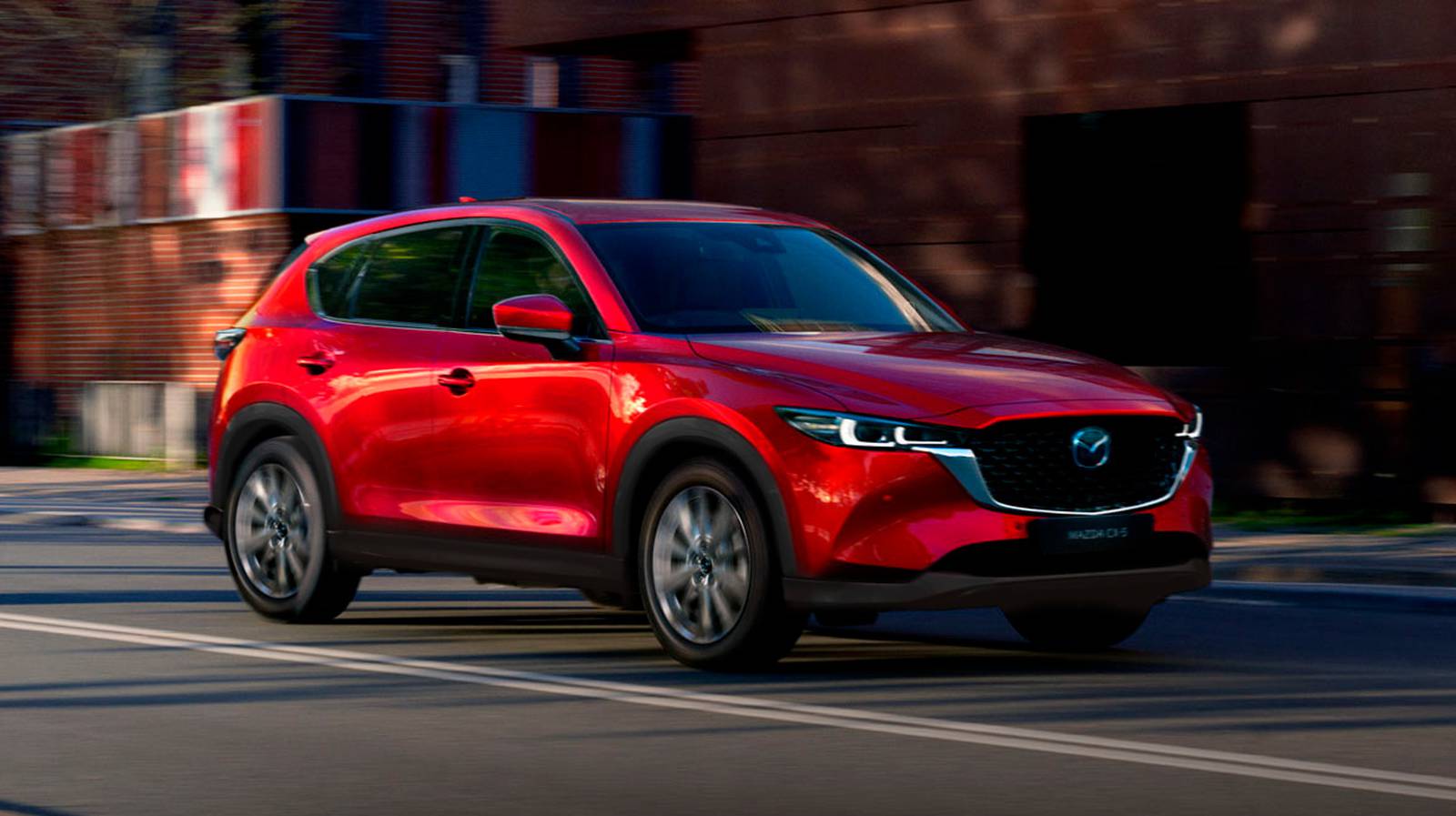
Where the CX-5 truly distinguishes itself is handling. Mazda’s chassis engineers have crafted a suspension that balances ride comfort with responsive handling that feels more sport sedan than SUV. Steering is weighted perfectly light enough for parking maneuvers but providing road feel that most competitors lack.
The CX-5 corners with minimal body roll and communicates what the wheels are doing, making winding roads toward the foothills actually enjoyable rather than just something to endure.
Safety features are comprehensive with Mazda’s i-Activsense suite including adaptive cruise, lane-keeping assist, blind-spot monitoring, and rear cross-traffic alert.
The CX-5 earns strong safety ratings and includes available features like a head-up display. Reliability has improved dramatically in recent years, and ownership costs are reasonable.
The CX-5’s engaging character makes it perfect for families where parents want to maintain some driving pleasure while fulfilling family responsibilities.
6. Toyota Sienna
The Toyota Sienna made waves by becoming the only hybrid-only minivan, eliminating the traditional V6 option entirely.
This bold move created the most fuel-efficient three-row vehicle available and added all-wheel drive as standard equipment a combination that makes the Sienna uniquely appealing for Roseville families who want minivan versatility with lower operating costs and all-weather capability.
The hybrid powertrain combines a 2.5-liter four-cylinder with electric motors for 245 combined horsepower. While this is less than V6-powered competitors, the electric motors provide instant torque that makes the Sienna feel adequately powerful in real-world driving.
The game-changer is fuel economy the Sienna achieves 36 mpg combined, roughly 10 mpg better than traditional minivans. For families driving 15,000 miles annually, this difference saves approximately $600 per year in fuel costs at current gas prices.
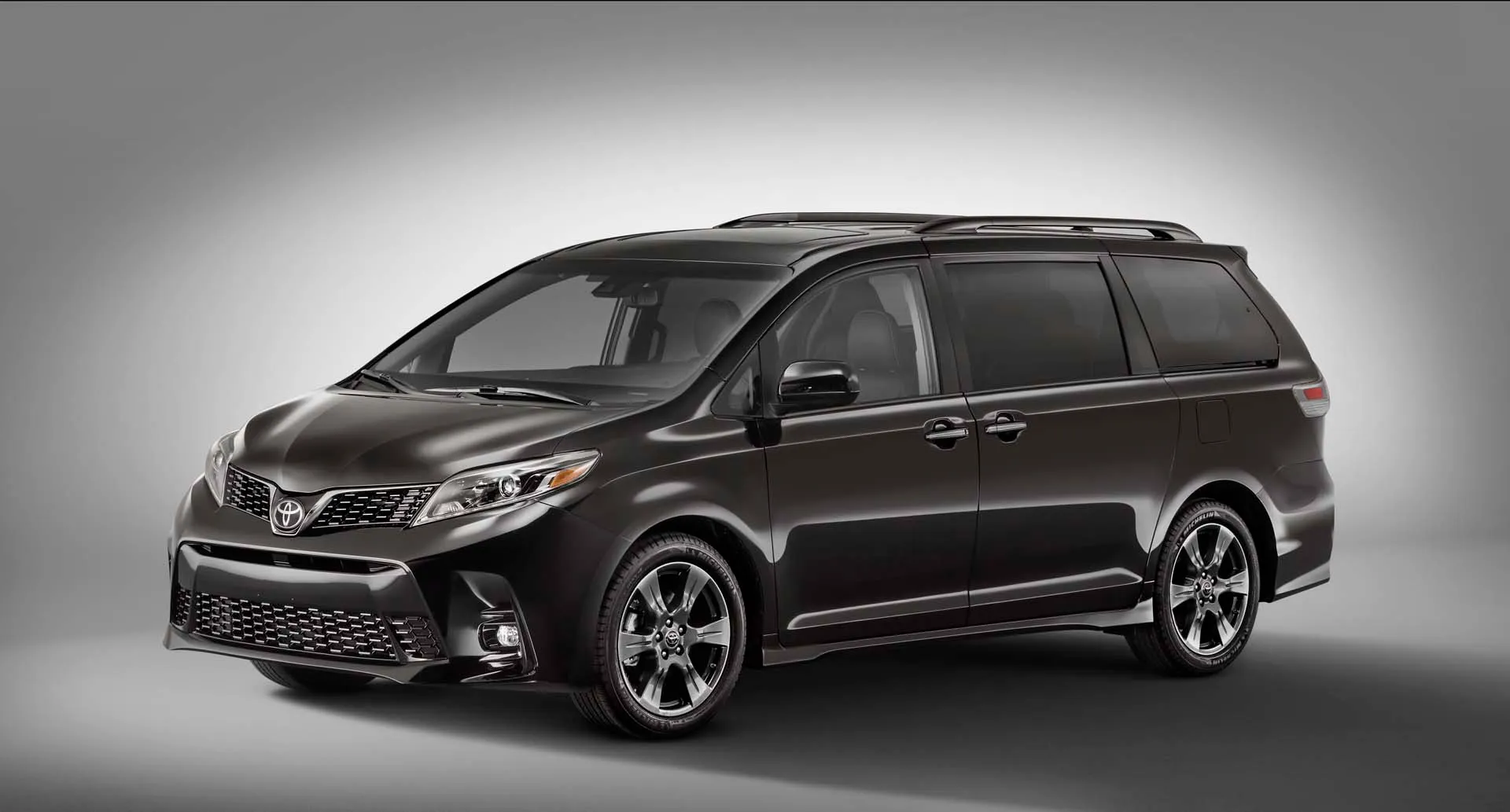
Standard all-wheel drive is another significant advantage. Using a rear-mounted electric motor to power the rear wheels, the system provides traction when needed without the weight penalty of mechanical AWD systems.
This gives Roseville families confidence during winter trips to Tahoe or when roads are wet. The combination of hybrid efficiency and AWD capability is unmatched in the minivan segment.
The Sienna’s primary drawback is availability Toyota’s hybrid components have faced supply constraints, leading to limited inventory and long wait times at dealerships. Additionally, the starting price is higher than competitors, though the fuel savings and standard AWD offset this premium over time.
Reliability should match Toyota’s reputation, and lower maintenance costs associated with hybrid systems (no transmission fluid changes, less brake wear from regenerative braking) make long-term ownership economical for families committed to keeping vehicles long-term.
6 Cars That Hide Issues
These deceptively problematic vehicles suffer from documented reliability issues and expensive hidden maintenance requirements that create financial nightmares for Roseville families, transforming routine ownership into constant dealership visits and unexpected four-figure repair bills disrupting household budgets.
Their concerning characteristics include failure-prone transmissions and complex electronic systems that cannot provide the dependability required for busy family life, leading to breakdowns during critical school pickups or stranding families during Sierra Nevada weekend trips.
Despite initially smooth operation and attractive feature content, these vehicles devastate budgets through their sudden catastrophic failures appearing without warning, mandatory expensive maintenance procedures not disclosed during purchase, and documented problems that only emerge after warranty expiration.
1. Volkswagen Atlas
The Volkswagen Atlas presents an attractive package on paper three-row seating, upscale interior, strong warranty, and Germanic engineering prestige.
Unfortunately, the reality of Atlas ownership has proven problematic for many families, with reliability issues that should give Roseville shoppers serious pause.
This vehicle exemplifies how marketing and initial impressions can mask underlying problems that emerge during ownership. The Atlas’s most significant issue involves the transmission.
Many owners report premature transmission failures, particularly with the eight-speed automatic paired with the four-cylinder engine.
Symptoms include harsh shifting, shuddering during acceleration, and complete failure requiring replacement. These failures often occur just after warranty expiration, leaving owners facing repair bills exceeding $7,000.
Even when covered under warranty, transmission problems mean extended time without the vehicle devastating for families who depend on it daily.
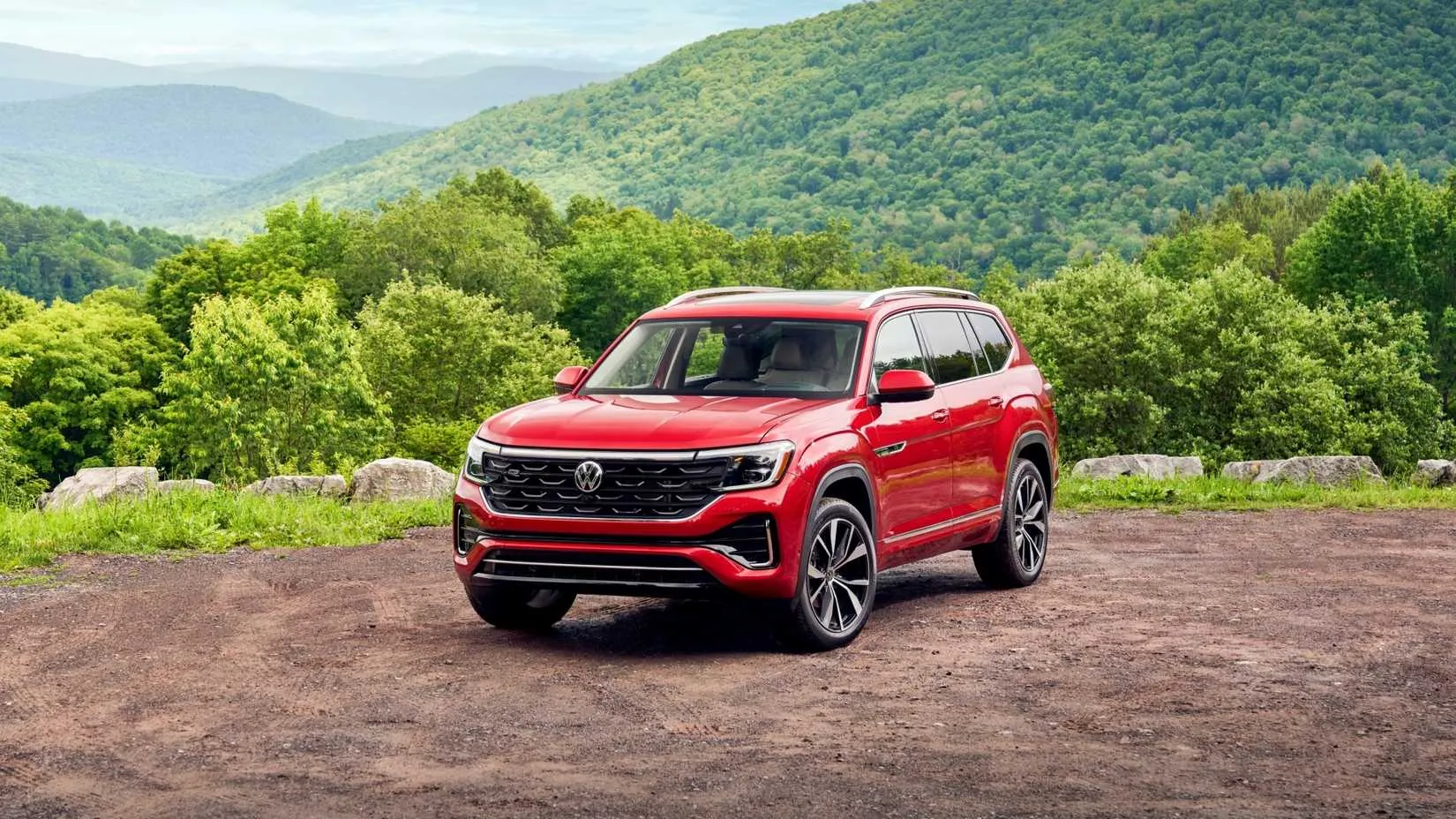
Electrical gremlins plague the Atlas with frustrating frequency. Owners report infotainment systems freezing or rebooting randomly, backup cameras failing intermittently, and electronic parking brakes engaging unexpectedly. Some Atlas models experience complete electrical system failures requiring towing.
While individual electrical problems might seem minor, their frequency and variety suggest systemic quality control issues that erode confidence and create ongoing frustration.
While Volkswagen offers a six-year/72,000-mile warranty longer than most competitors the frequency with which Atlas owners need warranty service suggests underlying problems.
Time spent at dealerships for repairs is time families don’t have their vehicle. For Roseville families who need reliability and predictability, the Atlas’s pattern of problems makes it a risky choice despite its attractive exterior and spacious interior.
2. Ford Explorer
The sixth-generation Ford Explorer, introduced in 2020, represented a complete redesign that unfortunately introduced numerous problems.
While Ford has a strong reputation in other segments, this Explorer generation has suffered from chronic issues that make it a questionable choice for families.
The combination of transmission problems, infotainment headaches, and build quality concerns should concern anyone considering this popular nameplate.
The Explorer’s most serious problem involves the 10-speed automatic transmission shared with other Ford products.
Owners consistently report harsh shifting, hesitation when accelerating, and unpredictable transmission behavior. The transmission may refuse to shift into certain gears or downshift aggressively when unwanted.
Ford has issued multiple software updates attempting to resolve these issues, but many owners report problems persisting even after updates. Some transmissions have failed completely, requiring replacement under warranty a major repair that leaves families without their vehicle for weeks.

The SYNC infotainment system has proven notoriously unreliable in this generation. The large touchscreen frequently freezes, requiring reboots by holding buttons for extended periods.
Apple CarPlay and Android Auto connections drop randomly, and the system may become completely unresponsive, leaving drivers without navigation, climate controls, or other essential functions.
The over-reliance on touchscreen controls means these failures impact basic vehicle operations a serious flaw in a family vehicle where reliability matters most.
The Explorer’s problems are particularly disappointing given Ford’s domestic market expertise and the model’s long history. Depreciation has accelerated as word spread about reliability issues, meaning owners lose more money than competitors.
For Roseville families shopping three-row SUVs, the current Explorer’s track record suggests looking at alternatives despite the nameplate’s heritage and Ford’s service network. The risks of ownership outweigh the initial appeal.
3. Nissan Pathfinder
The Nissan Pathfinder should be a strong family vehicle contender with three-row seating, capable styling, and competitive pricing. However, Nissan’s widespread adoption of CVT transmissions has created a reliability crisis that makes the Pathfinder a risky proposition.
The transmission problems plaguing multiple Nissan models extend to the Pathfinder, creating a pattern of failures that should concern any family considering this vehicle.
Nissan’s CVT transmission in the Pathfinder has proven catastrophically unreliable, with failures occurring as early as 60,000-80,000 miles sometimes sooner.
Symptoms include shuddering or jerking during acceleration, whining or grinding noises, slipping where the engine revs without corresponding acceleration, and complete failure leaving the vehicle unable to move.
When CVTs fail, replacement is typically the only option, with costs ranging from $4,000-$7,000. Extended warranties expire before many transmissions fail, leaving owners facing crushing repair bills.
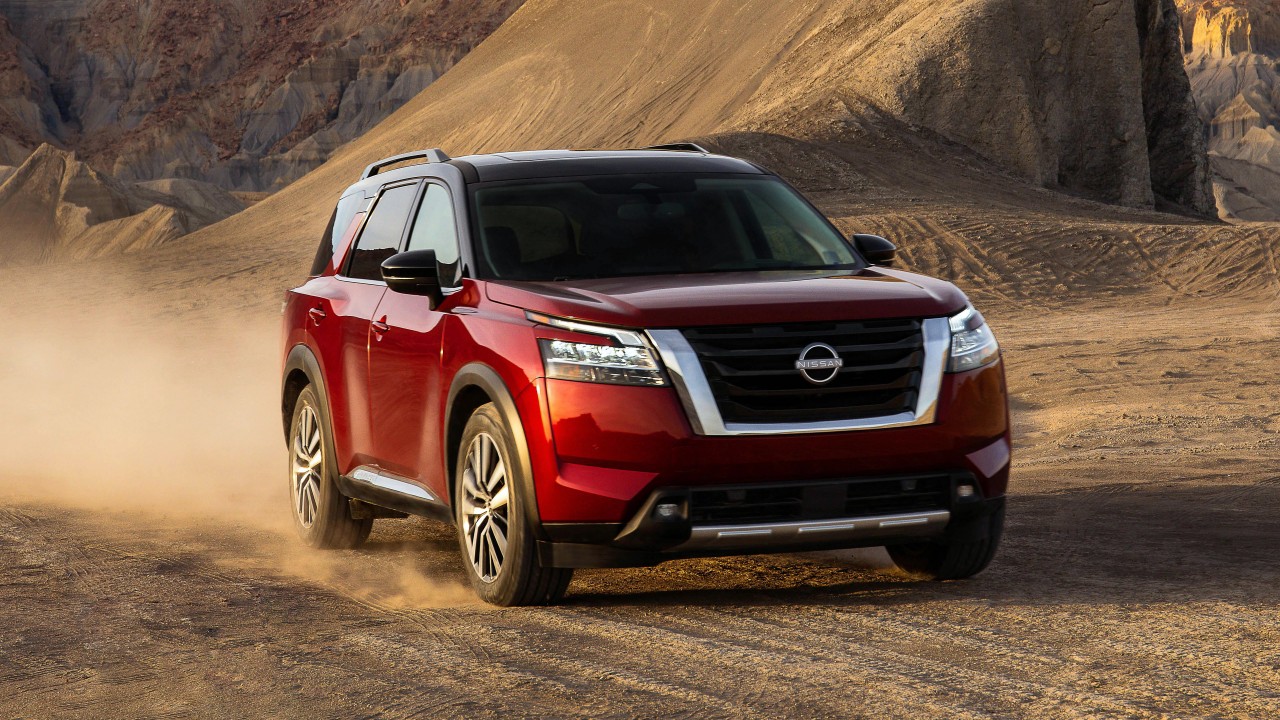
The CVT problems stem from fundamental design and execution flaws. Nissan’s CVT uses a fluid coupling and belt system that generates excessive heat and experiences premature wear.
The transmission fluid deteriorates quickly, and many experts recommend fluid changes every 30,000 miles rather than Nissan’s suggested intervals an added maintenance cost.
Even with frequent fluid changes, many CVTs fail prematurely, suggesting the design itself is inadequate for the Pathfinder’s weight and power demands.
Resale values have plummeted as the market recognizes these reliability issues. Selling or trading a Pathfinder means accepting significantly less than comparable Japanese competitors, making it a poor financial decision. Many used car dealers are reluctant to stock Pathfinders due to reliability reputation, further limiting resale options.
For families in Roseville considering the Pathfinder, the risk of expensive transmission failure and the reliability track record make this a vehicle to avoid despite its initial affordability and spacious interior.
4. Jeep Grand Cherokee L
The Jeep Grand Cherokee L extended the popular two-row Grand Cherokee to create a three-row family hauler. While Jeep’s brand heritage and capability are appealing, the execution of the Grand Cherokee L has been problematic since its 2021 introduction.
Early adopters have encountered numerous issues that make this an unreliable choice for families who need consistent transportation rather than frequent dealer visits.
Electrical problems dominate Grand Cherokee L complaints, with systems failing in ways that range from annoying to dangerous. The infotainment system crashes frequently, sometimes becoming completely unresponsive for extended periods.
Some owners report the entire electrical system shutting down while driving a terrifying experience on highways. Dashboard warning lights illuminate without cause, and sensors fail triggering safety system alarms. The over-reliance on electronics in modern Jeeps means these failures impact basic vehicle functions.

The sophisticated 4WD system that should be a highlight has proven problematic with failure modes including inability to engage 4WD when needed or failure to disengage causing binding and mechanical stress.
Some owners report transfer case failures requiring expensive replacement. The air suspension offered on higher trims fails prematurely with air leaks and compressor problems, leaving vehicles stuck in one ride height or causing handling issues. These systems are expensive to repair, often exceeding $2,000-$3,000.
Ownership costs are high with expensive parts, labor rates at Jeep dealers exceeding independent shops, and frequent unscheduled repairs breaking family budgets.
Fuel economy is poor for the class with the V6 models achieving low-to-mid-20s MPG at best. Depreciation is steep as reliability concerns become widely known.
For Roseville families drawn to Jeep’s rugged image and capability, the Grand Cherokee L’s execution problems make it a vehicle to approach with extreme caution or avoid entirely in favor of more reliable three-row alternatives.
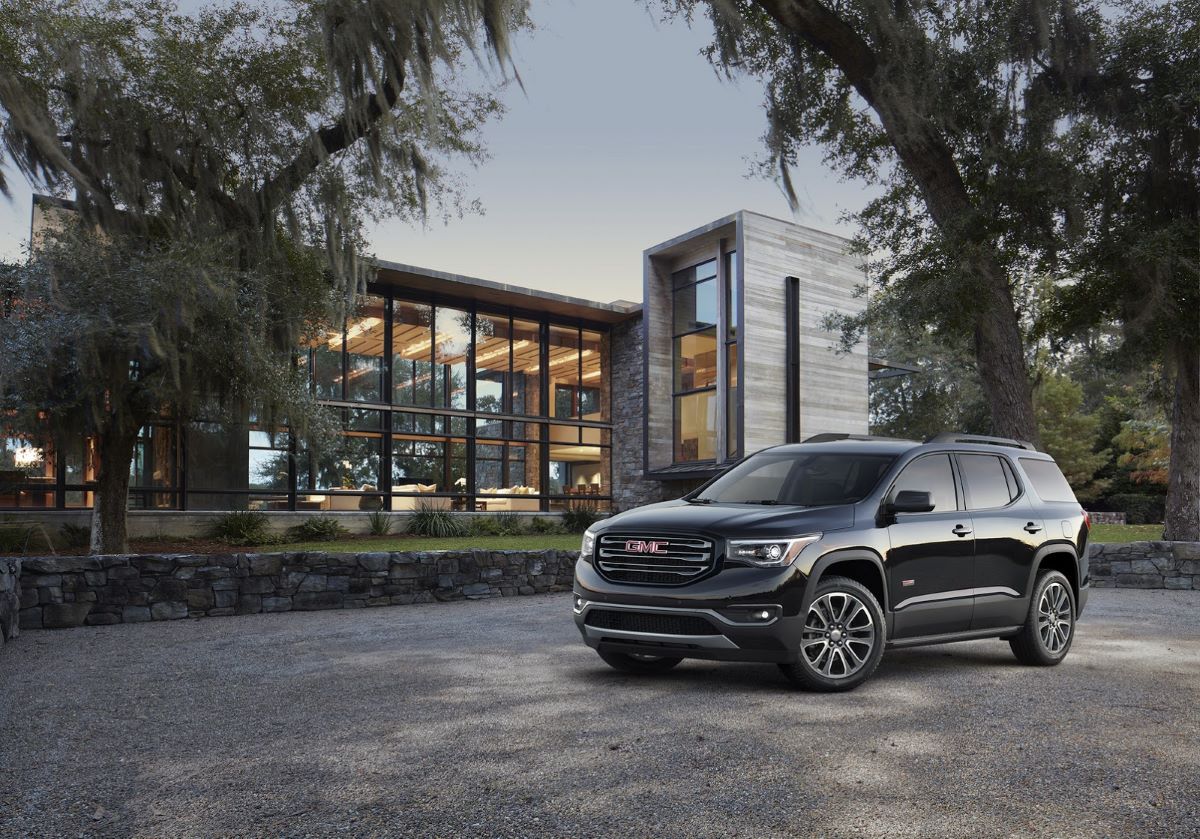
5. GMC Acadia
The GMC Acadia occupies an awkward position in GM’s lineup larger than compact crossovers but smaller than full-size SUVs, sharing platforms with Chevrolet and Buick siblings but without clear differentiation.
This identity crisis is compounded by reliability issues that have plagued multiple generations, making the Acadia a problematic choice for families despite GMC’s truck heritage and marketing suggesting premium positioning.
Transmission problems represent the Acadia’s most serious issue, with the six-speed and nine-speed automatics both experiencing premature failures.
Owners report shuddering, slipping, harsh shifts, and complete breakdowns requiring transmission replacement. These failures often occur between 70,000-100,000 miles, a timeframe when families expect trouble-free operation.
Replacement costs range from $4,000-$6,000, a devastating expense for families who expected reliable transportation. GM has issued technical service bulletins addressing transmission issues, but problems persist across model years.
The timing chain system in the 3.6-liter V6 engine used across multiple Acadia years has proven inadequate, stretching prematurely and creating a characteristic rattling noise.
If not addressed, stretched timing chains can jump timing, causing catastrophic engine damage requiring complete engine replacement. This problem often emerges around 100,000 miles but sometimes occurs much earlier. The repair is expensive, typically $2,000-$4,000, and some owners report the problem recurring even after repair.
Resale values are poor with the Acadia depreciating faster than Japanese and some domestic competitors. The combination of reliability reputation and lack of clear market positioning means lower demand in the used market.
For Roseville families shopping three-row SUVs, the Acadia’s pattern of transmission and engine problems combined with mediocre execution in other areas makes it a vehicle to skip despite potential initial purchase incentives from GMC dealers trying to move inventory.
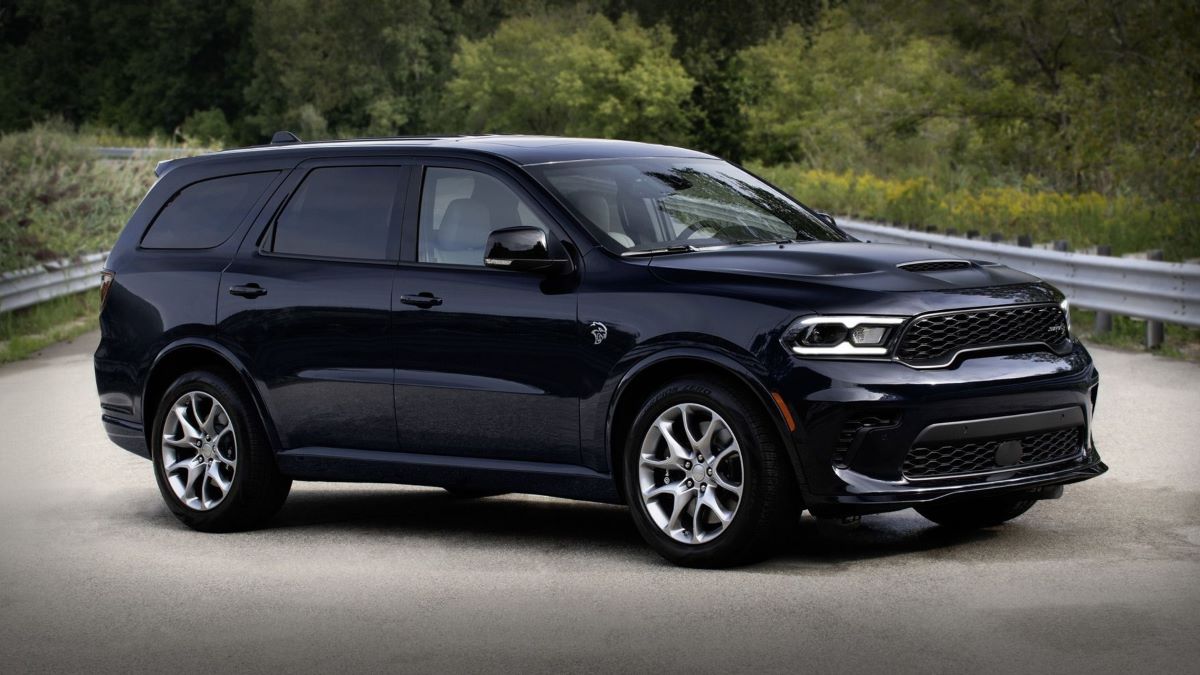
6. Dodge Durango
The Dodge Durango has soldiered on essentially unchanged since 2011, making it a dinosaur in the rapidly evolving three-row SUV segment.
While some might appreciate its traditional body-on-frame construction and available V8 power, the Durango’s age shows in reliability issues, outdated technology, poor fuel economy, and safety features that lag competitors. For families prioritizing modern capabilities and dependability, the Durango represents the wrong choice.
The electrical system is the Durango’s Achilles heel, with problems ranging from annoying to dangerous. The TIPM (Totally Integrated Power Module) that controls various electrical functions is notorious for failure, causing symptoms including fuel pump issues, starting problems, stalling, malfunctioning wipers, and inoperative lights.
TIPM replacement costs $1,000-$1,500, and the problem can recur with replacement units also failing. Some owners have experienced complete electrical failures while driving—a dangerous situation in traffic.
Engine problems vary by choice but the 3.6-liter V6 experiences rocker arm and valve lifter failures creating ticking noises and potentially serious damage.
The V8 engines, while powerful, suffer from problems including manifold bolt failures that cause exhaust leaks and hemi tick from lifter issues.
Some engines consume excessive oil requiring frequent top-ups between changes. These aren’t minor nuisances they’re problems requiring expensive repairs and potentially leading to catastrophic failure if ignored.
Reliability ratings from Consumer Reports and J.D. Power consistently rank the Durango below average, reflecting the pattern of problems owners experience. Resale values are weak despite the Durango’s initial popularity, as used-car buyers recognize reliability concerns.
For Roseville families, the Durango’s combination of outdated design, poor reliability, terrible fuel economy, and high operating costs make it a vehicle to avoid despite its macho styling and available V8 power. Better alternatives exist in virtually every measurable category that matters to families.
Also Read: 10 Most Reliable Subaru Models of the Last Decade
