
Choosing the perfect family vehicle for Sarasota adventures requires careful consideration of Florida’s unique driving conditions and lifestyle demands. With stunning Gulf Coast beaches, proximity to theme parks, and year-round outdoor activities, Sarasota families need vehicles that can handle everything from beach gear to kayaks, bicycles to camping equipment.
The ability to add roof racks transforms a good family car into an adventure-ready companion, extending cargo capacity for those memorable road trips to Siesta Key, expeditions to Myakka River State Park, or weekend getaways to Tampa’s attractions.
However, not all vehicles are created equal when it comes to roof rack compatibility. Modern automotive design increasingly prioritizes aerodynamics and sleek styling, sometimes at the expense of practical features like roof rack mounting points.
Some luxury vehicles feature panoramic glass roofs that extend across the entire cabin, while others incorporate composite roof materials that cannot safely support additional weight. Understanding which vehicles work with your family’s active lifestyle and which ones create frustrating limitations can save you from costly mistakes and genuine disappointment.
This comprehensive guide examines ten vehicles through the lens of Sarasota family needs. We’ll explore five excellent options that welcome roof racks and outdoor gear, then highlight five popular models that surprisingly don’t accommodate rooftop cargo systems.
Whether you’re hauling paddleboards to Lido Beach or simply need extra space for groceries and beach toys, making an informed choice ensures your vehicle enhances rather than limits your family’s Florida adventures.
5 Cars Perfect for Sarasota Family Trips
These exceptionally versatile vehicles feature integrated roof rail systems and spacious interiors perfectly suited for Sarasota family beach adventures, providing practical cargo solutions for kayaks, paddleboards, and beach gear without compromising interior passenger comfort during Gulf Coast excursions.
Their thoughtful engineering includes factory-installed crossbars and generous cabin space that resist the cargo limitations typically forcing families to choose between passengers or equipment while handling Siesta Key beach trips, Myakka River kayaking, and weekend Anna Maria Island getaways.
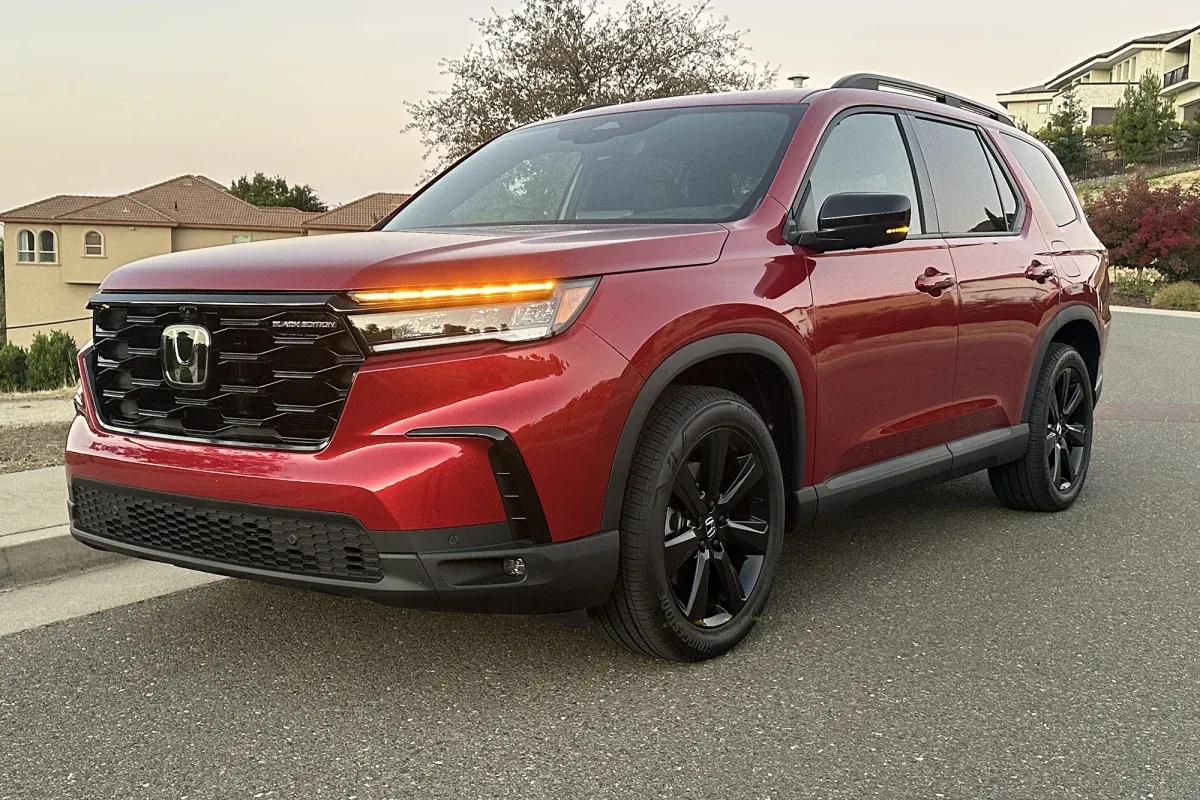
1. Honda Pilot
The Honda Pilot stands as one of Sarasota’s most popular family vehicles, and for compelling reasons that extend far beyond its impressive three-row seating.
This midsize SUV perfectly balances interior space, fuel efficiency, and outdoor capability, making it ideal for families who embrace Florida’s active coastal lifestyle.
With factory-installed roof rails on most trim levels, the Pilot accepts virtually any aftermarket roof rack system, from Thule and Yakima crossbars to specialized carriers for kayaks, surfboards, and cargo boxes.
Inside, the Pilot comfortably seats up to eight passengers across three rows, with the second-row captain’s chairs option reducing capacity to seven while increasing comfort for longer trips to Orlando’s theme parks or cross-state beach expeditions.
The cabin features numerous family-friendly touches including multiple USB charging ports, available rear entertainment systems, and a conversation mirror that lets parents monitor back-seat passengers without turning around. Climate control zones ensure everyone stays comfortable despite Florida’s intense heat and humidity.
Under the hood, Honda’s reliable 3.5-liter V6 engine produces 280 horsepower, providing confident acceleration for highway merging and passing essential when going through the I-75 traffic or the Tamiami Trail.
The available all-wheel-drive system adds security during Florida’s intense summer thunderstorms, though front-wheel-drive models prove perfectly adequate for most Sarasota families.
Fuel economy reaches approximately 20 mpg city and 27 mpg highway, reasonable for a vehicle of this size and capability. Safety features abound in the Pilot, with Honda Sensing technology standard across all trim levels.
This suite includes adaptive cruise control, lane-keeping assist, automatic emergency braking, and road departure mitigation technologies that reduce driver fatigue during long trips and enhance safety in unpredictable traffic situations. The Pilot’s excellent crash-test ratings from both IIHS and NHTSA provide additional peace of mind for safety-conscious parents.
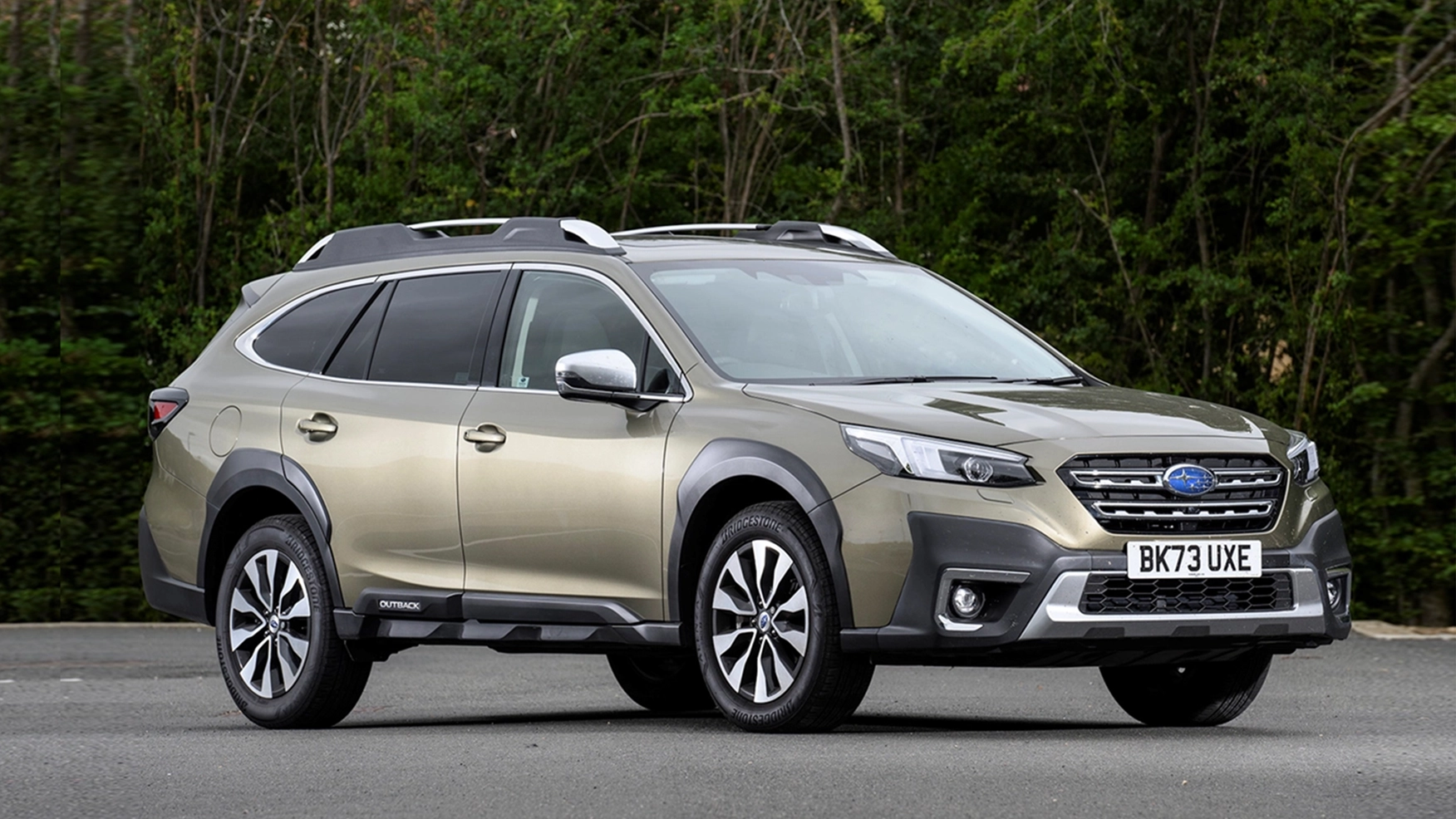
2. Subaru Outback
The Subaru Outback has cultivated a devoted following among outdoor enthusiasts, and Sarasota families quickly discover why this versatile wagon excels at supporting active lifestyles.
Unlike traditional SUVs, the Outback offers car-like handling and fuel economy while providing impressive ground clearance and standard all-wheel drive.
The integrated roof rails come standard on all trim levels, accepting crossbars and specialized racks with ease, making it simple to transport paddleboards to Longboat Key, bicycles to Legacy Trail, or kayaks to the Myakka River.
Subaru engineers designed the Outback specifically for adventure, with thoughtful details throughout. The power rear gate features adjustable height settings, accommodating low garage clearances common in Sarasota homes.
The rear cargo area includes hooks, tie-downs, and available weatherproof panels that make cleaning sand and saltwater surprisingly easy.
With 32.5 cubic feet of cargo space behind the rear seats and 75.7 cubic feet with seats folded, the Outback handles everything from weekly grocery runs to vacation luggage for four.
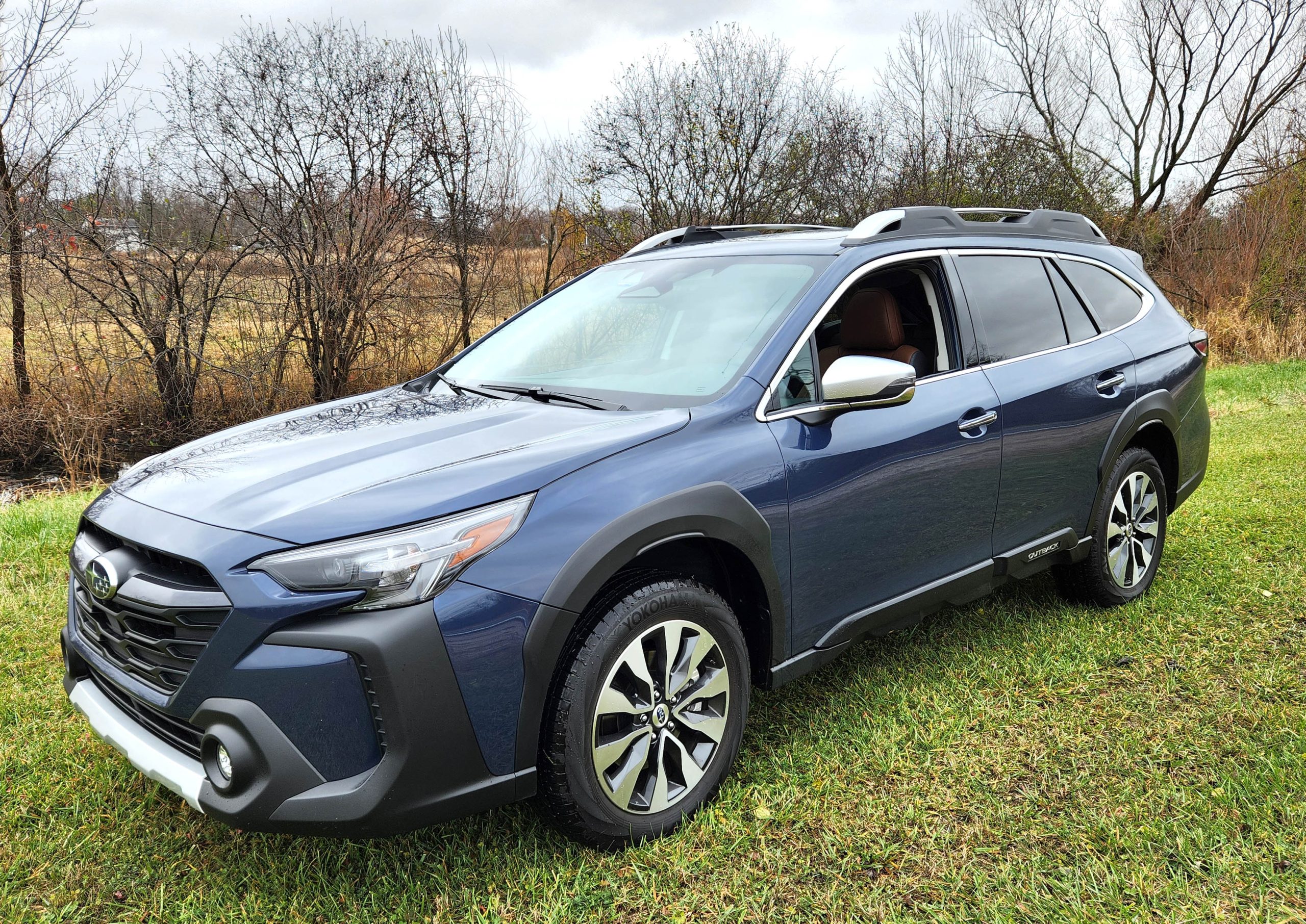
The latest Outback generation introduced a larger 11.6-inch touchscreen infotainment system on higher trims, providing intuitive control over navigation, entertainment, and vehicle settings.
Apple CarPlay and Android Auto integration come standard, keeping families connected and entertained during drives. The available Harman Kardon premium audio system transforms the cabin into a concert hall, though active noise cancellation on all models ensures conversations remain comfortable even at highway speeds.
Subaru’s legendary symmetrical all-wheel-drive system provides exceptional stability and control, particularly valuable during Florida’s afternoon thunderstorms when roads become slick and visibility drops.
The system continuously distributes power to wheels with the best traction, inspiring confidence in varied driving conditions. Additionally, Subaru’s EyeSight safety suite comes standard, offering adaptive cruise control, pre-collision braking, lane departure warning, and sway warning features that significantly reduce driver stress during long highway journeys.
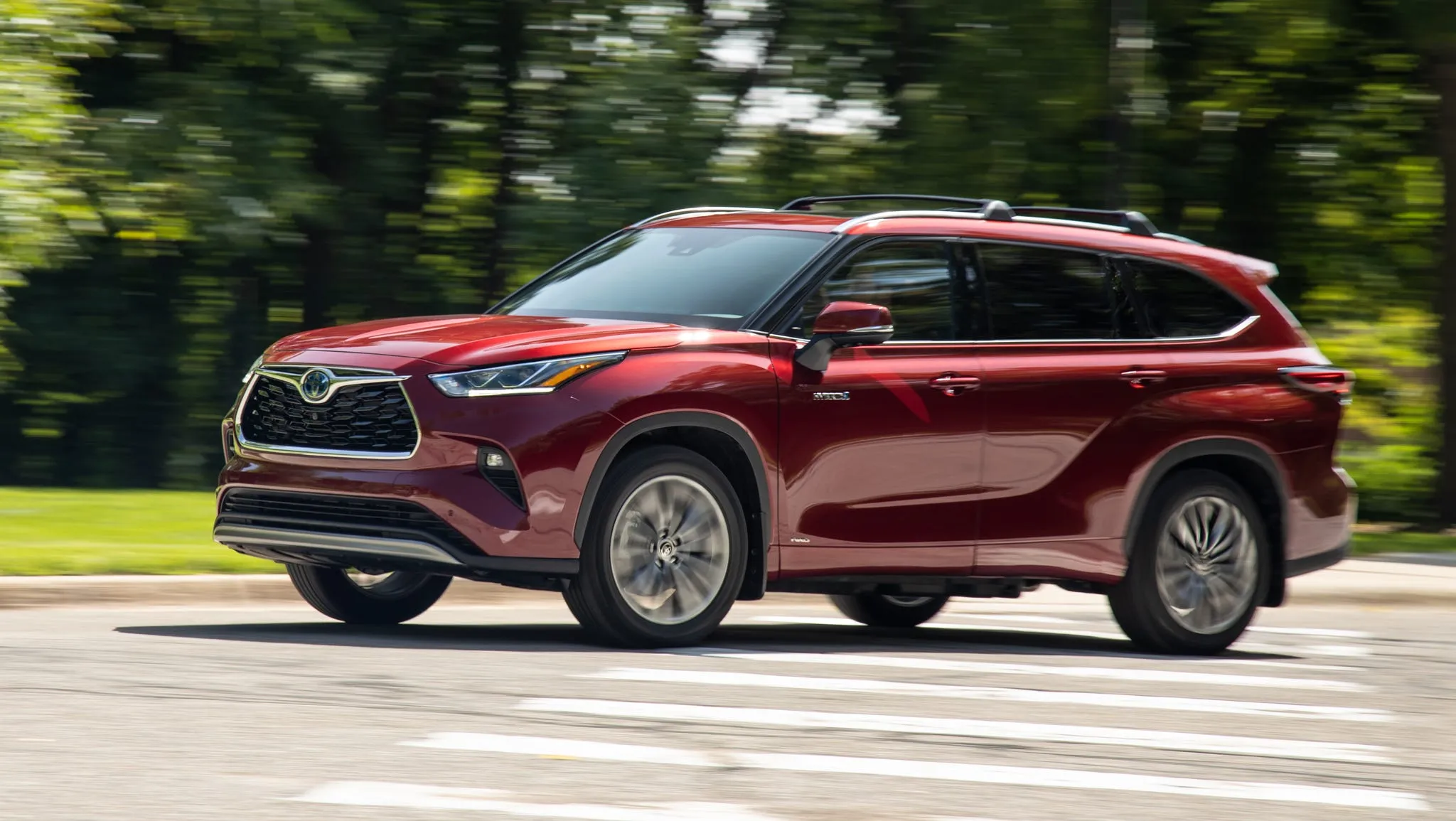
3. Toyota Highlander
The Toyota Highlander represents everything Sarasota families value: reliability, space, comfort, and versatility. This popular three-row SUV combines Toyota’s legendary dependability with modern technology and thoughtful design, creating a vehicle that serves families well for years beyond the typical ownership period.
Factory roof rails on most trim levels accommodate aftermarket crossbars and cargo systems, expanding the Highlander’s already impressive cargo capacity for beach vacations, camping trips, or sports equipment transportation.
Inside, the Highlander seats up to eight passengers across three rows, with available second-row captain’s chairs reducing capacity to seven while enhancing comfort for middle-row passengers.
The cabin materials reflect Toyota’s attention to quality, with soft-touch surfaces, available leather upholstery, and careful attention to detail throughout.
Rear-seat passengers enjoy available climate control, USB charging ports, and on higher trims, a rear-seat entertainment system that makes lengthy drives to Disney World or Busch Gardens significantly more peaceful for parents.
Cargo capacity in the Highlander impresses, with 16 cubic feet behind the third row adequate for daily needs and beach gear. Fold the third row flat, and capacity expands to 48.4 cubic feet.
Drop both rear rows, and you create 84.3 cubic feet of storage space, rivaling cargo vans for moving and vacation packing capacity. The hands-free power liftgate on higher trims simplifies loading and unloading, particularly appreciated when managing young children, beach equipment, and shopping bags simultaneously.
Toyota’s Safety Sense 2.5 comes standard across all Highlander models, including pre-collision warning with pedestrian detection, dynamic radar cruise control, lane departure alert with steering assist, automatic high beams, and road sign assist.
These systems work together to reduce accident risk and driver fatigue, particularly valuable during long highway stretches or navigation through busy Sarasota shopping districts.
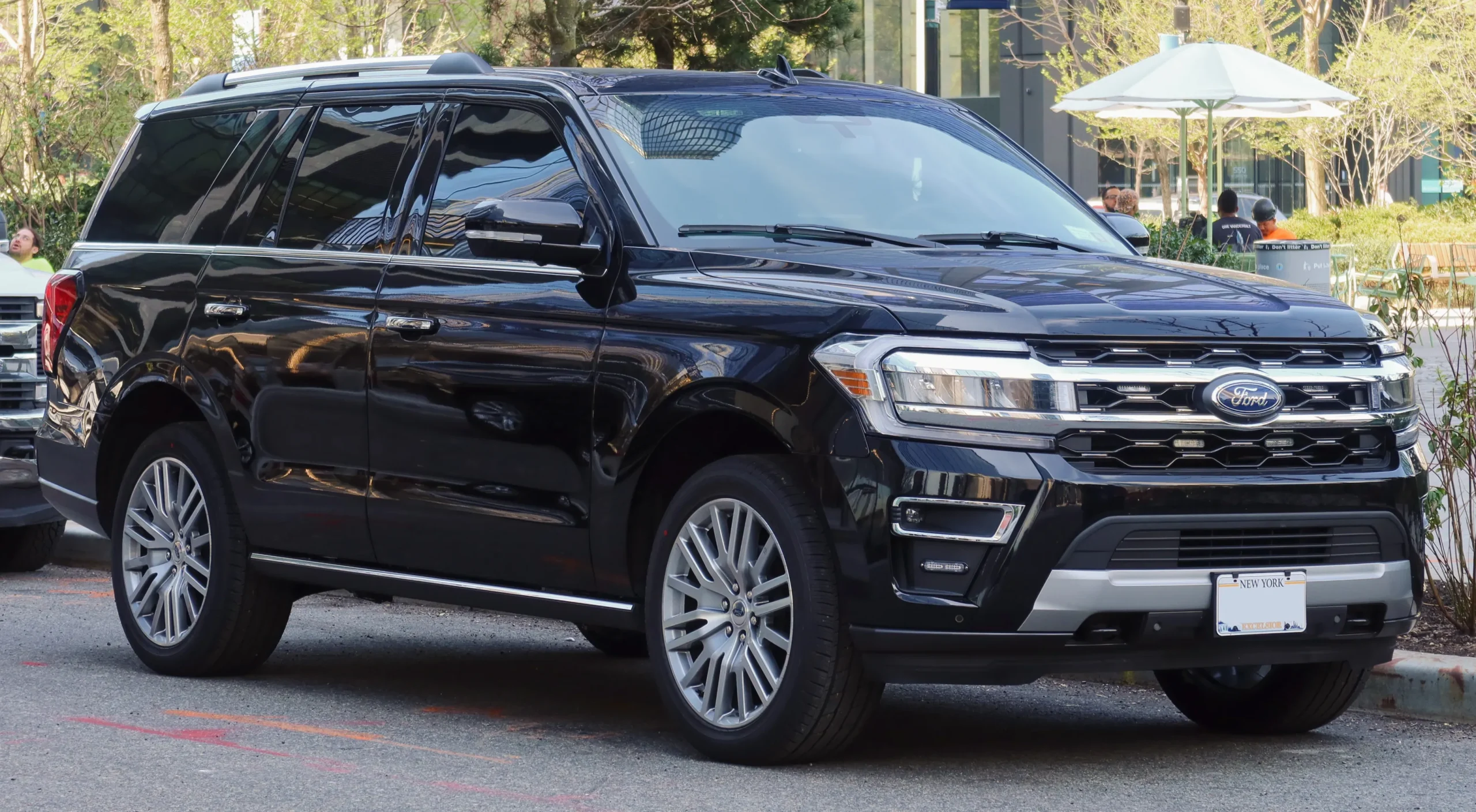
4. Ford Expedition
When Sarasota families need maximum space, towing capacity, and commanding road presence, the Ford Expedition delivers in every category.
This full-size SUV provides three rows of genuinely spacious seating for up to eight passengers, with enough room for adults in every position a rarity among three-row vehicles.
The factory roof rails accept heavy-duty crossbars and cargo systems, while the Expedition’s impressive 9,300-pound maximum towing capacity means families can bring boat trailers, camping trailers, or toy haulers along for extended adventures.
The Expedition’s interior reflects Ford’s recent commitment to quality and technology. The dashboard features a large touchscreen infotainment system with Ford’s SYNC interface, offering intuitive control over navigation, audio, and climate systems.
Wireless Apple CarPlay and Android Auto keep families connected without cable clutter, while available wireless charging pads ensure devices stay powered throughout the day.
The available B&O premium audio system delivers concert-quality sound, transforming the spacious cabin into an entertainment venue for long drives.
Ford Co-Pilot360 safety technology comes standard, including automatic emergency braking, blind-spot monitoring, lane-keeping assist, and automatic high beams.
Higher trims add adaptive cruise control with stop-and-go capability, evasive steering assist, and intersection assist creating one of the most comprehensive safety suites available in any vehicle class.
Also Read: 6 Cars for Biloxi Beachside Living vs 6 That Fail in Salt Air
5. Mazda CX-9
The Mazda CX-9 offers something unique among family SUVs: genuinely engaging driving dynamics combined with three-row practicality and upscale interior quality.
While competitors prioritize comfort and space above all else, Mazda engineers refused to compromise on driving enjoyment, creating an SUV that handles like a much smaller vehicle while still accommodating family needs.
The factory roof rails on all trim levels accept crossbars and cargo carriers, enabling Sarasota families to expand cargo capacity for beach gear, bicycles, or vacation luggage without sacrificing the CX-9’s dynamic character. Inside, the CX-9 showcases Mazda’s commitment to premium materials and thoughtful design.
The dashboard features clean lines, intuitive controls, and available materials like Nappa leather and genuine wood trim that rival luxury brands costing thousands more. The seating position feels commanding yet connected to the road, with excellent visibility in all directions.
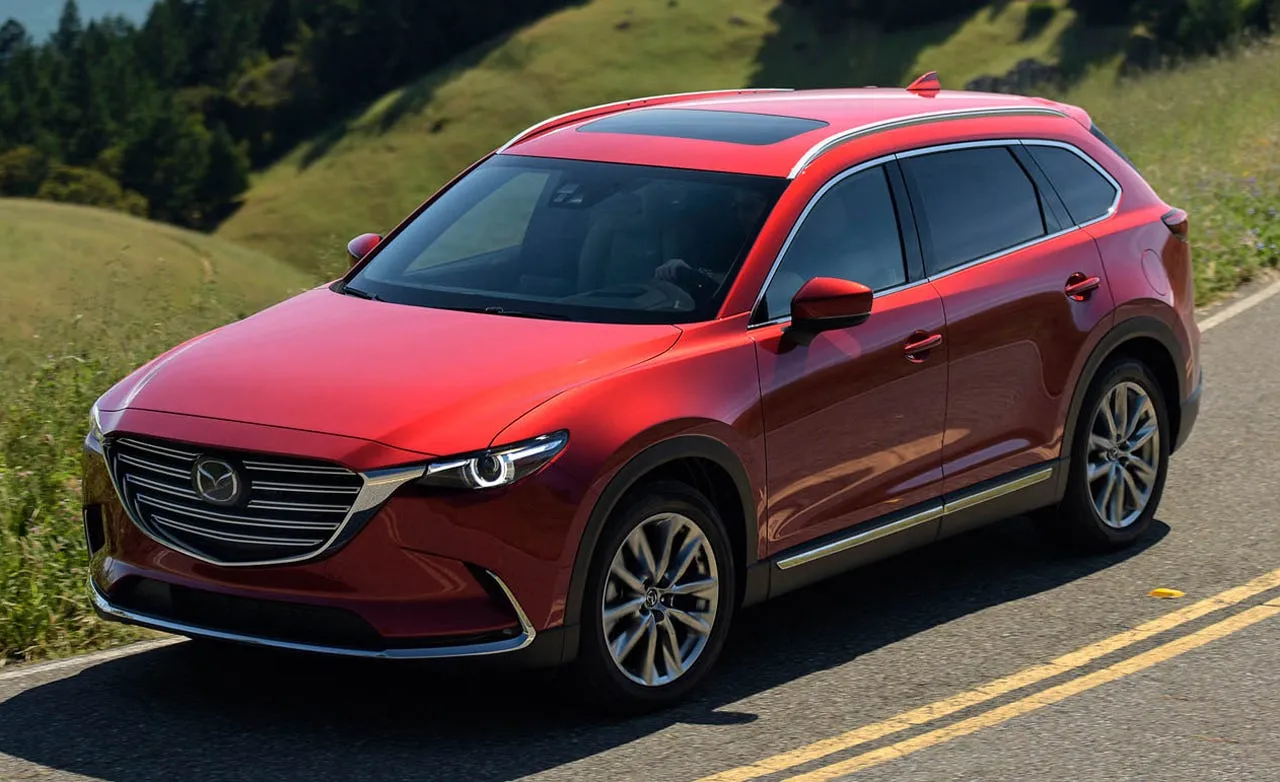
Second-row captain’s chairs on higher trims reduce seating capacity from seven to six but create a more luxurious, spacious feel for middle-row passengers.
The third row, while adequate for children and shorter adults, feels tighter than competitors like the Highlander or Pilot a compromise Mazda accepted to maintain the CX-9’s sporty proportions and handling characteristics.
Safety features include Mazda’s i-Activsense suite as standard equipment, incorporating adaptive cruise control, lane departure warning, lane-keeping assist, blind-spot monitoring, rear cross-traffic alert, and automatic emergency braking.
These systems work unobtrusively, intervening only when necessary while allowing drivers to enjoy the CX-9’s engaging road manners.
5 Popular Cars That Don’t Fit Roof Racks
These frustratingly limited vehicles suffer from panoramic glass roofs and aerodynamic designs that completely prevent roof rack installation, forcing Sarasota families into impossible cargo decisions that eliminate outdoor adventures or require expensive trailer purchases for basic equipment transport.
Their problematic design includes full-length sunroofs and sculpted roof contours that cannot accommodate aftermarket rack systems without voiding warranties, leading to complete inability to transport kayaks, paddleboards, or cargo boxes that define Gulf Coast family recreation.
Despite spacious interior dimensions and attractive styling, these vehicles torture active families through their zero roof-mounting options, manufacturer warnings against any rooftop loads, and designs so rack-incompatible that even beach umbrella transport becomes interior space battles.
1. Tesla Model Y
The Tesla Model Y has rapidly become one of Sarasota’s most visible electric vehicles, combining impressive performance, cutting-edge technology, and zero emissions into a compact crossover package.
However, families planning beach trips or outdoor adventures quickly discover a significant limitation: the expansive panoramic glass roof that spans from windshield to rear window eliminates traditional roof rack mounting points entirely.
Tesla designed the Model Y’s glass roof panel as a structural component that cannot safely support additional weight from crossbars, cargo boxes, or specialized carriers.
This design decision reflects Tesla’s prioritization of aesthetics, aerodynamics, and cabin ambiance over traditional utility features. The massive glass panel creates an incredibly open, airy cabin environment that feels larger than the Model Y’s actual dimensions might suggest.
Rear-seat passengers particularly appreciate the enhanced natural light and sky views during drives. However, families accustomed to throwing kayaks, paddleboards, bicycles, or cargo boxes on the roof must adapt to different storage solutions primarily the rear cargo area and front trunk (frunk).
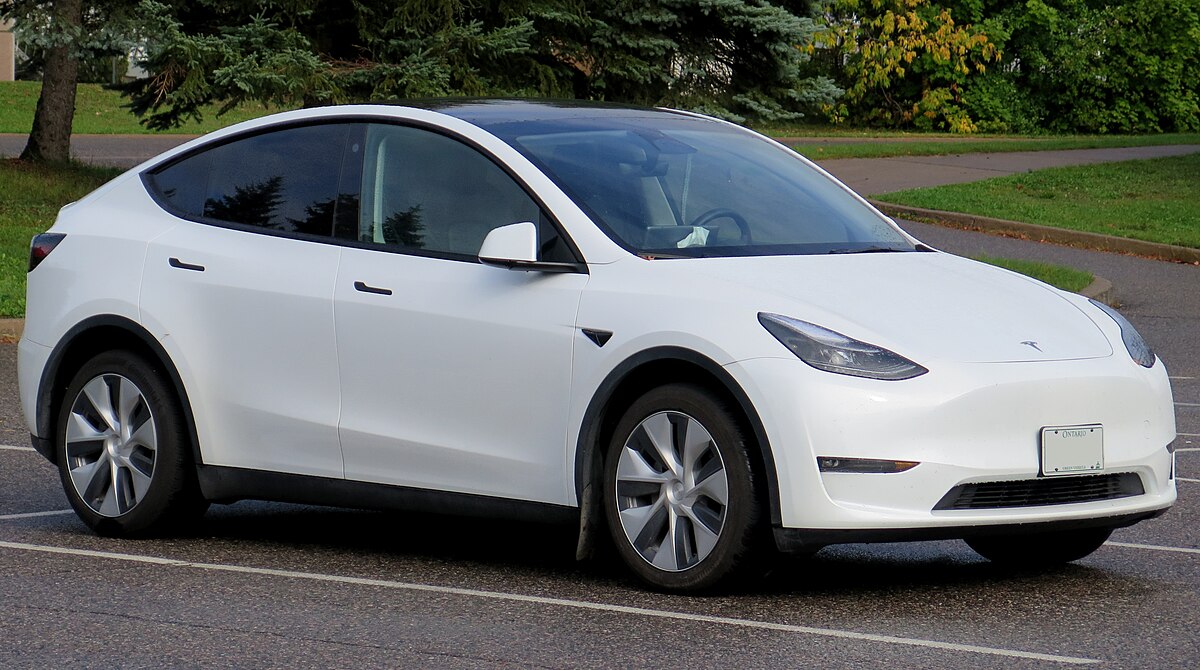
The Model Y does offer substantial interior cargo capacity by crossover standards. Behind the rear seats, you’ll find approximately 30 cubic feet of space adequate for groceries, beach bags, sports equipment, and daily cargo needs.
Fold the rear seats flat, and capacity expands to roughly 68 cubic feet, enough for larger items like furniture, camping gear, or vacation luggage for four.
The front trunk adds another 4.1 cubic feet of weatherproof storage, perfect for keeping charging cables, emergency equipment, or items you want separated from the main cargo area.
Still, families with kayaks, rooftop tents, or other equipment specifically designed for roof mounting will find the Model Y’s design frustrating.
Performance and technology remain the Model Y’s primary draws. The Long Range variant accelerates from zero to sixty in approximately 4.8 seconds while achieving about 310 miles of EPA-estimated range.
The Performance model drops that acceleration time to a staggering 3.5 seconds, faster than most sports cars, while still offering 303 miles of range.
Tesla’s Supercharger network makes long-distance travel practical, with numerous stations along Florida’s major highways. The Autopilot and Full Self-Driving capability (where legal and safe to use) offer advanced driver assistance that reduces fatigue during longer journeys, though drivers must remain attentive and ready to intervene.
2. BMW X4
The BMW X4 exemplifies the “coupe SUV” design philosophy that prioritizes style and driving dynamics over maximum practicality. This sleek crossover turns heads in Sarasota’s upscale neighborhoods with its dramatically sloped roofline, aggressive stance, and unmistakable BMW presence.
However, that same swooping roofline creates significant challenges for roof rack installation. While BMW technically offers roof rack accessories for the X4, the steeply angled rear roof section and integrated spoiler severely limit what can actually be carried safely and effectively.
The X4’s design language emphasizes athletic proportions and coupe-like silhouette over boxy utility. The roofline begins its downward arc immediately behind the driver, creating a dramatically tapered profile that suggests speed even when standing still.
This design comes at the cost of rear headroom taller passengers find the back seats confining compared to traditional SUVs and cargo versatility. The sloped rear glass reduces the height of cargo opening, making it difficult to load tall items even when they might technically fit within the cargo area’s dimensions.
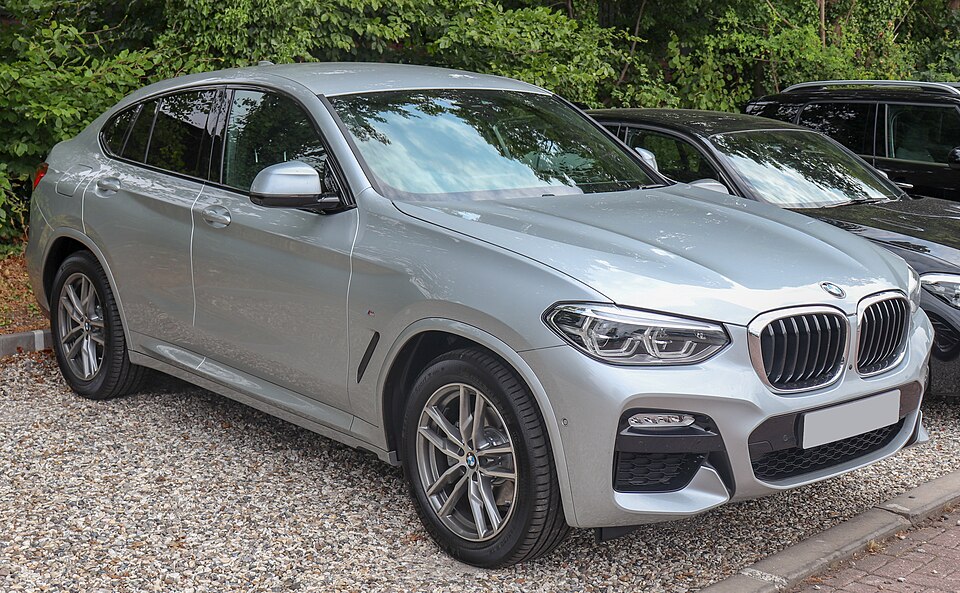
Even when equipped with BMW’s factory roof rail system, the X4’s aerodynamic shape creates practical problems for roof-mounted cargo. The steep rear roof angle means cargo boxes must be carefully positioned to avoid interference with the power liftgate.
Longer items like kayaks or surfboards become problematic, as securing them properly requires creative solutions to account for the changing roof angle.
Additionally, the X4’s sporting nature means BMW designed it for performance, not heavy cargo carrying roof load limits typically max out around 165 pounds, less than many traditional SUVs.
Cargo space measures approximately 18.5 cubic feet behind the rear seats adequate for groceries, gym bags, and daily cargo, but limited for family vacation needs.
Fold the rear seats flat, and capacity expands to roughly 50 cubic feet. These dimensions fall short of traditional SUVs, reflecting the X4’s compromise between style and utility.
Families considering the X4 should carefully evaluate whether the dramatic styling justifies the practical limitations compared to more conventional alternatives.
3. Mercedes-Benz GLC Coupe
Mercedes-Benz designed the GLC Coupe to combine luxury appointments with athletic styling, creating a premium compact SUV that emphasizes emotional appeal over maximum practicality.
Like its BMW X4 competitor, the GLC Coupe features a dramatically sloping roofline that distinguishes it from the conventional GLC SUV.
This design creates immediate visual impact and suggests performance credentials, but it also severely compromises roof rack functionality and cargo capacity significant considerations for active Sarasota families who need to transport outdoor equipment.
The GLC Coupe’s swooping roofline creates the same fundamental challenges that affect all coupe SUVs: reduced headroom for rear passengers, a smaller cargo opening, and problematic geometry for roof-mounted carriers.
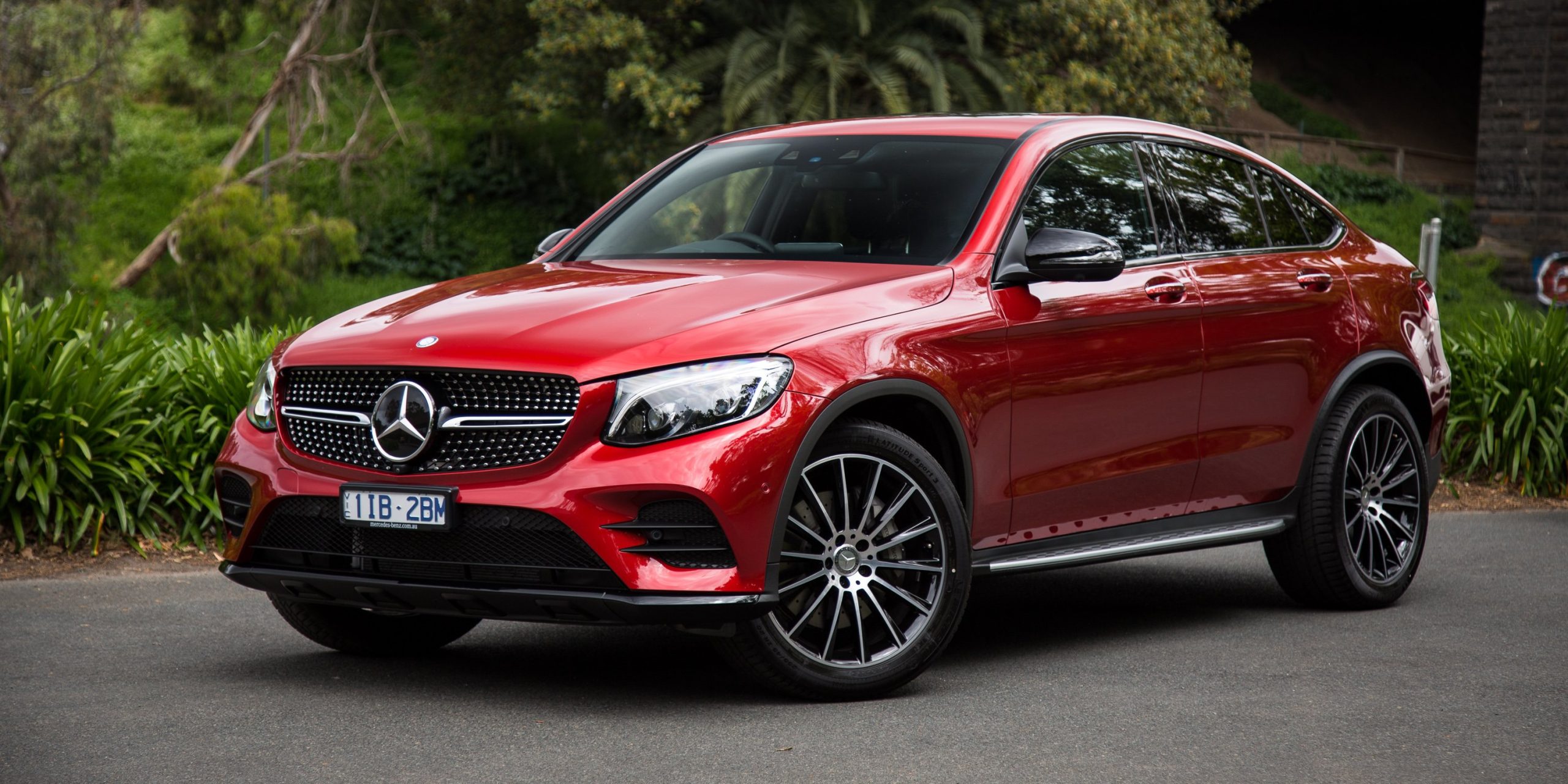
While Mercedes offers factory roof rack accessories, the steeply angled rear section and integrated rear spoiler limit practical cargo mounting options.
The roof’s compound curves and dramatic slope mean cargo boxes must be carefully selected and positioned, while longer items like paddleboards or ladders become nearly impossible to secure properly.
Performance options range from the mild-hybrid GLC 300 producing 255 horsepower to the AMG GLC 43 delivering 385 horsepower for genuinely thrilling acceleration.
All models feature Mercedes’ 9-speed automatic transmission and available 4MATIC all-wheel drive. The suspension tuning emphasizes composure and refinement over outright sportiness, creating a comfortable, stable driving experience.
However, families must consider whether the GLC Coupe’s emotional appeal and luxury appointments justify its practical compromises compared to more versatile alternatives.
4. Porsche Macan
The Porsche Macan defies easy categorization it’s simultaneously a legitimate sports car and a compact luxury SUV, delivering genuine Porsche performance in a slightly raised package.
This compact crossover dominates twisting roads with sports-car precision while offering reasonable cargo space and all-weather capability.
However, families seeking roof rack versatility discover that Porsche’s engineering priorities favor aerodynamics and performance over traditional utility features.
While Porsche offers roof rack systems as dealer-installed accessories, the Macan’s sleek roofline, performance-oriented design, and relatively limited roof load capacity create meaningful constraints.
Porsche designed the Macan primarily as a sports car that happens to have SUV proportions, not as a utility vehicle that happens to drive well.
This philosophy manifests in numerous ways: the low, aggressive stance; the carefully sculpted bodywork optimized for aerodynamics; the performance-tuned suspension; and the optional sport exhaust that announces the Macan’s sporting intentions.
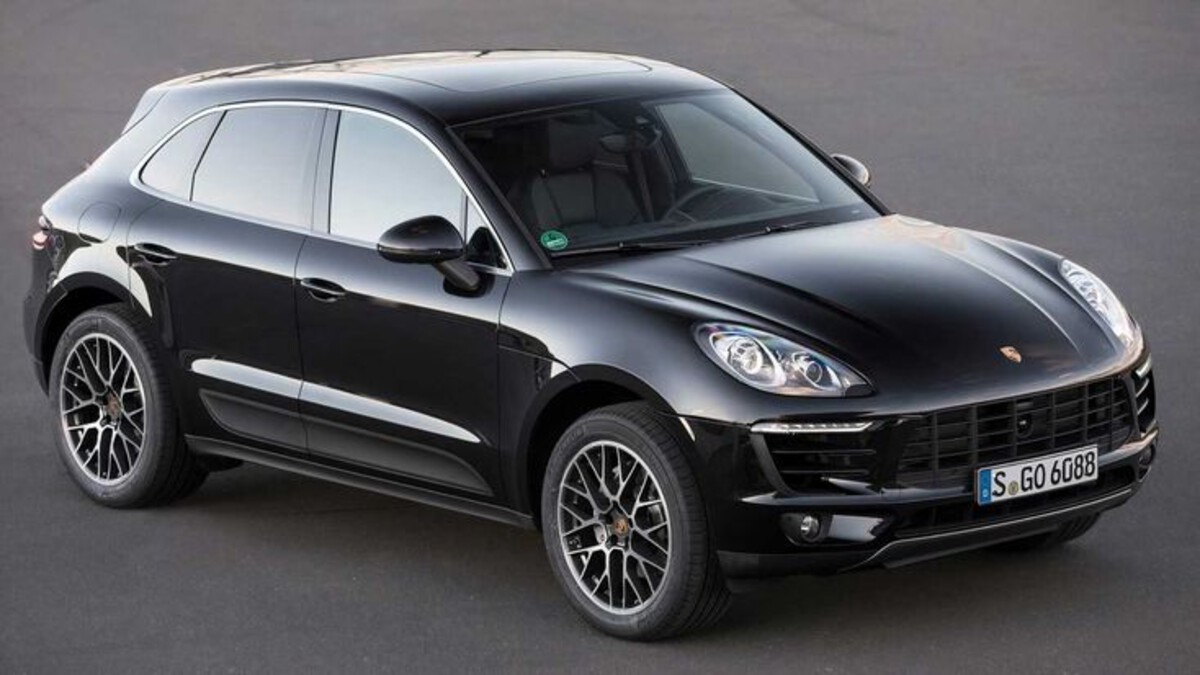
The roofline, while not as dramatically sloped as coupe SUVs, still prioritizes streamlined aesthetics over maximum headroom and cargo height.
Installing roof crossbars disrupts the carefully engineered aerodynamics, increasing wind noise and reducing fuel economy noticeably.
Cargo capacity measures approximately 17.6 cubic feet behind the rear seats and 53 cubic feet with seats folded respectable for the compact luxury crossover segment but limited compared to more utility-focused competitors.
The Macan prioritizes driving engagement over maximum practicality, a trade-off that appeals to enthusiasts but may frustrate families who need versatile cargo capacity for beach trips, camping adventures, or sports equipment transportation.
5. Range Rover Evoque
The Range Rover Evoque pioneered the luxury compact SUV segment with its distinctive, fashion-forward design that prioritizes visual drama over traditional utility.
This bold aesthetic philosophy created immediate market impact and strong sales, but it also introduced practical compromises that families discover when attempting to install roof racks or transport bulky equipment.
While Land Rover offers factory roof rail accessories, the Evoque’s steeply sloped roofline, dramatically tapered rear section, and fashion-focused proportions create meaningful limitations for roof-mounted cargo systems.
Land Rover designed the Evoque to make a statement it’s instantly recognizable from any angle, with its floating roofline, rising beltline, and coupe-like proportions distinguishing it from conventional SUVs.
The design succeeds brilliantly at creating emotional appeal and luxury brand presence, attracting buyers who prioritize style and status over maximum practicality.
However, the same design elements that make the Evoque visually distinctive create functional challenges. The steeply raked rear pillar and sloped roofline mean roof-mounted cargo boxes must be carefully selected and positioned to avoid interfering with the rear glass and power liftgate.
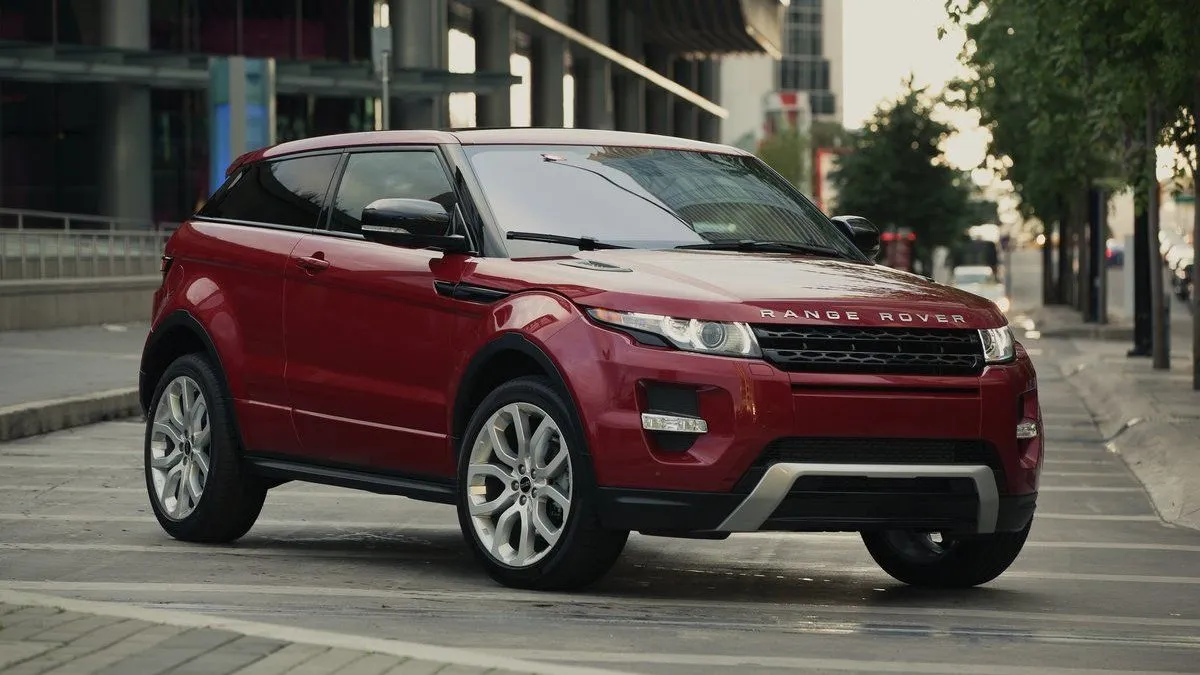
Even with Land Rover’s factory crossbars installed, the Evoque’s roof geometry limits practical carrying capacity. The compound curves and dramatic taper mean longer items like kayaks, ladders, or lumber become difficult to secure properly.
The roof load limit typically reaches about 165 pounds adequate for lightweight cargo but restrictive for heavier equipment or multiple items.
Additionally, the Evoque’s relatively compact dimensions mean the roof surface area itself is limited compared to larger SUVs, reducing the available space for cargo carriers even before considering the geometric constraints.
The Evoque’s mild-hybrid powertrain combines a turbocharged 2.0-liter four-cylinder engine with a 48-volt hybrid system, producing 246 horsepower while improving fuel economy and reducing emissions.
The nine-speed automatic transmission shifts smoothly, and the Terrain Response system provides genuine off-road capability despite the Evoque’s urban-focused design.
However, families considering the Evoque should carefulely evaluate whether its striking appearance justifies the practical compromises in roof cargo capability and interior space compared to more traditional SUV alternatives.
Also Read: 12 Classic ’70s Cars Faster Than the Chevy Chevelle SS
