
Bend, Oregon, is a paradise for outdoor enthusiasts, where rugged adventure meets stunning natural beauty. Nestled in the high desert and surrounded by the Cascade Mountains, this city attracts hikers, mountain bikers, skiers, rock climbers, and kayakers who seek thrills in every season.
But living the Bend lifestyle means more than just having the right gear it requires a vehicle that can handle the unique demands of Central Oregon’s terrain.
From pothole-riddled forest service roads to snow-packed winter highways, Bend’s roads test a vehicle’s capabilities year-round. Whether you’re heading to Smith Rock for a dawn climbing session, accessing remote trailheads near the Three Sisters, hauling mountain bikes to Phil’s Trail, or going through the icy roads to Mount Bachelor, your vehicle needs to deliver reliability, capability, and versatility.
Ground clearance, all-wheel drive, durability, and cargo space aren’t luxuries here they’re necessities. On the flip side, some vehicles simply weren’t designed for life beyond smooth pavement.
Low-slung sports cars, delicate luxury sedans, and compact city cars might excel in urban environments, but they struggle when confronted with Bend’s washboard dirt roads, steep gravel inclines, and unpredictable weather conditions.
Choosing the wrong vehicle can mean missed adventures, expensive repairs, and constant anxiety about bottoming out on your way to the trailhead.
This guide explores ten vehicles across two categories: five exceptional choices perfectly suited to Bend’s outdoor lifestyle, and five that should probably stay closer to civilization. Let’s dee into what makes a vehicle Bend-ready and what doesn’t.
5 Cars Perfect for Bend Outdoor Lifestyles
These exceptionally capable vehicles feature robust ground clearance and all-wheel-drive systems perfectly suited for accessing Bend’s countless trailheads and forest service roads, providing adventurous transportation through Central Oregon’s varied terrain without the clearance anxiety typically limiting outdoor recreation access.
Their practical engineering includes durable underbody protection and proven four-wheel-drive that resist the damage patterns found in low-slung vehicles while handling Mount Bachelor winter access, Smith Rock approach roads, and Cascade Lakes Highway adventures with confidence.
1. Subaru Outback Wilderness
The Subaru Outback Wilderness represents the pinnacle of adventure-ready station wagons, and it’s practically the unofficial vehicle of Bend, Oregon.
Drive through any neighborhood or trailhead parking lot, and you’ll see why this rugged variant has become the go-to choice for outdoor enthusiasts who refuse to compromise between capability and everyday practicality.
What sets the Wilderness apart from standard Outbacks is its enhanced off-road engineering. With 9.5 inches of ground clearance a full inch more than the regular Outback this vehicle laughs at the rutted forest service roads leading to remote hiking trails and fishing spots.
The reinforced bumpers and skid plates protect vital components when you’re crawling over rocks or going through the washboard roads that would leave lesser vehicles damaged.
The all-terrain tires come standard, providing superior grip on loose gravel, mud, and light snow conditions that define Central Oregon’s backcountry access roads.
The symmetrical all-wheel-drive system, a Subaru hallmark, delivers power to all four wheels continuously, not just when slippage is detected.

This means you’re always prepared for sudden changes in traction, whether that’s unexpected ice patches on Cascade Lakes Highway or sandy sections on roads leading to the Deschutes River.
The X-Mode with Hill Descent Control adds another layer of confidence when tackling steep, technical terrain, automatically managing engine output and braking to maintain control on challenging descents.
Inside, the Outback Wilderness balances ruggedness with comfort. The water-repellent StarTex upholstery withstands muddy boots, wet dogs, and spilled coffee without requiring kid-glove treatment.
The spacious cargo area easily swallows camping gear, climbing equipment, or multiple mountain bikes when you drop the rear seats. Roof rails come standard, supporting kayaks, paddleboards, or a rooftop cargo box for extended adventures.
The 2.4-liter turbocharged boxer engine provides adequate power (260 horsepower) while maintaining reasonable fuel efficiency—crucial when your adventures take you far from gas stations.
The higher ride height improves visibility on crowded forest roads, and the approach and departure angles (one of the best in its class) mean you can confidently go through the obstacles that would leave your undercarriage scraping.
For Bend residents, the Outback Wilderness checks every box: reliable in winter storms, capable on summer dirt roads, practical for daily errands, and adventure-ready at a moment’s notice.
2. Toyota 4Runner TRD Pro
The Toyota 4Runner TRD Pro is a body-on-frame SUV that refuses to compromise capability for comfort, making it an exceptional choice for serious Bend adventurers who regularly push beyond maintained roads into genuinely challenging terrain.
This isn’t a crossover pretending to be tough it’s a legitimate off-road vehicle that happens to be civilized enough for daily driving. At the heart of the TRD Pro’s capability is its traditional truck construction.
Unlike unibody crossovers, the body-on-frame design provides exceptional durability and can withstand the constant punishment of rough roads without developing rattles or structural issues.
This construction method also enables serious modifications, should you choose to add aftermarket suspension, larger tires, or recovery equipment for more extreme adventures.
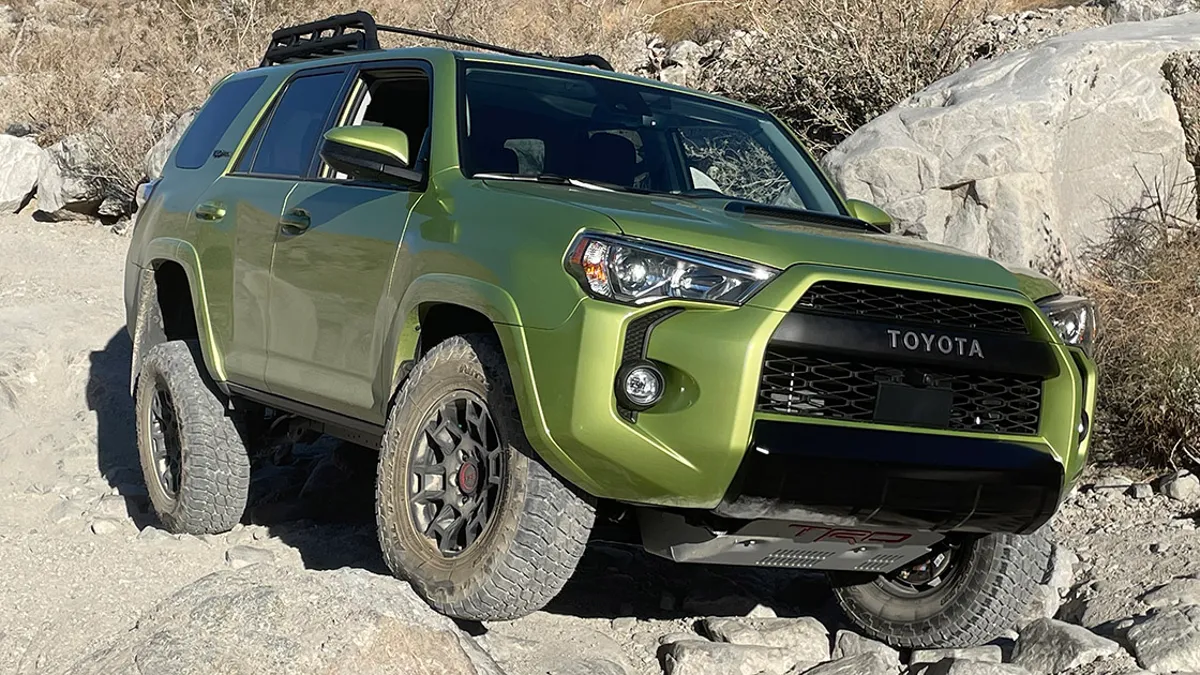
Ground clearance sits at an impressive 9.6 inches, but the real advantage comes from the suspension articulation and wheel travel. Fox internal bypass shocks, tuned specifically for the TRD Pro, absorb massive impacts that would bottom out lesser vehicles, while maintaining composure on highway drives to Mount Bachelor.
The front springs are specially tuned to handle the additional weight of a winch or heavy steel bumper, should you decide to build a more extreme off-road machine.
The selectable four-wheel-drive system with a two-speed transfer case, locking rear differential, and crawl control gives you multiple tools for handling different terrain.
Whether you’re grinding up a steep, rocky track to a trailhead or going through the deep snow to access winter camping spots, the mechanical systems work in your favor.
For Bend residents who regularly venture into the Ochoco National Forest, explore remote corners of the Deschutes National Forest, or need absolute confidence during severe winter weather, the 4Runner TRD Pro delivers unmatched capability and legendary reliability.
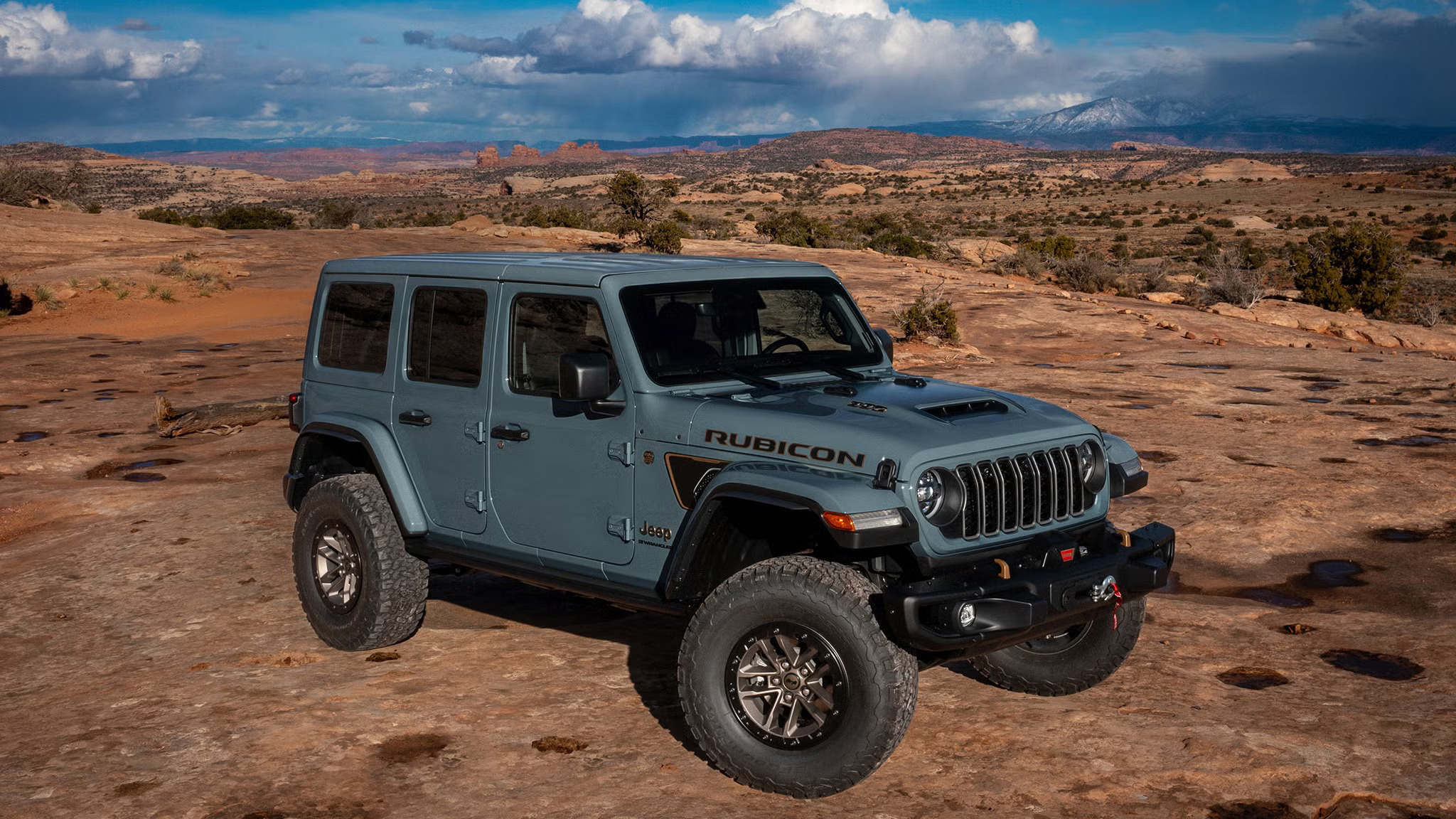
3. Jeep Wrangler Rubicon
The Jeep Wrangler Rubicon holds a special place in the hearts of Bend outdoor enthusiasts who value pure off-road capability and the freedom to explore anywhere, anytime.
This icon of adventure vehicles brings genuine trail-rated performance to everyday driving, wrapped in a package that’s as comfortable cruising to the grocery store as it is rock-crawling in the backcountry.
What distinguishes the Rubicon from lesser Wrangler trims is its factory-installed hardcore off-road hardware. Electronic locking front and rear differentials ensure power reaches the wheels with traction, even when other wheels are hanging in the air on extreme terrain.
The disconnecting front sway bar dramatically increases suspension articulation, allowing the Wrangler to maintain tire contact over obstacles that would leave three-wheeling vehicles helpless.
Combined with 10.8 inches of ground clearance, excellent approach and departure angles (44 and 37 degrees respectively), and aggressive all-terrain tires, the Rubicon can go through the terrain that stops almost everything else.
The available 2.0-liter turbocharged four-cylinder engine provides surprisingly peppy performance (270 horsepower and 295 lb-ft of torque), while the 3.6-liter V6 (285 horsepower) offers proven reliability and plenty of low-end grunt for rock-crawling.
Both pair with either a six-speed manual transmission (increasingly rare and beloved by enthusiasts) or an excellent eight-speed automatic.
The manual is particularly appreciated on technical trails where precise control matters, while the automatic excels in daily driving and highway cruising.
The aftermarket support for Wranglers is unparalleled. Bend has multiple shops specializing in Jeep modifications, and the owner community is incredibly active, organizing trail runs and helping newcomers learn off-road skills.
Whether you keep your Rubicon stock or progressively upgrade it with larger tires, lift kits, winches, and armor, it remains a capable, reliable adventure partner that holds its value exceptionally well.
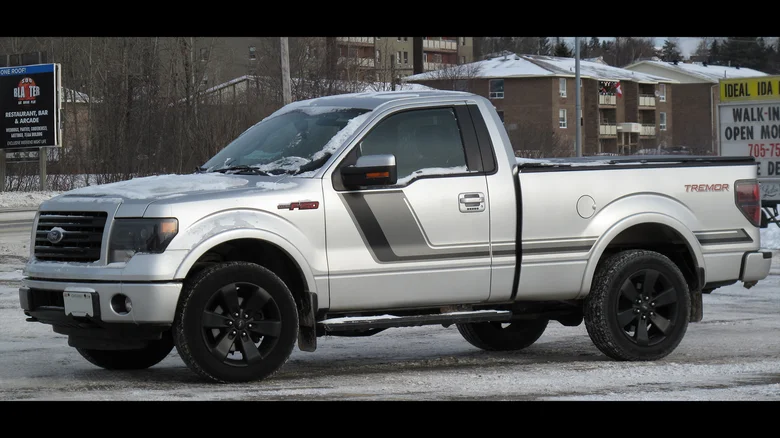
4. Ford F-150 Tremor
The Ford F-150 Tremor strikes a perfect balance for Bend residents who need a true work truck’s capability combined with serious off-road performance and modern comfort.
This often-overlooked trim sits between the standard F-150 and the extreme Raptor, delivering outstanding value and versatility for those whose outdoor lifestyle includes hauling heavy loads, towing trailers, and tackling rough terrain.
The Tremor package transforms the already-capable F-150 into an off-road specialist without sacrificing the truck’s core strengths. It starts with Fox shocks tuned for off-road use, providing controlled damping over rough terrain while maintaining composure during highway driving.
The suspension lift increases ground clearance to 10.8 inches, and front and rear electronic locking differentials ensure traction in challenging conditions whether that’s mud, snow, sand, or loose rock.
Specialized off-road driving modes adjust throttle response, transmission shift points, and traction control settings to match conditions.
The available engine lineup caters to different priorities. The 3.5-liter EcoBoost V6 twin-turbo engine produces a staggering 400 horsepower and 510 lb-ft of torque, providing effortless acceleration and robust towing capability (up to 11,300 pounds when properly equipped).
This power proves invaluable when towing a boat to Crane Prairie Reservoir, pulling a travel trailer to camping spots, or hauling a loaded equipment trailer to a job site.
The 2.7-liter EcoBoost offers a more fuel-efficient option while still delivering 325 horsepower, and the available 5.0-liter V8 provides traditional naturally aspirated power that some drivers prefer.
For Bend residents who regularly combine work and play contractors who mountain bike, guides who need to haul equipment, families who camp frequently, or anyone requiring maximum versatility the F-150 Tremor delivers exceptional value and capability in a single package.
Also Read: 9 Nearly-New Luxury Sports Cars That Cost Half as Much as a 911
5. Rivian R1T
The Rivian R1T represents the cutting edge of adventure vehicles, combining electric powertrains with genuine off-road capability in ways that perfectly align with Bend’s environmentally conscious yet adventure-driven culture.
This isn’t a lifestyle vehicle pretending to be capable it’s a thoroughly engineered off-road machine that happens to be electric, bringing novel capabilities to the outdoor lifestyle.
The quad-motor setup (one motor per wheel) enables unprecedented control and capability. Each wheel receives independent power delivery, effectively creating four individual drive units that can adjust torque thousands of times per second.
This “tank turn” capability, where wheels on opposite sides rotate in different directions, allows the R1T to pivot nearly in place extraordinarily useful when going through the tight forest service roads or positioning for camping.
The instant torque delivery (835 lb-ft) provides effortless acceleration and never-ending pulling power when climbing steep, rocky trails.
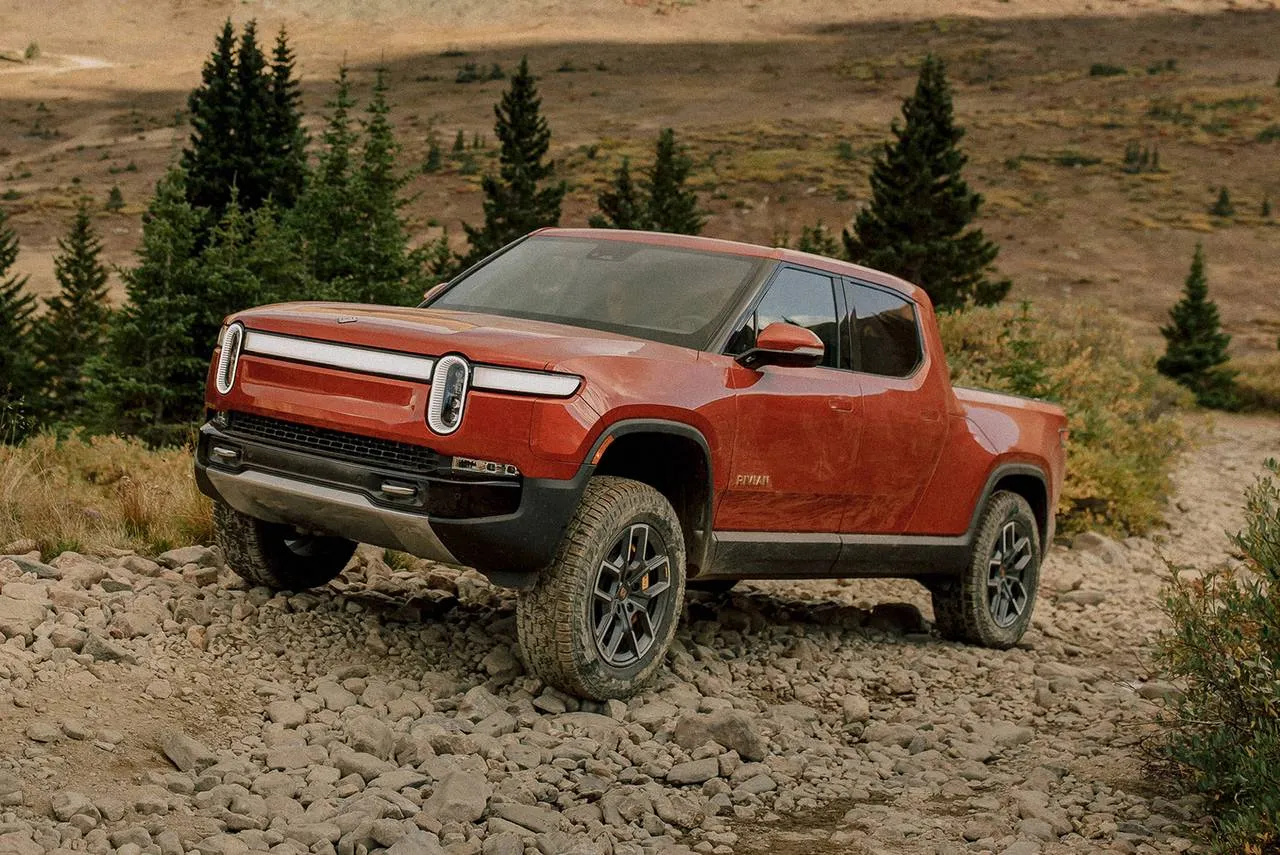
Ground clearance adjusts from a normal driving height of 8.9 inches up to an impressive 14.9 inches in maximum off-road mode, higher than virtually any stock production vehicle.
This adjustment happens via air suspension that can be programmed for different scenarios: lowered for highway efficiency, raised for off-road clearance, or set to a convenient height for loading gear.
The suspension also provides exceptional articulation, keeping tires in contact with the ground over uneven terrain while the electronic systems manage traction seamlessly.
The interior blends sustainability with luxury. Vegan leather, reclaimed wood, and recycled materials create an upscale environment that doesn’t feel compromised compared to luxury vehicles.
The massive glass roof, panoramic windows, and excellent sight lines create an open, connected feeling with the surrounding environment.
Advanced driver assistance features, over-the-air software updates, and thoughtful details like a flashlight built into the driver’s door show Rivian’s attention to both technology and practical outdoor use.
For tech-forward Bend residents who want cutting-edge capability without fossil fuel dependency, the R1T opens new possibilities for adventure.
5 Cars That Don’t Handle Dirt Roads
These frustratingly inadequate vehicles suffer from low ground clearance and fragile underbody components that create constant anxiety accessing Bend’s outdoor recreation areas, transforming adventure planning into clearance calculations and limiting exploration to paved roads only.
Their problematic design includes vulnerable oil pans and weak all-wheel-drive systems that cannot handle Central Oregon’s ubiquitous forest service roads without scraping damage, leading to expensive undercarriage repairs from rock strikes and complete inability to access trailheads requiring even modest clearance.
Despite attractive styling and efficient highway performance, these vehicles torture outdoor enthusiasts through their bottoming-out on slight ruts, traction control systems ineffective on loose gravel, and front air dams catching on slight rises that Subarus cross effortlessly.
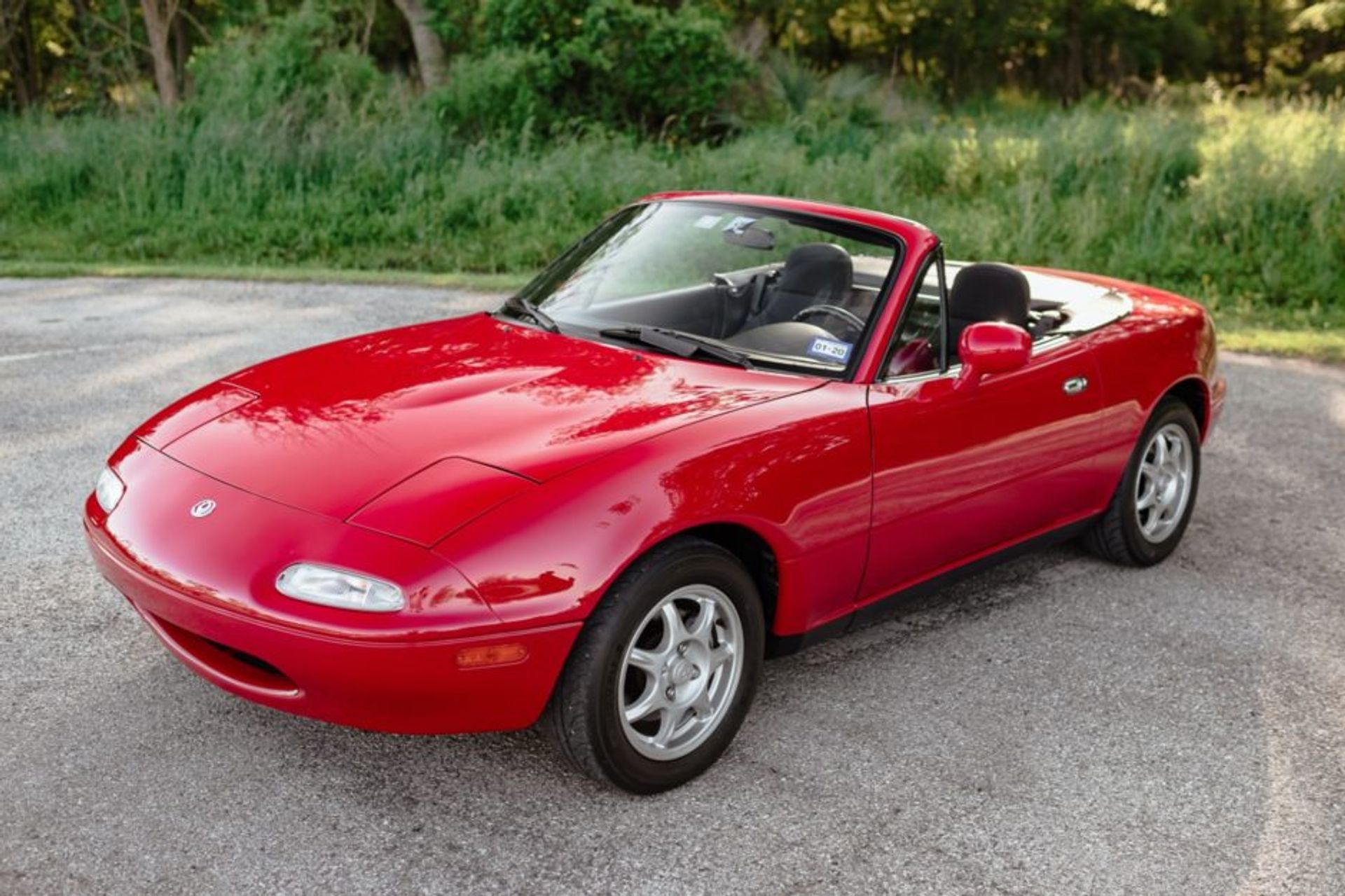
1. Mazda MX-5 Miata
The Mazda MX-5 Miata is an absolute joy on twisting paved mountain roads, delivering pure driving pleasure with its precise steering, perfect weight balance, and energetic engines.
However, this lightweight sports car is fundamentally incompatible with Bend’s outdoor lifestyle, and taking one beyond pavement is asking for expensive trouble.
The Miata’s ground clearance a mere 4.3 inches makes it one of the lowest-riding production vehicles available. This creates immediate problems on Bend’s roads, where even maintained streets can have significant potholes, frost heaves, and drainage issues.
Venture onto any forest service road, and you’ll immediately scrape the front air dam, possibly damaging the radiator or other vital cooling components.
The low-hanging exhaust system will drag over obstacles, potentially causing leaks or complete system failure. Even slightly rutted roads will high-center the vehicle, leaving you stranded with wheels spinning helplessly in the air.
The Miata’s rear-wheel-drive configuration, while excellent for balanced handling on dry pavement, becomes a liability on loose surfaces.
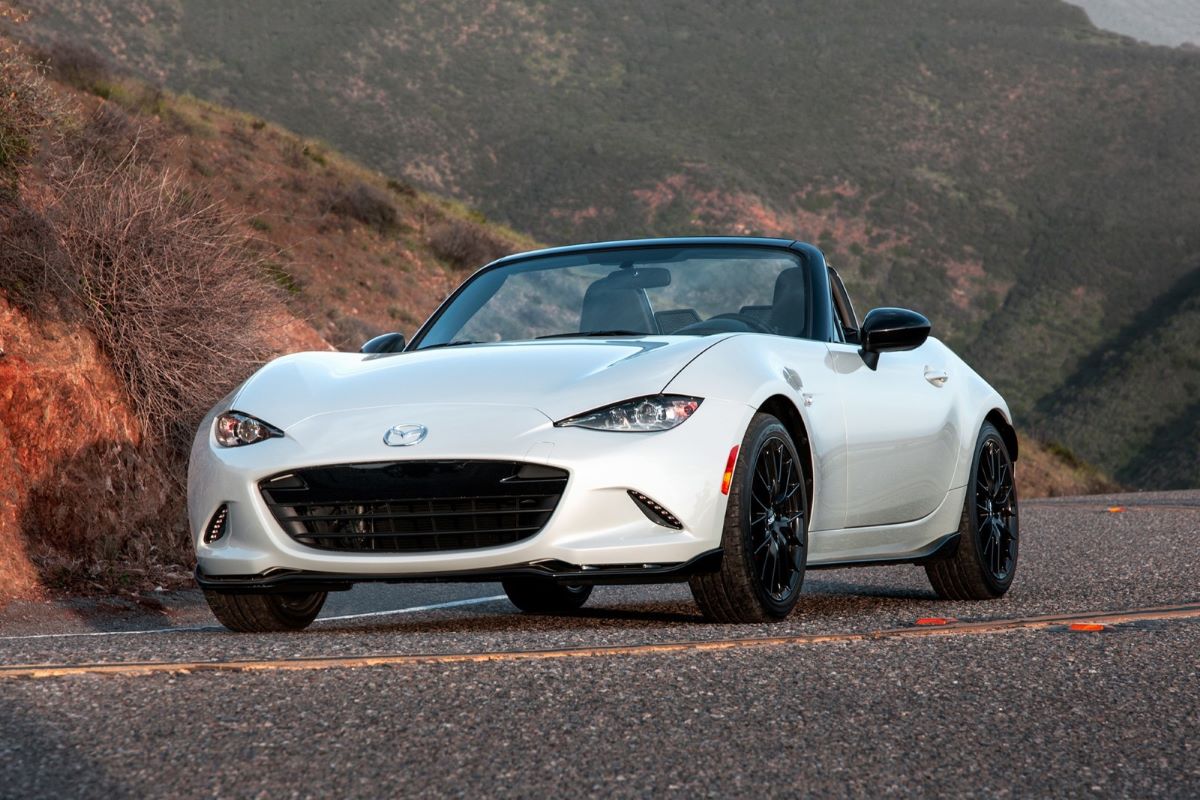
Without weight over the driving wheels and with narrow summer performance tires, traction on gravel, dirt, or snow is nearly nonexistent.
The slightest incline on loose surface will have the rear wheels spinning uselessly, and even gentle snow will render the car immobile.
Central Oregon’s winter weather makes the Miata a three-season vehicle at best, requiring either a second car or accepting that you simply can’t drive for months each year.
The tiny cargo capacity presents practical problems for outdoor adventures. With the top down, the trunk offers just 4.6 cubic feet of space barely enough for a small backpack and groceries, much less camping gear, climbing equipment, or ski gear.
Even with careful packing, a single overnight trip requires creative compromises, and anything beyond a weekend becomes logistically impossible.
The two-seat configuration means you’re adventuring solo or with one companion, and the lack of interior storage space means everything must be packed tightly in the minimal trunk.
For someone whose passion is carving corners on Cascade Lakes Highway during summer, the Miata delivers unmatched enjoyment per dollar.
But for accessing trailheads, hauling gear, going through the winter weather, or any activity that defines the Bend outdoor lifestyle, it’s profoundly inappropriate. It’s a car that demands you choose between driving pleasure and outdoor access a compromise most Bend residents rightfully reject.
2. Chevrolet Corvette C8
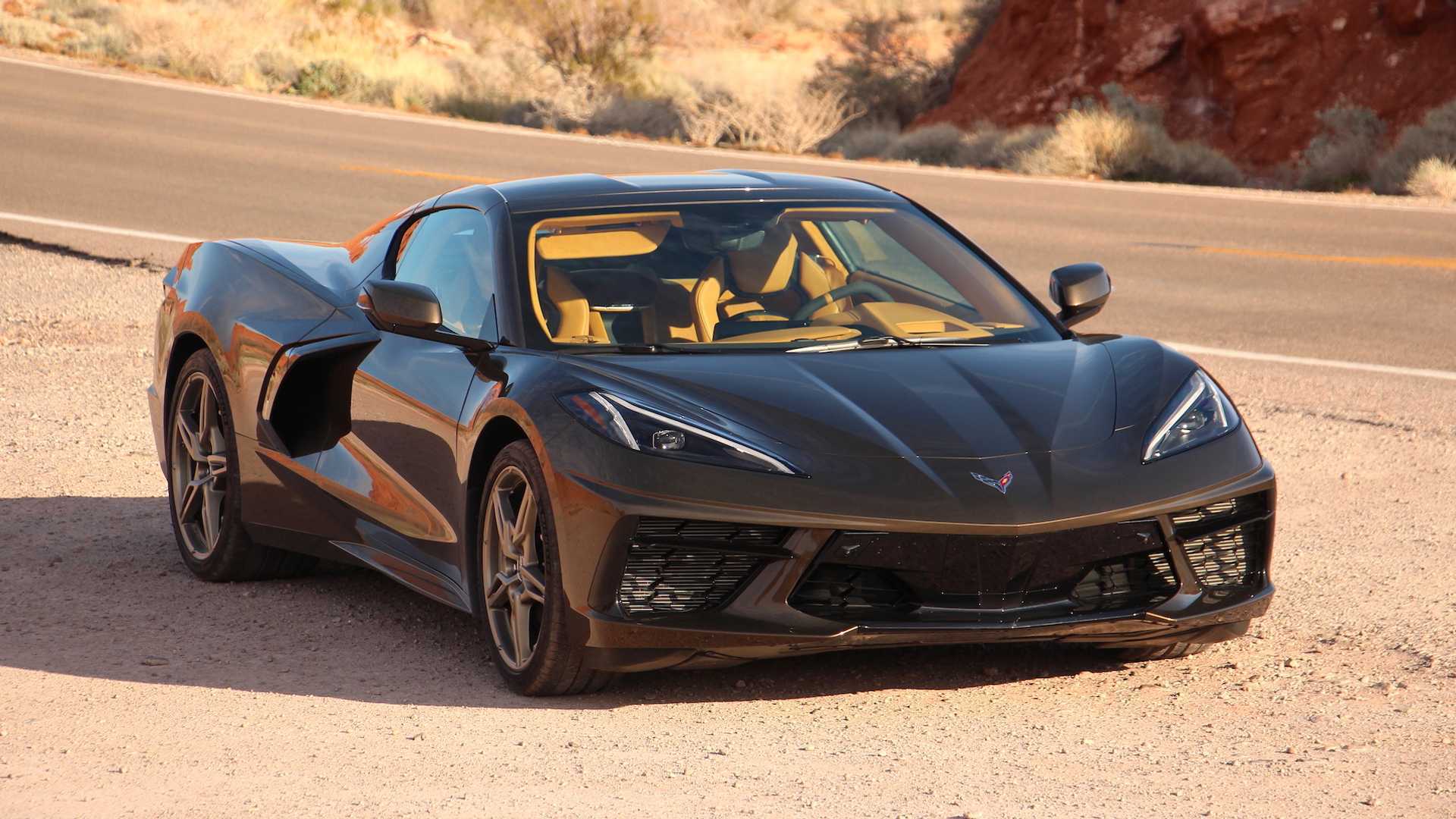
The mid-engine Chevrolet Corvette C8 represents American supercar performance at a comparatively accessible price, delivering exotic car performance with everyday reliability.
With its low-slung stance, sophisticated aerodynamics, and track-focused engineering, it’s a remarkable achievement and utterly unsuitable for anything beyond smooth pavement, making it a poor choice for Bend’s road conditions.
Ground clearance sits at approximately 4.9 inches in normal mode, and while the available front lift system raises the nose an additional two inches, this temporary solution only addresses the front of the car and must be manually activated.
The rear remains low, and the aggressive diffuser and flat underbody panels scrape over even modest obstacles like speed bumps, driveway aprons, and potholes.
The composite construction and sophisticated aerodynamics that enable 194-mph top speeds become expensive liabilities when the undertray or splitter meets a rock on a forest service road.
The wide, low-profile performance tires (245/35R19 front, 305/30R20 rear) provide phenomenal grip on smooth, dry pavement but transform into hazards on anything else.
Gravel roads would immediately damage the soft rubber compounds and thin sidewalls designed for track performance. A single pothole can bend an expensive forged wheel, and the ultra-low-profile tires provide virtually no cushioning, transmitting every impact directly to suspension components.
Replacement costs for these specialized tires run hundreds of dollars each, making any off-pavement excursion financially reckless. The sophisticated suspension system, featuring magnetorheological dampers and multiple driving modes, is calibrated for maximum performance on smooth surfaces.
While this provides incredible handling precision and ride quality on maintained roads, the system has limited suspension travel designed for minimal body roll rather than absorbing large impacts.
Hit a significant pothole or rough patch at speed, and you risk damaging not just the suspension components but also the adjacent bodywork. The low-hanging control arms, particularly in front, are especially vulnerable to impacts from road irregularities.
The final practical concern involves theft and damage risk. Corvettes attract attention everywhere, making them targets in trailhead parking lots where vehicles sit unattended for hours.
The sophisticated electronics, exposed carbon fiber components, and expensive bodywork make even minor parking lot contact or vandalism extremely costly to repair. Insurance rates reflect these realities, adding ongoing expense to an already impractical choice.
3. Tesla Model S Plaid
The Tesla Model S Plaid represents the pinnacle of electric performance sedans, delivering hypercar acceleration (0-60 mph in under two seconds) and sophisticated technology in a practical luxury sedan package.
However, its design priorities on-road performance, luxury, and maximum range on pavement make it poorly suited for Bend’s outdoor lifestyle and challenging road conditions.
Ground clearance of just 5.5 inches immediately limits the Model S Plaid to maintained roads. While this is slightly better than sports cars, it’s still inadequate for anything beyond smooth pavement.
Bend’s potholed streets cause frequent scraping of the battery pack and aerodynamic undertray, both expensive components to repair or replace.
The front air dam and side skirts, designed to reduce aerodynamic drag and increase high-speed stability, hang low enough to catch on parking lot curbs and driveway transitions.
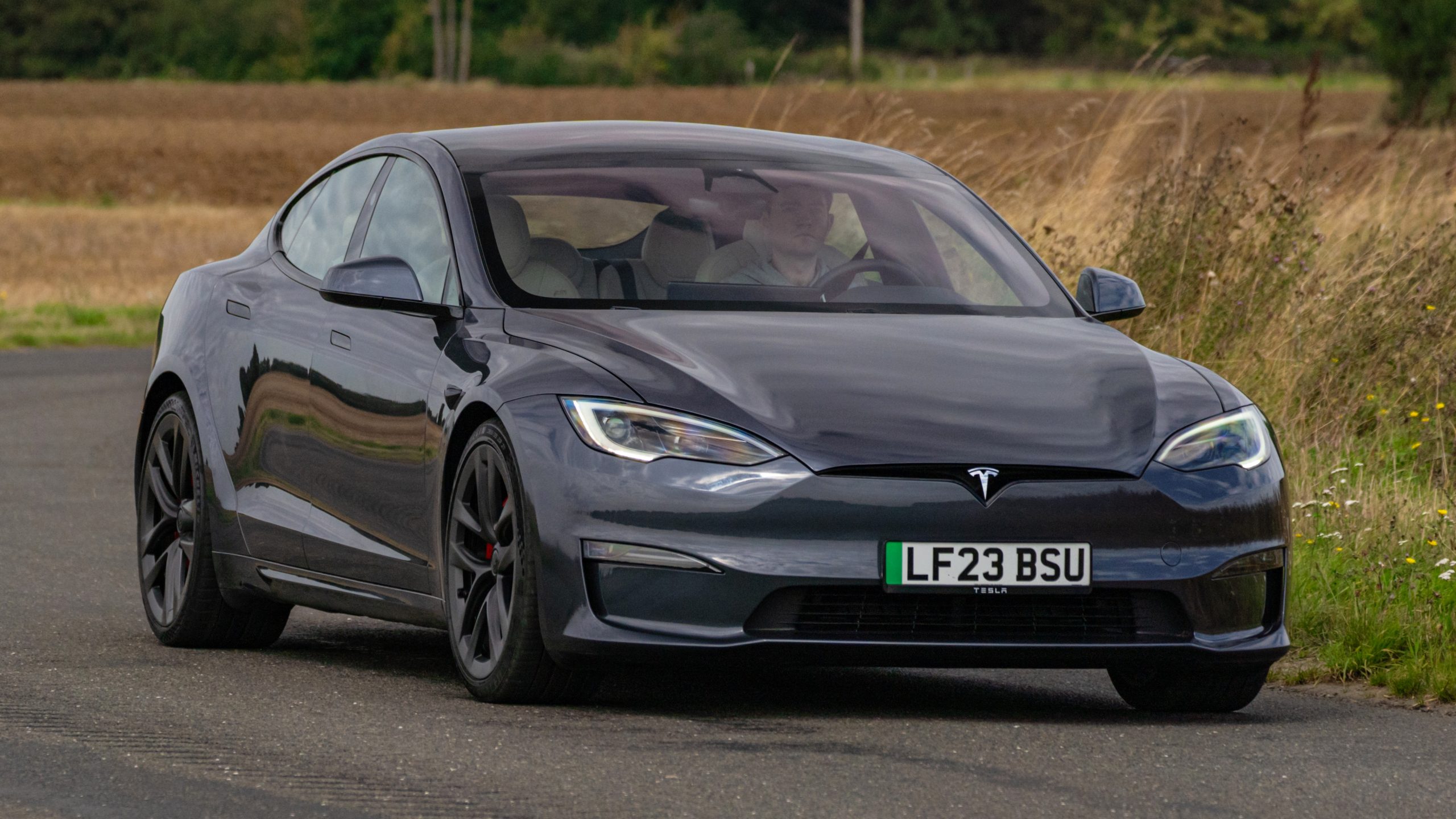
Any forest service road would risk catastrophic damage to the battery pack a repair potentially costing tens of thousands of dollars and requiring the entire vehicle be lifted off the battery assembly.
Winter presents multiple challenges. While all-wheel drive and winter tires improve traction, the low ground clearance means snow quickly accumulates underneath, getting packed into wheel wells and against suspension components.
The smooth underbody acts like a sled in deeper snow, reducing traction by lifting weight off the wheels. Range decreases significantly in cold weather sometimes by 30-40% as battery chemistry becomes less efficient and cabin heating draws substantial power.
Preheating the cabin while plugged in helps, but extended winter adventures far from charging infrastructure become range-anxiety exercises.
For urban luxury commuting or highway road trips along established routes, the Model S Plaid is exceptional. For accessing Bend’s outdoor adventures, it’s an expensive, inappropriate choice that constantly reminds you of its limitations.
4. Porsche 911 Carrera
The Porsche 911 Carrera represents over 60 years of evolutionary refinement, creating one of the world’s most capable and engaging sports cars. Its rear-engine layout, sophisticated all-wheel-drive system (in Carrera 4 models), and sublime engineering deliver an driving experience that’s genuinely addictive on twisting mountain roads.
However, this engineering excellence focused on performance creates a vehicle fundamentally incompatible with the practical demands of Bend’s outdoor lifestyle.
Ground clearance on the 911 ranges from 4.5 to 5.1 inches depending on specification and suspension setting, placing it among the lowest vehicles discussed.
The front air dam carefully shaped to direct cooling air and reduce lift scrapes on steep driveway approaches and parking lot entrances.
The flat, highly optimized underbody that contributes to the 911’s high-speed stability becomes a liability when encountering any obstacle.
Even driving to Smith Rock State Park requires careful route planning to avoid unpaved sections of the access road that would scrape the undercarriage.
The optional front axle lift system provides a temporary solution, raising the front by 1.6 inches, but this requires manual activation and doesn’t address rear clearance.
The rear-engine layout that gives the 911 its distinctive character and excellent traction on dry, smooth roads becomes problematic on loose surfaces.

While the weight over the rear wheels helps with traction compared to mid-engine supercars, the distribution still leaves the front end relatively light.
On gravel or dirt, this light front end reduces steering effectiveness and makes the car feel vague and imprecise the opposite of its character on pavement.
The wide rear tires (295mm or wider depending on model) sink into soft surfaces rather than floating on top, and the rear weight bias means that once the rear loses traction, the resulting oversteer happens with surprising speed and requires quick correction.
The high-performance tires with specialized compounds optimized for warm, dry conditions are completely inappropriate for anything beyond smooth pavement.
Summer performance tires lose significant grip below 40°F, making them actively dangerous during Bend’s cold mornings and winter weather.
Even all-season tires, available on base models, can’t compensate for the ground clearance limitations and lightweight construction. The low-profile design (typically 35-series or lower) means minimal sidewall cushioning, transmitting every pavement imperfection directly to the suspension and increasing risk of wheel damage from potholes.
The final consideration involves the emotional cost of driving an expensive, beautiful sports car daily in conditions that risk damage. Every pothole, frost heave, gravel patch, and rough parking lot becomes a source of anxiety rather than simply an obstacle to go through.
Trailhead parking lots, with their rough surfaces and careless drivers, become places to avoid rather than gateways to adventure. For someone whose priority is the driving experience on perfect pavement, the 911 is transcendent.
For accessing the outdoor activities that define Bend living, it’s a frustrating compromise that asks you to sacrifice capability for performance you can rarely safely use.
5. BMW M3
The BMW M3 represents the ultimate expression of the sport sedan concept a practical four-door that delivers genuine supercar performance while maintaining everyday usability.
With its turbocharged inline-six engine producing over 500 horsepower (in Competition trim), sophisticated all-wheel-drive system, and track-capable dynamics, it’s one of the most thrilling sedans ever built.
Unfortunately, these performance priorities make it poorly suited for Bend’s outdoor lifestyle and challenging road conditions. Ground clearance sits at approximately 4.7 inches, low enough that even maintained roads in Bend present challenges.
The aggressive front splitter, designed to generate downforce and channel cooling air, scrapes over parking lot curbs, driveway aprons, and steep transitions.
The flat underbody essential for aerodynamic stability at 180 mph becomes a vulnerability when going through the potholed streets or rough pavement.
The rear diffuser, with its carefully sculpted channels for exhaust flow and aerodynamic management, hangs low enough to contact pavement irregularities that crossovers drive over without notice. Any venture beyond maintained roads risks expensive damage to these carefully engineered components.
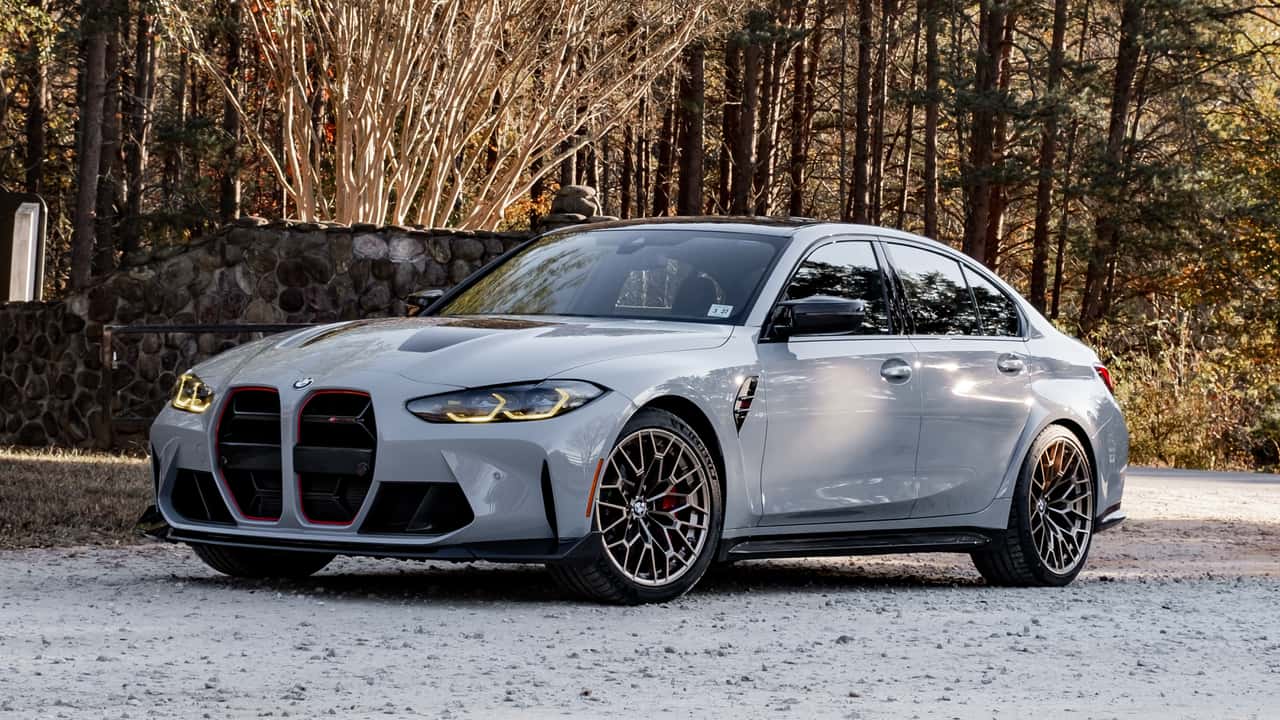
The suspension system prioritizes responsive handling and minimal body roll over compliance and wheel travel. The adaptive M suspension, while providing multiple modes from comfortable to track-focused, fundamentally can’t overcome the limited suspension travel and firm spring rates chosen for performance.
Impact from potholes and rough pavement transmits harshly through the chassis, and the low-profile performance tires (typically 275/35R19 front and 285/30R20 rear) provide minimal cushioning.
The forged wheels, while lightweight and strong for their intended use, can bend or crack when encountering sharp impacts from road hazards. Replacement costs for these specialized wheels often exceed $1,000 each.
For someone whose priority is electrifying on-road performance with vestigial practicality, the M3 delivers thrills few sedans can match.
For someone whose lifestyle involves regularly accessing trailheads, hauling outdoor gear, going through the rough roads, and dealing with harsh winter weather, it’s a frustrating compromise that constantly reminds you of its limitations.
Bend deserves a vehicle that enables adventure rather than restricting it, making the M3 despite its considerable charms a poor fit for the outdoor lifestyle that defines the community.
Also Read: 6 Cars for Roseville Family Runs vs 6 That Hide Issues
