
Juneau, Alaska’s capital city, presents unique automotive challenges that most American drivers never encounter. Accessible only by boat or plane, this island community nestled between mountains and the Pacific Ocean demands vehicles that can handle relentless rain, steep terrain, narrow roads, and minimal service infrastructure.
With over 90 inches of annual precipitation, temperatures hovering near freezing for months, and roads that twist through temperate rainforest, Juneau isn’t your typical American city.
Choosing the right vehicle here isn’t just about preference it’s about survival and practicality. The isolation factor cannot be overstated: specialized parts can take weeks to arrive, and repair costs skyrocket when components must be flown or ferried in.
Local mechanics become intimately familiar with certain brands while others remain mysteries due to their rarity. Salt air corrodes metal quickly, all-wheel drive isn’t optional for winter driving, and ground clearance matters when going through the flooded streets or unpaved roads leading to trailheads.
This guide identifies five vehicles that thrive in Juneau’s challenging environment models with proven reliability, available parts, local service expertise, and capabilities matching the terrain.
Equally important, we’ll examine five vehicles that, despite their appeal elsewhere, become expensive headaches in Alaska’s capital. Understanding both categories helps residents and newcomers make informed decisions that save money, reduce frustration, and ensure their vehicle actually serves their island lifestyle rather than sitting in a shop waiting for parts from the Lower 48.
5 Best Cars for Juneau Island Life
These exceptionally practical vehicles feature proven mechanical simplicity and widespread parts availability perfectly suited for Alaska’s isolated capital city, providing reliable transportation through Juneau’s unique challenges without the service nightmares typically associated with limited repair infrastructure accessible only by ferry or floatplane.
Their sensible engineering includes straightforward designs and common components that resist the expensive shipping delays found in specialty vehicles while handling constant rain, steep Gastineau Channel roads, and winter conditions requiring absolute dependability when breakdown assistance options remain severely limited.
1. Subaru Outback
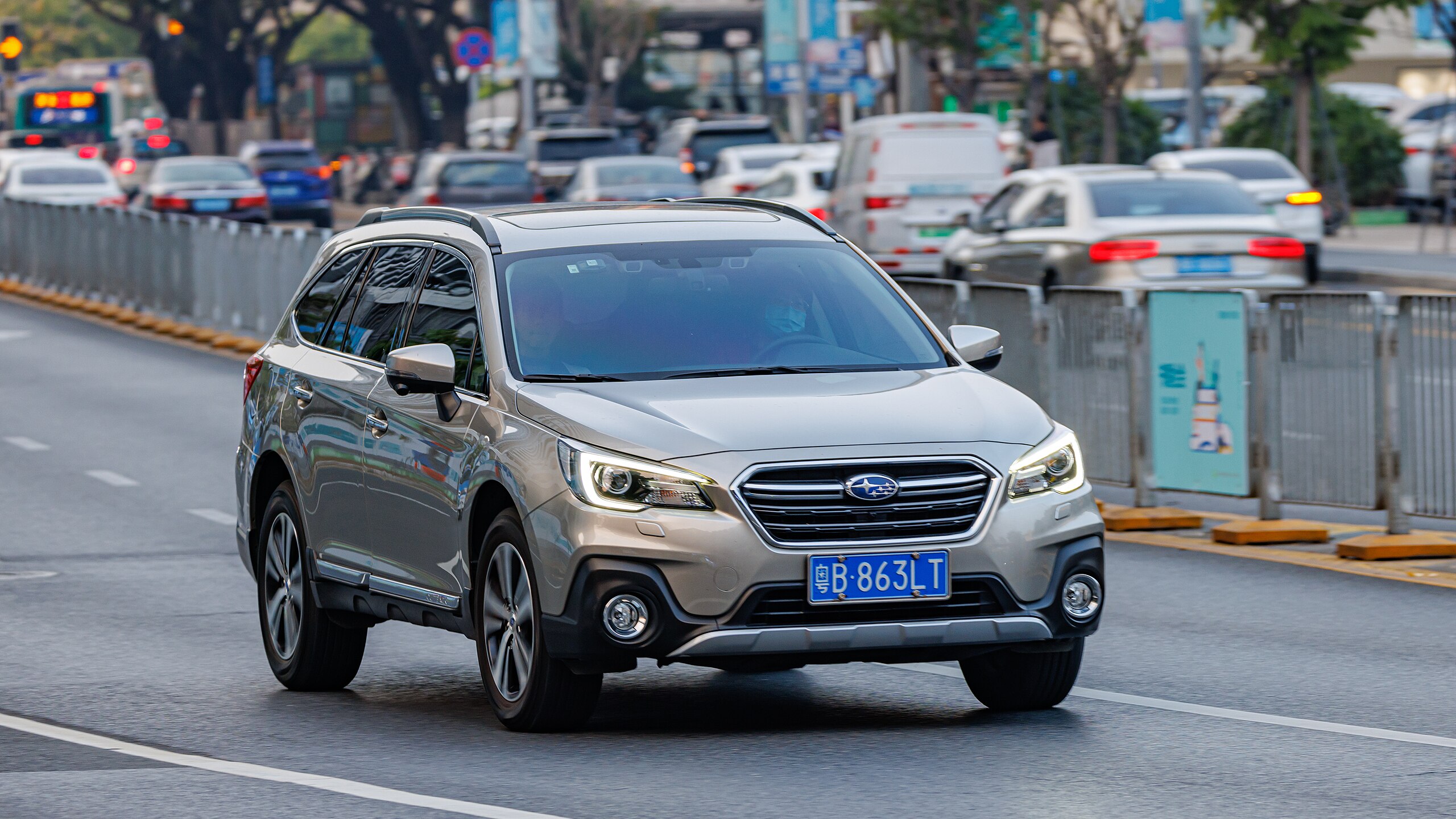
The Subaru Outback has achieved near-legendary status in Juneau, and driving through town quickly reveals why they’re everywhere.
This wagon-meets-SUV perfectly embodies what Juneau drivers need: standard all-wheel drive, impressive ground clearance, proven reliability in wet conditions, and a parts network that ensures repairs happen quickly rather than leaving you stranded for weeks.
Juneau’s Subaru dominance means local mechanics know these vehicles intimately. The dealership maintains substantial parts inventory, and independent shops have developed deep expertise servicing Outbacks of all generations.
When something breaks and everything eventually breaks in Juneau’s corrosive, wet environment you’re not waiting three weeks for a specialty component to arrive via barge. Parts are either in stock or arrive within days, keeping repair costs reasonable and downtime minimal.
The Outback’s 8.7 inches of ground clearance proves invaluable on Juneau’s challenging roads. Glacier Highway experiences frequent flooding during heavy rains, and many residential streets transition from pavement to gravel without warning.
Forest service roads leading to hiking trailheads or fishing spots demand clearance that sedans simply cannot provide. The Outback navigates these conditions confidently without requiring the fuel consumption of larger SUVs.
Subaru’s symmetrical all-wheel drive system excels on Juneau’s slick roads. Winter brings ice, spring brings rain, and fall brings wet leaves covering pavement the Outback handles all these conditions with composed predictability.
The system splits power continuously between all four wheels rather than waiting for slip to occur, providing superior traction during Juneau’s unpredictable weather shifts.
Interior space accommodates the gear-heavy lifestyle Juneau demands. Fishing rods, camping equipment, kayaking gear, hiking packs, and muddy boots all find room in the cavernous cargo area.
The roof rack handles bikes, skis, or additional storage boxes for weekend adventures into the Tongass National Forest. For families, the rear seats comfortably fit car seats and kids bundled in winter gear.
Fuel efficiency matters when gas prices in Juneau consistently run 50 cents to a dollar above Lower 48 averages due to shipping costs.
The Outback’s four-cylinder engine delivers respectable mileage while maintaining adequate power for highway driving and passing slower vehicles on the two-lane roads connecting Juneau’s neighborhoods. Newer models with turbocharged engines offer more power while maintaining reasonable fuel consumption.
Resale value remains strong because demand consistently outpaces supply. Juneau residents know the Outback’s value, creating a robust used market.
When it’s time to upgrade, selling an Outback takes days rather than months, and prices remain firm because buyers understand they’re purchasing a proven platform for island life.
2. Toyota Tacoma
The Toyota Tacoma ranks as Juneau’s quintessential adventure vehicle, equally comfortable hauling lumber from the hardware store or launching boats at the Auke Bay ramp. This mid-size pickup combines legendary Toyota reliability with capabilities that match Juneau’s outdoor lifestyle, backed by service infrastructure that keeps these trucks running through decades of hard use.
Juneau’s Toyota service network rivals Subaru’s, with dealerships maintaining comprehensive parts inventory and mechanics who’ve rebuilt countless Tacoma engines and transmissions.
The truck’s mechanical simplicity especially in older models means repairs rarely involve complex computer diagnostics or proprietary systems requiring specialized equipment. Independent mechanics can handle most maintenance and repairs, keeping costs reasonable compared to European or luxury brands.
Four-wheel drive capability transforms from luxury to necessity during Juneau’s winter months. While the city rarely sees deep snow, ice accumulation on steep residential streets makes rear-wheel drive treacherous.
The Tacoma’s selectable four-wheel drive provides confidence ascending icy hills, with low-range gearing for particularly challenging situations. During summer, switching back to rear-wheel drive preserves fuel economy for highway cruising.
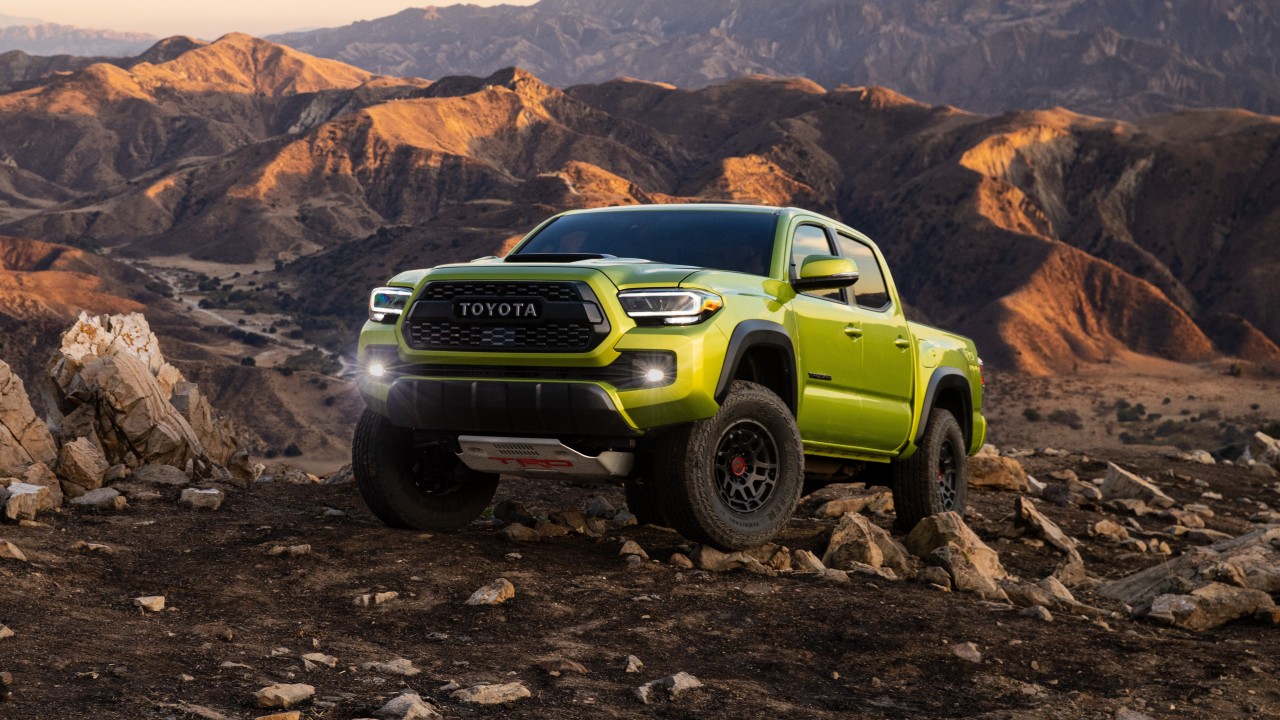
The truck bed’s utility cannot be overstated in a community where outdoor recreation dominates leisure time. Fishing gear, crab pots, kayaks, camping equipment, firewood, construction materials, and harvested game all ride easily in the Tacoma’s bed.
The bed liner protects against the inevitable scratches and dents from heavy use, while tie-down points secure loads for transport along winding roads. For hunters, the bed accommodates deer or black bear during fall hunting seasons.
Towing capacity enables boat launching and retrieval, essential for accessing Juneau’s world-class fishing and whale watching. Many residents maintain small boats for salmon fishing or exploring nearby coves and islands. The Tacoma confidently tows boats up steep ramps and through parking lots, with enough power reserve for highway driving while towing.
Corrosion resistance, particularly in newer models, addresses Juneau’s primary vehicle killer: salt and moisture. Toyota’s frame treatments and body panel construction resist rust better than many competitors, extending vehicle lifespan in the harsh maritime environment. Regular washing especially underneath removes salt accumulation and preserves structural integrity.
The Tacoma’s reputation for reliability means many examples exceed 200,000 miles with proper maintenance. In Juneau’s limited market, this longevity matters enormously.
Buying a high-mileage Tacoma remains a reasonable gamble because these trucks consistently prove durable. The extensive used market provides options at various price points, making Tacoma ownership accessible beyond just new truck buyers.
3. Honda CR-V
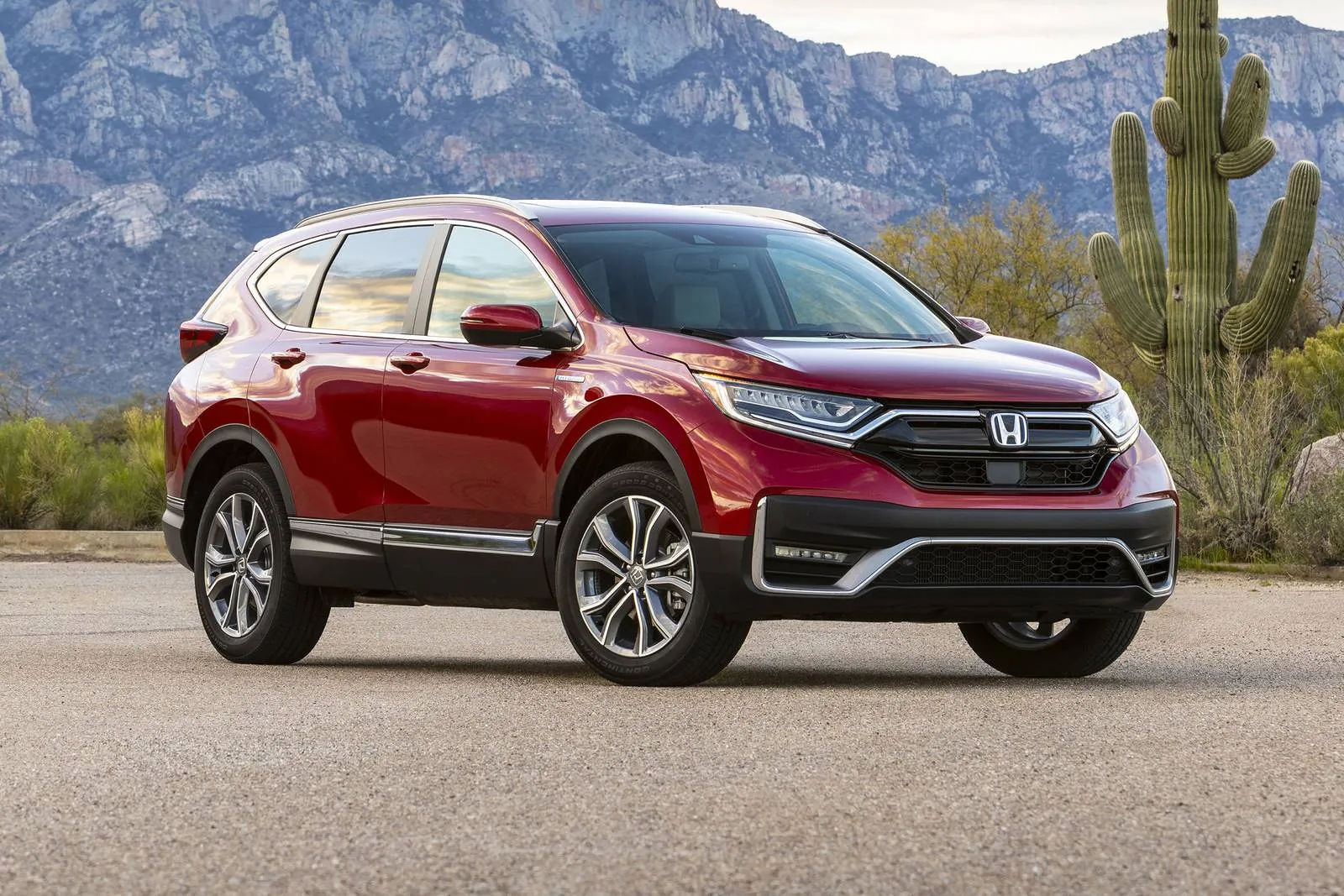
The Honda CR-V represents the practical choice for Juneau residents who prioritize reliability and fuel efficiency without sacrificing all-wheel drive capability and cargo space.
While less rugged than Tacomas or Subarus, the CR-V excels as a daily driver that handles commuting, grocery runs, and light outdoor adventures with minimal fuss and maximum dependability.
Honda’s service network in Juneau, though smaller than Toyota or Subaru, maintains adequate parts supplies for common repairs. The CR-V’s widespread popularity across America means parts remain readily available through multiple channels, and mechanics familiar with Honda’s engineering can be found throughout the community.
Maintenance costs typically run lower than European or luxury brands, and the vehicles rarely require unexpected major repairs within their first 150,000 miles.
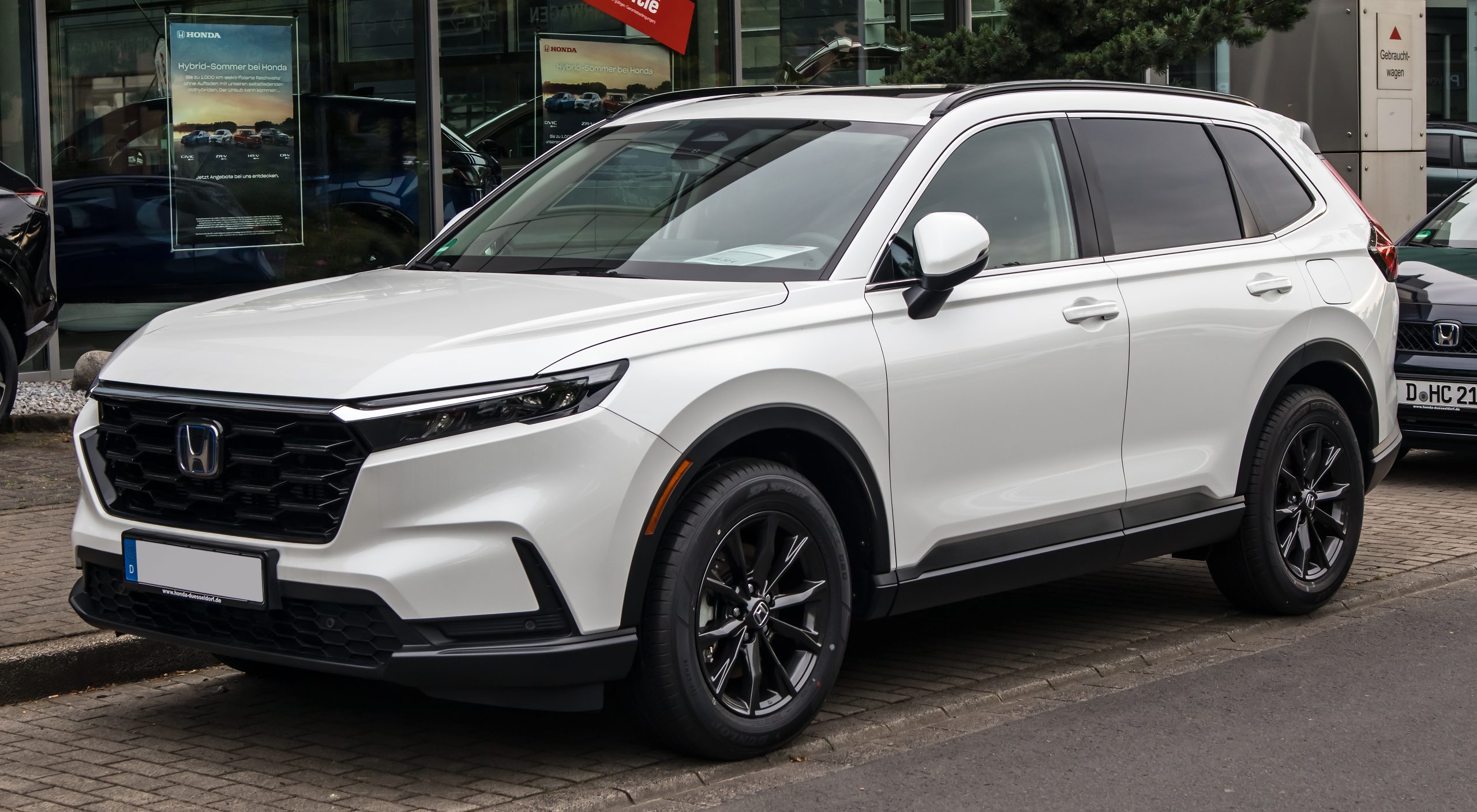
All-wheel drive in the CR-V operates differently than Subaru’s continuous system, engaging primarily when front wheel slip occurs. For Juneau’s typical conditions wet pavement, light snow, occasional ice this system proves entirely adequate.
The CR-V navigates winter roads confidently, climbs slick hills without drama, and provides secure handling during sudden rainstorms. Ground clearance of 8.2 inches matches most crossovers, sufficient for flooded streets and maintained gravel roads.
The CR-V’s compact dimensions prove advantageous in Juneau’s limited parking situations. Downtown parking lots were designed for smaller vehicles, and many residential driveways barely accommodate full-size trucks.
The CR-V maneuvers easily through tight spaces, parallel parks without stress, and fits comfortably in compact spots conveniences that larger vehicles sacrifice.
4. Ford F-150
The Ford F-150 represents America’s best-selling vehicle for good reason, and Juneau residents appreciate its combination of capability, versatility, and surprising refinement.
While larger than necessary for some drivers, the F-150 excels for those who regularly need serious towing capacity, maximum cargo space, or simply want the confidence that comes from driving a substantial vehicle through challenging conditions.
Ford’s service infrastructure in Juneau remains robust due to the F-150’s popularity across Alaska. The dealership maintains extensive parts inventory, and independent mechanics possess deep familiarity with F-150 repairs across multiple generations.
Common maintenance items like brake pads, filters, and fluids remain affordable despite the truck’s size, and engines known for reliability particularly the 3.5L EcoBoost and 5.0L V8 provide confidence in long-term ownership.
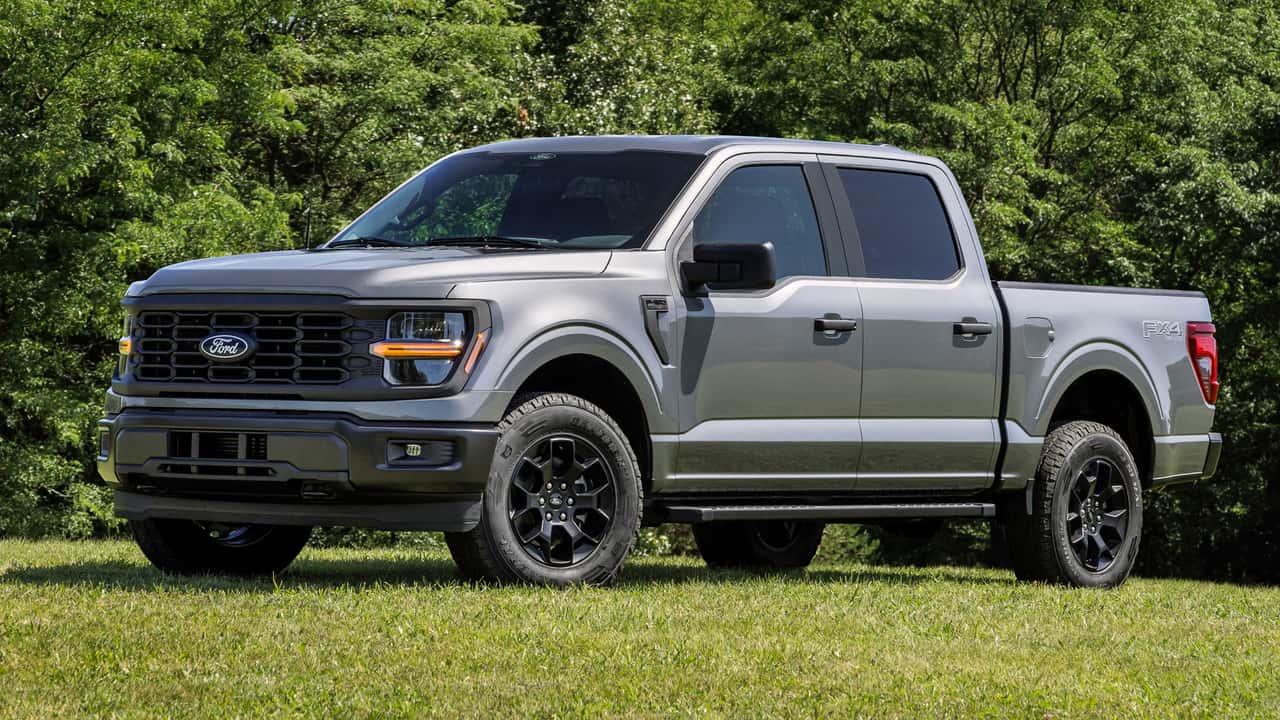
Towing capacity transforms the F-150 from transportation into a work tool. Residents who trailer larger boats, haul construction equipment, or move substantial loads appreciate the F-150’s capabilities that exceed mid-size trucks.
The truck confidently tows 7,000-12,000 pounds depending on configuration, enabling serious recreational pursuits and work applications.
For commercial fishermen, contractors, or serious boating enthusiasts, the F-150’s capability justifies the increased fuel consumption and purchase price.
Interior comfort and technology match luxury vehicles, making long drives pleasant rather than punishing. Heated seats, advanced climate control, quality audio systems, and smartphone integration transform the F-150 from work truck into comfortable daily driver. For residents who use their truck for both professional and personal purposes, this versatility eliminates the need for multiple vehicles.
Also Read: 5 Cars for Cincinnati Riverfront Runs and 5 That Don’t Fit Tight Parking
5. Jeep Wrangler
The Jeep Wrangler occupies a unique niche in Juneau’s automotive world the vehicle for residents who prioritize adventure capability and distinctive character over refinement and fuel economy.
While less practical than other options for daily commuting, the Wrangler excels for those who regularly venture beyond pavement and embrace the vehicle’s compromises in exchange for unmatched off-road capability and open-air driving experiences.
Juneau’s Jeep service situation benefits from the Wrangler’s widespread popularity and mechanical simplicity. Parts availability exceeds expectations due to the enormous aftermarket supporting these vehicles, and many maintenance items can be performed by owners with basic mechanical skills.
Local mechanics familiar with Jeeps understand their quirks oil leaks, electrical gremlins, and suspension wear managing expectations while keeping Wranglers running reliably.

Four-wheel drive capability in the Wrangler surpasses most vehicles, with low-range gearing, solid axles, and impressive articulation enabling access to remote locations other vehicles cannot reach.
For hunters accessing deep backcountry, fishermen launching from primitive ramps, or adventurers exploring forest service roads, the Wrangler opens possibilities closed to crossovers and even many trucks. Locking differentials and disconnecting sway bars provide capabilities approaching dedicated off-road vehicles.
Resale value remains exceptionally strong because demand consistently exceeds supply in Alaska. Wranglers hold value better than virtually any vehicle, making them sound financial investments despite higher initial purchase prices.
When selling, buyers appear quickly, and negotiations favor sellers because everyone understands the Wrangler’s capability and desirability in Alaska’s challenging environment.
5 Cars That Are Hard to Service in Juneau
These frustratingly complex vehicles suffer from proprietary systems and specialized parts requirements that create maintenance nightmares in Juneau’s isolated location, transforming routine repairs into week-long ordeals requiring expensive parts shipments from Seattle and mechanic expertise unavailable in Alaska’s capital city.
Their problematic characteristics include European engineering complexity and obscure components that cannot be serviced by Juneau’s limited repair facilities, leading to vehicles sitting disabled for weeks awaiting ferry-delivered parts while owners scramble for rental alternatives in a market with minimal options.
1. Tesla Model S/X
Tesla vehicles represent automotive technology’s cutting edge, but this sophistication becomes problematic in Juneau’s isolated environment.
The absence of local Tesla service infrastructure transforms minor issues into major headaches, with repairs requiring vehicles to be shipped to Seattle or Portland a process costing thousands in transportation alone before addressing the actual mechanical problems.
Juneau lacks a Tesla service center, and the nearest authorized facility sits roughly 900 miles away in Seattle. Unlike conventional vehicles that can be repaired at independent shops, Teslas require proprietary diagnostic equipment, specialized training, and parts available exclusively through Tesla’s controlled network.
When problems occur and they inevitably do owners face agonizing waits for mobile service appointments or must arrange shipping their vehicle off-island.
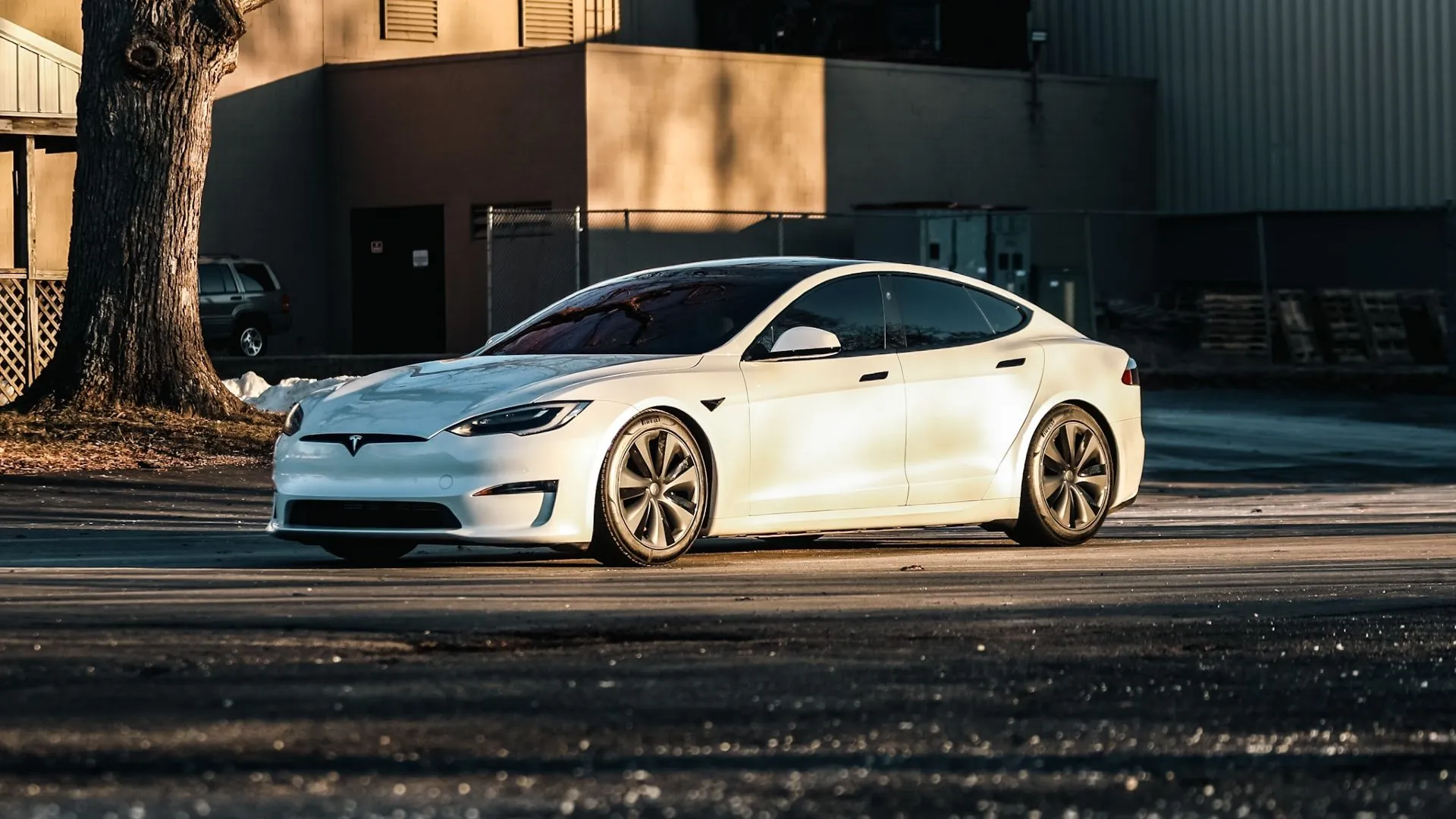
Parts availability creates the most significant challenge. Tesla maintains notoriously limited parts inventory even in major metropolitan areas, and Juneau’s remoteness compounds delays exponentially.
Simple components like door handles, charging port covers, or interior trim pieces can take weeks or months to arrive. Major components like battery modules, drive units, or computer systems might require even longer waits, leaving vehicles unusable for extended periods.
Resale values in Juneau suffer because knowledgeable buyers understand the service challenges. While Teslas hold value well in metropolitan areas with robust service infrastructure, Alaska’s used market discounts heavily for vehicles requiring off-island service. Selling becomes difficult, with buyers either absent or offering deep discounts reflecting the ownership hassles.
2. BMW X5/X7
BMW’s luxury SUVs appeal to buyers seeking prestige, performance, and sophisticated engineering, but these German vehicles become expensive liabilities in Juneau’s challenging environment.
The combination of complex systems, limited parts availability, scarce specialized expertise, and vulnerability to corrosion creates ownership experiences defined by frustration and substantial ongoing expenses.
Juneau lacks BMW-certified technicians, forcing owners to either trust independent mechanics learning on their vehicles or ship them to Anchorage or Seattle for authorized service.
BMW’s complex systems from variable valve timing to air suspension to intricate electronic modules require factory diagnostic equipment and training that local shops typically lack.
Independent mechanics approach BMW repairs cautiously, knowing that misdiagnosis can cost thousands in unnecessary parts. Parts availability creates substantial delays and expense.
Even routine maintenance items like filters, brake pads, or fluids must be ordered from outside Alaska, adding shipping time and costs.
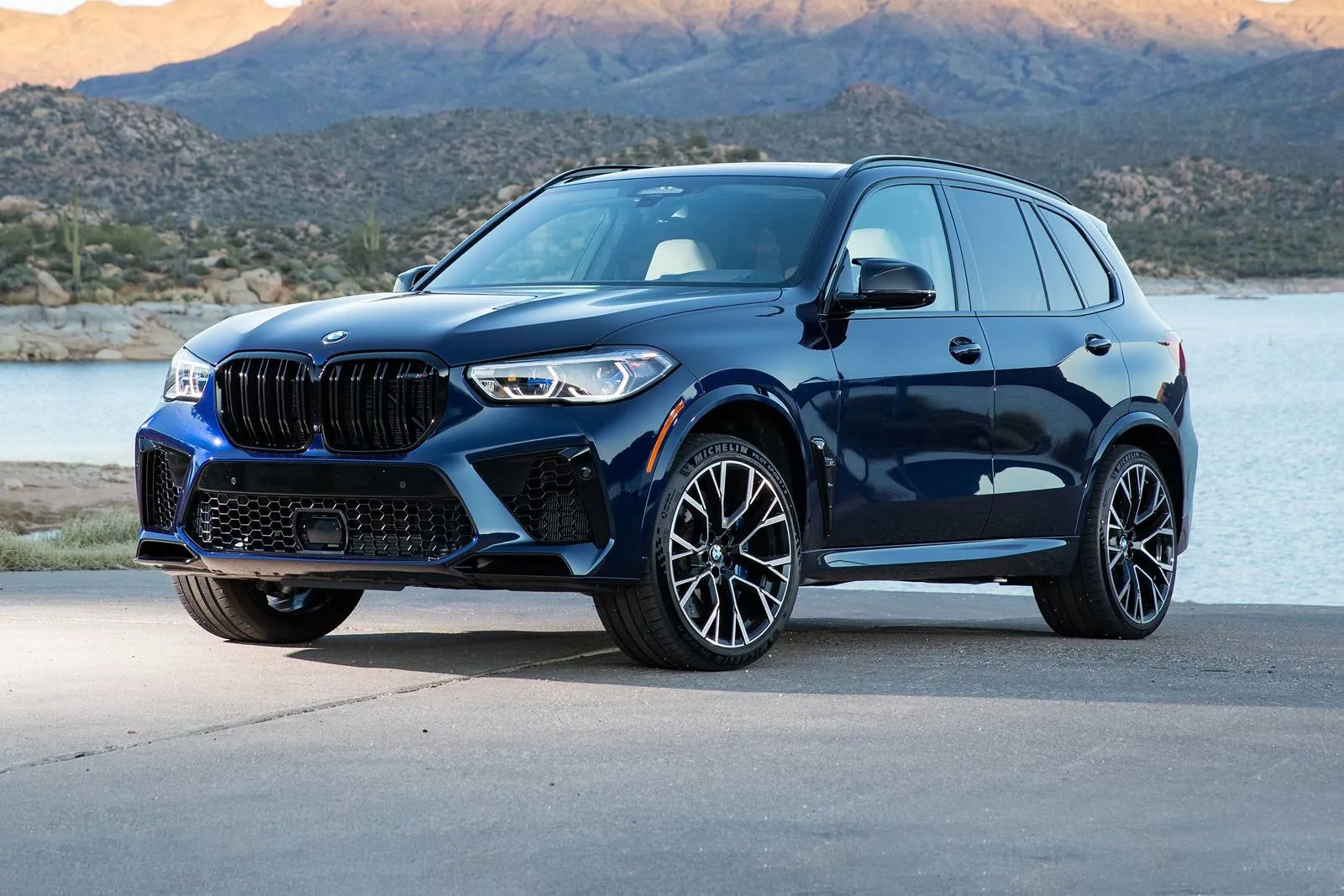
Specialized components electronics modules, suspension components, or engine parts can take weeks to arrive, leaving vehicles inoperable for extended periods. Rush shipping to address urgent needs adds hundreds or thousands to repair bills already inflated by BMW’s premium pricing.
The maritime environment wreaks havoc on BMW’s sophisticated but corrosion-prone components. Aluminum suspension parts corrode rapidly in salt air, requiring premature replacement at substantial cost.
Electrical connectors succumb to moisture, causing phantom issues that prove nearly impossible to diagnose without factory equipment.
Brake components deteriorate faster than conventional vehicles, with calipers and rotors requiring frequent replacement. The driving experience, while refined on smooth highways, suffers on Juneau’s rough roads.
Low-profile tires and sport-tuned suspension create harsh ride quality on potholed streets, while ground clearance barely adequate for paved roads proves insufficient for gravel roads or winter snow accumulation. The vehicles ultimately prove poorly matched to Juneau’s reality despite their substantial capabilities on paper.
3. Land Rover Defender/Range Rover
Land Rover vehicles carry legendary off-road heritage and British luxury cachet, but modern examples represent maintenance nightmares in isolated locations.
The combination of reliability problems, astronomical repair costs, virtually nonexistent parts availability, and complexity surpassing even German competitors creates ownership experiences that quickly transform excitement into regret.
Juneau has zero Land Rover-certified technicians or facilities, forcing owners to develop relationships with independent mechanics willing to tackle these notoriously problematic vehicles or ship them to major cities for service.
Modern Land Rovers incorporate sophisticated electronics, air suspension, terrain management systems, and complex drivetrains that require specialized diagnostic equipment unavailable locally. Even basic maintenance becomes complicated by unusual procedures and specifications.
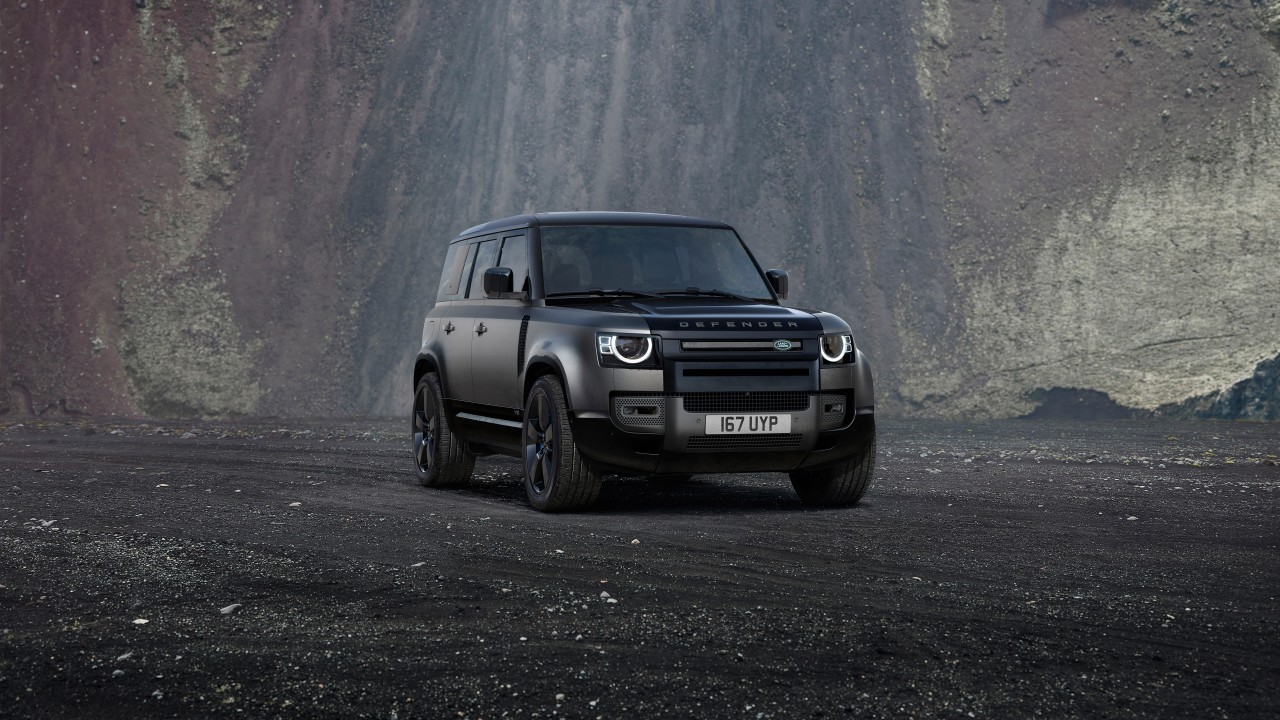
Reliability statistics consistently rank Land Rover among the least dependable automotive brands, with problems occurring far more frequently than Japanese or American competitors.
Electrical gremlins plague these vehicles, causing everything from infotainment failures to complete loss of power. Air suspension systems fail regularly, requiring replacement costing $2,000-4,000 per corner.
Engine problems appear with disturbing frequency, particularly in V6 and V8 variants. For Juneau owners, each failure means extended downtime and significant expense.
The warranty period represents the only reasonable ownership window, yet even this provides limited protection. Many problems occur immediately after warranty expiration, creating suspicion about engineered obsolescence.
Extended warranties help but cost thousands annually and still leave owners with substantial out-of-pocket expenses for service, diagnostics, and warranty-excluded repairs.
4. Volkswagen Atlas/Tiguan
Volkswagen’s SUV offerings seem sensible choices German engineering, competitive pricing, and substantial capabilities. However, ownership in Juneau reveals significant challenges including parts delays, limited service expertise, problematic reliability, and poor resale values that undermine the initial value proposition.
Juneau lacks Volkswagen dealerships, and independent mechanics approach VW repairs cautiously. The vehicles employ proprietary systems and unusual engineering approaches that differ substantially from Japanese or American competitors.
Diagnostic procedures require specific equipment and knowledge that many local shops lack, forcing owners to either accept uncertain repairs from learning mechanics or ship vehicles elsewhere for proper service.
Parts availability creates frustrating delays. Volkswagen’s parts distribution network focuses on major metropolitan areas, leaving Alaska poorly served.
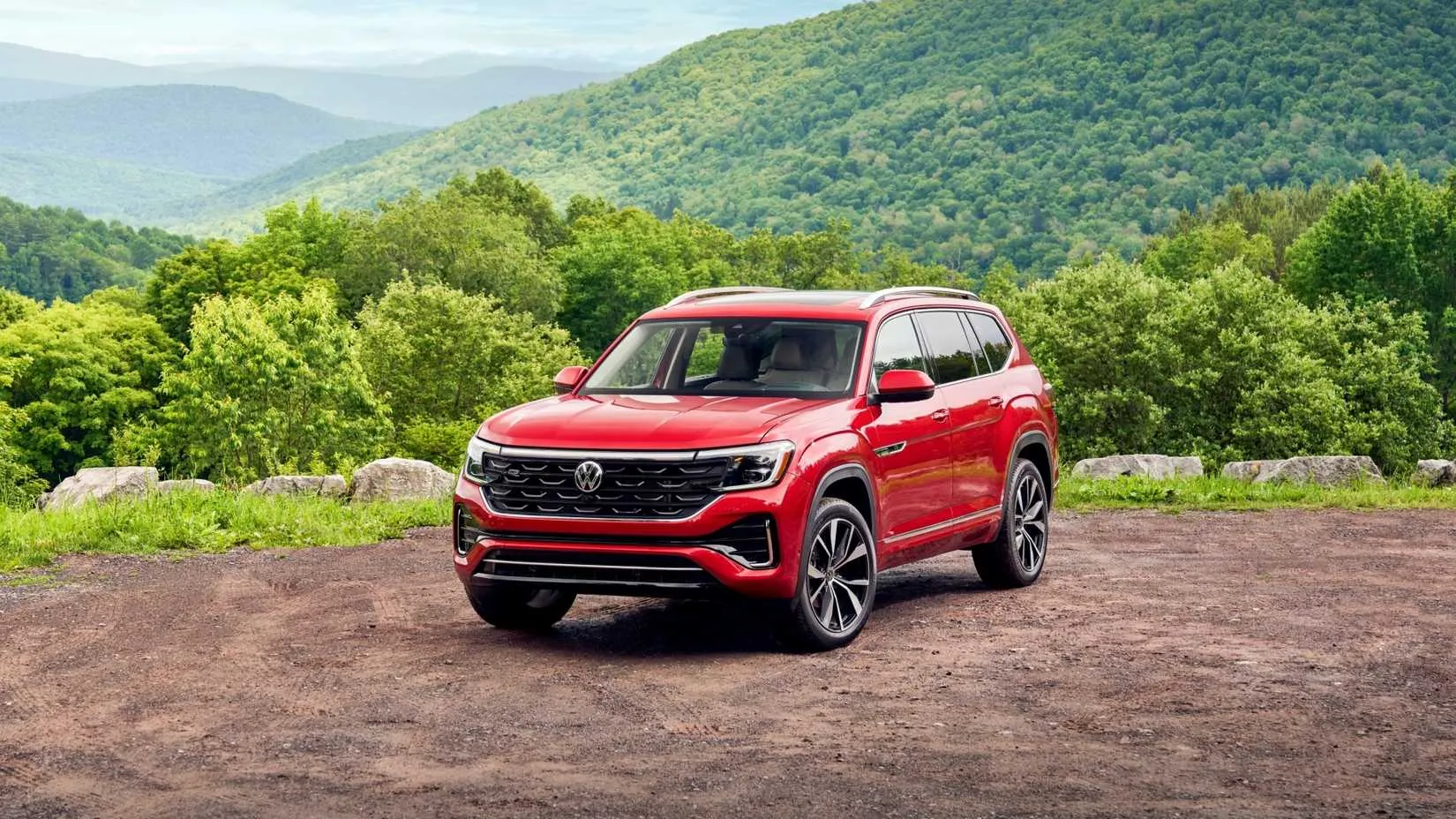
Routine maintenance items might take a week to arrive, while specialized components electronics, transmission parts, or engine components can require two to four weeks.
The delays prove particularly frustrating because problems often don’t present as severe until parts finally arrive weeks later and diagnosis reveals additional issues.
Reliability concerns plague modern Volkswagens, particularly turbo engines and DSG dual-clutch transmissions. Carbon buildup on direct-injection engines requires expensive periodic cleaning costing $600-1,200. DSG transmissions suffer shuddering, slipping, and premature failure, with replacement costing $5,000-8,000.
Water pumps fail prematurely, coolant systems develop leaks, and electronics create various frustrations. For Juneau owners without local dealer support, each problem becomes magnified.
The initial purchase savings Volkswagens typically cost less than comparable Japanese or American vehicles disappear quickly through higher maintenance costs, greater depreciation, and more frequent repairs.
Total cost of ownership easily exceeds competitors that cost more initially but prove less expensive over time. For Juneau buyers prioritizing long-term value and reliability, Volkswagens represent poor choices despite appealing features and competitive pricing.
5. Fiat 500X
The Fiat 500X represents European style and charm in a compact crossover package, but ownership in Juneau transforms this appealing vehicle into a frustrating money pit.
The combination of abysmal reliability, virtually nonexistent parts availability, absence of qualified service, and catastrophic resale values creates ownership experiences that rank among the worst possible in Alaska’s challenging environment.
Juneau has zero Fiat dealers and virtually no mechanics willing to service these problematic vehicles. The brand’s near-complete withdrawal from the American market left orphaned owners without support networks or parts supplies.
Independent mechanics refuse Fiat repairs, knowing that parts procurement borders on impossible and diagnostic information remains scarce. Owners become stuck with inoperable vehicles they cannot repair or sell.
Parts availability represents the single greatest challenge Fiat’s distribution network has essentially collapsed in North America. Even basic maintenance items like filters and fluids require extensive searching and shipping from specialty suppliers.
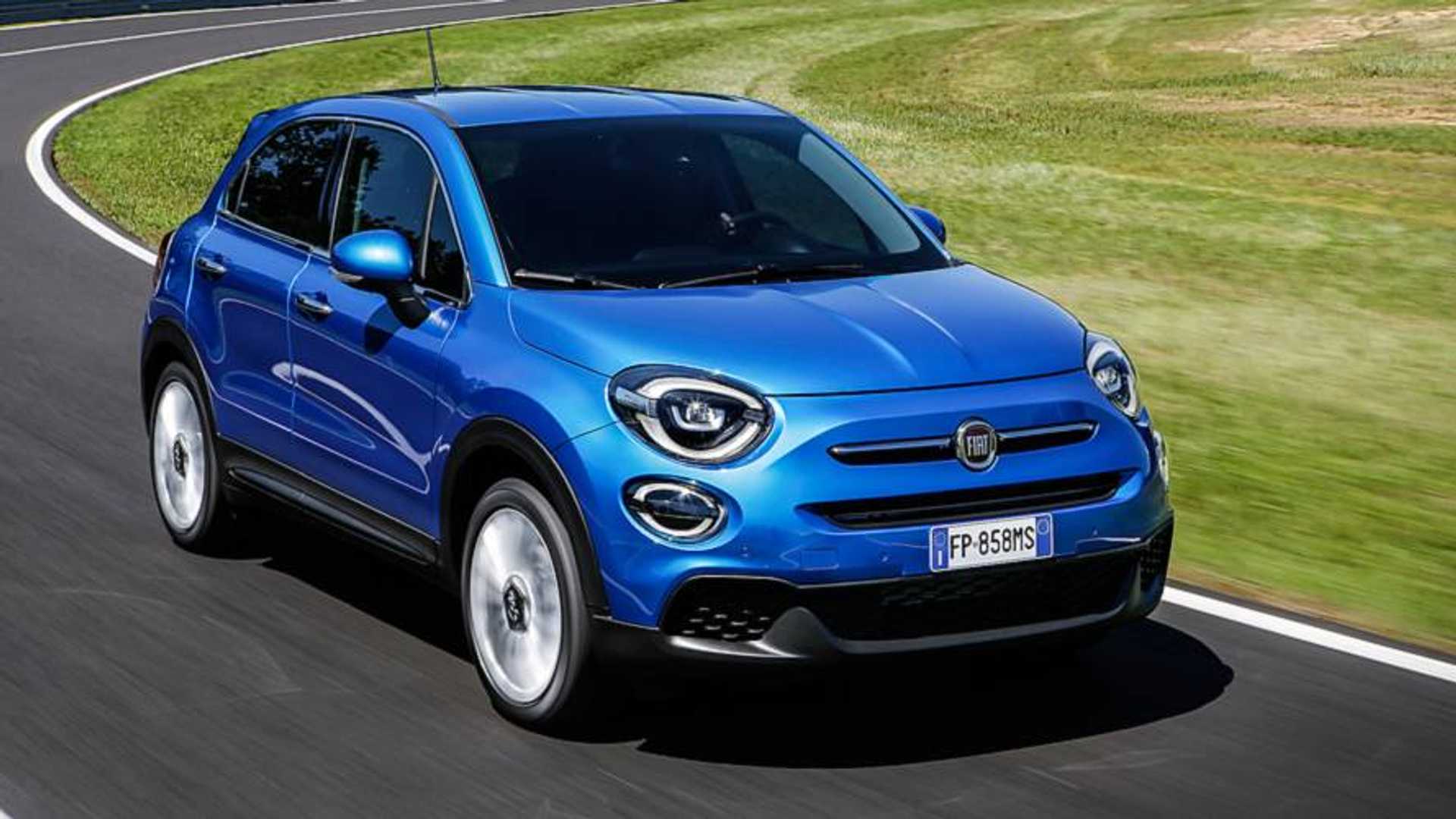
Any component beyond routine maintenance becomes a nightmare, with waits measured in months rather than weeks. Many owners eventually part out vehicles or sell them for scrap because obtaining necessary parts proves impossible at any price.
Reliability statistics show Fiat ranking at or near the bottom of every dependability survey. Electrical problems plague these vehicles, from infotainment failures to complete electrical shutdowns.
Transmission issues appear frequently, with the dual-clutch automatic suffering shuddering, slipping, and premature failure. Engine problems include oil consumption, cooling system failures, and turbocharger issues. Suspension components wear rapidly, and brake systems require frequent expensive service.
The driving experience, while charming initially, becomes frustrating with familiarity. Limited power proves inadequate for highway passing or steep hills. Ride quality suffers on rough roads.
Interior materials deteriorate rapidly. The vehicle proves poorly suited to Juneau’s challenges while offering none of the reliability or service support necessary for acceptable ownership experiences.
For any prospective Juneau buyer, the Fiat 500X represents possibly the single worst vehicle choice available, combining every negative attribute while providing virtually no compensating advantages.
Also Read: 5 Cars for Lafayette Coastal Life and 5 That Rust Fast
