
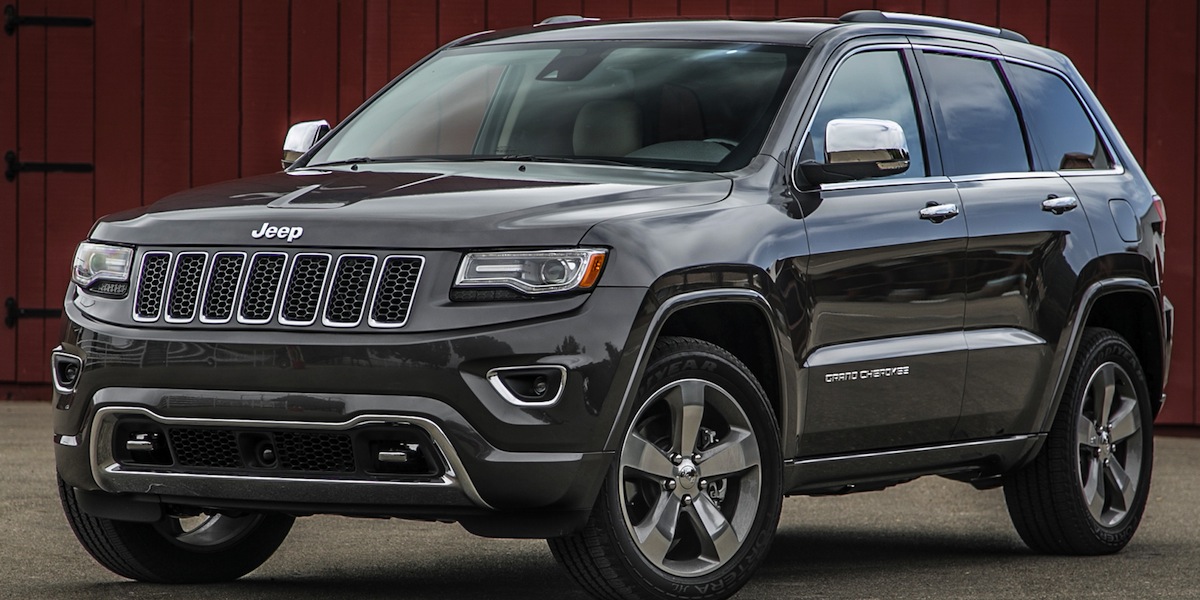
Off-road SUVs represent the pinnacle of automotive adventure, promising unlimited freedom to explore rugged terrain and conquer challenging world.
These capable machines are engineered with sophisticated four-wheel-drive systems, robust suspension setups, and powerful engines designed to handle everything from desert dunes to rocky mountain passes.
However, the very features that make these vehicles exceptional off-roaders can also transform them into maintenance money pits that drain your wallet faster than fuel from their oversized tanks.
While manufacturers advertise their off-road prowess and engineering excellence, the reality of ownership often tells a different story. Complex electronic systems, specialized components, and intricate mechanical assemblies can lead to frequent repairs and astronomical service costs.
Some models suffer from design flaws that only become apparent after years of ownership, while others require constant attention simply to remain operational.
The combination of premium parts pricing, limited availability of qualified technicians, and the inherent stress placed on vehicles during off-road use creates a perfect storm of maintenance headaches.
For enthusiasts considering an off-road SUV purchase, understanding which models consistently trouble their owners is crucial.
These ten vehicles have earned notorious reputations among mechanics, owners, and automotive communities for their reliability issues, expensive repairs, and frustrating maintenance requirements. While they may excel at conquering trails, they’ll likely conquer your bank account too.
1. Land Rover Discovery (2017-2021)
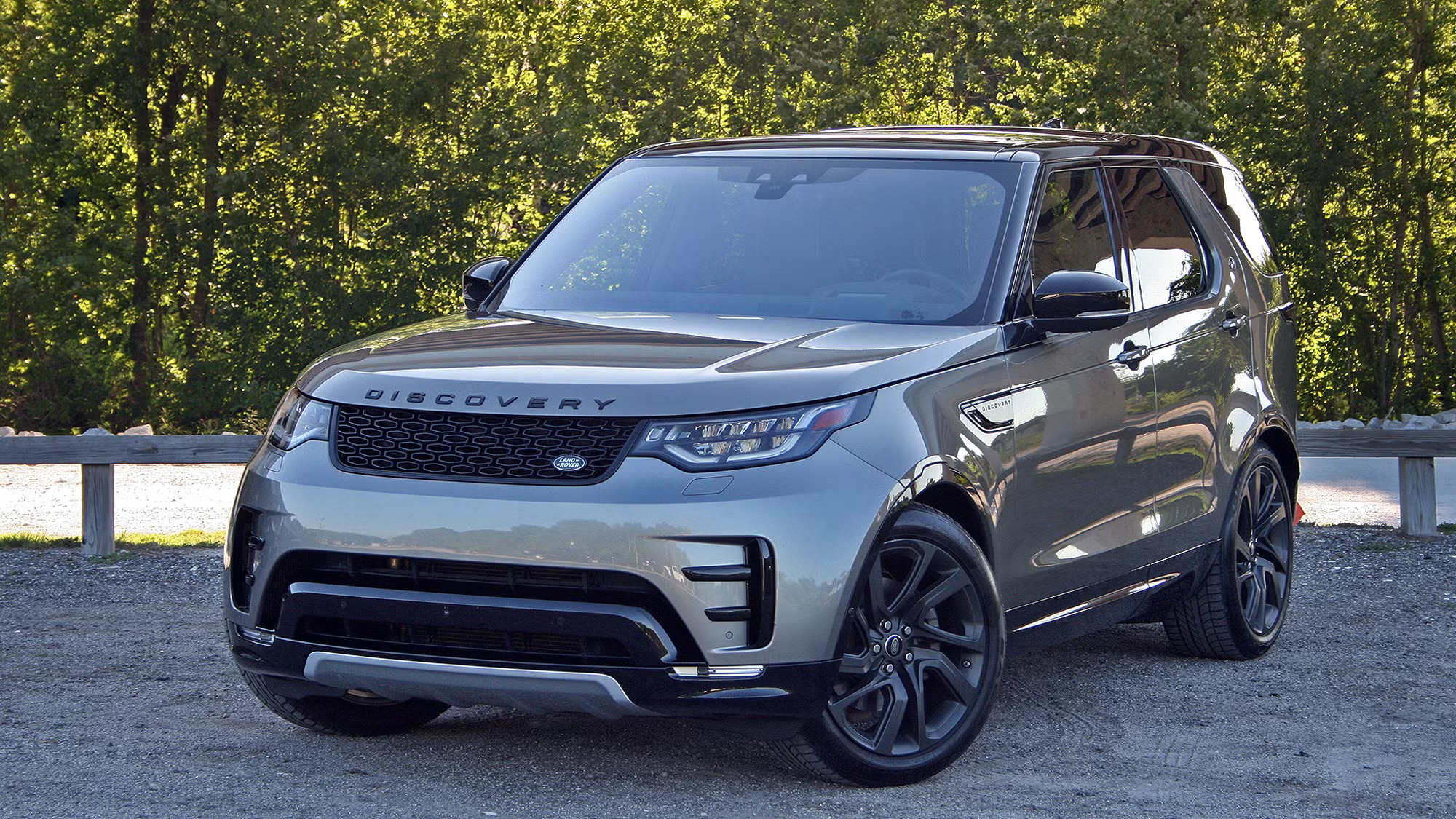
The Land Rover Discovery represents British engineering ambition meeting reliability disappointment. This luxurious off-roader combines impressive capability with elegant styling, but beneath its sophisticated exterior lurks a maintenance nightmare that has frustrated countless owners.
The fourth and fifth-generation Discovery models have particularly troublesome reputations, with repair costs that can rival the vehicle’s annual depreciation.
The Discovery’s air suspension system stands as perhaps its most notorious weakness. These complex pneumatic systems provide excellent ride quality and adjustability for off-road driving, but they fail with alarming regularity.
Replacement air springs cost upwards of $1,500 per corner, and the compressor itself often needs replacing around the 60,000-mile mark for another $2,000.
Many owners eventually convert to traditional coil springs, sacrificing one of the vehicle’s signature features to escape the constant repair cycle. Electrical gremlins plague the Discovery throughout its component systems.
The infotainment system freezes randomly, parking sensors provide false readings, and the digital instrument cluster occasionally blacks out entirely. The advanced terrain response system, while impressive when functional, develops sensor faults that disable crucial off-road features.
Diagnosing these electrical issues requires expensive dealer visits with specialized diagnostic equipment, often resulting in repair bills exceeding $3,000 for problems that mysteriously resurface months later.
The supercharged V6 and V8 engines, while powerful, develop timing chain issues that can lead to catastrophic engine damage if not addressed. Warning signs include rattling on cold starts, but by the time owners notice, damage may already be done.
Timing chain replacement requires extensive engine disassembly, typically costing $4,000-$6,000 at independent shops and even more at dealerships.
Water leaks represent another chronic Discovery problem. Sunroof drains clog regularly, causing water to pool in the headliner and eventually soak the cabin. This leads to mold growth, electronic failures, and permanently damaged interior components.
The multifunction tailgate, while innovative, develops hydraulic leaks and electrical failures that prevent proper operation. Replacement costs $2,500 or more for a feature that should simply open and close reliably.
Transmission problems emerge frequently, particularly in the eight-speed automatic. Harsh shifting, delayed engagement, and complete failure have all been widely reported. Transmission rebuilds or replacements easily exceed $7,000, and some owners have experienced multiple transmission failures within the warranty period.
The Discovery’s complexity means even routine maintenance is expensive, with basic services costing twice what comparable Japanese SUVs require.
2. Jeep Grand Cherokee (2011-2020)
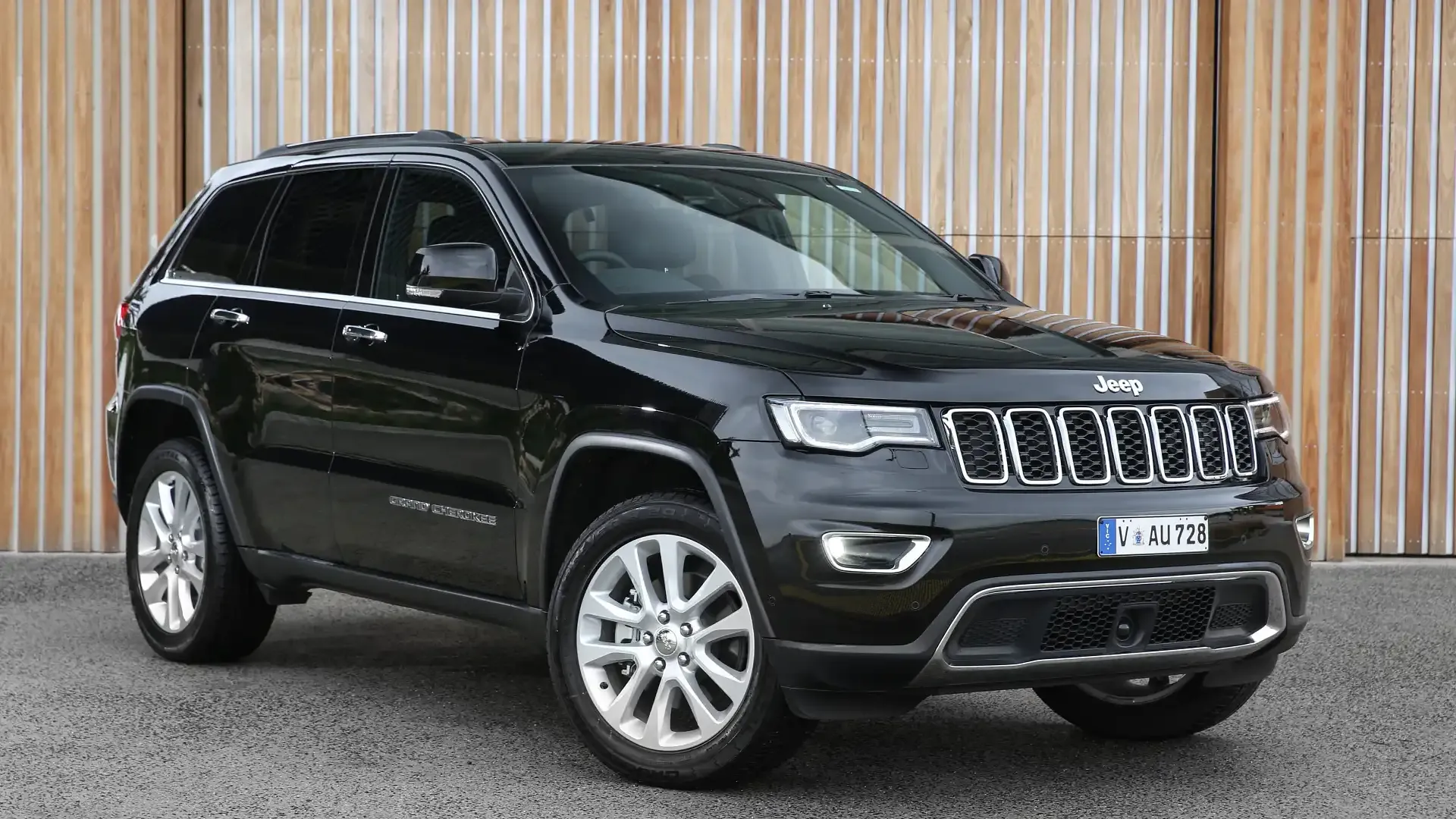
The Jeep Grand Cherokee enjoys enormous popularity as an off-road capable luxury SUV, but certain model years have established terrible maintenance reputations.
While Jeep’s engineering has improved over time, the 2011-2020 generation Grand Cherokee experiences numerous persistent issues that transform ownership from adventure to aggravation.
The notorious ZF eight-speed automatic transmission remains the Grand Cherokee’s most significant weakness. This transmission shifts smoothly when new but develops harsh engagement, shuddering during acceleration, and delayed gear changes as mileage accumulates.
Many owners report transmission failures before 80,000 miles, despite regular fluid changes and maintenance. Replacement costs range from $4,500 to $7,000, and some unfortunate owners have needed multiple transmission rebuilds.
Software updates provide temporary improvements but rarely solve underlying mechanical problems that plague this transmission design.
The Grand Cherokee’s electrical system generates constant frustration. The Uconnect infotainment system experiences complete failures, touchscreen unresponsiveness, and software glitches that disable important vehicle functions.
Electrical shorts cause random warning lights, phantom sensor readings, and intermittent component failures. The Totally Integrated Power Module (TIPM), which controls numerous vehicle systems, fails frequently and costs $1,200-$1,800 to replace. TIPM failures can prevent the vehicle from starting, cause fuel pump issues, or trigger safety systems unnecessarily.
The 3.6-liter Pentastar V6 engine, standard in many Grand Cherokees, develops cylinder head problems that lead to catastrophic failures. A design flaw allows the cylinder heads to separate from the engine block, causing coolant leaks and potential engine destruction.
This issue typically manifests between 60,000-100,000 miles and requires complete engine replacement at costs exceeding $8,000. Oil consumption problems also plague this engine, with some vehicles burning a quart every 1,000 miles despite being mechanically sound otherwise.
The sophisticated four-wheel-drive system, particularly in Overland and Summit trims, experiences transfer case failures that announce themselves through grinding noises and difficulty shifting between drive modes.
Transfer case replacement costs approximately $3,500 and often becomes necessary between 70,000-90,000 miles. The air suspension option, similar to other luxury SUVs, fails regularly and costs $2,000 per air spring to repair.
Fuel system problems create dangerous situations for Grand Cherokee owners. Fuel pump failures occur without warning, leaving drivers stranded. The fuel tank mounting system has been subject to recalls due to fire risks, but replacement parts remain scarce.
Brake system components wear prematurely, with rotors warping and calipers seizing far earlier than expected. The complexity of the Grand Cherokee’s electronic parking brake system adds another failure point that costs $800-$1,200 to repair. These cumulative issues make the Grand Cherokee a vehicle that spends considerable time in service bays rather than on trails.
3. Range Rover Sport (2014-2019)
The Range Rover Sport epitomizes luxury off-roading with its powerful engines, opulent interiors, and remarkable capability. However, this British aristocrat demands constant attention and astronomical maintenance costs that make it one of the most expensive vehicles to own long-term.
The second-generation Sport models, while technologically impressive, suffer from reliability issues across virtually every major system.
The supercharged V8 engine delivers exhilarating performance but comes with numerous problems. Timing chain tensioner failures occur prematurely, causing catastrophic engine damage if not caught early.
The repair requires complete engine disassembly and costs $6,000-$9,000 depending on extent of damage. Water pump failures happen frequently, often damaging the timing components when they fail.
The engine’s complex cooling system develops leaks from multiple points, including the thermostat housing, coolant crossover pipes, and heater core connections.
Suspension problems plague the Range Rover Sport throughout its lifespan. The adaptive air suspension system, standard on most trims, experiences compressor failures, air spring leaks, and sensor malfunctions. Complete system replacement can exceed $10,000 at dealerships, with individual air springs costing $1,800 each.
The electronic active differential, crucial for off-road performance, fails regularly and costs approximately $4,000 to replace. Steering rack leaks develop early, requiring a $2,500 repair that many owners face multiple times during ownership.

The eight-speed ZF automatic transmission exhibits the same problems found in other luxury vehicles using this unit. Mechatronic unit failures, which control the transmission’s electronic and hydraulic systems, cost $3,500-$5,000 to repair.
Torque converter shudder becomes noticeable around 50,000 miles, requiring transmission removal and rebuild. The transfer case, essential for the vehicle’s all-wheel-drive system, develops chain stretch and bearing failures that produce loud grinding noises and eventually complete failure.
Electrical problems transform the Range Rover Sport into an expensive paperweight. The infotainment system freezes regularly, requiring complete resets that temporarily solve issues until they return.
The digital instrument cluster experiences pixel failures and complete blackouts. Door latches fail electronically, trapping occupants inside or preventing doors from closing properly.
The panoramic sunroof, a luxury feature many buyers desire, develops track problems and water leaks that damage headliners and electronic components below.
The brake system requires frequent attention, with rotors warping prematurely and brake pads wearing unevenly despite gentle driving.
The electronic parking brake fails regularly, sometimes engaging unexpectedly while driving or refusing to release when starting the vehicle.
Climate control systems develop blend door failures that prevent proper temperature regulation, requiring dashboard removal for repairs costing $2,000 or more.
These persistent issues, combined with premium parts pricing and limited independent repair options, make the Range Rover Sport a vehicle that only the wealthy can afford to maintain properly.
4. Mercedes-Benz G-Class (2013-2018)
The Mercedes-Benz G-Class, affectionately known as the G-Wagon, represents automotive iconography with military heritage and uncompromising capability.
This boxy SUV commands premium pricing and attracts celebrities, off-road enthusiasts, and luxury buyers alike. However, beneath its tough exterior and prestigious badge lies a maintenance nightmare that challenges even the most dedicated owners with repair costs that rival small cars’ purchase prices.
The engine options, while powerful and smooth, develop expensive problems as mileage accumulates. The twin-turbocharged V8 engines suffer from turbocharger failures that cost $4,000-$6,000 per turbo to replace, and both often fail within months of each other.
Oil leaks develop from numerous engine seals, with the valve cover gaskets, oil pan gaskets, and rear main seal all prone to failure. These leaks, while initially minor, eventually coat the entire undercarriage in oil and can damage other components. Repairing all these leaks simultaneously can cost $5,000 or more due to labor intensity.

The transfer case and differential systems, crucial for the G-Class’s legendary off-road performance, require extraordinarily expensive maintenance.
The three locking differentials, while mechanically impressive, develop actuator failures and seal leaks. Front differential replacement costs approximately $8,000, while rear differential work approaches $6,000.
The transfer case develops chain wear and bearing failures, particularly in vehicles used for actual off-roading, with replacement costs exceeding $7,000. Even routine differential fluid changes cost $400-$600 due to the specialized fluids required and labor involved in accessing drain plugs.
The seven-speed automatic transmission, while generally reliable, requires expensive fluid services every 40,000 miles using Mercedes-specific fluids costing $40 per quart.
Transmission cooler lines develop leaks, and the transmission control module occasionally fails, disabling the vehicle entirely until replaced at $2,000 cost.
Fuel system components, including the fuel pumps and fuel pressure regulators, fail prematurely and require expensive dealer repairs.
The G-Class’s hand-built construction means parts availability can be problematic, with some components on backorder for months. These factors combine to make the G-Class one of the most expensive vehicles to maintain in the luxury off-road segment.
Also Read: Top 8 Used Sports Cars Under $30K That Investors Are Quietly Chasing
5. BMW X5 (2014-2018)
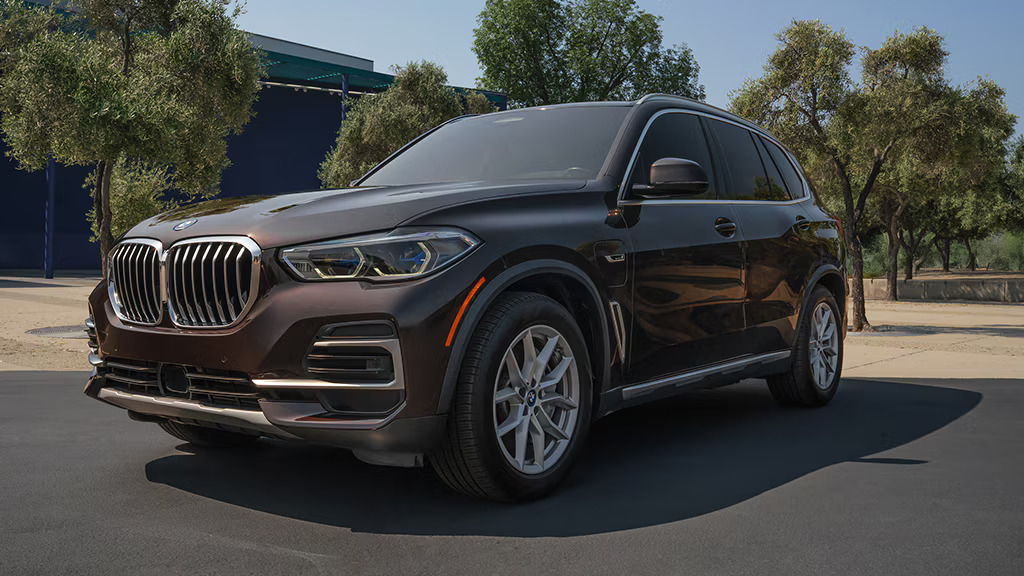
The BMW X5 blends sport sedan dynamics with SUV practicality and moderate off-road capability, creating an appealing package for luxury buyers.
However, this German sport utility develops numerous mechanical and electrical problems that make ownership frustrating and expensive. The third-generation X5 models particularly suffer from reliability issues that betray BMW’s premium positioning and marketing promises.
The turbocharged six-cylinder and V8 engines, while powerful and refined, develop significant problems. The N63 twin-turbo V8 has achieved legendary status for all the wrong reasons, with timing chain failures, excessive oil consumption, and turbocharger failures plaguing these engines.
Timing chain replacement requires complete engine removal and costs $8,000-$12,000. The engine consumes oil at alarming rates, sometimes requiring additions between oil changes despite being mechanically sound otherwise. Turbocharger failures cost $3,500-$5,000 per turbo, and the engine features two that often fail in succession.
Coolant system failures represent another chronic X5 problem. The plastic coolant expansion tank cracks regularly, causing sudden coolant loss and potential engine overheating.
Water pumps fail prematurely, often without warning, leaving drivers stranded with overheated engines. Thermostat housing develops cracks and leaks, requiring replacement every 50,000-60,000 miles.
The entire cooling system overhaul, including all weak points, costs approximately $3,000 but becomes necessary to prevent catastrophic engine damage from unexpected coolant loss.
Suspension problems emerge earlier than expected. Air suspension, optional on many trims, fails regularly with compressor and air spring failures costing $2,000-$3,000 per corner.
Even the standard suspension develops control arm bushing failures, requiring replacement of entire control arms due to BMW’s integrated bushing design.
Front suspension work easily costs $2,500-$3,500 when addressing all worn components. The adaptive dampers, while providing excellent ride quality when functional, fail at $1,500 per corner.
Fuel system components, including high-pressure fuel pumps and fuel injectors, fail prematurely on turbocharged models, with each injector costing $400-$500 to replace. These cascading problems make the X5 a vehicle that spends considerable time in repair shops and drains owners’ bank accounts regularly.
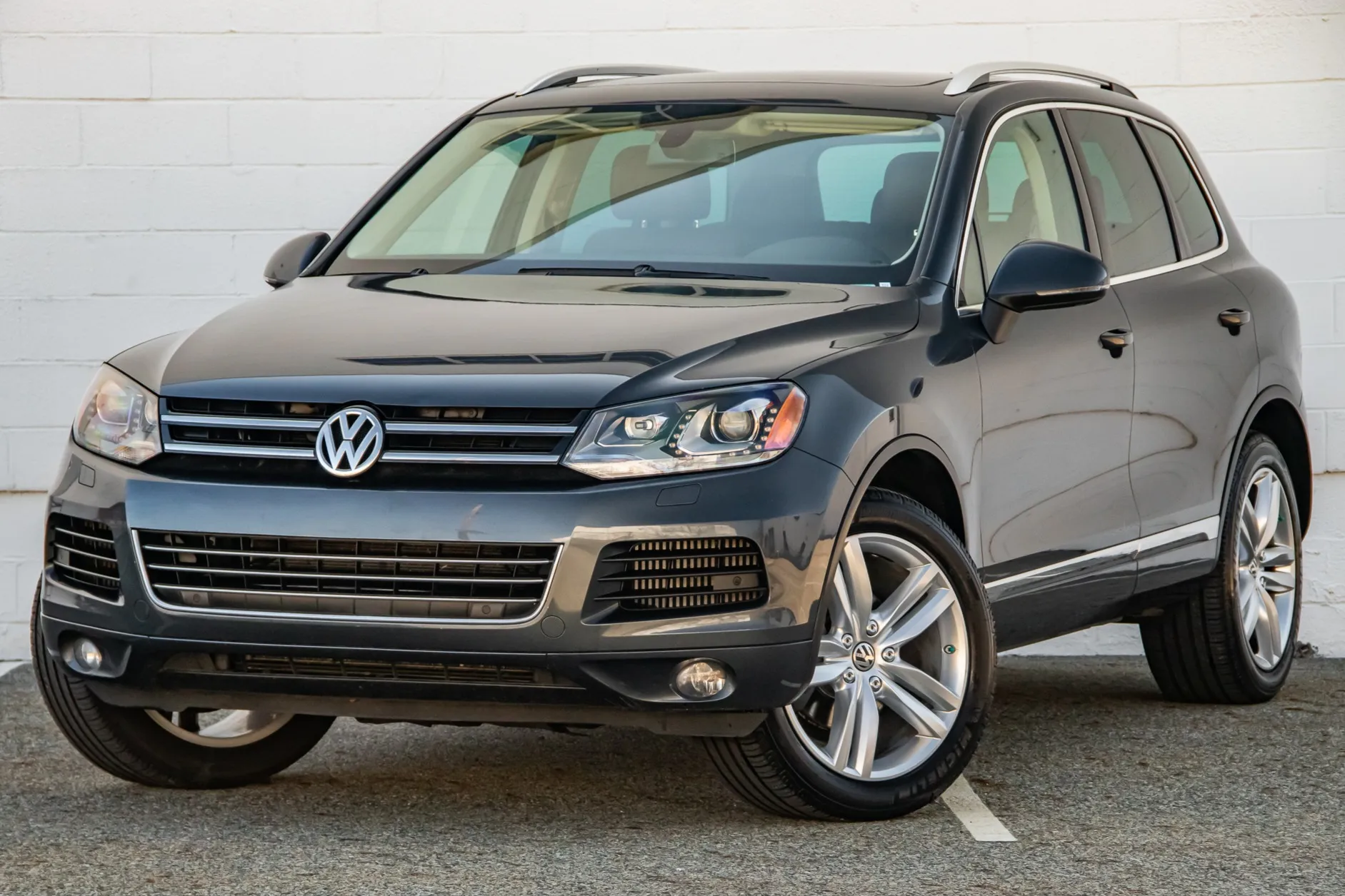
6. Volkswagen Touareg TDI (2011-2016)
The Volkswagen Touareg TDI promised efficient off-road capability combined with German engineering quality and diesel torque. This luxury SUV featured a powerful turbodiesel V6 engine that delivered impressive towing capacity and fuel economy.
However, the Touareg TDI has become a maintenance nightmare due to its complex emission systems, expensive repairs, and the fallout from Volkswagen’s diesel emissions scandal.
The 3.0-liter TDI engine, while powerful and efficient, suffers from catastrophic emission system failures. The diesel particulate filter (DPF) clogs regularly, especially in vehicles used primarily for short trips.
DPF replacement costs $3,000-$4,000, and many vehicles require multiple replacements throughout their lifespan. The emission system includes multiple sensors, NOx traps, and urea injection components that fail frequently.
Complete emission system overhauls can exceed $8,000, and some components remain on backorder due to the dieselgate scandal’s aftermath.
The diesel engine’s high-pressure fuel system creates constant problems and expenses. The fuel injectors, operating at extreme pressures, fail regularly at costs of $800-$1,200 per injector.
Replacing all six injectors, often necessary when one fails due to contamination affecting all, costs $6,000-$8,000 including labor. The high-pressure fuel pump fails prematurely, spreading metal contamination throughout the fuel system when it does.
This contamination requires complete fuel system cleaning, injector replacement, and fuel tank cleaning at costs exceeding $10,000. Many owners have experienced this catastrophic failure multiple times.
Electrical problems plague the Touareg throughout ownership. The infotainment system experiences hard drive failures, navigation errors, and complete system freezes.
The parking brake actuator fails regularly, sometimes engaging while driving or refusing to release. The complex electronic systems require specialized diagnostic equipment, forcing owners to visit dealerships for even minor issues. Parts availability has become problematic following the diesel scandal, with many components discontinued or perpetually backordered.
The complexity of meeting emission standards means the Touareg TDI requires specialized maintenance knowledge that few independent shops possess. Combined with expensive parts and labor-intensive repairs, the Touareg TDI represents a perfect storm of maintenance nightmares that have soured many owners on diesel SUVs entirely.
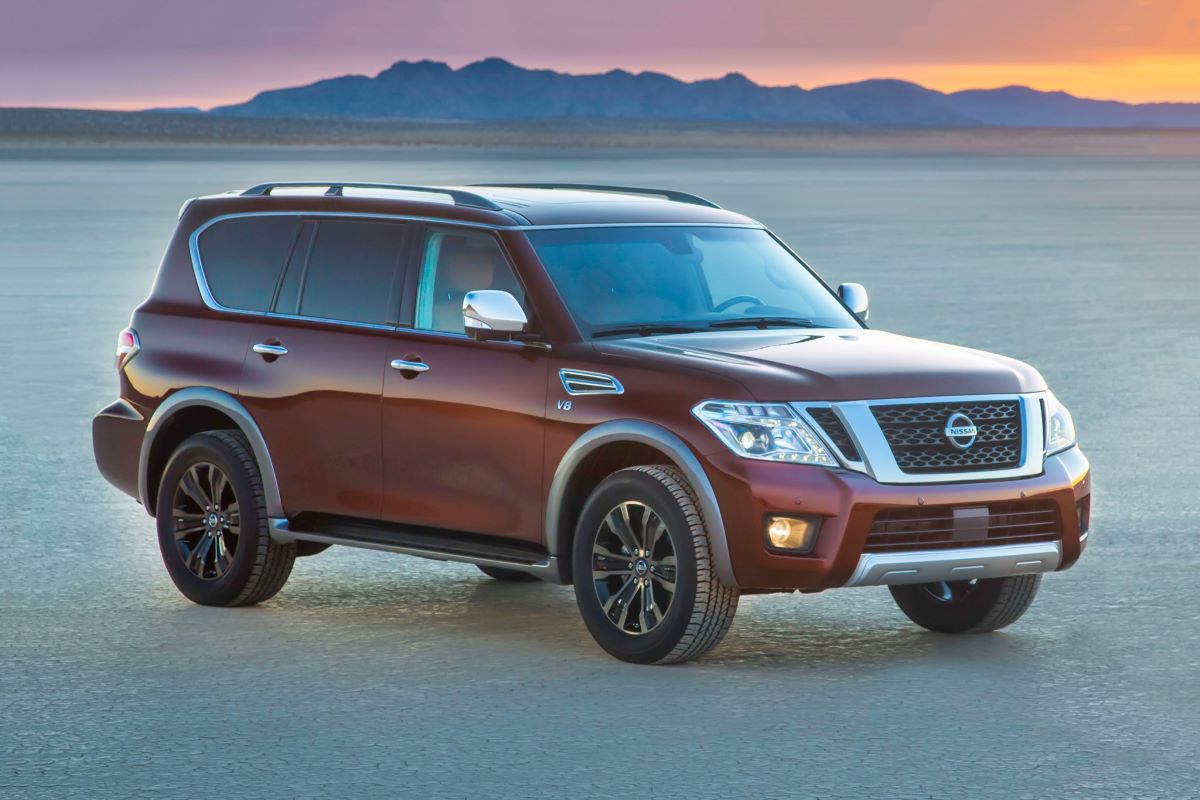
7. Nissan Armada (2017-2020)
The Nissan Armada represents full-size SUV capability with V8 power and impressive towing capacity, built on the proven Nissan Titan pickup truck platform. While seemingly straightforward compared to European luxury competitors, the Armada develops surprising reliability issues that frustrate owners expecting Japanese dependability.
This body-on-frame SUV suffers from transmission problems, brake system failures, and various mechanical issues that make maintenance more expensive and frequent than anticipated.
The seven-speed automatic transmission stands as the Armada’s most significant weakness. This transmission, despite being relatively modern, develops shuddering during acceleration, harsh downshifts, and complete failure at surprisingly low mileages.
Many owners report transmission problems beginning around 40,000-60,000 miles, despite following Nissan’s maintenance schedules religiously.
The transmission’s valve body fails regularly, requiring replacement at $2,500-$3,500. Complete transmission rebuilds or replacements cost $5,000-$7,000, and some owners have needed multiple transmission repairs during ownership.
The brake system requires abnormally frequent attention. Brake rotors warp prematurely, often needing replacement before 30,000 miles despite gentle driving.
The Armada’s considerable weight accelerates brake component wear, but the frequency exceeds what should be expected. Brake calipers seize regularly, particularly rear calipers exposed to road salt and weather.
A complete brake system overhaul, including rotors, pads, and calipers for all four corners, costs $2,000-$3,000 and may be necessary every 40,000-50,000 miles.
Interior quality issues become apparent quickly. The leather seats develop premature wear and cracking despite conditioning and care. Dashboard materials crack and fade earlier than expected, particularly in sunny climates.
Climate control systems develop blend door actuator failures that prevent proper temperature regulation, requiring dashboard removal at $1,500-$2,000 cost.
The Armada’s combination of transmission problems, brake system issues, and unexpected mechanical failures transforms what should be a reliable family hauler into a maintenance-intensive disappointment that contradicts Nissan’s reputation for dependability.
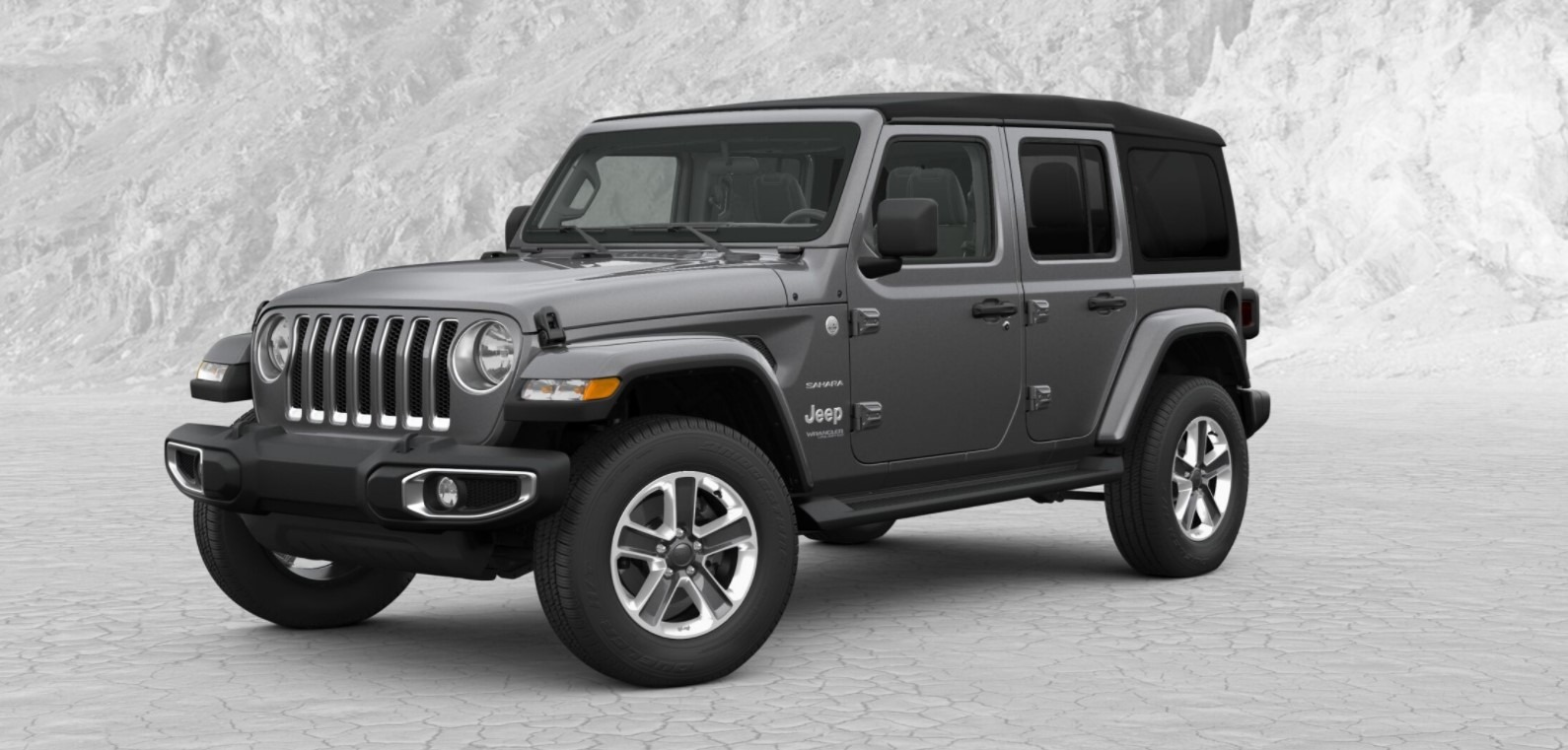
8. Jeep Wrangler JL (2018-2020)
The Jeep Wrangler JL represents the latest evolution of an American icon, combining retro styling with modern technology and impressive off-road capability.
While wildly popular and highly capable on challenging terrain, early JL models suffer from numerous reliability issues that have created maintenance headaches for owners. These problems range from minor annoyances to major mechanical failures that undermine confidence in this beloved nameplate.
The turbocharged 2.0-liter four-cylinder engine, new to the Wrangler lineup, develops significant problems despite its impressive power output. Turbocharger failures occur prematurely, sometimes before 50,000 miles, requiring $2,500-$3,500 replacements.
The engine’s cooling system proves inadequate for extended off-road use or hot climates, with overheating issues reported frequently. Oil consumption becomes problematic as mileage accumulates, with some engines burning a quart every 1,000 miles despite showing no external leaks or obvious mechanical problems.
The eight-speed automatic transmission, shared with other FCA products, develops the familiar shuddering, harsh shifting, and premature failure patterns.
Transmission problems often begin around 30,000-40,000 miles, manifesting as delayed engagement, hard downshifts, and occasional refusal to engage gears.
Software updates provide temporary relief but rarely solve underlying mechanical issues. Transmission rebuilds cost $4,000-$6,000, and some owners report needing multiple transmission replacements while still under warranty, suggesting fundamental design or manufacturing problems.
Electrical gremlins plague the JL Wrangler’s sophisticated electronics. The Uconnect infotainment system freezes randomly, requiring hard resets that provide only temporary solutions.
The backup camera displays distorted or blank images intermittently. Warning lights illuminate without corresponding problems, sending owners to dealerships for diagnostic sessions that find no issues.
The LED headlights, while bright and modern, experience complete failures requiring $1,500-$2,000 replacements. The electronic sway bar disconnect system, crucial for off-road articulation, malfunctions regularly with motor and sensor failures costing $1,200-$1,800 to repair.
The exhaust system develops premature rust and failure, particularly in areas using road salt. Exhaust manifolds crack regularly on V6 models, causing ticking noises and requiring $1,200-$1,500 repairs.
The fuel system experiences vapor lock issues in hot weather, causing hard starting and rough running. Interior quality problems include water intrusion through door seals, premature seat wear, and dashboard materials that fade and crack quickly.
While the Wrangler excels at off-road capability, these reliability issues transform ownership from carefree adventure into constant concern about what will break next and how much it will cost to fix.
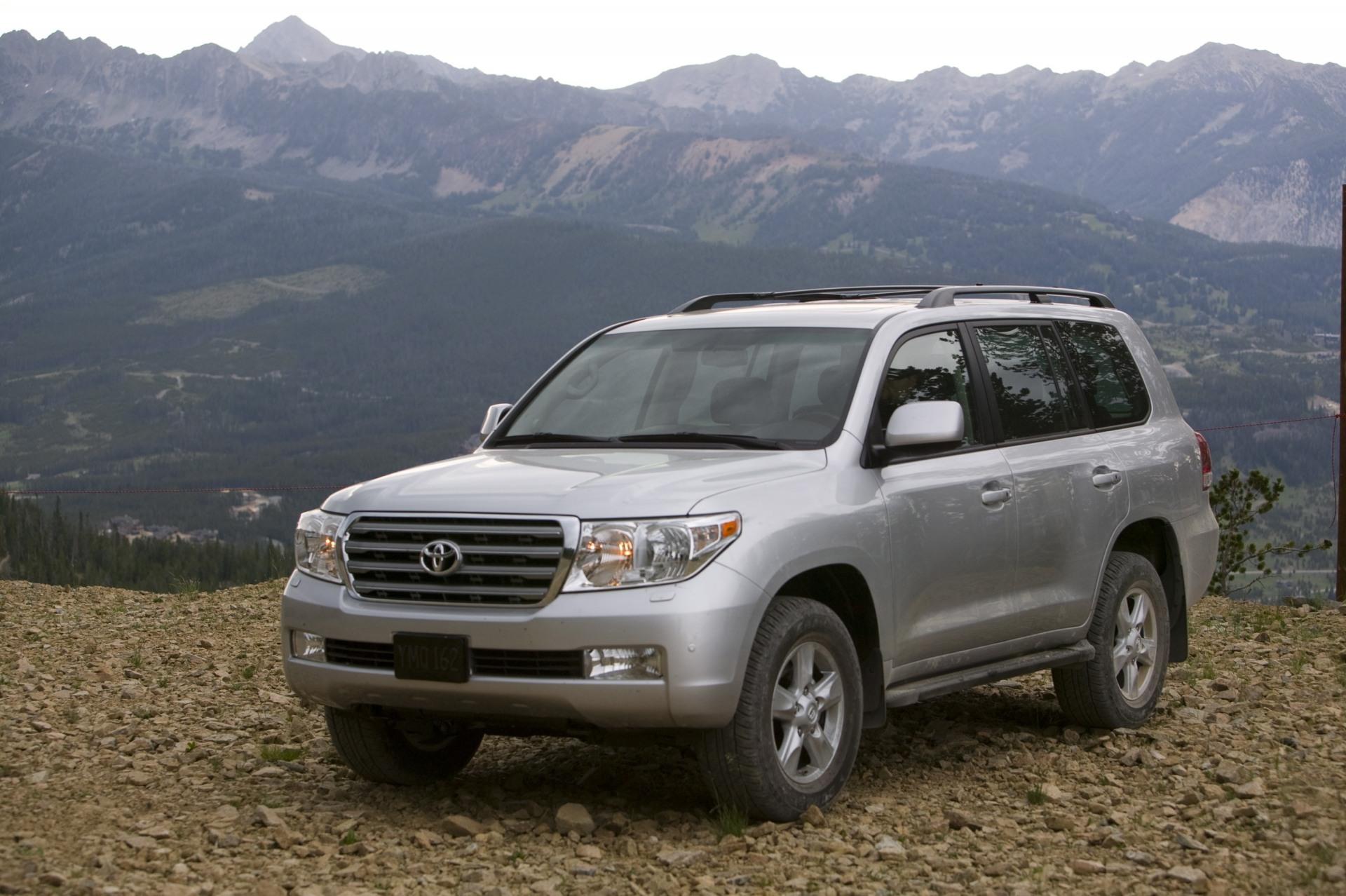
9. Toyota Land Cruiser (2008-2015)
The Toyota Land Cruiser typically represents the gold standard for reliability and capability, with legendary durability and worldwide respect. However, this specific generation develops surprising problems that contradict Toyota’s reputation.
While still more reliable than most competitors, the 200-series Land Cruiser experiences issues that make maintenance more expensive and frequent than expected from a Toyota product, particularly disappointing given the vehicle’s premium pricing.
The 5.7-liter V8 engine, while generally reliable, develops specific problems as mileage accumulates. Exhaust manifold studs snap regularly, causing exhaust leaks and ticking noises.
This problem requires cylinder head removal to properly extract broken studs, with repair costs approaching $3,000-$4,000. The secondary air injection pump, part of the emissions system, fails frequently at $1,200-$1,500 replacement cost.
Water pumps develop premature leaks, and while replacement costs only $600-$800, the frequency of failure disappoints owners expecting Toyota reliability.
The six-speed automatic transmission, while robust, develops torque converter shudder between 80,000-120,000 miles. This shudder manifests during light acceleration and requires transmission fluid changes using expensive Toyota-specific fluid. If fluid changes don’t resolve the issue, torque converter replacement costs $2,500-$3,500.
The transfer case develops actuator failures that prevent proper four-wheel-drive engagement, requiring $800-$1,200 repairs. Differential leaks occur from pinion seals and axle seals, necessitating regular monitoring and eventual seal replacement.
The interior, while luxurious initially, shows premature wear. Leather seats develop cracks and discoloration despite conditioning. Dashboard materials, particularly around air vents, crack and become brittle. The third-row seat’s power folding mechanism fails regularly, requiring expensive motor replacements.
Climate control displays fade and become difficult to read. While the Land Cruiser remains more reliable than most competitors, these issues represent significant disappointments for buyers paying over $85,000 expecting bulletproof Toyota quality.
Maintenance costs rival European luxury SUVs despite the Toyota badge, and parts pricing reflects the Land Cruiser’s position as Toyota’s flagship SUV.
The combination of expensive repairs, premium parts pricing, and unexpected failures for a Toyota product makes this generation Land Cruiser a surprising entry on this list of maintenance nightmares.
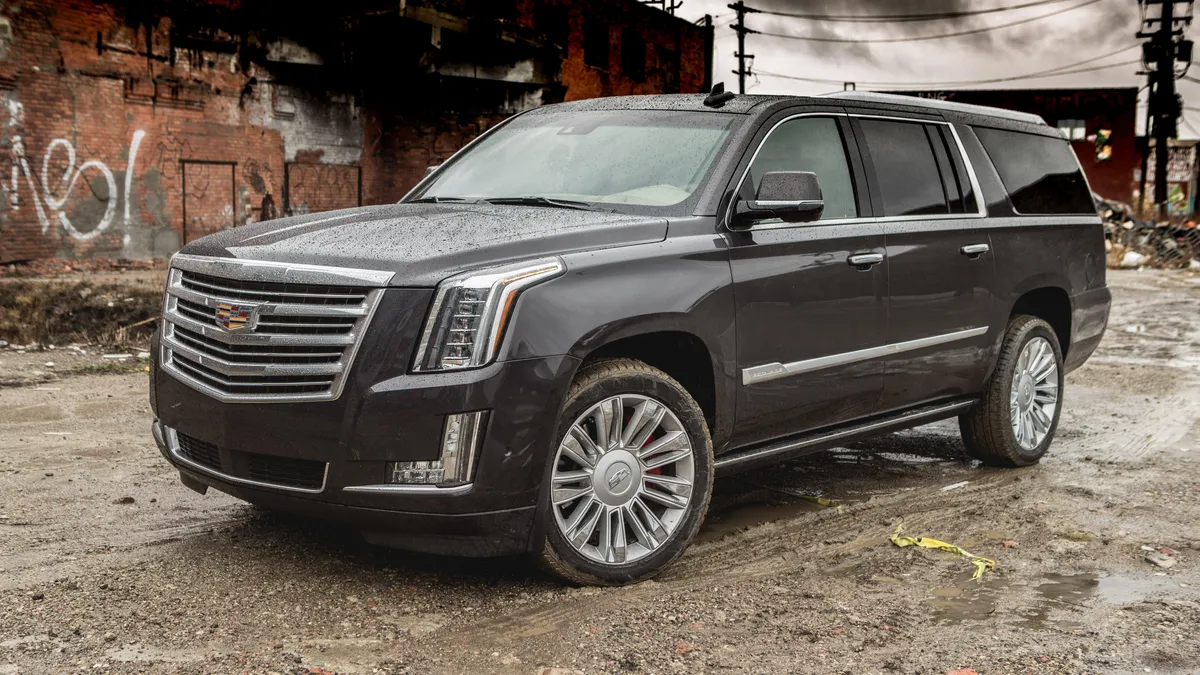
10. Cadillac Escalade (2015-2020)
The Cadillac Escalade epitomizes American luxury and capability, combining massive size with opulent interiors and powerful V8 performance.
This full-size SUV attracts celebrities, business executives, and families needing maximum space. However, beneath its imposing presence and luxurious appointments lies a constellation of reliability issues that make long-term ownership expensive and frustrating.
General Motors’ premium SUV develops problems across mechanical, electrical, and structural systems that belie its prestigious badge and premium pricing.
The 6.2-liter V8 engine, while powerful and smooth, suffers from several recurring problems. Active fuel management system, designed to improve fuel economy by deactivating cylinders during light load conditions, develops lifter failures that cause catastrophic engine damage.
This problem typically manifests around 60,000-80,000 miles with ticking noises that rapidly progress to complete lifter collapse. Repair requires removing cylinder heads and replacing all lifters, pushrods, and affected valvetrain components at costs approaching $5,000-$7,000. Many owners opt to disable the active fuel management system entirely through aftermarket tuning to prevent this expensive failure.
Transmission problems plague Escalades despite GM’s extensive experience with automatic transmissions. The eight-speed automatic experiences torque converter shudder, harsh downshifts, and premature wear of internal clutch packs.
Transmission fluid contamination from torque converter material shedding accelerates wear throughout the transmission. Complete rebuilds cost $4,000-$6,000, and some vehicles require multiple transmission repairs within 100,000 miles.
The transmission’s complexity and programming issues mean that even dealer technicians struggle to properly diagnose and repair shifting problems.
Air conditioning system failures occur frequently. The evaporator develops leaks requiring complete dashboard removal for access, with repair costs exceeding $2,500.
Climate control actuators fail regularly, preventing proper temperature regulation for individual zones. The rear climate control system develops separate problems requiring expensive repairs.
Interior quality issues include leather seat bolsters that wear through prematurely, dashboard materials that crack and fade, and door panels that develop rattles.
The combination of expensive repairs, frequent failures across multiple systems, and premium parts pricing make the Escalade a vehicle that only those with substantial maintenance budgets should consider, contradicting its image as ultimate American luxury and reliability.
Also Read: Top 8 Used Sports Cars Under $30K That Investors Are Quietly Chasing
