
The electric vehicle revolution is accelerating at breakneck speed, and the next wave of EVs promises to be more exciting than ever. While the market has been flooded with ambitious concepts and overhyped vaporware, a select group of upcoming electric vehicles genuinely deserves the attention they’re receiving.
These aren’t just incremental improvements over existing models they represent quantum leaps in technology, design, and performance that could redefine what we expect from electric transportation.
From hypercar-beating performance machines to practical family haulers that finally make EVs accessible to mainstream buyers, the next generation of electric vehicles addresses nearly every concern that has held skeptical consumers back.
We’re talking about cars with 500-mile real-world ranges, lightning-fast charging capabilities, and price points that compete directly with their gasoline counterparts.
These vehicles come from both established automakers leveraging decades of engineering expertise and bold newcomers challenging conventional wisdom.
What sets these ten EVs apart isn’t just their impressive spec sheets it’s their potential to fundamentally shift the automotive world. Whether you’re a performance enthusiast, a tech-forward early adopter, or simply someone looking for practical, sustainable transportation, this lineup represents the future of driving.
The hype surrounding these vehicles isn’t manufactured marketing buzz; it’s genuine excitement for products that promise to deliver on the long-awaited potential of electric mobility. Let’s explore what makes each of these upcoming EVs truly special.
1. Mercedes-Benz EQG (Electric G-Wagon)
The Mercedes-Benz EQG represents one of the most anticipated transformations in automotive history: electrifying the iconic G-Class. This isn’t just another luxury EV it’s a statement that even the most traditional, combustion-engine-focused vehicles can successfully transition to electric power while retaining everything that made them legendary.
The G-Wagon has been a status symbol and off-road champion for over four decades, and Mercedes is betting that its electric successor will continue that legacy while appealing to an entirely new generation of environmentally conscious luxury buyers.
What makes the EQG particularly exciting is Mercedes’ commitment to preserving the G-Class character while leveraging electric powertrains to enhance capability.
The vehicle features four independent electric motors one at each wheel providing unprecedented control and torque vectoring capabilities that actually surpass what’s possible with traditional mechanical systems.
This setup enables features like the “G-Turn,” where the vehicle can rotate nearly on its axis by spinning wheels on opposite sides in different directions, a party trick that also has genuine off-road utility in tight situations.
The EQG’s off-road credentials are further enhanced by its exceptional ground clearance, approach and departure angles that match the combustion G-Class, and a low-range transmission specifically engineered for electric motors.
Mercedes has developed a two-speed gearbox that provides crawling capability at ultra-low speeds while still delivering high-speed performance on highways.
The instant torque delivery of electric motors makes rock crawling and technical terrain significantly easier to go than with traditional engines.
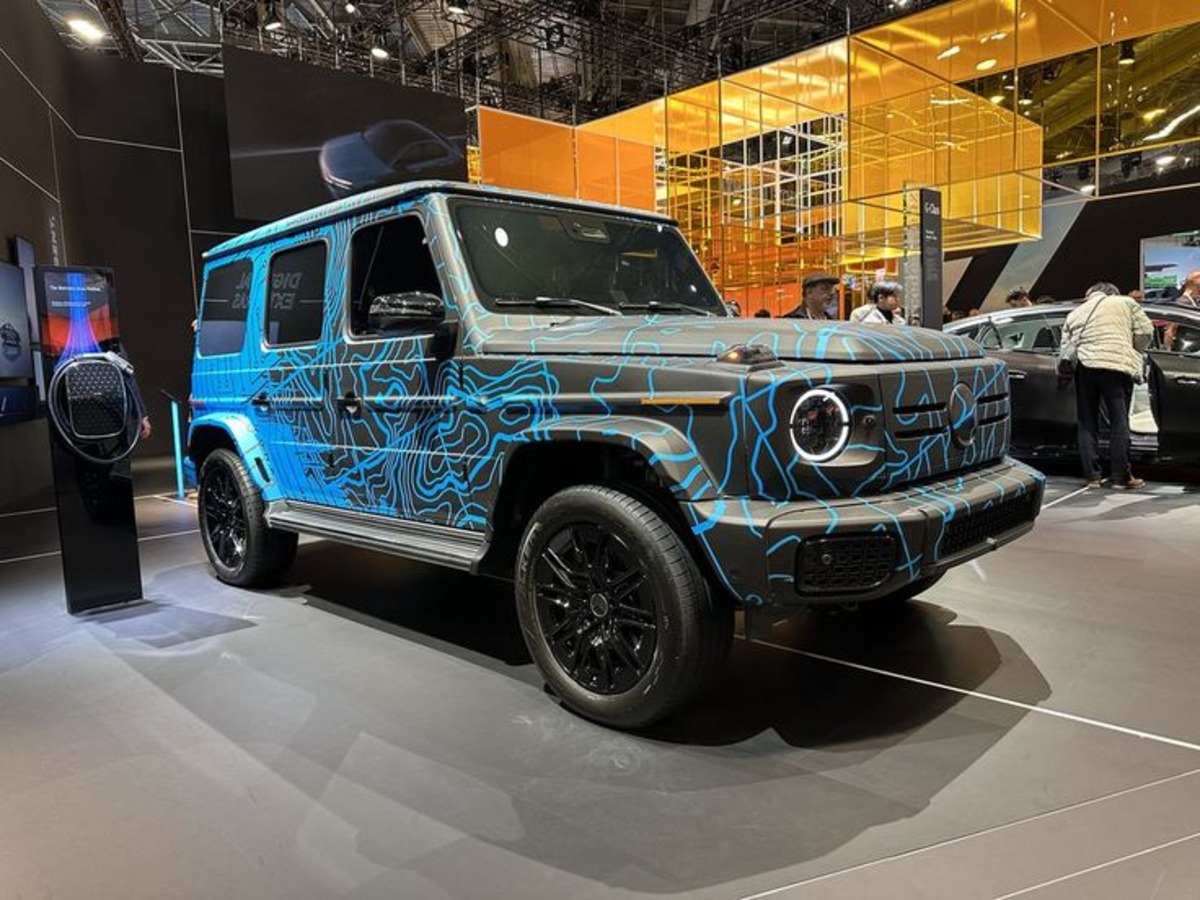
Inside, the EQG maintains the boxy, utilitarian aesthetic that G-Wagon enthusiasts love while incorporating Mercedes’ latest MBUX infotainment system and luxurious materials.
The cabin features sustainable materials without sacrificing the premium feel expected from a six-figure Mercedes. The combination of cutting-edge technology with timeless design creates an interior that feels both modern and respectful of the G-Class heritage.
Range estimates suggest the EQG will achieve around 300 miles on a single charge, which is respectable given the vehicle’s weight and aerodynamic profile or lack thereof.
The boxy shape that defines the G-Wagon isn’t exactly wind-cheating, but Mercedes has optimized every other aspect to maximize efficiency.
Fast-charging capability will allow the battery to replenish from 10% to 80% in approximately 30 minutes, making it viable for long-distance adventure travel.
The EQG deserves its hype because it proves that electrification doesn’t mean homogenization. This is a vehicle that maintains its distinct character while embracing new technology, appealing to traditionalists and progressives alike.
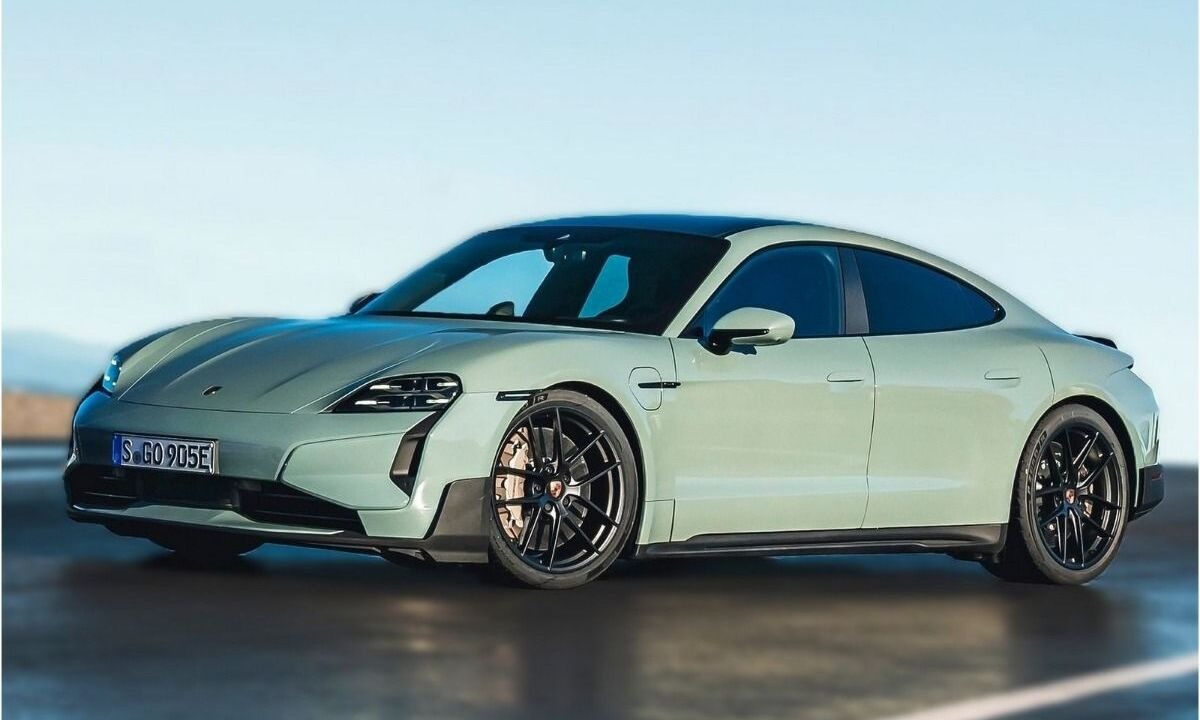
2. Porsche Taycan Turbo GT
Porsche has already proven it can build exceptional electric vehicles with the Taycan, but the upcoming Turbo GT variant takes everything to an entirely new level.
This isn’t just a performance upgrade it’s Porsche’s declaration that electric vehicles can outperform their combustion counterparts in every meaningful metric.
With over 1,000 horsepower on tap during overboost, the Taycan Turbo GT represents the cutting edge of production electric vehicle performance, targeting the most demanding enthusiasts who previously might have dismissed EVs as soulless appliances.
The engineering behind the Turbo GT is extraordinary. Porsche has refined the Taycan’s already impressive 800-volt architecture to handle even more power while improving thermal management to sustain peak performance during extended track sessions.
The battery chemistry has been optimized for high-discharge scenarios, and the cooling system can maintain ideal operating temperatures even during repeated acceleration runs that would cause lesser EVs to overheat and enter protective modes. This is a car designed to be driven hard, repeatedly, without compromise.
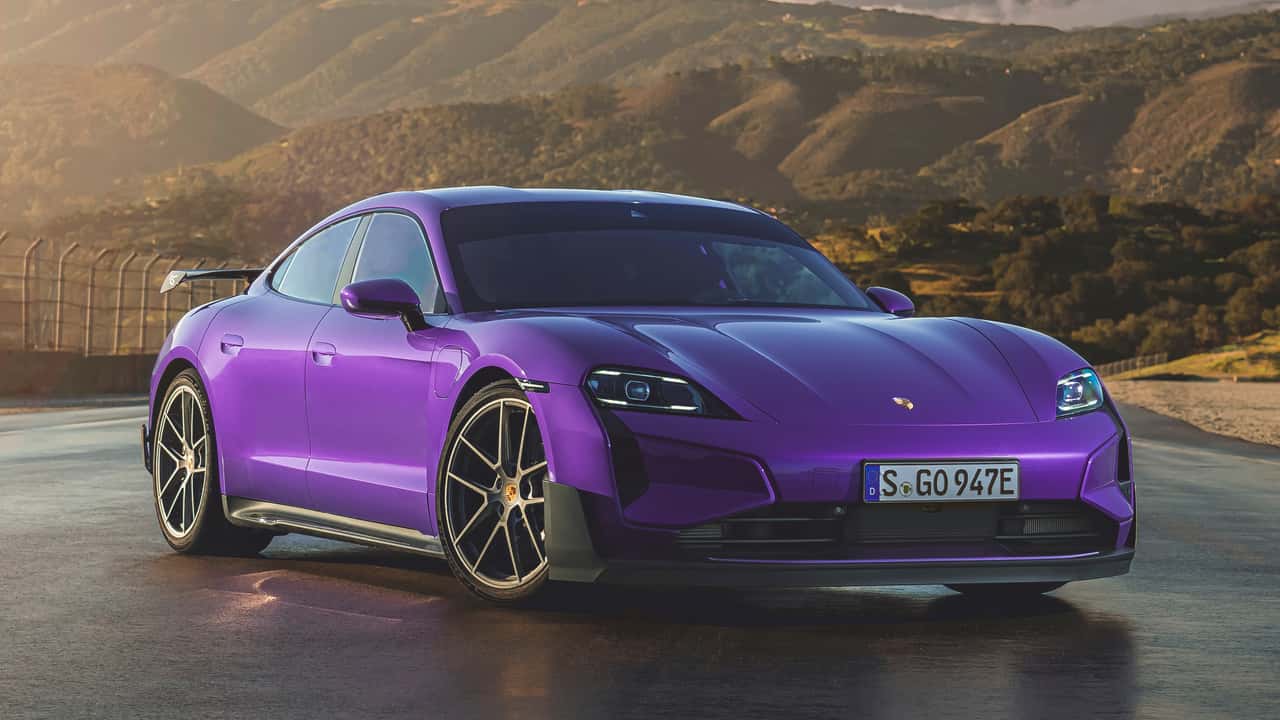
Performance figures are simply staggering. The Turbo GT rockets from 0-60 mph in under 2.3 seconds and continues accelerating to a top speed exceeding 190 mph.
But raw acceleration numbers don’t tell the complete story it’s how the Taycan delivers this performance that matters. The power delivery is instantaneous yet perfectly controllable, with Porsche’s sophisticated torque vectoring and stability systems allowing drivers to exploit every bit of available grip.
The regenerative braking integrates seamlessly with the massive carbon-ceramic brakes, providing consistent pedal feel and stopping power that can handle repeated high-speed decelerations.
The Taycan Turbo GT deserves its hype because it represents the pinnacle of what electric performance can achieve today, pushing boundaries while maintaining the driver engagement and build quality that define Porsche.
3. Kia EV9 GT
The Kia EV9 GT transforms an already impressive three-row electric SUV into a performance machine that challenges conventional wisdom about what family haulers should be.
While the standard EV9 has garnered praise for its spacious interior, advanced technology, and competitive pricing, the GT variant adds exhilarating performance that makes the school run genuinely entertaining.
This is Kia’s bold statement that electric family vehicles don’t need to be boring appliances they can deliver genuine driving excitement while still accommodating seven passengers and their gear.
Under the skin, the EV9 GT features a dual-motor all-wheel-drive system producing approximately 500 horsepower, enabling 0-60 mph acceleration in around 4.5 seconds.
That might not sound hypercar-quick, but for a vehicle weighing over 6,000 pounds and measuring over 16 feet long, it’s genuinely impressive.
More importantly, the instant torque delivery makes the EV9 GT feel effortlessly quick in real-world driving situations, whether merging onto highways or overtaking slower traffic. The acceleration is smooth and linear, without the lag or harshness that can upset passengers.
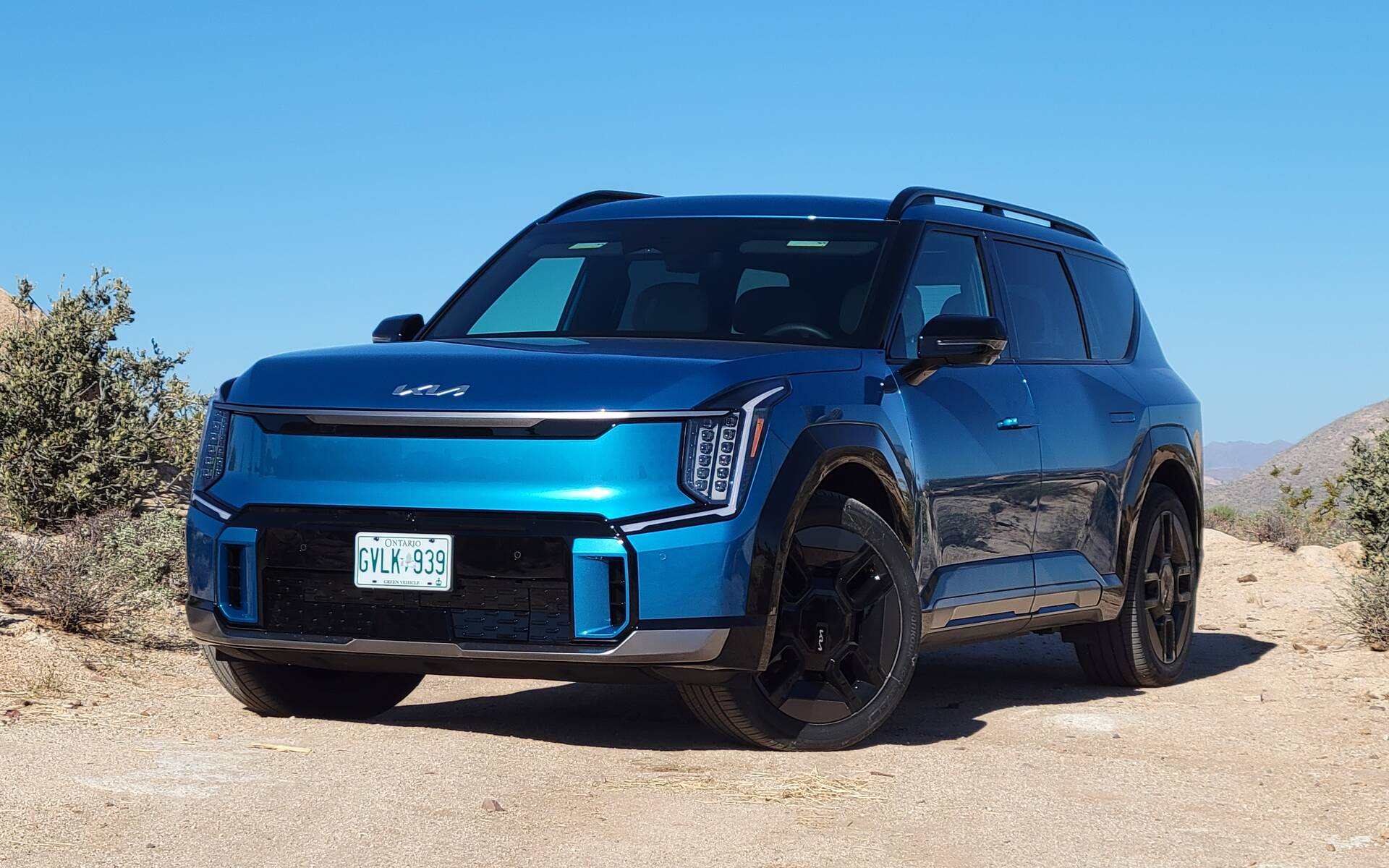
What distinguishes the GT from regular performance SUVs is how Kia has tuned the entire vehicle for engaging dynamics. The adaptive suspension system has been recalibrated with sportier damping, reducing body roll without sacrificing ride comfort.
The steering has been quickened and weighted more aggressively, providing better feedback and precision. Electronic stability control has been recalibrated to allow more slip before intervention, giving confident drivers more freedom to exploit the available grip.
These changes transform the EV9’s driving character without compromising its primary mission as a family transporter. The EV9 GT deserves attention because it proves that choosing an electric family vehicle doesn’t mean sacrificing driving enjoyment, offering performance that rivals dedicated sports SUVs in a package that’s more practical and efficient.
4. BMW iX M70
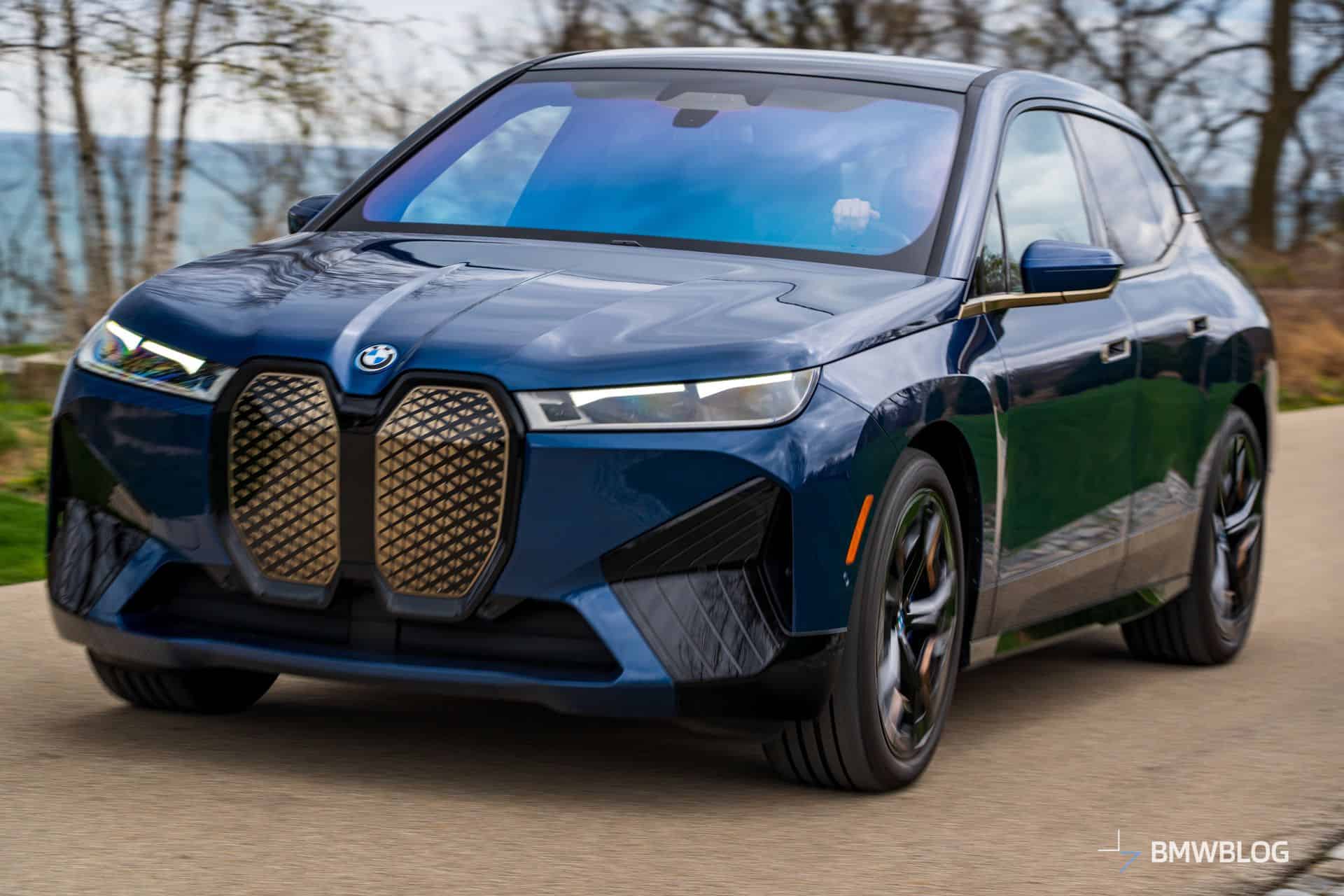
BMW’s iX M70 represents the Bavarian automaker’s most powerful production SUV ever, combining supercar-level performance with the luxury and practicality expected from a flagship crossover.
This vehicle embodies BMW’s vision for high-performance electric mobility, where acceleration and handling prowess coexist with cutting-edge technology and opulent comfort.
The iX M70 isn’t just about straight-line speed it’s a comprehensive performance machine that leverages electric propulsion to redefine what’s possible in a luxury SUV.
The powertrain generates a staggering 619 horsepower, launching the substantial iX from standstill to 60 mph in just 3.6 seconds. What makes this performance particularly impressive is how BMW has tuned the power delivery to be both explosive when demanded and refined when cruising.
The dual-motor system provides intelligent all-wheel drive with rear-biased torque distribution, giving the iX M70 handling characteristics that feel more like a sports sedan than a two-ton SUV.
The instantaneous torque available from the electric motors enables the vehicle to accelerate out of corners with authority that traditional combustion engines simply cannot match.
BMW has invested heavily in chassis technology to ensure the iX M70 handles its performance capabilities properly. The adaptive air suspension can lower the vehicle at speed to improve aerodynamics and handling while raising it for better ground clearance when needed.
Active anti-roll bars minimize body lean during aggressive cornering, and the rear-wheel steering system improves both low-speed maneuverability and high-speed stability.
The combination creates a driving experience that defies the vehicle’s size and weight, feeling composed and controlled even when pushed hard.
The iX M70 deserves its hype because it successfully merges BMW’s M division performance heritage with forward-looking electric technology, creating a vehicle that satisfies both enthusiasts and luxury buyers seeking the latest innovations.
Also Read: 9 Luxury Vehicles That Aren’t Overwhelming in Traffic
5. Chevrolet Silverado EV RST
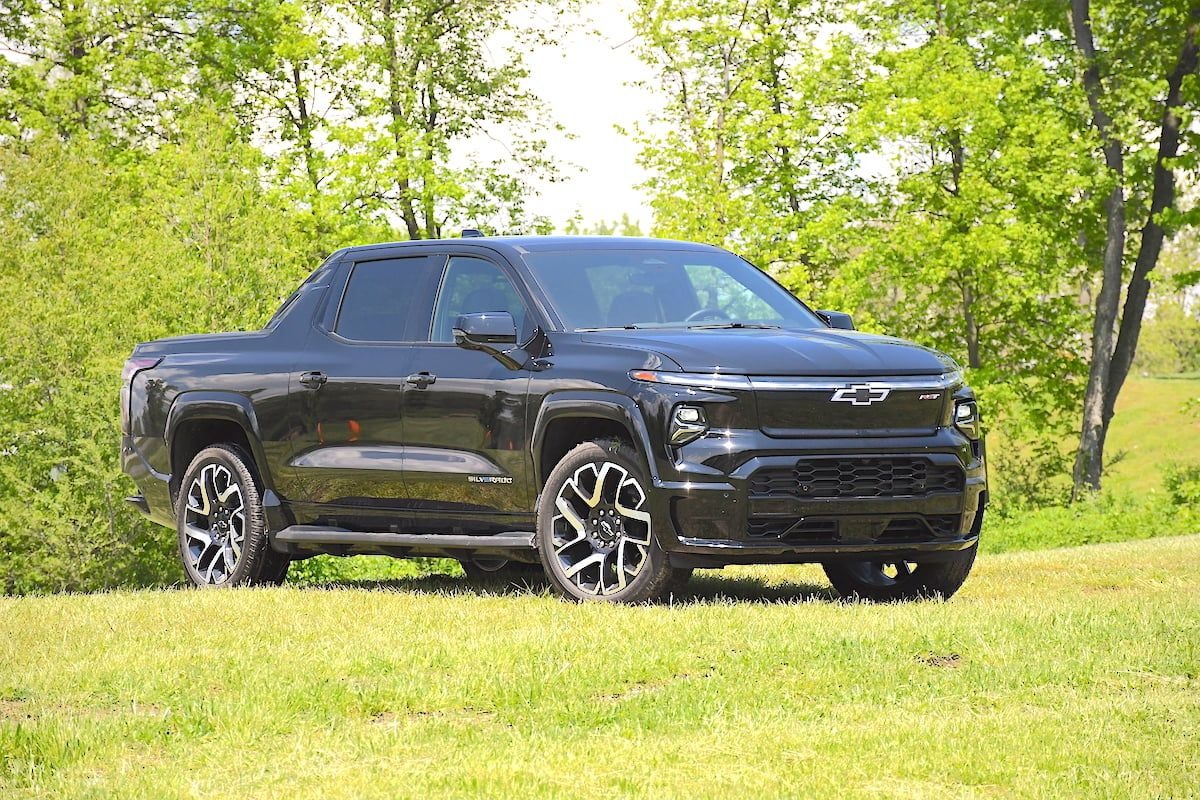
The Chevrolet Silverado EV RST represents a crucial milestone in electric vehicle adoption: a full-size electric pickup truck that can genuinely replace traditional trucks for most buyers.
While other manufacturers have attempted electric trucks with varying degrees of success, the Silverado EV RST combines GM’s decades of truck-building expertise with Ultium platform technology to create something that truck loyalists can actually embrace.
This isn’t a compromise vehicle it’s a truck that delivers on traditional pickup capabilities while adding the benefits of electric propulsion.
The performance specifications are impressive by any standard. The RST variant produces approximately 510 horsepower and 615 lb-ft of torque, enabling 0-60 mph acceleration in around 4.5 seconds despite weighing over 8,000 pounds.
More importantly for truck buyers, the Silverado EV can tow up to 10,000 pounds and carry payloads exceeding 1,200 pounds, making it genuinely capable for work and recreation.
The low center of gravity from the floor-mounted battery actually improves towing stability compared to conventional trucks, and the instant torque delivery makes pulling heavy loads feel effortless.
Range has been a critical concern for electric trucks, and Chevrolet has addressed this head-on. The Silverado EV RST offers up to 440 miles of range on a single charge when unladen a figure that surpasses many gasoline trucks.
While towing naturally reduces range, GM has implemented intelligent range management and route planning that accounts for trailer weight and provides accurate remaining range estimates.
The truck supports DC fast charging up to 350 kW, enabling 100 miles of range to be added in roughly 10 minutes, making long-distance towing more viable than skeptics expected.
The Silverado EV RST deserves attention because it makes electric trucks viable for traditional truck buyers, offering genuine capability without requiring lifestyle compromises.
6. Hyundai Ioniq 7
The Hyundai Ioniq 7 represents the Korean manufacturer’s ambitious entry into the three-row electric SUV segment, combining distinctive design with advanced technology and competitive pricing.
Built on Hyundai’s dedicated Electric-Global Modular Platform (E-GMP), the Ioniq 7 demonstrates how rapidly Hyundai has ascended to EV leadership, creating vehicles that compete directly with established luxury brands while undercutting them on price.
This is a vehicle designed to make electric family transportation accessible and desirable for mainstream buyers who might previously have dismissed EVs as too expensive or impractical.
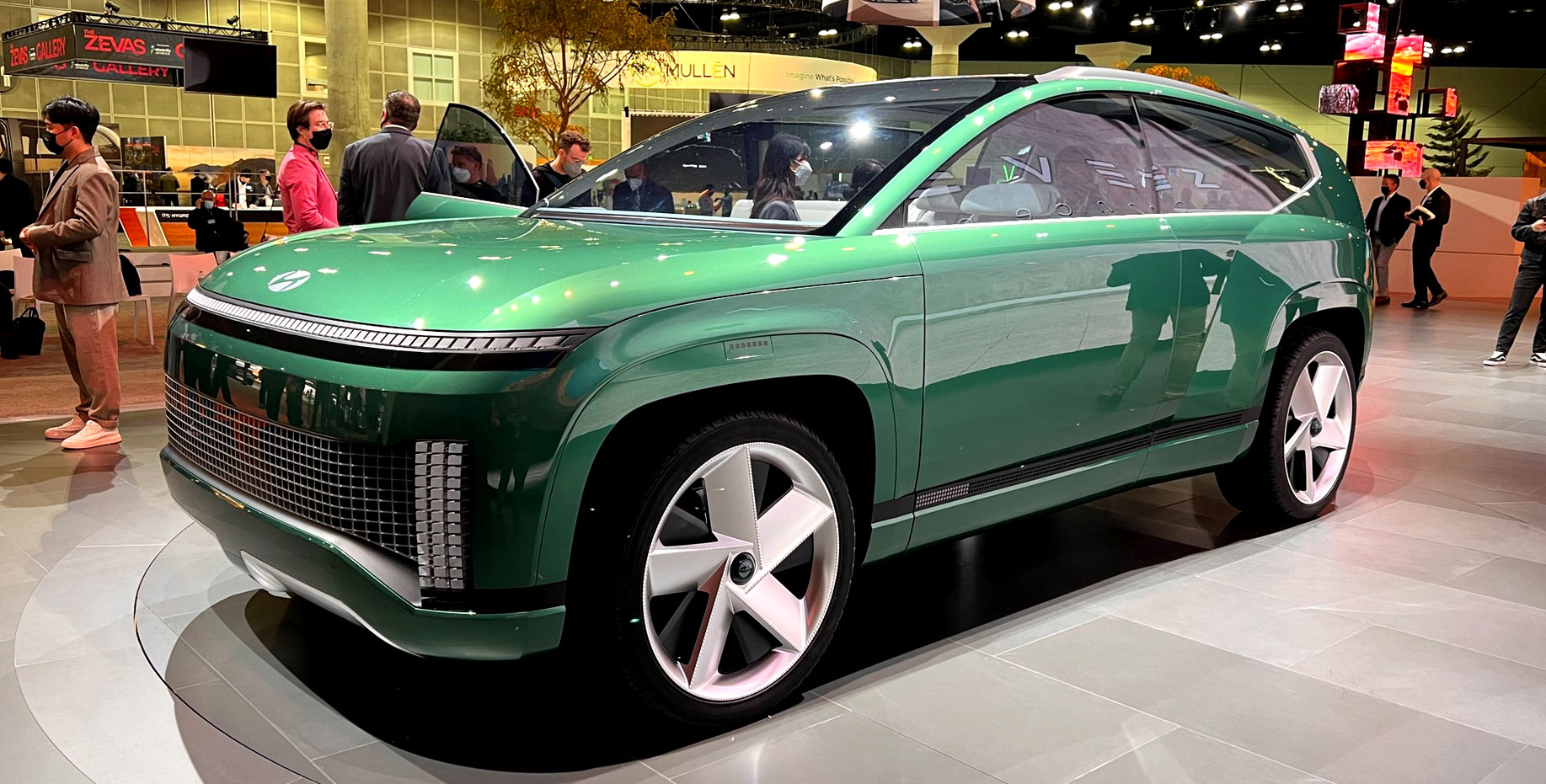
The design is immediately striking, featuring Hyundai’s “Parametric Pixel” design language with distinctive lighting elements and a boxy, retro-futuristic aesthetic that maximizes interior space.
The proportions are purpose-built for an electric platform, with a long wheelbase and short overhangs that optimize cabin volume. The aerodynamics have been carefully refined despite the upright stance, achieving a drag coefficient that contributes to efficiency and range. The effect is a vehicle that looks distinctly modern without being overly aggressive or polarizing.
Performance comes from dual electric motors producing around 320 horsepower in all-wheel-drive configurations, providing brisk acceleration and confident highway merging capability.
While not overtly sporty, the Ioniq 7 delivers the smooth, quiet, and effortless power delivery that makes electric vehicles so pleasant in daily driving.
The E-GMP platform’s 800-volt architecture enables ultra-fast charging, allowing the large battery pack to charge from 10% to 80% in approximately 20 minutes when connected to compatible 350-kW chargers a crucial capability for a family vehicle that might see frequent long-distance travel.
The Ioniq 7 deserves its hype because it democratizes three-row electric SUVs, offering features and capabilities previously reserved for premium brands at prices that make electric family vehicles accessible to a broader audience.
7. Lotus Eletre R
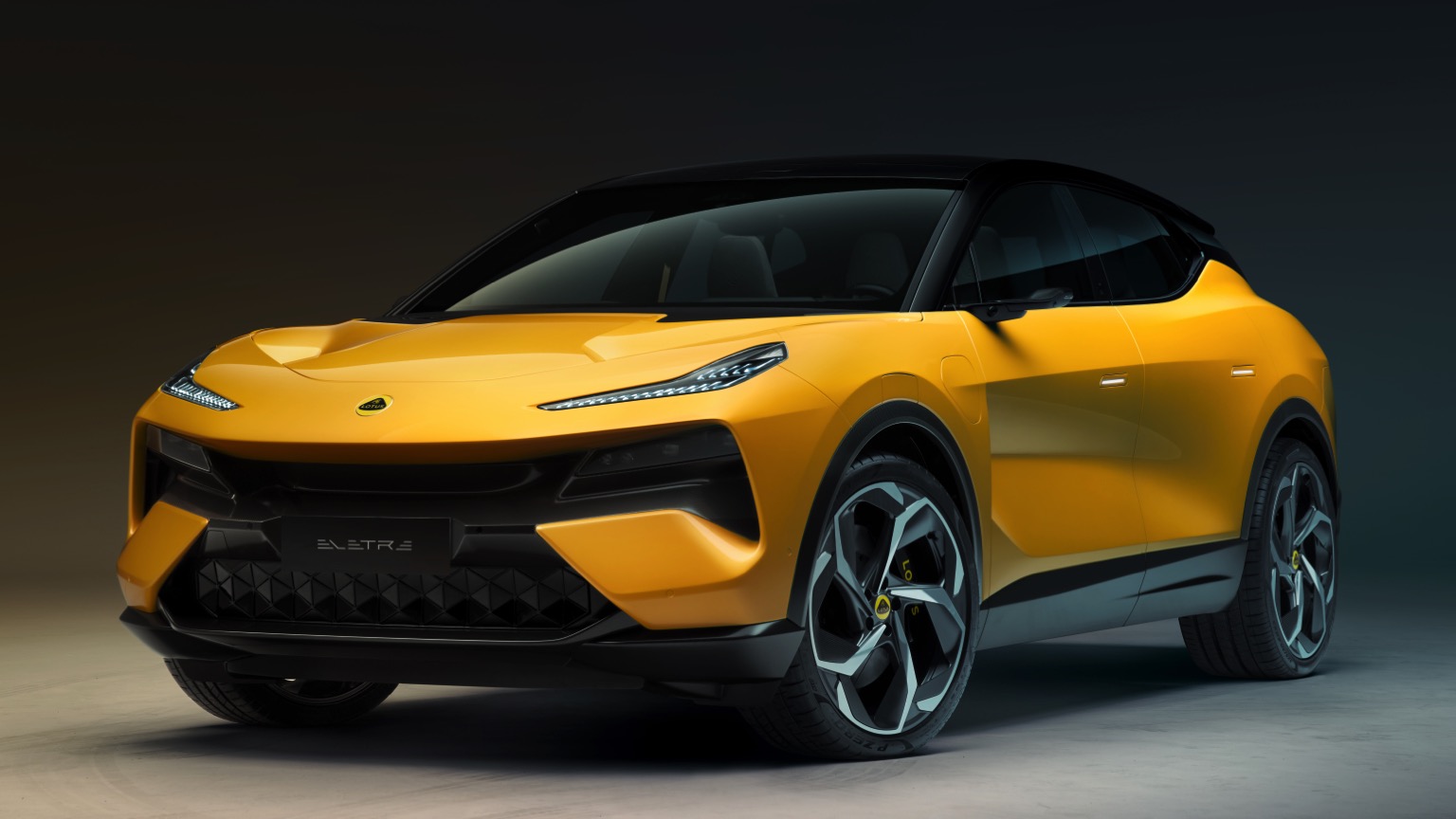
The Lotus Eletre R represents a dramatic departure for a brand synonymous with lightweight, minimalist sports cars, yet it embodies the Lotus philosophy in unexpected ways.
This electric hyperSUV proves that even a company built on Colin Chapman’s “simplify, then add lightness” principle can create a compelling high-performance SUV when approaching it with engineering rigor and uncompromising performance standards.
The Eletre R isn’t trying to be a traditional Lotus it’s creating an entirely new category of vehicle that applies racing-derived technology to a practical, everyday package.
The powertrain is absolutely ferocious, with dual motors producing up to 905 horsepower, enabling 0-60 mph acceleration in under 2.9 seconds and a top speed exceeding 165 mph.
These figures put the Eletre R in supercar territory, yet it maintains the practicality of a five-seat SUV with substantial cargo capacity. What’s particularly impressive is how Lotus has tuned the power delivery to be both explosive and controllable, with sophisticated torque vectoring that exploits grip from all four wheels while maintaining stability and driver confidence.
The chassis development showcases Lotus’s legendary expertise in dynamics. Active aerodynamics including a deployable rear wing and active front air intakes adjust in real-time to optimize downforce and cooling, while the adaptive air suspension features continuously variable damping that reads the road and adjusts settings thousands of times per second.
The result is a vehicle that can transform from a compliant cruiser to a track-focused weapon at the touch of a button. Despite weighing over 5,000 pounds, the Eletre R corners with precision and agility that defies its mass, delivering genuine driving engagement.
The Eletre R deserves attention because it proves that Lotus can successfully evolve while maintaining its performance DNA, creating a vehicle that’s both practical and exhilarating in ways that traditional SUVs cannot match.
8. Volkswagen ID.Buzz
The Volkswagen ID.Buzz represents more than just another electric vehicle it’s the resurrection of an automotive icon for the 21st century. The original VW Microbus became a cultural phenomenon, symbolizing freedom, adventure, and counterculture movements.
This modern interpretation captures that spirit while incorporating contemporary technology, safety standards, and electric propulsion.
The ID.Buzz proves that retro-inspired design can be forward-looking when executed properly, creating a vehicle that appeals to nostalgic boomers and young families alike.
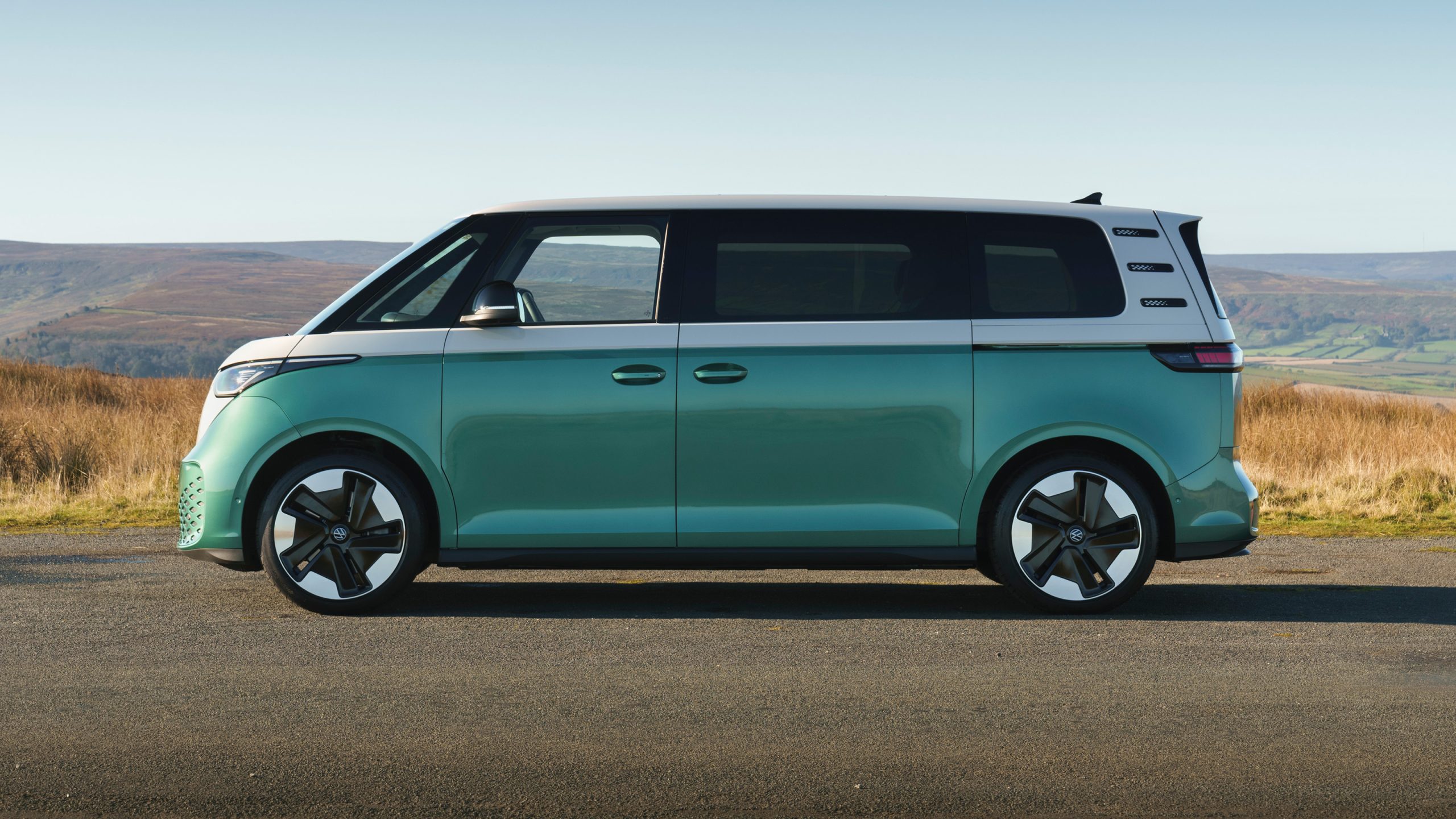
The design is immediately recognizable, with unmistakable Microbus DNA translated into modern proportions. The two-tone paint schemes, large VW logo, and upright stance evoke the original, while the LED lighting, flush surfaces, and aerodynamic refinements signal its contemporary engineering.
Built on Volkswagen’s MEB electric platform, the ID.Buzz maximizes interior space through its electric architecture, offering room and versatility that traditional van platforms struggle to match. The long wheelbase and short overhangs create a spacious cabin that feels genuinely lounge-like.
Performance from the dual-motor all-wheel-drive system provides adequate power for confident highway merging and overtaking, though outright acceleration isn’t the ID.Buzz’s primary mission.
Instead, it prioritizes smooth, quiet operation and efficiency. The ride quality is excellent, absorbing imperfections while maintaining composure through corners.
The handling is surprisingly engaging for a tall, boxy vehicle, with responsive steering and well-controlled body motions making it pleasant to drive in various conditions.
The ID.Buzz deserves its hype because it successfully revives an icon while meeting modern needs, creating a vehicle that’s both emotionally appealing and rationally practical for contemporary families seeking distinctive, sustainable transportation.
9. Lucid Gravity
The Lucid Gravity represents the American EV startup’s expansion beyond its acclaimed Air sedan into the crucial SUV segment, bringing the same engineering excellence and technological sophistication to a more practical, family-oriented package.
Lucid has established itself as a technology leader with the Air, which boasts industry-leading efficiency and range figures that surpass competitors with much larger batteries.
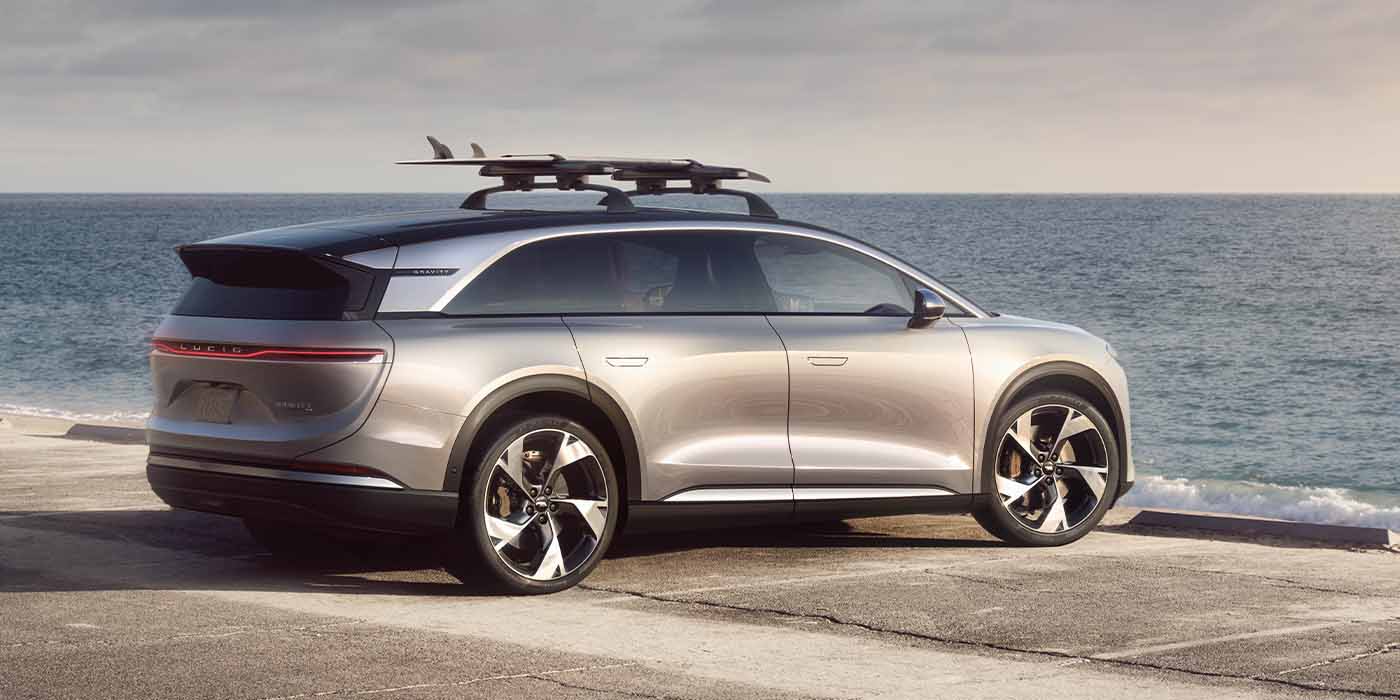
The Gravity applies these same innovations to create an SUV that redefines what’s possible in terms of interior space, range, and performance within a relatively compact footprint.
The engineering highlights Lucid’s “miniaturization” philosophy creating powerful, efficient components that occupy minimal space, thereby maximizing room for passengers and cargo.
The electric motors are incredibly compact yet powerful, producing over 800 horsepower in performance configurations while still fitting within wheel wells and leaving more cabin space.
The battery pack uses Lucid’s advanced cell chemistry and packaging to achieve over 400 miles of range without creating an excessively heavy or large vehicle.
This efficiency advantage means the Gravity uses energy more effectively than competitors, translating to longer range and potentially lower operating costs.
The Gravity supports ultra-fast 350-kW charging through its 900+ volt electrical architecture, enabling rapid replenishment that makes long-distance travel practical.
Lucid has also incorporated bidirectional charging capability, allowing the vehicle to power homes during outages or feed energy back to the grid when beneficial.
The Lucid Gravity deserves attention because it demonstrates how a relatively new company can compete with and exceed established manufacturers through superior engineering and technology, creating an SUV that leads rather than follows.
10. Tesla Roadster (Next Generation)
The next-generation Tesla Roadster represents Elon Musk’s most audacious automotive project yet, promising performance figures that seem to defy physics while potentially revolutionizing electric vehicle capabilities.
Originally revealed years ago with specifications that sounded like science fiction, the Roadster has been repeatedly delayed as Tesla refined the technology and expanded production capabilities.
However, the wait appears justified this vehicle aims to be the fastest production car ever made, the longest-range EV available, and a technological tour de force that establishes new benchmarks across nearly every performance metric.
The performance claims are staggering: 0-60 mph in under 1.9 seconds, a quarter-mile in under 8.8 seconds, and a top speed exceeding 250 mph.
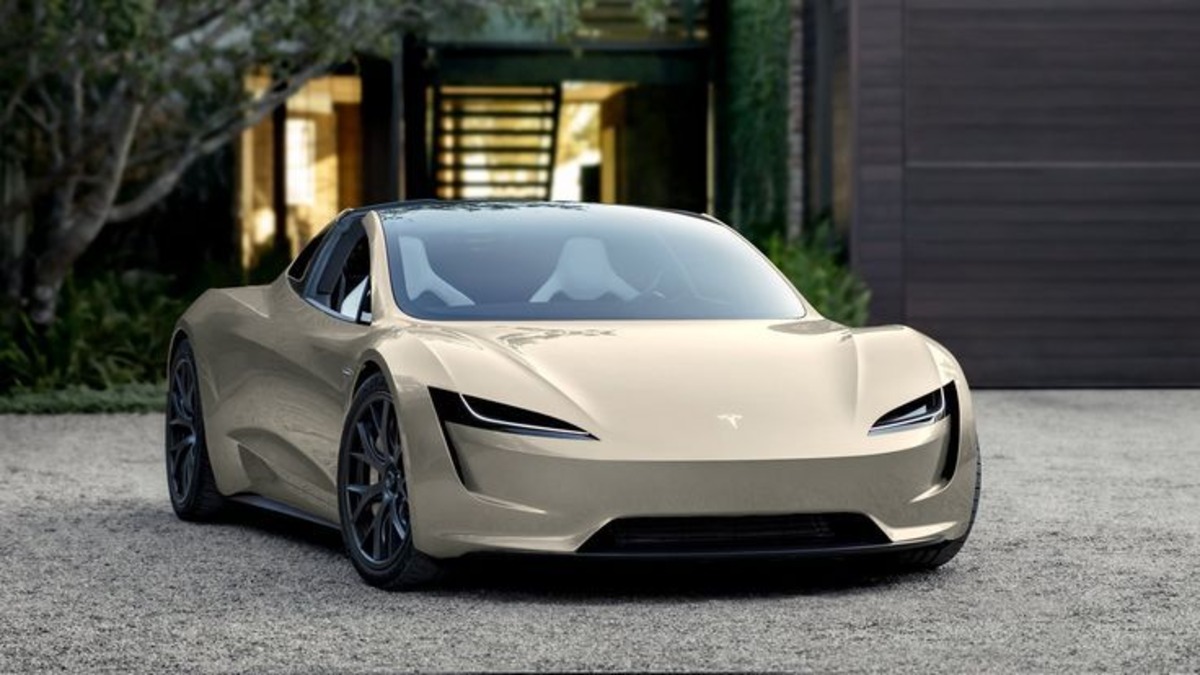
If achieved, these figures would make the Roadster quicker than current hypercars costing millions of dollars more. The claimed 620-mile range on a single charge would nearly double current long-range EV capabilities, enabling continent-crossing journeys without charging stops.
Tesla suggests that a “SpaceX package” might incorporate cold-gas thrusters to enhance acceleration and handling even further a proposition that sounds fantastical but aligns with Musk’s history of achieving seemingly impossible engineering goals.
The Tesla Roadster deserves its hype because it represents the ultimate expression of electric vehicle potential, pushing boundaries in ways that will influence the entire automotive industry for years to come.
Also Read: 5 Cars for Lubbock Daily Driving and 5 Long-mileage Performers
