
The electric vehicle revolution has shattered the long-held notion that speed and performance are exclusive domains of expensive, gas-guzzling supercars. Today’s EV market offers an exhilarating selection of quick, responsive vehicles that deliver instant torque and breathtaking acceleration without requiring a six-figure investment.
For under $50,000, performance-minded drivers can now experience the visceral thrill of sub-4-second 0-60 mph times, silent yet powerful acceleration, and cutting-edge technology that would have seemed impossible just a decade ago.
The beauty of electric propulsion lies in its inherent advantages: electric motors deliver maximum torque from a standstill, eliminating the lag associated with traditional combustion engines.
This translates to immediate, linear acceleration that pushes you back into your seat with surprising force. What’s more, the low center of gravity created by floor-mounted battery packs enhances handling dynamics, making these quick EVs surprisingly agile through corners.
In this comprehensive guide, we’ll explore the fastest electric vehicles currently available for under $50,000. From American muscle reimagined for the electric age to European engineering excellence and Korean innovation, these vehicles prove that sustainable transportation doesn’t mean sacrificing driving excitement.
Whether you’re a daily commuter seeking weekend thrills or an enthusiast ready to embrace electric performance, these quick EVs deliver speed, efficiency, and modern technology in compelling packages.
We’ve researched current market offerings, performance specifications, and real-world capabilities to bring you the definitive list of affordable electric speed machines that redefine what’s possible in this price segment.
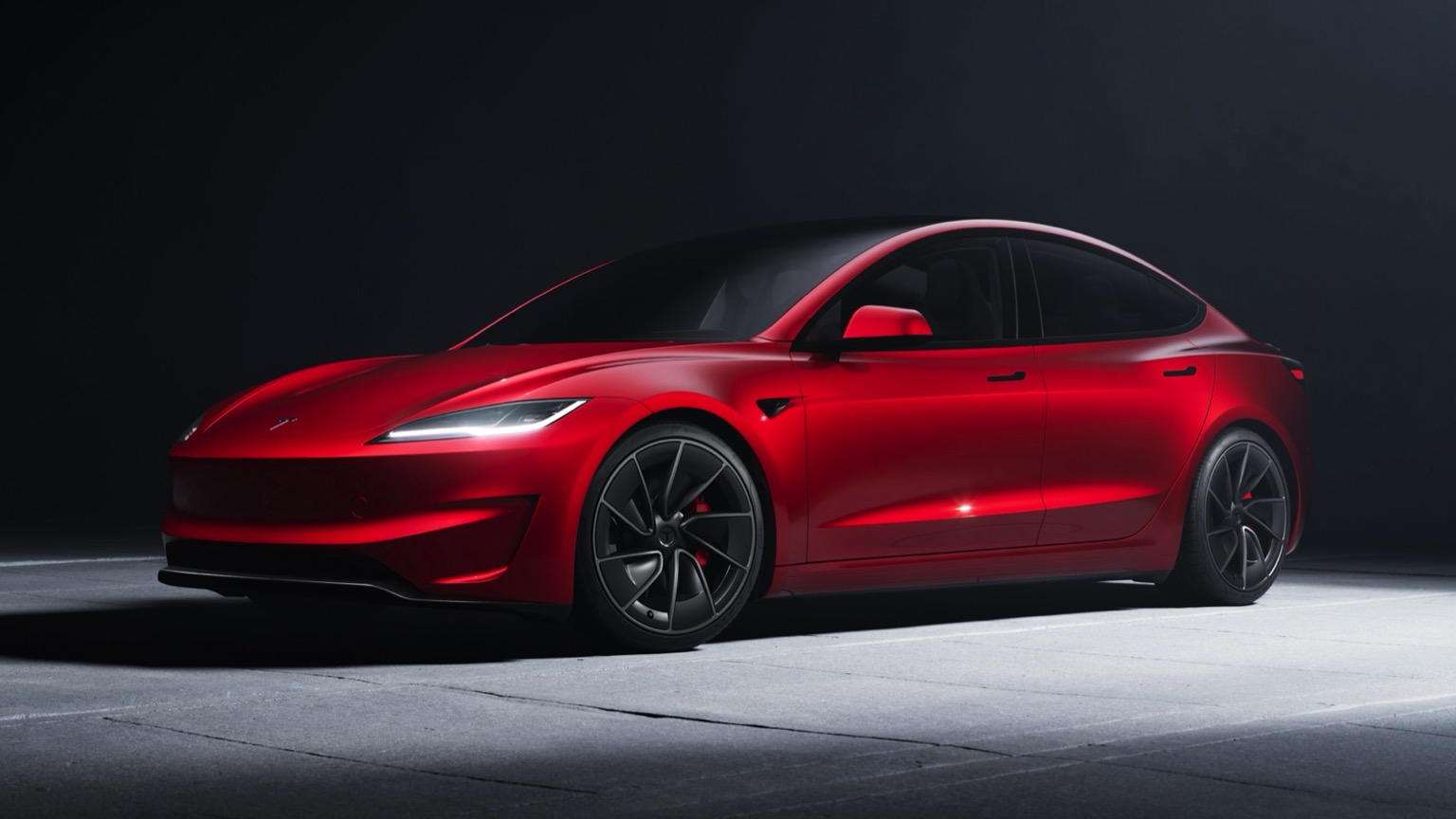
Tesla Model 3 Performance
The Tesla Model 3 Performance stands as the benchmark against which all other affordable performance EVs are measured, and for good reason.
This isn’t just the quickest car in this price range it’s one of the quickest sedans you can buy at any price point, delivering supercar-level acceleration in a practical, daily-drivable package.
With a 0-60 mph time of just 3.1 seconds, the Model 3 Performance outpaces vehicles costing two or three times as much, making it an extraordinary value proposition for speed enthusiasts.
Under the sleek, minimalist exterior lies a dual-motor all-wheel-drive powertrain producing 480 horsepower and 471 lb-ft of torque. But raw numbers only tell part of the story.
The instant torque delivery characteristic of electric motors means the Model 3 Performance launches with ferocious intensity, pinning occupants to their seats with unrelenting force.
Unlike traditional performance cars that require careful clutch work and rev-matching, the Model 3 simply explodes forward the moment you press the accelerator, making consistent, repeatable launches accessible to drivers of all skill levels.
The performance enhancements extend beyond straight-line speed. Tesla equips the Performance variant with upgraded brakes featuring larger rotors and red-painted calipers, a lowered suspension with adaptive damping, and lightweight 20-inch performance wheels wrapped in high-performance summer tires.
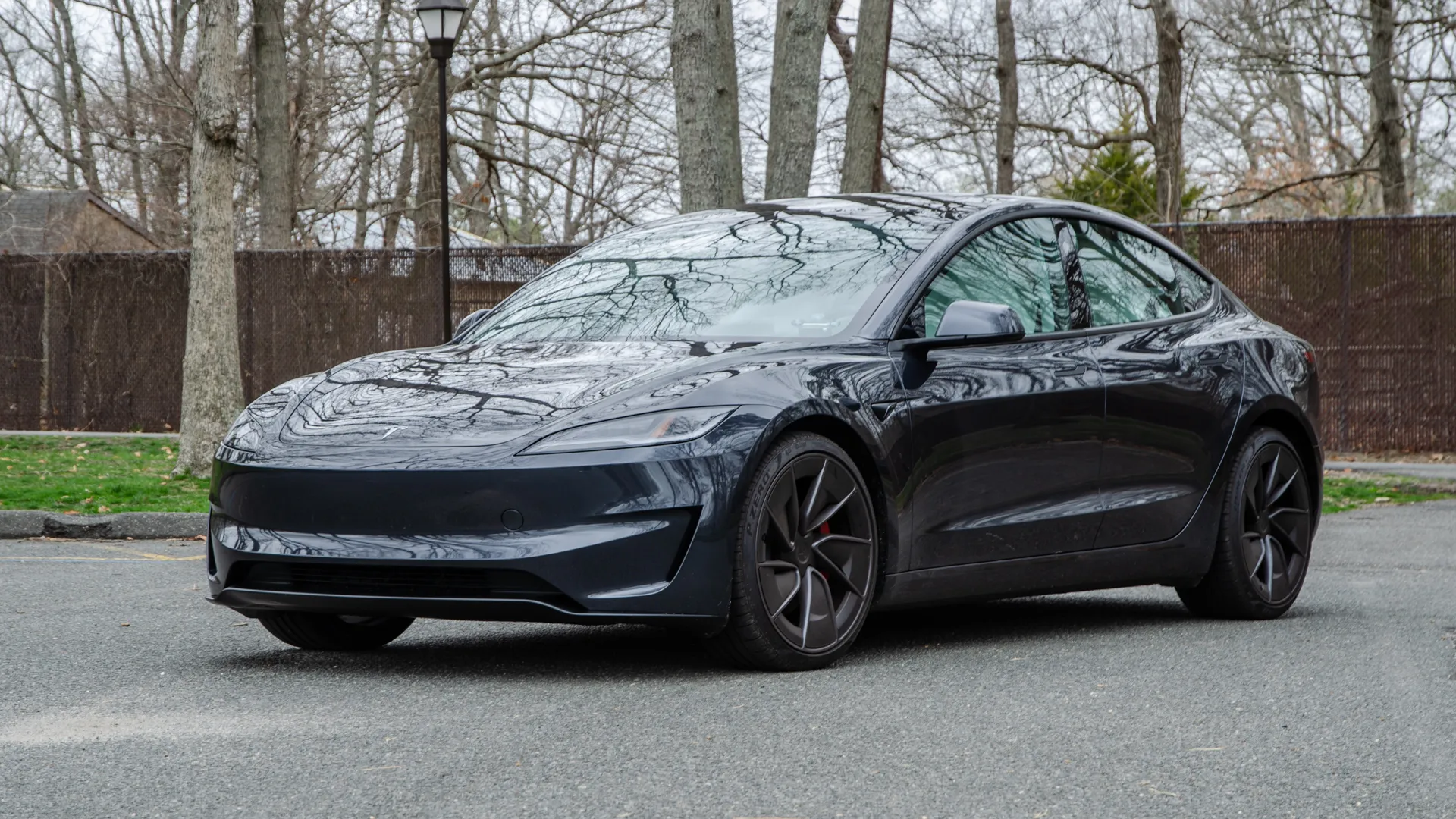
These modifications transform the already capable Model 3 platform into a surprisingly competent canyon carver that handles twisty roads with confidence and composure.
The low-mounted battery pack creates an extremely low center of gravity, reducing body roll and providing neutral handling characteristics that belie the car’s 4,048-pound curb weight.
Inside, the cabin maintains Tesla’s signature minimalist aesthetic, dominated by a stunning 15.4-inch central touchscreen that controls virtually every vehicle function.
The Performance model includes sport seats with enhanced bolstering to keep occupants secure during spirited driving, along with carbon fiber interior accents and aluminum pedals that hint at the car’s athletic intentions.
The build quality has improved significantly in recent years, though it still trails some traditional luxury manufacturers in terms of material richness and tactile satisfaction.
Range remains competitive at approximately 315 miles on a full charge, though aggressive driving will naturally reduce this figure. The Model 3 benefits from access to Tesla’s extensive Supercharger network, the most comprehensive fast-charging infrastructure in North America, making long-distance travel more convenient than with many competitors.
Track Mode, a software feature exclusive to the Performance variant, allows drivers to customize power delivery, handling balance, and cooling strategies for circuit driving, transforming the sedan into a surprisingly capable track day weapon.
With prices starting around $50,990, the Model 3 Performance occasionally exceeds our budget threshold, but dealer incentives and inventory discounts frequently bring it within reach.
Ford Mustang Mach-E GT
Ford’s bold reimagining of the legendary Mustang nameplate as an electric crossover initially sparked controversy among purists, but the Mach-E GT proves that performance credentials can transcend body styles.
This is the quickest SUV in this price segment, delivering 0-60 mph in just 3.5 seconds a figure that embarrasses many traditional sports cars and redefines expectations for what a family-friendly crossover can accomplish.
The GT variant represents Ford’s commitment to ensuring the Mustang badge maintains its performance heritage even in the electric era.
Power comes from dual electric motors one at each axle combining to produce an impressive 480 horsepower and a tire-shredding 634 lb-ft of torque in the available Unbridled Extended Range configuration.
This massive torque figure enables the Mach-E GT to launch with shocking violence, its all-wheel-drive system channeling power to all four wheels for maximum traction.
The acceleration experience feels more visceral than many competitors, with Ford engineering a distinctive acceleration soundtrack that enhances the emotional connection to the driving experience without resorting to artificial engine sounds.
The Mach-E GT rides on a sport-tuned suspension with MagneRide adaptive dampers, which continuously adjust damping rates to balance comfort and performance.
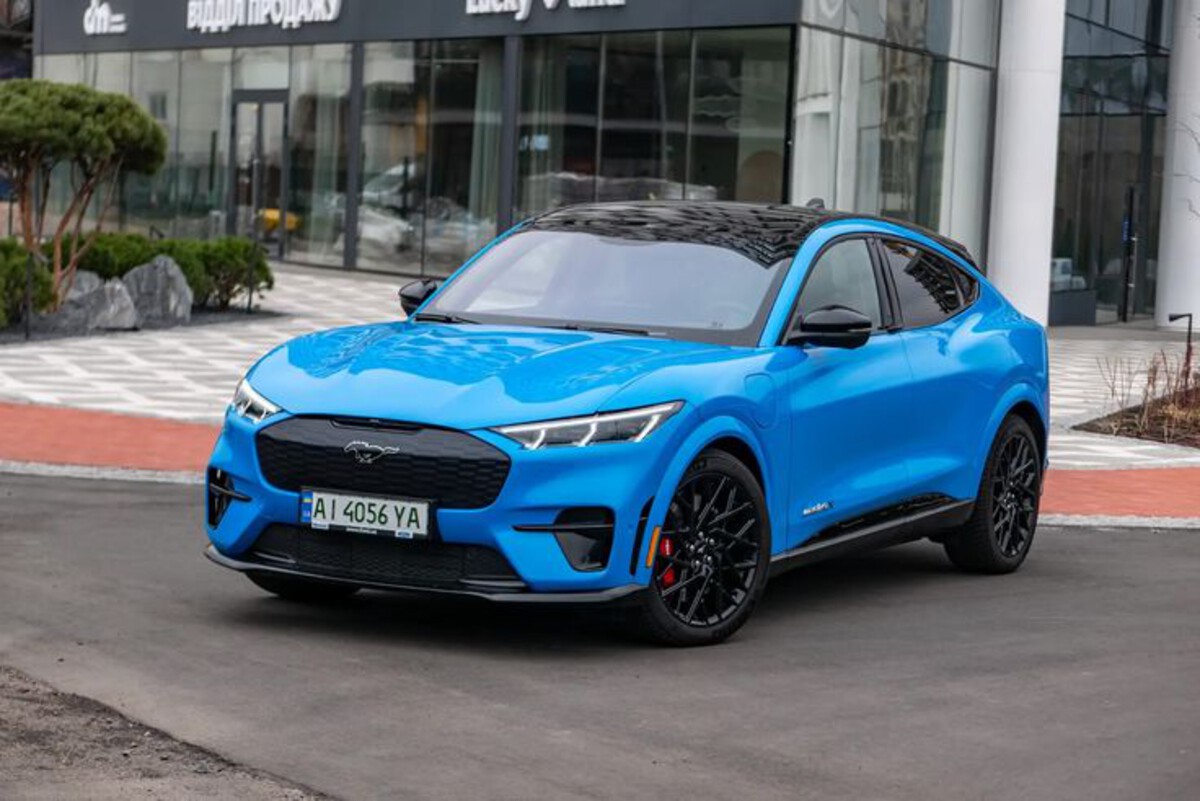
The system works remarkably well, providing compliant ride quality during daily commuting while firming up during aggressive driving to minimize body roll and maintain composure.
The GT also features upgraded Brembo brakes with larger rotors and unique calibration, providing strong, confident stopping power with excellent pedal feel a characteristic sometimes lacking in regenerative braking-equipped EVs.
Ford’s designers gave the GT visual distinction through unique 20-inch dark-painted wheels, red brake calipers, GT badging, and available striking paint colors including Grabber Blue and Cyber Orange that celebrate Mustang’s performance heritage.
The interior receives GT-specific sport seats with aggressive bolstering and unique stitching, a flat-bottomed steering wheel, and metal pedals.
The cabin itself showcases impressive build quality and thoughtful design, with a 15.5-inch vertically oriented touchscreen running Ford’s SYNC 4A infotainment system, which proves intuitive and responsive.
Range estimates land around 270 miles for the extended-range battery, which is respectable if not class-leading. The Mach-E supports DC fast charging at rates up to 150 kW, allowing a 10-80% charge in approximately 45 minutes under ideal conditions.
Ford has partnered with multiple charging networks and offers complimentary access through the FordPass app, though the charging experience doesn’t quite match Tesla’s Supercharger convenience.
What truly distinguishes the Mach-E GT is its character. Despite the crossover configuration, this vehicle delivers genuine driving engagement with communicative steering, predictable handling dynamics, and a sense of connection often missing in EVs.
The raised ride height sacrifices some ultimate performance compared to lower-slung sedans, but the practicality of crossover versatility combined with genuine quickness creates a compelling package for families who refuse to compromise excitement.
Pricing for the Mach-E GT starts around $54,000, placing it slightly above our budget threshold, though discounts and incentives often make it accessible.
Also Read: 9 V6 Sports Cars We’d Choose Over V8s Without Hesitation
Hyundai Ioniq 5 N
Hyundai’s N performance division has earned serious credibility among enthusiasts through hot hatches like the Veloster N and Elantra N, but the Ioniq 5 N represents their most ambitious effort yet a high-performance electric crossover that doesn’t just chase numbers but actively celebrates driving enjoyment.
With a 0-60 mph time of 3.4 seconds and a top speed of 161 mph, this Korean rocket delivers supercar-embarrassing performance while maintaining family-friendly practicality.
The Ioniq 5 N’s dual-motor setup generates an astounding 641 horsepower when the N Grin Boost function is activated a 10-second overboost mode that unleashes maximum power for overtaking or spirited acceleration runs.
Standard output sits at 576 horsepower, which is still more than sufficient for most situations. The torque figure reaches 545 lb-ft, enabling the 4,800-pound crossover to accelerate with shocking urgency that defies its substantial mass.
The all-wheel-drive system features sophisticated torque vectoring that actively distributes power between the rear wheels to enhance agility and cornering precision.
What sets the Ioniq 5 N apart from competitors is Hyundai’s focus on emotional engagement rather than pure specifications. The engineers developed N e-shift, a system that simulates gear changes with subtle power interruptions and synthesized sounds that mimic a dual-clutch transmission.
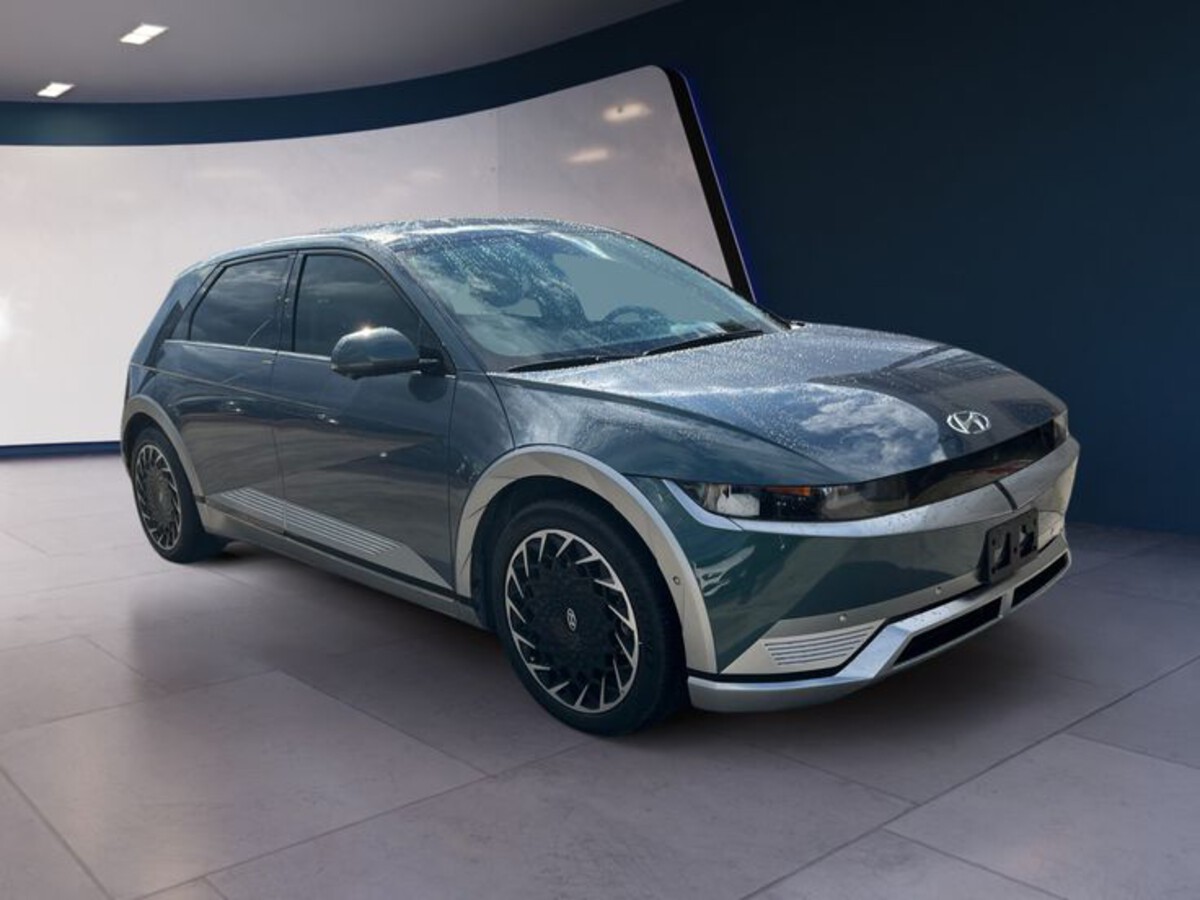
While purists might scoff at simulated shifting in an electric vehicle, the system adds a layer of interaction and theater that enhances the driving experience without compromising the instant-torque benefits of electric propulsion. You can disable it if preferred, but many drivers find it genuinely engaging.
The N model receives comprehensive upgrades, including massive 400mm front brake rotors with monoblock calipers, electronically controlled dampers with N-specific tuning, aggressive aero elements including a prominent rear wing, wider fenders, and 21-inch forged wheels.
The suspension offers multiple modes from comfortable daily driving to track-focused settings that transform the crossover into a surprisingly capable circuit performer.
Weight distribution sits at a near-perfect 50/50 split, and the low center of gravity from the floor-mounted battery pack enables handling dynamics that rival many dedicated sports cars.
Inside, the Ioniq 5 N features heavily bolstered bucket seats with integrated headrests, a mix of sustainable materials and premium finishes, and a driver-focused cockpit with dual 12-inch displays.
The build quality exceeds expectations with solid construction, quality materials, and thoughtful details throughout. Hyundai includes a dedicated N mode button on the steering wheel, providing instant access to the most aggressive performance settings.
The 84 kWh battery provides approximately 225 miles of range in the N modelless than the standard Ioniq 5 due to the performance-oriented components and aggressive driving that such capability encourages.
However, the Ioniq 5 N supports ultra-fast 350 kW DC charging, enabling 10-80% charges in just 18 minutes when connected to compatible chargers. This rapid charging capability helps offset the reduced range for road trips.
Priced around $66,000, the Ioniq 5 N sits above our budget threshold, but Hyundai’s aggressive incentive programs and strong residual values can bring effective transaction prices closer to $50,000, especially for those willing to consider previous model year inventory or dealer demos.
Polestar 2 Long Range Dual Motor
Volvo’s electric performance brand Polestar offers a compelling alternative to Tesla’s dominance with the Polestar 2, a Swedish-designed sedan that prioritizes Scandinavian minimalism, thoughtful technology integration, and engaging driving dynamics.
The Long Range Dual Motor variant delivers 0-60 mph in 4.3 seconds, making it one of the quickest vehicles in this segment while maintaining the refinement and build quality expected from Volvo’s premium heritage.
The dual-motor all-wheel-drive configuration produces 455 horsepower and 487 lb-ft of torque, channeling power through advanced torque-vectoring software that optimizes traction and handling.
While the straight-line acceleration doesn’t quite match the Model 3 Performance or Ioniq 5 N, the Polestar 2 compensates with exceptional chassis balance and communicative dynamics that make it genuinely enjoyable on twisty roads.
The steering provides more feedback and precision than most EVs, the brakes blend regenerative and friction seamlessly, and the suspension strikes an admirable balance between comfort and control.
Polestar collaborated with Swedish suspension specialist Öhlins to develop optional manually adjustable dampers that allow owners to fine-tune ride characteristics to personal preference.
The standard adaptive dampers already deliver impressive performance, but the Öhlins upgrade transforms the Polestar 2 into a true driver’s car that can be set up for anything from comfortable highway cruising to aggressive track driving. Brembo brakes provide strong, confidence-inspiring stopping power with excellent modulation.
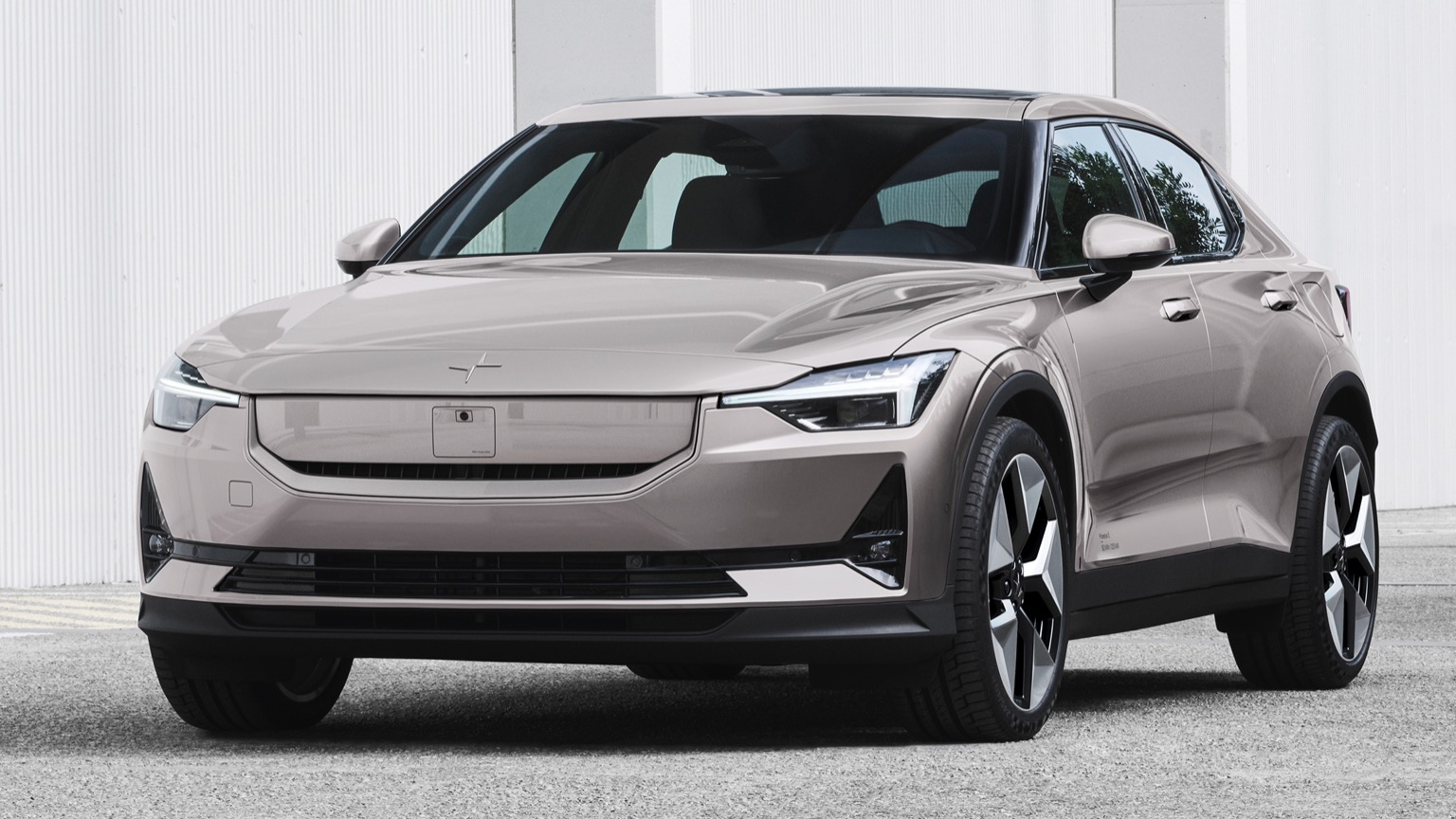
The interior represents one of the Polestar 2’s strongest attributes, showcasing Scandinavian design philosophy through clean lines, high-quality sustainable materials, and meticulous attention to detail.
Standard WeaveTech upholstery a vegan textile made from recycled materials feels premium and demonstrates Polestar’s commitment to sustainability without sacrificing luxury.
The 11.2-inch vertically oriented touchscreen runs Android Automotive OS natively, providing seamless integration with Google services including Maps, Assistant, and Play Store.
This represents one of the most sophisticated and user-friendly infotainment systems in any vehicle, eliminating the need for phone connectivity while providing superior functionality.
The 78 kWh battery provides approximately 270 miles of range, which is competitive within the segment. DC fast charging supports rates up to 155 kW, enabling 10-80% charging in roughly 40 minutes.
While Polestar doesn’t operate a proprietary charging network like Tesla, the vehicle works with all major charging providers, and the Google Maps integration automatically includes charging stops in navigation routes with real-time availability information.
Pricing for the Polestar 2 Long Range Dual Motor starts around $49,900, placing it squarely within our budget. The value proposition strengthens when considering the included features, build quality, and premium positioning.
Optional performance packages add the Öhlins dampers, Brembo brakes, and 20-inch forged wheels, though these additions push the total above $50,000.
Still, the base Long Range Dual Motor delivers impressive quickness and refinement that justify its premium credentials while remaining accessible to performance enthusiasts seeking an alternative to mainstream options.
Chevrolet Blazer EV SS
General Motors’ electric offensive includes the Blazer EV SS, a performance-oriented electric crossover that resurrects the legendary SS badge for the electric era.
With 0-60 mph coming in approximately 4.0 seconds, the Blazer EV SS delivers thrilling acceleration wrapped in a stylish, spacious package that works equally well for family duties and solo driving enjoyment.
This represents Chevrolet’s most serious performance EV to date, demonstrating that American automakers can compete with Tesla and European rivals in the electric performance space.
The dual-motor all-wheel-drive powertrain generates 557 horsepower and 648 lb-ft of torque, figures that place the Blazer EV SS among the most powerful vehicles in this price range.
The massive torque output enables effortless acceleration from any speed, whether merging onto highways or executing passing maneuvers.
Chevrolet engineered launch control into the SS model, allowing drivers to achieve consistent, repeatable acceleration runs that maximize traction and minimize wheelspin a feature typically reserved for dedicated sports cars.
The SS variant receives comprehensive performance upgrades including Brembo front brakes with six-piston calipers and larger rotors, a sport-tuned suspension with wider track width, unique 22-inch wheels with performance tires, and aggressive aerodynamic elements.
The suspension tuning provides surprising agility for a vehicle of this size, with well-controlled body motions and responsive turn-in characteristics.
The electric power steering offers variable assist and good on-center feel, making the Blazer EV SS more engaging to drive than its dimensions might suggest.
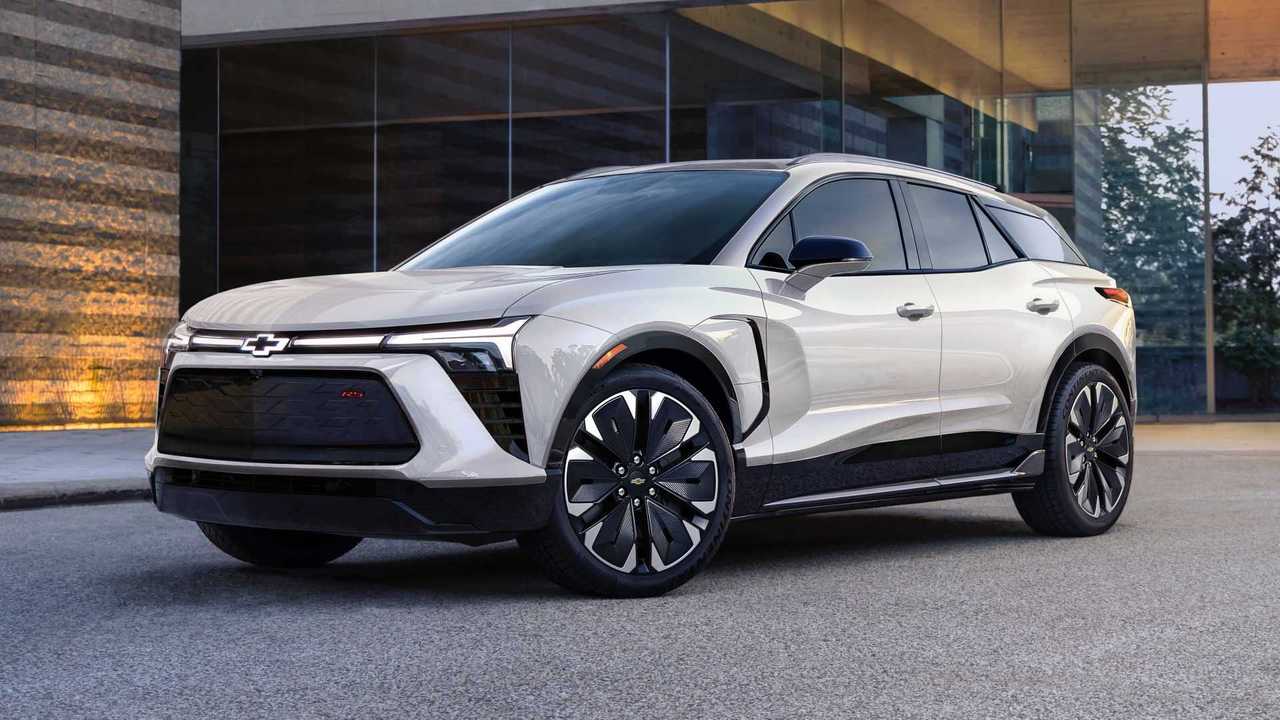
Visually, the SS model stands apart through unique styling elements including a blacked-out grille, SS badging, red brake calipers visible through the wheel spokes, and distinctive paint colors.
The interior features SS-branded sport seats with aggressive bolstering, a flat-bottomed steering wheel, and aluminum pedals. The 17.7-inch touchscreen dominates the dashboard, running GM’s latest infotainment software with wireless Apple CarPlay and Android Auto, cloud-based navigation, and over-the-air update capability.
The 85 kWh battery pack provides an estimated 279 miles of range in the SS configuration, which is respectable given the performance-oriented nature of this trim level.
DC fast charging supports rates up to 190 kW, allowing 10-80% charges in approximately 35 minutes at compatible charging stations.
GM’s Ultium platform provides 800-volt architecture that enables these rapid charging speeds, making the Blazer EV SS more practical for road trips than previous generation electric vehicles.
Build quality represents a significant step forward for Chevrolet, with premium materials, tight panel gaps, and solid construction throughout.
The spacious interior provides generous rear seat room and a good-sized cargo area, making this a practical choice for families who want performance without sacrificing versatility.
Advanced driver assistance features come standard, including Super Cruise on certain trims GM’s hands-free driving system for compatible highways.
With pricing starting around $56,000, the Blazer EV SS technically exceeds our budget threshold. However, GM frequently offers substantial incentive programs, lease deals, and special financing that can bring effective pricing into the sub-$50,000 range.
Additionally, the Blazer EV qualifies for federal tax credits under certain configurations, further improving the value proposition for eligible buyers seeking American electric performance.
BMW i4 eDrive40
BMW’s entry into the electric performance sedan segment comes through the i4, a sleek four-door that translates the brand’s legendary driving dynamics into electric form.
While the high-performance i4 M50 exceeds our budget, the eDrive40 variant delivers impressive quickness with a 0-60 mph time of 5.5 seconds while maintaining BMW’s reputation for balanced, engaging driving characteristics.
This represents the most affordable way to experience BMW’s electric future while still enjoying genuine performance capability. The eDrive40 features a single rear-mounted motor producing 335 horsepower and 317 lb-ft of torque, providing spirited acceleration that feels quicker than the numbers suggest thanks to the immediate torque delivery characteristic of electric propulsion.
The rear-wheel-drive configuration preserves BMW’s traditional driving dynamics, with predictable handling, excellent balance, and the ability to rotate the chassis through corners with throttle modulation.
Enthusiasts will appreciate that the i4 drives like a proper BMW, with communicative steering, well-controlled body motions, and an sense of connection often missing in electric vehicles.
The chassis benefits from BMW’s extensive experience in performance vehicle development, with a sophisticated multi-link suspension that delivers compliant ride quality without sacrificing handling precision. Adaptive dampers come standard, adjusting in real-time to road conditions and driving style.
The low-mounted battery pack creates an extremely low center of gravity that enhances stability and reduces body roll, while near-perfect weight distribution contributes to neutral handling characteristics. The i4 feels poised and confident whether going through the urban traffic or attacking a winding back road.
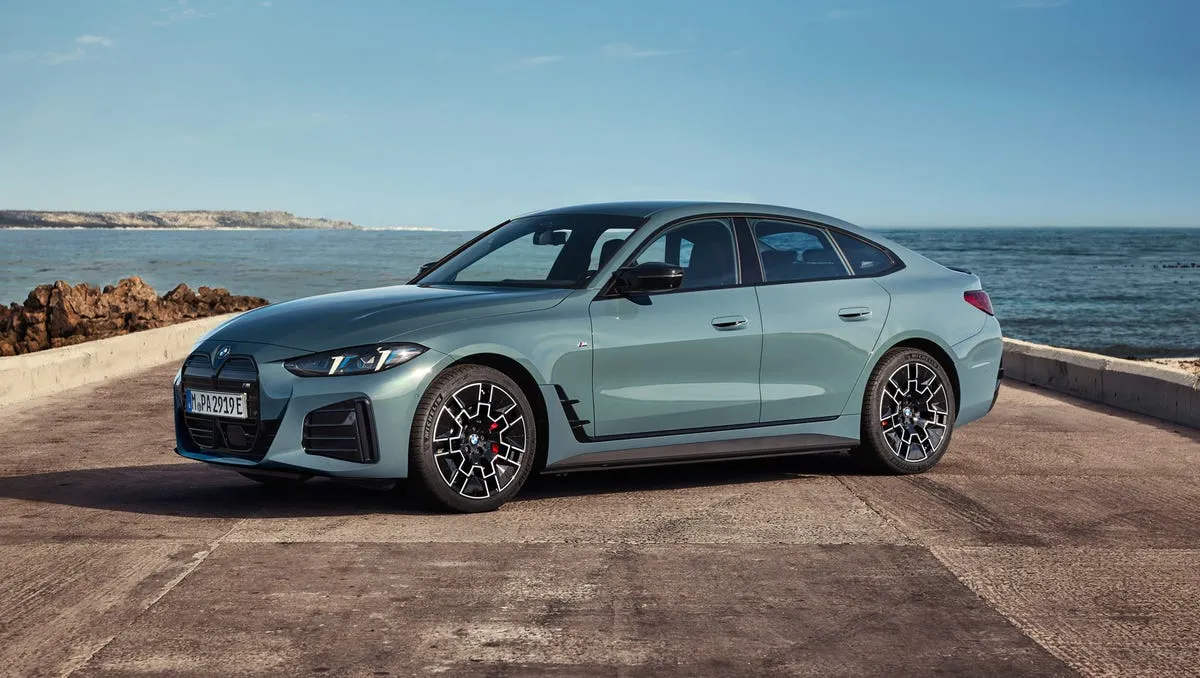
Inside, the i4 showcases BMW’s latest interior design language with a curved display panel that integrates a 12.3-inch digital instrument cluster and a 14.9-inch central touchscreen running iDrive 8 infusion software.
The system proves intuitive after a brief learning curve, with excellent graphics, responsive performance, and comprehensive functionality.
Material quality meets BMW’s premium standards with soft-touch surfaces, quality plastics, and available genuine leather or sustainable alternatives.
The sport seats provide excellent support without being overly aggressive, suitable for long-distance comfort and spirited driving alike.
The 81.5 kWh battery provides an impressive 301 miles of range, making the i4 eDrive40 one of the longest-range quick EVs in this price segment.
This extended range enhances practicality for daily driving and reduces range anxiety on longer journeys. DC fast charging supports rates up to 205 kW, enabling 10-80% charges in approximately 31 minutes at capable charging stations. BMW also provides access to various charging networks through a single account system, simplifying the charging experience.
Pricing for the i4 eDrive40 starts around $58,000, which places it above our $50,000 threshold. However, BMW’s aggressive lease programs, loyalty incentives, and competitive financing frequently bring monthly costs in line with cheaper competitors.
Additionally, the i4 qualifies for federal tax credits when purchased, and many states offer additional incentives that can reduce the effective purchase price significantly.
For buyers prioritizing driving dynamics, premium build quality, and the BMW brand experience, the i4 eDrive40 represents the most attainable entry point into electric performance from Bavaria’s most famous automaker.
