
The automotive world has witnessed a fascinating trend in recent years: the resurrection of legendary nameplates. From the Ford Mustang Mach-E to the Alpine A110, manufacturers have discovered that nostalgia sells when executed properly.
These modern interpretations blend cutting-edge technology with design cues that tug at enthusiasts’ heartstrings, creating vehicles that honor their heritage while embracing contemporary performance standards.
Yet for every successful revival, dozens of iconic sports cars remain trapped in the past, their legacies preserved only in photographs and the memories of those fortunate enough to have driven them.
These forgotten heroes represent untapped potential in an era where electrification and advanced materials could transform their original concepts into something truly extraordinary.
The sports cars on this list aren’t mere relics; they’re blueprints for what could be. Each possessed a unique character that set it apart from competitors whether through innovative engineering, breathtaking design, or an intangible spirit that made every drive memorable.
In today’s market, where crossovers dominate and genuine driver’s cars grow increasingly rare, these classics could offer manufacturers a chance to create something special.
This isn’t about slavishly recreating the past. Modern safety regulations, emissions standards, and consumer expectations demand evolution.
The question isn’t whether these cars should return exactly as they were, but rather how their essential DNA could be reimagined for a new generation. What follows are ten sports cars whose time has come again.
1. Datsun 240Z (1969-1973)
The original Datsun 240Z didn’t just launch a sports car; it detonated a revolution. When it arrived in 1969, European sports cars dominated the market with their sophisticated engineering and equally sophisticated price tags.
Nissan’s approach was democratically brilliant: deliver Jaguar E-Type aesthetics and Porsche performance at a Chevrolet price point. The 240Z’s long hood, fastback roofline, and muscular haunches created a silhouette that remains stunning today, while its 2.4-liter inline-six produced a then-impressive 151 horsepower enough to embarrass far more expensive machinery.
What made the 240Z legendary wasn’t just its looks or straight-line speed. The car delivered a complete driving experience that belied its affordable nature.
The steering communicated road texture with clarity, the gearbox shifted with mechanical precision, and the chassis balanced on that razor’s edge between comfort and sport. It proved Japanese manufacturers could build cars with soul, not just reliability.

Today’s automotive world presents the perfect opportunity for a 240Z revival. Nissan currently lacks a halo sports car following the GT-R’s aging and the disappointing reception of recent Z iterations.
A modern 240Z could anchor Nissan’s performance credentials while capitalizing on retro-futuristic design trends. Imagine a vehicle built on a shortened version of Nissan’s modular platform, powered by a turbocharged four-cylinder producing 300-350 horsepower, or even a fully electric powertrain that delivers instant torque while maintaining the original’s lightweight philosophy.
The market timing couldn’t be better. Younger enthusiasts who never experienced the original 240Z have discovered it through video games and social media, creating demand among demographics with purchasing power.
Meanwhile, original owners now possess the financial means to buy a modern interpretation. A well-executed revival could compete directly with the Mazda MX-5, Toyota GR86, and even entry-level Porsches, carving a niche for affordable, genuine sports car thrills in an increasingly homogenized market.
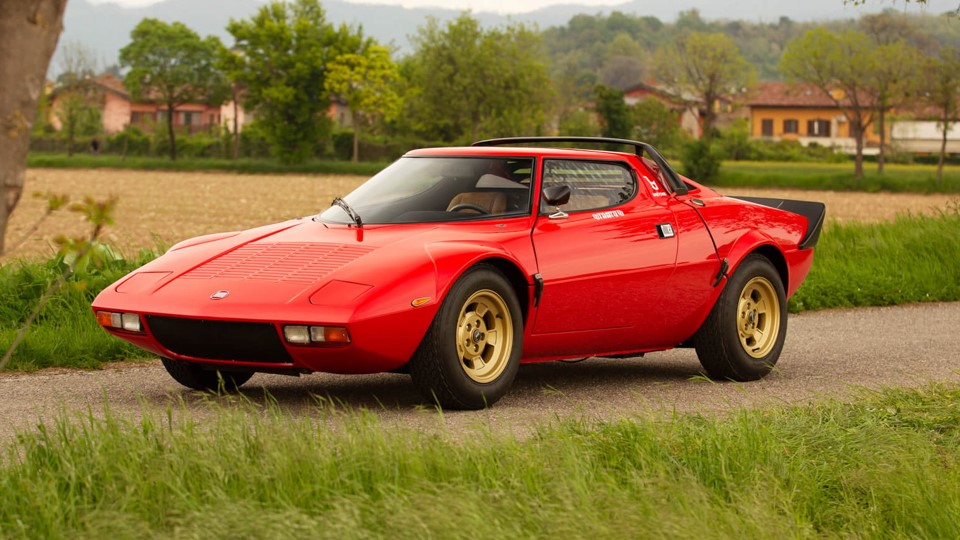
2. Lancia Stratos (1973-1978)
Few sports cars can claim they were purpose-built for rallying excellence while simultaneously becoming road-going icons, but the Lancia Stratos occupies that rarefied air.
Designed by Marcello Gandini at Bertone, the Stratos looked like it had been teleported from a future where wedge-shaped spacecraft doubled as transportation.
Its ridiculously short wheelbase, wide track, and mid-mounted Ferrari Dino V6 created a machine that dominated the World Rally Championship while turning heads on every street it graced.
The Stratos represented automotive fearlessness. Lancia essentially said, “Let’s build the best rally car possible and figure out road legality later.”
The result was gloriously uncompromised: a cabin so narrow that occupants’ shoulders touched, visibility that required faith as much as mirrors, and handling that demanded respect and skill.
Yet it worked brilliantly, claiming three consecutive WRC manufacturers’ championships and cementing its place in motorsport history.
A modern Stratos revival would need to capture that same uncompromising spirit while acknowledging contemporary realities. Stellantis, Lancia’s parent company, has recently announced plans to revitalize the brand with a focus on electrification and Italian flair.
What better statement piece than a modern Stratos? The original’s mid-engine layout translates perfectly to electric architecture, where batteries could be positioned for optimal weight distribution and electric motors could provide the instant throttle response that made the original so adjustable.
The emotional appeal would be enormous. Lancia desperately needs credibility as it attempts to re-establish itself beyond Italy. A halo car like the Stratos could generate the excitement necessary to make people care about the brand’s more pedestrian offerings, similar to how the LFA raised Lexus or the NSX boosted Acura’s image, regardless of sales numbers.
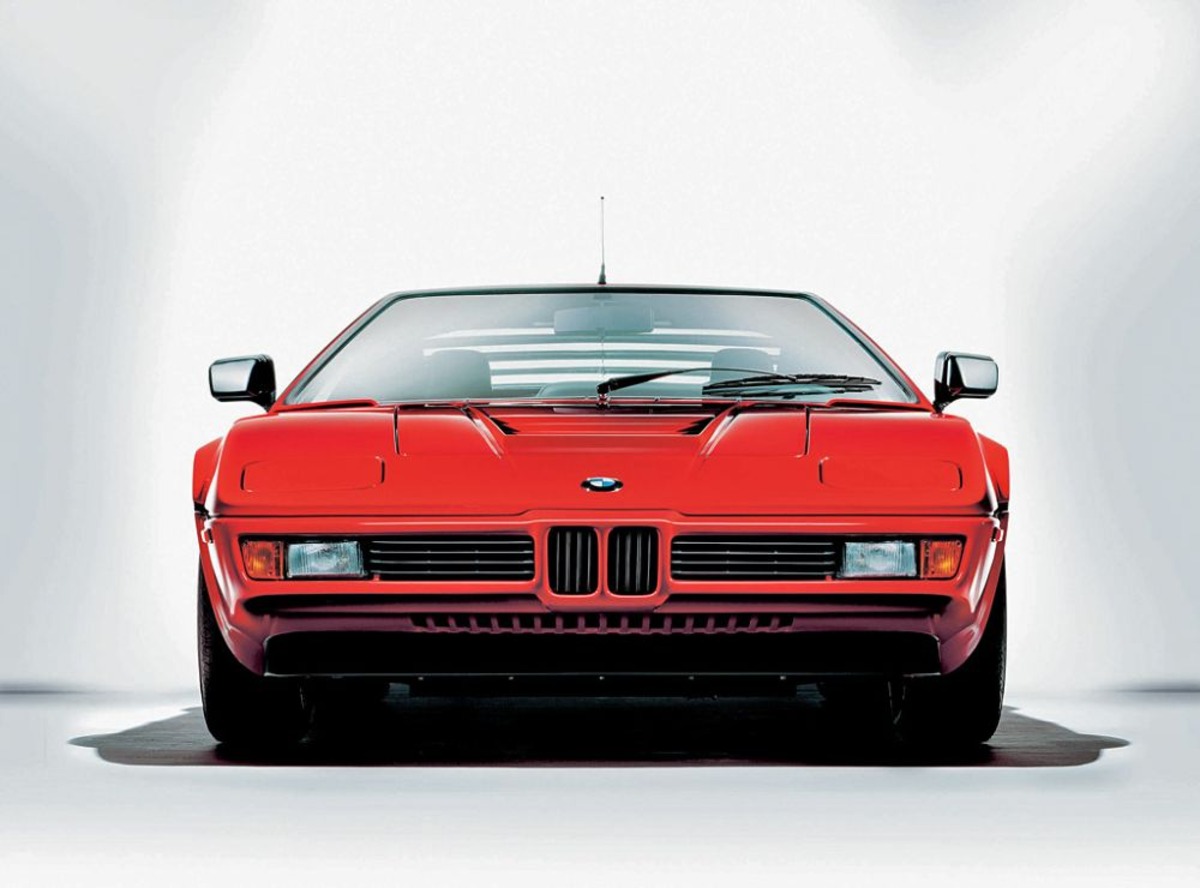
3. BMW M1 (1978-1981)
The BMW M1 occupies a unique space in automotive history as the Bavarian company’s only mid-engine sports car and the vehicle that truly launched M Division as a performance powerhouse.
Born from a failed collaboration with Lamborghini and styled by Giorgetto Giugiaro, the M1 combined Italian exoticism with German precision engineering.
Its turbocharged racing variants dominated ProCar and Group 4 competition while the 273-horsepower road version proved BMW could build a supercar to rival Porsche and Ferrari.
What made the M1 special extended beyond its competition success. The car represented BMW’s willingness to chase greatness regardless of financial sensibility just 456 were produced, ensuring the M1 never turned a profit.
Yet it established M Division’s credibility and demonstrated that BMW’s performance aspirations extended beyond modified sedans. The styling, with its low nose, flying buttresses, and functional aerodynamics, created a timeless aesthetic that looks purposeful rather than dated.
BMW’s current lineup includes no mid-engine sports car, a glaring omission as the i8 hybrid has departed without replacement. The M1 nameplate carries enormous equity among enthusiasts, and reviving it could give BMW a competitor for the Porsche 718 Cayman and Corvette while providing a technological showcase for the brand’s latest innovations.
The business case is stronger than ever, as platform sharing and modern manufacturing could make production financially viable. A modern M1 should embrace hybrid technology, fitting BMW’s sustainability messaging while delivering explosive performance.
Imagine a twin-turbocharged inline-six producing 450 horsepower, supplemented by electric motors adding another 200 horsepower for a combined output exceeding 650 horsepower.
The hybrid system could enable all-electric urban driving while ensuring the M1 passes increasingly strict emissions regulations. Alternatively, a fully electric variant could debut alongside the combustion model, offering different character while sharing the basic architecture.
The design language should reference the original without pastiche. Those distinctive side strakes must return, integrated with active aerodynamics.
The flying buttresses could house cooling ducts and enhance stability. The nose should remain low and purposeful, while the rear could incorporate modern lighting technology within a shape that echoes the original’s geometric clarity.
Inside, BMW could demonstrate that driver focus doesn’t require abandoning luxury, offering a cockpit wrapped in premium materials but oriented entirely toward the driving experience.
Positioning would be crucial. The M1 shouldn’t directly compete with the M Division’s existing models but rather occupy the space above them as an aspirational halo car.
Price it between $150,000-$200,000, position it against the Porsche 911 Turbo and Mercedes-AMG GT, and build it in limited numbers to maintain exclusivity. The M1 could remind the world that BMW builds more than just fast sedans.
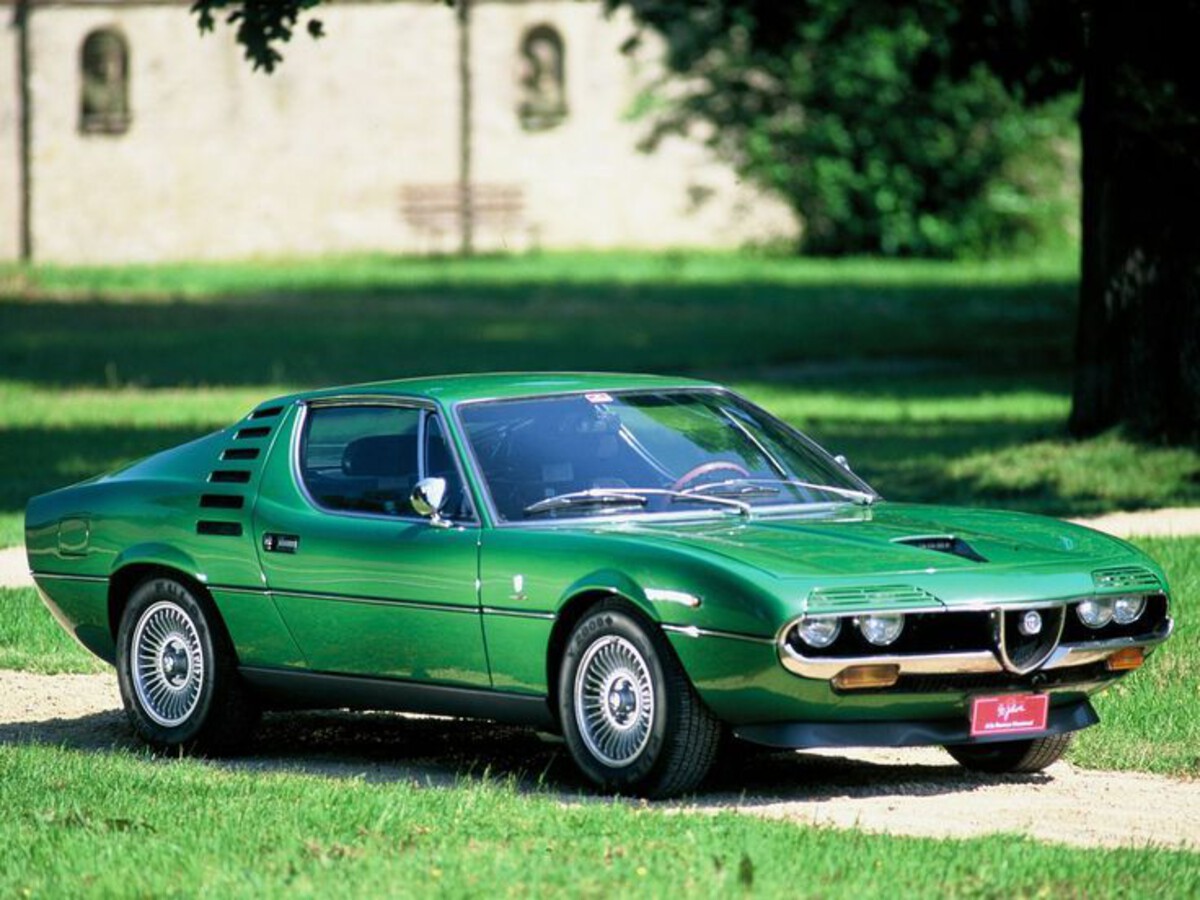
4. Alfa Romeo Montreal (1970-1977)
When Alfa Romeo revealed the Montreal at Expo 67, attendees witnessed automotive sculpture masquerading as transportation. Marcello Gandini’s design featured provocative details those slotted headlight covers, the distinctive side vents, the aggressive stancevthat created something simultaneously beautiful and aggressive.
Under the shapely bodywork lived a 2.6-liter V8 derived from Alfa’s racing engines, producing 200 horsepower and an intoxicating soundtrack that turned every journey into an event.
The Montreal embodied everything wonderful and frustrating about 1970s Italian sports cars. When running properly, it delivered a driving experience that combined genuine performance with operatic drama.
The V8 spun freely to its 7,000 rpm redline, the handling displayed typical Alfa adjustability and engagement, and the styling ensured you felt special every time you approached the car.
Unfortunately, questionable build quality and expensive maintenance meant many spent more time in workshops than on roads, tarnishing the model’s reputation despite its undeniable talents.
Modern manufacturing and materials could transform the Montreal from temperamental exotic to reliable daily exotic. Alfa Romeo, now under Stellantis ownership, is planning an electric future but desperately needs products that reinforce its sporting heritage.
A new Montreal could serve as the brand’s halo model, demonstrating that electrification doesn’t mean abandoning passion and soul.
Powertrain options present interesting possibilities. A hybrid system pairing Alfa’s twin-turbo V6 with electric motors could produce 600+ horsepower while maintaining that crucial auditory component enthusiasts demand.
Alternatively, a fully electric Montreal could position Alfa as the brand that makes EVs exciting, with multiple motors providing supercar performance and all-wheel-drive capability.
The original Montreal was criticized for being slightly too heavy; modern materials like aluminum and carbon fiber could create a car weighing under 3,500 pounds even with batteries.
Gandini’s design requires respectful reinterpretation rather than imitation. Those headlight covers could become active aerodynamic elements, closing at speed to reduce drag while opening to cool brakes and provide illumination.
The side vents should remain prominent, serving functional cooling purposes while creating visual drama. The proportions must stay elegant long hood, cab-rearward design, and a roofline that flows gracefully to the tail. Modern lighting technology allows designers to create distinctive signatures that reference the original’s unique character.
Inside, the Montreal should embrace Italian craftsmanship with sustainable materials and cutting-edge technology. Think hand-stitched leather contrasting with recycled fabrics, traditional instrument binnacles reimagined as configurable digital displays, and controls that balance touch interfaces with physical buttons for critical functions.
The driving position should be low and intimate, making occupants feel connected to the machinery. This is an Alfa Romeo, after all passion and emotion matter more than luggage space or rear-seat practicality.
Also Read: 10 Affordable Family Cars That Feel More Premium Than They Should
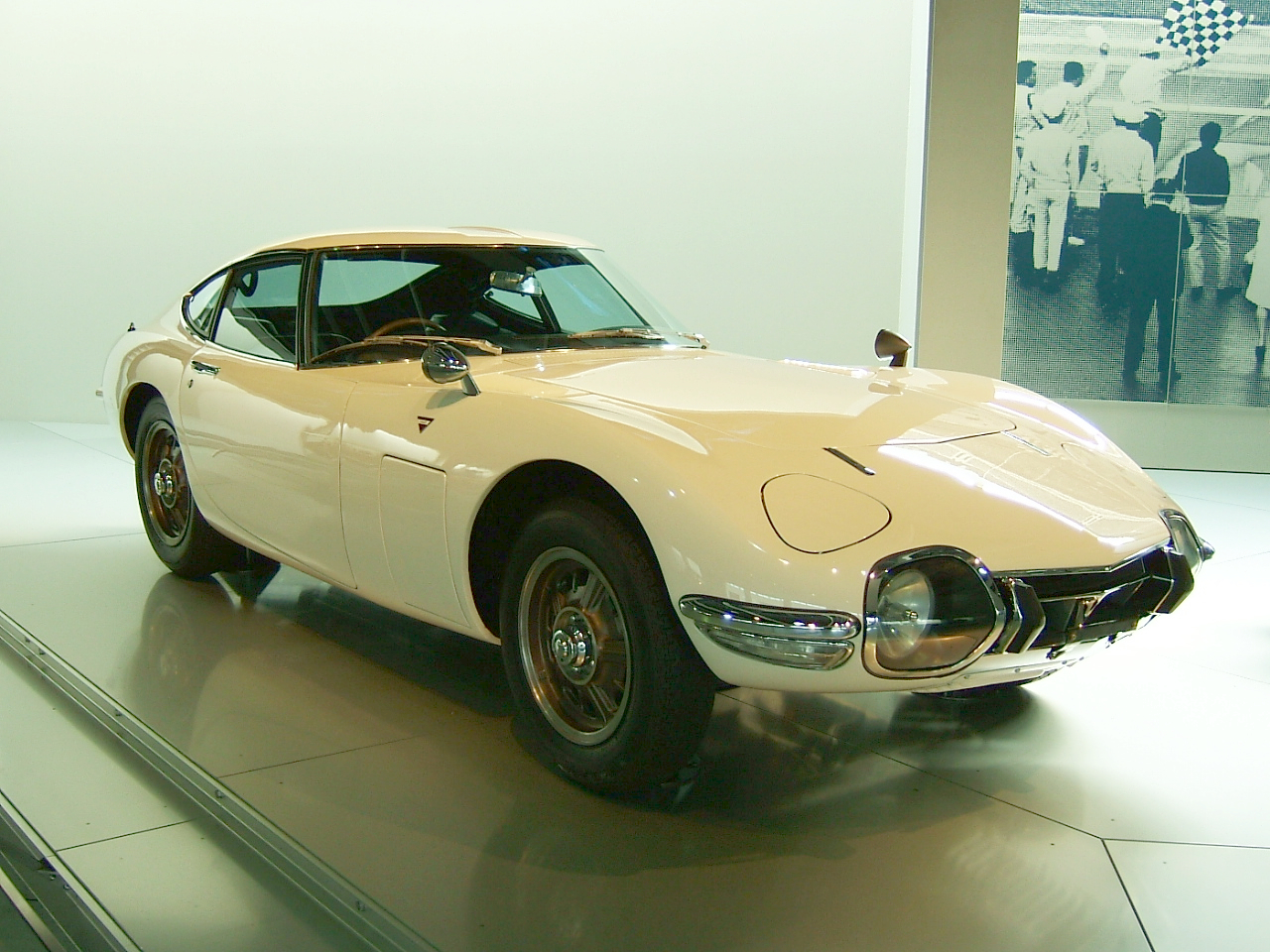
5. Toyota 2000GT (1967-1970)
The Toyota 2000GT shocked the world when it debuted at the 1965 Tokyo Motor Show. Japan, known for producing economical transportation, had created a sports car that rivaled European exotics in performance, exceeded them in build quality, and matched them in sheer beauty.
Designed in collaboration with Yamaha, the 2000GT featured a DOHC inline-six producing 150 horsepower, a sophisticated suspension, and styling that blended GT elegance with Japanese precision. Only 351 were built, instantly ensuring collectible status; today, pristine examples command millions at auction.
What made the 2000GT revolutionary wasn’t just its competence but what it represented. Toyota proved Japanese manufacturers could compete at the highest levels of automotive artistry and engineering.
The car featured advanced technology including Girling disc brakes, a limited-slip differential, and magnesium wheels exotic equipment in 1967. Its appearance in the James Bond film “You Only Live Twice” cemented its iconic status, introducing global audiences to Japan’s automotive capabilities.
Toyota currently produces the GR Supra, developed with BMW, but nothing truly captures the 2000GT’s independent spirit and Japanese character.
A modern revival could anchor Toyota’s GR performance division while serving as a technological showcase. Unlike the 2000GT’s limited production, modern manufacturing could make a new version accessible to more enthusiasts while maintaining exclusivity through special editions and pricing.
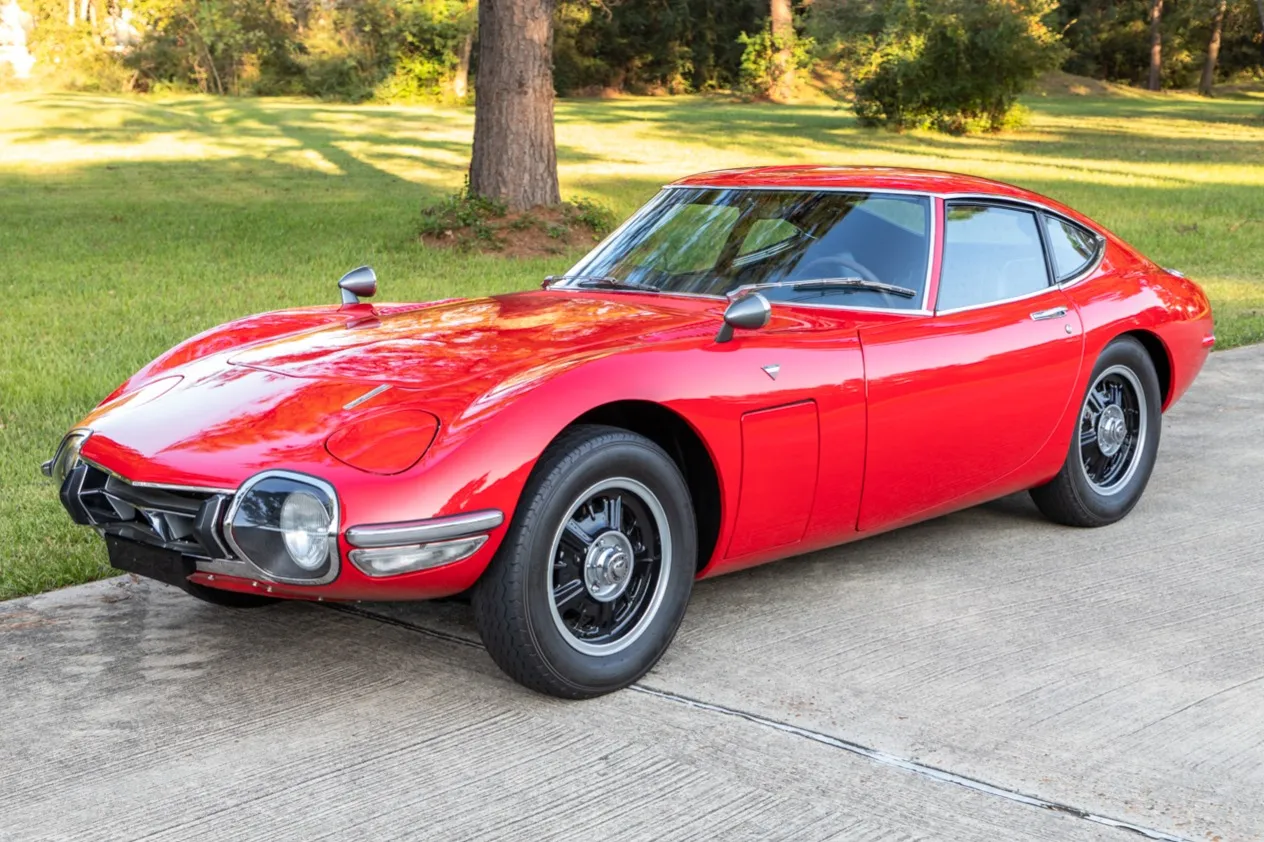
Powertrain decisions would be fascinating. Toyota could utilize the turbocharged inline-six from the Supra, tuned for smoothness and high-rpm power delivery rather than maximum torque.
Alternatively, a hybrid system combining a naturally aspirated six-cylinder with electric motors could deliver modern performance while honoring the original’s refined character.
A fully electric version utilizing solid-state batteries technology Toyota is developing could debut as the 2000GT-e, offering silent performance that contrasts with but doesn’t contradict the original’s ethos.
The design challenge is tremendous. The 2000GT’s proportions were perfect: long hood, graceful roofline, and a tail that tapered with purpose. Modern interpretations must satisfy safety regulations requiring higher beltlines and larger greenhouses while maintaining those essential proportions.
The original’s chrome details and delicate trim would translate to modern materials like brushed aluminum and carbon fiber. Those distinctive triple taillights must return, reimagined with LED technology. The interior should blend traditional craftsmanship hand-finished wood, premium leather with contemporary technology seamlessly integrated rather than dominating.
Positioning requires care. Price the 2000GT above the Supra but below true exotics, perhaps $100,000-$150,000. Build quality must be impeccable, showcasing Toyota’s manufacturing excellence. Offer extensive customization through Toyota’s GR division, allowing buyers to personalize their cars.
Most importantly, ensure the driving experience balances performance with refinement this should be a GT you could drive across continents in comfort before attacking a mountain road with enthusiasm.
6. Porsche 928 (1977-1995)
When Porsche introduced the 928, the company intended it to replace the 911. That obviously didn’t happen, but dismissing the 928 as a failure misses its significance. This front-engine grand tourer represented Porsche’s technical prowess applied to comfort and refinement rather than raw performance.
The aluminum V8, available in displacements from 4.5 to 5.4 liters, produced up to 350 horsepower while running smoothly enough to balance a coin on the engine at idle. The styling, with its integrated bumpers and pop-up headlights, looked futuristic in 1977 and remains striking today.
The 928 delivered a different Porsche experience. Where the 911 required commitment and rewarded skill, the 928 pampered occupants while covering ground at astonishing speeds.
The automatic transmission (or optional manual) suited the car’s character perfectly. The handling remained thoroughly Porsche balanced, predictable, exploitable but with more forgiveness than its rear-engine sibling.
Inside, the 928 offered luxury that contemporary 911s couldn’t match, with comfortable seats, effective climate control, and more usable rear seats. Porsche’s current lineup includes the Panamera sedan and Cayenne/Macan SUVs for comfort-oriented buyers, but no two-door GT.
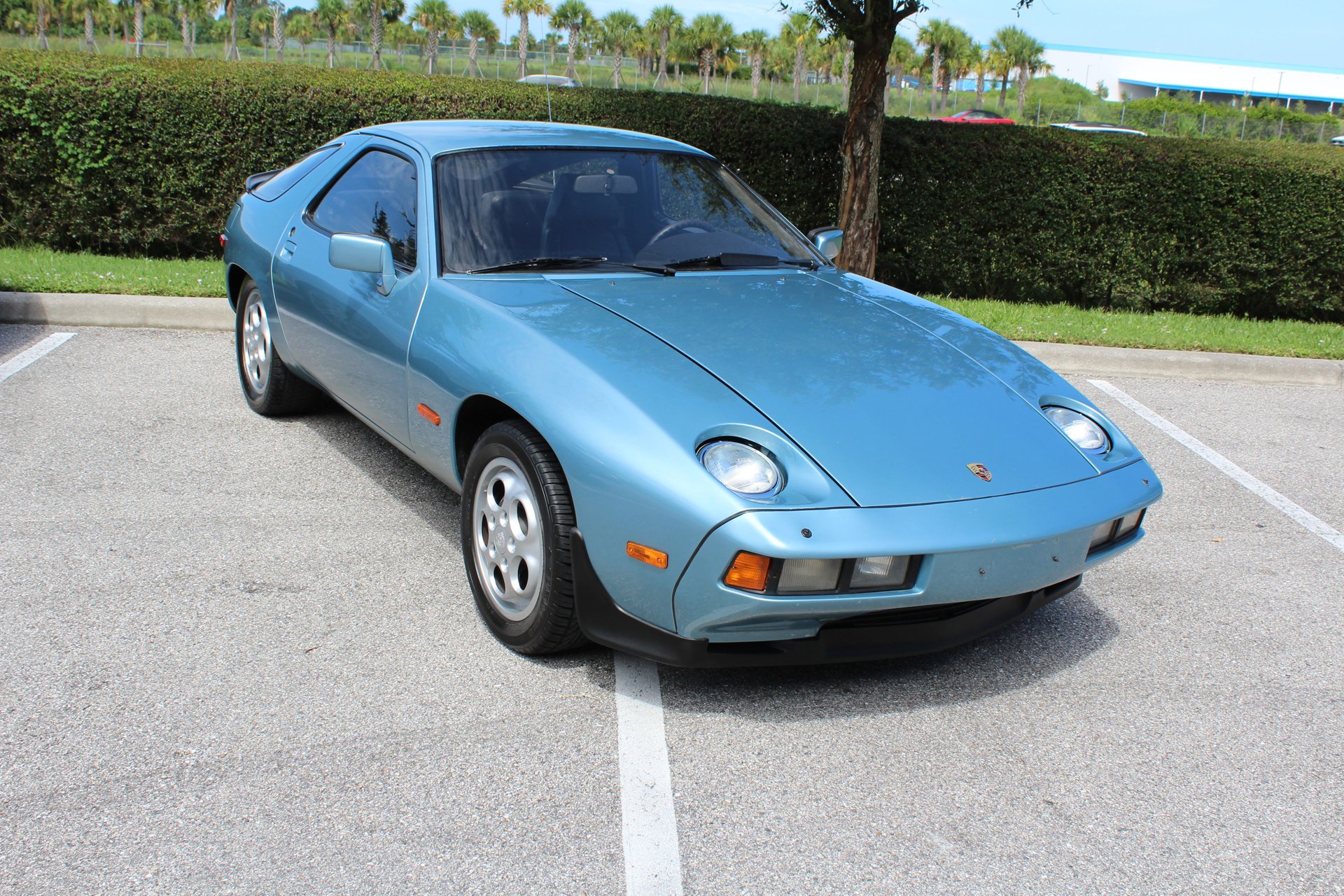
The 928’s revival could fill this gap perfectly, offering a Porsche for buyers who want grand touring capability without 911 compromises. Market demand exists; the BMW 8 Series and Mercedes-AMG GT 4-door demonstrate appetite for luxurious performance coupes.
A modern 928 could embrace hybrid technology enthusiastically. Imagine Porsche’s twin-turbo V8 paired with electric motors, producing 700+ horsepower in base form and potentially 800+ in S or Turbo variants.
The hybrid system would enable electric-only urban driving while ensuring the 928 passes emissions regulations worldwide. Alternatively, Porsche could offer a fully electric variant using the same platform, providing different character while sharing development costs.
Both versions should feature rear-wheel steering, active anti-roll bars, and adaptive dampers to deliver the balanced handling the nameplate demands.
Inside, the 928 should showcase Porsche’s finest materials and latest technology. Seats must provide comfort for transcontinental journeys while offering support for spirited driving.
The dashboard should blend analog and digital elements traditional Porsche gauge cluster reimagined with configurable displays, complemented by a large central screen for navigation and vehicle settings.
Rear seats should accommodate adults for shorter journeys, maintaining the 2+2 configuration. This is a GT, after all; practicality matters.
7. Lotus Esprit (1976-2004)
The Lotus Esprit defined wedge-shaped exotica for a generation. Designed by Giorgetto Giugiaro in the same period as the DeLorean DMC-12 and Maserati Bora, the Esprit took the wedge concept to its logical end a car so angular that it appeared to have been designed with a ruler and protractor.
Despite various iterations over its 28-year production run, the Esprit maintained its essential character: mid-engine layout, lightweight construction, and handling that exemplified Lotus founder Colin Chapman’s philosophy of adding lightness.
Power came from various turbocharged four-cylinder engines, with later models producing up to 350 horsepower remarkable from just 2.2 liters. The Esprit never chased outright power but rather focused on efficiency, both in engine output and chassis dynamics.
The car could embarrass exotics costing twice as much through corners while returning reasonable fuel economy. Its appearance in multiple James Bond films, particularly “The Spy Who Loved Me” with its submarine variant, cemented pop culture status. Lotus recently launched the Emira as its final combustion-powered sports car before transitioning to electric vehicles.
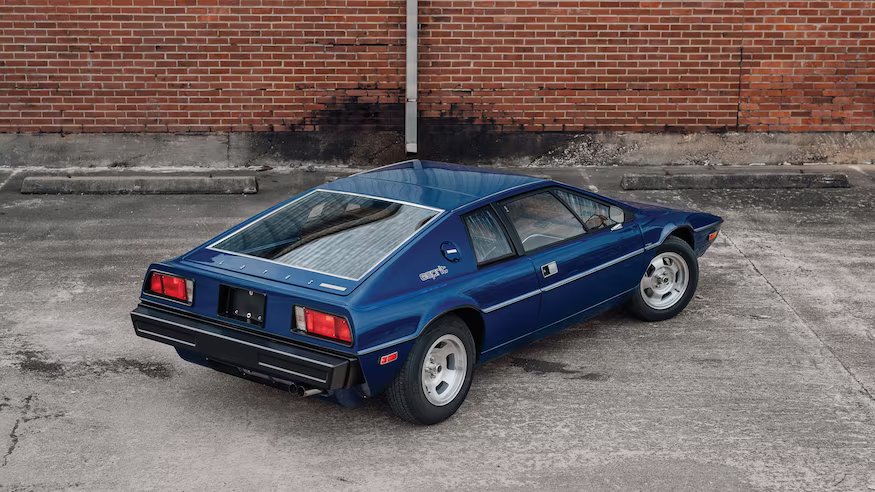
An electric Esprit could anchor this new era, demonstrating that electrification enhances rather than compromises the Lotus ethos. The marque’s Chinese owner, Geely, provides financial resources previous owners couldn’t, making an Esprit revival feasible.
The powertrain practically designs itself. Electric motors positioned behind the cabin maintain the mid-engine layout conceptually while providing 600-800 horsepower depending on specification.
Batteries could be mounted low in the chassis for a center of gravity lower than any combustion car could achieve. The result? A vehicle weighing under 3,200 pounds heavy by historic Lotus standards but light for an EV with supercar acceleration and handling precision that honors Chapman’s legacy.
Inside, the Esprit should embrace minimalism. Lotus interiors historically prioritized function over luxury, and the new car should continue this philosophy while acknowledging modern expectations.
Lightweight seats with Alcantara trim, a small digital instrument cluster directly in the driver’s sightline, and controls reduced to essentials.
Every gram counts in a Lotus, so eliminate unnecessary features and focus on driving purity. The cabin should feel snug without being claustrophobic, immersing occupants in the experience.
8. Fiat 124 Spider (1966-1985)
The original Fiat 124 Spider defined Italian roadster charm for nearly two decades. Designed by Pininfarina, it combined pretty proportions with simple mechanical honesty.
The twin-cam four-cylinder engine ranged from 1.4 to 2.0 liters depending on market and year, producing modest power but delivering engagement through willing revs and mechanical soundtrack.
The car handled with more enthusiasm than precision, leaning into corners with playful oversteer always threatening. Most importantly, it cost far less than British or German competitors while offering superior reliability and that ineffable Italian character.
What made the 124 Spider beloved wasn’t sophistication but honesty. The car never pretended to be more than it was: an affordable way to enjoy open-air motoring with style. The controls felt mechanical and direct.
The exhaust note, particularly from later twin-cam engines, sounded purposeful rather than refined. The driving position placed you low in the car, enhancing the sensation of speed even at moderate velocities. It represented attainable automotive joy.
Fiat’s recent 124 Spider revival, based on the Mazda MX-5, attempted to recapture this magic but never achieved sales success before cancellation. This says more about execution than concept.
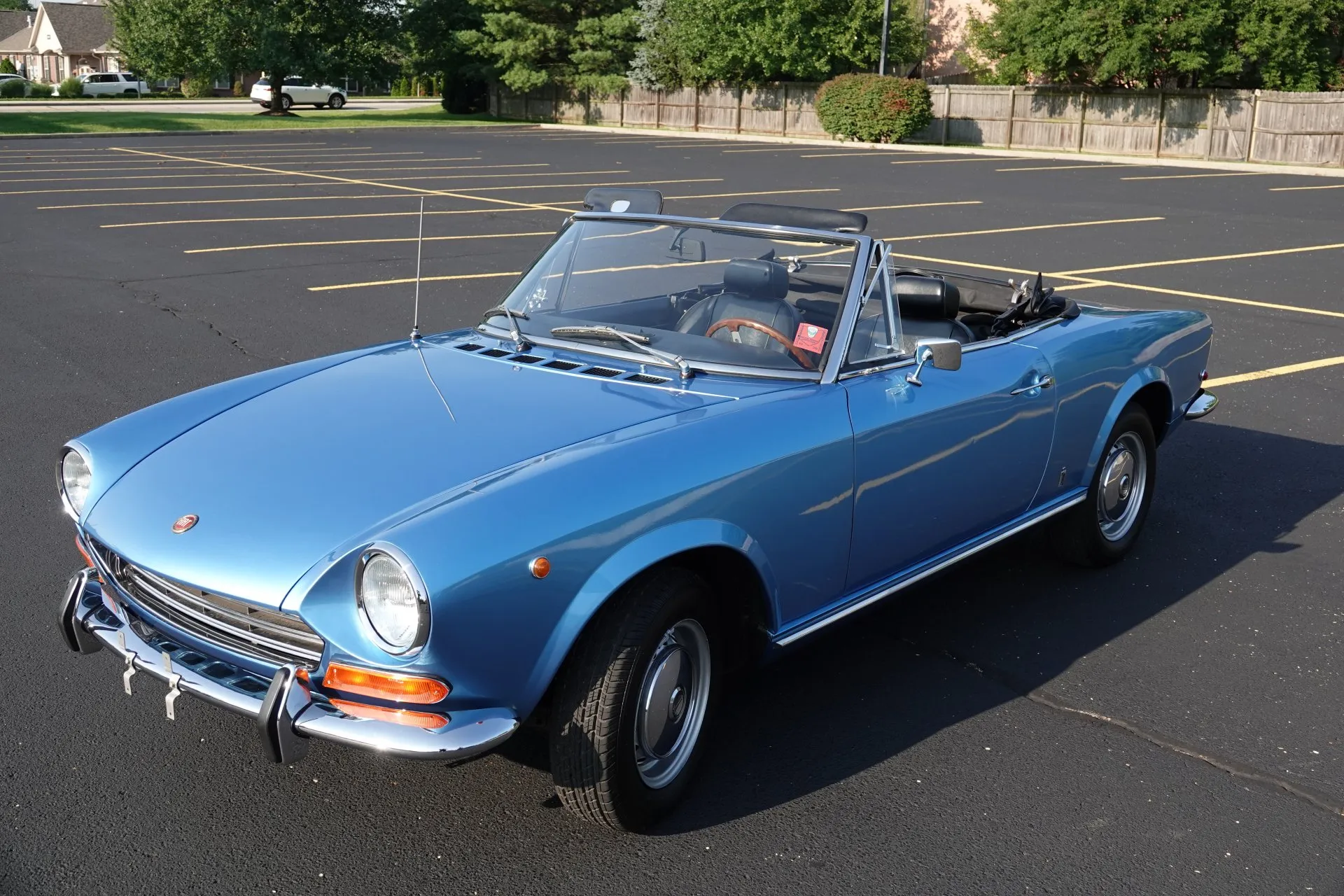
A properly executed new 124 Spider could succeed by offering what the Mazda doesn’t: distinctive Italian styling, a different character, and features that justify premium pricing.
Price positioning matters critically. The 124 Spider should cost $5,000-$8,000 more than the equivalent MX-5, justified by upgraded materials, more powerful engines, and distinctive styling.
Market it as the choice for buyers who value style and comfort over ultimate performance. Offer extensive customization options multiple soft-top colors, wheel designs, interior trim combinations allowing buyers to create personalized expressions.
Build it in limited numbers to maintain exclusivity and resist the temptation to chase volume. The 124 Spider should feel special, not mass-market.
9. Mercedes-Benz 300SL Gullwing (1954-1957)
The original Mercedes-Benz 300SL Gullwing wasn’t just a sports car; it was engineering art that happened to have wheels. Those iconic upward-opening doors weren’t styling gimmicks but necessary solutions to the space-frame chassis that made conventional doors impractical.
The 3.0-liter inline-six featured direct fuel injection production car first producing 215 horsepower, remarkable for 1954. The combination of advanced engineering, stunning design, and racing pedigree created an instant icon that remains among the most valuable classic cars today.
What made the 300SL special extended beyond specifications. The car represented Mercedes-Benz’s commitment to excellence without compromise.
Every component served purpose, from the tubular space frame maximizing rigidity while minimizing weight, to the canted engine lowering the hood line, to those gullwing doors creating unforgettable drama.
The driving experience demanded skill swing-axle rear suspension could bite inexperienced drivers but rewarded competence with performance rivaling purpose-built race cars. Mercedes-Benz currently produces the AMG GT, a formidable sports car but lacking the 300SL’s iconic status and pure elegance.
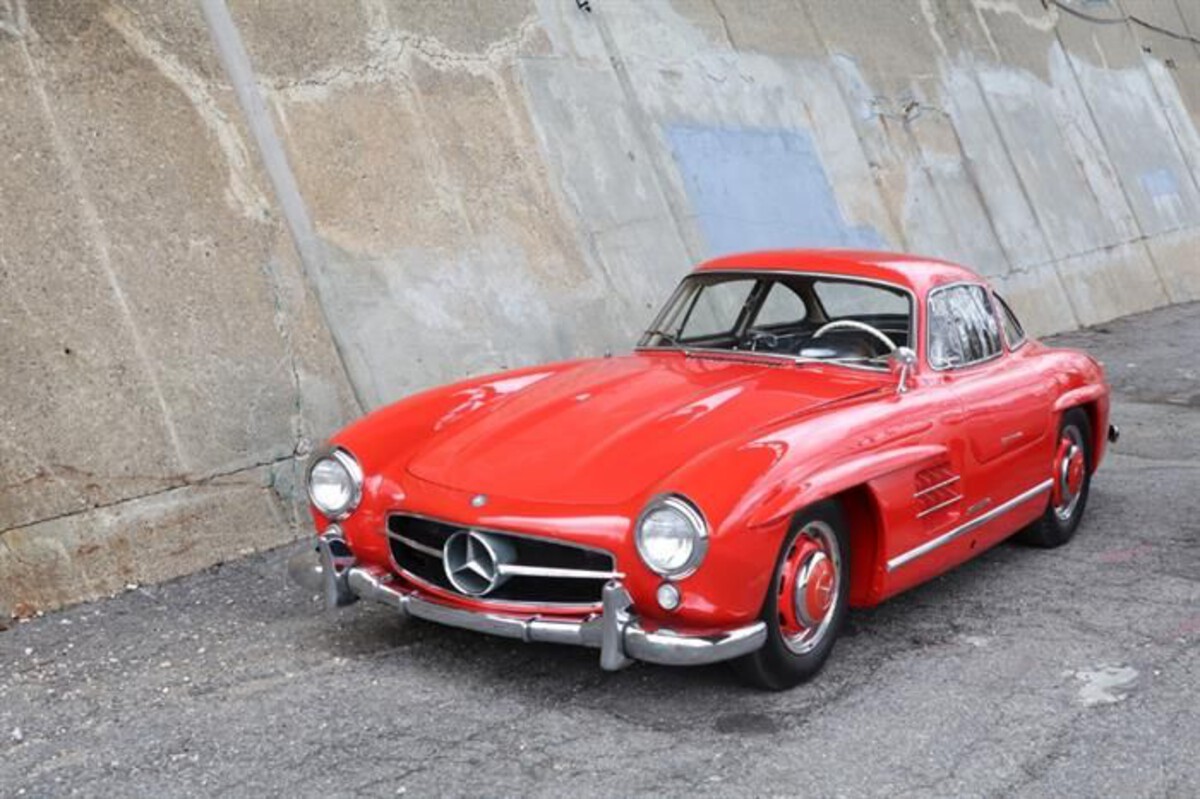
A modern 300SL revival could serve as Mercedes’s ultimate halo car, demonstrating the brand’s ability to blend heritage with cutting-edge technology.
The business case exists; limited production at premium pricing could ensure profitability while maintaining exclusivity. Inside, the 300SL should showcase Mercedes’s finest craftsmanship.
Hand-stitched leather in traditional colors like cognac or navy, polished aluminum trim referencing the original’s aircraft-inspired detailing, and a dashboard that balances analog gauges with modern digital displays.
The steering wheel should be small-diameter and beautifully crafted. Seats must support spirited driving while remaining comfortable for grand touring. This is a Mercedes-Benz, after all luxury and performance should coexist seamlessly.
10. Jaguar E-Type (1961-1975)
Enzo Ferrari called it “the most beautiful car ever made.” Even decades later, few dispute this assessment. The Jaguar E-Type combined sensuous curves with purposeful aerodynamics, creating a shape that looked fast standing still.
Under that endless hood lived a 3.8-liter inline-six producing 265 horsepower, later growing to 4.2 liters and eventually a 5.3-liter V12. Independent rear suspension, disc brakes on all four corners, and a monocoque construction demonstrated advanced engineering.
Most remarkably, it cost roughly half the price of comparable Ferraris and Aston Martins, democratizing exotic performance. The E-Type represented British automotive ambition at its zenith.
It proved you didn’t need Italian flair or German precision to build a world-class sports car; British ingenuity and style could compete globally. The driving experience balanced refinement with engagement.
The inline-six pulled smoothly from low revs to its redline, the gearbox shifted with mechanical satisfaction, and the handling, while requiring respect, rewarded skilled drivers with impressive pace.
Jaguar’s current F-Type serves as spiritual successor, but 12 years into its lifecycle, it feels dated. An E-Type revival could replace it, offering something competitors cannot match: a nameplate carrying genuine historical significance combined with Jaguar’s British character.
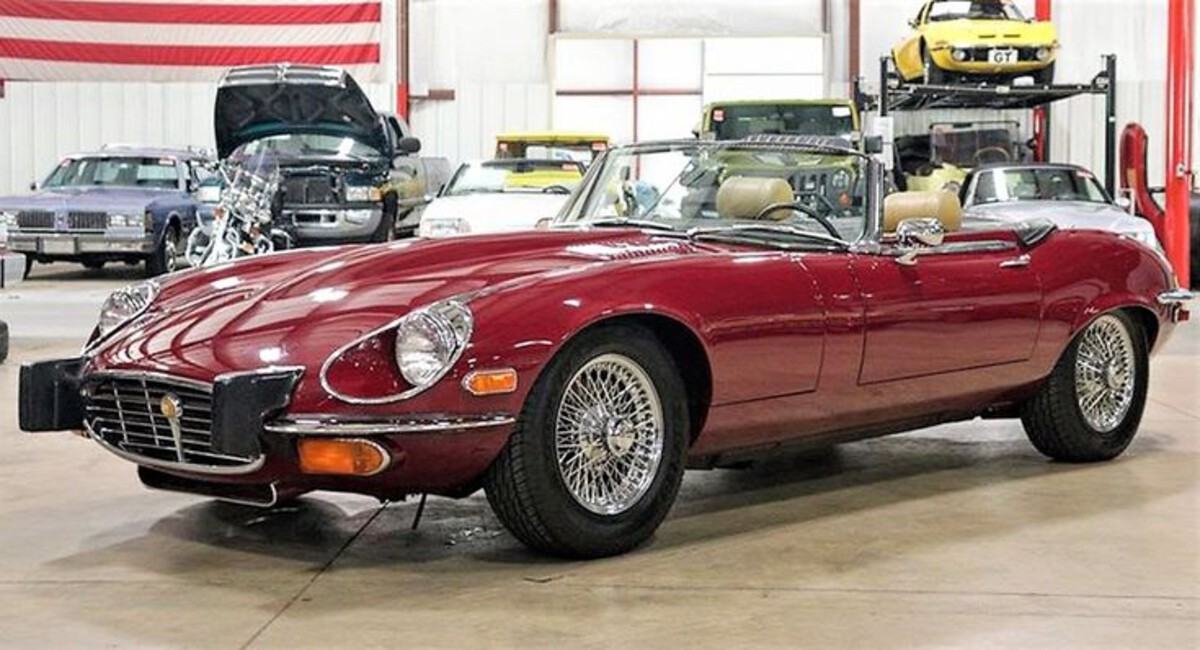
The brand needs a halo car as it transitions to electrification; what better candidate than the E-Type? The powertrain strategy should embrace multiple options.
A supercharged V8 producing 550-600 horsepower would appeal to traditionalists while delivering explosive performance. A plug-in hybrid variant combining a turbocharged six-cylinder with electric motors could produce 500+ horsepower while satisfying emissions regulations.
The flagship should be fully electric, using Jaguar’s latest EV technology to deliver 700+ horsepower and prove that electrification enhances rather than diminishes sporting character. All powertrains should prioritize smoothness and refinement alongside performance this is a GT, not a track weapon.
Price the E-Type as Jaguar’s flagship, $120,000-$180,000 depending on specification. Build quality must be impeccable, showcasing everything Jaguar’s craftspeople can achieve.
Offer extensive customization through Jaguar Classic, allowing buyers to personalize colors, materials, and details. Most importantly, ensure the driving experience justifies the E-Type nameplate refined, rapid, and utterly engaging in ways modern cars rarely achieve.
Also Read: 10 High-End Sports Cars Engineered for Daily Driving
