
Downtown Chicago presents a unique automotive challenge that separates practical vehicle choices from costly mistakes. The Windy City’s urban core combines brutal winter weather, aggressive pothole-riddled streets, tight parking spaces, and stop-and-go traffic that can push any vehicle to its limits.
For residents and commuters going through the Loop, River North, and surrounding neighborhoods, choosing the right vehicle isn’t just about style or preference it’s about survival and financial prudence.
The Lake Michigan climate delivers punishing freeze-thaw cycles that create legendary road damage, while the city’s dense layout demands compact dimensions and excellent maneuverability.
Salt-covered streets in winter months accelerate corrosion, and the constant braking and accelerating through Chicago’s grid system tests transmissions and brake systems relentlessly. Meanwhile, limited parking availability and premium garage rates make vehicle size a critical consideration.
Understanding which vehicles thrive in these conditions versus those that deteriorate rapidly can save drivers thousands in repair costs and endless frustration. Some cars are engineered to handle urban abuse, offering reliable performance, easy maintenance, and resilient construction.
Others, despite their appeal, become money pits when subjected to Chicago’s demanding environment. This guide examines ten vehicles across both categories, providing the insight needed to make an informed decision for downtown Chicago driving.
5 Vehicles That Make Sense in Downtown Chicago
These exceptionally practical vehicles feature compact dimensions and durable construction perfectly suited for going through the Loop’s grid system and lakefront neighborhoods, providing nimble transportation through Michigan Avenue congestion and tight River North parking without the size frustrations typically associated with downtown urban living in America’s third-largest city.
Their thoughtful engineering includes maneuverable footprints and robust components that resist the wear patterns found in fragile vehicles while handling daily Lake Shore Drive commutes, frequent stops in congested West Loop restaurant districts, and precious street parking requiring expert parallel parking skills along Lincoln Park’s competitive residential blocks.
1. Honda Civic
The Honda Civic has earned its reputation as an urban warrior, and nowhere does this prove truer than in downtown Chicago’s challenging environment. This compact sedan combines everything a city driver needs: exceptional fuel efficiency, legendary reliability, and dimensions that make parking in tight Chicago spaces manageable.
The Civic’s relatively lightweight construction puts less stress on suspension components when going through the city’s notorious potholes, while its ground clearance strikes the perfect balance between low-speed handling and winter survivability.
Honda’s engineering philosophy prioritizes longevity, and the Civic exemplifies this commitment. The vehicle’s powertrain, whether the naturally aspirated four-cylinder or the turbocharged variant, is designed for the kind of frequent starts and stops that define Chicago traffic.
Unlike more complex engines, the Civic’s straightforward mechanical layout means repairs remain affordable when needed, and the vast network of Honda mechanics throughout Chicago ensures you’re never far from qualified service.
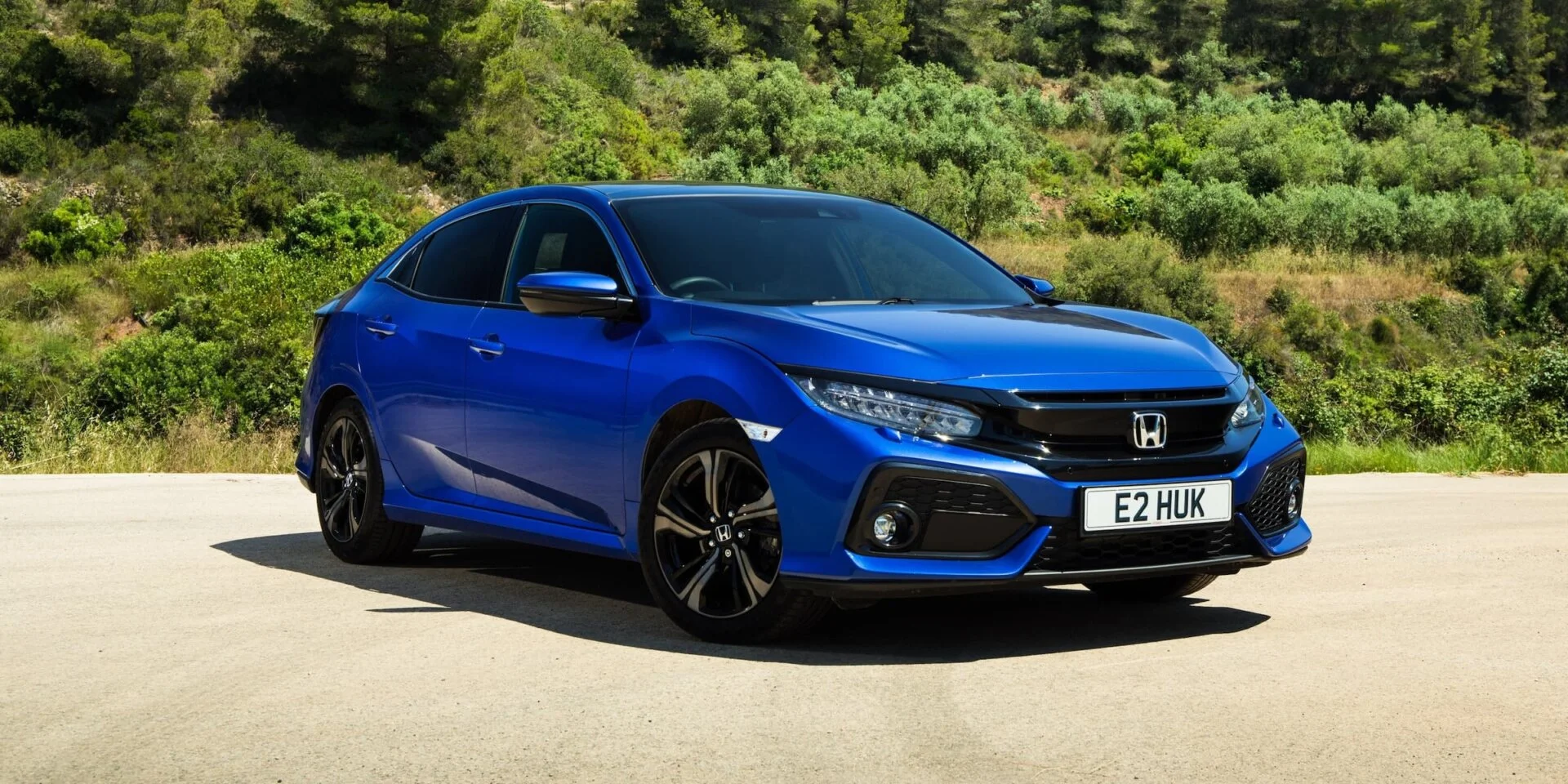
Winter performance separates good urban cars from great ones, and the Civic delivers admirably. While front-wheel drive, the available all-wheel-drive option in newer models provides enhanced traction on snow-covered Lake Shore Drive and icy side streets.
The vehicle’s traction control system is calibrated conservatively, preventing the wheelspin that can leave drivers stranded at snowy intersections. The Civic’s heating system reaches operating temperature quickly, a blessing during those brutal January mornings when temperatures plunge below zero.
Corrosion resistance represents a critical factor in Chicago’s salt-heavy environment, and modern Civics feature improved underbody protection and rust-resistant materials.
The vehicle’s exhaust system, a common failure point in northern climates, uses quality metals that withstand Chicago’s road salt better than many competitors. Parts availability throughout the city means minimal downtime, whether you need routine maintenance or unexpected repairs.
The Civic’s resale value remains strong even with high mileage, an important consideration given that Chicago stop-and-go traffic accelerates odometer readings considerably faster than highway driving would suggest.
2. Subaru Outback
Chicago winters demand all-wheel-drive capability, and the Subaru Outback delivers this with a symmetrical system that’s always engaged, never waiting for wheel slip to activate.
This permanent AWD setup provides confidence on snow-covered Kennedy Expressway on-ramps and during those lake-effect snowstorms that can dump inches in hours.
The Outback’s raised ride height higher than a sedan but lower than a traditional SUV gives drivers the ground clearance to handle accumulated snow without the top-heaviness that makes larger vehicles unstable in crosswinds whipping off Lake Michigan.
The boxer engine configuration sits low in the chassis, creating a lower center of gravity that enhances stability during emergency maneuvers through Chicago traffic.
This engine design also proves remarkably durable under the constant load cycling of urban driving. Subaru engineered these powertrains for longevity, with many Outbacks exceeding 200,000 miles with proper maintenance crucial when Chicago’s traffic patterns mean accumulating 15,000-20,000 miles annually even for moderate drivers.
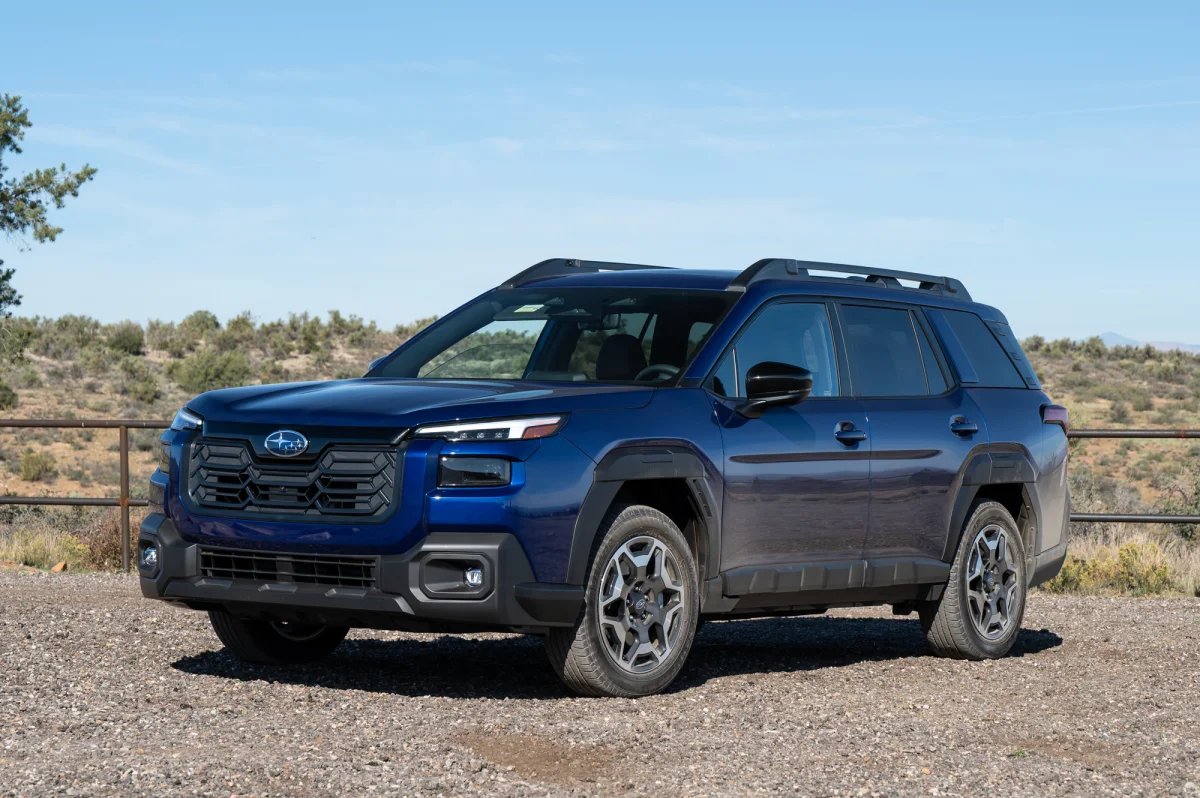
Cargo versatility makes the Outback ideal for Chicago living. The spacious interior accommodates everything from Costco runs to transporting items that won’t fit in typical parking garage elevators.
The roof rails support cargo boxes, perfect for storing winter tires during summer months when garage storage space commands premium prices. This flexibility reduces the need for multiple vehicles or rental trucks, streamlining urban life.
Subaru’s reputation for safety resonates strongly with Chicago families going through the aggressive downtown traffic and expressway merges.
The EyeSight driver assistance technology, standard on most models, provides adaptive cruise control and pre-collision braking features that reduce stress during rush-hour crawls on the Dan Ryan. Visibility from the driver’s seat surpasses most sedans, critical when checking blind spots before lane changes on multi-lane urban streets.
The established Subaru service network throughout Chicago and suburbs ensures maintenance accessibility, while the brand’s cult following means strong resale values even in high-mileage scenarios common to city driving.
3. Toyota RAV4
The Toyota RAV4 represents the sweet spot for downtown Chicago drivers who need space without excess. This compact SUV maneuvers through tight parking garages with surprising agility while offering the cargo capacity and raised seating position that make city errands more manageable.
The RAV4’s compact footprint shorter than many sedans means squeezing into street parking spots that larger SUVs can’t access, a daily advantage when circling blocks searching for parking in neighborhoods like Lincoln Park or Wicker Park.
Toyota’s legendary reliability engineering shines in the RAV4, with powertrains designed to withstand the kind of abuse Chicago traffic delivers.
The hybrid model particularly excels in urban environments, where constant regenerative braking during stop-and-go traffic recharges the battery while reducing brake wear.
This system transforms the energy typically wasted in Chicago gridlock into stored power, improving fuel economy to levels that substantially reduce annual fuel costs compared to traditional gas-powered competitors.
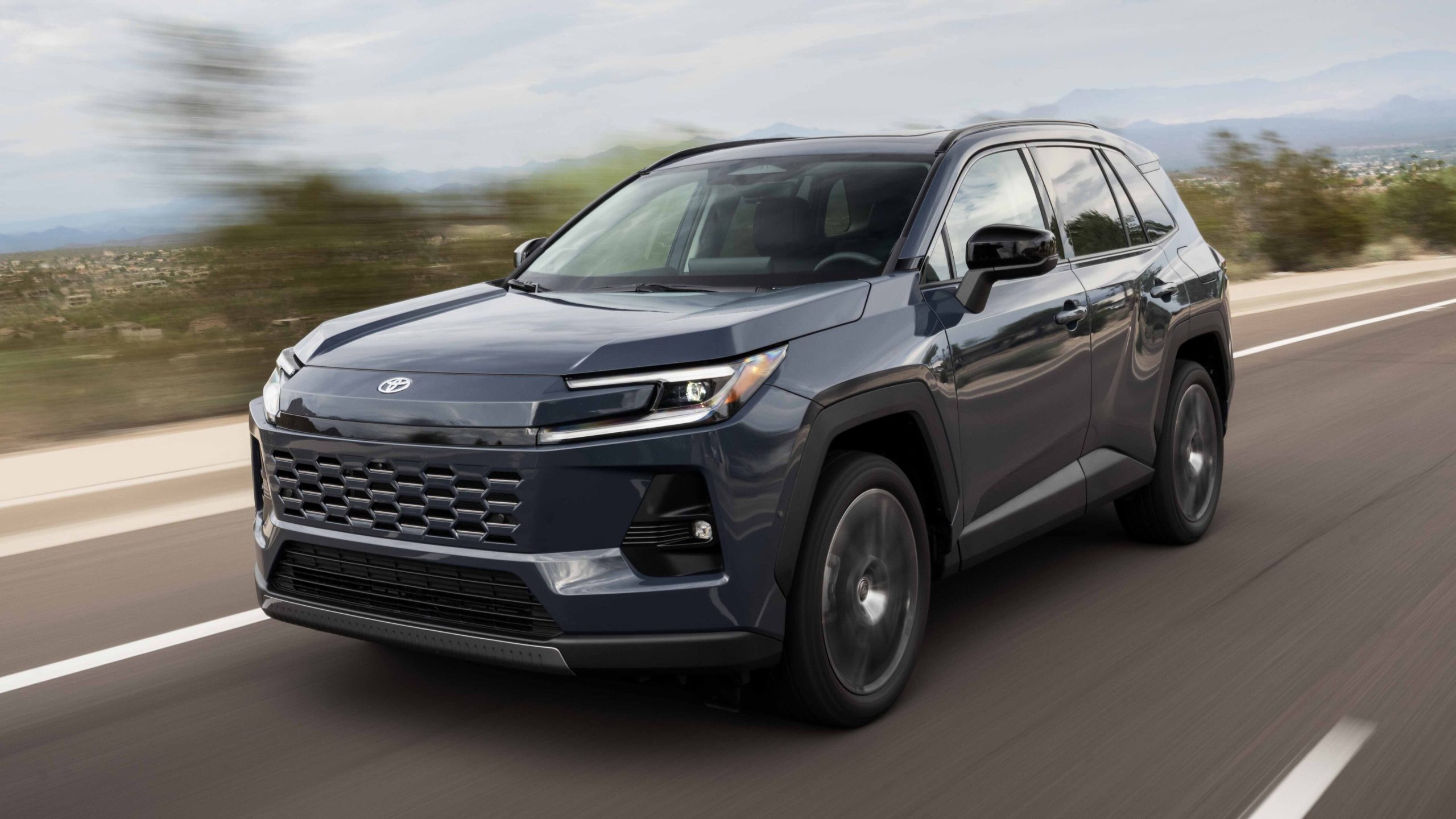
Winter capability comes standard with available all-wheel drive that seamlessly distributes power to wheels with traction. The system’s intelligence prevents the dangerous wheelspin that can occur when accelerating from stoplights on ice-covered intersections.
The RAV4’s ground clearance handles the snow accumulation common during Chicago winters without requiring the truck-like dimensions that make parking garage navigation stressful. The vehicle sits high enough to avoid scraping on the ice ridges that form at parking lot entrances but low enough to maintain stability in gusty winds.
Corrosion resistance in the RAV4 reflects Toyota’s understanding of northern climates, with robust underbody coatings and rust-resistant materials in critical areas.
The vehicle’s construction quality means tight panel gaps that prevent salt spray from reaching vulnerable metal. The comprehensive dealer network throughout Chicago provides easy access to service, while Toyota’s conservative engineering philosophy means repairs, when needed, typically involve straightforward procedures rather than complex diagnostics.
Strong resale values reflect the market’s recognition of RAV4 durability, meaning the vehicle retains value even when accumulating the high mileage inevitable in daily Chicago use.
4. Mazda CX-5
The Mazda CX-5 brings a driver-focused philosophy to the compact SUV segment, offering engagement rare among practical urban vehicles. This matters in Chicago, where defensive driving and quick reactions can prevent accidents in aggressive traffic.
The CX-5’s responsive steering and well-tuned suspension make going through the pothole-filled streets less jarring while maintaining the composure needed for sudden lane changes when taxis or delivery trucks make unpredictable moves.
Mazda’s Skyactiv engine technology delivers impressive fuel efficiency without hybrid complexity, using compression ratios and lightweight construction to achieve economy that makes sense given Chicago’s expensive fuel prices and frequent congestion.
The engines respond eagerly from low RPMs, providing the acceleration needed for merging onto Lake Shore Drive or expressway on-ramps where hesitation can create dangerous situations. This power delivery also helps when going through the city’s many poorly timed traffic lights, where quick acceleration prevents being stuck in intersections.
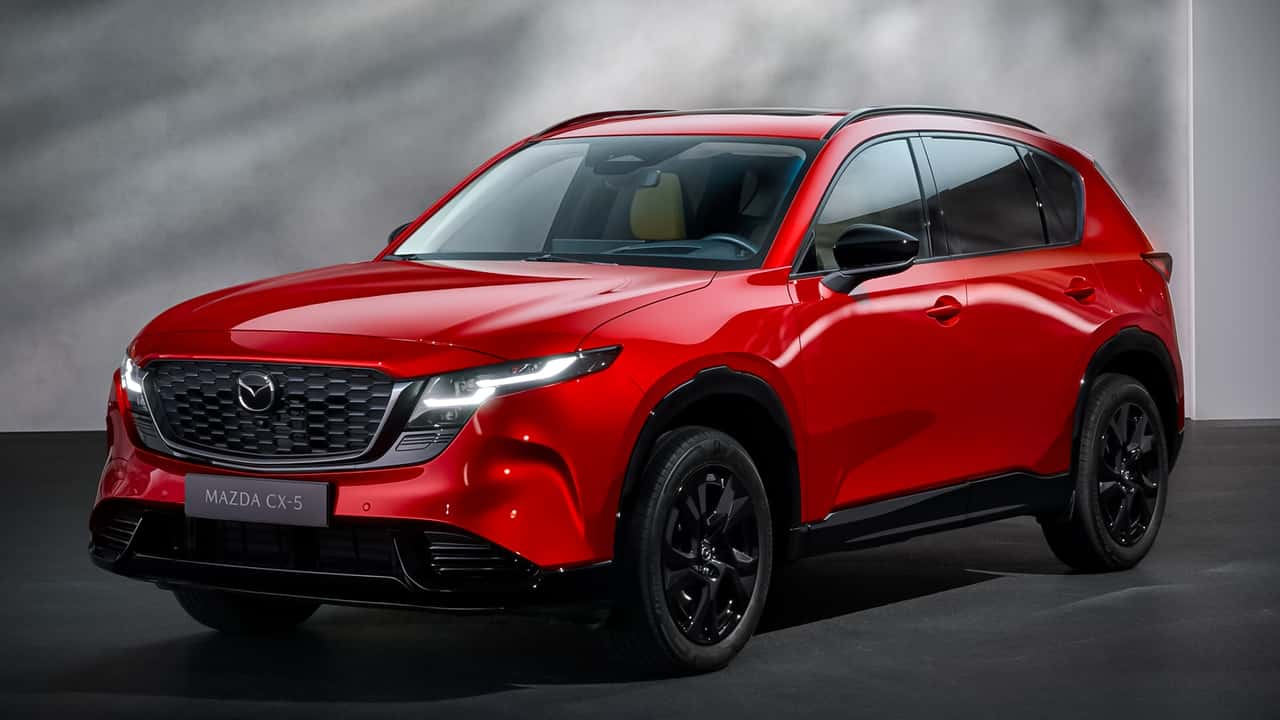
The CX-5’s refined interior creates a pleasant sanctuary from Chicago’s urban chaos. Excellent sound insulation blocks the constant noise of construction, sirens, and traffic that defines downtown acoustics.
Climate control reaches temperature quickly and maintains it efficiently, crucial during extreme weather swings that can see morning temperatures at fifteen degrees and afternoon readings at thirty-five.
The infotainment system integrates smartphone connectivity without overwhelming complexity, keeping driver attention focused on Chicago’s demanding traffic environment.
Build quality in the CX-5 exceeds expectations for its price point, with solid construction that resists the rattles and squeaks that develop in lesser vehicles subjected to pothole impacts.
The paint quality and corrosion protection demonstrate Mazda’s commitment to longevity in harsh climates. Available all-wheel drive provides winter capability, while the ground clearance handles accumulated snow without excessive height.
The compact dimensions make the CX-5 genuinely maneuverable in tight parking situations, yet cargo space accommodates weekly grocery runs or airport luggage.
Strong safety ratings and comprehensive driver assistance features provide protection in Chicago’s occasionally chaotic traffic environment.
Also Read: 5 Vehicles That Work in San Francisco Neighborhoods vs 5 That Can’t Keep Up
5. Volkswagen Golf
The Volkswagen Golf represents European urban engineering applied to Chicago streets, offering a combination of space efficiency, driving dynamics, and build quality that makes city living more enjoyable.
The Golf’s compact exterior dimensions similar to subcompact competitors belie an interior volume that comfortably seats four adults with cargo space that shames many larger vehicles.
This space efficiency proves invaluable when parking in narrow Chicago garages or street spots while still accommodating the realities of urban life, from furniture shopping to weekend getaways.
The turbocharged engines in modern Golfs deliver power characteristics ideally suited to city driving. Low-end torque provides eager acceleration from stoplights, while fuel efficiency remains respectable despite the performance.
The TSI engine technology has matured significantly, with recent generations demonstrating reliability that addresses earlier concerns. The direct-injection system responds crisply to throttle inputs, making the Golf feel quicker than specifications suggest helpful when going through the Chicago’s competitive traffic environment.
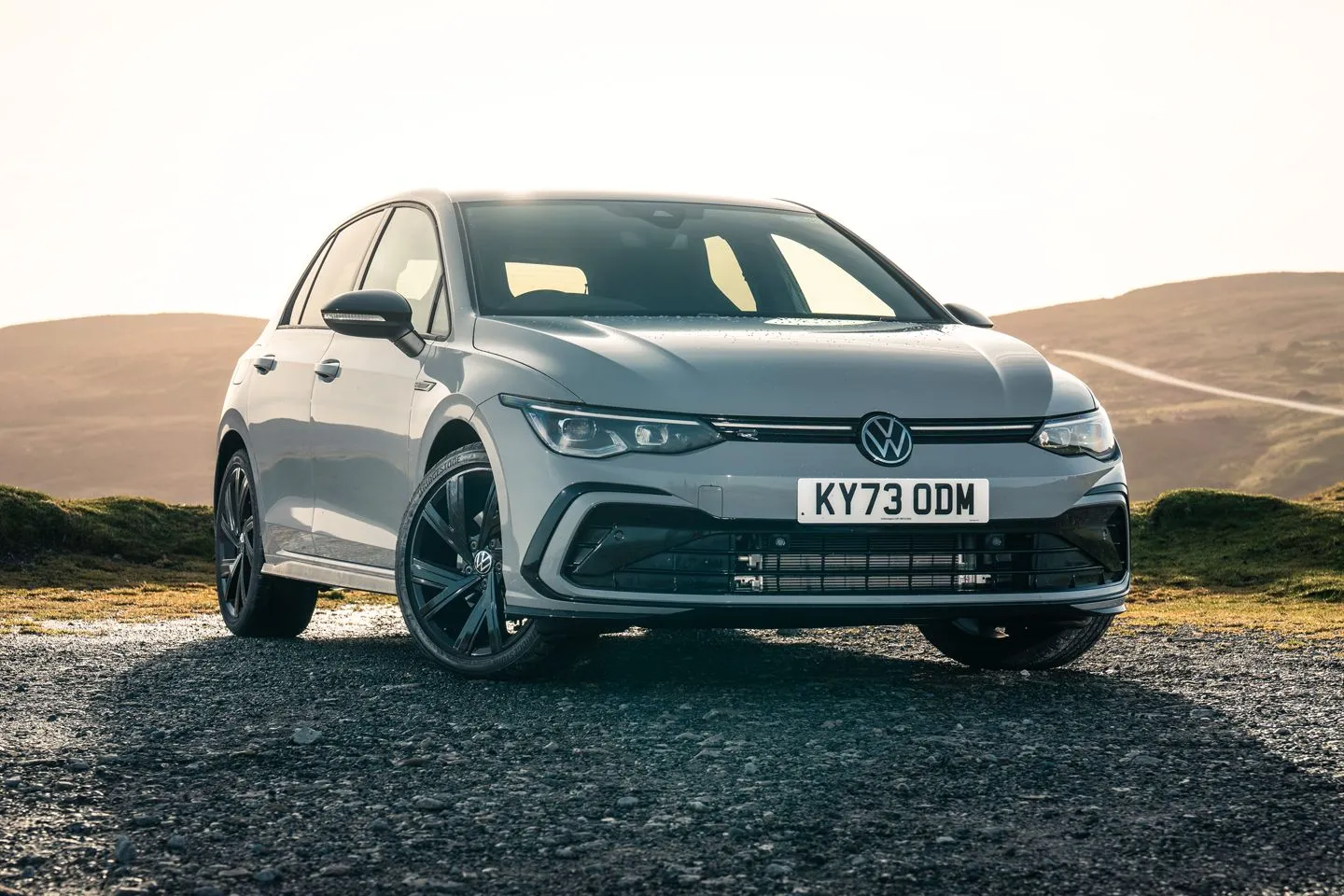
Volkswagen engineered the Golf for European cities with narrow medieval streets and harsh northern winters, conditions remarkably similar to downtown Chicago. The suspension tuning absorbs pothole impacts while maintaining responsive handling, a difficult balance many competitors fail to achieve.
The Golf feels planted and stable at highway speeds yet remains agile when threading through traffic or parking. The available 4Motion all-wheel-drive system provides winter capability, distributing power intelligently when roads become slippery.
Build quality separates the Golf from many competitors, with solid construction that feels substantial when closing doors or going through the rough pavement. Interior materials resist wear better than Japanese competitors, important when vehicles accumulate high mileage in urban use.
The Golf’s electrical systems, historically a Volkswagen weakness, have improved significantly in recent generations. The established dealer network throughout Chicago provides service access, though maintenance costs run slightly higher than Japanese brands.
The Golf GTI variant offers performance enthusiasts a genuinely engaging driving experience while maintaining the practicality needed for daily Chicago use, creating a rare combination of fun and function.
5 Vehicles That Wear Out Faster in Downtown Chicago
These disappointing vehicles suffer from fragile suspension components and inadequate construction quality that create rapid deterioration patterns in Chicago’s punishing urban environment, transforming initially solid transportation into worn-out disappointments within just years as the city’s legendary potholes and harsh winters accelerate premature failures.
Their problematic engineering includes weak suspension bushings and thin body panels that cannot withstand Chicago’s brutal freeze-thaw cycles destroying pavement, leading to constant alignment issues, prematurely worn struts, and body rattles developing before reaching 50,000 miles from relentless pothole impacts.
1. Range Rover
The Range Rover epitomizes the worst possible choice for downtown Chicago driving, combining fragile complexity with dimensions that transform every parking situation into a stressful negotiation.
These British luxury SUVs arrive with astronomical price tags that merely represent the down payment on future repair bills. The vehicle’s air suspension system, designed for off-road capability few Chicago owners ever use, fails with alarming regularity when subjected to pothole impacts.
Repairs require specialized dealers with parts that take weeks to arrive from overseas, leaving owners without transportation while paying for rental cars.
The Range Rover’s width over eighty inches makes going through the Chicago’s parking garages an exercise in precision that often results in scraped mirrors or dinged doors.
Street parking becomes nearly impossible in denser neighborhoods, and the vehicle’s length exceeds many available spots. The turning radius requires multiple maneuvers for U-turns or parking lot navigation, frustrating in Chicago’s grid system where quick direction changes are routine.
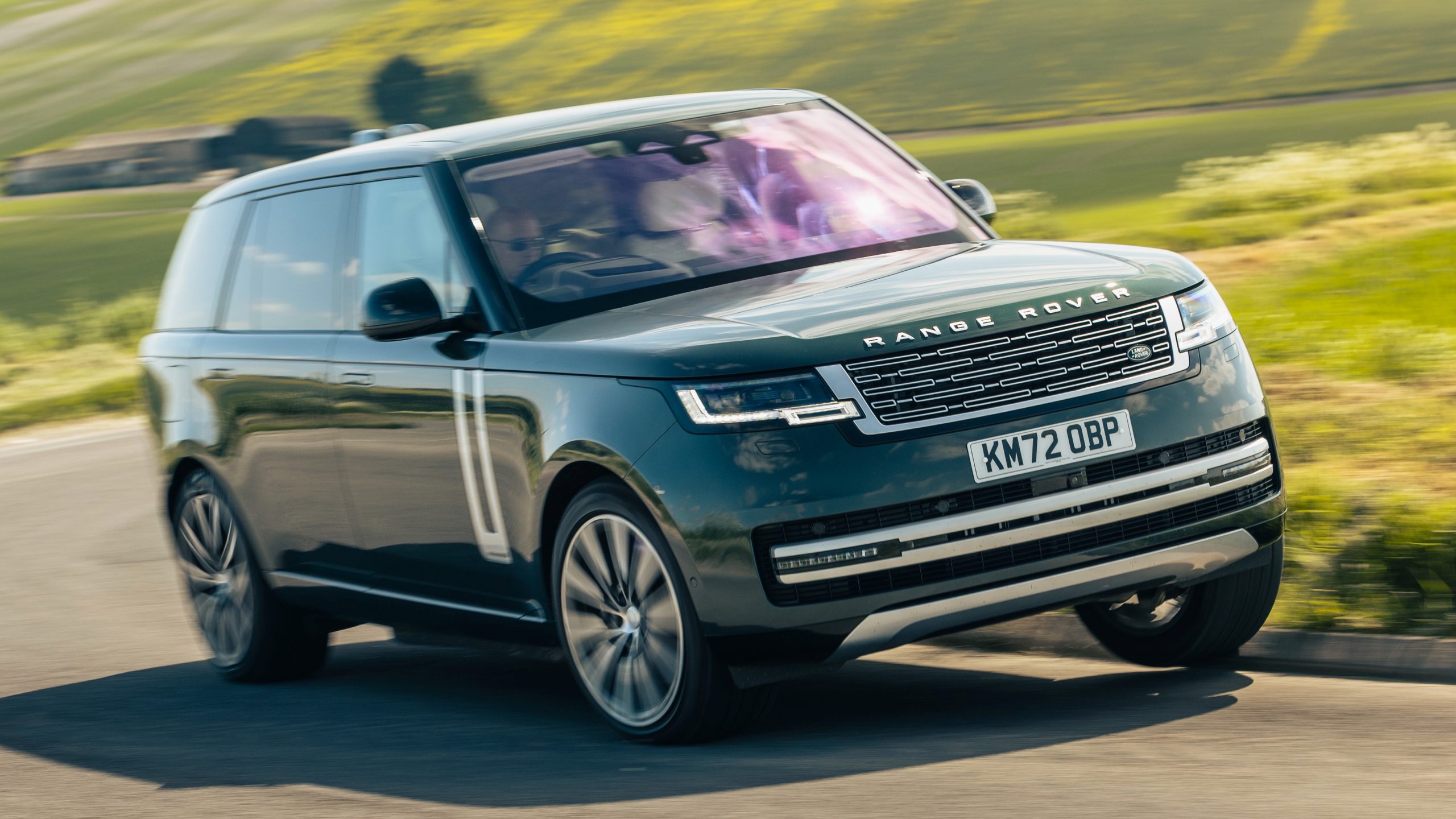
Reliability statistics for Range Rovers consistently rank among the industry’s worst, with electrical gremlins, transmission failures, and engine issues plaguing owners.
The complex electronics that control everything from suspension to climate control become unreliable as mileage accumulates, and Chicago’s temperature extremes accelerate these failures.
The stop-and-go traffic pattern stresses transmissions designed for smoother driving, leading to premature wear. Engine components suffer from the constant heat cycling of urban driving, developing oil leaks and cooling system failures.
Maintenance costs spiral beyond reason, with routine service requiring specialized technicians charging premium labor rates. Parts prices reflect the luxury positioning, making even minor repairs expensive.
The aluminum construction, while lightweight, proves susceptible to corrosion when exposed to Chicago’s road salt, with repairs requiring specialized welding. Fuel economy plummets in city driving, with the supercharged engines returning single-digit MPG during Chicago gridlock.
The combination of poor reliability, expensive repairs, impractical dimensions, and terrible fuel economy makes the Range Rover a financial disaster for downtown Chicago use, depreciating rapidly as mechanical issues accumulate and repairs exceed the vehicle’s remaining value.
2. BMW 7 Series
The BMW 7 Series represents German over-engineering taken to an extreme that creates a maintenance nightmare in Chicago’s demanding environment.
This flagship luxury sedan bristles with complex technology that dazzles in showrooms but becomes a liability when components inevitably fail under the stress of daily urban use.
The extended wheelbase and wide body transform Chicago parking from routine to challenging, with the vehicle’s length exceeding available street parking spots and the width barely clearing parking garage pillars.
BMW engineered the 7 Series for autobahn cruising and chauffeur service, not the stop-and-go punishment of Chicago traffic. The turbocharged engines, while powerful, suffer in urban environments where they rarely reach operating temperature before the next cold start.
This thermal cycling accelerates wear on gaskets and seals, leading to oil leaks that BMW V8s and inline-six engines develop as mileage accumulates. The complex cooling systems, with multiple pumps and thermostats controlled electronically, fail with frustrating regularity, leaving owners stranded when sensors malfunction.
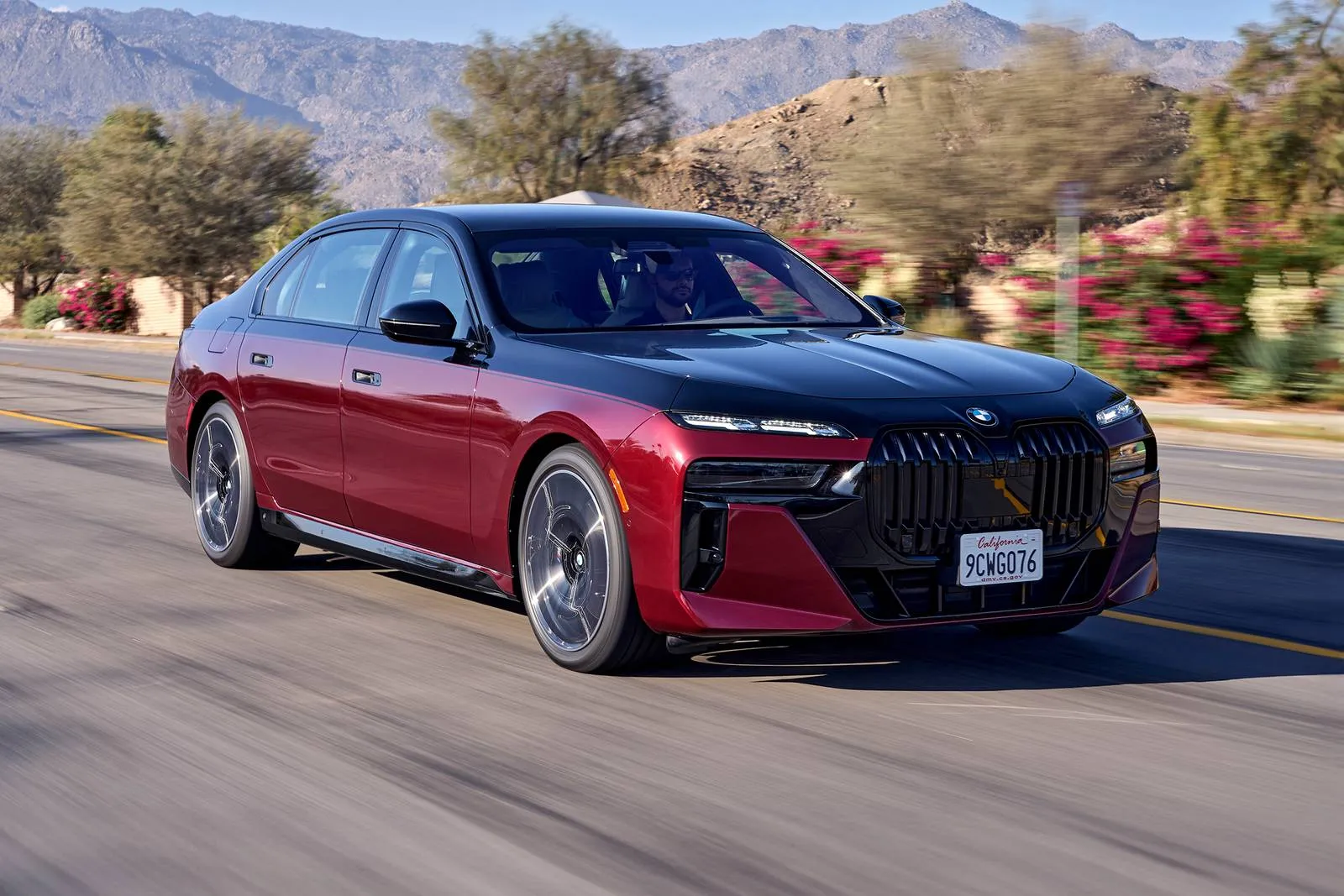
The air suspension system, standard on many 7 Series, deteriorates rapidly when subjected to Chicago’s pothole-cratered streets. Replacement costs exceed thousands per corner, and the system’s complexity means failures cascade one bad strut leads to pump overwork, which leads to compressor failure.
The run-flat tires, designed to eliminate spare tire needs, transmit every road imperfection harshly and wear quickly in the constant turning and braking of city traffic. Replacement costs for these specialized tires significantly exceed standard tire expenses.
Electronic systems proliferate throughout the 7 Series, controlling everything from suspension damping to seat adjustments. As these systems age, failures become increasingly common, with diagnostic challenges that require BMW’s proprietary software to identify.
Parts costs reflect luxury positioning, with even minor components like window regulators or door handles priced at multiples of mainstream equivalents.
The combination of complex systems prone to failure, expensive parts, specialist labor requirements, and impractical dimensions makes the 7 Series depreciate catastrophically once outside warranty coverage, leaving owners underwater financially while facing mounting repair bills in Chicago’s punishing urban environment.
3. Jeep Wrangler
The Jeep Wrangler enjoys cult status among enthusiasts, but this off-road specialist becomes a frustrating daily driver in downtown Chicago’s urban environment. The vehicle’s agricultural engineering, optimized for rock crawling and trail running, translates poorly to city streets where refinement matters.
The body-on-frame construction and solid front axle create a ride quality that transforms every pothole into a jarring impact, with the suspension crashing harshly over the road imperfections that define Chicago streets.
Fuel economy in the Wrangler plummets during city driving, with the brick-like aerodynamics and heavy drivetrain returning dismal mileage figures. The stop-and-go nature of Chicago traffic means the vehicle operates at its least efficient, burning fuel at rates that make weekly gas station visits expensive rituals.
The manual transmission, while engaging for enthusiasts, becomes tiresome in gridlock, with constant clutch engagement accelerating wear. The automatic transmission option, while more convenient, suffers from the constant load cycling of urban driving, developing shifting issues as mileage accumulates.
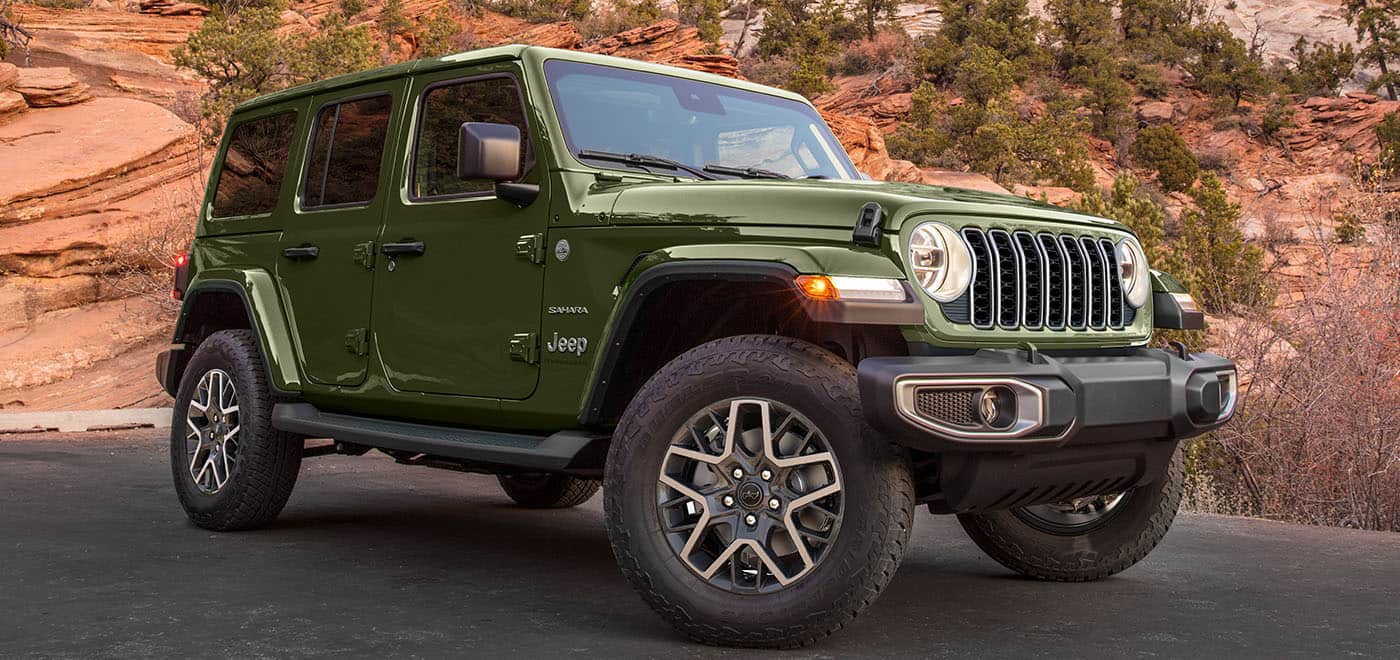
Winter capability, theoretically a Wrangler strength, proves less advantageous than expected. The short wheelbase and narrow track create instability in crosswinds, particularly when the removable top is installed.
The aggressive all-terrain tires many owners install deliver poor traction on ice, with the soft rubber compound designed for mud and rocks skittering dangerously on frozen pavement. The high ground clearance and tall profile create a high center of gravity that makes the vehicle feel tippy during emergency maneuvers through traffic.
Corrosion resistance has historically plagued Wranglers, with the exposed frame and body mounting points vulnerable to Chicago’s road salt. The removable top and doors, while fun for summer, allow moisture intrusion that accelerates rust in areas difficult to treat.
The vehicle’s width, deceptive given its relatively compact length, makes parking garage navigation stressful, with mirrors often folding when scraping against pillars. Wind noise at highway speeds creates constant drone, making phone conversations difficult.
The spartan interior, charming during weekend adventures, becomes tiresome during daily commutes, lacking the comfort and convenience features standard in modern vehicles, while resale values drop sharply in northern markets where corrosion concerns reduce demand.
4. Chevrolet Corvette
The Chevrolet Corvette represents pure American performance, engineered for backroad carving and track days not the reality of downtown Chicago’s gridlock and pothole-riddled streets.
The low-slung sports car scrapes on driveway aprons, speed bumps, and the crowned roads common throughout Chicago, with the front splitter dragging on pavement irregularities. Ground clearance so minimal that parking garage ramps become obstacles requiring careful approach angles, often with the front air dam scraping loudly on concrete.
The wide rear tires and stiff suspension that enable the Corvette’s impressive performance become liabilities in urban use. Every pothole transmits harshly through the cabin, with the firm suspension offering no compliance over Chicago’s degraded pavement.
The Michelin Pilot Sport tires, sized for grip rather than longevity, wear rapidly in city driving where constant turning and braking scrub rubber quickly. Replacement costs exceed a thousand dollars per set, with the staggered sizes preventing rotation to equalize wear.
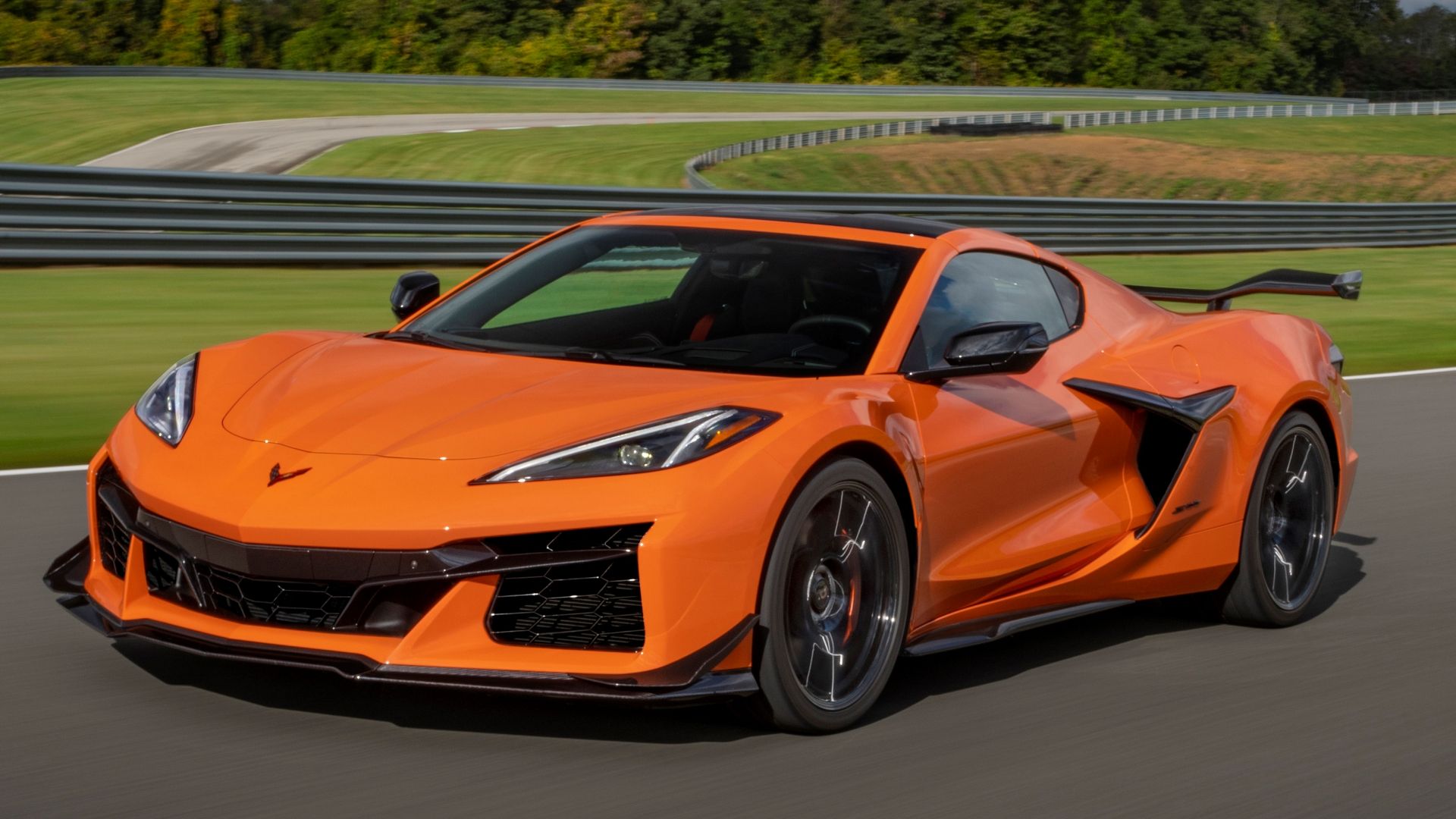
The powerful V8 engine barely operates in its power band during Chicago traffic, idling along at speeds where it consumes fuel inefficiently while producing nothing approaching its performance potential.
The rear-wheel-drive configuration becomes a liability during winter, when even light snowfall renders the Corvette nearly undriveable despite modern traction control.
The low stance prevents going through the snow accumulation, leaving the vehicle parked during Chicago’s winter months requiring storage costs or driveway space while insurance and registration expenses continue.
Practicality approaches zero in the Corvette, with minimal cargo space preventing grocery runs and interior volume that accommodates only two occupants without luggage. The long hood and limited visibility make parking stressful, with the expensive bodywork at risk during tight maneuvers.
The carbon fiber and composite body panels, while lightweight, prove expensive to repair when damaged by parking mishaps. The attention the Corvette attracts in Chicago neighborhoods increases vandalism and theft risk, driving insurance premiums higher.
The combination of impractical dimensions, harsh ride quality, poor winter capability, expensive tire wear, and limited utility makes the Corvette terrible for downtown Chicago use, where it spends most time stuck in traffic unable to exercise its performance while accelerating wear on components stressed by constant heat cycling.
5. Ford F-350 Super Duty
The Ford F-350 Super Duty represents maximum capability for towing and payload, but these capabilities translate into maximum inconvenience when going through the downtown Chicago.
This full-size heavy-duty truck stretches beyond twenty feet in crew cab long bed configuration, exceeding the length of many parallel parking spots and making garage parking nearly impossible.
The width, extending beyond eighty inches with mirrors deployed, barely fits within standard parking lanes, with the mirrors frequently requiring folding to squeeze past obstacles.
The turning radius approaches that of semi-trucks, requiring multiple maneuvers for U-turns and making Chicago’s grid system frustrating to go through.
The high step-in height challenges passengers, particularly elderly or young occupants, requiring installation of aftermarket steps that reduce ground clearance further.
The massive proportions create blind spots that hide entire vehicles, making lane changes stressful and increasing accident risk in dense Chicago traffic where motorcycles and compact cars disappear in mirror gaps.
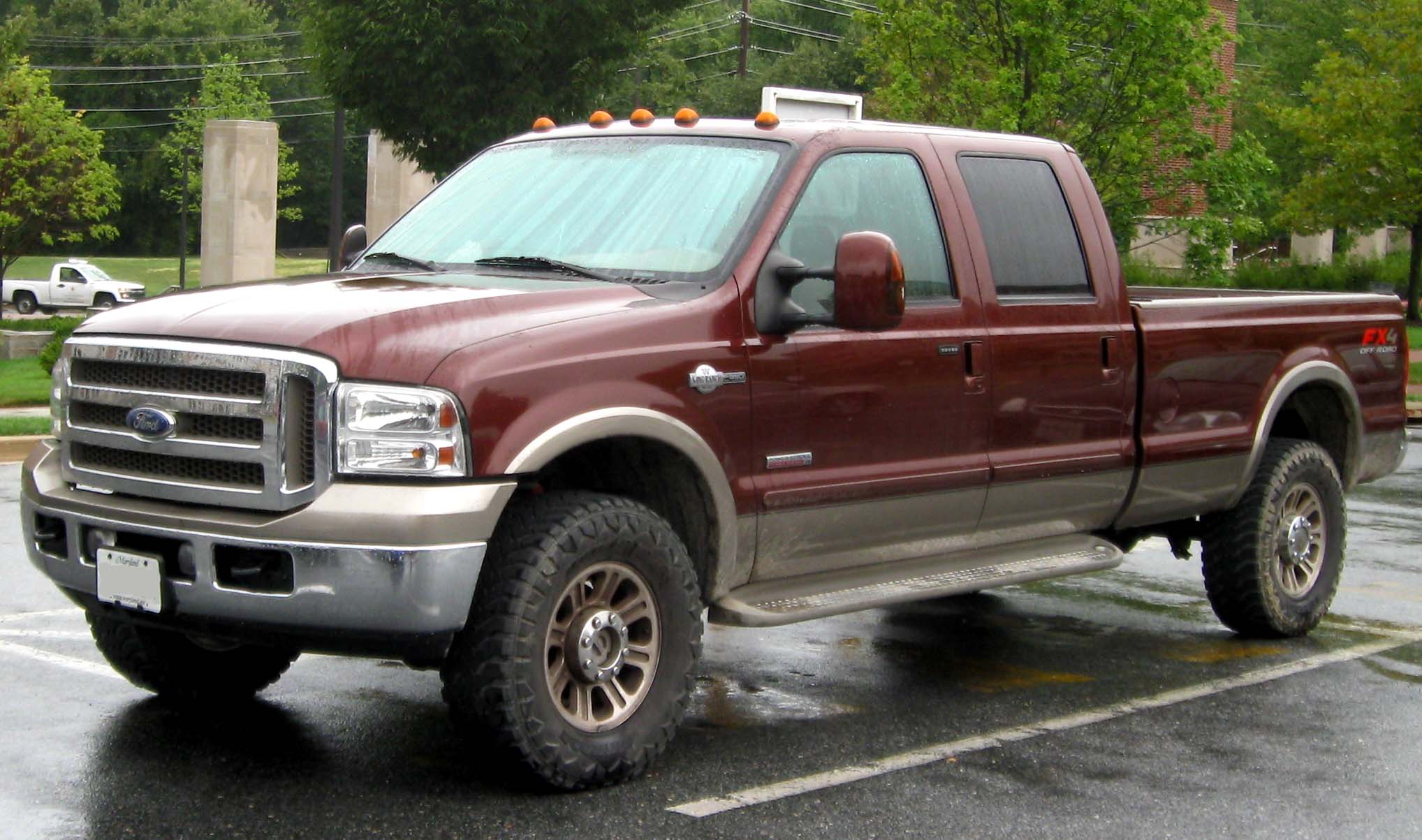
Fuel economy borders on catastrophic in city driving, with the diesel engines most popular for their torque returning single-digit mileage figures during Chicago gridlock.
The gasoline V8 alternatives fare little better, consuming fuel at rates that make operating costs absurd for daily commuting. The advanced emissions systems required on modern diesels, including diesel exhaust fluid injection and particulate filters, fail prematurely when subjected to short-trip urban driving cycles where systems never reach operating temperature.
These repairs cost thousands and require extended dealer visits. The F-350’s suspension, designed for carrying thousands of pounds of payload, rides harshly when empty the typical configuration for daily urban use. The solid rear axle crashes over potholes, transmitting impacts directly into the cabin.
The aggressive tread patterns on truck tires create road noise that makes conversation difficult at highway speeds. Parking garage height restrictions exclude the F-350 from many facilities, forcing street parking that’s nearly impossible given the dimensions. The expensive diesel fuel, required for oil-burner models, costs significantly more than gasoline, compounding poor fuel economy.
The combination of impractical dimensions, terrible fuel economy, harsh ride quality, expensive emissions system failures, and parking impossibility makes the F-350 absurdly unsuited for downtown Chicago, where it’s constantly operating outside its design parameters while wearing components through stress and thermal cycling.
Also Read: 5 Cars That Navigate Boston Backstreets vs 5 That Struggle Constantly
