
Boston’s labyrinthine street network presents one of the most challenging urban driving environments in America. Born from colonial cow paths and layered with centuries of haphazard development, the city’s backstreets twist, narrow, and dead-end with gleeful unpredictability.
Add cobblestones, aggressive double-parkers, kamikaze cyclists, and parking spots that would challenge a circus contortionist, and you’ve got a automotive gauntlet that separates the nimble from the nightmarish.
The ideal Boston vehicle isn’t necessarily the most luxurious or powerful it’s the one that can squeeze through the North End’s claustrophobic lanes, parallel park on Beacon Hill’s sloped streets in a space that seems theoretically impossible, and execute the infamous “Boston left turn” without clipping a mirror.
It needs tight turning circles, excellent visibility, compact dimensions, and responsive steering that forgives the constant course corrections Boston’s streets demand.
Conversely, certain vehicles transform Boston driving from merely challenging to genuinely miserable. Oversized SUVs, trucks with poor maneuverability, and cars with sluggish steering or excessive length turn simple errands into parking nightmares and navigation headaches.
Whether you’re a Boston resident shopping for your next vehicle or simply curious about automotive urban adaptability, understanding which cars thrive and which flounder in this historic city’s demanding environment can save countless hours of frustration, scratched bumpers, and colorful vocabulary. Let’s explore the winners and losers in Boston’s daily automotive survival challenge.
5 Cars That Navigate Boston Backstreets Successfully
These exceptionally maneuverable vehicles feature compact dimensions and tight turning radii perfectly suited for going through the Boston’s notoriously chaotic street network, providing nimble transportation through colonial-era roads and medieval-style layouts without the size frustrations typically associated with driving in America’s most challenging city.
Their practical engineering includes small footprints and responsive steering that resist the navigation nightmares found in oversized vehicles while handling narrow North End alleys, confusing one-way streets in Back Bay, and precious resident parking spots requiring expert maneuvering skills.
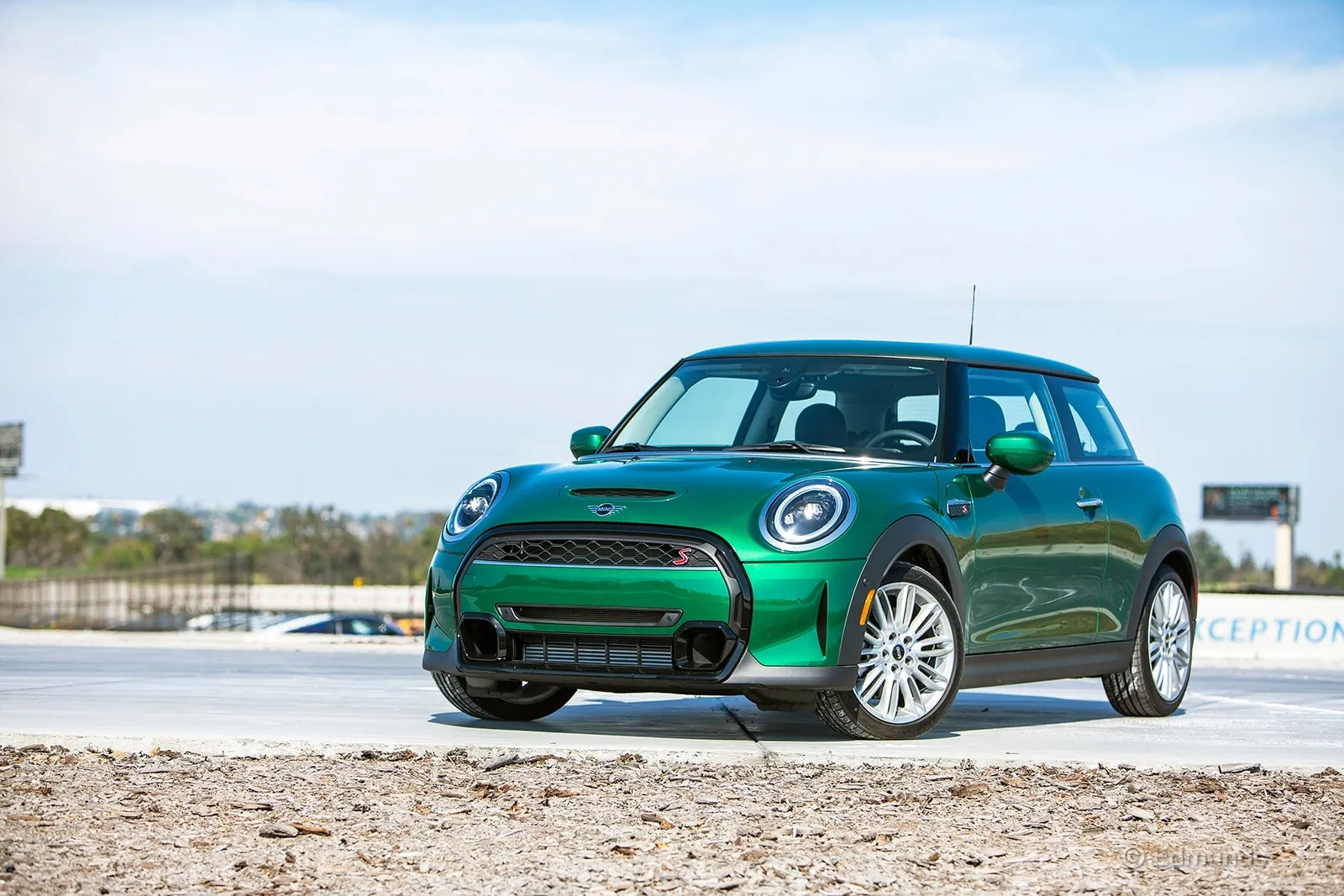
1. Mini Cooper Hardtop
The Mini Cooper Hardtop seems almost purpose-built for Boston’s colonial-era street grid. With an length of just 151 inches and a width of 68 inches, this British icon slips through gaps that would have larger vehicles sweating.
The turning circle of 35.1 feet means you can execute U-turns on streets where other drivers are stuck performing Austin Powers-style multi-point maneuvers.
What truly raises the Mini for Boston duty is its go-kart-like handling characteristics. The electric power steering offers exceptional feedback, letting you feel exactly where your wheels are positioned crucial when going through the streets where the margin between your mirror and a parked delivery truck is measured in inches rather than feet.
The short overhangs front and rear mean you can pull into tight spaces without worrying about bumper overhang scraping on curbs or dipping into crosswalks.
The raised seating position, despite the car’s diminutive exterior, provides surprisingly good visibility. You can actually see over the Subarus and Priuses that dominate Boston parking, making it easier to spot that miracle empty space on Newbury Street.
The stiff suspension that might feel harsh on highways actually excels over Boston’s crater-like potholes, keeping you planted and predictable.
Parking is where the Mini truly shines. That compact footprint means you’ll fit into spaces that others cruise past, and the tight turning radius makes parallel parking almost enjoyable.
The rear parking sensors available on most trims are genuinely useful rather than merely convenient. Storage isn’t generous, but for urban Boston life groceries, gym bag, weekend getaway it’s adequate.
The only real drawback is the firm ride quality, but that’s a worthwhile trade-off for a car that makes Boston backstreets feel conquerable rather than confrontational.
When you’re threading through the tangled streets of Charlestown or hunting parking in Harvard Square, few cars inspire more confidence than the plucky Mini Cooper.
2. Honda Fit
The Honda Fit represents automotive efficiency in its purest form maximum interior space from minimum exterior dimensions. At 160 inches long, it’s barely larger than the Mini Cooper, yet the ingenious packaging creates interior room that rivals compact SUVs.
This combination proves ideal for Boston, where you need to carry actual stuff but can’t afford the parking footprint of a larger vehicle.
The Fit’s secret weapon is its exceptional visibility. The upright greenhouse design, thin pillars, and raised seating position create a panoramic view of your surroundings.
In a city where pedestrians materialize from between parked cars, cyclists appear from nowhere, and parking requires precision threading, being able to see everything around you isn’t luxury it’s necessity. The low hood line means you can actually judge where your front bumper ends, eliminating the guesswork that plagues taller SUVs.
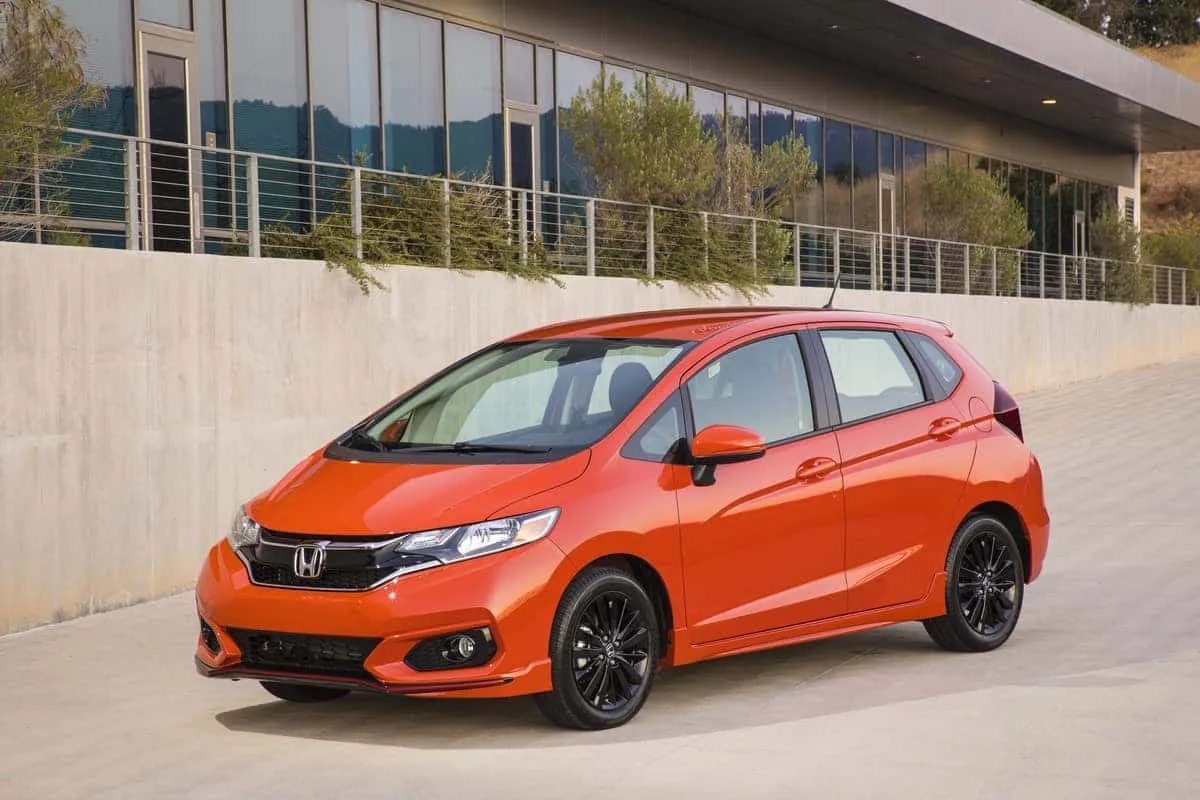
Maneuverability ranks among the Fit’s strongest attributes. The turning circle of 34.4 feet outperforms many subcompact cars, while the light, responsive steering makes quick corrections effortless.
The continuously variable transmission isn’t exciting, but it provides smooth, predictable power delivery exactly what you want when accelerating from stop signs on hills or merging into the organized chaos of Storrow Drive.
That Honda reliability becomes especially valuable in Boston’s harsh environment. The Fit handles winter salt, summer heat, and pothole-pocked streets without complaint.
The affordable maintenance costs matter too, because Boston living is expensive enough without surprise repair bills. The Magic Seat system, which allows the rear seats to fold flat or flip up stadium-style, means you can haul furniture from Cambridge to Southie or stack plants from the farmers market with remarkable versatility.
The Fit isn’t exciting or prestigious, but it’s phenomenally practical. It parks anywhere, fits everywhere, sees everything, and rarely breaks. For going through the Boston’s backstreets while actually living your life, that pragmatic excellence makes perfect sense.
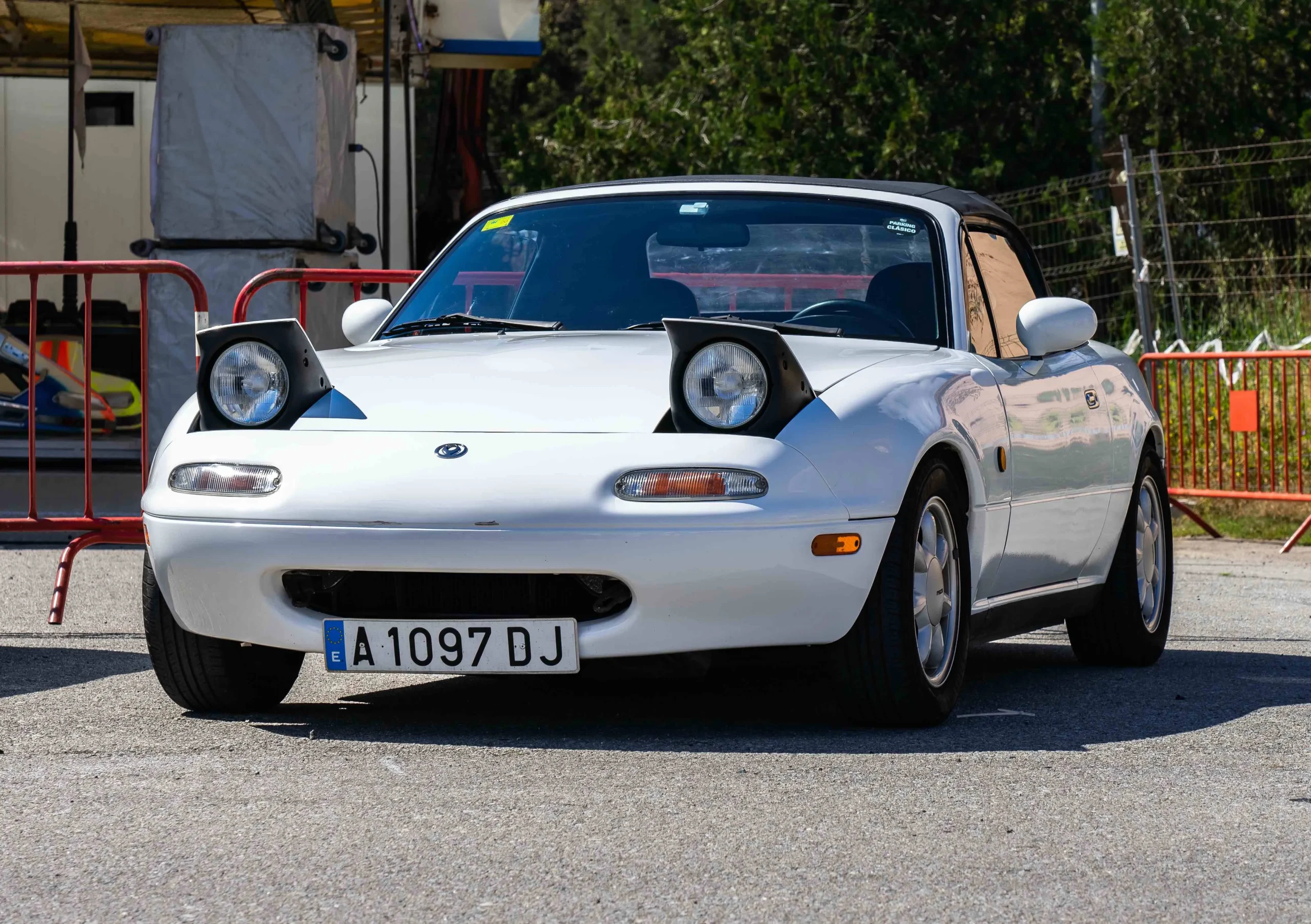
3. Mazda MX-5 Miata
Suggesting a two-seat roadster as a Boston backstreet champion might seem counterintuitive, but the Mazda MX-5 Miata possesses qualities that transform challenging streets into pure driving pleasure. At just 154 inches long and 68 inches wide, the Miata occupies barely more space than a Mini Cooper.
That diminutive footprint combined with a 30.8-foot turning circle creates extraordinary agility. The Miata’s magic lies in its steering precision and driver engagement. The hydraulic steering system increasingly rare in modern cars provides direct communication with the road surface.
You know exactly where the front wheels are pointed and how much grip you have, allowing you to place the car with millimeter accuracy. When going through the North End’s tight corners or dodging double-parked cars on Commonwealth Avenue, that precision inspires confidence.
The low seating position and minimal body overhangs mean you can see the corners of the car, making parking straightforward despite the lack of modern electronic aids on base models.
The short wheelbase and neutral handling balance make tight spaces less intimidating. Yes, the ride is firm over Boston’s abused pavement, but the responsive suspension keeps you connected and in control.
Practicality concerns are legitimate the trunk holds just 4.6 cubic feet with the top up, and winter driving requires dedicated snow tires.
But for a second car, weekend vehicle, or childfree professional, the Miata transforms Boston commutes from stressful obligations into genuine fun. Those backstreets that frustrate truck drivers become an autocross course. Finding parking becomes a game you consistently win.
The Miata reminds you that cars can be joy-inducing partners rather than mere transportation appliances. In a city where driving often feels like combat, piloting a Miata through Boston’s historic neighborhoods reconnects you with why people loved driving in the first place.
4. Volkswagen Golf
The Volkswagen Golf represents European urban car philosophy executed brilliantly compact exterior dimensions wrapped around a surprisingly spacious, upscale interior.
At 168 inches long, it’s larger than the Fit or Mini but still decidedly compact, while the 36-foot turning circle maintains excellent maneuverability. The Golf succeeds in Boston because it balances nimbleness with refinement.
The Golf’s greatest strength is its solid, planted feel. Where some small cars feel lightweight and skittish, the Golf possesses a substantial, confidence-inspiring character.
The precise steering, well-damped suspension, and rigid chassis mean you can hustle through tight streets without the car feeling overwhelmed or nervous
When going through the bumpy cobblestones in the Financial District or making quick lane changes on the Jamaicaway, the Golf remains composed and predictable.
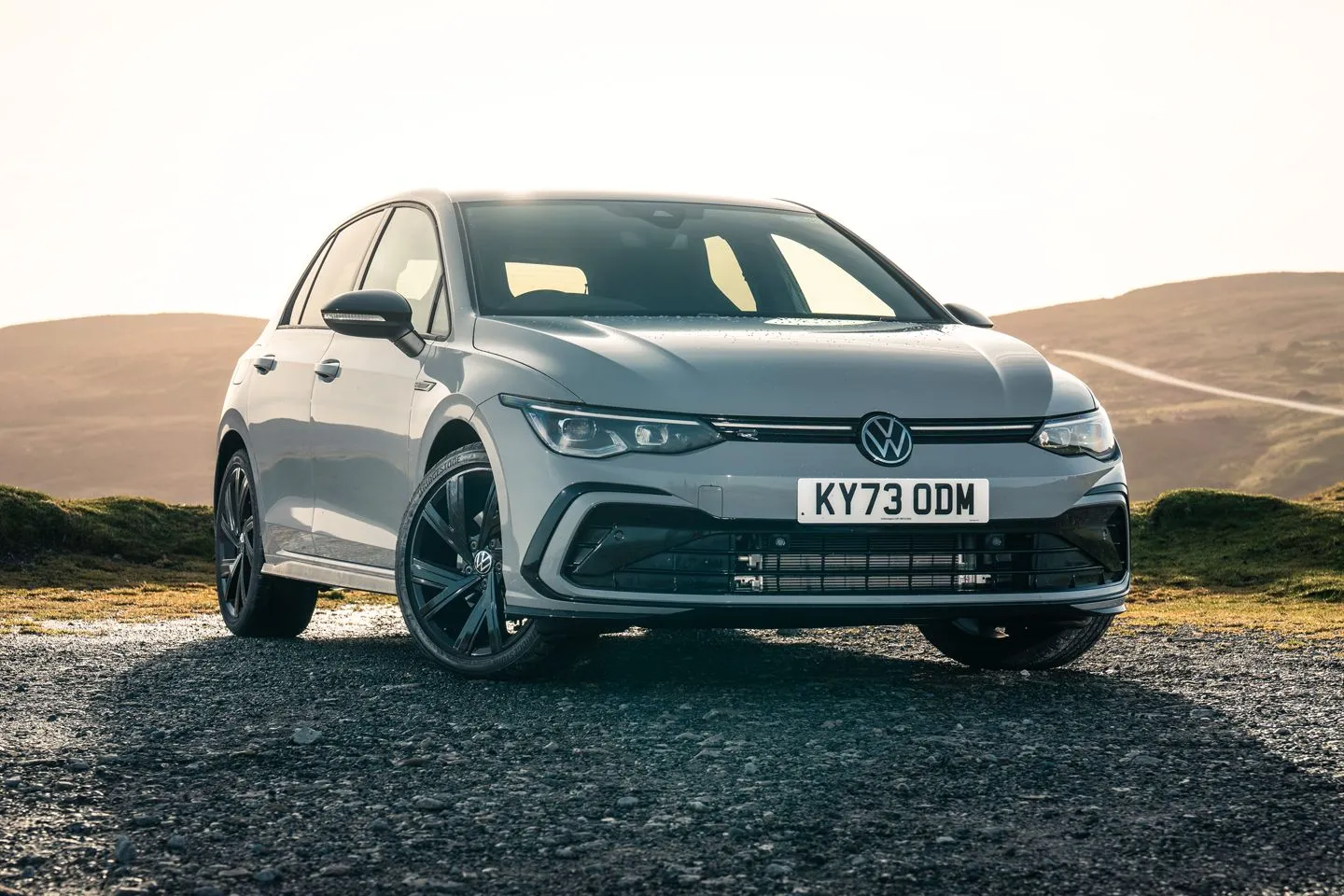
Interior quality exceeds most competitors, with materials and construction that feel genuinely upscale. After spending time in Boston traffic which you inevitably will you’ll appreciate the comfortable seats, intuitive controls, and quiet cabin.
The rear seats actually accommodate adults for short trips, and the cargo area swallows groceries, luggage, or IKEA purchases without complaint. The available hatchback design (in GTI or standard Golf form) provides remarkable versatility.
The turbocharged engine options deliver excellent low-end torque, making it easy to accelerate from Boston’s countless stop signs or merge onto highways. Fuel economy remains strong despite the performance, important given Boston’s stop-and-go traffic patterns and expensive gas prices.
If you want something more engaging, the Golf GTI transforms the sensible hatchback into a legitimate sport compact while maintaining all the practical advantages.
Either way, the Golf proves you don’t have to sacrifice comfort, quality, or driving enjoyment to go through the Boston’s challenging streets effectively.
Also Read:
5. Subaru Crosstrek
The Subaru Crosstrek might seem too large for Boston backstreet duty at 176 inches long, but it brings capabilities that make it surprisingly effective.
The 34.8-foot turning circle is tighter than many smaller vehicles, while the raised ride height 8.7 inches of ground clearance proves invaluable for Boston’s real-world conditions.
Those conditions include parking situations where you’re mounting curbs, winter snow piles that block street parking, potholes deep enough to qualify as archaeological sites, and speed bumps installed with apparent malice.
The Crosstrek’s extra clearance means you go through the these obstacles without scraping, bottoming out, or holding your breath. The rugged construction handles abuse that would damage lower, more delicate vehicles.
Visibility is exceptional thanks to the boxy design and upright seating position. You can see over most sedans and many crossovers, making it easier to spot parking opportunities, anticipate traffic, and avoid pedestrians.
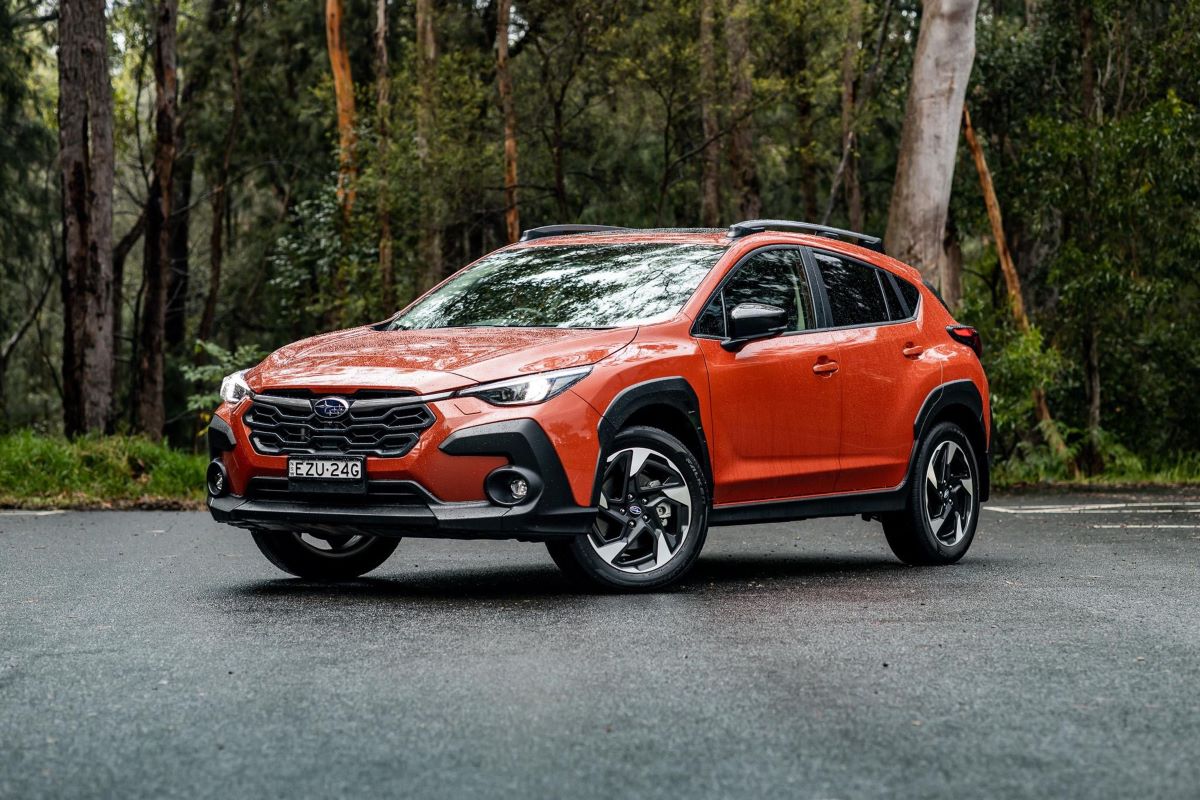
The standard all-wheel drive provides genuine winter capability crucial because Boston winters are brutal and parking bans during snow emergencies force street parking even in blizzard conditions.
The symmetrical all-wheel drive system isn’t just marketing fluff; it provides real traction advantages on snow-covered streets, during spring mud season, and on rain-slicked roads. Combined with good ground clearance, the Crosstrek handles weather conditions that strand less capable vehicles.
Interior space is genuinely useful without being excessive. You can transport friends, gear, dogs, or purchases while still fitting into reasonable parking spaces.
The cargo area accepts bikes, camping equipment, or Boston market hauls. Reliability follows Subaru’s reputation for durability, and the reasonable pricing makes it accessible.
The Crosstrek won’t thrill driving enthusiasts the CVT transmission and modest power output ensure competent rather than exciting performance but it balances size, capability, and maneuverability effectively for Boston’s real-world demands.
5 Cars That Struggle on Boston Backstreets
These frustratingly impractical vehicles suffer from excessive dimensions and poor urban maneuverability that create constant headaches throughout Boston’s impossible street network, transforming routine errands into nerve-wracking ordeals requiring multiple attempts going through the turns designed centuries before automobiles existed in colonial-era neighborhoods.
Their problematic characteristics include SUV-like turning circles and extended wheelbases that cannot handle Boston’s hairpin corners and absurdly narrow passages, leading to scraped fenders on brick walls, impossible parking scenarios in tiny resident spots, and genuine fear maneuvering through streets where oncoming traffic means one vehicle must back up entire blocks.
1. Ford F-150 SuperCrew
The Ford F-150 SuperCrew represents America’s best-selling vehicle and stands as a genuinely impressive truck for its intended purposes.
Unfortunately, going through the Boston’s colonial-era backstreets isn’t among those purposes. At 232 inches long and 80 inches wide not counting mirrors the F-150 occupies roughly 50% more space than a typical compact car. That footprint creates constant challenges.
The turning circle of 47.8 feet means U-turns become impossible on most Boston backstreets. You’ll find yourself performing multi-point turns on streets where smaller cars simply rotate and continue.
Three-point turns become five-point endeavors, with frustrated drivers stacking up behind you. The North End’s narrow lanes, barely wide enough for two compact cars to pass, become nerve-wracking obstacle courses where you’re folding in mirrors and praying.
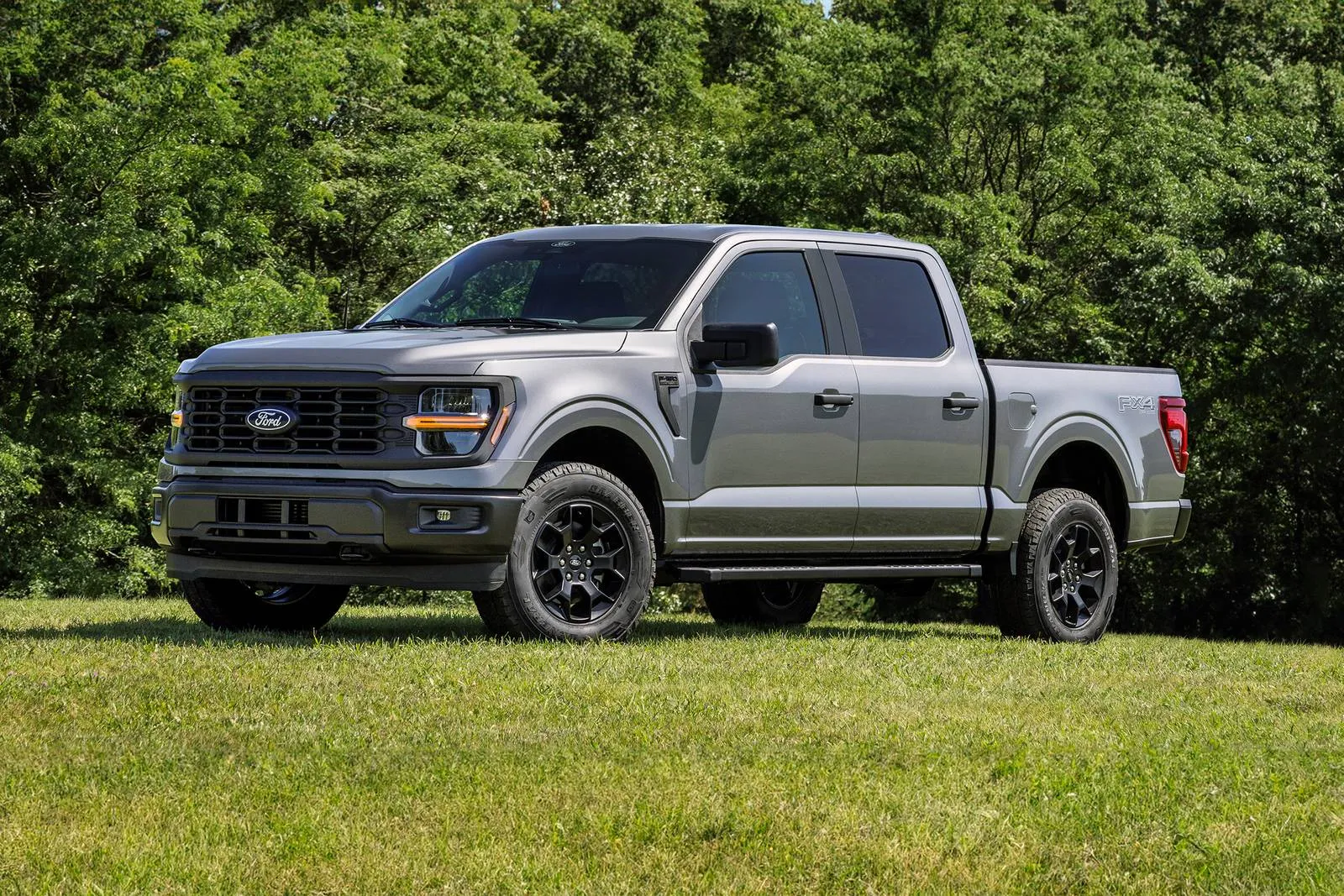
Parking transforms from challenging to genuinely nightmarish. Those parallel parking spaces that Bostonians fight over? You’re passing them by because even if your truck technically fits, the act of parallel parking something this large, with limited rear visibility and a bed extending behind you, requires talents most drivers don’t possess.
Parking garages downtown often have height restrictions that exclude full-size trucks, and those that allow entry feature spaces designed for normal cars, not vehicles that could camp comfortably inside them.
The raised seating position might seem advantageous, but the high hood line means you can’t see what’s directly in front of you a serious problem when pedestrians, cyclists, and small cars occupy that blind zone.
The mirrors extend so far outward that you’re constantly worried about clipping them on parked cars, posts, or the endless construction barrels that plague Boston streets.
Fuel economy suffers in city driving, and finding gas stations with easy truck access in downtown Boston is challenging. The ride quality, optimized for hauling and towing, feels harsh over Boston’s broken pavement.
Unless you genuinely need truck capability for work or serious recreation, owning an F-150 in Boston means daily frustration going through the streets that simply weren’t designed for vehicles this large.
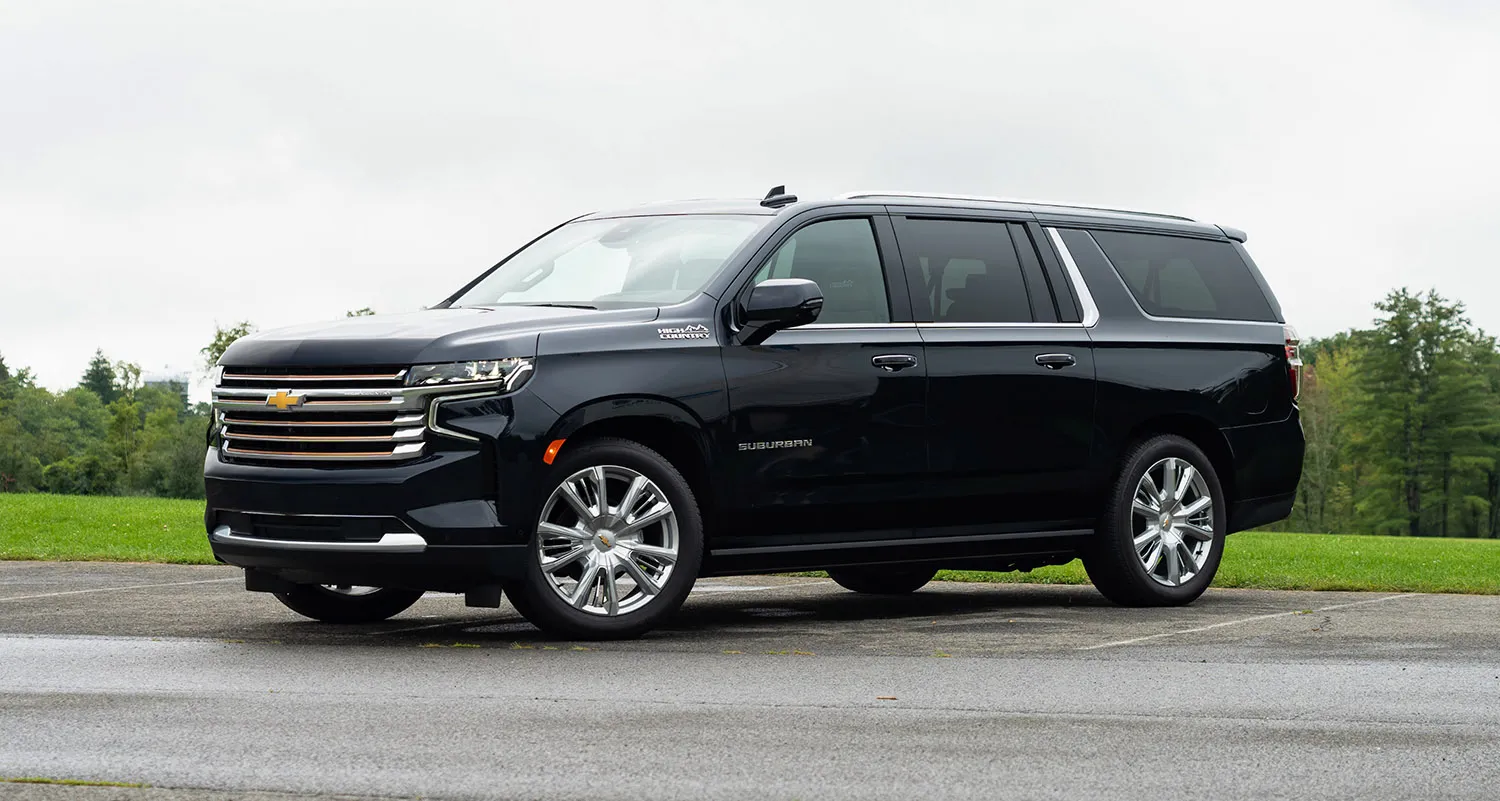
2. Chevrolet Suburban
If the F-150 struggles in Boston, the Chevrolet Suburban takes that challenge and supersizes it. At 225 inches long and 81 inches wide, the Suburban is marginally shorter than the F-150 but feels even more cumbersome due to its high-sided SUV design.
The turning circle of 42.5 feet is technically better than the truck’s but still far too large for comfortable Boston go through. The Suburban’s greatest liability is its sheer bulk.
Driving through neighborhoods like Beacon Hill or the North End feels like piloting a cruise ship through a marina designed for sailboats. Every street feels narrower, every corner tighter, every parking situation impossible.
Two-way streets become white-knuckle affairs as you squeeze past oncoming traffic with inches to spare or don’t, resulting in the awkward backwards shuffle to let the other car pass.
Parking is the stuff of nightmares. Parallel parking requires a space roughly the length of two normal cars, which basically doesn’t exist in desirable Boston neighborhoods.
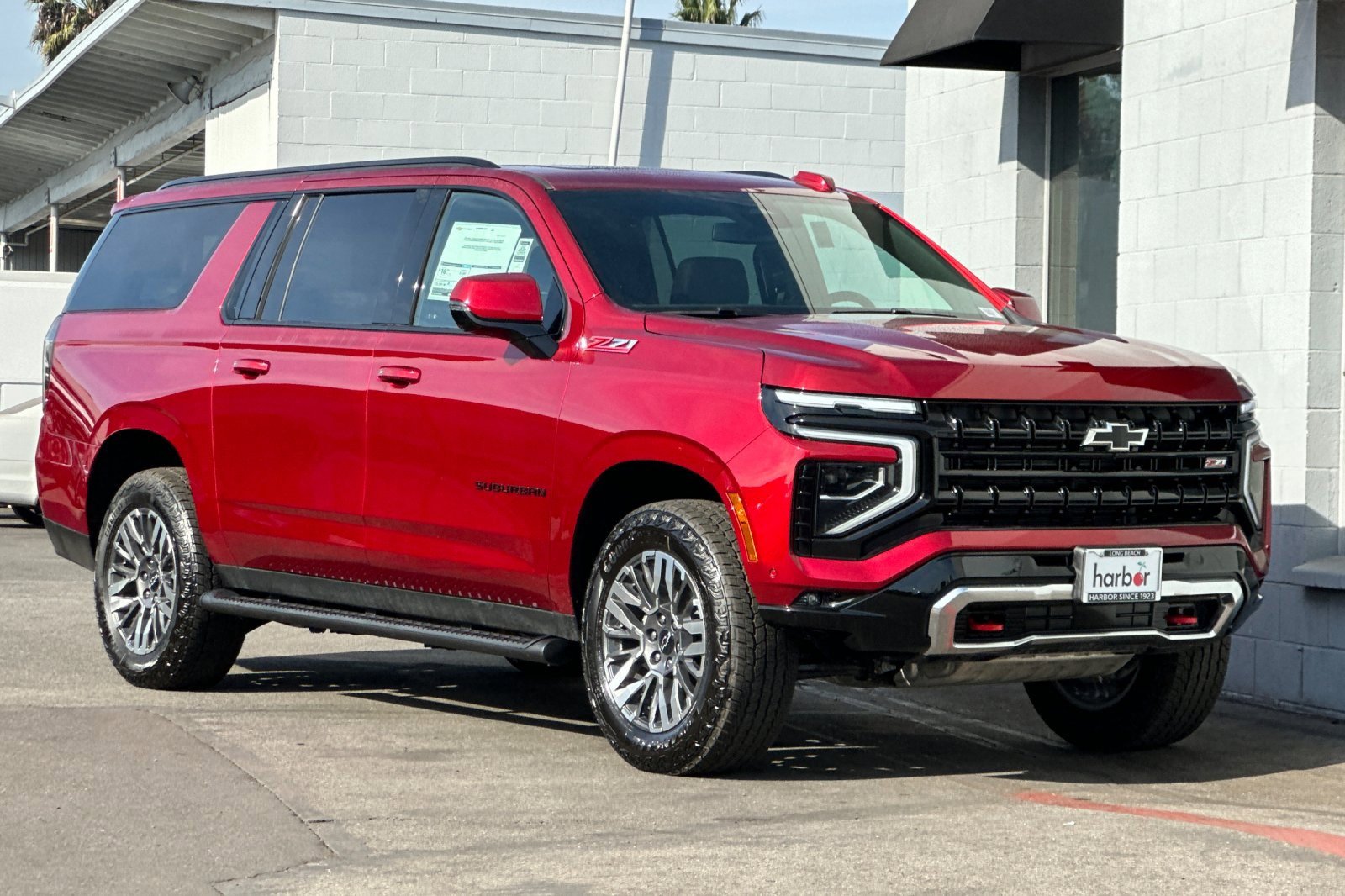
Parking garages present height clearance issues, and those spiral ramps weren’t designed for vehicles this long and wide. You’ll find yourself circling endlessly, passing spaces that smaller vehicles occupy effortlessly, finally settling for expensive valet parking or distant lots.
The third-row seating and massive cargo capacity are genuinely useful for large families, but most people driving Suburbans in Boston aren’t fully utilizing that space daily.
Instead, they’re sacrificing maneuverability, parking ease, and fuel economy for theoretical capability they rarely need. The V8 engine drinks fuel in Boston’s stop-and-go traffic, and the harsh ride over potholed streets reminds you that this vehicle was designed for highway cruising, not urban threading.
Visibility problems plague the Suburban despite the raised seating. The thick pillars create substantial blind spots, while the long hood and high beltline make judging distances difficult.
Children and small objects disappear from view entirely. The Suburban excels at highway road trips and genuinely serves large families well, but for Boston backstreets, it’s simply too much vehicle creating too many daily headaches.
3. Dodge Challenger
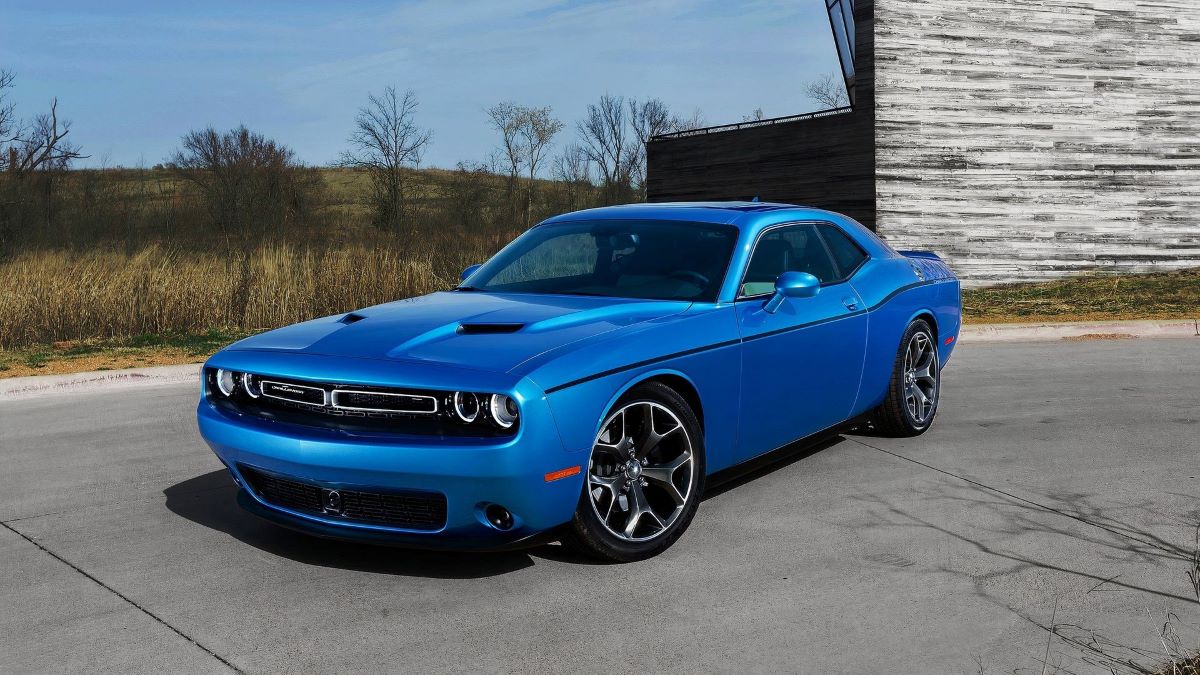
The Dodge Challenger brings retro muscle car style and tire-shredding performance, but its old-school dimensions and dynamics make it poorly suited for Boston’s tight confines. At 198 inches long and 75 inches wide, it’s not as large as the trucks and SUVs, but it feels bigger than its measurements suggest due to poor visibility and awkward proportions.
The Challenger’s greenhouse design prioritizes aggressive styling over practical visibility. The thick roof pillars, small rear window, and high beltline create significant blind spots.
The long hood stretches ahead like an aircraft carrier’s deck, making it impossible to judge where the front end actually terminates. When parallel parking or going through the tight spaces, you’re guessing rather than knowing where your bumper ends a recipe for expensive encounters with other vehicles.
That 38.1-foot turning circle isn’t terrible by modern standards, but combined with heavy, somewhat numb steering, the Challenger feels ponderous in tight quarters.
Quick corrections require more effort and planning than nimbler vehicles. The long front and rear overhangs mean you’re scraping bumpers on curbs and driveway transitions that smaller cars clear easily.
The performance variants with massive engines deliver thrilling acceleration in straight lines but feel increasingly absurd in Boston context.
You can’t use that power in city traffic, and the fuel consumption becomes punishing V8 models struggle to achieve double-digit mpg in city driving. The sport-tuned suspensions on R/T and higher trims punish occupants over Boston’s cratered streets.
The Challenger’s two-door configuration creates practical problems too. The long doors require significant clearance to open fully, making tight parking spaces even more challenging.
Rear seat access is awkward, and the trunk opening is surprisingly small despite the car’s size. For a vehicle this large, interior space feels oddly constrained.
If you absolutely need a muscle car fix, the Challenger works as a weekend toy, but daily driving in Boston transforms its retro charm into genuine frustration.
4. BMW X7
The BMW X7 represents three-row luxury SUV excellence, with sumptuous materials, advanced technology, and impressive performance for its size.
Unfortunately, that size creates constant challenges in Boston’s environment. At 203 inches long and 79 inches wide, the X7 occupies serious real estate. The 39.4-foot turning circle is acceptable for something this large but still inadequate for many Boston backstreet situations.
The fundamental problem is that the X7’s luxury appointments can’t overcome physics. No amount of premium leather or advanced driver assistance systems makes a vehicle this large maneuverable in tight spaces.
You’ll appreciate the surround-view cameras and parking sensors because you absolutely need them but they’re compensating for a size problem rather than solving it.
Downtown parking becomes a strategic challenge. Parking garages with tight corners, low ceilings, and compact spaces exclude the X7 from consideration.
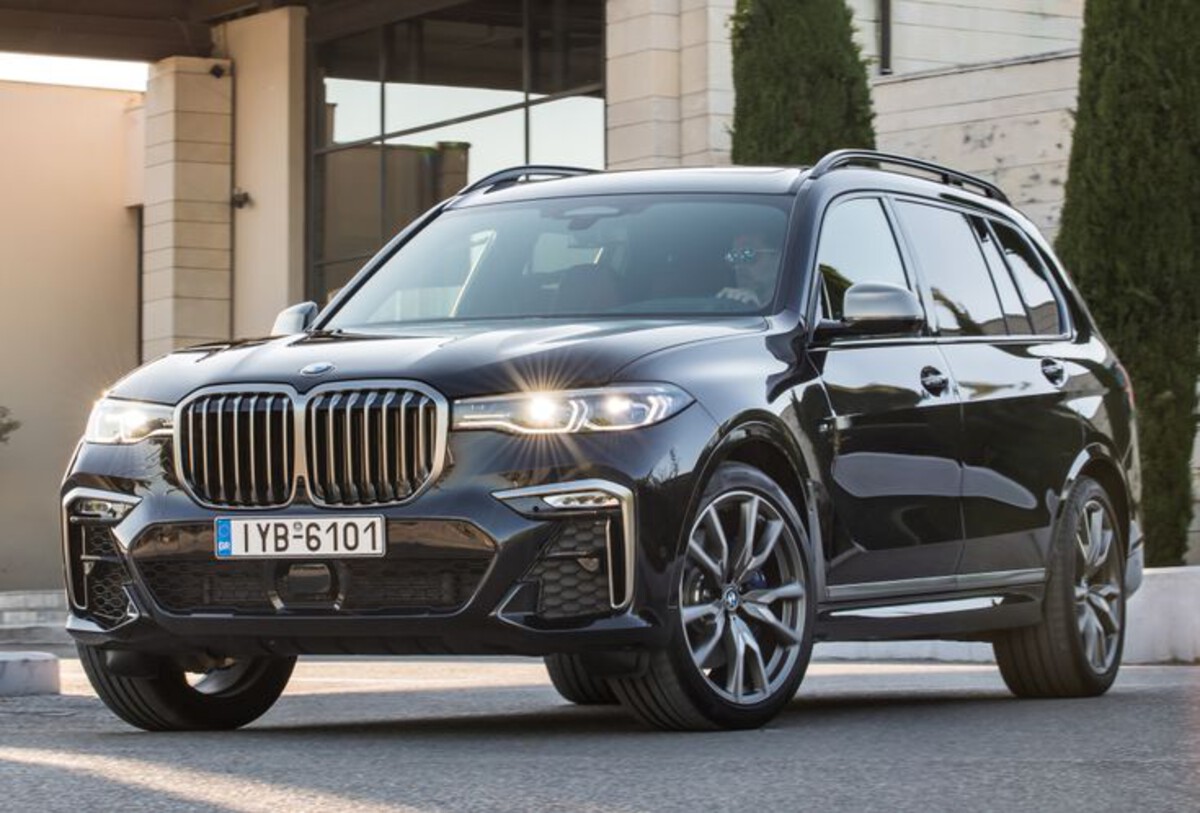
Street parking requires spaces that rarely exist, and when you do find one, the parking process attracts an audience of skeptical onlookers wondering if you’ll actually fit. You often won’t, leading to the walk of shame back to the driver’s seat while bystanders smirk knowingly.
The air suspension provides a smooth ride over rough pavement, genuinely appreciated in pothole-riddled Boston. The all-wheel drive handles winter weather competently.
The luxurious interior makes traffic jams more bearable. But these advantages feel like consolations rather than justifications. You’re spending luxury-tier money on a vehicle that creates daily frustration going through the city you actually live in.
The X7 makes sense for suburban families who occasionally visit Boston but primarily live in areas with modern street grids and ample parking.
For city residents or frequent urban drivers, it’s a magnificent vehicle consistently deployed in the wrong environment, like wearing a tuxedo to a beach volleyball game.
5. Ram 1500 Quad Cab Long Bed
The Ram 1500 in Quad Cab Long Bed configuration represents peak pickup truck practicality for work and recreation. It’s also spectacularly unsuited for Boston backstreets.
At a staggering 241 inches long over 20 feet this configuration of Ram 1500 exceeds even the F-150 SuperCrew in length. Width reaches 82 inches, and the turning circle stretches to 48.5 feet.
These dimensions create situations that transcend inconvenience into absurdity. U-turns become mathematically impossible on most Boston streets.
You’ll find yourself planning routes to avoid turns you know your truck can’t negotiate. Parallel parking is essentially theoretical the combination of extreme length, the bed extending beyond your sightline, and Boston’s limited parking spaces means you’re relegated to lots and rare corner spots.
The long bed provides genuine utility for hauling materials, equipment, or toys, but that eight-foot bed becomes a liability the moment you leave the highway.
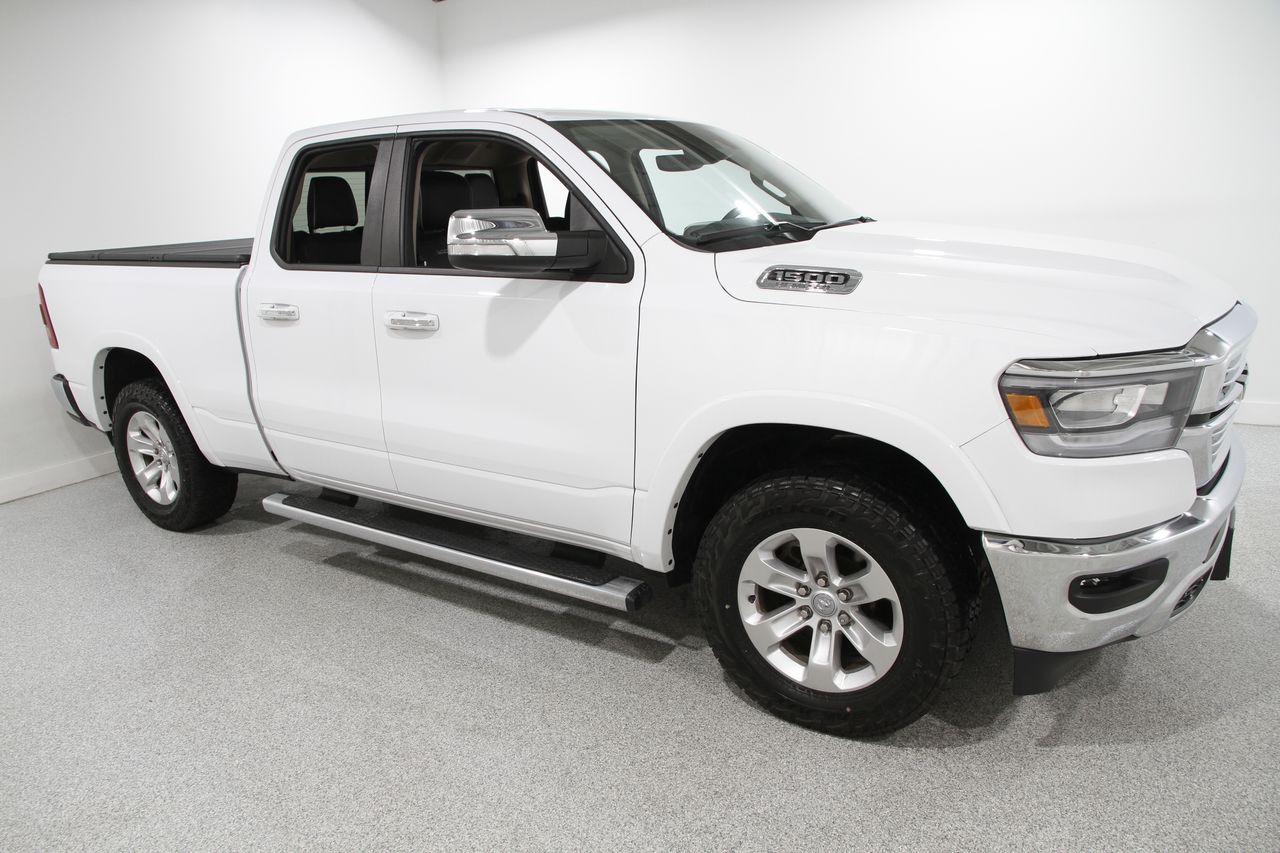
It extends behind you like a train car, requiring constant awareness and calculation. Backing up requires faith and patience. The quad cab provides adult-friendly rear seating, but the four-door configuration adds length that compromises maneuverability.
Visibility issues mirror other large trucks but feel amplified by the Ram’s size. The hood stretches endlessly ahead, the mirrors extend outward significantly, and the bed blocks your entire rear view unless equipped with a camera. Pedestrians and cyclists disappear into blind spots. Parking sensors become mandatory rather than optional.
The Ram 1500 excels at truck duties towing, hauling, off-road capability and if your lifestyle genuinely requires these capabilities, the compromises might be worthwhile. But for general Boston transportation, it’s wildly impractical.
Every trip requires extra planning, every parking attempt brings stress, and the daily experience of going through the colonial-era streets in a truck designed for wide-open western roads brings constant frustration that no amount of chrome trim or premium features can overcome.
Also Read: 10 High-End Sports Cars Engineered for Daily Driving
