
Urban living presents unique challenges for car owners, particularly those dealing with vintage garage spaces built decades ago when vehicles were considerably smaller.
The narrow driveways, tight turning radii, and compact dimensions of older urban garages were designed for an era when cars averaged around 175 inches in length and 65 inches in width.
Today’s automotive world tells a dramatically different story, with modern vehicles growing substantially larger to accommodate safety features, passenger comfort, and consumer preferences for spacious interiors.
For city dwellers residing in historic neighborhoods, brownstone districts, or older apartment complexes, finding a vehicle that actually fits their garage has become an unexpected puzzle.
These garages often feature narrow doors ranging from 7 to 8 feet wide, shallow depths that barely exceed 18 feet, and turning approaches that demand precision maneuvering.
The consequences of choosing the wrong vehicle extend beyond mere inconvenience scraped mirrors, damaged door edges, and the daily stress of tight parking maneuvers can transform car ownership from pleasure to burden.
This comprehensive guide examines ten vehicles across the spectrum: five compact champions that go through the vintage garages with ease, and five modern behemoths that transform simple parking into an exercise in frustration.
Understanding these distinctions helps urban residents make informed purchasing decisions, ensuring their vehicle choice aligns with their parking reality rather than fighting against it daily.
5 Cars That Fit Older Urban Garages
These exceptionally compact vehicles feature narrow widths and manageable heights perfectly suited for going through the pre-war parking structures and vintage building garages, providing stress-free storage in older urban environments without the clearance anxieties typically associated with modern vehicle bloat attempting to squeeze through openings designed decades ago.
Their practical engineering includes modest dimensions and tight turning radii that resist the scraping frustrations found in oversized vehicles while maneuvering through narrow 1920s garage entrances, tight spiral ramps with limited clearance, and cramped parking bays where inches matter for door-opening space.
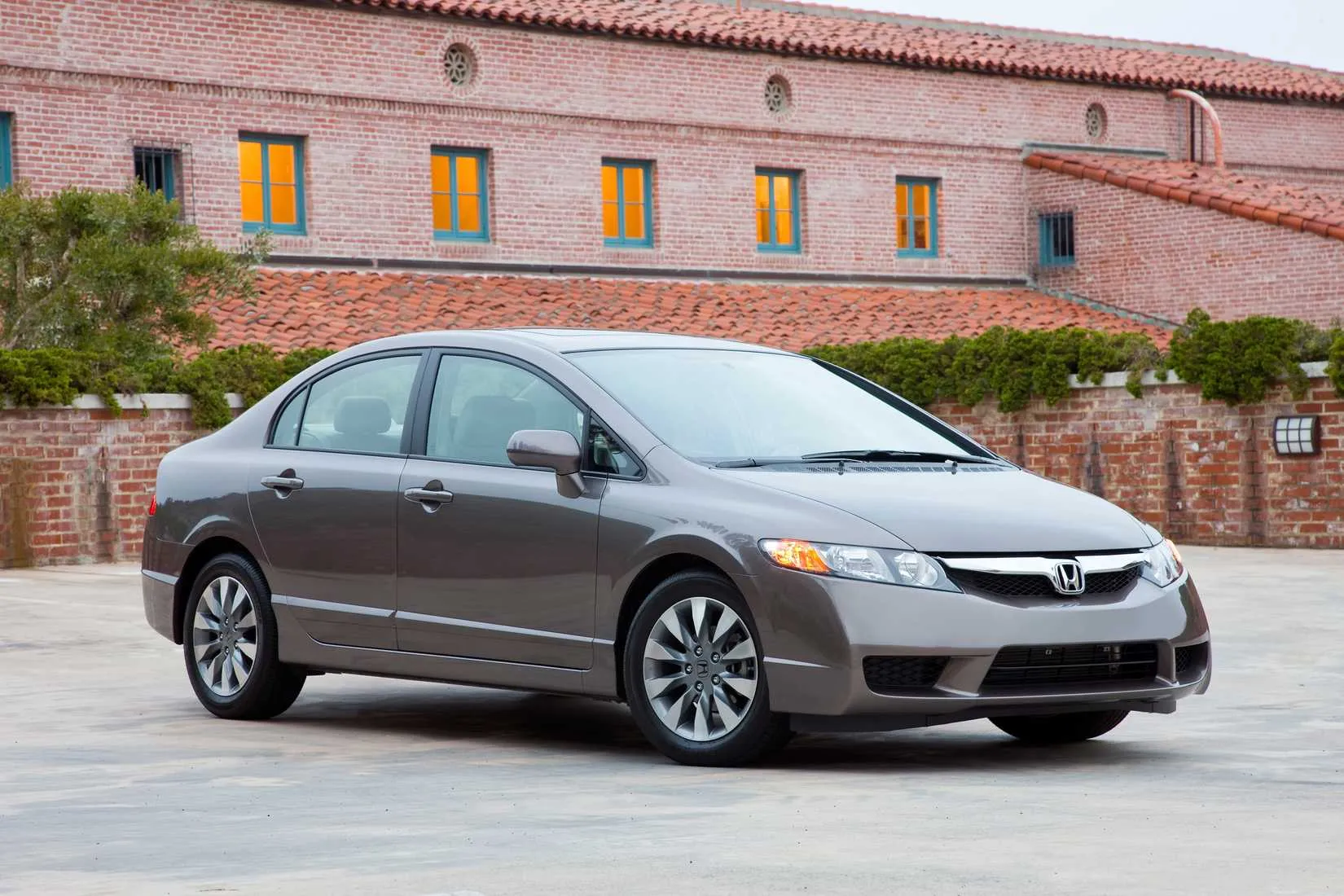
1. Honda Civic Sedan
The Honda Civic represents the gold standard for urban garage compatibility, combining practical dimensions with surprising interior spaciousness.
Measuring approximately 184 inches in length, 71 inches in width, and 56 inches in height, the Civic slips into vintage garages with room to spare. Its compact footprint belies a cleverly engineered interior that maximizes passenger and cargo space through efficient packaging and smart design choices that eliminate wasted areas.
What makes the Civic particularly garage-friendly extends beyond raw measurements. The vehicle’s excellent outward visibility, facilitated by thin A-pillars and strategically positioned mirrors, allows drivers to judge clearances accurately when going through the tight spaces.
The tight turning radius of approximately 37 feet means maneuvering into awkward garage angles becomes manageable rather than nightmarish. Many older garages require vehicles to enter at slight angles due to driveway configurations, and the Civic handles these approaches gracefully.
The Civic’s popularity in urban environments stems partly from Honda’s understanding of city driving realities. Features like a standard backup camera (now federally mandated but pioneered by brands like Honda), available parking sensors, and responsive steering make the daily ritual of garage parking less stressful.
The vehicle’s relatively narrow width means drivers enjoy several inches of clearance on either side in typical older garages, preventing the dreaded mirror-scrape scenario that plagues wider vehicles.
Fuel efficiency represents another practical advantage for urban garage owners. The Civic’s excellent gas mileage means fewer trips to the pump, and its reliability reduces concerns about repairs in tight garage spaces where working around the vehicle becomes challenging.
The sedan configuration provides trunk access without requiring additional clearance behind the vehicle, unlike hatchbacks or SUVs with rear-opening cargo doors that demand extra depth consideration.
2. Mazda3 Hatchback
The Mazda3 hatchback delivers European-inspired styling and driving dynamics in a package perfectly suited to older urban garages. With dimensions hovering around 183 inches long, 71 inches wide, and 57 inches tall, this compact hatchback go through the parking spaces while offering the versatility of a rear cargo area.
The hatchback design provides significantly more cargo flexibility than traditional sedans, though buyers must verify their garage depth accommodates the rear hatch opening typically requiring about 3 additional feet of clearance.
Mazda’s commitment to driving enjoyment translates into precise steering and excellent sightlines that make tight-quarter maneuvering less intimidating.
The vehicle’s sculpted design, while visually striking, avoids unnecessary width that would compromise parking ease. Premium interior materials and sound insulation create an upscale atmosphere that rivals luxury brands, making the Mazda3 an appealing choice for urbanites who refuse to sacrifice refinement for practicality.
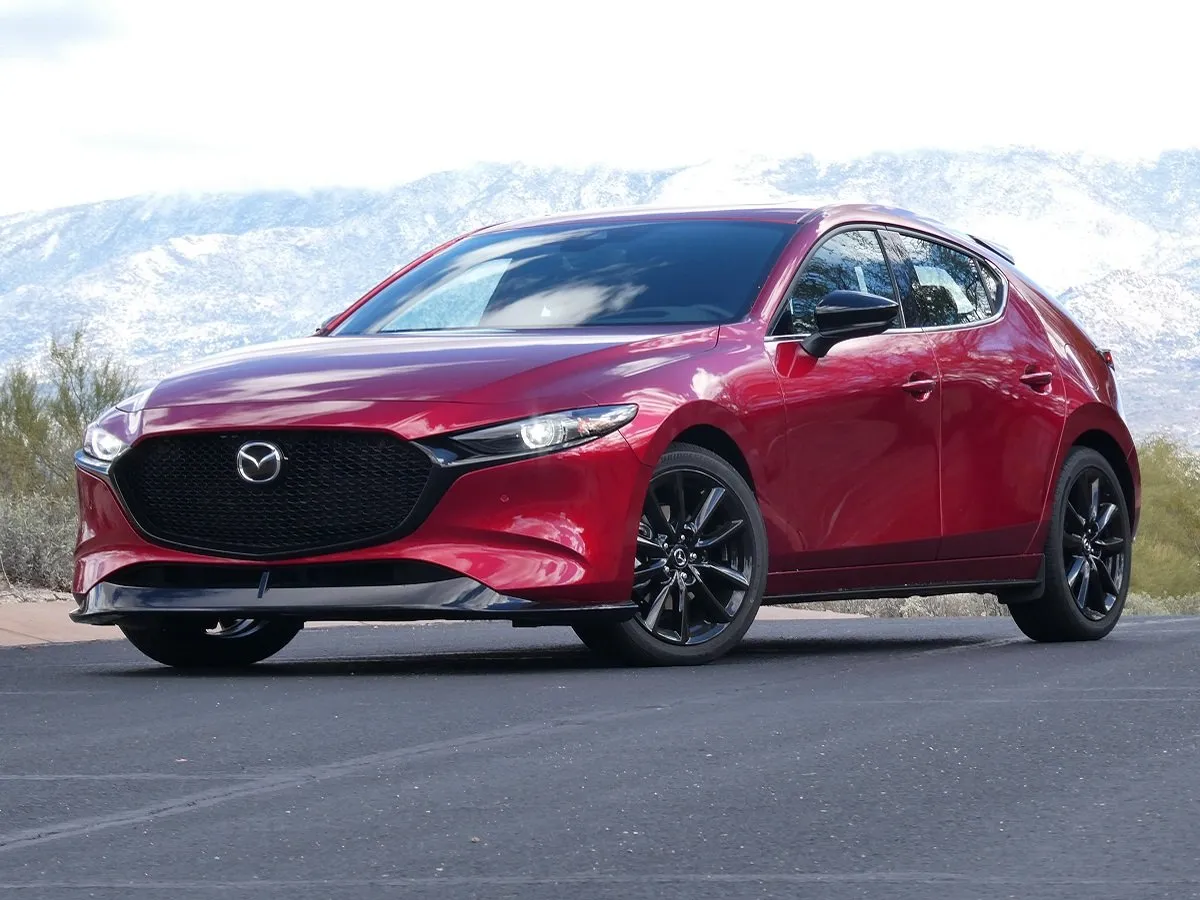
The hatchback’s relatively low height proves advantageous for garages with limited vertical clearance or low-hanging obstacles like storage racks and lighting fixtures.
Many older garages feature exposed beams or mounted equipment that can interfere with taller vehicles, but the Mazda3’s sleek profile avoids these complications.
The rear hatch provides easy access for loading groceries, sports equipment, or other urban necessities without requiring the extra length of a compact SUV. Modern Mazda3 models include advanced driver assistance features that enhance parking confidence.
The available 360-degree camera system provides a bird’s-eye view of the vehicle’s surroundings, invaluable when going through the tight garage spaces with support columns or storage items creating blind spots.
Mazda’s i-Activsense safety suite can include front and rear parking sensors that audibly warn drivers when approaching obstacles, preventing costly scrapes and collisions in confined spaces.
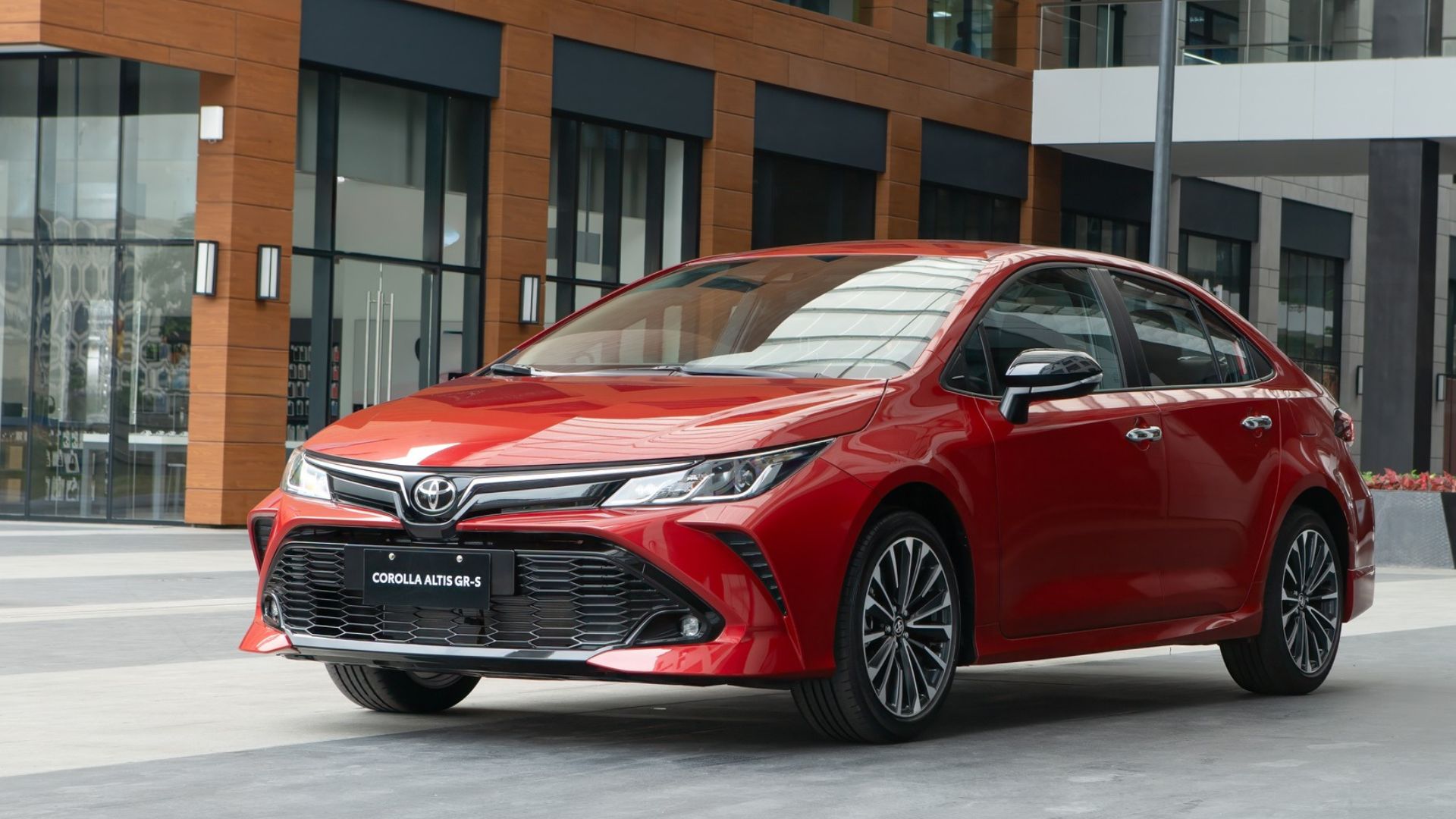
3. Toyota Corolla
The Toyota Corolla’s reputation as the world’s best-selling car stems partly from its universal practicality, including exemplary compatibility with older urban garages.
Spanning roughly 183 inches in length and 70 inches in width, the Corolla represents sensible transportation that prioritizes functionality over flash.
This modest sizing allows drivers to park confidently in garages built when vehicles were routinely smaller, while Toyota’s legendary reliability ensures the vehicle will faithfully serve its owner for years or even decades.
Toyota engineers the Corolla with real-world usability as a primary consideration. The vehicle’s turning circle of approximately 36 feet enables tight U-turns and sharp angle approaches that older garage layouts often demand.
Generous glass areas and strategically positioned mirrors provide excellent visibility, helping drivers judge distances accurately when maneuvering in confined spaces. The sedan’s proportions feel natural and easy to judge from the driver’s seat, reducing the learning curve when adapting to a new garage situation.
The Corolla’s value proposition extends beyond initial purchase price to encompass low operating costs that benefit urban owners. Excellent fuel economy reduces trips to gas stations, while Toyota’s reliability reputation means fewer repair visits particularly important when garage access complicates getting the vehicle to service centers.
The widespread availability of parts and mechanics familiar with Corolla maintenance means repairs, when needed, proceed quickly and affordably.
Modern Corollas include technology that enhances parking ease without overwhelming drivers with complexity. Features like Toyota Safety Sense, which can include parking assistance, provide helpful guidance without requiring extensive learning curves.
The vehicle’s conservative styling may not turn heads, but it avoids design flourishes like protruding mirrors or aggressive bumpers that could complicate parking in tight spaces. For urban residents prioritizing stress-free parking over styling statements, the Corolla delivers exactly what matters most.
4. Mini Cooper
The Mini Cooper embraces its name with dimensions specifically engineered for tight urban environments, making it perhaps the ultimate older-garage companion.
Measuring approximately 152 inches long and just 68 inches wide, the Mini fits garages that challenge even other compact cars. This diminutive footprint doesn’t compromise the vehicle’s character Mini owners enjoy distinctive styling, spirited performance, and surprising interior space considering the exterior dimensions.
Mini’s design philosophy prioritizes space efficiency, with every inch serving a purpose. The upright seating position and clever interior packaging create passenger space that feels larger than the exterior suggests, while the vehicle’s short overhangs mean the wheelbase-to-length ratio maximizes usable interior room.
For garage purposes, these short overhangs prove invaluable the vehicle’s actual occupiable space extends nearly to its extremities, meaning drivers don’t waste garage depth on purely decorative bodywork.
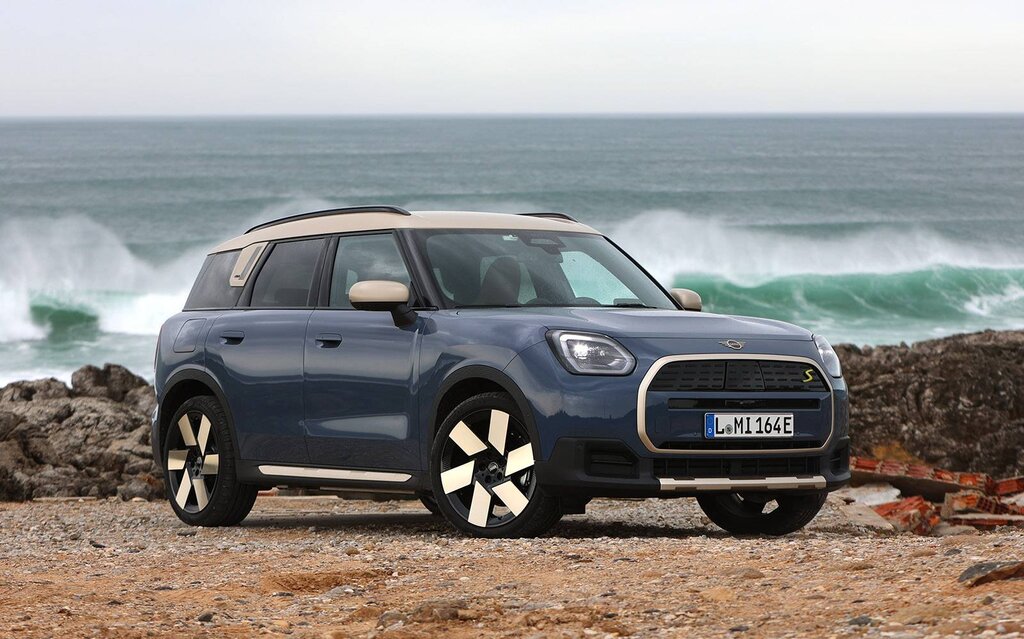
The Mini’s phenomenal maneuverability transforms challenging parking situations into simple tasks. With a turning circle often under 36 feet and ultra-responsive steering, drivers can go through the approaches that would confound larger vehicles.
The vehicle’s width allows comfortable clearance even in garages where support columns or wall-mounted storage reduce usable space. Many older urban garages feature offset doors or irregular shapes due to building constraints, and the Mini’s compact dimensions provide flexibility to work around these quirks.
Premium features and customization options allow Mini owners to create vehicles that reflect personal style while maintaining practical dimensions. The brand’s emphasis on personality and driving enjoyment means choosing a smaller car doesn’t feel like a compromise but rather an intentional lifestyle choice.
For urban residents with particularly challenging garage situations perhaps tandem parking arrangements or especially narrow doors the Mini Cooper often represents not just a good choice but the only viable option that combines practicality with driving pleasure.
Also Read: 5 Vehicles That Handle Washington DC Parking Rules vs 5 That Don’t
5. Volkswagen Golf
The Volkswagen Golf balances European refinement with practical dimensions that suit older urban garages excellently. At approximately 168 inches long and 70 inches wide, the Golf provides hatchback versatility in a footprint smaller than many sedans.
This German hatchback has earned its reputation as a benchmark in the compact class through decades of refinement, offering build quality and driving dynamics that punch above its size class while remaining garage-friendly.
Volkswagen’s engineering expertise shines through in how the Golf maximizes interior space within its modest exterior dimensions. The vehicle’s boxy design prioritizes interior volume over aerodynamic styling flourishes, resulting in generous headroom, legroom, and cargo capacity.
The hatchback configuration provides excellent cargo flexibility the rear seats fold to create a surprisingly large load floor perfect for urban errands, furniture shopping, or weekend getaways.
Garage owners should verify depth for rear hatch operation, though the Golf’s compact length means most vintage garages accommodate this requirement.
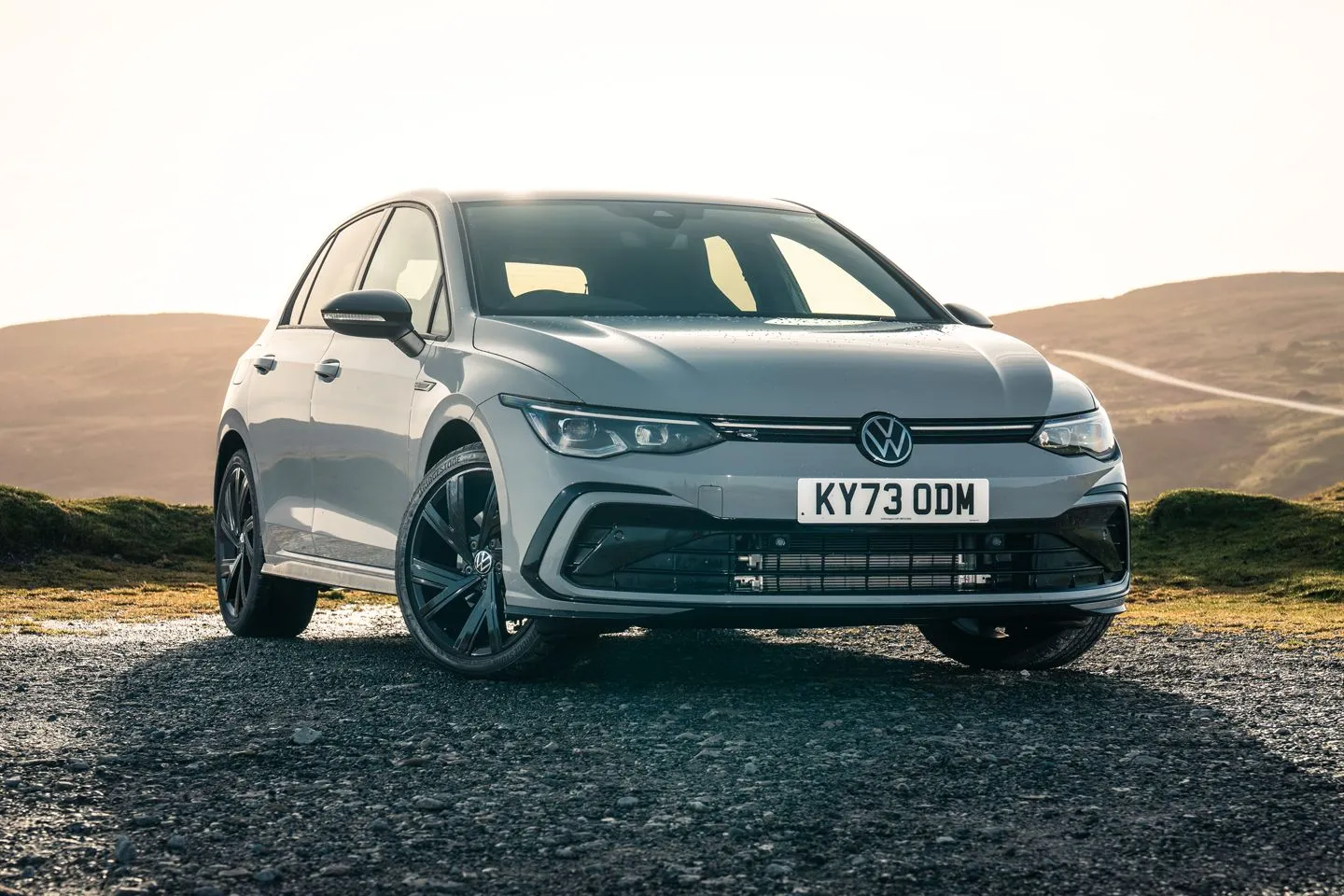
The Golf’s precise German engineering extends to parking maneuverability. Accurate steering, good sightlines, and a tight turning radius make garage navigation straightforward rather than stressful.
Higher trim levels offer advanced parking assistance technologies including cameras, sensors, and even automated parking features that can handle parallel parking or perpendicular parking with minimal driver input.
These technologies prove particularly valuable in garage situations where support columns, storage items, or irregular wall angles create challenges.
Build quality represents a Golf hallmark that benefits garage owners specifically. The solid construction withstands the minor bumps and scrapes that occasionally occur in tight parking situations better than vehicles with cheaper materials.
Interior refinement creates a premium atmosphere that makes the Golf feel special despite its modest size, appealing to urban residents who want upscale transportation without the garage-unfriendly dimensions of luxury sedans or SUVs.
5 Cars That Get Stuck in Older Urban Garages
These frustratingly oversized vehicles suffer from excessive width and towering heights that create genuine entrapment risks in older urban parking structures, transforming routine garage access into terrifying tight-squeeze ordeals where scraped mirrors and roof antenna damage become inevitable consequences of modern vehicle dimensions incompatible with vintage architecture.
Their problematic characteristics include SUV-like widths and roof heights that cannot go through the pre-war garage openings designed for significantly smaller vehicles, leading to stuck scenarios requiring careful backing out, scraped door mirrors on narrow entrance passages, and complete inability to clear height-restriction bars protecting low ceilings.
1. Chevrolet Suburban
The Chevrolet Suburban represents the antithesis of garage-friendly design, stretching approximately 225 inches in length, 81 inches in width, and 76 inches in height. This full-size SUV was engineered for suburban families needing maximum passenger and cargo capacity, not for urban dwellers wrestling with vintage garage constraints.
The Suburban’s dimensions create multiple problems for older garage compatibility: excessive length that exceeds typical garage depths, width that leaves no margin for error, and height that can interfere with low ceilings or mounted storage systems.
Length poses the Suburban’s most immediate challenge. Many older urban garages measure 18-20 feet deep, barely accommodating vehicles around 200 inches long with garage doors that can close.
The Suburban’s 225-inch length means either the nose protrudes beyond the garage door opening or the rear hatch presses dangerously close to the back wall, eliminating any buffer for parking errors.
This tight fit transforms every parking attempt into a precision exercise requiring exact positioning any deviation by a few inches means the garage door cannot close or the vehicle risks rear-end damage.
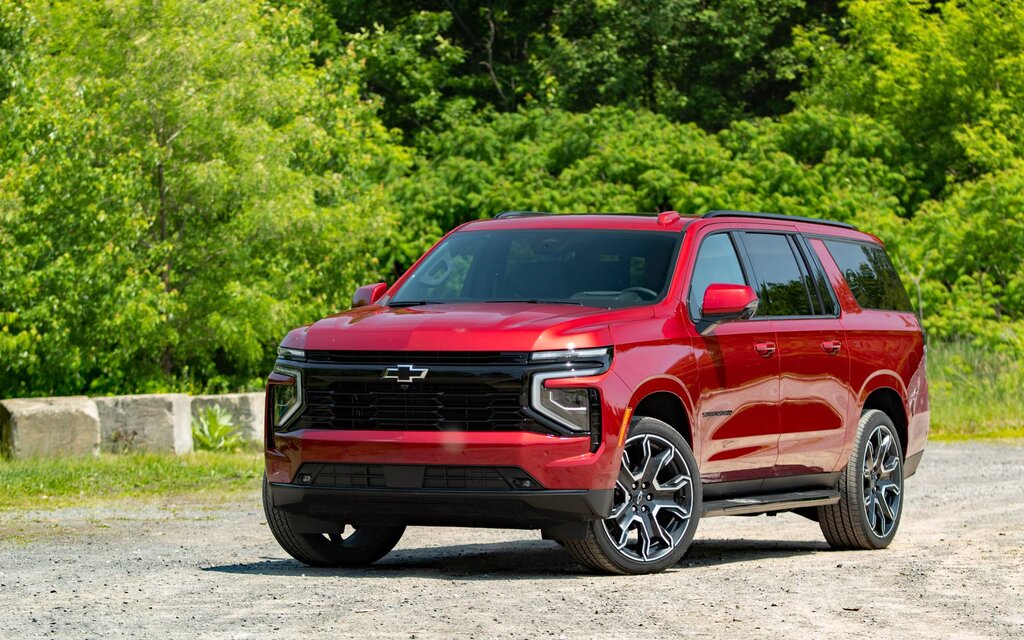
Width compounds these difficulties significantly. At 81 inches wide including mirrors, the Suburban fills garage openings designed for 80-inch-wide spaces, leaving mere fractions of an inch on either side.
Drivers must go through the perfectly centered entries, as even slight angular approaches result in mirror strikes against door frames. Once inside, exiting the vehicle becomes challenging door clearance often measures mere inches, forcing occupants to squeeze through minimal openings or enter/exit before pulling fully into the garage.
The Suburban’s height creates additional complications often overlooked during purchasing decisions. Older garages frequently feature ceiling-mounted garage door openers, storage racks, or exposed beams positioned for vehicles measuring 60-65 inches tall.
The Suburban’s 76-inch height brings roof racks, roof rails, or even the vehicle’s basic roofline dangerously close to these obstacles. Some Suburban owners discover too late that while their garage technically accommodates the vehicle’s length and width, ceiling-mounted equipment makes parking impossible without costly modifications or equipment removal.
2. Ford F-150 SuperCrew
The Ford F-150 SuperCrew, America’s best-selling vehicle, presents significant challenges for older urban garage compatibility despite its popularity.
Modern F-150 SuperCrew models measure approximately 232 inches long, 80 inches wide (excluding mirrors), and 77 inches tall, dimensions that overwhelm garages designed for much smaller vehicles.
The truck’s massive proportions reflect modern preferences for spacious crew cabs and generous bed lengths, but these features create substantial parking difficulties in vintage urban spaces. The F-150’s extreme length exceeds most older garage depths by significant margins.
Owners attempting to park in 18-20 foot garages face impossible choices: either the truck’s nose extends beyond the garage door opening, leaving expensive front-end bodywork exposed to weather and theft, or the tailgate presses against the rear wall, making bed access impossible and risking damage during parking.
Some F-150 owners in urban settings resort to parking diagonally, which may reduce effective length but introduces width problems that make the situation worse rather than better.
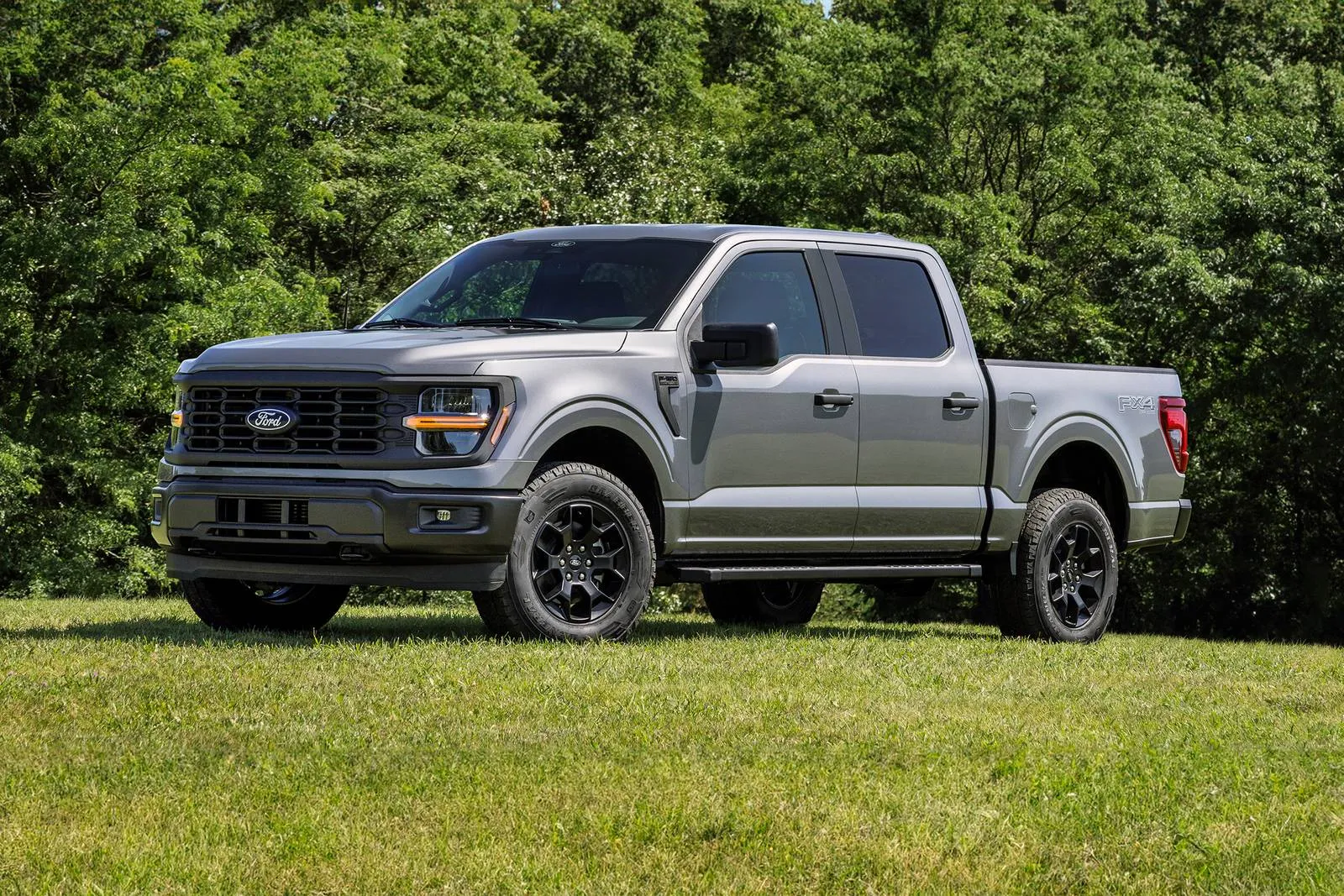
Truck width, especially with mandatory modern mirrors, creates clearance nightmares. While the F-150’s body measures around 80 inches, extended mirrors push total width to 96 inches or more.
These mirrors protrude significantly beyond the body, and while some feature power-folding capabilities, the fold mechanism adds time and complexity to every garage entry.
Older garage doorways measuring 7-8 feet wide provide inadequate clearance for extended mirrors, forcing drivers to fold mirrors before entry a step easily forgotten and resulting in expensive damage.
The SuperCrew configuration, while popular for its generous rear-seat space, adds length that single-cab or extended-cab variants avoid.
Urban F-150 buyers who genuinely need truck capability might find shorter cab configurations more garage-compatible, though even these measure longer than most garage-friendly vehicles.
The truck’s high ground clearance and tall ride height also create visibility challenges when judging front-end clearance, as drivers sit far from the vehicle’s nose and may misjudge distances to garage walls or equipment.
3. Tesla Model X
The Tesla Model X combines electric efficiency with SUV proportions that challenge older garage compatibility. Measuring approximately 198 inches long, 79 inches wide, and 66 inches tall, the Model X presents moderate dimensional challenges compounded by unique design features that create additional garage complications.
The vehicle’s distinctive falcon-wing rear doors, while technologically impressive and practically useful in tight parking lots, require substantial vertical clearance that many older garages cannot provide.
The falcon-wing doors represent the Model X’s defining feature and its greatest garage liability. These doors swing upward rather than outward, requiring approximately 12 inches of overhead clearance beyond the vehicle’s 66-inch height.
Tesla engineers designed sophisticated sensors that detect overhead obstacles and adjust door opening height accordingly, but this technology assumes obstacles are detected properly and that partial door openings provide adequate access.
In garages with low ceilings, storage racks, or exposed beams positioned 72-76 inches high, the falcon-wing doors cannot open sufficiently for rear-seat access, defeating much of the vehicle’s utility.
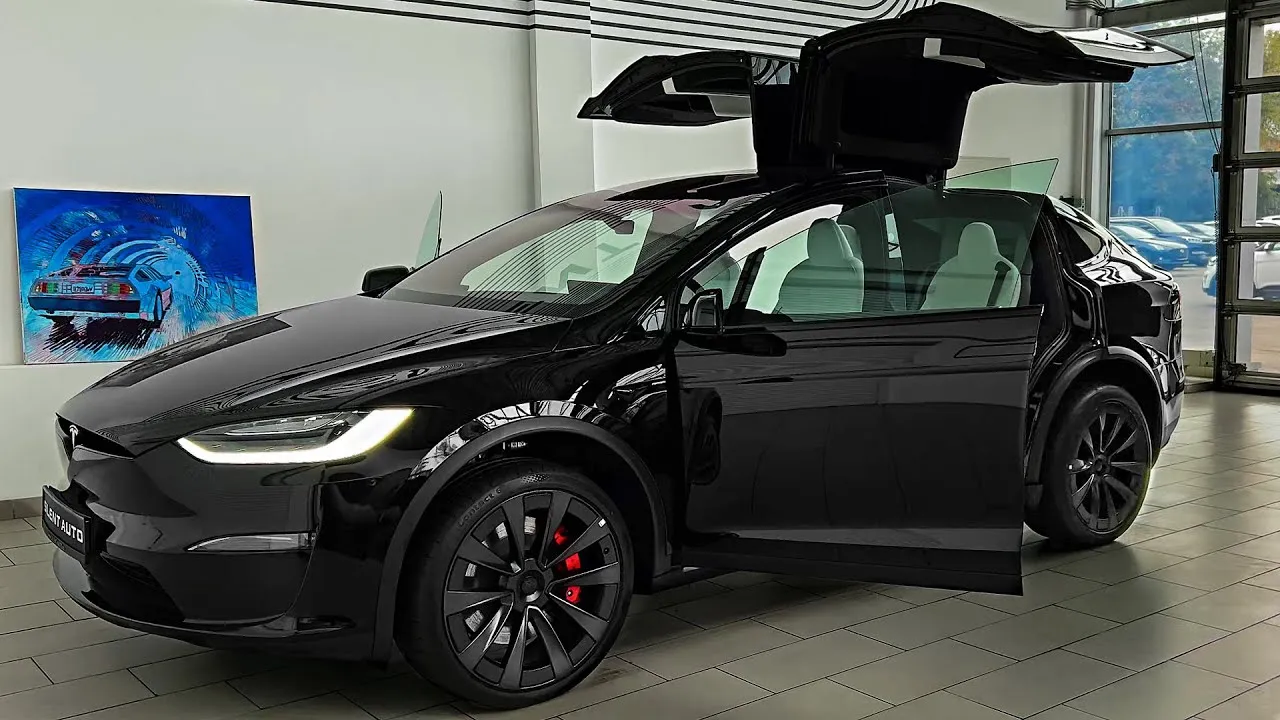
Beyond the door complications, the Model X’s dimensions strain older garage capacities. The 198-inch length, while shorter than full-size SUVs like the Suburban, still challenges garages designed for 180-190 inch vehicles.
The nearly 80-inch width leaves minimal side clearance in standard vintage garage openings, and the Model X’s smooth, flush door handles (which automatically present when approached) can be easily damaged if the vehicle parks too close to walls or support columns.
The Model X’s battery-electric powertrain introduces garage considerations beyond dimensions. Owners ideally want to charge at home, requiring garage electrical outlet installation or wall-mounted charging equipment.
In tight-fitting garages, accessing charging ports while maintaining clearance for doors and movement becomes challenging. The vehicle’s substantial weight over 5,500 pounds also exceeds load limits for some older garage floors, particularly in buildings with underground or raised parking where structural capacities may not accommodate modern heavy vehicles.
4. Dodge Durango SRT
The Dodge Durango SRT packages high-performance engineering into a three-row SUV platform measuring approximately 200 inches long, 76 inches wide, and 70 inches tall.
While slightly smaller than the Suburban, the Durango SRT still presents significant challenges for older urban garages through its substantial dimensions and design features that prioritize performance over parking ease.
The SRT variant specifically adds aggressive styling elements wider fenders, larger wheels, and protruding ground effects that exacerbate width concerns beyond the standard Durango’s already challenging measurements.
Length challenges emerge immediately with the Durango SRT’s 200-inch span. This dimension pushes against the limits of typical vintage garages, requiring precise parking to ensure both the garage door closes and adequate clearance exists at the rear wall.
The three-row seating configuration necessitates this extended length, but urban owners questioning whether they truly need that third row might find two-row alternatives significantly more garage-compatible.
The Durango’s boxy SUV design maximizes interior space but offers no aerodynamic tapering that might ease front or rear parking clearances.
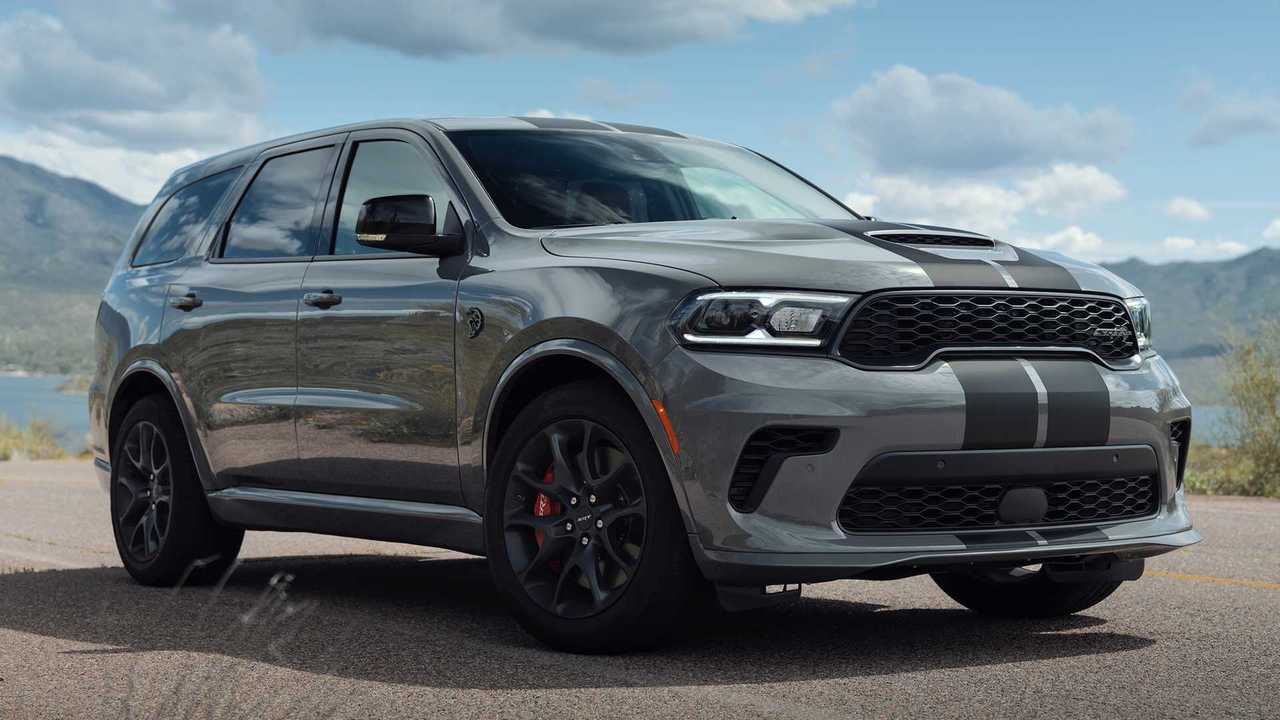
The SRT model’s performance enhancements compound basic Durango garage challenges. Wider tires and extended fenders increase width beyond the standard model, consuming precious side clearances.
The aggressive front fascia with large air intakes protrudes further forward, reducing practical parking tolerance and increasing scrape risks on uneven garage floors or raised entry thresholds.
The lower ride height compared to standard Durangos, while beneficial for handling, makes the SRT more susceptible to ground clearance issues when going through the steep garage approaches or drainage channels.
Visibility limitations inherent to large SUVs affect Durango SRT parking difficulty. The high seating position and thick roof pillars create blind spots that make judging clearances challenging, while the vehicle’s substantial mass means even low-speed impacts can cause significant damage to both vehicle and garage.
The Durango SRT’s performance credentials supercharged V8 engine, track-tuned suspension seem particularly wasted on vehicles condemned to stressful daily parking struggles in inadequate garage spaces, suggesting buyers consider whether this vehicle suits their actual usage patterns.
5. GMC Yukon XL
The GMC Yukon XL represents full-size SUV dimensions taken to maximum extent, measuring approximately 225 inches long, 81 inches wide, and 76 inches tall.
These measurements mirror the closely-related Chevrolet Suburban, as both vehicles share GM’s full-size SUV platform. The Yukon XL was engineered for families prioritizing maximum passenger space, cargo capacity, and towing capability legitimate needs for many buyers, but requirements that fundamentally conflict with older urban garage constraints.
The Yukon XL’s 225-inch length creates immediate impossibilities for most vintage garages. Even assuming a relatively generous 20-foot garage depth, basic mathematics reveals the problem: 225 inches equals 18.75 feet, leaving just 15 inches between vehicle and back wall inadequate for rear hatch operation, garage door closure with any margin, or buffer against parking errors.
Many urban garages measure even shorter, making Yukon XL parking genuinely impossible rather than merely difficult. Owners face choices between leaving vehicles outside (defeating garage ownership purpose) or attempting diagonal parking that introduces worse width problems.
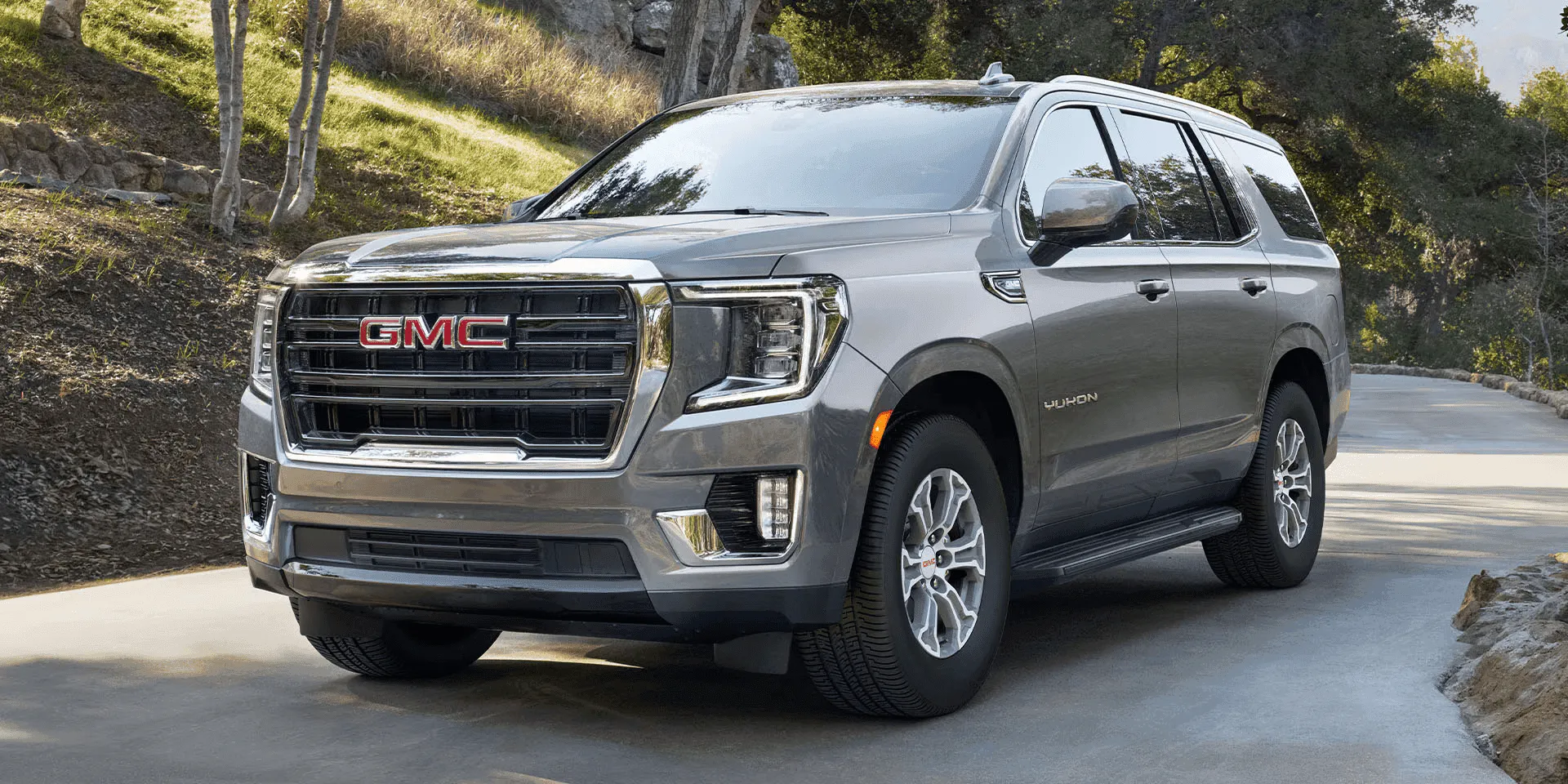
Width represents the Yukon XL’s second major barrier. The 81-inch body width, before adding mirror extensions, fills garage door openings completely.
Standard vintage garage doors measure 7-8 feet (84-96 inches), meaning a centered Yukon XL enjoys just 1.5-7.5 inches clearance per side margins that evaporate with any angular approach.
Extended mirrors push total width beyond 95 inches, necessitating mirror folding before garage entry and creating daily hassle that transforms simple parking into multi-step procedures.
The Yukon XL’s height creates problems for garages with limited vertical clearance. At 76 inches, the vehicle approaches ceiling heights in some older garages, particularly those with basement or underground configurations where structural requirements limit vertical space.
Roof-mounted cargo carriers, roof racks, or even tall aftermarket antennas can exceed clearances, while the high roofline makes overhead obstacle detection difficult from the driver’s seat.
The Yukon XL’s luxury positioning means buyers often add features like panoramic sunroofs that further increase height and reduce already-marginal clearances.
For urban residents with older garages, the Yukon XL represents perhaps the worst possible vehicle choice a combination of excessive length, width, and height that creates daily parking struggles, constant damage risks, and stress that undermines the vehicle’s intended luxury experience.
Prospective buyers should honestly assess their garage dimensions and consider whether vehicles like the standard Yukon, or better yet, mid-size three-row SUVs, might better balance their needs.
Also Read: 5 Vehicles That Work in San Francisco Neighborhoods vs 5 That Can’t Keep Up
