
Atlanta’s traffic is legendary and not in a good way. The sprawling Georgia capital consistently ranks among America’s most congested cities, with commuters spending an average of 74 hours per year stuck in traffic.
The infamous “Spaghetti Junction,” endless construction on I-285, and the daily crawl through Midtown during rush hour test both driver patience and vehicle capability. In this environment, your SUV choice matters more than you might think.
Not all SUVs are created equal when it comes to handling stop-and-go traffic. Some models glide through congestion with smooth transmissions, efficient engines, and comfort features that make the daily grind bearable.
Others, despite their impressive spec sheets and off-road capabilities, struggle in urban environments their transmissions hunt for gears, their engines gulp fuel at idle, and their stiff suspensions transmit every bump and pothole directly to your spine.
The difference between a congestion-friendly SUV and one that overworks itself often comes down to engineering philosophy. Vehicles designed with urban commuting in mind feature continuously variable transmissions (CVTs) or well-programmed automatics with numerous gears, efficient turbocharged engines, and suspension systems tuned for comfort over sportiness.
They incorporate start-stop systems that actually work smoothly, brake systems designed for repeated use, and cooling systems that handle extended idling without complaint.
Meanwhile, SUVs optimized for other purposes weekend adventures, towing capacity, or maximum performance may suffer in Atlanta’s unique traffic ecosystem. Their heavy-duty components work overtime in conditions they weren’t designed for, leading to excessive fuel consumption, increased wear, and a driving experience that ranges from frustrating to exhausting.
This guide examines ten popular SUVs through the lens of Atlanta’s traffic reality. The first five represent the cream of the congestion-friendly crop vehicles that transform your commute from ordeal to merely manageable.
The second five are capable machines in their own right but struggle with the specific demands of urban gridlock. Whether you’re moving to Atlanta, replacing your current ride, or simply curious about automotive engineering, understanding these differences can save you thousands of dollars and countless hours of frustration over your vehicle’s lifetime.
5 The Congestion Champions
These exceptionally efficient vehicles feature smooth powertrains and excellent cooling systems perfectly suited for surviving Atlanta’s notorious traffic nightmares, providing comfortable transportation through hours-long I-285 gridlock and Connector crawls without the overheating anxieties typically associated with stop-and-go conditions during Georgia’s sweltering summers.
Their thoughtful engineering includes adequate cooling capacity and refined transmissions that resist the heat buildup found in inadequate systems while handling daily Perimeter crawls, constant brake-and-gas cycling through Buckhead bottlenecks, and parking lot conditions on I-85 during afternoon rush requiring reliable temperature management and smooth low-speed operation.
1. Honda CR-V
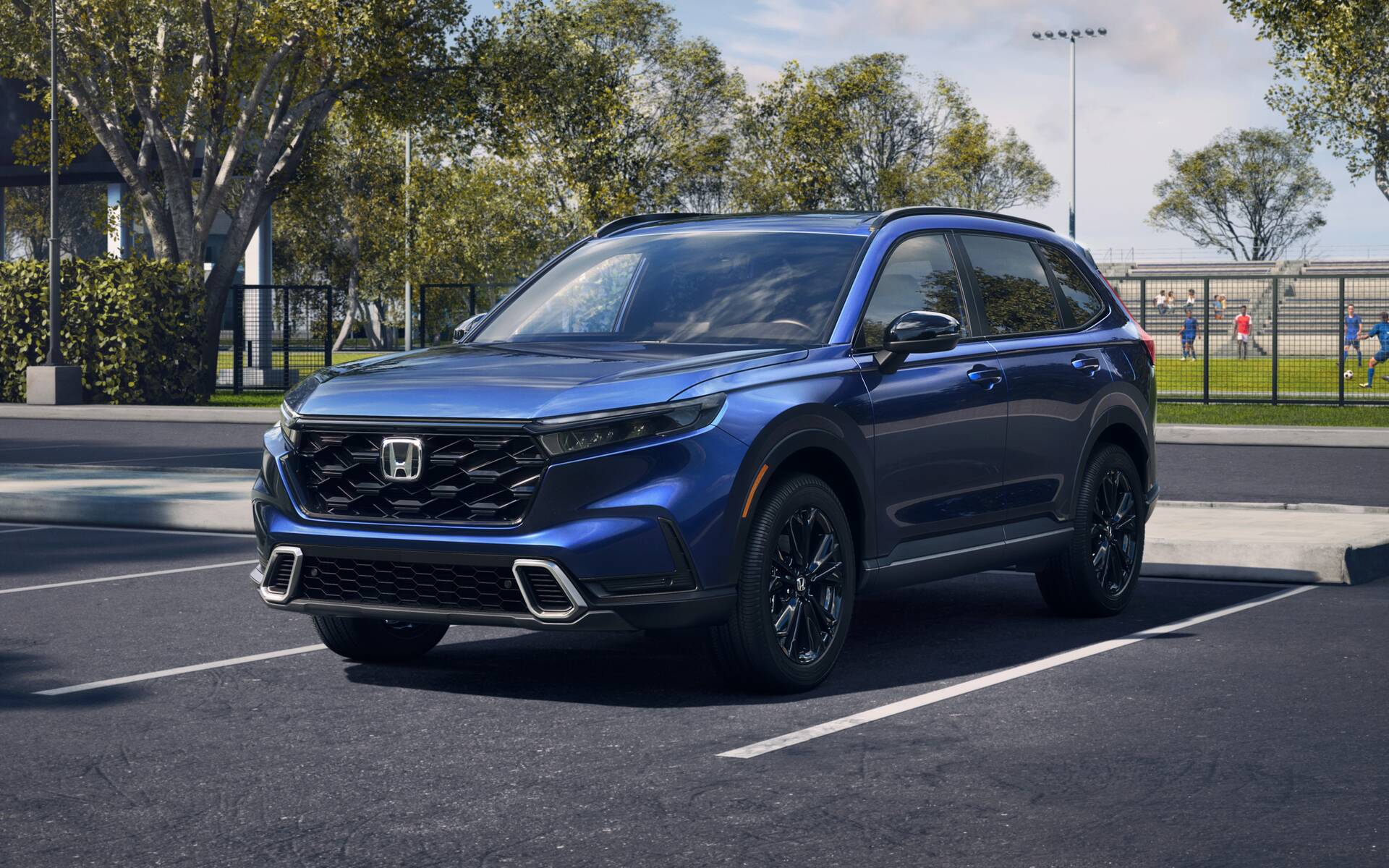
The Honda CR-V has mastered the art of urban efficiency, making it the perfect companion for Atlanta’s relentless traffic. At the heart of this capability is Honda’s continuously variable transmission (CVT), which eliminates the gear-hunting behavior that plagues conventional automatics in stop-and-go conditions.
Instead of constantly shifting between gears as speeds fluctuate between 0 and 40 mph, the CR-V’s CVT maintains optimal engine speed, delivering smooth acceleration and exceptional fuel economy.
The turbocharged 1.5-liter engine produces 190 horsepower enough for confident merging when traffic suddenly opens up while sipping fuel during the inevitable crawls.
In real-world Atlanta traffic, owners report achieving 28-30 mpg in mixed driving, impressive numbers when you’re spending significant time idling.
The engine’s torque curve is specifically designed for low-speed responsiveness, meaning you get immediate acceleration from a standstill without the lag that characterizes some competitors.
Visibility is another CR-V strength. Large windows, thin A-pillars, and a commanding seating position let you see multiple cars ahead, helping you anticipate traffic flow changes.
This forward visibility reduces stress and allows smoother speed adjustments. The standard Honda Sensing suite includes adaptive cruise control that works down to a complete stop and restarts automatically within three seconds a game-changer for heavy traffic on I-75 or GA-400.
The system maintains safe following distances while reducing the mental load of constant speed adjustments, making hour-long commutes significantly less exhausting.
2. Toyota RAV4 Hybrid
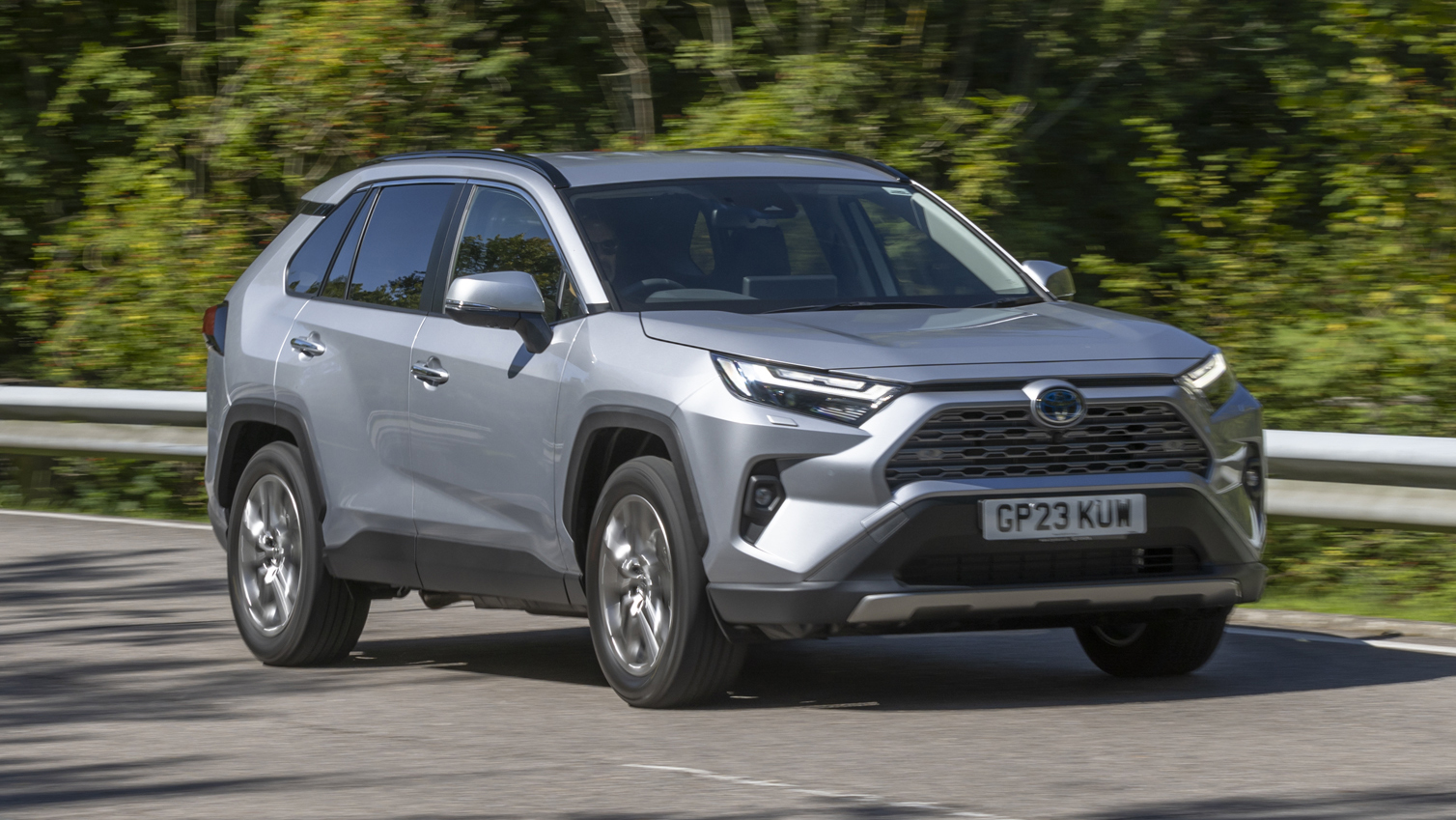
The RAV4 Hybrid transforms Atlanta traffic from a fuel-burning nightmare into an efficiency showcase. Its sophisticated hybrid powertrain combining a 2.5-liter four-cylinder engine with electric motors for 219 combined horsepower is specifically engineered for the traffic conditions Atlanta serves up daily.
In stop-and-go driving, the RAV4 Hybrid frequently operates in pure electric mode, completely shutting off the gasoline engine and delivering whisper-quiet progress while consuming zero fuel. This hybrid system’s true brilliance emerges in traffic patterns typical of Atlanta commutes.
During the crawl through Buckhead or waiting at the interminable lights on Peachtree Street, the electric motors handle propulsion alone, drawing from a battery that regeneratively charges during the countless deceleration events. When traffic opens up, the gasoline engine seamlessly activates, providing combined power for quick acceleration.
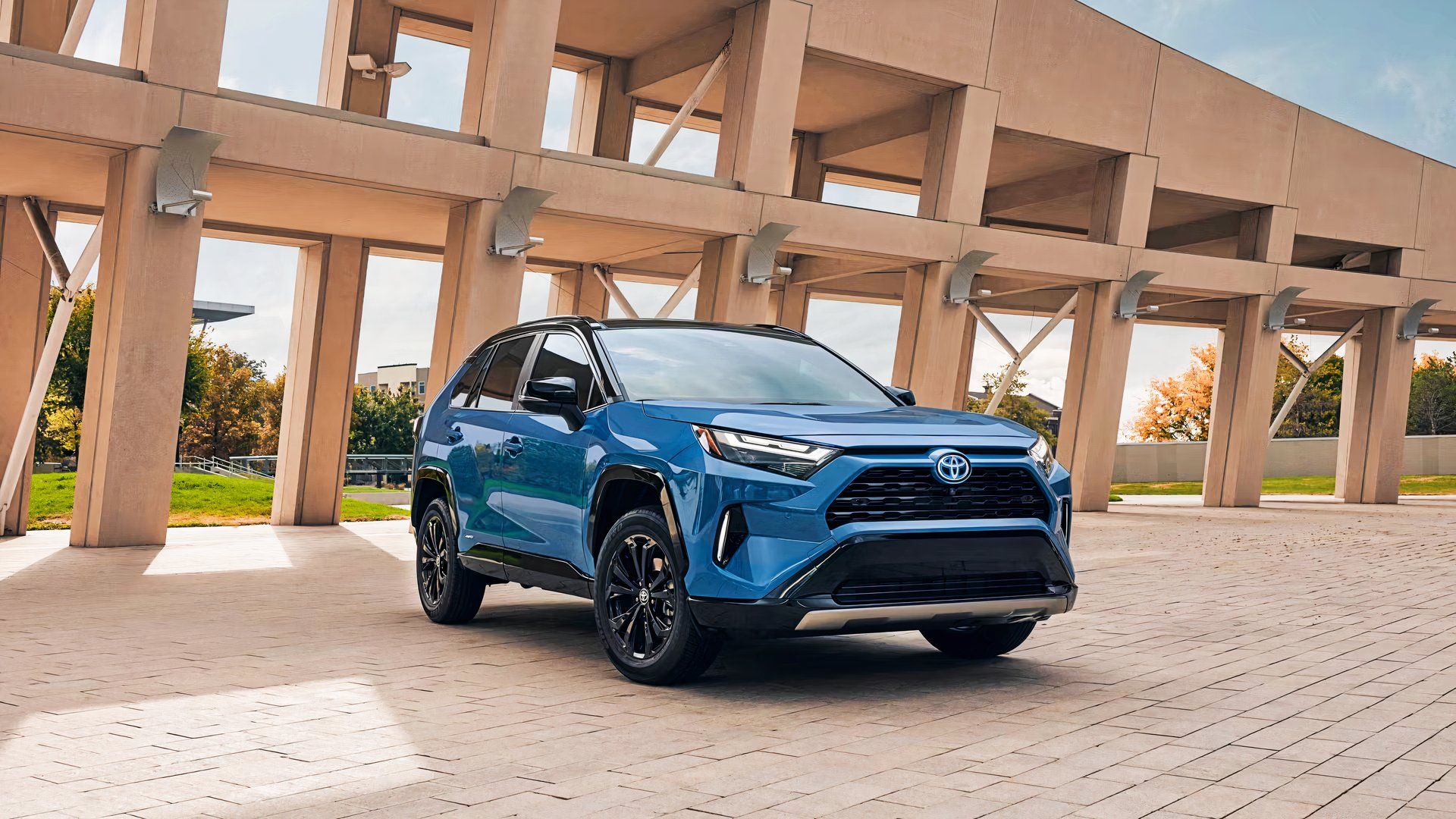
Owners consistently report fuel economy figures of 38-41 mpg in mixed Atlanta driving nearly double what conventional SUVs achieve in similar conditions. The RAV4 Hybrid’s thermal management system is engineered for extended idling situations.
Unlike conventional vehicles where air conditioning puts significant load on an idling engine, the hybrid can run climate control from the battery, periodically starting the engine only when necessary.
This means consistent cabin comfort during August afternoons stuck on the Downtown Connector without the constant engine drone.
Build quality and reliability factor heavily into congestion readiness. Toyota’s legendary durability means the RAV4 Hybrid’s systems continue operating smoothly through years of demanding traffic use.
The hybrid components carry an 8-year/100,000-mile warranty, reflecting Toyota’s confidence in their longevity. This reliability is crucial there’s no worse place for a breakdown than I-285 during rush hour.
3. Mazda CX-5
The Mazda CX-5 brings an unexpected level of refinement to traffic duty, with engineering decisions that prioritize driver comfort and engagement even at 5 mph.
Mazda’s philosophy of “Jinba Ittai” horse and rider as one extends even to congestion, where the CX-5’s responsive controls and balanced dynamics make going through the tight traffic surprisingly enjoyable, or at least tolerable.
The turbocharged 2.5-liter engine option (250 horsepower with premium fuel) provides effortless acceleration in traffic situations. What matters isn’t the peak horsepower but the 320 lb-ft of torque available at just 2,000 rpm.
This low-end torque means the CX-5 surges forward from stops without hesitation or the need to downshift, making gap-closing and merging maneuvers stress-free. The engine barely works in traffic, loafing along at low rpm while still providing immediate response when needed.
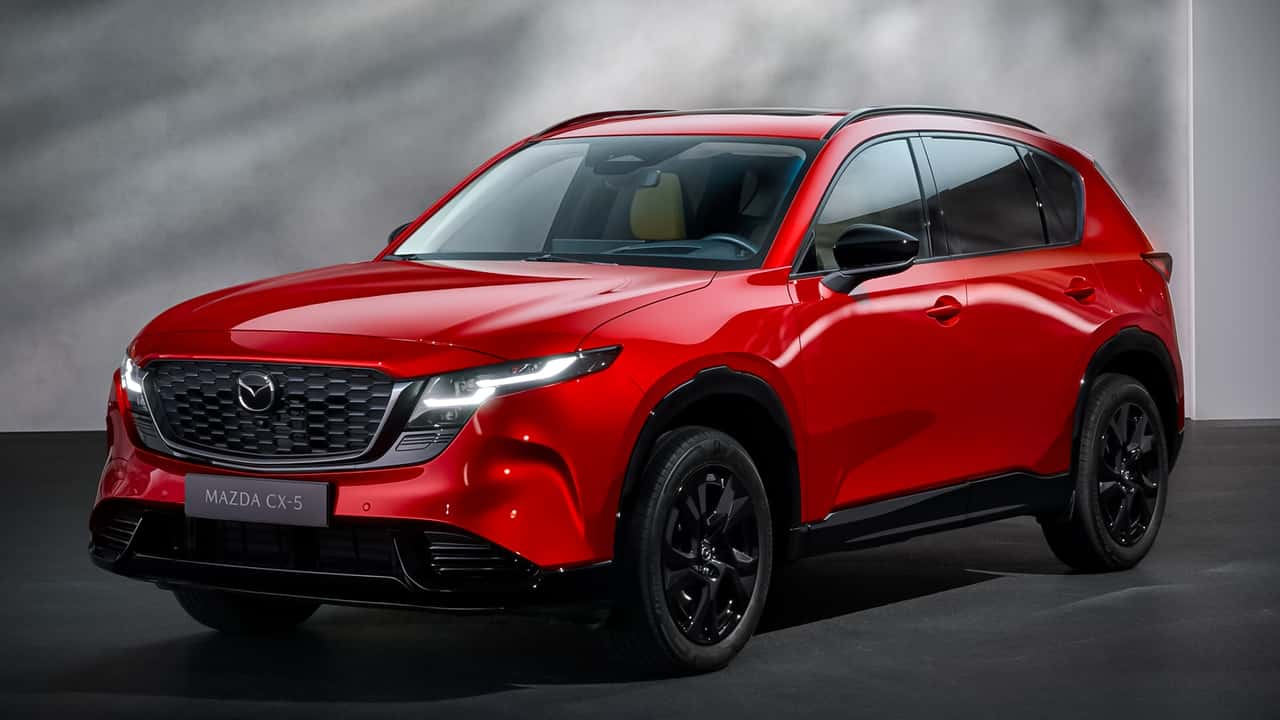
Mazda’s six-speed automatic transmission is a conventional design, but it’s programmed with exceptional intelligence. In traffic, it predicts driver intentions and selects appropriate gears proactively.
It holds gears longer during deceleration, avoiding the constant upshifting and downshifting that creates lurching in other vehicles. When you do accelerate, shifts are quick and smooth, with logic that understands traffic patterns rather than just following programmed shift points.
The CX-5’s compact exterior dimensions prove advantageous in congestion. At 179 inches long, it’s maneuverable enough for quick lane changes when opportunities arise but substantial enough to feel stable and safe.
Outward visibility is excellent, with minimal blind spots and a high seating position that lets you see traffic conditions several cars ahead. This visibility allows anticipatory driving that smooths traffic flow and reduces brake applications.
4. Subaru Forester
Atlanta’s traffic doesn’t stop for weather, and neither does the Subaru Forester. While the city doesn’t face heavy snow, it does experience sudden thunderstorms, occasional ice events, and perpetually slick roads during rainy season.
The Forester’s standard all-wheel drive provides confidence in these conditions, maintaining traction when two-wheel-drive SUVs struggle, especially on the raised portions of highways where water pools and ice forms first.
The Forester’s naturally aspirated 2.5-liter boxer engine produces a modest 182 horsepower, but its linear power delivery suits traffic perfectly.
Unlike turbocharged engines with lag, the Forester responds proportionally to throttle inputs essential for the smooth speed matching needed in dense traffic.
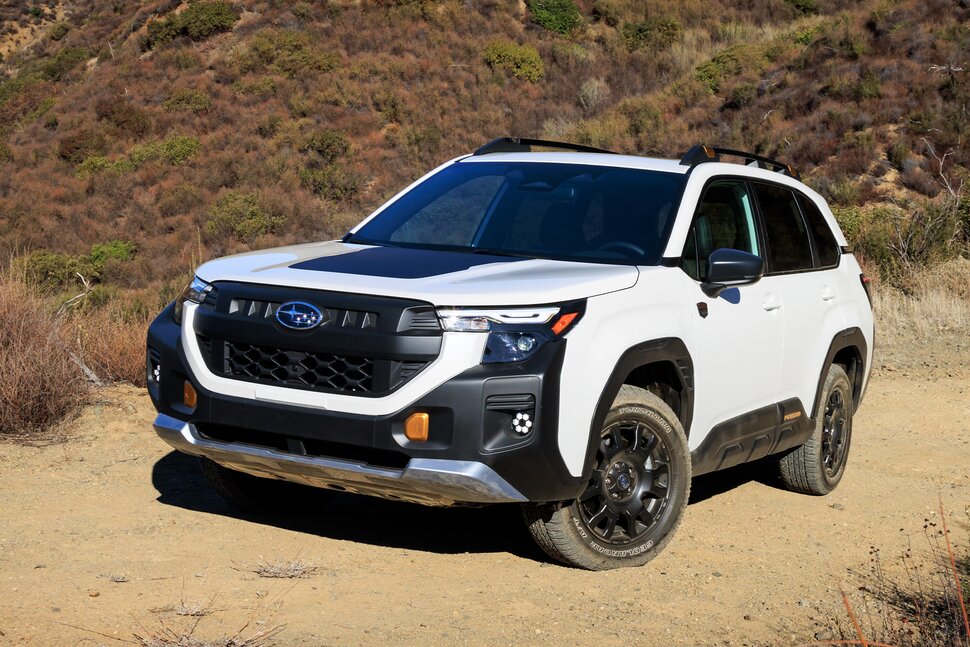
The engine’s low center of gravity contributes to the vehicle’s balanced feel and reduces the top-heavy sensation common in SUVs. Subaru’s EyeSight driver assistance system includes adaptive cruise control that functions down to a complete stop, with automatic restart.
In heavy traffic on GA-400 heading toward Buckingham, you can let the system handle the constant acceleration and deceleration, dramatically reducing driver fatigue.
The system maintains smooth following distances and accelerates gently, mimicking attentive human driving. Lane-keeping assist helps maintain position during momentary distractions a reality check helps when you’ve been in traffic for 90 minutes.
Also Read: 10 Affordable Family Cars That Feel More Premium Than They Should
5. Hyundai Tucson Hybrid
The latest-generation Hyundai Tucson Hybrid represents cutting-edge technology applied to the congestion problem, combining a 1.6-liter turbocharged engine with a 44.2 kW electric motor and a six-speed automatic transmission.
This hybrid system produces 226 horsepower while delivering outstanding fuel economy 38 mpg combined according to EPA ratings, with real-world Atlanta traffic often exceeding these figures.
The Tucson Hybrid’s electric motor provides immediate torque from zero rpm, eliminating turbo lag and creating incredibly responsive acceleration from stops.
This instant response makes going through the traffic gaps effortless when space opens ahead, you can claim it immediately without waiting for turbo spool-up or transmission downshifts.
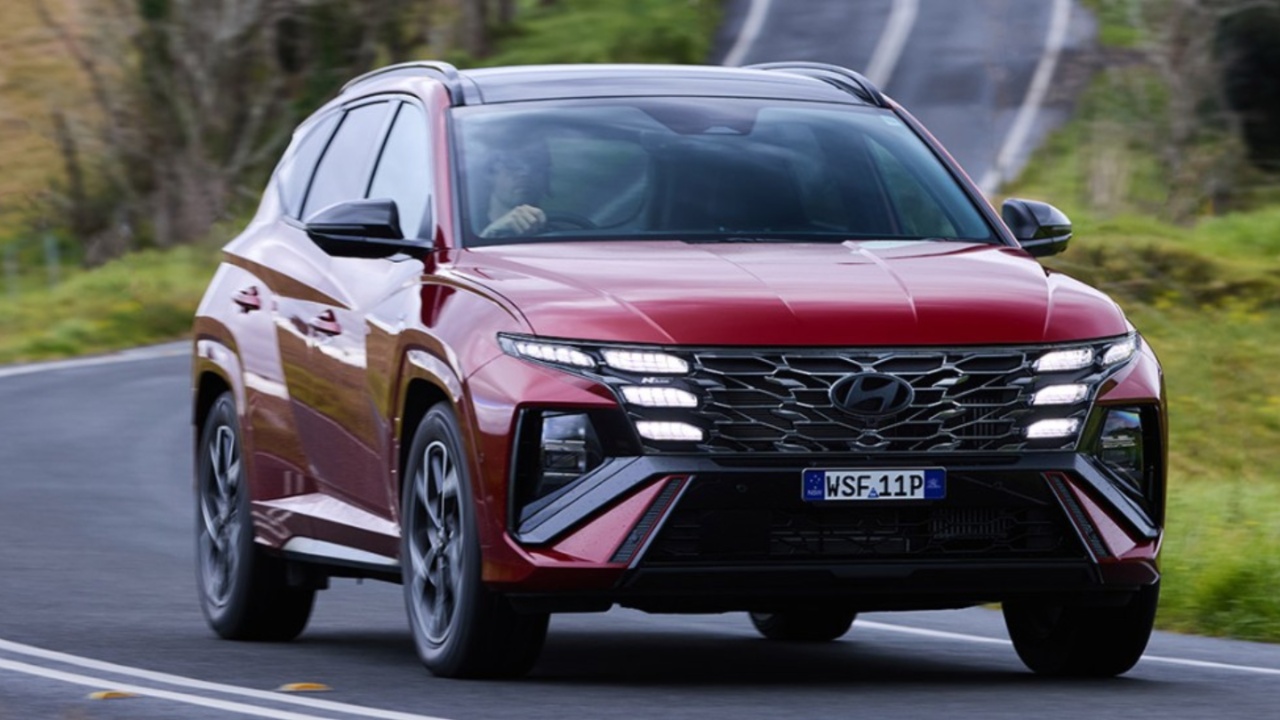
The electric motor also enables electric-only operation at low speeds, allowing silent, fuel-free progress during parking lot-speed crawls that characterize the worst congestion.
The Tucson Hybrid’s technology suite reduces traffic stress significantly. The 10.25-inch navigation display shows real-time traffic and suggests alternate routes when congestion ahead worsens.
Wireless Apple CarPlay and Android Auto integration means you can easily stream podcasts or music to make the commute more pleasant. The premium audio system actually sounds good enough to appreciate during quiet traffic crawls.
Wireless phone charging keeps your device ready without cable clutter, and the available digital key allows you to leave the key fob at home one less thing to carry and lose.
5 The Overworked in Traffic
These problematic vehicles suffer from inadequate cooling systems and stressed powertrains that create genuine reliability concerns during Atlanta’s relentless congestion, transforming daily commutes into anxiety-inducing experiences as temperature gauges creep upward and transmissions struggle with constant low-speed operation never anticipated by engineers.
Their flawed engineering includes undersized radiators and transmissions intolerant of extended crawling that cannot handle Atlanta’s unique traffic challenges, leading to overheating warnings during summer gridlock, transmission fluid degradation from excessive heat cycles, and premature component failures from operating conditions resembling severe-duty towing despite empty vehicles.
1. Jeep Wrangler
The Jeep Wrangler is an icon of capability, a vehicle that can conquer the Rubicon Trail and ford 30 inches of water. Unfortunately, Atlanta traffic presents challenges its engineers never prioritized, and the Wrangler’s compromises become glaringly apparent during the daily commute. What makes this vehicle exceptional off-road actively works against it in congestion.
The Wrangler’s body-on-frame construction and solid front and rear axles essential for extreme off-road capability create significant weight and compromise ride quality on pavement.
In traffic, this means every pavement imperfection transmits directly to the cabin. Atlanta’s pothole-riddled streets and rough interstate surfaces create constant jolting and bouncing.
After an hour in stop-and-go traffic, passengers feel beaten up in a way that doesn’t happen in unibody SUVs with independent suspension.
Engine options all struggle with efficiency in traffic. The base 3.6-liter V6 produces 285 horsepower but manages only 19-22 mpg in combined driving under ideal conditions in Atlanta traffic, expect 15-17 mpg.
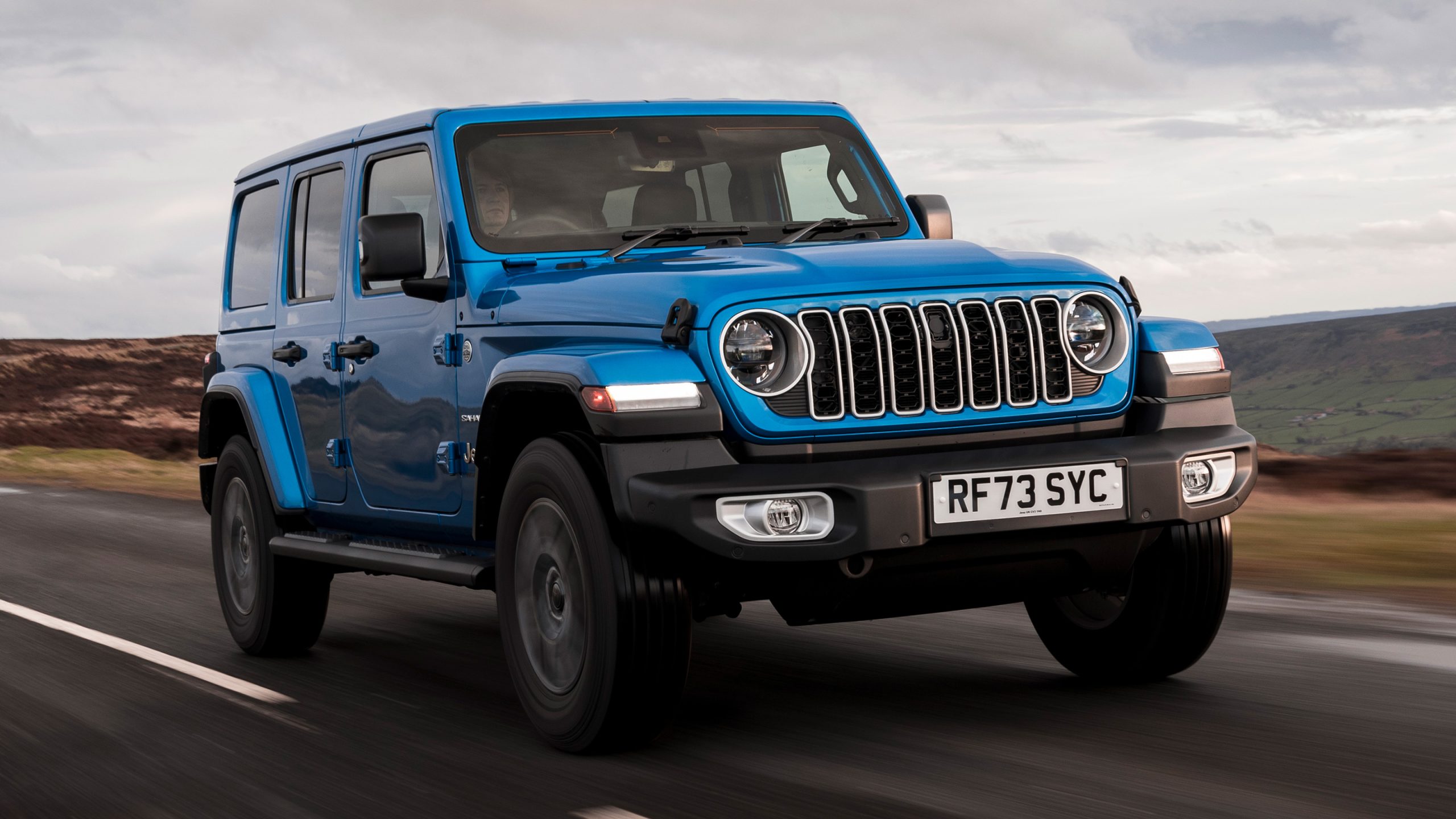
The engine works hard just moving the Wrangler’s substantial 4,200-pound curb weight and overcoming aerodynamic drag from its upright, brick-like profile. At idle in traffic, it consumes fuel at a prodigious rate while generating heat that stresses the cooling system.
The eight-speed automatic transmission, while generally competent, hunts for gears constantly in traffic. It can’t decide which of its eight ratios suits 15-mph crawling, cycling between fourth, fifth, and sixth gears in ways that create surging and lurching.
This constant shifting also increases wear on transmission components Wrangler owners report transmission issues at higher rates than competitors, often attributed to heat buildup during extended traffic use.
Brake feel is imprecise and requires significant pedal pressure, tiring your right leg during the hundreds of brake applications a typical Atlanta commute demands.
The brakes are sized for the Wrangler’s weight and off-road deceleration needs, but they lack the progressive, easy modulation that makes traffic braking smooth and effortless. This imprecision makes it harder to maintain smooth following distances.
2. Toyota 4Runner
The Toyota 4Runner is legendary for reliability and off-road capability, with a proven track record that makes it a favorite for adventurous families.
However, its truck-based architecture and dated powertrain make it poorly suited for daily Atlanta traffic, where its robust design becomes a liability rather than an asset. The 4Runner hasn’t received a major redesign since 2010, and its age shows most prominently in congestion.
Under the hood sits a 4.0-liter V6 producing 270 horsepower the same engine used since 2003. While proven reliable, it’s also proven inefficient, particularly in traffic.
The 4Runner achieves just 16-19 mpg in combined driving, dropping to 13-15 mpg in heavy traffic. This means a typical 20-mile Atlanta commute consumes nearly two gallons of fuel daily. Over a year, the fuel cost difference compared to an efficient SUV exceeds $1,500 real money that disappears into Atlanta traffic.
The five-speed automatic transmission is hopelessly outdated by modern standards. While competitors offer 8, 9, or 10 speeds, or continuously variable transmissions, the 4Runner makes do with five gears spanning the range from zero to highway speeds.
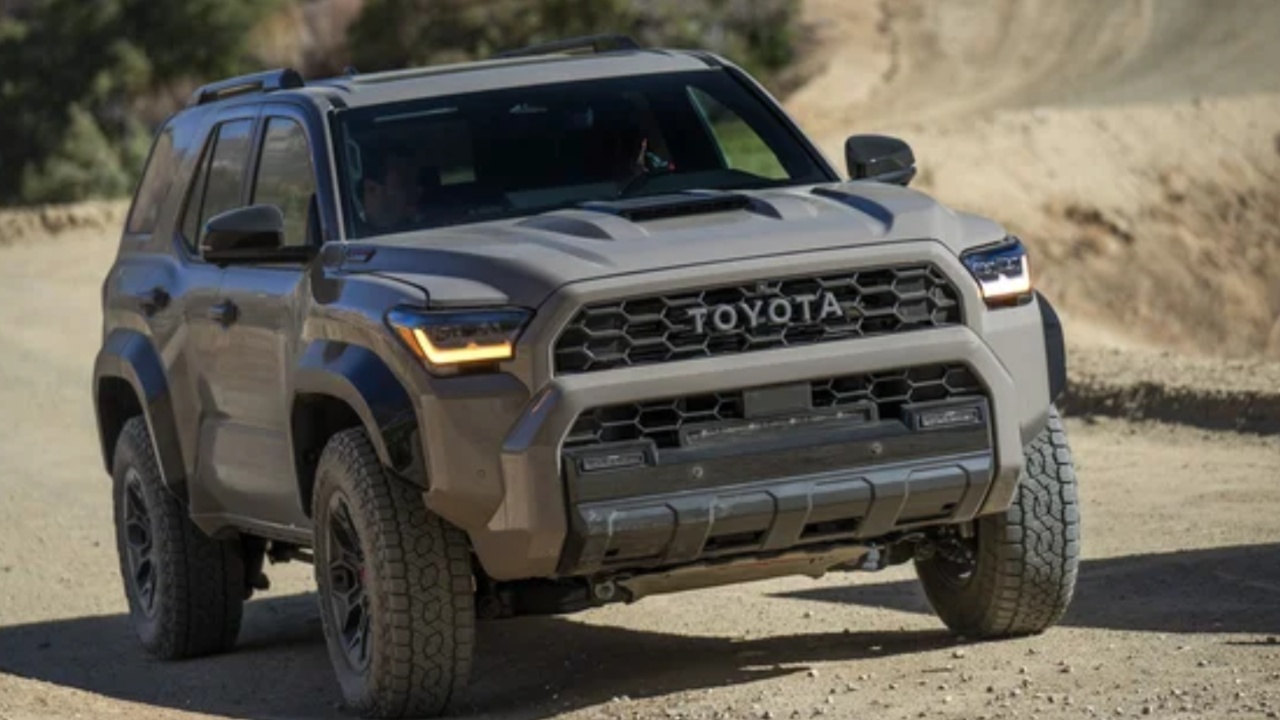
In traffic, this means large gaps between ratios, causing the transmission to constantly shift searching for the right gear. Between 15 and 35 mph the typical Atlanta traffic range the transmission alternates between second and third gear, never quite finding the optimal ratio.
This hunting behavior causes lurching that disrupts smooth traffic flow and increases wear. Body-on-frame construction makes the 4Runner tough but heavy.
At 4,805 pounds for the base model and over 5,000 pounds for loaded versions, it’s substantially heavier than comparable unibody SUVs. This weight requires more energy to accelerate from every stop and Atlanta traffic involves thousands of stops per week.
The additional mass also stresses brakes, suspension components, and tires, leading to increased maintenance costs and more frequent replacements.
Heat management challenges emerge during Atlanta summers. The 4Runner’s air conditioning system works hard to cool the substantial interior volume, especially the high roof area where heat accumulates.
In traffic, when airflow across the radiator and condenser decreases, cooling efficiency drops. The climate control struggles to maintain comfortable temperatures during extended idling, with rear passengers particularly affected.
The system often runs at maximum fan speed, adding to noise levels while consuming power that could go toward moving the vehicle.
3. Ford Bronco
Ford’s reborn Bronco captures the spirit of adventure and off-road capability, generating enormous enthusiasm and sales success. It’s a genuinely capable vehicle for weekend trails and outdoor adventures.
However, bringing a Bronco to Atlanta’s daily traffic grind is like using a race horse for grocery runs technically possible but fundamentally mismatched to the task at hand.
The Bronco’s available engines both struggle with traffic efficiency. The base 2.3-liter turbocharged four-cylinder (300 horsepower) and optional 2.7-liter twin-turbo V6 (330 horsepower) deliver impressive power but suffer from turbo lag in stop-and-go conditions.
Unlike naturally aspirated engines that respond proportionally to throttle input, turbocharged engines require the turbo to spool up before delivering full power.
In traffic, this creates a delay between pressing the accelerator and meaningful acceleration frustrating when trying to merge or claim gaps in traffic flow.
The lag also makes smooth speed matching difficult. You press the accelerator expecting gradual acceleration, get little initial response, then suddenly get a surge as the turbo kicks in.
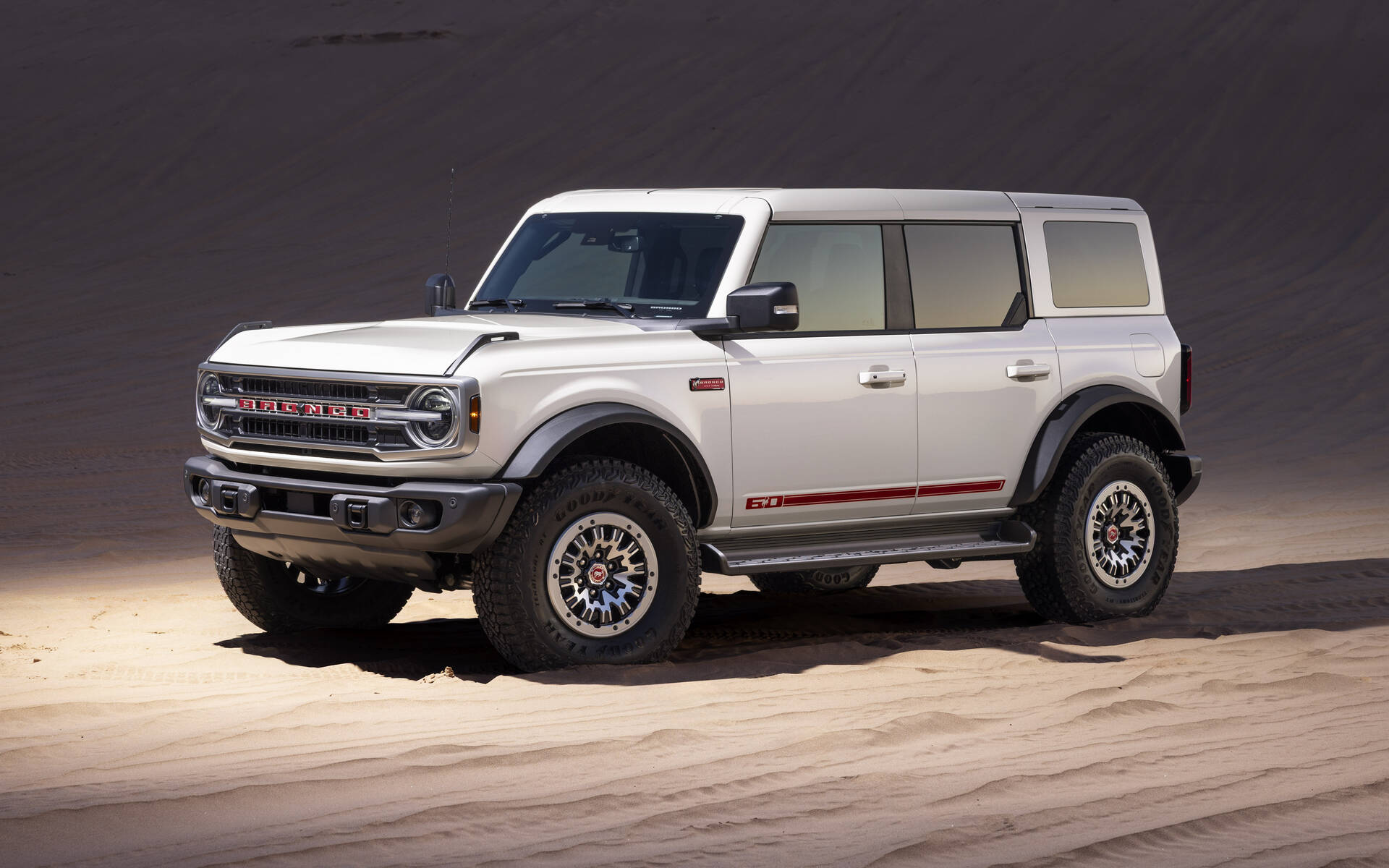
This on-off behavior disrupts traffic flow and makes it difficult to maintain consistent following distances. The constant cycle of lag and surge increases driver fatigue as you’re constantly modulating throttle trying to achieve smooth progress.
Fuel economy disappoints in real-world traffic. EPA estimates of 20 mpg combined for the four-cylinder and 19 mpg for the V6 represent ideal conditions.
In Atlanta traffic, owners report 14-17 mpg painful numbers when premium fuel is recommended for optimal performance. The turbocharged engines also generate significant heat, stressing cooling systems during extended idling.
Engine compartment temperatures soar, reducing component longevity and occasionally triggering temperature warning lights during particularly severe traffic.
Interior storage is limited compared to more conventional SUVs. The Bronco prioritizes ruggedness and washability over convenience, with fewer cupholders, smaller door pockets, and less organized storage.
In traffic, where you might want your coffee, phone, sunglasses, and toll transponder all readily accessible, the Bronco’s sparse storage becomes frustrating.
4. Chevrolet Tahoe
The Chevrolet Tahoe represents traditional American SUV values big, powerful, and capable. It excels at family road trips, towing boats, and providing space for seven passengers.
However, its full-size dimensions and thirsty powertrain make it a challenging daily driver in Atlanta’s congested corridors, where its size becomes a constant source of stress and expense.
The Tahoe’s physical dimensions are the first challenge. At 210 inches long and 81 inches wide, it’s simply too much vehicle for tight traffic situations. Lane changes require checking extensive blind spots, and the Tahoe’s bulk makes it difficult to see around in adjacent lanes.
Parking lots designed for smaller vehicles present constant challenges even when you find a spot, getting in and out without door dings requires careful placement. The extra width means less margin for error in lanes, and Atlanta’s narrower streets in older neighborhoods barely accommodate the Tahoe’s width.
Under the hood, the standard 5.3-liter V8 produces 355 horsepower and moves the Tahoe’s 5,500-pound mass adequately, but efficiency is terrible in traffic. EPA ratings of 15 mpg city are optimistic in real Atlanta traffic, expect 11-13 mpg.
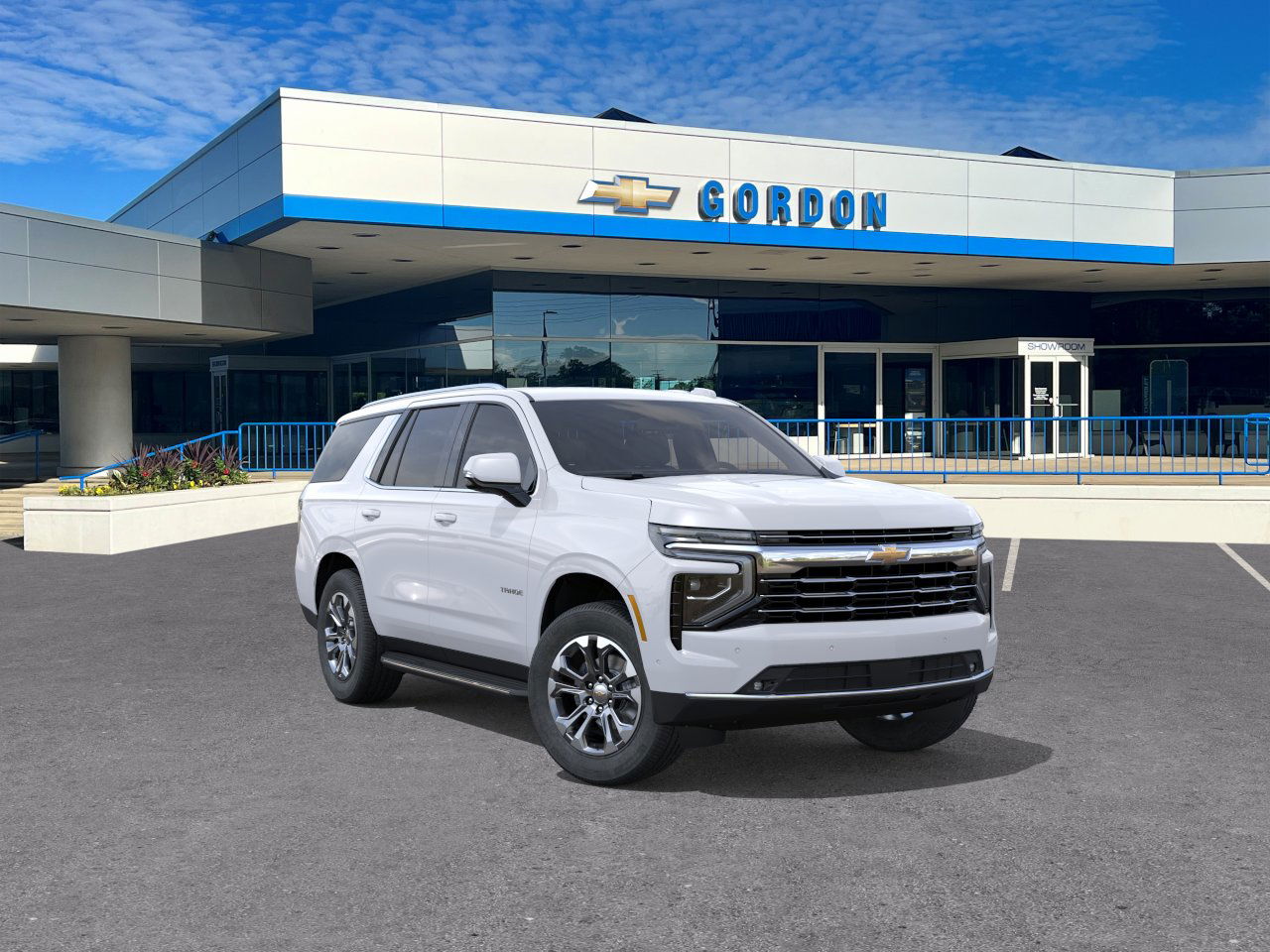
The available 6.2-liter V8 is even thirstier, and while the diesel and hybrid options improve efficiency, they carry substantial price premiums and their own complications. The V8 consumes fuel prodigiously while idling, and given that Atlanta commuters spend significant time at idle, this waste adds up quickly.
The ten-speed automatic transmission, while sophisticated on paper, struggles in traffic application. It’s tuned to upshift aggressively for fuel economy, often putting the Tahoe in sixth or seventh gear at speeds around 30 mph.
When traffic slows, the transmission must then downshift multiple gears, creating delays and lurching. The transmission also exhibits shuddering at low speeds a common complaint among Tahoe owners that’s particularly noticeable during the constant speed changes traffic demands.
Technology features help but can’t overcome fundamental limitations. The available Super Cruise adaptive cruise control works well on highways but is less smooth in heavy traffic, with somewhat abrupt acceleration and braking that passengers notice.
The surround-view camera system helps with parking and tight maneuvering, but you still need to find a spot large enough for the Tahoe’s considerable bulk.
5. Land Rover Defender
The Land Rover Defender is an icon reborn, combining British heritage with modern luxury and serious off-road capability. It’s a statement vehicle that turns heads and delivers genuine adventure capability.
However, as a daily traffic commuter in Atlanta, the Defender’s complexity, efficiency issues, and maintenance demands make it more burden than blessing during the daily grind.
The Defender’s turbocharged engines, while powerful, exhibit pronounced lag in traffic situations. The base P300 with its turbocharged 2.0-liter four-cylinder (296 horsepower) and the P400 mild hybrid with its turbocharged 3.0-liter inline-six (395 horsepower) both suffer from delayed throttle response.
In stop-and-go traffic, this lag makes smooth progress difficult you modulate the throttle seeking gradual acceleration but experience delay followed by surge. The mild hybrid system helps somewhat by filling in with electric power during turbo spool-up, but it doesn’t eliminate the fundamental issue.
Fuel consumption is painful by modern standards. The P300 achieves EPA ratings of 18 mpg city, but Atlanta traffic drops that to 14-16 mpg. The P400, despite its mild hybrid system, does little better.
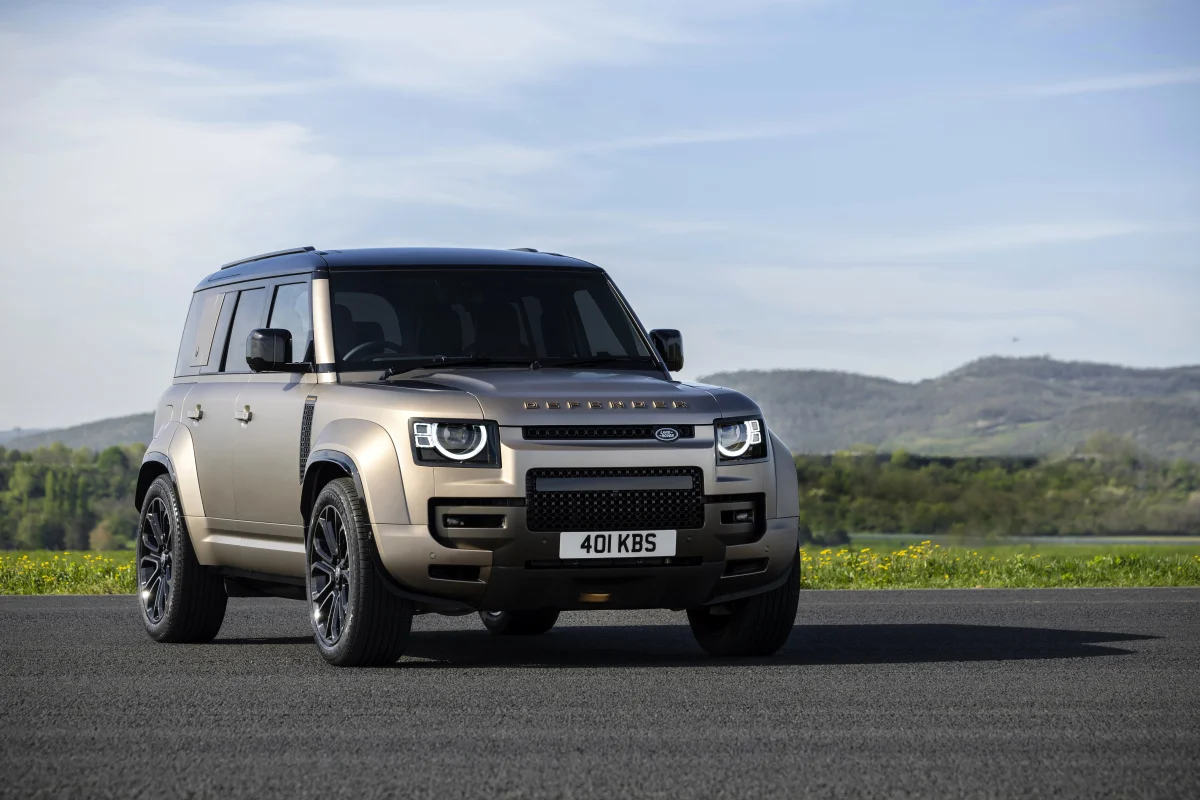
With the Defender requiring premium fuel, the daily commute becomes expensive a typical 20-mile each-way commute costs roughly $150 monthly in fuel alone, roughly double what efficient SUVs consume.
The Defender’s 19.8-gallon fuel tank means frequent fill-ups when used for daily commuting. The eight-speed automatic transmission, while generally refined, occasionally exhibits rough shifts and hesitation in traffic.
Some owners report low-speed shuddering a condition Land Rover has addressed with software updates but hasn’t fully resolved. The transmission also seems uncertain about which gear suits traffic speeds, cycling between fourth and sixth gears in ways that disrupt smooth progress.
Start-stop operation, designed to save fuel by shutting off the engine at stoplights, sometimes restarts roughly with noticeable vibration through the cabin.
Interior complexity sometimes feels like too much. The Defender features Land Rover’s Pivi Pro infotainment with dual touchscreens, configurable displays, and extensive features.
While impressive initially, in traffic these complex systems demand attention and multiple screen taps for simple operations. Climate control adjustments, drive mode changes, and navigation inputs all require more interaction than simpler systems taking eyes off traffic for longer than ideal.
The touchscreen-heavy approach means fewer physical buttons for frequently used functions, increasing distraction during congestion when your attention should remain external.
Also Read: 10 High-End Sports Cars Engineered for Daily Driving
