
In the rapidly evolving automotive world, manufacturers continuously push boundaries to create vehicles that stand out in an increasingly crowded marketplace.
The modern car has transformed from a simple transportation tool into a rolling showcase of cutting-edge technology, luxurious amenities, and attention-grabbing design elements.
However, this relentless pursuit of innovation and differentiation has led some automakers down a problematic path where style overshadows substance, and complexity trumps usability.
Today’s drivers face an unprecedented array of features, controls, and information systems that promise to enhance the driving experience. Touch screens dominate dashboards, displaying everything from navigation to climate control. Digital instrument clusters replace traditional gauges with customizable displays.
Advanced driver assistance systems constantly monitor surroundings and intervene when necessary. Voice commands, gesture controls, and smartphone integration create multiple interaction layers. While these technologies aim to make driving safer and more convenient, they can sometimes achieve the opposite effect.
The irony is palpable: cars designed to help us go through the modern world often overwhelm us with so many features that they become distractions themselves. Drivers find themselves fumbling through nested menus to adjust basic settings, deciphering cryptic warning lights, or wrestling with overly sensitive safety systems that intervene unnecessarily.
The learning curve for some vehicles rivals that of operating complex machinery, requiring owners to spend hours studying thick owner’s manuals just to understand their car’s basic functions.
This phenomenon isn’t limited to luxury brands, though they often lead the charge in feature proliferation. Even mainstream manufacturers now pack their vehicles with technologies that can overwhelm rather than assist.
The problem intensifies when designers prioritize aesthetic boldness over ergonomic sensibility, creating interiors that look stunning in photographs but prove frustrating in daily use.
The following eight vehicles exemplify this troubling trend. Each represents significant engineering achievement and offers genuine capabilities, yet they all share a common flaw: they demand so much attention and adaptation from their drivers that they ultimately distract from the primary task of safe, enjoyable driving.
These cars remind us that more isn’t always better, and that the best automotive design should feel intuitive rather than require constant conscious thought.
1. Tesla Model S Plaid
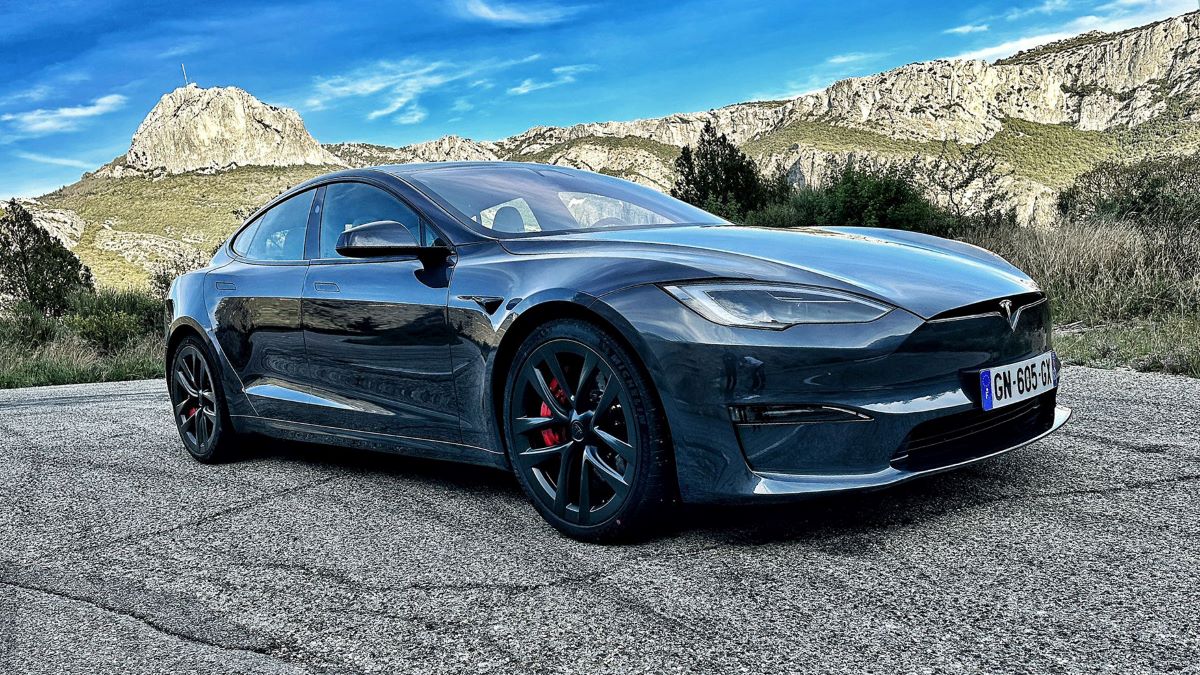
The Tesla Model S Plaid represents the pinnacle of electric performance, boasting a tri-motor setup that rockets the sedan from zero to sixty in under two seconds.
This makes it one of the fastest production cars ever made, yet its blistering acceleration comes packaged with an interior philosophy that prioritizes minimalism to a fault.
Nearly every vehicle function from adjusting mirrors to changing drive modes requires interaction with the massive 17-inch central touchscreen, creating a dependency that proves problematic during actual driving.
The screen itself is undeniably impressive, featuring crisp graphics and responsive touch capabilities. However, Tesla’s decision to eliminate physical controls for essential functions means drivers must go through through multiple menu layers while operating a vehicle capable of supercar speeds.
Want to adjust the steering wheel? That requires stopping the car or carefully manipulating touchscreen controls while moving. Need to activate the windshield wipers during unexpected rain? You’ll need to either use voice commands or screen menus there’s no traditional stalk.
The distraction intensifies with Tesla’s infotainment offerings. The screen can display video games, stream movies, and access internet browsers. While these features lock out during driving, their presence represents a philosophical approach that treats the car more like a smartphone on wheels than a focused driving machine.
The Plaid’s minimalist interior might photograph beautifully, but it requires drivers to memorize screen locations and menu structures rather than relying on muscle memory for physical buttons.
Tesla’s Autopilot system adds another layer of complexity. While marketed as a driver assistance feature, its capabilities and limitations create confusion.
Drivers must remain constantly vigilant, ready to take over at any moment, yet the system’s competence can breed complacency. The combination of immense power, touchscreen dependency, and semi-autonomous features creates a cognitive load that demands significant adaptation.
The yoke steering wheel option further complicates matters. While it looks futuristic and works acceptably for straight-line driving, it proves awkward during parking maneuvers and tight turns.
This design choice prioritizes appearance over functionality, forcing drivers to learn new muscle memory for a task they’ve performed instinctively for years. For a car capable of such extreme performance, the Tesla Model S Plaid ironically requires drivers to spend more time thinking about operating the car itself rather than simply enjoying the drive.
2. BMW iX
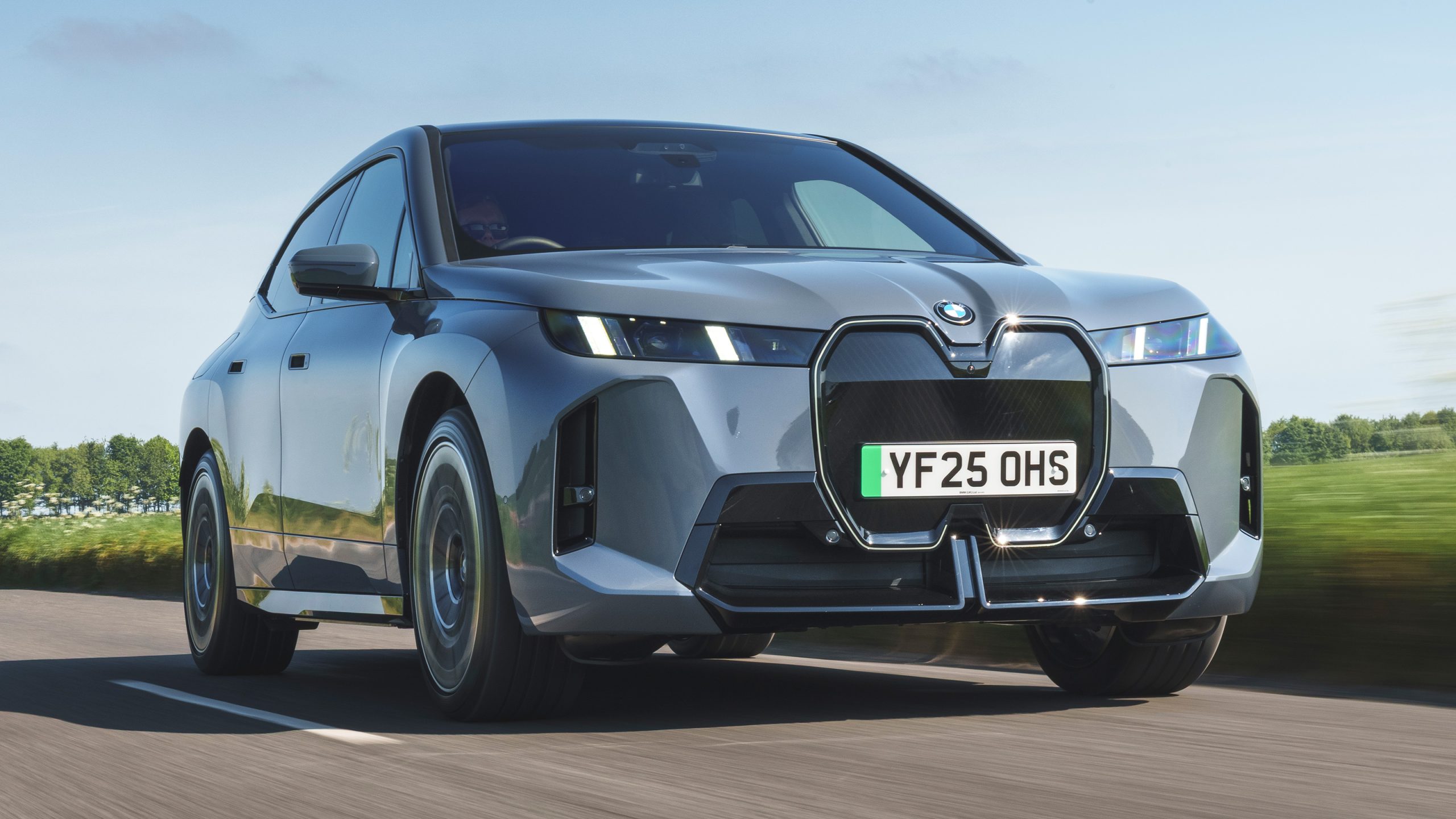
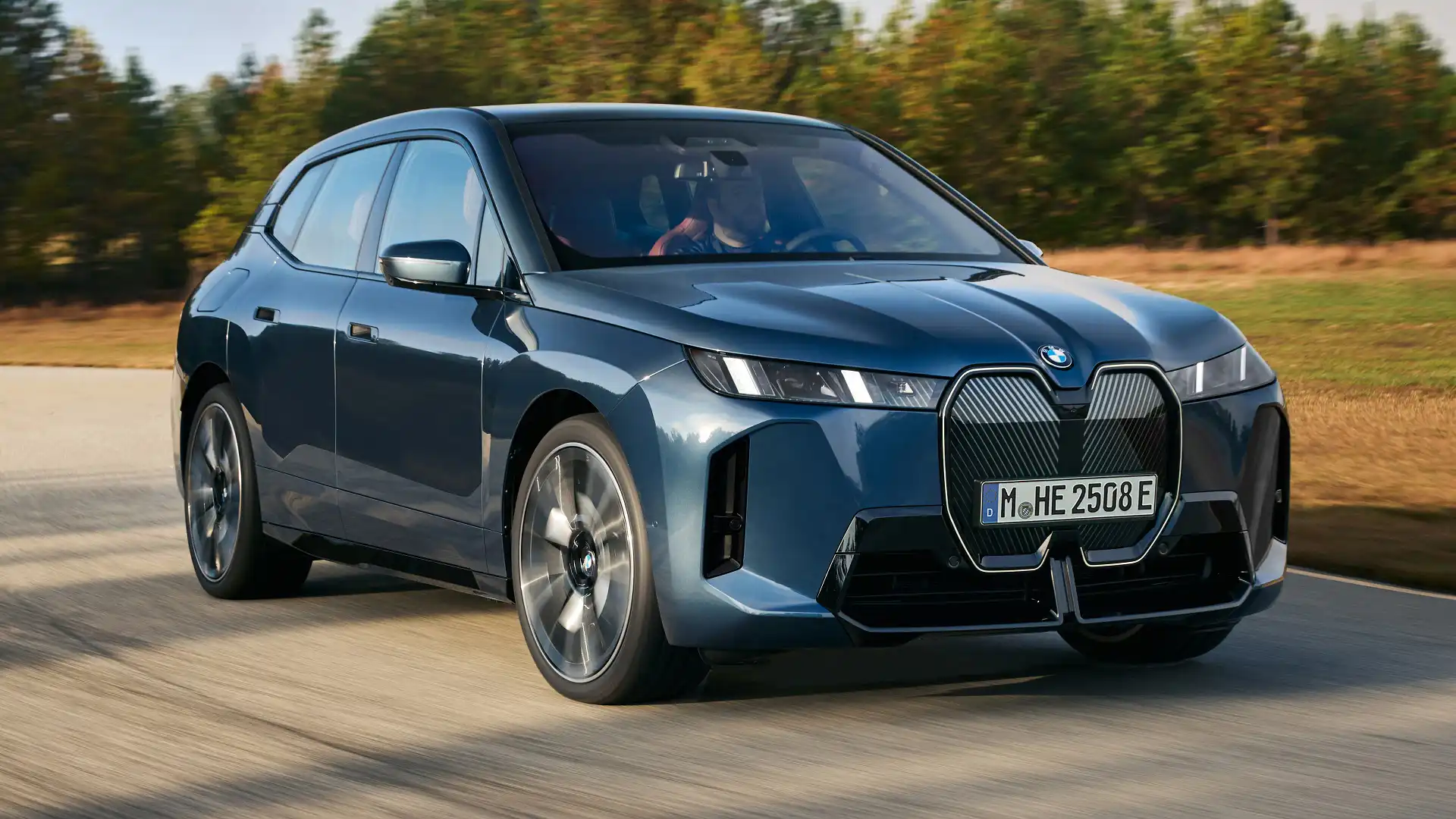
BMW’s flagship electric SUV, the iX, showcases the German automaker’s vision for electrified luxury, but it simultaneously demonstrates how technological ambition can overwhelm user experience.
The exterior design alone proves polarizing, featuring massive kidney grilles that no longer serve a cooling function and angular lighting elements that seem designed to provoke reactions rather than please the eye.
However, the real distraction lurks inside, where BMW has layered technology upon technology in ways that often conflict with intuitive operation.
The iX features BMW’s latest iDrive 8 infotainment system, displayed across a curved glass panel housing both the 12.3-inch instrument cluster and 14.9-inch central touchscreen.
This setup looks undeniably futuristic, but the system’s complexity creates a steep learning curve. BMW has implemented multiple control methods touchscreen, voice commands, gesture controls, and the traditional iDrive controller yet none feel entirely natural.
Drivers often find themselves accidentally triggering functions through unintended gestures or struggling to remember which control method works best for specific tasks.
The interior materials demonstrate BMW’s commitment to sustainability, featuring recycled and renewable resources throughout. While commendable from an environmental standpoint, some choices sacrifice tactile quality.
The hexagonal steering wheel design, though subtle, disrupts the natural hand position during turns. The doors feature unconventional opening mechanisms that confuse first-time passengers and require conscious thought rather than intuitive interaction.
BMW’s digital ecosystem integration means the iX constantly wants to connect with your smartphone, smart home, and various online services. The car can display calendar appointments, suggest departure times based on traffic, and even pre-condition based on your schedule.
These features sound helpful in theory, but they require extensive setup and create privacy concerns. The constant connectivity means the car regularly displays notifications and suggestions that pull attention away from driving.
The iX’s advanced driver assistance systems add further complication. Features like the Parking Assistant Professional can remember parking maneuvers and replay them autonomously, while the Active Driving Assistant provides extensive intervention.
However, these systems often activate with minimal warning, creating moments of confusion when the car suddenly takes control. The lane-keeping assist can feel overly aggressive, fighting driver inputs during intentional lane positioning.
What BMW positions as helpful assistance sometimes feels like the car arguing with its driver about who’s really in control of the situation.
3. Mercedes-Benz MBUX Hyperscreen
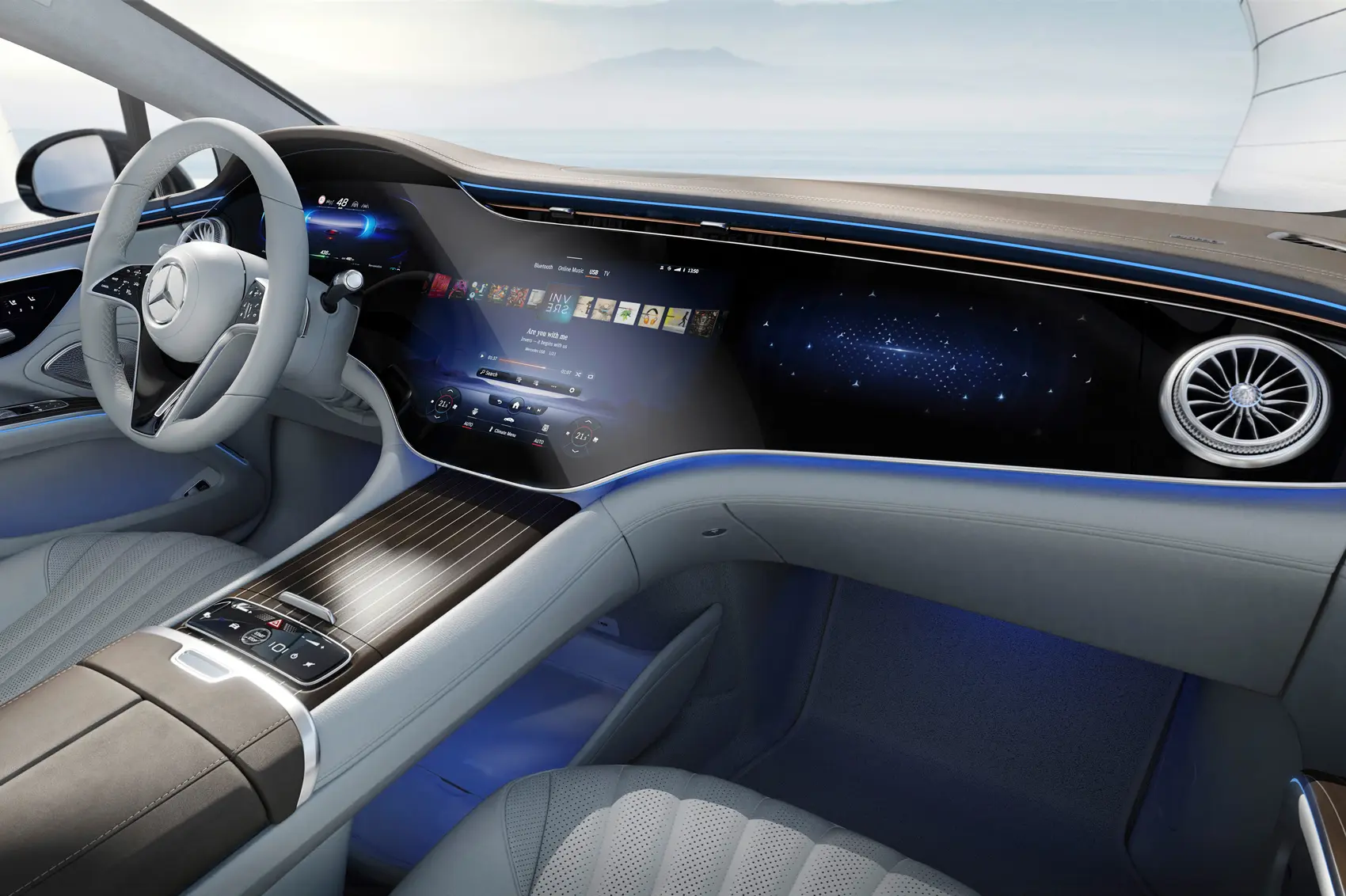
Mercedes-Benz’s MBUX Hyperscreen represents the brand’s boldest statement about digital interiors, spanning 56 inches across the dashboard in certain EQ models.
This massive curved glass surface houses three separate displays one for the driver, one central screen, and one for the front passenger, all seamlessly integrated behind a single pane.
While visually stunning and technologically impressive, this expansive digital world creates an environment where information constantly competes for the driver’s attention, often to the detriment of focus and driving engagement.
The Hyperscreen runs Mercedes’ MBUX (Mercedes-Benz User Experience) software, which employs artificial intelligence to learn driver preferences and predict needs.
In theory, this means the system becomes more helpful over time, surfacing relevant information and functions before you even ask. In practice, the constant stream of suggestions, notifications, and animated graphics creates visual clutter that draws eyes away from the road.
The screen’s sheer size means peripheral vision constantly registers changing information, making it nearly impossible to ignore. Mercedes implemented over-the-air update capability, meaning the system’s behavior can change without warning as new software rolls out. While updates can add features and fix bugs, they also mean owners must relearn their vehicle’s interface periodically.
Functions might move to different menu locations, new features might activate by default, and familiar workflows might suddenly change. This creates an unstable user experience where muscle memory becomes unreliable.
The passenger screen initially seems like a thoughtful addition, allowing front-seat occupants to control entertainment and navigation without disturbing the driver. However, it proves distracting in practice.
The movement and changing content in the driver’s peripheral vision draw attention, particularly during night driving when the screen’s glow becomes more prominent.
Mercedes implemented technology to prevent drivers from viewing video content on the passenger screen while moving, but this doesn’t eliminate the distraction of constantly changing imagery nearby.
Climate controls, once simple and physical, now require multiple touches to adjust. The Hyperscreen’s haptic feedback attempts to replicate the satisfaction of pressing real buttons, but it falls short of a genuine tactile response.
Drivers must look at the screen to confirm their inputs registered correctly, whereas physical controls could be operated by feel alone. Even basic tasks like adjusting temperature or fan speed demand visual attention that should remain on the road.
For a system that promises to enhance luxury, it ironically makes the cabin feel more like a Las Vegas casino than a serene driving environment.
4. Range Rover
The Range Rover has long represented the pinnacle of luxury SUVs, combining genuine off-road capability with opulent on-road comfort. However, recent generations have piled on so many features, systems, and adjustments that simply configuring the vehicle for basic driving becomes a distraction.
Land Rover’s Terrain Response system offers multiple modes for different surfaces, the air suspension provides numerous height and firmness settings, and the infotainment system attempts to control everything from seat massagers to interior lighting schemes.
The latest Range Rover features Land Rover’s Pivi Pro infotainment system across dual touchscreens one for primary functions and another below for climate and vehicle settings. While separating these controls seems logical, it means drivers must remember which screen houses which functions and constantly shift focus between them.
The upper screen handles navigation and media, while the lower tackles climate, terrain modes, and vehicle settings. This division forces drivers to think consciously about screen selection rather than intuitively reaching for controls.
Range Rover’s commitment to luxury means extensive customization options for nearly every aspect of the vehicle. Seats offer heating, cooling, and massage functions with multiple intensity levels.
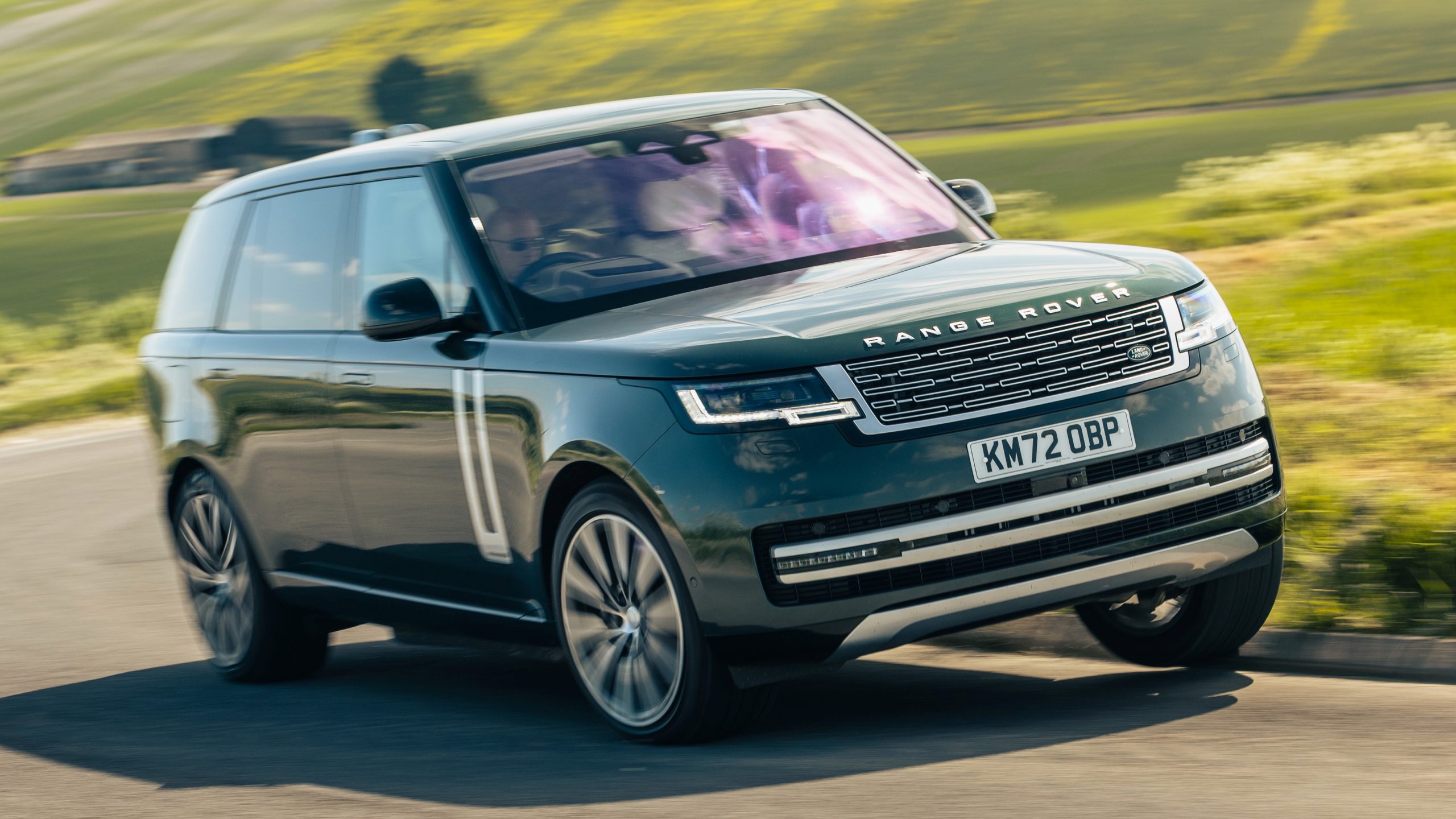
The air suspension can adjust ride height and firmness. The drive modes alter throttle response, transmission behavior, and steering weight. Individually, these features enhance the experience, but collectively they create decision fatigue.
Do you want the suspension in comfort mode or dynamic? Should seats be in warm or hot? Which terrain response mode suits this gravel road? The vehicle constantly asks drivers to make choices that pull attention from actual driving.
The cabin ambiance settings exemplify the distraction problem. Owners can configure interior lighting colors, intensity, and patterns, matching them to different moods or preferences.
The panoramic sunroof features electrochromic dimming with multiple opacity levels. The audio system offers room-filling surround sound with dozens of adjustment parameters.
These luxury touches sound appealing in marketing materials, but they tempt occupants including drivers to fiddle with settings rather than focus on the road ahead.
Land Rover’s reputation for reliability issues compounds these distractions. Warning lights and error messages appear with concerning frequency in many Range Rovers, often indicating problems ranging from critical malfunctions to temporary sensor glitches.
Drivers must diagnose whether warnings require immediate attention or can be safely ignored, adding stress and distraction. When your luxury SUV’s dashboard looks like a Christmas tree of warning indicators, it’s hard to maintain focus on driving, especially when the owner’s manual suggests some warnings might be false alarms while others demand urgent service.
Also Read: 7 Cars Where Technology Becomes a Headache
5. Cadillac Escalade
The Cadillac Escalade embraces American excess in every dimension, including its technology. The flagship luxury SUV features a stunning 38-inch curved OLED screen spanning the dashboard, providing separate displays for the instrument cluster, central infotainment, and front passenger entertainment.
While this massive display showcases Cadillac’s technological prowess and delivers undeniably impressive visuals, it creates an interior environment where screens dominate the experience, constantly demanding visual attention and often overwhelming occupants with information and options.
The OLED technology produces incredibly vivid colors and deep blacks, making content pop with almost television-like quality. This visual appeal becomes problematic during driving, as the eye naturally gravitates toward bright, high-contrast imagery.
Navigation maps look stunning with their saturated colors and smooth animations, but these same qualities make them more attention-grabbing than necessary.
The screen’s size means information appears in the driver’s peripheral vision constantly, creating a subtle but persistent distraction that fragments attention during complex driving situations.
Cadillac’s Super Cruise semi-autonomous driving system adds another layer of technology that demands understanding and monitoring.
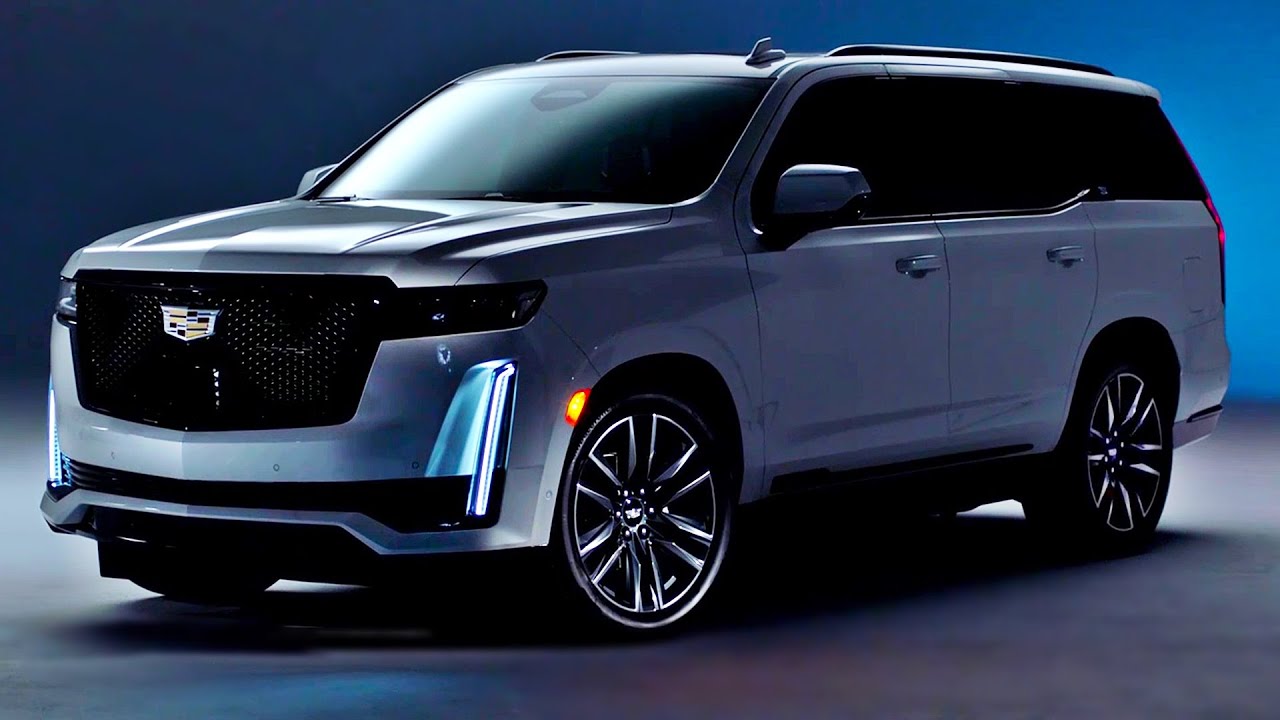
When activated, the system provides hands-free driving on compatible highways, using cameras and sensors to maintain lane position and appropriate following distance.
However, the system’s limitations require drivers to maintain constant readiness to retake control, creating an awkward middle ground between fully engaged driving and passenger status.
The light bar on the steering wheel changes colors to indicate system status, meaning drivers must interpret visual cues while supposedly relaxing.
The Escalade’s physical size compounds these distractions. The massive SUV requires significant concentration to maneuver safely, particularly in tight spaces or dense traffic.
Its dimensions create substantial blind spots despite the inclusion of cameras and sensors. Operating such a large vehicle should command a driver’s full attention, yet Cadillac has filled the cabin with technologies that actively compete for that attention.
The paradox of needing maximum focus while being surrounded by maximum distractions creates a cognitively demanding environment.
Rear-seat passengers enjoy their own entertainment screens, connectivity options, and climate controls. While this keeps passengers comfortable and entertained, it also means the driver often fields requests to adjust settings or troubleshoot technical issues.
The Escalade becomes less a focused driving machine and more a rolling entertainment center that happens to transport people. For a vehicle that costs as much as many luxury cars and requires professional-grade attention to operate safely, the Escalade’s technology suite seems designed to pull focus in every direction except through the windshield at the road ahead.
6. Audi e-tron GT
Audi’s electric grand tourer, the e-tron GT, delivers stunning design and exhilarating performance in an emissions-free package. The low-slung sedan looks like it belongs in a science fiction film, with sleek proportions and aggressive styling that turns heads everywhere.
However, Audi’s pursuit of minimalist interior aesthetics has resulted in a cabin that relies heavily on touchscreen controls and capacitive buttons that prove frustrating during real-world use, creating distractions as drivers struggle with interfaces that prioritize appearance over functionality.
The e-tron GT features Audi’s MMI touch response system, which replaces traditional physical controls with a large central touchscreen and a smaller display for climate functions. Audi added haptic feedback to simulate button presses, but the sensation falls short of genuine mechanical switches.
The screens collect fingerprints rapidly, becoming smudged and less legible in sunlight. More critically, the touch-sensitive climate controls require visual confirmation that inputs registered, whereas traditional buttons and knobs could be operated by feel alone while keeping eyes on the road. Audi implemented touch-sensitive buttons on the steering wheel as well, eliminating the satisfying click of traditional switches.
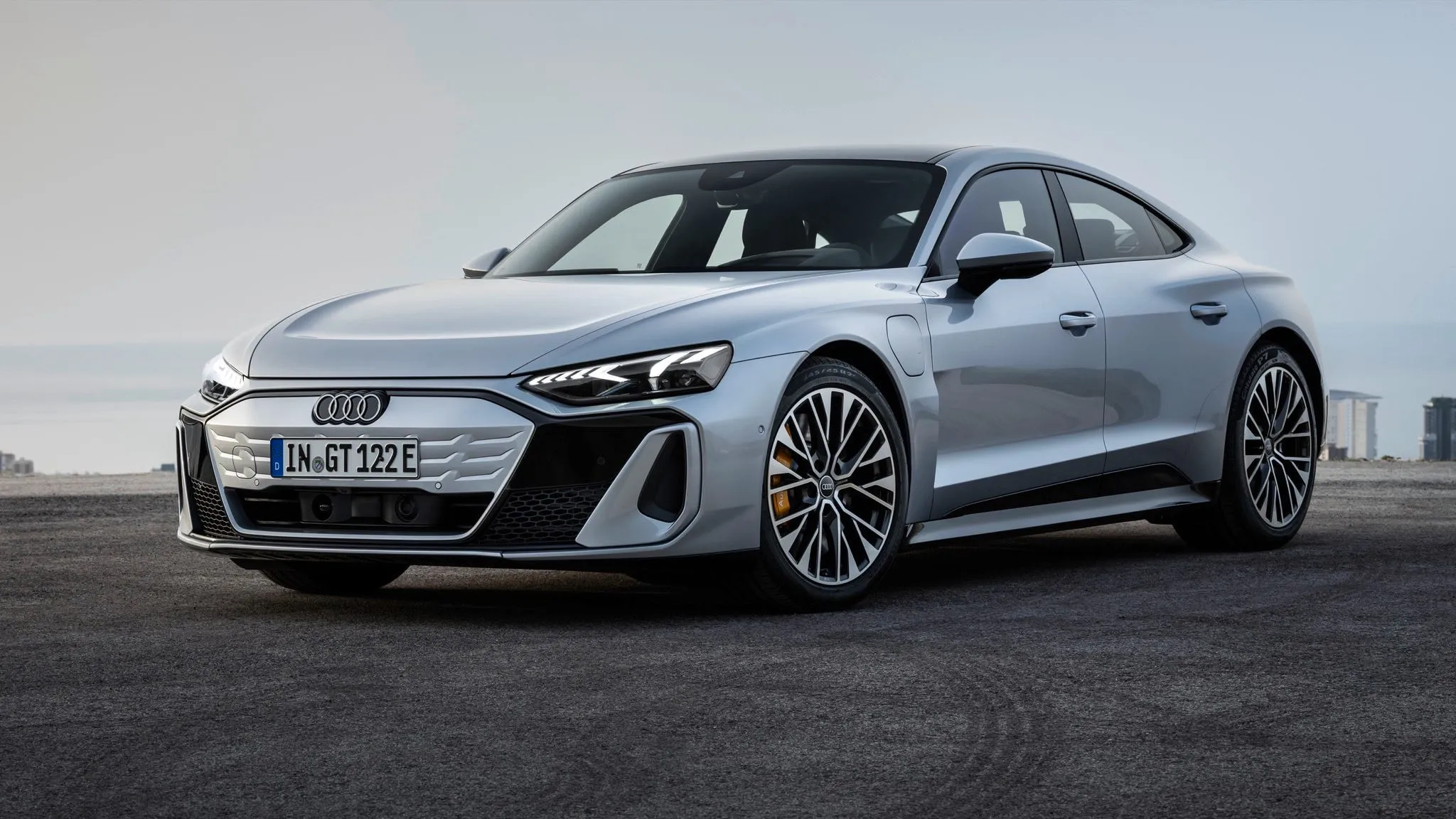
These capacitive controls respond to light touches, sometimes activating accidentally when the driver’s hand shifts position. The lack of tactile feedback means drivers cannot confirm activation without looking at the instrument cluster or listening for audio cues.
For a performance car that rewards spirited driving, having steering wheel controls that demand visual attention creates an inappropriate distraction during dynamic cornering or quick lane changes.
The virtual cockpit instrument cluster provides beautiful, high-resolution graphics that can be configured in multiple layouts. However, this flexibility becomes a burden as drivers must choose between sport, classic, and dynamic views, each presenting information differently.
The constant temptation to switch between views and adjust the display pulls attention inward rather than keeping focus external. Performance data appears gorgeously rendered, but the visual appeal encourages drivers to watch digital representations of speed and power rather than experiencing the car through direct sensory feedback.
Audi’s regenerative braking system offers multiple levels of energy recovery, adjustable through steering wheel paddles or drive mode selections.
While this provides control over the driving experience, it also means drivers must think consciously about regeneration settings throughout each journey.
Should you maximize recovery for efficiency or minimize it for smoothness? The decision-making process, repeated constantly in varied traffic conditions, adds cognitive load that detracts from the pure driving enjoyment the e-tron GT promises. What should be an instinctive, flowing driving experience becomes an exercise in settings management.
7. Honda Accord Hybrid
Honda’s reputation for reliability and practicality makes the Accord a perennial favorite among sensible buyers, yet even this mainstream sedan has succumbed to the trend of prioritizing style and technology over straightforward usability.
The Accord Hybrid combines impressive fuel efficiency with spacious comfort, but Honda’s design decisions particularly regarding controls and interface create unnecessary distractions that undermine the car’s practical mission. The learning curve for basic operations now rivals that of far more expensive vehicles.
The infotainment system relies heavily on a touchscreen interface that lacks the intuitive organization found in competitors’ systems. Honda’s menu structure buries commonly used functions under multiple layers, requiring drivers to go through various screens to accomplish simple tasks.
The system responds to inputs inconsistently, sometimes registering touches immediately while other times requiring multiple attempts. This unpredictability means drivers cannot develop reliable muscle memory, forcing them to look at the screen longer than necessary to confirm their commands executed correctly.
Honda eliminated the traditional volume knob in favor of a touch-sensitive slider on the dashboard. This design choice looks sleek and modern, but it proves frustrating in practice.
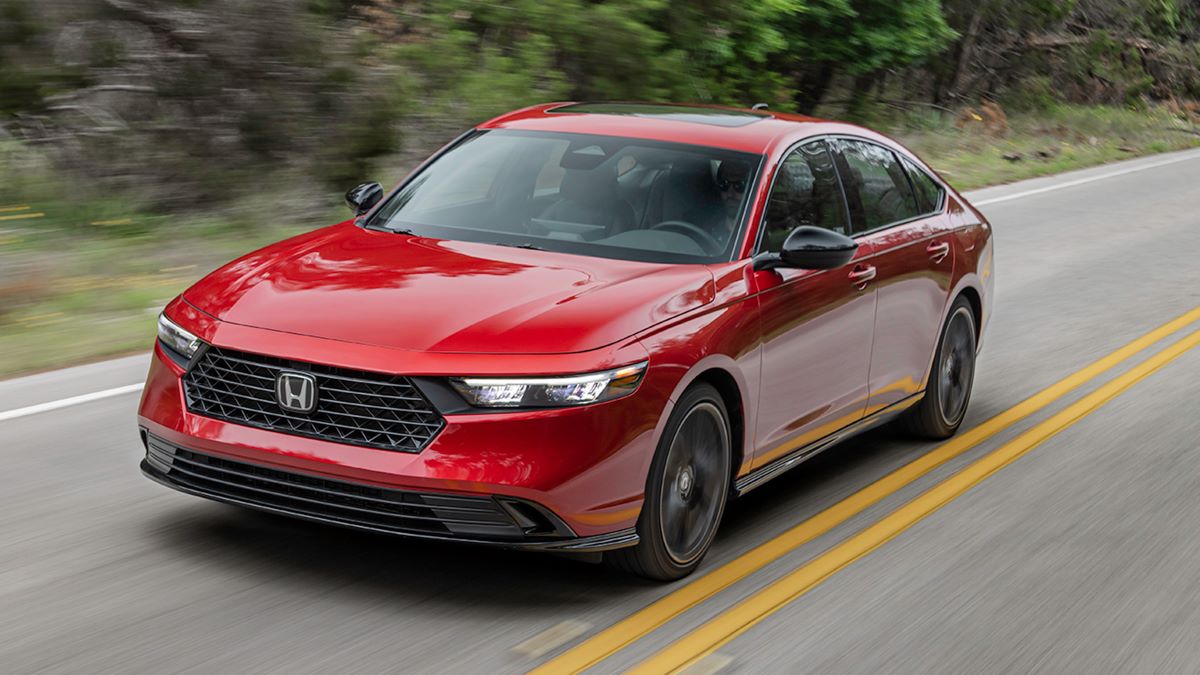
Adjusting volume precisely while driving becomes nearly impossible, as the slider lacks the tactile feedback and precise control of a physical knob.
Drivers find themselves repeatedly touching the slider, glancing down to see if the volume changed appropriately, creating a distraction loop that a simple physical control would eliminate entirely.
The hybrid powertrain system displays extensive information about energy flow, battery charge, and fuel consumption across multiple screens and graphics.
While this data interests efficiency-minded drivers, the constant animations and changing displays pull attention to the instrument cluster. The system shows which power source electric motor, gasoline engine, or combination, currently propels the car, with animated graphics that update continuously.
This real-time feedback tempts drivers to hypermile, focusing on optimizing efficiency rather than maintaining situational awareness of surrounding traffic.
Climate controls, though physically present, feature small, closely-spaced buttons that prove difficult to operate without looking, particularly while wearing gloves or for drivers with larger hands.
The automatic climate system works well once configured, but making adjustments requires careful attention to press the correct tiny button.
Honda’s pursuit of a clean, uncluttered dashboard resulted in controls that lack the robust, easily distinguishable feel of earlier generations.
For a car that should represent sensible, distraction-free transportation, the Accord Hybrid instead demonstrates how even mainstream manufacturers have prioritized appearance over the ergonomic excellence that once defined their brands.
8. Ford Mustang Mach-E
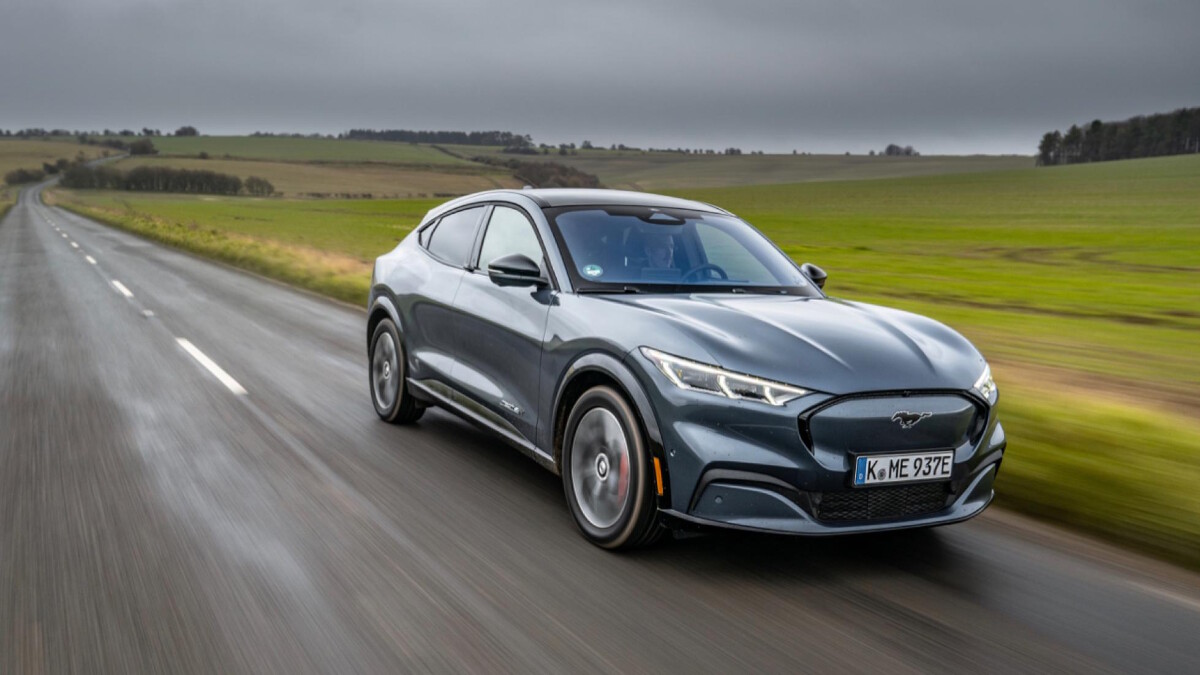
Ford’s decision to extend the legendary Mustang nameplate to an electric SUV created immediate controversy, but the Mach-E’s distractions extend beyond its controversial badging. The vehicle represents Ford’s aggressive push into electrification, combining performance aspirations with practical utility.
However, the Mach-E’s design philosophy creates an interior experience dominated by a massive vertical touchscreen that controls nearly every vehicle function, while the exterior styling tries to balance Mustang heritage with modern SUV proportions, resulting in a vehicle that never quite settles into a coherent identity.
The 15.5-inch portrait-oriented touchscreen dominates the dashboard, running Ford’s SYNC 4A infotainment system. This massive display looks impressive and provides abundant screen real estate, but its vertical orientation means information spreads across considerable height, requiring drivers to scan up and down rather than quickly glancing left and right.
Critical functions like climate controls live at the bottom of the screen, demanding that drivers look down and away from the road to make adjustments. Ford provided a physical volume knob, which helps, but virtually everything else requires touchscreen interaction.
The Mach-E’s door handles present another distraction, using electronic buttons rather than traditional mechanical handles. Occupants must press a button and then pull on a separate trigger to open doors, a two-step process that confuses passengers and delays exits.
During emergencies, this non-intuitive design could prove problematic as panicked occupants struggle with an unexpected opening mechanism. The handles look sleek and modern, flush with the door panel for improved aerodynamics, but they sacrifice immediate usability for aesthetic gains.
Ford’s hands-free Active Drive Assist system provides semi-autonomous driving on compatible highways, similar to GM’s Super Cruise or Tesla’s Autopilot. The system works reasonably well within its limitations, but those limitations prove confusing in practice.
Active Drive Assist disengages suddenly if conditions become incompatible, sometimes surprising drivers who believed the system could handle the situation.
The transitions between human and computer control create awkward moments where neither party fully commands the vehicle, potentially dangerous situations requiring quick mental and physical adjustment.
The Mustang branding itself creates cognitive dissonance that proves subtly distracting. The galloping pony badge, traditionally associated with American muscle cars and enthusiastic driving, now adorns an efficient electric SUV optimized for different priorities.
Drivers approaching the Mach-E with Mustang expectations find a vehicle that handles competently but doesn’t deliver the visceral, engaging experience the badge promises. This identity confusion creates disappointment that colors the ownership experience, a constant reminder that the vehicle can’t quite reconcile its competing aspirations of practicality and performance heritage.
Also Read: 9 Modern Vehicles With Overcomplicated Dashboards Hurting Practicality
