
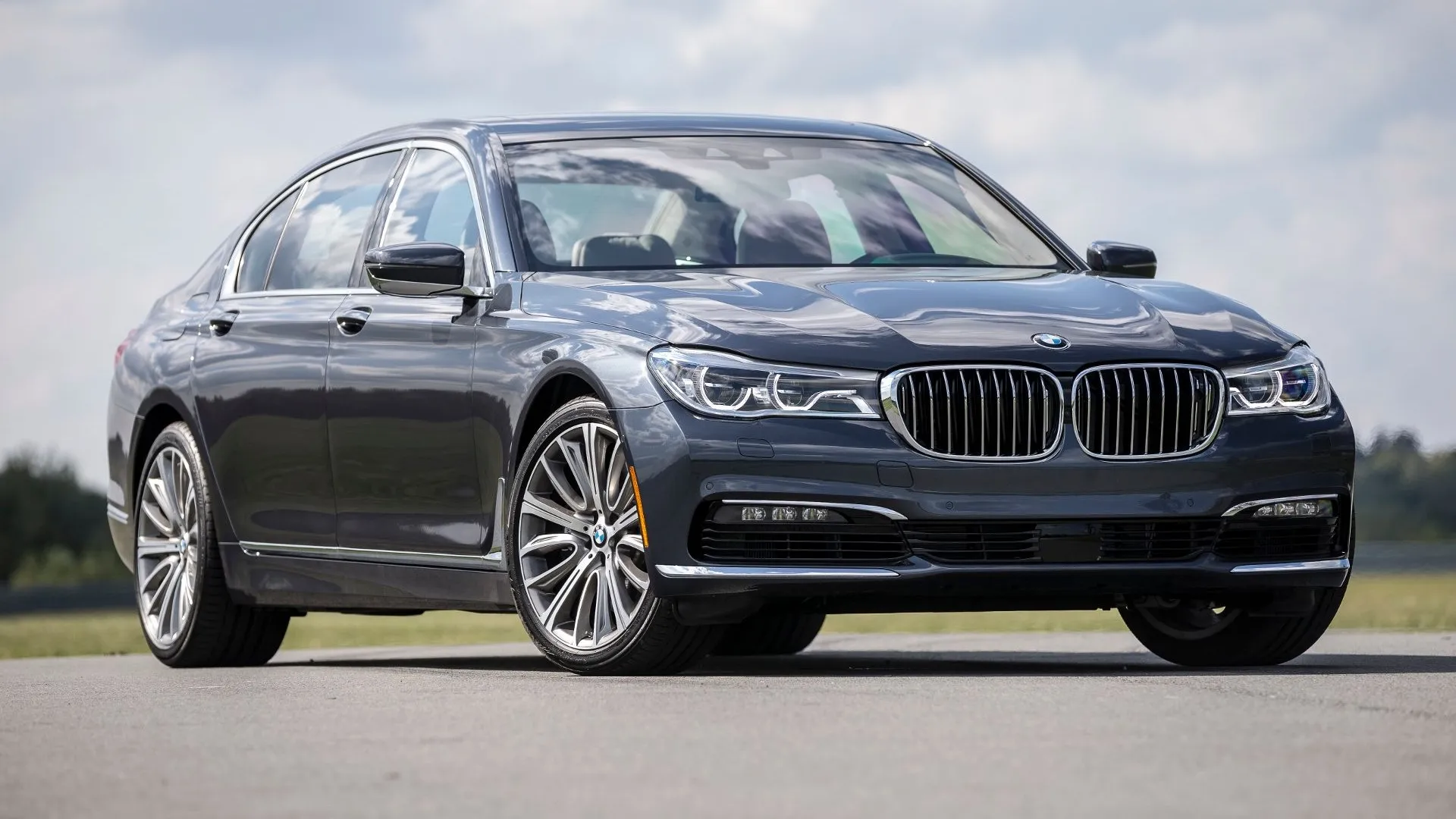
In the automotive world, design isn’t just about aesthetics it’s about the complete experience of interacting with a vehicle. Well-designed cars feel intuitive, comfortable, and purposeful, where every button, surface, and feature seems to be exactly where you expect it.
Poorly designed vehicles, on the other hand, leave you frustrated, searching for controls, or wondering what the engineers were thinking. The difference between these two categories often comes down to how much manufacturers listened to real-world users and prioritized function alongside form.
Great automotive design considers the entire ecosystem of driving: from the moment you approach the vehicle to how you adjust the climate control while going through the rush hour traffic. It’s about sight lines that let you see the road without obstruction, seats that support your body on long journeys, and technology interfaces that enhance rather than distract from the driving experience.
These vehicles feel like they’ve been crafted by people who actually drive cars daily, understanding the small frustrations and moments of delight that define vehicle ownership.
Conversely, poorly designed vehicles often reveal themselves through accumulated annoyances: cupholders that can’t accommodate standard beverage sizes, infotainment systems that require multiple steps for basic functions, or storage spaces that seem designed without considering what people actually need to carry.
Sometimes the issues are more fundamental awkward seating positions, blind spots that create safety concerns, or materials that feel cheap despite a premium price tag.
This examination of automotive design excellence and failure spans different vehicle categories and price points, proving that good design isn’t necessarily expensive it’s thoughtful. From luxury sedans to practical SUVs, we’ll explore what separates vehicles that feel like they were designed with drivers in mind from those that seem to have missed the mark.
Whether you’re shopping for your next vehicle or simply curious about what makes some cars more pleasant to live with than others, understanding these design principles can transform how you evaluate and appreciate automotive engineering.
The vehicles on these lists represent clear examples of design philosophy in action, showing us both what to seek out and what to avoid in our automotive choices.
5 Well-Designed Vehicles
These exceptionally thoughtful vehicles feature intuitive controls and logical layouts perfectly executed through years of user-centered design refinement, providing effortless daily operation where every switch falls naturally to hand and common functions require minimal attention diversion from driving tasks.
Their careful engineering includes perfectly positioned cupholders and intelligently placed storage compartments that resist the frustration found in poorly conceived interiors while delivering seamless technology integration, reachable climate controls, and visibility uncompromised by styling priorities sacrificing practicality.
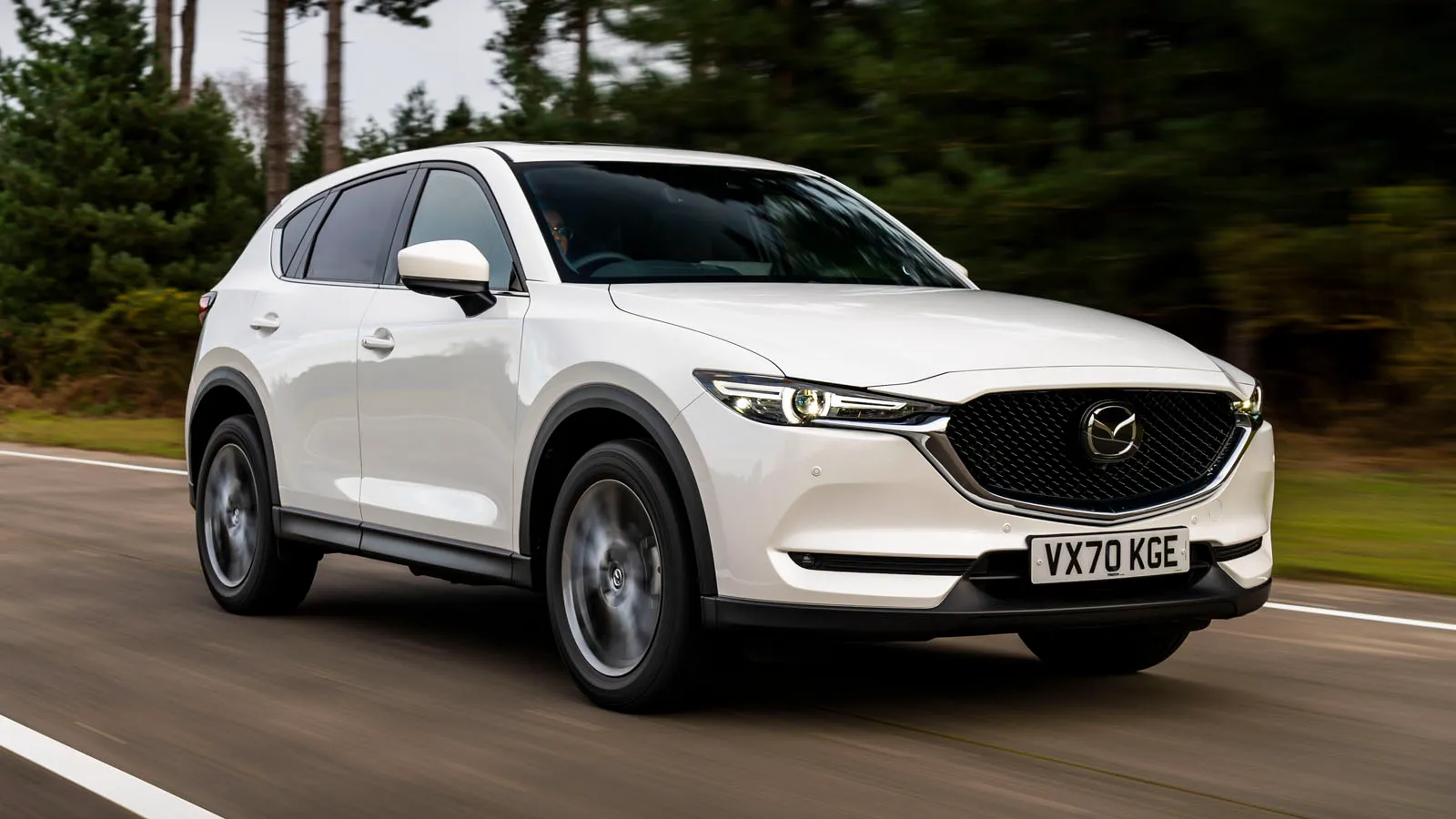
1. Mazda CX-5
The Mazda CX-5 represents a masterclass in how to create a vehicle that feels premium without carrying a luxury price tag. From the moment you settle into the driver’s seat, everything about this compact SUV communicates thoughtfulness and attention to detail.
The interior materials punch well above the vehicle’s price point, with soft-touch surfaces where your hands and arms naturally rest, and a fit-and-finish quality that rivals vehicles costing significantly more.
Mazda’s philosophy of “Jinba Ittai” the unity of horse and rider manifests in how naturally the CX-5 responds to driver inputs, creating an engaging driving experience rare in the SUV segment.
The contro layout exemplifies intuitive design. Physical knobs for climate control mean you can adjust temperature without taking your eyes off the road, while the rotary infotainment controller falls naturally to hand on the center console.
The driving position is spot-on, with excellent sight lines and a steering wheel that adjusts through a wide range to accommodate different body types. The gauge cluster presents information clearly without overwhelming the driver, and the head-up display projects essential data directly in your line of sight.
Storage solutions throughout the cabin show that Mazda’s designers actually considered how people use their vehicles. Door pockets are properly sized, the center console can swallow a purse or small bag, and cupholder placement doesn’t interfere with shifter or armrest use.
The rear seats offer legitimate adult accommodation with comfortable cushioning and adequate headroom, while the cargo area provides practical space with a low load floor and minimal intrusion from wheel wells.
What truly sets the CX-5 apart is how all these elements work together cohesively. The sound insulation keeps road and wind noise at bay, creating a serene cabin environment. The suspension tuning manages to be both comfortable and engaging, absorbing road imperfections while still providing feedback.
The paint quality is exceptional, and the exterior design has aged gracefully without looking dated. These aren’t revolutionary features individually, but their thoughtful integration creates a vehicle that simply feels right in daily use, proving that excellent design is about sweating the details and understanding what drivers actually value in their relationship with their vehicle.
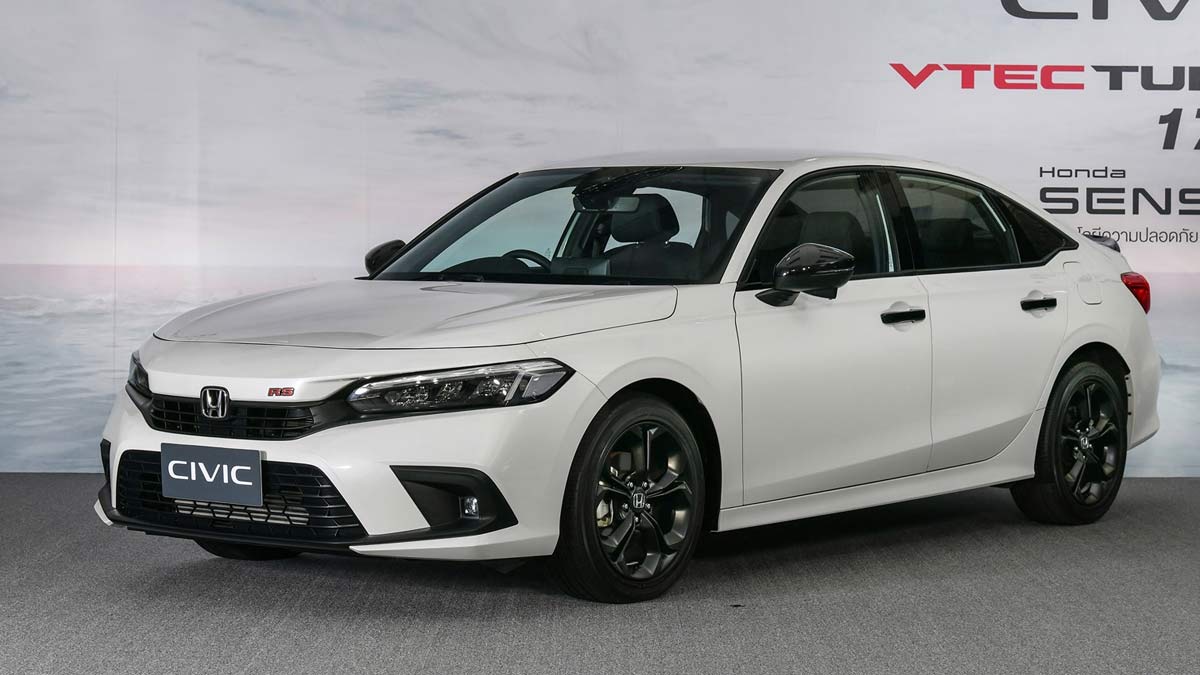
2. Honda Civic (11th Generation)
Honda’s 11th-generation Civic represents a return to form for a nameplate that briefly lost its way. This redesign focuses on simplicity, visibility, and user-friendliness core values that made earlier Civics beloved by millions.
The cabin architecture features clean horizontal lines that create an airy, open feeling while improving forward visibility. The dashboard sits low, the windshield pillars are positioned to minimize blind spots, and the beltline hasn’t been raised excessively in pursuit of styling, meaning you can actually see out of the car a feature increasingly rare in modern vehicles.
The interior design philosophy prioritizes physical controls for frequently used functions. The climate system uses simple, tactile knobs and buttons rather than burying everything in touchscreen menus.
The volume knob for the audio system is precisely where your hand expects to find it. The gear selector, whether you choose the manual or CVT, operates with satisfying precision.
These might seem like small considerations, but they’re what separate vehicles you enjoy using from those you tolerate. The seats provide excellent suppo2xrt with just enough bolstering to hold you in place without feeling confining, and they’re upholstered in materials that resist wear and easy to clean.
Honda’s engineers clearly spent time optimizing the ergonomics. The steering wheel grips are contoured perfectly, the pedal spacing is ideal for heel-toe driving in manual versions, and the sight line to the mirrors requires minimal eye movement.
The infotainment screen is angled slightly toward the driver and positioned high enough that glancing at it doesn’t require looking drastically down from the road. Android Auto and Apple CarPlay integration is seamless, with quick connection times and stable performance.
Practicality permeates every aspect of the Civic’s design. The trunk is massive for the segment, with a wide opening and minimal lift-over height. The rear seats fold nearly flat to accommodate larger cargo, and there’s a pass-through for skis or lumber.
Fuel economy is excellent across all powertrains, and maintenance is straightforward with good access to common service points. The Civic proves that good design doesn’t require complexity or gimmicks it requires understanding what makes a car pleasant to own and drive every single day, then executing those fundamentals with precision and care.
3. Porsche 911
The Porsche 911 has been in continuous production since 1963, and its design evolution represents one of the most remarkable stories in automotive history. What makes the 911 exceptionally well-designed isn’t just its iconic silhouette or impressive performance it’s how Porsche has managed to refine the formula incrementally over six decades while maintaining the vehicle’s essential character.
Every control, switch, and surface feels purposeful, placed with intention after years of incremental refinement based on feedback from enthusiasts and professional drivers alike.
Sitting in a 911, you immediately notice the driving position. You sit low, with the steering wheel positioned just right and pedals perfectly spaced.
The iconic five-gauge cluster puts the tachometer front and center, a reminder of the car’s sporting intentions, while flanking gauges provide essential information at a glance.
Modern 911s have incorporated digital displays, but they’ve done so without abandoning the analog charm that defines the experience. The center console, angled toward the driver, puts controls for driving modes, suspension settings, and other dynamic functions within easy reach.
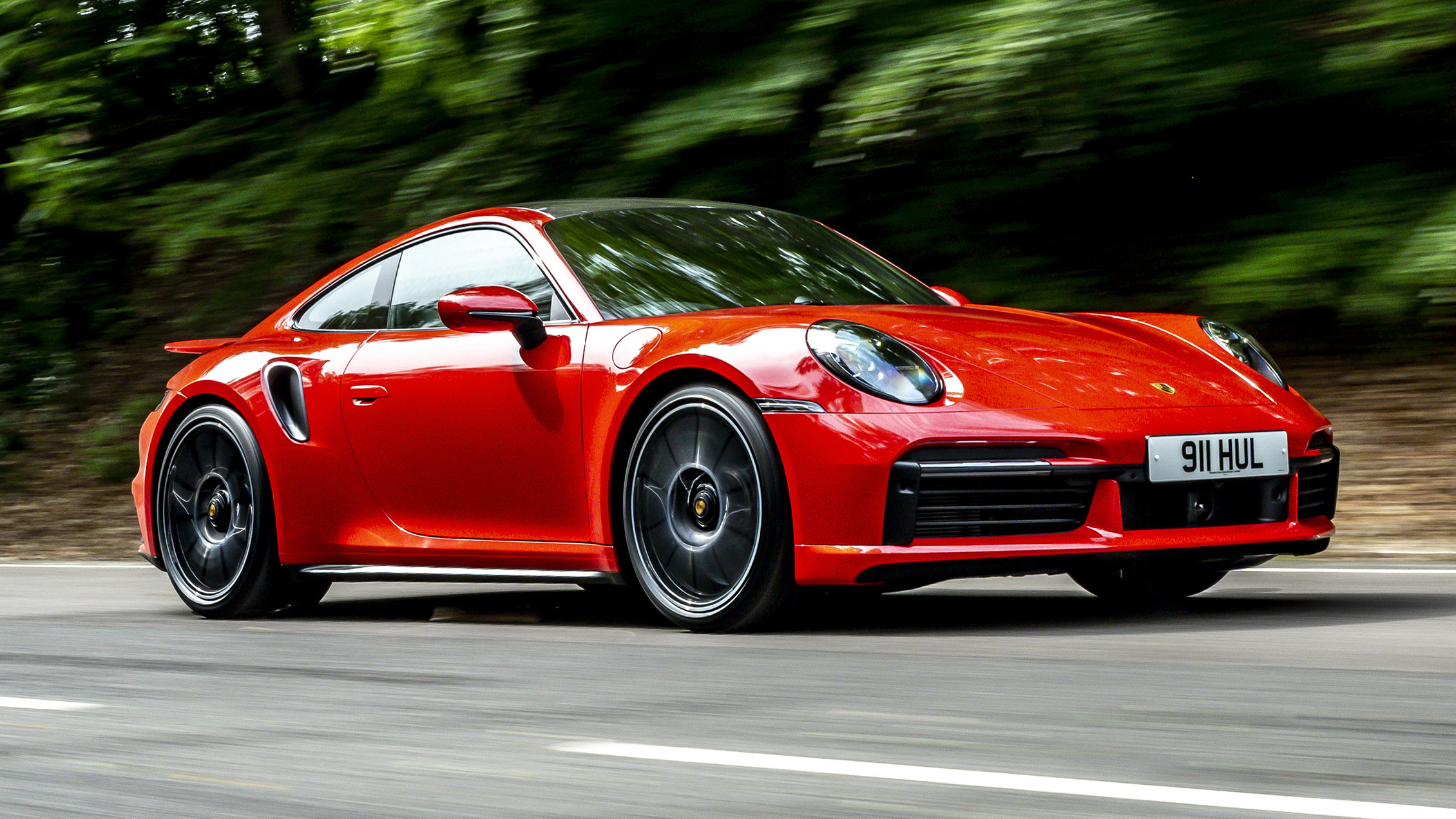
The build quality is exceptional. Switches operate with damped precision, materials feel substantial, and the fit between panels is impeccable. The seats especially in models with sport seats plus provide outstanding support for spirited driving while remaining comfortable enough for grand touring.
Visibility is surprisingly good for a sports car, with relatively thin pillars and well-positioned mirrors. The rear seats, while small, can accommodate children or provide additional storage, making the 911 more practical than many give it credit for.
What truly distinguishes the 911’s design is how everything is optimized around the driving experience. The steering provides crystalline feedback, the brake pedal offers perfect progression, and the shifter in manual models moves with mechanical precision. The engine, positioned behind the rear axle, creates unique handling characteristics that Porsche has refined into something intuitive and exploitable.
The 911 proves that great design isn’t about adding features it’s about perfecting fundamentals, eliminating compromises, and creating harmony between driver and machine that transcends individual components.
4. Toyota Sienna
The Toyota Sienna might not be the most exciting vehicle on this list, but it represents exceptional design for its intended purpose: moving families and their belongings comfortably and reliably.
The current generation Sienna shows that minivans, when designed properly, are simply more practical than SUVs for family transportation. The sliding rear doors alone are a master stroke of functional design they require minimal clearance to open, won’t blow into adjacent vehicles, and provide wide access for loading children, car seats, groceries, or sports equipment.
Inside, the Sienna is thoughtfully configured with families in mind. The second-row captain’s chairs in many configurations slide and recline extensively, providing executive-class comfort for passengers.
The available ottoman feature lets kids or adults stretch out on long trips. The third row actually accommodates adults comfortably, unlike many three-row SUVs where the rearmost seats are punishment.
Cupholders abound throughout the cabin, positioned where they’re useful without interfering with other functions. Storage cubbies, bins, and pockets seem to be everywhere, providing homes for the accumulation of stuff that families inevitably generate.
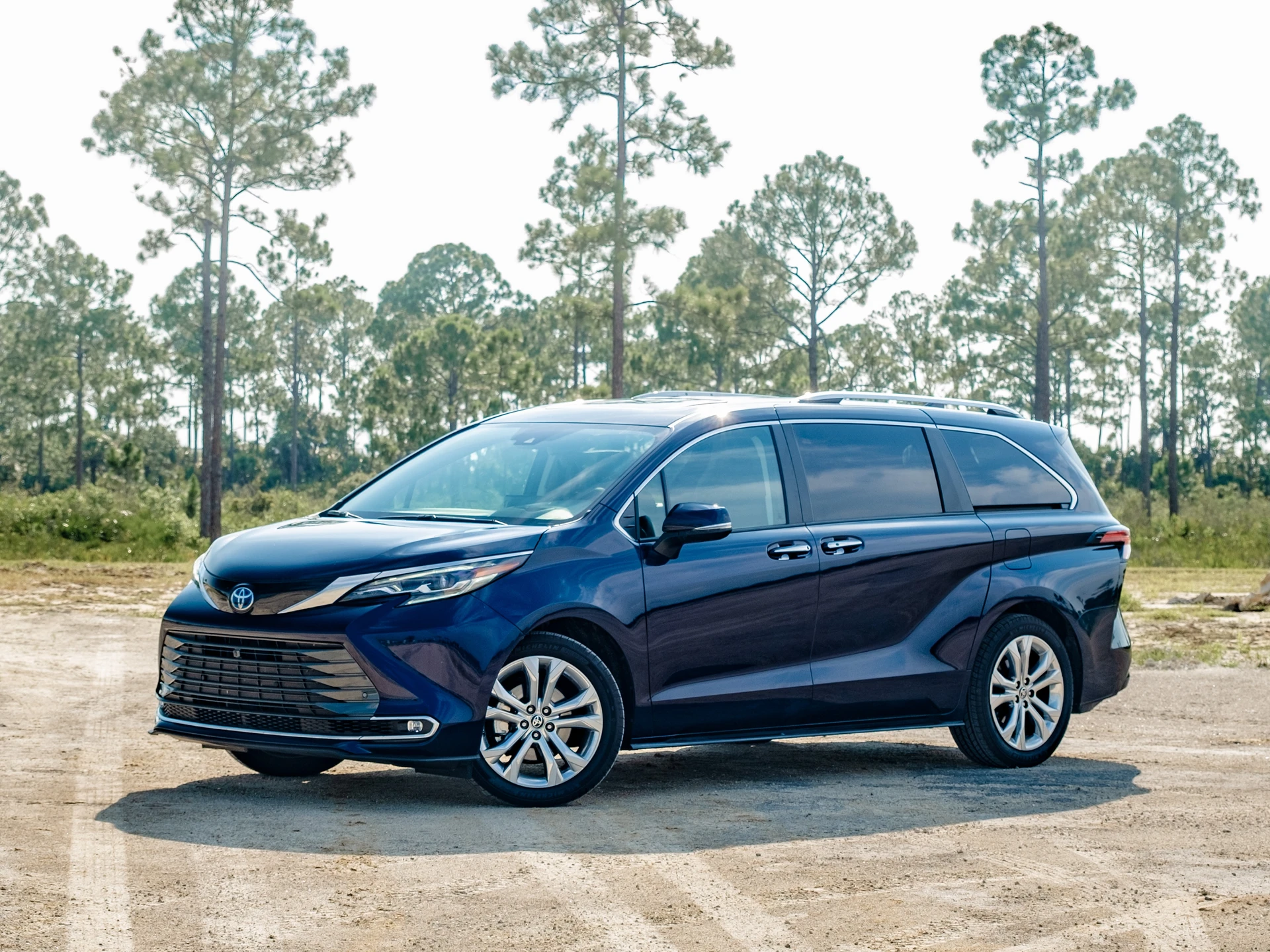
The driver’s environment balances visibility, comfort, and control access beautifully. You sit high with excellent sightlines in all directions, and the boxy shape means you know where the vehicle’s corners are. The dashboard is logically organized with clear labeling and intuitive groupings of controls.
The infotainment system, while not cutting-edge, is responsive and straightforward, with physical shortcuts that reduce screen diving. Rear-seat entertainment systems are available for keeping children occupied on long drives, with wireless headphone support that maintains cabin tranquility.
Practical considerations permeate the design. The hybrid powertrain delivers excellent fuel economy for a vehicle this size, reducing operating costs. The cargo area is massive when the third row is folded, and the low load floor makes loading heavy items easier.
The vacuum cleaner integrated into some models isn’t just a gimmick it’s genuinely useful for cleaning up the inevitable spills and messes. The Sienna proves that when designers deeply understand their target users and prioritize solving their real problems over chasing trends, the result is a vehicle that simply makes life easier.
Also Read: Top 8 Electric SUVs Quick Enough To Beat A Mustang
5. BMW 3 Series
The BMW 3 Series has long been the benchmark for sport sedans, and its design excellence goes far beyond just handling dynamics. From the ergonomics to the materials to the integration of technology, the 3 Series represents a comprehensive approach to creating a vehicle that feels special in daily use.
The driver-focused cockpit layout, a BMW hallmark, angles all primary controls toward the driver, creating a sense of occasion and purpose that many competitors lack.
The quality of materials and assembly is immediately apparent. Leather surfaces feel supple, trim pieces fit precisely, and the paint finish is deep and lustrous. The ambient lighting system creates atmosphere without distraction, and the available glass controls add a touch of elegance to the center console.
The seats particularly the sport seats provide exemplary support and comfort across a wide range of body types, and they’re covered in materials that resist wear and maintain appearance over time. The attention to detail extends to elements like the stitching patterns and the weight of the sun visors.
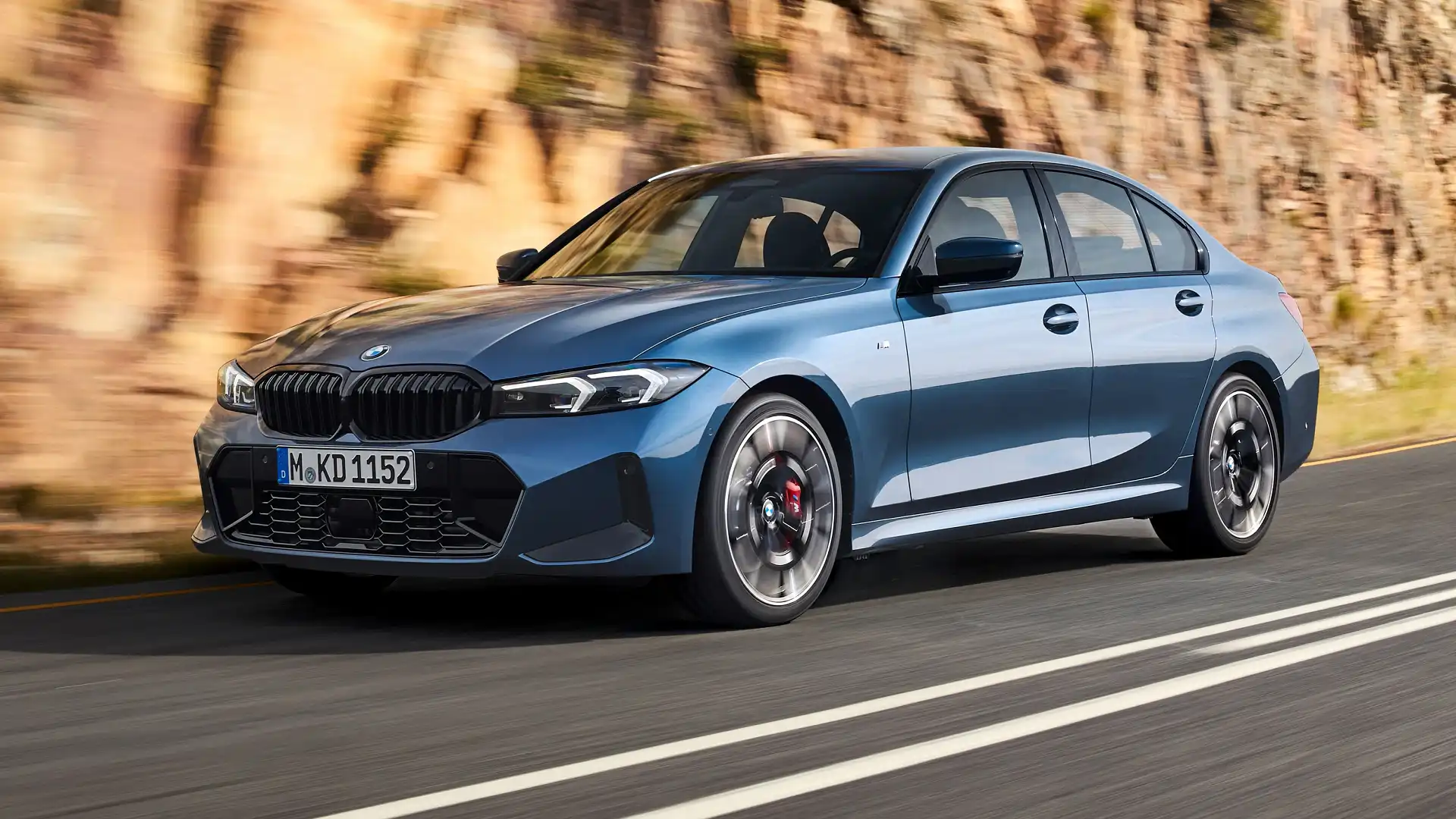
BMW’s iDrive system, though complex, represents one of the better implementations of modern infotainment technology. The rotary controller falls naturally to hand, allowing for menu navigation without reaching for a touchscreen, though touchscreen functionality is available when preferred.
The digital gauge cluster is configurable and crisp, presenting information clearly without visual clutter. Head-up display integration puts essential data in your line of sight, and the available augmented reality navigation overlays directional arrows onto the live road view, making complex intersections easier to go.
The driving dynamics are where the 3 Series truly shines as a design achievement. The steering is weighted perfectly, providing feedback and precision that make every drive engaging. The chassis balance allows for confidence-inspiring handling while maintaining ride comfort adequate for daily commuting.
The powertrain options, from efficient four-cylinders to potent six-cylinders, deliver smooth power with the characteristic BMW linearity. The 3 Series demonstrates that good design considers the entire ownership experience from how you interact with controls to how the vehicle responds to your inputs to how it looks in your driveway after years of ownership.
5 Poorly Designed Vehicles
These frustratingly flawed vehicles suffer from baffling design choices and illogical layouts that create constant annoyance during daily use, transforming routine operations into multi-step processes as poorly positioned controls require visual confirmation and common functions hide behind confusing touchscreen menus burying essential features.
Their problematic execution includes cupholders blocking shift levers and door pockets too narrow for modern water bottles that demonstrate complete disconnect between designers and actual users, leading to constant minor frustrations like climate controls requiring menu diving, USB ports positioned where cables block cupholders, and blind spots so severe that lane changes require genuine faith.
1. Chevrolet Blazer
The Chevrolet Blazer represents a puzzling collection of design decisions that prioritize style over substance in ways that compromise the actual user experience. Starting with visibility, the Blazer’s aggressive styling creates massive blind spots. The thick C-pillars and high beltline combine to make shoulder checks an exercise in faith, and the chunky headrests further obstruct rear visibility.
Parking this SUV requires heavy reliance on cameras and sensors because actually seeing what’s around you is challenging a fundamental failure in vehicle design that affects daily usability and safety.
The interior, while initially impressive visually, reveals its shortcomings quickly. The infotainment screen dominates the dashboard but requires multiple steps to access basic functions. Want to adjust the temperature? That’s buried in a touchscreen menu rather than being a simple knob turn.
The touch-sensitive controls for various functions are frustrating they lack tactile feedback and often don’t register inputs reliably, forcing you to look away from the road repeatedly. The center console storage is poorly configured, with the shallow bin unable to secure items during normal driving, leaving phones and small objects sliding around with every turn.
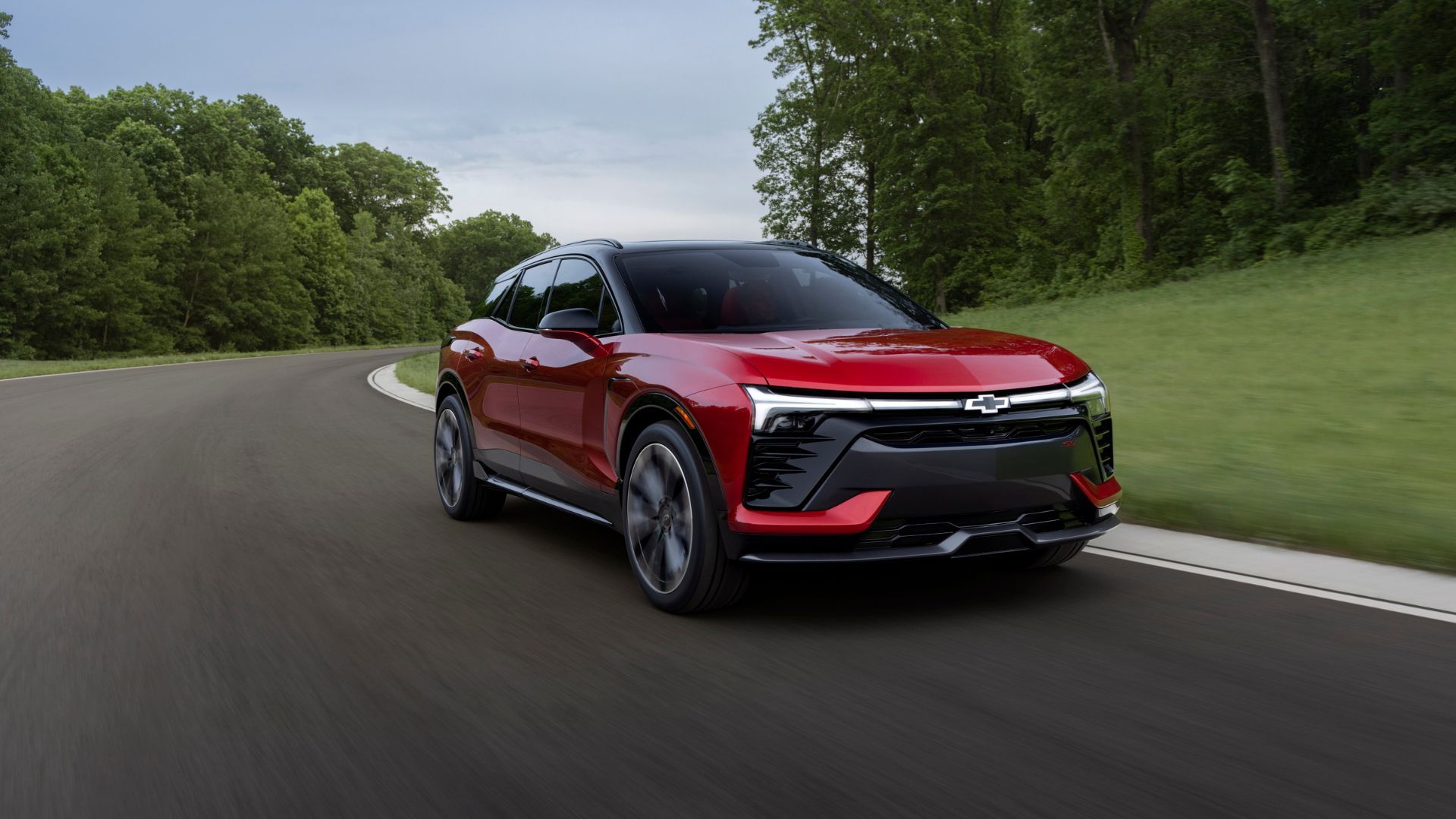
Ergonomics seem like an afterthought. The driving position never feels quite right the seat cushion is too short, the steering wheel adjusts through a limited range, and the relationship between the pedals and seat feels off.
The seat materials in lower trims feel cheap and aren’t breathable, leading to discomfort on longer drives. The door armrests are positioned awkwardly, and the climate control vents can’t seem to direct air effectively without creating annoying wind noise. These aren’t catastrophic failures individually, but together they create an environment where you never quite feel settled.
Quality issues compound the design problems. Owners report various rattles and squeaks developing relatively early in ownership, suggesting that the build quality doesn’t match the price point.
The paint, while initially attractive, seems prone to chipping. Interior plastics look glossy and modern initially but scratch easily and show wear quickly.
The Blazer had potential the platform is fundamentally sound, and the powertrain options are adequate but poor execution of the details creates a vehicle that feels half-baked despite its modern appearance and marketing promises.
2. Nissan Murano
The Nissan Murano suffers from design decisions that feel increasingly dated and disconnected from how people actually use vehicles.
The CVT transmission, while theoretically efficient, creates an unpleasant driving experience with its elastic, disconnected feel and the droning engine noise it generates during acceleration. This isn’t a subtle issue it’s something you notice and tolerate every single time you need to accelerate onto a highway or pass another vehicle, fundamentally compromising the driving experience.
The interior design language seems confused, attempting to feel upscale but missing the mark in execution. The center stack features an overwhelming number of buttons, many of them small and difficult to distinguish while driving.
The button layout lacks intuitive organization, forcing you to search for controls rather than knowing instinctively where they are. The infotainment system is slow and frustrating, with laggy responses to inputs and graphics that look dated compared to competitors.
Navigation, when equipped, is particularly clunky with outdated map data and a cumbersome interface that makes smartphone integration a necessity rather than a convenience.
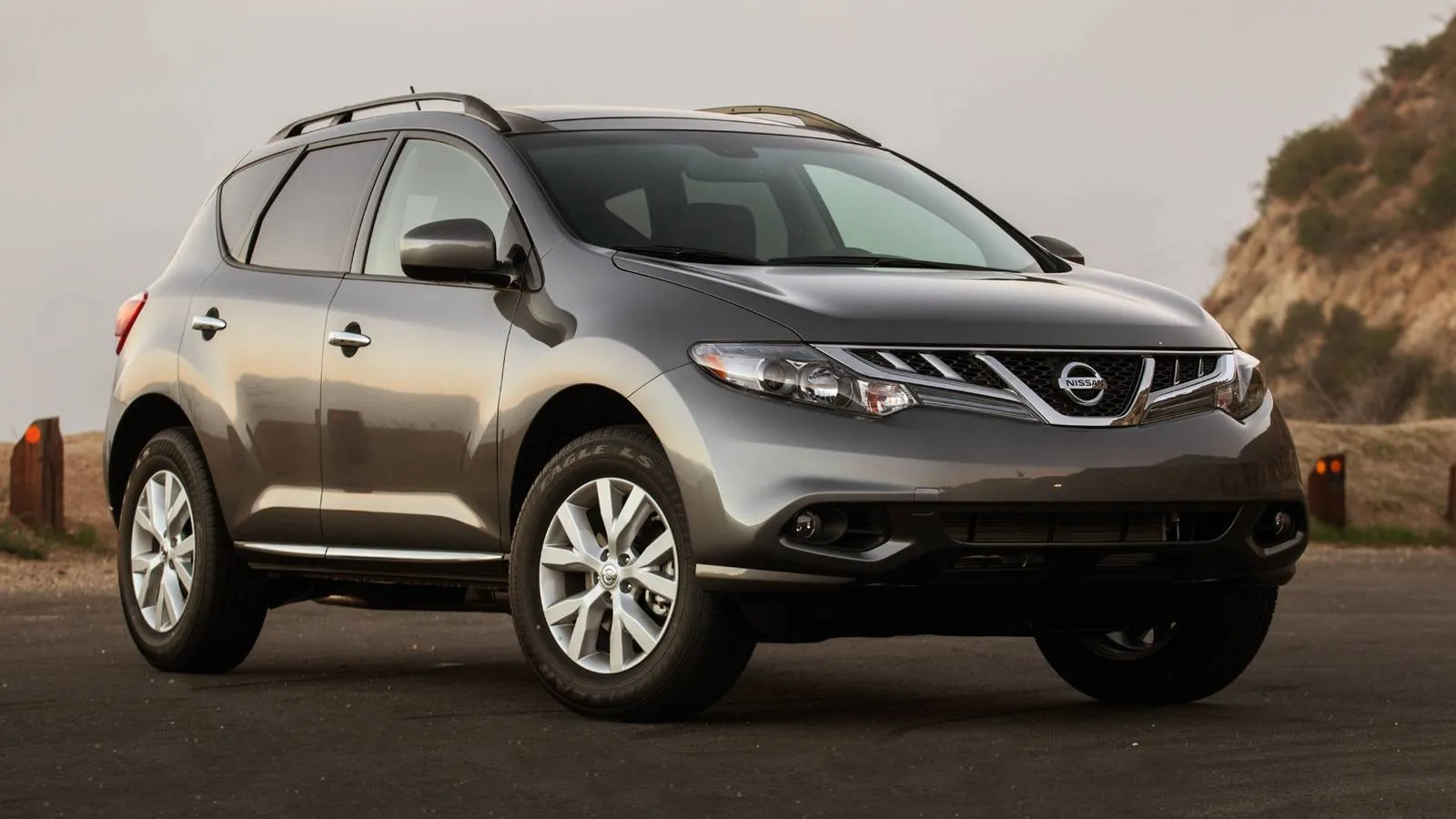
Practicality suffers despite the Murano’s substantial exterior dimensions. The cargo area is oddly shaped with significant intrusion from the wheel wells, limiting usable space. The split folding rear seats don’t fold completely flat, creating an uneven load floor that makes loading large items more difficult.
The rear seats themselves, while spacious, feature cushions with odd contouring that aren’t comfortable for many passengers. Storage throughout the cabin is inadequate, with cupholders that can’t accommodate larger bottles and door pockets that are too shallow to secure items.
Material quality is another disappointment. Surfaces that should feel soft are hard, and hard plastics appear in areas where you frequently make contact. The fake wood trim looks unconvincing, and the impression is of cost-cutting masquerading as design.
Visibility is compromised by the styling, with blind spots that require extra caution during lane changes. The Murano demonstrates how a vehicle can check boxes on a specifications sheet while failing to deliver a pleasant ownership experience, with accumulated frustrations creating a disconnect between what you expect from a relatively expensive vehicle and what you actually get.
3. Jeep Compass
The Jeep Compass exemplifies how a respected brand name can’t compensate for fundamental design and execution failures. This compact SUV suffers from poor space utilization despite its exterior dimensions, the interior feels cramped with limited headroom, narrow shoulder room, and rear seats that are uncomfortable for adults on anything but short trips.
The cargo area is small for the segment, and the square opening promised by the boxy exterior styling doesn’t translate to practical utility because of how the interior is packaged.
The build quality is perhaps the Compass’s most significant failing. Interior materials feel cheap and hollow, with plastics that flex under pressure and trim pieces that don’t fit together properly.
Owners consistently report rattles, squeaks, and various annoyances that develop even in low-mileage examples, suggesting fundamental issues with how the vehicle is assembled.
The center touchscreen, standard even on base models, seems like a positive until you interact with it the system is slow, prone to freezing, and features a confusing menu structure that makes simple tasks unnecessarily complicated.
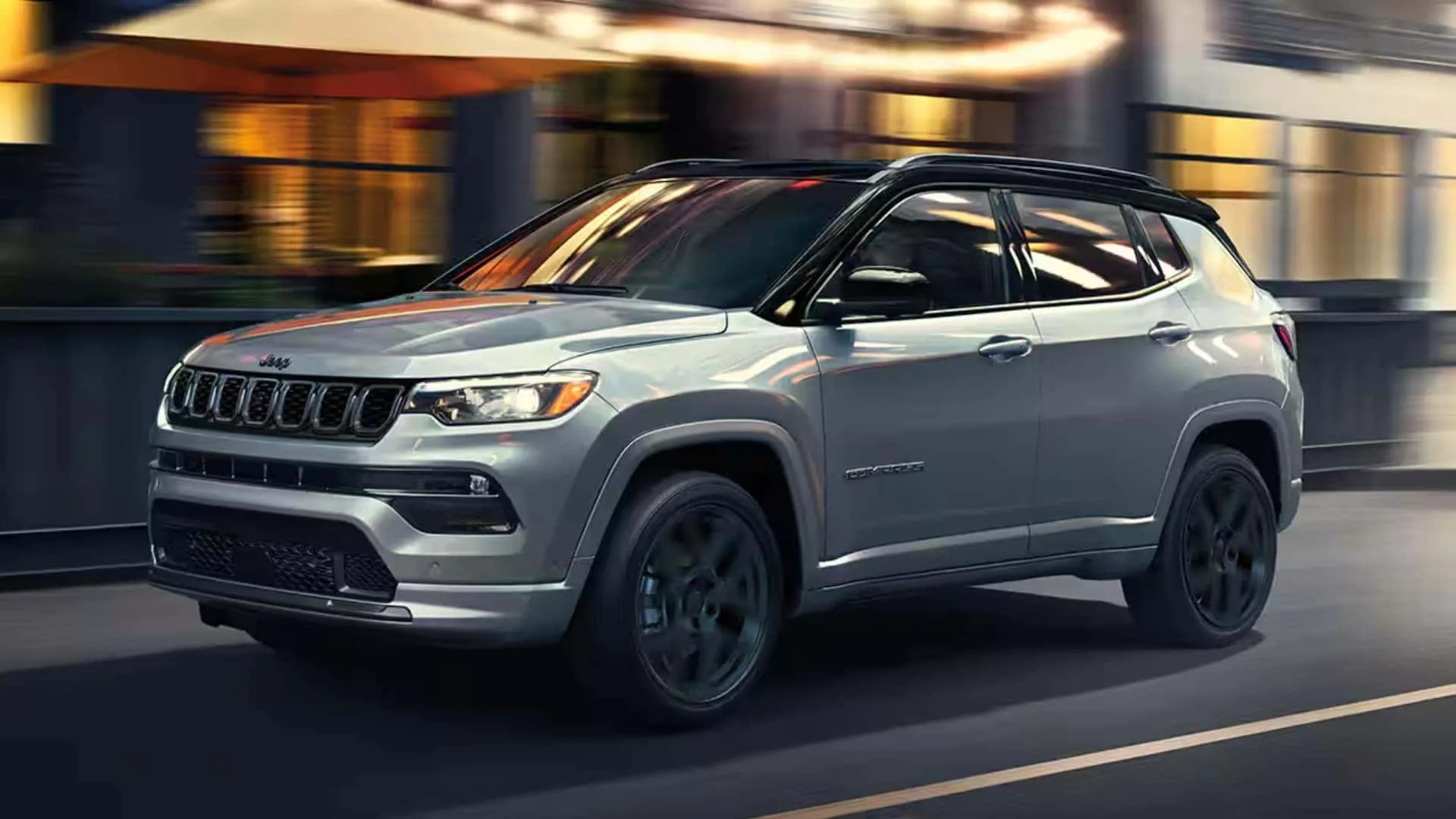
The driving dynamics are uninspiring at best and frustrating at worst. The base engine is gutless, struggling with normal highway merging and passing situations. The available turbo engine improves power but introduces turbo lag that makes throttle response unpredictable.
The automatic transmission, whether the six-speed or the nine-speed, hesitates and hunts for gears, never settling into smooth, predictable operation.
The steering is overboosted and numb, providing no feedback about what the front wheels are doing. The suspension manages to be both harsh over small bumps and floaty over larger undulations, never achieving the comfortable compromise most competitors manage.
Fuel economy disappoints despite the modest power output, and the small fuel tank means frequent fill-ups. The standard two-wheel-drive models offer no advantage over car-based crossovers while four-wheel-drive versions add complexity and maintenance concerns without delivering genuine off-road capability.
The Compass shows how badge engineering and marketing can sell vehicles that don’t deserve success, riding on Jeep’s heritage while delivering an experience that tarnishes that reputation with every mile driven.
4. Mitsubishi Mirage
The Mitsubishi Mirage represents the problems inherent in designing a vehicle to a price point without maintaining minimum standards of quality and user experience. Yes, it’s inexpensive, but the compromises required to hit that price create a vehicle that feels genuinely unpleasant to use.
The three-cylinder engine is gutless and coarse, buzzing unpleasantly at highway speeds while struggling to maintain momentum. Accelerating onto highways becomes an exercise in planning and patience, and passing slower traffic requires full throttle and hope.
The CVT transmission exacerbates the powertrain issues, creating an elastic, disconnected feel that leaves you never quite sure how the vehicle will respond to throttle inputs.
The combination of underpowered engine and rubber-band transmission creates a driving experience that feels fundamentally unsafe in modern traffic conditions.
The steering is vague and overboosted, providing no feedback and requiring constant small corrections on the highway. The brakes feel spongy and require hard pedal pressure, creating anxiety in emergency stopping situations.
Interior quality is abysmal. Hard, hollow-feeling plastics cover every surface, and the materials emit an unpleasant chemical smell when new. The cloth seats are thin and unsupportive, quickly becoming uncomfortable. The gauge cluster looks cheap with poor graphics and dim backlighting.
The optional infotainment screen is slow and pixelated, and the sound system produces tinny, distorted audio even at moderate volumes. There’s no center armrest, the door panels have no padding, and the ergonomics feel like they were designed without considering human proportions.
Road noise is excessive, with tire roar, wind noise, and engine buzz all intruding into the cabin. There’s minimal sound insulation, making conversations difficult at highway speeds. The ride quality is harsh, crashing over bumps and sending shudders through the chassis.
Climate control is weak, struggling to heat or cool the cabin effectively. The Mirage proves that cheap transportation doesn’t have to mean terrible transportation competitors like the Nissan Versa and Hyundai Accent manage to deliver acceptable experiences at similar prices, showing that the Mirage’s failings aren’t inevitable but rather represent design and engineering choices that prioritize rock-bottom cost over basic human dignity.
5. Tesla Model Y (User Experience Issues)
The Tesla Model Y presents an interesting case study in how innovative technology and strong performance can be undermined by questionable user interface design and build quality issues.
The Model Y’s central problem is the all-in touchscreen philosophy virtually every vehicle function, from adjusting mirrors to opening the glove box, requires going through the touchscreen.
This creates significant distraction while driving, as tasks that should take a split second with physical controls instead require looking at the screen, finding the right menu, and tapping precisely while the vehicle is moving. This isn’t intuitive or safe it’s frustrating and increases cognitive load.
Build quality inconsistencies plague the Model Y, with significant panel gap variations, paint issues, and interior fit-and-finish problems reported by many owners.
Some examples are fine, but the lottery aspect of Tesla quality control means you might receive a vehicle with misaligned body panels, trim pieces that don’t fit properly, or paint defects that would be unacceptable from any other manufacturer.
The minimalist interior design, while clean, results in a lack of physical storage solutions, with nowhere to put phones, wallets, or sunglasses without them sliding around.
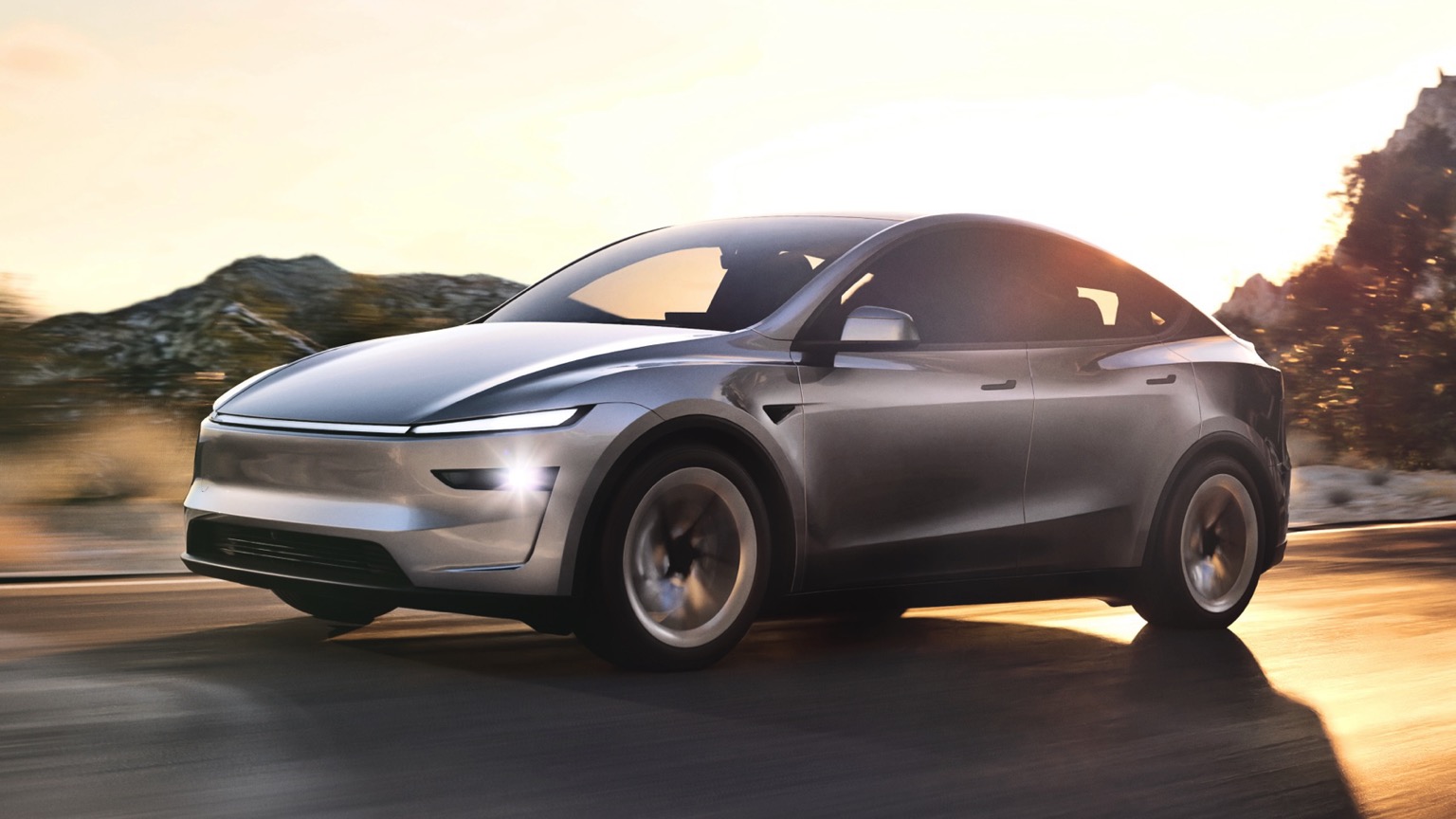
The ride quality is surprisingly harsh for an electric vehicle, with the suspension crashing over bumps and transmitting significant harshness to the cabin. Road noise is excessive, particularly from the tires, creating a loud cabin environment at highway speeds despite the lack of engine noise.
The seats, while supportive, use materials that don’t breathe well, leading to discomfort on longer drives. The glass roof, while providing an airy cabin feel, creates heat gain that the climate system struggles to counter in hot climates, and it can’t be covered with a shade in many versions.
The user interface choices extend beyond just the central screen there are no traditional stalks for turn signals or gear selection in newer models, with these functions moved to the steering wheel or screen in ways that contradict decades of muscle memory and intuitive operation.
The yoke steering wheel option was a solution seeking a problem, creating difficulty with everyday maneuvers. While the Model Y offers impressive technology, range, and performance, the execution of daily usability features reveals a design philosophy that prioritizes novelty over ergonomics and accumulated automotive wisdom about what makes vehicles pleasant to operate, proving that innovation must still respect fundamental human factors to succeed.
Also Read: Top 10 ’80s Sports Cars That Are Still Worth Your Money
