

When shopping for a new vehicle, most buyers focus on horsepower, fuel efficiency, or infotainment systems. But there’s an often-overlooked feature that can dramatically improve your daily driving experience: door opening angles.
While the average car door swings open to about 45-55 degrees, some vehicles feature doors that open significantly wider, making entry and exit remarkably easy, especially in tight parking spaces or when loading cargo.
Wide-opening doors aren’t just a luxury they’re a practical necessity for many drivers. Parents wrestling with car seats, elderly passengers who need extra room to maneuver, and anyone who’s ever struggled to squeeze out of a tight parking spot can appreciate the difference an extra 20 or 30 degrees can make.
Some manufacturers have even engineered doors that open to 90 degrees or beyond, essentially creating a walk-in entrance to your vehicle. In this article, we’ll explore eight exceptional vehicles that have redefined what’s possible with door design.
From innovative hinge systems to unconventional opening mechanisms, these cars prove that sometimes the most impressive engineering isn’t under the hood it’s in the hinges. Whether you’re looking for easier access, better cargo loading, or simply a more premium experience, these vehicles demonstrate that wider is often better when it comes to automotive doors.
1. BMW i3
The BMW i3 stands out not just for its electric powertrain and sustainable materials, but for its revolutionary door design that makes accessing both front and rear seats exceptionally easy.
This compact electric vehicle features what BMW calls “coach doors” or “suicide doors” on the rear, which open in the opposite direction to conventional doors.
The front doors open wide at approximately 60 degrees, while the rear doors swing open backward, creating an impressively large opening for passengers.
What makes the i3’s door system particularly clever is that the rear doors can only open once the front doors are opened first, eliminating any safety concerns associated with rear-hinged doors.
Once both doors on a side are open, there’s virtually no B-pillar obstruction, creating a massive aperture that makes it incredibly easy to load child seats, help elderly passengers, or simply slide into the back seat without the typical gymnastics required in compact cars. The absence of a central pillar when doors are open gives the i3 an airy, open feeling that’s rare in vehicles of this size.
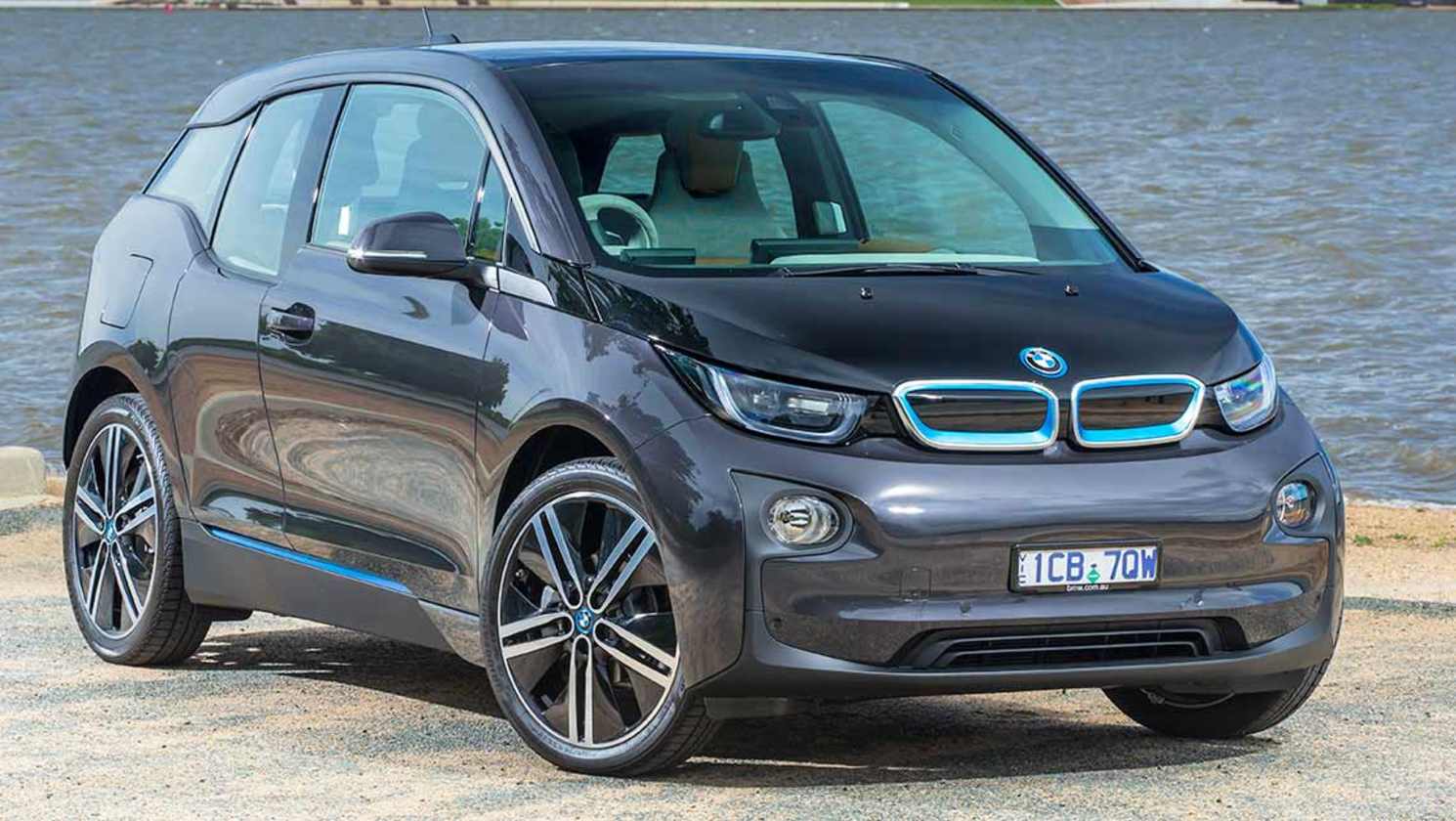
The wide-opening doors serve a practical purpose beyond just passenger convenience. The i3’s compact dimensions mean parking in tight urban spaces is common, and the rear-hinged design allows rear passengers to exit even when the front door can’t open fully.
This thoughtful engineering reflects BMW’s understanding that city cars need to excel in confined spaces. The carbon fiber reinforced plastic passenger cell allows for this pillarless design while maintaining structural rigidity and safety.
The door system also contributes to the i3’s distinctive aesthetic. The lack of a traditional B-pillar and the opposing door swing create a dramatic statement when the vehicle is opened, turning heads in parking lots and highlighting the i3’s status as something genuinely different from conventional vehicles.
The wide opening also facilitates cleaning the interior and accessing the cargo area from the side, practical benefits that owners quickly come to appreciate.
While the i3 has been discontinued as of 2022, it remains a prime example of how innovative door design can enhance the ownership experience.
The coach door configuration solved real-world access problems while creating a signature design element that made the i3 instantly recognizable.
For those in the used market, the i3’s door design remains one of its most praised features, demonstrating that practical innovation can also be aesthetically appealing.
2. Rolls-Royce Phantom
The Rolls-Royce Phantom represents the pinnacle of automotive luxury, and its doors exemplify the brand’s commitment to effortless elegance and supreme passenger comfort.
These aren’t just doors they’re grand entrances. The Phantom’s rear-hinged coach doors open to an impressive 83 degrees, creating what Rolls-Royce calls the “red carpet moment.”
The front doors also swing wide, opening to approximately 67 degrees, ensuring that every passenger experiences dignified entry and exit.
The engineering behind these massive doors is extraordinary. Each Phantom door weighs significantly more than a typical car door due to extensive sound insulation, premium materials, and robust construction, yet they close with a satisfying, vault-like thunk using a power-assisted closing mechanism.
Rolls-Royce even employs an umbrella storage system within the door itself, accessible when the door is open wide, showcasing how the extra opening angle enables additional luxury features that would be impractical in conventional designs.
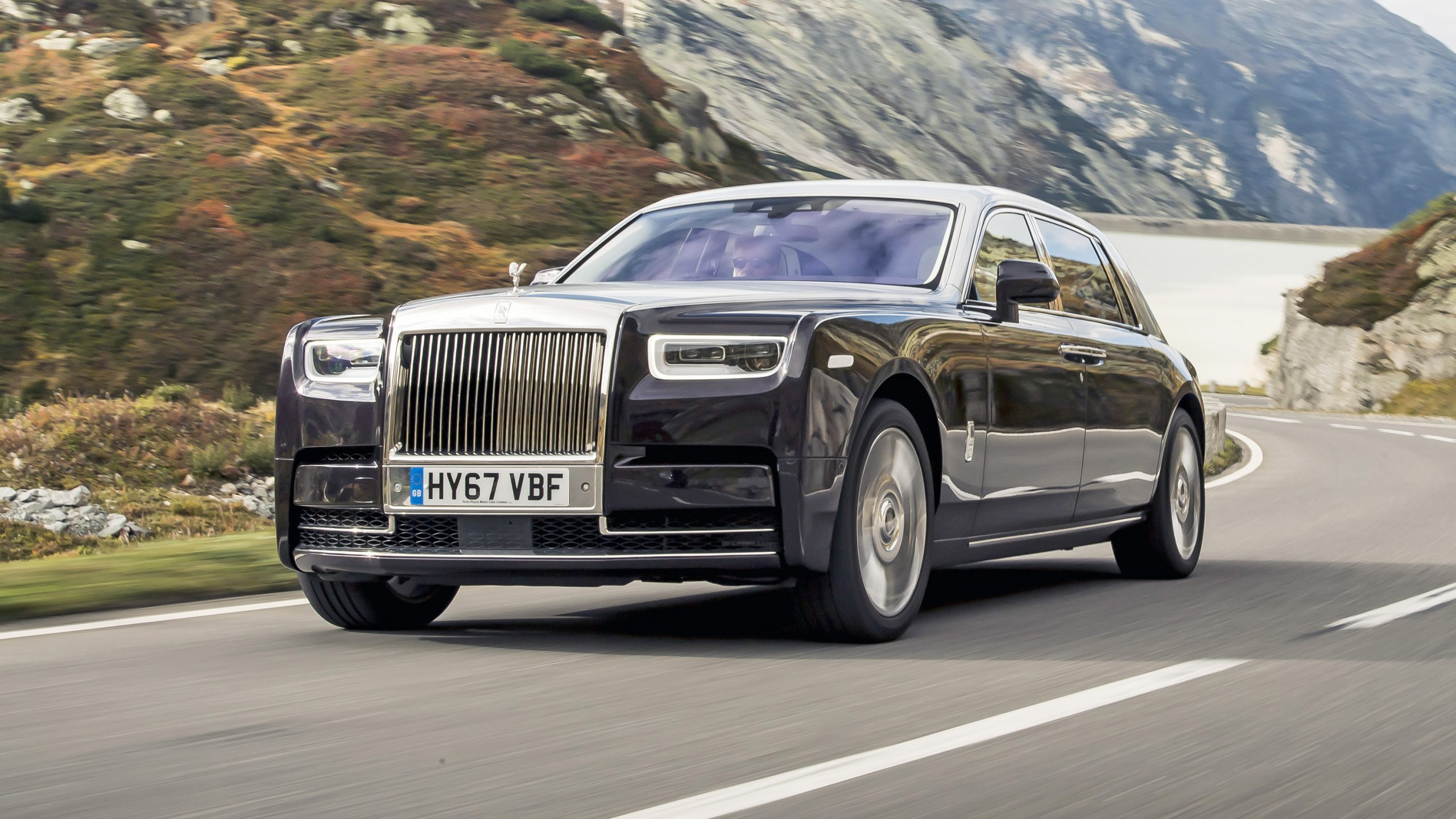
What truly sets the Phantom’s doors apart is the theater of their operation. The coach doors don’t just swing open they create an occasion.
When a chauffeur opens the rear door for a passenger, the wide angle means the passenger can simply step in gracefully, without ducking, twisting, or any undignified maneuvering whatsoever.
This is intentional; Rolls-Royce understands that its clientele expects to arrive looking composed and elegant, and the door design ensures exactly that.
The wide-opening doors also serve practical purposes at the highest level. Loading luggage into a Phantom becomes easier with the increased access, and the doors’ width allows rear passengers to enter and exit without the front passengers needing to move at all a crucial consideration for formal occasions or when the front passenger is the vehicle’s owner.
The doors also incorporate soft-close technology, gently pulling themselves shut once pushed to within a few inches of closing, preserving the serene cabin environment.
The structural engineering required to support these massive, wide-opening doors while maintaining the Phantom’s legendary quietness and rigidity is remarkable.
The aluminum space frame architecture provides the necessary strength, while the door seals, which are among the most sophisticated in the automotive world ensure that wind noise remains virtually nonexistent even at highway speeds.
The Phantom’s doors prove that when engineering excellence meets unlimited budget, doors can transcend mere functionality to become an integral part of the luxury experience, setting a standard that other manufacturers aspire to but rarely achieve.
3. Mazda MX-30
Mazda’s first mass-market electric vehicle surprised many with its choice of door configuration, adopting the same freestyle or coach door setup popularized by BMW’s i3.
The MX-30 features front doors that open to approximately 60 degrees combined with rear-hinged back doors, creating a dramatic and highly functional opening for a vehicle in the compact crossover segment. This unconventional choice demonstrates Mazda’s willingness to prioritize functionality and user experience over convention.
The MX-30’s door system addresses several real-world challenges faced by compact crossover owners. The rear-opening doors make installing child seats significantly easier, as parents can approach the seat from the side without reaching awkwardly through a conventional forward-opening door.
The wide opening also means that rear passengers often children can easily climb in and out without scraping doors against adjacent vehicles in tight parking situations, a common frustration in urban environments where compact crossovers are most popular.
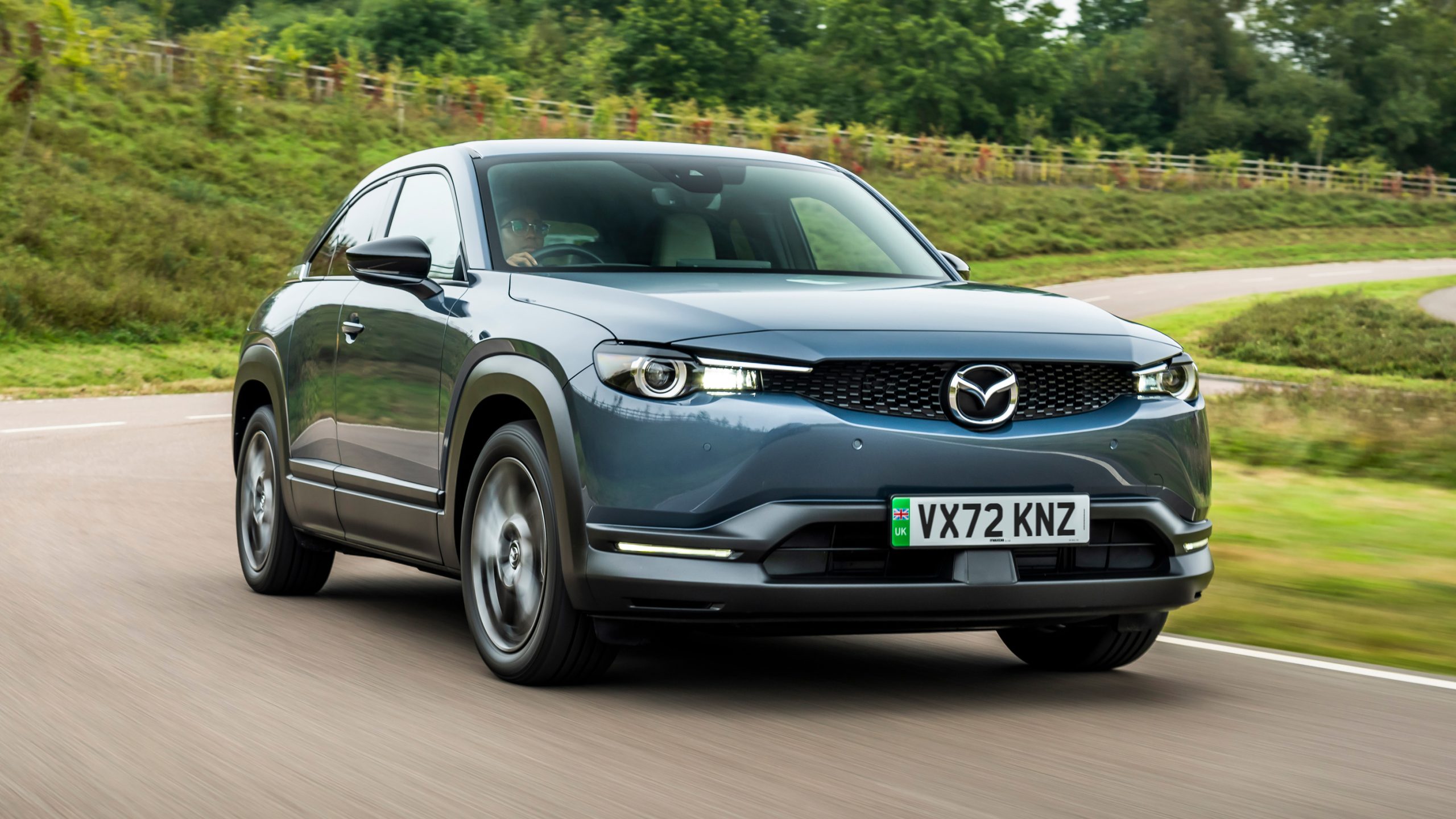
Unlike some vehicles with unconventional door systems, Mazda designed the MX-30’s doors with everyday practicality in mind. The doors are reasonably lightweight despite their size, and the latching mechanism is straightforward and reliable.
The lack of a B-pillar when doors are open creates a sense of spaciousness that belies the vehicle’s compact exterior dimensions, making the cabin feel airier and more inviting than many competitors.
This open feeling extends to loading groceries or cargo, where the side access rivals that of traditional hatchbacks. One consideration with the MX-30’s door design is that, like the i3, the rear doors can only open when the front doors are already open.
This is a safety feature but can initially confuse new passengers or parking valets unfamiliar with the system. However, most owners report that people quickly adapt to the sequence, and the benefits far outweigh this minor learning curve.
The doors also incorporate safety features that prevent them from opening if doing so would be dangerous, such as if the vehicle detects nearby traffic.
The freestyle doors align perfectly with Mazda’s design philosophy of creating distinctive, human-centered vehicles. While the MX-30 has faced criticism for its limited electric range, the door system has been almost universally praised for its thoughtful execution and practical benefits.
It represents Mazda’s understanding that innovation doesn’t always mean following the crowd, and sometimes the best solutions are those that challenge automotive conventions to genuinely improve the user experience in measurable, daily ways.
4. Lincoln Continental (with Suicide Doors)
Lincoln made waves when it reintroduced coach doors on the Continental for the 2019 model year, available exclusively on the Black Label variant.
These rear-hinged doors open to an impressive 90 degrees, creating a truly dramatic entrance that recalls the grandeur of classic American luxury cars from the 1960s.
The front doors also open wide, at approximately 70 degrees, ensuring that the Continental’s door system delivers both style and substance in equal measure.
The Continental’s coach doors serve as a powerful statement of luxury and exclusivity. Only available on the top-tier Black Label trim, they immediately distinguish the flagship Continental from lesser models and competitors.
When both doors on one side are opened, the absence of a B-pillar creates a massive opening that spans nearly five feet, making entry and exit effortless even for passengers in formal attire or with limited mobility. This was precisely Lincoln’s intention to recreate the prestige and theater associated with classic luxury vehicles.
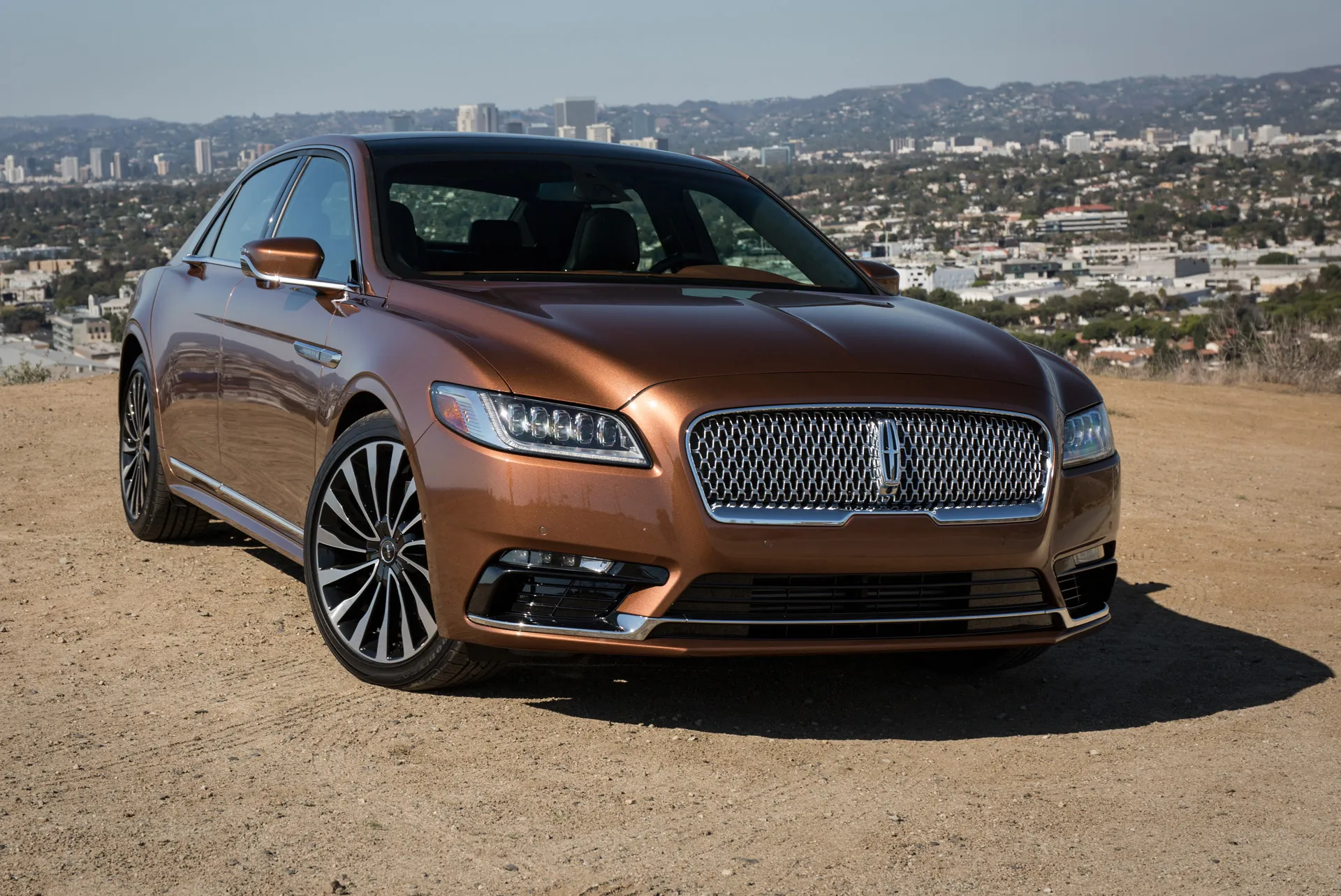
The engineering challenges of implementing coach doors on a modern vehicle are substantial, particularly regarding safety regulations.
Lincoln had to reinforce the Continental’s structure significantly to compensate for the missing B-pillar, incorporating additional strengthening in the floor, roof, and door structures themselves.
The result is a vehicle that meets or exceeds all modern safety standards while delivering an experience that feels delightfully anachronistic. The doors themselves are substantial, incorporating multiple layers of sound deadening and weather sealing.
One of the most appreciated aspects of the Continental’s coach doors is their power operation. At the touch of a button, the doors open or close themselves, moving smoothly and silently.
This feature eliminates the effort required to manage these heavy doors and adds to the sense of occasion when arriving at a destination.
The system also includes safety sensors that prevent the doors from opening if an obstacle is detected, and they won’t operate if the vehicle isn’t in park, ensuring that convenience never compromises safety.
The Continental with coach doors represents Lincoln’s successful attempt to differentiate itself in a crowded luxury sedan market. While the model has since been discontinued, it demonstrated that American luxury brands could compete with European rivals by leaning into their heritage rather than merely imitating competitors.
The wide-opening coach doors weren’t just a styling gimmick they delivered genuine functional benefits while creating an emotional connection to Lincoln’s storied past, proving that nostalgia, when executed with modern engineering excellence, can be a powerful product differentiator.
Also Read: 5 Cars That Hold Their Appeal vs 5 That Don’t
5. Tesla Model X
The Tesla Model X made headlines with its distinctive falcon-wing doors on the second row, which don’t just open wide, they open upward and outward, creating an access point unlike any other vehicle on the market.
These doors articulate on a dual-hinge system that allows them to open in spaces as narrow as 12 inches on each side, yet when fully opened, they provide unprecedented access to both the second and third rows of seating. The front doors also open wide at approximately 60 degrees.
What makes the Model X’s falcon-wing doors remarkable is the engineering sophistication required to make them work reliably. Each door contains ultrasonic sensors that detect nearby obstacles, allowing the door to adjust its opening path in real-time to avoid hitting ceiling beams in garages, adjacent vehicles, or other obstructions.
The doors use a double-hinge mechanism that first lifts the door slightly, then extends it upward and outward, creating clearance even when the vehicle is parked in tight spaces where conventional doors would be impossible to open.

The practical benefits of this design are substantial, particularly for families. Installing child seats in the second row is dramatically easier than in conventional SUVs, as parents can stand upright beside the vehicle rather than bending awkwardly into the cabin.
Accessing the third row is similarly transformed from an exercise in contortion to a simple step-through motion. The wide opening also means that passengers of all ages and abilities can enter and exit with dignity and ease, something that’s often challenging in three-row SUVs with conventional doors.
However, the falcon-wing doors aren’t without trade-offs. They’re mechanically complex, containing numerous motors, sensors, and articulation points that can require maintenance.
Early Model X vehicles experienced some reliability issues with the door system, though Tesla has refined the design significantly over the years.
The doors are also slower to open than conventional doors, taking approximately six seconds to fully extend, which can feel like an eternity in inclement weather or when you’re in a hurry.
Despite occasional concerns about complexity, the Model X’s falcon-wing doors represent a genuine reimagining of vehicle access. They solve real problems particularly around third-row accessibility and operation in tight parking spaces while creating a signature visual element that makes the Model X instantly recognizable.
The doors demonstrate Tesla’s willingness to challenge automotive conventions when there’s a legitimate functional benefit, and they’ve proven reliable enough in practice that Tesla has continued offering them throughout the Model X’s production run, validating the concept of upward-opening doors for SUV applications.
6. Mini Clubman
The Mini Clubman takes an entirely different approach to wide access, featuring split rear doors that swing open to an impressive combined width, with each half opening to approximately 90 degrees.
This barn door or “clubdoor” design creates an exceptionally wide opening for cargo loading, making the Clubman far more practical than its compact dimensions might suggest. The front doors also open reasonably wide at about 60 degrees, ensuring that passenger access matches the cargo convenience.
What distinguishes the Clubman’s split doors is how they transform the vehicle’s functionality. When both rear doors are opened fully, they create an aperture that’s significantly wider than a conventional hatchback, making it easy to load large items like bicycles, furniture, or sporting equipment.
The lower liftover height compared to SUVs means heavy items can be loaded without excessive lifting, and the wide opening provides better access to the corners of the cargo area, which can be difficult to reach in vehicles with conventional single tailgates.
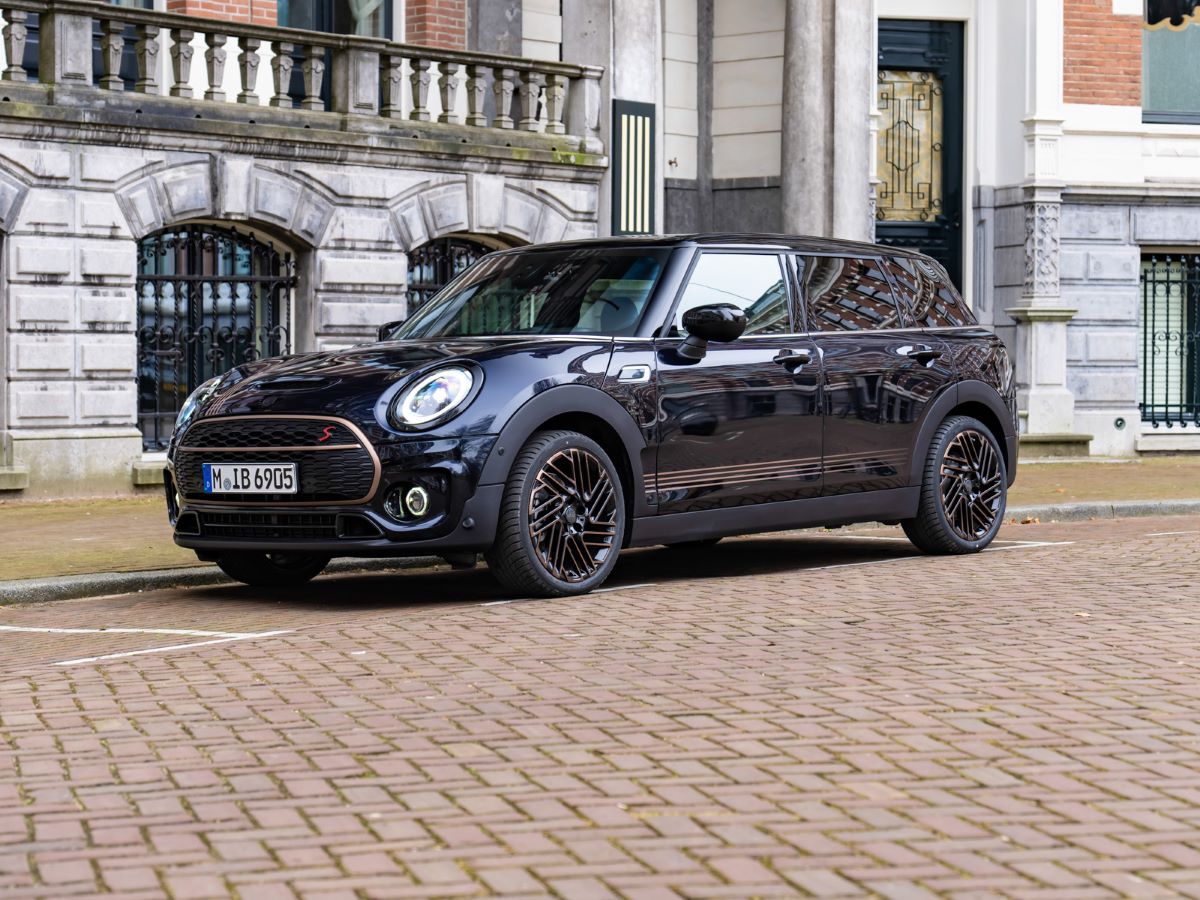
The split door design also offers flexibility that single tailgates can’t match. In tight parking situations where there isn’t room to open both doors, you can open just the right-hand door for partial access to the cargo area.
This is particularly useful in crowded parking structures or when parked close to a wall or another vehicle. The right-hand door includes the license plate and exterior handle, maintaining a clean appearance when both doors are closed while ensuring the most important door can be accessed even when space is limited.
One practical consideration with the Clubman’s split doors is that they require clearance behind the vehicle, unlike conventional hatchbacks where the single door opens upward.
This means you need to be more thoughtful about parking distance from obstacles. However, Mini has designed the doors to be relatively lightweight and easy to operate, and they incorporate soft-close technology in many markets, adding a premium touch to this practical design. The doors also lock securely and incorporate the same weather sealing as conventional designs.
The Clubman’s door design reflects Mini’s heritage, the original Mini Clubman estate from the 1960s and ’70s featured similar split rear doors, and this modern interpretation successfully bridges retro styling with contemporary functionality.
The wide-opening cargo doors make the Clubman genuinely more versatile than competitors, transforming it from a merely cute small car into a seriously practical urban utility vehicle.
This proves that innovative door design isn’t limited to passenger access; cargo access benefits equally from creative engineering that challenges conventional thinking about how vehicles should open.
7. Ford F-150 (Certain Configurations)
While full-size pickup trucks aren’t typically celebrated for door innovation, certain Ford F-150 configurations feature doors that open wider than most vehicles on the road.
Specifically, SuperCrew models with the door check system can achieve door opening angles approaching 85 degrees, creating an enormous opening that facilitates entry and exit as well as easier installation of aftermarket accessories. The wide doors are particularly noticeable when the truck is equipped with running boards or lift kits.
The F-150’s wide-opening doors serve multiple practical purposes. For workers who use their trucks as mobile offices or equipment storage, the wide opening makes it easy to access files, tools, or equipment stored in the rear seat area.
The generous opening angle also facilitates cleaning the interior, which is crucial for work trucks that accumulate dirt, debris, and equipment.
Additionally, families who use F-150s as daily drivers appreciate how easy it is to install and access child seats in the rear, something that can be challenging in trucks with more restricted door opening angles.
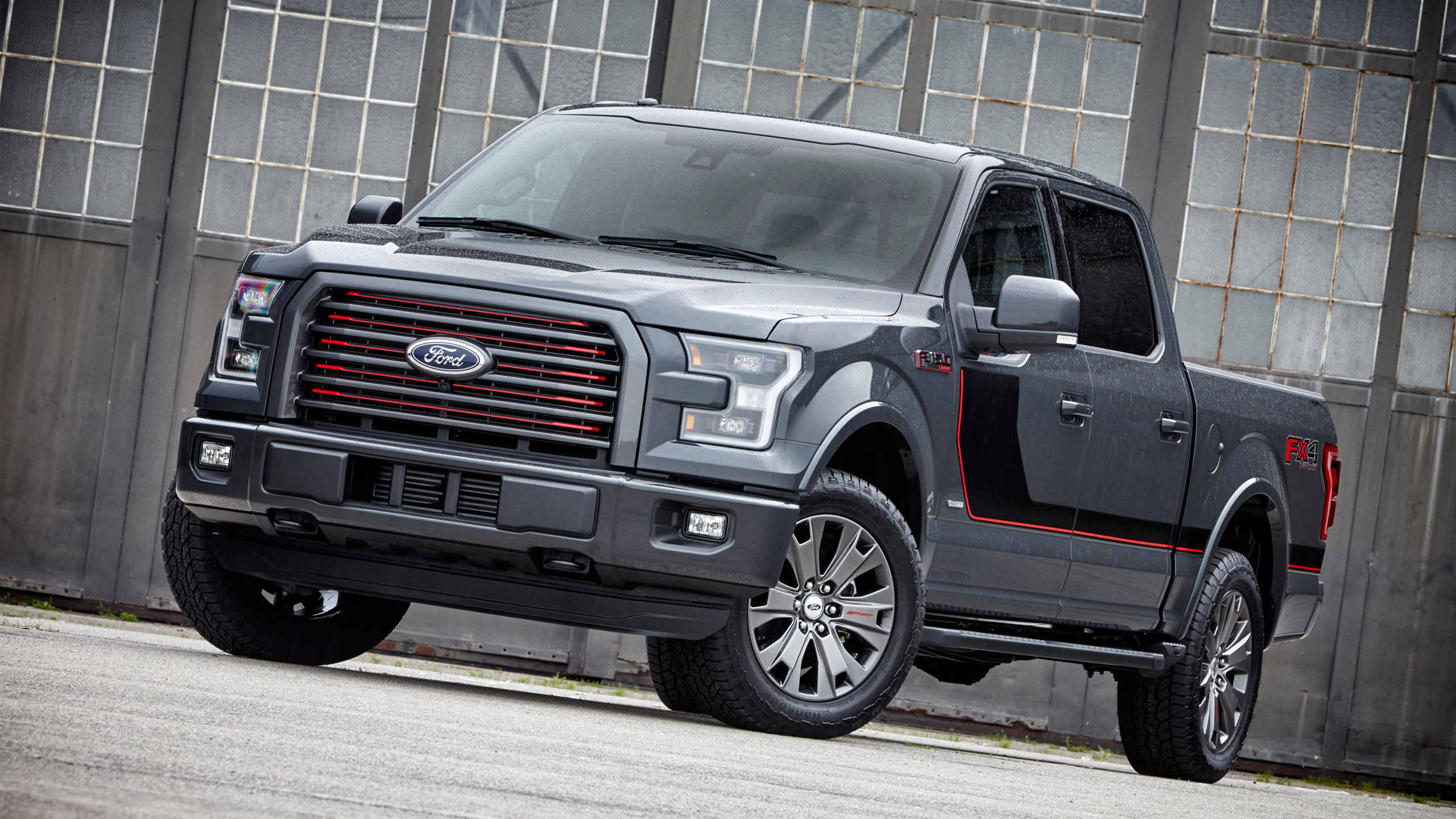
Ford engineered the F-150’s doors to support this wide opening angle while maintaining the strength necessary for a work truck. The doors incorporate robust check mechanisms that hold them securely at various opening angles, preventing them from swinging freely in windy conditions or on sloped surfaces where gravity might cause unwanted movement.
This is particularly important given the size and weight of full-size truck doors, which could cause damage or injury if they weren’t properly controlled throughout their opening range.
The wide door opening becomes even more valuable when the F-150 is modified with accessories popular among truck owners. Lifted trucks with aftermarket suspension create a higher step-in height, and the extra door opening angle makes accessing the raised cabin significantly easier.
Similarly, trucks equipped with wide running boards or nerf bars benefit from the additional clearance the wider door angle provides, ensuring passengers don’t strike their shins or ankles when entering or exiting the vehicle.
While the F-150’s door design might not be as dramatic as coach doors or falcon wings, it represents thoughtful engineering focused on real-world utility.
Ford understands that their trucks serve diverse purposes from construction sites to carpool duty, and the wide-opening doors enhance functionality across all these use cases.
This attention to practical details is part of why the F-150 has remained America’s best-selling vehicle for decades, proving that sometimes the most appreciated innovations are those that simply make everyday tasks easier without fanfare or dramatic styling elements.
8. Smart ForTwo
The diminutive Smart ForTwo might seem like an unlikely candidate for inclusion in a list of wide-opening door vehicles, but its doors open to an impressive angle of approximately 70-75 degrees, which feels even wider relative to the car’s tiny size.
This wide opening angle is essential given the ForTwo’s compact dimensions with such a small vehicle, passengers need maximum access to enter and exit comfortably without the door restricting movement or requiring excessive contortion.
The Smart ForTwo’s door design addresses a fundamental challenge of ultra-compact city cars: making them usable for people of various sizes.
The wide door opening means that even tall or large-framed individuals can enter and exit the tiny cabin with relative ease, something that would be nearly impossible with conventional door angles in a vehicle this small.
The wide opening effectively compensates for the limited interior space, ensuring that the ingress and egress experience doesn’t feel as cramped as the car’s exterior dimensions might suggest.
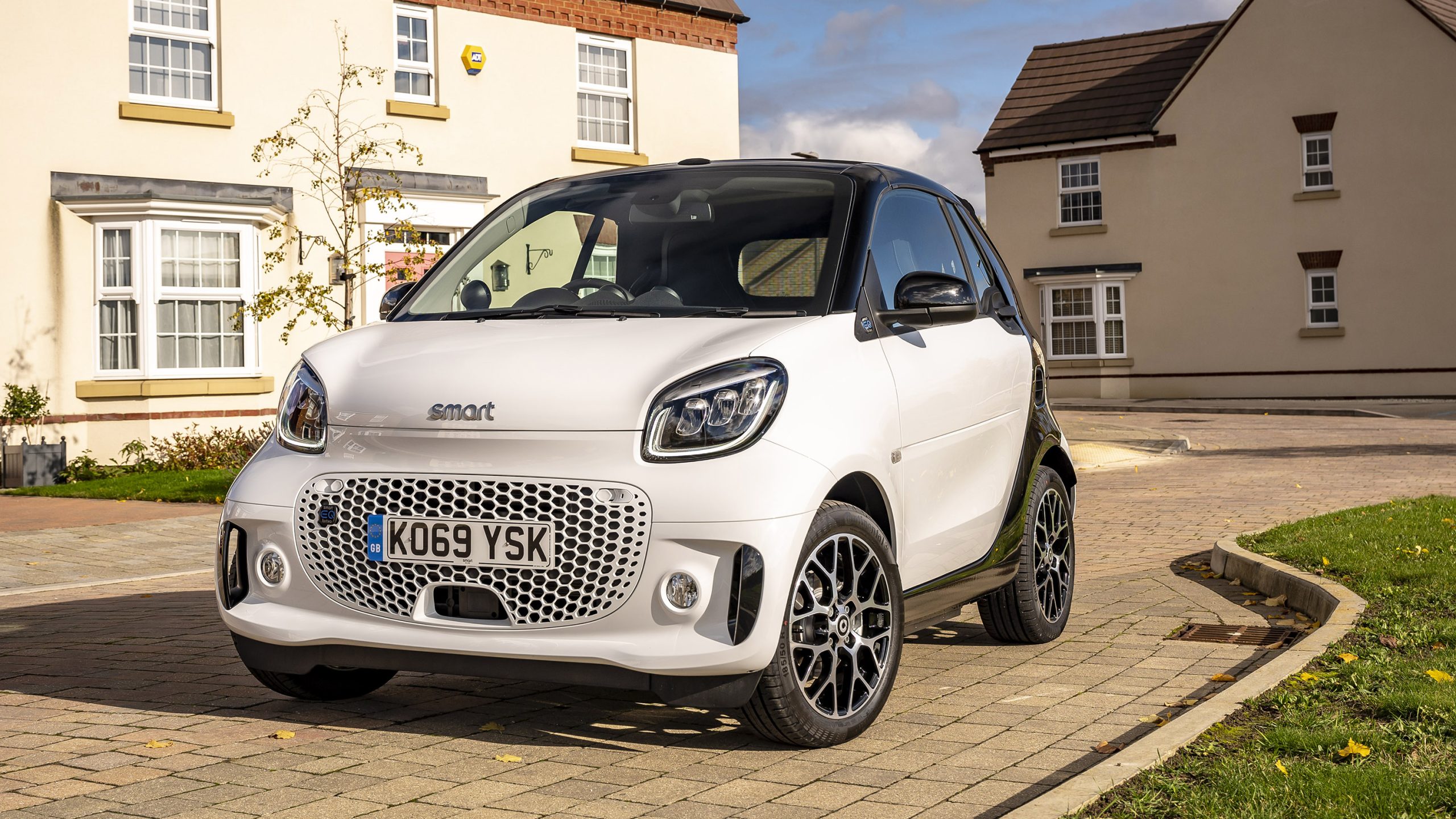
Another benefit of the ForTwo’s wide-opening doors becomes apparent in tight urban parking situations ironically the environment where the car excels.
When parallel parked with limited space to the curb, the wide door angle means drivers can exit even when they’ve parked quite close to the curb.
Similarly, when parked in tight perpendicular spots with adjacent vehicles nearby, the ability to exit through a partially opened door is enhanced by the door’s capacity to open so wide when space permits, giving drivers flexibility in various parking scenarios.
The engineering of the Smart ForTwo’s doors also considers weight and ease of operation. Despite opening to a wide angle, the doors are relatively lightweight, making them easy to open and close an important consideration in a vehicle often used for urban errands involving frequent stops.
The door checks (mechanisms that hold the door at specific opening angles) are well-designed to keep the door secure at various positions, preventing it from swinging shut unexpectedly or opening too far in windy conditions.
The Smart ForTwo proves that wide-opening doors aren’t exclusive to luxury vehicles or engineering showcase models. Sometimes they’re simply the sensible solution to a specific design challenge. In creating an ultra-compact city car that remains practical for real-world users, Smart recognized that door opening angle was crucial to usability.
The wide-opening doors transform what could have been a claustrophobic experience into something manageable, demonstrating that thoughtful attention to details like door angle can make even the smallest vehicles genuinely functional for everyday use. This practical approach to micro-car design helped the Smart ForTwo achieve cult status among urban drivers worldwide.
Also Read: 5 Vehicles That Are Thoughtful vs 5 That Feel Rushed
