
The automotive industry evolves at a breakneck pace, with manufacturers constantly reimagining what the inside of a car should look like. Yet while many interiors feel dated within just a few years, a select few have managed to transcend their era, maintaining a fresh and contemporary appeal long after their debut.
These exceptional designs achieved timelessness through a combination of clean aesthetics, quality materials, forward-thinking technology integration, and a focus on fundamental design principles rather than fleeting trends.
The interiors featured in this list share common characteristics that have allowed them to age gracefully. They eschewed excessive ornamentation in favor of purposeful design, integrated technology in ways that still feel intuitive today, and utilized premium materials that have worn well over time.
Rather than chasing momentary styling fads, these automakers focused on creating spaces that prioritized driver engagement, ergonomic excellence, and a sense of occasion that remains palpable today. From luxury sedans to sports cars, these ten interiors represent the pinnacle of automotive interior design from their respective eras.
They prove that thoughtful design, quality execution, and a clear vision can create cabins that feel just as special today as they did when they first rolled off the production line. Whether you’re sitting in one for the first time or the thousandth, these interiors still have the power to impress and inspire.
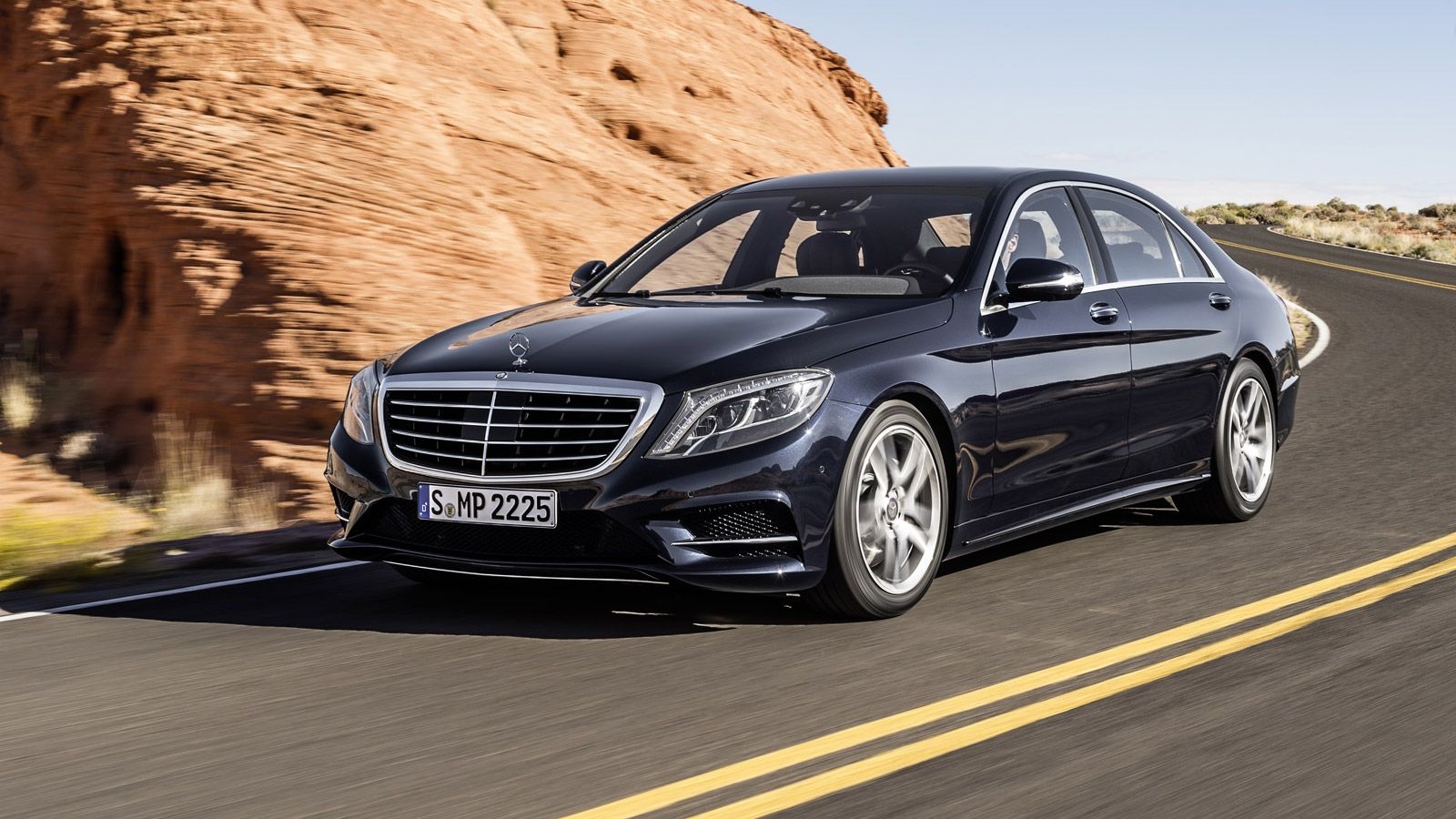
1. 2014 Mercedes-Benz S-Class (W222)
When Mercedes-Benz revealed the W222 S-Class in 2013 for the 2014 model year, it set a new benchmark for luxury car interiors that remains relevant today.
The cabin represented a masterclass in blending traditional luxury with cutting-edge technology, creating an environment that still feels contemporary over a decade later.
The dual-screen setup, with twin 12.3-inch displays forming a seamless digital cockpit, was revolutionary at the time and has since become an industry standard that many manufacturers still emulate.
The S-Class interior’s timelessness stems from Mercedes’ careful balance between opulence and restraint. The dashboard architecture features clean, horizontal lines that create a sense of width and spaciousness, while the high-quality leather, genuine wood trim, and metal accents are applied with precision rather than excess.
The ambient lighting system, offering 64 colors, was groundbreaking when introduced and still impresses today, creating an atmosphere that can shift from business-like to relaxing at the touch of a button.
The attention to detail extends to every touchpoint. The seats, available with multiple massage functions and active bolstering, remain among the most comfortable in the automotive world.
The COMAND infill system, while not as advanced as current MBUX, is still intuitive and responsive. The rotary controller, positioned perfectly on the center console, provides tactile feedback that many touch-only systems lack. Even the air vents, with their sleek metallic finish and precise adjustment mechanisms, feel engineered to last.
What truly keeps the W222 S-Class interior feeling modern is its focus on the fundamentals of luxury: quality materials, exceptional build quality, and thoughtful ergonomics.
The soft-touch surfaces extend to areas other manufacturers might overlook, the switchgear operates with satisfying precision, and the ambiance conveys a sense of occasion.
The integration of technology feels purposeful rather than gimmicky, with features like the Burmester surround sound system and the heads-up display enhancing the experience without overwhelming it. This interior proved that true luxury never goes out of style, and its influence can be seen in luxury cars to this day.
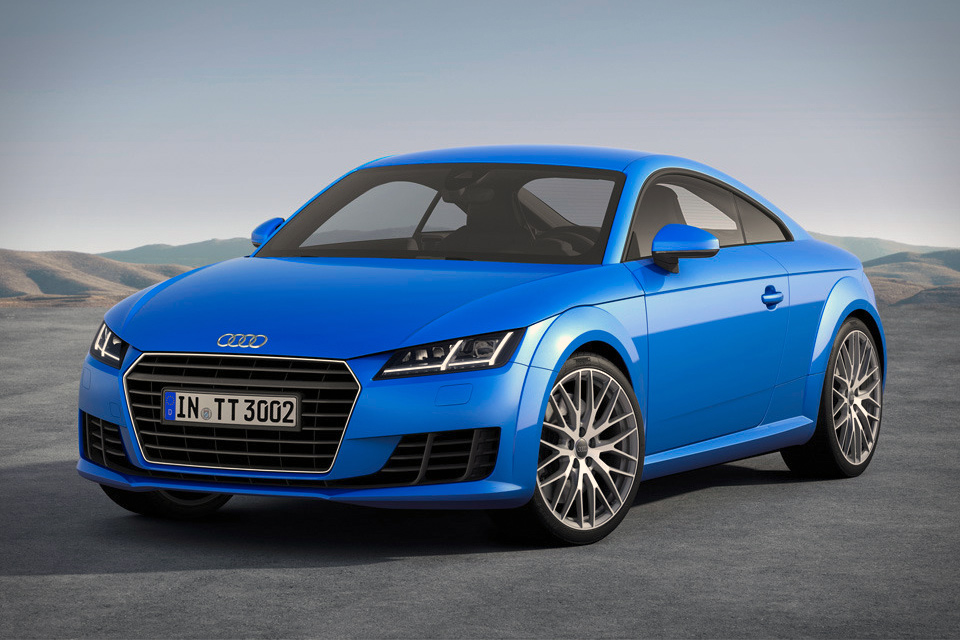
2. 2015 Audi TT (Mk3)
The third-generation Audi TT, launched in 2014 for the 2015 model year, featured one of the most minimalist and driver-focused interiors of its era, and its clean design language has aged remarkably well.
The standout feature is the Virtual Cockpit, a fully digital 12.3-inch instrument cluster that eliminates the need for a separate center infotainment screen.
This bold decision created a cabin that feels uncluttered and focused, with all essential information positioned directly in the driver’s line of sight. Even today, this approach feels fresh and purposeful.
The TT’s interior design philosophy centered on the concept of “less is more,” and this restraint has been key to its longevity. The circular air vents, which have become an Audi hallmark, are beautifully integrated into the dashboard and feature metallic finishes that catch the light elegantly.
The control for these vents is intuitive and satisfying to use, demonstrating that physical controls can be both functional and aesthetically pleasing. The dashboard itself wraps around the driver, creating a cockpit-like feeling that enhances the sports car experience without feeling claustrophobic.
Material quality throughout the cabin is exceptional, with available Nappa leather, aluminum trim, and soft-touch plastics that have worn well over time.
The sport seats provide excellent support during spirited driving while remaining comfortable for longer journeys. The flat-bottomed steering wheel, wrapped in leather with contrast stitching, fits perfectly in hand and features well-placed controls that are easy to operate without taking your eyes off the road.
The build quality is exemplary, with tight panel gaps and a solidity that conveys German engineering excellence. The TT’s interior remains modern because it focused on timeless design principles rather than trendy elements.
The symmetrical dashboard design, the driver-centric layout, and the quality of execution all contribute to an interior that could have been designed yesterday.
The Virtual Cockpit was ahead of its time and has since been adopted across Audi’s lineup and copied by competitors. The minimalist approach to button placement, with most functions controlled through the steering wheel or the MMI rotary controller, keeps the cabin looking clean and uncluttered. This interior demonstrates that sometimes the boldest design choice is knowing what to leave out.
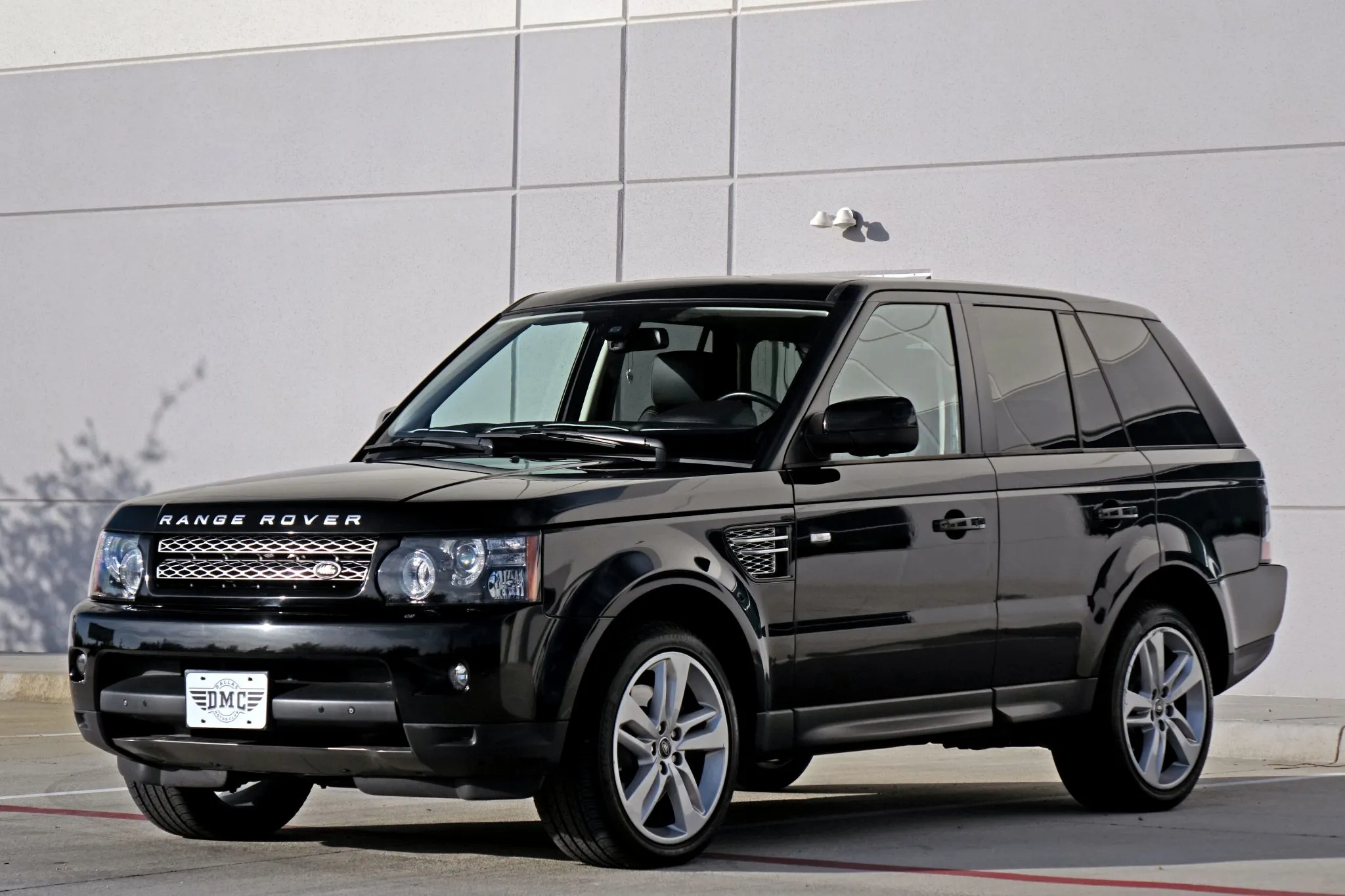
3. 2013 Range Rover (L405)
When Land Rover introduced the fourth-generation Range Rover in 2012 for the 2013 model year, it created an interior that redefined luxury in the SUV segment.
The cabin represents a perfect marriage of British elegance and modern sophistication, with a design that feels just as premium and contemporary today as it did at launch. The use of materials like leather, wood veneer, and aluminum creates a sense of occasion, while the clean, horizontal dashboard design provides a feeling of spaciousness that makes the already large SUV feel even more expansive.
The Range Rover’s interior timelessness comes from its commitment to craftsmanship and attention to detail. The leather upholstery, available in a wide range of colors and finishes, is expertly stitched and feels supple to the touch.
The wood veneers are genuine and beautifully finished, adding warmth to the cabin without feeling old-fashioned. The rotary gear selector, which rises from the center console when you start the vehicle, remains a theatrical touch that never gets old. The commanding seating position provides excellent visibility while maintaining a sense of luxury and comfort.
Technology integration in the L405 Range Rover was thoughtfully executed. The dual-screen infotainment system, with an upper screen for navigation and media and a lower screen for climate and vehicle settings, separates functions logically and remains intuitive to use.
The Meridian audio system delivers exceptional sound quality that still rivals contemporary premium systems. The configurable ambient lighting and the panoramic sunroof create an airy, sophisticated atmosphere. Even the grab handles, traditionally a purely functional element, are beautifully designed and upholstered in leather.
What makes this interior still feel modern is its perfect balance between traditional luxury and contemporary design. There’s nothing overtly trendy that would date the cabin, yet nothing feels staid or old-fashioned. The ergonomics are excellent, with all controls falling easily to hand.
The rear seats offer limousine-like comfort with generous legroom and reclining functions. The ambiance is one of refined elegance, and the quality of materials and assembly means the interior has aged gracefully.
This Range Rover proved that SUV interiors could rival luxury sedans for sophistication and comfort, setting a standard that many have tried but few have matched.
4. 2014 BMW i3
The BMW i3, launched in 2013 as a 2014 model, featured one of the most innovative and sustainable interior designs of its time, and its forward-thinking approach has kept it feeling contemporary.
Built as BMW’s first mass-produced electric vehicle, the i3’s cabin was designed around sustainability and modern living, using materials like eucalyptus wood, kenaf plant fiber, and recycled plastics.
This eco-conscious approach, which seemed novel in 2014, now aligns perfectly with current automotive trends toward sustainable materials and responsible manufacturing.
The interior architecture of the i3 is unlike any other BMW product, featuring a minimalist, open design that maximizes the sense of space. The dashboard is a floating element that appears to hover above the floor, creating an airy feeling that’s enhanced by the large windows and optional panoramic glass roof.
The seats, made from recycled materials and natural fibers, are surprisingly comfortable and supportive. The color palette, featuring light woods and neutral tones, creates a modern, Scandinavian-inspired aesthetic that feels fresh and welcoming rather than cold or sterile.
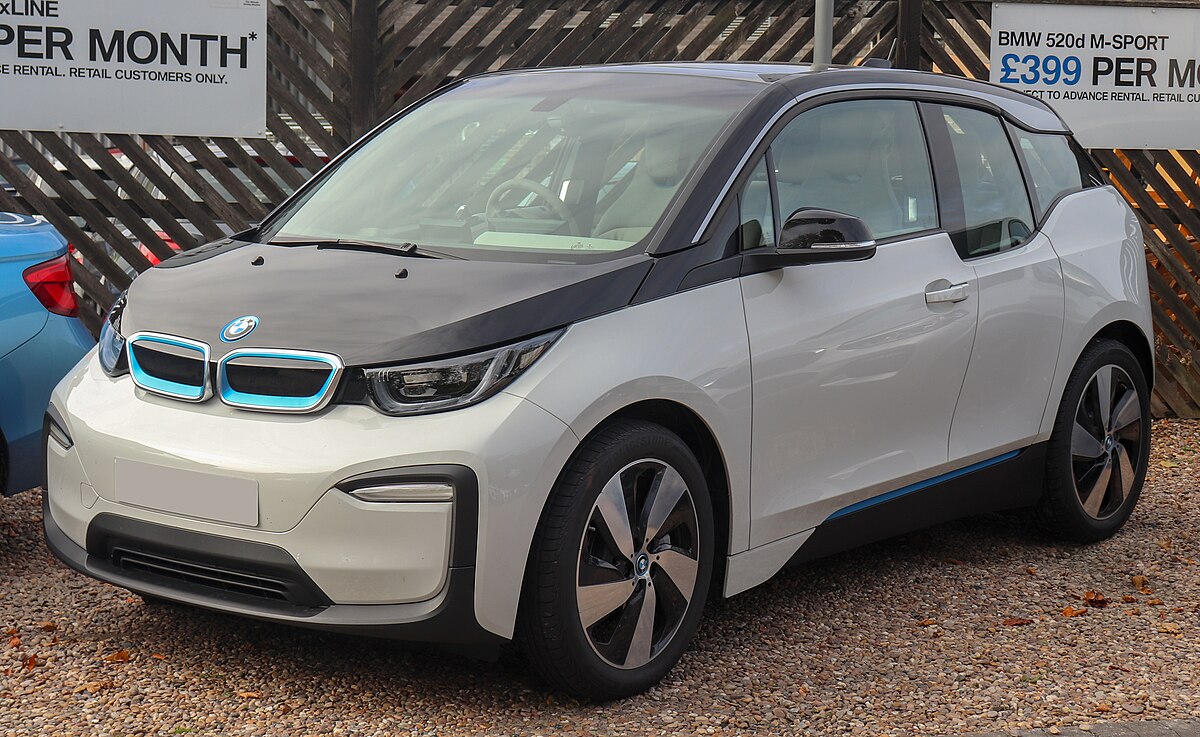
What truly sets the i3’s interior apart is its innovative use of space and materials. The carbon fiber passenger cell is left exposed in areas, celebrating the advanced engineering while adding visual interest.
The rear-hinged back doors, while not unique to the i3, make accessing the rear seats easier and add a distinctive element to the ownership experience.
The digital instrument cluster, though relatively simple compared to modern displays, provides all necessary information in a clear, uncluttered format. The central touchscreen, while smaller than contemporary units, is well-positioned and responds quickly to inputs.
The i3’s interior remains modern because it was genuinely ahead of its time in its approach to materials and design philosophy. The use of sustainable, renewable materials has become increasingly important in automotive design, and the i3 pioneered this approach in a premium vehicle.
The minimalist aesthetic, with its focus on light, space, and natural materials, aligns with current design trends toward simplicity and sustainability. The cabin proves that eco-friendly materials don’t mean compromising on quality or style, and its influence can be seen in many contemporary electric vehicles that have followed in its footsteps.
Also Read: 5 Vehicles That Suit Multi-Driver Homes vs 5 That Don’t
5. 2015 Mazda MX-5 Miata (ND)
The fourth-generation Mazda MX-5 Miata, introduced for the 2016 model year, features an interior that perfectly embodies the “less is more” philosophy.
This cabin is refreshingly simple and driver-focused, eschewing unnecessary technology and features in favor of what matters most in a sports car: the connection between driver, car, and road.
The result is an interior that feels timeless because it prioritizes fundamentals over fads, creating a space that’s just as engaging today as when it was new.
The MX-5’s dashboard design is elegantly simple, with clean lines and a minimalist aesthetic that puts the focus squarely on driving. The three-spoke steering wheel is perfectly sized and positioned, while the instrument cluster provides clear, essential information without distraction.
The infotainment screen, which emerges from the dashboard top, is positioned to minimize the need to look away from the road. While not the largest or most advanced system, it’s responsive and straightforward to use, with physical controls for key functions that are easier to operate while driving than touch interfaces.

Material quality throughout the cabin is impressive, especially considering the MX-5’s accessible price point. The seats, whether cloth or leather, provide excellent support during spirited driving while remaining comfortable for longer journeys. The soft-top mechanism is beautifully engineered, operating smoothly and sealing effectively.
The shifter, a critical touchpoint in any sports car, has a short throw and precise engagement that makes every gear change a pleasure. The pedal placement is perfect for heel-toe downshifts, showing that Mazda sweated every detail for driving enthusiasts.
What keeps the MX-5’s interior feeling modern is its honesty and purity of purpose. There are no gimmicks, no unnecessary screens, no features added just to pad a specification sheet. Every element serves the goal of creating an engaging driving experience.
The low seating position, the perfectly placed controls, and the clear sightlines all contribute to a sense of connection that many modern cars, with their isolation and technological barriers, have lost.
The cabin’s simplicity also means there are fewer elements to date it; clean design, quality materials, and purposeful engineering are timeless. This interior reminds us that sometimes the most modern approach is recognizing what truly matters and executing it flawlessly.
6. 2014 Porsche 911 (991.1)
The 991-generation Porsche 911, launched in 2011 and refreshed for 2014, features an interior that masterfully blends Porsche heritage with contemporary luxury and technology.
The cabin represents an evolution of the classic 911 interior formula, maintaining the iconic five-gauge instrument cluster while integrating modern conveniences and premium materials.
This balance between tradition and innovation has allowed the interior to remain fresh and relevant, feeling neither dated nor disconnected from Porsche’s history.
The dashboard design is quintessentially 911, with a clean, horizontal layout that emphasizes width and the low, sports-car seating position. The center console rises toward the dashboard, creating a cockpit-like environment that wraps around the driver.
The build quality is exceptional, with materials that include high-grade leather, aluminum, carbon fiber, and soft-touch plastics that feel substantial and well-assembled.
The switchgear operates with precision and satisfying tactile feedback, from the window switches to the climate controls. Every surface you touch feels engineered to exacting standards.
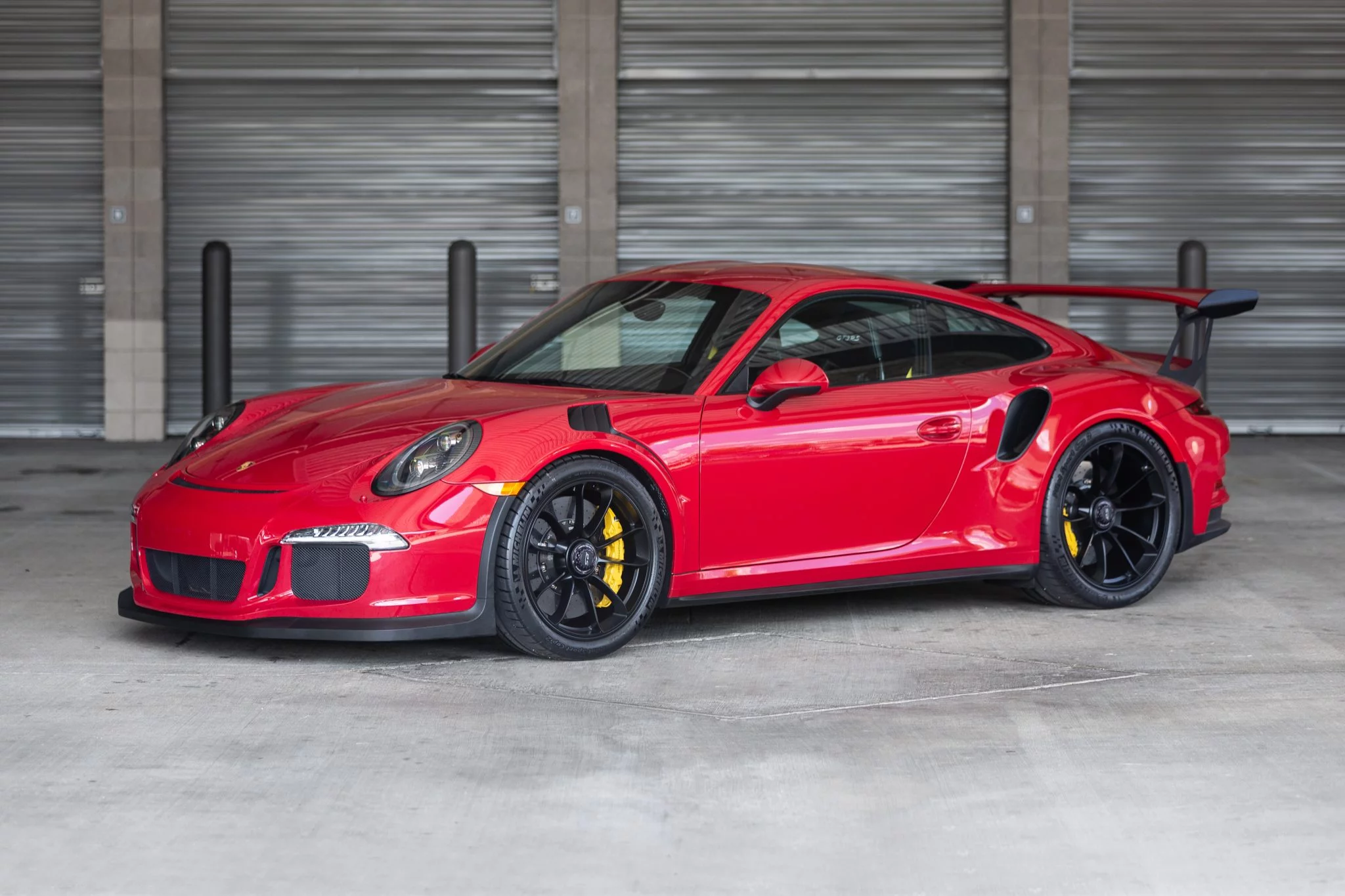
Technology integration in the 991 represents a significant step forward from previous 911 generations while maintaining the car’s driver-focused character.
The PCM (Porsche Communication Management) touchscreen is well-positioned and relatively intuitive, though it retains physical buttons for key functions a design choice that has proven wise as many manufacturers move back from touch-only interfaces. The optional Burmester sound system delivers exceptional audio quality.
The sport seats, whether standard or optional bucket seats, provide excellent support and comfort. The steering wheel, available with the Sport Chrono package, includes a mode switch that allows quick adjustments to the car’s character.
The 991’s interior remains modern because Porsche focused on timeless design principles and quality execution. The five-gauge cluster, while updated with digital displays flanking the central tachometer, maintains the visual connection to 911s past while providing modern functionality.
The materials have aged well, maintaining their appearance and feel over time. The ergonomics are excellent, with all controls logically placed and easy to operate.
The cabin demonstrates that you can honor heritage while embracing modernity, creating an interior that satisfies long-time Porsche enthusiasts while appealing to new customers. It’s a masterclass in evolutionary design that has allowed the interior to remain contemporary and desirable.
7. 2015 Volvo XC90
The second-generation Volvo XC90, introduced for the 2016 model year, marked a renaissance for Volvo design and featured an interior that was immediately recognized as something special.
The cabin introduced Volvo’s Scandinavian-inspired design language, characterized by clean lines, beautiful materials, and a minimalist aesthetic that has proven remarkably enduring. This interior doesn’t just look modern today it established a design direction that has influenced the entire automotive industry’s movement toward simpler, more sophisticated cabin design.
The XC90’s dashboard is a study in restraint and elegance. The vertical orientation of the large touchscreen infotainment system was bold when introduced and remains distinctive today.
While touchscreens have since become ubiquitous, Volvo’s implementation, with its tablet-like interface and logical menu structure, still feels intuitive and modern.
The digital instrument cluster provides clear information in a customizable format, while the head-up display projects key data into the driver’s line of sight. The layout is uncluttered, with physical buttons kept to a minimum, creating a serene environment that reduces driver distraction.
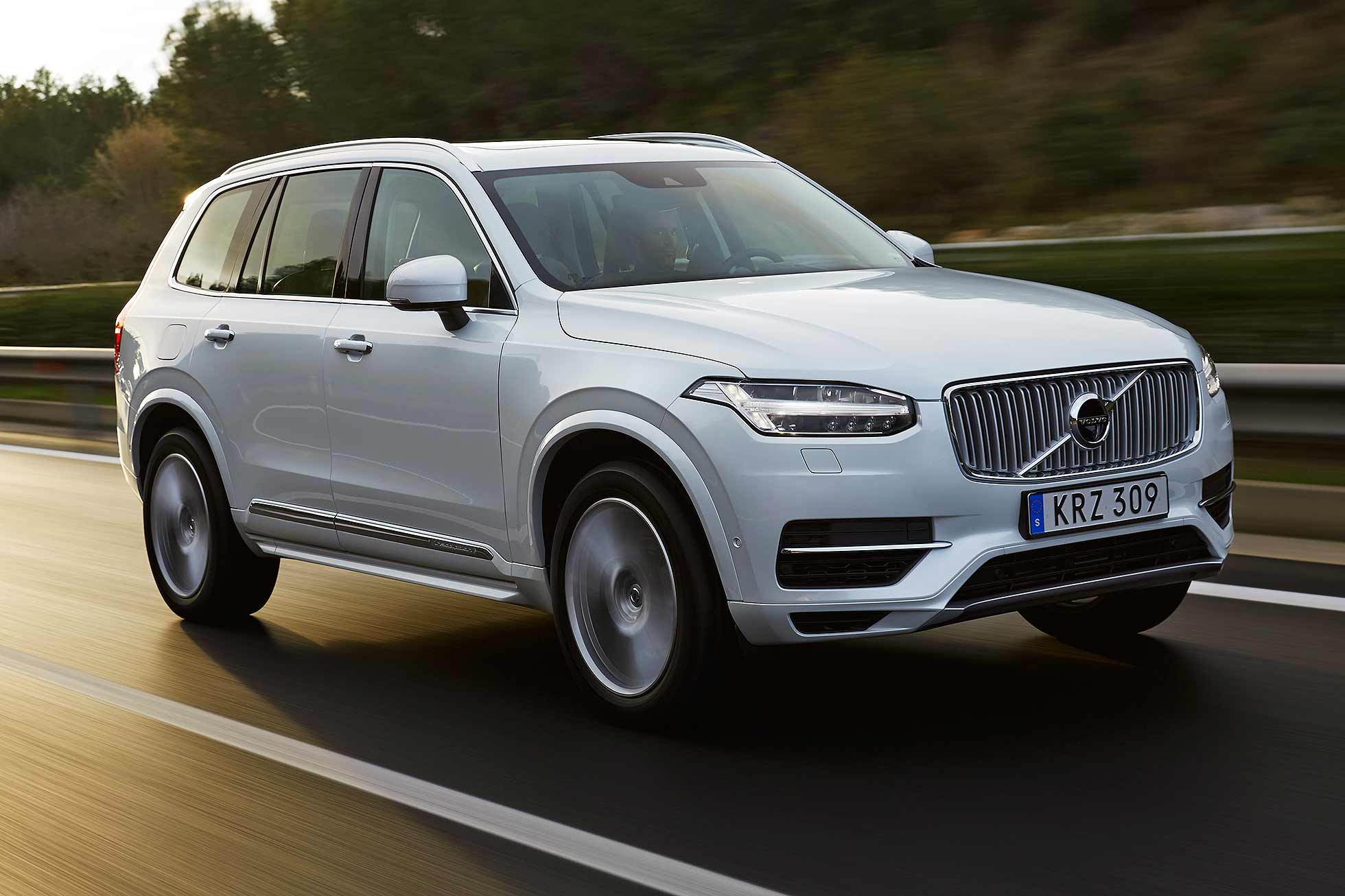
Material quality throughout the cabin is exceptional and represents a significant step up from previous Volvo models. The available Nappa leather is soft and beautifully finished, the wood inlays are genuine and expertly crafted, and the metal trim has a quality feel that raises the entire interior.
The seats, a traditional Volvo strength, are among the most comfortable in the automotive world, with excellent support and available massage and ventilation functions.
The optional crystal gear selector, made by Orrefors, adds a unique touch of Swedish luxury. The ambient lighting, particularly in seven-seat configurations, creates a welcoming atmosphere.
What makes the XC90’s interior still feel modern is its philosophy of “less is more” and its focus on creating a calm, comfortable environment. The Scandinavian design approach, emphasizing natural light, quality materials, and functional simplicity, has become increasingly influential in automotive design.
The Bowers & Wilkins audio system delivers exceptional sound quality that still rivals contemporary premium systems. The panoramic sunroof and large windows create an airy feeling, while the attention to detail from the stitching on the leather to the damping of the door handles demonstrates Volvo’s commitment to quality. This interior proved that luxury doesn’t require excess, and its influence can be seen across the industry today.
8. 2014 Tesla Model S
The Tesla Model S, while continuously updated since its 2012 introduction, featured an interior design in its 2014 iteration that was revolutionary and remains distinctive today.
The massive 17-inch vertical touchscreen dominating the center console was unlike anything else in the automotive world at the time, and while many manufacturers have since adopted large screens, Tesla’s implementation remains one of the most comprehensive.
This interior represented a complete rethinking of automotive cabin design, prioritizing digital interfaces over physical controls in a way that has shaped the entire industry.
The Model S interior’s minimalism was shocking when first introduced. The dashboard is clean and unadorned, with the massive touchscreen controlling virtually every vehicle function from climate to suspension settings to media playback.
The instrument cluster is a digital display providing essential driving information, while the large glass roof creates an open, airy feeling.
The lack of traditional buttons and switches creates a cabin that looks more like a modern living space than a traditional car interior, and this aesthetic has proven influential as the automotive industry moves toward greater digitization.
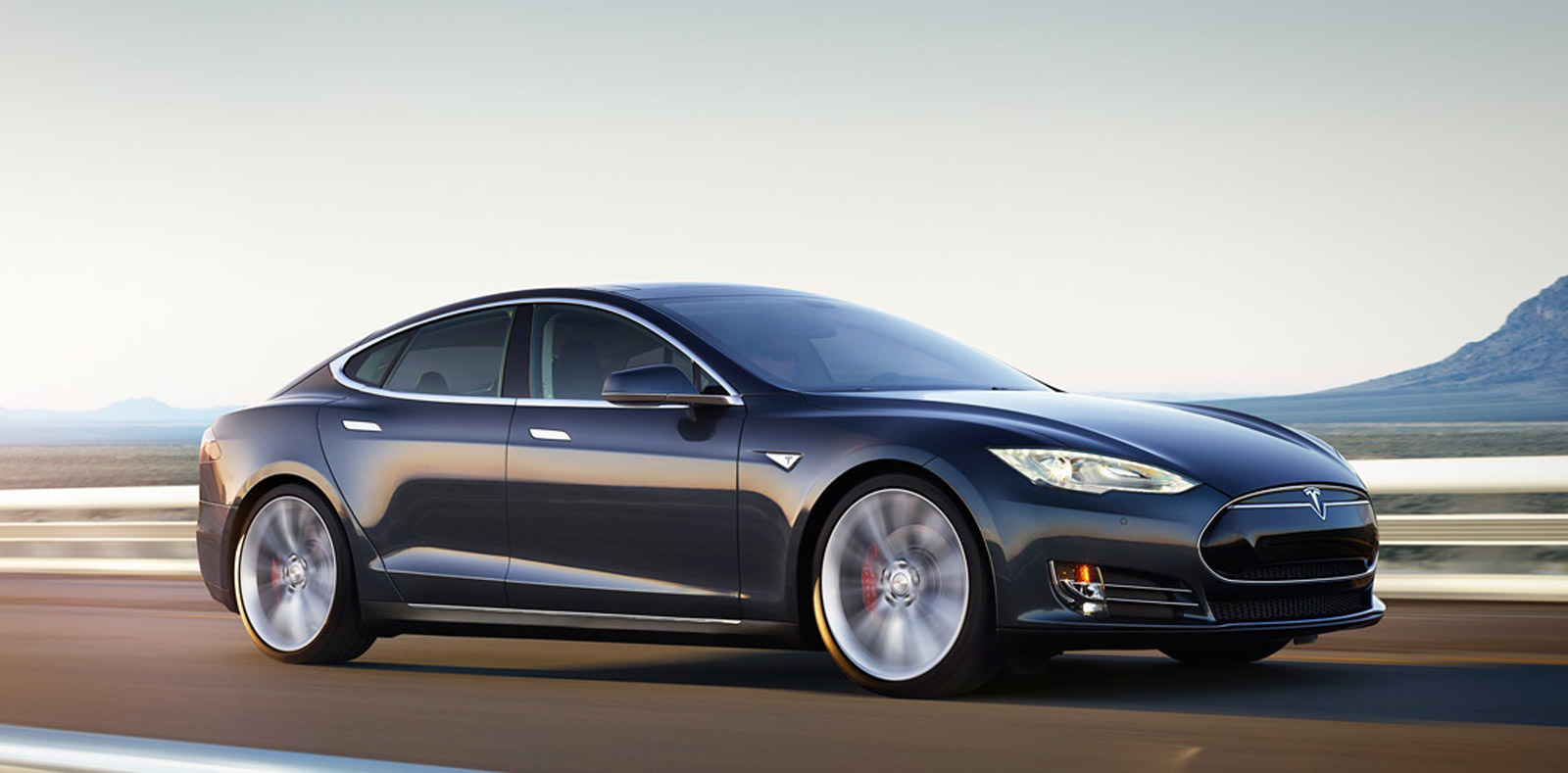
Material quality in the 2014 Model S was good, though not exceptional compared to traditional luxury brands. The seats are comfortable and supportive, available in genuine leather or synthetic options.
The wood trim, while not matching the quality of German luxury competitors, is tastefully applied. The panoramic glass roof, standard on many models, creates a sense of spaciousness and provides excellent visibility.
The rear seats offer generous legroom, and the lack of a transmission tunnel creates a flat floor that enhances comfort for all passengers. The frunk (front trunk) and rear cargo area provide exceptional storage capacity.
The Model S interior remains modern because it anticipated where the automotive industry was heading. The emphasis on the digital interface, the minimalist aesthetic, the large touchscreen all of these elements are now common in new vehicles across all price points.
While the quality of materials and assembly hasn’t matched traditional luxury brands, the design philosophy was forward-thinking and has proven influential.
The over-the-air software updates have allowed Tesla to continuously improve and update the user interface, keeping the experience fresh. This interior demonstrated that electric vehicles could offer a fundamentally different cabin experience, and its influence on automotive interior design cannot be overstated.
9. 2015 Alfa Romeo Giulia Quadrifoglio
The Alfa Romeo Giulia, launched in 2015 with the high-performance Quadrifoglio variant arriving in 2016, features an interior that successfully blends Italian flair with German precision.
The cabin is driver-focused and purposeful, with design elements that celebrate the car’s sporting heritage while incorporating modern technology and materials.
The result is an interior that feels special and engaging, with a character that has allowed it to remain fresh and distinctive nearly a decade after its introduction.
The dashboard design is clean and elegant, with a pronounced central structure housing the infotainment screen and climate controls.
The aluminum shift paddles are beautifully crafted and perfectly positioned, providing satisfying tactile feedback. The steering wheel, with its distinctive design and Quadrifoglio badge, fits perfectly in the hand and telegraphs road information with clarity.
The instrument cluster features a large central tachometer flanked by digital displays, emphasizing the car’s sporting character. The carbon fiber trim on Quadrifoglio models is genuine and expertly applied, adding visual interest and reinforcing the performance credentials.
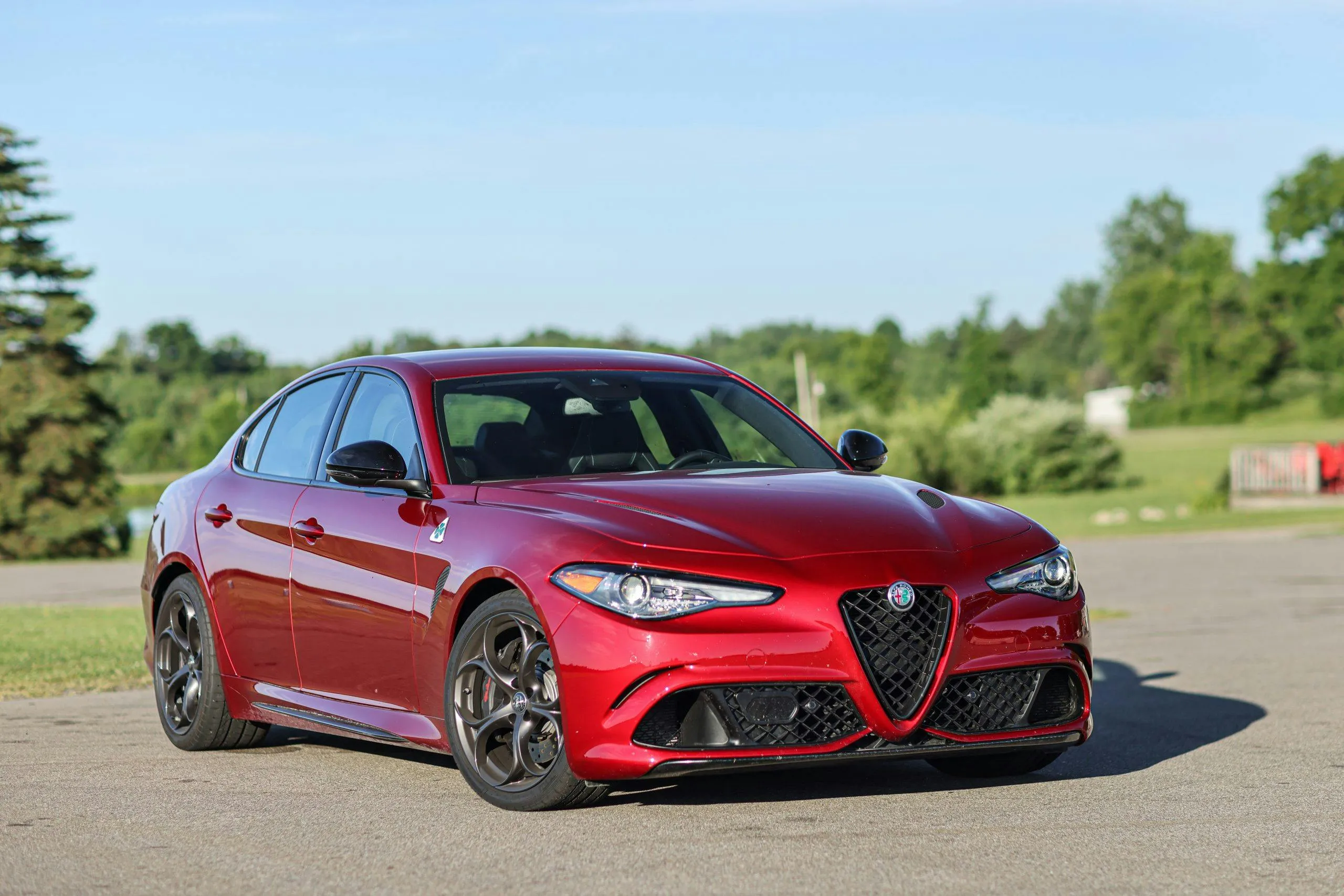
Material qualit2015 Alfa Romeo Giulia Quadrifogliy is impressive throughout the cabin. The available leather is soft and well-stitched, with contrast stitching adding visual interest.
The Alcantara used on performance models provides excellent grip and a premium feel. The seats, whether standard or optional sport buckets, provide excellent support during aggressive driving while remaining comfortable for daily use.
The Harman Kardon audio system delivers sound quality that enhances the driving experience. The build quality, while occasionally criticized at launch, has proven solid over time, and the interior has aged well with proper care.
What keeps the Giulia’s interior feeling modern is its focus on driving engagement and Italian design flair. The DNA selector, controlling the car’s driving modes, is positioned on the steering wheel for easy access.
The thin A-pillars provide excellent visibility. The attention to detail from the traditional Alfa Romeo ignition button to the quality of the metal trim shows that Alfa Romeo sweated the small stuff.
The interior proves that character and personality can coexist with modern functionality, creating a cabin that’s both special and livable. It demonstrates that Italian design, with its emphasis on beauty and emotion, has an enduring appeal that transcends trends.
10. 2014 Lexus RC F
The Lexus RC F, introduced for the 2015 model year, features an interior that combines Japanese craftsmanship with bold design elements and modern technology.
The cabin is both luxurious and sporting, with materials and build quality that rival or exceed German competitors while maintaining a distinctive character that’s unmistakably Lexus.
This interior has aged remarkably well, with its combination of quality, technology, and attention to detail keeping it feeling contemporary and special.
The dashboard design is complex and layered, with multiple levels and textures creating visual interest. The instrument cluster features a movable ring that changes position based on driving mode in Sport mode, it shifts to reveal a more aggressive display.
This theatrical element remains engaging and distinctive. The large touchscreen infotainment system, while not the most intuitive, provides comprehensive functionality.
The Remote Touch controller, though polarizing, offers an alternative to touchscreen operation. The steering wheel, wrapped in leather with available heating, includes well-placed controls for audio and phone functions.
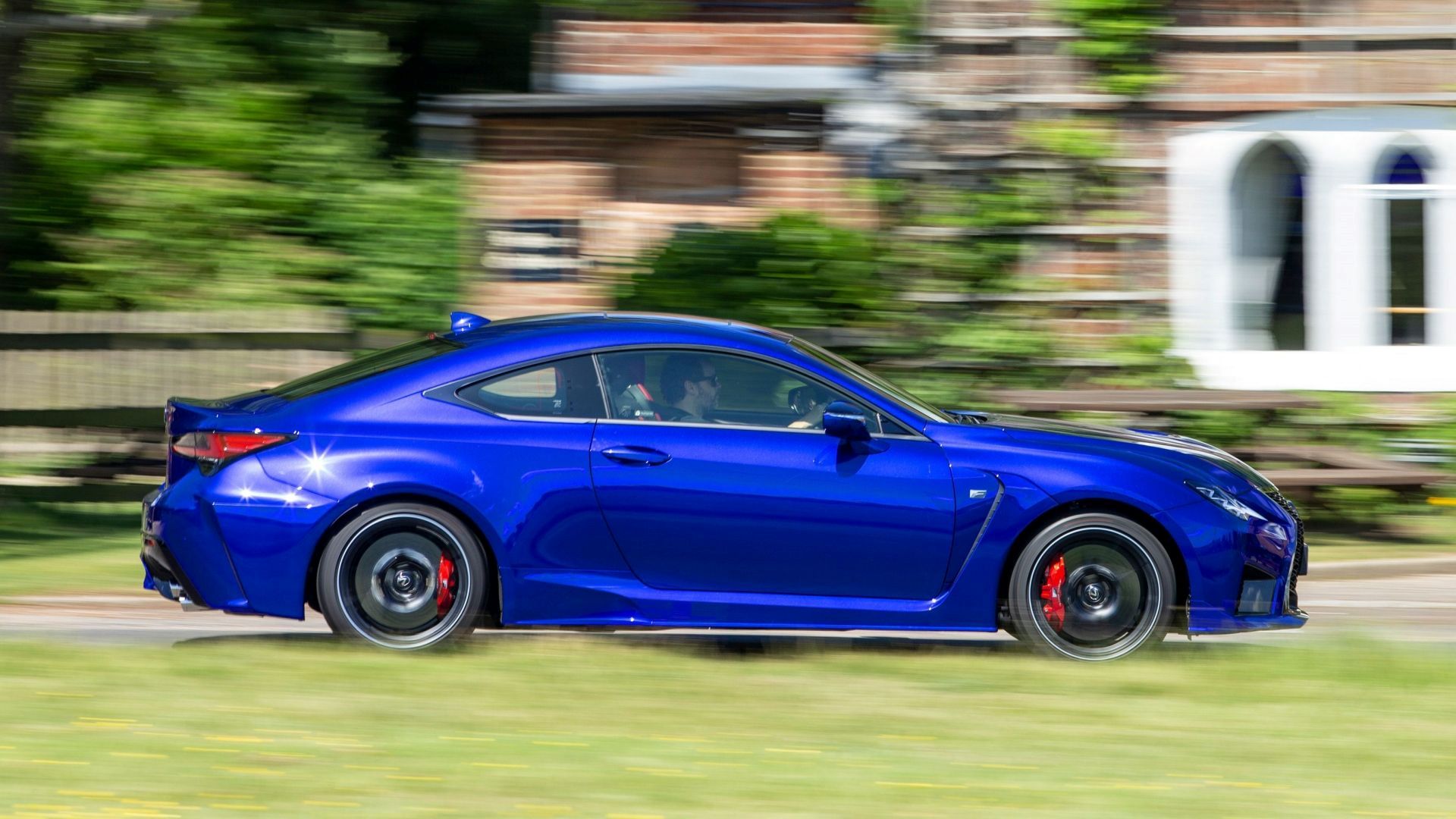
Material quality throughout the cabin is exceptional, showcasing Lexus’s commitment to craftsmanship. The leather is soft and expertly stitched, the carbon fiber trim is genuine, and the Alcantara used on performance models provides excellent grip and a premium feel.
The sport seats provide strong bolstering for track driving while remaining comfortable for daily commuting. The attention to detail is remarkable, from the perfectly damped switchgear to the quality of the metal trim.
The Mark Levinson audio system delivers exceptional sound quality that rivals contemporary premium systems. The analog clock, a Lexus tradition, adds a touch of elegance.
The RC F’s interior remains modern because Lexus prioritized quality and craftsmanship over trendy design elements. The build quality is exemplary, with materials and assembly that have stood the test of time.
The ergonomics are well-considered, with controls falling logically to hand. The rear seats, while tight, are usable for shorter adults or children. The trunk is practical for a performance coupe.
What makes this interior special is the combination of luxury and performance, comfort and capability. It demonstrates that Japanese manufacturers can compete with German rivals in creating driver-focused interiors that don’t sacrifice comfort or quality.
The cabin proves that meticulous attention to detail and uncompromising standards create interiors that remain impressive regardless of age.
Also Read: 5 Hybrids That Hold Up Under Urban Use vs 5 That Don’t
