

Buying a car is one of the most significant financial decisions most people will make in their lifetime, second only to purchasing a home. Whether you’re a first-time buyer going through the process for the very first time or a seasoned vehicle owner looking to upgrade, the marketplace offers a dizzying array of options.
Among the most deliberated choices today is whether to purchase a Certified Pre-Owned (CPO) vehicle through a dealership or to go the more traditional route of buying from a private seller.
Both options have their own distinct advantages, and neither is universally superior. The right choice depends entirely on your personal priorities whether that’s financial savings, peace of mind, flexibility, warranty coverage, or the simplicity of the transaction.
The used car market has evolved dramatically over the past decade, with CPO programs becoming increasingly sophisticated and private seller platforms like CarGurus, Facebook Marketplace, and Craigslist making it easier than ever to connect buyers and sellers directly.
This guide breaks down five compelling reasons to go the CPO route and five equally compelling reasons why buying from a private seller might be the smarter move for your specific situation. By the time you’ve read through both sides, you’ll have a much clearer picture of which path aligns best with your budget, lifestyle, and risk tolerance. Let’s dive in.
5 Reasons to Buy a CPO Vehicle
These exceptionally valuable purchases feature manufacturer-backed warranties and thorough inspection processes perfectly suited for buyers prioritizing peace of mind over maximum savings, providing genuine protection through extended powertrain coverage, included roadside assistance, and certified status guaranteeing that qualified technicians actually inspected and repaired identified issues before sale rather than simply hoping previous owners maintained vehicles properly.
Their compelling advantages include transferable warranties and financing benefits that resist the risks found in private purchases while delivering coverage often rivaling new vehicles for significantly less money, access to manufacturer financing rates unavailable for standard used cars, and return policies or exchange options that private sales never offer protecting against unexpected problems.
1. Comprehensive Warranty Coverage That Protects Your Investment
One of the single most powerful arguments for purchasing a Certified Pre-Owned vehicle is the warranty coverage that comes bundled with it.
Unlike buying a standard used car whether from a dealership lot or a private individual a CPO vehicle comes backed by a manufacturer-approved warranty that can extend well beyond the original factory coverage.
This is not a vague, catch-all promise. It is a structured, documented warranty plan that specifies exactly what is covered, for how long, and under what conditions.
Most major manufacturers offer CPO programs with warranties ranging from one to seven years, with powertrain coverage often extending to 100,000 miles or more.
Toyota, Honda, Ford, BMW, Mercedes-Benz, and virtually every other major automaker have invested heavily in developing CPO programs that are designed to give buyers genuine confidence. When you purchase a CPO vehicle, you’re not crossing your fingers and hoping the transmission holds up.

You’re buying with the assurance that if something goes wrong within the warranty period, the manufacturer or dealership will take responsibility for the repair costs.
This matters enormously when you consider the financial risk involved in any used car purchase. A single major mechanical failure a blown engine, a faulty transmission, a failed differential can cost thousands of dollars to repair.
Without warranty coverage, that cost falls entirely on the buyer. With a CPO warranty, you are shielded from those unexpected, budget-breaking expenses, at least for the duration of the coverage period.
Beyond the basic warranty, many CPO programs include additional perks like roadside assistance, complimentary maintenance visits, and even loaner vehicles while your car is being serviced.
These extras add real, tangible value to the purchase. For buyers who prioritize financial predictability and want to avoid the stress of sudden, large repair bills, the warranty coverage that comes with a CPO vehicle is worth every penny of the price premium. It transforms a used car purchase from a gamble into a calculated, protected investment.
2. Rigorous Multi-Point Inspection Process
When a vehicle enters a manufacturer’s CPO program, it doesn’t simply receive a new sticker and a higher price tag. It goes through a meticulous, multi-point inspection process conducted by certified technicians who are specifically trained on that make and model.
This inspection process is one of the defining features that separates a CPO vehicle from an ordinary used car, and it’s a major reason why so many buyers are willing to pay more for the CPO designation.
Depending on the manufacturer, a CPO inspection can involve anywhere from 100 to 300 individual checkpoints. Technicians examine everything from the engine and transmission to the braking system, suspension components, electrical systems, interior features, exterior body panels, and even the condition of the tires and windshield.
Any component that doesn’t meet the manufacturer’s strict standards must be repaired or replaced before the vehicle can receive CPO certification. This means that by the time a CPO car reaches the sales floor, it has already been thoroughly vetted and brought up to a defined standard of quality.
This level of scrutiny is something a private seller simply cannot replicate. Even the most well-intentioned private seller may not be aware of every mechanical issue their vehicle has.
They may have grown accustomed to a subtle vibration or an occasional warning light that they’ve dismissed as minor but that could indicate a more serious underlying problem. A CPO inspection eliminates that uncertainty by having trained professionals systematically evaluate every major system in the vehicle.
For buyers who lack the mechanical knowledge to assess a used car themselves or who don’t want to pay for an independent pre-purchase inspection the CPO multi-point inspection provides a credible, structured alternative.
It’s a built-in quality assurance process that gives buyers meaningful protection and confidence before they ever sign the paperwork.
3. Access to Vehicle History Reports and Transparent Documentation
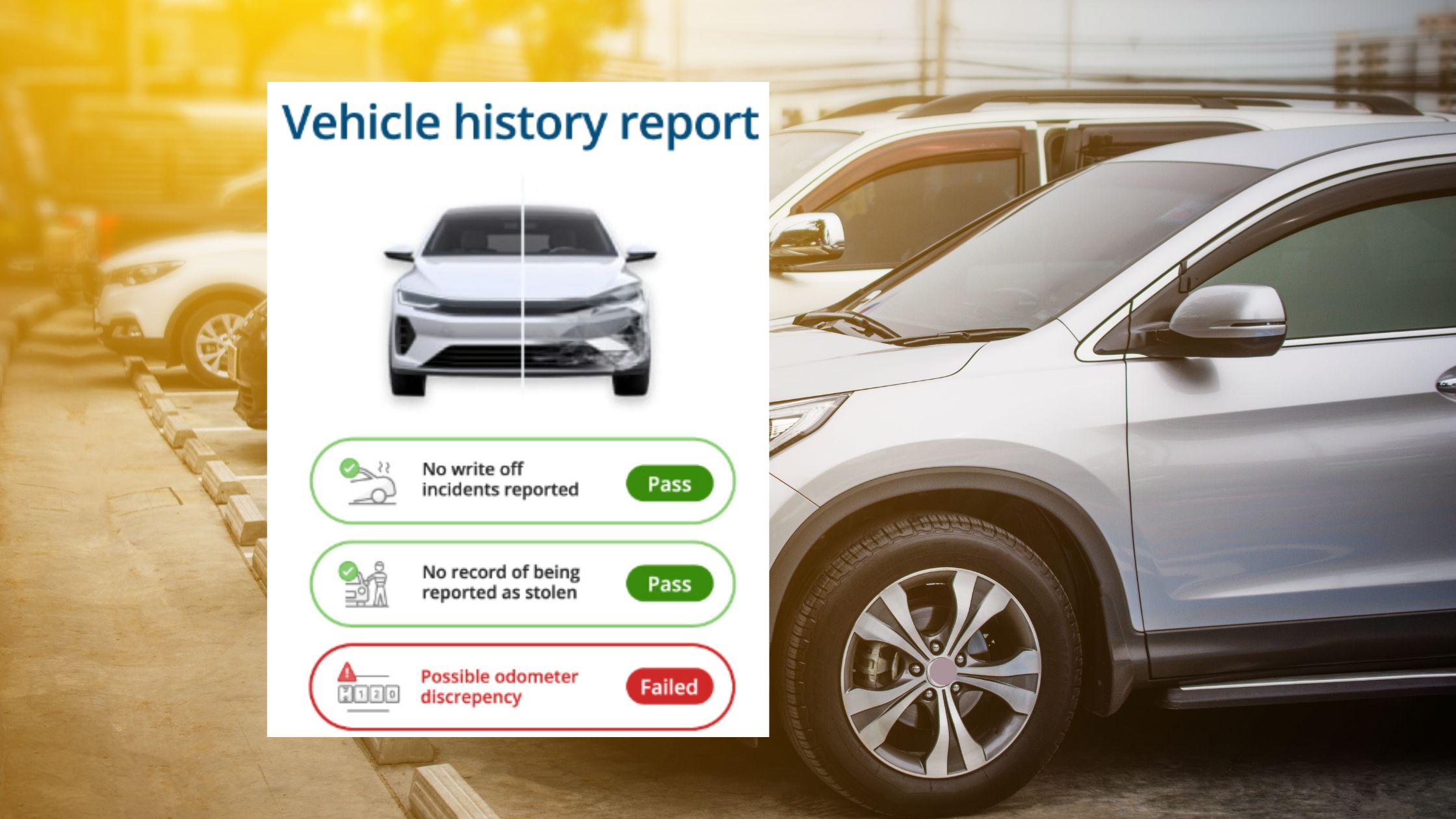
Transparency is a cornerstone of the CPO buying experience. When you purchase a Certified Pre-Owned vehicle, the dealership is required to provide you with a full vehicle history report typically through services like Carfax or AutoCheck that documents the car’s ownership history, accident records, service visits, mileage readings, and title status.
This documentation removes much of the guesswork that often accompanies used car purchases and allows buyers to make a genuinely informed decision.
Knowing a vehicle’s history is critically important. A car that has been involved in a major accident, even if repaired to a high standard, may have structural weaknesses or alignment issues that affect its long-term reliability and resale value.
A vehicle with multiple previous owners in a short period of time may indicate recurring mechanical problems. Discrepancies between reported and actual mileage a practice known as odometer fraud is more common than many buyers realize and can have serious financial and safety implications.
CPO programs are designed to filter out vehicles with problematic histories before they ever reach the certification stage. Most manufacturers set strict eligibility criteria for CPO certification, including limits on vehicle age, maximum mileage, the number of previous owners, and accident history.
A vehicle with a salvage title or a history of severe flood or fire damage simply cannot qualify for CPO certification under any reputable manufacturer’s program. This pre-screening process adds another meaningful layer of protection for the buyer.
Beyond the vehicle history report, CPO purchases also come with clear, transparent paperwork related to the warranty terms, inspection results, and any repairs or replacements that were made during the certification process.
This level of documentation gives buyers a complete picture of what they’re purchasing, which is something that is very difficult to replicate in a private party transaction where documentation is often incomplete, informal, or entirely absent.
4. Financing Options and Manufacturer Incentives
One of the practical advantages that often gets overlooked in the CPO versus private seller debate is the significantly better access to financing that CPO buyers enjoy.
When you purchase a CPO vehicle through a franchised dealership, you gain access to manufacturer-sponsored financing programs that frequently offer interest rates well below what a bank or credit union might extend for a private party used car loan.
These manufacturer incentives are a deliberate tool automakers use to move CPO inventory, and savvy buyers can leverage them for significant savings over the life of a loan.
For example, Toyota Financial Services, Honda Financial Services, and similar captive lenders often run promotional CPO financing events that feature APR rates as low as 1.9% or even 0.9% for well-qualified buyers.
These rates are comparable to and sometimes better than what you’d find on a new car. When spread across a 48 or 60-month loan, even a modest difference in interest rate can translate into hundreds or thousands of dollars in savings over the full repayment period.
Private party purchases, by contrast, are typically financed through personal bank loans or credit unions, which tend to carry higher interest rates for used vehicles and are subject to stricter lending criteria based on the age and mileage of the car.
Some lenders will not finance vehicles above a certain age or mileage threshold at all, which can limit your options when buying privately.
Additionally, CPO dealerships often offer certified financing specialists on-site who can help buyers explore multiple lending options, understand their monthly payment obligations, and structure a deal that fits their budget.
For first-time buyers or those with complicated financial situations, having this professional guidance available in one location is a genuine convenience that adds real value to the CPO buying experience beyond the vehicle itself.
Also Read: 5 Manual Transmission Cars That Are Easy to Learn on vs 5 With Finicky Clutches
5. Peace of Mind and a Standardized Buying Experience
Perhaps the most underrated benefit of buying a CPO vehicle is the intangible but very real sense of peace of mind it provides. Buying a used car from a private seller can be a nerve-wracking experience.
You’re often meeting strangers, evaluating a vehicle based on a brief test drive and a quick visual inspection, and making a significant financial decision with limited information and no safety net. The CPO buying experience is structured specifically to eliminate that anxiety.
Dealerships that sell CPO vehicles operate within a regulated, accountable framework. They are subject to state consumer protection laws, manufacturer program guidelines, and franchise agreements that impose standards of conduct and quality.
If something goes wrong after the sale, you have a formal channel through which to seek resolution the dealership, the manufacturer’s customer service department, and potentially the manufacturer’s dispute resolution process. This accountability is something a private seller simply cannot offer.
The standardized buying experience also extends to the physical environment and the process itself. CPO dealerships provide test drives, detailed feature walkthroughs, and knowledgeable sales staff who can answer questions about the vehicle’s history, the warranty terms, and the certification process.
You can take your time, ask for documentation, and compare multiple vehicles in the same location without the logistical challenges of scheduling appointments with multiple private sellers across different locations.
For buyers who are not particularly experienced with cars, who are buying on behalf of a family member, or who simply want to minimize the risk and stress involved in a major purchase, the CPO model offers a buying experience that is as close to purchasing a new car as the used market can provide. That peace of mind has genuine financial value, particularly when it prevents a costly mistake.
5 Reasons to Buy From a Private Seller
These potentially rewarding purchases feature significant cost savings and transparent ownership history perfectly suited for knowledgeable buyers comfortable evaluating vehicles independently, providing substantial financial advantages through prices thousands below dealer certified equivalents, direct access to original owners who provide honest maintenance history and vehicle-specific quirks that dealerships never disclose, and flexibility negotiating without dealer overhead or certification premium markups.
Their compelling advantages include lower pricing and honest communication that resist the institutional costs found in dealership purchases while delivering opportunities to inspect maintenance records directly, meet actual owners who answer specific questions about vehicle history and address concerns honestly, and negotiate freely without sales tactics or mandatory add-ons that inflate dealership pricing.
1. Lower Purchase Price and Room to Negotiate
If saving money is your primary objective, the private seller market is almost always going to deliver the lower purchase price. When you buy from a dealership CPO or otherwise you are paying for overhead.
Dealerships employ salespeople, finance managers, service technicians, and administrative staff. They maintain large physical lots, invest in advertising, pay franchise fees, and operate with a profit margin built into every vehicle they sell. All of that cost is baked into the sticker price, and the buyer ultimately absorbs it.
Private sellers, by contrast, have none of that overhead. They’re individuals who simply want to sell their car and move on. Their pricing is often based on a quick Kelley Blue Book search or a scan of comparable listings in their area, and because they are not operating a business, they are frequently more flexible on price than a dealership would be.
It is not uncommon to find private party listings priced 10% to 20% below comparable CPO or dealer-listed vehicles of the same make, model, year, and mileage.
Beyond the listed price, private sellers are typically more open to direct negotiation. A conversation that might be scripted and managed by a professional sales team at a dealership becomes a genuine, person-to-person exchange with a private seller.
You can ask questions, point out minor flaws, reference comparable listings, and make offers without going through the multiple layers of approval and back-and-forth with a finance office.
For buyers who have done their research, know what a fair price looks like, and are comfortable negotiating, the private market offers tremendous value.
The money saved on the purchase price can be set aside as an emergency fund for potential repairs, invested in a comprehensive independent inspection before buying, or simply kept in your pocket all of which represent smart financial decisions for the informed buyer.
2. No Dealer Fees or Add-On Costs
One of the most frustrating aspects of buying from a dealership CPO or otherwise is the proliferation of additional fees that can add hundreds or even thousands of dollars to the final purchase price.
Documentation fees, dealer preparation fees, advertising fees, title and registration fees, and various other charges are standard practice at most dealerships. In some states, documentation fees alone can legally reach $700 to $1,000 or more, and dealers are under no obligation to waive them.
On top of those fees, dealership finance offices are well-known for upselling extended warranties, paint protection packages, fabric protection treatments, gap insurance, and tire and wheel protection plans.
Some of these products have genuine value; many do not. And because they are typically presented in the context of a monthly payment rather than a total cost, buyers often underestimate how much these add-ons are actually costing them over the life of the loan.
Private seller transactions are clean. You agree on a price, you pay that price, and you handle your own registration and title transfer through your local DMV. There are no documentation fees, no dealer prep charges, no upselling.
The total cost of the transaction is exactly what you and the seller agreed upon, plus whatever government fees are required for registration costs that you’d face regardless of where you bought the car.
For buyers who are disciplined about their budget and who have done enough research to know what add-ons are worth purchasing independently such as gap insurance through their own auto insurer, which is typically far cheaper than the dealer version the private party route keeps the transaction simple, transparent, and free from the financial pressure tactics that are a routine part of the dealership experience. The savings on fees alone can sometimes justify the additional due diligence required when buying privately.
3. Direct Access to the Vehicle’s Real History From the Owner
When you buy from a private seller, especially one who has owned the vehicle for several years, you have access to something no dealership can offer: firsthand, unfiltered knowledge of the car’s actual history.
The current owner knows exactly how the car was driven, where it was driven, how it was maintained, and what problems if any it has experienced. That kind of qualitative information is invaluable and simply cannot be captured in a Carfax report.
A vehicle history report can tell you that the car had a routine oil change at 35,000 miles, but it can’t tell you that the previous dealership owner was meticulous about using synthetic oil, always changed the filter on schedule, never pushed the engine hard, and kept the car garaged every winter.
Conversely, it may not catch a mechanical issue that was repaired out-of-pocket by a mechanically inclined owner who never took it to a shop a fact you’d only discover through a direct conversation.
Private sellers who are transparent and honest are a tremendous resource for this kind of nuanced information. You can ask them directly: Why are you selling? Has anything major broken in the time you’ve owned it? Are there any quirks or issues I should know about? How was the car primarily used highway commuting, city driving, or occasional recreational use? Were all services performed on schedule? These are questions that reveal the true character of a vehicle in ways that no formal documentation can.
Many private sellers are emotionally attached to their cars and genuinely want them to go to a good owner who will appreciate and care for them.
That emotional investment often translates into honesty about the vehicle’s condition, full disclosure of known issues, and a willingness to provide service records, receipts, and other documentation that paints a comprehensive picture of the car’s life.
Combined with a professional pre-purchase inspection, this direct access to the owner’s knowledge can make buying privately one of the most informed purchasing decisions you can make.
4. Wider Selection and Access to Unique or Discontinued Models
The private seller market is vast, decentralized, and diverse in a way that no dealership network can match. When you limit your search to CPO vehicles, you are automatically restricting yourself to vehicles that meet strict eligibility requirements typically no older than five to seven years, under a certain mileage threshold, and offered only by franchised dealerships that carry that specific brand.
This eliminates an enormous portion of the used car market and can make finding specific configurations, colors, packages, or generations of a vehicle quite difficult.
Private sellers, by contrast, offer virtually unlimited variety. Whether you’re searching for a third-generation Toyota Tacoma with a manual transmission and a specific trim package, a low-mileage example of a recently discontinued model, a classic vehicle with period-correct modifications, or simply a specific combination of color and options that the local CPO inventory doesn’t have, the private market is where you’re most likely to find it.
Online platforms have made this search easier than ever. Websites like Facebook Marketplace, Craigslist, AutoTrader, and Cars.com aggregate tens of thousands of private listings across every region of the country, making it possible to search nationally for exactly the vehicle you want and arrange for a third-party inspection or transport if necessary.
This reach gives buyers access to a depth of selection that no single dealership or regional CPO network can come close to matching.
For enthusiasts, collectors, or buyers with very specific requirements, the private market is not just a financial alternative, it’s often the only realistic option.
The CPO ecosystem is built around popular, late-model vehicles in good condition, which is perfect for many buyers but leaves a significant portion of the market completely unserved.
If your ideal car is more than seven years old, has higher mileage, or belongs to a niche segment, you’ll almost certainly find better options and better value through private sellers than through any CPO program.
5. Simpler, Faster Transaction With Less Sales Pressure
Anyone who has spent an afternoon at a car dealership knows that the experience, even at its best, can be exhausting. Between the test drive, the appraisal of your trade-in, the back-and-forth negotiation with the sales team, the wait while the finance manager prepares paperwork, and the finance office presentation of add-on products, a dealership transaction can easily consume an entire day and sometimes two.
The process is designed to keep you engaged and emotionally invested long enough to make a decision, and the sales environment is structured to maximize the dealership’s revenue at every stage.
Buying from a private seller is fundamentally different. You contact the seller, arrange a time to view the vehicle, conduct your inspection and test drive, negotiate directly, and shake hands on a deal often in a single afternoon.
If you’ve arranged financing in advance through your bank or credit union and had the car inspected by an independent mechanic, the entire process from initial contact to signed title can be completed in a matter of hours. There is no finance office, no upselling, no four-square worksheet, and no pressure to decide before the end of the business day.

For buyers who value their time, who dislike high-pressure sales environments, or who have done enough research to feel confident making decisions independently, the private seller transaction is refreshingly direct.
The relationship is simple: you want a car, they want to sell it, and the two of you work out an arrangement that satisfies both parties.
There are no corporate scripts, no commission-motivated sales techniques, and no institutional pressure to upgrade your trim level or extend your loan term.
This simplicity doesn’t mean the process is without risk; due diligence is always essential, but for the prepared, informed buyer, the private sale experience can be genuinely enjoyable.
It’s a straightforward exchange between two individuals, and that human directness has a certain appeal that no amount of dealership professionalism can fully replicate.
Also Read: Top 10 Inline Four Engines Known for Extraordinary Reliability
